
Halifax Traders Down Jacket OEM From 100 Units
Develop a halifax traders down jacket with OEM, ODM, and private-label support, fit-focused XS–3XL grading, and scalable global production.
Featured Products for halifax traders down jacket Development


Related Halifax Traders Down Jacket Catalogue & Quotation


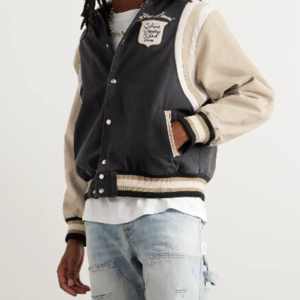


Halifax Traders Down Jacket OEM Advantages
From capsule launches to repeat bulk programs, JUNSHEEN combines fit-led development, private-label execution, reliable quality control, and export support.
100-Unit MOQ
Launch a Halifax Traders down jacket capsule from 100 units per style and color, then scale proven designs into ongoing bulk production.
Technical Fit Development
Pattern makers refine insulation allowance, shoulder balance, sleeve mobility, and XS–3XL grading for consistent outerwear fit across your size range.
Private-Label Finishing
Complete each program with custom labels, hang tags, zippers, snaps, drawcords, embroidery, printing, branded packaging, and tailored wash-care details.
Scalable Factory Capacity
Supported by 200+ skilled workers and 80,000+ monthly units, JUNSHEEN can move successful down jacket programs beyond initial orders.
Export-Ready Quality Control
Incoming materials, in-line construction, measurements, decoration, and final packed goods are inspected to support dependable global delivery standards.
Apparel Categories We Manufacture
From first samples to repeat bulk orders, Junsheen produces fit-focused casualwear, denim, knitwear and outerwear from 100 units per style and color.
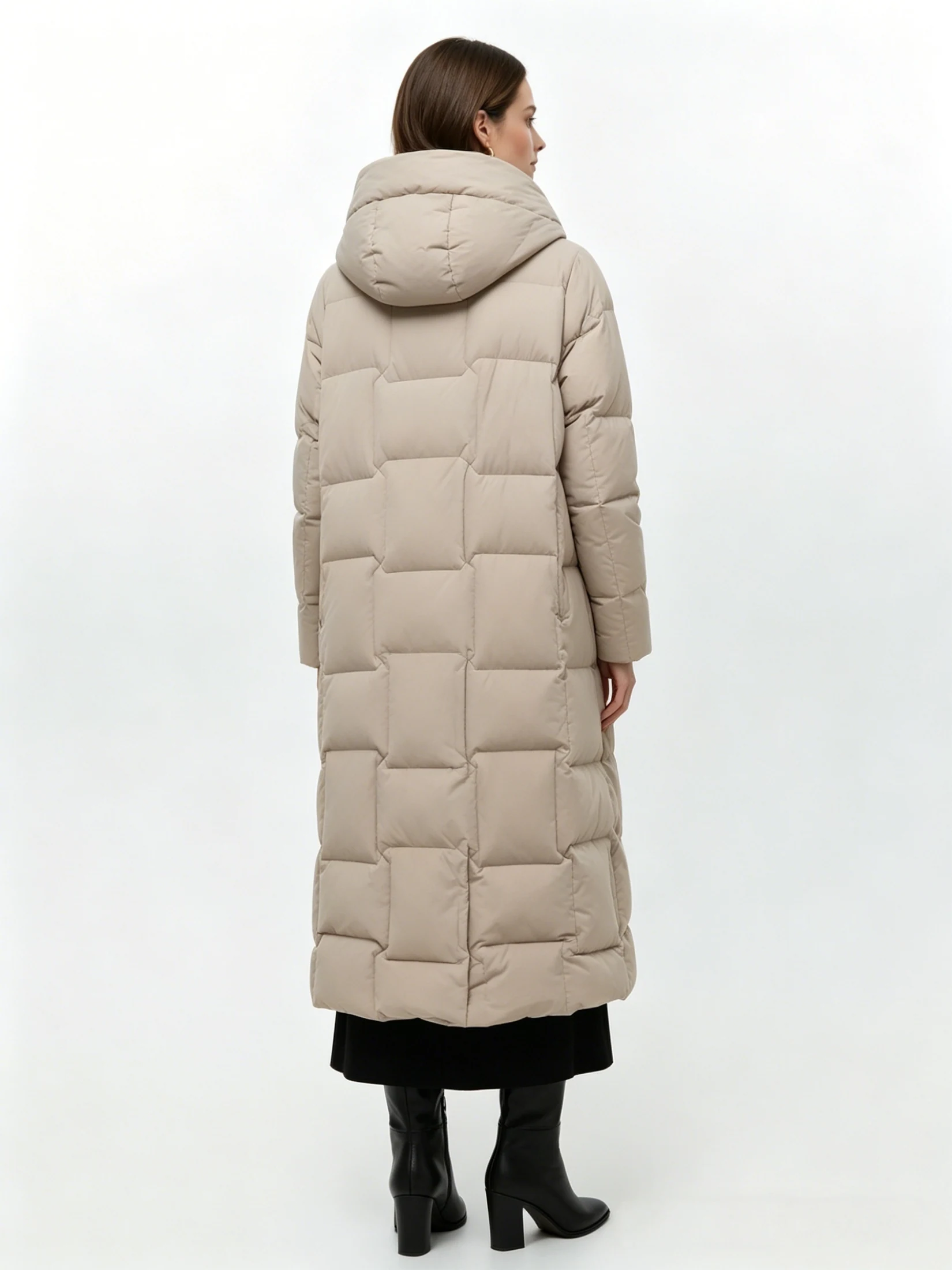
Custom Hoodies
Develop custom hoodies in fleece, French terry or jersey with refined XS–3XL grading, oversized proportions, embroidery, screen printing, washes and fully branded labels. We support tech-pack production, reference samples and development from an initial concept.
Request a Quote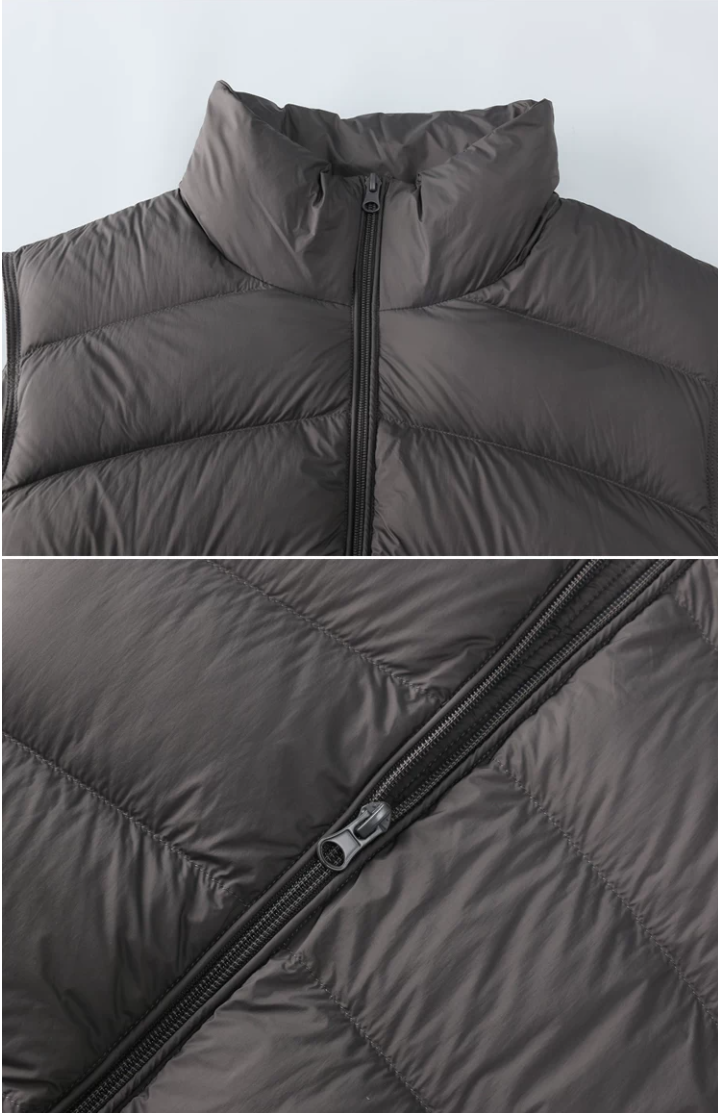
Custom T-Shirts
Produce custom T-shirts in cotton, Pima cotton, organic cotton and blended jersey, matched to your target weight, hand feel and price point. Pattern development, size grading, screen printing, DTG, DTF, embroidery and private-label finishing are coordinated in one workflow.
Request a Quote
Custom Jeans
Manufacture custom jeans in rigid, stretch or recycled denim with buyer-approved fits, rises, washes and hardware. Junsheen develops patterns and grades from XS–3XL, then manages distressing, garment washes, labels, trims and packed-goods inspection for production consistency.
Request a Quote
Custom Sweaters
Source turtle neck sweater bulk programs in suitable yarns and constructions, including cotton blends, wool blends and performance knits. We develop neck shape, body balance, sleeve length and grading, then produce samples and scalable replenishment orders with branded trims.
Request a Quote
Custom Jackets
Create custom jean jackets and other woven jacket programs with fit, wash and trim details aligned to your brand. Our team supports denim and twill sourcing, pattern making, embroidery or printing, custom hardware, labels and low-MOQ sampling before bulk production.
Request a Quote
Custom Sweatshirts & Crewnecks
Build custom crewneck hoodie and sweatshirt programs in fleece, French terry and jersey. We refine rib proportions, shoulder balance, body length and grade rules for standard, extended-size or oversized fits, with printing, embroidery, washing and private-label options.
Request a Quote
Custom Cardigans
Develop custom cardigans across knitted yarn weights and gauges for seasonal assortments. Junsheen manages fit development, button or zipper selection, rib trims, labels and packaging, helping buyers move from a sketch or reference garment to an approved bulk specification.
Request a Quote
Custom Puffer & Down Jackets
Manufacture custom puffer jackets with shell, lining, insulation, quilting and hardware selected for the intended market. We support fit refinement, extended sizing, custom zippers and labels, sampling and quality checks so outerwear programs can scale from 100 units per style and color.
Request a Quote
Custom Denim Shorts
Produce custom jean shorts in rigid or stretch denim with controlled inseams, rises, leg openings and wash effects. Pattern makers grade proportions across the size set, while our production team handles distressing, embroidery, printing, hardware and branded finishing.
Request a Quote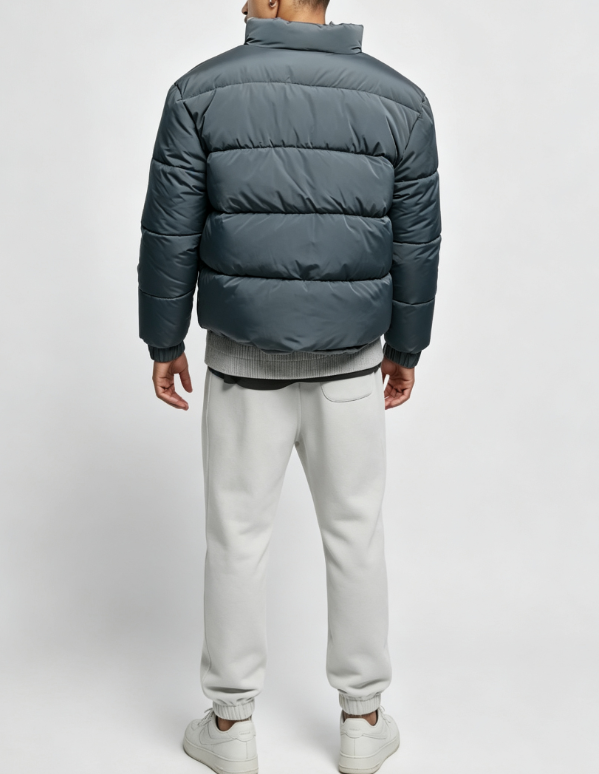
Custom Sweater Dresses
Develop custom sweater dresses with knit construction, neckline, length and body shaping tailored to the collection. We support normal, plus-size and oversized grading, yarn sourcing, prototype sampling, labels and packaging for wholesale or direct-to-brand programs.
Request a Quote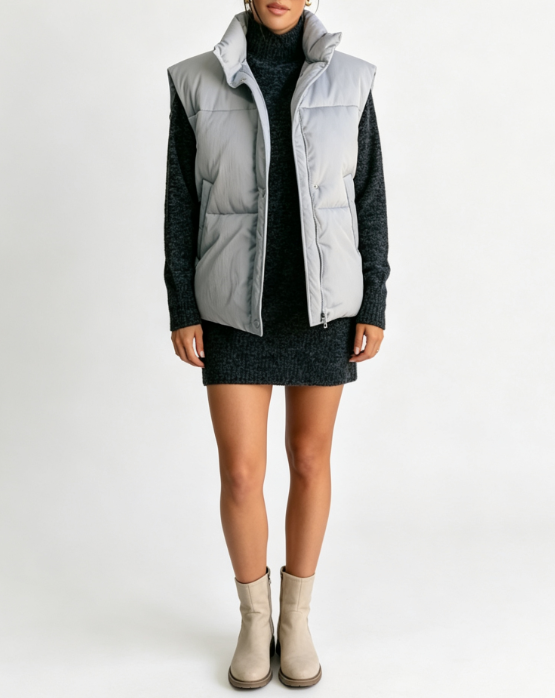
Custom Denim Sets
Produce mens denim suits wholesale programs, including coordinated denim jackets and jeans, with consistent fabric, wash and color matching. We manage fit specifications, pattern grading, trims, decoration and final inspection to support seasonal sets and ongoing reorder requirements.
Request a Quote
Custom Polo Shirts
Manufacture custom polo shirts in pique, jersey and performance-knit options, with collars, plackets and sleeve finishes built to specification. Buyers can add embroidery, screen printing, custom buttons, labels and packaging while developing consistent XS–3XL size sets.
Request a Quote
Custom Sweatpants
Develop custom sweatpants in fleece, French terry and jersey with fit choices ranging from tapered to relaxed and oversized. We refine rise, inseam, cuff and waistband proportions, then apply printing, embroidery, washes, labels and branded drawstrings as required.
Request a Quote
Custom Shorts
Produce custom shorts for casual, active and fashion programs in jersey, fleece, twill, denim and performance fabrics. Our development team aligns inseam, rise, pocket layout and grading with your target customer, then supports decoration and private-label finishing.
Request a Quote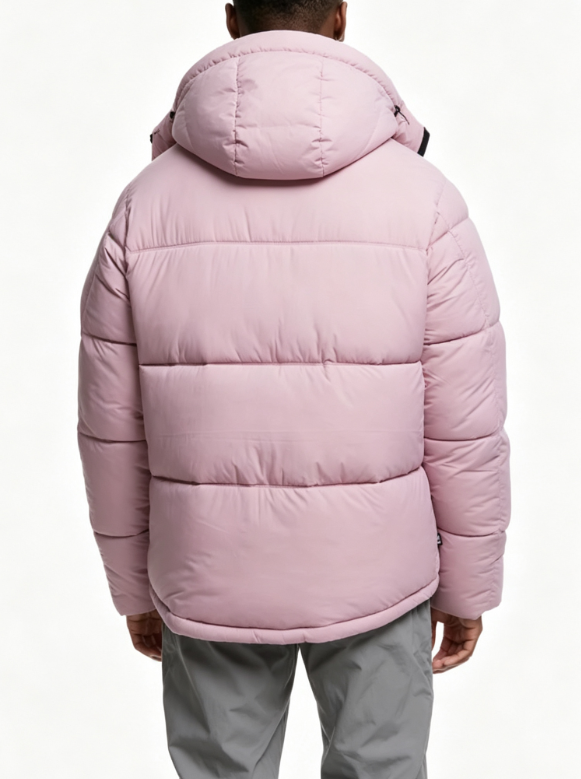
Custom Pullovers
Manufacture custom pullovers in knit, fleece, French terry or jersey constructions, with neckline, rib and fit details developed for your collection. Junsheen supports samples, XS–3XL grading, embroidery, printing, washes, labels and scalable bulk production.
Request a QuoteMaterials for Halifax Traders Down Jacket Development

Recycled Nylon Shell
Lightweight, smooth recycled nylon gives custom down jackets a clean technical surface for everyday and travel outerwear. Available in approximately 40–90 gsm qualities, it offers strong abrasion resistance and can be finished with durable water repellency.

Polyester Taslan Shell
Polyester Taslan has a matte, cotton-like hand that suits casual puffers, workwear-inspired jackets and coordinated outerwear. Its textured yarn construction improves durability, while 110–160 gsm options provide more structure and dependable wind resistance.

Water-Resistant Microfiber
Densely woven microfiber creates a soft, refined face for fashion-led insulated jackets and lightweight quilted layers. Commonly developed around 90–140 gsm, it provides close weave coverage, comfortable drape and reliable performance with a water-repellent coating.

Down Feather Fill
Down and feather blends deliver lofty, compressible warmth for premium puffer jackets, vests and cold-weather outerwear. Fill power, blend ratio and chamber construction can be specified to control insulation efficiency, bulk and the finished garment’s soft hand.

Recycled Polyester Fill
Recycled polyester wadding is a dependable animal-free insulation choice for puffers, quilted jackets and outerwear sets. Offered in varied gram weights, it maintains shape well, dries quickly and supports consistent warmth across scalable bulk production.

Polyester Taffeta Lining
Smooth polyester taffeta lining helps insulated jackets slide easily over knitwear while protecting the fill and interior seams. Its lightweight 50–70 gsm construction supports clean assembly, low friction and an efficient finish for everyday outerwear.
Halifax Traders Down Jacket Decoration & Finishing Options

Logo Embroidery
Flat, 3D puff, chain-stitch, and applique embroidery add dimensional brand marks to shells, chest panels, sleeves, and patches. Our team recommends placement and backing methods that maintain a clean appearance and dependable stitch performance.

Screen Print
Plastisol, water-based, puff, silicone, high-density, foil, and discharge screen printing create bold graphics with controlled texture. Suitable for compatible jacket panels and coordinated apparel, each application is sampled to assess adhesion, color, and wash durability.

Custom Patch Application
Woven, embroidered, leather-look, and applique patches provide a premium private-label signature for Halifax Traders down jacket programs. We can coordinate patch construction, edge finishing, attachment method, and placement with your shell fabric and brand standards.

Garment Washing
Enzyme, softening, garment-dye, acid-wash, stone-wash, brushing, and napping treatments refine hand feel and visual character for compatible apparel components. Junsheen reviews fabric behavior before sampling to help protect color consistency, construction, and intended performance.

Performance Finishing
Anti-pilling, softening, and surface-finishing options help improve touch, reduce visible wear, and support a polished presentation. We align finishing specifications with fabric weight, insulation construction, target market, and bulk-production quality requirements.
Private-Label Trims for Halifax Traders Down Jacket Programs

Branded Zippers
Specify durable front, pocket, and sleeve zippers with custom pullers, logo engraving, or color-matched tape. We help match zipper performance and finish to your Halifax Traders down jacket design, insulation weight, and target price.

Logo Snap Buttons
Add custom metal or matte snap buttons at plackets, pockets, and adjustable cuffs. Branded caps, finishes, and corrosion-resistant options create a polished closure system that supports both everyday wear and private-label presentation.

Woven Brand Labels
Create woven main labels, size labels, and wash-care labels that clearly identify your brand and support market-ready compliance. JUNSHEEN can coordinate label placement during sampling, grading, and final garment assembly.

Custom Drawcord Sets
Choose drawcords, cord ends, stoppers, and tipped finishes for adjustable hoods and hems. Color, texture, reflective detail, and logo hardware can be coordinated with shell fabric and other trims for a unified outerwear finish.

Embroidered Patches
Use woven, embroidered, rubber, or leather-look patches for chest branding, sleeve badges, and limited-edition details. Our team confirms patch dimensions, backing, placement, and application method before bulk production to protect garment performance.
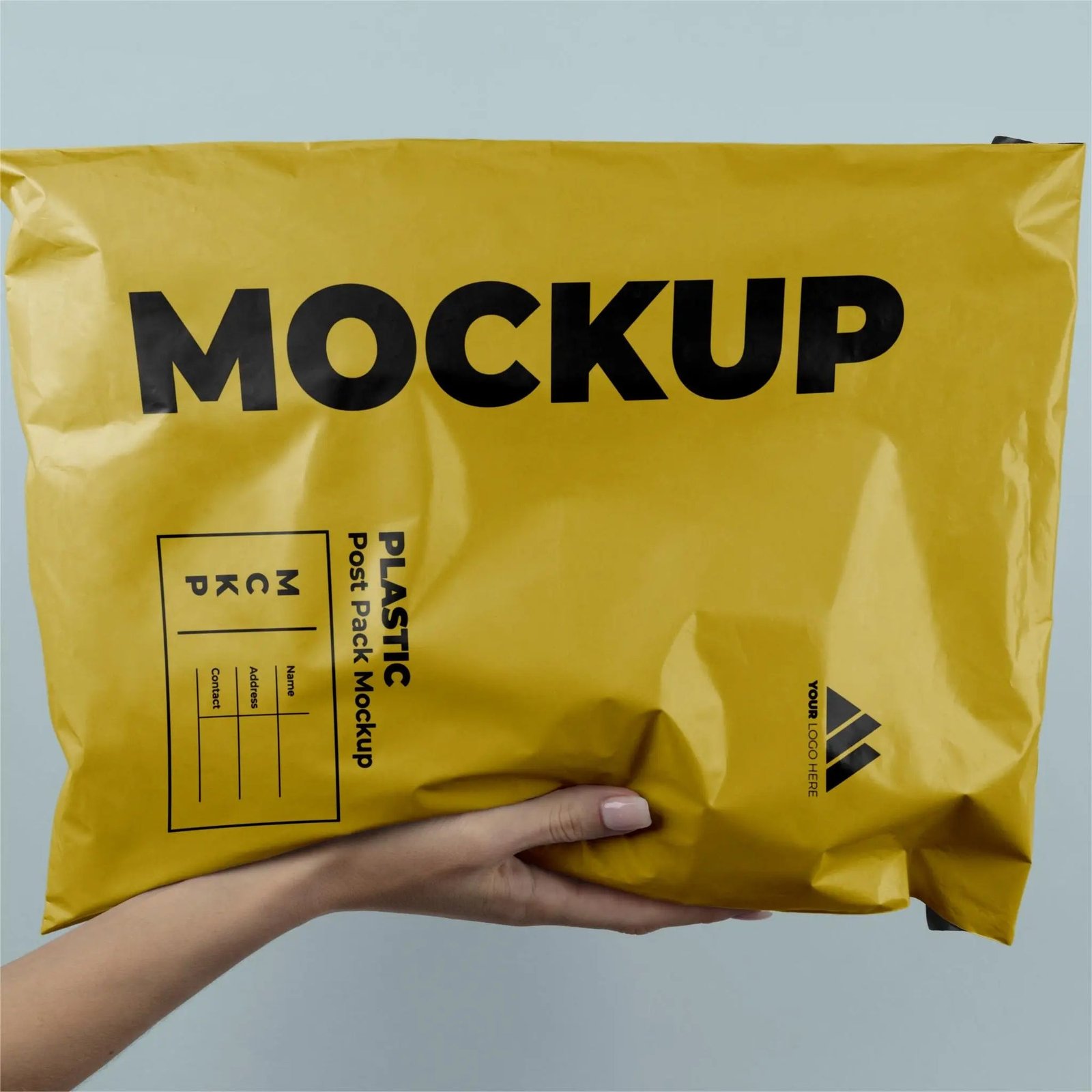
Branded Packaging
Complete your program with custom hangtags, polybags, tissue, cartons, and barcode-ready packaging. These details support wholesale handling, e-commerce fulfillment, and a consistent unboxing experience from factory to global delivery.
About Halifax Traders Down Jacket Manufacturing
Founded in 2010 in Humen Town, Dongguan, JUNSHEEN helps global brands turn down jacket concepts into production-ready collections. For every halifax traders down jacket program, our team supports OEM, ODM, private-label, wholesale and product development from a tech pack, reference garment, sketch or original idea.
With more than 200 skilled workers and monthly capacity above 80,000 units, we combine fabric sourcing, pattern making, cut-and-sew production, knitting, decoration, quality control, labeling, packaging and export support in one coordinated supply chain. Low MOQs from 100 units per style and color make capsule launches as practical as ongoing bulk programs.
Our difference is a fit-first approach. Rather than simply scaling a base pattern, JUNSHEEN refines proportions, shoulder balance, sleeve length, mobility and grading from XS through 3XL, including extended-size, plus-size and oversized fits. This technical focus has supported more than 2,000 fashion-brand clients worldwide.

Halifax Traders Down Jacket Capabilities, Developed Deeper
Fit-Focused Size Grading
JUNSHEEN develops every Halifax Traders down jacket with fit-first patterns from XS to 3XL. Our team refines shoulder balance, sleeve length, body proportion and mobility across the graded size set, helping brands avoid simply scaling up a base sample.
- XS–3XL, extended-size and oversized grading
- Balanced shoulder, sleeve and body proportions
- Size-set reviews before bulk approval

Production-Ready Product Development
Bring a tech pack, sketch, reference garment or early concept. Our product-development team reviews construction feasibility, recommends shell fabrics and insulation options, builds patterns and prototypes, then documents specifications so your outerwear program moves into production with fewer revisions.
- Tech-pack and construction feasibility review
- Fabric, insulation, trim and zipper sourcing
- Prototype, fit sample and pre-production approval

In-House Branding and Finishing
Build a distinct Halifax Traders down jacket program through coordinated decoration, finishing and private-label details. JUNSHEEN manages embroidery, prints, patches, labels, hang tags, custom hardware and branded packaging within one supply chain for clearer execution and consistent presentation.
- Embroidery, patches and heat-transfer logos
- Custom labels, hang tags and care labels
- Zippers, snaps, drawstrings and branded packaging

Controlled Bulk Production
From incoming materials through final packed goods, JUNSHEEN applies quality checks to fabric, measurements, construction, fit and decoration. With 200+ skilled workers and monthly capacity above 80,000 units, we support 100-unit launches as well as scalable repeat programs.
- Incoming, in-line and final inspection points
- Measurement and construction verification
- Global export support for repeat orders

Why Choose JUNSHEEN for Halifax Traders Down Jacket Production
A fit-focused, scalable OEM partner for dependable outerwear development and repeat production.
← 左右滑动查看 →
Halifax Traders Down Jacket Production Process
A clear OEM workflow for turning your outerwear concept into inspection-ready, globally shipped production.
Review Project Feasibility
We assess your tech pack, reference garment, target fit, construction, quantity, budget, and delivery needs, then identify practical development requirements.
Source Materials and Trims
Our team recommends shell fabrics, insulation, linings, zippers, labels, and packaging that balance warmth, durability, hand feel, target cost, and brand direction.
Develop Patterns and Samples
Pattern makers build and grade fit-focused XS–3XL specifications, produce prototypes, and refine measurements, mobility, quilting, and finishing through sample approval.
Confirm Bulk Production
After approving the pre-production sample, we lock materials, measurements, decoration, workmanship standards, and production details for your 100-unit-plus order.
Inspect, Pack, and Ship
We check incoming materials, in-line construction, measurements, decoration, and final packed goods before applying private-label packaging and arranging global export shipment.
Start Your Halifax Traders Down Jacket Project
Move from concept to delivery with one accountable manufacturing team for development, sampling, production, quality control and export coordination.
Submit Your Design Brief
Share a tech pack, sketch, reference garment, mood board or target specifications. Our team reviews construction, fit, materials, decoration and 100-unit MOQ feasibility.
Confirm Materials and Pricing
Select shell fabrics, insulation, linings, trims and private-label details. We provide a clear quotation, recommend manufacturable options and confirm your production requirements.
Approve Development Samples
Review prototype samples, measurements, fit and finishing before bulk release. Pattern makers refine XS–3XL grading, proportions and technical details to reduce avoidable revisions.
Launch Controlled Bulk Production
After approval, we source confirmed materials and manufacture your order with in-line checks covering construction, measurements, decoration, insulation placement and packed-goods quality.
Receive Export-Ready Goods
We complete final inspection, branded packaging and shipment coordination for your Halifax traders down jacket order, supporting dependable delivery to global brands, retailers and wholesalers.
Custom Clothing Manufacturer Credentials and Compliance Documents



Halifax Traders Down Jacket Programs That Earn Repeat Orders
JUNSHEEN corrected the shoulder balance and sleeve length across our XS–3XL size set before bulk approval. We reduced fit-related sample revisions from four rounds to two and launched our 600-unit outerwear capsule on schedule.
Our first Halifax Traders down jacket run began at the 100-unit MOQ, but the sample arrived with clear construction notes and accurate branding details. The streamlined approval process shortened our development timeline by 18 days.
After a successful 1,200-unit launch, we reordered the same insulated jacket in two new colors. Measurements, embroidery placement, labels, and packed presentation remained consistent across all three production runs.
Halifax Traders Down Jacket OEM FAQ
Clear answers on custom development, production terms and global delivery for branded insulated outerwear.
What is the MOQ for a Halifax Traders down jacket order?
Can you make a Halifax Traders down jacket from my tech pack or reference sample?
How long does Halifax Traders down jacket sampling and bulk production take?
Can you develop extended sizes and oversized down-jacket fits?
What payment terms do you offer for custom outerwear orders?
Can JUNSHEEN arrange international shipping for down jackets?
How do you protect my designs, logos and private-label details?
Can you add custom labels, embroidery, printing and branded packaging?
Complete Buyer’s Guide to halifax traders down jacket
Use this decision framework to evaluate product types, insulation, construction, customization, supplier capabilities, and cost drivers—while avoiding sourcing mistakes that undermine quality, margins, and brand positioning.
1. What Is a halifax traders down jacket?
Halifax Traders is commonly used by buyers as a market-search term for heritage-inspired insulated outerwear, rather than a universal technical specification. In sourcing terms, it usually signals a casual down or synthetic-filled jacket with a relaxed silhouette, practical pockets, a front zipper or snap placket, and cold-weather appeal for everyday consumers. 100 units per style and color is a realistic starting point for an OEM capsule when the buyer has a defined shell fabric, insulation target, trim package, and size range. The intended customer may expect warmth, wind resistance, mobility, and a durable hand feel, but those expectations must be translated into measurable requirements such as fill type, fill weight, shell GSM, lining, hood design, and finished-garment measurements. 2010 is the founding year of Dongguan Junsheen Clothing Co., Ltd., whose development process can turn a retail reference, sketch, or mood board into an original production-ready jacket. A heritage reference can inform proportion, pocket placement, quilting direction, or color blocking; it should not be copied with protected logos, labels, artwork, or distinctive proprietary details. 3XL is within the extended size range Junsheen can develop, alongside XS through standard sizes, with grading adjusted for shoulder balance, sleeve length, body proportion, and mobility. Private-label potential comes from original branding choices: custom labels, branded zippers, Pantone-approved colors, embroidery, patches, hang tags, and packaging.
2. Evolution of halifax traders down jacket Styles
1940 marked a turning point when Eddie Bauer patented the quilted Skyliner, helping move down insulation from expedition equipment into a recognizable ready-to-wear jacket form. Baffled construction, durable shell fabrics, storm flaps, and high collars established the functional vocabulary still used for cold-weather product development. 1970s outdoor apparel brought lighter nylon shells, brighter colors, and more packable constructions, while heritage workwear kept a tougher visual language through canvas-like faces, utility pockets, rib cuffs, and darker earth tones. By the 1990s, urban casualwear turned the puffer into an oversized silhouette, where proportion, logo placement, and color blocking could matter as much as thermal performance. 100-unit-per-style-and-color production gives a new label room to interpret Halifax Traders-style demand without copying a retailer-specific product or claiming a trademarked heritage. Choose one authentic design lane—workwear-inspired utility, relaxed city puffer, or clean technical outerwear—then align shell weight, quilting scale, trims, fit, and decoration around it; Junsheen can develop the pattern, graded size set, samples, and private-label details from that defined brief.
3. Types of halifax traders down jacket
Six formats cover most commercial briefs for a halifax traders down jacket, from commuter warmth to fashion-led layering. Choose the silhouette before specifying insulation, because length, quilting and hood construction drive fit, material yield and labor.
Core Puffer Jacket

0°C to -10°C is the typical use range for a midweight puffer, making it a dependable option for urban commuters and mainstream outerwear capsules. Boxy regular fits, horizontal baffles and a stand collar create the familiar visual identity. Sewing baffles, controlling fill distribution and installing a front zip make complexity moderate.
Hooded Parka

-5°C and below suits a longer hooded parka aimed at cold-climate customers, schoolwear buyers and functional outerwear programs. Thigh coverage, adjustable hoods and storm plackets prioritize protection over a cropped silhouette. Multiple pockets, hood channels and layered closures make this the most labor-intensive format.
Short Quilted Jacket

5°C to 15°C favors a hip-length quilted jacket for fashion retailers and transitional-season assortments. Slimmer vertical or diamond quilting gives a cleaner, less technical appearance. A cropped or regular fit requires careful hem balance and sleeve proportion. It is moderately complex, with quilting layout and insulation migration needing sample approval.
Packable Layer And Vest

10°C to 20°C supports lightweight packable jackets and vests for travel, active customers and layering-led collections. Narrow baffles and low-bulk construction keep the visual identity compact. Vests simplify sleeves and reduce labor, while packable shells demand durable lightweight fabric and clean self-packing details. Both are comparatively efficient starting styles.
Oversized Fashion Puffer

0°C to 10°C works for an oversized fashion puffer targeting trend-conscious labels and streetwear customers. Dropped shoulders, generous body ease and exaggerated quilting create a high-volume silhouette. Oversizing is not simple scaling: shoulder balance, sleeve length and grading must preserve mobility from XS through 3XL. Complex panel proportions and fuller fill consumption raise development and material requirements.
4. halifax traders down jacket Materials and Insulation
20D–50D shell fabrics balance packability, abrasion resistance, and loft protection in a halifax traders down jacket. 380T lining, compatible seam tape, zippers, snaps, and durable water-repellent finishes should be specified alongside insulation, not selected afterward.
| Material | Best Use | Warmth / Weight | Water Resistance | Certification / Cost |
|---|---|---|---|---|
| Polyester shell | Value puffer | Medium / medium | Good with DWR | GRS available; low |
| Nylon shell | Packable outerwear | Low insulation / light | Good with DWR | Recycled options; medium |
| Recycled synthetic | Weather-practical fill | Medium-high / medium | Better when damp | GRS; medium |
| Cotton blend | Matte lifestyle shell | Low insulation / heavy | Lower | Organic options; medium |
| Real down | Cold, lightweight puffer | High / very light | Low when wet | RDS traceability; high |
| Synthetic insulation | Easy-care jacket | Medium / medium | High when damp | Recycled options; low-medium |
Shell And Lining Selection
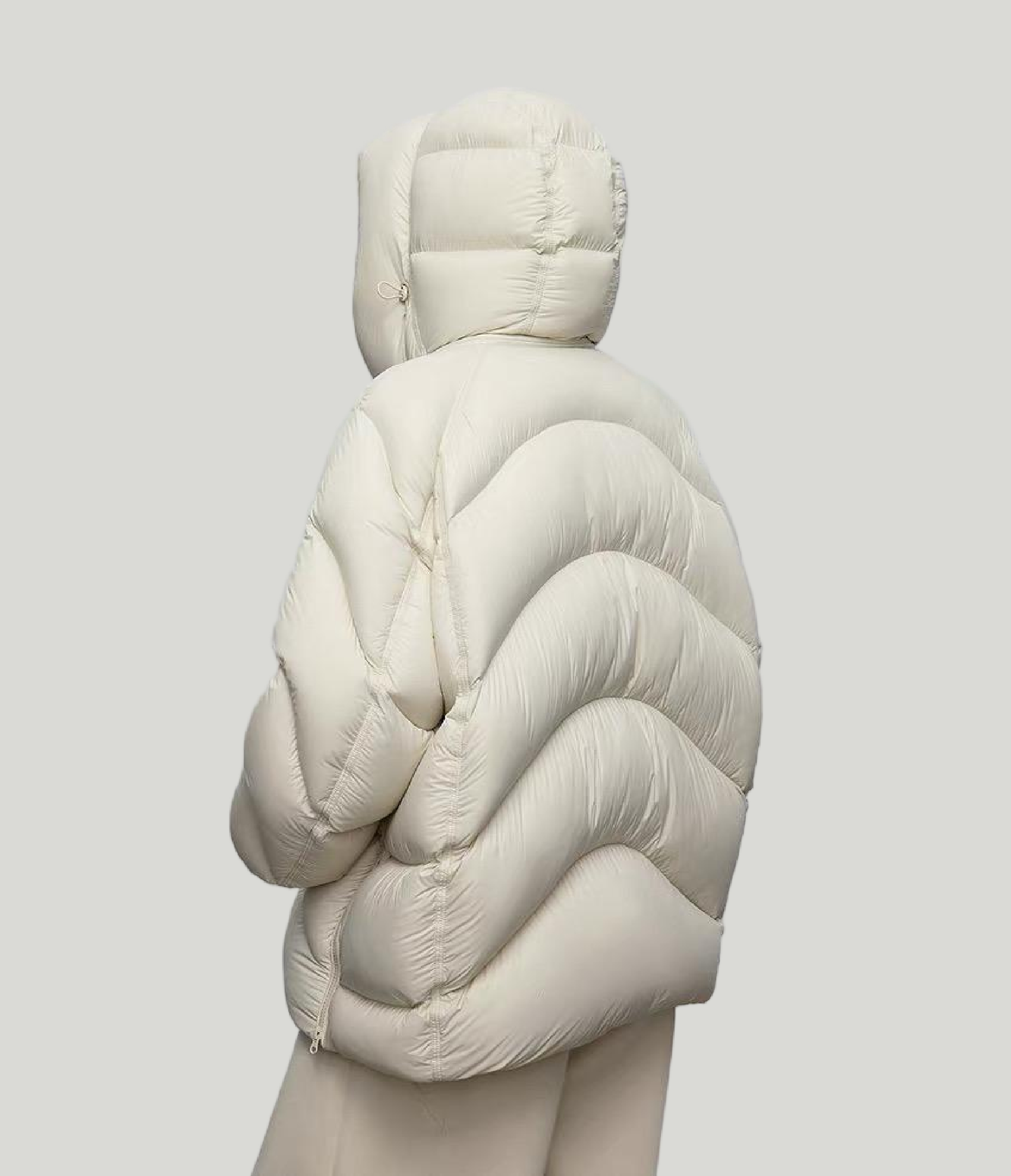
20D nylon is light and strong for packable puffers, while 50D polyester suits value-focused outerwear with good color retention. Cotton-blend shells add a matte hand but absorb more moisture and need testing after wash. 380T polyester or nylon lining limits fiber migration; specify anti-static or recycled options where appropriate. C0 DWR is preferable to legacy fluorocarbon finishes when the target market requires lower-impact chemistry.
Fill, Hardware, And Testing

600–800 fill-power down delivers high warmth at low weight, but needs responsible-down traceability and careful wet-weather protection. Synthetic fill retains more insulation when damp, costs less, and is often easier to care for. #5 molded zippers suit many casual puffers, while YKK coil zippers reduce weight in packable styles. Bulk approval should confirm fill weight, loft recovery, seam leakage, wash appearance, and hardware pull strength.
5. Customizing halifax traders down jacket Designs
At a 100-unit-per-style-and-color starting point, a halifax traders down jacket can carry a distinct color, silhouette, hardware, and private-label specification. Lock Pantone references, quilting layout, hood volume, and pocket placement before sample approval.
| Method | Best Placement | MOQ/Budget Fit | Durability |
|---|---|---|---|
| Woven patch | Sleeve or chest panel | Moderate setup; strong identity | High when edge-stitched |
| Embroidery | Reinforced flat panels | Moderate cost; avoid baffles | High |
| Heat transfer | Smooth shell back or sleeve | Lower-volume graphic option | Medium to high |
| Woven labels | Neck, side seam, hem | Efficient across repeat orders | High |
Color And Silhouette

Three-color capsule programs usually control inventory better than broad palettes while still supporting core, seasonal, and accent colorways. Specify shell Pantone references, contrast lining, horizontal or chevron baffles, detachable or fixed hoods, and hand-warmer, chest, or cargo pocket systems.
Hardware And Labeling

YKK-compatible zipper specifications should state gauge, finish, puller shape, storm flap, and zipper-tape color; molded zippers suit heavier outerwear, while coil zippers reduce cost. Woven main labels, size labels, wash-care labels, woven patches, branded snaps, and hang tags are best confirmed with physical strike-offs.
Decoration Placement

Embroidery performs well on reinforced chest panels, sleeves, and patch applications, but dense stitching through filled baffles can compress insulation and distort the shell. Heat-transfer graphics suit smooth polyester shells and small runs; use lower-profile placements away from seam channels and high-flex pocket edges.
Packaging Decisions
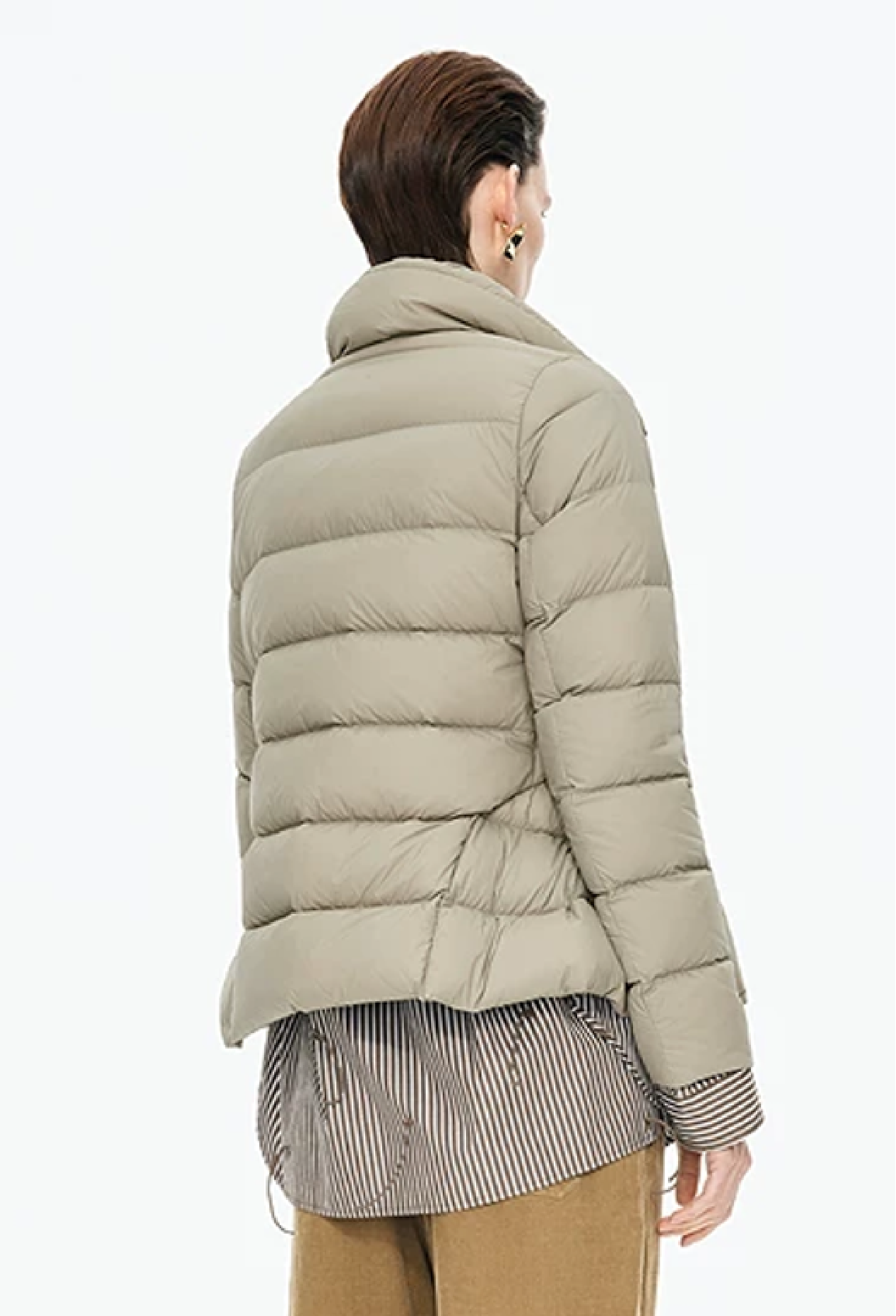
One branded polybag, hang tag, and carton mark system can give a 100-unit launch a retail-ready presentation without adding multiple complex trim programs. Confirm fold method, moisture protection, barcode location, carton ratio, and whether individual bags need recycled-content or warning-language requirements.
6. Key Down Jacket Construction Quality
A down jacket earns its quality at the baffle, seam, and closure—not only in the fill specification. For a halifax traders down jacket sample, inspect the garment after movement, compression, and a controlled wash rather than judging loft on the hanger.
Baffles And Fill Control
2 to 4 cm stitch-through channels are common for lighter styles, while box-wall baffles reduce cold spots in heavier puffers. Check that channel width is consistent and that fill reaches the side seams, hood, and underarm areas. 3 sample checks reveal distribution problems quickly: hold the jacket to light, shake it horizontally, then lay it flat for 10 minutes. Thin lanes, exposed seam allowances, and migrating clusters indicate inadequate fill control.
Shell And Seam Integrity
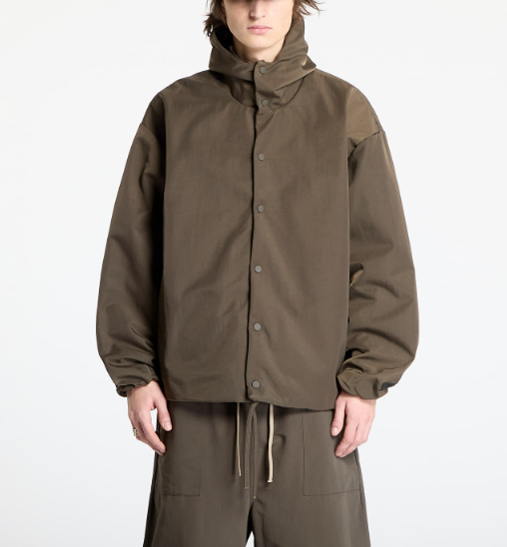
20D to 40D down-proof woven shells should resist feather leakage without an overly plastic hand. Inspect stitched seams for balanced tension, no skipped stitches, and clean overlock or bound seam allowances where exposure is likely. 8 to 12 stitches per inch is a practical visual benchmark for many woven jacket seams; excessive perforation can weaken a down-proof shell. Pull lightly across baffles and pocket openings to identify puckering or seam grin.
Closures And Edge Sealing

1 zipper should run smoothly one-handed from hem to collar, with tape lying flat and a zipper garage protecting the neck. Specify a proven coil or molded zipper supplier when durability matters, and test slider operation after laundering. 2 bartacks or equivalent reinforcement at each pocket stress point help prevent torn entry corners. Verify elastic cuffs recover evenly, hem cords lock securely, and hood adjusters do not twist the facing.
- Cycle the front zipper at least 20 times
- Load each pocket with a small weighted item
- Check drawcord ends and cord-lock retention
Wash And Final Inspection
1 approved sample should be washed according to its care label before bulk approval, then checked for loft recovery, feather loss, color change, and trim distortion. Record measurements before and after washing so tolerance decisions are explicit. 100% pre-shipment visual inspection is useful only when supported by measurement and functional checks on an agreed sampling plan. Ask the factory to inspect packed goods, labels, zipper function, decoration, and carton assortments against the approved sample.
7. How to Choose an OEM Manufacturer
Before approving an OEM for a halifax traders down jacket program, require answers that can be checked against samples, records and shipment history. A capable factory should explain how it controls fit, insulation, testing and delivery at your planned volume.
Verify Outerwear Experience
100-unit MOQ capability matters only if the factory has handled puffer construction, baffling, zipper installation and bulk fill control. Ask for comparable samples, measurement specifications and evidence that their equipment suits your intended silhouette.
- Can it make sewn-through and box-baffle styles?
- How are down leakage and seam strength checked?
- Which zipper, snap and cord suppliers are available?
Audit Development And Materials

2 sampling rounds are common for a new technical jacket, but the first prototype should reveal pattern and material decisions. Confirm who develops graded patterns, sources shell fabric and lining, and verifies fill weight by size. 600–800 fill-power down and synthetic fills need different sourcing records and care-label claims. Request fabric composition, coating performance, insulation specifications and available OEKO-TEX, GOTS, RDS or recycled-content documentation where relevant.
Check Quality And Communication
A pre-production sample should become the approved reference for workmanship, measurements, color and packing. Ask for incoming-fabric inspection, in-line checks, final AQL criteria, measurement tolerances and packed-goods photos. 24-hour response expectations should be agreed before deposits are paid. Identify one technical contact, escalation path, revision-control method and the documents supplied before bulk cutting.
Match Capacity To Launch
80,000 monthly units may signal scale, but confirm capacity for your delivery window rather than relying on a headline figure. Ask how 100-unit colors are scheduled beside larger orders, and whether shipping documents and export coordination are included.
- Confirm MOQ per style, color and fabric.
- Request a production-critical-path schedule.
- Clarify FOB, DDP or other Incoterms.
- Confirm carton marking and destination paperwork.
8. Common Down Jacket Sourcing Mistakes
Most costly down-jacket problems begin before bulk production, when a brief leaves warmth, fit, or component risk undefined. For a halifax traders down jacket program, document measurable requirements before price negotiation.
Buying Fill By Price

550-fill-power insulation can meet an entry price, but it may need more fill weight to achieve the same loft as 700FP material. Specify fill type, fill power, grams per size, and target use temperature; approve a filled sample, not only a swatch.
Copying Without A Tech Pack

1 reference jacket rarely reveals baffle dimensions, seam allowances, pocket bags, or hidden reinforcement. Convert inspiration into a tech pack with graded measurements, construction sketches, Pantone colors, BOM, and artwork placement before sampling.
Under-Testing Trims

10 zipper pulls may work on a tabletop sample yet fail after repeated cold-weather use. Test zipper operation, snap pull-out, cord-lock grip, coating abrasion, and wash performance on production-intent components.
Ignoring Fit Grading
XS through 3XL cannot be produced by uniformly enlarging a medium pattern without compromising shoulder balance and sleeve mobility. Review a graded spec and at least two representative sizes, especially for oversized or extended-size silhouettes.
Overloading A Low MOQ
100 units per style and color can support focused customization, but many unique zippers, labels, fabrics, and decoration processes raise minimums and delay sourcing. Prioritize two or three brand-defining details and standardize the remaining components.
Rushing Sample Approval
1 approved sample is not proof that bulk materials and construction are ready. Confirm measurements, fill distribution, baffle alignment, trim function, decoration, wash results, and packing against a signed pre-production sample before cutting.
9. Steps to Launch Your Jacket Line
A 100-unit OEM MOQ works best when the launch plan locks product decisions before bulk commitments. For a halifax traders down jacket program, assign one accountable approver and record every change in a dated specification file.
Position The First Drop
1 customer profile, price target, climate use, and sales channel should define the brief before references are selected. Prepare 3–5 reference jackets, a color direction, target retail price, and required margin; do not copy protected artwork or branded details.
Build The Technical Package
1 production-ready tech pack should specify front and back flats, measurements, construction, fill target, shell, lining, trims, Pantone colors, labels, and packaging. Gate approval only after the factory confirms feasibility, consumption, MOQ allocation, and a written quotation.
Approve Materials And Fit

2 approvals—material swatches first, then a prototype—prevent expensive late revisions. Review shell hand feel, insulation, zipper performance, pocket placement, mobility, and wash or care requirements; return consolidated comments with annotated photos and revised measurements.
Release Bulk With Controls
3 fit stages—revised sample, graded size set, and pre-production sample—should be signed off before cutting begins. For XS–3XL, check grading rather than enlarging a base size, then approve a golden sample, inspection checkpoints, carton marks, balance timing, and delivery destination.
10. halifax traders down jacket Pricing and Cost
100 units per style and color is a practical OEM starting point for a halifax traders down jacket program; the ranges below are planning estimates, not fixed quotes. A 100-unit jacket using a polyester shell, 650-fill-power equivalent insulation, standard quilting, molded zipper and polybag typically costs more per unit than a repeat bulk run. $18 of a $32–$48 unit estimate can be driven by shell fabric and insulation alone, depending on recycled content, down-versus-synthetic fill, fill weight and testing requirements. Quilting complexity, YKK hardware, embroidery or screen print, branded cartons, color count, exchange-rate exposure and approved order volume should be locked after tech-pack and sample review. 15–25 days is a normal development window after materials and specifications are confirmed; fit revisions, custom fabric dyeing, lab tests or special trims can extend it. JUNSHEEN can quote from a finished tech pack, reference jacket or sketch, then retain approved patterns and material records to support repeat-order consistency.
| Quantity Tier | Indicative FOB Unit Price | Specification Assumption | Estimated Lead Time |
|---|---|---|---|
| 100–299 units | $32–$48 | Standard shell, synthetic or mid-fill insulation, basic branding | Sample 15–25 days; bulk 30–45 days |
| 300–499 units | $27–$41 | Standard quilting, molded zipper, one decoration placement | Bulk 30–45 days |
| 500–999 units | $23–$36 | Improved insulation option, custom labels and polybag | Bulk 35–50 days |
| 1,000+ units | $19–$31 | Repeatable fabric, streamlined colors, consolidated packaging | Bulk 40–55 days |
Develop Your Halifax Traders Down Jacket
Send your tech pack, reference garment or concept to JUNSHEEN for fit-focused development, 100-unit MOQ quoting and scalable production.