
Custom Denim Sets From 100 Units
One-stop OEM, ODM and private-label custom denim sets with fit-focused XS–3XL development, sampling, finishing and global production support.
Featured Products for custom denim sets Development

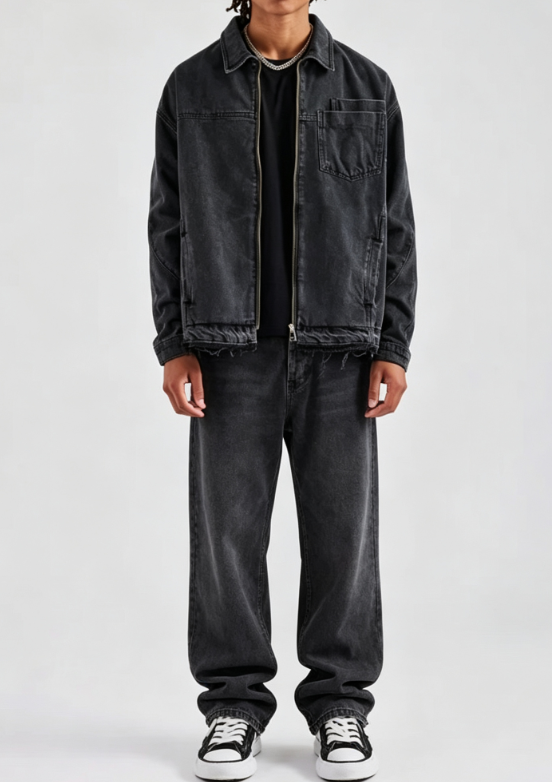
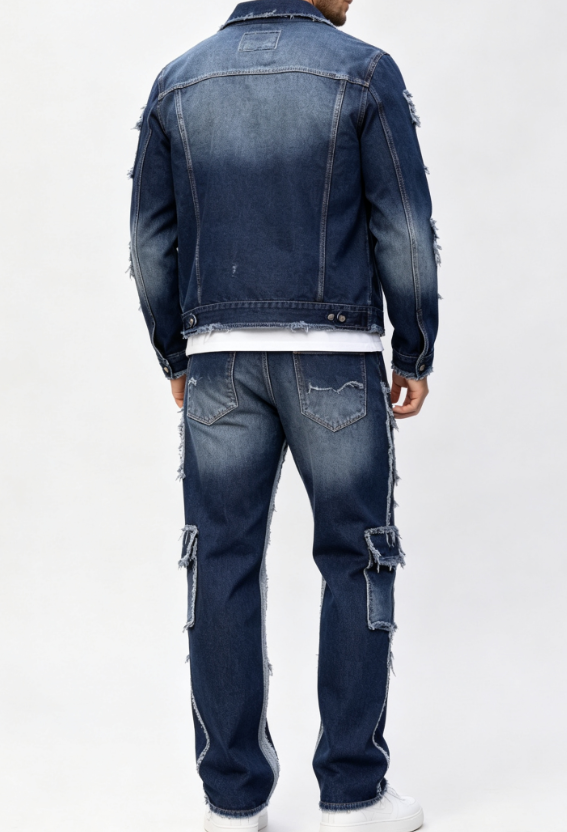
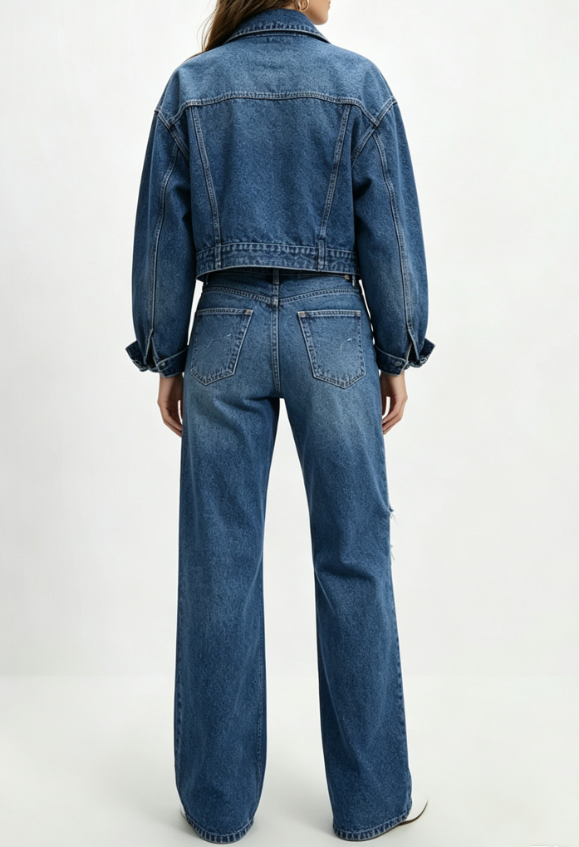
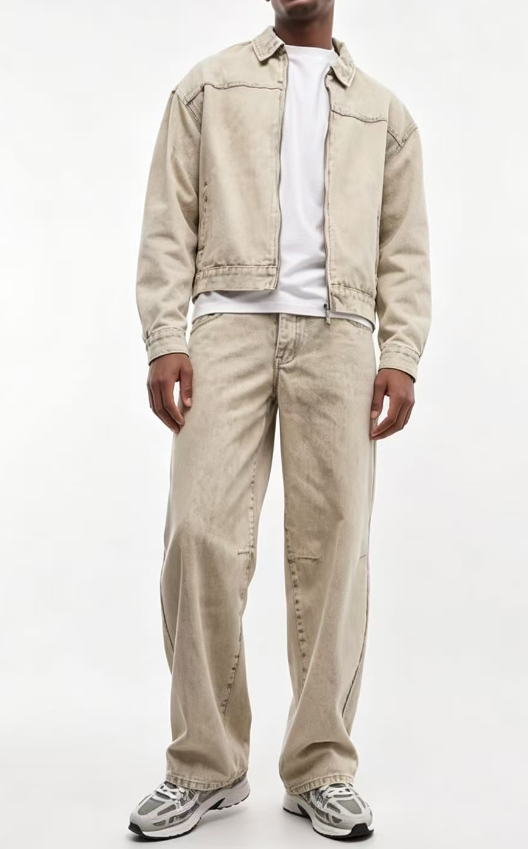


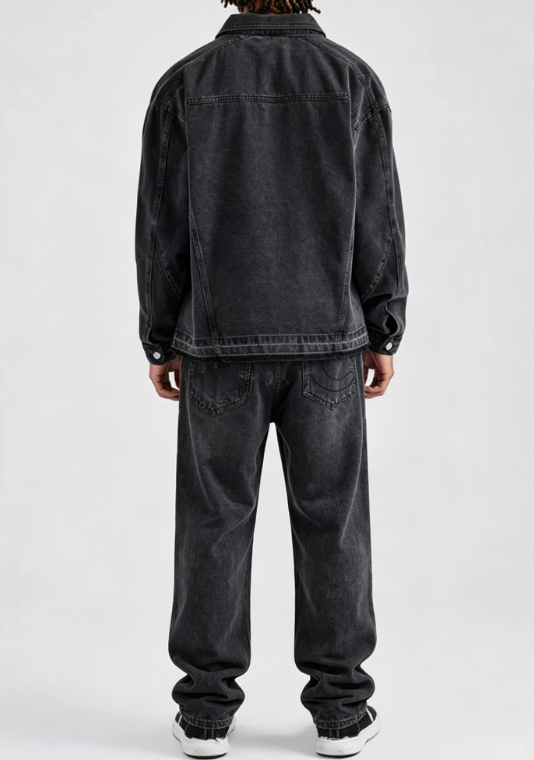
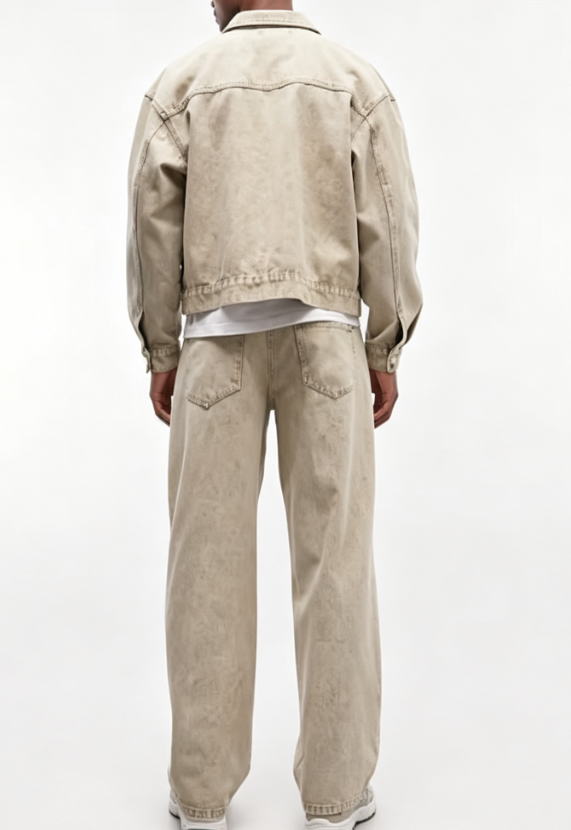


Custom Denim Sets: Related Product Catalogue and Quotation




Why Brands Source Custom Denim Sets With JUNSHEEN
Integrated OEM and private-label production built for precise fit, flexible order volumes, and dependable worldwide delivery.
100-Unit Starting MOQ
Launch capsule custom denim sets from 100 units per style and color, then scale confidently into repeat bulk programs.
Fit-Focused XS–3XL
Refined patterns and grading support normal, oversized, extended-size, and plus-size denim fits with balanced proportions across the size range.
Development Under One Roof
Turn tech packs, sketches, or references into production-ready sets with fabric sourcing, pattern making, sampling, and specification support.
Denim Washes and Decoration
Add embroidery, printing, patches, acid wash, stone wash, garment dye, and finishing effects through an integrated production workflow.
Complete Private Labeling
Build a cohesive brand presentation with custom labels, hang tags, hardware, trims, packaging, and retail-ready finishing options.
Global Export Support
Rely on quality-controlled production and export coordination from Dongguan for reliable delivery to fashion brands worldwide.
Denim and Casualwear Categories We Develop
Coordinated denim programs and adjacent apparel categories, developed with production-ready specifications, fit grading, materials, finishes, and private-label details.

Custom Hoodies
Custom hoodies developed from 100 units per style and color, with fleece or French terry options, fit-focused XS–3XL grading, custom rib trims, drawstrings, embroidery, printing, washes, labels, and branded packaging.
Request a Quote
Custom T-Shirts
Custom T-shirts built for capsule launches, retail programs, and wholesale assortments. Junsheen supports jersey selection, body and sleeve proportions, XS–3XL grading, screen printing, DTG, DTF, embroidery, garment dye, and private-label finishing.
Request a Quote
Custom Jeans
Custom jeans produced with denim or stretch-denim fabrics, refined rises, leg shapes, washes, hardware, and branded trims. Pattern development addresses balance, mobility, and grading across XS–3XL before bulk production begins.
Request a Quote
Custom Sweaters
Turtleneck sweaters for bulk programs developed in suitable yarns and knit constructions, with control over neck height, gauge, body proportion, sleeve length, and grading. Samples confirm hand feel, fit, and durability before production.
Request a Quote
Custom Jackets
Custom jean jackets developed as standalone styles or coordinated denim programs. Junsheen manages denim weight, silhouette, pocket placement, hardware, washes, distressing, embroidery, patches, labels, and size grading for consistent production.
Request a Quote
Custom Sweatshirts & Crewnecks
Custom crewneck sweatshirts and hoodie-adjacent fleece styles developed with practical fit, neckline or hood construction, rib specifications, and decoration placement. Choose French terry or fleece, then approve samples, grading, labels, and finishes before bulk production.
Request a Quote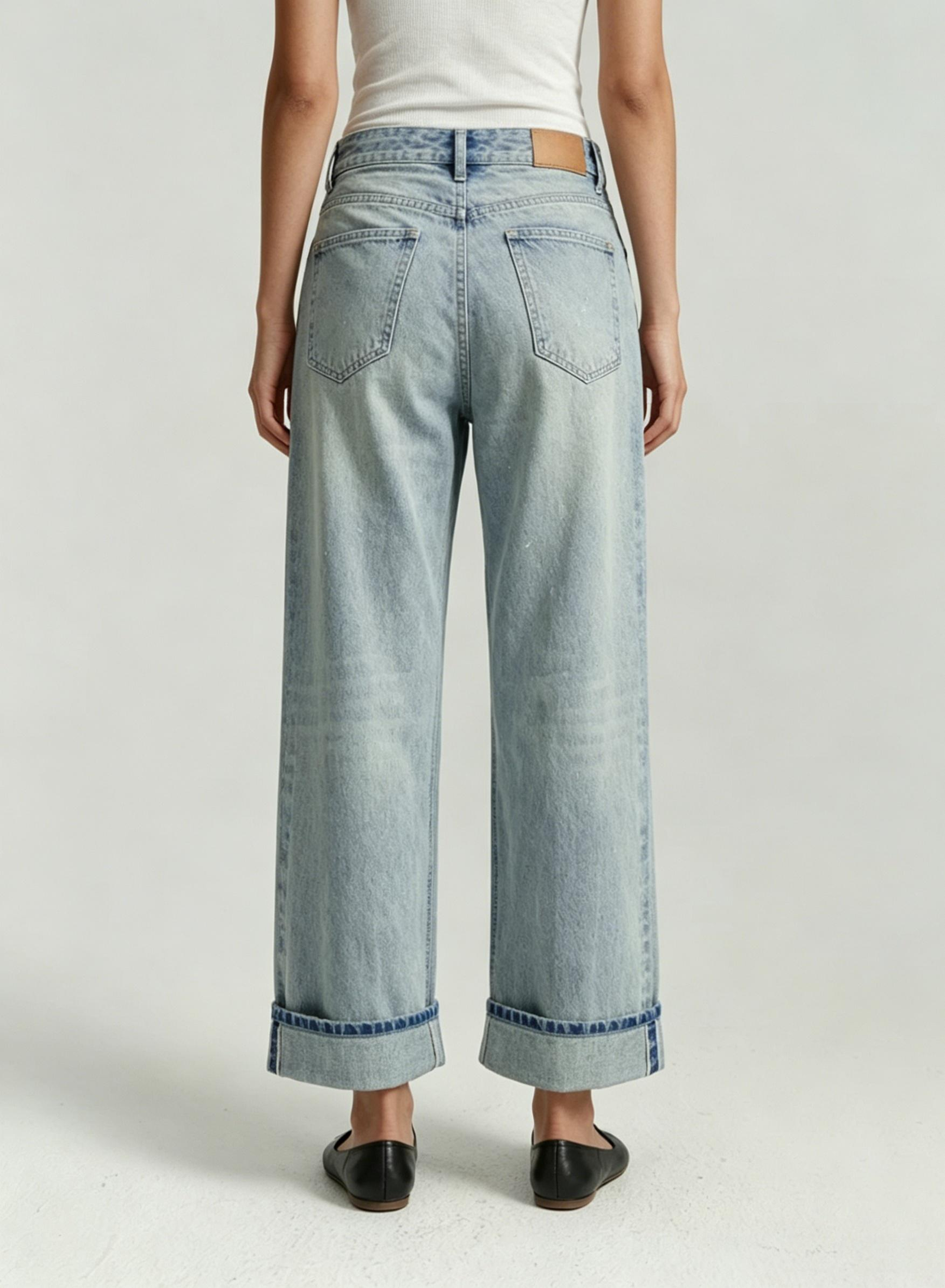
Custom Cardigans
Custom cardigans developed in knit constructions suited to the intended hand feel, weight, and price point. Junsheen supports yarn selection, button or zipper details, gauge, placket construction, fit grading, labels, and coordinated color programs.
Request a Quote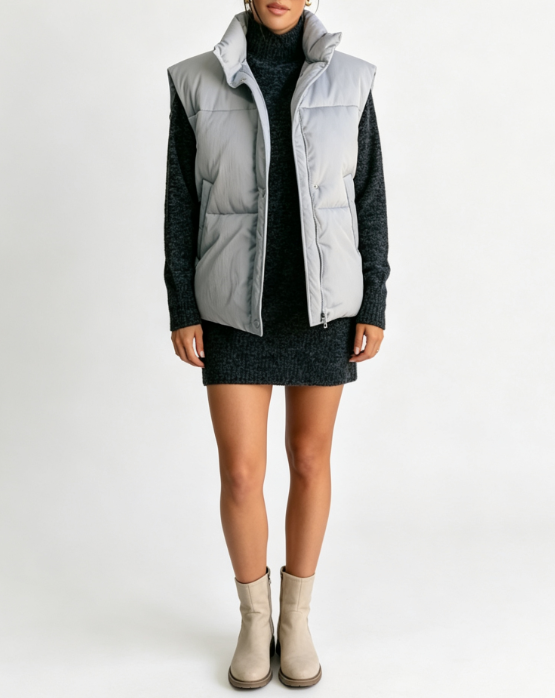
Custom Puffer & Down Jackets
Custom puffer and down jackets developed around insulation, shell fabric, lining, quilting, fit, and trim requirements. The team supports sampling for warmth, mobility, pocket construction, zippers, labels, and branded packaging before scalable production.
Request a Quote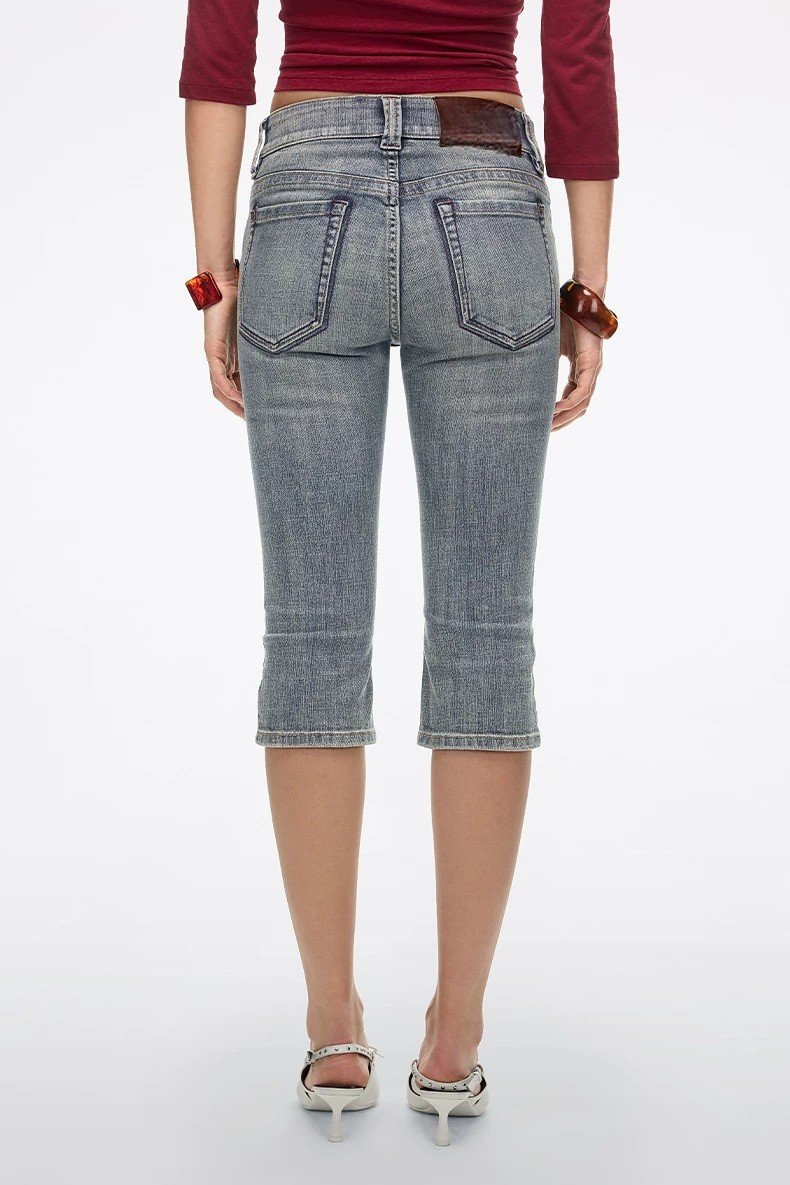
Custom Denim Shorts
Custom jean shorts developed with denim weight, inseam, rise, leg opening, wash, distressing, pocket details, and hardware matched to the collection. Fit-focused grading supports normal, extended-size, plus-size, and oversized assortments.
Request a Quote
Custom Sweater Dresses
Custom sweater dresses developed with yarn, knit gauge, length, neckline, shaping, and stretch recovery aligned to the target market. Samples verify body proportion and movement across graded XS–3XL size sets before bulk approval.
Request a Quote
Custom Denim Sets
Men’s denim suits and coordinated denim sets developed for wholesale and branded collections, with matched jacket and trouser fabric, washes, color consistency, hardware, and fit. Junsheen retains specifications for repeatable reorders and scalable programs.
Request a Quote
Custom Polo Shirts
Custom polo shirts developed in piqué, jersey, or performance knit fabrics with controlled collar shape, placket construction, sleeve finish, embroidery placement, and size grading. Suitable for retail collections, uniforms, wholesale, and private-label programs.
Request a Quote
Custom Sweatpants
Custom sweatpants developed in fleece, French terry, or performance knits, with adjustable rises, leg shapes, pockets, cuffs, drawstrings, and coordinated tops. Fit and grading are reviewed across XS–3XL before bulk production.
Request a Quote
Custom Shorts
Custom shorts developed for casualwear, denim, fleece, twill, or performance programs. Junsheen supports inseam, rise, pocket, waistband, trim, wash, print, and embroidery specifications, with low-MOQ sampling and scalable production.
Request a Quote
Custom Pullovers
Custom pullovers developed in jersey, fleece, French terry, or knit constructions, with attention to neckline, body length, sleeve balance, rib details, decoration, and fit. Production can include labels, trims, washes, packaging, and XS–3XL grading.
Request a QuoteDenim Fabrics for Custom Denim Sets

Rigid Cotton Denim
A structured, authentic-feeling denim for jackets and straight-leg jeans. Typically 10–14 oz, it offers a crisp hand, strong abrasion resistance, and dependable results with stone, enzyme, and vintage washes.

Stretch Denim
Cotton denim blended with elastane for body-hugging jeans, fitted skirts, and cropped sets. Usually 9–12 oz, it delivers comfortable recovery, improved mobility, and wash performance that helps maintain shape through wear.

Comfort Stretch Denim
A balanced denim with low-stretch construction for modern relaxed silhouettes. Around 11–13 oz, it retains a substantial hand while adding subtle movement, durable seam performance, and reliable fading under garment washes.

Lightweight Chambray Denim
A softer, breathable woven option for shirts, shorts, and warm-weather denim sets. Commonly 4–7 oz, its smooth hand and fluid drape suit garment dyeing, softening treatments, and easy layering.

Cotton Polyester Denim
A durable blended denim for repeatable bulk programs, utility styles, and value-conscious collections. Usually 8–12 oz, it provides a firm hand, enhanced abrasion resistance, and stable color and shape after laundering.

Tencel Blend Denim
A premium denim blend with a softer, cooler hand for fashion-forward shirts, wide-leg pants, and coordinated sets. Typically 7–10 oz, it offers fluid drape, moisture comfort, and refined wash effects.
Custom Denim Sets: Decoration and Finishing Options

Logo Embroidery
Flat, 3D, chain-stitch, or applique embroidery adds dimensional branding to denim jackets, jeans, and matching pieces. Reinforced stitching delivers a tactile, durable finish that holds its definition through regular wear and laundering.

Screen Printing
Plastisol, water-based, puff, high-density, foil, and discharge screen printing create bold artwork across denim sets. Our team recommends ink systems and placements that suit fabric weight, wash effects, visual coverage, and target cost.

Custom Patch Application
Woven, embroidered, chenille, leather, and specialty patches give coordinated denim pieces a distinct private-label identity. Secure application methods are selected for the patch material, garment placement, intended wash treatment, and long-term wear.

Denim Wash Treatments
Enzyme, stone, acid, garment-dye, and softening washes build fades, texture, color depth, and broken-in hand feel. Sampling lets brands evaluate wash consistency and select an effect that supports their desired premium or vintage direction.

Specialty Print Effects
DTF, heat transfer, silicone, flock, and reflective effects add detail where conventional screen printing is not ideal. These techniques support small logos, multicolor graphics, and accent placements while preserving a clean, production-ready denim look.
Custom Denim Sets With Retail-Ready Branded Trims

Woven Brand Labels
Add custom woven main labels, size labels and wash-care labels to jackets, jeans and coordinating pieces. Junsheen positions each label for clear brand presentation, reliable wear performance and consistent fit identification across XS–3XL.

Logo Snap Buttons
Custom metal snaps create a durable, branded closure for denim jackets, overshirts, pockets and cuffs. Choose finishes, logo engraving and color treatments that complement your wash, hardware direction and target retail positioning.

Custom Denim Buttons
Personalized shank buttons give jeans, skirts and denim outerwear a signature finishing detail. We can coordinate button size, plating, embossed artwork and antique or matte finishes with your custom denim sets collection.

Branded Zipper Pulls
Specify zippers and custom pullers for front closures, pockets and detachable details. Junsheen helps match zipper tape, metal finish and puller branding to the garment design while supporting dependable construction for repeated wear.

Drawcord And Tipping
For denim joggers, utility styles and hybrid sets, custom drawcords add adjustable comfort and a polished branded accent. Select cord material, color, aglets and printed or embossed tipping to align with your collection identity.
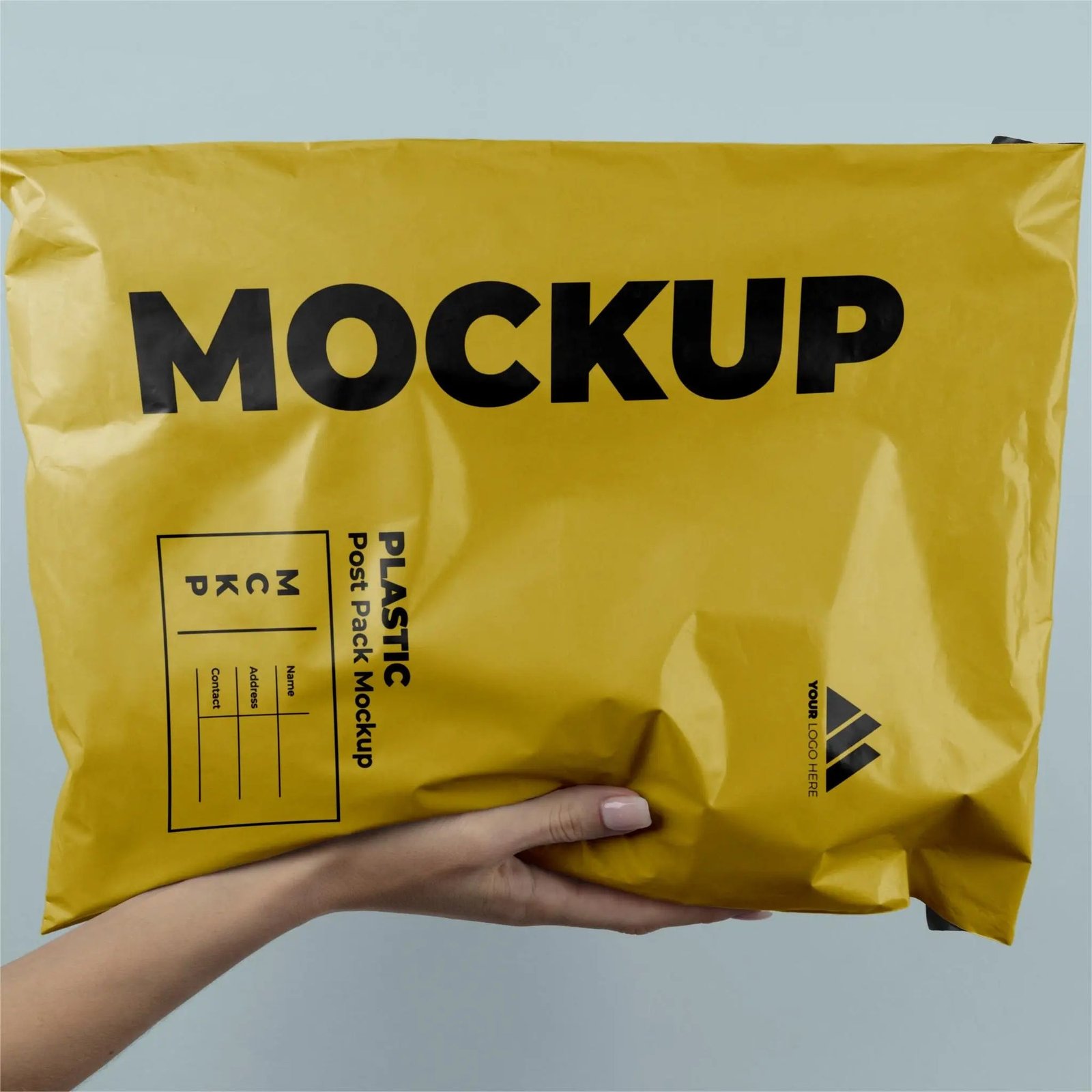
Hangtags And Packaging
Complete your private-label denim program with custom hangtags, barcode-ready stickers, branded polybags and presentation packaging. These final details support retail handling, product storytelling and a consistent unboxing experience for wholesale or direct sales.
About Custom Denim Sets Manufacturing
Founded in 2010 in Humen Town, Dongguan, JUNSHEEN helps brands turn custom denim sets and casualwear concepts into production-ready collections. Our one-stop team supports development from tech packs, sketches and reference garments through fabric sourcing, sampling, bulk production and export.
With 200+ skilled workers and monthly capacity above 80,000 units, we support capsule launches from 100 units per style and color as well as scalable repeat programs. Cut-and-sew, knitwear, denim washing, decoration, labels, trims and packaging are coordinated through one experienced supply chain.
What differentiates JUNSHEEN is fit-first development across XS–3XL, including extended-size, plus-size and modern oversized grading. We have served 2,000+ fashion-brand clients globally with clear technical communication, dependable quality control and flexible manufacturing built for long-term growth.

Core Capabilities for Custom Denim Sets
Fit Engineering That Scales
JUNSHEEN develops coordinated denim tops and bottoms from XS through 3XL, including extended-size, plus-size, and modern oversized fits. Our pattern team refines balance, rise, sleeve length, mobility, and grading increments so each custom denim set remains consistent across the full size range.
- Pattern making from tech packs, sketches, or reference garments
- Fit-focused grading for XS–3XL and extended sizes
- Prototype, size-set, and pre-production sample support
- Coordinated proportions across matching denim pieces

Fabric and Wash Development
Choose denim and stretch-denim constructions around your target price, weight, drape, recovery, and wash result. We source materials through established supplier networks, then develop garment washes and finishing effects that give custom denim sets the intended hand feel, color character, and durability.
- Denim, stretch denim, twill, and recycled options
- Fabric swatches and sample-garment review
- Stone wash, enzyme wash, acid wash, and garment dye
- Softening and finishing matched to your product brief
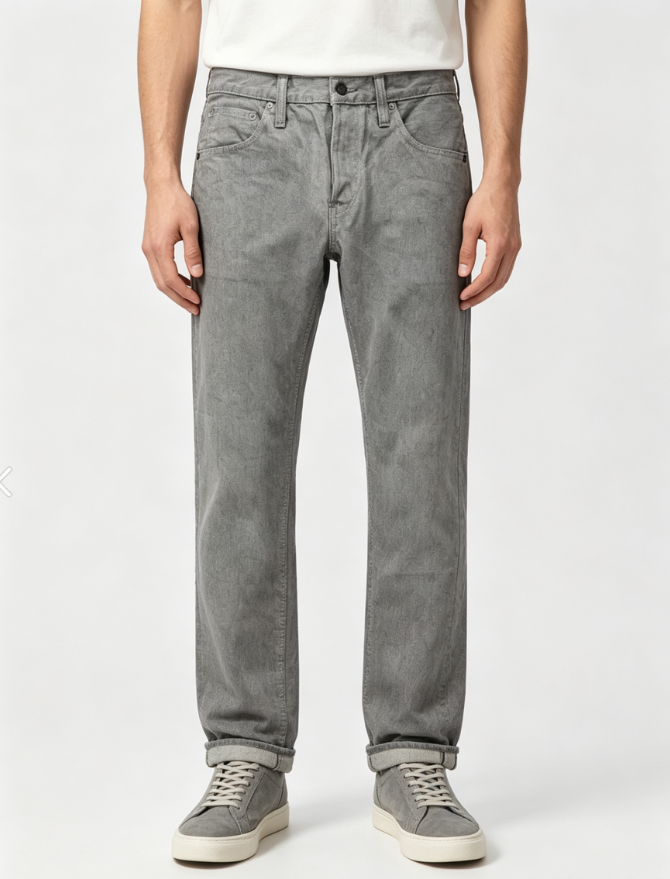
Branding Built Into Production
Keep visual identity under one production partner, from embroidery and print placement to labels, trims, and packaging. JUNSHEEN integrates decoration and private-label details during development, helping your denim program arrive production-ready without fragmented sourcing or avoidable coordination delays.
- Logo embroidery, patches, applique, and print effects
- Custom woven or leather labels and wash-care labels
- Branded buttons, snaps, zippers, and hang tags
- Custom packaging and trim coordination

Controlled Capacity From 100 Units
Launch a capsule custom denim set from 100 units per style and color, then scale into repeat bulk programs with the same retained patterns and material records. Our 200+ skilled workers, 80,000+ monthly-unit capacity, and in-line inspections support dependable global production.
- Low MOQ from 100 units per style and color
- Incoming, in-line, measurement, and final QC checks
- 80,000+ units of monthly production capacity
- Export support for global fashion brands

Why Choose JUNSHEEN for Custom Denim Sets
Built for brand-ready development, dependable production, and scalable global delivery.
← 左右滑动查看 →
Our Custom Denim Sets Production Process
A controlled OEM workflow that turns your concept into coordinated denim separates with fit, finish and private-label details managed in one supply chain.
Feasibility and Material Sourcing
We review your tech pack, references or concept, confirm manufacturability, recommend denim weights, stretch, washes, trims and target specifications.
Patterning and Fit Development
Our pattern team builds coordinated jacket, shirt, jean or short patterns, then grades XS–3XL with proportion and mobility considered throughout.
Sampling and Approval
We produce prototype samples for fit, construction, wash and decoration review, refining measurements and details before pre-production approval.
Cutting and Production
Approved materials move into controlled cutting and sewing, with in-line checks for construction, measurements and coordinated set consistency.
Decoration, Washing and Finishing
Embroidery, printing, patches and denim washes are applied to specification, followed by finishing, labels, branded trims and packaging preparation.
Quality Control and Shipping
Final inspections verify fit, measurements, appearance and packed goods before export-ready cartons are prepared for reliable global shipment.
Start Your Custom Denim Sets Project
Move from concept to approved production with a clear, fit-focused development path.
Send Your Design Brief
Share a tech pack, sketch, reference garment, mood board, target quantities, and size range. Our team reviews your custom denim sets requirements and goals.
Confirm Feasibility and Quote
We assess construction, denim fabric, washes, trims, decoration, fit grading, and 100-unit MOQ options, then provide practical recommendations, lead times, and a clear quotation.
Approve Your Sample
Our developers create patterns and a prototype for review. Confirm measurements, fit, wash effects, branding details, and materials before approving the final pre-production direction.
Launch Bulk Production
After approval, JUNSHEEN manages material sourcing, cut-and-sew production, finishing, quality inspections, custom packaging, and export coordination for dependable delivery as your orders scale.
Custom Clothing Manufacturer Credentials and Compliance Documents



What Fashion Brands Say About Our Custom Denim Sets
JUNSHEEN refined the jacket shoulder and jean rise across XS–3XL, so our size set passed approval after two sample rounds. We launched 240 custom denim sets on schedule and avoided the fit revisions we expected.
Our first 120-set capsule sold through faster than forecast, and the repeat order matched the approved wash, embroidery placement, and measurements. Their retained patterns made reordering simple, even with a tight delivery window.
JUNSHEEN coordinated denim sourcing, private labels, hang tags, and export for 600 matching sets bound for Canada and the UK. The shipment arrived correctly packed and ready for distribution, which saved our team weeks of coordination.
Custom Denim Sets FAQ
Clear answers on MOQ, sampling, fit, production, payment, shipping, and confidentiality for your denim program.
What is the MOQ for custom denim sets?
Can you make a sample before bulk production of custom denim sets?
How long does custom denim set production take?
Can you grade denim sets for plus sizes and oversized fits?
What payment terms do you offer for custom denim sets?
Do you ship custom denim sets internationally?
Can you protect my denim-set designs and private-label details?
Can you source denim fabric, washes, labels, and hardware for one order?
The Complete Buyer’s Guide to custom denim sets
Use this practical framework to compare set styles, materials, customization methods, pricing, and supplier capabilities—so you can select a reliable manufacturer, protect margins, and avoid costly sampling and production mistakes.
1. What Are custom denim sets?
100-unit development programs can define custom denim sets as two or more coordinated denim pieces—such as a jacket with jeans, a shirt with shorts, or an overshirt with a skirt—built to one brand specification. The pieces share intentional cues, including fabric tone, wash recipe, thread color, hardware, pocket language, fit direction, and branding placement, while still working as individual sellable garments. 2 retail outcomes make coordinated sets commercially useful: they create a complete look for campaigns and give stores clear cross-selling opportunities at the fixture, product-page, and checkout levels. Emerging labels, independent designers, wholesalers, retailers, and sourcing teams buy them to establish a recognizable denim proposition across capsules, seasonal drops, and extended-size assortments. 2010 is the founding year of JUNSHEEN, where OEM or ODM set development means reviewing a tech pack, sketch, reference garment, or concept and then engineering patterns, grading, fabric sourcing, wash samples, trims, labels, and pre-production approvals. That process allows a brand to specify silhouettes from XS through 3XL, including oversized and plus-size proportions, rather than accepting a generic fit. 1 logo added to a stock jacket and matching stock jean is private-label decoration, not necessarily true custom development. Genuine custom denim sets require decisions that affect the garment itself—rise and inseam, jacket balance, stretch recovery, seam construction, wash behavior, Pantone-linked trims, and coordinated size grading—before bulk production begins.
2. The Evolution of Denim Coordinates
1873 marked denim’s move from durable workwear into a recognizable garment category, but the fabric became a fashion uniform when postwar youth adopted jeans as a visible sign of independence. By the 1950s and 1960s, denim jackets and jeans were being worn together, establishing the practical roots of coordinated dressing. 1970s designer denim turned fit, wash and branding into purchase decisions rather than afterthoughts. The 1980s and 1990s then widened the vocabulary through acid washes, stone washes, oversized silhouettes and streetwear layering, making denim coordinates suitable for fashion-led assortments instead of only utility clothing. 2020s matching looks have made that heritage commercially useful again: buyers can build jackets, jeans, skirts, shorts and overshirts around a shared wash direction while varying the silhouette. For custom denim sets, this requires flexible pattern development across XS–3XL, controlled wash approvals and 100-unit test runs by style and color, so brands can validate fit and sell-through before committing to a deeper program.
3. Types of custom denim sets
Six core formats let buyers align custom denim sets with climate, customer behavior, and price architecture. Build the launch calendar around wear occasions first: transitional layers, warm-weather separates, or year-round streetwear.
Jacket And Jeans
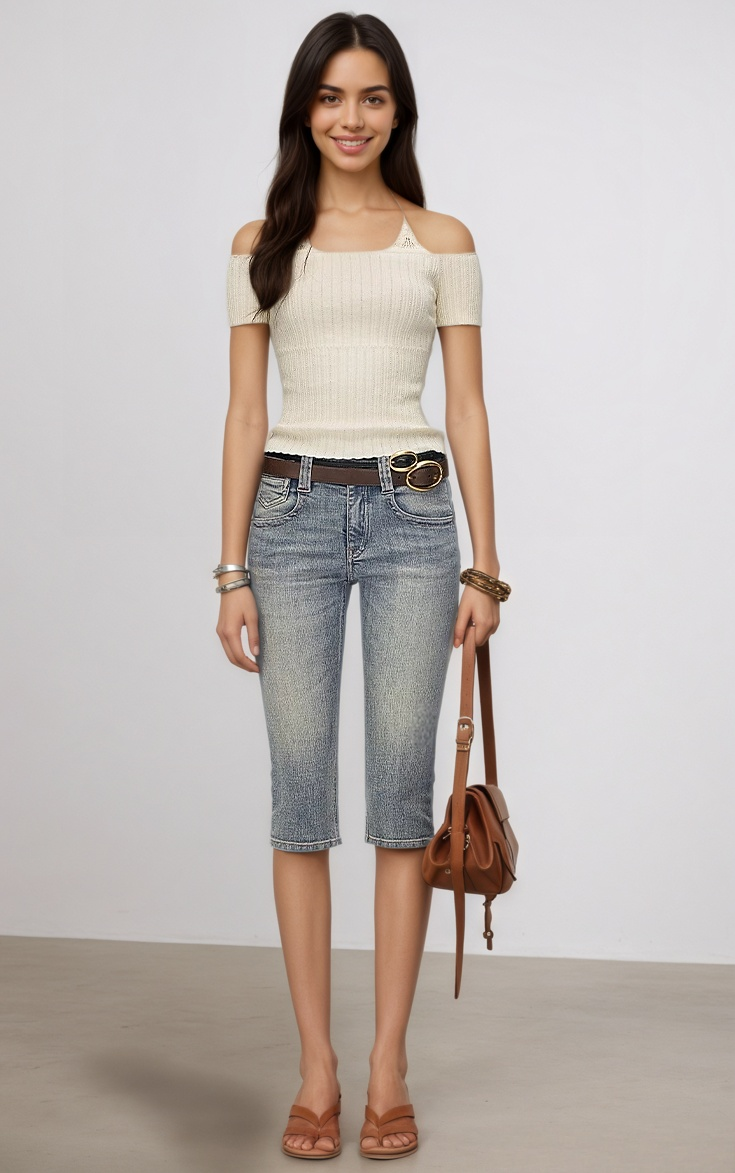
Two-piece jacket-and-jeans sets suit contemporary labels and denim specialists. Spring/fall launches favor cropped or relaxed jackets with straight, wide-leg, or loose jeans; position them as premium coordinated outfits.
Shirt And Jeans

Two-piece shirt-and-jeans coordinates fit resort, casual, and unisex assortments. Lightweight chambray or denim shirts pair well with relaxed bottoms for spring/summer, supporting accessible mid-tier retail pricing.
Vest And Bottoms

Two-piece vest sets target trend-led womenswear and festival customers. A fitted vest with wide-leg jeans, shorts, or a matching skirt creates a sharper warm-season silhouette and a fashion-forward retail story.
Skirt Sets

Two-piece skirt sets serve youthful boutiques and feminine contemporary brands. Mini skirts favor summer and festival drops, while midi or maxi versions extend into transitional collections with a more elevated position.
Short Sets

Two-piece short sets work for vacation, street-casual, and influencer-led capsules. Boxy shirts or cropped jackets with denim shorts sell best in spring/summer and provide an approachable entry-price coordinate.
Oversized Streetwear Coordinates

Two-piece oversized coordinates suit unisex streetwear labels and extended-size programs. Loose truckers, oversized shirts, baggy jeans, or long shorts support year-round drops and higher perceived-value styling through layered proportions.
4. Fabrics for custom denim sets
Fabric choice determines how a denim coordinate fits, fades, moves, and survives repeat washing. For custom denim sets, specify fiber content, weave, GSM, finish, and verifiable responsible-material documentation before sampling.
| Fabric Type | Approx. GSM | Best Applications | Comfort / Durability | Season |
|---|---|---|---|---|
| Rigid denim | 320–420 | Jeans, jackets, workwear sets | Low stretch / high | Cool to mild |
| Comfort stretch | 280–360 | Slim jeans, skirts, overshirts | Medium / high | Three-season |
| Super stretch | 240–320 | Fitted jeans, corset tops | High / medium | Three-season |
| Lightweight chambray | 180–250 | Shirts, shorts, summer sets | High / medium | Warm |
| Recycled blend | 260–360 | Casual coordinates | Varies / medium-high | Three-season |
| Colored denim | 280–380 | Fashion sets, uniforms | Medium / high | Mild to cool |
Read Fiber And Stretch

100% cotton rigid denim delivers the clearest structure and vintage fade potential, especially in ring-spun twill. Add 1–2% elastane for comfort stretch; 2–4% suits body-hugging super-stretch fits. Cotton percentage alone is insufficient. Confirm whether polyester supports recovery, then test stretch, growth, and recovery after wash rather than approving a swatch by hand.
- Rigid: authentic structure and break-in
- Comfort stretch: easier movement, controlled shape
- Super stretch: close fits with recovery
Match Weight To The Set

180–250 GSM chambray is breathable for shirts, relaxed shorts, and warm-weather layers, but it will not hold a jean-jacket silhouette. Typical denim twill runs 280–420 GSM, with heavier weights favoring structured overshirts, jeans, and outerwear. Use the same or deliberately complementary weight across both pieces. A heavy jacket paired with a very light bottom can look mismatched after laundering.
Specify Finish And Claims

Enzyme, stone, acid, and garment-dye finishes change shade, hand feel, shrinkage, and seam contrast. Approve wash panels from the selected bulk fabric, because indigo behavior varies by mill and lot. Recycled cotton blends can reduce virgin-fiber use, but claims need transaction-level evidence. Request composition records and applicable GRS, OEKO-TEX, or GOTS documentation; certification scope must match the supplied material.
5. Customizing custom denim sets
Two coordinated pieces should read as one product family, yet each needs its own fit and decoration map. Lock the silhouette, wash target, Pantone accents, hardware finish, and branding locations before the first sample.
| Method | Best Placement | Durability Watchpoint |
|---|---|---|
| Embroidery | Chest, yoke, back panel | Use backing; avoid seam bulk |
| Screen Print | Smooth front or back panel | Wash-test ink adhesion |
| Applique | Back panel, pocket, sleeve | Secure edges against lifting |
| Patches | Chest, pocket, waistband | Reinforce for repeated washing |
| Hardware | Placket, cuffs, waistband | Match finish and corrosion resistance |
Silhouette And Size Mapping

3 fit points should align across the set: shoulder width, waist position, and leg or hem volume. A cropped trucker with high-rise wide-leg jeans needs a shared proportion brief, not identical measurements. XS–3XL grading requires separate balance checks for the top and bottom. Confirm sleeve length, chest ease, rise, thigh ease, and inseam together on a size set.
Wash And Panel Direction
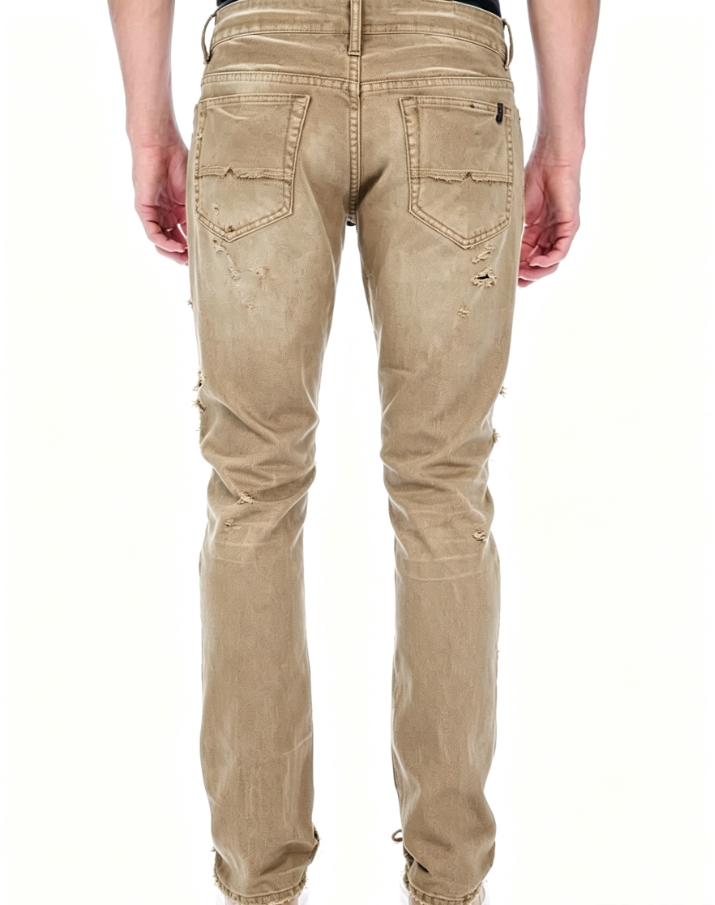
1 approved wash standard prevents mismatched cast between pieces. Match indigo tone, abrasion level, whiskers, and tint on the same denim lot; contrast panels should be sampled after washing. 2 distress zones—such as knees and pocket edges—are usually safer than heavily weakened seams. Keep rips away from pocket bags, zipper flys, belt loops, and high-stress seat areas.
Branding Placement And Wear

3 decoration factors govern durability: stitch density, backing, and placement. Embroidery and applique suit yokes, chest, back panels, and pockets; avoid thick embroidery across elbows, knees, or bulky seam intersections. 4 print variables matter on denim: ink adhesion, wash testing, and surface texture. Screen print works best on smoother panels, while patches and metal hardware need reinforcement so both pieces age consistently.
6. Construction Quality for Denim Sets
A denim set is only as reliable as the weaker garment: jacket, overshirt, jeans, or skirt must withstand the same wash and wear cycle. Buyers should review approved samples after laundering, not only before production.
Seams And Stress Points

Eight to 10 stitches per inch is a practical target for most denim seams; chain stitching is useful on long construction seams, while lockstitching controls seam opening. Inspect even stitch tension and clean back-tacks at every seam end. Bartacks should reinforce pocket corners, fly bases, belt-loop ends, crotch joins, and jacket pocket openings. Double-needle felled seams on inseams and side seams add abrasion resistance without creating bulky ridges.
- Check skipped stitches and broken needle damage
- Match thread color and stitch length across both pieces
- Require bartack placement on the approved sample
Hardware And Pocket Build

Metal zippers should run smoothly through 20 repeated open-close cycles, and buttons or tack buttons must remain secure after washing. Specify branded hardware only after checking plating, sharp edges, and corrosion resistance. Pocket bags need durable woven fabric and secured opening edges; shallow or poorly anchored pockets cause early returns. Waistbands require stable interfacing, aligned belt loops, and a balanced center-back seam so the set keeps its intended silhouette.
Wash, Measurements, And Release

Two wash tests—one before approval and one from bulk production—should confirm shrinkage, twisting, seam puckering, and color transfer. Test dark indigo against light linings and a white cotton cloth, especially when the coordinating pieces use different weights. Typical finished-garment measurement tolerances are about ±1 cm on key points, with tighter control on matching rises, sleeve lengths, and garment lengths. Junsheen can check incoming fabric, in-line construction, measurements, decoration, and packed goods against the approved sample.
- Measure both garments after the specified wash
- Compare shade and wash character side by side
- Hold bulk release until the coordinated set passes inspection
7. Choosing a custom denim sets Manufacturer
A 100-unit starting point can suit a capsule, but supplier selection should begin with technical proof rather than a low quotation. Evaluate whether the factory can control matching fit, wash appearance, repeatability, and export documentation across both pieces.
Verify Denim Development

12–14 oz rigid denim and 10–12 oz stretch denim behave differently after washing, so request photos of comparable jacket-and-jean or shirt-and-short samples. Ask for the fabric composition, ounce weight, shrinkage allowance, wash recipe, and before-and-after measurements. Pantone references alone cannot define a denim wash; require approved wash standards showing shade, abrasion placement, whiskers, distressing, and hardware. Review pattern measurement specs and graded size charts, especially for coordinated rises, sleeve lengths, and proportions.
- Comparable sample photos
- Measurement specifications and grading
- Wash test panels or standards
Assess Sampling And MOQ
100 units per style and color is a workable low-MOQ threshold only when fabric, trims, and wash complexity are confirmed. Obtain a line-item quotation separating development, sample, fabric, decoration, wash, packaging, freight terms, and bulk lead time. 2–3 sample rounds are common for a new denim program, but each revision should have dated comments and a revised spec sheet. Confirm who approves the size set and what changes trigger new sampling charges.
- Sample timeline and revision policy
- MOQ by style, color, and size
- Written bulk lead time
Check Production Evidence
200+ workers and 80,000-unit monthly capacity are meaningful only when supported by current production evidence and allocation confirmation. Request factory credentials, social-compliance audit reports such as BSCI or WRAP where relevant, and export references for your destination market. Four inspection stages—fabric, in-line sewing, measurements, and packed goods—should be documented in the purchase order. Before paying a deposit, request fabric test reports for colorfastness, shrinkage, and stretch recovery, plus a communication plan naming the responsible merchandiser.
- Current factory credentials
- Fabric and wash test reports
- Pre-shipment inspection standard
- Named export contact
8. Common Custom Denim Sets Buying Mistakes
Most denim-set failures begin before bulk cutting, when a visually acceptable sample lacks measurable standards. For custom denim sets, document the fabric, wash, fit, hardware, and approval controls that protect margin and delivery dates.
Specify Fabric And Wash Standards
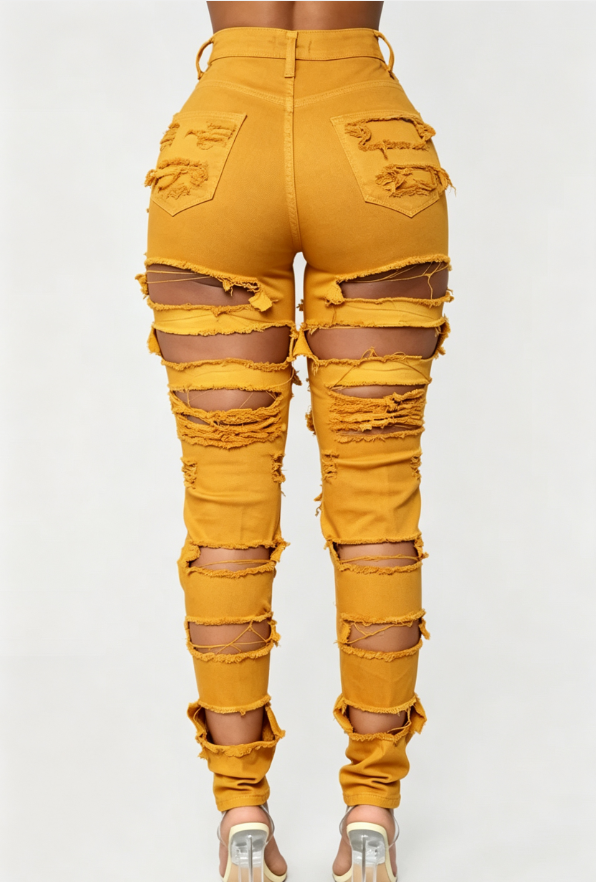
10–14 oz denim can look similar on a hanger while differing materially in stretch recovery, yarn quality, and wash shrinkage. Approve fabric by composition, finished weight, width, stretch percentage, and a signed swatch—not appearance alone. 3 wash references are safer than one attractive prototype: retain an approved control sample, Pantone target, and wash recipe with tolerance. Otherwise bulk lots can show shade variation, back-staining, color bleed, or inconsistent abrasion that triggers rework.
Control Fit And Components
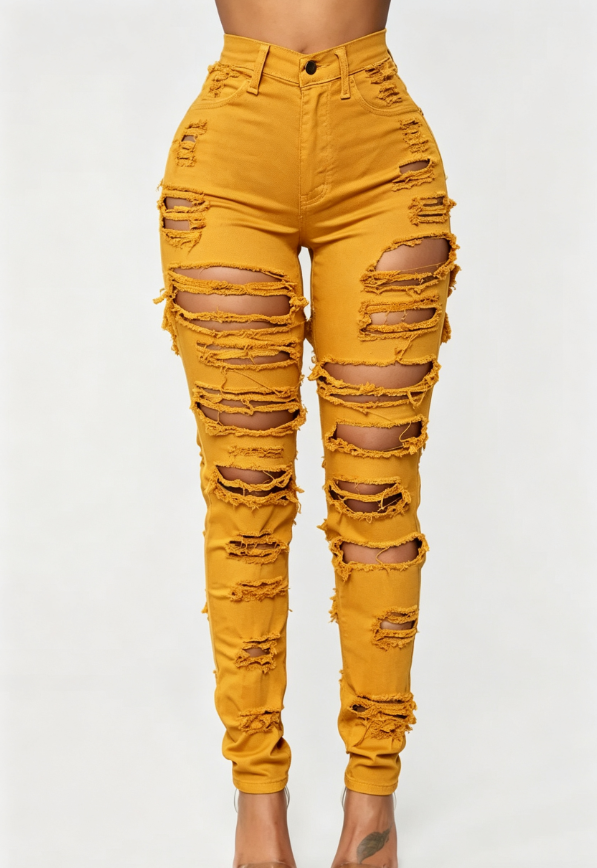
0.5–1.0 inch shrinkage can distort a coordinated jacket-and-jean fit after laundering. Require wash-test measurements, a point-of-measurement chart, and shrinkage allowances before grading is finalized. XS–3XL grading cannot be created by enlarging one base size. Review a complete size set for rise, shoulder balance, sleeve length, mobility, and proportional pocket placement before confirming bulk.
Approve Bulk Before Production
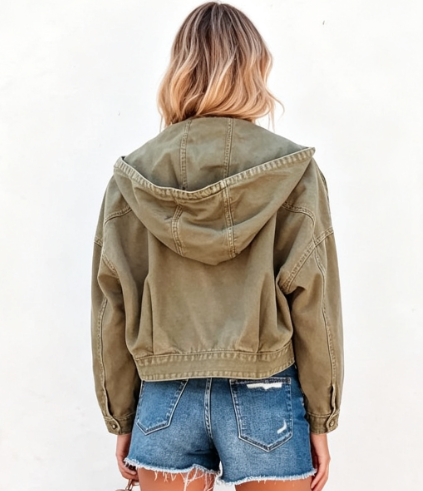
YKK-equivalent hardware, rivets, snaps, and zipper finishes must match the garment’s wash chemistry and intended color. Specify supplier, finish, logo artwork, puller shape, and corrosion testing; mismatches create failures and expensive replacements. 100-unit orders can become unprofitable when sourcing is chosen only by unit price or production starts without pre-production approval. Compare landed cost, defect risk, lead time, and communication, then sign off a pre-production sample against the final tech pack.
9. Launching Your Denim Set Collection
A 100-unit-per-style-and-color launch can move cleanly when commercial choices are fixed before development. Start with a defined customer, target retail price, color count, and delivery window; each decision narrows fabric, wash, trim, and construction choices.
Position The Capsule
Two to four coordinated pieces are sufficient for a first capsule: for example, a jacket, jean, overshirt, and denim short. Define hero SKU, intended fit, competitor price band, and whether the set is sold together or separately.
- Target customer and use occasion
- Retail price and gross-margin target
- Core colorways and launch quantities
Build Production Tech Packs
One complete tech pack per SKU should specify flat sketches, measurements, stitch types, Pantone colors, wash reference, artwork placement, label positions, and packaging. A reference garment or mood board can support direction, but cannot replace measurable specifications.
Approve Materials And Samples

8–14 oz denim is a practical development range; confirm fiber content, stretch recovery, shrinkage, colorfastness, and wash hand feel from swatches before sampling. Sampling must precede bulk fabric booking because enzyme, stone, acid, or garment-dye processes can change measurements and shade. One revision cycle should resolve fit, wash, decoration, hardware, and construction issues before approving a size set. Lock fabric lot, Pantone, artwork files, grading rules, bill of materials, labels, and approved sample before bulk cutting.
Control Bulk And Launch Assets
100 units per style and color is a workable starting MOQ for a focused capsule, while larger forecasts improve fabric and trim efficiency. Use a pre-production sample as the final physical reference for measurements, wash tone, seams, and branding. Three inspection points—incoming fabric, in-line sewing, and final packed goods—help catch shade variation, measurement drift, broken stitches, and incorrect labels. Photograph approved samples or early bulk units only after all visible details match the pre-production approval.
- Approve final measurement tolerances
- Inspect wash shade across the batch
- Confirm carton marks before delivery
10. Custom Denim Sets Pricing and MOQ
100 units per style and color is a practical OEM starting point for custom denim sets at Junsheen; the ranges below are indicative USD FOB China prices for a two-piece set, before freight and duties. A lightweight 10–12 oz denim coordinate costs differently from a 13–15 oz rigid set because fabric yield, sewing time, and wash loss change together. 30–45 production days after pre-production approval is a typical planning range, with sampling and fabric confirmation scheduled separately. Request every factory price the same tech pack, graded size range, fabric composition and weight, wash recipe, Pantone color, trims, decoration placements, labels, packaging, quantity per color, Incoterm, and destination so quotations remain comparable.
| Quantity per style/color | Indicative FOB USD per two-piece set | Bulk lead time | Typical specification |
|---|---|---|---|
| 100–299 units | $28–$45 | 35–45 days | 10–12 oz denim, simple enzyme or stone wash, standard labels |
| 300–499 units | $24–$38 | 30–40 days | 12–13 oz denim, pockets, custom buttons, basic branded packaging |
| 500–999 units | $21–$34 | 28–38 days | 13–15 oz denim, multiple washes, embroidery or screen print |
| 1,000+ units | $18–$30 | 25–35 days | repeatable bulk program with consolidated fabric and trim purchasing |
Ready to Develop Your Custom Denim Sets?
Send your tech pack, reference garment, or concept to JUNSHEEN for fit-focused development and a production quote from 100 units.