
Custom Embroidery Manufacturing for Fashion Brands
Launch embroidered apparel from 100 units per style with custom embroidery, OEM/ODM development, private labels, and scalable global production.
Featured Products for custom embroidery Development


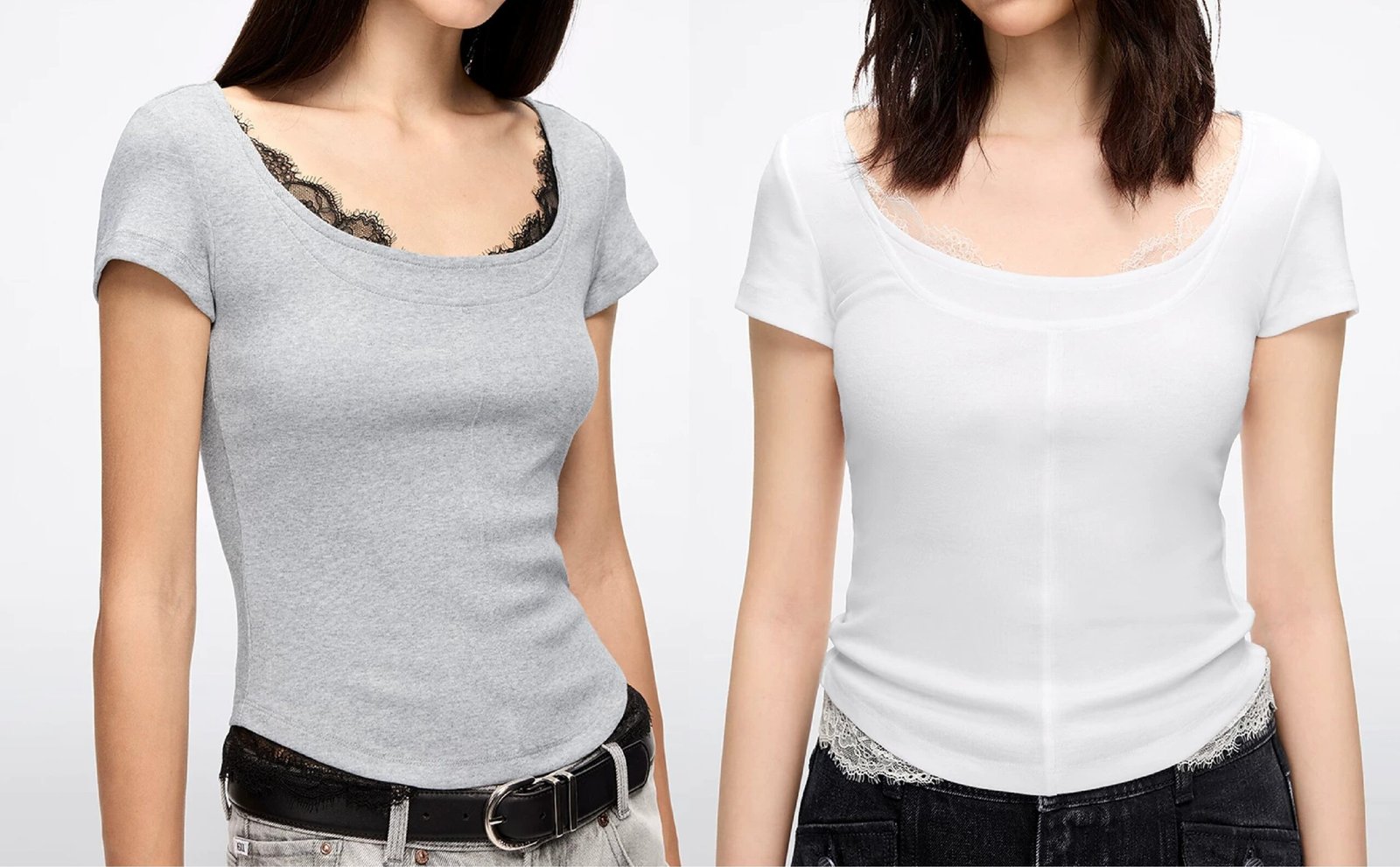


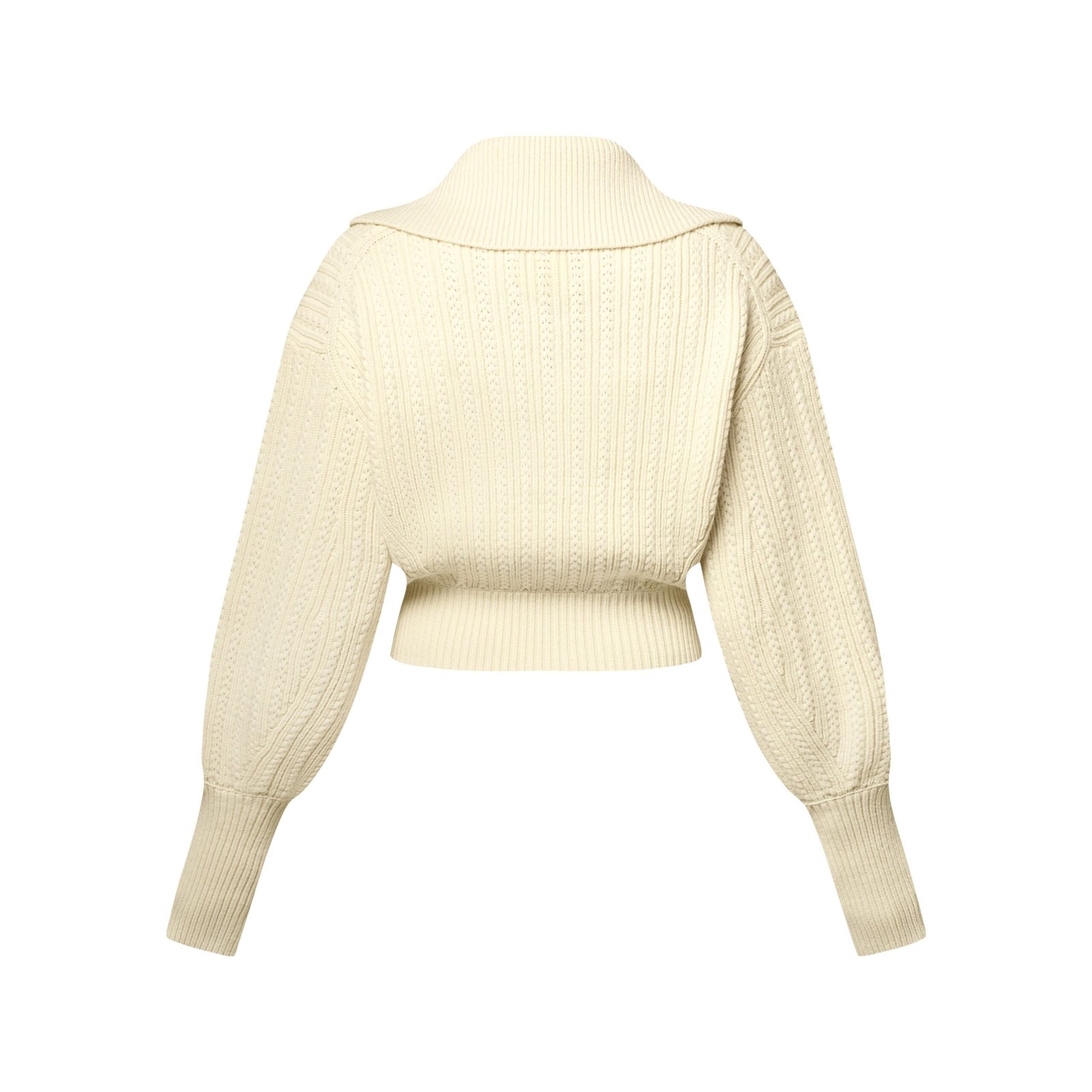


Related Custom Embroidery Product Catalogue and Quotation





Why Choose Our Custom Embroidery Manufacturing
Integrated development, decoration and production support for branded apparel programs from 100 units per style and color.
In-House Embroidery
Flat, 3D puff, chain stitch, applique, sequins, patches and logo embroidery are managed within one coordinated production workflow.
Low MOQ, Ready to Scale
Launch capsule collections from 100 units per style and color, then scale into repeat bulk programs with retained production records.
Fit-Led Development
Patterns and grading are refined from XS to 3XL for standard, extended-size, plus-size and modern oversized embroidered apparel.
Complete Private Labeling
Add custom labels, hang tags, trims, branded packaging and finishing details alongside embroidery for a cohesive retail-ready product.
Global Export Support
Our experienced team coordinates quality control, packed-goods checks and worldwide shipping support for fashion brands sourcing from Dongguan.
One Supply Chain
Combine cut-and-sew, knitwear, fabric sourcing, embroidery, printing, washing and packaging through JUNSHEEN’s integrated manufacturing operation.
Embroidery-Ready Apparel We Manufacture
Custom embroidery development for casualwear and knitwear, from low-MOQ samples to scalable private-label production.

Flat & Logo Embroidery
Custom logo embroidery for T-shirts, polos, jackets, denim, caps and branded casualwear. We develop stitch files, placement specifications and backing choices around fabric weight, logo detail and wash performance, then manage sampling and bulk production from 100 units per style and color.
Request a Quote
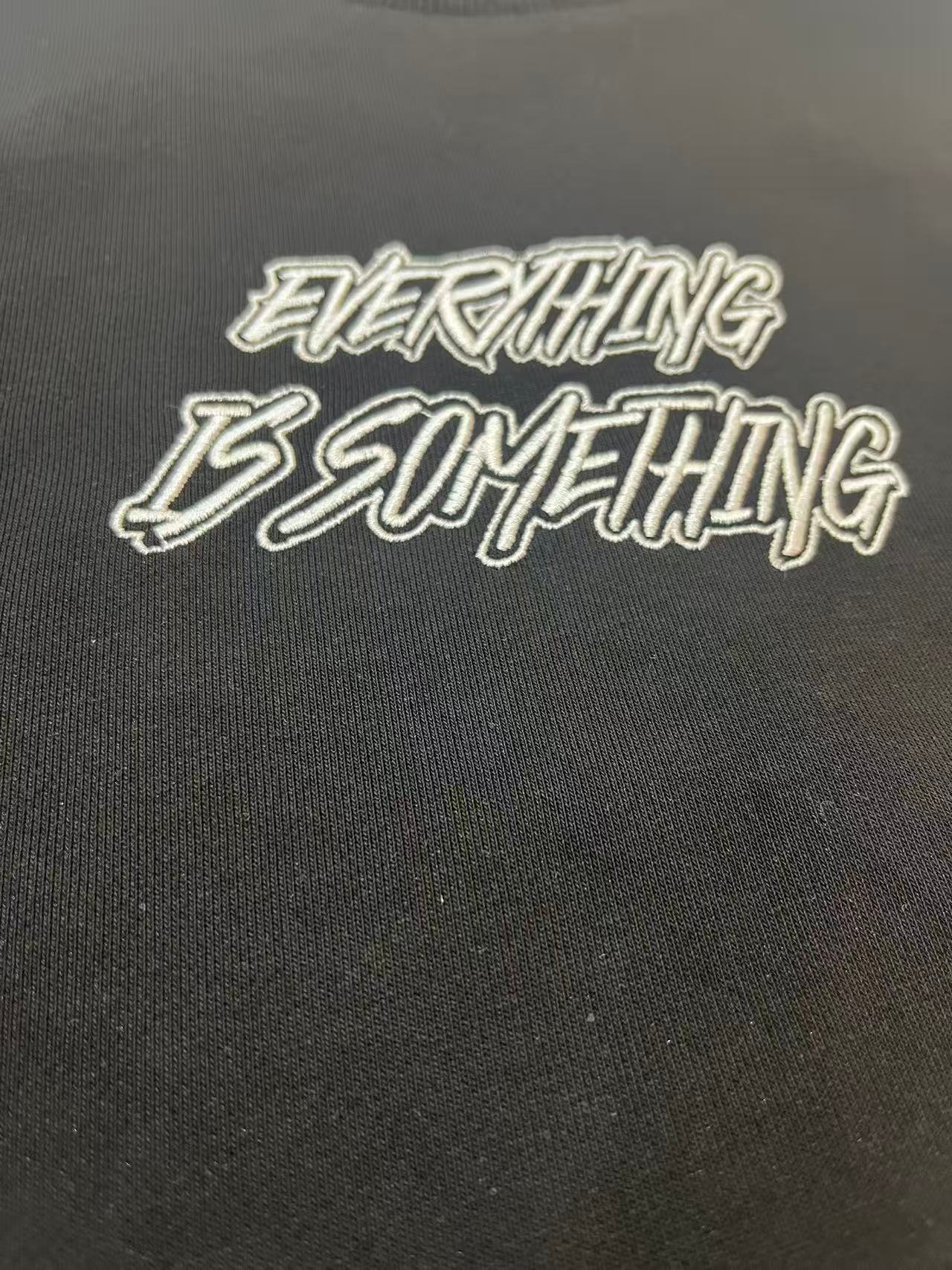
3D Puff Embroidery
3D puff embroidery adds raised definition to logos, lettering and graphic elements on hoodies, sweatshirts, caps and outerwear. Our team tests foam height, stitch density and placement during sampling to maintain clean edges, durable coverage and consistent results across approved production runs.
Request a Quote
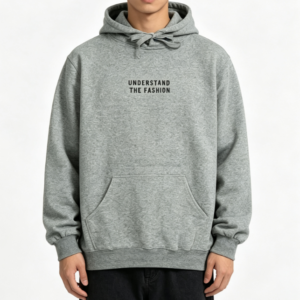
Hoodie & Sweatshirt Embroidery
Our hoodie embroidery service supports fleece, French terry and heavyweight sweatshirt programs with chest, sleeve, back and hood placements. We review fabric stability, rib construction and embroidery backing before sampling, helping brands avoid puckering, distortion and inconsistent logo positioning in bulk production.
Request a Quote
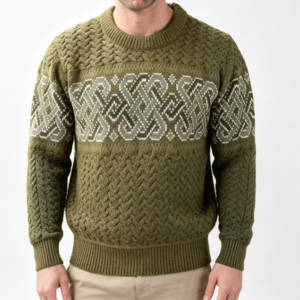
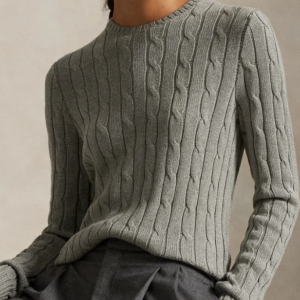
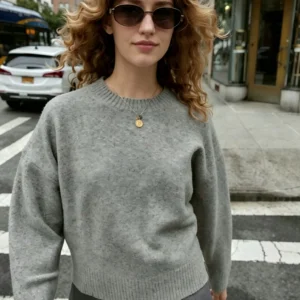
Sweater & Knit Embroidery
Our sweater embroidery service pairs logo and decorative embroidery with knitted pullovers, cardigans and sweater dresses. We assess knit gauge, yarn composition and stretch before setting stitch density and backing, protecting garment shape while supporting XS–3XL and oversized size grading.
Request a QuoteMaterials for Durable Custom Embroidery

French Terry
A breathable cotton-rich loopback fabric for premium hoodies, crewnecks, and matching sets. Its stable midweight body supports clean custom embroidery while retaining a soft interior hand feel and relaxed year-round comfort.

Brushed Cotton Fleece
A soft, warm fabric for heavyweight hoodies, sweatpants, and cold-weather layers. Brushed fleece offers a plush hand feel and dense surface that helps embroidered logos sit smoothly without compromising everyday comfort.

Heavyweight Cotton Jersey
A smooth, substantial knit suited to embroidered T-shirts, polos, and elevated basics. Available in varied GSM weights, it provides breathable comfort with a stable face for crisp logo embroidery and custom patches.

Stretch Denim
A durable woven choice for embroidered jeans, denim jackets, skirts, and sets. Cotton denim with controlled stretch combines structured texture, reliable abrasion resistance, and better mobility for fashion-led fitted silhouettes.

Cotton Twill
A tightly woven fabric for caps, workwear jackets, overshirts, and utility apparel. Its firm diagonal construction delivers a clean embroidery ground, durable wear performance, and a structured hand feel that holds shape well.

Wool Blend Knit
A refined sweater fabric for embroidered cardigans, pullovers, and premium knitwear. Wool-blend yarns offer warmth, natural softness, and dimensional texture; stitch density can be adjusted to protect the knit’s drape.
Custom Embroidery and Decoration Techniques

Flat Embroidery
Clean, precise logo stitching for polos, hoodies, jackets, denim, and knitwear. Flat custom embroidery delivers durable color definition and a refined branded finish that holds up through regular wear and laundering.

3D Puff Embroidery
Raised foam-backed stitching creates bold dimension for caps, sweatshirts, outerwear, and statement logos. Our team reviews artwork, stitch density, and fabric weight to achieve clear height, edge definition, and dependable durability.

Chain Stitch
Looped thread construction gives lettering and graphic motifs a heritage, handcrafted character. Chain stitch embroidery adds tactile texture and visual movement, making it especially effective for varsity-inspired, denim, workwear, and premium casual collections.

Applique Embroidery
Fabric shapes are secured with decorative stitching to create layered graphics with reduced stitch coverage. Applique combines texture, color blocking, and durable edges for standout collegiate logos, oversized artwork, and fashion-forward garment details.


Embroidery Print Combinations
Combine custom embroidery with screen print, puff print, silicone, or high-density effects for multi-dimensional artwork. This approach balances tactile detail with broad graphic coverage, helping brands create richer designs while managing production cost.
Custom Embroidery Trims and Private-Label Accessories

Woven Brand Labels
Custom woven main, size, and wash-care labels give embroidered hoodies, jackets, knitwear, and denim a finished private-label identity while providing clear sizing, fiber, and care information.

Custom Logo Patches
Add embroidered, woven, leather, or appliqué patches to chest panels, sleeves, pockets, and back yokes for dimensional branding that complements custom embroidery without relying on a single decoration method.

Branded Zippers
Select custom zipper pulls, logo sliders, and durable zipper options for hoodies, outerwear, denim, and pockets. These details improve function while carrying a consistent branded finish across each garment.

Snap Button Sets
Custom metal snaps, rivets, and buttons suit denim jackets, overshirts, outerwear, and utility styles. Choose finishes and logo treatments that align hardware with your embroidered garment collection.

Drawcord and Tipping
Specify drawcord material, length, aglets, and contrast tipping for hoodies, sweatpants, and shorts. Branded or color-matched cords create a polished detail that supports your collection’s visual direction.
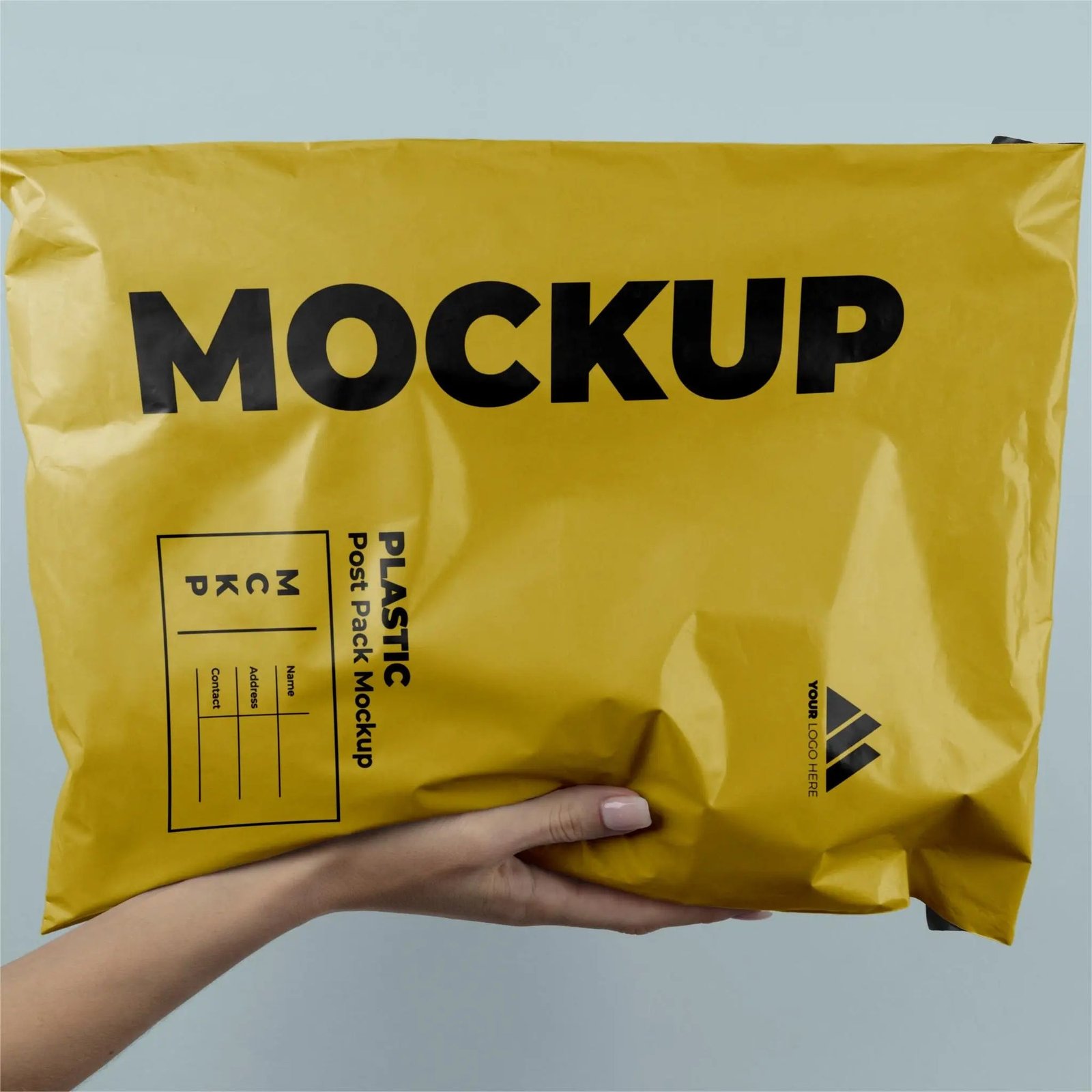
Hangtags and Packaging
Complete delivery-ready private-label programs with custom hangtags, barcode stickers, polybags, tissue, cartons, and branded packaging. JUNSHEEN coordinates these finishing details for export-ready embroidered apparel orders.
About JUNSHEEN Custom Embroidery
Founded in 2010 in Humen Town, Dongguan, JUNSHEEN helps fashion brands turn custom embroidery concepts into production-ready casualwear, denim, knitwear and outerwear. We provide OEM, ODM and private-label manufacturing for emerging labels, independent designers, wholesalers and established global brands.
Our 200+ skilled workers, integrated supply chain and monthly capacity exceeding 80,000 units support launches from 100 units per style and color through scalable repeat programs. In-house embroidery, printing, washing, labeling, trims, packaging and export coordination keep critical production details under one accountable team.
What distinguishes JUNSHEEN is a fit-first development approach alongside dependable decoration expertise. From XS–3XL, extended-size and oversized grading to flat, puff, chain-stitch and applique embroidery, we refine each garment for wearability, visual impact and consistent bulk quality.

Core Capabilities Behind Production-Ready Custom Embroidery
Fit-First Pattern Development
JUNSHEEN develops embroidered apparel from XS to 3XL with patterns refined for normal, extended-size, plus-size and oversized fits. Our team adjusts balance, mobility and grading before bulk production, helping prevent avoidable sample revisions and inconsistent sizing.
- Pattern making from tech packs, sketches or reference garments
- Size grading tailored to body proportion and intended silhouette
- Prototype, size-set and pre-production sample support
- Fit review for hoodies, tees, denim, outerwear and knitwear

In-House Decoration Control
Keep custom embroidery aligned with the garment from sampling through packed goods. JUNSHEEN manages flat, 3D puff, chain stitch, applique, sequins, patches and logo embroidery alongside printing, washing and finishing for clearer coordination and consistent execution.
- Embroidery placement, scale and backing reviewed during sampling
- Decoration combined with screen print, DTG, DTF and transfers
- Garment washes and finishes planned around decoration requirements
- Private-label labels, trims and branded packaging managed in one supply chain

Fabric Sourcing With Purpose
Fabric selection is matched to embroidery performance, target cost and the final garment’s hand feel. Through an established supplier network, JUNSHEEN sources jersey, fleece, French terry, denim, twill, performance knits and recycled options for approval before bulk commitment.
- Fabric weight and structure assessed for stitch stability
- Swatches and sample garments available for material review
- Recommendations balance drape, durability, stretch and wash performance
- Cotton, organic cotton, denim, knitwear and blended fabric options

Scalable Production Quality
From a 100-unit capsule to repeat bulk programs, JUNSHEEN combines 200+ skilled workers with monthly capacity above 80,000 units. Incoming fabric, in-line construction, measurements, decoration and final packed goods are checked to maintain reliable production control.
- Low MOQ from 100 units per style and color
- Cut-and-sew and knitting capability under one production network
- Quality checks from material receipt through final packing
- Global export support for growing fashion brands

Why Brands Choose JUNSHEEN Custom Embroidery Over Typical Suppliers
Integrated development, fit-focused production, and export-ready support built for fashion brands.
← 左右滑动查看 →
Custom Embroidery Production Process
A managed OEM workflow for embroidered apparel, from technical review and material selection to approved bulk goods and global delivery.
Review Design Feasibility
Share your tech pack, artwork, reference garment, or idea. Our team reviews construction, embroidery placement, stitch requirements, sizing, MOQ, and target cost.
Source Fabrics and Trims
We recommend suitable fabrics, backing, threads, labels, and trims based on garment weight, hand feel, durability, wash performance, decoration effect, and budget.
Develop Samples and Fit
Pattern makers create fit-focused XS–3XL patterns and sample garments. You review measurements, embroidery quality, colors, materials, and overall construction before approval.
Confirm Production Details
After sample approval, we finalize specifications, graded size sets, artwork, materials, packing requirements, quotation, delivery plan, and production order details.
Produce and Inspect Goods
Our 200-plus skilled workers manage cutting, embroidery, sewing, finishing, and in-line checks. Final inspections verify measurements, stitch quality, decoration, and packed goods.
Pack and Ship Globally
We apply your private-label packaging requirements, prepare export documentation, and coordinate global shipping so approved embroidered apparel reaches your destination ready for sale.
How to Work With Our Custom Embroidery Team
Move from an initial garment idea to approved embroidered apparel and repeatable bulk production with one coordinated OEM manufacturing partner.
Share Your Product Brief
Send a tech pack, sketch, reference garment, or mood board with your target apparel style, embroidery artwork, quantities, size range, and intended market.
Review Feasibility and Quote
Our team confirms construction, fabric, placement, stitch approach, trims, fit requirements, MOQ, lead time, and pricing for your custom embroidery program.
Approve Development Samples
Review prototype samples, fabric swatches, embroidery quality, measurements, and graded XS–3XL fit before confirming final specifications and pre-production approval.
Launch Controlled Bulk Production
JUNSHEEN coordinates materials, in-house decoration, cut-and-sew production, inspections, labeling, packaging, and export preparation for consistent bulk delivery.
Reorder With Confidence
Retained patterns, graded size sets, embroidery files, and material records help streamline repeat custom embroidery orders as your collection or volume grows.
Custom Clothing Manufacturer Credentials and Compliance Documents



Custom Embroidery Results for Fashion Brands
JUNSHEEN turned our artwork into clean puff embroidery samples in 18 days and helped us correct the thread density before bulk. The finished 600-piece hoodie drop arrived with consistent placement across every size.
Their pattern team adjusted our oversized sweatshirt from XS to 3XL without losing the intended shoulder shape. We cut sampling revisions from four rounds to two and launched our first 300-unit program on schedule.
After a successful 120-unit test order, we reordered 2,400 embroidered tees across four colors. The retained specs and color references made the repeat run straightforward, and our inbound quality checks found less than 1% rework.
Custom Embroidery FAQ for OEM Buyers
Clear answers on minimums, sampling, lead times, payment, shipping and confidentiality for branded embroidered apparel.
What is your MOQ for custom embroidery orders?
Can I order custom embroidery on hoodies, denim, jackets and knitwear?
Do you provide a custom embroidery sample before bulk production?
How long does custom embroidery sampling and bulk production take?
Can you keep my embroidery design and product information confidential?
What payment terms do you offer for OEM embroidery orders?
Do you ship custom embroidered apparel internationally?
Can you help if I only have a logo or product idea?
The Complete Buyer’s Guide to custom embroidery
Use this decision framework to select embroidery techniques, fabrics, and production partners, compare supplier capabilities, control quality and costs, and avoid common sourcing mistakes before placing an OEM order.
1. What Is custom embroidery?
2010 is the year Dongguan Junsheen Clothing Co., Ltd. began supporting apparel development; in sourcing terms, custom embroidery is decoration formed by stitching digitized artwork onto a garment with programmed multi-needle machines. The embroidery file directs stitch type, sequence, density, thread colors, underlay, backing and machine settings, so the approved artwork becomes a repeatable production specification rather than a simple logo image. 100 units per style and color is a practical starting scale for a capsule program, where embroidery can add a durable, raised identity to hoodies, T-shirts, polos, sweatshirts, denim, jackets, knitwear and puffer outerwear. On extended-size and oversized garments, placement should be reviewed on the graded pattern—not merely centered on a base size—because chest width, shoulder balance and pocket position change across XS through 3XL. 3 core approvals prevent avoidable sampling revisions: the digitized file and Pantone thread references, the stitch-out on the actual fabric, and the finished placement with backing specified. Compared with screen printing, embroidery typically delivers more texture, a higher perceived value and strong wash longevity; printing may still be the better choice for photographic artwork, large solid fills or very soft lightweight jersey. 12,000 stitches is a useful reference point for costing, but stitch count alone does not define quality. Buyers should also approve thread type, backing or stabilizer, logo dimensions, color sequence, trim method, fabric test result and a sealed production sample so brand recognition remains consistent across repeat orders.
2. Evolution of custom embroidery
1760 was the year Saint-Étienne’s mechanical embroidery innovations began shifting decorative stitching from handwork toward repeatable production. Hand embroidery still suits couture details and irregular artisanal effects, but output depends heavily on operator skill, making stitch density, tension, and logo placement harder to reproduce at scale. 1980s computerized embroidery systems converted artwork into digitized stitch files that define stitch type, direction, density, underlay, trims, and thread sequence. A buyer can now approve one programmed logo, then use the same file for sampling and bulk runs, while controlled hooping and placement guides keep left-chest, sleeve, cap, or back-neck artwork aligned across sizes. 12- to 15-needle commercial heads made automatic color changes practical for most branded designs, reducing manual stops between thread colors. Polyester, rayon, metallic, wool-blend, glow-in-the-dark, and thicker specialty threads expanded the visual range, although each requires compatible needles, stabilizers, speed settings, and test swatches to avoid puckering or thread breaks. 100-unit programs are now viable because global OEM manufacturers can pair digitizing, sample approval, multi-head production, and garment assembly in one workflow. For brands, the modern expectation is not merely a decorative logo: it is a documented stitch file, approved thread references, repeatable placement specifications, faster sampling, and consistent results across replenishment orders.
3. Types of custom embroidery
Six production methods cover most custom embroidery programs, but stitch height, artwork density, and garment use should determine the choice. Select the technique before sampling so digitizing, stabilizer, and logo scale are engineered together.
| Method | Visual Effect | Best Artwork And Garments | Durability And Limits |
|---|---|---|---|
| Flat | Clean, low-profile | Fine logos; polos, caps, hoodies | Highly durable; dense fills can stiffen fabric |
| 3D puff | Raised, bold | Simple logos; caps, heavyweight hoodies | Foam limits detail and tight curves |
| Appliqué | Layered textile | Large letters; fleece, denim, varsity jackets | Secure edge stitching required; fraying depends on fabric |
| Chenille | Plush, heritage | Large collegiate forms; jackets, sweatshirts | Abrasion-sensitive; unsuitable for small detail |
| Patch | Separate emblem | Detailed logos; outerwear, caps, bags | Attachment method affects wash durability |
| Metallic | Reflective accent | Simple marks; jackets, premium capsules | Slower production; snag risk and limited dense coverage |
Dimension And Streetwear

3D puff uses foam beneath satin stitches to create raised lettering and bold outlines. It works best on simple 1–2 color logos at roughly 6 mm stroke width or larger. Flat embroidery remains the safer choice for small detail, curved copy, and layered artwork. It suits polos, caps, hoodies, and jackets where a clean premium mark matters.
Texture And Heritage

Appliqué combines a fabric insert with stitched edges, reducing dense stitch fill on large designs. It gives varsity, collegiate, and workwear graphics a softer hand on sweatshirts and denim jackets. Chenille creates a looped, tactile surface for large letters and patches. Its bulk is less suitable for fine type, lightweight jersey, or frequent abrasion zones.
Branding And Special Effects

Patch embroidery allows a detailed logo to be made separately, then sewn or heat-applied to the garment. It supports consistent placement across caps, outerwear, bags, and mixed fabric programs. Metallic thread adds controlled shine to simple outlines or accents. It can snag and runs slower than standard rayon or polyester, so avoid dense fills and tiny lettering.
4. Fabrics for custom embroidery
180–320 GSM fabric handles most logo embroidery, but composition and construction determine whether stitches sit cleanly or pull the garment. Confirm the actual production fabric before digitizing, because stretch, pile and coatings change stabilization needs.
| Fabric Family | Recommended Support | Main Risk | Placement Precaution |
|---|---|---|---|
| Cotton jersey | Medium cut-away; ballpoint | Puckering, stretch distortion | Avoid ribs and seams |
| Fleece or terry | Cut-away plus topping | Pile loss, show-through | Limit dense small text |
| Denim, twill, canvas | Tear-away or cut-away; sharp | Needle deflection | Avoid seam intersections |
| Nylon outerwear | Light cut-away; fine sharp | Hoop marks, tearing | Test coated shells |
| Knitwear | Cut-away plus topping; ballpoint | Snagging, distortion | Keep off ribs and cuffs |
| Performance blends | Cut-away; ballpoint | Recovery distortion | Avoid high-stretch zones |
Match Support To Structure

160–220 GSM cotton jersey needs a medium cut-away backing and ballpoint needle; use a light 40-weight polyester thread to limit tunneling. Keep chest artwork away from rib necklines and side seams. 280–400 GSM fleece and French terry need cut-away support plus water-soluble topping when pile could swallow small lettering. Dense fills can show through on light colors, so reduce stitch density or use an applique.
Protect Technical Fabrics

8–12 oz denim, woven twill and canvas accept sharp needles, tear-away or cut-away backing, and 40-weight polyester thread. Avoid thick seam intersections, pocket edges and multiple plies that can deflect or break needles. 70–140 GSM nylon outerwear requires a fine sharp needle, low-density design and lightweight cut-away backing; test coated shells for hoop marks. Stretch performance blends need cut-away backing, a ballpoint needle and stable placement away from high-stretch panels.
Manage Knitwear Carefully

5–12 gauge knitwear needs temporary topping, cut-away backing and a ballpoint needle to prevent yarn damage. Place designs on stable body panels rather than ribs, cuffs or loosely linked areas.
5. custom embroidery Customization Options
Pantone references, thread charts, and approved strike-offs give buyers control before bulk production. At Junsheen, a logo system should be specified by garment category, size range, placement, backing, and label package—not by one artwork file alone.
| Application | Recommended Adaptation | Backing |
|---|---|---|
| Caps | Simplify fine lines; use a compact front mark | Tear-away or cap backing |
| Tees and hoodies | Use a chest or sleeve placement | Cut-away for stretch jersey |
| Denim and jackets | Use denser detail on stable panels | Tear-away or cut-away |
| Knitwear | Reduce density and avoid heavy fills | Soft cut-away stabilizer |
Thread And Stitch Specifications
Pantone-matched polyester thread suits most casualwear because it resists laundering and abrasion; rayon offers a softer sheen for premium logo work. 3D puff, metallic, matte, and glow-in-the-dark threads require separate sampling because pile height, sheen, and tension change the finished appearance.
- Specify approved thread chart codes
- Set stitch density by fabric weight
- Approve a physical strike-off
- Limit tiny details below 1.5 mm
Logo Scale And Placement
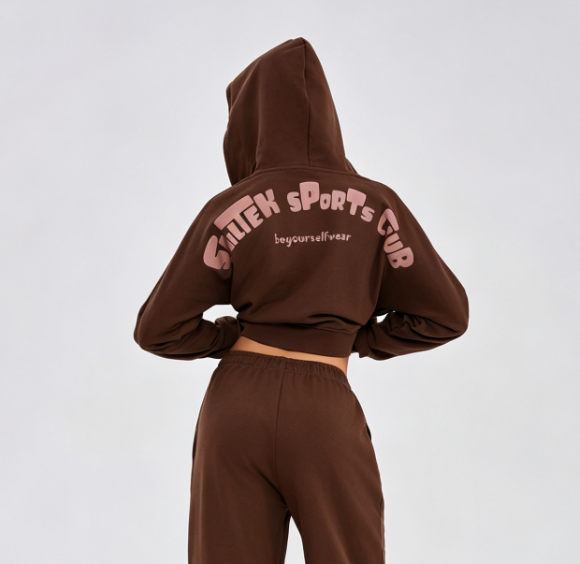
5–8 cm chest logos generally read well on tees, hoodies, jackets, and denim, while cap fronts often need simpler artwork at 5–6 cm. XS–3XL programs need placement and scale grading rules. Keep the master mark, thread palette, and minimum line weight consistent while adapting its format.
Digitizing And Brand Details

1 digitized file is not automatically transferable across caps, knitwear, denim, and fleece: each surface changes pull, texture, and registration. 2,000–8,000 stitches is a practical range for many small logos; added colors, gradients, applique, names, numbers, and patch borders increase run time and cost.
- Use cut-away backing for stretch knits
- Use tear-away backing for stable wovens
- Add branded woven labels separately
- Request individual-name data files
6. custom embroidery Quality Standards
Bulk approval should be based on a sealed embroidery sample, not a screen image. Check the approved garment and several production units under normal light, against the actual fabric, color standard, and placement specification.
Outline And Density
1 mm gaps, clipped outlines, and uneven satin borders are visible at retail distance. Lettering should remain legible, fills should cover consistently, and density must suit the fabric rather than make it rigid. 2 causes often point to digitizing: poor stitch direction, inadequate underlay, excessive density, or insufficient pull compensation. These defects repeat in the same design position across garments.
- Inspect fine letters and corners at arm’s length
- Compare fill coverage against the approved sample
- Check puckering around dense logo areas
Machine And Thread Control
3 production checks identify setup faults: thread tension should be balanced, trims short, and bobbin thread invisible on the face. Random thread breaks, loose loops, or inconsistent coverage between units usually require machine adjustment. 4 color checks should compare thread to the approved Pantone reference or physical standard in consistent lighting. Confirm the same thread codes are used for every production run.
- No loose loops or thread nests
- No long jump-thread tails
- No shade changes within one logo
Fabric, Backing, And Placement
5 stretch testing is essential on jersey, fleece, rib, and performance knits: extend the decorated area moderately, then release it. The embroidery should recover without cracking, tunneling, distortion, or exposed backing. 6 wash tests should follow the proposed care method before bulk approval. Check shrinkage, thread colorfastness, edge lift, backing stability, and whether the logo remains correctly positioned after laundering.
- Verify placement from fixed seams or center lines
- Confirm backing is secure and comfortable
- Review several units, not only the first-off sample
7. Choosing a custom embroidery Manufacturer
100-unit color-and-style programs can suit a capsule launch, but MOQ alone is not a qualification. Select a custom embroidery manufacturer by matching its garment expertise, technical controls, evidence, and delivery process to your collection.
| Selection Area | Question To Ask | Evidence To Request |
|---|---|---|
| Garment OEM | Has this category been produced before? | Comparable portfolio and physical sample |
| MOQ | Can colors and sizes meet launch needs? | Written MOQ by style and color |
| Quality | How are defects prevented and recorded? | QC plan and test reports |
| Delivery | What changes after sample approval? | Dated critical-path schedule |
Match Category Experience

3 garment samples are more useful than a generic logo portfolio: request hoodies, denim, knitwear, or outerwear comparable to your construction. Ask how backing, topping, hooping, and stitch density change for each fabric weight.
- Request category-specific finished samples
- Confirm OEM pattern and trim experience
- Review extended-size grading capability
Verify Production Capability
12-head and multi-head machines improve repeatability when artwork, thread colors, and placements are locked. Ask whether digitizing is in-house, who approves sew-outs, and how capacity is reserved during peak seasons.
- Digitized file and sew-out approval
- Machine-head capacity by week
- Pantone thread-color matching
Inspect Controls And Evidence
4 checkpoints—fabric receipt, first-piece approval, in-line inspection, and packed-goods audit—should be documented in the production specification. Request physical samples, measurement tolerances, wash-test results, embroidery close-ups, and applicable OEKO-TEX, GOTS, WRAP, or BSCI evidence where required.
- Thread breakage and puckering checks
- Placement and stitch-count records
- Colorfastness and wash-test reports
Test Communication And Delivery
2 sample rounds often reveal more than a supplier presentation: assess response speed, revision tracking, and whether quotes separate fabric, digitizing, decoration, packaging, freight, and lead time. Confirm production calendars, approval cutoffs, payment milestones, inspection access, and the escalation contact before issuing a purchase order.
- Written quotation with exclusions
- Sample-to-bulk timeline
- Named production contact
8. Common custom embroidery Buying Mistakes
100-unit capsule orders leave little room to absorb a failed embroidery decision. Lock artwork, stitch engineering, fabric testing and placement rules before bulk approval, rather than relying on a polished digital mockup.
Supply Production-Ready Artwork

300 DPI raster files and clean vector paths prevent muddy edges, unintended thread colors and costly digitizing revisions. Provide AI, EPS or PDF artwork, Pantone references, finished dimensions and a color-separation note during development. 3 mm lines and very small lettering often close up under thread. Simplify fine details, increase type size, and approve a stitched strike-off before the sample is released.
Test Fabric And Stabilizer
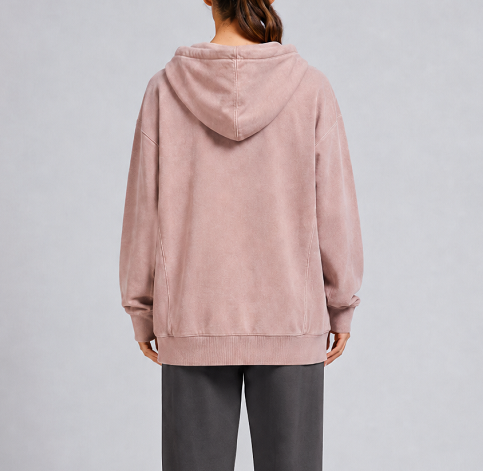
280–450 GSM fleece, stretch jersey and washed denim react differently to needle penetration, puckering and distortion. Sample the approved shell fabric with the intended backing, topping and thread—not a substitute swatch. 1 wash test can reveal thread shrinkage, color bleed or embroidery edge rippling. Wash and measure the sample to the agreed care method before pre-production approval.
Specify Placement Tolerances

10–15 mm placement tolerance is common for chest artwork, but the acceptable range must be written in the tech pack. State distance from neckline, center front, pocket edge and seam, plus orientation and finished embroidery size. 2 digital mockups cannot confirm how a design sits on a worn garment. Approve a physical fit sample on the target size and confirm size-specific placement rules.
Compare Quotes Like For Like
5,000 stitches and 12,000 stitches can look similar in a mockup but require materially different machine time. Compare quotations by stitch count, color changes, backing, appliqué, garment preparation and order quantity. 100 units should receive a signed pre-production sample standard. Confirm thread colors, stitch density, trim method, placement, wash result and approved defect limits before bulk cutting.
9. Launching Your Embroidered Collection
A disciplined launch turns custom embroidery from a visual idea into a repeatable production program. Freeze one decision set at each approval gate so the factory, brand owner, and merchandising lead work from the same specifications.
Build a Focused First Drop
Start with 2–4 core SKUs, such as a hoodie, tee, sweatshirt, and cap, rather than splitting a 100-unit MOQ across too many silhouettes. Limit the first drop to 2–3 colorways per style and assign planned reorder colors before sampling. The founder or buyer should approve the SKU list, target retail price, and size ratio.
Lock Artwork And Technique

Submit vector artwork in AI, PDF, or SVG format, plus Pantone references and intended logo dimensions in millimeters. Choose flat, 3D puff, chain stitch, applique, or patch construction before digitizing. Approve the digitized stitch file and a sewn strike-off before authorizing a garment sample. The creative lead signs off on thread colors, stitch density, placement, and backing.
Approve Samples Before Bulk
Create a tech pack with fabric composition, GSM, measurements, embroidery placement, labels, packaging, and tolerance rules. Junsheen can develop from a tech pack, sketch, reference garment, or mood board, then prepare a fit sample. Review the fit sample on the intended size range, including grading through 3XL where applicable. The product developer approves measurements and construction; the brand owner approves appearance and final cost.
Release Production And Reorder
Issue a signed pre-production approval after confirming the production fabric, color, embroidery file, trims, labels, and packaging. No artwork, placement, or measurement changes should remain open after this gate. Inspect incoming fabric, in-line construction, measurements, decoration, and packed goods before shipment. Retain approved patterns, graded size sets, and material records so reorders can repeat the same specification efficiently.
10. custom embroidery Pricing and MOQ
100 units per style and color is a practical starting MOQ for Junsheen capsule programs; unit pricing should be quoted after artwork, garment specification, and embroidery file review. The tiers below show cost direction rather than fixed prices, because a 5,000-stitch chest logo and a 30,000-stitch back design consume very different machine time and thread. 3 variables drive the decoration portion most: total stitch count, embroidery area, and placement count. Color changes can add stops and thread handling; 3D/puff embroidery, chain stitch, applique, sequins, stretch knits, heavy fleece, and unstable fabrics may require extra backing, topping, testing, or slower machine settings. 1 apples-to-apples OEM request should state the garment fabric and GSM, colorway count, size breakdown, exact placement dimensions, technique, Pantone thread references, artwork format, expected stitch count, labels, packaging, and destination. Ask suppliers to separate one-time digitizing or sampling charges from garment, embroidery, and freight costs before comparing quotes.
| Quantity tier | Unit-price direction | Digitizing/setup | Indicative production lead time |
|---|---|---|---|
| 100–199 units | Highest per-unit; best for testing | Usually charged once per design | 25–35 days after approvals |
| 200–499 units | Lower as machine setup spreads | Usually unchanged per approved file | 25–35 days after approvals |
| 500–999 units | More efficient embroidery and garment costing | Often unchanged; confirm revisions | 30–40 days after approvals |
| 1,000+ units | Best unit-cost leverage, subject to design complexity | May be amortized by agreement | 35–45 days after approvals |
Start Your Custom Embroidery Project
Send your tech pack, reference, sketch, or product idea to JUNSHEEN for fit-focused OEM development and a clear production quote.