
Custom Mesh Shorts Manufacturing From 100 Units
Develop fit-focused custom mesh shorts from XS–3XL with OEM, ODM, private-label support, sampling, decoration, and scalable global production.
Featured Products for custom mesh shorts Development


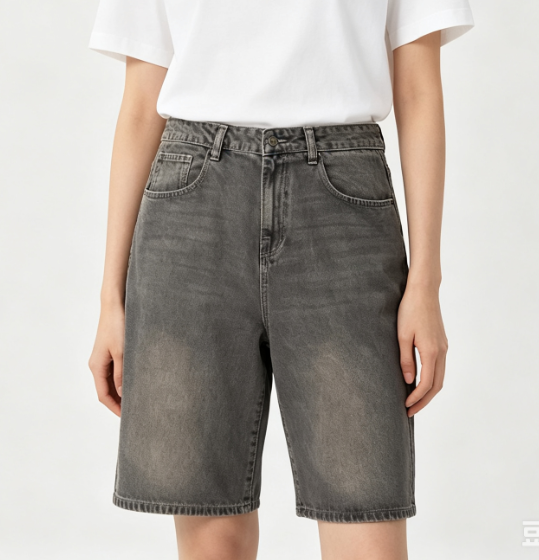


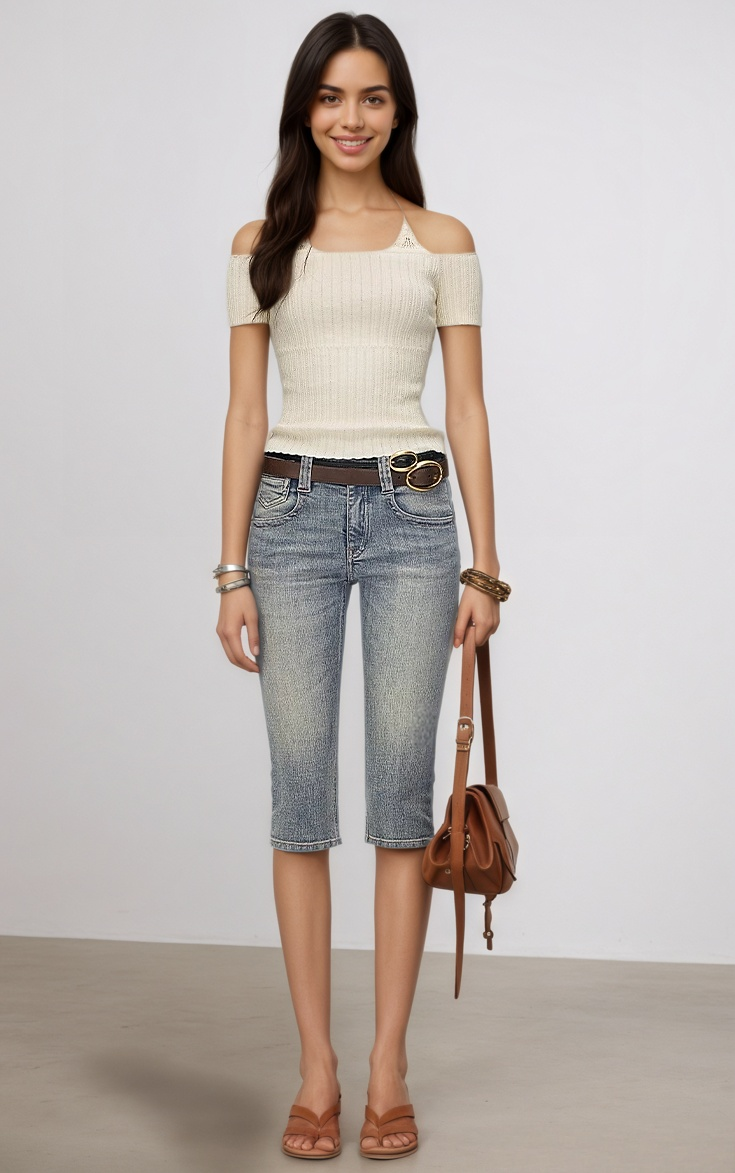


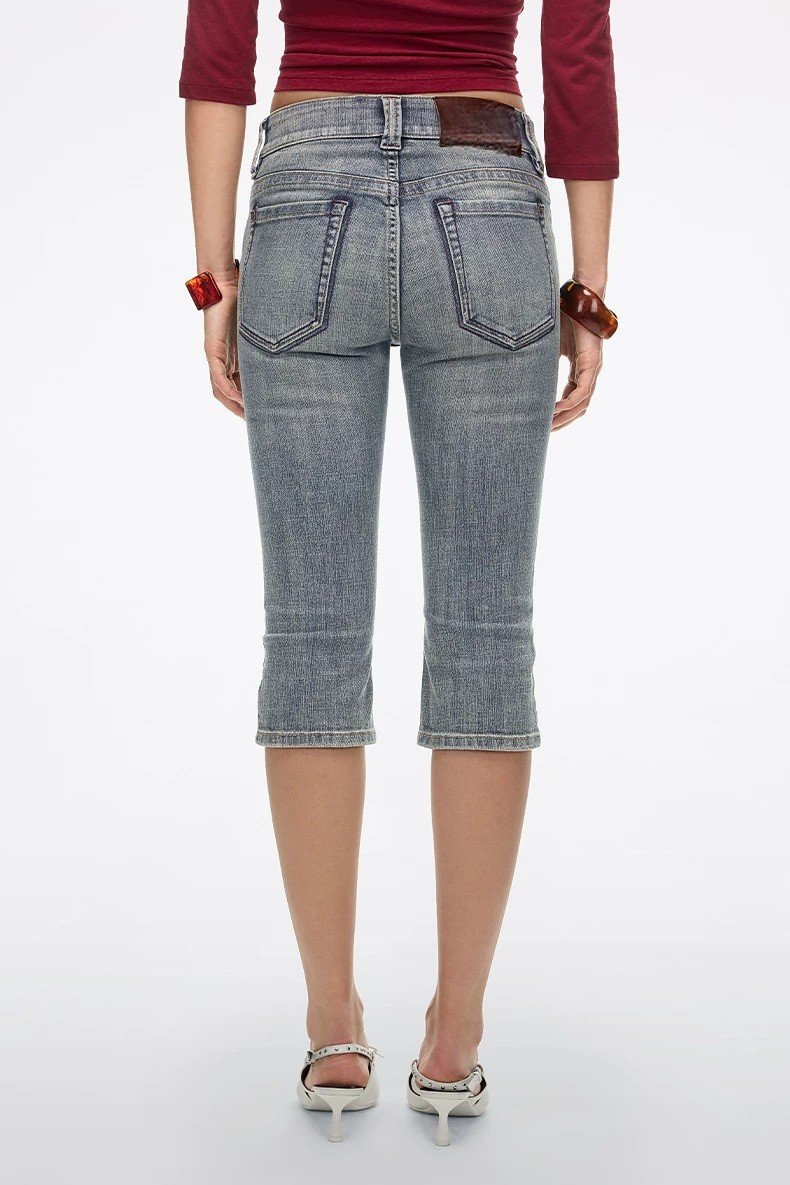
Related Custom Mesh Shorts Catalogue and Quotation




Custom Mesh Shorts Built for Brand-Ready Production
From first sample to global delivery, JUNSHEEN combines low-MOQ development, fit engineering, decoration, private labeling, and scalable production in one supply chain.
100-Unit MOQ
Launch capsule collections or test new colorways with production starting at 100 units per style and color.
Fit-First Development
Pattern makers refine rise, inseam, mobility, and grading from XS to 3XL for consistent normal, oversized, and extended-size fits.
Performance Material Sourcing
Source breathable mesh, interlock, jersey, and performance knits selected for weight, stretch, hand feel, durability, and target cost.
In-House Decoration
Add screen printing, embroidery, patches, heat transfers, and finishing details with coordinated quality control throughout production.
Complete Private Labeling
Build a retail-ready program with custom labels, hang tags, drawstrings, packaging, and branded trims tailored to your collection.
Scalable Global Supply
Rely on 200+ skilled workers, 80,000+ monthly units, inspection controls, and export support as your shorts program grows.
Custom Apparel Programs for Shorts Buyers
Source coordinated shorts, denim and casualwear programs with fit-focused development, low 100-unit MOQs, and scalable OEM, ODM or private-label production.

Custom Hoodies
Develop custom hoodies in fleece, French terry or jersey with branded embroidery, screen printing, washes, labels and packaging. Junsheen supports matching hoodie-and-shorts capsules, refined XS–3XL grading, and production from 100 units per style and color.
Request a Quote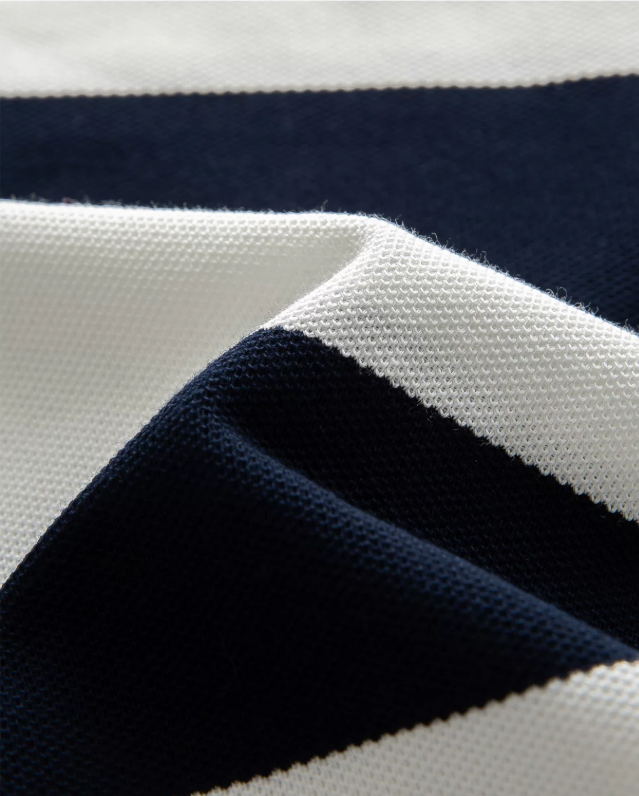
Custom T-Shirts
Produce custom T-shirts for coordinated short sets, retail basics or promotional collections. Choose jersey weights, neck constructions, fits, printing methods and trims, then approve samples before bulk production. Pattern grading supports regular, oversized and extended-size ranges from XS through 3XL.
Request a Quote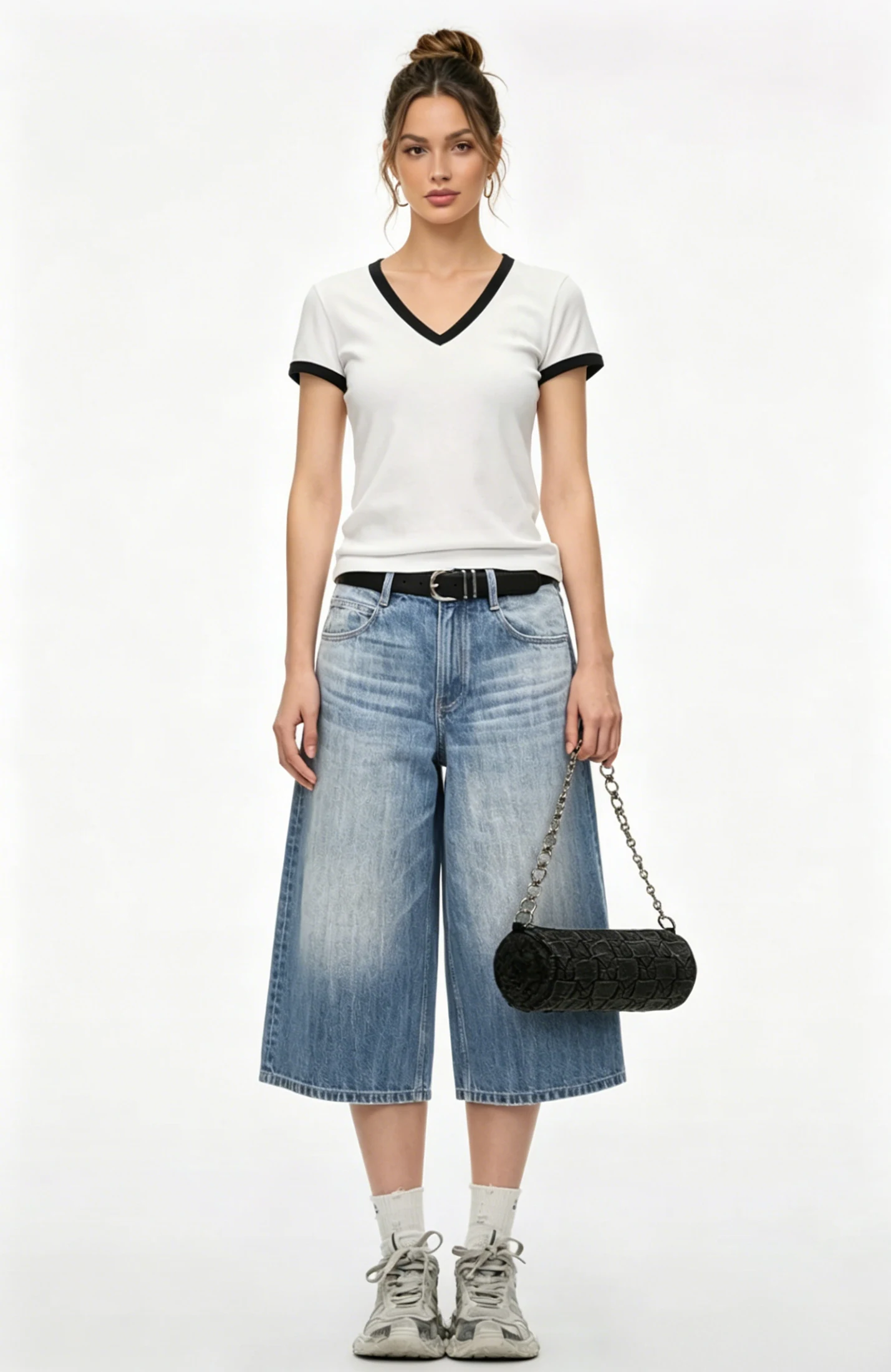
Custom Jeans
Develop custom jeans with fabric, wash, hardware and fit specifications aligned to your brand. Junsheen manages stretch-denim sourcing, pattern development, grading, distressing, embroidery and private labels for capsule runs or repeat bulk programs.
Request a Quote
Custom Sweaters
Source turtle neck sweater bulk programs with yarn, gauge, neckline and silhouette developed for your target market. Knitwear teams support fit samples, size grading, rib details, labels and coordinated sweater-and-shorts or seasonal layering collections.
Request a Quote
Custom Jackets
Create custom jean jackets with matching denim shorts, jeans or full denim sets. Specify denim weight, wash treatment, pocket construction, branded buttons, patches and embroidery, with pre-production approval to control fit, finish and consistency.
Request a Quote
Custom Sweatshirts & Crewnecks
Build custom crewneck hoodie and sweatshirt programs with fleece or French terry options, rib specifications and decoration placement. Junsheen develops crewneck fits, oversized proportions and size sets that coordinate with custom sweatpants or shorts.
Request a Quote
Custom Cardigans
Manufacture custom cardigans in selected yarns, gauges and knit constructions for private-label collections. Development covers button selection, plackets, rib trims, fit refinement and XS–3XL grading, helping buyers control proportions across the full size range.
Request a Quote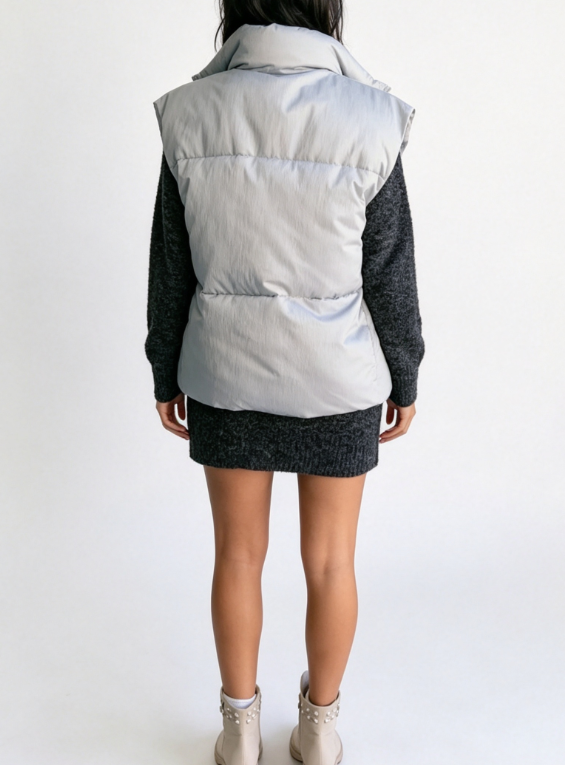
Custom Puffer & Down Jackets
Develop custom puffer jackets with insulation, shell fabric, quilting, zipper, pocket and branding requirements defined before bulk production. Junsheen supports sampling, fit review and branded packaging for outerwear programs paired with seasonal casualwear collections.
Request a Quote
Custom Denim Shorts
Produce custom jean shorts with denim weight, inseam, rise, pocket details, hem treatment and wash effects tailored to your customer. Fit-focused grading helps maintain proportion across regular, oversized and extended-size shorts from XS through 3XL.
Request a Quote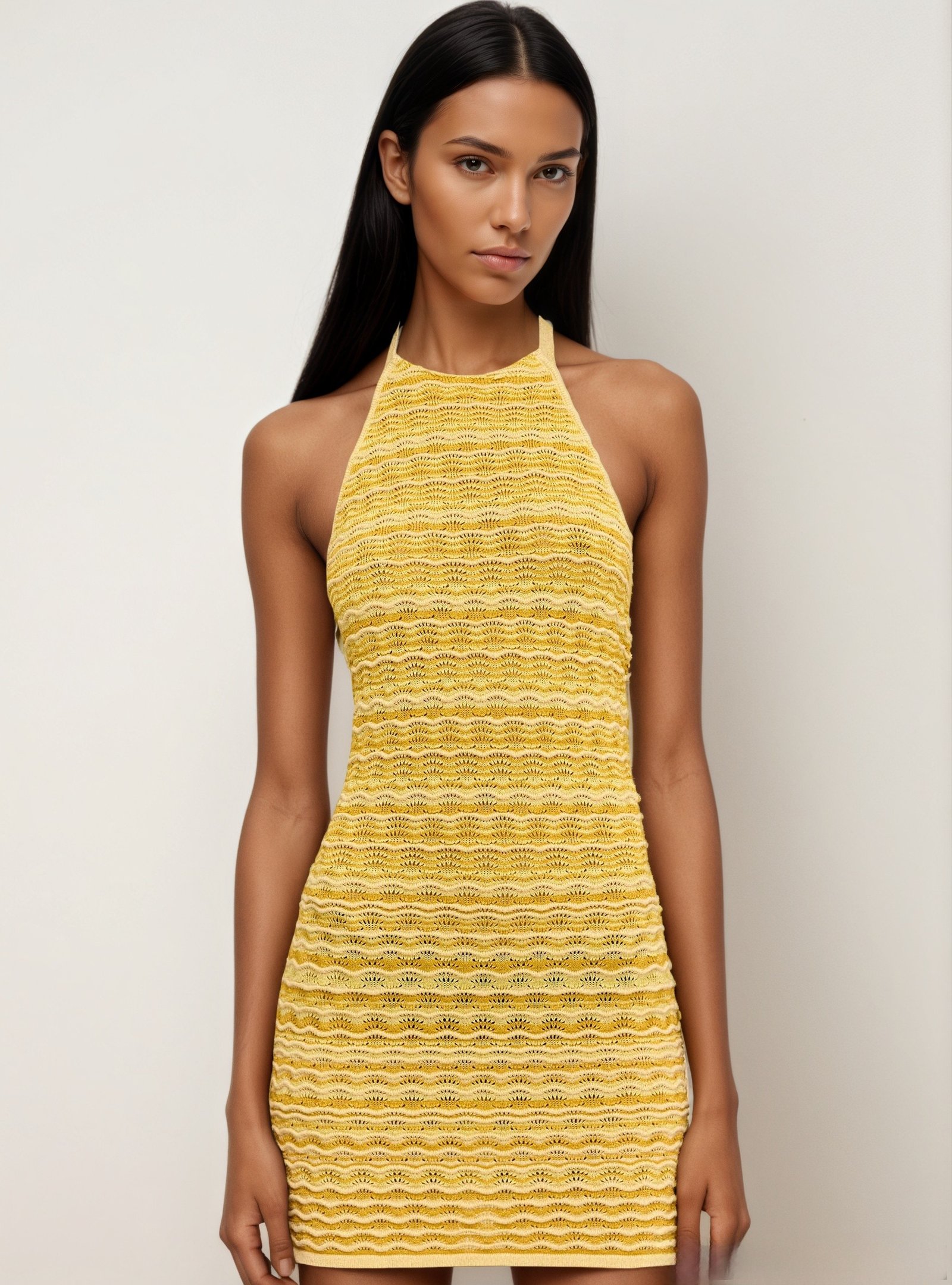
Custom Sweater Dresses
Create custom sweater dresses using appropriate yarns, gauges, stitch patterns and body proportions for your market. Junsheen supports prototype sampling, neckline and sleeve adjustments, grading and private-label finishing for wholesale or branded seasonal programs.
Request a Quote
Custom Denim Sets
Source mens denim suits wholesale programs with coordinated denim jackets, overshirts, jeans or shorts. Junsheen manages fabric selection, wash consistency, pattern matching, branded hardware and scalable production for retailers, distributors and private-label brands.
Request a Quote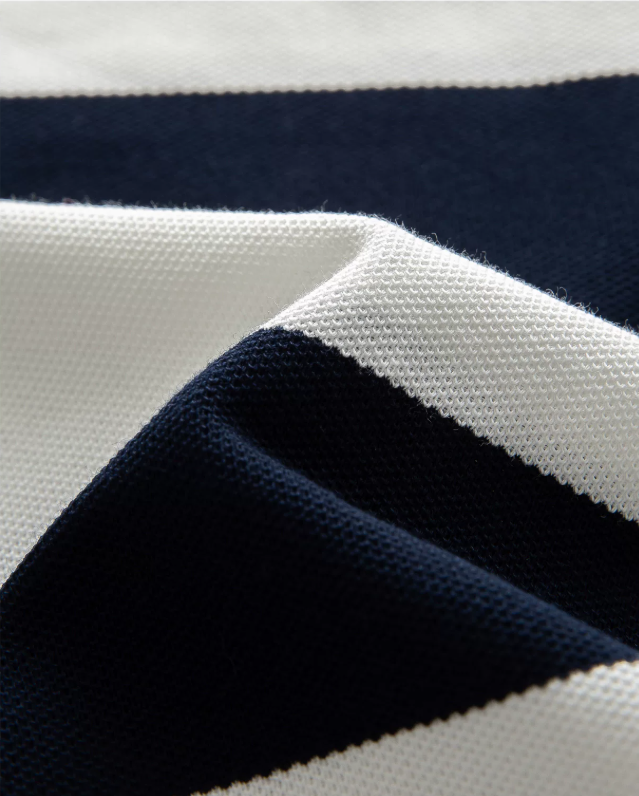
Custom Polo Shirts
Manufacture custom polo shirts in piqué, jersey or performance knits with specified collars, plackets, embroidery and trims. Development includes fit review and size grading for retail uniforms, golf-inspired lines, casualwear collections and branded merchandise.
Request a Quote
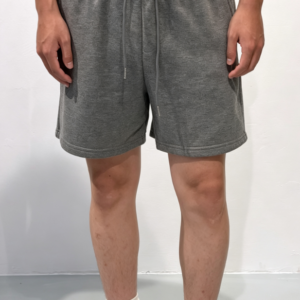
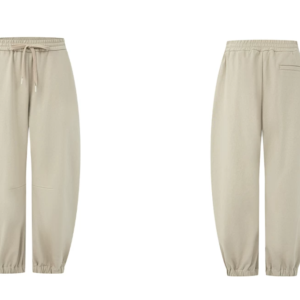
Custom Sweatpants
Build custom sweatpants with fleece, French terry or jersey fabrics, selected rises, leg shapes and waistband details. Junsheen supports matching sets with hoodies, crewnecks or shorts, plus printing, embroidery, washes and private-label components.
Request a Quote
Custom Shorts
Develop custom shorts across mesh, fleece, French terry, jersey, twill and denim constructions. Specify inseam, liner, pockets, waistband, drawcords, prints and labels, then approve fit samples before 100-unit MOQ production or ongoing bulk supply.
Request a Quote
Custom Pullovers
Produce custom pullovers in knit, fleece or jersey constructions for coordinated casualwear collections. Junsheen supports neckline, fabric weight, fit, decoration and trim selection, with patterns and graded size sets retained to improve consistency on repeat orders.
Request a QuoteCustom Mesh Shorts Materials We Support

Polyester Sports Mesh
Lightweight, breathable polyester mesh suits basketball, training, and streetwear custom mesh shorts. Its open-knit structure promotes airflow, while durable synthetic fibers retain shape and color through repeated wear and washing.

Birdseye Mesh
Birdseye mesh offers a softer, finer hand feel with reliable breathability for premium athletic shorts and everyday activewear. The small perforated knit provides a clean surface, moderate weight, and dependable wash performance.

Double Layer Mesh
Double-layer mesh combines a structured outer face with a comfortable inner layer for substantial custom mesh shorts. It delivers better opacity, a fuller drape, and enhanced durability for varsity, basketball, and elevated streetwear programs.

Stretch Performance Knit
Stretch performance knit gives active shorts smooth recovery, flexible movement, and a soft technical hand feel. Suitable for running, gym, and training styles, its elastane blend supports mobility while maintaining shape after laundering.

Polyester Tricot
Polyester tricot has a smooth, compact face and stable knit construction for athletic shorts requiring a polished appearance. It offers moderate stretch, strong abrasion resistance, and a dependable base for printing, piping, and contrast panels.
Custom Mesh Shorts Decoration and Finishing

Logo Embroidery
Flat, 3D puff, or chain-stitch embroidery adds a premium dimensional logo to custom mesh shorts. We select backing, stitch density, and placement to maintain clean detail and dependable wear through repeat laundering.

Screen Printing
Plastisol, water-based, puff, silicone, high-density, foil, and discharge screen printing create bold branded graphics with strong opacity and wash durability. Ink systems are matched to mesh construction for a flexible, polished finish.

Dye Sublimation
Dye sublimation embeds all-over color, gradients, team graphics, and detailed artwork directly into compatible polyester performance fabrics. The result is lightweight, breathable custom mesh shorts with no heavy ink layer or cracking surface.

Heat Transfer
DTF, vinyl, and heat-transfer applications deliver crisp multicolor logos, names, numbers, and small-batch artwork. This flexible option supports precise placement and clean edges while keeping production practical from 100 units per style.

Garment Finishing
Softening, anti-pilling treatments, garment dye, brushing, and other finishing options refine hand feel, color character, and surface performance. Junsheen tests the selected finish with your fabric and decoration before bulk approval.
Custom Mesh Shorts Trims and Branded Accessories

Custom Drawcords
Specify braided, flat, reflective, or contrast drawcords with branded aglets and tipping. Used at elastic waistbands, they improve adjustment, reinforce your color story, and give custom mesh shorts a more considered finish.

Branded Zippers
Add nylon coil, metal-look, or water-resistant zippers to side, back, or utility pockets. Our team matches zipper color, puller shape, and placement to your shorts design while reviewing durability for bulk production.

Woven Labels
Create woven main labels, size labels, and wash-care labels for a complete private-label program. Labels can be placed inside the waistband, pocket seam, or hem to identify the brand without compromising comfort or clean construction.

Custom Patches
Use embroidered, woven, silicone, rubber, or leather-look patches for high-visibility branding. Applied at the hem, thigh, pocket, or waistband, patches add texture and help a mesh shorts collection stand apart at retail.

Elastic Waistbands
Develop jacquard-logo, contrast-striped, ribbed, or smooth elastic waistbands with fit-focused recovery. Junsheen coordinates waistband width, tension, drawcord channels, and size grading so XS–3XL shorts remain comfortable and secure.
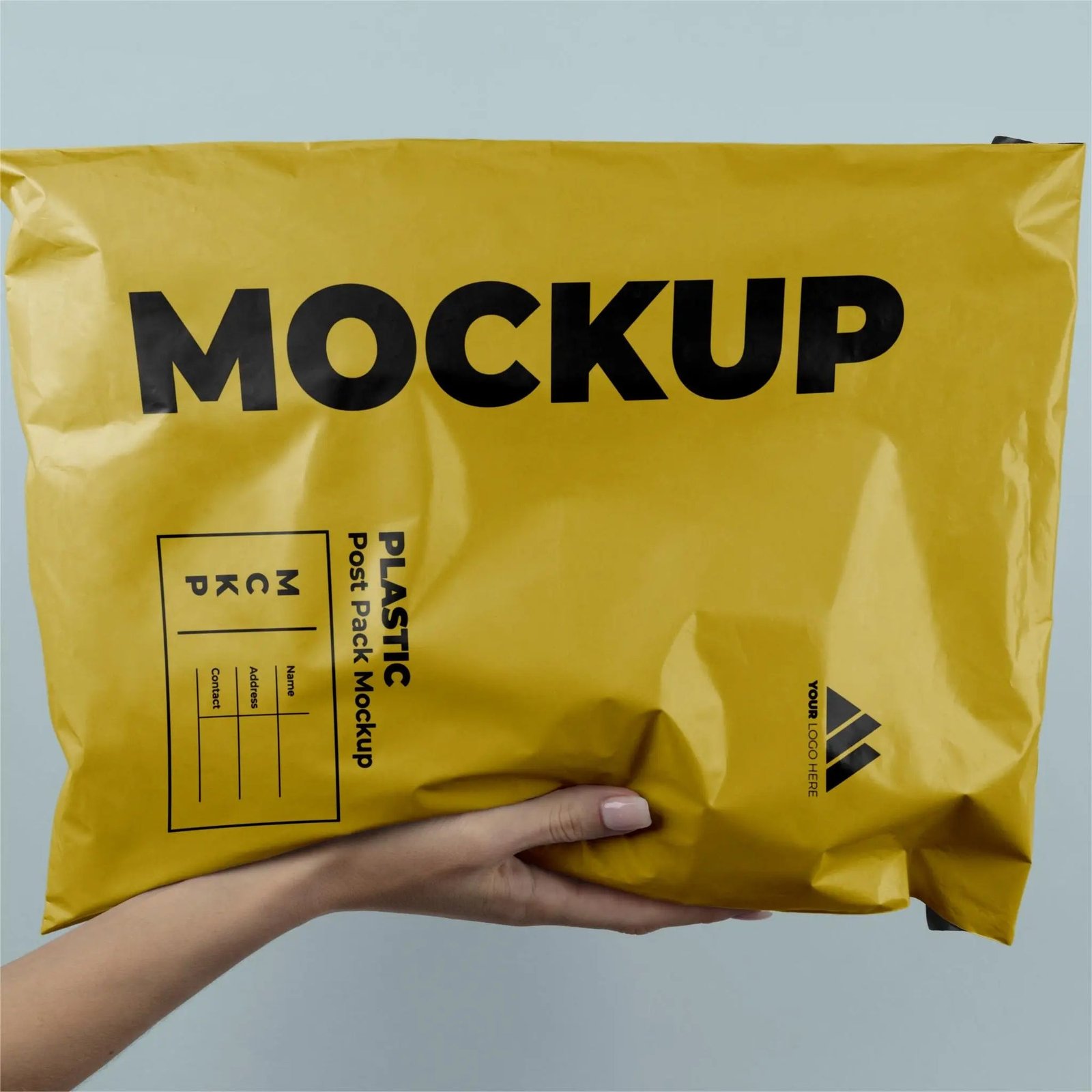
Branded Packaging
Complete your order with custom hangtags, polybags, barcode stickers, tissue paper, and branded mailer packaging. Packaging details support organized retail fulfillment, protect finished garments in transit, and create a cohesive unboxing experience.
Custom Mesh Shorts Manufacturing Since 2010
Founded in 2010 in Humen Town, Dongguan, JUNSHEEN helps fashion brands turn custom mesh shorts concepts into production-ready private-label collections. Our mission is straightforward: provide responsive, technically capable OEM and ODM support from first specification review through export-ready delivery.
With more than 200 skilled workers and monthly capacity above 80,000 units, we support capsule launches from 100 units per style and color as well as scalable repeat programs. Our one-stop supply chain covers fabric sourcing, pattern making, fit grading, sampling, cut-and-sew production, decoration, labeling, packaging, quality control, and global shipping.
What differentiates JUNSHEEN is fit-focused development across XS–3XL, including extended-size, plus-size, and modern oversized proportions. We refine patterns for balance, mobility, rise, and grading consistency, then retain technical records to make repeat custom mesh shorts orders faster and more dependable.

Custom Mesh Shorts Fit, Development, and Scalable Production
Fit Grading From XS–3XL
JUNSHEEN develops custom mesh shorts with fit-focused grading from XS through 3XL, including extended-size, plus-size, and oversized programs. Our pattern team refines rise, leg opening, inseam, waistband balance, and mobility instead of simply enlarging a base pattern.
- Size-specific grading for XS–3XL programs
- Rise, inseam, and leg-opening balance reviewed
- Oversized and extended-size fits developed intentionally
- Size sets available before bulk approval

Production-Ready Product Development
Bring a tech pack, sketch, reference short, mood board, or early concept. Our OEM and ODM team reviews construction feasibility, recommends mesh weights and linings, develops patterns, sources materials and trims, then moves approved samples into production-ready specifications.
- Tech-pack review and manufacturability guidance
- Mesh, lining, pocket, and waistband sourcing
- Prototype, revision, and pre-production samples
- OEM, ODM, and private-label support
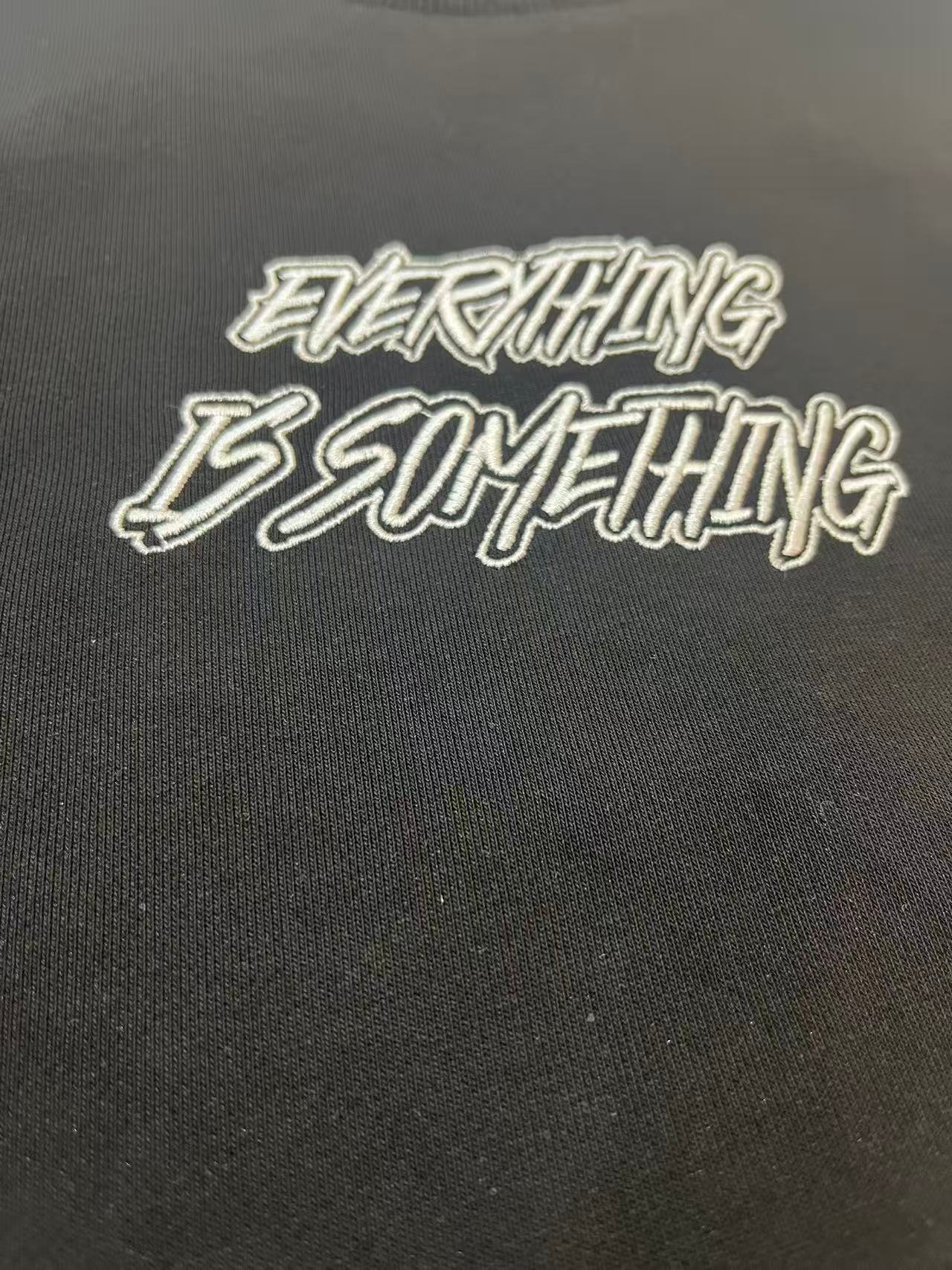
Integrated Branding and Finishing
Keep decoration, trims, and finishing aligned under one manufacturing partner. JUNSHEEN can apply logo printing or embroidery, custom labels, drawcords, patches, packaging, and performance-minded finishing so every custom mesh shorts program carries a consistent brand presentation.
- Screen print, DTF, heat transfer, and embroidery
- Custom woven labels, hang tags, and packaging
- Branded drawstrings, patches, and zipper options
- Finishing selected for hand feel and durability

Repeatable Bulk Production Control
From a 100-unit style-and-color MOQ to ongoing volume programs, JUNSHEEN retains approved patterns, graded size sets, and material records for more consistent repeat orders. Incoming, in-line, measurement, decoration, and final packed-goods inspections support dependable global delivery.
- Low MOQ from 100 units per style/color
- 200+ skilled workers and 80,000+ monthly capacity
- Quality checks from fabric receipt through packing
- Export support for growing global programs
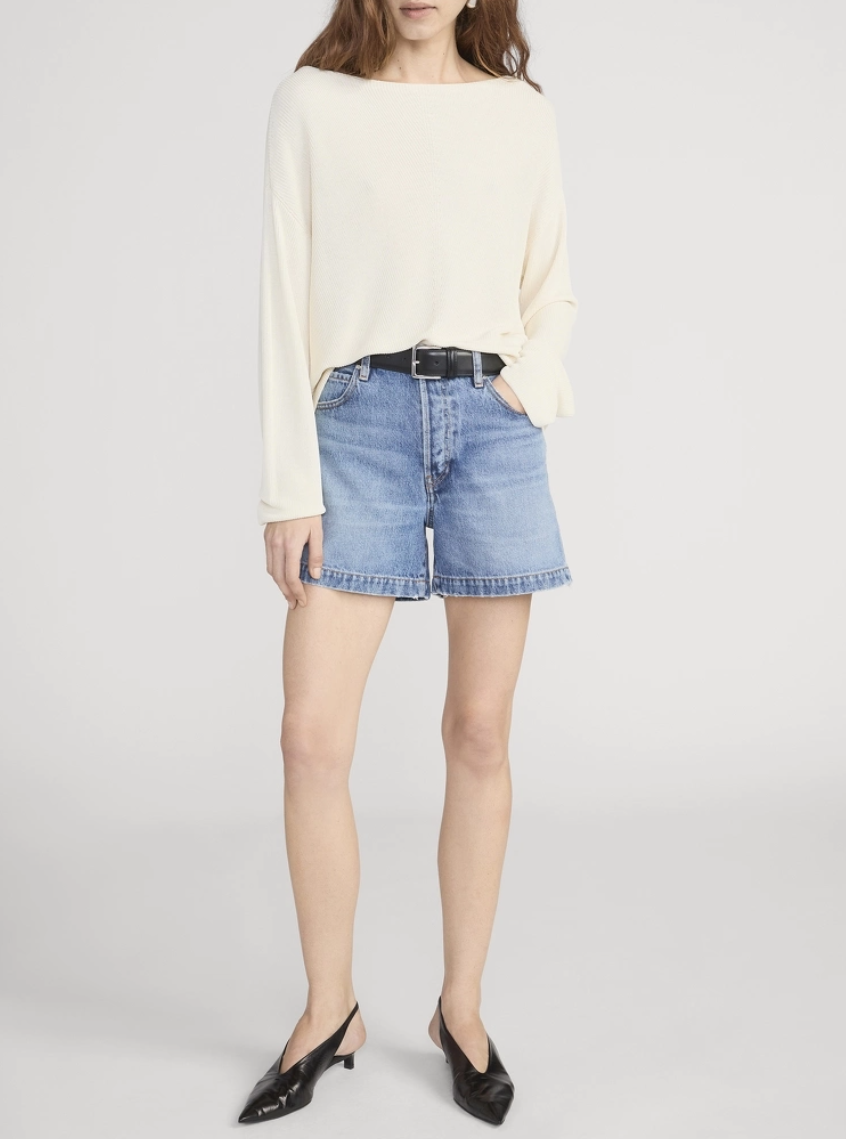
Why Brands Choose JUNSHEEN for Custom Mesh Shorts OEM
A fit-first, documented production partner for low-MOQ launches and scalable global programs.
← 左右滑动查看 →
Custom Mesh Shorts Production Process
A controlled OEM workflow that turns your brief into production-ready shorts with clear approvals, consistent quality, and export-ready delivery.
Review Brief and Specs
Share a tech pack, sketch, reference garment, or concept; our team confirms feasibility, target fit, MOQ, construction, decoration, and production requirements.
Source Mesh and Trims
We recommend mesh weights, linings, waistbands, drawcords, labels, and performance materials based on hand feel, durability, cost targets, and intended use.
Develop Patterns and Samples
Pattern makers build and grade fit-focused XS–3XL specifications, then produce samples for measurement, construction, color, decoration, and wear-performance approval.
Produce and Decorate Bulk
After pre-production approval, we cut, sew, print, embroider, and finish your custom mesh shorts using approved materials, artwork, and private-label components.
Inspect, Pack, and Ship
Quality teams check measurements, workmanship, decoration, and packed goods before branded packaging, final balance confirmation, and coordinated global export shipment.
How to Launch Custom Mesh Shorts With Our OEM Team
Move from concept to approved bulk production with clear development guidance, fit-focused sampling, and scalable manufacturing support.
Submit Your Product Brief
Send a tech pack, sketch, reference sample, mood board, or product idea. Share target quantities, sizes, colors, fabric preferences, logo details, and delivery requirements.
Review Feasibility and Sampling
Our team reviews construction, mesh material options, decoration, fit grading, and target cost. We recommend manufacturable refinements, then develop a prototype or size-set sample.
Approve Quote and Details
Confirm your quotation, 100-unit MOQ or higher quantity, approved sample, fabric and trim selections, size chart, labels, packaging, and pre-production specifications before bulk begins.
Launch Bulk Production
JUNSHEEN manages material sourcing, cut-and-sew production, printing or embroidery, finishing, quality inspections, packing, and export coordination for your approved custom mesh shorts order.
Custom Clothing Manufacturer Credentials and Compliance Documents



Custom Mesh Shorts Client Results
JUNSHEEN helped us refine the rise and leg opening across XS–3XL before bulk. We approved the size set after two sample rounds instead of our usual four, then launched 600 custom mesh shorts with consistent measurements.
Our first 120-unit colorway sold through quickly, and the repeat order matched the approved sample exactly. Their team kept our custom labels, drawcords, and screen-print placement organized, which cut our production revisions by 35%.
We needed a scalable basketball-inspired shorts program without losing the oversized fit our customers expect. JUNSHEEN took us from reference images to three approved styles, and we expanded the next order to 1,800 units with reliable delivery support.
Custom Mesh Shorts FAQ
Clear answers on MOQ, sampling, fit, private labeling, production, payment, and worldwide delivery.
What is the MOQ for custom mesh shorts?
Can you make a sample before custom mesh shorts bulk production?
How long does custom mesh shorts production take?
Can you grade mesh shorts from XS to 3XL?
Can I add my own labels and logo to custom mesh shorts?
What payment terms do you offer for a first order?
Do you ship custom mesh shorts internationally?
How do you protect my designs and product information?
The Complete Buyer’s Guide to custom mesh shorts
Use this practical framework to specify custom mesh shorts, compare fabric and decoration choices, qualify OEM/ODM suppliers, control costs, and avoid production mistakes before placing your order.
1. What Are custom mesh shorts?
100 units per style and color is a practical starting point for custom mesh shorts at a manufacturer such as JUNSHEEN. They are breathable athletic or lifestyle shorts made to a brand’s chosen fit, inseam, mesh construction, color, trims, decoration, labeling, and packaging rather than sold as a generic finished garment. 3 sourcing routes create very different control levels. Stock blanks are pre-made shorts with limited color and logo options; private-label programs add a brand’s labels, hang tags, or decoration to an existing base; full OEM/ODM development builds or adapts the pattern, graded size range, fabric specification, and production details from a tech pack, reference, or concept. 5 early decisions determine whether the product can be quoted accurately: silhouette, fabric weight and openness, branding method, size range, and order quantity. Buyers should specify an athletic 5-inch or 7-inch inseam versus a longer basketball profile, decide whether liner and pockets are required, confirm decoration placement, and match the development route to launch volume and target cost. 2010 is the year Dongguan Junsheen Clothing Co., Ltd. was founded, with development support spanning pattern making, grading, sourcing, sampling, quality control, private labeling, and export. That integrated process gives brands a route from a capsule order to repeat bulk production while keeping approved patterns and material records consistent.
2. The Evolution of Mesh Shorts
1970s basketball and training uniforms made mesh shorts a practical response to heat, movement, and repeated laundering. Open-hole polyester mesh reduced weight and dried faster than many woven alternatives, while elastic waists and simple contrast piping suited team programs that needed consistent colors and numbering. 1990s longer, looser basketball silhouettes moved mesh from the court into streetwear. Inseams commonly grew from roughly 5–7 inches in traditional training shorts to 9–11 inches, and designers added tricot linings, side panels, appliqué, embroidery, and striped rib trims that made the garment read as a branded layer rather than only athletic equipment. 2020s fashion capsules use double-layer mesh, oversized proportions, garment-dyed looks, and visible labels to create a premium casualwear product. A performance team short may prioritize opacity, breathability, color matching, and durable screen-print placement; a streetwear short may require a heavier hand, 7–11 inch inseam, layered hem, custom drawcord, woven label, and more precise fit grading. 100-unit development programs should therefore begin with the end wearer and use case: practice, team uniform, resort, lifestyle, or fashion drop. For custom mesh shorts, specify target inseam, leg opening, lining, pocket load, decoration method, Pantone colors, and wash expectations before selecting knit mesh and trims; these choices drive pattern, material, cost, and sampling decisions.
3. Types of custom mesh shorts
Six core constructions cover most custom mesh shorts briefs. Start with the wearer’s activity and required storage, then lock inseam and logo placement before sampling.
| Type | Best Use | Typical Inseam | Pockets | Branding |
|---|---|---|---|---|
| Single-layer | Training | 5–7 in | Optional side | Hem logo |
| Double-layer | Basketball | 7–11 in | Optional side | Print or embroidery |
| Reversible | Teams | 7–9 in | Usually none | Lower-leg mark |
| Running with liner | Running | 3–5 in | Key pocket | Reflective logo |
| Streetwear | Casual retail | 7–9 in | Zip or side | Patches, large print |
Performance And Basketball Styles
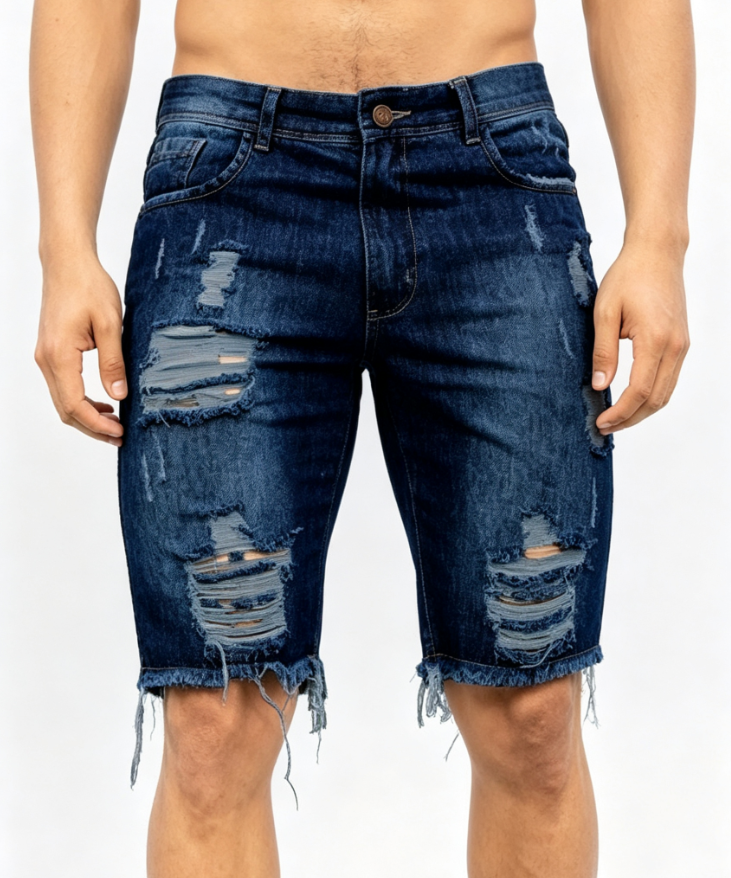
5–7 inch single-layer performance shorts favor mobility, quick-dry use, and minimal bulk. Use side pockets only when the sport or retail brief requires them. 7–11 inch double-layer basketball shorts add opacity and a substantial drape. A contrast waistband, hem tape, embroidery, or a large screen print gives brands visible identity.
Team, Running, And Streetwear
7–9 inch reversible team shorts provide two wearable colorways and usually omit pockets to keep both faces clean. Place team marks at the lower leg or outer waistband. 3–5 inch running shorts commonly pair a mesh shell with a brief or compression liner and a secure key pocket. Streetwear versions often run 7–9 inches with relaxed volume, zip pockets, patches, or oversized leg graphics.
Extended-Size Starting Points
XS–3XL programs need graded rise, thigh width, and leg opening—not a simply enlarged sample. Extended-size shorts benefit from a stable elastic waistband, longer drawcord, and fit checks across the size set.
4. Fabrics for custom mesh shorts
120–180 GSM is the practical starting range for custom mesh shorts: it balances airflow, opacity, and a light athletic hand. Construction matters as much as fiber content, so approve swatches after print and wash testing.
| Material | Weight Range | Performance | Print Suitability | Best End Use |
|---|---|---|---|---|
| Open-hole polyester mesh | 120–160 GSM | Maximum airflow; low opacity | Limited screen print | Basketball or layered shorts |
| Birdseye recycled polyester | 130–180 GSM | Moisture management; smoother hand | Sublimation; screen print | Training and team shorts |
| Polyester tricot | 150–220 GSM | Dense, stable, opaque | Excellent screen print | Streetwear mesh shorts |
| Spacer mesh | 180–300 GSM | Cushioned; breathable | Small placements | Panels and pockets |
| Tricot or jersey lining | 80–120 GSM | Coverage; soft inner hand | Not normally printed | Lined performance shorts |
Construction And Openness

100% polyester open-hole mesh dries quickly and resists most wash shrinkage, but larger apertures need a lining for coverage. Birdseye mesh uses smaller, uniform holes for a smoother hand and more controlled opacity. 150–220 GSM tricot has a denser knit face, moderate mechanical stretch, and a cleaner drape than open mesh. Spacer mesh adds a three-dimensional cushion, but its bulk suits panels and pockets better than full shorts.
Recycled Polyester Specifications

GRS-certified recycled polyester can deliver the same basic mesh performance as virgin polyester when yarn quality, knitting, and finishing are equivalent. Specify certification scope separately from the fabric claim. 3–8% elastane improves recovery at the waistband or fitted inner short, while all-polyester bodies remain easier to sublimate. Confirm pilling, snag resistance, and colorfastness after the intended wash cycle.
Lining And Print Decisions

80–120 GSM polyester tricot lining improves opacity without making the garment heavy; a soft jersey lining feels less technical against skin. Dark outer colors can still show through under stretch, so evaluate both layers together. 160 GSM and above usually gives screen printing a steadier surface, while dye sublimation works best on white or light polyester faces. Test artwork across holes, seams, and stretched areas before approving bulk.
5. Customizing custom mesh shorts
Three decisions—decoration, component layout, and packing—determine whether custom mesh shorts read as dependable team kit or a considered retail product. Lock artwork scale and placement before sampling, because mesh holes, seams, and pocket openings interrupt every print method.
| Method | Durability | Artwork Limits | Setup | Best Fit |
|---|---|---|---|---|
| Sublimation | High | Full color; polyester | Per-art file | Teamwear |
| Screen print | High | Spot colors; mesh gaps | Screens per color | Teamwear or retail |
| Heat transfer | Medium-high | Detailed small runs | Low setup | Names and numbers |
| Embroidery | High | Limited fine detail | Digitizing | Fashion retail |
| Silicone badge | High | Simple raised logo | Custom mold | Fashion retail |
Decoration Method Selection

Four common methods impose different artwork and setup limits. Sublimation needs polyester-rich panels and supports edge-to-edge color; screen printing favors spot colors and repeat programs. One sampled placement should be tested after laundering and stretch. Fine detail, gradients, and large ink areas can behave differently across open-hole mesh and solid pocket linings.
Trim And Panel Architecture

Two contrast side panels or applied stripes can establish a recognizable silhouette without adding complex artwork. Confirm panel seam allowances before approving stripes, especially where the inseam and pocket bag meet. Three functional choices—zip pockets, tipped drawcords, and a rib or self-fabric waistband—change both perceived value and assembly time. Specify drawcord exit points and waistband elastic width on the tech pack.
- Contrast panels or inset stripes
- On-seam, patch, or zip pockets
- Tipped drawcords and waistband treatments
Labels And Retail Finish

100-unit programs benefit from shared label and packaging components across colorways. Woven main labels, size labels, silicone badges, hangtags, and polybags should be approved as physical samples before bulk. One packing specification should state folding method, carton assortment, barcode position, and moisture protection. Team orders often prioritize player identification; fashion retail usually needs consistent branded presentation.
6. Construction Details That Signal Quality
Quality is visible first at load-bearing seams, then after repeated wear and laundering. For custom mesh shorts, buyers should approve measurable construction requirements rather than relying on a showroom sample alone.
Seams And Stress Points

8–10 stitches per inch is a practical starting specification for lightweight mesh; specify the seam type by location. Use overlock seams for panels and coverstitch or twin-needle finishing where a clean exterior is required. 3 reinforced zones deserve explicit callouts: pocket openings, crotch junctions, and drawcord exits. Request bartacks or dense reinforcement stitching, plus matched panel alignment at side seams and inseams.
Waistband, Pockets, And Liner

90% recovery after a controlled stretch test is a useful waistband-elastic approval target; define elastic width, stretch length, and finished waist measurement. Specify drawcord material, eyelet type, and a center-back or side anchoring stitch to prevent pull-through. 2 pocket details affect usability immediately: pocket-bag depth and opening reinforcement. If a liner is used, state attachment points, stitch type, leg-opening clearance, and whether it must remain smooth after washing.
Tech Pack And Approval
1 tech pack should map every seam, stitch count, reinforcement, hem width, and tolerance by size. Include graded measurement tables from XS through 3XL where applicable, with the base size and grading increments clearly identified. 1 pre-production sample becomes the approval standard only when it is measured, photographed, and wash-tested against those callouts. Require incoming-material, in-line, final measurement, decoration, and packed-goods inspections before shipment.
7. Choosing a custom mesh shorts Manufacturer
A capable custom mesh shorts manufacturer should prove category control before discussing price. Evaluate the supplier’s samples, sourcing depth, size grading, documented inspections and export process against your launch volume and calendar.
Verify Category Capability

Two finished samples reveal more than a factory presentation: inspect mesh weight, lining, waistband recovery, pocket construction and decoration durability. Ask for comparable basketball, training or lifestyle short references, including measurement tolerances and wash-test results.
- Which mesh GSM and lining options are regularly sourced?
- Can you produce XS–3XL with revised grading?
- What is the approved measurement tolerance per point?
Test Development And Communication
A 100-unit style-and-color MOQ can suit a capsule, but confirm whether it applies after sampling and whether size ratios are flexible. Request a dated sampling path covering tech-pack review, pattern, prototype, size set and pre-production sample. One named project contact should confirm Pantone, artwork placement, trims, revisions and approvals in writing. Ask who owns patterns and whether artwork files remain confidential before sending editable production files.
- What development deposit is credited to bulk?
- How many revision rounds are included?
- What approvals trigger bulk production?
Audit Production Readiness
200-plus skilled workers and capacity above 80,000 units monthly indicate scale only when paired with a clear allocation date. Ask for incoming-fabric checks, in-line measurement control, final packed-goods inspection and realistic ex-factory dates. OEKO-TEX, GOTS, WRAP or BSCI documents should be supplied only when relevant to the material or facility; verify scope and validity yourself. Confirm export markets, shipping terms, carton specifications and balance-payment timing before paying a development deposit.
- Which inspection report is shared before shipment?
- What capacity is reserved for my delivery window?
- Which compliance documents cover this order?
8. Common Sourcing Mistakes to Avoid
A 100-unit launch can absorb little rework, so small sourcing shortcuts quickly become late deliveries or unmerchantable stock. Treat fabric, fit, decoration, testing, and commercial controls as approval gates before bulk production.
Buying Mesh From Photos
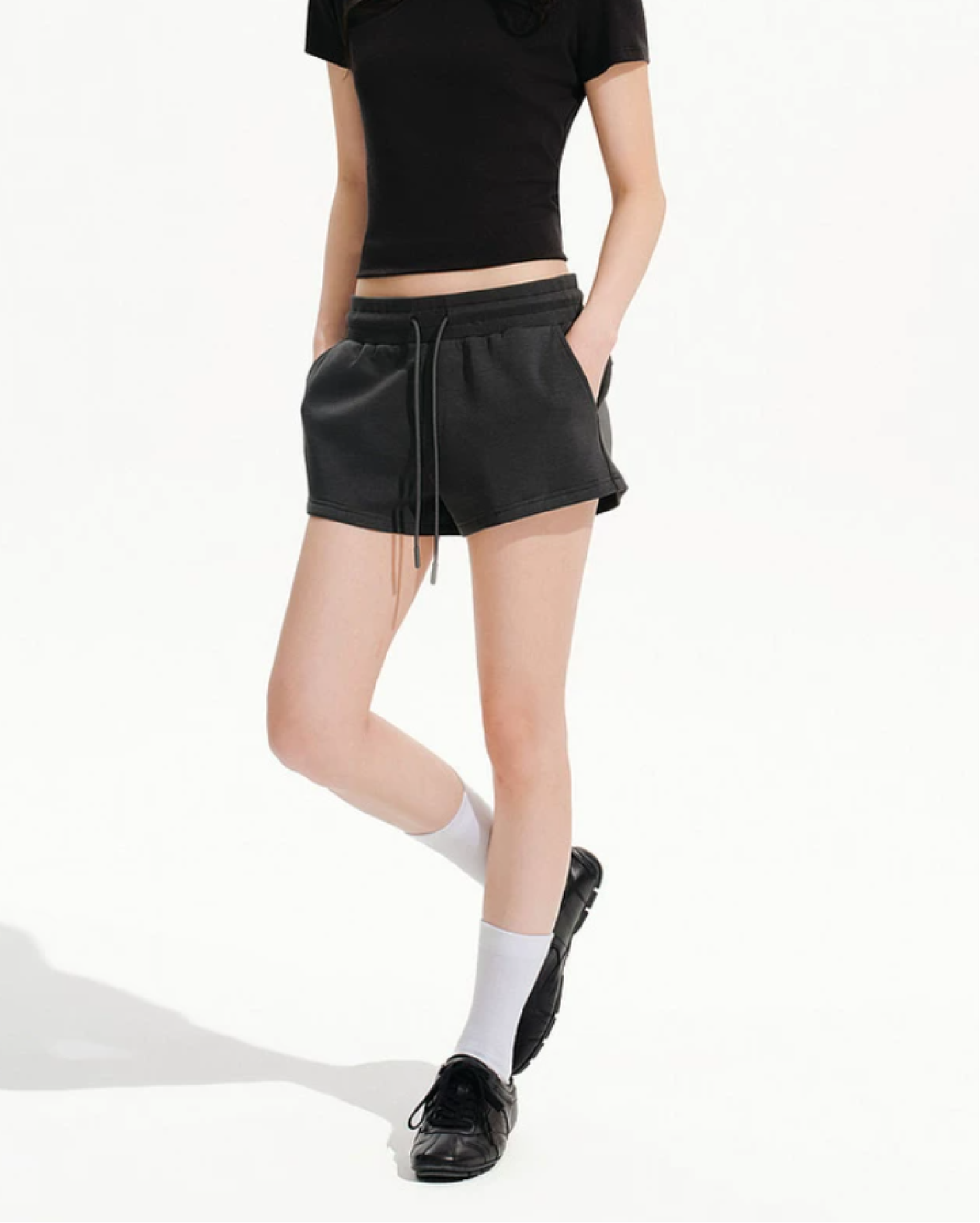
150 GSM mesh can look dense in a studio photo yet show underwear under daylight. Request physical swatches, stretch direction, composition, and GSM before approving fabric. 2 lighting checks—daylight and flash—reveal opacity issues before sampling. Specify lining coverage, lining weight, and contrast-color testing in the tech pack.
Ignoring Artwork Limits

0.5 mm linework and tight halftones can fill in on open-hole mesh. Simplify artwork, provide vector files, and approve a strike-off on the exact garment fabric. 5-10 business days may be needed for embroidery files, screens, transfers, or specialty ink trials. Freeze artwork and placement before booking the production window.
Skipping Fit And Wash Tests
XS through 3XL require graded rises, inseams, and waist increments; enlarging one base pattern distorts balance. Approve a graded size set, not only one sample size. 3 wash cycles can expose shrinkage, puckering, print cracking, or elastic recovery loss. Record the wash method and measurement results before releasing bulk.
Leaving Tolerances Undefined
1-2 cm measurement variation can change short length and waistband fit materially. Define points of measure, acceptable tolerances, and the inspection method on the specification sheet. 100% final checks do not replace clear acceptance rules. Align on defect classification, packed-goods checks, and approval authority before production starts.
Choosing Price Alone
A low quote can omit lining, testing, artwork setup, stronger elastic, or export-ready packing. Compare like-for-like quotations with fabric, trims, decoration, MOQ, lead time, and quality scope listed. 30% deposits may be available only after stable long-term cooperation, while new-order terms differ. Confirm payment milestones, sampling charges, revision limits, and balance timing in writing.
9. Launching custom mesh shorts Step by Step
A 100-unit, one-color launch works best when design decisions are locked before sampling. JUNSHEEN can develop custom mesh shorts from a brief, but early approvals protect fit, artwork, and delivery quality.
Brief And Tech Pack
1 customer brief should state target wearer, retail price, launch date, reference images, and required size range. A mood board aligns silhouette, inseam, pocket layout, and branding before patterns start. A complete tech pack adds front/back flats, measurement spec, graded size chart, Pantone codes, placement dimensions, and label artwork. One nominated decision-maker prevents conflicting revisions.
Materials, Quote, And Artwork
140–220 GSM polyester mesh is a practical starting range, while lining, stretch, opacity, and wash requirements need swatch approval. Supplier availability must be confirmed before a colorway is quoted. A quotation should separate fabric, trims, decoration, packing, sample charges, freight, and duties. A scaled artwork proof—logo size, colors, and print or embroidery method—must be approved before sampling.
Sample And Pre-Production Approval
1 prototype verifies construction and decoration, but it is not automatic bulk approval. Fit review should check waist recovery, rise, inseam, pocket opening, and movement on the intended size block. 1 revised sample or size set may be necessary when measurements or artwork change. Pre-production approval freezes the approved sample, material, color, BOM, and tolerances.
Bulk Inspection And Delivery
100 units can be split only after color, size ratio, and decoration complexity are feasible for the selected materials. Bulk production should begin only against the signed pre-production reference. AQL-based final inspection normally checks measurements, defects, decoration, labeling, carton counts, and packing. Delivery planning should reserve time for balance payment, export documents, and freight handoff.
10. custom mesh shorts Pricing and Lead Times
100 units is Junsheen’s practical starting volume per style and color, so early-stage brands should budget for higher unit costs than repeat bulk programs. The planning figures below assume polyester mesh shorts with an elastic waistband, drawcord, basic woven label, and standard polybag. 7–14 days is a typical development window for a first sample after specifications, artwork, and materials are confirmed; revisions extend it. Bulk production commonly requires 25–45 days after pre-production approval, with fabric booking, decoration method, and seasonal factory loading affecting the schedule. 3 specification groups drive most cost movement: material, decoration, and packing. Heavier 180–220 GSM mesh, tricot lining, zip pockets, multiple Pantone colors, all-over sublimation, embroidery, custom labels, and retail-ready packaging each add labor or material cost; final quotations also depend on approved specifications, order mix, and shipping destination.
| Order quantity | Illustrative unit-price range | Likely timing | Main cost drivers |
|---|---|---|---|
| 100–299 units | US$8–15 | Sample: 7–14 days; bulk: 35–45 days | Low-volume setup, lining, pockets, labels |
| 300–999 units | US$6–11 | Bulk: 30–40 days | GSM, color count, print coverage |
| 1,000+ units | US$4.50–8.50 | Bulk: 25–35 days | Sublimation, embroidery, branded packaging |
Start Your Custom Mesh Shorts Project
Send your tech pack, sketch, reference garment, or product idea for feasibility review, sampling guidance, and a production-ready quote.