
Custom Nylon Shorts Made for Your Brand
Develop fit-focused custom nylon shorts with one-stop OEM, ODM, and private-label support, from sampling through global production.
Featured Products for custom nylon shorts Development





Related Custom Nylon Shorts Catalogue and Quotation




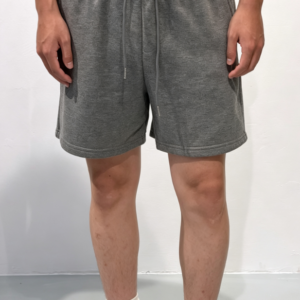
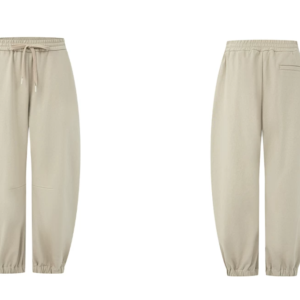
Why Brands Source Custom Nylon Shorts From Junsheen
Integrated development and production support for performance-led shorts programs, from first sample through global delivery.
100-Unit Starting MOQ
Launch custom nylon shorts from 100 units per style and color, giving emerging brands a practical path to test capsules.
Fit-Focused XS–3XL
Refined patterns and size grading improve rise, inseam, mobility, and proportions across regular, oversized, and extended-size shorts.
Performance Fabric Sourcing
Source nylon, stretch blends, recycled options, and linings matched to your target weight, hand feel, durability, and cost.
Integrated Decoration
Add logo embroidery, screen printing, heat transfers, reflective details, patches, custom drawstrings, labels, and branded packaging in one supply chain.
Production QC and Export
In-line checks cover fabric, measurements, construction, decoration, and packed goods, with export support for global brand delivery.
Custom Shorts and Casualwear Programs
Build coordinated seasonal ranges with fit-focused development, low-MOQ sampling and scalable production across casualwear, denim, knitwear and outerwear.
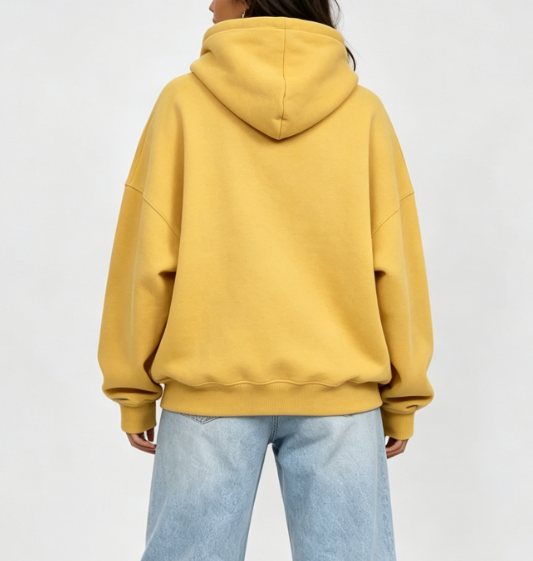
Custom Hoodies
Custom hoodies support branded fleece programs with specified weights, silhouettes, pocket construction and decoration. Junsheen develops XS–3XL graded fits, then manages embroidery, screen printing, washes, labels and packaging from sampling through bulk production.
Request a Quote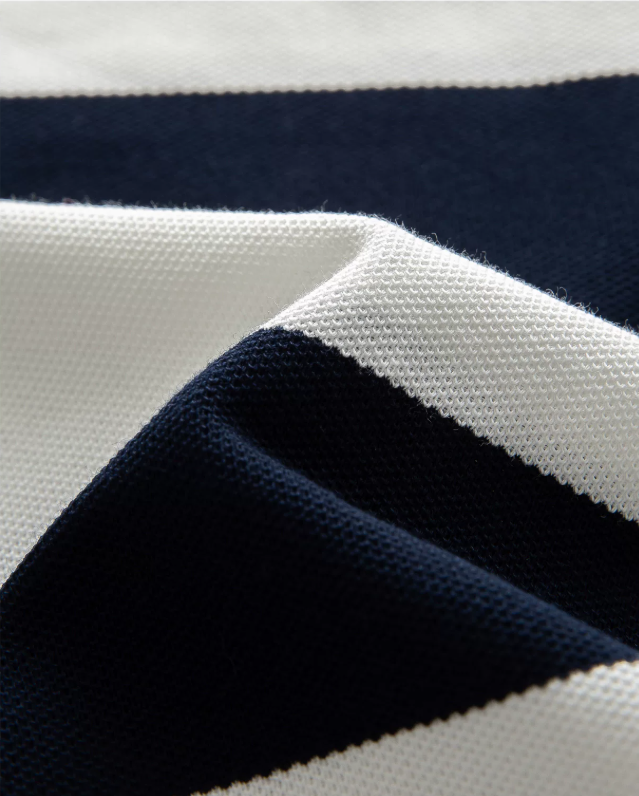
Custom T-Shirts
Custom T-shirts give brands control over jersey weight, neck shape, body proportion and print placement. Starting from a tech pack or reference, Junsheen develops custom tshirt samples, fit grades and finishing options for capsule launches or repeat wholesale programs.
Request a Quote
Custom Jeans
Custom jeans require reliable pattern engineering, denim selection and wash consistency. Junsheen develops rises, leg shapes and XS–3XL grading, then coordinates stretch denim, hardware, pockets, garment washes, labels and final inspection for production-ready denim programs.
Request a Quote
Custom Sweaters
For turtle neck sweater bulk programs, Junsheen develops knit gauges, yarn blends, neck construction and body balance suited to your intended retail position. Sampling verifies hand feel, stretch recovery and graded proportions before scalable sweater production begins.
Request a Quote
Custom Jackets
Custom jackets cover denim, twill and woven outerwear with controlled fit, hardware and branding details. For a custom jean jacket program, Junsheen can develop panel construction, pocket placement, washes, embroidery, patches, trims and size sets before bulk approval.
Request a Quote
Custom Sweatshirts & Crewnecks
Custom sweatshirts and crewnecks are developed around fleece or French terry weight, neckline shape and finished proportions. Whether the brief calls for a custom crewneck hoodie-style fit or a clean crew, Junsheen manages grading, decoration and private-label components.
Request a Quote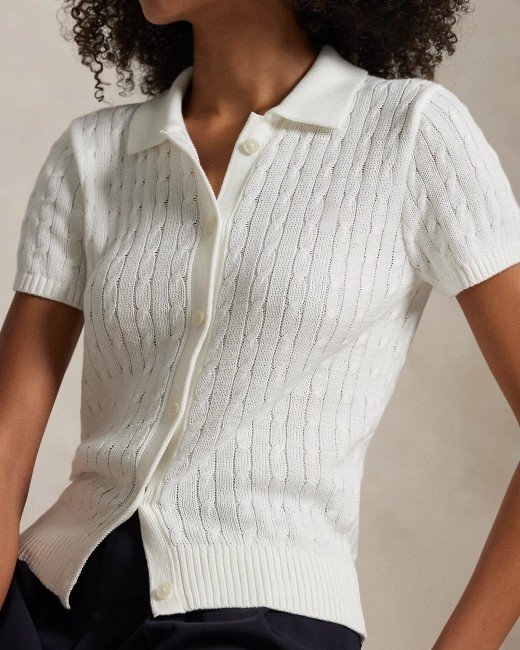
Custom Cardigans
Custom cardigans combine knit construction with brand-specific shape, closure and trim requirements. Junsheen supports yarn selection, gauge development, button or zipper sourcing, rib detailing and XS–3XL grading to create repeatable samples for wholesale or direct-to-consumer collections.
Request a Quote
Custom Puffer & Down Jackets
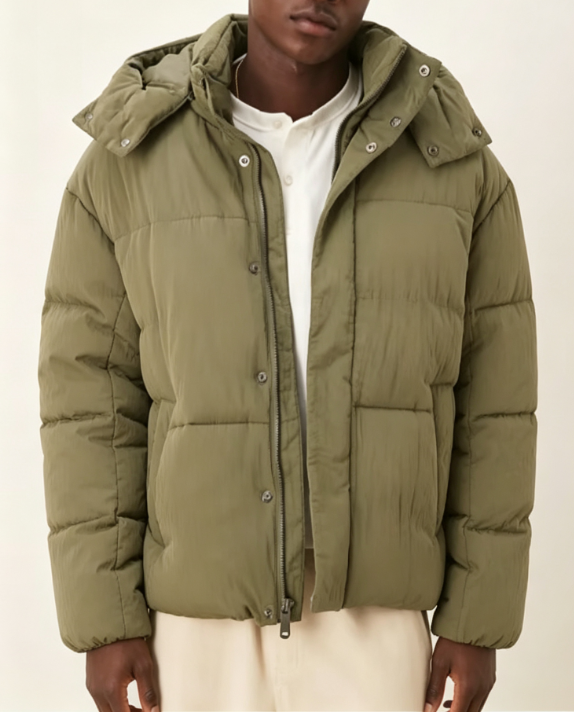
Custom puffer and down jackets help brands manage insulation, shell fabric, quilting and fit in one production process. Junsheen develops a custom puffer jacket with specified fill, baffles, zippers, reflective details, labels and quality checks before export.
Request a Quote
Custom Denim Shorts
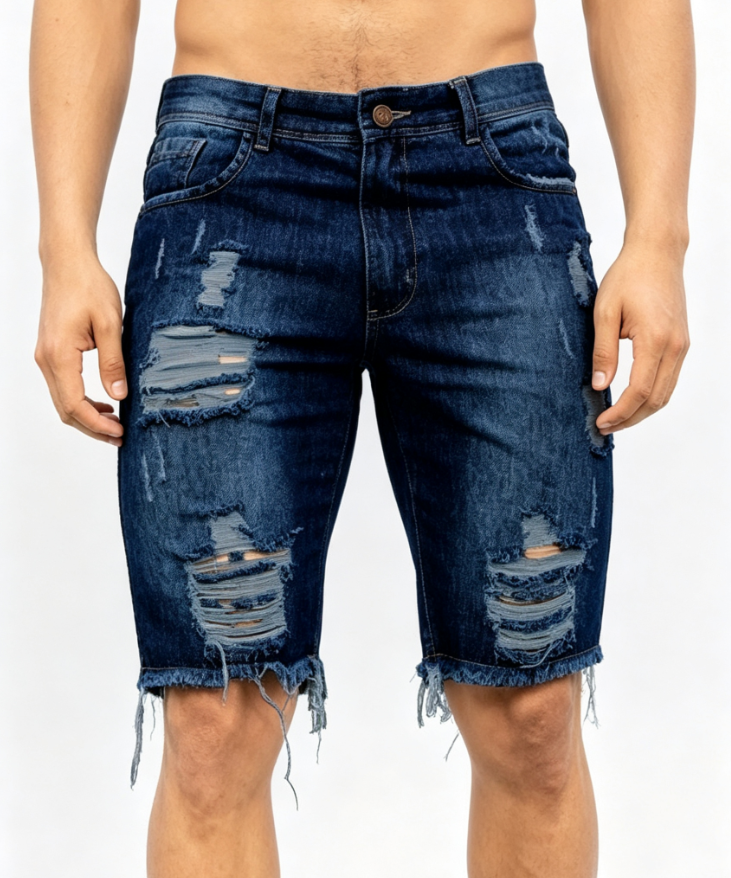
Custom denim shorts are built for consistent rise, inseam, leg opening and wash appearance across the size range. Junsheen develops custom jean shorts from stretch or rigid denim, with distressed, garment-wash, hardware and branded trim options.
Request a Quote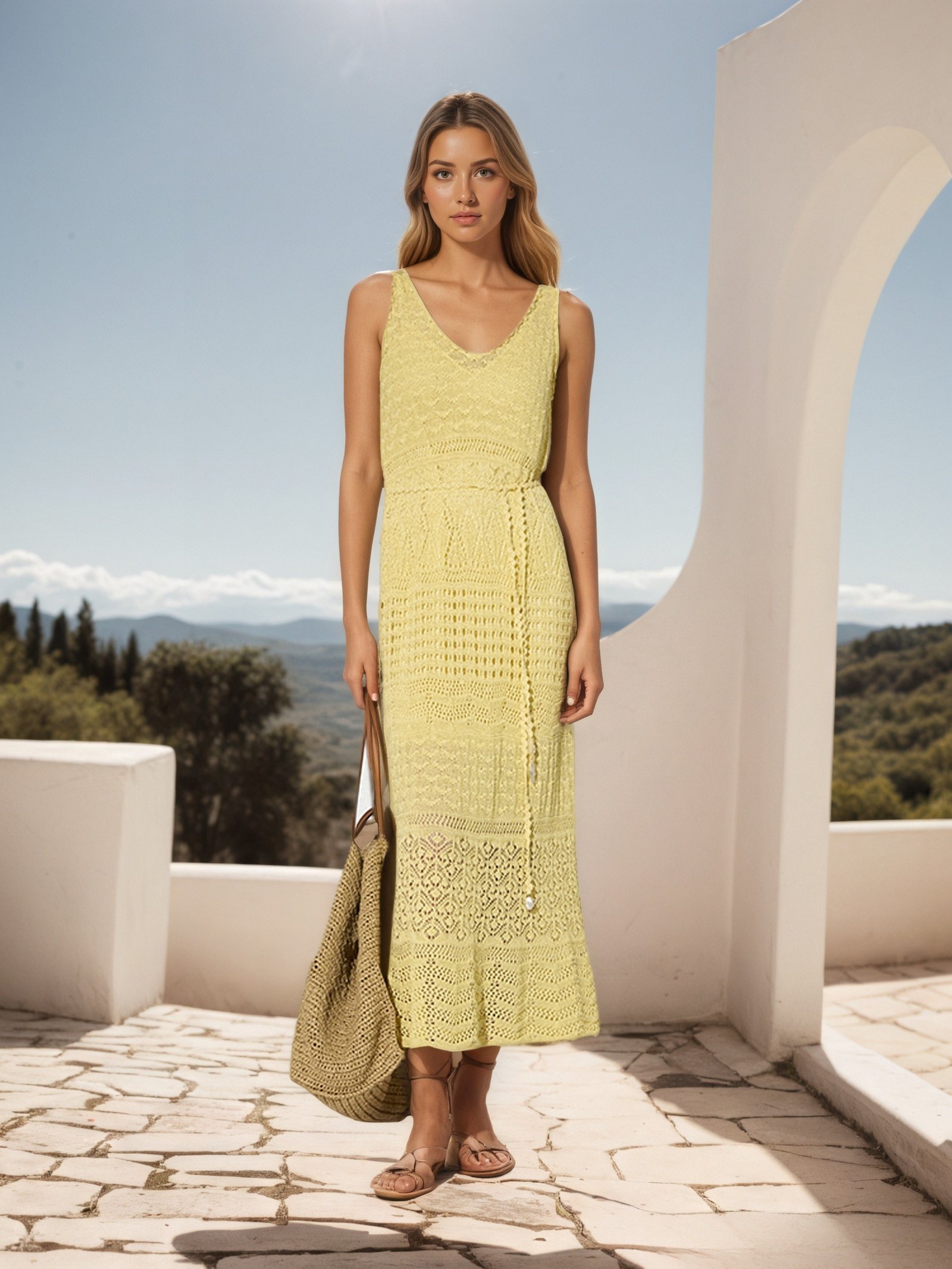
Custom Sweater Dresses
Custom sweater dresses require balanced knit structure, length and body shaping to maintain a consistent silhouette. Junsheen supports yarn, gauge, neckline and sleeve development, then grades the approved sample for normal, extended-size and oversized programs.
Request a Quote
Custom Denim Sets
Custom denim sets provide coordinated jackets, jeans, skirts or shorts with aligned fabric, wash and trim specifications. For mens denim suits wholesale programs, Junsheen develops matched silhouettes and repeatable bulk standards for branded assortments and retailer orders.
Request a Quote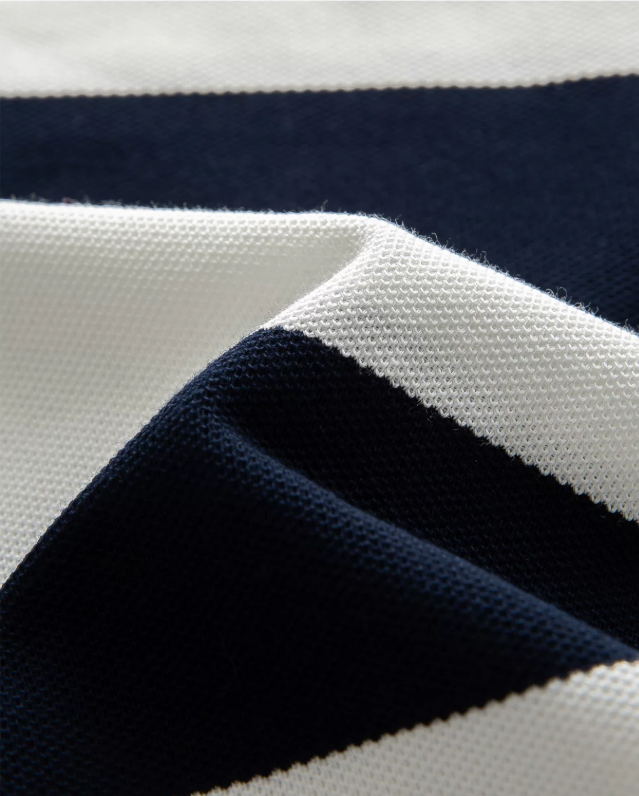
Custom Polo Shirts
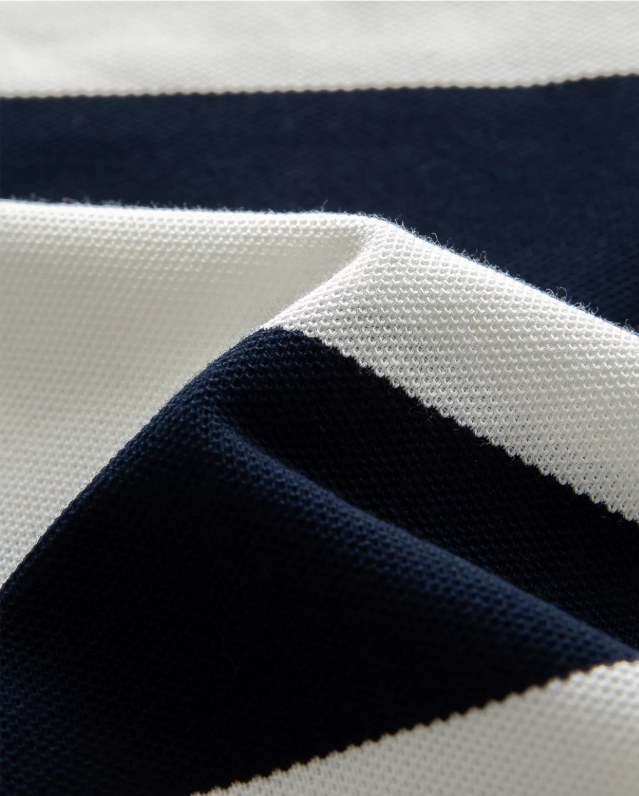
Custom polo shirts can be developed in piqué, jersey or performance knits with defined collars, plackets and logo applications. Junsheen supports custom polo shirts with embroidery, printing, contrast trims, size grading and private-label packaging.
Request a Quote
Custom Sweatpants
Custom sweatpants are developed around fleece or French terry weight, rise, taper and cuff construction. Junsheen refines fit from XS through 3XL and coordinates drawstrings, pockets, embroidery, printing, washes and matching-set production.
Request a Quote
Custom Shorts
Custom shorts programs cover nylon, jersey, fleece, woven and denim constructions for active, casual and coordinated collections. Junsheen develops inseam, rise, waistband, pocket and liner specifications, starting at 100 units per style and color.
Request a Quote
Custom Pullovers
Custom pullovers can be produced in fleece, French terry, jersey or knit constructions, depending on the intended silhouette and season. Junsheen supports hood, collar, placket, decoration and fit development, with grading and branded finishing prepared for bulk orders.
Request a QuoteCustom Nylon Shorts Materials and Performance Options

Lightweight Woven Nylon
Crisp, smooth, and quick-drying, lightweight woven nylon suits running, swim-inspired, and packable custom nylon shorts. Typical 80–120 gsm constructions deliver a low-bulk feel with dependable abrasion resistance.

Stretch Nylon Twill
A structured fabric with a clean matte hand, stretch nylon twill works well for utility, golf, and elevated casual shorts. Its mechanical or elastane stretch supports mobility while retaining a more substantial 150–220 gsm profile.

Nylon Spandex Blend
Soft, resilient, and flexible, nylon-spandex blends are suited to training, cycling, and fitted performance shorts. Four-way stretch improves recovery and movement, while fabric weight can be specified for lightweight or supportive coverage.

Recycled Nylon Fabric
Recycled nylon provides a smooth, durable performance hand for responsible activewear and outerwear-inspired shorts. Available in woven and stretch constructions, it can retain quick-dry performance while supporting your preferred recycled-material sourcing direction.

Textured Performance Nylon
Textured nylon adds a subtle dry hand and technical visual character for trail, utility, and sport shorts. Ripstop, taslan, or dobby constructions improve tear resistance and can be paired with water-repellent finishing.
Custom Nylon Shorts Decoration and Finishing

Logo Embroidery
Flat, 3D puff, and chain-stitch embroidery add a refined branded finish to custom nylon shorts. Our team assesses placement, backing, stitch density, and fabric stability for crisp logos that hold their shape through wear.

Screen Printing
Plastisol, water-based, puff, silicone, high-density, foil, and discharge screen-print options create bold graphics with controlled coverage. We recommend inks and application methods suited to the nylon fabric, color, stretch, and intended wash performance.

Heat Transfer
Heat transfers deliver sharp multicolor logos, fine details, and low-volume artwork without the setup demands of traditional printing. Suitable transfer films and adhesives are selected to support smooth application, durable bonding, and a clean athleticwear aesthetic.

Custom Patch Application
Woven, embroidered, silicone, leather-look, and applique patches add dimension and private-label character to nylon shorts. We coordinate patch construction, edge finish, attachment method, and placement so branding remains secure and visually balanced.

Garment Finishing
Softening, enzyme treatments, garment dye, and other controlled finishes can refine hand feel and visual character where fabric construction allows. Junsheen tests the selected route during sampling to protect color consistency, performance, and bulk repeatability.
Custom Nylon Shorts Trims and Brand Accessories

Drawcord and Tipping
Specify custom drawcord colors, widths, materials, and tipped ends for elastic-waist custom nylon shorts. Branded metal or silicone tips add a polished finish while helping reinforce your collection’s color and hardware direction.

Custom Zippers
Add durable zipper closures for pockets, fly fronts, or utility compartments. Junsheen can match zipper tape, puller finishes, and logo pull tabs to your shorts design for dependable function and recognizable branding.

Woven Brand Labels
Use woven main labels, size labels, and wash-care labels to make each pair retail ready. We coordinate placement, artwork, fiber content, and care details so private-label custom nylon shorts arrive correctly identified.

Logo Snap Buttons
Choose custom snaps for cargo pockets, adjustable hems, or convertible details. Available finishes can support understated or statement hardware, with logo engraving options that give functional closures a branded, premium feel.

Custom Hangtags
Create hangtags with your logo, product story, barcode, pricing information, or care messaging. They help wholesalers, retailers, and direct-to-consumer brands present custom nylon shorts consistently from warehouse packing through retail display.
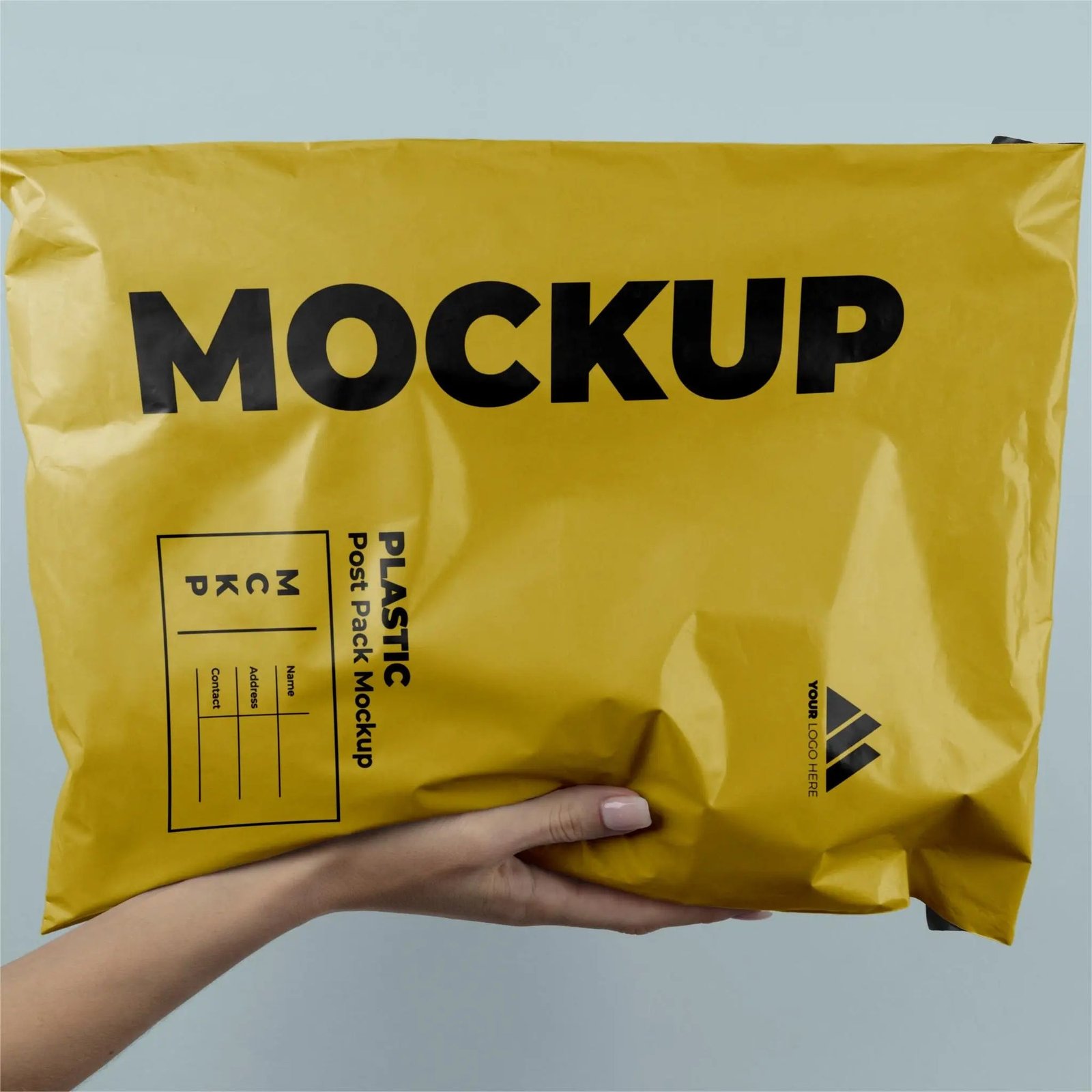
Branded Packaging
Finish orders with custom polybags, sticker seals, tissue, inserts, and export-ready carton markings. Packaging can protect garments in transit while giving your private-label launch a cohesive unboxing and retail presentation.
About Junsheen Custom Nylon Shorts Manufacturing
Founded in 2010 in Humen Town, Dongguan, JUNSHEEN helps fashion brands turn custom nylon shorts concepts into production-ready private-label products. Our one-stop OEM, ODM, and product-development team supports everything from technical review and fabric sourcing to sampling, decoration, packaging, and export coordination.
With more than 200 skilled workers and monthly capacity above 80,000 units, we handle focused capsule launches as well as repeat bulk programs. Brands can begin from 100 units per style and color, then scale with a manufacturing partner experienced in casualwear, performance materials, trims, and quality-controlled production.
More than 2,000 fashion-brand clients have chosen JUNSHEEN for responsive development and dependable execution. We stand apart through fit-focused XS–3XL grading, practical material guidance, and in-house control of printing, embroidery, finishing, labels, and packaging—so every shorts program is built for both brand consistency and growth.

Custom Nylon Shorts: Fit and Production Control
Fit Engineering From XS–3XL
Junsheen develops custom nylon shorts with fit-focused patterns for standard, extended-size, plus-size and oversized ranges. Our team refines rise, leg opening, pocket placement, waistband balance and grading increments so the fit remains intentional across every approved size.
- XS–3XL grading tailored to your target customer
- Rise, inseam and leg-shape adjustments
- Size-set review before bulk approval

Development That Starts Anywhere
Bring a finished tech pack, sketch, reference short, mood board or early product idea. Our development team reviews manufacturability, recommends nylon fabrics and trims, creates patterns and prototypes, and resolves construction details before your custom nylon shorts move into production.
- OEM, ODM and private-label support
- Fabric, lining and trim recommendations
- Prototype and pre-production sampling

Integrated Branding and Finishing
Build a recognizable short program with in-house decoration, branded trims and finishing coordinated through one production team. We can apply embroidery, transfers, screen printing, custom labels, drawstrings, zipper pulls, patches and packaging selected for nylon performance and brand presentation.
- Embroidery, screen print, DTF and heat transfer
- Custom labels, hang tags and packaging
- Branded cords, hardware and patches
Quality Checks at Every Stage
Quality control follows your approved specifications from incoming fabric through final packing. Junsheen checks material consistency, measurements, construction, decoration, fit and packed goods, helping brands protect repeat-order consistency while scaling from a 100-unit launch to ongoing global production.
- Incoming material and in-line inspections
- Measurement, fit and decoration checks
- Final packed-goods review before shipment

Why Choose JUNSHEEN for Custom Nylon Shorts
A production partner built for fit accuracy, low-MOQ development, integrated manufacturing and repeat-order consistency.
← 左右滑动查看 →
Custom Nylon Shorts Production, Step by Step
A controlled OEM workflow that moves your nylon shorts program from material decisions and fit approval to export-ready packed goods.
Feasibility and Specification Review
We review your tech pack, reference garment, or concept, confirming construction, target cost, MOQ, fit requirements, decoration placement, and production feasibility.
Fabric and Trim Sourcing
Our team recommends nylon weights, stretch blends, linings, mesh, zippers, drawcords, labels, and performance finishes based on hand feel, function, durability, and budget.
Patterning and Sample Approval
Pattern makers develop and grade fit-focused shorts from XS to 3XL, then produce prototypes and size sets for measurement, mobility, wash, and approval checks.
Cutting and Decoration Production
Approved materials move into controlled cutting, sewing, printing, embroidery, and finishing, with in-line checks protecting construction quality, logo accuracy, and consistent measurements.
Final Inspection and Export
We inspect finished custom nylon shorts, verify packing details, apply private-label packaging, and coordinate export documentation and global shipping after final balance settlement.
How to Start Your Custom Nylon Shorts Order
Move from concept to approved bulk production with a clear, fit-focused development process.
Send Your Design Brief
Share a tech pack, sketch, reference garment, mood board, or product idea with target quantities, sizes, fabric preferences, logo details, and delivery requirements.
Review Feasibility and Sampling
Our team reviews construction, nylon fabric options, trims, decoration, and XS–3XL grading, then develops patterns and samples for fit and quality evaluation.
Approve Quote and Details
Confirm your sample revisions, specifications, materials, private-label details, production quantities, timeline, and quotation before placing your custom nylon shorts order.
Begin Bulk Production
Junsheen manages material sourcing, cutting, sewing, decoration, inspection, packing, and export coordination, with quality checks throughout production before final shipment.
Custom Clothing Manufacturer Credentials and Compliance Documents



Custom Nylon Shorts Results From Apparel Manufacturing Programs
Junsheen turned our nylon short sketches into approved samples in two rounds. Their revised rise and leg opening improved fit feedback enough for us to place a 600-unit launch order with confidence.
The team matched our lightweight nylon fabric target and organized custom labels, zipper pulls, and embroidery in one program. Our second colorway reordered at 1,200 units after the first drop sold through faster than forecast.
We needed inclusive grading without losing the intended athletic silhouette. Junsheen developed XS–3XL custom nylon shorts, and our size-set approval was completed before bulk production, reducing the fit revisions we expected.
Custom Nylon Shorts FAQ
Clear answers on MOQ, development, fit, payment, shipping and production support for your nylon shorts program.
What is the MOQ for custom nylon shorts?
Can I order a sample before producing custom nylon shorts in bulk?
How long does custom nylon shorts production take?
Can you develop custom nylon shorts from a sketch or reference sample?
Do you offer XS–3XL and plus-size grading for nylon shorts?
What payment terms do you offer for custom apparel orders?
Can JUNSHEEN ship custom nylon shorts internationally?
How do you protect designs and private-label details?
The Complete Buyer’s Guide to custom nylon shorts
Use this practical framework to specify fits, fabrics, branding, quality standards, and supplier requirements for custom nylon shorts—while avoiding sampling, pricing, compliance, and production mistakes that undermine a successful launch.
1. What Are custom nylon shorts?
100-unit production runs are a practical starting point for custom nylon shorts: garments developed to a brand’s own specifications rather than purchased as ready-made blanks. An OEM maker follows approved patterns, measurements, materials, trims, color standards, labeling, and packing requirements; ODM support can also turn a sketch, reference garment, or product idea into a production-ready design. 2 buying paths separate custom manufacturing from wholesale blanks. Blank wholesale shorts are stocked, standardized items that may accept a print or embroidery, while OEM/ODM shorts can change the silhouette, inseam, rise, pocket layout, waistband, liner, drawcord, fabric finish, and branded components before bulk production. 5 common applications are running and training shorts, swim-inspired styles, utility or cargo shorts, lightweight travel pieces, and fashion streetwear. Nylon is most suitable when the collection needs a light, durable, quick-drying woven appearance; it may be a weaker choice when the customer expects the brushed hand, warmth, or casual bulk associated with fleece or French terry. 1 complete tech pack reduces preventable sampling decisions by documenting flat sketches, measurement points, graded sizes, fabric composition and weight, Pantone colors, artwork placement, construction notes, trims, labels, and packaging. Buyers should confirm whether their target customer, retail price, performance expectations, and brand position justify a developed nylon style, then align a minimum order—often 100 units per style and color at Junsheen—with the intended launch volume.
2. Evolution of Nylon Shorts
1938 marked nylon’s commercial debut, and its light weight, strength, and quick-drying character soon made it practical for performance and outdoor garments. Early shorts prioritized mobility and weather resistance, using simple elastic waists, drawcords, and unlined woven shells rather than fashion-led detailing. The 1970s and 1980s broadened nylon shorts from trail and training use into running, surf, and casual wardrobes. Sport-specific cuts introduced mesh linings, side vents, zip pockets, and water-repellent finishes, while brighter color blocking helped make technical apparel visible beyond its original activity. By the 2020s, custom nylon shorts commonly bridge streetwear, athleisure, swim-adjacent, and utility categories. Buyers now expect lightweight 90–150 GSM shells, relaxed inseams, soft hand feel, durable WR or DWR treatments where appropriate, and functional details such as branded drawcords, woven labels, zipper pulls, cargo pockets, reflective trims, and mesh pocket bags. For a production brief, the key decision is whether the garment must perform as training, swim, or everyday utility wear, because lining, pocket drainage, seam construction, and trim selection should follow that use case.
3. Types of custom nylon shorts
Six sourceable silhouettes cover most custom nylon shorts briefs. Specify the intended wearer, finished inseam, rise, leg opening, pocket system, lining, and tolerance before sampling; one base block rarely suits every use case.
Running Shorts

3–5 inch inseams suit performance runners seeking a trim split or curved-hem fit. Specify a brief liner or linerless build, zip key pocket, bonded versus stitched hem, reflective transfer placement, and stretch-panel dimensions.
Mesh-Lined Swim Shorts

5–7 inch inseams fit resort, surf, and everyday swim programs with a relaxed leg. Call out quick-dry shell weight, mesh-liner softness, drainable pocket bags, bar-tacked pocket corners, chlorine or saltwater testing, and drawcord length.
Cargo Utility Shorts

7–10 inch inseams target streetwear and outdoor customers who need a roomier thigh. Detail bellows-pocket depth, flap closure type, webbing loops, bartack locations, zipper gauge, and whether the waistband is elastic, fixed, or hybrid.
Basketball Shorts

8–11 inch inseams create the longer, relaxed silhouette expected for courtside and team-inspired styles. Include side-seam pocket depth, mesh or tricot lining, contrast-panel seam allowances, elastic width, and logo-decoration zones away from stretch distortion.
Casual Pull-On Shorts

5–7 inch inseams suit lifestyle collections requiring easy fit across multiple body types. State finished waist measurements by size, drawcord exit method, pocket-bag fabric, back-pocket closure, and wash test requirements for puckering or shrinkage.
Tailored Technical Shorts
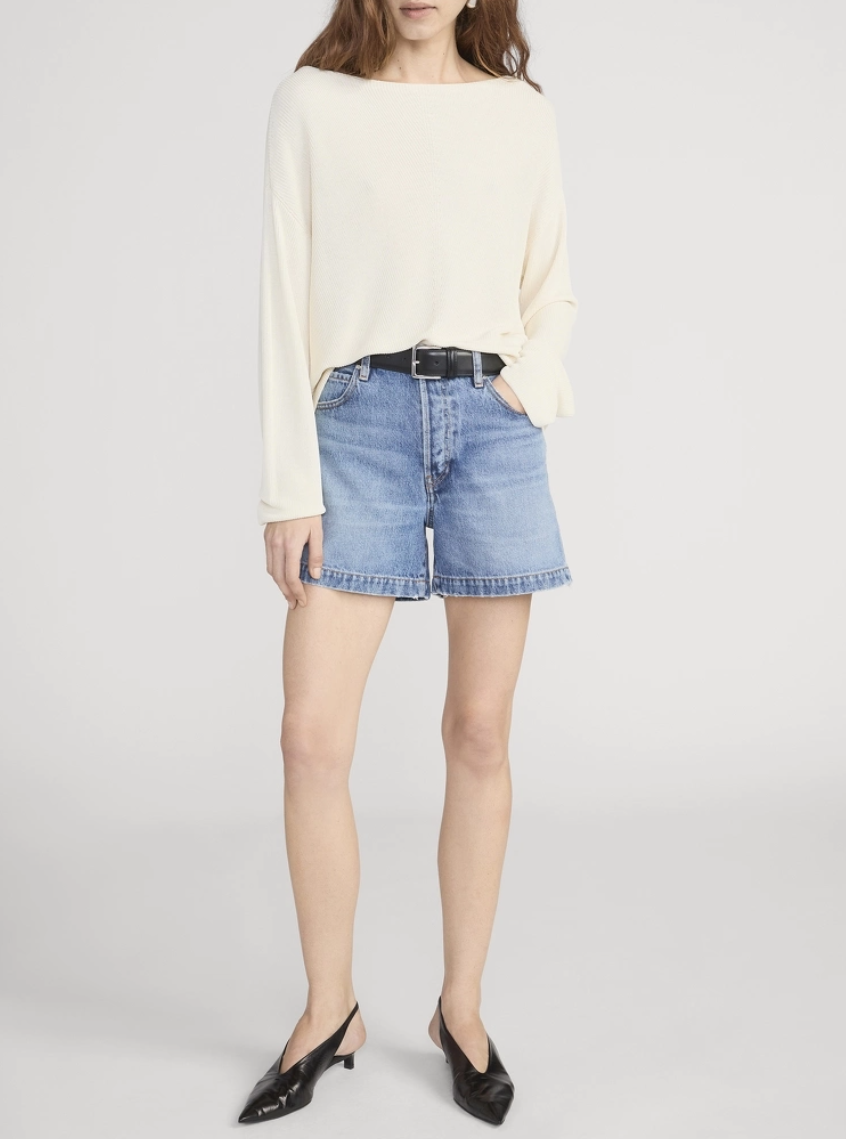
7–9 inch inseams serve travel, golf, and elevated casual customers wanting a cleaner leg line. Specify a contoured waistband, fly construction, concealed closure, pocket angle, stretch recovery, and press tolerance; pattern balance matters more than simply grading up.
4. Fabrics for custom nylon shorts
70–160 GSM nylon determines whether custom nylon shorts read as ultralight training gear or structured streetwear. Specify both face fabric and lining early, because opacity, drying speed, and hand feel change substantially after finishing.
| Fabric | GSM | Hand And Opacity | Performance | Best Use |
|---|---|---|---|---|
| Plain woven nylon | 70–110 | Crisp; lighter weights may show through | High WR potential; moderate breathability | Running, packable shorts |
| Taslan nylon | 110–150 | Matte, cotton-like; good opacity | Durable; water-repellent finish available | Casual, utility shorts |
| Supplex-style nylon | 90–140 | Soft, peachy; medium opacity | Breathable; moderate abrasion resistance | Lifestyle activewear |
| Stretch nylon blend | 120–160 | Smooth, opaque | Mobility; test recovery | Training, fitted silhouettes |
| Ripstop nylon | 80–140 | Textured grid; varies by weight | Strong tear and abrasion resistance | Trail, cargo shorts |
| Recycled nylon | 100–150 | Depends on construction | Comparable performance; verify mill specifications | Sustainability-led collections |
Core Nylon Constructions

70–110 GSM plain woven nylon is crisp, light, and quick-drying; it suits running and packable shorts but can feel noisy. Taslan at 110–150 GSM has a cotton-like, matte hand with stronger coverage for casual and swim-adjacent programs.
Performance And Durability

90–140 GSM supplex-style nylon delivers a softer, peachier hand and good breathability for active lifestyle shorts. Ripstop grids improve tear containment and abrasion resistance, while 8–15% elastane stretch nylon improves mobility but needs recovery testing after wash cycles.
Recycled Fabrics And Linings

100–150 GSM recycled nylon can support sustainability positioning when buyers request traceable material documentation from the mill. 50–90 GSM mesh improves airflow, while lightweight tricot gives smoother coverage; select lining by activity, transparency, and climate rather than cost alone.
5. Customization for custom nylon shorts
Nylon shell weight and surface finish determine whether branding looks integrated or fails early. For custom nylon shorts, approve decoration on the exact coated production fabric, not only on an uncoated strike-off.
| Method | Best Fabric Condition | Wear Expectation |
|---|---|---|
| Screen print | Uncoated, stable nylon | High with correct ink and cure |
| Heat transfer | Coated shells after testing | High; test flex and wash |
| TPU or silicone badge | Smooth shell or woven panel | High abrasion resistance |
| Embroidery | Heavier uncoated panel | Strong, but punctures shell |
Choose The Decoration Method

120–160 GSM uncoated nylon accepts screen print, heat transfer, silicone and TPU badges most predictably. Durable water-repellent coatings can reduce ink and adhesive bonding, so use a wash-tested transfer system or reserve decoration for an uncoated panel.
Plan Artwork And Placement

300 dpi raster art at final print size and vector AI, PDF, or SVG files preserve sharp logos. Separate spot colors, specify Pantone references, and avoid hairline details that can fill during screen printing or transfer application.
- Screen print: strong color blocks on suitable shells
- Heat transfer: detailed multicolor logos and names
- Silicone or TPU badge: raised, technical branding
- All-over print: requires artwork before cutting
Build Premium Hardware Details
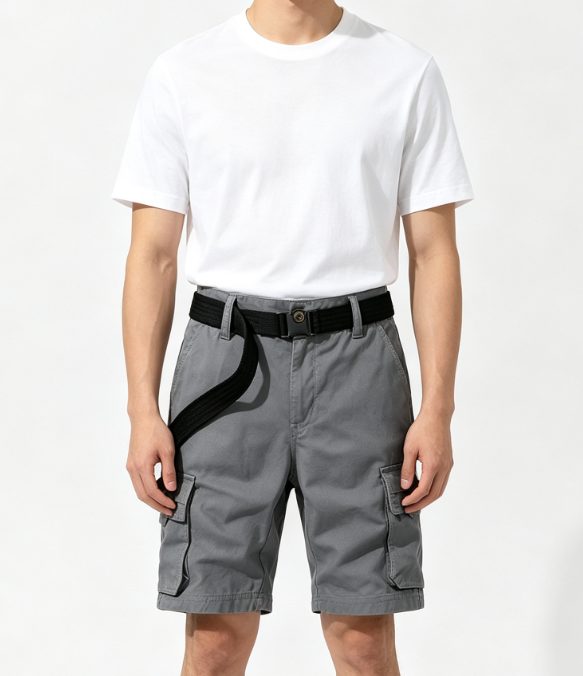
5–10 mm woven labels, branded zipper pulls, tipped drawcords, contrast panels, and reflective trims add recognition without covering the shell. Embroidery is best limited to stable, heavier panels because needle holes can distort lightweight nylon and compromise water resistance.
6. Construction Quality Essentials
Construction quality is set in the pre-production sample, where seam performance, stretch recovery, hardware, and measurements can be approved before bulk cutting. For custom nylon shorts, buyers should document the approved sample as the reference for final inspection.
Seams And Reinforcement
8–10 stitches per inch is a practical baseline for most lightweight woven nylon seams; high-stress joins need consistent tension without puckering. Use enclosed or overlocked seam allowances where skin contact and fraying risk require it. 2–3 bartacks at pocket corners, fly ends, and drawcord exits prevent common tear points. Inspect that bartacks are dense, centered, and do not perforate lightweight nylon excessively.
- Check crotch, side-seam, and pocket-corner reinforcement
- Compare stitch density across all sampled sizes
- Pull seams lightly to reveal skipped stitches
Waistband, Pockets, And Hardware
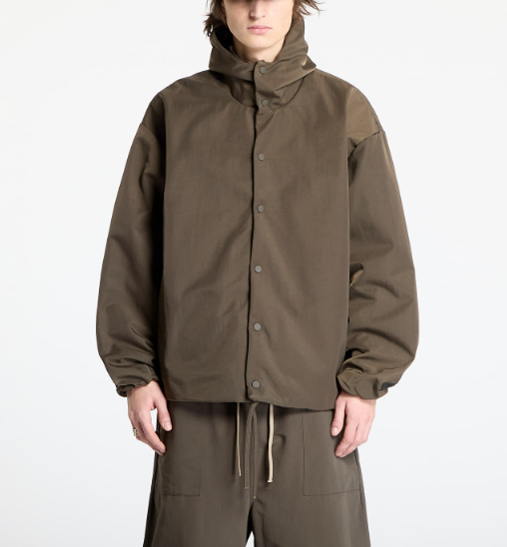
85–95% recovery after controlled extension is a useful elastic check: the waistband should return evenly without twisting or permanent waviness. Confirm elastic width, overlap join, drawcord-channel width, and exit placement against the specification. 2 pocket bags should lie flat and be secured into the side seam or waistband as specified. Operate every zipper repeatedly; the slider must run smoothly, stay aligned, and match the approved puller and finish.
- Verify drawcord ends, stopper security, and channel clearance
- Confirm pocket-bag depth and opening width
- Check zipper tape is not caught in seam stitches
Sample Approval And Final QC
±0.5 cm is a common tolerance for key short measurements, while longer dimensions may use ±1.0 cm; set the exact tolerance in the tech pack. Measure laid-flat waist, rise, inseam, leg opening, and outseam after the approved conditioning method. 100% of final packed goods should receive visual checks for stains, holes, loose threads, lining attachment, hem consistency, labels, and packaging. Random measurement audits should be taken across colors and size ranges, then compared with the sealed pre-production sample.
- Approve a sealed, signed pre-production sample
- Record fabric, trim, and construction revisions
- Inspect lining for twisting, exposed edges, and caught seams
7. Choosing a Nylon Shorts Manufacturer
A dependable nylon-shorts supplier proves capability before quoting: inspect comparable samples, traceable material options, and a dated critical path. Ask who owns development, cutting, decoration, inspection, and export coordination.
Verify Relevant Nylon Work

3 comparable nylon styles reveal more than a catalog: request inside-out photos, fabric specifications, seam details, and wash-test records. Ask whether the factory has handled lightweight woven shells, mesh linings, elastic waists, and zipper pockets. 100-unit style-and-color programs suit early launches, but confirm whether MOQ changes by fabric, color, print method, and size range. A supplier should state these limits in writing.
- Request a finished reference sample
- Confirm fabric composition and GSM
- Ask for similar construction photos
Audit Development And Fit
1 approved tech pack should produce a measurable prototype, not a loosely interpreted sample. Confirm pattern making, grading, fit comments, and pre-production approval are controlled by the same accountable team. XS–3XL grading needs rise, thigh, inseam, and waistband increments reviewed across the size set. Ask for measurement tolerances and the revision timeline after sample feedback.
Test Factory Accountability
2 production checkpoints—inline and final—are a minimum discussion point; ask for inspection forms, defect classification, and AQL procedure. Verify whether embroidery, screen printing, heat transfer, and packing are in-house or subcontracted. 80,000+ monthly units may indicate scale, yet capacity means little without a booked-production schedule. Require transparent sample, material, bulk, and shipping lead times plus named communication contacts.
- Ask for compliance documents if required
- Confirm decoration subcontractors in writing
- Request weekly production updates
Separate OEM From Intermediaries
2010-founded Dongguan Junsheen can support development, patterns, fabric sourcing, decoration, QC, packaging, and export through one production chain. Verify any candidate with a factory address, live production video, sample-room access, and direct technical answers. OEKO-TEX, GOTS, WRAP, or BSCI documentation should be supplied only when applicable to the facility or materials. Match certificates to the legal entity, scope, and current validity date.
8. Common Buyer Mistakes to Avoid
100-unit capsule orders leave little room to absorb preventable sampling errors. Before approving a purchase order for custom nylon shorts, convert every visual preference into a tested specification, documented tolerance, and locked material decision.
Validate Fabric Beyond Swatches

5 x 5 inch swatches cannot show drape, noise, opacity, seam puckering, or how a nylon face changes after washing. Request a finished sample in the final fabric, color, coating, and intended garment wash. 2 wash-and-dry cycles should be completed before approval, with shrinkage, color change, coating feel, and print appearance recorded. Approve against an agreed test method rather than a showroom hand-feel.
Specify Function And Tolerances

±1 cm is a common measurement tolerance, but it must be stated by point of measure for waist, inseam, leg opening, rise, and outseam. Put the graded measurement chart, stretch direction, and tolerance rules in the tech pack. 2 pocket decisions often cause costly revisions: bag depth and entry construction. Confirm lining type, mesh weight, zipper placement, pocket-bag reinforcement, and whether pockets must fit a specified phone size.
Lock Decoration And Components
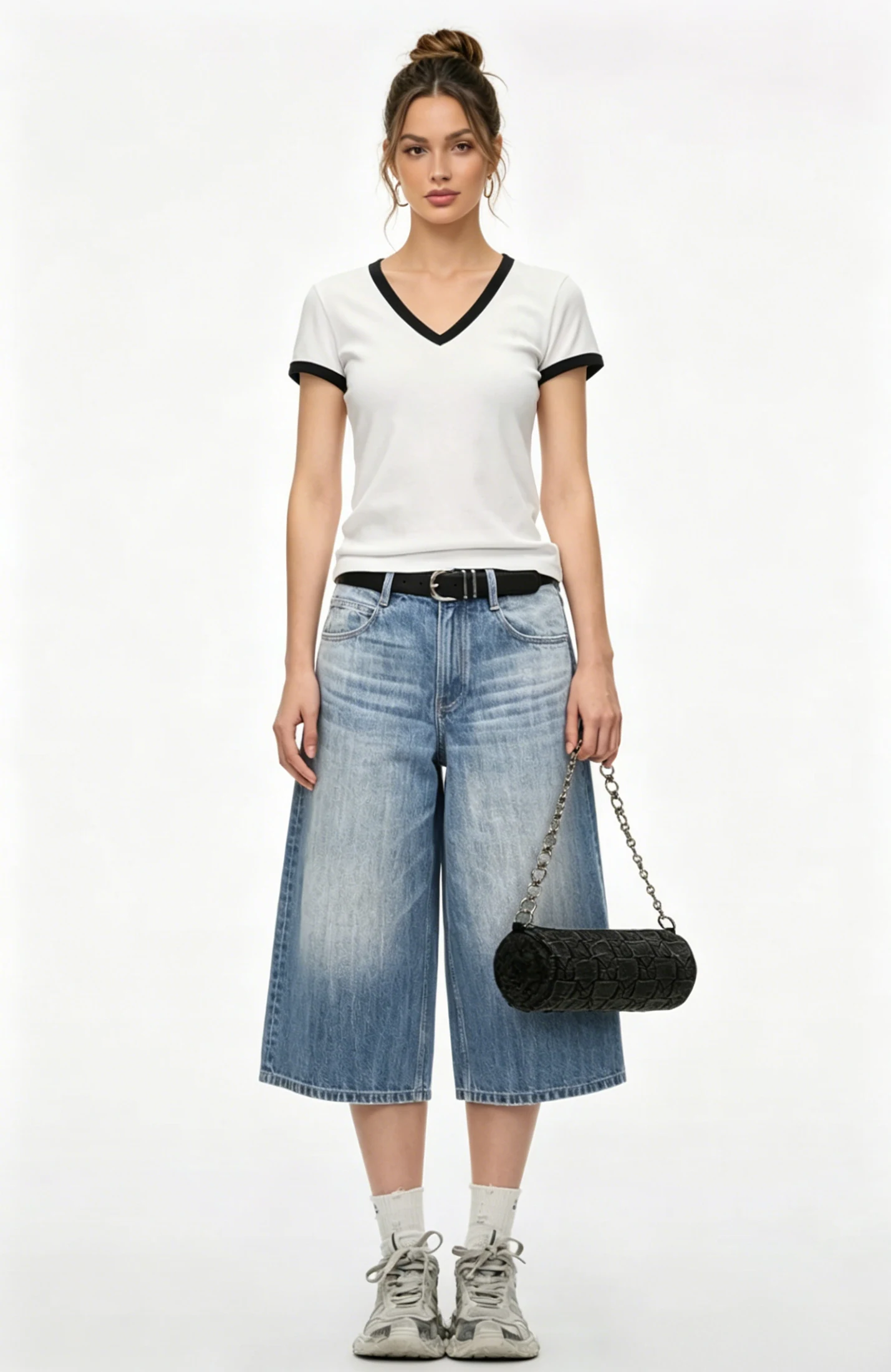
1 coated nylon surface can reject ink or crack under flexing, so a standard screen-print assumption is risky. Submit final coated fabric for adhesion, stretch, wash, and abrasion testing; use a decoration supplier’s approved ink system. 4 to 8 weeks may be needed for custom zippers, molded cord ends, labels, and branded hardware. Book trims only after color, dimensions, artwork, and quantities are frozen, then prohibit detail changes after bulk fabric is booked.
9. Launching a Custom Shorts Collection
A 100-unit-per-style-and-color starting point lets a new label test custom nylon shorts without committing to a broad opening buy. Lock the launch brief before sampling so fit, fabric, colors, trims, packaging, and delivery date stay aligned.
| Phase | Typical Allowance | Decision Gate |
|---|---|---|
| Brief and tech pack | 1–2 weeks | Specifications complete |
| Sampling and fit revisions | 4–6 weeks | Fit sample approved |
| Pre-production and bulk | 5–7 weeks | Final sample approved |
| Packing and delivery | 2–4 weeks | Freight booking confirmed |
Build The Development Pack

One reference garment, a sketch, or a mood board can start development, but a tech pack should convert the idea into measurable instructions. Specify inseam, outseam, rise, leg opening, pocket dimensions, elastic, drawcord, logo placement, Pantone colors, and label artwork. Two core colors and one seasonal color usually create a cleaner first collection than six untested options. Confirm nylon weight, stretch, lining, water-repellent finish, and color swatches before the pattern is finalized.
- Reference sample or clear product brief
- Measurement specification and construction notes
- Pantone, trim, label, and packaging files
Approve Fit Before Bulk
XS–3XL is a practical opening size range when the target customer includes extended sizing, provided grading is reviewed rather than simply scaled. Pattern makers should assess rise, seat, thigh ease, and mobility across the size set. One prototype exposes construction and proportion issues before expensive materials are committed. Revise the fit sample, then approve a pre-production sample in the final fabric, color, decoration, labels, and packaging configuration.
Work Backward From Launch
12–16 weeks is a realistic sample-to-shipment planning window for a first program, with extra time for sourced fabrics, custom trims, or multiple fit rounds. Schedule bulk only after the approved pre-production sample and purchase details are documented. Four inspection stages reduce last-minute surprises: incoming fabric, in-line sewing, measurement and decoration checks, and final packed-goods review. Confirm carton marks, folding method, hang tags, export documents, freight handoff, and warehouse receiving date before shipment.
10. custom nylon shorts Pricing and Costs
100 units per style and color is JUNSHEEN’s practical starting point for a capsule program; at this tier, development and material setup are spread across fewer garments. An accurate quote needs the nylon composition, GSM, lining, pocket and seam construction, number of Pantone colorways, logo method, packaging specification, destination, and required delivery date. 150–220 GSM woven nylon is commonly used for lightweight shorts, but heavier shell fabric, mesh lining, water-repellent finishing, zipper pockets, and complex paneling raise both material and sewing cost. A pre-production sample should be budgeted separately because pattern work, sourcing, cutting, decoration setup, and courier handling are not amortized over bulk quantity. 2 cost controls preserve the features buyers should not dilute: consolidate colorways and reuse approved trims across styles. Keep the specified fabric weight, fit sample approval, secure pocket construction, and final measurement inspection; savings from cheaper elastic, weak zippers, or skipped QC often create higher replacement costs later.
| Illustrative order tier | Typical cost position | Typical production lead time |
|---|---|---|
| 100–299 units | Highest unit cost; suitable for market testing | 25–35 days after approvals |
| 300–999 units | Better fabric and trim leverage | 30–40 days after approvals |
| 1,000+ units | Lowest unit cost when specifications are stable | 35–50 days after approvals |
| Sample and additions | Sample charged separately; embroidery, prints, custom labels, branded packaging, zippers, and freight add cost | Sample timing depends on fabric and decoration |
Ready to Develop Your Custom Nylon Shorts?
Send your tech pack, reference garment, or product idea for a tailored 100-unit MOQ quote and fit-focused production plan.