
Laser Ozone Denim Wash, Starting at 100 Units
Develop custom laser ozone denim wash programs with OEM, ODM, private-label support, fit-focused patterns, and dependable global production.
Featured Products for laser ozone denim wash Development

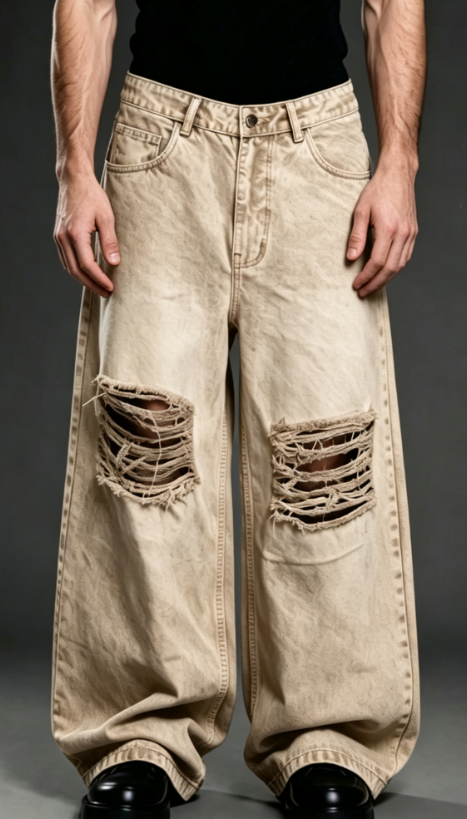
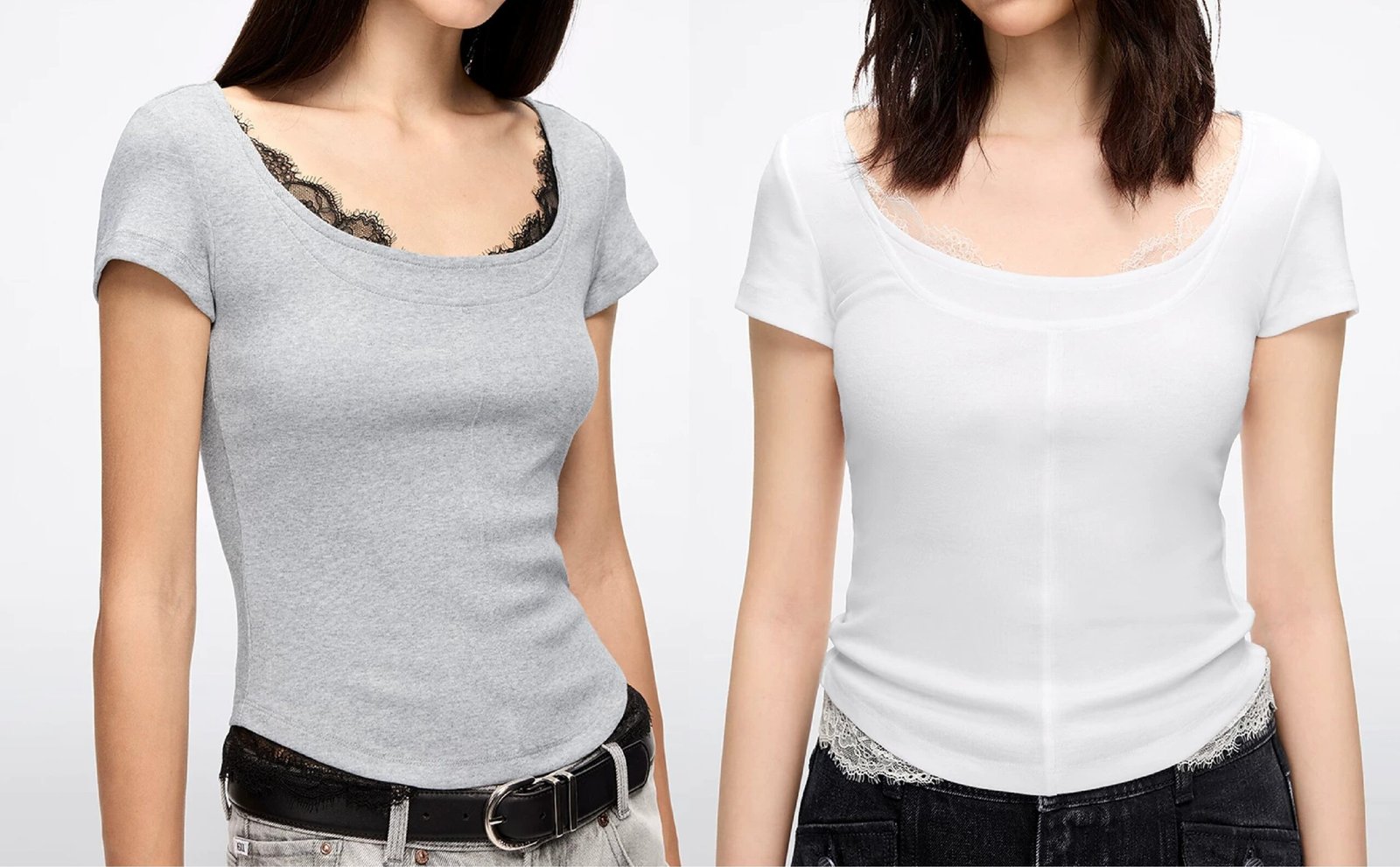


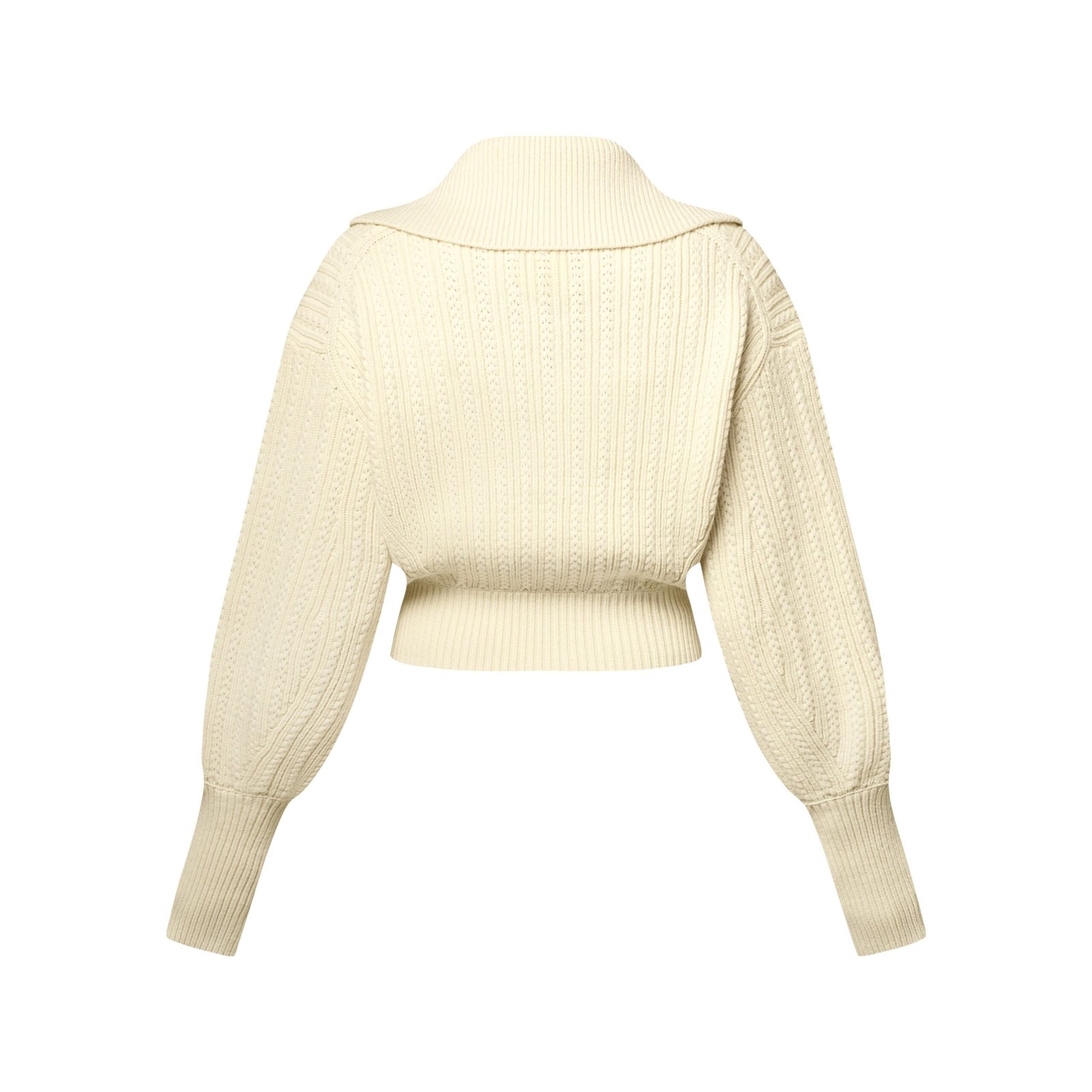


Laser Ozone Denim Wash: Related Product Catalogue & Quotation


Why Choose JUNSHEEN for Laser Ozone Denim Wash
Low-MOQ development, controlled finishing, fit-led patterns, integrated branding and export-ready scale in one denim production partner.
100-Unit OEM MOQ
Launch capsule denim styles from 100 units per style and color, with practical support from sampling through bulk production.
Low-Water Wash Control
Laser ozone denim wash programs help create targeted fades and worn character while supporting more responsible, lower-water finishing workflows.
Fit-Focused XS–3XL
Pattern makers refine proportions, rise, mobility and grading for standard, oversized and extended-size denim across the full size range.
Integrated Brand Details
Coordinate laser effects, washes, embroidery, printing, labels, trims and custom packaging through one responsive denim manufacturing team.
Scalable Global Delivery
With 200+ skilled workers and 80,000+ monthly units of capacity, JUNSHEEN supports repeat orders and worldwide export requirements.
Custom Denim and Casualwear Programs
From first samples to repeat bulk orders, Junsheen develops fit-focused, production-ready apparel programs for labels, retailers, and sourcing teams.
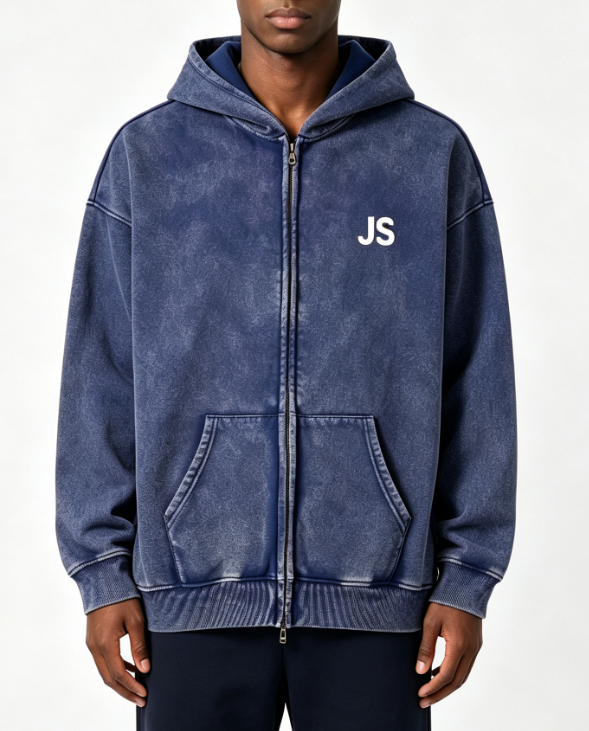
Custom Hoodies
Develop custom hoodies in fleece, French terry, or jersey with your fabric weight, fit block, rib details, drawcords, embroidery, printing, washes, labels, and packaging. XS–3XL grading supports standard, oversized, and extended-size assortments from 100 units per style and color.
Request a Quote
Custom T-Shirts
Produce custom T-shirts from combed cotton, Pima cotton, organic cotton, or blended jersey. Junsheen supports custom tshirt specifications including neck construction, garment weight, oversized proportions, screen printing, DTG, DTF, embroidery, garment dye, labels, and size grading.
Request a Quote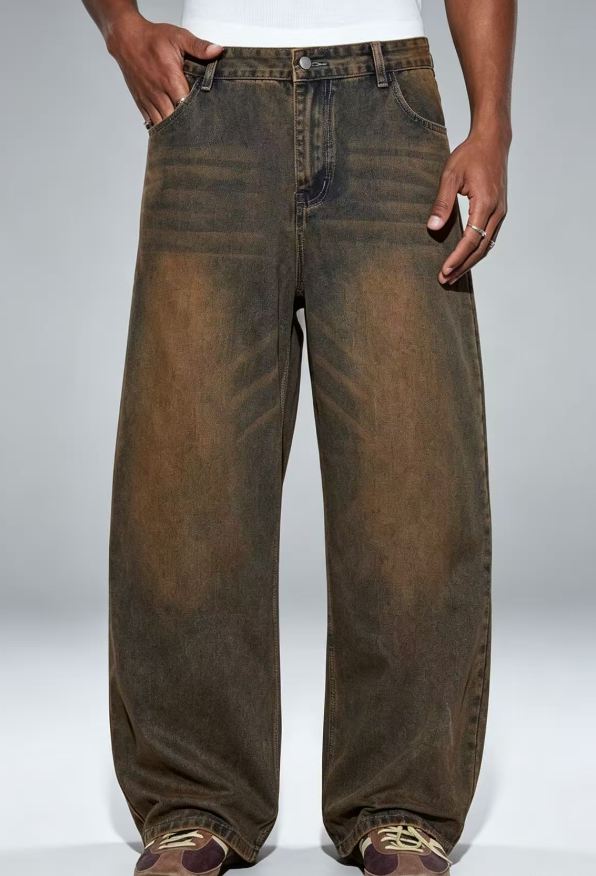
Custom Jeans
Build custom jeans with selected denim weight, stretch, wash direction, pocket construction, hardware, stitching, distressing, and branded trims. Pattern makers refine rise, leg shape, hip balance, and grading for women’s, men’s, unisex, plus-size, and oversized denim programs.
Request a Quote
Custom Sweaters
Source turtle neck sweater bulk programs with yarn, gauge, stitch structure, neckline height, cuffs, hem, and fit specified for your collection. Junsheen develops sweaters and pullovers with sampling, size sets, labeling, and scalable production support.
Request a Quote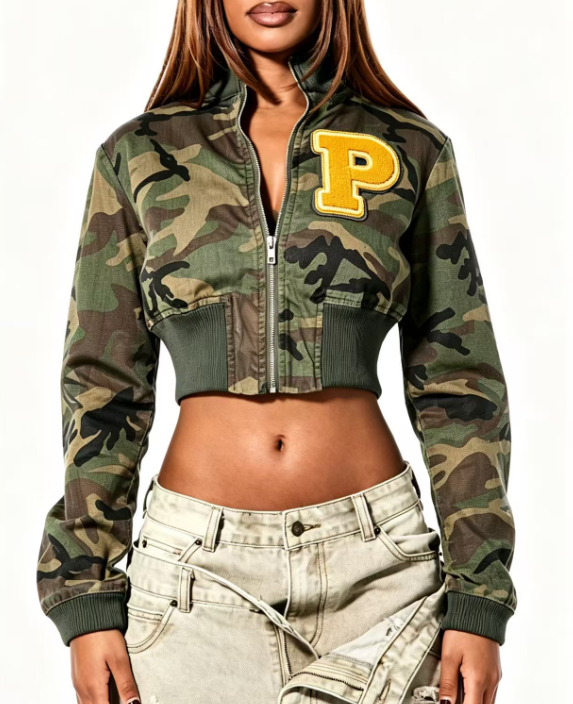
Custom Jackets
Develop custom jean jackets with denim selection, body length, collar shape, pocket placement, seam construction, hardware, washes, and logo details. Programs can include rigid or stretch denim, embroidery, patches, printed elements, and coordinated sizing from XS through 3XL.
Request a Quote
Custom Sweatshirts & Crewnecks
Create custom crewneck hoodie and sweatshirt programs with fleece or French terry, tailored necklines, rib finishes, dropped shoulders, and branded decoration. Junsheen supports standard and oversized fits, embroidery, screen printing, washes, private labels, and low-MOQ capsule production.
Request a Quote
Custom Cardigans
Manufacture custom cardigans in selected yarns and knit constructions, with your preferred gauge, button or zipper closure, neckline, pocket, and trim details. Development includes fit review, grading, sampling, labels, and packaging for retail-ready knitwear programs.
Request a Quote
Custom Puffer & Down Jackets
Produce custom puffer jacket programs with defined shell fabric, insulation or down-fill specification, quilting layout, lining, pockets, zippers, snaps, hoods, and reflective details. Junsheen supports pattern development, sampling, branded trims, inspection, and export-ready packing.
Request a Quote
Custom Denim Shorts
Develop custom jean shorts with controlled inseam, rise, leg opening, pocket shape, hem finish, denim wash, distressing, and hardware. Fit-focused pattern grading helps maintain proportion across standard, extended-size, and oversized short programs for men’s, women’s, or unisex collections.
Request a Quote
Custom Sweater Dresses
Create custom sweater dresses with selected yarn, knit gauge, silhouette, neckline, sleeve length, rib details, and hem treatment. Junsheen supports prototype sampling and size grading to help brands carry a consistent fit from XS through 3XL.
Request a Quote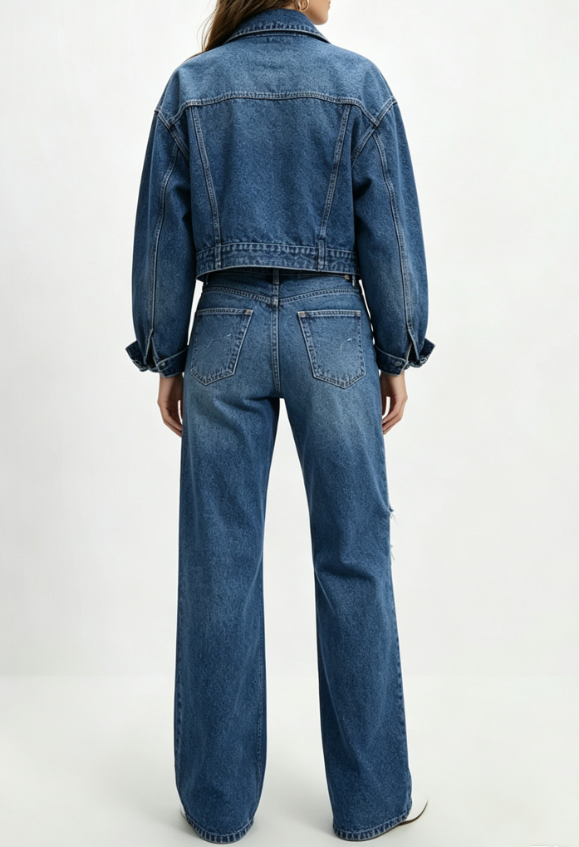
Custom Denim Sets
Develop mens denim suits wholesale programs as coordinated denim jackets and trousers with matched fabric, wash, color, hardware, and construction. Junsheen manages pattern development, fit approval, branded trims, sampling, and production for wholesale assortments or private-label collections.
Request a Quote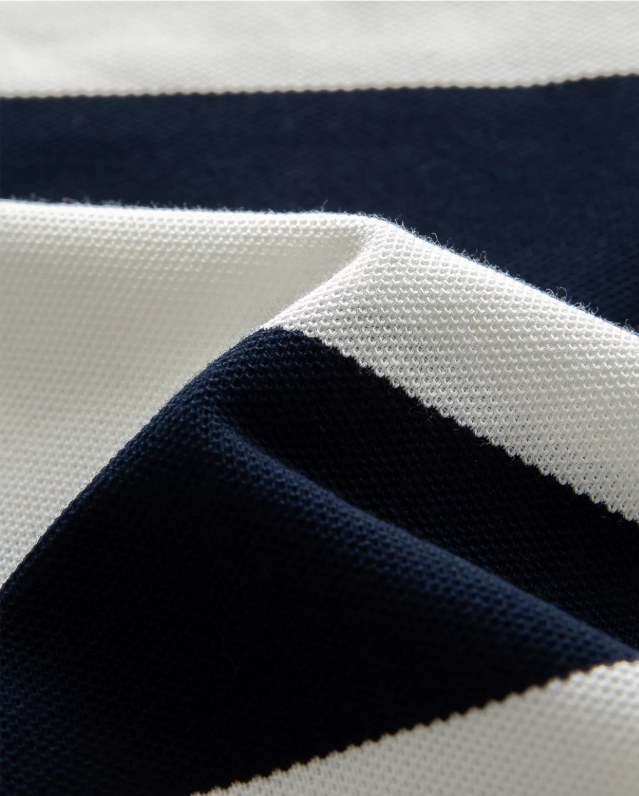
Custom Polo Shirts
Produce custom polo shirts in pique, jersey, or performance knit with your collar structure, placket, sleeve finish, fit, and logo treatment. Options include embroidery, printing, contrast panels, woven labels, size grading, and bulk production for uniforms, retail, or promotional programs.
Request a Quote
Custom Sweatpants
Manufacture custom sweatpants in fleece, French terry, or performance knits with specified rise, leg shape, elastic or cuff finish, pockets, drawcords, and decoration. Junsheen develops relaxed, straight-leg, jogger, and oversized fits with coordinated hoodie or sweatshirt sets.
Request a Quote
Custom Shorts
Develop custom shorts in woven, jersey, fleece, twill, or performance fabrics for casual, active, or resort assortments. Specify inseam, waistband, pockets, lining, closures, printing, embroidery, labels, and garment finishing, with production beginning at 100 units per style and color.
Request a Quote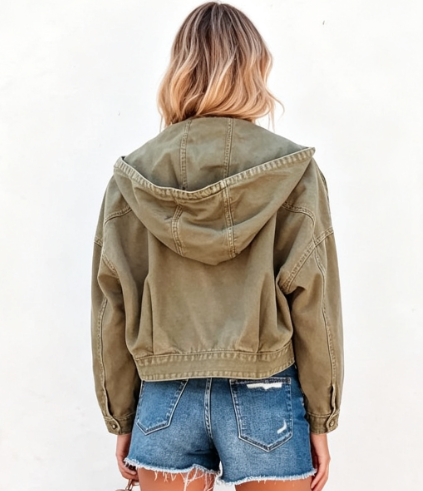
Custom Pullovers
Produce custom pullovers in knit, fleece, French terry, or jersey constructions with your neckline, fit, sleeve, hem, and branding requirements. Junsheen supports quarter-zip, half-zip, crewneck, and hoodless styles, including sampling, decoration, private labels, and scalable repeat production.
Request a QuoteDenim Fabrics for Laser Ozone Denim Wash


Stretch Cotton Denim
Comfort-focused denim for fitted jeans, skirts, and slim jackets. Usually 10–12 oz with 1–3% elastane, it offers recovery and mobility; wash trials help protect stretch retention and prevent excessive seam distortion.

Comfort Stretch Denim
A softer everyday denim for relaxed jeans, wide-leg styles, and coordinated sets. Around 11–13 oz with low stretch content, it balances an easy hand feel with stable laser contrast and controlled ozone wash effects.

Tencel Blend Denim
A fluid, smooth-hand denim suited to shirts, dresses, lightweight jeans, and fashion separates. Commonly 7–10 oz, its soft drape benefits from carefully calibrated laser settings and gentle ozone exposure to maintain surface integrity.

Cotton Twill Denim
A durable complementary woven for workwear-inspired jackets, cargo details, and utility sets. Typically 8–12 oz with a firm diagonal texture, it supports tonal laser marking and wash development while preserving dependable construction.
Laser Ozone Denim Wash & Decoration Processes

Laser Fading
Computer-guided laser marking creates controlled whiskers, worn panels, distressed patterns, and logo effects without manual abrasion, helping each denim run achieve repeatable placement, contrast, and a clean premium finish.

Ozone Washing
Ozone treatment lightens indigo and refreshes garment character with reduced water and chemical demand. It delivers even vintage brightness, controlled cast changes, and scalable results for custom jeans, jackets, and denim sets.

Garment Washing
Enzyme, stone, acid, softening, and rinse washes adjust shade, hand feel, and lived-in character. JUNSHEEN develops wash recipes against approved samples to help protect construction, fit, and repeat-order consistency.

Screen Printing
Plastisol, water-based, puff, silicone, high-density, foil, and discharge prints add bold artwork to denim garments. Process selection considers fabric weight, wash effect, opacity, flexibility, and decoration durability after laundering.

Logo Embroidery
Flat, 3D puff, chain-stitch, applique, patch, and sequin embroidery add dimensional branding with durable stitch definition. Our team reviews placement and backing requirements to keep decorated denim balanced, wearable, and production-ready.

Final Finishing
Brushing, napping, anti-pilling, garment dye, hand sanding, and other finishing options refine texture and presentation. In-line checks confirm measurements, wash appearance, decoration quality, and packed-goods standards before global shipment.
Private-Label Trims for Laser Ozone Denim Wash

Woven Brand Labels
Add custom woven main labels, size labels, and wash-care labels to jeans, jackets, and denim sets. We match label materials, folds, colors, and placement to your brand standards and production specifications.

Leather Logo Patches
Create embossed, debossed, printed, or laser-engraved leather-style patches for waistbands and denim jackets. A custom patch gives laser ozone denim wash programs a recognizable retail-ready identity without compromising wash durability.

Custom Metal Hardware
Specify branded jeans buttons, rivets, snaps, and buckles in finishes that support your collection direction. We coordinate logo artwork, hardware color, attachment method, and placement for dependable construction through finishing.

Branded Zipper Systems
Select custom pullers, zipper tapes, and zipper finishes for denim jeans, skirts, outerwear, and utility details. JUNSHEEN can source dependable zipper options and align branded pulls with your approved trim package.

Drawcords And Tips
Add custom drawcords, metal or silicone tipping, and branded cord ends to denim joggers, shorts, and hybrid casualwear. Material, color, length, and finishing are developed to suit the garment’s fit and wash effect.
Hangtags And Packaging
Finish each order with branded hangtags, barcode stickers, polybags, tissue, cartons, and optional custom packaging. We help align presentation details with your wholesale, retail, or direct-to-consumer packing requirements.
Laser Ozone Denim Wash Manufacturing
Founded in 2010 in Humen Town, Dongguan, JUNSHEEN helps fashion brands turn denim concepts into production-ready programs. Our laser ozone denim wash manufacturing combines OEM, ODM, private-label and product-development support with a fit-first approach built for brands launching or scaling custom casualwear.
With 200+ skilled workers and monthly capacity above 80,000 units, we manage denim development, pattern making, fabric sourcing, laser and ozone finishing coordination, decoration, labels, packaging, quality control and global export support in one supply chain. Programs can begin from 100 units per style and color.
What distinguishes JUNSHEEN is technical fit development from XS to 3XL, including extended-size, plus-size and oversized grading. We refine proportions and wash-ready construction instead of simply scaling a base pattern, helping clients achieve consistent laser ozone denim wash results across samples, size sets and repeat bulk orders.

Laser Ozone Denim Wash Capabilities Built for Consistency
Fit Engineering That Holds
JUNSHEEN develops denim fits from XS through 3XL with pattern, rise, leg shape, and grading decisions aligned before wash approval. This keeps laser ozone denim wash effects working with the intended silhouette across normal, extended-size, plus-size, and oversized ranges.
- Pattern development from tech packs, samples, or sketches
- Fit-focused grading for XS–3XL size sets
- Prototype and size-set reviews before bulk approval
- Wash placement checked against garment proportions

Fabric and Wash Development
Our team coordinates denim weight, stretch, shade, construction, and wash targets before production. Laser artwork and ozone finishing are tested on sample garments so fading, contrast, hand feel, and color variation can be reviewed against your brand direction before bulk materials are committed.
- Fabric sourcing for rigid, stretch, and blended denim
- Laser artwork matched to panels and seam placement
- Ozone wash trials for controlled tonal effects
- Sample approvals for hand feel and wash consistency

Decoration and Private Labeling
Denim programs can combine laser ozone denim wash with production-ready branding in one supply chain. JUNSHEEN manages embroidery, printing, patches, labels, hardware, and packaging, helping teams reduce handoffs while keeping decoration placement and finishing aligned with approved samples.
- Embroidery, patches, and print applications
- Custom leather or woven labels and wash-care labels
- Buttons, rivets, zippers, and branded trims
- Retail-ready hang tags and custom packaging

Control at Every Stage
Quality checks begin with incoming fabric and continue through construction, measurements, wash appearance, decoration, and final packing. Retained patterns, graded size sets, and material records support repeatable laser ozone denim wash production from 100-unit launches to ongoing global bulk programs.
- Incoming material and in-line construction inspections
- Measurement and fit checks against approved specifications
- Wash, shade, and decoration review before packing
- Final inspection and export-ready packing support
Laser Ozone Denim Wash: JUNSHEEN vs. Typical Suppliers
A fit-focused, production-ready denim program built for clear development, consistent finishing, and scalable global delivery.
← 左右滑动查看 →
Laser Ozone Denim Wash Production Workflow
A controlled OEM process that moves custom denim from feasibility review to export-ready packing, starting at 100 units per style and color.
Feasibility and Specification Review
We review your tech pack, reference garment, target fit, wash direction, quantities, budget, and private-label requirements to confirm a production-ready denim plan.
Fabric and Trim Sourcing
Our team sources suitable denim, stretch blends, hardware, labels, and packaging, evaluating weight, shrinkage, color response, durability, and finishing compatibility before sampling.
Pattern Making and Sampling
Pattern makers develop and grade fit-focused XS–3XL patterns, then create prototype samples to verify construction, measurements, placement, and the intended laser ozone denim wash effect.
Laser Ozone Wash Development
Approved denim moves through controlled laser marking and ozone finishing trials, balancing contrast, fading, hand feel, seam definition, and repeatability against your reference standard.
Bulk Quality and Packing
During bulk production, inspections cover fabric, stitching, measurements, wash appearance, decoration, labels, and final packed goods before cartons are prepared for shipment.
Global Shipping Support
After final balance confirmation, JUNSHEEN coordinates export documentation and shipment support, helping your finished custom denim program move reliably to its destination market.
Start Your Laser Ozone Denim Wash Project
Move from concept to production with a clear development path, controlled approvals, and dedicated support from JUNSHEEN’s denim manufacturing team.
Send Your Design Brief
Share a tech pack, sketch, reference garment, mood board, or initial idea with target quantities, fit requirements, wash direction, and private-label details.
Review Feasibility Together
Our team reviews construction, denim fabric, laser artwork, ozone effect, sizing, and decoration requirements, then recommends production-ready specifications for your target market and budget.
Approve Samples and Pricing
Review prototype samples, wash appearance, measurements, and material choices before confirming the quotation, order quantities, colorways, labels, trims, and production schedule.
Launch Managed Bulk Production
After approval, JUNSHEEN manages cutting, sewing, laser ozone denim wash finishing, quality inspections, packing, and export coordination for orders from 100 units per style and color.
Custom Clothing Manufacturer Credentials and Compliance Documents



Laser Ozone Denim Wash Results from Global Apparel Programs
JUNSHEEN translated our wash reference into a repeatable laser ozone denim wash with the fading placement we approved on the second sample. We launched 240 jeans across XS–3XL and reordered within six weeks.
Their pattern team corrected the hip and rise balance across our extended-size range before bulk production. The 600-unit program arrived with measurements consistently within our approved tolerances, which saved us a costly revision cycle.
We needed a 100-unit capsule that looked premium without committing to a large denim buy. JUNSHEEN delivered approved samples in 18 days, handled labels and packaging, and helped us convert the first run into a 1,200-unit repeat order.
Laser Ozone Denim Wash FAQ
Clear answers on MOQ, sampling, approvals, lead times, payment, shipping, and confidential development for custom denim programs.
What is the MOQ for laser ozone denim wash orders?
Can I order a laser ozone denim wash sample before bulk production?
How do you approve the laser ozone denim wash effect?
What is the lead time for custom denim sampling and bulk orders?
Can JUNSHEEN help with fit and size grading for denim jeans?
What payment terms do you offer for a custom denim order?
Do you provide international shipping and export support?
How do you protect my denim designs and product information?
The Complete Buyer’s Guide to laser ozone denim wash
Use this practical framework to evaluate laser ozone denim wash effects, fabric compatibility, responsible production, supplier capabilities, and cost drivers—while avoiding specification, sampling, and sourcing mistakes that can compromise your denim collection.
1. What Is laser ozone denim wash?
Two finishing technologies are combined in laser ozone denim wash: a computer-guided laser removes or lightens indigo at targeted points, while ozone gas oxidizes the dye in a controlled chamber. The laser can map whiskers, honeycombs, chevrons, logos, destroyed areas, or all-over fading with repeatable placement before the garment receives its broader wash character. Ozone contributes a cleaner, lighter cast by fading indigo without relying on the same level of bleach, pumice stone, or water-intensive wet processing used for many conventional washes. Depending on the wash recipe, brands can develop pale vintage blue, bright mid-blue, high-contrast worn zones, subtle tonal lift, or a more even aged appearance while reducing back-staining risk through appropriate rinsing and neutralization. 100-unit capsule runs still require controlled trials because identical artwork does not guarantee identical denim results. Fabric weight, warp yarn indigo depth, stretch content, seam thickness, pocket construction, resin or softener recipe, laser settings, ozone time, and garment load all affect contrast, shade, hand feel, and abrasion; approve a wash standard and sealed sample before bulk production.
2. Evolution of Denim Finishing
1950s-era commercial stone washing made rigid indigo denim feel broken-in by tumbling garments with pumice; sandblasting, hand scraping, potassium permanganate sprays, bleach and enzyme washes later expanded the distressed vocabulary. These legacy methods can create compelling contrast, but abrasion, operator technique, liquor ratio and garment load can shift results from one batch to the next. 1990s industrial laser systems gave denim developers a digital way to mark whiskers, fades, holes and placement graphics before wet processing. A saved laser file can be applied at the same coordinates across a graded production run, reducing hand work and helping brands approve visual standards faster through swatches, wash panels and pre-production samples. 3 specifications still govern a contemporary laser ozone denim wash: the base fabric’s indigo response, the laser artwork’s intensity and the ozone or wet-process recipe used to open the fade. Buyers who understand bleach, stone and abrasive effects can identify which appearance is being requested, avoid asking ozone to imitate unsupported damage, and require controls for worker exposure, dust, water, chemical handling and effluent treatment from the finishing partner.
3. Types of laser ozone denim wash
Five effect families cover most commercial laser ozone denim wash briefs. Laser creates surface artwork by removing or altering indigo at precise points, while ozone changes the garment’s overall shade through controlled oxidation.
Laser Whiskers And Honeycombs
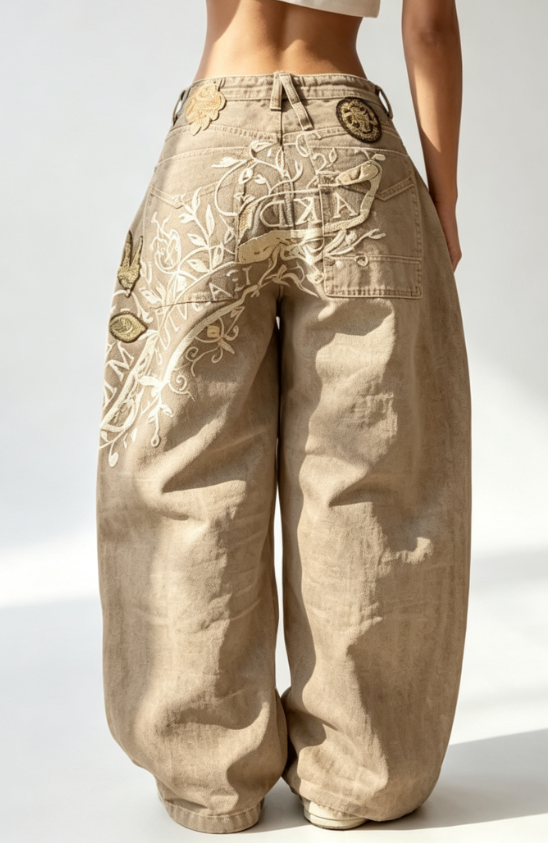
Front-rise whiskers and knee honeycombs create worn-in movement on slim jeans, straight jeans, and denim jackets. Approve placement on the actual graded size set; laser artwork must align with seams, pockets, and body proportions.
Localized Fading
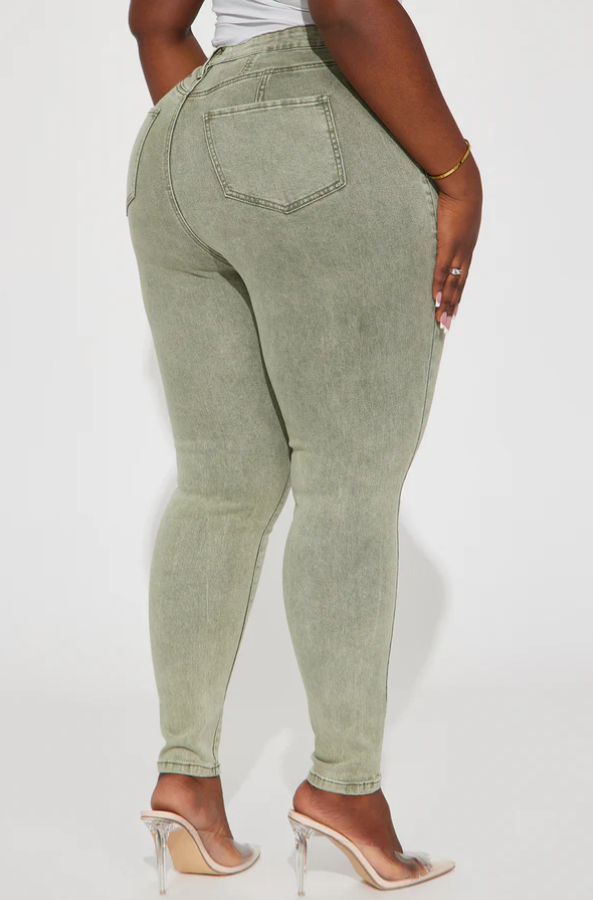
Pocket-edge, thigh, hem, and seat fading adds focal contrast without lightening the whole garment. Confirm the fade map, edge softness, and left-to-right symmetry on a washed sample, since laser exposure is surface-specific.
All-Over Tone Reduction

Ozone can reduce an indigo garment by roughly one to several shade levels for a cleaner, more uniform cast. It suits jeans, denim shirts, and coordinated sets; approve the target shade against a retained standard after final drying.
Vintage Contrast
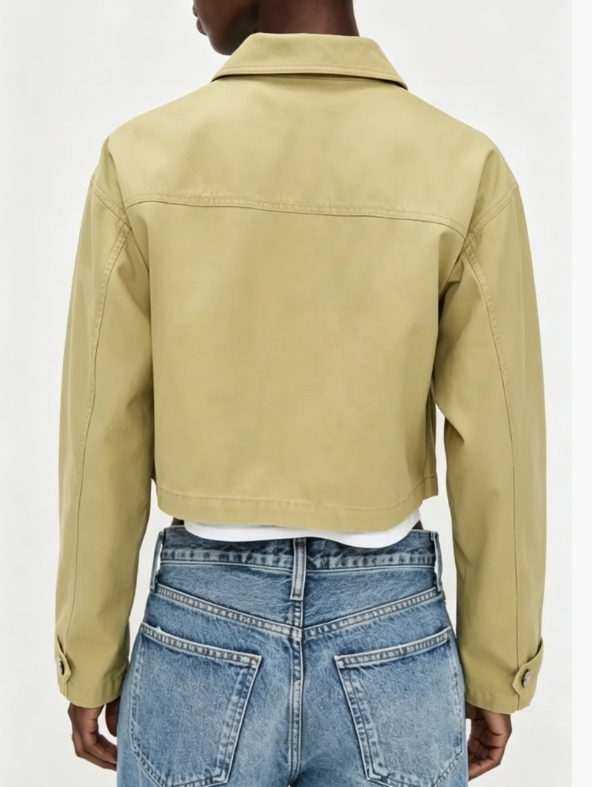
Dark retained areas paired with laser fades and ozone lift create high-low vintage contrast for rigid jeans and trucker jackets. Review seam roping, pocket shadows, and abrasion intensity together, because the combined effect can become harsher after repeat laundering.
Clean Modern Finishes

Minimal lasers, low-contrast fading, and restrained ozone produce a contemporary premium finish for wide-leg denim and fashion separates. Approve tonal uniformity, logo or artwork visibility, and acceptable shade variation across panels before bulk production.
4. Fabrics for laser ozone denim wash
Fabric selection determines whether a laser ozone denim wash reads as clean contrast, soft vintage fading, or uneven damage. Fiber blend, indigo chemistry, fabric mass, weave density, elastane level, coatings, and base color should be approved before wash sampling.
| Construction | Recommended Use | Expected Response | Buyer Caution |
|---|---|---|---|
| 100% cotton rigid, 12–14 oz | Jeans, truckers | High contrast; defined fading | Confirm abrasion limits at seams |
| Cotton/elastane, 9–12 oz | Slim jeans | Softer, variable contrast | Test under stretch and recovery |
| Colored or black denim | Fashion capsules | Color-dependent fading | Approve shade after laundering |
| Tencel/cotton or coated denim | Soft or premium styles | Subtle or unpredictable removal | Run finished-garment trials first |
Read The Fiber Blend

100% cotton ring-spun rigid denim usually gives the clearest laser contrast because indigo loss remains visually distinct from the undisturbed face. 1–3% elastane improves recovery but can create lighter, less uniform marks where tension changes across seams, pockets, and knees.
Match Weight And Weave
10–14 oz twill is a practical range for jeans and jackets: heavier constructions tolerate stronger patterning, while lighter denim can look over-etched. 3×1 right-hand twill typically shows recognizable diagonal texture after fading; broken twill and slubby yarns make effects more irregular and should be sampled on finished garments.
Check Color And Surface
Indigo-dyed yarns respond differently from sulfur black, reactive-color denim, and garment-dyed goods; the apparent contrast may be lower or shift in hue. Pantone-matched colored denim, resin coatings, waxes, and heavy pigment finishes require strike-offs because a laser ozone denim wash may expose a lighter ground or produce patchy removal.
5. Customizing laser ozone denim wash Effects
100-unit capsule orders need the same wash brief discipline as bulk denim programs. For laser ozone denim wash, convert visual direction into approved placement maps, shade targets, and size-by-size records before bulk release.
| Approval Item | Document | Control Point |
|---|---|---|
| Laser fades | Placement map | Seam and logo clearance |
| Ozone shade | Sealed swatch | Colorway reference |
| Distressing | Size map | Knee and pocket position |
| Hardware | Protection note | Finish damage check |
Laser Artwork Mapping
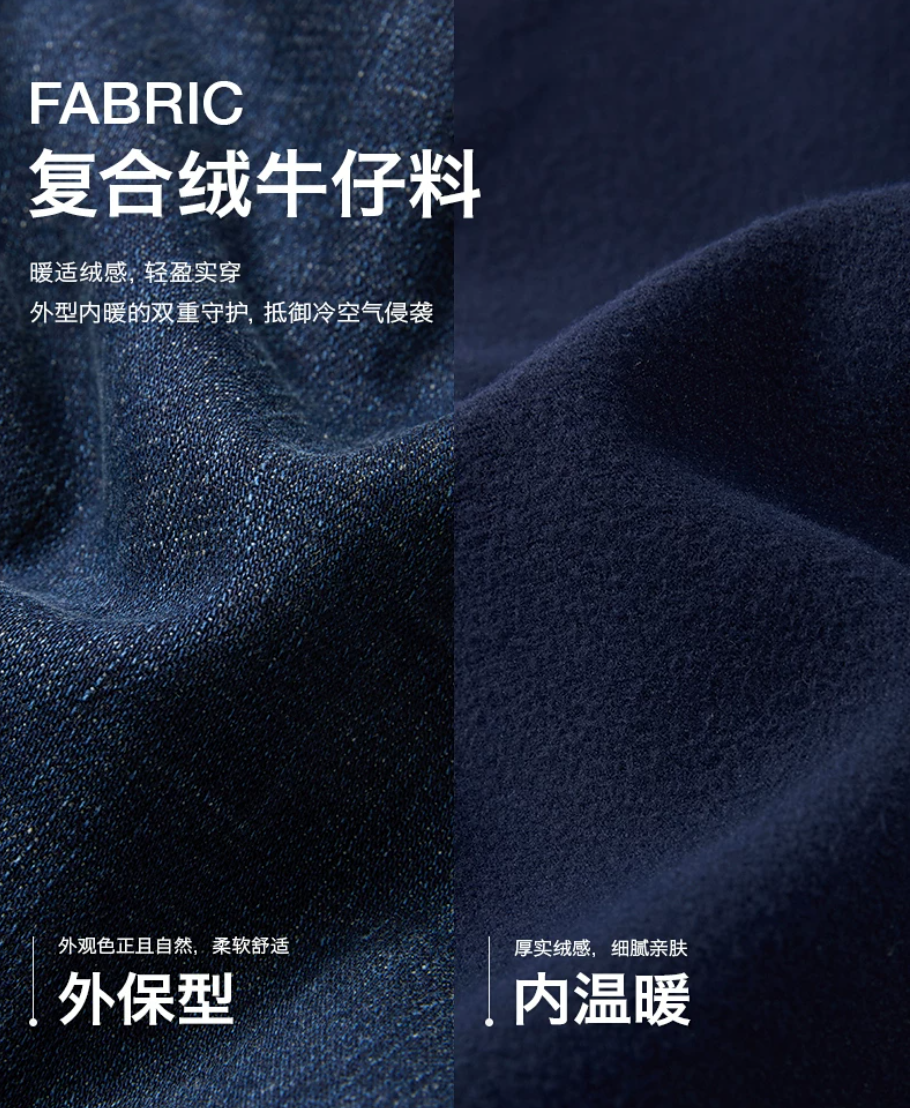
Vector AI, PDF, or high-resolution TIFF files preserve laser artwork edges and repeatability. A front-and-back placement map should mark whiskers, thigh fades, logos, seam offsets, and no-laser zones.
Ozone Shade Control
Pantone references and approved physical swatches define the intended cast, from clean blue to muted vintage gray. One sealed wash standard per colorway should record fabric lot, initial shade, ozone exposure result, and final appearance.
Distress Coordination

Millimeter callouts prevent laser fading from competing with tears, abrasions, repair patches, or raw hems. Each size requires a proportional distress map; simply enlarging a knee rip can shift it above the natural bend.
Branded Detail Protection

YKK zippers, custom buttons, leather patches, and printed pocket bags need documented protection instructions before washing. Pre-production approval should attach photos for every size and colorway, plus acceptable tolerance notes for fade placement and shade variation.
6. Construction and Wash Quality Controls
Three inspection gates—development, pre-production, and final audit—keep a laser ozone denim wash from becoming an uncontrolled distressed finish. Buyers should approve a physical standard, not rely on screen renders or wash descriptions.
Development Wash Trials
Two matched trial garments should be compared before fit approval: one unwashed control and one finished sample. Check shade loss, laser placement, abrasion balance, seam torque, and the handfeel after softening. Three to five home-laundering cycles reveal whether stretch denim recovers at knees, seat, and waistband. Intentional highs and lows should remain visually balanced; random pale streaks, harsh burn marks, or brittle fibers are defects.
Pre-Production Reference Standards
One signed pre-production sample should define pocket position, inseam appearance, hem shape, hardware, and the approved laser artwork. Use placement points measured from fixed construction landmarks, not from an inconsistent garment edge. Two adjacent panels should show controlled color contrast without a sharp wash boundary across side seams. Inspect rivets, buttons, zippers, and bartacks after washing because oxidation, scratches, loose hardware, or staining can appear only after finishing.
Final Audit Decisions
AQL 2.5 is a common buyer benchmark for final inspection, but the purchase order should state the actual sampling plan and tolerances. Audit garment measurements after wash, pocket symmetry, seam alignment, laser consistency, recovery, and overall handfeel. One approved reference garment helps inspectors separate deliberate vintage character from rejection-worthy variation. Acceptable irregularity repeats the approved effect; unacceptable variation changes fit, weakens fabric, misplaces graphics, or makes one unit visibly unlike the production standard.
7. Choosing a laser ozone denim wash Manufacturer
A capable laser ozone denim wash supplier proves control through documented trials, not only dramatic wash photos. Before bulk approval, assess the actual equipment path, development communication, environmental records, and whether the factory can protect fit and shade at your order size.
Verify The Equipment Path
1 pre-production sample should identify every stage: laser artwork, ozone exposure, neutralization, washing, drying, and finishing. Ask whether each stage is in-house or subcontracted and who owns the process parameters. 2 evidence requests are dated machine photos, a sample route card, and before-and-after panels from the same denim lot. Confirm the supplier can reproduce placement using the approved laser file.
- Request machine and wash-floor photos
- Ask for process route documentation
- Compare panels from one fabric lot
Test Development Communication
3 sample rounds are a sensible maximum before bulk: first effect trial, corrected fit-and-wash sample, then sealed pre-production sample. Require comments to distinguish laser artwork changes from ozone intensity, enzyme wash, or abrasion changes. 100-unit capsule runs need the same approval discipline as bulk programs. Junsheen can develop from a tech pack or reference garment and supports production from 100 units per style and color.
- Approve a sealed wash standard
- Record fabric lot and shade
- Sign off placement measurements
Audit Controls And Traceability
4 checks should cover incoming denim, laser placement, wash appearance, measurements after laundering, and packed-goods inspection. Request lot records linking fabric, approved panel, wash recipe, operator check, and final inspection. 80,000 units of monthly capacity alone does not validate a wash partner. Ask for recent comparable denim samples, small-OEM references where shareable, corrective-action examples, and a realistic sample-to-bulk schedule.
- Ask for wash-lot traceability
- Review shade-band standards
- Request defect and rework records
8. Common laser ozone denim wash Mistakes
Three approval gates prevent most laser ozone denim wash disputes: material confirmation, wash-panel sign-off, and graded size-set review. Each gate should tie the visual target to written tolerances, not a reference image alone.
Vague References Create Rework
One Instagram image cannot define shade, laser placement, whisker depth, or ozone contrast. Its consequence is repeated sampling when the factory interprets a distressed effect differently. Three controls prevent this: attach front-and-back photos, Pantone-adjacent shade notes, and marked laser zones. Record acceptable variation at seams, pockets, and hems before sampling.
Fabric Behavior Gets Ignored

10-ounce rigid denim and 12-ounce stretch denim can produce visibly different laser ozone denim wash results. Yarn color, indigo depth, elastane content, and fabric shrinkage change contrast after washing. Two wash-test records should accompany approval: before-and-after measurements and a dated wash recipe. Align garment tolerances with the intended shrinkage and hand-feel target.
One Size Approval Misses Risks
One approved size, usually a medium, does not confirm grading around rise, knee position, or laser alignment. The consequence is uneven effects or broken proportions across XS through 3XL. A graded size set prevents this by checking at least the smallest, base, and largest planned sizes. Approve measurement points, placement tolerances, and seam contrast on each representative size.
Samples Are Not Bulk Guarantees
One development sample proves feasibility, not bulk repeatability across dye lots or production machines. Contrast can shift when fabric lots, sewing thread, wash load, or drying time change. A controlled pre-production gate prevents surprises: compare bulk fabric swatches, a sealed wash standard, and a pre-production garment. Release bulk only after records match the approved reference and tolerance sheet.
9. Steps to Launch a Denim Collection
A 100-unit-per-style-and-color program can launch efficiently when commercial decisions are locked before sampling. Define the target customer, retail price, size range, delivery window, and expected color count first; these choices set fabric, wash, and construction limits.
Define The Line Plan
One line plan should list each SKU, silhouette, target FOB, retail channel, colorway, and size curve. Include reference photos, competitor benchmarks, and a calendar showing sample approval, bulk start, inspection, and ship date.
Build Technical And Wash Files

One complete tech pack should specify measurements, seam construction, hardware, labels, thread, packaging, Pantone colors, and artwork placements. Attach a separate laser ozone denim wash brief with base shade, laser artwork scale, whisker placement, contrast level, abrasion zones, and approved reference images.
Approve Fit And Size Set
Two sample rounds are common: a prototype confirms construction and wash direction, then a revised fit sample resolves measurements and hand feel. Review the garment on a representative fit model; confirm rise, hip, thigh, inseam, leg opening, mobility, and grading from XS through 3XL where required.
Lock Bulk And Delivery
One pre-production sample should match approved fabric, trims, pattern, wash recipe, labeling, and packing before cutting begins. Confirm inspection standard, carton marks, destination documents, freight method, and balance-payment timing early, especially for retailer delivery appointments.
10. laser ozone denim wash Pricing and Lead Times
100 units per style and color is Junsheen’s practical starting point for a capsule denim program; unit cost normally declines as the same wash recipe, fabric and trims are spread across a larger run. The ranges below are planning windows, not a binding quotation, because denim weight, stretch content and destination requirements change both material and handling cost. 2 sample stages are commonly needed: a development sample validates pattern, fabric and laser artwork, then a pre-production sample locks the approved wash, measurements and construction before cutting. Allow extra time when laser coverage is extensive, ozone intensity needs several trials, or the design combines stone wash, enzyme wash, tinting, hand sanding, whiskers and distressed repairs. 1 comparable quote request should include a tech pack, graded measurement chart, front-and-back artwork, Pantone references, target denim composition and weight, wash reference, laser placement map, trim list, packaging specification, testing needs and quantities by color and size. Fabric, pockets and seams, laser coverage, wash effects, YKK-grade hardware, labels, cartons, third-party testing and total order volume are the main cost levers.
| Order quantity | Illustrative cost position | Sampling and production lead time | Primary unit-price drivers |
|---|---|---|---|
| 100–299 units | Highest unit cost | Development: 10–20 days; bulk: 25–40 days | Custom fabric minimums, setup, complex wash trials |
| 300–999 units | More efficient material and wash allocation | Development: 10–18 days; bulk: 25–35 days | Fabric price, laser area, ozone cycles, trims |
| 1,000+ units | Best scope for repeatable wash programs | Development: 7–15 days; bulk: 30–45 days | Volume, color count, packaging, testing and shipping readiness |
Start Your Laser Ozone Denim Wash Sampling Project
Send your tech pack, reference garment, or product idea for a tailored OEM quotation, fit review, and 100-unit MOQ production plan.