
3D Puff Embroidery Built for Your Brand
Develop custom apparel with durable 3D puff embroidery, fit-focused XS–3XL grading, and 100-unit MOQs for global fashion brands.
Featured Products for 3d puff embroidery Development




Related 3D Puff Embroidery Apparel Catalogue & Quotation



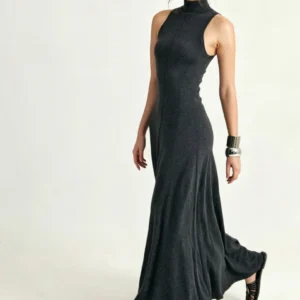

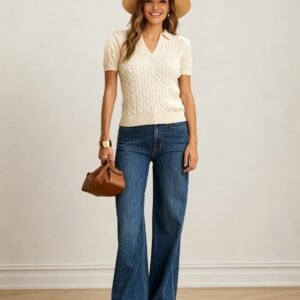

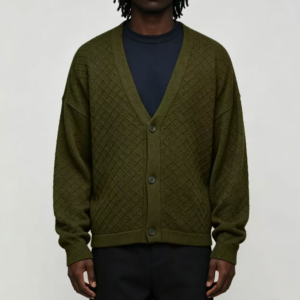
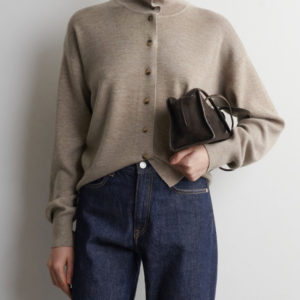

Why Brands Choose JUNSHEEN 3D Puff Embroidery
Dimensional logo decoration backed by fit-focused apparel development, integrated production, and reliable global export support.
Crisp Raised Logos
3D puff embroidery creates bold, tactile logo dimension with clean stitch coverage for premium hoodies, jackets, denim, and knitwear.
Production-Ready Artwork
Our team reviews placement, stitch density, foam coverage, and garment construction to improve manufacturability before sampling and bulk production.
100-Unit MOQ
Launch capsule collections from 100 units per style and color, then scale proven designs through consistent repeat-order production.
Integrated Apparel Development
Combine 3D puff embroidery with pattern making, XS–3XL grading, fabric sourcing, sampling, labels, trims, and branded packaging.
Built for More Fabrics
Match raised embroidery to fleece, French terry, denim, twill, outerwear, and selected knit constructions with material-aware development.
Scalable Global Support
200+ skilled workers and 80,000+ monthly units support quality-controlled OEM programs for fashion brands shipping worldwide.
Custom Apparel for Raised Embroidery
Develop casualwear, denim, outerwear and knitwear with embroidery-ready construction, fit-focused grading and scalable private-label production from 100 units per style and color.

Custom Hoodies
Custom hoodies provide a structured canvas for flat or 3D puff embroidery across chest, sleeve and hood placements. Junsheen develops fleece and French terry hoodies with reinforced areas, custom labels and fit grading from XS to 3XL.
Request a Quote
Custom T-Shirts
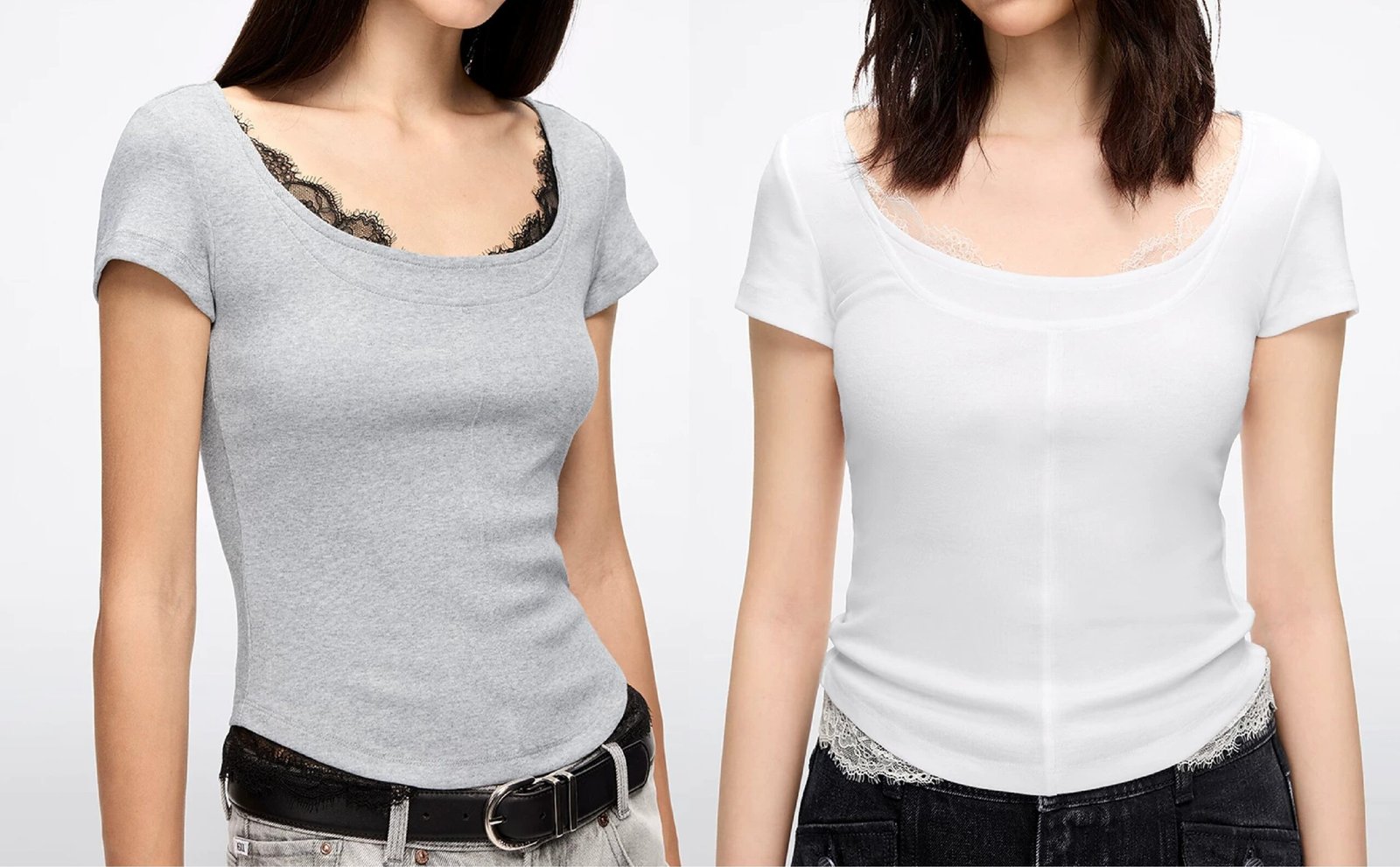
Custom T-shirts support logo embroidery for premium basics, merch programs and retail capsules. The team advises on jersey weight, stabilizing, placement and stitch density so embroidered artwork sits cleanly without distorting lightweight fabric.
Request a Quote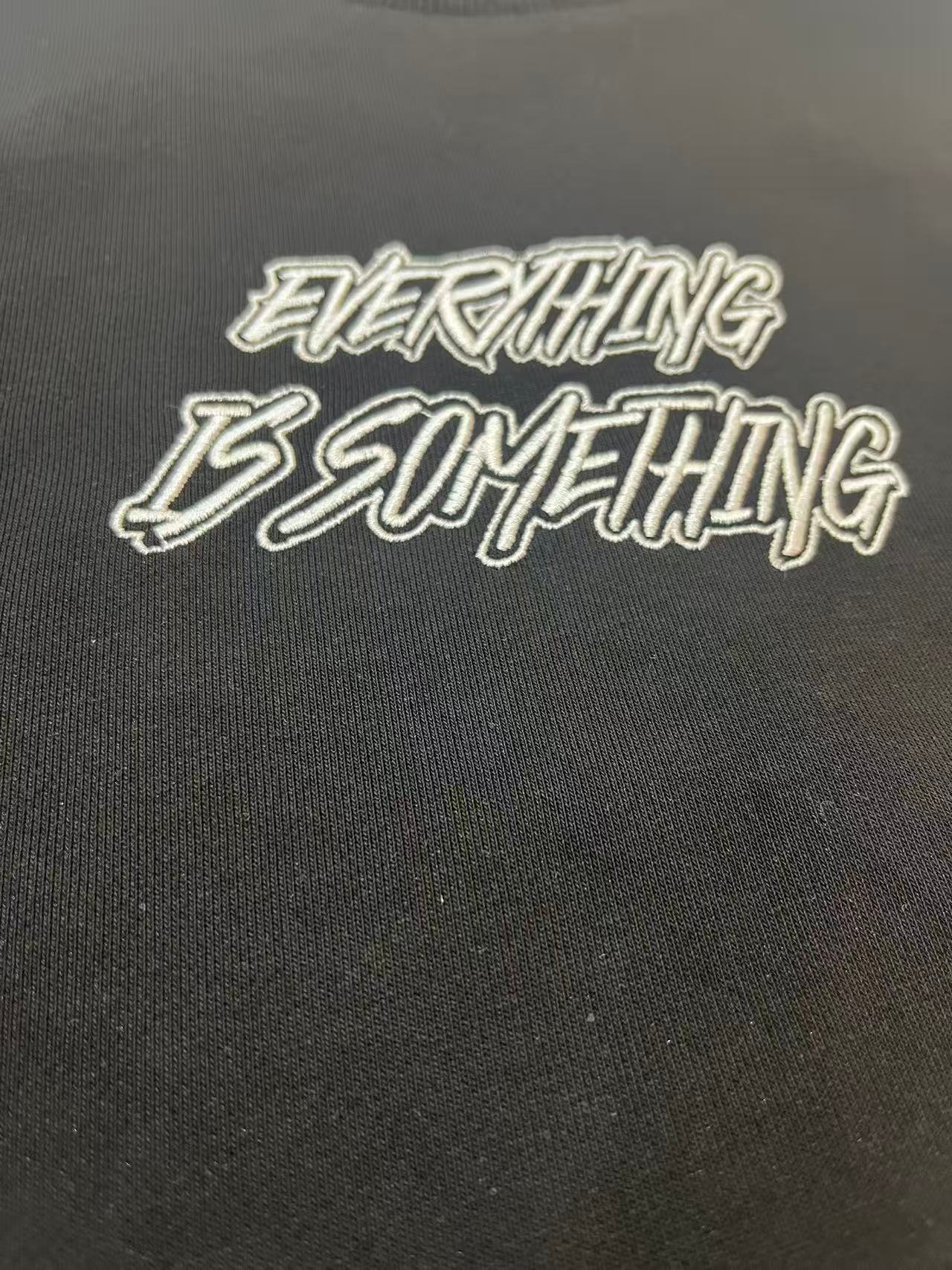
Custom Jeans
Custom jeans can carry raised embroidery on pockets, yokes, legs and waistband details. Junsheen coordinates denim weight, washes, thread selection and embroidery sequencing to protect the garment’s shape and ensure decoration remains consistent through finishing.
Request a Quote
Custom Sweaters
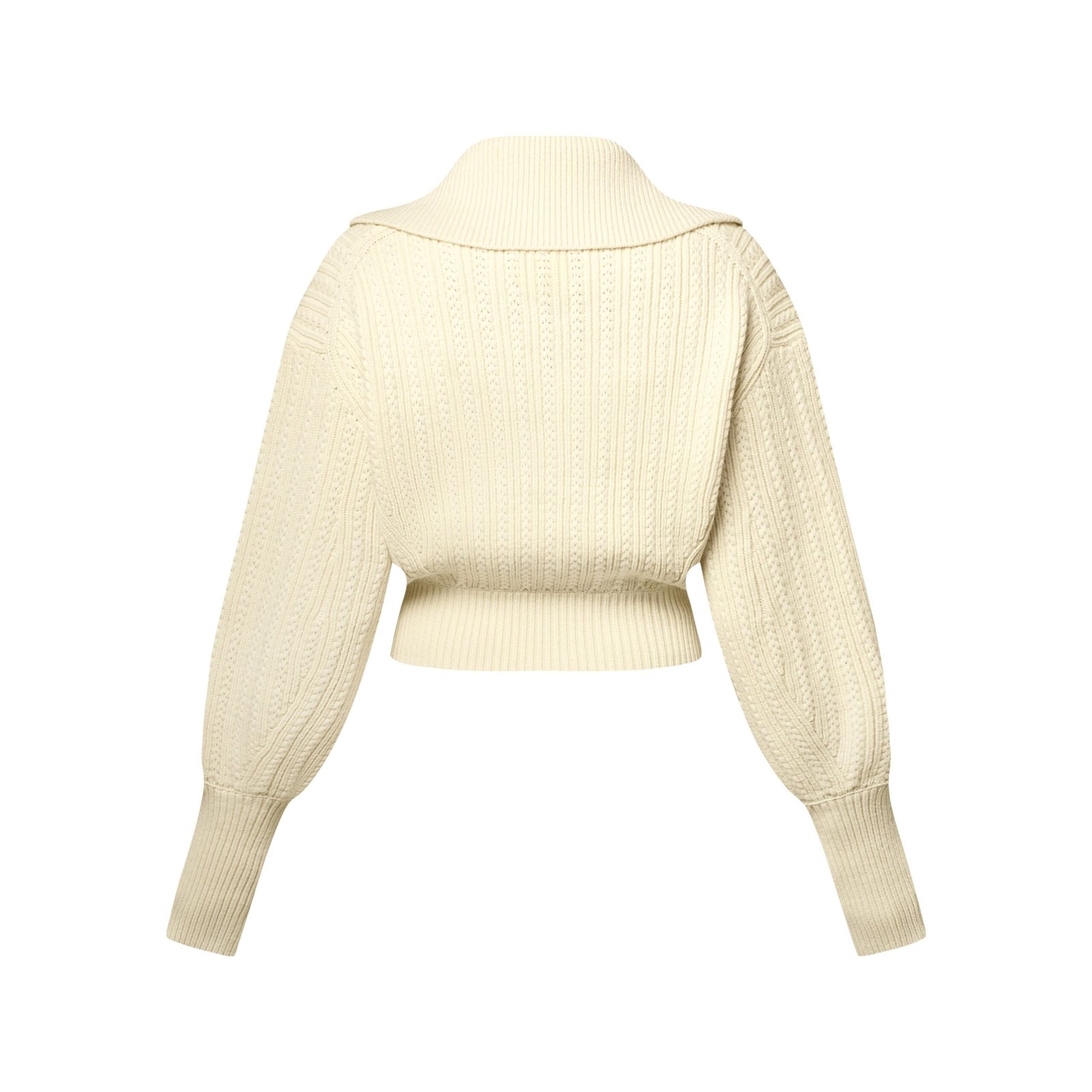
For turtle neck sweater bulk programs, Junsheen develops knitted silhouettes with embroidery placements suited to sweater gauge and stretch. Pattern, yarn and backing choices are reviewed early to keep logos stable while preserving neckline comfort and the intended drape.
Request a Quote
Custom Jackets
Custom jean jackets combine durable denim construction with prominent raised embroidery on backs, chest panels, sleeves and collars. Junsheen manages pattern development, wash testing, hardware, patches and decoration order for a production-ready outerwear program.
Request a Quote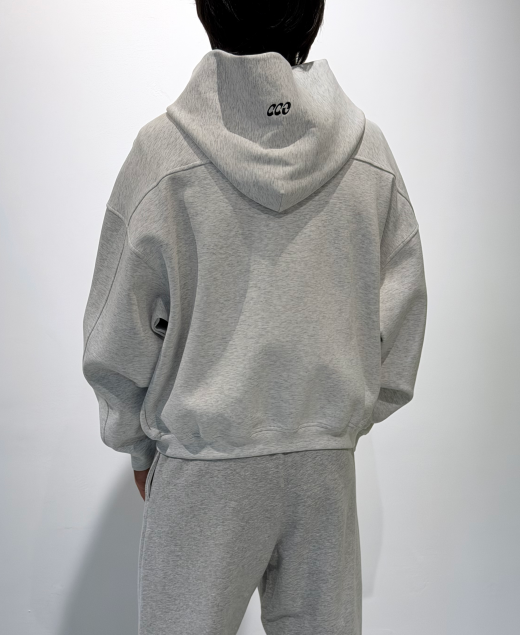
Custom Sweatshirts & Crewnecks
Custom sweatshirts and crewnecks give brands a versatile midweight option for embroidered logos and seasonal graphics. Junsheen develops crewneck or hooded styles in fleece or French terry, with sizing, rib specifications and decoration placements aligned before sampling.
Request a Quote
Custom Cardigans
Custom cardigans require embroidery planning that respects knit structure, button plackets and stretch. Junsheen supports yarn selection, gauge development, fit grading and logo placement so private-label cardigans retain a clean silhouette after wear and laundering.
Request a Quote
Custom Puffer & Down Jackets
Custom puffer jackets require precise embroidery placement around insulation channels, linings and shell fabrics. Junsheen engineers decoration before final assembly, helping brands add raised logos while maintaining warmth, mobility, clean quilting and dependable construction.
Request a Quote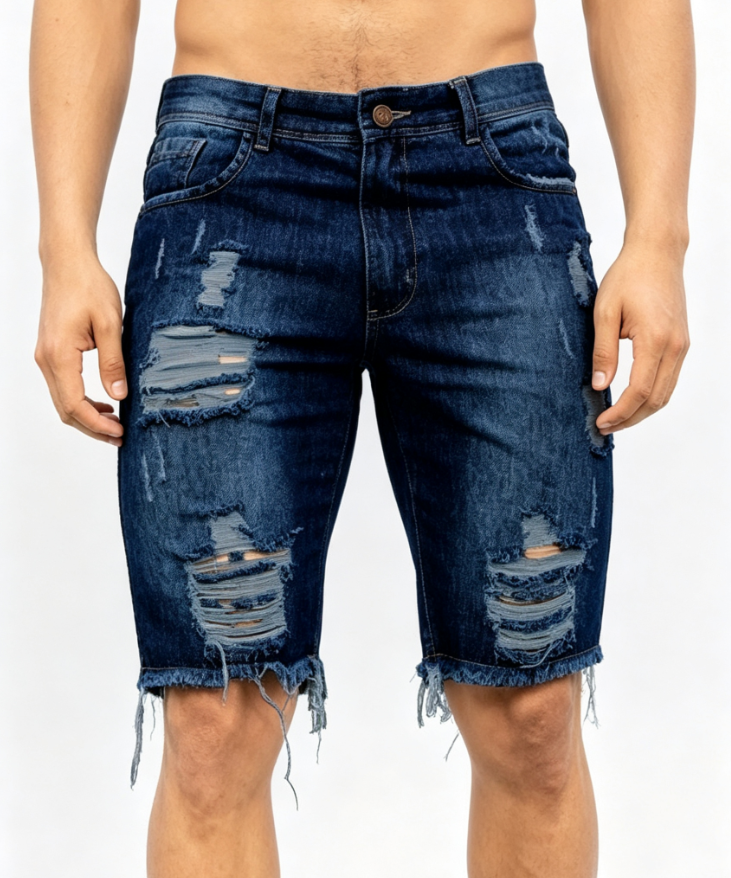
Custom Denim Shorts
Custom denim shorts support embroidered pocket logos, leg artwork and branded waistband details for warm-weather denim collections. Junsheen develops the fit, rise, inseam, wash and distressing sequence while controlling embroidery quality on rigid or stretch denim.
Request a Quote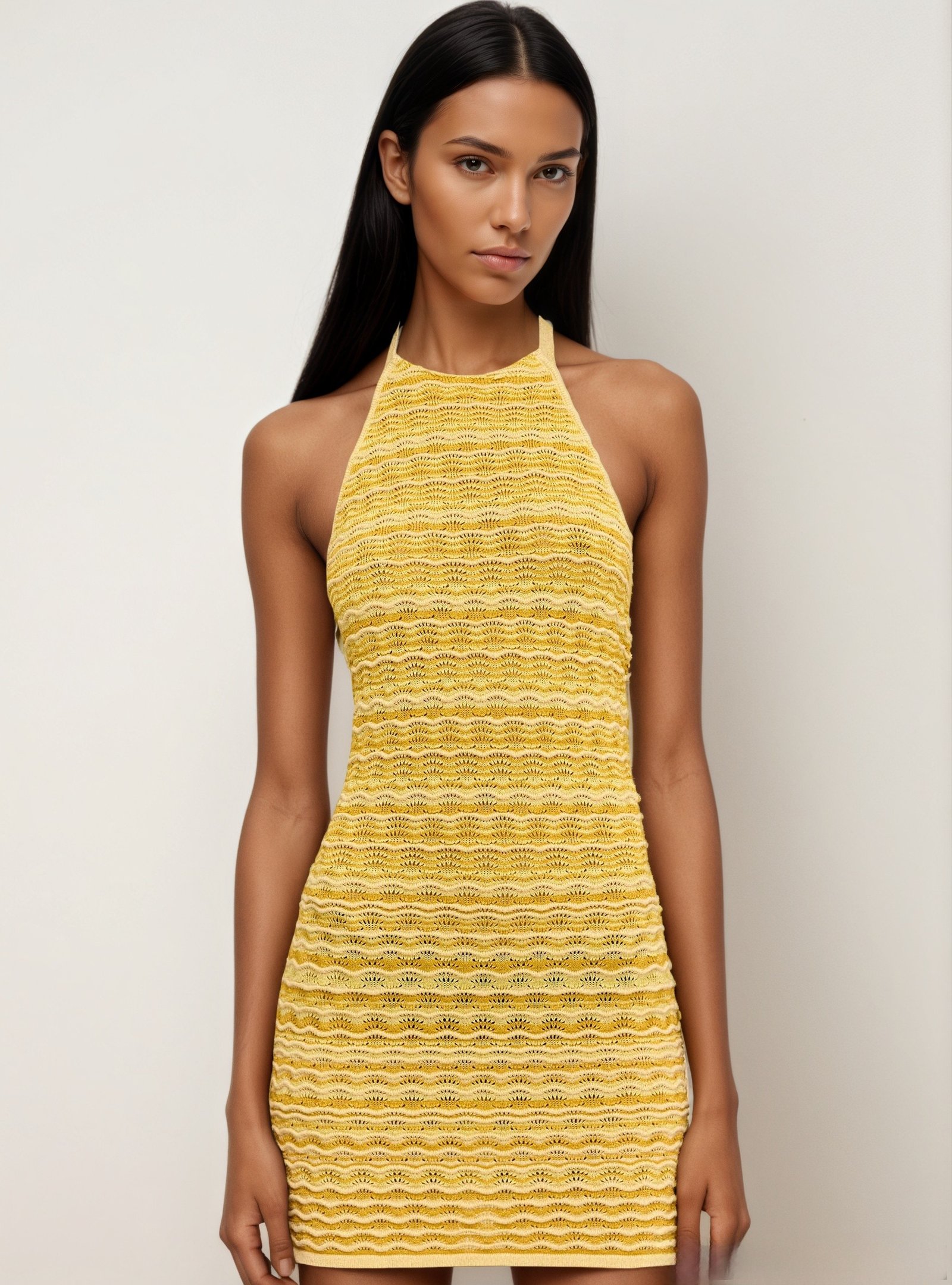
Custom Sweater Dresses
Custom sweater dresses pair knit development with embroidery-ready placements for branded seasonal collections. Junsheen refines body proportion, sleeve length, hem balance and grading from XS to 3XL, then aligns artwork with the dress’s gauge, stretch and drape.
Request a Quote
Custom Denim Sets
Men’s denim suits wholesale programs need coordinated jackets and jeans with consistent color, wash and embroidery execution. Junsheen develops matching denim sets, aligns logos across pieces and maintains repeatable specifications for wholesale replenishment or branded retail deliveries.
Request a Quote
Custom Polo Shirts
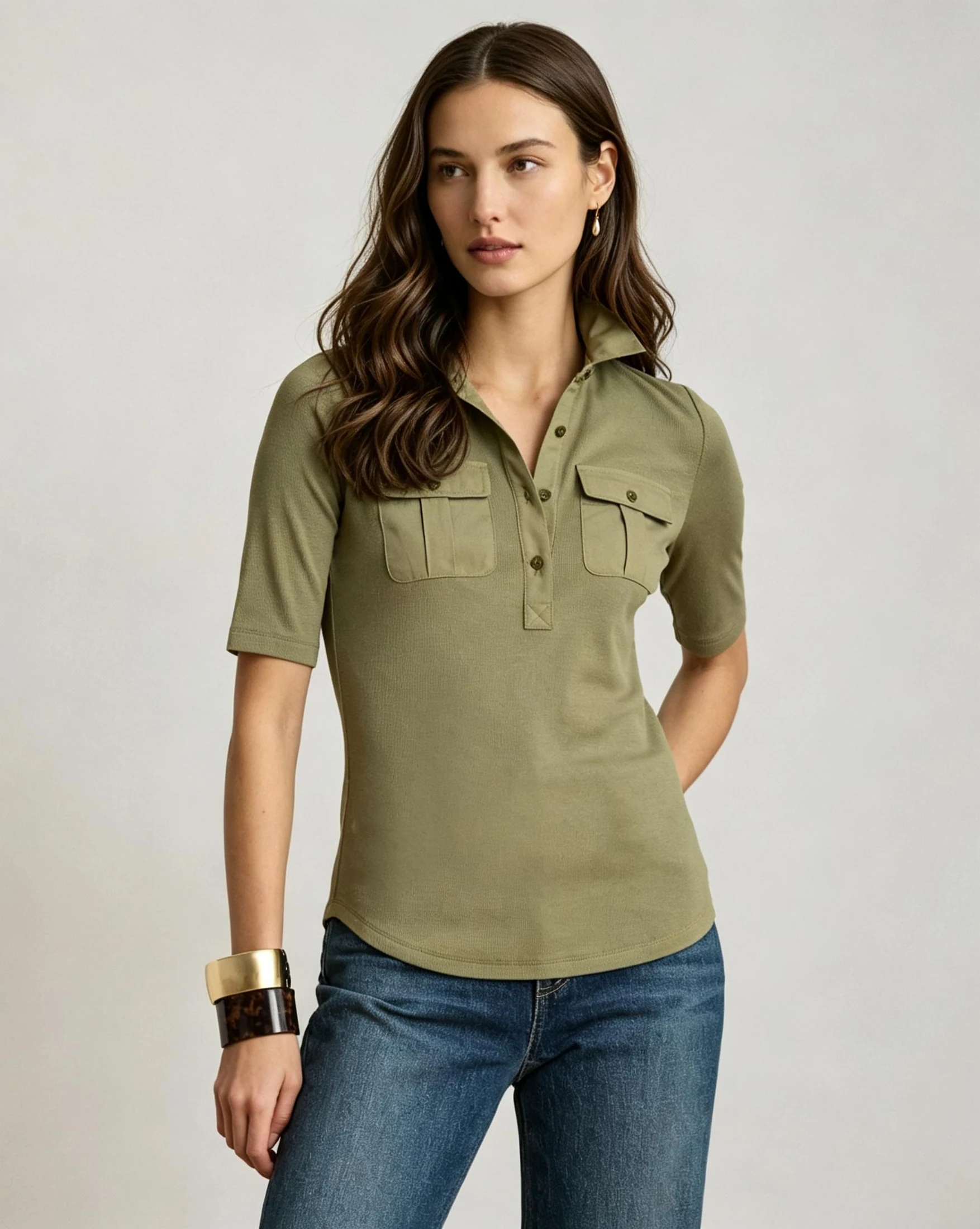
Custom polo shirts use raised embroidery to deliver clear, durable chest branding for uniforms, retail basics and hospitality programs. Junsheen develops piqué or knit constructions, collar and placket details, size grading and decoration placements suited to repeated wear.
Request a Quote
Custom Sweatpants
Custom sweatpants can feature embroidered logos on the thigh, hip, pocket or leg without compromising comfort. Junsheen develops fleece, French terry or performance-knit options with fit-focused rise and inseam specifications, elastic trims and coordinated private-label details.
Request a Quote
Custom Shorts
Custom shorts cover fleece, jersey, twill and woven styles for capsules, uniforms and casualwear lines. Junsheen plans raised embroidery around pockets and seams, then develops waistband construction, inseam, grading and trims to meet the intended use and price point.
Request a Quote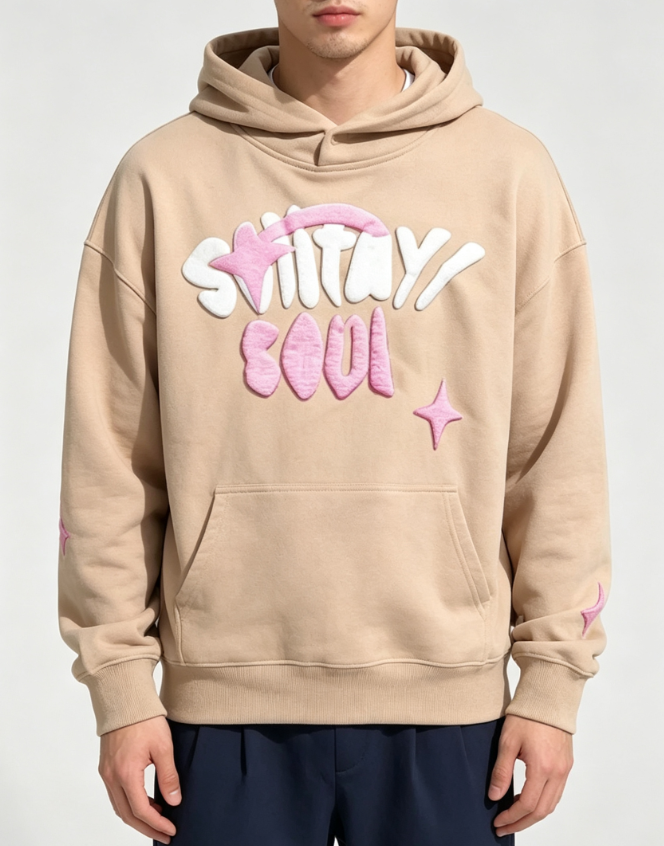
Custom Pullovers
Custom pullovers can be developed as knit, fleece or woven layering pieces with embroidery-ready chest, sleeve or back placements. Junsheen reviews fabric stability, fit, closures and decoration technique during development to reduce sampling revisions and support scalable production.
Request a QuoteMaterials for Crisp 3D Puff Embroidery

Heavyweight Cotton Fleece
Soft, substantial fleece is ideal for premium hoodies and sweatshirts. Its dense surface and stable 320–450 GSM construction support clean 3D puff embroidery edges while providing a warm, brushed hand feel.

French Terry
French terry offers a smooth face with breathable loopback comfort for elevated casualwear. Medium-to-heavy weights around 280–380 GSM provide the surface stability needed for a defined raised finish without excessive distortion.

Structured Cotton Twill
Crisp cotton twill suits caps, jackets, workwear, and patch-ready garments. Its firm diagonal weave resists puckering and gives 3D puff embroidery a secure foundation, with durable body and a dry, tailored hand.

Heavyweight Cotton Jersey
Heavy cotton jersey creates premium T-shirts and long-sleeves with a smooth, familiar hand. A compact 220–280 GSM knit delivers better stitch support than lightweight jersey, helping raised logos retain clear dimension.

Denim and Stretch Denim
Denim brings rugged texture and visual contrast to jackets, jeans, and coordinated sets. Stable midweight constructions around 10–14 oz hold embroidery firmly; controlled stretch is selected to keep puff elements from pulling out of shape.
3D Puff Embroidery and Complementary Decoration Methods


Flat Embroidery
Dense, precision stitching delivers a refined low-profile logo with dependable color coverage and long-term durability. Use it for detailed artwork, chest marks, sleeve branding and placements where a smooth embroidered surface is preferred.

Chain Stitch
Looped thread construction gives lettering and motifs a heritage, handcrafted character with visible texture. It suits varsity-inspired apparel, denim, jackets and statement graphics that benefit from a dimensional yet flexible embroidered line.

Appliqué Application
Cut fabric panels are stitched onto the garment to create bold color blocking, oversized lettering and layered graphics. Combining appliqué with embroidery adds depth while maintaining clear shapes across fleece, denim and outerwear.

Screen Print Effects
Plastisol, water-based, silicone, high-density and puff screen printing can add color, texture or raised contrast beside embroidery. These effects support larger artwork and help balance production cost without losing visual impact.

Custom Patchwork
Woven, embroidered, chenille or leather-look patches create distinct branded focal points that can be sewn onto finished garments. They offer repeatable detailing for uniforms, streetwear capsules and private-label collections.
3D Puff Embroidery Trims and Private-Label Finishing

Woven Brand Labels
Custom woven main, size and wash-care labels give 3D puff embroidery hoodies, tees and outerwear a consistent private-label identity while communicating sizing, fiber content and care details clearly.

Logo Drawcords
Match hoodie and sweatpant drawcords with custom aglets, tipping, colors or logo details to extend your branding beyond the embroidered chest, sleeve or back graphic.

Custom Metal Hardware
Add branded snap buttons, zippers, rivets or pullers to denim, jackets and outerwear for a durable premium finish that complements dimensional embroidery and your target product positioning.

Embroidered Patches
Use custom patches for sleeves, caps, denim and workwear-inspired garments when you want a separate branded element, layered texture or a placement that enhances 3D puff embroidery.

Branded Hangtags
Custom hangtags, swing tickets and barcode labels support retail-ready presentation, product storytelling and merchandising while keeping each private-label style organized through sampling, bulk production and export.
Custom Packaging
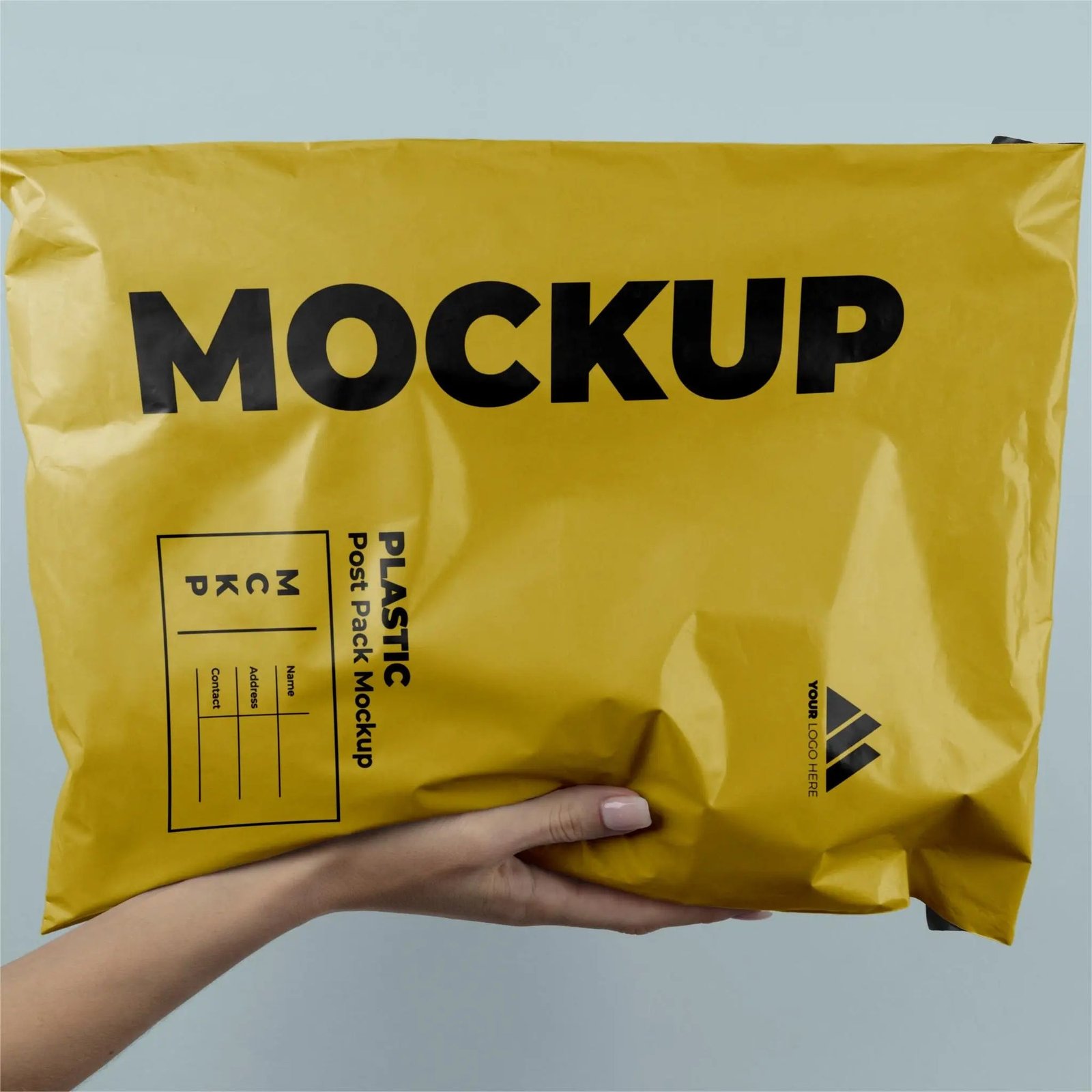
Finish each order with branded polybags, tissue, cartons or insert cards selected for your channel needs, helping wholesale, retail and direct-to-consumer shipments arrive polished and production-ready.
About JUNSHEEN Manufacturing
Founded in 2010 in Humen Town, Dongguan, JUNSHEEN helps fashion brands turn concepts into production-ready casualwear, denim, outerwear and knitwear. Our one-stop team supports product development, fabric sourcing, pattern making, 3D puff embroidery, private labeling, quality control and export coordination from a single supply chain.
With more than 200 skilled workers and monthly capacity exceeding 80,000 units, we serve both focused capsule launches and scalable repeat programs. Brands can begin from 100 units per style and color, with OEM, ODM, wholesale and private-label support tailored to their sourcing requirements.
What sets JUNSHEEN apart is a fit-first approach. We develop XS–3XL, extended-size, plus-size and oversized garments through considered pattern work and grading, then carry the same technical discipline through decoration, including crisp, durable 3D puff embroidery, finishing and final inspection.

3D Puff Embroidery, Developed for Production
Design Review Before Stitching
JUNSHEEN reviews artwork, stitch density, foam coverage, placement, and fabric compatibility before sampling. This production-focused approach helps protect logo clarity and raised definition across hoodies, caps, jackets, denim, and other branded apparel programs.
- Artwork adjusted for clean raised edges
- Placement and scale checked on garment panels
- Fabric, backing, and thread matched to the design
- Sample feedback resolved before bulk approval

Crisp Raised Logo Execution
Our in-house 3D puff embroidery process is planned around the intended visual depth, garment weight, and wear conditions. Skilled operators control foam, thread coverage, and finishing so dimensional logos remain defined without compromising the garment’s hand feel.
- 3D puff, flat embroidery, patches, and applique
- Thread and foam selected for durable dimension
- Suitable for chest logos, sleeves, and statement graphics
- Decoration tested during sample development

Fit-Graded Branded Apparel
Decoration is only one part of a production-ready garment. JUNSHEEN develops fit-focused XS–3XL size ranges, extended sizes, plus sizes, and oversized silhouettes with refined grading, helping 3D puff embroidery placements stay balanced across the complete size set.
- Pattern development from XS through 3XL
- Placement reviewed across graded sizes
- Oversized and plus-size proportions refined
- Size-set sampling available before bulk production

Controlled Through Final Packing
JUNSHEEN manages cut-and-sew production, 3D puff embroidery, printing, washing, labels, trims, quality control, and packaging within one supply chain. Starting from 100 units per style and color, brands gain clearer coordination from approved sample through export-ready packed goods.
- One team coordinates garment and decoration details
- In-line checks cover measurements and embroidery
- Private labels, hang tags, and packaging available
- Scalable global production and export support

Why Choose JUNSHEEN for 3D Puff Embroidery Production
Move from raised-logo concept to export-ready apparel with integrated development, fit, decoration and quality control.
← 左右滑动查看 →
3D Puff Embroidery Apparel Production Process
A controlled OEM workflow for custom raised-logo apparel, from feasibility review through export-ready packing.
Review Design Feasibility
Our team reviews artwork, garment construction, placement, size range, target cost, and puff-height requirements before confirming a production-ready development route.
Source Materials and Samples
We recommend suitable fabrics, threads, foam, backing, trims, and color standards, then develop samples to verify raised definition, hand feel, and wash performance.
Cut and Embroider
Approved fabrics are cut to pattern specifications, then 3D puff embroidery is applied with controlled density, registration, and stitch coverage for clean dimensional logos.
Inspect During Production
In-line teams check embroidery quality, construction, measurements, fit, and color consistency throughout sewing and finishing to catch issues before final packing.
Pack and Ship Globally
Final goods receive packed-garment inspection, private-label packaging, carton preparation, and export coordination for reliable delivery to your market or fulfillment partner.
Start Your 3D Puff Embroidery Order
Move from artwork and garment direction to approved samples, controlled production, and export-ready delivery with one manufacturing partner.
Send Your Design Brief
Share a tech pack, sketch, reference garment, logo artwork, target quantities, and fit requirements. Our team reviews 3D puff embroidery feasibility, fabrics, and construction.
Confirm Specifications and Quote
Select materials, colors, sizing, trims, decoration placement, and private-label details. We provide a clear quotation for orders from 100 units per style and color.
Approve Your Production Sample
We develop patterns, source materials, and produce a sample for your review. Confirm fit, raised-logo definition, measurements, and finishing before bulk production begins.
Produce and Inspect Bulk Orders
Our 200-plus skilled workers manage cut-and-sew production, embroidery, finishing, and in-line quality checks to keep approved specifications consistent across the full order.
Receive Export-Ready Goods
After final inspection and branded packing, JUNSHEEN coordinates global shipping support. Retained patterns and material records help streamline repeat 3D puff embroidery programs.
Custom Clothing Manufacturer Credentials and Compliance Documents




3D Puff Embroidery Results Brands Can Repeat
Our first 3D puff embroidery hoodie capsule sold through 78% of inventory in six weeks. JUNSHEEN kept the raised logo clean across all 240 pieces and matched the approved sample on our reorder.
The team improved our hoodie fit from XS to 3XL while preserving the puff embroidery placement. We cut sample revisions from four rounds to two and launched our 600-unit program on schedule.
We started with 100 units per color, then scaled to 1,800 units across two repeat orders. Embroidery height, thread color, labels, and packing stayed consistent, which made wholesale fulfillment much easier.
3D Puff Embroidery FAQ for OEM Buyers
Clear answers on MOQ, sampling, materials, payment, shipping, repeat production and design confidentiality.
What is the MOQ for 3D puff embroidery apparel?
How long do 3D puff embroidery samples take, and what do they cost?
Which fabrics work best for 3D puff embroidery?
Can 3D puff embroidery be used on hoodies, denim jackets and knitwear?
Will 3D puff embroidery stay raised after washing?
What payment terms do you offer for custom embroidery orders?
Can you ship 3D puff embroidery orders internationally?
How do repeat orders work if we need the same logo again?
How do you protect our 3D puff embroidery artwork and product designs?
The Complete Buyer’s Guide to 3d puff embroidery
Use this decision framework to evaluate 3d puff embroidery styles, fabric compatibility, construction standards, supplier capabilities, sampling, and cost drivers—while avoiding the production mistakes that weaken dimension, durability, and brand consistency.
1. What Is 3d Puff Embroidery?
2–3 mm embroidery foam is placed beneath closely packed satin stitches, then the needlework cuts and seals the exposed foam edge to create 3d puff embroidery. The result is a clean, raised logo or graphic with a firm, sculptural profile that can be felt distinctly above the garment surface. Four decoration methods produce different effects: flat embroidery sits close to the fabric, chenille uses a soft looped pile, and a patch is made separately then attached. Screen printing deposits ink without stitched dimension, while puff embroidery builds height directly into the sewn artwork and is best suited to bold lettering, simple icons, outlines, and separated design areas rather than fine detail. 100-unit capsule programs can use puff embroidery effectively on structured caps, heavyweight hoodies, fleece jackets, denim jackets, and casualwear with stable backing areas. Buyers should expect a premium tactile finish with visible depth from normal viewing distance; soft or highly stretchy fabrics need development sampling because the foam, stitch density, and garment movement must remain balanced.
2. Evolution of 3d Puff Embroidery
19th-century decorative needlework established the visual appeal of raised stitches long before commercial logo programs existed. Embroiderers used padding, layered thread, and dimensional motifs to give crests, floral work, and ceremonial insignia more presence than flat stitching could provide. 1950s sportswear and collegiate apparel helped move that raised look into recognizable branding. Varsity lettering, team caps, and jacket emblems made bold, tactile decoration familiar; later, streetwear adopted the same visual language for snapbacks, hoodies, denim, and premium logo placements. 1980s computerized embroidery made dimensional effects practical for repeat production rather than specialist handwork. Digitizing now controls stitch direction, density, and edge coverage, while foam thickness and color can be matched to the design; multi-head machines let approved files run consistently across coordinated orders. 100-unit capsule programs can therefore use 3d puff embroidery as a scalable brand signal, not only as a one-off embellishment. For buyers, the shift matters because modern suppliers can sample the artwork, confirm its raised profile on the actual fabric, and retain the approved digitized file for repeat styles and colorways.
3. Types of 3d Puff Embroidery
Five production routes cover most 3d puff embroidery briefs: full foam fill, selective relief, mixed flat-and-puff stitching, color-controlled puff, and puff paired with appliqué or patches. Specify the route from the artwork’s shapes and intended placement, not from a logo mockup alone.
Full Foam-Fill Logos
100% foam-fill logos create a continuous, sculpted silhouette with the strongest shadow line. They suit bold block letters, simple mascots, and closed shapes with generous stroke width. 6 mm-plus lettering usually reads more cleanly than fine script after foam is trimmed. This is a moderate-complexity choice that performs especially well on structured caps, beanies, heavyweight hoodies, and jacket chests.
Partial Raised Details
1 raised element within a mostly flat logo directs attention to an initial, outline, ball, or emblem center. It preserves small supporting text and gives designers a lower-risk way to introduce dimension. 2 stitch heights require careful digitizing so the raised area does not crowd adjacent flat details. This moderate approach suits polo chests, T-shirts, sweatshirt fronts, and cap side panels.
Layered Flat And Puff

2 embroidery passes can combine flat outlines or fills with puff lettering for depth and legibility. The contrast works best when flat details remain outside the foam boundary rather than underneath it. 3-layer artwork raises registration risk, especially on stretch knits or uneven fleece. Use it for varsity graphics, fashion hoodies, denim jackets, and premium headwear where the graphic needs hierarchy.
Color And Patch Combinations
1-color puff gives the cleanest edge and most reliable production result; 2-color or multicolor puff demands separate color areas and more precise sequencing. Keep neighboring colors separated to avoid exposed foam or crowded joins. 2-component builds pair puff with twill appliqué, woven patches, or embroidered badges for a dimensional crest effect. They are the most complex option and perform best on caps, bomber jackets, denim, and teamwear-style outerwear.
4. 3d Puff Embroidery Materials and Fabrics
2–3 mm EVA puff foam gives most raised logos enough height without making letter edges brittle. Foam color should sit near the thread color; matching polyester thread, cutaway backing, and a sharp 75/11 embroidery needle reduce show-through, thread breaks, and fabric tunneling.
| Fabric | Typical GSM | Raised-Logo Suitability | Buyer Note |
|---|---|---|---|
| Structured cap | 250–350 | Excellent | Firm shell and cap backing hold sharp satin edges. |
| Fleece | 280–420 | Good | Use cutaway backing; avoid dense fills on lofty pile. |
| Heavyweight cotton | 240–320 | Good | Stable jersey supports medium open logos. |
| Denim | 300–450 | Excellent | Use sharp needle; keep detail bold over seams. |
| Twill | 220–320 | Excellent | Clean choice for patches, uniforms, and caps. |
| Knits | 180–260 | Limited | Use ballpoint needle and small, open artwork. |
| Lightweight stretch | 140–200 | Poor | Choose flat embroidery or transfer instead. |
Foam, Thread, And Backing
2 mm foam suits fine block lettering and small marks, while 3 mm works best for broad satin columns. Dense designs need open areas so the needle can perforate and cut the foam cleanly. 40 wt trilobal polyester is the usual choice for abrasion resistance and colorfastness. Cutaway stabilizer supports fleece and knits; firmer tearaway or cap backing suits stable woven shells.
Fabric Match Matrix
280 GSM is a practical lower threshold for an all-over raised chest logo on apparel. Test a sample after washing because stretch recovery and backing removal affect the final profile.
Needle And Wearability

75/11 sharp needles penetrate denim and twill precisely, while ballpoint needles reduce yarn damage on knits. Lower needle speed and adjusted tension help avoid puckering on soft fleece. 180 GSM stretch jerseys can carry only small, open puff marks with stabilizer; large filled logos feel stiff and distort during wear. Place raised embroidery away from high-flex zones such as elbows, knees, and tight rib bands.
5. 3d Puff Embroidery Customization Options
A 3d puff embroidery program is specified through artwork, foam profile, thread, and placement—not a single logo file. Junsheen can develop these choices alongside cut-and-sew samples, labels, and other decoration details.
| Customization | Best Use | Production Note |
|---|---|---|
| 2–3 mm foam | Subtle tonal logos | Works with finer shapes |
| 4–6 mm foam | Bold simple emblems | Needs wider stitch areas |
| Flat plus puff | Logos with small text | Keep text flat |
| Appliqué or patch | Layered varsity looks | Confirm seam clearance |
Build The Dimensional Logo

6–10 mm cap logos and 80–120 mm chest marks are common starting scales; larger shapes usually read more clearly after the foam is trimmed. Satin stitch direction can follow a letterform, radial emblem, or garment seam to change how light moves across the surface. 2–3 mm foam creates restrained relief, while 4–6 mm foam gives a bolder profile when the artwork has enough open area. Rayon adds sheen; polyester is a practical choice where wash durability and color consistency matter.
- Use tonal thread for quiet premium branding.
- Use contrast thread for distance recognition.
- Keep raised borders broad and continuous.
Coordinate Colors And Components

Pantone-approved thread colors let a brand choose tonal, two-color, or high-contrast execution before bulk approval. A raised central mark can pair with flat embroidery for small supporting text that foam cannot hold. 1 appliqué panel, woven label, or custom patch can frame puff embroidery without forcing every detail into raised stitches. Place combinations on caps, left chests, sleeves, back yokes, or denim pockets after checking seam clearance and hoop access.
Adapt Artwork Before Sampling
Under 2 mm text, narrow internal gaps, gradients, and intricate linework are unreliable in 3d puff embroidery because foam needs covered, connected stitch paths. Convert tiny wording to flat embroidery or a woven label, and simplify interior cuts into wider negative spaces. 1 approved strike-off should confirm recognition at normal viewing distance, not only at artwork scale. Preserve the silhouette, signature letter shapes, and key color contrast while removing details that will collapse after stitching.
6. 3d Puff Embroidery Quality Essentials
Clean 3d puff embroidery depends on a digitized file engineered for foam, not a flat-logo file with foam added. Before bulk approval, buyers should judge stitch formation, profile consistency and post-wash recovery on the actual garment fabric.
Digitizing And Foam Coverage

2D artwork needs compensation for foam thickness, pull and stitch direction; narrow gaps and tiny interior details commonly collapse. Satin stitches must fully cover the foam and extend past the cut line so the perimeter seals cleanly. 3 mm is a practical minimum stroke width for reliable raised lettering on many garments, though density and fabric stability can change that limit.
- Require the production digitized file for approval.
- Check every letter for exposed foam.
- Reject crushed counters and uneven rounded corners.
Stitch Control And Height
0.4–0.5 mm is a common satin-stitch spacing range, adjusted after sampling to prevent visible foam while avoiding thread build-up. Balanced top and bobbin tension keeps stitch columns smooth rather than pinched, loose or split. One logo should show a consistent raised profile across letters; variable height usually indicates uneven foam compression, unstable backing or poor tension.
- No thread loops, skipped stitches or bobbin show-through.
- No foam protruding at corners or joins.
- No hard ridges caused by excessive density.
Sample Approval Checks
100% of visible logo edges should be inspected under normal daylight and at arm’s length, then checked again after one care-label wash test. Trimmed foam should not fray, shrink back from the edge or create loose thread tails. ±3 mm is a sensible placement tolerance for a chest logo on cut-and-sew casualwear; require the supplier to confirm the agreed datum point and repeat it across the size set.
- Approve placement from neck, center front or pocket seam.
- Compare left-to-right alignment on paired garments.
- Review embroidery before and after washing.
Backing And Bulk Repeatability

150–300 GSM fleece and French terry often need cutaway or stable tearaway backing selected through sampling; backing that is too light permits puckering, while excessive backing stiffens the panel. Test the approved decoration on the final fabric, color and garment construction. JUNSHEEN buyers should request a signed pre-production sample, measurement points for logo placement and in-line checks against that approved reference.
- Verify logo dimensions within agreed tolerance.
- Inspect first-off, mid-run and final packed units.
- Record thread, foam, backing and digitizing revisions.
7. How to Choose a Manufacturer
A capable 3d puff embroidery supplier is evaluated before price negotiation, because digitizing, foam handling, garment construction, and export control determine whether samples can scale. Compare documented process controls against the product’s intended fabric, wash standard, and launch volume.
Verify Technical Capability

12- to 15-needle commercial heads are common for multicolor logos, but ask which machines, cap frames, hoop sizes, and foam-cutting methods match your artwork. Confirm whether digitizing is in-house; outsourced files often slow corrections and blur ownership. 2 mm to 6 mm foam requires stitch-density and pull-compensation testing on the actual fabric, especially fleece, French terry, and stretch jersey. Ask: ‘Will you review my artwork for minimum line width, stitch direction, and foam suitability before sampling?’
Approve Samples And Materials
1 pre-production sample should use bulk-intent fabric, thread, backing, foam, and placement—not substitute materials. Request Pantone thread references, fiber content, GSM, and supplier traceability for both garment fabric and embroidery thread. 3 wash cycles are a practical minimum for checking foam exposure, thread abrasion, puckering, and dimensional change. Ask: ‘Will you run test washes, provide photos and measurements, and state how many revision rounds are included?’
Audit Commercial Execution
100 units per style and color can suit a capsule, while larger programs require proven scheduling and line capacity. Ask for a written critical path covering sample approval, material booking, bulk start, inspection, and shipment date. 200-worker factories and export teams can be useful indicators, but verify records rather than relying on claims. Ask: ‘What QC report, measurement tolerance, defect threshold, compliance documents, and lead-time commitment will you provide?’
- Confirm MOQ by style, color, and size ratio.
- Request in-line and final inspection documentation.
- Verify export markets, Incoterms, and packaging requirements.
- Check OEKO-TEX, GOTS, WRAP, or BSCI status where required.
8. Common Buyer Mistakes to Avoid
100-unit capsule orders expose artwork and approval gaps quickly because puff embroidery cannot rescue vague specifications. Before confirming bulk, treat the stitch file, fabric, color, placement, and wash result as one signed production package.
Prepare Artwork For Relief
At 3–6 mm, fine gaps, tiny lettering, gradients, and unclosed shapes can collapse under foam or produce ragged edges. Supply clean vector artwork, simplify details with the digitizer, and approve a production-scale logo rather than an enlarged screen proof.
Match Puff To Fabric

At 280–450 GSM, stable fleece, French terry, twill, and structured caps generally hold raised edges better than lightweight jersey or highly stretchy rib. Specify the exact fabric and backing, then sample it; unstable grounds can pucker, distort, or crack the foam outline.
Approve Physical Samples
One digital stitch simulation cannot show foam height, thread coverage, color contrast, or needle marks on the actual garment. Request a sewn strike-off and a wash test before bulk, especially when thread and foam colors differ or the design uses dark fabric.
Lock Commercial Specifications
Two quotes for the same logo can differ materially when stitch count, foam, backing, garment GSM, placement, and testing are unspecified. State logo dimensions in millimeters, placement from fixed garment points, Pantone targets, quantity by color and size, and required wash standard before comparing prices.
9. Launching a 3d Puff Embroidery Collection
A 100-unit MOQ can support an OEM-ready capsule when the product, color count, and decoration are locked before sampling. Sequence approvals from fit and fabric through digitizing, placement, labels, and final inspection to avoid reopening costly decisions.
Define The First Drop
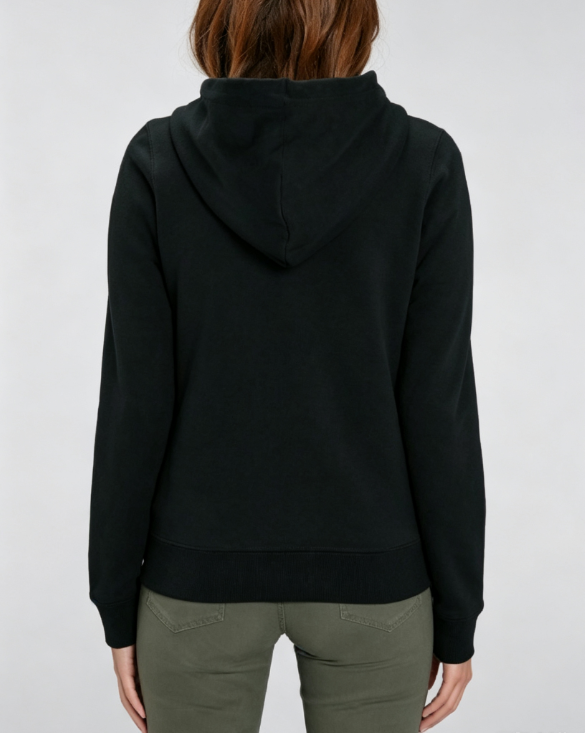
1 customer profile should drive one product category: for example, a 320–420 GSM hoodie for premium streetwear or a 180–220 GSM tee for promotional retail. 2 core colors and one logo placement keep a 100-unit run commercially manageable while establishing repeat-order data.
- Set target retail price and margin
- Choose hoodie, tee, cap, or jacket
- Allocate units by color and size curve
Build The Decoration Brief
1 vector artwork file in AI, EPS, or PDF should specify Pantone thread colors, foam height, finished logo dimensions, and front, sleeve, or back placement. 3d puff embroidery needs digitizing feedback before approval; ask whether narrow gaps, tiny text, or sharp corners require simplification.
- Attach artwork at actual scale
- Mark placement from garment reference points
- Request a sew-out photo or physical strike-off
Approve Production Inputs
280–400 GSM French terry and fleece are dependable starting points because they stabilize raised stitches better than lightweight, stretchy jersey. XS–3XL grading, placement tolerances, woven labels, wash-care labels, hang tags, and polybag requirements should be approved with the pre-production sample.
- Confirm fabric swatch and color
- Approve graded measurement spec
- Lock label copy and packaging
Schedule And Inspect
1 approved pre-production sample becomes the bulk reference. Reserve time for fabric confirmation, bulk sewing, embroidery, final QC, and export packing rather than treating shipment as the production finish line. 100% packed-goods checks should verify size ratio, logo placement, loose thread trimming, label accuracy, carton count, and shipment marks before balance payment and dispatch.
- Approve sample before bulk cutting
- Use an agreed inspection checklist
- Compare cartons with packing list
10. 3d Puff Embroidery Pricing and Costs
100 units is Junsheen’s practical starting point for a style and color, but 3d puff embroidery should be quoted from an approved artwork file and garment specification. The ranges below are planning estimates in USD per finished garment; a 280–420 GSM hoodie, a 180–220 GSM T-shirt, and a denim jacket carry very different base costs. 5,000–8,000 stitches is a useful benchmark for a front chest logo, while oversized artwork, multiple placements, dense satin borders, or intricate foam trimming raise the recurring decoration charge. Stitch count, logo dimensions, foam height and complexity, thread-color changes, garment fabric, and placement count should appear separately on the quotation. 1 digitized embroidery file and 1 approved pre-production sample are normally one-time development items; digitizing, sampling, custom labels, hang tags, and branded packaging are not the same as the per-unit embroidery rate. Confirm whether freight, duties, and export carton requirements are excluded, then lock the approved sample, Pantone thread references, and measurement specification before bulk production.
| Order quantity | Indicative finished-garment price | Expected lead time | Typical commercial use |
|---|---|---|---|
| 100–299 units | US$12–28 each | Sample approval plus 20–30 days bulk | Capsule or market test |
| 300–999 units | US$9–22 each | 18–28 days bulk | Core style launch |
| 1,000–2,999 units | US$7–18 each | 20–32 days bulk | Repeat program |
| 3,000+ units | US$6–15 each | 25–40 days bulk | Volume commitment |
Start Your 3D Puff Embroidery Apparel Project
Send your tech pack, reference garment, or concept for feasibility review, sampling guidance, and a custom OEM quote from JUNSHEEN.