
Sweater Embroidery Service From 100 Units
Build embroidered sweaters with OEM/ODM support, fit-focused XS–3XL development, private labeling, and scalable production through JUNSHEEN’s sweater embroidery service.
Featured Products for sweater embroidery service Development
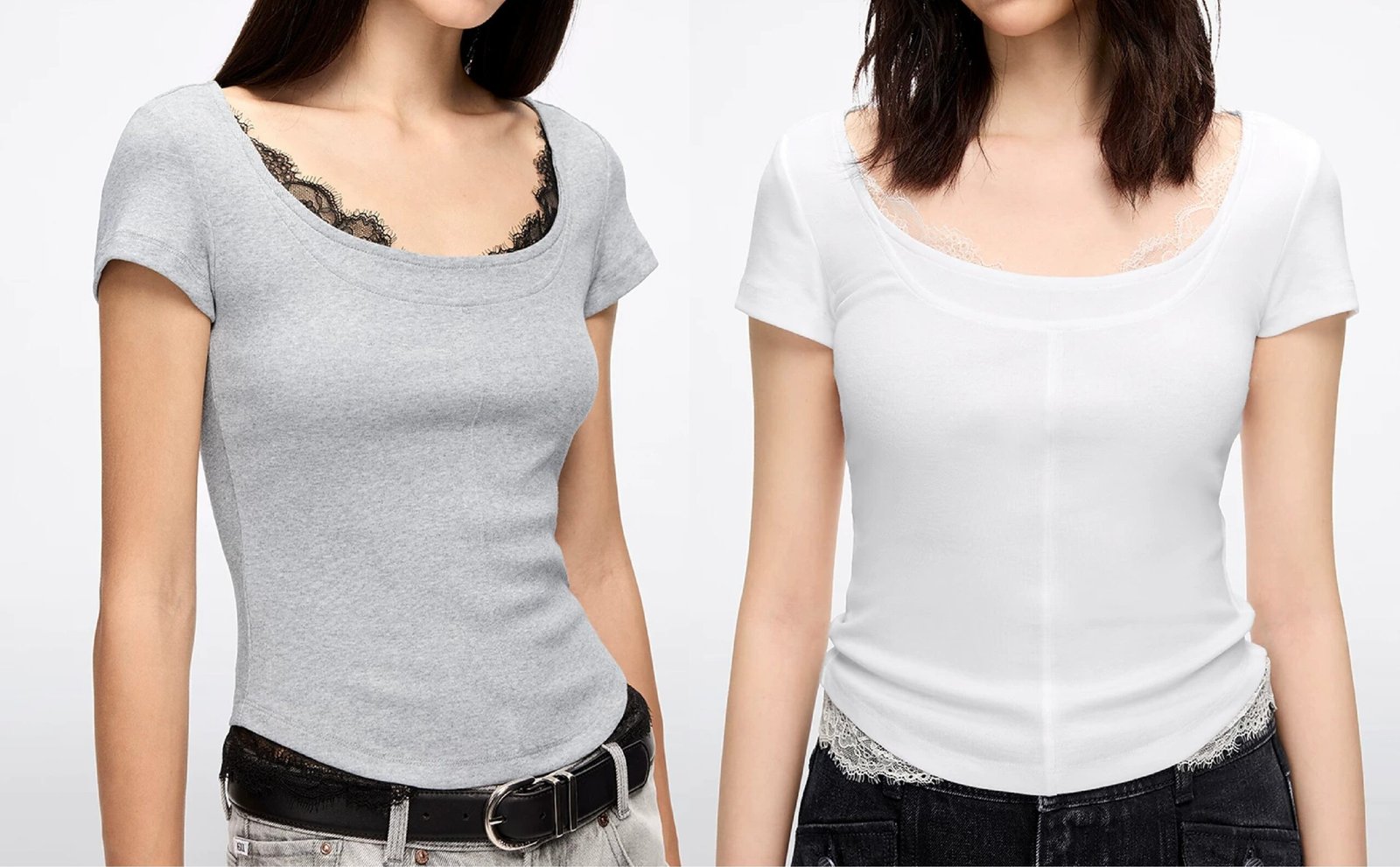


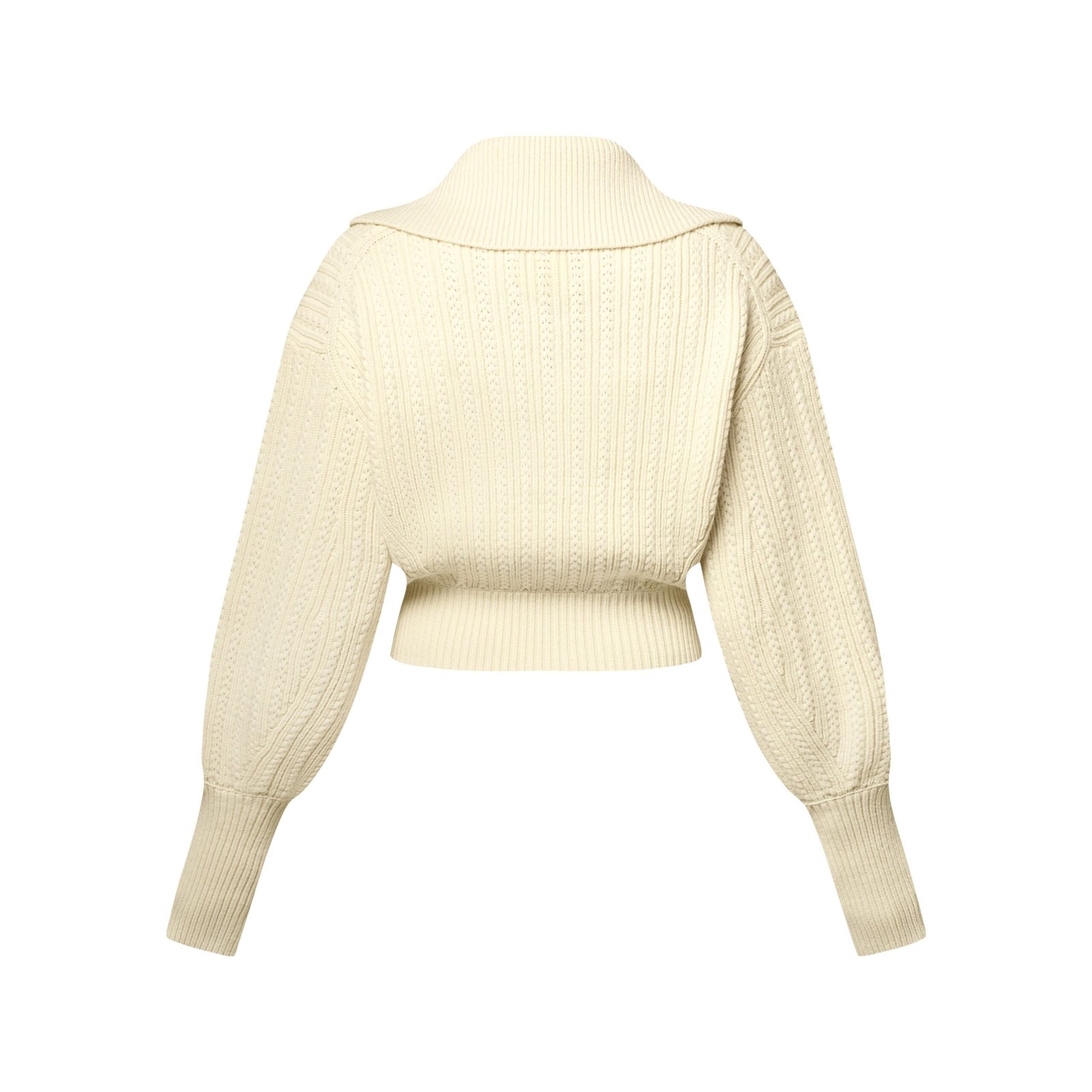


Related Sweater Embroidery Service Products & Quotation
Why Brands Choose JUNSHEEN for Sweater Embroidery Service
From first sample to global delivery, our integrated production team supports embroidered sweater programs built for brand growth.
100-Unit Starting MOQ
Launch embroidered sweater capsules from 100 units per style and color, with practical support for emerging labels and test orders.
In-House Decoration
Apply flat, 3D puff, chain-stitch, applique, sequin, patch, and logo embroidery with coordinated knitwear production and quality checks.
Scalable Production Capacity
Rely on 200+ skilled workers and monthly capacity above 80,000 units as successful sweater programs move into larger repeat orders.
Fit-Focused Size Development
Develop regular, oversized, extended-size, and plus-size sweater fits from XS to 3XL using refined patterns and grading.
Private-Label Ready
Complete your collection with custom labels, hang tags, trims, packaging, and branded details managed through one accountable manufacturing partner.
Global Export Support
Coordinate production, final inspection, packed-goods checks, and export support for fashion brands sourcing embroidered sweaters worldwide.
Custom Apparel Categories for Growing Collections
From embroidered knitwear to denim and outerwear, Junsheen develops production-ready styles with fit-focused grading, low MOQs, and private-label finishing.

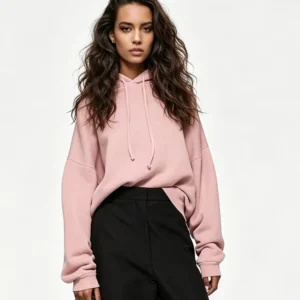
Custom Hoodies
Develop custom hoodies in fleece, French terry, or jersey with fit development from XS to 3XL. Add embroidery, screen printing, washes, branded labels, and packaging for capsule drops or scalable core programs starting at 100 units per style and color.
Request a Quote
Custom T-Shirts
Produce custom T-shirts in combed cotton, Pima cotton, organic blends, or performance jersey. Junsheen supports custom tshirt specifications, oversized or fitted silhouettes, graded sizing, printing, embroidery, wash effects, labels, and export-ready packing.
Request a Quote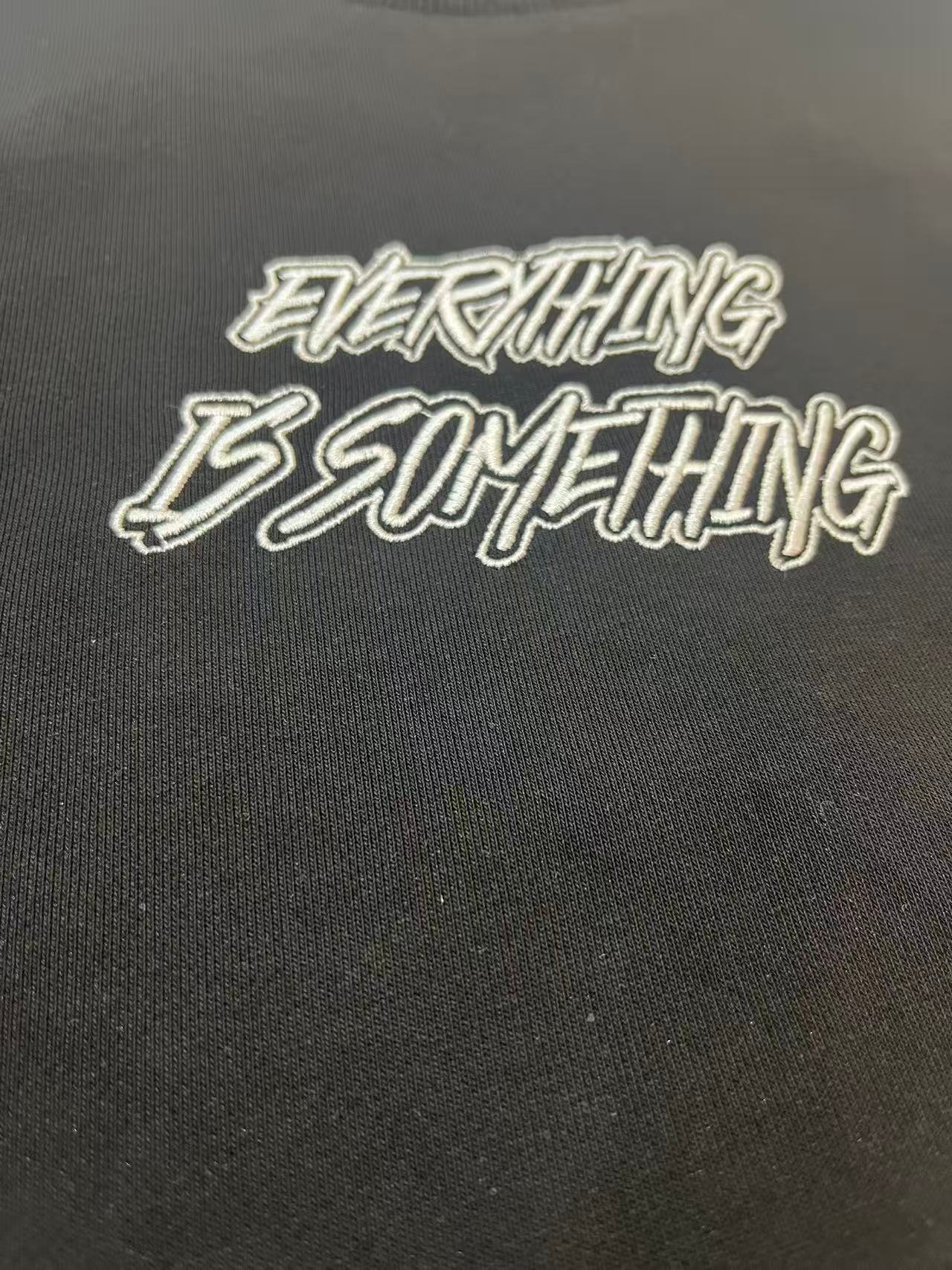
Custom Jeans
Develop custom jeans with stretch or rigid denim, defined rises, leg shapes, wash recipes, hardware, and branded trims. Pattern makers refine fit and grading across XS–3XL, while in-house finishing supports stone wash, acid wash, garment dye, and distressed effects.
Request a Quote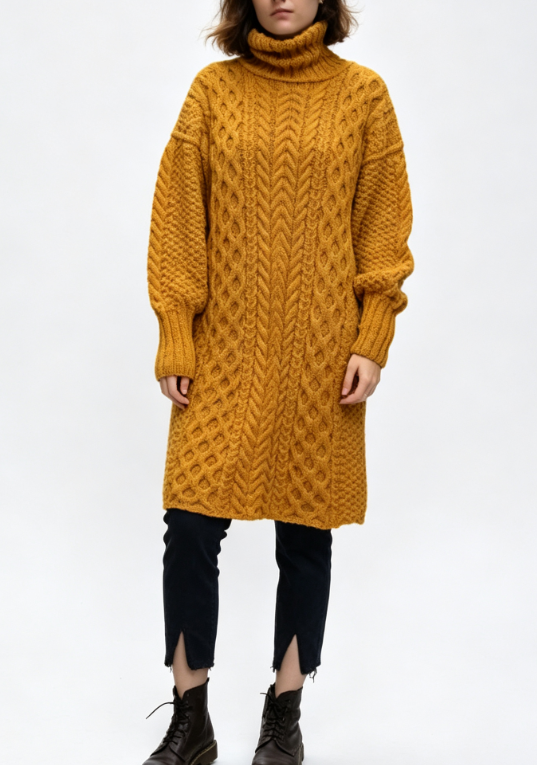
Custom Sweaters
Source turtle neck sweater bulk programs with custom yarn blends, gauges, stitches, neck shapes, and fit specifications. Junsheen develops sweaters for standard, extended-size, plus-size, and oversized ranges, then adds logo embroidery, labels, and packaging to match your collection.
Request a Quote
Custom Jackets
Build custom jean jacket programs with selected denim weights, washes, panel details, hardware, and decoration placement. Development includes pattern making, fit review, size grading, embroidery or patches, branded buttons, labels, and bulk quality control.
Request a Quote
Custom Sweatshirts & Crewnecks
Create custom crewneck hoodie and sweatshirt styles in fleece or French terry for elevated basics, collegiate programs, and seasonal assortments. Specify body weight, rib trims, fit, graphics, embroidery, wash effects, and private-label details from sampling through repeat bulk production.
Request a Quote
Custom Cardigans
Develop custom cardigans with knit gauge, yarn composition, button or zipper options, pocket construction, and branded finishing defined for your market. Junsheen supports size grading and sample approval, then coordinates logo embroidery, labels, trims, and scalable global production.
Request a Quote
Custom Puffer & Down Jackets
Produce custom puffer jacket styles with shell fabric, insulation, quilting layout, hood construction, pockets, zippers, and reflective details specified for your use case. Junsheen manages fit development, sampling, branded trims, packing, and bulk inspection for export programs.
Request a Quote
Custom Denim Shorts
Create custom jean shorts with chosen denim, inseam, rise, hem treatment, wash effect, and hardware. Development supports women’s, men’s, oversized, and extended-size fits, with embroidery, patches, labels, and coordinated denim finishing available before bulk approval.
Request a Quote
Custom Sweater Dresses
Develop custom sweater dresses with selected yarns, gauges, knit structures, necklines, lengths, and body shaping. Pattern and grading teams help maintain proportion across XS–3XL, while private-label options cover logo embroidery, custom labels, buttons, and branded packaging.
Request a Quote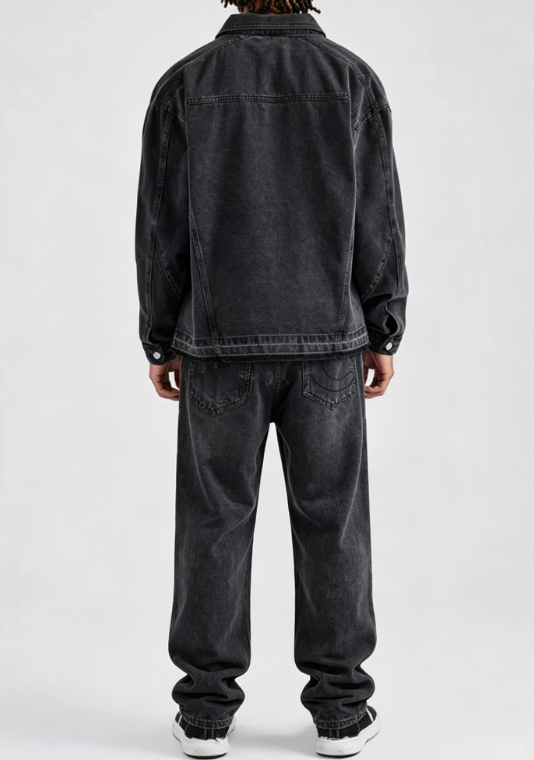
Custom Denim Sets
Produce mens denim suits wholesale programs with coordinated denim jackets and jeans, matched fabrics, washes, hardware, and fit specifications. Junsheen develops size sets, manages consistent finishing across both pieces, and supports wholesale-ready labeling, packing, and repeat orders.
Request a Quote
Custom Polo Shirts
Build custom polo shirts in piqué, jersey, performance knit, or blended fabric with collar construction, plackets, sleeve details, and graded fits. Add logo embroidery, screen printing, custom buttons, labels, and packaging for uniforms, retail collections, or promotional programs.
Request a Quote
Custom Sweatpants
Develop custom sweatpants in fleece, French terry, or jersey with your preferred rise, leg shape, cuff, waistband, pockets, and drawcord. Junsheen aligns fit with matching tops, supports XS–3XL grading, and applies embroidery, prints, washes, and branded trims.
Request a Quote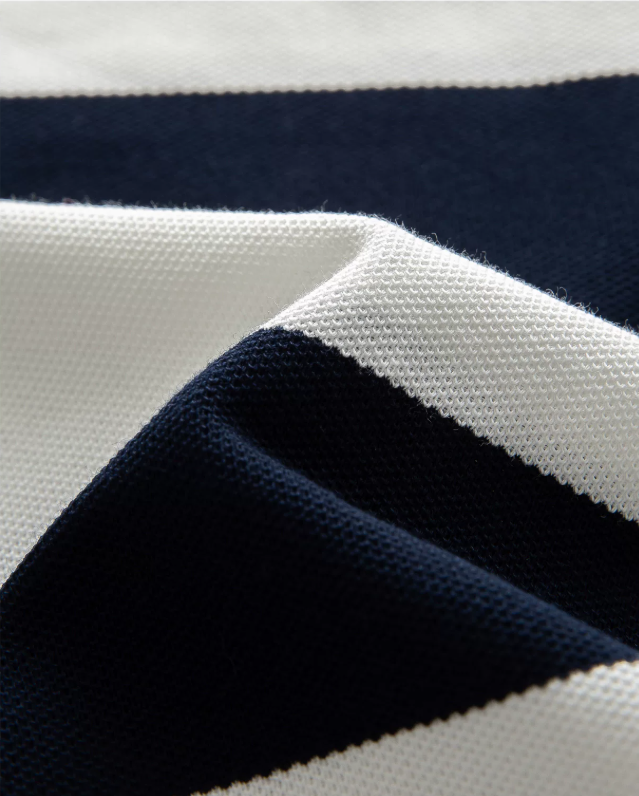
Custom Shorts
Produce custom shorts in jersey, fleece, twill, woven fabric, or performance knits for casual, active, and coordinated-set collections. Define inseam, pockets, waist construction, fit, decoration, labels, and packaging, with low-MOQ sampling and scalable bulk production available.
Request a Quote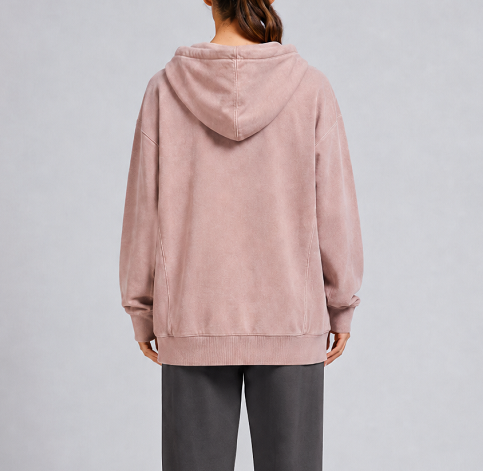
Custom Pullovers
Create custom pullovers in knit, fleece, French terry, or woven constructions with specified necklines, closures, weights, and fits. Junsheen supports technical development, embroidery and print placement, wash finishing, fit-focused grading, private labels, and global shipment preparation.
Request a QuoteMaterials for Sweater Embroidery Service Projects

Combed Cotton Knit
Soft, breathable combed cotton knit gives embroidered crewnecks and lightweight pullovers a refined everyday hand feel. Its smooth yarn surface supports crisp logo placement, while midweight constructions balance comfort, stability, and repeat wash performance.

Cotton Wool Blend
Cotton-wool blends bring warmth and a softer natural texture to premium cardigans, pullovers, and layered knitwear. The blended yarn improves shape retention versus pure wool and provides a stable ground for carefully digitized embroidery.

Merino Wool Knit
Fine merino wool knit offers lightweight warmth, natural breathability, and an elevated hand feel for premium embroidered sweaters. Its resilient fibers recover well after wear, making it suitable for refined gauges and controlled logo embroidery.

Recycled Yarn Blend
Recycled cotton, polyester, or wool blends support sustainability-led sweater programs without sacrificing practical durability. Available in varied gauges and weights, these yarns suit branded knitwear, patches, and embroidery designed for commercial retail collections.

Performance Knit Blend
Cotton-polyester performance knits deliver durability, quicker drying, and dependable color retention for active-inspired sweaters and teamwear. Controlled stretch and a stable knit structure help maintain garment shape around repeated embroidered logo applications.

Ribbed Sweater Knit
Ribbed sweater constructions add visible texture, flexible stretch, and close-to-body recovery for fashion pullovers, polos, and cardigans. We position embroidery on stabilized panels or patches to preserve the rib texture and clean stitch definition.
Sweater Embroidery Service and Decoration Techniques


3D Puff Embroidery
Raised embroidery uses foam beneath the stitching to create bold dimension and tactile impact. Our team reviews stitch density and knit stability to help puff logos retain a defined, durable profile through regular wear.

Chain Stitch
Looped thread embroidery creates an artisanal, heritage-inspired texture with visible movement across the garment. Chain stitch is ideal for varsity lettering, curved graphics, and statement motifs where a handcrafted visual character matters.

Appliqué Detailing
Fabric panels are cut, placed, and secured with embroidery for layered logos, letters, and graphic shapes. Appliqué adds color blocking and dimensional contrast while reducing dense stitch coverage on larger sweater artwork.

Custom Patch Application
Woven, embroidered, chenille, leather, or PVC patches can be developed and applied to suit your brand direction. This flexible process creates a clear branded focal point with durable attachment and repeatable placement.

Special Print Effects
Complement embroidery with silicone, high-density, flocking, foil, screen print, DTF, or heat-transfer details. We match the effect to the sweater fabric and artwork so graphics achieve the intended contrast, texture, and wash performance.
Custom Trims and Private-Label Accessories

Woven Brand Labels
Add custom woven main labels, size labels, and wash-care labels to embroidered sweaters. JUNSHEEN matches label placement and construction to knitwear necklines, side seams, or hems for a polished private-label finish.

Custom Hang Tags
Use branded hang tags to communicate your collection story, fiber details, sizing, care instructions, and retail information. Custom shapes, stocks, strings, and barcode-ready layouts help prepare sweaters for wholesale or direct-to-consumer presentation.

Logo Zippers
Choose custom zipper pullers, branded zipper tape, or selected zipper specifications for cardigan and zip-neck sweater styles. The right zipper improves daily function while carrying your logo detail through a clean, durable closure.

Branded Buttons
Specify custom resin, metal, horn-look, or covered buttons for cardigans and knit polos. Button color, size, finish, and logo treatment can be coordinated with yarn, embroidery colors, and your collection’s overall design direction.

Drawcord Rib Trims
Finish hooded sweater and knitwear styles with custom drawcords, metal tips, rib cuffs, hems, and neck trims. These details improve recovery and silhouette while giving each embroidered piece a more recognizable branded character.
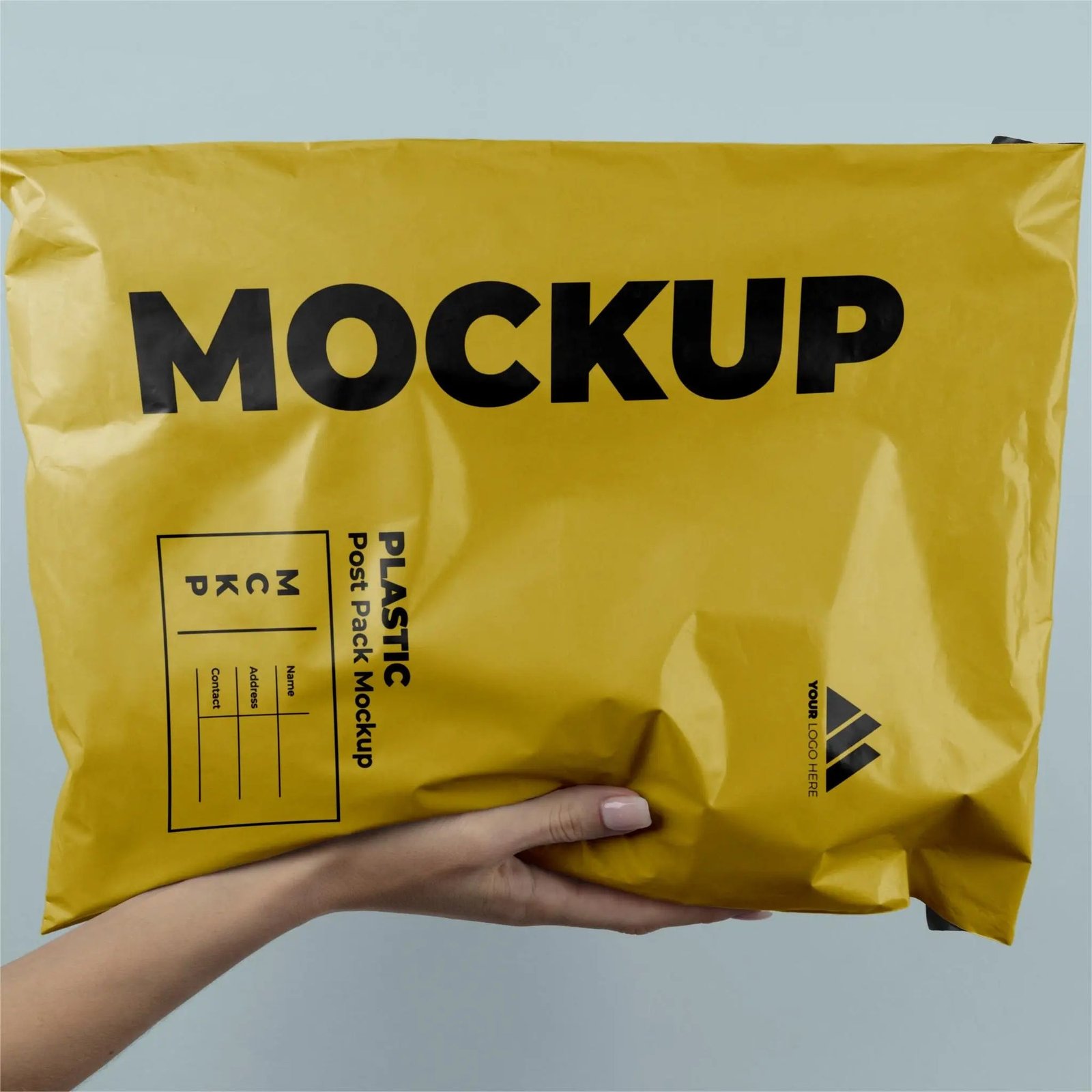
Custom Packaging
Complete production with branded polybags, tissue paper, stickers, carton marks, and insert cards. JUNSHEEN prepares packaging to support export handling, wholesale requirements, and a consistent unboxing experience for your embroidered sweater collection.
About JUNSHEEN’s Sweater Embroidery Service
Founded in 2010 in Humen Town, Dongguan, JUNSHEEN helps fashion brands turn embroidered sweater concepts into production-ready collections. Our sweater embroidery service combines OEM, ODM, private-label and product-development support, from artwork review and yarn selection to fit development, sampling and export-ready packing.
With more than 200 skilled workers and monthly capacity exceeding 80,000 units, we support launches from 100 units per style and color through scalable repeat programs. Our cut-and-sew and knitwear capabilities are backed by in-house embroidery, printing, washing, labels, trims and quality control for clearer coordination across every production stage.
What distinguishes JUNSHEEN is a fit-first approach built for real size ranges. We refine XS–3XL, plus-size and oversized patterns rather than simply scaling a base size, while our experienced team manages technical details that protect stitch quality, garment balance and repeat-order consistency. More than 2,000 fashion-brand clients have relied on this integrated approach.

Sweater Embroidery Service Capabilities That Stay Consistent
Fit-First Pattern Development
Our sweater embroidery service begins with production-ready patterns built for the intended silhouette, from regular and oversized fits to extended sizes. Pattern makers refine proportions, mobility and grading from XS to 3XL before embroidery placement is finalized.
- XS–3XL, plus-size and oversized grading
- Placement mapped to garment proportions
- Tech-pack, sketch and reference-garment support
- Prototype and size-set sampling available

Controlled Embroidery Execution
JUNSHEEN manages logo embroidery, appliqué, chain stitch, sequins and 3D effects with attention to stitch density, backing, tension and placement. We review each technique against the sweater construction so decoration supports the garment instead of distorting it.
- Flat, 3D/puff and logo embroidery
- Appliqué, chain stitch and sequins
- Stitch and backing selected by knit type
- Pre-production decoration approval

Fabric and Trim Sourcing
Select sweater yarns, knit constructions and private-label components through one coordinated supply chain. Our team recommends materials based on hand feel, weight, drape, durability, wash performance and embroidery suitability, then aligns labels, trims and packaging with your brand.
- Wool, cotton, blends and recycled options
- Swatches reviewed before bulk confirmation
- Custom labels, hang tags and packaging
- Rib trims, zippers, buttons and patches

Production Quality Control
From incoming materials through packed goods, JUNSHEEN checks construction, measurements, fit, decoration and finishing at critical stages. With 200+ skilled workers and capacity above 80,000 units monthly, we support repeatable quality from 100-unit launches to scaled programs.
- Incoming-fabric and in-line inspections
- Measurement, fit and embroidery checks
- Final inspection before export packing
- Pattern and material records retained

Why Choose JUNSHEEN for Sweater Embroidery Service
A production partner built for flexible launches, fit consistency, integrated decoration, and scalable global delivery.
← 左右滑动查看 →
Sweater Embroidery Service Production Timeline
A clear, fit-focused workflow for developing embroidered sweaters from initial feasibility through export-ready delivery.
Feasibility and Material Sourcing
We review your tech pack, artwork, target cost, MOQ, yarn or fabric requirements, and embroidery placement, then recommend production-ready materials and construction.
Pattern Development and Grading
Our team builds or refines sweater specifications and fit-focused XS–3XL grading, addressing body balance, sleeve proportions, mobility, and oversized or extended-size requirements.
Sampling and Approval
We produce development samples to confirm knit construction, embroidery quality, colors, measurements, trims, wash performance, and private-label details before bulk approval.
Bulk Production and Decoration
After approval, skilled teams coordinate knitting or cut-and-sew production, embroidery, finishing, labels, and packaging for orders from 100 units per style and color.
Multi-Stage Quality Control
Inspections cover incoming materials, in-line construction, measurements, fit, embroidery execution, finishing, and final packed goods to protect consistency across your production run.
Packing and Global Shipping
We prepare branded packing, complete final order checks, and support export coordination so your embroidered sweaters can move reliably to global destinations.
Start Your Sweater Embroidery Service in Four Steps
Move from concept to export-ready embroidered sweaters with JUNSHEEN’s fit-focused development, low-MOQ production, and global shipping support.
Share Your Product Brief
Send a tech pack, sketch, reference garment, mood board, or initial idea. Our team reviews sweater construction, embroidery placement, sizing, materials, and production feasibility.
Review Samples and Quotation
Confirm recommended yarns or fabrics, decoration methods, trims, lead times, and pricing. We develop samples and fit details before you approve bulk specifications.
Approve Bulk Production
Approve the pre-production sample, graded XS–3XL size set, and final materials. JUNSHEEN then manages knitting or cut-and-sew production, embroidery, quality control, labels, and packing.
Receive Global Export Support
Settle the final balance before shipment while our team coordinates inspection records, export documentation, and delivery support for your destination market.
Custom Clothing Manufacturer Credentials and Compliance Documents


Sweater Embroidery Service Results From Growing Brands
JUNSHEEN turned our artwork into a production-ready embroidered sweater after two sample rounds. Their stitch-density adjustments reduced puckering, and the approved fit stayed consistent across our 600-unit XS–3XL launch.
We reordered our embroidered cardigan program three times in nine months. Measurements, yarn hand feel, and logo placement matched the approved sample closely, helping us cut incoming quality claims by 35%.
Starting at 100 units let us test two colorways without overcommitting. After the collection sold through 78% in six weeks, JUNSHEEN scaled the repeat order to 1,200 pieces and kept our delivery schedule on track.
Sweater Embroidery Service FAQ
Clear answers on MOQs, sampling, production, sizing, shipping, and private-label protection for embroidered sweater programs.
What is the MOQ for your sweater embroidery service?
Can I order a sample before starting a sweater embroidery service bulk order?
How long does sweater embroidery service production take?
Which embroidery and decoration options can you add to sweaters?
Can you develop embroidered sweaters in plus sizes and oversized fits?
Do you provide private labels and custom packaging for embroidered sweaters?
What payment terms apply to a sweater embroidery service order?
Do you ship custom embroidered sweaters internationally and protect my designs?
The Complete Buyer’s Guide to sweater embroidery service
Use this decision framework to compare embroidery methods, sweater materials, supplier capabilities, minimums, sampling, quality controls, and costs—so you can select the right partner and avoid production mistakes before placing a bulk order.
1. What Is a sweater embroidery service?
100-unit OEM programs can use a sweater embroidery service to convert approved artwork into stitched logos, motifs, lettering, or patch applications on a finished knit garment or on sweater panels before linking. The supplier typically reviews the design and knit gauge, digitizes stitch paths, selects thread colors and stabilizers, makes a strike-off or sample, then controls embroidery, inspection, packing, and export preparation. 12- to 18-gauge sweaters behave differently from flat woven garments because loops, stretch, bulk, and seam placement can distort stitches or cause puckering. A qualified factory adjusts density, underlay, hooping, and backing for the yarn and construction; it also checks that embroidery does not restrict stretch, snag delicate knits, or show through the garment face. 3 common buying cases are a small chest logo, a repeatable brand motif, and a premium emblem or custom patch. Choose embroidery when the collection needs durable raised texture and a higher-perceived-value finish; use it selectively on lightweight or open knits, where a dense design may pull the fabric or compromise drape. JUNSHEEN can integrate artwork review, sampling, knitwear production, decoration, quality control, private labeling, and packing within one OEM workflow. Buyers should approve the digitized file, thread shades, placement, sample appearance, and wash performance before releasing bulk production.
2. Evolution of sweater embroidery service
19th-century hand embellishment established the visual language still used on sweaters: raised crests, initials, bullion-style effects, and dense borders. Heritage knitwear added a practical constraint buyers still face—decoration must complement stretch, loft, and drape instead of pulling the garment out of shape. 1970s and 1980s computerized embroidery converted artwork into repeatable stitch files, allowing the same design to run across multiple heads with controlled thread colors, stitch density, and placement. For an OEM order, that shift makes approved samples more predictive: a digitized file, backing choice, hoop position, and trim specification can be documented before bulk production. 100-unit capsule programs now can combine flat embroidery, 3D puff details, applique, chain stitch, or patches without relying on purely hand-executed variation. Vintage varsity and collegiate references favor chenille-like texture and crest layouts; luxury programs often require restrained tonal logos, while streetwear uses oversized placements and mixed media—each choice should be sampled on the actual knit construction before production.
3. Types of sweater embroidery service
Five embroidery routes cover most sweater programs: direct flat, 3D/puff, chenille, appliqué, and attached patches. Select by artwork scale, knit stability, hand feel, and the wash standard required before sampling.
| Technique | Visual Effect | Best Artwork | Suitable Construction | Durability And Use |
|---|---|---|---|---|
| Flat embroidery | Clean, low profile | Logos, fine line art | Stable 12–14 gauge knits | High durability; corporate and retail basics |
| 3D/puff | Raised, sculpted | Bold letters, simple icons | Dense cotton-blend knits | Avoid loose knits; streetwear |
| Chenille | Soft varsity pile | Large letters, mascots | Heavy pullovers, cardigans | Secure edges; collegiate capsules |
| Appliqué | Layered fabric contrast | Large shapes, numbers | Stable panels and sweaters | Lightweight coverage; fashion graphics |
| Patch attachment | Removable badge look | Crews, emblems, limited editions | Cardigans, heavyweight knits | Sew-on preferred; private-label drops |
Direct Flat Embroidery
1- to 3-mm running and satin stitches create a crisp, low-profile logo with controlled thread coverage. 12- to 14-gauge fully fashioned knits and stable sweater panels suit small crests, monograms, and line art; dense fills need backing and wash testing to prevent puckering.
Puff And Chenille
3D/puff embroidery uses foam beneath satin stitches for raised, bold lettering and simple outlined shapes. 6- to 12-gauge cotton blends or dense fleece-backed sweater constructions support puff better than loose, open knits; chenille adds varsity texture but needs secure edge stitching against snagging.
Appliqué And Patches
2-layer appliqué combines a cut fabric face with border stitching, making large graphics lighter than dense direct embroidery. Woven badges, embroidered patches, and chenille patches work on cardigans and heavyweight pullovers; stitch-on attachment is more durable than heat adhesive through repeated laundering.
Mixed-Media Embellishment
2 or more processes—such as flat embroidery plus appliqué or sequins—create depth for premium capsules and stagewear. 100-unit style-and-color MOQ programs benefit from a strike-off that checks registration, abrasion, and needle damage before bulk approval.
4. Sweater embroidery service materials and fabrics
Yarn fiber and knit construction determine whether embroidery stays flat, holds its shape, or distorts after washing. A sweater embroidery service should test the actual yarn, gauge, and stretch before approving a logo size or stitch density.
| Material Or Knit | Recommended Approach | Stabilizer And Risk | Ideal End Use |
|---|---|---|---|
| Cotton jersey | Flat logo; medium density | Cut-away; watch puckering | Uniforms, lightweight crews |
| Wool or cashmere blend | Light-density flat embroidery | Soft cut-away; avoid stitch stiffness | Premium gifting, retail |
| Acrylic or polyester | Flat or small patch embroidery | Cut-away; test heat and needle marks | Schoolwear, performance layers |
| Wool blend rib | Simple logo or appliqué | Cut-away; stretch distortion risk | Cardigans, cuffs |
| Cable or chunky knit | Appliqué or bold chain stitch | Topper plus cut-away; lost detail risk | Statement pullovers |
Fiber Changes Stitch Behavior
Cotton is stable and absorbent, while wool and cashmere blends need lighter stitch counts to preserve softness. Acrylic and polyester resist moisture but can show needle marks or heat damage if settings are aggressive.
Knit Structure Sets The Limit

Fine-gauge jersey accepts small flat embroidery best when supported from the back. Rib, cable, and chunky knits have uneven surfaces, so a design may need simplified detail, wider columns, or an appliqué base.
Backing Protects The Garment
One cut-away stabilizer is usually safer for stretchy sweater panels than tear-away backing, which can release after repeated wear. A water-soluble topper helps stitches sit above raised cable texture without sinking into loops.
5. Sweater embroidery service customization options
A 100-unit sweater embroidery service order should lock placement, finished dimensions, thread palette, and garment color before sampling. JUNSHEEN can translate those choices into a digitized file and approval sample.
| Combination | Look | Complexity | Practical Limit |
|---|---|---|---|
| Flat logo embroidery | Clean and durable | Low | Best for small chest placements |
| Metallic-thread emblem | Premium and reflective | Medium | Use simple shapes and limited density |
| Appliqué plus embroidery | Layered varsity texture | High | Allow for thicker edges and added labor |
| Patch plus woven label | Branded and modular | Medium | Confirm attachment method and label position |
Placement And Scale
Three common placements are left chest, center chest, and back yoke; each needs a measured distance from the neckline, placket, or side seam. 80–120 mm chest logos usually suit clean branding, while large chest artwork needs enough flat knitting area to prevent distortion over ribs or seams.
- State artwork width and height in millimeters.
- Mark placement from a stable garment reference point.
- Identify whether embroidery crosses seams or pockets.
Threads And Added Details
2–4 thread colors keep a logo economical and crisp, while Pantone references help align approved thread shades with labels and packaging. Metallic thread, chenille-style patches, appliqué, woven labels, and leather labels create stronger texture but add handling, thickness, and sampling checks.
- Specify polyester, rayon, or metallic thread.
- Name appliqué fabric, edge finish, and backing.
- Coordinate body, rib, patch, and label colors.
Artwork And Digitizing Approval
100% vector artwork in AI, EPS, PDF, or clean SVG format gives the digitizer the clearest starting point; raster artwork should be supplied at high resolution. One approved sew-out should confirm stitch direction, density, thread colors, backing, and final dimensions before bulk. Include the approved file version in the tech pack and sample brief.
- Provide Pantone codes and thread-color callouts.
- Approve a photographed or physical sew-out.
- Record revision date, scale, and placement coordinates.
6. Construction and embroidery quality checks
A 100-unit production run still needs the same control points as a bulk program: knit stability, backing selection, stitch quality, placement, and wash recovery. Inspect embroidery on the approved sweater fabric and size, not on a flat strike-off alone.
Panel Stability And Backing
Two-way stretch knits require backing that supports stitches without locking the panel. Match cutaway, tearaway, or wash-away backing to gauge, density, and design fill; an overly firm backing can cause puckering and restricted recovery. 24-hour relaxation after hooping reveals whether the chest panel remains level. Check the embroidery area after gentle stretch in both directions for rippling, popped stitches, or permanent distortion.
Stitch And Reverse Quality
40-weight rayon or polyester thread should run with even tension across fills, satin borders, and small lettering. Inspect for loose loops, thread nests, skipped stitches, visible bobbin, and uneven edge definition. 1 finished sample should be turned inside out before approval. The reverse must be tidy, trimmed, and free of long unsecured thread tails that can snag during wear or laundering.
Placement And Color Control
±5 mm is a practical placement tolerance for most chest logos, while small neck or cuff marks may require tighter agreed tolerances. Measure from stable reference points such as center front, shoulder seam, or neckline—not an unrelaxed knit edge. Pantone-approved thread cards and the approved sample control shade variation. Compare contrast, registration, and coverage under consistent lighting, especially across multiple yarn colors or melange grounds.
Wash And Pre-Shipment Checks
1 approved wash test should reflect the care label method before bulk release. Review shrinkage, color transfer, thread abrasion, backing show-through, trim security, and whether the design remains flat after drying. AQL-based final inspection should include measured placement, decoration appearance, garment measurements, and packed-piece checks. Verify every size in the graded range because a design positioned correctly on medium can sit too high or low on 3XL.
- Stretch embroidered areas by hand after washing
- Compare bulk pieces against the sealed approval sample
- Check patches and sequins for secure attachment
7. Choosing a sweater embroidery service manufacturer
A capable sweater embroidery service manufacturer controls both knit construction and decoration, so ownership of fit, backing, tension, and finishing is clear. Evaluate evidence before price: a low quote from a decoration-only vendor can leave critical production work unmanaged.
| Supplier Type | Controls | Evidence To Request |
|---|---|---|
| Production-ready manufacturer | Garment plus embroidery | Factory photos, samples, quotation |
| Decoration-only vendor | Embroidery only | Blank-source and stitch-out details |
| Trading company | Supplier coordination | Named factory and inspection records |
Verify Production Scope

Two operating models require different scrutiny: a production-ready factory develops sweaters, sources yarns or fabrics, embroiders, finishes, packs, and exports; a decorator receives finished blanks. Request dated factory photos, machine-floor images, and three relevant sample references before approving a supplier.
- Confirm sweater sampling and embroidery are coordinated
- Ask who purchases blanks, backing, and trims
- Check capacity by machine heads and shift pattern
Review Technical Evidence
One stitch-out should be approved on the actual sweater construction, not only on a flat cotton swatch. Request the digitized file specification, thread colors, stitch count, backing type, and wash-test or colorfastness reports where applicable. Two samples are usually safer than one when the artwork is dense, uses appliqué, or crosses seams. Compare the first development sample with a corrected pre-production sample for distortion, thread breaks, and hand feel.
- Pantone thread-color confirmation
- Measurement and placement tolerance
- Clear revision and sample-charge terms
Test Commercial Readiness
100 units per style and color can suit a capsule program, but confirm whether this MOQ applies after yarn, color, and embroidery setup constraints. A clear quotation separates sampling, digitizing, garment cost, decoration, labels, packing, freight terms, and lead time. 7 to 14 days is a common sampling window after materials are confirmed, while bulk timing depends on fabric availability and order complexity. Ask for a named contact, approval calendar, inspection points, and export documentation experience.
- In-house digitizing responsibility
- Incoming, in-line, and final inspection
- OEKO-TEX, GOTS, WRAP, or BSCI evidence when required
8. Common sweater embroidery service mistakes
Eight recurring approval errors can turn a clean sweater embroidery service brief into rework, discomfort, or inconsistent bulk output. Resolve stitch, artwork, sampling, placement, timing, and quote details before releasing production.
Match Stitch To Knit
Two-layer jacquard, loose-gauge wool, and fine-gauge cotton react differently to satin, fill, and chain stitches; an unsuitable choice can pucker or distort the panel. Before approval, ask: Which stitch type, backing, and stabilization method suit this exact knit gauge and stretch level?
Prepare Artwork And Density
100% vector artwork with named Pantone colors reduces digitizing interpretation; low-resolution files can create rough edges and unexpected thread substitutions. High stitch density can make a sweater boardy, ripple the knit, and increase thread breaks. Ask: Can you provide a digitized file, stitch count, and density test before bulk approval?
Check Comfort And Placement
One reverse-side sample reveals whether thread tails, backing, or dense fills scratch the wearer; ignoring them can cause returns, especially on lightweight knits. XS through 3XL require placement grading, not one fixed chest measurement. Ask: Will you submit worn samples showing reverse comfort and placement for each size range?
Approve Physical Specifications
One digital mockup cannot show tension, thread sheen, shrinkage, or embroidery registration after washing, so screen-only approval risks a bulk mismatch. 7–14 days is a practical allowance for digitizing, sampling, and corrections, while unlike-for-like quotes must match stitch count, thread colors, backing, placement, quantity, and packing. Ask: What physical sample and line-item specification will you quote and approve?
9. Launching an embroidered sweater collection
100 units per style and color gives a practical starting point for an embroidered sweater capsule. A six-stage critical path keeps creative approvals, embroidery risk, fit decisions, and delivery commitments visible before bulk commitments.
| Phase | Key Output | Typical Planning Allowance |
|---|---|---|
| Research and tech pack | Positioning, size curve, cleaned artwork | 3–5 days |
| Sampling and revision | Stitch-out, fit sample, approvals | 2–4 weeks |
| Bulk and delivery | Pre-production approval, inspection, shipment | Confirm before order |
Position The Capsule
2–3 target customer references should define silhouette, price band, competing labels, and the role of each colorway. Translate those findings into a tech pack with measurements, graded size chart, Pantone colors, placement dimensions, and construction callouts. 1 cleaned vector artwork file prevents avoidable digitizing revisions. Specify thread colors, stitch direction, applique boundaries, backing, and artwork scale separately for each sweater size.
Plan MOQ And Sampling
100 units per style and color should be allocated only after confirming the size curve; a four-size run can use 20/30/30/20 units for S–XL, then adjust from sales data. Limit a first capsule to one or two proven colorways so each color can meet the OEM minimum. 7–14 days is a typical planning allowance for material confirmation, embroidery digitizing, and a stitch-out review, followed by a fit sample. Review stitch density, puckering, hand feel, placement, measurements, and wash behavior; record every approved revision.
Approve And Lock Production
1 signed pre-production sample should match the approved fabric, rib, labels, thread chart, artwork file, and packing specification. Bulk production should not start until the brand confirms this control sample and final quantity breakdown. 3 inspection points—incoming materials, in-line construction and embroidery, and packed finished goods—catch defects before shipment. Retain the approved tech pack, digitizing file, stitch-out photos, measurement report, and material records to accelerate repeat orders with JUNSHEEN.
10. Sweater embroidery service pricing and MOQ
100 units per style and color is JUNSHEEN’s practical OEM starting point for a sweater embroidery service. Unit cost is driven first by sweater construction and yarn, then stitch count, placement count, color changes, backing, labels, and packing; a finalized tech pack and artwork make quoting materially more reliable. 3,000–8,000 stitches is a common small chest-logo range, while dense front motifs can exceed 15,000 stitches and require more machine time. Digitizing is usually a one-time artwork-to-stitch-file charge; sampling, freight, import duties, and destination taxes should be quoted separately unless explicitly included. 30–50 days is a sensible planning window after material and pre-production approvals for many custom programs. Control cost by keeping embroidery placements focused, simplifying excessive color changes, approving one durable yarn and backing combination in sampling, and consolidating colors or styles into repeatable bulk runs without reducing stitch quality.
| Order quantity | Embroidery scope | Pricing drivers | One-time / excluded items | Typical production lead time |
|---|---|---|---|---|
| 100–299 units | 3,000–8,000-stitch chest logo | Highest unit cost; sweater yarn, gauge, size range and colors matter | Digitizing; sample; freight, duties and taxes separate | 30–50 days after approvals |
| 300–999 units | 8,000–15,000 stitches; one to two placements | Better efficiency; backing, thread colors and trim affect cost | Digitizing may be spread across order; labels and packing confirm separately | 25–45 days |
| 1,000+ units | 15,000+ stitches or repeat artwork | Lowest unit cost when construction and artwork repeat across runs | Sampling, freight and duties quoted by destination | 25–40 days |
Start Your Sweater Embroidery Service Project
Send your tech pack, sketch, reference garment, or product idea for a tailored quote and fit-focused OEM development from 100 units.