
Custom Fleece Fabric, Built for Your Brand
Develop fit-focused fleece apparel with OEM, ODM and private-label support from 100 units per style and color.
Featured Products for custom fleece fabric Development


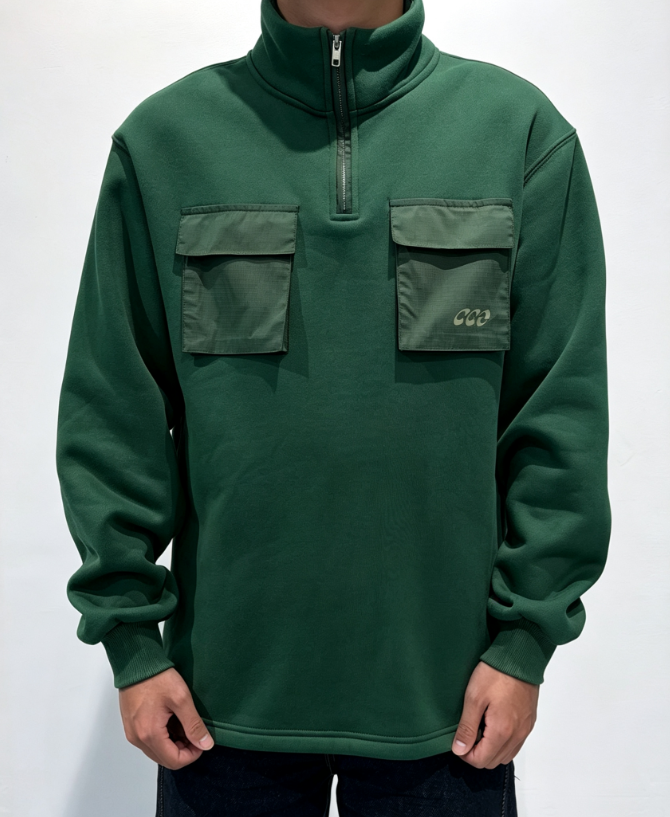


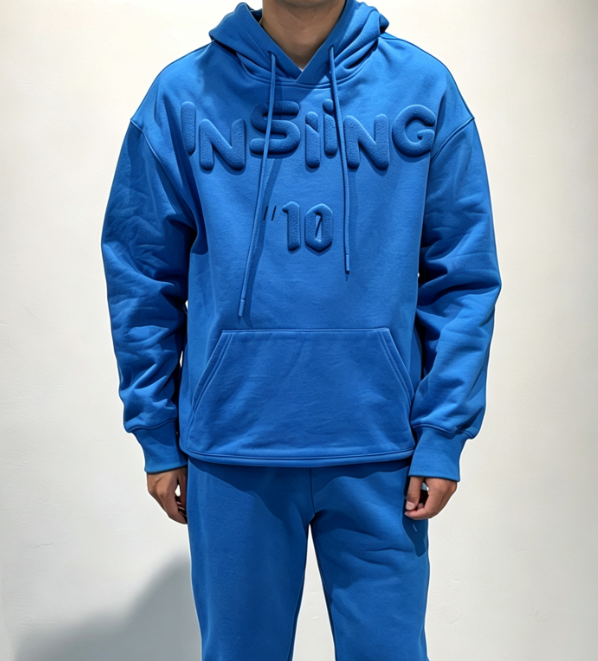


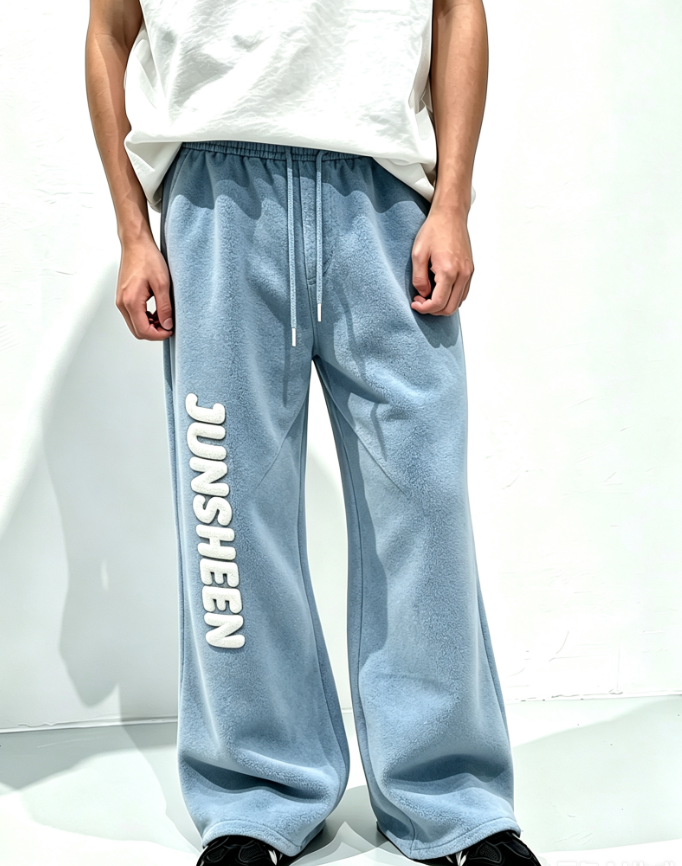


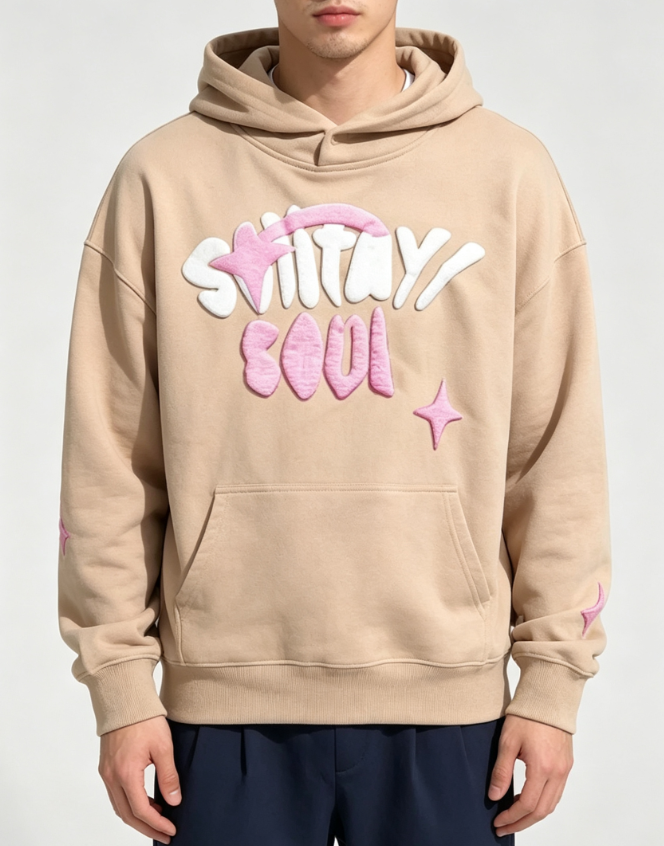

Related Product Catalogue and Quotation







Why Choose JUNSHEEN for Custom Fleece Fabric
From first swatches to export-ready bulk orders, JUNSHEEN combines low-MOQ development, fit precision, decoration, and scalable production in one team.
100-Unit MOQ
Launch custom fleece fabric programs from 100 units per style and color, giving capsule brands practical access to professional OEM production.
Fit-Focused XS–3XL
Pattern makers refine proportions, mobility, and grading across standard, plus-size, extended-size, and oversized fleece apparel for more consistent fits.
Integrated Decoration
Add screen printing, embroidery, patches, puff effects, washing, brushing, or napping through coordinated in-house fleece garment finishing.
Material Sourcing Support
Source fleece weights, blends, colors, and performance options matched to your target hand feel, durability, cost, and wash requirements.
Scalable Global Production
Move from approved samples to repeat bulk programs with 200+ skilled workers, 80,000+ monthly units, quality control, and export support.
Fleece-Led Custom Apparel, Built to Scale
Develop fit-focused casualwear, denim, knitwear and outerwear from 100 units per style and color, with integrated private-label production.

Custom Hoodies
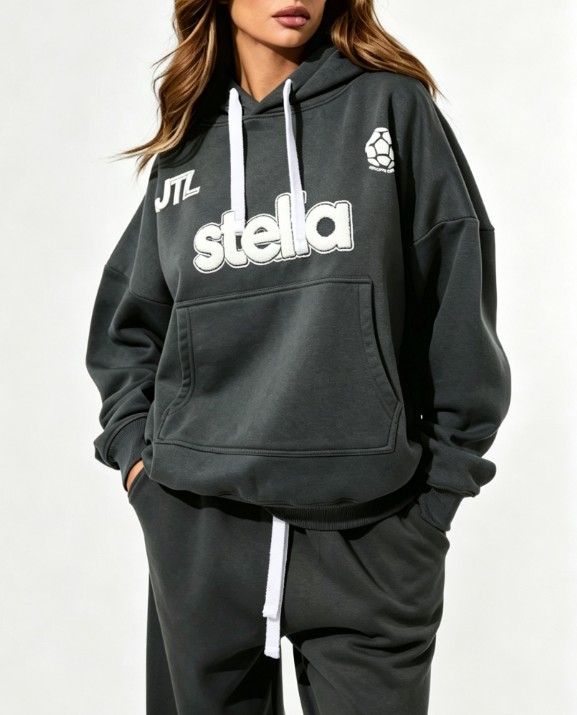
Develop custom hoodies in fleece, French terry or jersey with brand-specific weights, fits and finishes. Junsheen supports XS–3XL grading, oversized proportions, embroidery, screen printing, washes, custom labels and packaging from sampling through bulk production.
Request a Quote
Custom T-Shirts
Produce custom T-shirts in combed cotton, Pima cotton, organic cotton or blended jersey. Teams can refine silhouette, neck construction, fabric weight and size grading, then apply screen print, DTG, DTF, embroidery or private-label trims for retail-ready programs.
Request a Quote
Custom Jeans
Build custom jeans with denim or stretch-denim sourcing, fit development and wash planning aligned to your target market. Junsheen manages pattern work, grading, pockets, hardware, distressed effects, garment washes, labels and repeatable bulk production.
Request a Quote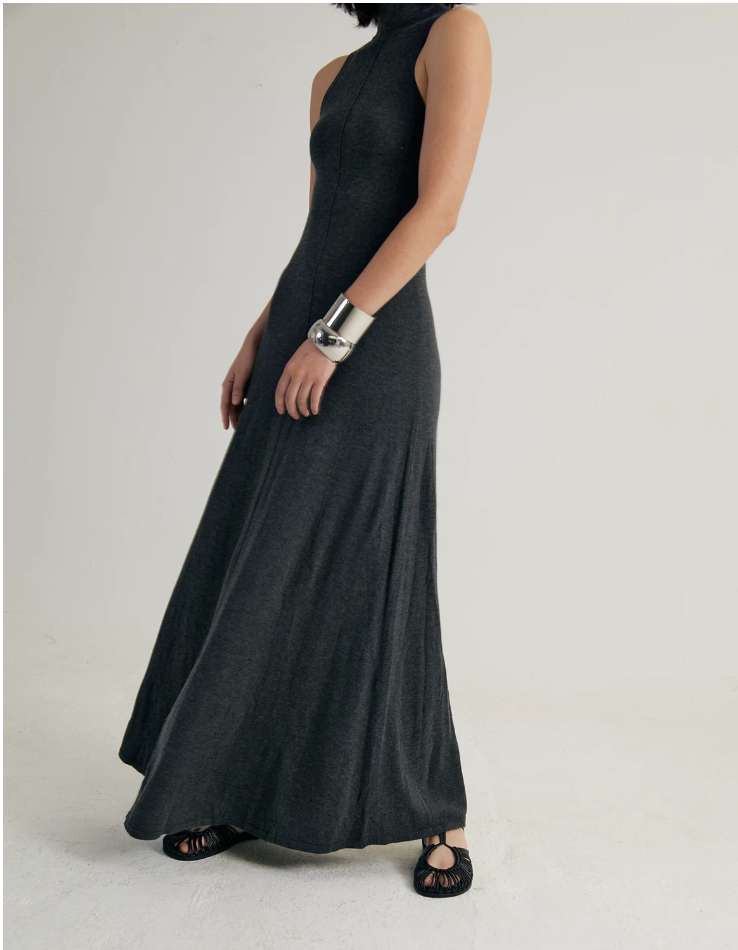
Custom Sweaters
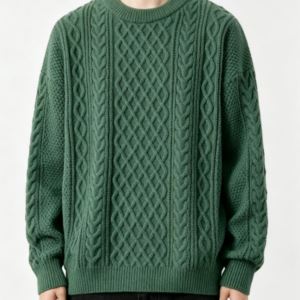
Source turtle neck sweater bulk programs with sweater constructions selected for weight, hand feel and durability. Develop ribbed collars, cuffs and hems, standard or oversized fits, XS–3XL grading, custom yarn blends, labels and packaging for wholesale or branded collections.
Request a Quote
Custom Jackets
Create custom jean jackets with denim weights, silhouettes, closures and pocket details suited to your collection. Development covers pattern refinement, size grading, embroidery or patches, garment washing, custom hardware, labeling and quality checks before export.
Request a Quote
Custom Sweatshirts & Crewnecks
Develop custom crewneck hoodie and sweatshirt programs in fleece or French terry when a clean layer needs dependable fit and decoration performance. Junsheen supports crewneck, hooded and oversized constructions, graded sizing, printing, embroidery, washes and private-label finishing.
Request a Quote
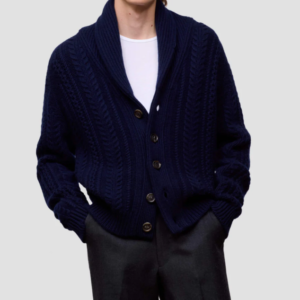
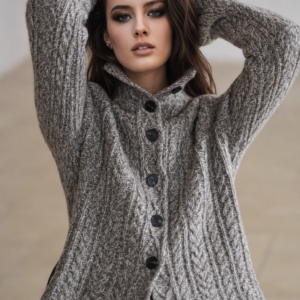
Custom Cardigans
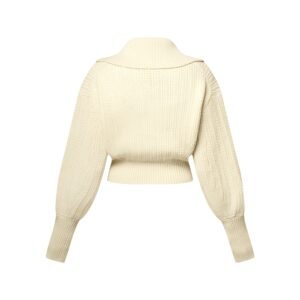
Produce custom cardigans with knit constructions, yarn options and proportioned grading for regular, extended-size or oversized ranges. Define button or zipper closures, rib details, gauges, branding labels and packaging while maintaining consistent measurements across repeat orders.
Request a Quote
Custom Puffer & Down Jackets
Develop custom puffer jackets with shell fabrics, insulation choices, lining, quilting and functional trim specifications. Junsheen supports fit review, pocket and closure details, branded labels, reflective elements, sampling and controlled production for seasonal outerwear programs.
Request a Quote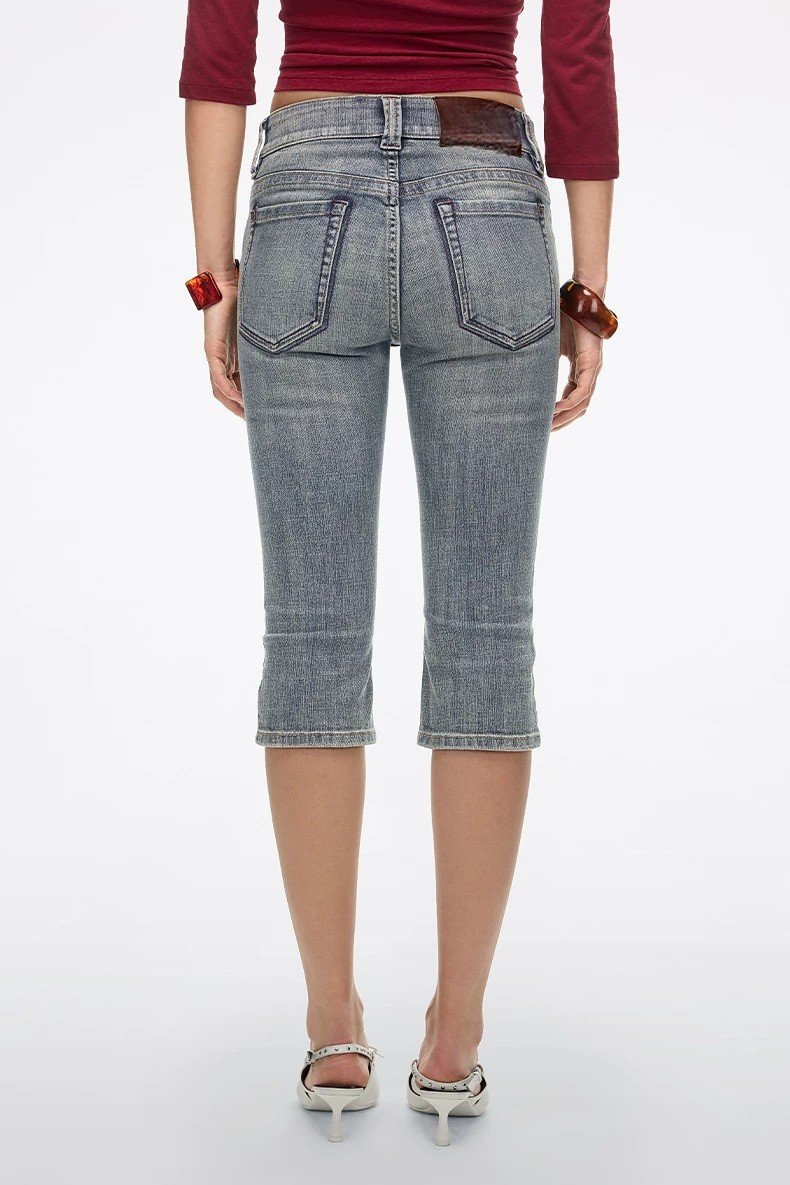
Custom Denim Shorts
Make custom jean shorts with denim or stretch-denim fabrics, selected rises, inseams and leg openings. Pattern makers refine fit across XS–3XL, while production manages pocket construction, hardware, washes, distressing, labels and bulk quality control.
Request a Quote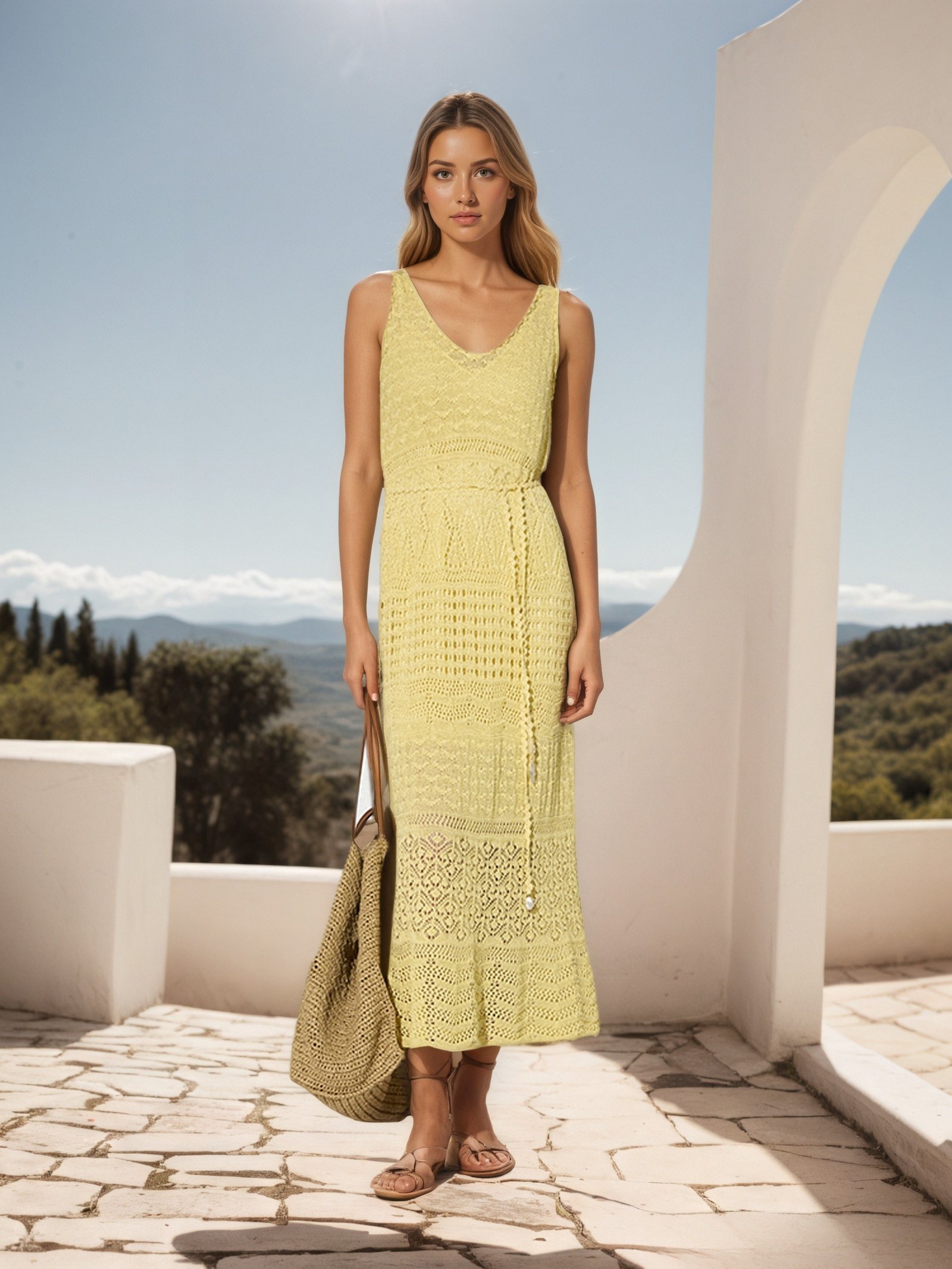
Custom Sweater Dresses
Create custom sweater dresses with yarns and knit structures chosen for drape, warmth and shape retention. Junsheen develops body length, neckline, sleeve balance and graded proportions, then completes labels, trims and packaging for branded or wholesale delivery.
Request a Quote
Custom Denim Sets
Produce mens denim suits wholesale programs with coordinated denim jackets and jeans designed as complete sets. Align fabric weight, wash tone, fit blocks, hardware and branding across both pieces, with scalable production for capsule launches or ongoing assortments.
Request a Quote
Custom Polo Shirts
Develop custom polo shirts in piqué, jersey or performance knits with collar structure, plackets and fit matched to your brand. Junsheen supports embroidery, printing, contrast details, size grading, private labels and packaging from low-MOQ sampling to bulk runs.
Request a Quote
Custom Sweatpants
Produce custom sweatpants in fleece, French terry or jersey with controlled rise, leg shape and cuff construction. Fit-focused XS–3XL grading, pockets, drawstrings, rib trims, embroidery, printing, washes and branded packaging support coordinated casualwear sets.
Request a Quote
Custom Shorts
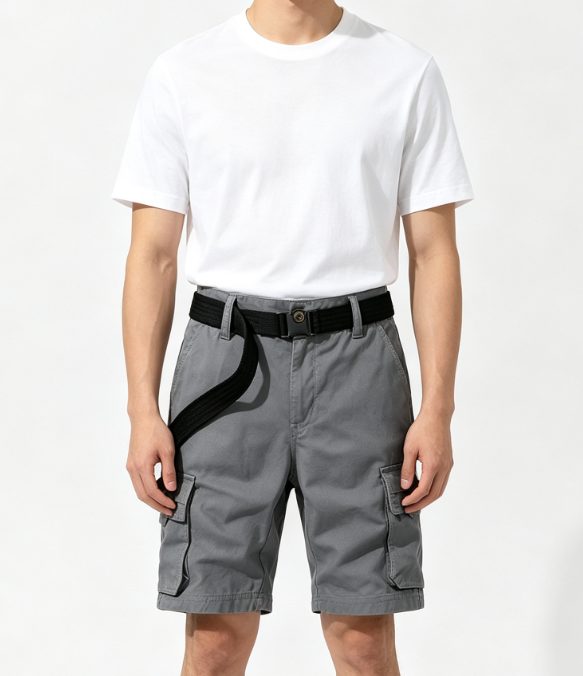
Make custom shorts for fleece, jersey, twill or denim assortments with tailored inseams, waist construction and pocket layouts. Junsheen develops fit across size ranges and applies printing, embroidery, washes, trims, labels and packaging for production-ready programs.
Request a Quote
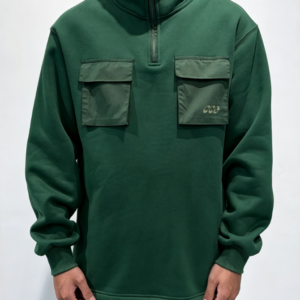
Custom Pullovers
Develop custom pullovers in fleece, French terry, jersey or knit constructions based on the intended layer and hand feel. Define necklines, half-zips, collars, cuffs and proportions, then add decoration, washes, private-label trims and consistent graded sizing.
Request a QuoteCustom Fleece Fabric and Complementary Materials

Brushed Cotton Fleece
Soft, warm custom fleece fabric for hoodies, sweatshirts, joggers, and relaxed sets. Brushed interiors create a plush hand feel, while cotton-rich constructions offer breathable comfort and dependable everyday wear.

French Terry
A midweight loopback fabric suited to premium sweatshirts, hoodies, shorts, and transitional layers. Its unbrushed reverse improves breathability, and cotton-blend constructions balance soft hand feel with structure and durability.

Cotton Polyester Blends
Versatile fleece blends for value-focused casualwear, uniforms, and repeat bulk programs. Polyester improves shape retention, drying speed, and abrasion resistance, while cotton keeps the surface comfortable and decoration-friendly.

Recycled Fleece Blends
Recycled cotton and polyester fleece options support sustainability-led collections without sacrificing daily performance. Available in varying weights, these blends suit hoodies and loungewear requiring soft warmth, stable recovery, and traceable material discussions.

Performance Knit Fleece
Stretch performance knits work well for active-inspired hoodies, travel sets, and technical layers. Moisture-management yarns and elastane content improve mobility, recovery, and comfort while maintaining a smooth, modern exterior.

Rib Knit Trims
Cotton-spandex rib trims finish cuffs, collars, waistbands, and hems with secure recovery. Choose matching or contrast ribs to maintain shape through washing while reinforcing the fit and finish of fleece garments.
Custom Fleece Fabric Decoration and Finishing Processes

Screen Printing
Plastisol, water-based, puff, silicone and high-density screen prints deliver bold logo coverage and dependable adhesion on fleece. We review fabric surface, artwork detail and curing requirements to preserve color definition and wash durability.

Logo Embroidery
Flat, 3D puff, chain-stitch and applique embroidery add dimensional branding to fleece hoodies, sweatshirts and outerwear. Stitch density, backing and placement are developed to create a clean finish without distorting the garment body.

DTG and DTF
DTG and DTF transfers support detailed, multicolor artwork, gradients and smaller production runs. Our team selects the suitable method for the fleece composition and surface, balancing soft hand feel, edge clarity and repeat-wash performance.

Heat Transfer
Heat transfer, foil and specialty film applications produce precise logos, names and graphic accents with controlled placement. This option works well for custom fleece fabric programs requiring sharp detail, fast artwork changes or performance-inspired branding.

Brushed Finishing
Brushing and napping lift the fleece surface for a warmer, softer hand feel and a fuller visual texture. Anti-pilling treatment can be added to help maintain a cleaner appearance through regular wear, washing and retail handling.

Dye Sublimation
Dye sublimation creates vivid all-over graphics on suitable polyester-rich fleece constructions. Because color becomes part of the fiber, the result offers smooth artwork, strong color retention and no added print layer on the garment surface.
Custom Fleece Fabric Trims and Accessories

Drawcords and Tipping
Customize hoodie and jogger drawcords with cotton, polyester, reflective, or contrast options, finished with metal, silicone, or dipped tips. Coordinated cords reinforce color direction, improve usability, and give custom fleece fabric styles a more considered retail finish.

Branded Zippers
Specify nylon coil, metal, waterproof, or contrast zippers for fleece jackets, half-zips, pockets, and utility details. JUNSHEEN matches zipper color, puller shape, tape, and logo treatment to the garment’s performance needs and target price point.

Custom Snap Buttons
Add logo snap buttons to fleece varsity jackets, overshirts, pockets, and detachable components. Available finishes include matte, polished, painted, and antique effects, helping brands combine secure closure performance with a recognizable hardware signature.

Woven Brand Labels
Create woven main labels, size tabs, side labels, and care labels for every fleece garment. We support custom weaving, fold styles, colors, and placement so your private-label identity remains consistent from XS through 3XL.

Hang Tags and Patches
Use custom hang tags, embroidered patches, leather-look badges, or silicone labels to communicate your brand story and elevate perceived value. These details work especially well on heavyweight hoodies, fleece sets, outerwear, and limited capsule releases.
Branded Packaging
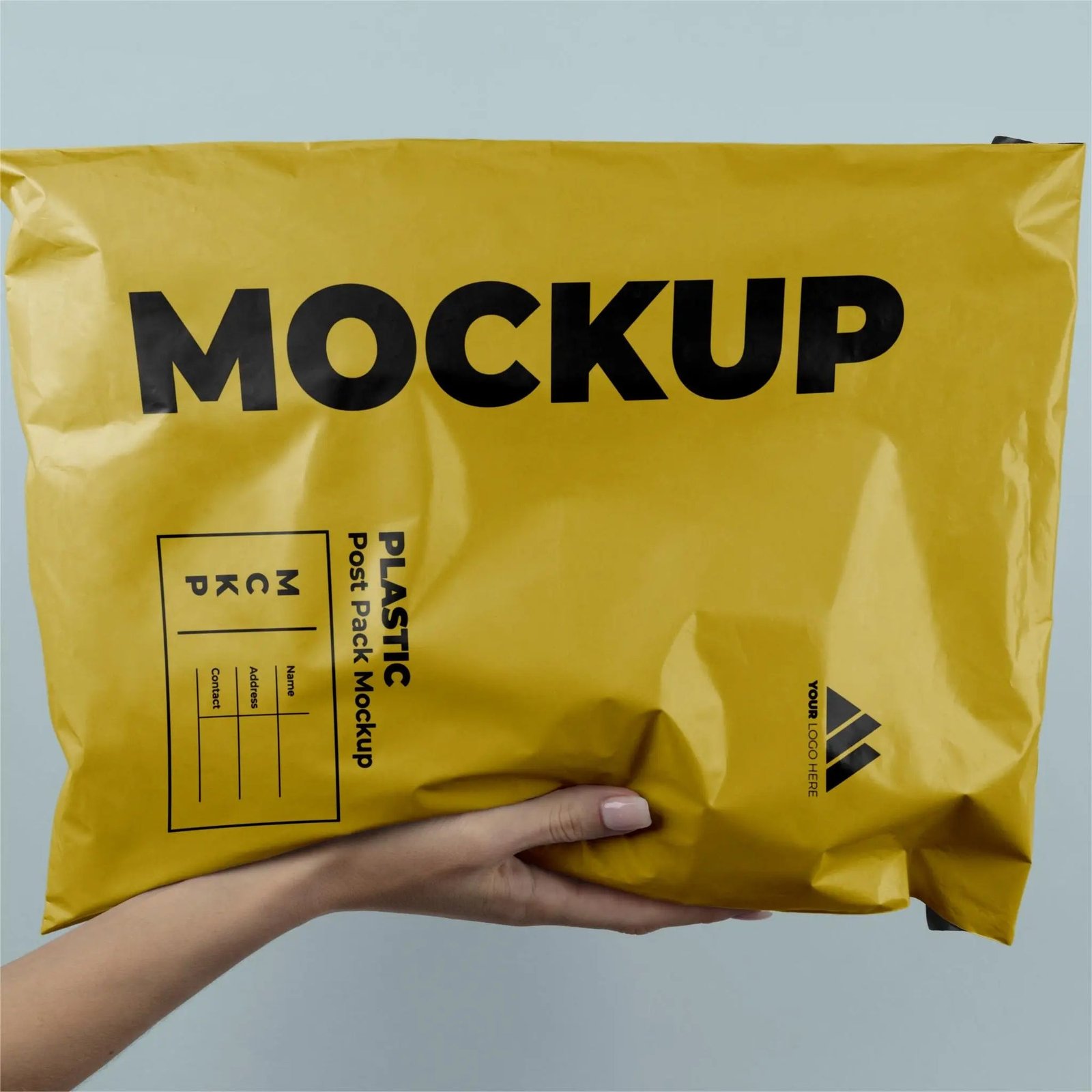
Complete your order with custom polybags, tissue paper, stickers, size markers, carton labels, and retail-ready packaging. JUNSHEEN coordinates packing specifications with final quality control to help global shipments arrive organized, protected, and presentation-ready.
Custom Fleece Fabric Manufacturing Since 2010
Founded in 2010 in Humen, Dongguan, JUNSHEEN helps fashion brands turn custom fleece fabric concepts into production-ready casualwear. Our mission is to provide responsive, fit-focused OEM, ODM and private-label manufacturing that supports capsule launches from 100 units per style and color through scalable repeat programs.
More than 200 skilled workers support monthly production capacity above 80,000 units across cut-and-sew apparel and knitwear. From fabric sourcing, pattern making and XS–3XL grading to embroidery, printing, washing, labels, packaging, quality control and export, our integrated supply chain keeps each program coordinated.
JUNSHEEN has served 2,000+ fashion-brand clients worldwide with technical development built around real wearability, not simply enlarged patterns. We refine fit, proportion and mobility across normal, extended-size, plus-size and oversized ranges, giving brands a dependable manufacturing partner as their fleece collections grow.

Custom Fleece Fabric Capabilities Built for Consistency
Fit and Grading Control
JUNSHEEN develops custom fleece fabric apparel from XS through 3XL, including plus-size and modern oversized fits. Pattern makers refine proportion, mobility, shoulder balance and grading increments across the size set rather than simply scaling one base pattern.
- Fit-focused patterns for XS–3XL, extended-size and oversized programs
- Prototype, size-set and pre-production fit approval support
- Refined sleeve length, body balance, rise and movement allowances
- Retained patterns and grading records for consistent repeat orders
Fabric Sourcing and Development
From brushed fleece and anti-pilling blends to French terry alternatives, our sourcing team aligns material choices with your target hand feel, garment weight, durability, wash performance and price point. Swatches and samples help confirm decisions before bulk commitment.
- Cotton, blended, recycled and performance-fleece sourcing options
- Weight, stretch, drape and brush level matched to the garment concept
- Material recommendations based on target cost and intended wear
- Fabric swatches and sample garments available before bulk confirmation

Decoration and Finishing In-House
Bring fleece garments to market with coordinated logo treatment, washes and private-label details managed through one production partner. JUNSHEEN combines embroidery, printing, brushing, napping and branded trims to protect visual consistency from development through packing.
- Flat, 3D/puff, chain-stitch and applique embroidery
- Screen print, puff, silicone, high-density, DTF and DTG options
- Softening, enzyme, anti-pilling, garment-dye and brushing finishes
- Custom labels, hang tags, drawstrings, patches and packaging

Bulk Quality at Every Stage
Controlled custom fleece fabric production starts with incoming material inspection and continues through in-line sewing, measurements, decoration and final packed-goods checks. With 200+ skilled workers and 80,000+ monthly units of capacity, JUNSHEEN supports reliable growth from 100-unit launches.
- Incoming fabric checks for quality and production suitability
- In-line construction, measurement and fit inspections
- Decoration, wash and finishing review before final packing
- Scalable global export support for capsule and repeat bulk programs

Why Choose JUNSHEEN for Custom Fleece Fabric
Concrete production advantages for brands that need flexible order quantities, engineered fit, and dependable global delivery.
← 左右滑动查看 →
Custom Fleece Fabric Production, From Brief to Delivery
A clear OEM process for developing fit-focused fleece apparel from 100 units per style and color through global shipment.
Review Feasibility and Specs
Share a tech pack, sketch, reference garment, or concept; our team reviews construction, target cost, sizing, MOQ, and custom fleece fabric requirements.
Source Fabric and Trims
We recommend fleece weight, composition, hand feel, brushing, anti-pilling performance, colors, rib trims, labels, and packaging aligned with your product goals.
Build Patterns and Samples
Pattern makers develop XS–3XL grading and prototype samples, refining fit, mobility, measurements, decoration placement, and wash results before approval.
Cut Decorate and Produce
After pre-production approval, we manage bulk cutting, sewing, embroidery or printing, washing, finishing, and in-line checks across your fleece program.
Inspect Pack and Ship
Final inspections verify fabric, measurements, construction, decoration, and packed goods before branded packing and coordinated worldwide export shipment.
How to Work With Our Custom Fleece Fabric OEM Team
Move from an initial concept to approved bulk delivery with fit-focused development, transparent quoting, and one accountable manufacturing partner.
Share Your Product Brief
Send a tech pack, sketch, reference garment, or mood board. Our team reviews fleece weight, fit requirements, decoration, target cost, and 100-unit MOQ feasibility.
Confirm Materials and Pricing
Review recommended custom fleece fabric, trims, construction details, lead times, and quotation. We align specifications, size grading from XS–3XL, and private-label requirements before sampling.
Approve Your Development Sample
Receive a prototype for fit, hand feel, measurements, washing, and decoration review. Refine details with our pattern makers, then approve the final sample and size set.
Authorize Bulk Production
Confirm quantities, colors, labels, packaging, and production schedule. Our 200-plus-person team manages cutting, sewing, printing, embroidery, finishing, and in-line quality control.
Inspect and Receive Goods
We complete final measurement, construction, decoration, and packed-goods checks before export. Your approved fleece program ships with coordinated documentation and global delivery support.
Custom Clothing Manufacturer Credentials and Compliance Documents




Client Results from Custom Fleece Fabric OEM Programs
Reserved for a verified client case study documenting sampling improvements, approved fleece specifications, and the production outcome. Add only client-approved figures and wording after permission is confirmed.
Reserved for a verified client testimonial covering fit consistency across the size range, sampling revisions, and repeat-order results. Publish only approved customer language and substantiated program figures.
Reserved for a verified buyer story about scaling a custom fleece fabric program from development through bulk production. Include only documented order volumes, timelines, and client-approved outcomes.
Custom Fleece Fabric FAQ for OEM Buyers
Straight answers on MOQ, development, payments, shipping, fit, and confidentiality for fleece apparel programs.
What is the MOQ for custom fleece fabric apparel?
Can you help choose the right custom fleece fabric for my hoodie or sweatshirt?
How long do custom fleece fabric samples take, and what do they cost?
Can JUNSHEEN develop XS–3XL and plus-size fleece fits?
What payment terms do you offer for custom fleece fabric orders?
Do you ship custom fleece fabric apparel internationally?
How do you protect my designs and custom fleece fabric specifications?
Can you add private labels, embroidery, printing, and washes to fleece garments?
Complete Buyer’s Guide to custom fleece fabric
Use this practical framework to select custom fleece fabric, evaluate supplier capabilities, compare construction and decoration choices, control costs, and avoid specification mistakes that delay sampling or compromise garment performance.
1. What Is custom fleece fabric?
180–500 GSM is the practical sourcing range for custom fleece fabric: a knit textile specified for a brand and then brushed on one or both faces, or left looped on the reverse. It is the workhorse fabric for hoodies, sweatshirts, joggers, lounge sets, outerwear linings, and heavier casualwear because it combines knit stretch with warmth and a controllable hand feel. 2 common constructions clarify the term. French terry retains visible back loops for a lighter, more breathable garment; fleece is usually napped or brushed to raise fibers and increase insulation, softness, and visual bulk. A supplier should define the face yarn, back yarn, gauge, composition, finished GSM, usable width, shrinkage target, color standard, and required testing before bulk approval. 100 units per style and color can be enough to justify a targeted development program when fit, color, or fabric identity matters. Unlike stock fleece, custom fleece fabric gives the brand control over cotton-to-polyester ratio, ring-spun versus open-end yarn, 280 GSM versus 420 GSM weight, brushed or anti-pilling finish, Pantone color, stretch recovery, and wash performance. Those choices determine whether a garment feels like a soft premium pullover, a structured streetwear hoodie, or a durable uniform layer—not merely whether it is called fleece. 2010 is the year Dongguan Junsheen Clothing Co., Ltd. began supporting garment development from fabric sourcing through sampling and production. For a fleece program, the useful brief connects fabric decisions to the finished garment: silhouette, decoration method, expected laundering, target retail position, and size range from XS through 3XL.
2. How custom fleece fabric Evolved
1920s athletic sweatshirts established the cotton-loop-back base still seen in French terry: an absorbent face with unbrushed loops inside. Raising and brushing those loops produced warmer sweat fleece, so modern buyers must specify fiber blend, GSM, shrinkage allowance, and whether the interior should remain looped or become a dense brushed pile. 1979 marked the commercialization of lightweight synthetic polar fleece, which shifted fleece beyond gymwear toward outdoor and performance layers. That development made durability, pilling resistance, colorfastness, moisture behavior, and repeated-wash recovery purchasing criteria; a custom fleece fabric brief should therefore state target use, abrasion expectations, test standards, and approved Pantone references rather than relying on a swatch alone. 2000s recycled polyester, organic cotton, ring-spun yarns, and premium double-brushed constructions expanded fleece into fashion, elevated basics, and lower-impact programs. Buyers now commonly request traceable fiber documentation, lot-controlled dyeing for color consistency, and certifications such as GRS, GOTS, or OEKO-TEX where applicable; these requirements should be confirmed with the mill before sampling because substitutions can change hand feel, weight, and bulk lead time.
3. Types of custom fleece fabric
180–450 GSM covers most custom fleece fabric programs, but construction—not weight alone—determines warmth, silhouette, and decoration results. Buyers should review both face and reverse surfaces on a washed swatch before approving a hoodie or outerwear fabric.
| Construction | Face / Reverse | Warmth / Stretch | Typical GSM | Best Use | Trade-Off |
|---|---|---|---|---|---|
| French terry | Smooth / loops | Low–medium / moderate | 240–340 | Crews, hoodies | Less winter warmth |
| Brushed-back | Smooth / brushed nap | Medium–high / moderate | 280–420 | Hoodies, joggers | Pilling, added bulk |
| Polar fleece | Pile / pile | High / moderate | 180–320 | Layers, jackets | Poor fine-print surface |
| Sherpa or teddy | Knit / deep curly pile | High / low–moderate | 250–450 | Lined jackets | Bulky; higher cost |
| Bonded fleece | Smooth / laminated backing | Medium–high / variable | 280–450 | Outerwear | Delamination testing |
| Performance fleece | Technical knit / brushed | Medium / high | 200–330 | Activewear | Higher yarn cost |
Loopback And Brushed Fleece

French terry has a smooth knit face and unbrushed loop back; 240–340 GSM works well for transitional hoodies, crews, and joggers. It stays less bulky and accepts screen print cleanly. Brushed-back fleece raises the reverse loops into a soft nap, usually at 280–420 GSM. It is warmer and more premium-feeling, but the brushed surface can pill and adds print-through risk on lightweight colors.
- Choose French terry for layering and garment dye
- Choose brushed-back fleece for colder-season sweat sets
Pile And Technical Fleece
Polar fleece is a knit pile with plush faces on both sides, while sherpa or teddy fleece has a deeper, curly pile. Both trap air efficiently, yet their volume and pile can complicate crisp printing. Bonded and performance fleece pair fleece with a woven, knit, membrane, or stretch backing. These technical constructions cost more, but improve wind resistance, recovery, or moisture management for active and outerwear programs.
- Use embroidery, patches, or transfers on pile fabrics
- Test bonded fabrics after washing for delamination
Sampling Priorities
One washed panel per candidate fabric should be tested with the intended print, embroidery, rib, and wash process. At Junsheen, swatches and sample garments let buyers compare hand feel, bulk, stretch, and decoration before bulk-material confirmation.
4. Materials for custom fleece fabric
Fiber content determines whether custom fleece fabric feels breathable and natural or durable and performance-led. Specify composition alongside GSM, finish, and test requirements before approving bulk yardage.
| Material | Performance Effect | Best Use |
|---|---|---|
| 100% cotton | Soft, breathable; higher shrinkage | Premium hoodies, sweats |
| Cotton-poly | Balanced warmth, colorfastness, stability | Uniforms, core fleece |
| Recycled polyester | Durable, moisture handling; verify claims | Activewear, outerwear |
| Organic cotton | Natural hand; certified sourcing required | Sustainability-led hoodies |
| Viscose blend | Softer drape; weaker wet resilience | Fashion sweats |
| Elastane addition | Stretch recovery; less recyclable | Active cuffs, fitted styles |
Fiber Trade-Offs

100% cotton delivers a soft, breathable hand and good insulation, but can shrink unless pre-shrunk; ring-spun yarn generally pills less than open-end. 100% polyester resists shrinkage, holds color well, and moves moisture better, yet feels less natural and can retain odor or pill without anti-pilling finishing.
Blends And Claims

60/40 and 80/20 cotton-poly blends balance softness, warmth, colorfastness, and dimensional stability for repeat programs. Recycled polyester can support a recycled-content claim only when the supply chain provides applicable certification. Organic cotton supports an organic-material claim only with certified inputs; GOTS documentation is stronger than an unsupported statement. Viscose adds drape and softness but may reduce resilience when wet.
Stretch And End Use

2–8% elastane improves recovery at cuffs, waistbands, and active silhouettes, but complicates recycling and may increase heat sensitivity. Match the blend to actual wear, wash frequency, and decoration method rather than chasing a single universal specification.
5. Customization and Decoration Options
Custom fleece fabric becomes brand-specific through color, surface finishing, and decoration choices that must be tested together. At Junsheen, swatches and sample garments help confirm hand feel, color, and artwork before bulk approval.
| Method | Best Fleece Surface | Detail And Durability | Minimum Or Main Risk |
|---|---|---|---|
| Embroidery | Stable midweight fleece | Textured, highly durable | Higher stitch count; puckering |
| Screen Print | Smooth cotton face | Strong solids, durable | Setup minimums; cracking |
| DTG | Cotton-rich smooth face | High-detail, soft feel | Pretreatment; pile inconsistency |
| Heat Transfer | Smooth, low-pile fleece | Fine multicolor detail | Low minimums; scorching |
| Appliqué Or Patch | Midweight fleece | Dimensional, durable | Sewing time; edge lift |
| Labels | Any fleece construction | Permanent brand identification | Placement and skin comfort |
Color And Surface Development

Pantone lab dips are the practical starting point for solid colors; approve under agreed lighting before bulk dyeing. Yarn-dyed stripes or heathers need earlier yarn commitments and usually higher material minimums. Garment dye creates a washed, tonal look on completed cotton-rich styles, while acid, enzyme, and softening washes alter character. Brushing increases loft; anti-pilling finishing is especially valuable on high-friction fleece.
- Use all-over print on smooth face fabric, not deep brushed pile.
- Specify wicking or waterproof treatments with wash-performance targets.
- Test treatment compatibility before adding prints or heat-applied logos.
Match Decoration To The Face
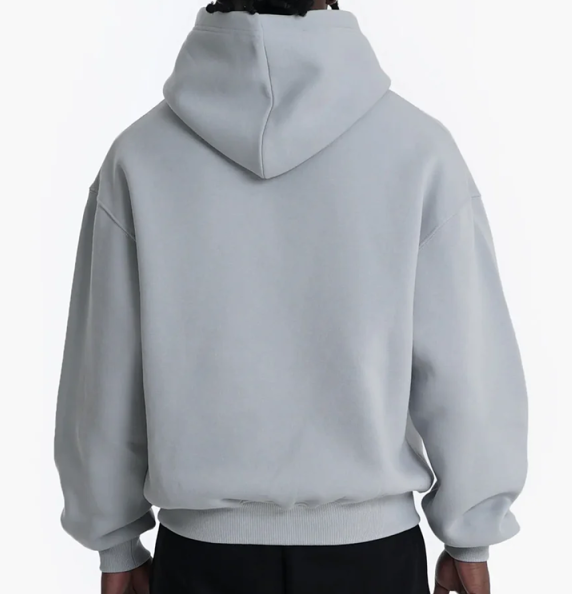
Screen printing delivers durable, economical solid artwork on smooth cotton-face fleece, but heavy ink can crack if the garment stretches beyond the print film. Water-based ink retains a softer hand than thick plastisol. DTG suits detailed, short-run art on cotton-rich light or pretreated dark fleece. Heat transfers reproduce fine multicolor graphics but require controlled temperature and dwell time to avoid scorching or pile flattening.
Build Branding Into Construction

Embroidery, appliqué, patches, and labels add dimension, but dense stitches can distort lighter fleece or leave backing visible inside. Stabilizer, needle selection, and a sample wash test reduce that risk. Woven main labels, size labels, wash-care labels, and hang tags should be approved with placement and attachment method. Private-label trims are easiest to control when included in the pre-production sample.
6. Fleece Construction Quality Elements
280–360 GSM is a common range for sweatshirt fleece, but performance depends on construction as much as weight. Set a target GSM with an agreed tolerance, then approve the actual bulk hand feel, face appearance, and washed measurement—not only a supplier specification.
Weight, Yarn, And Density
10–20 GSM tolerance is often workable for bulk fleece when the buyer approves a control swatch; tighter targets may increase sourcing difficulty. Request yarn composition, ring-spun or open-end specification, yarn count, stitch density, and loop consistency before dyeing. 24-hour relaxed GSM testing should be taken from multiple roll locations, because compacting and finishing can change weight. Dense, even knitting improves opacity and surface stability, while irregular loops can show through after brushing.
- Approve an unwashed and washed swatch
- Record GSM, width, and usable width
- Compare face, loop back, and pile uniformity
Finish And Wash Performance

3–5% dimensional change after the agreed wash method is a practical starting limit, although the garment specification should set the final allowance. Require wash-test results for length, width, twisting, shade change, and brushing loss before bulk release. Grade 3–4 or better colorfastness and pilling results are common approval benchmarks, subject to end use and test method. Evaluate anti-pilling finish after repeated washes, not solely from a new-cut swatch.
- Laundering shrinkage report
- Dry and wet rub colorfastness
- Pilling and surface abrasion result
Recovery, Seams, And Inspection
95% or higher recovery is a useful target for rib cuffs and stretch fleece after the specified extension, but verify it on the finished fabric. Test seam samples with the intended thread, needle, SPI, and flatlock or overlock construction to catch skipped stitches, puckering, and seam grin. Four-point fabric inspection before cutting should record holes, stains, barre, needle lines, shade variation, and pile defects by roll. Keep signed bulk standards, Pantone-approved shade bands, and a sealed pre-production swatch as the factory’s comparison reference.
- Approved lab-dip and bulk shade standard
- Sealed washed garment swatch
- Roll inspection and defect report
7. Choosing a custom fleece fabric Manufacturer
A 100-unit MOQ can work only when development, fabric booking, and quality controls are sized for small runs. Evaluate the supplier’s repeatability from approved sample to bulk roll, not its initial unit quote.
Verify Development Capability
100-unit programs need pattern review, GSM confirmation, and a signed sample before bulk booking. Ask whether the factory can source fleece, grade sizes, and retain the approved fabric specification.
- Request a tech-pack feasibility review
- Confirm sampling stages and revision limits
- Ask who owns pattern and material records
Audit Material Reproduction
Pantone approval should include a lab dip or strike-off under agreed lighting before production. Ask for composition, GSM tolerance, shrinkage results, pilling method, and whether the bulk mill can reserve the same construction.
- Match sample roll to bulk supplier
- Review wash, pilling, and color tests
- Approve a bulk fabric cutting before sewing
Compare Operational Evidence
80,000-plus monthly capacity matters only when the supplier provides a realistic production slot and inspection plan. Compare quotes for fabric, trims, decoration, packing, testing, freight terms, sample charges, and rework responsibility.
- Confirm in-line and final measurement checks
- Request compliance documents where required
- Set response times and approval deadlines
8. Common custom fleece fabric Mistakes
Seven specification gaps routinely turn an approved fleece sample into a costly bulk-production correction. For a 100-unit launch or a repeat program, each risk needs a measurable prevention step and a signed tech-pack or approval record.
Specify Construction Beyond GSM
280 GSM can describe very different fabrics: a cotton-rich three-end brushed fleece, a lighter-loop French terry, or polyester-heavy open-end fleece. Prevent substitution by recording fiber percentages, yarn type, loop count or napping, finished GSM tolerance, usable width, and face/back reference swatch.
Control Shrinkage Before Grading
5% length shrinkage can shift a hoodie body by 3 cm after laundering. Require a pre-production wash test, then document wash method, maximum length and width shrinkage, torque allowance, and post-wash measurement chart in the sample approval.
Approve Color Under Multiple Lights
D65 daylight and warm retail lighting can expose a shade difference missed under one office lamp. Approve Pantone reference, dye lot, light-source results, and acceptable color tolerance against a sealed bulk standard.
Match Decoration To Surface
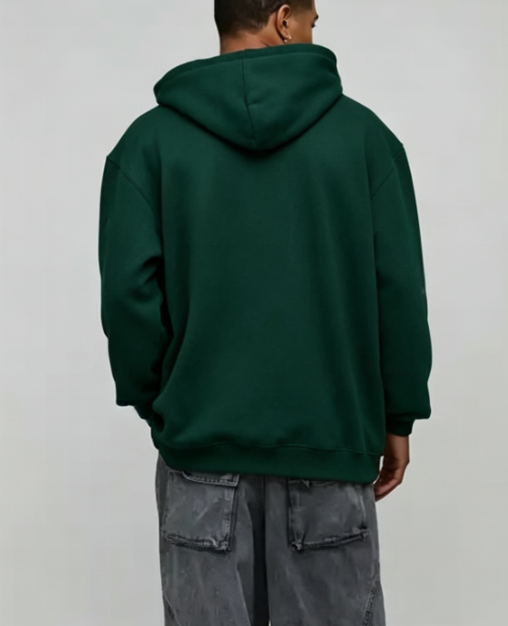
High-density prints may crack on highly brushed, stretchy fleece, while fine embroidery can sink into deep nap. Test the actual logo at production scale and document artwork size, placement, ink or thread specification, backing, stretch limit, and wash-test result.
Verify Durability And Claims
Grade 3 pilling after five washes may be unacceptable for premium retail fleece, even when the initial hand feel is soft. Set the required pilling method and grade, confirm recycled or organic claims with transaction documentation, and retain wash-test photos plus approved claim wording.
9. Steps to Launch Your Fleece Line
A launch brief should turn a market position into repeatable production decisions before sampling begins. For a 100-unit capsule, disciplined approvals matter more than adding colors or styles late.
Define The Product Brief

One target customer, price band, and reference garment should anchor the first feasibility review. Specify silhouette, intended use, and fit from XS through 3XL where applicable. Two reference samples expose details a sketch can miss, including hood depth, rib recovery, pocket shape, and seam placement. Record all requested changes in one dated tech pack.
- Target retail price and margin
- Reference garment measurements
- Size range and grade rules
Lock Fabric And Components
280–400 GSM is a practical fleece range, but weight alone does not define hand feel or shrinkage. Approve composition, brushed-face treatment, color standard, and wash target from swatches. Pantone references, drawcord length, zipper specification, label artwork, and packaging must be signed off before bulk. Small-MOQ programs gain consistency by limiting each launch to proven fabric and trim options.
Test Samples Before Approval

One prototype verifies construction and decoration placement before a size set is made. Measure after washing, then assess shrinkage, pilling, color change, print durability, and rib recovery. A revised pre-production sample should incorporate every approved correction. Lock measurements with tolerances, artwork files, label placement, carton pack ratio, and final quantity on the purchase order.
Control Bulk Through Delivery
100 units per style and color can support an emerging-label capsule when the specification remains stable. Keep one decision-maker responsible for consolidated feedback and written approvals. Incoming material, in-line sewing, measurements, decoration, and final packed goods should be inspected against the approved sample. Confirm shipment method, delivery address, export documents, and balance timing before dispatch.
10. custom fleece fabric Pricing and Costs
100 units per style and color is a practical starting tier for many OEM fleece programs, but it does not produce the same unit cost as a 500- or 1,000-unit run. Compare quotes against the same garment specification, not a headline price: fabric weight, composition, color count, trim list, decoration locations, packing and Incoterm must match. 280–360 GSM cotton-poly fleece is usually less expensive than heavyweight 400–500 GSM, while ring-spun cotton, organic cotton, recycled fibers and certified inputs raise material cost. Pantone custom dyeing, enzyme or anti-pilling washes, brushing, puff embroidery, high-density print and YKK hardware add recurring cost; air freight can outweigh small factory savings. 1 development charge covers pattern work, grading, fabric swatches, prototype sampling and revisions, whereas bulk fabric, cutting, sewing, decoration, labels, packing and inspection are per-unit costs. Request sample approval before bulk, then lock the bill of materials and freight method so later comparisons remain like-for-like.
| Order quantity | Indicative unit-price drivers | Typical timing |
|---|---|---|
| 100–299 units | Higher setup allocation; stock fleece and simple screen print control cost | Sample 7–14 days; bulk 25–40 days |
| 300–999 units | Better fabric and labor efficiency; custom labels become more economical | Sample 10–18 days; bulk 30–45 days |
| 1,000+ units | Lowest setup cost per unit; custom dye and specialized finishes become viable | Sample 14–21 days; bulk 35–55 days |
Start Your Custom Fleece Fabric Project
Send your tech pack, sketch, reference garment, or requirements for a tailored fleece manufacturing quote from JUNSHEEN.