
Sustainable Fabric Supplier for Low-MOQ Apparel OEM
JUNSHEEN is a sustainable fabric supplier delivering 100-unit OEM, ODM, and private-label apparel with fit-focused XS–3XL development.
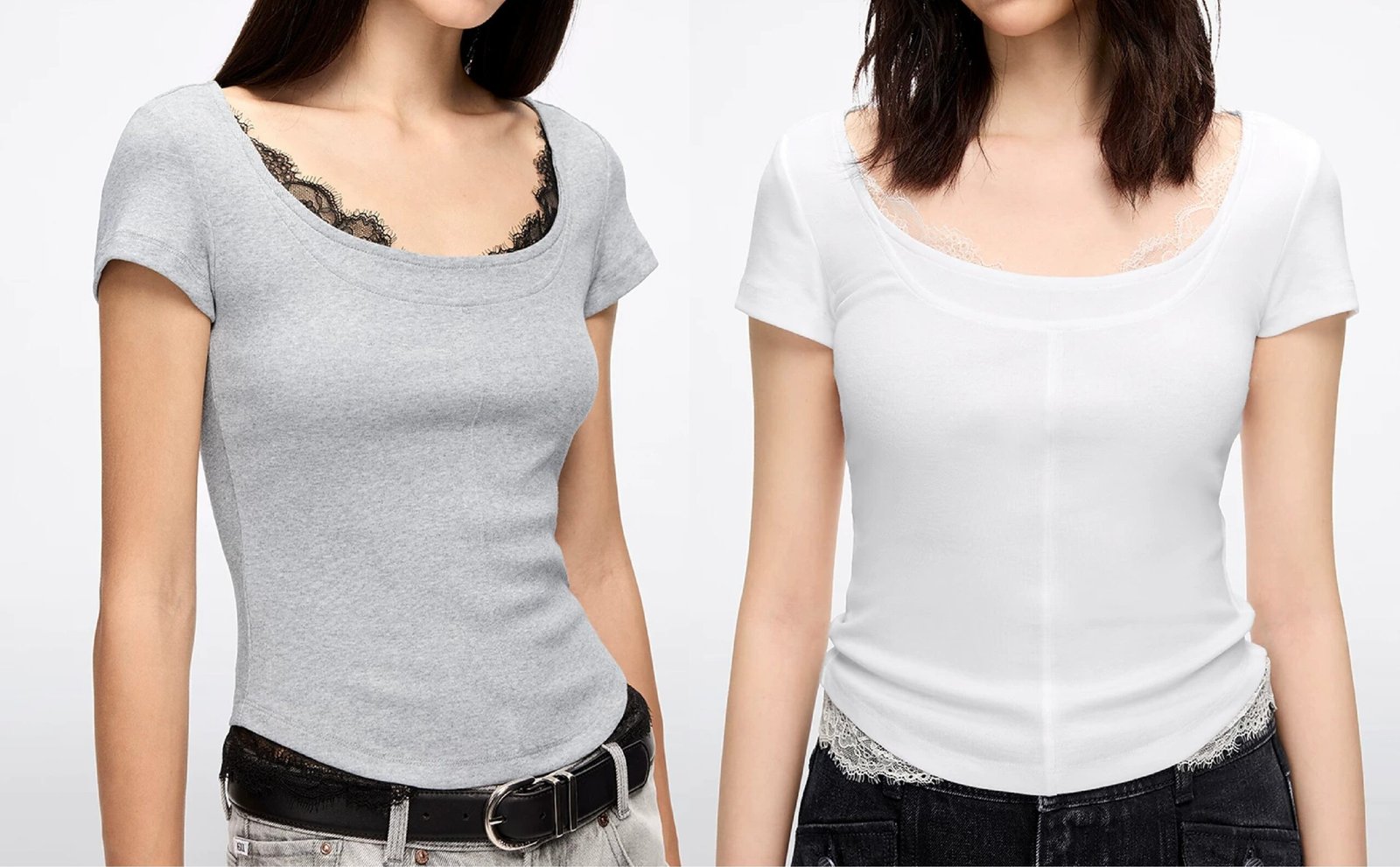
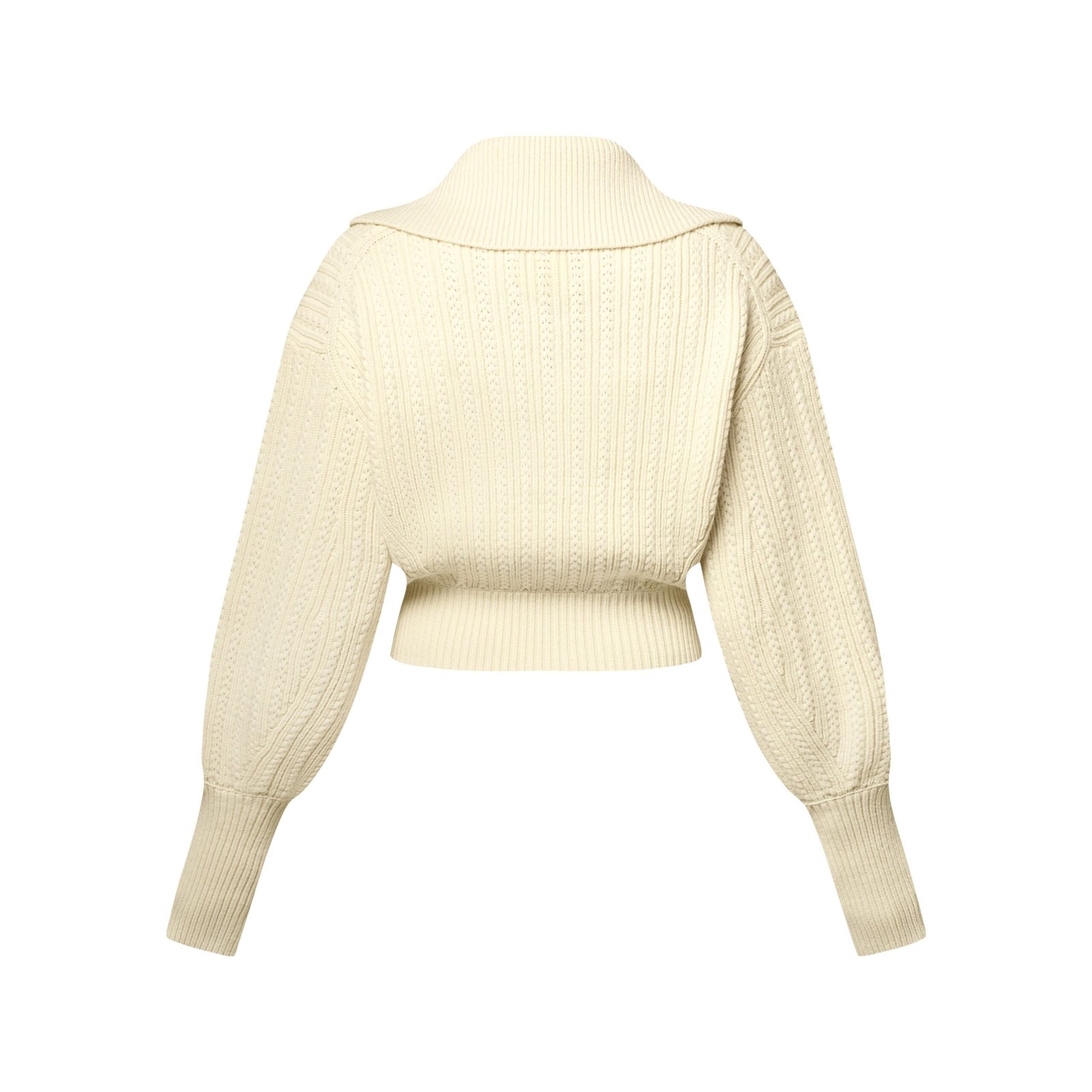
Featured Products for sustainable fabric supplier Development




Related Product Catalogue and Quotation




Why Brands Choose JUNSHEEN as Their Sustainable Fabric Supplier
Source responsible material options with practical development, low-MOQ flexibility, and production support built for growing apparel brands.
Supplier-Network Sourcing
Access recycled, organic, cotton, denim, knit, and performance fabric options selected for cost, hand feel, durability, and production requirements.
100-Unit MOQ Flexibility
Launch capsule collections from 100 units per style and color while retaining a clear path to repeat orders and bulk growth.
Swatches Before Commitment
Review fabric swatches and sample garments before bulk approval, helping your team confirm weight, drape, color, and wash performance.
Fit-First Development
Develop XS–3XL, plus-size, extended-size, and oversized fits with refined pattern grading that supports balanced proportions and fewer revisions.
In-House Brand Finishing
Add embroidery, printing, washes, labels, trims, and branded packaging through one coordinated production team for more consistent execution.
Scalable Global Production
Move from low-MOQ development to volume programs with 200+ skilled workers, 80,000+ monthly units, quality control, and export support.
Sustainable Categories, Built for Scale
Develop fit-focused casualwear, denim, knitwear and outerwear with recycled, organic and performance material options from 100 units per style and color.
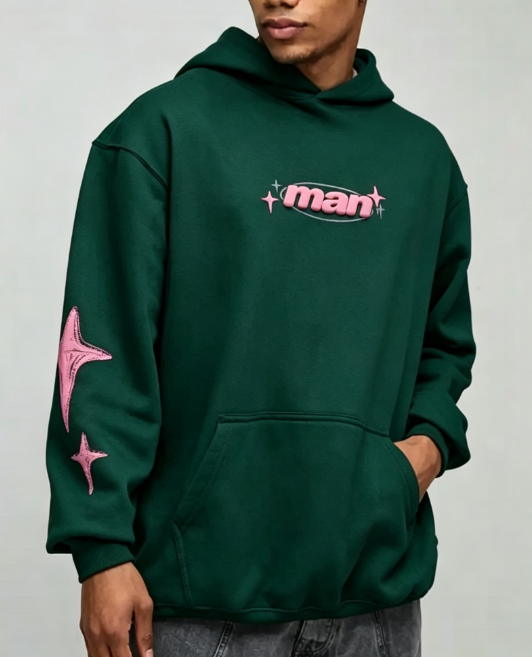
Custom Hoodies
Develop custom hoodies in organic cotton, recycled blends, French terry or fleece. Junsheen supports pattern development, XS–3XL grading, embroidery, printing, washes, labels and branded packaging for capsule launches and repeat programs.
Request a Quote
Custom T-Shirts
Produce custom T-shirts in organic cotton, combed jersey, recycled fibers or blended performance knits. We refine fabric weight, hand feel, neck construction and size grading, then manage printing, embroidery, private labels and export-ready packing.
Request a Quote
Custom Jeans
Create custom jeans in recycled cotton denim, stretch denim and responsible wash options. Our team develops fit, rise, leg shape and XS–3XL grading, with custom hardware, patches, embroidery, finishing and quality control built into production.
Request a Quote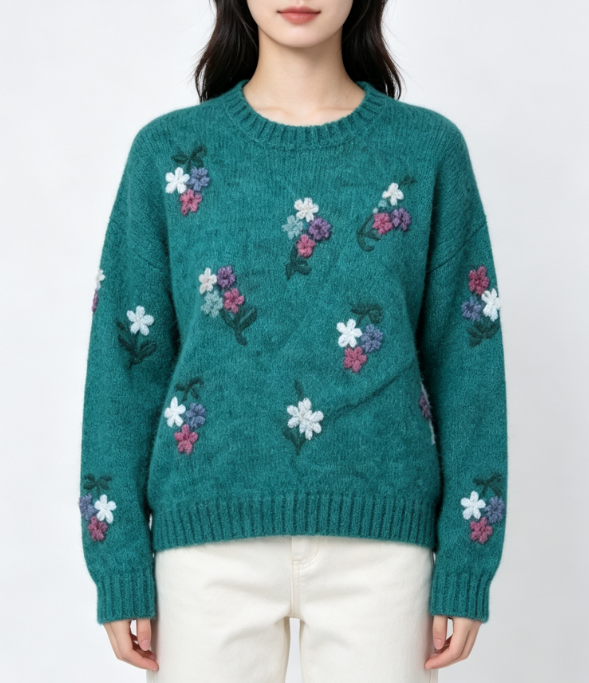
Custom Sweaters
Source turtle neck sweaters in bulk with recycled yarns, organic cotton, wool blends or other knit constructions suited to your target price and hand feel. Junsheen supports gauge selection, fit development, size grading, labels and scalable production.
Request a Quote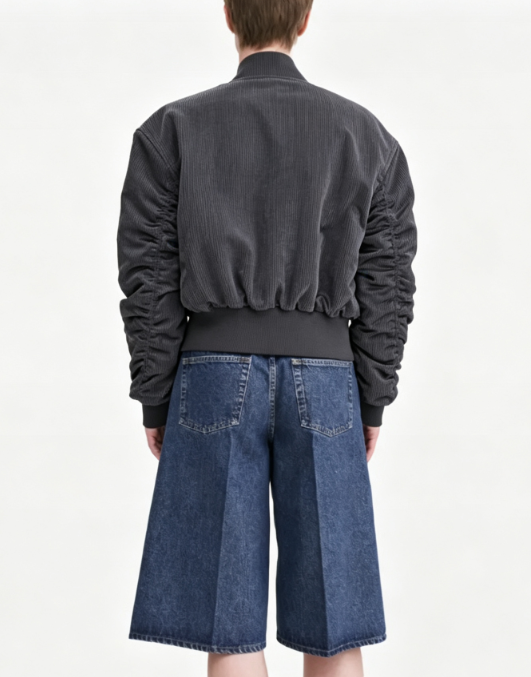
Custom Jackets
Develop custom jean jackets and other woven jackets in recycled denim, twill, cotton blends or performance fabrics. We handle pattern making, fit adjustments, trims, washes, embroidery, printing and private-label details from sample through bulk production.
Request a Quote
Custom Sweatshirts & Crewnecks
Produce custom crewneck hoodies, sweatshirts and crewnecks in recycled fleece, organic cotton French terry or brushed jersey. Fit-focused grading, rib specifications, decoration methods, garment washes and branded trims can be developed in one workflow.
Request a Quote
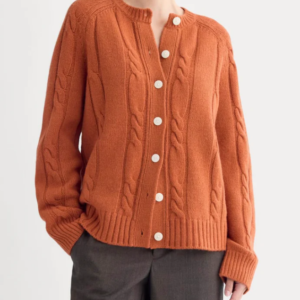
Custom Cardigans
Build custom cardigans in recycled yarns, cotton blends, wool blends or soft-touch knit constructions. Our knitwear team supports gauge, stitch, button, placket and proportion development, including extended-size and oversized fit requirements.
Request a Quote
Custom Puffer & Down Jackets
Manufacture custom puffer jackets with recycled shell fabrics, recycled insulation options and performance linings. We develop fill weight, quilting, mobility, closures, pockets and branded trims while managing sample approval and production inspections.
Request a Quote
Custom Denim Shorts
Create custom jean shorts in recycled denim, stretch denim or cotton blends with fit-specific rises, inseams and leg openings. Choose washes, distressing, embroidery, patches, hardware and private-label finishing for men’s, women’s or unisex programs.
Request a Quote
Custom Sweater Dresses
Develop custom sweater dresses in recycled yarns, cotton blends, wool blends or stretch knit constructions. Junsheen refines body proportion, sleeve balance, hem shape and grading from XS through 3XL before moving into branded bulk production.
Request a Quote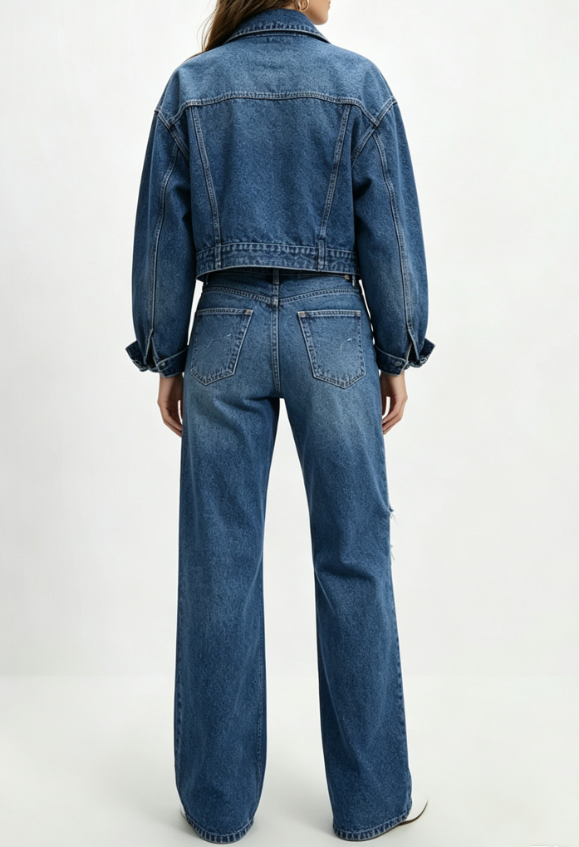
Custom Denim Sets
Produce men’s denim suits wholesale as coordinated denim sets, including jackets, overshirts, jeans and matching shorts. We align fabric, wash, color, hardware and grading across each piece, with low MOQs for new collection testing.
Request a Quote
Custom Polo Shirts
Manufacture custom polo shirts in organic cotton piqué, recycled blends, jersey or performance knits. We develop collar structure, plackets, sleeve finishes and fit, then add embroidery, printing, labels and packaging for retail-ready delivery.
Request a Quote
Custom Sweatpants
Develop custom sweatpants in recycled fleece, organic cotton French terry or performance knit fabrics. Pattern makers refine rise, taper, inseam and mobility across the size range, with custom pockets, drawcords, printing, embroidery and wash finishes.
Request a Quote
Custom Shorts
Produce custom shorts in recycled cotton, organic jersey, French terry, twill or performance fabrics. We tailor inseam, rise, pocket construction and fit for your market, then integrate decoration, trims, labels and packaging at production scale.
Request a Quote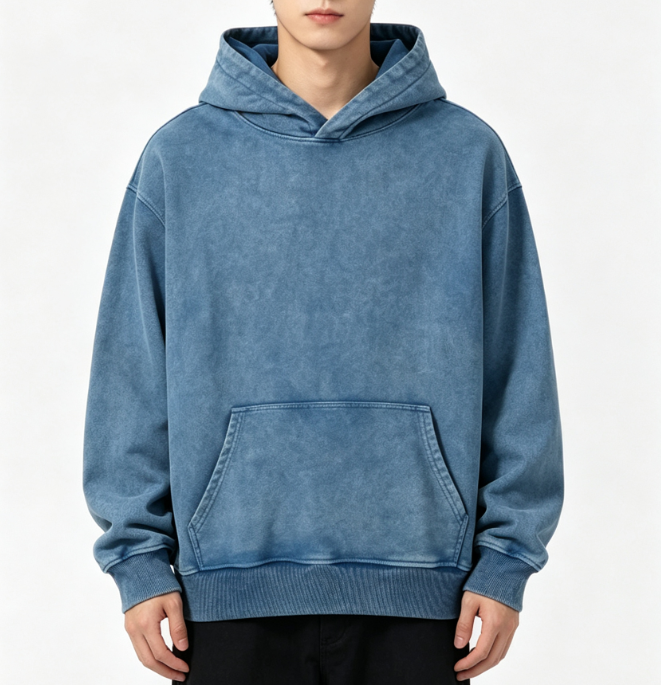
Custom Pullovers
Create custom pullovers in recycled or organic knit, jersey, fleece and woven fabric options. Junsheen supports quarter-zip, half-zip and hoodless silhouettes with fit development, size grading, custom trims, decoration and reliable bulk quality control.
Request a QuoteSustainable Fabric Supplier Materials We Can Source

Organic Cotton Jersey
Soft, breathable organic cotton jersey suits premium T-shirts, polos, and lightweight layers. Available in multiple weights, it offers a smooth hand feel, comfortable natural stretch, and dependable print performance.

French Terry
French terry provides a clean outer face with soft loopback texture for hoodies, sweatshirts, and joggers. Its medium-to-heavy weight delivers breathable warmth, durable structure, and a relaxed premium hand feel.

Recycled Performance Knits
Recycled performance knits work well for active casualwear, fitted tops, and layering pieces. Moisture-management options can combine lightweight stretch, shape recovery, and a smooth hand feel for movement-focused garment designs.

Recycled Stretch Denim
Recycled stretch denim supports jeans, denim sets, skirts, and structured overshirts with reduced virgin-fiber reliance. Adjustable ounce weights and elastane content help balance authentic denim character, mobility, and wash durability.

Recycled Polyester Fleece
Recycled polyester fleece is a warm, plush option for hoodies, zip layers, and outerwear linings. Brushed constructions provide insulating loft, a soft hand feel, and strong resistance to repeated-wear pilling.

Organic Cotton Twill
Organic cotton twill gives jackets, trousers, workwear, and caps a crisp yet comfortable hand feel. Its diagonal weave creates durable structure, while varied weights support both lightweight utility pieces and substantial outerwear.
Sustainable Fabric Supplier Decoration and Finishing

Custom Embroidery
Flat, 3D puff, chain-stitch, applique, and patch embroidery create textured, long-wearing brand details. We match thread, backing, placement, and stitch density to your selected sustainable fabric for a clean, durable finish.

Screen Printing
Water-based and plastisol screen printing deliver bold, consistent artwork for tees, fleece, and jersey. Our team tests ink adhesion and print coverage against the fabric weight and hand feel required for your sustainable apparel program.

Digital Printing
DTG and DTF printing reproduce detailed artwork, gradients, and short-run graphics with flexible placement. We recommend the right method after reviewing fiber content, color, stretch, and wash expectations for your garment.

Dye Sublimation
Dye sublimation creates vivid, lightweight, all-over color on compatible performance fabrics without adding a heavy surface layer. It is ideal for custom sportswear-inspired pieces, repeat patterns, and graphic panels requiring reliable wash durability.

Garment Washing
Enzyme, softening, anti-pilling, garment-dye, acid-wash, and stone-wash treatments refine hand feel and visual character. We develop wash samples first, helping brands assess color, shrinkage, abrasion, and durability before bulk approval.

Private-Label Accessories from Your Sustainable Fabric Supplier

Woven Brand Labels
Custom woven main labels give hoodies, denim, knitwear, and outerwear a durable branded finish. JUNSHEEN matches label size, weave, fold style, and placement to your private-label garment specifications.

Care and Size Labels
Add wash-care and size labels that support clear garment use, fiber disclosure, and consistent size communication from XS through 3XL. Options include printed, woven, and satin constructions for different product categories.

Custom Hang Tags
Branded hang tags help communicate your collection story, material choices, fit notes, and retail presentation before the garment is worn. Choose custom shapes, stocks, strings, finishes, and barcode-ready layouts.

Buttons and Snaps
Specify branded buttons and snaps for denim, jackets, polos, and outerwear. Our sourcing team helps balance finish, durability, attachment method, and target cost while coordinating hardware with your garment design.

Zippers and Drawcords
Select zippers, pullers, drawcords, aglets, and tipping details that reinforce function and brand identity on hoodies, sweatpants, jackets, and outerwear. Samples help confirm color, hand feel, and performance before bulk production.
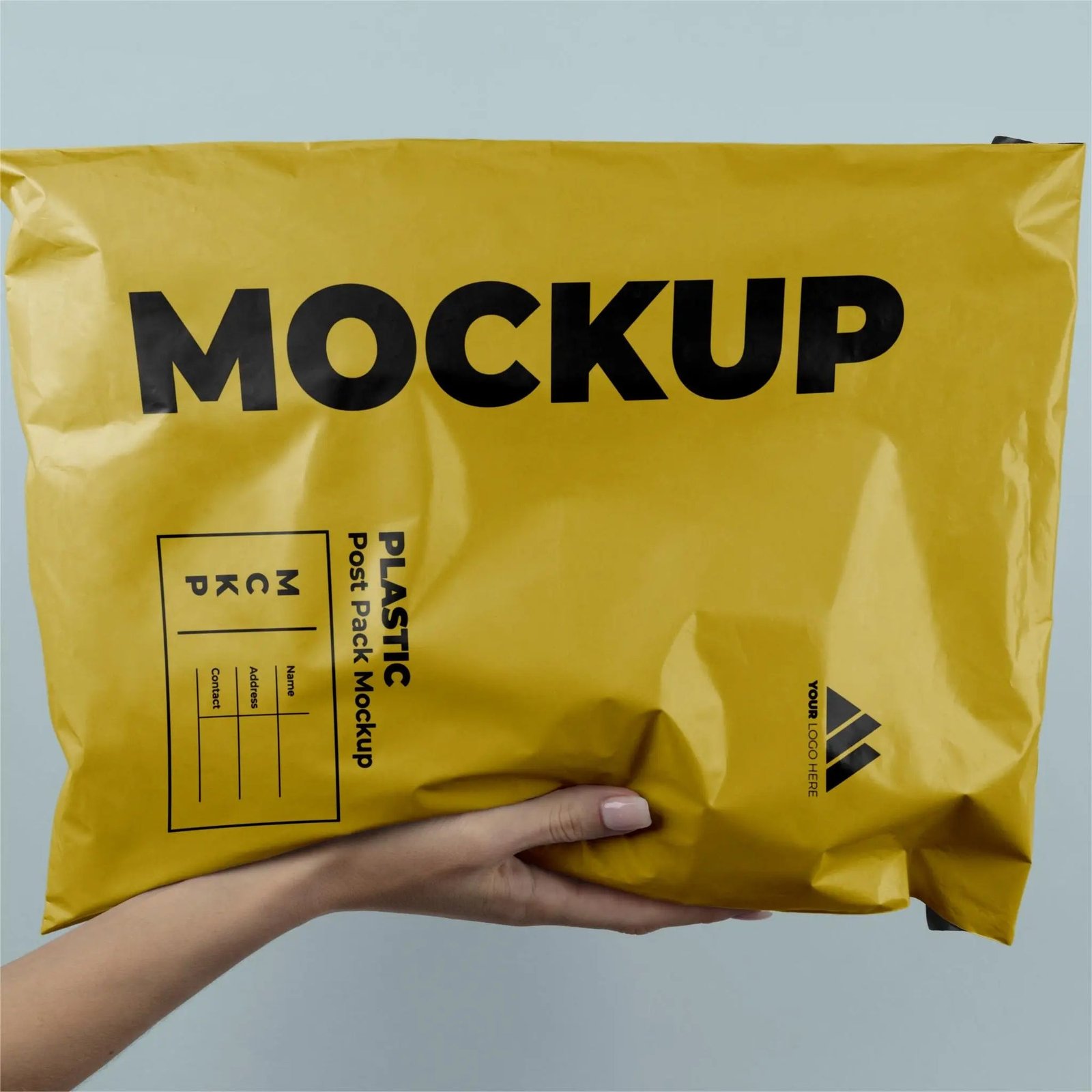
Custom Packaging
Finish each order with branded polybags, garment bags, tissue, stickers, inserts, or carton markings. Packaging can be coordinated with your private-label presentation and export requirements for retail-ready global delivery.
Sustainable Fabric Supplier Since 2010
Founded in 2010 in Humen Town, Dongguan, JUNSHEEN helps fashion brands turn sustainable apparel concepts into production-ready collections. As a sustainable fabric supplier and OEM partner, we combine material sourcing with practical product development for casualwear, denim, knitwear and outerwear programs.
Our 200+ skilled workers support monthly capacity above 80,000 units, from 100-unit capsule orders to scalable repeat production. More than 2,000 fashion-brand clients across global markets rely on our cut-and-sew, knitting, sampling, decoration, quality control and export capabilities.
What sets JUNSHEEN apart is an integrated, fit-first approach. We manage fabric and trim selection, XS–3XL pattern grading, private-label details, finishing and packed-goods inspection within one responsive supply chain, giving brands clearer decisions and more consistent results from development through shipment.

Sustainable Fabric Supplier With Fit-First Production
XS–3XL Pattern Grading
JUNSHEEN develops normal, extended, plus-size and oversized fits from XS through 3XL. Our pattern makers adjust shoulder balance, sleeve length, rise, body proportion and mobility across the size range, helping brands approve more reliable fits before bulk production.
- Fit-focused grading rather than simple pattern enlargement
- Size sets for review before pre-production approval
- Support for casualwear, denim, outerwear and knitwear
- Low MOQ from 100 units per style and color

Fabric Swatches With Purpose
As a sustainable fabric supplier, we recommend materials around your target cost, hand feel, garment weight, drape, stretch, durability and wash performance. Review swatches and sample garments before confirming bulk materials, so responsible sourcing decisions remain practical for the product.
- Organic cotton, recycled options, denim, fleece and performance knits
- Material recommendations aligned with product specifications
- Swatch review before bulk material confirmation
- Supplier-network sourcing for scalable production

In-House Surface Detail
Bring branding and garment character into one coordinated production workflow. JUNSHEEN manages embroidery, print effects, washes, finishing, labels, trims and packaging in-house, allowing decoration choices to be tested against fabric behavior, fit and overall product presentation.
- Embroidery, patches, screen printing, DTF and DTG
- Garment dye, enzyme, acid wash and brushing options
- Custom labels, hang tags, hardware and branded packaging
- Decoration checks integrated with quality control

Repeat Orders Stay Consistent
For repeat programs, JUNSHEEN retains patterns, graded size sets and material records to improve consistency and shorten redevelopment time. Our 200+ skilled workers and 80,000+ monthly-unit capacity support a smooth transition from small launches to ongoing global production.
- Retained technical records for faster reorders
- Incoming, in-line and final packed-goods inspections
- Scalable capacity for capsule and bulk programs
- Global export support for growing apparel brands

Why Choose JUNSHEEN as Your Sustainable Fabric Supplier
One integrated partner for low-MOQ, fit-focused apparel development, responsible material sourcing, quality control, and global delivery.
← 左右滑动查看 →
Sustainable Fabric Supplier Production Process
A clear, fit-focused workflow for low-MOQ apparel development, controlled production, and global delivery.
Review Brief and Feasibility
We assess your tech pack, reference, target cost, MOQ, fit needs, and delivery goals, then recommend practical construction and development steps.
Source Materials and Trims
Our team sources sustainable fabric options, swatches, labels, hardware, and trims based on hand feel, weight, durability, wash performance, and budget.
Develop Patterns and Samples
Pattern makers create and grade fit-focused XS–3XL patterns, then produce prototypes and size sets for approval before bulk materials are confirmed.
Confirm Order and Produce
After sample approval, we confirm specifications and begin scalable cut-and-sew or knit production, including decoration, washing, finishing, and private-label details.
Inspect Pack and Ship
Multi-stage checks cover incoming materials, construction, measurements, decoration, fit, and packed goods before branded packaging and international export shipment.
Work with Our Sustainable Fabric Supplier Team
Move from a concept or tech pack to approved bulk apparel with clear material, fit, quality, and shipping checkpoints.
Send Your Product Brief
Share a tech pack, sketch, reference garment, mood board, or idea, including target quantities, sizes, sustainable material preferences, and desired decoration details.
Review Feasibility and Quote
Our team assesses construction, fabric availability, fit requirements, MOQ, lead time, and finishing options, then provides practical recommendations and a detailed quotation.
Approve Fabrics and Samples
Review material swatches and prototype samples, then confirm measurements, grading, colors, trims, labeling, and workmanship before releasing your order for production.
Launch Bulk Production
JUNSHEEN manages cut-and-sew or knit production, decoration, washing, in-line inspections, and final quality control while retaining records for consistent repeat orders.
Receive Global Shipment
After final packing approval and balance settlement, we coordinate export-ready packing and global shipping support for your 100-unit launch or scalable ongoing program.
Custom Clothing Manufacturer Credentials and Compliance Documents



Results from a Sustainable Fabric Supplier Built for Growing Brands
JUNSHEEN helped us move from organic-cotton swatches to approved hoodies in two sampling rounds. Their fit corrections across XS–3XL reduced our size-related customer exchanges by 18% in the first season.
We launched a 100-unit recycled-denim capsule without being treated like a small account. The team matched our wash reference, kept measurements consistent, and delivered on schedule for our retail launch.
After three repeat orders, JUNSHEEN has become our dependable production partner. Their material records and graded patterns shortened our development timeline by about 30%, while scaling our knitwear order from 240 to 1,800 units.
Sustainable Fabric Supplier FAQ
Clear answers on low-MOQ sustainable apparel sourcing, sampling, quality control, payment, shipping, and confidentiality.
Can a sustainable fabric supplier support a 100-unit MOQ?
How long do samples take from a sustainable fabric supplier?
What does sustainable fabric sampling cost?
Can you provide sustainable fabric swatches and material documentation?
What payment terms do you offer for low-MOQ apparel orders?
Do you ship sustainable apparel orders internationally?
How do you check quality before shipping?
How does a sustainable fabric supplier protect my designs and tech packs?
The Complete Sustainable Fabric Supplier Buyer’s Guide
Use this decision framework to evaluate materials, certifications, minimums, quality controls, customization, and commercial fit—while avoiding sourcing mistakes that create hidden costs, delayed launches, or unsupported sustainability claims.
1. What Is a Sustainable Fabric Supplier?
100-unit apparel programs often rely on a garment supplier that sources approved materials rather than buying directly from a mill. A sustainable fabric supplier may be a spinning-and-weaving mill, a fabric agent representing several mills, an integrated manufacturer, or an OEM partner such as Junsheen that qualifies fabrics for the finished garment. 3 records turn a sustainability claim into a sourcing decision: fiber origin or composition, processing information, and documentation matched to the exact fabric and order. Buyers should ask whether organic or recycled content is traceable, whether dyeing and finishing controls water, chemicals, and energy, and whether certificates such as GOTS, OEKO-TEX or GRS apply to the offered fabric—not merely to another supplier facility. 2010 is the year Junsheen began building its Dongguan apparel manufacturing operation; for buyers, its role is to connect fabric selection with pattern, fit, sampling, decoration, wash testing, and bulk quality control. Responsible sourcing also includes credible labor-practice evidence, reliable material records, and a fabric choice that meets required GSM, stretch recovery, hand feel, colorfastness, durability, target cost, and end use. 80,000-plus monthly unit capacity does not make a material sustainable by itself. Expect swatches, specification confirmation, relevant certificates, clear composition and care data, and sample-garment approval before bulk commitment; vague eco language without these checks is a marketing claim, not a sourcing standard.
2. Evolution of Sustainable Fabric Sourcing
1990s sourcing discussions centered on natural inputs such as organic cotton, linen, hemp, and wool; the central question was fiber origin. As performance apparel grew, buyers also needed stretch, abrasion resistance, colorfastness, and dependable wash results—requirements a sustainable fabric supplier must evaluate alongside fiber claims. 2000s recycling and lower-impact cellulosics expanded the material toolbox, bringing recycled polyester and nylon, lyocell, modal, and viscose sourcing into mainstream development. Certifications such as GOTS, the Global Recycled Standard, OEKO-TEX STANDARD 100, and FSC or PEFC chain-of-custody documentation gave buyers defined scopes to check, although no single certificate proves every environmental or social claim. 2020s regulation, retailer scorecards, and consumer scrutiny shifted sourcing toward traceability: fiber content, recycled-content basis, chemical controls, mill records, and country-of-origin evidence now influence approvals. Regenerative agriculture and preferred cellulosics add upstream considerations, while technical testing still matters for pilling, shrinkage, torque, seam slippage, and colorfastness. 100-unit capsule orders can therefore start with swatches and supplier documents, but bulk approval should follow lab results, construction trials, and records matched to the exact fabric lot. Broad eco-friendly wording is not a sourcing standard; buyers need evidence that connects a claimed material, certificate scope, performance specification, and finished garment.
3. Types of Sustainable Fabric Supplier
Six supplier models dominate sustainable fabric sourcing, and each trades control, MOQ, speed, and documentation differently. Match the model to your development stage before locking color, fiber, or certification claims.
| Model | Strength | MOQ Behavior | Traceability | Best Fit |
|---|---|---|---|---|
| Textile mill | Custom construction | High | Batch-dependent | Scaling |
| Fabric trader | Fast availability | Low to medium | Variable | Sampling |
| Integrated manufacturer | Development coordination | Garment-led | Managed records | Complex programs |
| Deadstock specialist | Unique inventory | Low | Lot-specific | Small capsules |
| Recycled-fiber producer | Material expertise | Medium to high | Fiber documentation | Repeat styles |
| Certified platform | Verified options | Variable | Certificate-led | Claim-sensitive sourcing |
Mill Direct Programs
500–3,000 meters per color is a common mill-direct threshold. Mills offer the best repeatability and custom knitting or weaving, but sampling is slower and traceability depends on transaction certificates and batch records.
- Best for scaled core styles
- Strong color and construction control
- Limited flexibility below bulk MOQ
Merchant And Integrated Sources
50–300 meters is often workable through a fabric trader, while vertically integrated garment manufacturers can coordinate fabric, patterns, and sampling. Traders speed swatch access but may have shallower chain-of-custody visibility; integrated teams suit complex, production-ready programs.
- Traders: fast sampling and mixed fabrics
- Integrated manufacturers: fewer handoffs
- Confirm mill, fiber, and certification documents
Specialty Sustainability Channels
1–100 rolls can be practical for deadstock, recycled-fiber producers, and certified material platforms. Deadstock supports limited runs but cannot guarantee replenishment; recycled specialists and certified platforms offer clearer claims, yet approved-color and MOQ constraints remain.
- Deadstock: capsules and one-offs
- Recycled producers: scalable repeat programs
- Platforms: audited material comparison
4. Sustainable Fabric Supplier Materials Compared
160–400 GSM covers most casualwear and outerwear shells, but fabric selection should begin with end use and wash testing. A sustainable fabric supplier should compare traceability, hand feel, recovery, and care—not only fiber content.
| Material | Typical GSM | Performance And Hand | Sustainability Caution | Best Applications |
|---|---|---|---|---|
| Organic cotton | 150–400 | Soft, breathable | Verify GOTS scope | Tees, fleece |
| Recycled cotton | 180–320 | Matte, less strong | Check blend and pilling | Denim, sweats |
| Recycled polyester | 160–350 | Durable, quick-dry | Review certification, shedding | Outerwear, performance |
| Lyocell-type | 140–240 | Smooth, drapey | Confirm fiber origin | Jersey, dresses |
| Hemp | 180–300 | Strong, textured | Expect variable softness | Shirts, twill |
| Linen | 140–260 | Cool, crisp | Creases readily | Summer separates |
| Responsible wool | 220–450 | Warm, resilient | Confirm RWS traceability | Knitwear, coats |
| Blends | 180–380 | Balanced recovery | Assess end-of-life | Extended-size apparel |
Natural Cellulosics
150–280 GSM organic cotton jersey is soft, breathable, and dependable for tees, polos, and French terry; verify GOTS scope rather than assuming all organic claims cover processing. 180–300 GSM hemp and linen blends add dry texture and strength for shirts, shorts, and light jackets, although they crease and can feel firmer before laundering.
Regenerated And Recycled Fibers
140–240 GSM lyocell-type cellulosics provide smooth drape and moisture management for tees, dresses, and denim blends; request fiber-origin and mill documentation. 180–320 GSM recycled cotton lowers virgin-fiber demand but can reduce yarn strength, so blend ratios and pilling tests matter. Recycled polyester improves abrasion resistance and drying speed, yet requires microfiber-shedding and certification review.
Wool And Blend Decisions
220–450 GSM responsible wool supplies warmth, resilience, and odor resistance for sweaters and outerwear; confirm animal-welfare and traceability standards such as RWS. 5–15% elastane or recycled polyester can improve recovery and durability in extended-size garments, but higher synthetic content may change hand feel and end-of-life options.
5. Customization and Decoration for Sustainable Fabrics
Pantone-coded color, fiber content, and fabric construction must be locked before a bulk dye lot is approved. A sustainable fabric supplier should test the intended wash and decoration on the actual fabric, because recycled blends, denim, fleece, and jersey absorb color and stress differently.
| Customization | Best Fabric Fit | Pre-Bulk Check |
|---|---|---|
| Reactive or garment dye | Cotton jersey, French terry | Lab dip and wash panel |
| Water-based or discharge print | Cotton-rich knit | Cure and wash test |
| Embroidery | Fleece, twill, denim | Stitch density and backing |
| Recycled trims | Any confirmed construction | Certification and color approval |
Color And Wash Planning
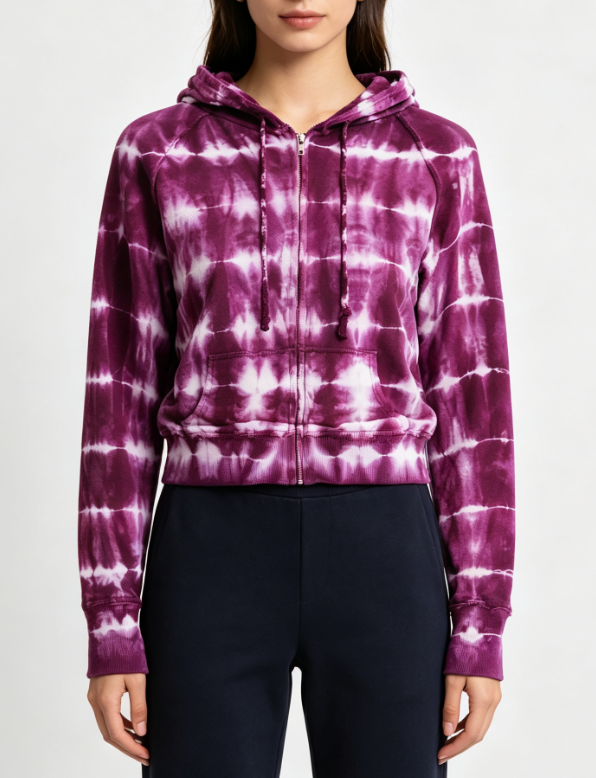
GSM, fiber blend, and knit density affect shade depth, shrinkage, and garment-dye results. Cotton jersey typically accepts reactive dye well; polyester-rich performance knits require disperse dye and can limit wash effects. Pantone references are targets, not guaranteed matches across fibers or dye lots. Approve lab dips, wash panels, and a signed shade band under the same light source before cutting bulk.
- Confirm color standard and light source
- Approve lab dip on production fabric
- Test enzyme, acid, or garment wash
- Set acceptable shade variation
Lower-Impact Decoration

Water-based screen print, discharge print, and DTG can reduce plastisol use when the fabric and artwork support them. Discharge needs dyeable cotton and a compatible base color; it is unsuitable for many polyester blends. OEKO-TEX-certified inks, recycled polyester embroidery thread, and certified paper hang tags are useful specifications only when documented by the selected supplier. Ask for cure-temperature and wash-test records, not generic sustainability language.
Trim And Bulk Sign-Off
YKK zippers, recycled zipper tape, organic-cotton drawcords, and recycled polyester labels should be specified by material, color, finish, and approved sample. Changing trims after sampling can alter cost, lead time, recyclability, and appearance. 100-unit capsule orders especially need one final approval pack: fabric lot, lab dip, artwork files, thread color, label copy, wash recipe, and inspection standard. Junsheen can retain material and pattern records for repeat-order consistency.
- Artwork size and placement
- Embroidery backing and stitch density
- Label composition and care copy
- Wash durability requirement
6. Construction Quality From a Sustainable Fabric Supplier
A sustainable fabric supplier should prove performance in the finished garment, not only provide a certification. Before bulk approval, convert fiber, construction, wash and color targets into measurable pass-fail benchmarks.
Set Construction Specifications

100% cotton is not a complete specification: agree fiber-content tolerance, yarn type, knit or weave construction, and GSM with an allowable variance before sampling. 280–360 GSM French terry suits many premium hoodies, while 160–220 GSM jersey suits T-shirts. Ring-spun yarn, loopback structure and controlled finishing usually produce a cleaner hand than open-end alternatives.
- Confirm fiber-content tolerance
- State finished GSM tolerance
- Name knit or weave structure
- Record width and usable yield
Approve Wash Performance
3 wash cycles should be run on the approved sample using the intended care method. Measure body length, chest, twist and surface change after each cycle, rather than approving an unwashed prototype. 5% or less lengthwise and widthwise shrinkage is a common benchmark for casualwear, subject to garment category. Request pilling, colorfastness and dimensional-stability results from an agreed test method.
- Wash and dry as labeled
- Photograph before-and-after appearance
- Check seam torque and rib recovery
Verify Color And Strength
Pantone lab dips should be approved under the same light source used for production review. Compare shade, crocking and wash fastness on the actual fabric lot, especially for dark denim and garment-dyed styles. ASTM or ISO test reports can establish tensile or tear strength, stretch percentage and recovery. For stretch knits, test recovery after repeated extension; for wovens, test seam slippage and tear resistance.
- Approve lab dip before bulk dyeing
- Retain signed swatch and test report
- Test decoration after wash trials
7. How to Choose a Sustainable Fabric Supplier
100-unit capsule orders can be a sensible starting point, but supplier selection should test repeat-order readiness from day one. A sustainable fabric supplier must document material claims and turn approved fabric into a production-compatible garment.
Verify Traceability And Claims
Each claimed fiber should have a traceable chain from mill or spinner to dyehouse and garment factory. Ask for transaction certificates where applicable, fiber composition reports, lot records, and the certification scope—not merely a logo on a sales sheet.
- Verify GOTS or OEKO-TEX scope and certificate validity
- Match purchase-order fabric lots to mill documents
- Confirm recycled-content claim and transaction certificate
Test Development Compatibility

180–320 GSM jersey, French terry, fleece, and denim behave differently in shrinkage, stretch, print adhesion, and seam construction. Request swatches, wash-test results, a prototype, and clear advice on patterns, grading, decoration, and fabric substitutions.
- Ask for sampling lead time and revision process
- Approve Pantone, hand feel, weight, and wash standard
- Check compatibility with embroidery, DTF, or screen printing
Measure Operational Reliability
80,000 units of monthly capacity means little without incoming inspection, in-line measurement checks, final audit procedures, and realistic booking windows. Ask which country produces and exports the goods, who communicates daily, and how defects, delays, and replacement claims are handled.
- Request QC checklist and measurement tolerances
- Confirm capacity during peak-season booking
- Name one accountable merchandising contact
Build For Scalable Terms
100 units per style and color can reduce launch risk, while retained patterns, graded size sets, and approved material records make reorders faster. Confirm MOQ by fabric, color, and trim; then document sample fees, freight terms, payment stages, and the balance due before shipment.
- Compare first-order deposits with repeat-order terms
- Reserve scalable fabric options before launch
- Avoid low MOQ stock that cannot be replenished
8. Sustainable Fabric Supplier Mistakes to Avoid
A sustainable fabric supplier can support a credible collection only when buyers control evidence through each material and production stage. Seven recurring sourcing errors create rework, delayed launches, unplanned testing costs, and claims that cannot survive retailer or customer review.
Verify Scope, Not Logos
A GOTS or OEKO-TEX document may apply to one mill, colorway, or processing stage—not every SKU. Require certificate number, scope, validity date, fiber composition, and the exact fabric lot before approving sustainability copy.
Approve Bulk-Representative Materials
A 10 cm swatch cannot reveal shrinkage, pilling, spirality, colorfastness, or print behavior after washing. Test a sample garment from the proposed bulk lot, then lock GSM, Pantone, hand feel, and wash standard in the purchase order. A 50/50 cotton-polyester blend may meet cost and performance targets but is harder to recycle than a mono-material garment. Map fiber content, elastane percentage, trims, labels, and decoration before presenting an end-of-life claim.
Control Wet Processing And Tests
Reactive dyeing, pigment dyeing, washing, and finishing can materially change water, chemical, and energy impacts. Ask the mill or dye house for the process route, restricted-substance controls, wastewater approach, and approved color standard. ISO 105 colorfastness, ASTM D4966 abrasion, and shrinkage limits should be agreed before bulk cutting. Define the test method, sample quantity, pass/fail threshold, and who pays for retesting to avoid disputes after inspection.
Plan Capacity And Claims
A 100-unit MOQ signals order flexibility, not ready fabric inventory, dye-house slots, or immediate sewing capacity. Confirm minimum fabric yardage, lead time, color availability, sampling sequence, and bulk booking date with the sustainable fabric supplier. FTC Green Guides and comparable market rules make broad terms such as ‘eco-friendly’ commercially risky without substantiation. Keep transaction certificates, test reports, composition records, and supplier declarations tied to each claim and SKU.
9. Steps to Launch a Sustainable Apparel Line
100-unit capsule orders should begin with a customer, price point, channel, size range, and seasonal delivery date—not a fabric claim. Two parallel partners are usually needed: a sustainable fabric supplier confirms material data, while the garment factory converts it into a production-ready style.
Build The Product Brief
3 core styles are a practical first drop: for example, a 320 GSM French-terry hoodie, stretch-denim jean, and 7-gauge cardigan. Define intended fit from XS–3XL early; extended-size grading must revise proportions, not simply enlarge a base pattern.
- Target retail price and margin
- Fabric weight, hand feel, and color
- Fit block, size range, and tolerance
Shortlist Materials And Suppliers

2–4 material options per style keep review manageable: organic cotton jersey, recycled-poly fleece, lower-impact denim, or certified wool blends. Request composition, GSM, usable width, MOQ, color availability, test reports, certifications, and dyeing or finishing details before a mill is nominated.
- Match fabric MOQ to garment forecast
- Confirm stock versus custom production
- Ask who controls bulk shade approval
Sample, Fit, And Test
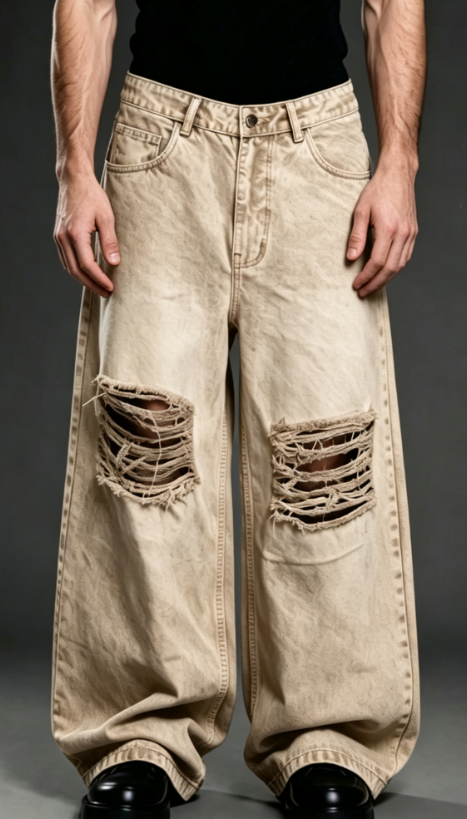
1 development sample should test construction before branding, followed by a size set and pre-production sample after approvals. Run wash testing for shrinkage, twisting, colorfastness, pilling, seam slippage, and decoration durability; denim washes and water-repellent outerwear need process-specific review.
- Approve Pantone and lab-dip standards
- Measure after specified wash cycles
- Record fit comments by size
Approve Production And Claims
30–50% deposits are common after final costing, but fabric booking should wait until the approved sample, bill of materials, and compliance documents align. Verify applicable OEKO-TEX, GOTS, WRAP, or BSCI evidence directly with the relevant supplier; communicate only substantiated fiber, certification, and care claims.
- Lock final fabric lot and trims
- Inspect incoming fabric and inline sewing
- Retain test reports and material records
10. Sustainable Fabric Supplier Pricing and Costs
100 units per style and color is a practical starting point for a capsule, but its unit cost is usually highest because development, pattern work, markers and fabric loss are spread across fewer garments. A sustainable fabric supplier must price the exact fiber content, certification chain, yarn type, construction, GSM, color count, dye method, finishing, decoration, trims, testing, packing and freight—not simply ‘organic cotton’ or ‘recycled polyester.’ 160–220 GSM ring-spun organic-cotton jersey, 280–360 GSM French terry and heavy recycled-polyester fleece use different yarn quantities, knitting time and yield; brushed, enzyme-washed, garment-dyed or water-repellent finishes add both process cost and lead-time risk. GOTS or OEKO-TEX documentation, Pantone lab dips, shrinkage/colorfastness testing, custom labels, YKK hardware and embroidery can be economical in bulk but disproportionately affect a 100-piece run. 5–12% fabric allowance is commonly needed for cutting loss, shade variation, defect replacement and repeat testing, with more required for stripes, large checks, placement prints or washed denim. Request a line-item quotation against an approved tech pack and bill of materials, then compare comparable Incoterms and shipment methods before choosing the lowest headline price.
| Order quantity | Indicative unit-cost direction | Typical lead-time implication |
|---|---|---|
| 100–299 units | Highest; fixed setup spread over few pieces | More sampling and material consolidation |
| 300–999 units | Lower; better fabric and trim purchasing leverage | Smoother bulk booking after approvals |
| 1,000+ units | Lowest comparable unit cost; bulk efficiency improves | Allow time for capacity booking and full testing |
Start Sustainable Apparel Development With a Trusted Sustainable Fabric Supplier
Send your tech pack, reference garment, or sourcing brief to JUNSHEEN for sampling or scalable bulk-production pricing from 100 units per style and color.