
Cardigan Sweater Manufacturer for Fit-Focused Private Label
JUNSHEEN is a cardigan sweater manufacturer offering OEM, ODM and private-label production from 100 units, with XS–3XL fit development.
Featured Products for cardigan sweater manufacturer Development


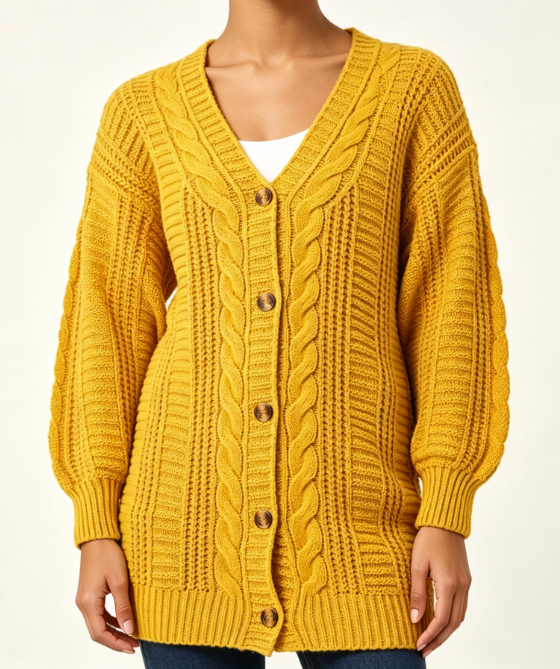


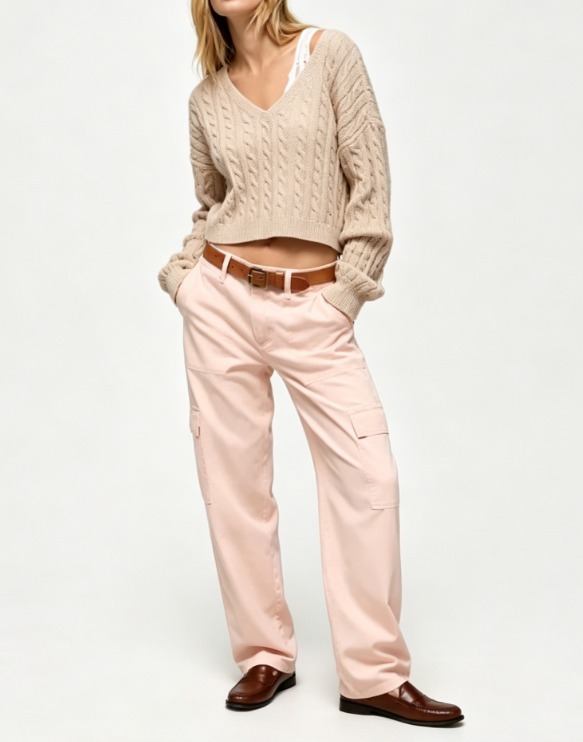
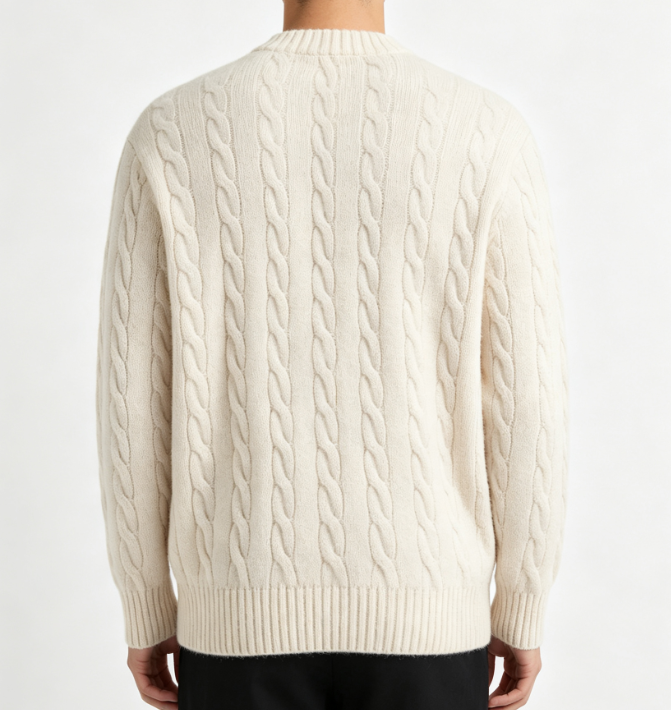

Related Cardigan Sweater Manufacturer Catalogue & Quotation


Why Brands Choose JUNSHEEN as Their Cardigan Sweater Manufacturer
From first sample to global shipment, we combine flexible knitwear development with dependable production support.
100-Unit Starting MOQ
Launch a focused cardigan colorway or capsule collection from 100 units per style and color without sacrificing development support.
Fit-Focused XS–3XL Grading
Our pattern team refines proportions, sleeve balance and mobility across standard, extended-size, plus-size and oversized cardigan fits.
Versatile Knitwear Development
Develop custom cardigans from tech packs, sketches or references with yarn, gauge, construction and manufacturability guidance.
Integrated Branding Details
Add logo embroidery, custom labels, buttons, patches, hang tags and branded packaging through one coordinated production partner.
Scalable Global Production
With 200+ skilled workers and 80,000+ monthly units of capacity, JUNSHEEN supports repeat orders and export-ready growth.
Custom Knitwear & Casualwear Manufacturing
Fit-focused development and scalable private-label production across knitwear, denim, outerwear, and core casualwear—from 100 units per style and color.
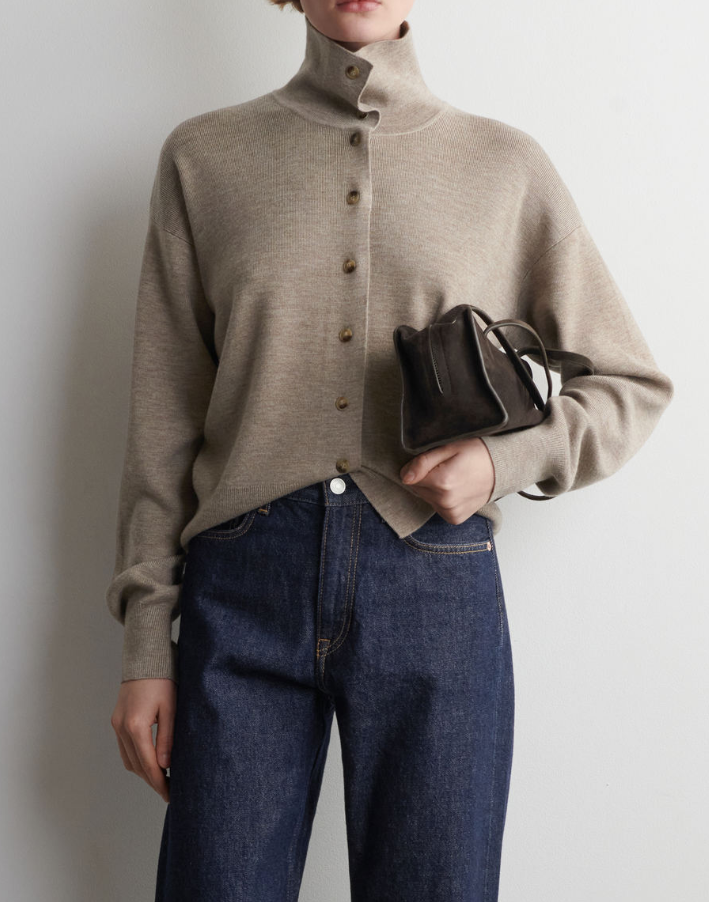
Custom Hoodies
Develop custom hoodies in fleece, French terry, or jersey with fit development from XS–3XL. Choose cut-and-sew specifications, fabric weight, embroidery or printing, washes, branded trims, labels, and packaging for capsule launches or repeat programs.
Request a Quote
Custom T-Shirts
Produce custom T-shirts in combed cotton, Pima cotton, organic options, and blended jersey. Junsheen supports necklines, weights, fits, graded size sets, screen printing, DTG, DTF, embroidery, garment dye, labels, and bulk-ready approvals.
Request a Quote
Custom Jeans
Develop custom jeans with denim or stretch-denim sourcing, fit-specific pattern work, rise and inseam options, washes, distressing, hardware, patches, and branded labels. Size grading is refined for normal, extended-size, plus-size, and oversized denim programs.
Request a Quote
Custom Sweaters
Source turtle neck sweater bulk programs and custom sweaters through Junsheen’s knitting capability. Develop gauges, yarn blends, rib structures, neck shapes, silhouettes, and graded sizing, then approve samples before scalable production and private-label finishing.
Request a Quote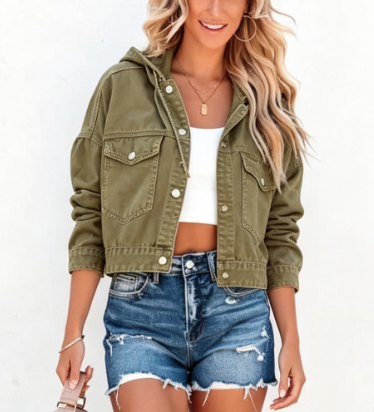
Custom Jackets
Build custom jean jackets and other cut-and-sew jacket programs with denim, twill, woven, or stretch constructions. Specify fit, pocket layout, hardware, washes, embroidery, patches, labels, and packaging for brand-consistent outerwear production.
Request a Quote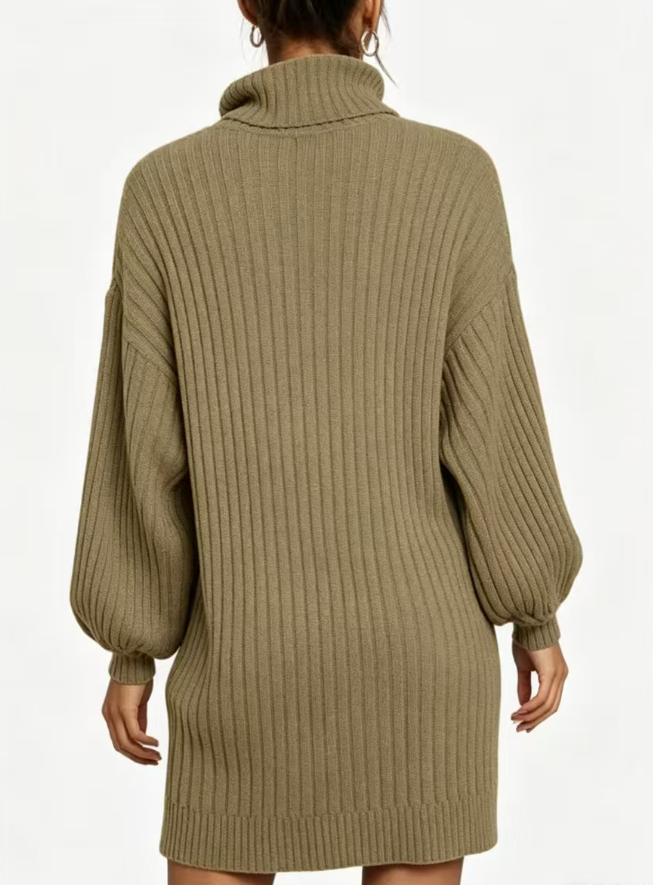
Custom Sweatshirts & Crewnecks
Produce custom crewneck hoodie and sweatshirt styles in fleece, French terry, or jersey. Control body proportion, rib specifications, neckline, sleeve balance, decoration, washes, and XS–3XL grading while maintaining repeatable bulk construction.
Request a Quote
Custom Cardigans
Develop custom cardigans with knitwear structures tailored to your target hand feel, weight, and silhouette. Junsheen supports yarn selection, gauges, button or zipper trims, rib details, fit grading, private labels, samples, and bulk production.
Request a Quote
Custom Puffer & Down Jackets
Manufacture custom puffer jackets with shell, lining, insulation, quilting, zipper, pocket, and trim specifications aligned to your market requirements. Sampling verifies fit and construction before production, with support for branded labels and export-ready packaging.
Request a Quote
Custom Denim Shorts
Produce custom jean shorts in rigid or stretch denim with chosen rise, inseam, hem treatment, pocket construction, washes, distressing, hardware, and labels. Pattern development supports consistent proportions across XS–3XL size ranges.
Request a Quote
Custom Sweater Dresses
Create custom sweater dresses with knit construction, yarn, gauge, neckline, length, ribbing, and silhouette developed for your intended customer. Review samples and graded size sets before bulk production, including labels, trims, and packaging.
Request a Quote
Custom Denim Sets
Develop mens denim suits wholesale programs as coordinated denim sets, including matching jackets and jeans. Align fabric, wash, color, hardware, fit, grading, and labeling across both pieces for consistent private-label production and replenishment orders.
Request a Quote
Custom Polo Shirts
Manufacture custom polo shirts in piqué, jersey, performance knit, or blended fabrics. Define collar construction, placket, sleeve finish, fit, embroidery placement, color blocking, labels, and packaging, with development support from specification review through bulk approval.
Request a Quote
Custom Sweatpants
Produce custom sweatpants in fleece, French terry, jersey, or performance knits. Refine rise, leg shape, cuff, waistband, pocket construction, drawstrings, decoration, and XS–3XL grading for coordinated sets or standalone casualwear programs.
Request a Quote
Custom Shorts
Develop custom shorts in jersey, fleece, twill, denim, woven, or performance fabrics. Choose inseam, waistband, pockets, fit, trims, printing or embroidery, washes, labels, and packaging, starting at 100 units per style and color.
Request a Quote
Custom Pullovers
Manufacture custom pullovers in cut-and-sew fleece, French terry, jersey, or sweater constructions. Specify neck shape, fit, ribbing, fabric weight, decoration, wash effects, labels, and size grading for private-label launches and ongoing production.
Request a QuoteCardigan Sweater Manufacturer Materials for Custom Knitwear

Combed Cotton Yarn
Soft, breathable combed cotton yarn creates clean everyday cardigans with a smooth hand feel. Its low-pilling surface and balanced medium weight suit trans-seasonal button-front styles, rib trims, and relaxed layering pieces.

Wool Blend Yarn
Wool-blend yarn adds natural warmth, resilient loft, and a premium hand feel for colder-season cardigans. Blended fibers improve shape retention and wear resistance while maintaining comfortable drape for refined classic silhouettes.

Viscose Nylon Blend
Viscose and nylon yarn delivers a silky, fluid hand with stronger recovery than viscose alone. It works well for lightweight fashion cardigans, fine gauges, and body-skimming styles requiring smooth drape and lasting shape.

Cotton Acrylic Blend
Cotton-acrylic yarn balances breathable comfort with dependable color retention and easier care. Its versatile medium-weight construction suits casual private-label cardigans, oversized layers, and repeat-wear programs requiring reliable bulk consistency.

Merino Wool Blend
Merino wool blend provides soft next-to-skin warmth without the heavier feel of traditional wool. Fine fibers support lightweight premium cardigans with natural moisture management, refined stitch definition, and resilient everyday performance.
Cardigan Decoration & Finishing Techniques

Logo Embroidery
Flat, 3D puff, and chain-stitch embroidery add textured logos, monograms, and artwork to cardigan fronts, sleeves, and pockets. Carefully matched backings and stitch settings help preserve knit shape while delivering a premium, long-lasting finish.

Applique Details
Fabric, chenille, and embroidered appliques create dimensional varsity, heritage, or statement effects. Our team reviews placement, edge finishing, and attachment methods to help patches sit cleanly on knit constructions and withstand regular wear.

Knitwear Printing
Screen printing, DTF, heat transfer, foil, flocking, silicone, and high-density effects can add sharp graphics or tactile branding. We recommend the right method according to yarn content, knit texture, artwork detail, and expected wash performance.

Garment Washing
Softening, enzyme, anti-pilling, garment-dye, acid-wash, and brushed finishes refine hand feel and visual character. Sampling confirms color, shrinkage, surface appearance, and dimensional stability before bulk production, helping protect the intended cardigan fit.

Branded Labeling
Custom woven labels, leather badges, size labels, wash-care labels, hang tags, buttons, and packaging complete the private-label presentation. Coordinated branding details make your cardigan collection retail-ready and reinforce consistency across every customer touchpoint.
Custom Trims & Accessories for Cardigan Sweater Manufacturer Programs

Custom Buttons
Choose corozo, resin, metal, horn-look or logo-engraved buttons for front plackets and pockets. JUNSHEEN matches button size, finish and attachment method to your cardigan yarn, gauge and intended retail position.

Branded Zippers
Add custom metal, nylon or concealed zippers to zip-front cardigans, collars and functional pockets. Zipper pulls, tape colors and logo details can be coordinated with your garment hardware and private-label identity.

Woven Labels
Create woven main labels, size labels and wash-care labels that remain clear and comfortable through repeated wear. Labels can carry your logo, fiber content, care instructions and country-of-origin information for retail-ready production.

Custom Hang Tags
Finish each cardigan with branded hang tags that communicate collection story, sizing, fiber highlights and care guidance. Select paper stock, shapes, strings, barcodes and printed finishes suited to your retail presentation.

Rib Knit Trims
Specify matching or contrast rib trims for cuffs, hems, necklines and plackets. Our knitwear team helps align rib recovery, width and yarn blend with the cardigan body for a refined, durable finish.
Branded Packaging
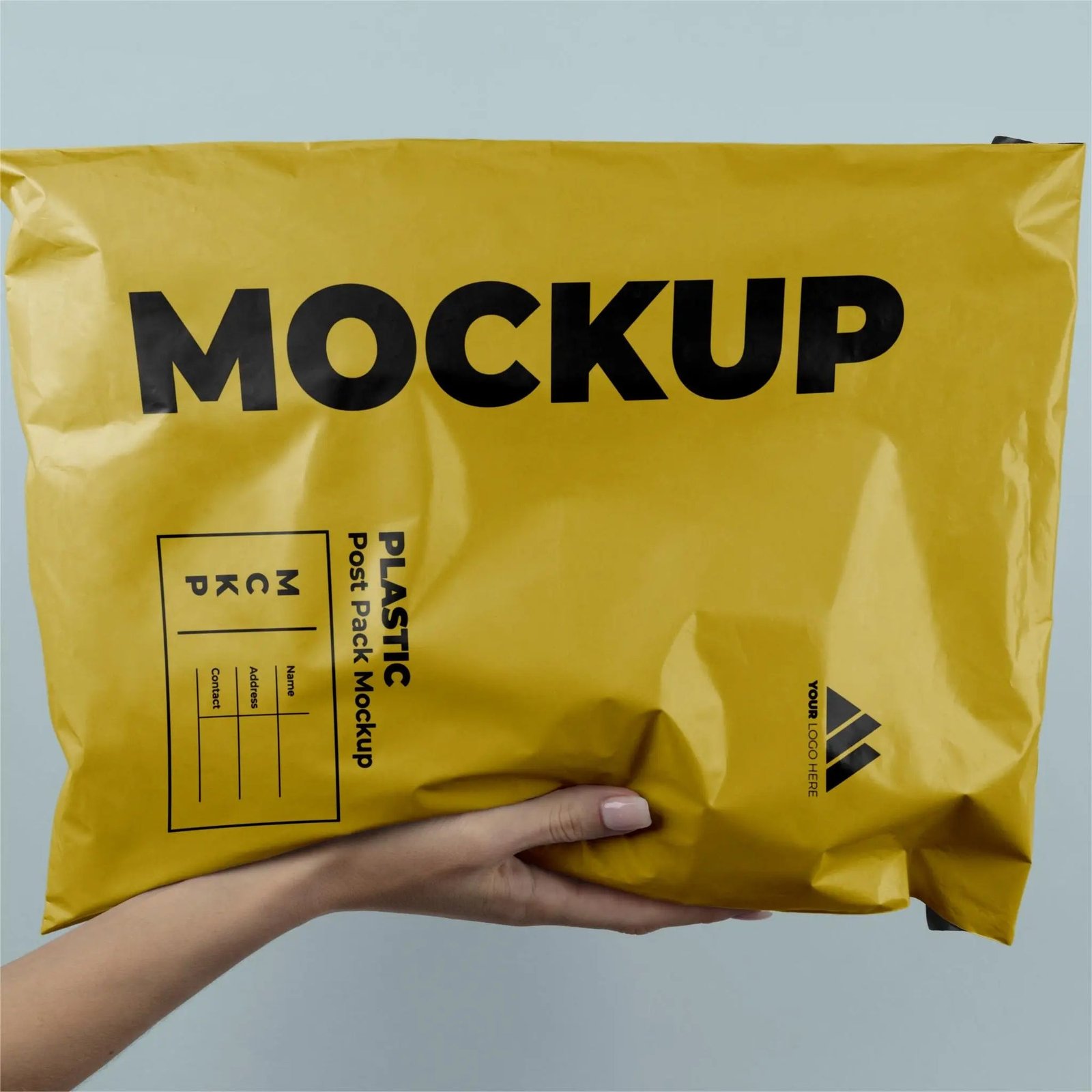
Prepare cardigans for wholesale, e-commerce or boutique delivery with custom polybags, tissue paper, stickers, mailers and carton markings. Packaging options protect knitwear in transit while extending your brand experience from factory to customer.
Our Cardigan Sweater Manufacturer Team
Founded in 2010 in Humen Town, Dongguan, JUNSHEEN is a cardigan sweater manufacturer built to turn fashion ideas into dependable production. We support global labels with OEM, ODM, private-label, wholesale, and product-development services from the first specification review through export-ready delivery.
Our integrated supply chain combines cut-and-sew and knitting capability with fabric sourcing, pattern making, XS–3XL grading, sampling, decoration, quality control, labels, trims, packaging, and shipping support. With 200+ skilled workers and monthly capacity above 80,000 units, we can grow from focused capsule orders to ongoing bulk programs.
What distinguishes JUNSHEEN is a fit-first approach and practical partnership. We refine proportions and grading for regular, extended-size, plus-size, and oversized cardigans rather than simply scaling a base pattern. More than 2,000 fashion-brand clients rely on our responsive Dongguan team for clear development and consistent production.

Cardigan Sweater Manufacturer Capabilities in Depth
Fit-First Pattern Grading
JUNSHEEN develops cardigan patterns from XS through 3XL with attention to shoulder balance, sleeve length, body proportion and wearing ease. Our technicians refine each graded size rather than simply enlarging a base pattern, helping brands achieve consistent fits across regular, plus-size and oversized ranges.
- XS–3XL, extended-size and oversized grading
- Cardigan-specific balance and sleeve-length review
- Prototype, size-set and pre-production fit approval
- Fewer avoidable sampling revisions

Material Sourcing With Purpose
As a cardigan sweater manufacturer, we match yarns, knit constructions and trims to your target hand feel, weight, drape, durability and price point. Our supplier network supports cotton, wool, blended yarns, recycled options and performance knits, with swatches and sample garments available before bulk confirmation.
- Cotton, wool, blends and recycled options
- Guidance on gauge, weight and drape
- Swatch review before bulk material approval
- Cost-conscious sourcing for scalable programs

Private-Label Details Completed
Turn an approved cardigan into a branded retail-ready product through coordinated labels, trims, decoration and packaging. JUNSHEEN manages custom woven labels, care labels, hang tags, buttons, zippers, logo embroidery and branded packaging within one OEM, ODM and private-label production workflow.
- Woven, leather, size and wash-care labels
- Custom buttons, zippers and branded trims
- Embroidery, patches and selected print effects
- Retail-ready hang tags and packaging

Repeatable Quality From Sample
From the first sample through repeat bulk orders, Junsheen retains pattern, grading and material records to support consistent cardigan production. Inspections cover incoming materials, in-line construction, measurements, fit, decoration and final packed goods, backed by 200+ skilled workers and scalable monthly capacity.
- Incoming, in-line and final inspection stages
- Measurement and fit checks against approvals
- Retained production records for repeat orders
- 100-unit MOQ with scalable global production

Cardigan Sweater Manufacturer Comparison: JUNSHEEN vs. Typical Suppliers
Built for fit-led development, branded knitwear programs, and reliable global scale.
← 左右滑动查看 →
Cardigan Sweater Manufacturer Production Process
From technical feasibility to export-ready delivery, JUNSHEEN manages each stage with fit-focused development and scalable knitwear production.
Feasibility and Yarn Planning
We review your tech pack, sketch, or reference garment, confirm construction, target cost, gauges, yarn options, trims, and 100-unit MOQ feasibility.
Pattern and Sample Development
Our team develops fit-focused patterns and graded XS–3XL specifications, then produces prototype samples for measurement, hand-feel, construction, and approval review.
Materials and Production Setup
After approval, we secure bulk yarns, buttons, labels, and packaging, finalize color standards, and prepare knitting or cut-and-sew production requirements.
Knitting and Garment Assembly
Skilled operators knit panels or produce cut-and-sew components, assemble cardigans, apply requested decoration, and complete washing or finishing where specified.
Inspection, Packing, and Export
Quality teams check measurements, fit, construction, decoration, and packed goods before branded packaging, final balance confirmation, and coordinated global export shipment.
How to Work With Our Cardigan Sweater Manufacturer
Move from concept to delivered private-label cardigans with clear development milestones, fit-focused approvals, and scalable production support.
Submit Your Design
Send a tech pack, sketch, reference garment, or mood board. Share target quantities, size range, fabric preferences, decoration details, and intended retail market.
Confirm Specifications and Quote
Review construction, yarn or fabric options, trims, grading, MOQ, lead time, and pricing with our team before confirming your cardigan development plan.
Approve Your Sample
Evaluate the prototype for hand feel, measurements, fit, colors, labels, and finishing. Our pattern makers refine XS–3XL grading and production details as needed.
Launch Bulk Production
After pre-production approval, JUNSHEEN manages knitting, cut-and-sew operations, decoration, finishing, in-line inspections, packing, and final quality control for your order.
Receive Your Shipment
Finalize the balance before shipment, then receive export support for delivery to your market. Retained patterns and material records streamline repeat cardigan programs.
Custom Clothing Manufacturer Credentials and Compliance Documents


What Global Fashion Brands Say About Our Cardigan Sweater Manufacturer
JUNSHEEN refined our oversized cardigan grading from XS to 3XL and reduced fit revisions from four rounds to one. Our first 240-unit launch arrived on schedule, with measurements consistent across every size set.
Their sampling team turned our sketch and yarn reference into an approved private-label cardigan sample in 18 days. The embroidery, custom buttons, labels and soft wash all matched our brief, helping us launch six weeks earlier than planned.
We began with a 100-unit colorway test and scaled to 1,800 units across three cardigan styles. JUNSHEEN maintained the same hand feel, button placement and packing quality, which kept our retailer returns below 2%.
Cardigan Sweater Manufacturer FAQ
Clear answers on MOQ, sampling, fit, payments, shipping, and confidential product development.
What is the MOQ for a custom cardigan sweater manufacturer?
How long do samples take from a cardigan sweater manufacturer?
How much does custom cardigan sampling cost?
Can you develop cardigan fits from XS to 3XL?
What payment terms do you offer for cardigan orders?
Do you ship custom cardigans internationally?
How does a cardigan sweater manufacturer protect my designs and IP?
Can JUNSHEEN handle private labels, custom buttons, and packaging?
Complete Cardigan Sweater Manufacturer Buyer’s Guide
Use this practical framework to evaluate cardigan production partners, compare materials and capabilities, control quality and costs, and avoid sourcing mistakes before launching or scaling your knitwear collection.
1. What Is a Cardigan Sweater Manufacturer?
2010 is the founding year of Dongguan Junsheen Clothing Co., Ltd., a cardigan sweater manufacturer that converts a buyer’s specification, sketch, reference sample, or mood board into a production-ready knit garment. Unlike a trading company that primarily coordinates external suppliers, the manufacturer manages technical development and accountable production from yarn selection through packed export goods. 100 units per style and color can support a capsule launch at Junsheen, while ongoing programs can scale into bulk production. A true cardigan program should include yarn and gauge recommendations, stitch and panel development, pattern measurements and grading, prototype and size-set sampling, knitting, linking or seaming, washing or finishing, button and label application, measurement checks, and final inspection. 200+ skilled workers support Junsheen’s integrated apparel supply chain, combining knitwear work with product development, trims, packaging, quality control, and export support. A knitwear factory may only knit panels, and a private-label supplier may offer stock silhouettes with relabeling; a full-service partner should clarify fiber content, gauge, stitch density, tolerances, shrinkage, pilling risk, button specifications, packaging, and shipment documentation before bulk approval. XS through 3XL fit development matters because cardigans must retain shoulder balance, sleeve proportion, placket alignment, and ease across the graded size range. Buyers should expect retained patterns, graded size sets, and material records so repeat orders can be produced with greater consistency.
2. Evolution of Cardigan Sweater Manufacturing
1850s hand-knitted wool cardigans were made stitch by stitch, so gauge, shape, and finishing depended heavily on individual operators. That heritage still matters: wool, cashmere, and cotton blends require disciplined tension control, but manual methods limit repeatability and make exact size grading slow. 1950s industrial flat-knitting machines moved production toward programmed panels, linking, and standardized measurements. A buyer could specify gauge, yarn count, rib structure, button placket, and sleeve shape with far more consistency, while factories could reproduce approved samples across colors and replenishment orders. 1980s computerized flat knitting expanded this control through digital stitch maps for cables, jacquards, intarsia, pointelle, and engineered shaping. Modern knit programming reduces sampling ambiguity, yet the sourcing decision remains practical: fully fashioned panels, cut-and-sew knit fabric, and seamless constructions have different costs, lead times, hand feel, and defect risks. 100-unit-per-style-and-color programs now let private-label buyers test a capsule without committing to traditional bulk volumes. For a cardigan sweater manufacturer, the useful question is not simply whether it can knit a design; it is whether yarn sourcing, machine gauge, pattern engineering, linking, washing, and size-set approval are aligned before bulk production.
3. Types of Cardigan Sweater Manufacturer Models
Five supplier models can produce a cardigan, but they assign development risk, sourcing control, and communication differently. Choose the cardigan sweater manufacturer model before requesting quotes, because the lowest unit price can conceal costly coordination gaps.
| Model | Design And Sourcing Owner | Best Fit | Communication Trade-Off |
|---|---|---|---|
| Integrated factory | Shared development; factory coordinates sourcing | Growing labels and repeat programs | Direct technical contact |
| OEM manufacturer | Buyer design; buyer or factory sources | Established brands | Precise tech-pack dialogue |
| ODM partner | Supplier base; buyer customizes | New labels needing speed | Template-led options |
| Private label | Supplier base and sourcing | Wholesale test programs | Limited modification scope |
| Trading company | Buyer or trader coordinates factories | Multi-category sourcing | Extra communication layer |
Integrated Factory
One integrated factory combines knit development, yarn or trim sourcing, sampling, production, QC, and packing under one accountable team. It suits labels needing faster decisions and repeat-order consistency, although its specialty range may be narrower than a multi-factory network. At Junsheen, programs can begin at 100 units per style and color, making this model practical for capsule launches that still need pattern, grading, and material coordination.
OEM And ODM Partners
OEM production follows the buyer’s tech pack, approved pattern, and material specification; the buyer owns the design direction and normally approves sourcing choices. It best fits established brands with technical staff, but incomplete specifications create sampling revisions. ODM starts with supplier-developed silhouettes, yarn options, or construction templates that buyers adapt with colors, labels, and details. It shortens development for new labels, while exclusivity and design differentiation require explicit agreement.
Private Label And Traders
Private-label suppliers offer existing cardigan bases with branding, packaging, and limited modifications. They are efficient for wholesale tests, but fit, stitch density, and yarn selection may be less controllable. Trading companies coordinate several factories and can broaden sourcing, yet communication usually passes through an intermediary. Confirm who holds patterns, manages inspection, and answers technical questions before placing a bulk order.
4. Cardigan Sweater Manufacturer Materials and Fabrics
A 12-gauge cardigan can feel entirely different from a 5-gauge version in the same fiber. A cardigan sweater manufacturer should specify fiber, blend percentage, yarn count, gauge, garment weight, and finish before costing.
| Material Choice | Target Use | Performance | Care | Budget |
|---|---|---|---|---|
| Cotton | Transitional everyday | Breathable; moderate recovery | Machine wash; check growth | Medium |
| Wool or Merino | Premium warmth | Warm; resilient | Hand or wool cycle | Medium-high |
| Cashmere Blend | Luxury capsule | Soft; low abrasion tolerance | Gentle wash or dry clean | High |
| Acrylic or Polyester Blend | Value volume | Durable; easy-care | Machine wash; monitor pilling | Low-medium |
| Viscose Blend | Draped fashion | Soft drape; less stable | Gentle wash; reshape | Medium |
| Responsible Blend | Sustainability-led line | Depends on fiber ratio | Verify certification and care | Medium-high |
Fiber And Blend Selection

100% cotton is breathable and familiar but can grow after wear; wool and merino add resilient warmth, while cashmere raises softness and material cost. 30–50% recycled polyester or acrylic can improve abrasion resistance and price control; viscose adds drape but needs stable construction. Request documented recycled content or certifications such as GOTS or OEKO-TEX where relevant.
Gauge Weight And Handfeel

3–5 gauge knits create bulky, insulating cardigans, while 10–14 gauge constructions suit lighter layering and sharper silhouettes. Higher gauge usually means finer needles and more production time. Nm yarn count, plies, stitch density, and finished garment grams jointly control opacity, recovery, and cost. A 2-ply yarn generally wears more robustly than a comparable single-ply yarn.
Finishing And Care Testing

1 wash test before bulk approval can expose shrinkage, twisting, pilling, color bleed, or loss of button stability. Anti-pilling treatments, enzyme washes, and controlled laundering can improve hand feel, but must match fiber chemistry. 30% wool blends often require gentler care than cotton-rich programs; define care labels from tested results, not assumptions. Confirm dimensional tolerances after the intended wash method.
5. Customization Options From a Cardigan Sweater Manufacturer
A cardigan sweater manufacturer can build identity into the knit or add it after knitting. For a first 100-unit style/color order, lock the silhouette, gauge, and one recognizable brand detail before adding variants.
| Customization Route | When Set | First-Order Impact |
|---|---|---|
| Gauge and stitch | Before knitting | Higher development complexity |
| Stripes or jacquard | Before knitting | More yarn planning and sampling |
| Embroidery and labels | After knitting | Flexible branding with lower knit risk |
| Buttons and packaging | After knitting | Added component cost and approvals |
Engineer The Knit

7GG and 12GG are common starting points: 7GG creates a heavier, more casual surface, while 12GG gives a finer, cleaner hand. Gauge, stitch structure, stripes, intarsia, jacquard, rib width, and knit-in pockets must be engineered before production. 2-color stripes usually sample faster than multi-color jacquard because they require simpler programming and yarn planning. Confirm Pantone references, yarn swatches, and placement artwork before the sample is knitted.
- Silhouette: relaxed, cropped, fitted, or longline
- Structure: jersey, rib, cable, or Milano knit
- Knit-in details: stripes, jacquard, contrast plackets
Apply Brand Details

1 embroidery placement, woven main label, and custom button set can differentiate a core cardigan without changing its knit program. Embroidery, patches, labels, hang tags, and branded packaging are applied after knitting and can be approved from strike-offs or physical samples. 3 to 5 repeatable details are usually more controllable than combining several specialty effects on a first run. Specify button diameter, placket count, pocket dimensions, label fold, and trim color in the tech pack.
- Embroidery or custom patch
- Corozo, metal, shell, or resin buttons
- Woven labels, care labels, and hang tags
Control Complexity And Fit
XS through 3XL should use graded patterns, not simple proportional enlargement. Shoulder balance, sleeve length, body ease, and button-placket position need review across the size set. 100 units per style and color is a practical launch scale at JUNSHEEN; extra colors, custom yarn dyeing, and complex jacquard can raise minimums, sample time, and cost. Start with one base color, one contrast detail, and a complete approval sample.
6. Key Cardigan Construction Quality Elements
A 100-unit capsule can expose the same construction failures as a bulk order, so approve measurable standards before production. A cardigan sweater manufacturer should inspect the approved sample and packed goods against one shared checklist.
Knitting, Linking, And Seams
Gauge, stitch length, and stitch density must match the approved swatch; count courses and wales over a defined area rather than judging by hand feel alone. Check for dropped stitches, yarn joins, holes, barre marks, and uneven tension. Fully fashioned panels and linked shoulder seams should sit flat without puckering, twisting, or bulky join lines. Turn the garment inside out to inspect secure placket, side-seam, and pocket joins.
- Match gauge and stitch density to approval sample
- No dropped stitches, open links, or loose yarn ends
- Seams lie flat under light stretching
Plackets, Buttons, And Ribs
Every buttonhole should be cleanly bound, evenly spaced, and sized so the specified button passes without forcing or slipping open. Button attachment should withstand repeated opening; verify alignment when the cardigan is laid flat and worn. Rib cuffs, hems, and neckbands need recovery after moderate stretching, with no permanent waviness or excessive width growth. Compare placket length and rib dimensions to the approved measurement sheet.
- Buttonholes align with the button center
- Ribs recover after stretch testing
- Placket remains straight when buttoned
Fit, Testing, And Final Approval
Measure chest, body length, sleeve length, shoulder, hem, and placket against tolerances before shipment; record actual results by size. Test washed samples for shrinkage and shape retention using the agreed care method, commonly aligned to ISO 5077 procedures. Use an agreed pilling method, such as ISO 12945, and a buyer-defined acceptable grade after the stated cycles. Review dye-lot consistency under daylight and store lighting, then reject stains, oil marks, harsh finishing, and untrimmed threads.
- Approve measurement tolerances for every graded size
- Set wash, pilling, and color-review methods
- Compare all inspections with the sealed approval sample
7. How to Choose a Cardigan Sweater Manufacturer
Three comparable quotes rarely represent the same garment, yarn standard, or control level. Choose a cardigan sweater manufacturer by testing its development discipline, traceability, and ability to deliver your order size reliably.
Check Product Fit
100 units per style and color can suit a capsule, but confirm whether the minimum applies by color, yarn shade, and size ratio. Ask for recent cardigan samples that match your gauge, button placket, and intended fit. 2010 is Junsheen’s founding year, and its knitwear capability sits alongside pattern making and grading. Verify sleeve balance, rib recovery, button spacing, and measurements after washing a submitted sample.
Audit Development And Materials
1 approved tech pack should identify gauge, fiber composition, yarn count, Pantone references, measurements, and tolerances. Ask who issues revision records and whether a size set is approved before bulk cutting or knitting. OEKO-TEX, GOTS, WRAP, or BSCI claims require current certificates and scope confirmation, not logo use alone. Request supplier records, fiber composition evidence, swatches, and wash-test results for the exact proposed material.
- Who owns the final graded pattern files?
- What changes trigger a new sample charge?
- Which mill and yarn lot support repeat orders?
Compare Delivery Evidence
80,000-plus monthly units is useful capacity context, but available capacity matters more than headline capacity. Ask for a production calendar, in-line inspection points, final AQL approach, and realistic sampling, bulk, and shipping dates. 3 payment stages can reduce exposure when tied to sample approval, production milestones, and pre-shipment inspection. Confirm export documents, destination-market labeling, freight handoff, and balance timing before issuing a purchase order.
- Compare landed cost, not unit price alone
- Review measurement and wash-test reports
- Check export references for your destination
- Document defect remedy and rework responsibility
8. Common Cardigan Sourcing Mistakes to Avoid
A 100-unit launch can still absorb costly errors when yarn, construction, and approvals are not controlled early. First-time founders and established teams adding knitwear should treat each cardigan brief as a production specification, not a visual reference.
Buying Only On Price
A $1 lower quoted unit price can disappear through pilling, inconsistent gauge, delayed rework, or unexpected trim substitutions. Compare quoted yarn composition, gauge, linking, buttons, packaging, testing, and defect allowance before selecting a cardigan sweater manufacturer.
Sending Incomplete Tech Packs
A sketch without measurements, stitch gauge, Pantone colors, button specification, and label placement forces assumptions during sampling. Issue a one-page decision sheet with a graded size chart, BOM, artwork files, and reference photos before requesting a quote.
Rushing Sample Approval
One approved prototype can conceal wash shrinkage, twisting, seam distortion, or poor sleeve balance across the size range. Approve against measurement tolerances and a wash-tested size set; record all corrections in the final pre-production sample.
Ignoring MOQ And Reorders
Six colors at 100 units each may fail yarn-dye or custom-button minimums, leaving costly surcharges or fragmented inventory. Start with two to three proven colors, confirm MOQ by yarn and trim, and reserve repeat yarn or define replenishment lead times before bulk approval.
9. Steps to Launch Your Cardigan Brand
A production-ready cardigan launch is a gated sequence, not a single purchase order. Give your cardigan sweater manufacturer clear commercial targets and signed approvals before yarn is committed; that discipline prevents late fit, color, and cost changes.
Define The Range Brief
Three decisions come first: customer, retail price, and opening assortment. Set target ex-factory cost, planned colors, size range, gauge, intended hand feel, and launch date in a product brief. One line plan should identify each style’s role—core, fashion, or replenishment. Include reference images, competitor notes, Pantone targets, and expected units by style and color.
Build The Technical Package
One complete tech pack should precede prototype work. Specify front and back flats, stitch construction, measurements, tolerances, button count, placket details, labels, packaging, and decoration artwork. Two documents reduce ambiguity: a bill of materials and a measurement spec. State fiber composition, yarn count or gauge, color standards, care requirements, and revision date on every file.
Approve Samples And Sizes

Two sample gates are typical: a prototype checks construction and yarn direction, while a fit sample confirms silhouette and measurements. Consolidate comments into one marked PDF instead of sending conflicting feedback from several reviewers. XS through 3XL programs need a graded size set before bulk approval. Review shoulder balance, sleeve length, body length, button placement, recovery, and wash performance across representative sizes.
Release Bulk With Controls
One signed pre-production sample is the bulk-release gate. Match it to approved color, yarn, trims, labels, measurements, packing method, and inspection standard before production begins. Four checkpoints protect delivery: incoming materials, in-line knitting and linking, final measurement and appearance review, then packed-goods inspection. Allow roughly 2–4 weeks for development and samples, then confirm bulk timing only after materials and approvals are locked.
10. Cardigan Sweater Manufacturer Pricing and Costs
100 units per style and color is a practical starting point for many custom cardigan programs, but a cardigan sweater manufacturer should quote by construction rather than a universal rate. Indicative ex-factory pricing below assumes standard adult sizing, one main yarn, and no exceptional testing or freight. 3 cost layers usually move the quote most: yarn composition and weight, machine gauge and stitch complexity, then trims and finishing. Merino, cotton-cashmere, intarsia, jacquard, cable work, fully fashioned shaping, custom buttons, embroidery, private labels, branded packaging, third-party testing, and air freight can each change the unit cost materially. 8 specification inputs enable a dependable factory quotation: tech pack or reference, fiber blend and yarn count, gauge and stitch map, measurements and size range, colorways, decoration, trim list, packaging, order quantity, and destination. JUNSHEEN can review these details, source swatches, and separate ex-factory, testing, and shipping costs before bulk approval.
| Order quantity | Indicative ex-factory unit price | Typical production lead time | Main cost pressure |
|---|---|---|---|
| 100–299 units | US$14–32 | 30–45 days | Sampling setup, MOQ, specialty yarn |
| 300–999 units | US$11–26 | 25–40 days | Gauge, stitch complexity, trims |
| 1,000+ units | US$8–21 | 25–35 days | Yarn volume, testing, packaging, freight |
Start Your Cardigan Sweater Manufacturer Project
Send your tech pack, reference garment, or concept for fit-focused development, 100-unit MOQ production, and a clear custom cardigan quote.