
Custom Jean Shorts From 100 Units
One-stop OEM, ODM and private-label custom jean shorts manufacturing with fit-focused XS–3XL development for global fashion brands.
Featured Products for custom jean shorts Development
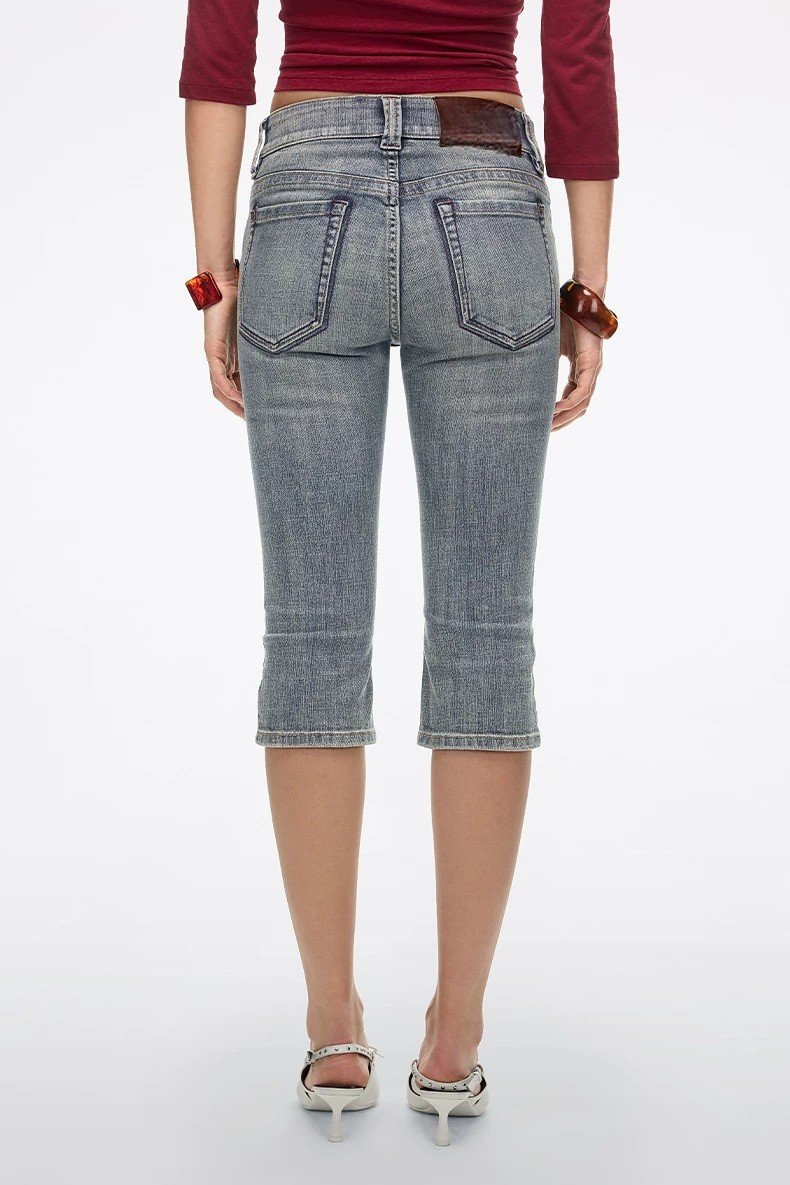

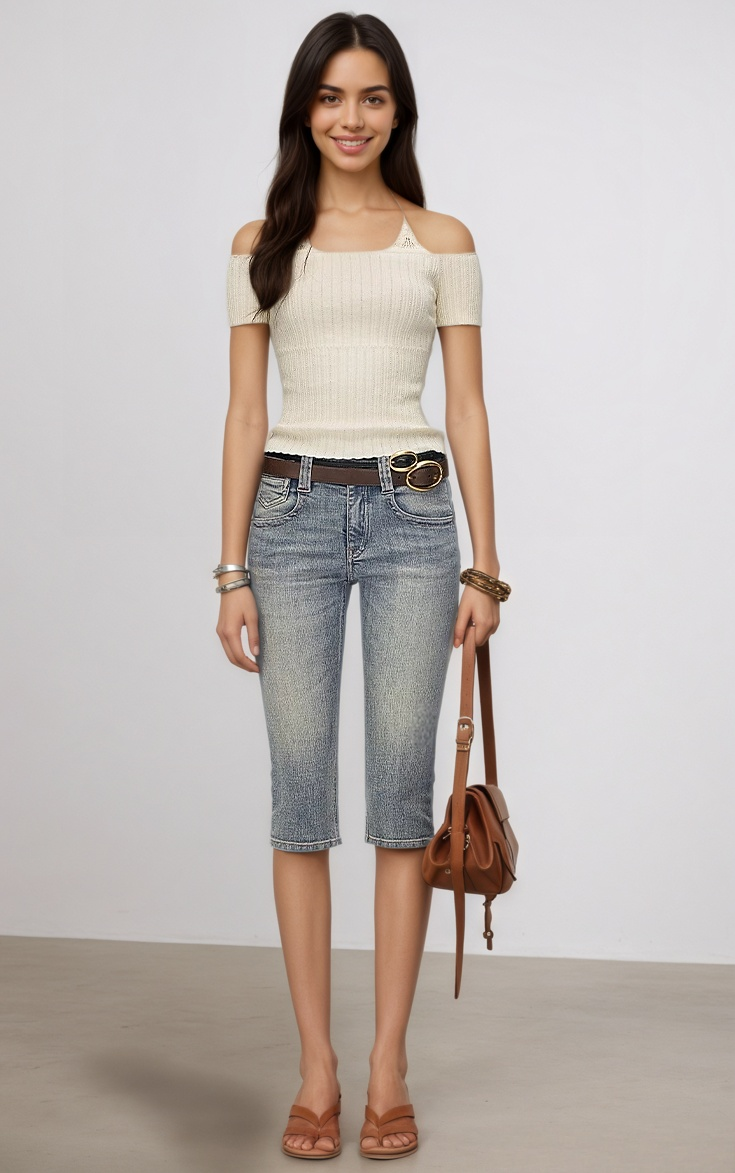

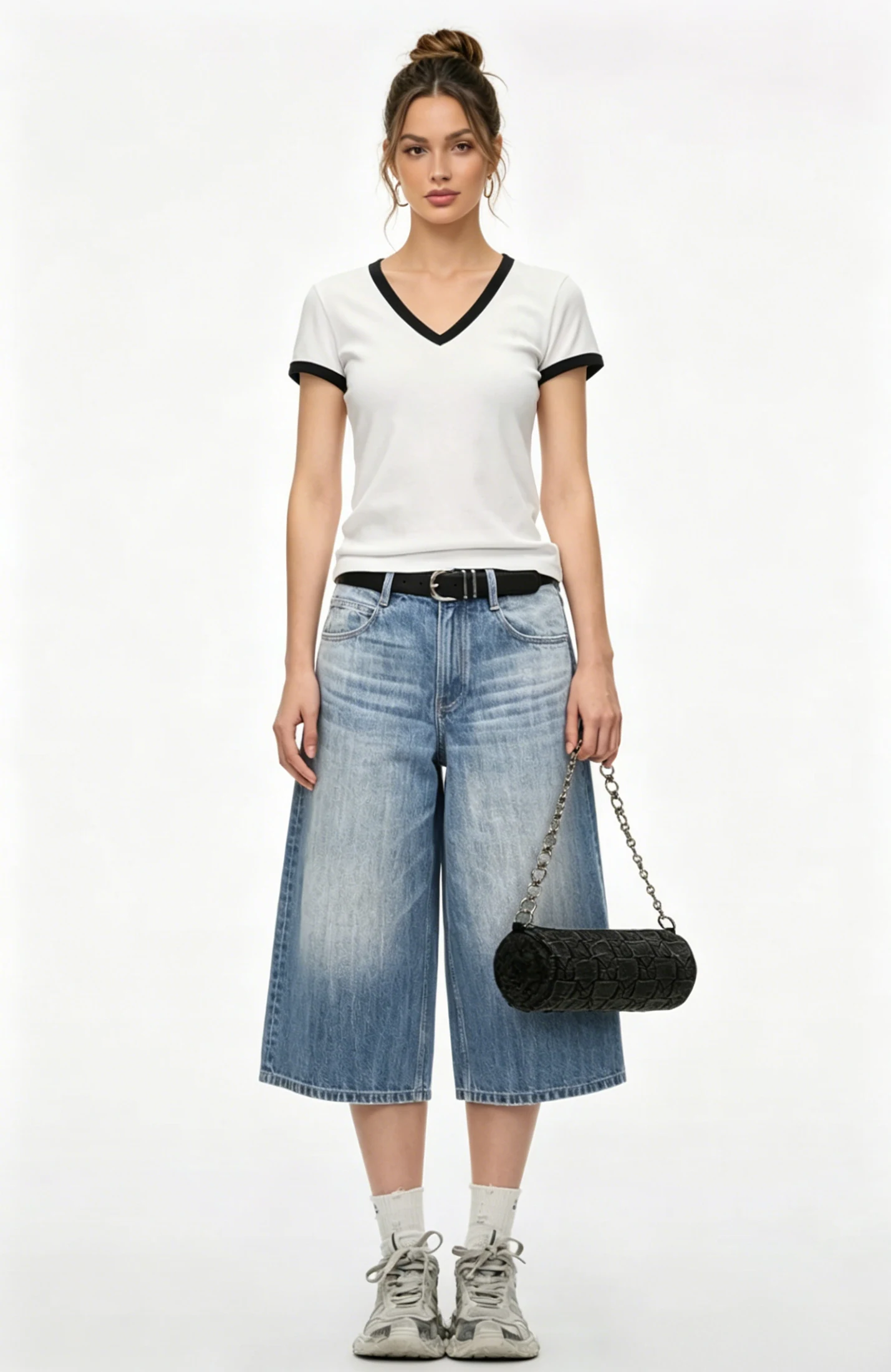

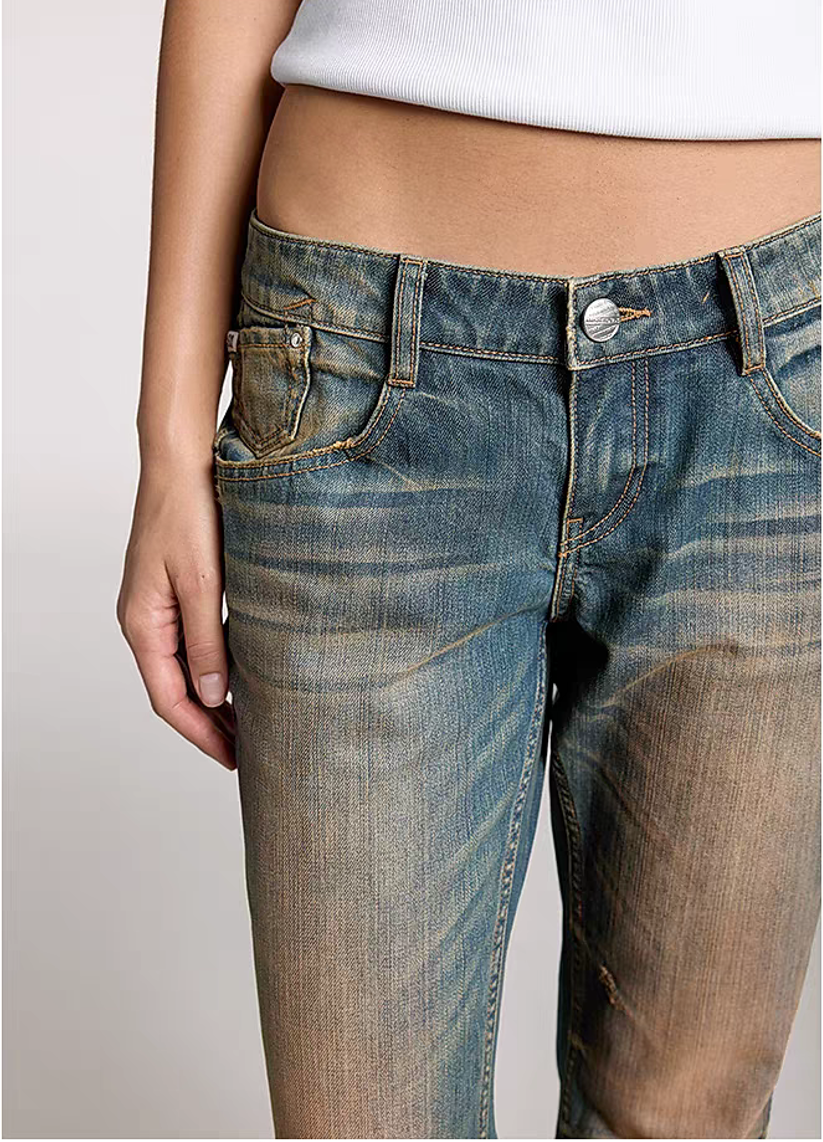


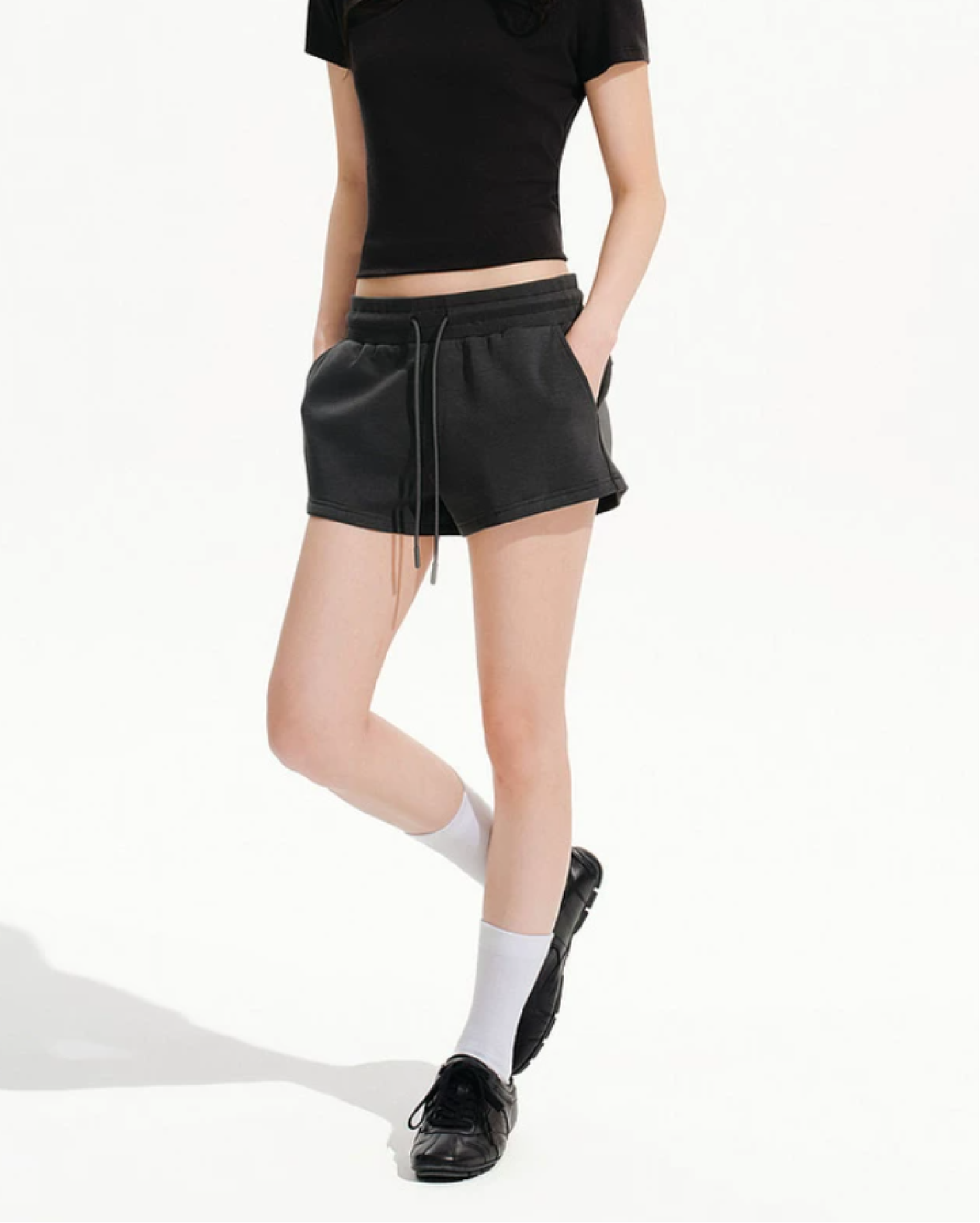


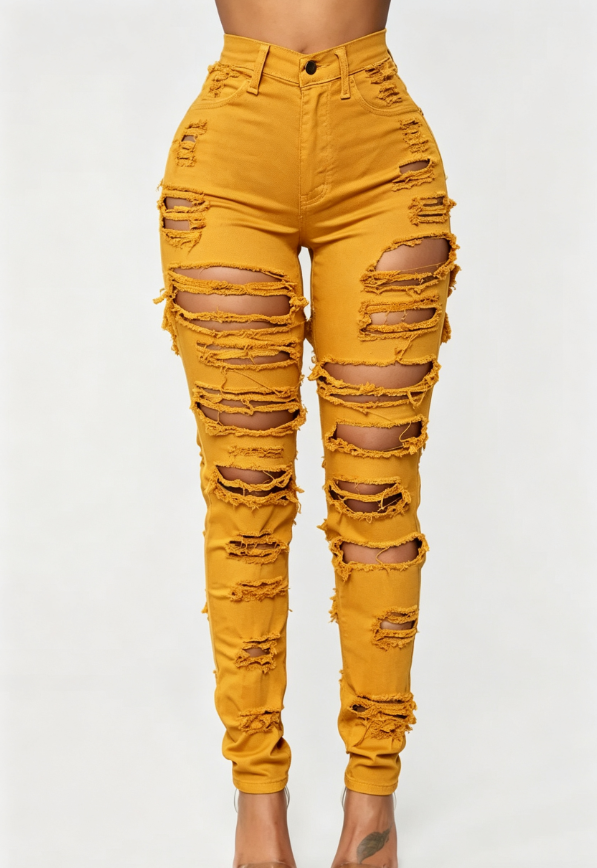
Related Product Catalogue and Quotation




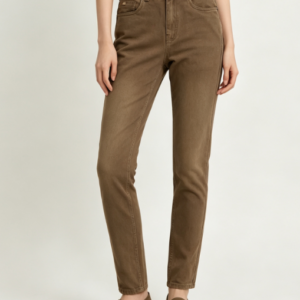


Why Brands Source Custom Jean Shorts From JUNSHEEN
One production partner for fit-led development, branded finishing, and dependable global delivery.
100-Unit Starting MOQ
Launch custom jean shorts from 100 units per style and color, with practical support for capsules, test runs, and growing programs.
Fit-First Size Development
Patterns and grading are refined from XS to 3XL for balanced rise, proportion, mobility, and more consistent denim-short fits.
Integrated Denim Finishing
Combine embroidery, printing, patches, garment dye, acid wash, stone wash, and branded trims through one coordinated production workflow.
OEM to Private Label
Move from tech pack, sketch, or reference sample to production-ready custom jean shorts with fabric sourcing, sampling, labels, and packaging.
Scalable Global Production
With 200+ skilled workers and 80,000+ monthly units of capacity, JUNSHEEN supports quality-controlled bulk orders and export shipping.
Custom Denim Shorts, Built for Your Brand
From fit development and wash selection to private labeling and bulk delivery, Junsheen supports denim-short programs from 100 units per style and color.

Custom Denim Shorts
Develop custom denim shorts from a tech pack, sketch, reference garment, or product idea. Junsheen manages fabric sourcing, pattern making, grading, washes, decoration, trims, labels, sampling, and bulk production for branded denim programs.
Request a Quote
Custom Womens Denim Shorts
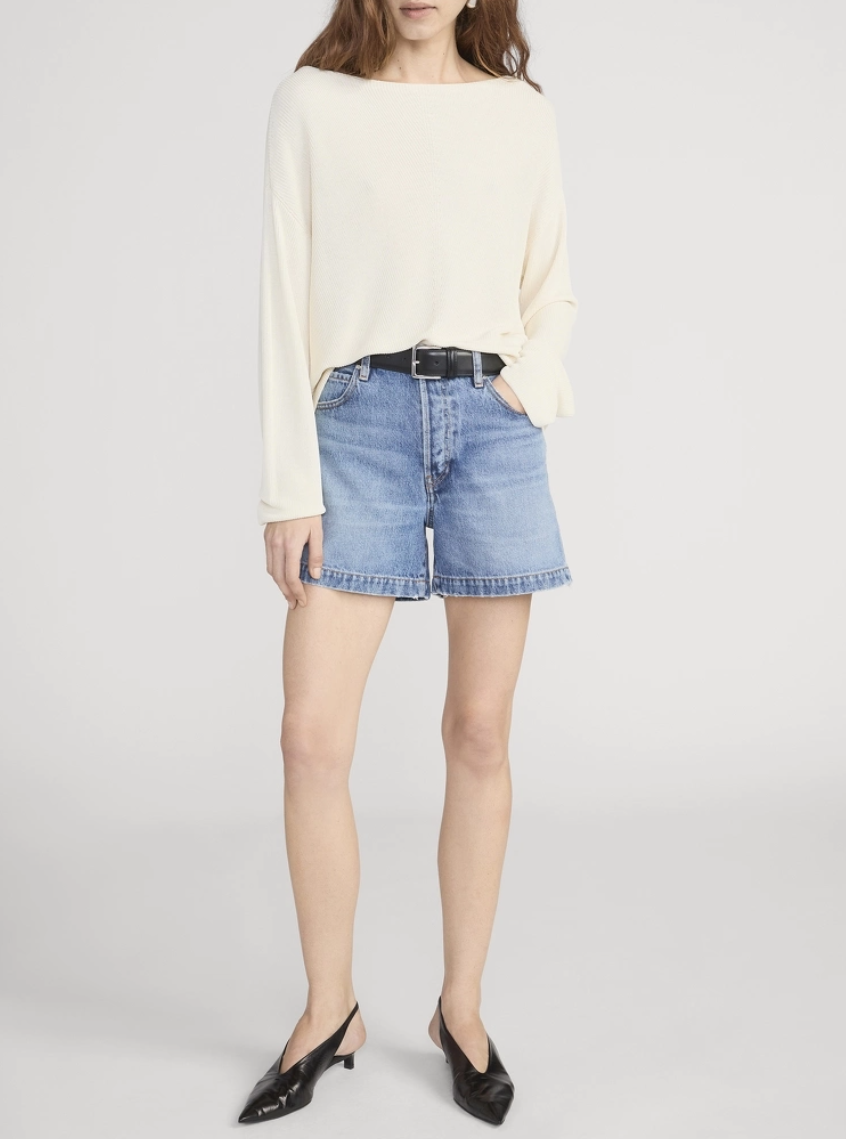
Custom women’s denim shorts require more than scaled measurements. Our team develops rises, hip balance, inseams, leg openings, and size grading from XS to 3XL, then matches stretch denim, washes, and branded details to the intended fit.
Request a Quote
Custom Mens Denim Shorts
For custom men’s denim shorts, Junsheen develops dependable waist, rise, thigh, and inseam proportions for regular, relaxed, and oversized silhouettes. Choose rigid or stretch denim, custom washes, embroidery, patches, hardware, labels, and packaging for private-label production.
Request a Quote
Wholesale Denim Shorts
Wholesale denim shorts programs can begin at 100 units per style and color, supporting capsule launches, retailer assortments, and repeat seasonal orders. Retained patterns and material records help maintain consistency as approved styles move into larger-volume production.
Request a Quote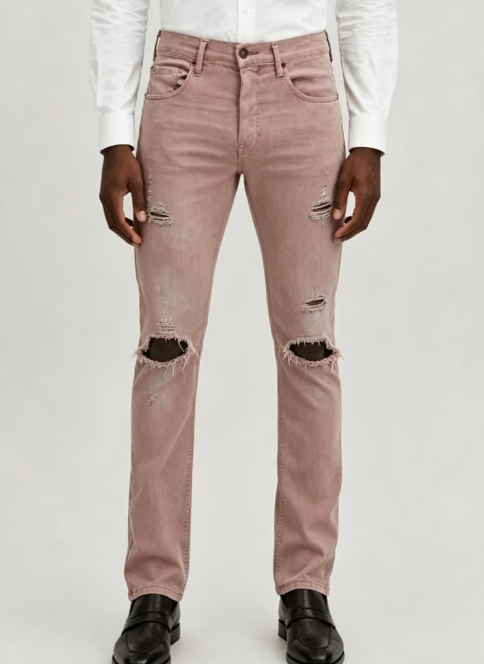
Denim Shorts Manufacturer
As a denim shorts manufacturer, Junsheen combines product development, cut-and-sew production, wash finishing, printing, embroidery, quality control, and export support in one supply chain. More than 200 skilled workers support monthly capacity above 80,000 units.
Request a QuoteCustom Jean Shorts Fabric Options for Your Collection

Rigid Cotton Denim
A structured, authentic denim with a dry hand and dependable abrasion resistance. Ideal for vintage-inspired custom jean shorts, raw hems, and pronounced wash effects; commonly developed around 10–14 oz for substantial shape retention.

Stretch Denim
Cotton-rich denim blended with elastane for comfortable recovery and easier movement. Well suited to fitted, high-rise, and curve-focused custom jean shorts; typically uses 1–3% stretch fiber while preserving a denim-forward hand feel.

Cotton Denim Blends
Cotton blended with polyester, Tencel, or rayon to tune softness, drape, and cost. A versatile choice for contemporary shorts collections, offering a smoother hand and more consistent wash performance than rigid all-cotton constructions.

Denim-Weight Twill
A diagonal-weave cotton twill with a clean, firm hand and reliable durability. Use it for chino-inspired jean shorts, utility silhouettes, or garment-dyed programs; available in midweights that hold pockets, seams, and structured details well.

Recycled Fiber Denim
Denim incorporating recycled cotton or recycled polyester for lower-impact material stories. Suitable for responsible custom jean shorts programs, with blend ratios selected to balance texture, strength, color consistency, and the desired washed appearance.
Custom Jean Shorts Decoration, Washing and Finishing

Logo Embroidery
Flat, 3D puff, chain-stitch and applique embroidery add textured logo definition to pockets, hems and panels, creating a premium finish designed to retain visual impact through repeated wear and washing.

Screen Printing
Plastisol, water-based, puff, flocking, silicone and high-density screen prints deliver bold graphics with controlled texture. Our team matches ink, placement and curing requirements to the denim weight and intended finish.

DTF Transfers
DTF and heat-transfer applications reproduce detailed multicolor artwork for limited runs, branded graphics and precise placement. Proper application settings help maintain adhesion, flexibility and a clean appearance on denim surfaces.

Garment Dyeing
Garment dye creates rich, collection-specific color with a lived-in character after construction. It is well suited to custom jean shorts programs seeking tonal variation, softened hand feel and coordinated casualwear color stories.

Denim Washing
Enzyme, stone, acid and softening washes shape the shade, texture and vintage character of denim. Sample testing lets brands approve the desired fading, contrast, hand feel and wash consistency before bulk production.

Surface Finishing
Brushing, napping and anti-pilling finishing refine softness, surface texture and long-term wear performance. JUNSHEEN specifies treatments around the fabric, target look and production requirements for a dependable finished garment.
Private-Label Trims and Branded Accessories

Woven Brand Labels
Add custom woven main labels, size labels, and wash-care labels to custom jean shorts for clear brand identification, size communication, and compliant garment information across every production run.

Leather Logo Patches
Debossed, printed, or embossed leather and faux-leather patches give denim shorts a recognizable premium finish. Position them at the waistband, pocket, or hem to reinforce your private-label identity.

Custom Metal Hardware
Specify branded buttons, rivets, snaps, and zipper pulls to match your collection. Junsheen coordinates finishes, colors, logo details, and durability requirements for functional denim hardware.

Drawcords and Tips
For elastic-waist or hybrid custom jean shorts, select custom drawcords with metal, silicone, or dipped tipping. These details improve adjustability while carrying a polished, intentional brand look.

Embroidered Logo Patches
Use embroidered, chenille, woven, or rubber patches on pockets, hems, or waistbands to create a distinctive branded detail. Options can be developed to complement washes, artwork, and target positioning.
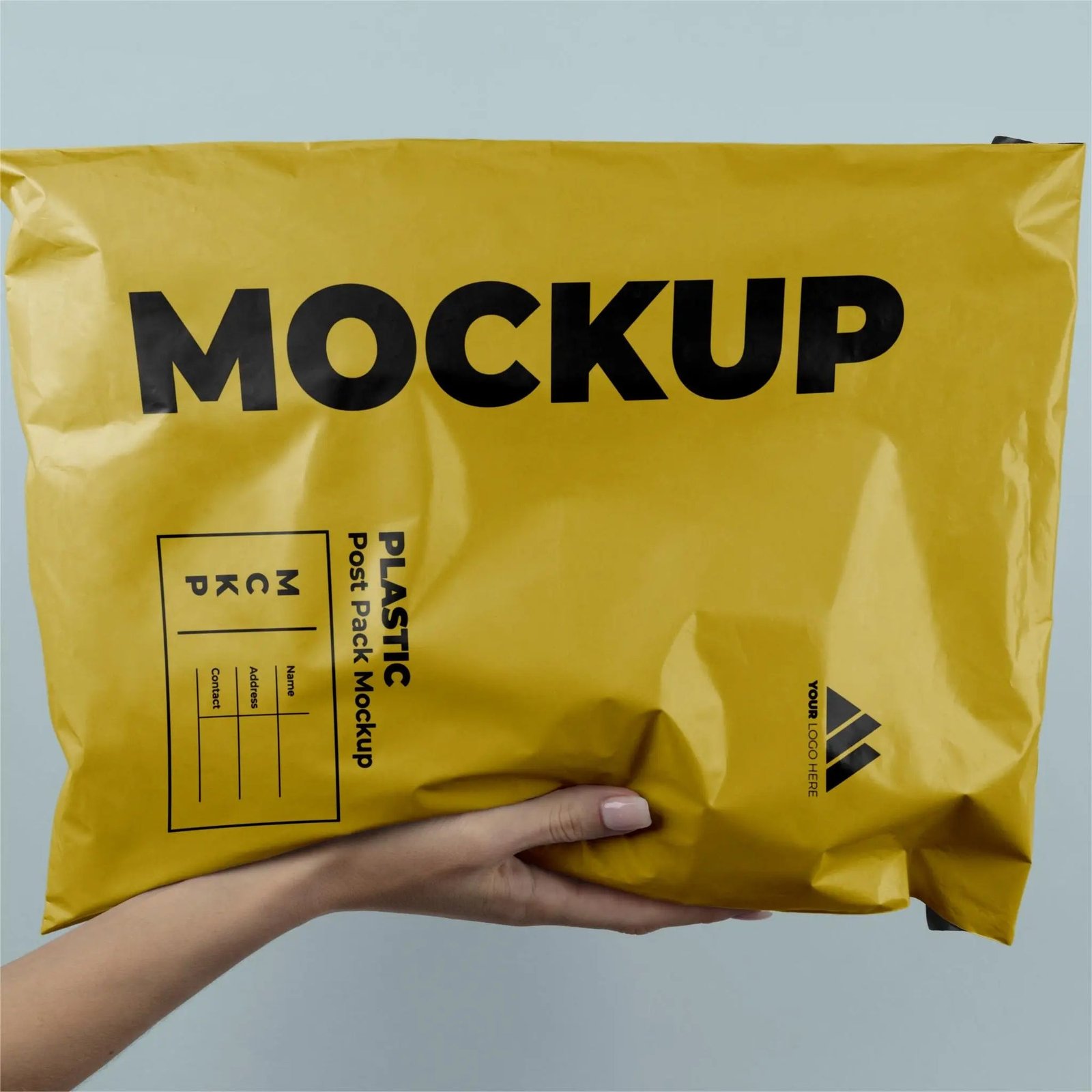
Branded Retail Packaging
Finish your order with custom hang tags, barcode stickers, polybags, tissue, and branded packaging. These retail-ready details help maintain a consistent unboxing experience from factory to customer.
About JUNSHEEN Custom Jean Shorts
Founded in 2010 in Humen Town, Dongguan, JUNSHEEN helps fashion brands turn custom jean shorts concepts into production-ready private-label collections. Our one-stop OEM and ODM team supports development from tech packs, sketches and reference samples through fabric sourcing, pattern making, sampling and export coordination.
With more than 200 skilled workers and monthly capacity above 80,000 units, we serve emerging labels, independent designers, wholesalers and established retailers worldwide. Low MOQs from 100 units per style and color let brands launch focused denim capsules, then scale into repeat and bulk programs with a dependable manufacturing partner.
What distinguishes JUNSHEEN is a fit-first approach across XS–3XL, including extended-size, plus-size and oversized grading. We combine cut-and-sew denim expertise with in-house decoration, washing, finishing, labels, trims, packaging and quality control to deliver consistent garments built around your brand requirements.

Custom Jean Shorts Development Capabilities
Fit-Focused Pattern Grading
JUNSHEEN develops custom jean shorts from XS through 3XL with grading that considers rise, hip balance, thigh ease, inseam, leg opening and mobility. Our pattern team refines each size instead of simply enlarging a base pattern.
- XS–3XL, extended-size and plus-size development
- Rise, seat, thigh and leg-opening adjustments
- Prototype, size-set and pre-production fit review
- Patterns retained for consistent repeat orders

Denim Sourcing With Purpose
Select denim and stretch-denim constructions around your target silhouette, wash recipe, hand feel and price point. Our supplier network supports fabric swatches and practical recommendations before bulk material confirmation, helping reduce costly development revisions.
- Rigid, stretch and blended denim options
- Weight, recovery, durability and drape guidance
- Swatches reviewed before bulk confirmation
- Cost-conscious sourcing for launch and scale

In-House Brand Value Addition
Turn a well-fitting short into a recognizable private-label product with coordinated washing, decoration, trims and packaging. Keeping these stages within one supply chain gives your team clearer approvals and stronger consistency from sample through packed goods.
- Stone, enzyme, acid and garment-dye washes
- Embroidery, patches and print applications
- Custom labels, buttons, zippers and hang tags
- Branded packaging and final presentation
Scalable Production Control
Launch a capsule at 100 units per style and color, then grow into recurring denim programs with the same development records and quality checkpoints. JUNSHEEN combines 200+ skilled workers with 80,000+ monthly units of capacity and global export support.
- Low MOQ from 100 units per style/color
- 200+ skilled production workers
- 80,000+ units of monthly capacity
- In-line, measurement and final-packed QC

Why Choose JUNSHEEN for Custom Jean Shorts?
Compare integrated denim development, fit-led production, and export-ready support with typical supplier limitations.
← 左右滑动查看 →
Custom Jean Shorts Production Process
A clear OEM workflow that moves your denim shorts from feasibility review to quality-controlled export.
Feasibility and Material Review
Share your tech pack, sketch, reference garment, or concept. Our team reviews construction, target cost, fit requirements, denim weight, washes, and MOQ feasibility.
Pattern and Fit Development
Pattern makers create or refine your custom jean shorts patterns, then grade XS–3XL with attention to rise, hip balance, leg opening, mobility, and proportions.
Sample and Approval
We source denim, trims, labels, and decoration materials, produce a prototype, and revise details after your feedback before confirming production-ready specifications.
Bulk Production and Inspection
Approved orders move into cut-and-sew production, washing, finishing, and private labeling. In-line inspections verify measurements, stitching, fit, decoration, and fabric quality.
Packing and Global Shipping
Final packed-goods checks confirm quantities, presentation, and labeling. We arrange export-ready packing and international shipping support, with balances settled before dispatch.
How to Launch Custom Jean Shorts With Our OEM Team
Move from a tech pack, sketch, reference garment, or product idea to approved bulk production with clear development milestones.
Submit Your Design
Send your tech pack, sketch, reference garment, mood board, or product idea. Our team reviews fit, construction, wash, fabric, trims, and branding requirements.
Confirm Specifications
Align on denim weight, color, sizing from XS–3XL, decoration, labels, target quantity, and cost. We provide a practical quotation from 100 units per style and color.
Approve Your Sample
We create patterns, source materials, and produce a prototype for review. Refine measurements, rise, wash effects, hardware, and private-label details before final approval.
Authorize Bulk Production
Approve the pre-production sample and graded size set, then authorize manufacturing. In-line and final inspections verify construction, measurements, decoration, washing, and packed goods.
Receive Global Delivery
After final balance and export preparation, your custom jean shorts are packed to specification and shipped with coordinated support for your selected destination.
Custom Clothing Manufacturer Credentials and Compliance Documents




What Fashion Brands Say About Custom Jean Shorts Production With JUNSHEEN
JUNSHEEN turned our reference samples into production-ready custom jean shorts with a cleaner rise and more consistent grading. We approved the second sample round and launched 600 units across three washes on schedule.
Our first 120-unit run needed extended sizing without losing the intended silhouette. The XS–3XL size set reduced fit comments by 40% in our wear test, and the acid wash matched our approved standard.
We reordered two custom jean shorts styles after the initial sell-through. Measurements, embroidery placement, labels, and packing stayed consistent across 1,500 additional units, which made our retail rollout much easier to manage.
Custom Jean Shorts OEM FAQ
Clear answers on minimums, development, fit, production, payment, shipping and confidentiality.
What is the MOQ for custom jean shorts?
Can you make a sample before I order custom jean shorts in bulk?
How long does custom jean shorts production take?
Can you create plus-size and oversized denim shorts patterns?
What customization options are available for custom jean shorts?
What payment terms do you offer for OEM orders?
Do you ship custom jean shorts internationally?
How do you protect my designs and product information?
The Complete Buyer’s Guide to custom jean shorts
Use this practical framework to select styles, materials, customization methods, and reliable suppliers for custom jean shorts—while avoiding costly specification, quality-control, MOQ, pricing, and production-planning mistakes.
1. What Are custom jean shorts?
100 units per style and color is a practical starting point for custom jean shorts: denim shorts developed to a buyer’s own commercial and technical specification, rather than selected unchanged from stock. Fit, 10–14 oz denim weight, stretch content, wash recipe, inseam, rise, pocket shape, hardware, decoration, graded sizes, labels, and packaging together determine the finished branded SKU. Four sourcing models use different levels of buyer input. Private-label applies a brand identity to an existing or adaptable base; OEM produces an approved buyer design and tech pack; ODM lets the factory adapt or originate a design; blank-garment customization adds logos or trims to ready-made shorts with limited pattern and wash control. XS–3XL grading should be specified before sampling, especially for extended-size programs, because rise, thigh ease, leg opening, and pocket placement cannot be reliably scaled from one base size. A production-ready brief should establish the target customer, reference fit, measurement chart and tolerances, fabric and wash standard, Pantone colors, trim and artwork files, labeling and pack-out requirements, quantity by size/color, quality expectations, and delivery destination; this gives emerging labels, retailers, wholesalers, and established brands a reviewable basis for sampling and quotation.
2. The Evolution of Jean Shorts
1873 established riveted denim as hard-wearing workwear, and early jean shorts largely began as worn jeans cut above the knee. That origin still matters commercially: sturdy 10–14 oz denim, contrast topstitching, five-pocket proportions, bar tacks, and metal hardware communicate authentic utility more convincingly than decorative distressing alone. 1960s youth culture turned cutoffs into a casual uniform, while the 1980s and 1990s added acid washes, stone washes, high rises, and looser skater-inspired proportions. Buyers now choose those references selectively: a raw or lightly enzyme-washed rigid short supports heritage positioning, whereas controlled fading and softened hand feel suit contemporary everyday assortments. 2000s low-rise micro lengths gave way to wider straight, baggy, carpenter, Bermuda, and longer streetwear silhouettes in the 2020s. A commercial range should match inseam, rise, leg opening, and wash to its customer rather than treating ‘vintage’ as one look; size grading must preserve balance from XS through extended sizes. 2020s sourcing decisions also carry higher expectations for material traceability, wash control, and reduced avoidable waste. Specify the desired wash standard on approved samples, consider recycled or certified cotton options where appropriate, and avoid overly random hand distressing when repeat-order consistency is the priority.
3. Types of custom jean shorts
Seven core silhouettes cover most custom jean shorts assortments, but they should not be treated as interchangeable. Inseam, rise, leg opening, wash, and grading determine whether a style reads youthful, premium, utility-led, or size-inclusive.
Core Five-Pocket Fits
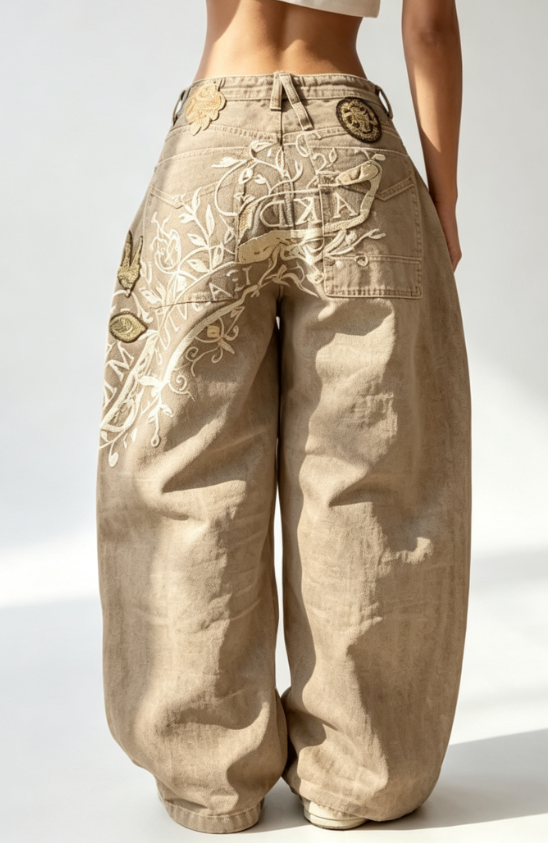
5-pocket shorts with a 3–5 inch inseam suit mainstream junior, contemporary, and denim-focused labels. A mid-rise, shaped waistband, and controlled leg opening create the most repeatable fit across spring and summer deliveries. 7–9 inch Bermuda versions target customers wanting coverage and a cleaner retail silhouette. They require careful knee placement and hem circumference review, especially when using rigid denim with limited recovery.
High-Rise And Cutoff Styles

10–12 inch rises create high-rise shorts for trend-led womenswear and vintage-inspired collections. Front-rise balance, back coverage, and pocket placement need sample approval because small pattern changes alter the silhouette. 2–4 inch cutoffs sell strongly for resort and festival capsules. Frayed hems, distressing, and abrasion washes add labor variation, so brands should approve a wash standard rather than expect identical pairs.
Relaxed And Utility Shapes

8–12 inch relaxed or baggy shorts serve streetwear, unisex, and skate-influenced customers. A lower crotch depth and wider thigh need proportional grading so larger sizes retain shape instead of becoming simply wider. 9–11 inch cargo shorts extend utility assortments into transitional summer selling. Bellows pockets, flap placement, bartacks, and extra seams raise sewing time and require a clear pocket specification.
Extended-Size Assortments
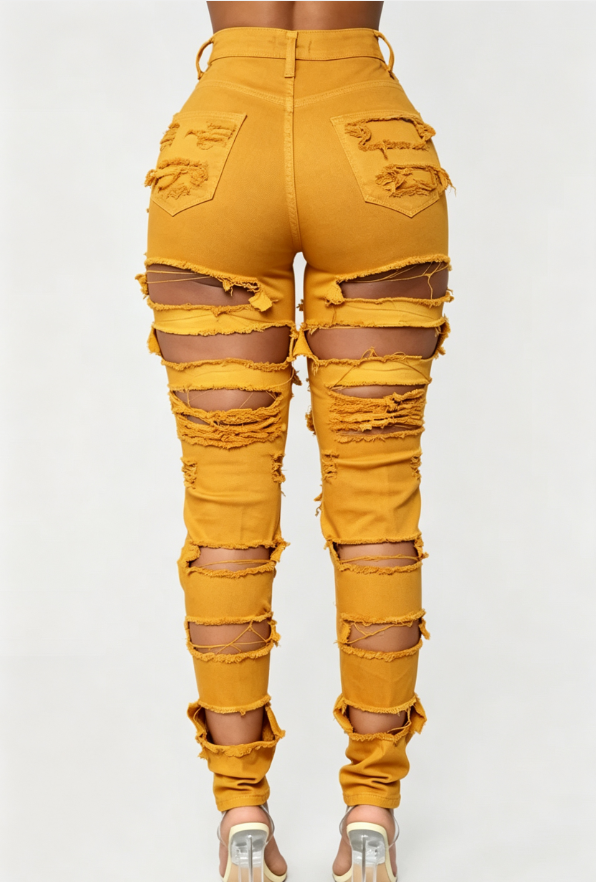
XS–3XL programs should use dedicated grading for plus-size jean shorts rather than a scaled base pattern. Rise, thigh ease, waistband contour, and pocket position must be checked on a size set to protect comfort and visual balance. 100 units per style and color can support a focused launch assortment at JUNSHEEN. Start with one proven five-pocket fit, then add Bermuda, baggy, cutoff, or cargo options where your customer profile supports the added development work.
4. Materials for custom jean shorts
10–14 oz denim is the working range for most custom jean shorts, but weight alone does not predict wear performance. Fiber mix, construction, and finishing determine recovery, opacity, comfort, and how reliably a wash recipe repeats in bulk.
| Material | Typical Weight | Performance | Best Use | Sourcing Tradeoff |
|---|---|---|---|---|
| Rigid cotton denim | 10–14 oz | No stretch; durable, strong fades | Vintage or structured shorts | Less immediate comfort |
| Stretch denim | 9–12 oz | 1–3% elastane; recovery matters | Body-skimming fits | Higher testing need |
| Cotton-blend denim | 10–13 oz | Comfort and durability vary by blend | Commercial basics | Different wash character |
| Recycled-fiber denim | 10–13 oz | Good opacity; variable yarn consistency | Lower-impact programs | Shade and strength control |
| Chambray | 7–9 oz | Light, breathable, lower opacity | Warm-weather relaxed shorts | Not a true heavy denim look |
| Heavy denim | 12–14 oz | Opaque, durable, slower break-in | Workwear and premium silhouettes | Higher sewing and freight weight |
Rigid And Stretch Denim
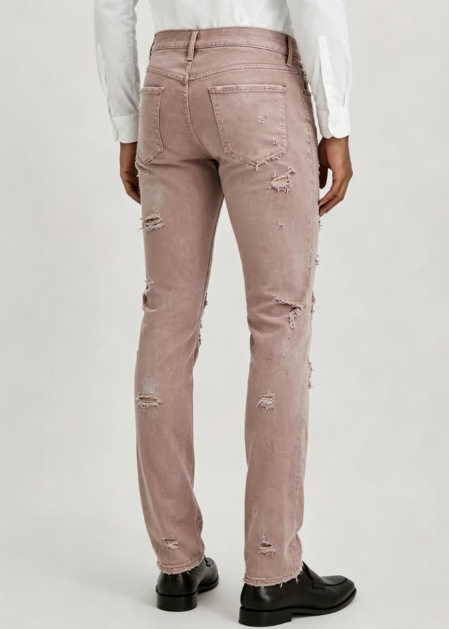
100% cotton rigid denim holds a crisp vintage silhouette and tolerates abrasion well, but it needs fit allowance because it has no recovery. Stretch denim commonly adds 1–3% elastane for seated comfort; specify recovery after washing to prevent bagged-out hems and seats.
Weight And Opacity
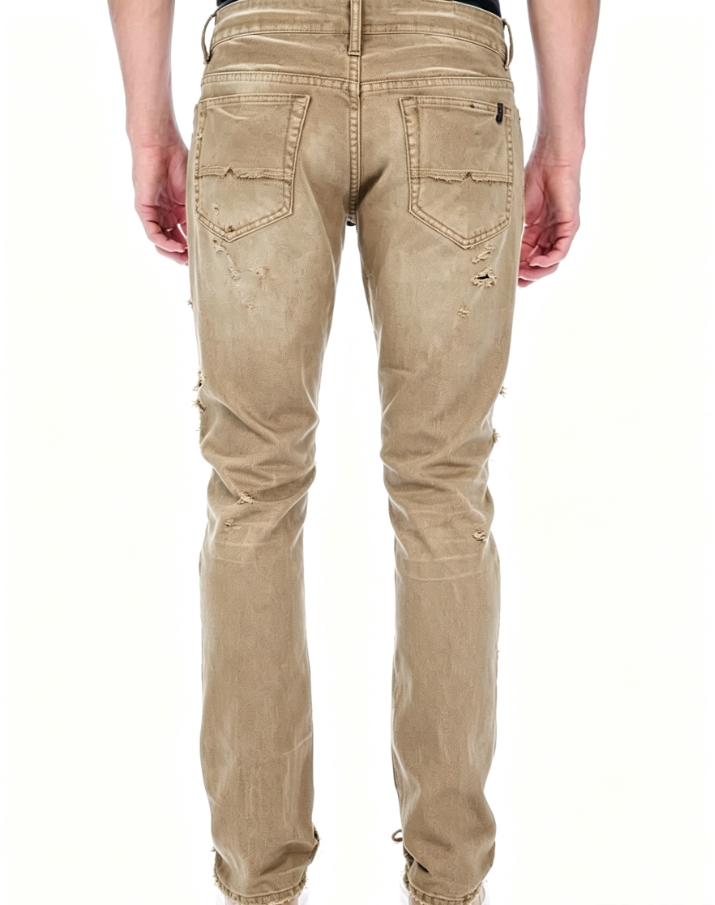
7–9 oz chambray suits soft summer shorts, although its plain weave and lighter color can require pocketing tests for opacity. 12–14 oz denim provides stronger coverage, sharper structure, and more dramatic fades, but increases sewing difficulty and break-in time.
Blend And Recycled Choices
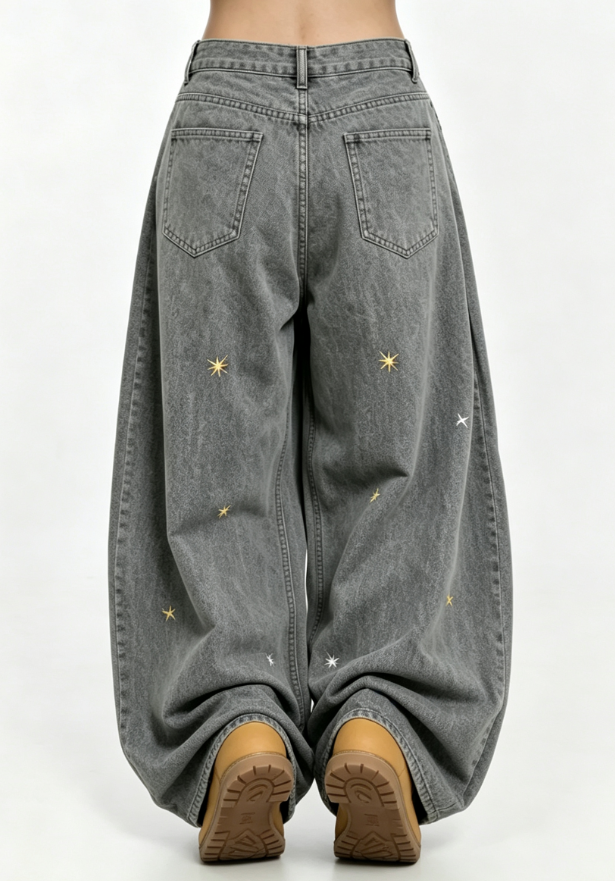
Cotton-polyester blends improve abrasion resistance and drying speed, yet polyester can soften the high-contrast fading expected from indigo denim. Recycled cotton options reduce virgin-fiber content, but shorter recovered fibers may need reinforcing blends and tighter controls on shade variation.
5. Customizing custom jean shorts
Custom jean shorts differentiate most effectively when every finish supports one identifiable point of view. Start with a wash direction, then add one focal decoration and branded components that buyers will see and handle.
| Option | Visual Effect | Durability | Placement Or MOQ Impact | Main Cost Driver |
|---|---|---|---|---|
| Garment wash | Vintage or softened tone | High after approved testing | Whole garment; wash minimums may apply | Wash recipe and labor |
| Embroidery | Textured premium logo | High | Avoid thick seam intersections; setup affects small runs | Stitch count |
| Screen print | Bold graphic color | Moderate to high | Flatter panels; color separations add setup | Ink colors and placements |
| Patch or laser | Heritage badge or tonal artwork | High when secured | Patch seams or flat laser areas; custom tooling may raise MOQ | Patch material or laser programming |
| Rivets and buttons | Branded utility detail | High | Stress points only; custom molds affect MOQ | Custom die and hardware finish |
Build A Finish Hierarchy
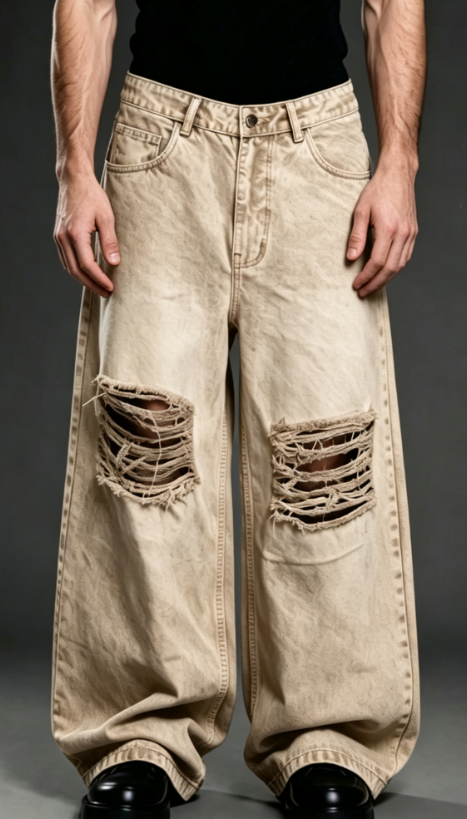
Three layers are usually enough: base wash, surface character, and one signature mark. Acid wash or enzyme softening establishes mood; whiskers, sanding, or restrained distressing should frame—not compete with—the logo. 100-unit programs can accommodate focused customizations, but each separate process, color, or placement increases setup and approval work. Approve a wash standard and distress-placement photo on the pre-production sample before bulk cutting.
- Choose one wash family per colorway.
- Use distressing away from stress seams.
- Reserve the strongest detail for the front or back.
Compare Decoration Options

1 decoration technique should carry the story; a second should add texture or identification. For example, pair a back-pocket chain-stitch logo with a woven waistband label instead of adding print, patches, and heavy hardware together.
Specify Brand Touchpoints

4 touchpoints—main label, size label, hangtag, and mailer or polybag—create a cohesive private-label presentation without altering the garment silhouette. Branded buttons, rivets, leather patches, and laser details work best when their finish matches the intended wash character. Pantone references, logo artwork, label copy, hardware finish, and packaging dimensions should be approved together. Keep care-label fiber content and country-of-origin information compliant with the destination market.
- Match antique hardware to vintage washes.
- Use laser art on flatter denim panels.
- Confirm patch stitching before bulk production.
6. Construction Quality for Jean Shorts
A production-ready pair of custom jean shorts should pass the same construction checks in sampling and bulk. Buyers should document accepted measurements, wash appearance, hardware function, and critical stitch points before the factory cuts bulk fabric.
Fabric And Grain Control

After a controlled wash test, measure inseam, outseam, waist, and leg opening against the approved sample. Confirm residual shrinkage and twisting are within the brand’s stated tolerance. Before cutting, inspect grain alignment on each panel, especially side seams and center back. Off-grain denim can torque after washing even when the garment initially measures correctly.
Stitching And Reinforcement
For denim seams, specify stitch density consistently across the approved sample; uneven spacing or skipped stitches signal weak process control. Check that inseams, rises, belt loops, and pocket corners have clean back-tacks or bartacks. At stress points, examine reinforcement from both sides of the garment. Loose thread tails, seam grin, and puckering should be rejected before pre-production approval.
- Inspect inseam and rise seams
- Verify belt-loop bartacks
- Check pocket-corner reinforcement
Pockets, Hardware, And Hems

Each front and back pocket should lie flat, match placement marks, and have symmetrical openings. Test the zipper through repeated cycles and verify the button or tack fastener remains secure without distorting the waistband. For raw hems, confirm the intended fray length after washing; for turned hems, check even depth and secure stitching. Compare wash tone, abrasion, and contrast across multiple garments, not one isolated sample.
Fit Approval And Pre-Production
A fit sample must be approved on the intended fit model before size grading begins. Record point-of-measure tolerances—commonly tighter at waist and rise than at leg opening—and retain the signed measurement sheet. Before bulk sewing, inspect a pre-production sample using approved fabric, wash, trims, labels, and packing method. This checkpoint prevents a correct pattern from becoming an inconsistent finished program.
- Signed measurement specification
- Approved wash reference
- Functional hardware test
- Pre-production inspection record
7. Choosing a custom jean shorts Manufacturer
Three supplier checks separate a workable denim program from a costly revision cycle: relevant wash experience, transparent material control, and disciplined sampling. Ask each factory to document what it can repeat at your target volume.
Verify Denim Development
Two or more comparable sample references should show the factory’s experience with inseams, raw-edge hems, stretch recovery, and wash effects. Request the original measurement spec, graded size chart, fabric composition, ounces per square yard, and before-and-after wash measurements. 100-unit openings can suit a capsule, but confirm whether the MOQ applies per style, color, fabric, and wash. A capable technical team should flag shrinkage allowance, pocket placement, rise balance, and size grading before cutting a prototype.
- Comparable washed-short sample photos
- Pantone, trim, and fabric approvals
- Prototype, size-set, and PP sample dates
Audit Wash And Quality Controls
3 core checkpoints—fabric inspection, in-line measurement, and final packed-goods review—should be defined in writing. For washed custom jean shorts, ask who controls recipes, wash-lot matching, abrasion placement, drying, and re-measurement after laundering. OEKO-TEX, GOTS, WRAP, or BSCI documents are relevant only when the specific material or facility scope is verified. Request applicable test reports for colorfastness, dimensional change, pilling, and restricted substances rather than accepting logo claims.
Confirm Execution Milestones
7 to 14 days is a common sampling window after materials are confirmed, while bulk timing depends on fabric, wash capacity, and approvals. Require a milestone plan covering sourcing, lab dips, sample approval, cutting, washing, inspection, balance payment, and shipment. One named production contact should answer measurement, quality, and delay questions with dated updates. Confirm the communication channel, response expectation, defect policy, packaging standard, and retained pattern and material records for reorders.
8. Common Custom Jean Shorts Buying Mistakes
Eight recurring errors can turn an acceptable custom jean shorts sample into delayed, inconsistent bulk goods. Each is preventable when specifications, testing, and approval gates are completed before fabric is cut.
Reference Garments Need Specs
One reference garment is not a production specification: copying it without POM measurements, rise, inseam, leg opening, and tolerance creates disputed fit. Before sampling, supply a measured garment or tech pack and approve a size set; grade XS–3XL rather than enlarging one base pattern.
Fabric And Wash Require Testing
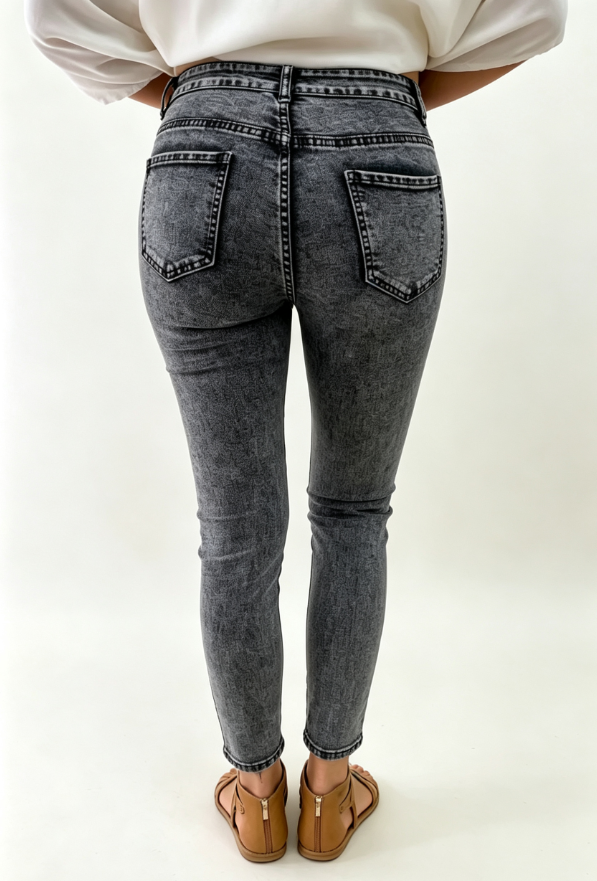
10 oz denim can resemble 12 oz denim in photos, yet fiber content, stretch recovery, and shrinkage can change cost and fit after laundering. Before bulk, test wash panels and a finished sample for shrinkage, color loss, crocking, and hand feel; approve the wash against a retained standard.
Trims And Artwork Need Final Files

3–6 week custom-trim lead times can exceed sewing readiness, while incomplete logo artwork causes incorrect embroidery, print scale, or label placement. Before ordering, lock Pantone references, vector AI or PDF artwork, trim specifications, quantities, and placement dimensions; approve strike-offs where applicable.
Price Is Not The Full Cost
100-unit quotations can omit testing, wash complexity, custom hardware, rework, or inspection requirements, making the lowest unit price commercially misleading. Before placing bulk, compare like-for-like quotes, confirm included materials and QC checkpoints, and approve measurement tolerances, packaging, and final sample details.
9. Steps to Launch Your Shorts Collection
A 100-unit launch succeeds when commercial decisions are locked before sampling begins. Build the calendar backward from the required delivery date, reserving time for fit corrections, material testing, and freight contingencies.
Position The First Drop
Three to five SKUs are usually enough for a first custom jean shorts capsule: one core fit, one fashion fit, and one wash or color extension. Allocate units to proven sizes first, then use expected customer data rather than equal size runs.
- Define target retail price and margin.
- Limit first-drop washes to two or three.
- Set size ratios from audience data.
Create Production-Ready Specifications

One complete tech pack should state graded measurements, rise, inseam, leg opening, stitch details, wash reference, Pantone color, trim list, artwork placement, labels, and packaging. A prototype sample reveals construction and fit issues before the factory reserves bulk fabric.
- Send reference images with annotated callouts.
- Approve fabric swatches before wash development.
- Record every fit revision in one file.
Approve, Produce, And Deliver
Two approval gates reduce preventable delays: approve the corrected fit sample and then the pre-production sample in bulk materials. Request lab testing appropriate to the market, including colorfastness, shrinkage, and restricted-substance checks where required. Seven calendar checkpoints—fabric booking, sample approval, testing, pre-production approval, cutting, final inspection, and shipment—make slippage visible early. Leave a contingency buffer for wash rework, replacement trims, and customs or freight delays; final balances should be settled before shipment.
- Confirm measurement tolerances before cutting.
- Inspect packed goods against the approved sample.
- Book freight after carton dimensions are confirmed.
10. custom jean shorts Pricing and Cost
100 units is JUNSHEEN’s practical starting point per style and color, but an indicative quote only becomes usable after the approved tech pack, size range, wash reference, quantity, and Incoterms destination are confirmed. A basic rigid-denim short with standard sewing, labels, and polybag packing costs materially less than a stretch style with abrasion, distressing, embroidery, or retail-ready packaging. 10–14 oz denim, fiber content, and wash sequence are major cost drivers. Enzyme, stone, acid, bleach, tint, and hand-sanding effects add labor, chemical processing, rejection risk, and wash testing; heavier denim can also increase freight weight. 7–15 days is a typical development window after materials are available, while bulk timing depends on fabric booking, approved fit samples, wash approval, and production loading. Final pricing should state whether it covers FOB China, freight, duties, inspection requirements, and destination-specific packaging or labeling rules.
| Program / Quantity | Indicative USD unit price | Development cost | Typical timing |
|---|---|---|---|
| 100–299 units | $12–$22 | $80–$250 per sample | 7–15 days sample; 25–40 days bulk |
| 300–999 units | $9–$18 | Often credited or reduced on bulk order | 25–38 days bulk |
| 1,000–2,999 units | $7–$15 | Pattern, wash, and trim development quoted separately | 22–35 days bulk |
| 3,000+ units | $6–$13 | Amortized across volume where applicable | 20–32 days bulk |
Start Your Custom Jean Shorts Project
Send your tech pack, reference garment or concept for a tailored OEM quotation, fit-focused development and scalable production from 100 units.