
Wholesale Denim Shorts OEM From 100 Units
Develop fit-focused wholesale denim shorts from XS–3XL with OEM, ODM, and private-label support from sampling through global delivery.
Featured Products for wholesale denim shorts Development


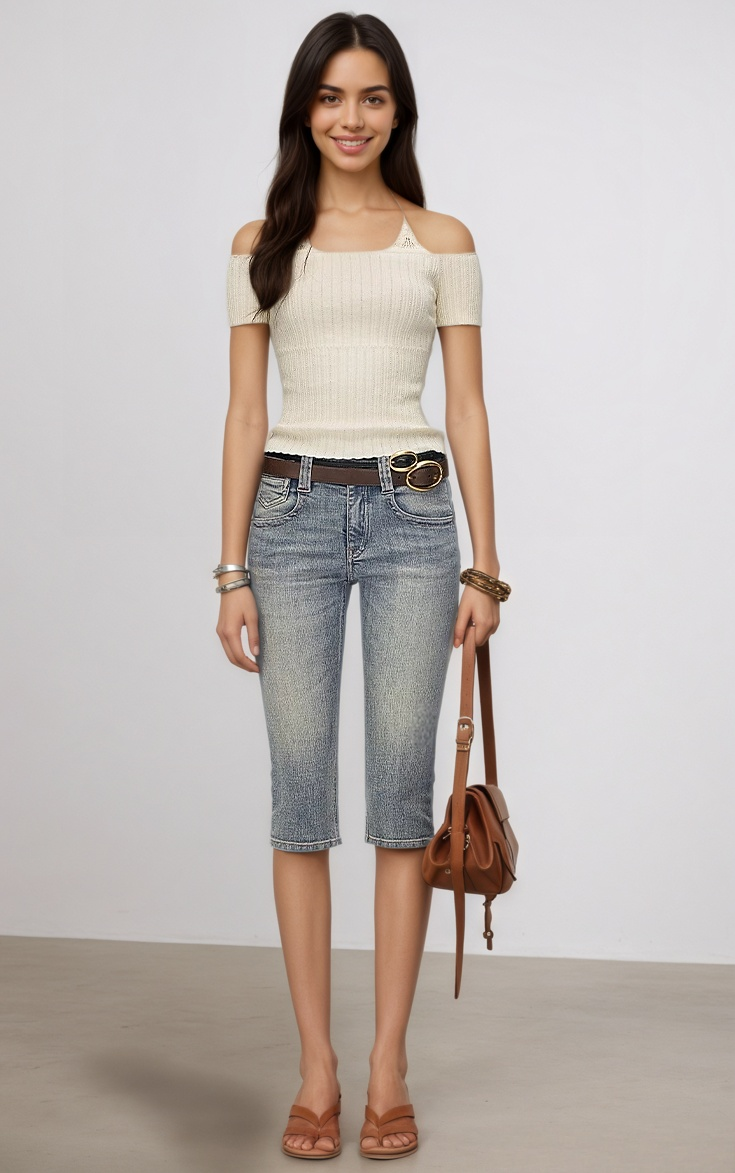

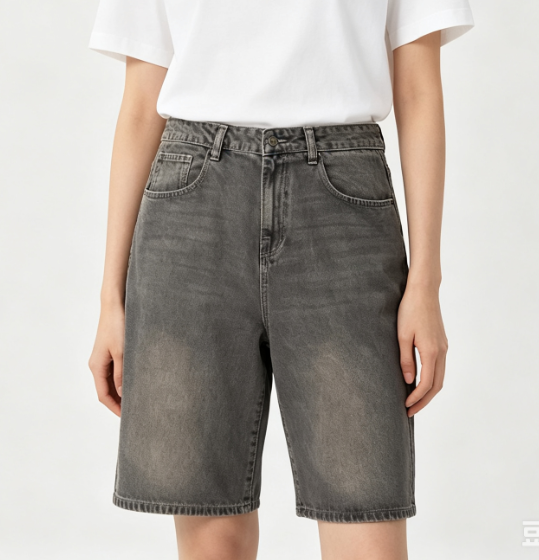


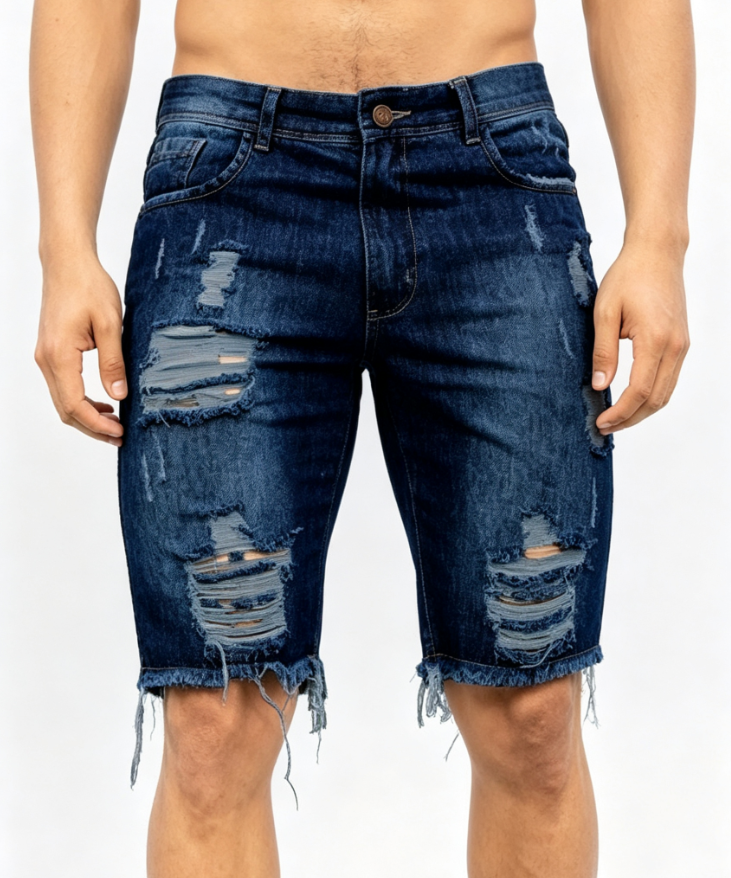


Related Product Catalogue and Quotation
Why Source Wholesale Denim Shorts From JUNSHEEN
A fit-first OEM partner for brands that need flexible order quantities, custom detailing and dependable global production.
100-Unit Starting MOQ
Launch capsule collections or test new washes from 100 units per style and color without sacrificing production support.
Fit-Focused XS–3XL Grading
Pattern makers refine rise, leg balance and grading increments for normal, extended-size, plus-size and oversized denim shorts.
Custom Washes and Decoration
Build distinctive wholesale denim shorts with embroidery, printing, patches, garment dyeing, acid washes, stone washes and branded trims.
One-Stop Private Label
Coordinate fabric sourcing, pattern development, sampling, labels, hardware, packaging and quality control through one experienced manufacturing team.
Scalable Global Production
More than 200 skilled workers and 80,000 monthly units support reliable bulk programs, inspections and export-ready delivery worldwide.
Denim Shorts and Casualwear Manufacturing
Develop fit-consistent denim shorts and adjacent apparel categories with low-MOQ production, coordinated materials, decoration, and private-label finishing.

Custom Hoodies
Develop custom hoodies from heavyweight fleece, French terry, or blended knits with refined body length, hood shape, rib construction, embroidery, printing, labels, and packaging. Low-MOQ development supports capsule drops before scaling repeat programs.
Request a Quote
Custom T-Shirts
Produce custom T-shirts in jersey weights and fabric blends suited to your target price, hand feel, and wash performance. Junsheen supports fit blocks from XS–3XL, oversized proportions, screen printing, DTG, DTF, embroidery, and private labels.
Request a Quote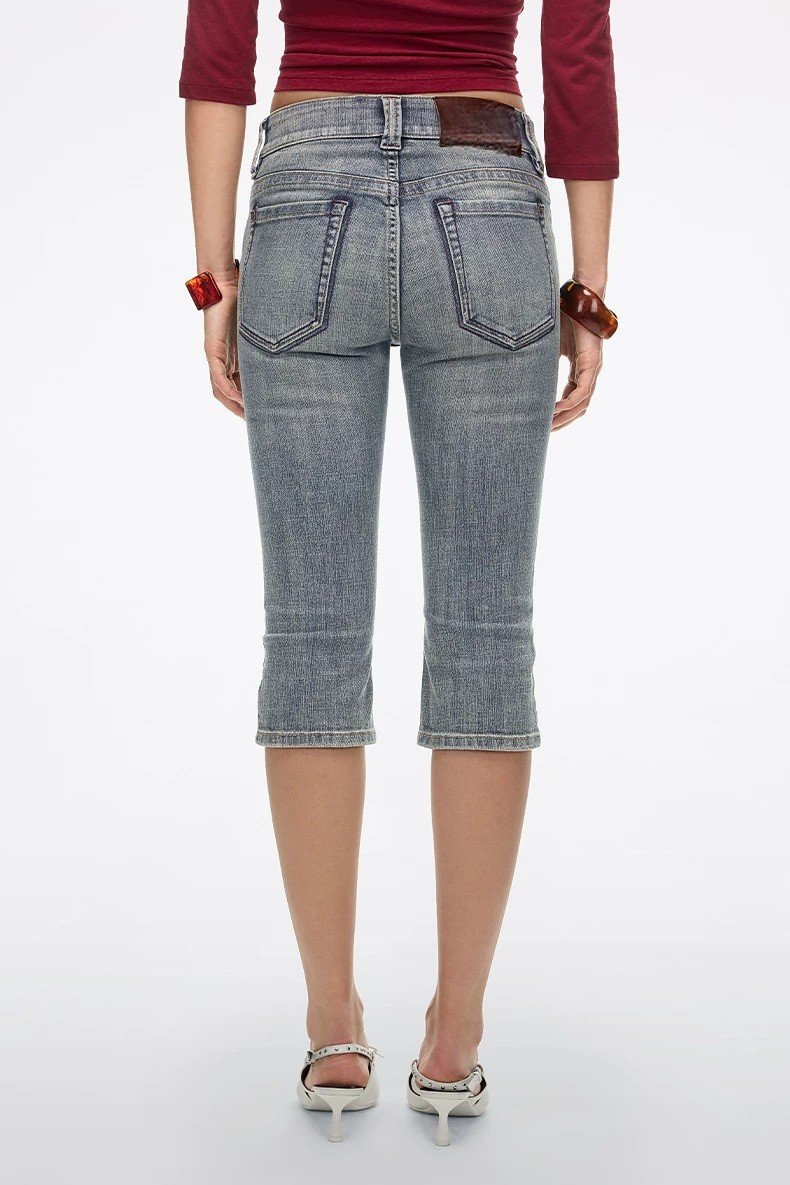
Custom Jeans
Build custom jeans with fabric, stretch, rise, leg shape, pocket placement, hardware, wash effects, and grading aligned to your market. Pattern makers refine fit across XS–3XL to reduce inconsistent sizing between samples and bulk production.
Request a Quote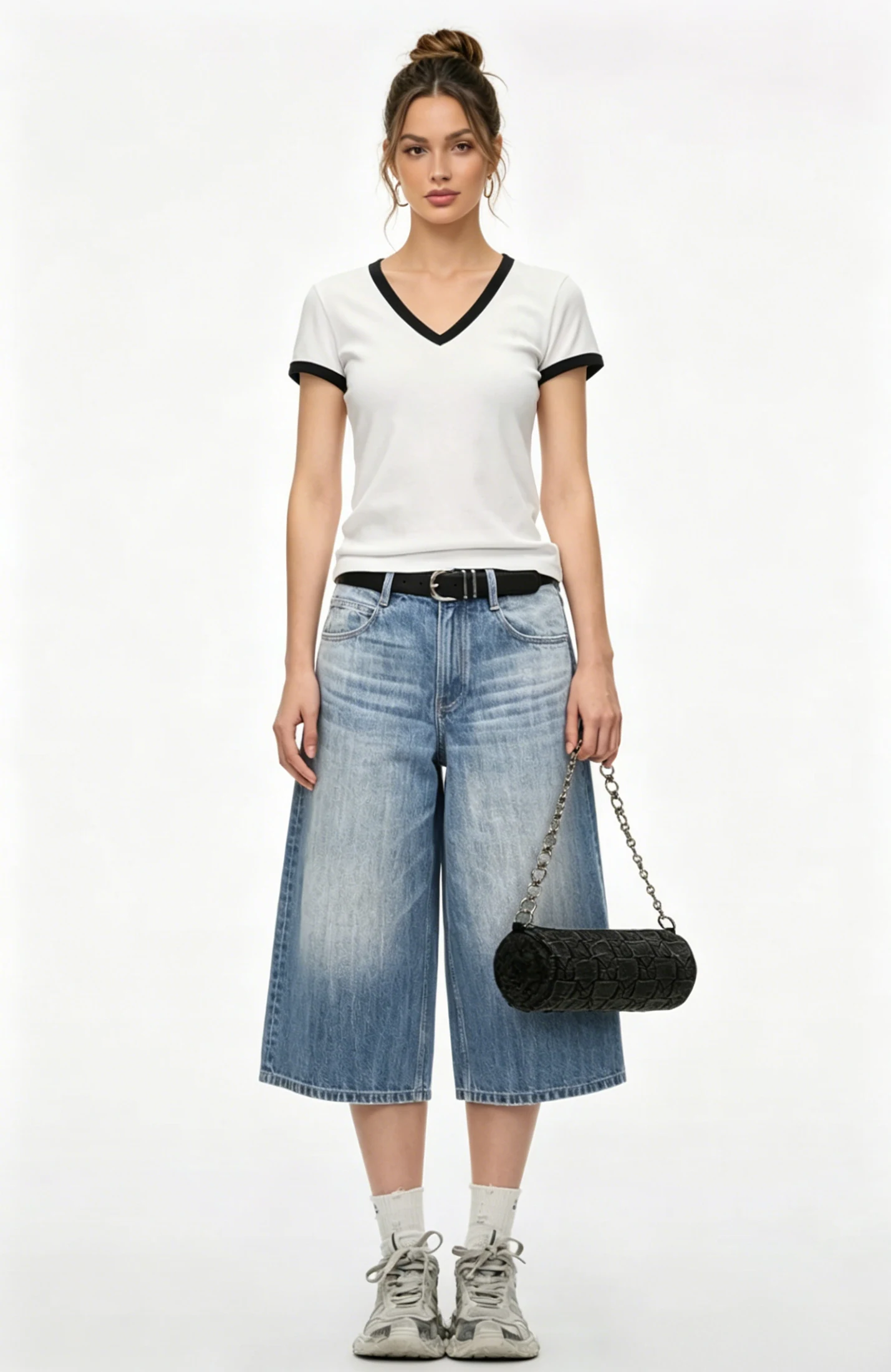
Custom Sweaters
Source and manufacture turtleneck sweaters in bulk using suitable yarn blends, gauges, and knit constructions for the intended hand feel and season. Development includes neckline stability, body proportion, sleeve length, grading, branding trims, and pre-production approval.
Request a Quote
Custom Jackets
Create custom jean jackets with denim weight, silhouette, pocket layout, seams, hardware, washes, embroidery, patches, and branded trims specified for your collection. Sampling verifies construction, fit, and finish before bulk production begins.
Request a Quote
Custom Sweatshirts & Crewnecks
Develop custom crewneck hoodies, sweatshirts, and crewnecks in fleece or French terry with consistent neck rib, shoulder balance, and body proportions. Add screen prints, puff effects, embroidery, washes, labels, and packaging for private-label delivery.
Request a Quote
Custom Cardigans
Manufacture custom cardigans in appropriate yarns and knit gauges, with controlled button plackets, neckline shape, rib details, and grading. Junsheen supports prototypes, branded buttons, labels, and coordinated size sets for retail-ready programs.
Request a Quote
Custom Puffer & Down Jackets
Produce custom puffer jackets with shell fabric, insulation, lining, quilting, pocket configuration, zippers, snaps, and reflective details selected for the intended climate and price level. Sampling confirms volume, mobility, and finishing before production.
Request a Quote
Custom Denim Shorts
Develop custom jean shorts with inseam, rise, leg opening, pocket shape, stretch level, and wash effects tailored to women’s, men’s, or unisex assortments. Fit-focused grading supports consistent proportions from XS through 3XL.
Request a Quote
Custom Sweater Dresses
Create custom sweater dresses with yarn selection, gauge, silhouette, neckline, length, and stretch recovery matched to the desired fit. The team develops graded size sets, labels, and finishing details to support extended-size and oversized programs.
Request a Quote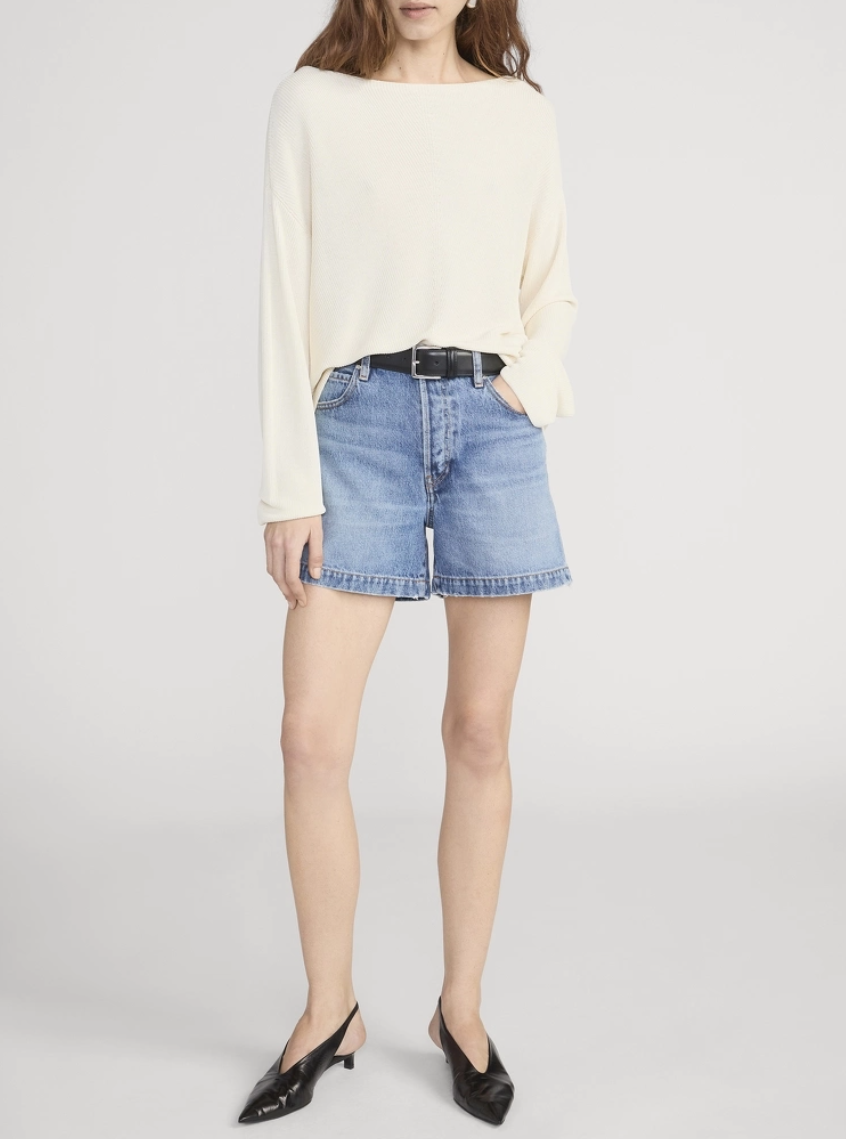
Custom Denim Sets
Manufacture men’s denim suits wholesale as coordinated jackets and trousers using aligned denim, washes, hardware, and fit specifications. Junsheen manages pattern development, grading, branded trims, and bulk consistency across both pieces.
Request a Quote
Custom Polo Shirts
Produce custom polo shirts in pique, jersey, or performance knits with collar construction, plackets, buttons, embroidery, and color blocking adapted to your brand. Fabric recommendations account for durability, recovery, comfort, and wash performance.
Request a Quote
Custom Sweatpants
Develop custom sweatpants in fleece, French terry, or performance knits with adjusted rise, inseam, leg shape, waistband, cuffs, pockets, and drawcords. Fit grading from XS–3XL supports standard, extended-size, and modern oversized silhouettes.
Request a Quote
Custom Shorts
Manufacture custom shorts across denim, twill, jersey, fleece, and woven constructions. Define inseam, rise, pocket design, stretch, waistband, washes, decoration, and labels during development, then confirm measurements and finishing through sampling.
Request a Quote
Custom Pullovers
Create custom pullovers in knit, fleece, French terry, or woven constructions with neckline, fit, fabric weight, and finishing chosen for the collection. Junsheen supports size grading, decoration, private-label trims, quality control, and export preparation.
Request a QuoteWholesale Denim Shorts Fabric Options

Rigid Cotton Denim
A structured, authentic denim with a crisp hand feel and minimal give, ideal for vintage-inspired cutoffs and classic five-pocket shorts. Available in medium to heavyweight constructions for durable shaping and pronounced wash character.

Stretch Denim
Cotton denim blended with elastane for comfortable recovery and easier movement, suited to fitted, curvy, and extended-size wholesale denim shorts. Stretch percentages and fabric weight can be matched to the desired silhouette and hold.

Cotton Blend Denim
Cotton blended with fibers such as polyester, rayon, or Tencel creates a softer hand, controlled drape, or improved durability. A practical option for fashion shorts requiring dependable performance at a defined target cost.

Lightweight Chambray Denim
A breathable, softer woven fabric with a denim-inspired appearance, well suited to relaxed pull-on shorts and warm-weather collections. Its lighter weight supports fluid drape, comfort, and easier layering without the bulk of traditional denim.

Recycled Fiber Denim
Denim incorporating recycled cotton or recycled polyester for brands pursuing lower-impact material options. Available in varied weights and stretch levels, it supports custom denim shorts while balancing hand feel, durability, wash performance, and sourcing goals.
Wholesale Denim Shorts Washing, Printing and Decoration

Garment Washing
Enzyme, stone and acid washes soften denim, create controlled fading and bring out vintage character. Process settings are tested on samples to help maintain color consistency, seam integrity and the intended hand feel.

Laser Fading
Laser treatments create precise whiskers, worn areas and tonal patterns without relying on hand sanding alone. This process delivers repeatable visual placement across wholesale denim shorts while supporting a refined, production-ready finish.

Screen Printing
Plastisol, water-based, puff and high-density screen prints add logos, artwork or statement graphics to denim shorts. Our team selects inks and curing methods for strong adhesion, clear color and wash-resistant performance.

Custom Embroidery
Flat, 3D puff and chain-stitch embroidery add dimensional branding to pockets, hems and panels. We review stitch density, backing and placement to achieve clean definition while preserving comfort and dependable wear durability.

Patch Application
Woven, leather, embroidered and custom logo patches create a recognizable private-label finish. Secure stitching, placement trials and suitable backing materials help each patch hold its shape through repeated washing and daily wear.

Finishing Treatments
Softening, brushing, distressing and garment-dye effects fine-tune texture, color depth and visual attitude. JUNSHEEN can combine approved treatments to create a signature result that remains consistent from sample approval through bulk production.
Custom Trims and Private-Label Accessories

Logo Snap Buttons
Custom metal snap buttons add a branded closure detail to denim shorts, with logo engraving, plated finishes, and color options selected to complement your wash, pocket design, and target price point.

YKK Zipper Options
Specify reliable YKK zippers or approved alternatives for fly closures, utility pockets, and side details. We match zipper tape, puller finish, length, and strength to your denim weight and construction.

Drawcord and Tipping
Add custom drawcords for elastic-waist or hybrid denim shorts, using cotton, flat woven, or contrast cords with metal, rubber, or dipped tips to create a deliberate branded finish.

Woven Brand Labels
Woven main labels, size tabs, and care labels provide clear brand identification inside every pair. JUNSHEEN can develop woven textures, colors, folds, and placement for your private-label wholesale denim shorts.

Leather Logo Patches
Leather, faux leather, and washable paper patches give denim shorts a premium back-waist signature. Choose debossed, embossed, printed, or laser-engraved logos with dimensions tailored to your waistband construction.
Hang Tags Packaging
Complete the retail presentation with custom hang tags, barcode stickers, polybags, tissue, and branded cartons. Packaging specifications can be coordinated with your export requirements and wholesale fulfillment workflow.
About JUNSHEEN Wholesale Denim Shorts
Based in Humen Town, Dongguan, JUNSHEEN has provided OEM, ODM, private-label and wholesale apparel manufacturing since 2010. We help global brands turn denim shorts concepts, tech packs and reference garments into production-ready collections with responsive product-development support.
Our integrated supply chain combines denim sourcing, pattern making, size grading, cut-and-sew production, washing, printing, embroidery, labels, trims, packaging and export coordination. With more than 200 skilled workers and monthly capacity above 80,000 units, we support both focused capsule launches and scalable wholesale denim shorts programs.
What distinguishes JUNSHEEN is fit-first development across XS–3XL, including extended-size, plus-size and oversized grading. Starting from 100 units per style and color, our team refines proportions and construction details to help brands deliver dependable denim shorts fit, quality and repeat-order consistency worldwide.

Wholesale Denim Shorts, Built Fit First
Fit-First Pattern Development
Our pattern team develops wholesale denim shorts from XS through 3XL with proportion-specific rises, hip balance, leg openings, and grading increments. We refine fit across normal, extended-size, plus-size, and oversized ranges before bulk approval.
- Custom patterns from tech packs, sketches, or reference samples
- Size grading tailored to each target customer
- Prototype, fit sample, and size-set review support
- Manufacturability feedback before production

Controlled Denim Sourcing and Washing
JUNSHEEN matches denim weight, stretch, recovery, hand feel, and wash performance to your price point and silhouette. Swatches and samples help confirm fabric behavior before enzyme, stone, acid, garment-dye, or other finishing treatments move into bulk.
- Rigid, stretch, and fashion denim options
- Fabric recommendations based on fit and target cost
- Wash recipes reviewed against approved samples
- Color, shrinkage, and hand-feel checks

Private Labels Finished In-House
Turn approved denim shorts into a finished brand program with coordinated labels, trims, decoration, and packaging. Our team manages the details that support a consistent retail presentation, from leather patches and hang tags to custom buttons and wash-care labels.
- Woven, leather, main, size, and care labels
- Custom buttons, snaps, zippers, and patches
- Embroidery, screen printing, and transfer options
- Branded hang tags and export-ready packaging

Scalable Quality Management
From 100 units per style and color to repeat bulk programs, JUNSHEEN combines documented approvals with in-line and final inspection. More than 200 skilled workers and monthly capacity above 80,000 units support dependable wholesale denim shorts production as demand grows.
- Incoming fabric and trim inspection
- In-line construction and measurement checks
- Final packed-goods quality control
- Pattern and material records retained for reorders

Why Choose JUNSHEEN for Wholesale Denim Shorts
A fit-first, production-ready partner from first sample through global delivery.
← 左右滑动查看 →
Wholesale Denim Shorts Production Process
A fit-focused OEM workflow that moves your denim shorts from feasibility review to inspected, packed goods ready for global shipment.
Review Requirements
Our team reviews your tech pack, references, target price, size range, decoration needs, and 100-unit MOQ feasibility before confirming a development path.
Source Denim Materials
We recommend denim, stretch blends, washes, trims, and labels based on hand feel, weight, durability, target cost, and desired finish.
Build Patterns and Samples
Pattern makers develop and grade fit-focused XS–3XL patterns, then produce prototypes for measurement, construction, wash, and branding approval before bulk production.
Cut, Sew, and Finish
Approved wholesale denim shorts move into bulk cutting and sewing, followed by selected washing, distressing, printing, embroidery, and private-label finishing processes.
Inspect, Pack, and Ship
Quality teams check fabric, construction, measurements, fit, decoration, and packed goods before branded packaging and coordinated export shipment to your destination.
Work With Our Wholesale Denim Shorts OEM Team
Move from concept to approved bulk delivery with clear technical review, fit-focused sampling and export-ready production support.
Send Your Concept
Share a tech pack, sketch, reference garment or mood board with target quantities, sizing, wash ideas and branding requirements for your wholesale denim shorts.
Review Feasibility
Our team assesses construction, fabric, trims, decoration, fit grading and MOQ, then provides practical recommendations and a transparent quotation for your program.
Approve Your Samples
Review prototype samples, material swatches and size-set details; refine measurements, washes or labels before confirming the final production-ready specification.
Confirm Production and Shipping
Approve the order for bulk production while Junsheen manages in-line quality control, final inspection, packaging and global shipping coordination for your finished denim shorts.
Custom Clothing Manufacturer Credentials and Compliance Documents




Wholesale Denim Shorts Client Results and Manufacturing Cases
JUNSHEEN turned our reference shorts into approved samples in two rounds. Their revised rise and thigh grading improved fit across XS–3XL, and our first 300-unit colorway sold through in 11 weeks.
We moved from a 120-unit test order to 1,800 units across three washes without losing measurement consistency. The pre-production size set caught a waistband issue early and kept our retailer delivery on schedule.
The team matched our vintage wash direction, added branded leather patches and managed export packing in one workflow. Repeat sampling time dropped from six weeks with our previous supplier to three weeks.
Wholesale Denim Shorts FAQ
Clear answers on minimums, sampling, production, shipping, payments and confidential development.
What is the MOQ for wholesale denim shorts?
How long does a wholesale denim shorts sample take?
How much does it cost to develop wholesale denim shorts samples?
What are your payment terms for a first order?
What is the production lead time for custom denim shorts?
Do you ship wholesale denim shorts internationally?
Will you protect my denim shorts designs and private-label details?
The Complete Buyer’s Guide to wholesale denim shorts
Use this sourcing framework to compare wholesale denim shorts styles, materials, construction, customization, pricing, and supplier capabilities—while avoiding costly sampling, compliance, MOQ, fit, and lead-time mistakes before placing production.
1. What Are wholesale denim shorts?
100 units per style and color is a practical starting point for wholesale denim shorts when a buyer needs a private-label capsule rather than anonymous inventory. The term covers bulk denim-short programs purchased for resale, including ready-stock goods and made-to-order production for labels, retailers, wholesalers, and online sellers. 4 sourcing models require different inputs: ready-stock wholesale uses finished, usually unbranded inventory; OEM produces an approved buyer specification; ODM adapts a manufacturer-developed base style; and fully custom manufacturing starts with the buyer’s own fit, details, fabric, wash, and trim direction. A quote is only comparable when the requested model is clear, because a stock program has different development work, branding options, and lead-time exposure than a custom program. 6 decisions should be settled before requesting quotations: target customer, retail price tier, silhouette and graded fit, wash direction, branding package, and destination market. Buyers should state whether they need rigid or stretch denim, such as 10–13 oz fabric, a light enzyme wash or darker indigo finish, labels and hang tags, and compliance or packing needs for the delivery market. 2 buyer profiles often use different order logic: emerging brands may test a focused color-and-size range at low MOQ, while wholesalers and retailers consolidate volume across repeatable styles. At JUNSHEEN, programs can begin from 100 units per style and color, with fit development from XS through 3XL supporting both standard and extended-size ranges.
2. Evolution of wholesale denim shorts
1873 established blue denim as durable workwear; shorts later emerged when worn jeans were cut off for heat, utility, and casual recreation. By the 1970s and 1980s, frayed hems, high rises, stone washes, and distressed finishes moved denim shorts from improvised cutoffs into seasonal fashion assortments. 1990s streetwear widened the silhouette through longer inseams, baggier legs, carpenter details, and heavier denim, while resort and festival demand kept slim, high-rise, and light-wash options active. Contemporary wholesale denim shorts must therefore be planned as a silhouette mix, not a single ‘on-trend’ buy: rise, inseam, leg opening, stretch recovery, wash contrast, and size grading determine who can wear and reorder the style. 2020s collections increasingly require inclusive sizing and faster trend response, from rigid vintage-inspired shorts to relaxed bermudas and tailored denim. Trend cycles should guide color and wash depth, sample timing, and controlled initial inventory, but commercially sound programs still prioritize stable fabric weight, repeatable wash recipes, reinforced stress points, and fit approval across XS–3XL before bulk commitment. 100-unit-per-style-and-color production can let emerging labels test a focused wash and silhouette without overcommitting inventory. For repeatable wholesale denim shorts, retain approved patterns, graded measurements, fabric specifications, and wash standards so a successful seasonal style can return without avoidable fit drift.
3. Types of wholesale denim shorts
A balanced wholesale denim shorts range uses several fit families, not one viral silhouette. Map rise, inseam and volume to customer use cases, then control wash and pocket details across the assortment.
| Family | Typical Inseam | Rise | Best Assortment Role |
|---|---|---|---|
| Five-pocket | 3–5 in. | Mid/high | Year-round core |
| Bermuda/relaxed | 7–12 in. | Mid/high | Coverage and unisex |
| Cargo/distressed | 4–8 in. | Mid/high | Fashion statement |
| Tailored | 5–8 in. | Mid/high | Polished seasonal |
Core Five-Pocket Fits
5-pocket shorts use a straight or slim-straight leg, mid to high rise, and 3–5 inch inseam. They are dependable core styles for junior, contemporary and denim-led accounts. Spring/summer programs usually carry two washes plus black or ecru. Keep coin-pocket placement, back-yoke angle and rivet specifications consistent for efficient repeat production.
Bermuda And Relaxed Shapes
7–12 inch Bermudas and relaxed shorts create more coverage with a mid or high rise. They suit mature customers, unisex capsules and transitional spring deliveries. A wider hem needs a balanced hip-to-thigh grade; otherwise sizes can look either tubular or overly flared. Test the seated fit before approving the size set.
Fashion Utility Styles
Mom shorts use a high rise and eased hip with a 2–4 inch inseam; paperbag versions add a gathered waist and belt. Both target fashion customers and require stable waist construction. Cargo and distressed styles favor relaxed legs and 4–8 inch inseams. Cargo pocket weight, bartacks and wash sequencing must be approved before bulk production.
Tailored And Extended Sizes
Tailored denim shorts use cleaner fronts, 5–8 inch inseams and mid/high rises for polished resort or smart-casual assortments. Avoid bulky rivets where a trouser finish is intended. XS–3XL programs need revised rise, thigh ease and back-pocket position—not simple enlargement. Extended-size samples should be fitted independently before grading is released.
4. Materials for wholesale denim shorts
10–14 oz denim is the practical range for most wholesale denim shorts: lighter weights suit warm weather, while heavier cloth holds sharper silhouettes. Fiber mix, twill construction, and wash testing determine shrinkage, recovery, hand feel, and wear life.
| Material | Weight Range | Benefits | Limitations | Recommended Use |
|---|---|---|---|---|
| Rigid cotton | 11–14 oz | Durable, authentic fade | No stretch; shrinkage risk | Vintage, utility shorts |
| Cotton-elastane | 10–13 oz | Mobility and fit comfort | Recovery must be tested | Slim and extended-size fits |
| Recycled cotton blend | 10–13 oz | Lower virgin-fiber content | Variable strength and shade | Responsible casual programs |
| Cotton-Tencel or lyocell | 8–12 oz | Soft, cool, fluid drape | Less rigid structure | Warm-climate shorts |
| Colored denim | 9–13 oz | Seasonal color flexibility | Crocking and shade control | Fashion capsules |
Rigid Cotton Denim
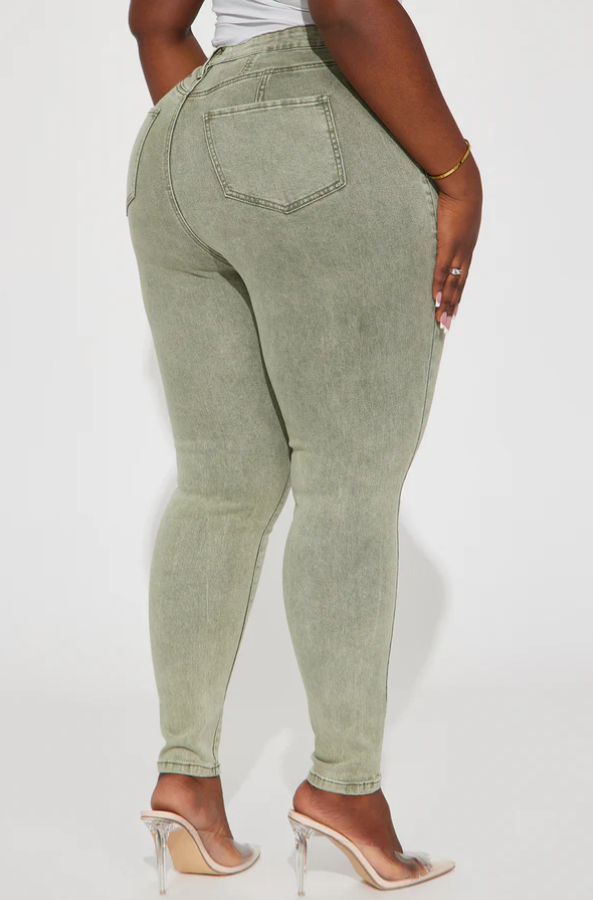
100% cotton rigid denim, commonly 11–14 oz, gives a dry hand and durable 3×1 twill character. It softens through wear and washing, but requires allowance for shrinkage and has no stretch recovery. 12 oz rigid denim suits vintage five-pocket shorts, workwear-inspired cuts, and structured longer inseams. Confirm sanforization, residual shrinkage, and wash recipe on a sample before locking graded measurements.
Stretch And Soft Blends

1–3% elastane with cotton denim improves comfort and movement, especially in fitted or extended-size shorts. Recovery matters: weak elastane can bag at the seat, thigh, and waistband after repeated wear. 10–12 oz cotton-Tencel or lyocell blends create a smoother, cooler hand and more fluid drape. Recycled-cotton blends reduce virgin-fiber use, although fiber consistency and tensile strength should be checked by lot.
Color And Climate Selection
8–10 oz denim is better for hot climates, resort programs, and relaxed summer shorts; 12–14 oz fits cooler markets and durable fashion styles. Indigo, black, ecru, and pigment-dyed colored denim each need separate wash and crocking approval. 3×1 right-hand twill is the standard visual reference, while broken twill can reduce leg twist. Request shade bands and bulk-lot approvals when color consistency is commercially critical.
5. Customizing wholesale denim shorts
At a 100-unit starting MOQ, customization should begin with the wear purpose and target retail price. Lock the silhouette, wash, and decoration sequence before adding branded details that can complicate yield or approvals.
| Customization Tier | Typical Additions | Relative Unit Cost | Development Impact |
|---|---|---|---|
| Core private label | Labels, hang tag, standard wash | Lowest | Fastest approval |
| Wash-led identity | Stone wash, garment dye, light distressing | Moderate | Requires wash standard |
| Decorated program | Embroidery or 1–3 color print, custom patch | Higher | Artwork and placement approval |
| Premium hardware | Custom button, rivets, leather label, branded packaging | Highest | Longer trim sourcing |
Silhouette And Pocket Decisions
Three core choices—rise, inseam, and leg opening—change fit more visibly than a new pocket label. Specify relaxed, straight, baggy, or fitted proportions with a graded measurement chart. Two pocket decisions matter early: back-pocket shape and front-pocket depth. Angled yokes, oversized patch pockets, contrast stitching, and custom rivet locations affect sewing time and placement tolerances.
- Set rise, inseam, hem opening, and size grading
- Approve pocket artwork at actual production scale
- Match silhouette to intended skate, resort, or everyday use
Wash And Distressing Sequence

Three wash stages commonly require lab-dip or sample approval: enzyme softening, stone wash, and garment dye. Laser effects, hand sanding, whiskers, and abrasion must be placed before final decoration planning. One wash can shift shade, shrinkage, and surface texture across lots. Apply embroidery, patches, screen prints, and heat transfers only in a sequence compatible with the selected wash and expected abrasion.
- Use wash standards and approved reference panels
- Avoid large rigid prints across heavily distressed zones
- Confirm color after the finished-garment wash
Branding And Packaging

One-color screen prints generally suit bold, durable graphics, while multicolor artwork raises setup, registration, and inspection demands. Embroidery density, thread color changes, and placement near seams also affect cost and feasibility. Four branded touchpoints can be coordinated: woven or leather labels, hang tags, custom hardware, and packaging. Use Pantone references, artwork dimensions, and placement measurements instead of visual descriptions alone.
- Limit colors where a clean graphic achieves the goal
- Choose rivets, buttons, and zipper finishes together
- Specify carton packing and individual polybag requirements
6. Construction Quality for Denim Shorts
Construction quality is decided before bulk cutting, not after final inspection. For wholesale denim shorts, buyers should convert every visible and measurable requirement into a controlled approval point.
Verify Cut And Seams
One yard of fabric should be checked for grain alignment before cutting; off-grain panels can twist after washing. Eight to 10 stitches per inch is a common denim target. Inspect locked inseams, clean overlock edges, matched pocket placement, and bartacks at stress points.
- Check left-right pocket height and spacing.
- Confirm hem width and stitch alignment.
- Inspect rivets for secure, scratch-free setting.
Approve Fly And Waistband
One approved pre-production sample should match the signed tech pack in fabric, wash, hardware, labels, and construction. Two waistband checks matter: stable topstitching and an even overlap at the fly. Test zipper operation or button-fly alignment repeatedly before approval.
- Specify zipper brand, length, and pull finish.
- Define button, rivet, and thread colors.
- Record waistband stretch and recovery expectations.
Set Repeatable Tolerances

Every measurement point needs a stated tolerance, commonly ±1 cm for key garment measurements unless the tech pack requires tighter control. Three comparison points should be reviewed against the approved sample: wash tone, abrasion placement, and hem appearance. Retain graded patterns, wash standards, and sealed samples for repeat orders.
- Measure rise, inseam, waist, hip, and leg opening.
- Approve a wash standard under consistent lighting.
- Document pass-fail criteria before bulk production.
7. Choosing a Denim Shorts Manufacturer
A 100-unit minimum can suit a capsule, but supplier selection should begin with proven denim-short development rather than a low quoted price. Compare documented capability, controls, and response quality before approving a bulk deposit.
Verify Denim Experience
Ask for recent sample photos showing inseams, fly construction, pocket shape, bartacks, hems, and wash variations. A supplier should explain how its patterns handle rigid and stretch denim across graded sizes. Request a development timeline from tech-pack review through fit sample, size set, and pre-production sample. Junsheen can develop from a tech pack, reference garment, sketch, or mood board and retains pattern and material records for repeat orders.
- Request front, back, and inside sample photos
- Confirm MOQ by style, color, and wash
- Ask who approves fit changes and when
Audit Materials And Washes
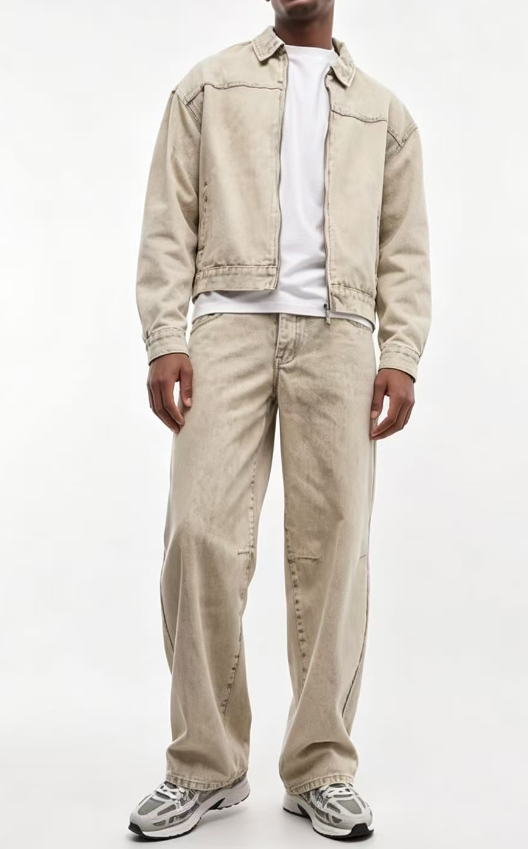
Ask which mill supplies the proposed denim and request swatches before bulk confirmation. Fabric weight, stretch recovery, shrinkage, colorfastness, and abrasion performance should match the intended wash and retail position. Request wash test reports where applicable and confirm the washhouse’s recipe-control, lot separation, and shade-band process. For chemical and social compliance, ask for current OEKO-TEX-related material evidence plus available BSCI, WRAP, or equivalent audit documentation.
Confirm Production Reliability
Confirm monthly capacity, in-line inspection points, final measurement tolerances, packing checks, and export handoff responsibilities. Junsheen states capacity above 80,000 units monthly and inspections covering incoming fabric, construction, measurements, decoration, and packed goods. Ask for a dated critical-path schedule covering materials, sampling, bulk cutting, washing, QC, balance payment, and shipment. Require written notice of risks such as fabric delays, failed wash tests, or approval slippage before they affect the delivery date.
- Request a factory audit or virtual walkthrough
- Confirm export documents and shipping terms
- Review the production timeline before ordering
8. Common wholesale denim shorts Mistakes
Most bulk failures begin before the purchase order: a swatch, reference short, or fast sample approval hides variables that appear only in production. Treat each wholesale denim shorts decision as a measurable pre-bulk checkpoint.
Validate Fabric And Wash
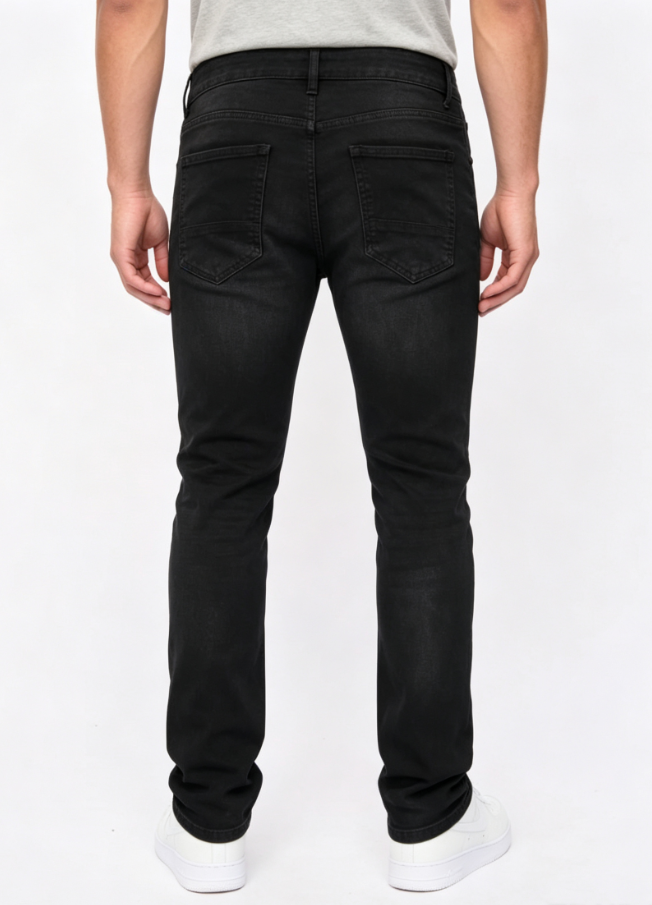
8–14 oz denim can feel acceptable as a swatch yet behave differently after enzyme, stone, or bleach washing; shade and shrinkage variation can create rejected units. Approve a washed garment panel and set an acceptable shade-band standard before bulk. 3 wash lots can show visibly different cast even with the same recipe, especially on indigo rope-dyed fabric. Require a pilot wash lot, retain an approved control sample, and review wash measurements after finishing.
Engineer Fit And Specifications
XS–3XL cannot be created by enlarging one copied short; rise, hip ease, thigh opening, and inseam need graded rules. The commercial cost is repeated fit samples or returns, so approve a graded size set against a measurement chart. 1 vague tech pack can leave pocket placement, stitch density, wash callouts, and tolerances open to interpretation. Issue a version-controlled pack with Pantone references, BOM, construction sketches, and critical-point tolerances before quotation.
Test Trims And Price Reality
1 untested zipper, button, or rivet can fail after washing, causing repair claims and missed delivery dates. Test finished garments for pull strength, corrosion, sharp edges, and wash performance; nominate approved trim specifications. $2–$4 target-cost gaps are rarely solved without changing fabric weight, wash complexity, trims, or order quantity. Compare a transparent costed sample to the target and lock trade-offs before confirming production.
Control Order Scope And Approval
6 unproven styles at a 100-unit MOQ spread development time, materials, and cash across too many unknowns. Start with 1–3 core fits and colors, then reorder proven sellers using retained patterns and wash records. 48-hour sample approvals often miss measurement drift, pocket asymmetry, and wash defects. Allow a wear-and-wash review, record comments by sample version, and release bulk only after written pre-production approval.
9. Launching Your Denim Shorts Brand
A 100-unit-per-style-and-color launch can validate demand without committing to a broad denim assortment. Start by defining one customer, one price band, and the fit problem your shorts solve before contacting factories.
Position The First Range
Two core silhouettes usually give a new label enough contrast: for example, a relaxed long short and a fitted mid-rise short. Review competing retail prices, inseams, washes, size ranges, and review complaints to identify a clear gap. Three launch colors are usually sufficient when wash development is involved. Limit the first drop to proven blue, black, or ecru directions, then reserve experimental finishes for samples.
Build Production-Ready Packs
One tech pack per style should state measurements, graded size chart, fabric weight, wash target, construction, Pantone colors, trims, labels, and artwork placement. Include front, back, and detail flats so a supplier can quote the same garment you intend. Two benchmark garments can clarify hand feel and fit, but they do not replace written specifications. Ask suppliers to flag manufacturability risks before sampling, especially shrinkage, stretch recovery, pocket shape, and wash variation.
Sample Before Booking Bulk

One prototype should be fitted on the intended body type before approving a size set. Record waistband comfort, rise, thigh ease, inseam, leg opening, and movement feedback in a revision sheet rather than giving verbal comments. Two rounds of sampling are common for a new denim style. Approve fabric swatches, wash standard, measurements, and decoration together before bulk booking, because later changes can affect cost and timing.
Prepare The Commercial Launch
Four cost inputs drive the initial margin: fabric, wash, trims, and freight. Confirm the landed-cost model, payment schedule, labeling requirements, and any target-market testing or documentation needed before placing production. Thirty days before delivery, photograph approved samples, write fit guidance, and prepare SKU data for wholesale or direct sales. Set a replenishment trigger from sell-through by size and wash, then retain approved patterns and material records for repeat orders.
10. wholesale denim shorts Pricing and Costs
100 units per style and color is a practical entry point for an OEM capsule; at that level, pattern work, wash trials, labels, and freight are spread across fewer garments. Treat the unit ranges below as factory-price guidance, not a landed-cost commitment. 10–14 oz denim, enzyme or stone washes, hand distressing, branded YKK-equivalent hardware, embroidery, custom packaging, sampling, freight, insurance, import duties, and destination taxes can all move the final cost. A usable quote requires the confirmed tech pack or reference, fabric and wash specification, decoration and packaging details, quantity by color and size, Incoterm, and delivery destination.
| Quantity tier | Indicative factory price per unit | Typical production lead time | Primary cost drivers |
|---|---|---|---|
| 100–299 units | US$12–22 | 30–45 days after approvals | Pattern setup, low-volume wash minimums, custom labels |
| 300–999 units | US$9–17 | 25–40 days after approvals | Denim weight, wash recipe, distressing, trim count |
| 1,000–2,999 units | US$7–14 | 25–35 days after approvals | Fabric yield, colorways, decoration, packaging |
| 3,000+ units | US$6–12 | 30–45 days after approvals | Bulk fabric booking, wash capacity, freight mode |
Start Your Wholesale Denim Shorts Sampling Project
Send your tech pack, reference garment or concept for a fit-focused wholesale denim shorts quotation from 100 units per style and color.