
Custom Tapestry Hoodie Manufacturing From 100 Units
Develop a custom tapestry hoodie with fit-focused XS–3XL grading, private-label details, and scalable OEM or ODM production from JUNSHEEN.
Featured Products for custom tapestry hoodie Development
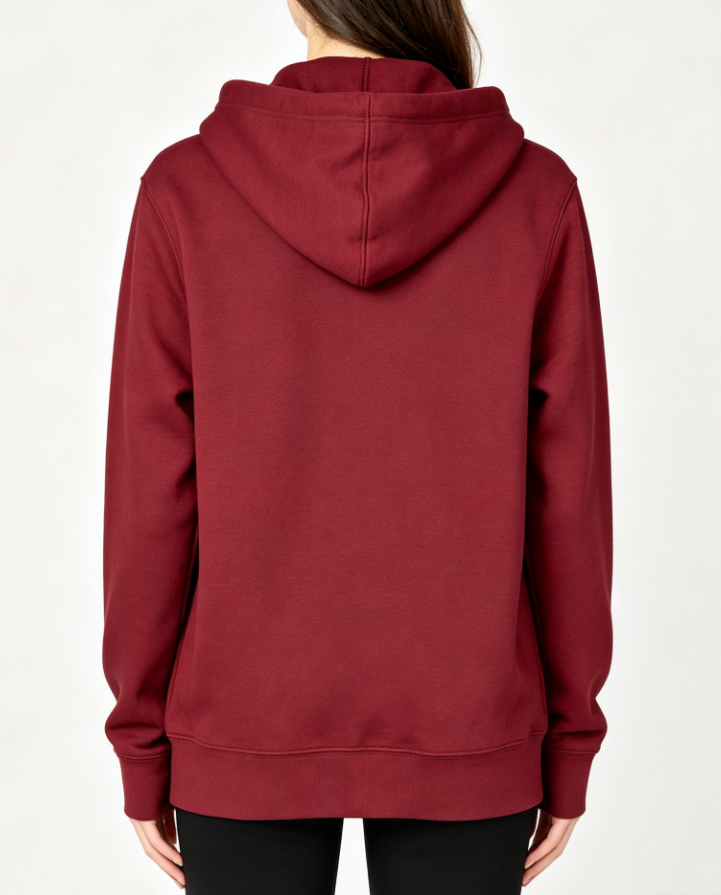

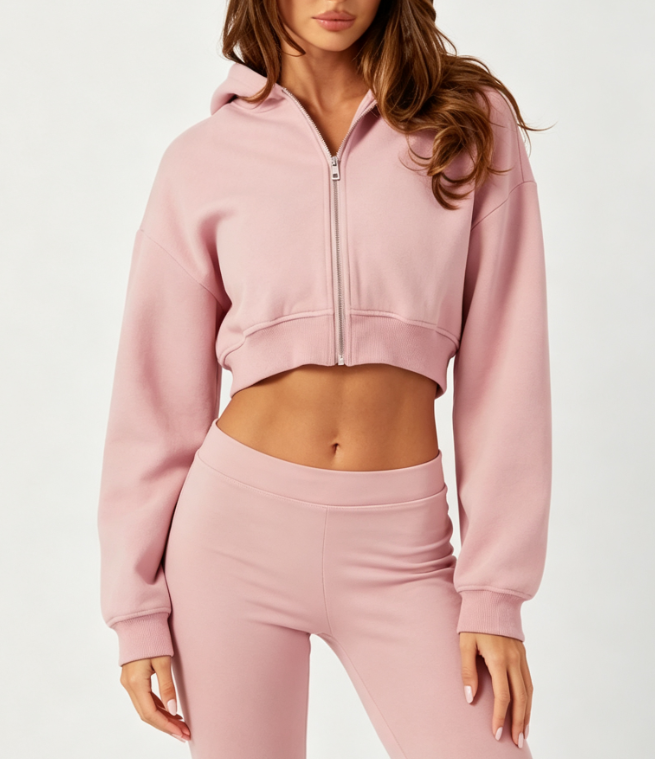


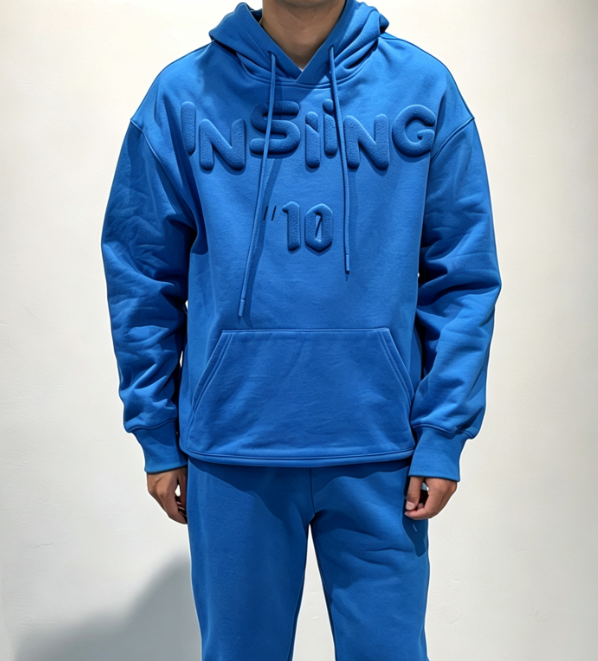


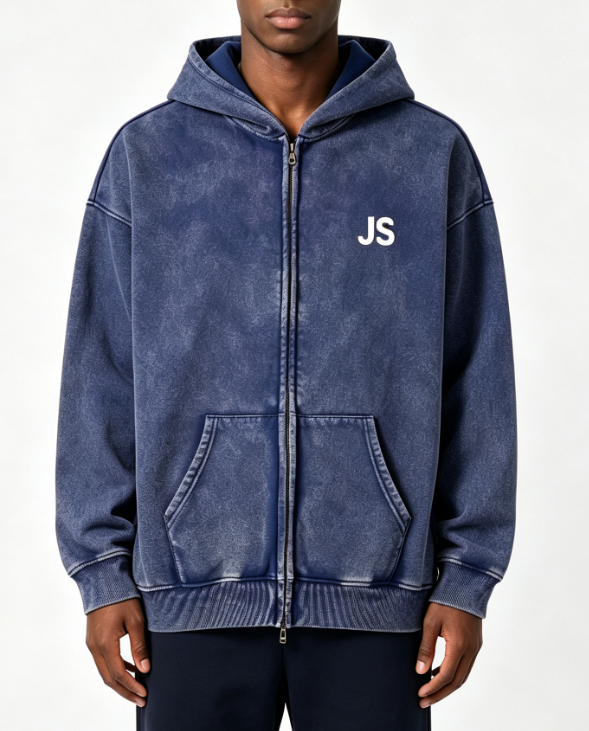

Related Product Catalogue and Quotation
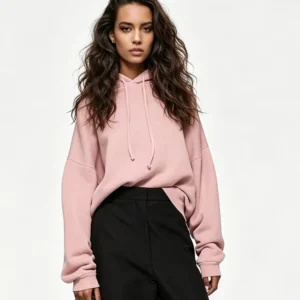
Why Source Custom Tapestry Hoodies From JUNSHEEN
A production partner built for low-risk development, reliable quality, and scalable branded apparel programs.
100-Unit Starting MOQ
Launch a custom tapestry hoodie capsule from 100 units per style and color, then scale proven designs with confidence.
One-Stop Development
Move from sketch, reference, or tech pack through fabric sourcing, pattern making, sampling, labels, and bulk production.
Fit-Focused XS–3XL Grading
Refine proportions, mobility, and grading increments for standard, extended-size, plus-size, and modern oversized hoodie fits.
In-House Decoration
Coordinate embroidery, patches, screen printing, transfers, washes, finishing, and branded trims through one accountable manufacturing team.
Scalable Global Production
Access 200+ skilled workers, 80,000+ monthly units of capacity, quality control, and export support for growing global programs.
Custom Tapestry Hoodies and Casualwear Programs
Develop coordinated casualwear, denim, knitwear and outerwear with fit-focused patterns, low 100-unit MOQs and integrated private-label production.

Custom Hoodies
Develop custom hoodies alongside tapestry styles in French terry, fleece or heavyweight jersey. Junsheen manages pattern development, XS–3XL grading, embroidery, printing, labels and packaging so collections maintain a consistent fit and branded finish.
Request a Quote
Custom T-Shirts
Add custom T-shirts for layered looks, launch merchandise or entry-price programs. Choose jersey weight, neckline, silhouette and decoration method, then develop samples and graded size sets that align with your hoodie fit standards.
Request a Quote
Custom Jeans
Build custom jeans with fabric weight, stretch recovery, wash effects and rise proportions matched to your target customer. Pattern makers refine fit through XS–3XL sizing, while production supports trims, embroidery, patches and private labels.
Request a Quote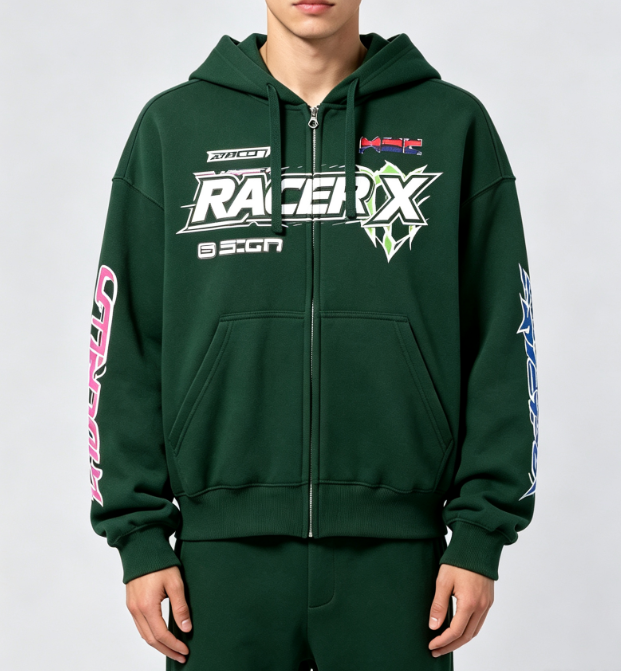
Custom Sweaters
Source turtle neck sweater bulk programs with yarn, gauge, neckline depth and body proportions specified for your market. Junsheen supports knit development, size grading and branded trims for capsule quantities or repeat wholesale production.
Request a Quote
Custom Jackets
Coordinate custom jean jacket programs with denim washes, hardware, pocket layouts and logo applications. From a reference garment or tech pack, the team develops production-ready patterns, samples and fit approvals for cohesive denim assortments.
Request a Quote
Custom Sweatshirts & Crewnecks
Develop custom crewneck hoodie and sweatshirt styles with the same fit discipline used for hoodies. Select fleece or French terry, rib specifications, neckline construction, graphics and finishing while keeping size grading consistent across the collection.
Request a Quote
Custom Cardigans
Create custom cardigan programs in sweater knits with defined yarn blends, gauges, button options and silhouettes. Junsheen supports fit development from XS–3XL, custom labels and packaging for retail-ready knitwear production.
Request a Quote
Custom Puffer & Down Jackets
Produce custom puffer jacket programs with shell fabric, insulation, quilting layout, zipper selection and branded details planned before bulk. Sampling and measurement review help reduce fit and construction changes across outerwear size runs.
Request a Quote
Custom Denim Shorts
Add custom jean shorts with rise, inseam, leg opening, stretch level and wash treatment developed for your target fit. Production can include distressed details, patches, embroidery, hardware and private-label finishing.
Request a Quote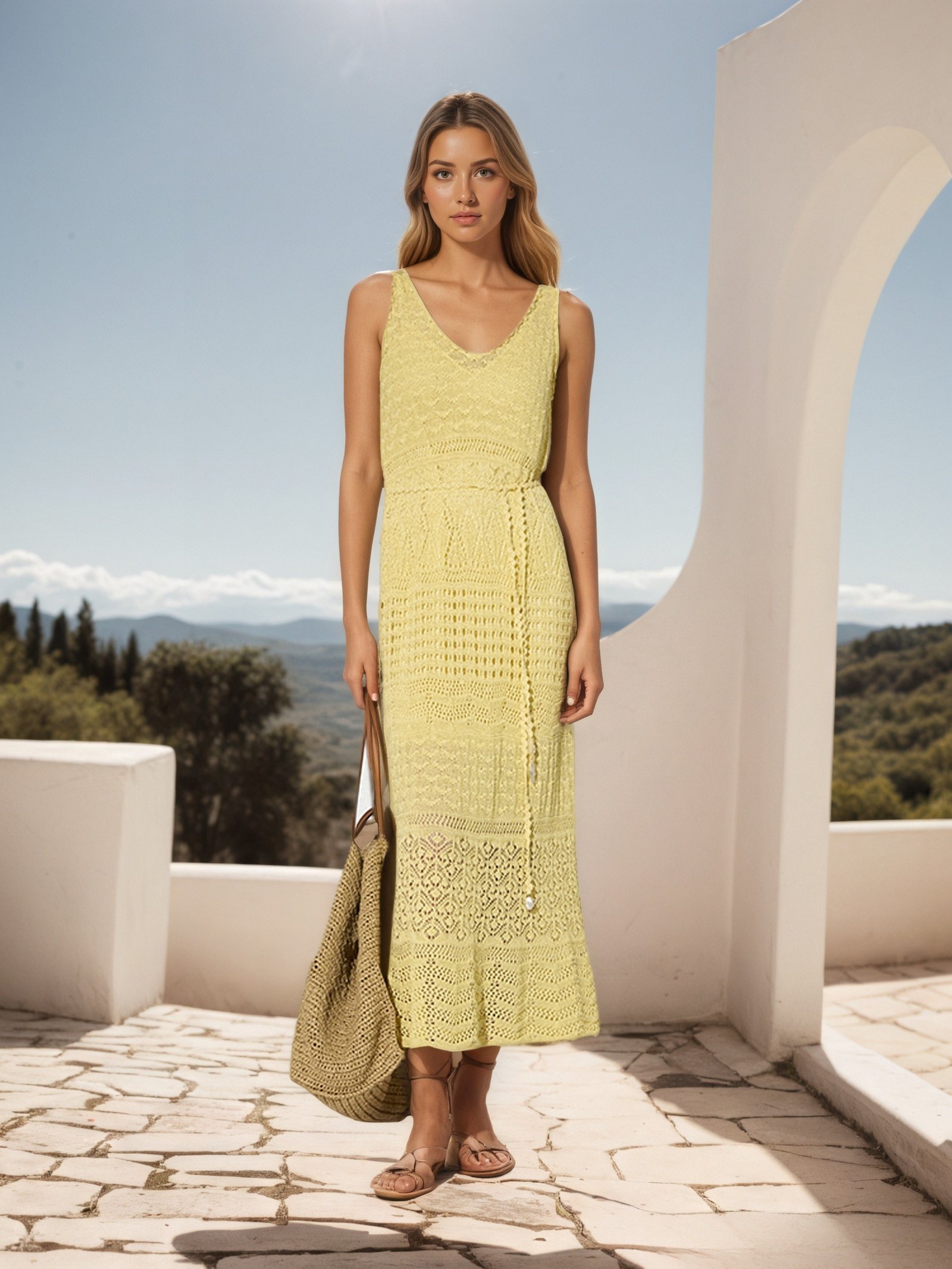
Custom Sweater Dresses
Develop custom sweater dresses with yarn selection, gauge, length, shaping and grading engineered for normal, extended and plus-size ranges. Samples help confirm drape, mobility and proportion before bulk knitwear production.
Request a Quote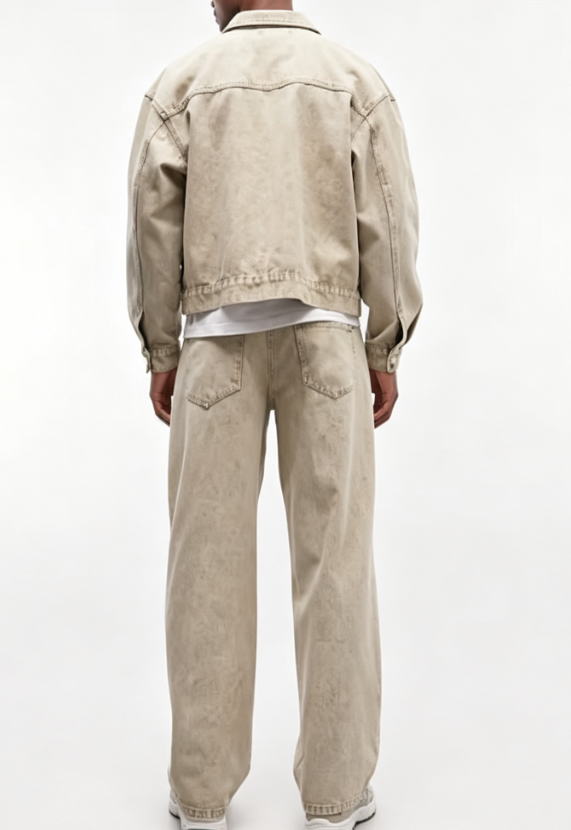
Custom Denim Sets
Build mens denim suits wholesale programs with coordinated denim jackets and jeans, consistent wash recipes and matching trims. Junsheen supports low-MOQ capsules through scalable bulk production, including patterns, labels and export-ready packing.
Request a Quote
Custom Polo Shirts
Produce custom polo shirts in piqué, jersey or performance knits with specified collars, plackets, sleeve ribs and logo decoration. Fit-focused development and controlled grading help maintain a polished size range from XS through 3XL.
Request a Quote
Custom Sweatpants
Develop custom sweatpants with coordinated hoodie fits, including rise, inseam, cuff construction, pocket layouts and drawcord details. Choose fleece, French terry or jersey, then add printing, embroidery, labels and branded packaging.
Request a Quote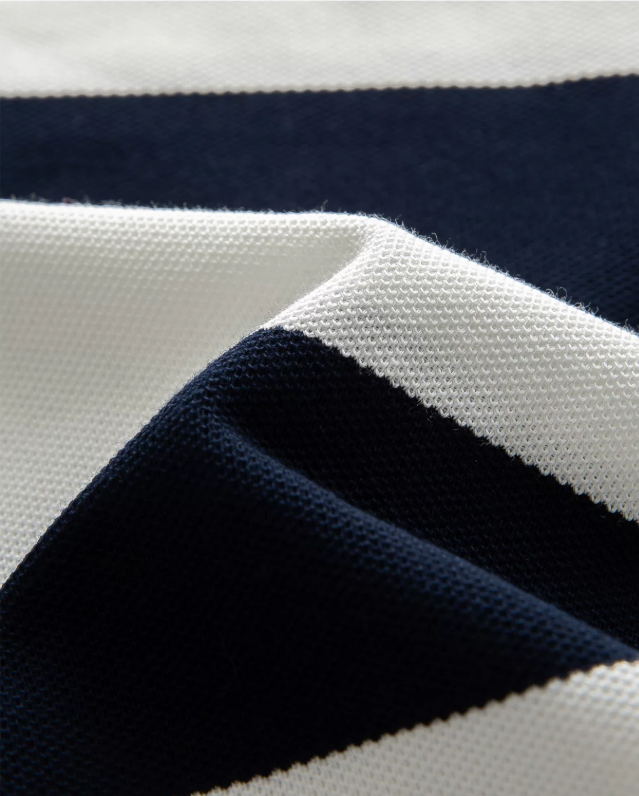
Custom Shorts
Create custom shorts for casual, denim, fleece or woven programs with the intended inseam, rise, pocket configuration and waistband construction. Junsheen develops samples and size grading to support consistent fit across styles and reorder programs.
Request a Quote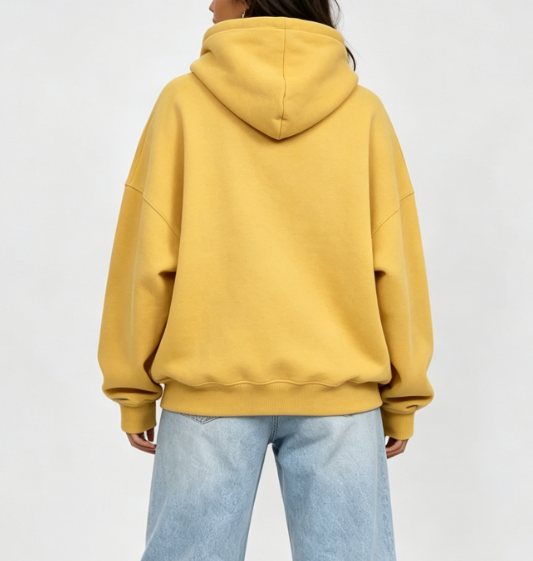
Custom Pullovers
Develop custom pullovers in fleece, French terry, jersey or sweater constructions for layering across seasons. The team supports neckline, silhouette, fabric weight, decoration and XS–3XL grading, from initial sample through branded bulk delivery.
Request a QuoteCustom Tapestry Hoodie Materials for Texture, Weight & Everyday Wear

Cotton Fleece
Brushed cotton fleece delivers a soft, warm interior for heavyweight custom tapestry hoodies and cold-season programs. Available in substantial weights, it provides a cushioned hand feel, stable warmth, and reliable embroidery support.

French Terry
French terry has a smooth face and absorbent loopback interior, making it ideal for premium year-round hoodies. Its breathable midweight construction balances structure and comfort while holding shape through repeated wear and washing.

Organic Cotton Blends
Organic cotton blends offer a clean natural hand feel for brands prioritizing responsible material options. Blending fibers can improve recovery, durability, or drape while maintaining a soft surface suited to detailed decorative applications.

Recycled Fiber Fleece
Recycled polyester or recycled cotton fleece supports sustainability-led hoodie collections with practical durability. The fabric can provide dependable abrasion resistance and color retention, with weight and brushed finish specified for the target market.

Performance Knit
Performance knit blends are suited to active-inspired or travel-ready hoodie programs requiring stretch and moisture management. Controlled elastane content improves mobility and recovery, while the technical hand remains smooth, resilient, and easy to layer.
Custom Tapestry Hoodie Decoration & Finishing Options

Logo Embroidery
Flat, 3D puff, chain-stitch and logo embroidery add dimensional texture with strong stitch definition. Ideal for chest logos, sleeve details and heritage-inspired artwork designed to hold up through regular wear and washing.

Screen Printing
Plastisol, water-based, puff, flocking, silicone and high-density screen printing create clear, durable artwork at scale. Our team matches ink coverage and effect to hoodie fabric weight, texture and your intended visual impact.

Custom Appliqué
Fabric appliqué, embroidered patches and custom logo patches layer color, texture and a crafted feel onto your hoodie. Secure stitching and material selection help the decoration retain its shape through repeat wear and laundering.

DTF Transfers
DTF and heat-transfer applications reproduce detailed graphics, small text and multicolor artwork with flexible placement. They are a practical option for complex branded visuals while maintaining a smooth, durable finish on suitable hoodie panels.

Wash Finishes
Enzyme, anti-pilling, garment-dye, acid-wash, brushing and napping treatments shape hand feel and character. Choose a clean softened finish or a more lived-in look while supporting dependable wear performance for your collection.
Custom Tapestry Hoodie Trims & Accessories

Custom Drawcords
Match drawcord color, length, and tipping to your custom tapestry hoodie design. Choose cotton, flat, round, braided, or contrast options to reinforce the intended streetwear, premium, or athletic look.

Branded Zippers
Add dependable front zippers for full-zip tapestry hoodies, with custom pullers, tape colors, and metal finishes. Junsheen helps align zipper construction with garment weight, pocket placement, and daily wear requirements.

Woven Labels
Use custom woven main labels, size labels, and wash-care labels to make every garment retail ready. Our private-label team positions labels cleanly while supporting fit-focused XS–3XL size runs and export requirements.

Custom Patches
Create a distinct brand signature with embroidered, woven, chenille, leather, or appliqué patches. Place them at the chest, sleeve, hood, or pocket to complement tapestry texture without overwhelming the garment design.

Rib Trims
Specify cuff and hem rib trims for recovery, comfort, and a controlled silhouette after repeated wear. We can match colors, stripe details, weight, and stretch to oversized, standard, or extended-size hoodie patterns.
Branded Packaging
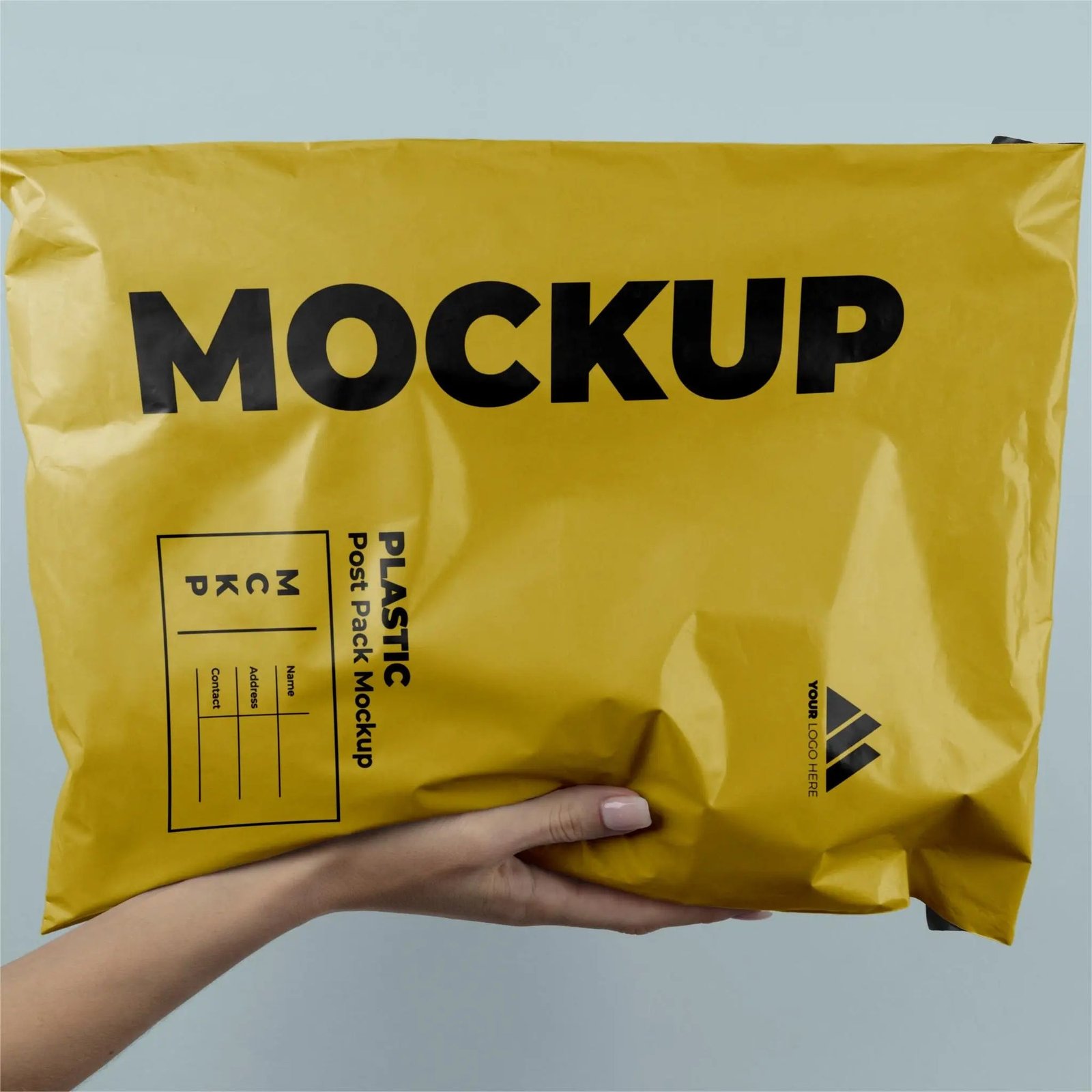
Finish your order with custom hangtags, polybags, tissue paper, stickers, and carton markings. Branded packaging helps retailers and direct-to-consumer labels receive production-ready custom tapestry hoodies prepared for global distribution.
Custom Tapestry Hoodie Manufacturing Since 2010
Founded in 2010 in Humen Town, Dongguan, JUNSHEEN helps fashion brands turn custom tapestry hoodie concepts into production-ready collections. Our one-stop OEM, ODM and private-label team supports everything from early specifications and fabric selection to sampling, bulk production and export coordination.
With more than 200 skilled workers and monthly capacity exceeding 80,000 units, we serve emerging labels, independent designers, wholesalers and established retailers worldwide. Programs can begin at 100 units per style and color, then scale with dependable cut-and-sew, knitwear, decoration, finishing and packaging support.
What sets JUNSHEEN apart is fit-focused development from XS through 3XL. Our pattern makers refine proportions, mobility and grading instead of simply enlarging a base size, while retained patterns and material records help make repeat custom tapestry hoodie orders more consistent.

Core Capabilities Behind Every Custom Tapestry Hoodie
Fit Engineered XS–3XL
JUNSHEEN develops custom tapestry hoodies with pattern work that considers shoulder balance, sleeve length, body proportion, mobility and grading increments. Our team supports normal, oversized, extended-size and plus-size fits instead of simply scaling up a base pattern.
- Fit-focused development from XS through 3XL
- Oversized and extended-size grading support
- Prototype, size-set and pre-production approvals

Purposeful Fabric Sourcing
Select the right foundation for texture, weight and daily wear with fabric recommendations tailored to your target price and silhouette. We source fleece, French terry, jersey and blended constructions, reviewing hand feel, durability, drape and wash performance before bulk confirmation.
- Fabric matched to weight and intended hand feel
- Swatches and sample garments for review
- Cost, durability and wash performance considered
Coordinated Decoration Details
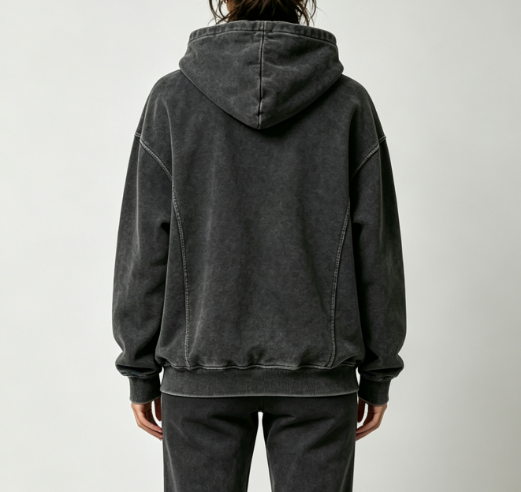
A tapestry-inspired hoodie needs decoration decisions that work together across the finished garment. JUNSHEEN coordinates embroidery, screen printing, applique, patches, labels, drawstrings and finishing so placement, texture and branding remain consistent from approved sample to bulk production.
- Embroidery, printing, applique and patch options
- Private-label labels, trims and packaging
- Decoration placement checked during sampling

Controlled Bulk Production
From 100 units per style and color to scalable repeat programs, JUNSHEEN manages production through incoming-material checks, in-line construction review, measurement control, decoration inspection and final packed-goods quality control. Retained patterns and material records help protect consistency on repeat custom tapestry hoodie orders.
- Low MOQ from 100 units per style/color
- In-line and final quality inspections
- 80,000+ units monthly capacity with export support

Why Choose JUNSHEEN for Custom Tapestry Hoodies
A fit-focused, production-ready partner for low-MOQ launches and scalable apparel programs.
← 左右滑动查看 →
Custom Tapestry Hoodie Production Process
A fit-focused OEM workflow that turns your concept into approved, production-ready hoodies from 100 units per style and color.
Feasibility and Material Review
Share a tech pack, sketch, reference, or mood board; our team reviews construction, target cost, tapestry fabric options, trims, and production feasibility.
Pattern and Fit Development
Pattern makers build and grade the hoodie for XS–3XL, refining body balance, sleeve proportions, mobility, and oversized or extended-size fit requirements.
Prototype Sampling Approval
We source materials, create samples, confirm decoration and finishing details, then incorporate your feedback before approving measurements, workmanship, and bulk specifications.
Bulk Production and Decoration
After approval, skilled teams manage cutting, sewing, embroidery or printing, washing, labels, trims, and branded packaging across scalable production runs.
Quality Control and Shipping
Inspections verify fabric, construction, measurements, fit, decoration, and packed goods before export coordination and global shipment of your finished order.
How to Start Your Custom Tapestry Hoodie Project
Move from concept to approved bulk production with clear development, pricing, sampling and export coordination.
Send Your Design Brief
Share a tech pack, sketch, reference garment or mood board, plus target quantities, sizes, fabric preferences and required tapestry-inspired details.
Review Specifications Together
Our OEM team checks manufacturability, fit requirements, decoration methods, materials and private-label details, then recommends practical adjustments for production readiness.
Confirm Quote and Sample
Receive a detailed quotation and sampling plan. We develop patterns, source materials and produce a prototype or size set for your review.
Approve Production Details
Approve fit, measurements, fabric, trims, artwork and packaging before bulk production. We retain approved specifications to support consistent repeat orders.
Inspect and Arrange Shipment
JUNSHEEN manages in-line and final quality checks, packs approved custom tapestry hoodies, and coordinates global export shipping after balance settlement.
Custom Clothing Manufacturer Credentials and Compliance Documents




Custom Tapestry Hoodie Production Stories
JUNSHEEN turned our reference artwork into an approved custom tapestry hoodie sample in two rounds. Their grading kept the oversized silhouette consistent from XS to 3XL, and our first 300-piece launch sold through faster than forecast.
We needed a reliable private-label partner for a 120-unit capsule. The fabric, custom labels, and embroidery were coordinated in one program, and the finished hoodies arrived production-ready for our retailer delivery date without last-minute fit changes.
After approving the size set, our reorder moved much faster because JUNSHEEN retained the patterns and material records. We scaled from 150 units to 1,200 units while maintaining the same measurements, wash feel, and branded trim details.
Custom Tapestry Hoodie FAQ
Clear answers on MOQ, sampling, payment, shipping, fit development, and confidential production support.
What is the MOQ for a custom tapestry hoodie?
How long does a custom tapestry hoodie sample take?
How much does a custom tapestry hoodie sample cost?
Can you develop a hoodie from a sketch, reference garment, or tech pack?
Can you grade custom tapestry hoodies from XS to 3XL?
What payment terms do you offer for custom hoodie orders?
Do you ship custom tapestry hoodies internationally?
How do you protect my custom hoodie design and brand details?
Complete Buyer’s Guide to custom tapestry hoodie Sourcing
Use this practical framework to compare custom tapestry hoodie fabrics, construction, customization, pricing, and supplier capabilities—so you can select a dependable OEM partner, protect your margins, and avoid costly sampling and production mistakes.
1. What Is a custom tapestry hoodie?
2 defining features separate a custom tapestry hoodie from a standard graphic sweatshirt: the artwork is woven into tapestry-style cloth or engineered jacquard panels, rather than placed on top as ink. Multicolor yarns create visible texture, pattern depth, and a fabric-led surface that reads differently at close range and from a distance. 280–420 GSM is a practical weight range for many tapestry or jacquard hoodie bodies and panels, depending on the yarn system, backing, and intended season. Unlike a printed fleece hoodie, where screen print, DTG, or transfer decoration sits on a knit ground, woven imagery is integral to the panel; unlike decorative appliqué, it is not a separate motif stitched onto an otherwise plain garment. 100 units per style and color is a workable starting point for a capsule when a manufacturer can coordinate development, pattern making, sourcing, and bulk control. This category suits streetwear drops, artist collaborations, heritage-inspired collections, elevated resort casualwear, and retail pieces intended to carry a higher visual value; it is the right choice when the brand wants textile character to be the product’s main story, not merely a logo treatment.
2. Evolution of custom tapestry hoodie Design
14th-century European tapestry workshops established a visual language of dense florals, heraldic scenes, borders, and layered color that still informs heritage-led apparel graphics. Unlike a surface print, a woven interpretation builds imagery from interlaced yarns, so motif scale, color separation, yarn contrast, and edge definition must be resolved before sampling. 1950s jacquard knitting and weaving made repeatable complex patterning more accessible to fashion production, while digital design later shortened artwork-to-loom programming. For a custom tapestry hoodie, buyers should supply a clean repeat, intended placement, and a restricted yarn-color plan; fine photographic detail, tiny type, and abrupt gradients can soften or distort in construction. 2020s streetwear and luxury casualwear pushed tapestry-inspired hoodies into oversized, limited-edition capsules, often pairing archival-looking motifs with dropped shoulders and heavyweight bodies. This changes sourcing decisions: the factory must assess fabric weight, panel dimensions, seam placement, shrinkage, and whether the textile is woven as yardage, knit jacquard, or applied as an engineered panel. Junsheen can review the concept, develop patterns and samples, and help translate the artwork into a production-ready specification from 100 units per style and color.
3. Types of custom tapestry hoodie
Six commercially distinct routes let buyers balance visual impact against sampling risk, material cost, and order volume. Choose the construction first: it governs pattern work, fabric availability, decoration placement, and the realistic retail tier.
Woven Shell And Panels

All-over woven-shell hoodies create the strongest tapestry statement for premium streetwear and fashion capsules. Full-panel matching, seam placement, and bulky fabric handling add cutting complexity and waste. Tapestry-panel hoodies place woven artwork on the chest, sleeves, or back over fleece or French terry. This lower-risk route suits 100-unit launches because the base body can remain consistent while panel dimensions and colors change.
Jacquard And Lined Builds
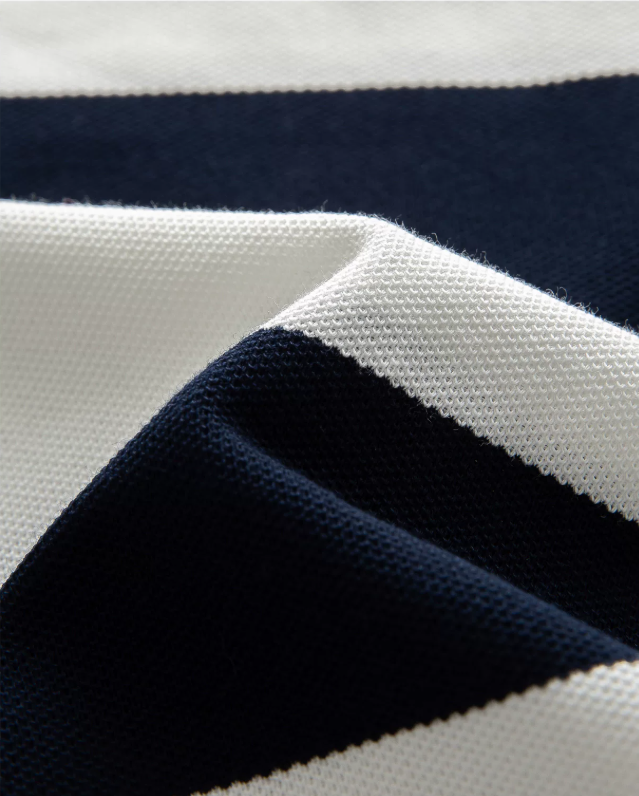
Jacquard-knit hoodies integrate the motif into the textile, giving cleaner edges and a sweater-like hand for elevated collections. They require mill development, yarn-color planning, and a higher minimum commitment than cut-and-sew panels. Lined outerwear-style hoodies use a tapestry face with a separate lining, often adding binding, zipper, or pocket engineering. This structure targets colder-weather customers and supports a higher price point, but increases material, sewing, and inspection steps.
Washed And Oversized Fits

Vintage-wash styles combine tapestry details with garment dye, enzyme wash, or controlled fading for heritage-led labels. Test wash shrinkage, color migration, and panel distortion on approved samples before bulk cutting. Oversized streetwear fits use dropped shoulders, longer bodies, and generous sleeve volume to frame the textile visually. Grade the silhouette deliberately through XS–3XL; simply enlarging a standard hoodie can compromise balance and mobility.
4. custom tapestry hoodie Materials and Fabrics
Material choice determines whether a custom tapestry hoodie reads as a structured statement piece or a familiar fleece layer. Specify GSM, fiber content, shrinkage allowance, and test standards before sampling; fabric face and lining behave differently after washing.
| Material | Typical Weight | Best Use | Benefits | Tradeoffs |
|---|---|---|---|---|
| Cotton-poly fleece | 280–320 GSM | Core hoodie | Soft, stable warmth | Less natural hand |
| Heavyweight cotton fleece | 400–500 GSM | Premium winter | Dense, durable structure | Higher cost, slow drying |
| Woven tapestry | 300–450 GSM | Statement panels | Abrasion resistance, detail | Limited stretch |
| Jacquard knit | 280–380 GSM | Patterned body | Flexible integrated motif | Can snag |
| Recycled blend | 260–320 GSM | Responsible basics | Lower virgin content | Lot variation |
Fabric Weight And Use
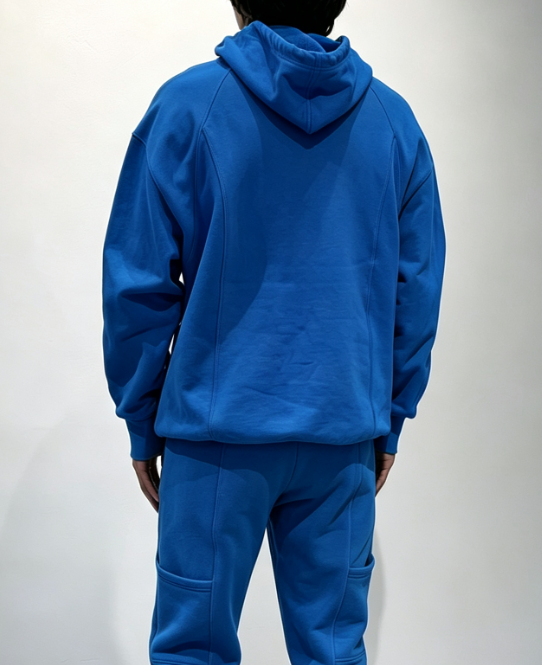
280–320 GSM cotton-poly fleece suits everyday fall or spring hoodies: it is soft, warm, stable, and economical. Heavyweight 400–500 GSM cotton fleece gives a denser hand and better shape retention, but adds cost, drying time, and summer discomfort.
Woven And Knit Faces
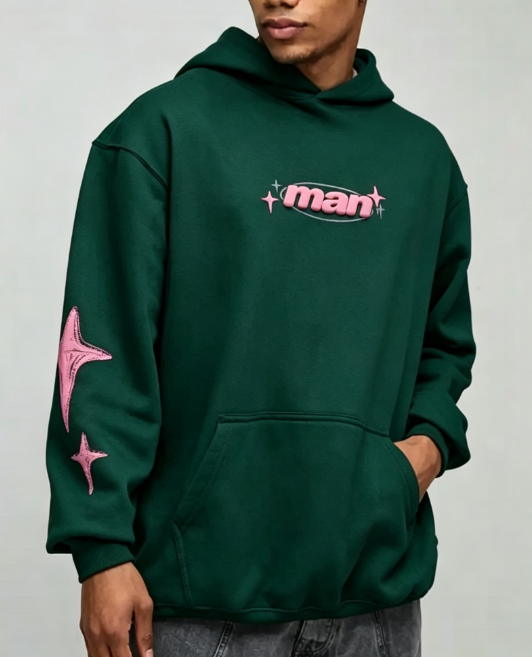
300–450 GSM woven tapestry delivers the most graphic depth and abrasion resistance for panels or full shells, yet has limited stretch and a firmer drape. Jacquard knit offers pattern built into the structure with more flexibility, although snags and yarn color variation need approval.
Lining, Rib, And Testing

260–320 GSM recycled cotton-poly blends can lower virgin-fiber use, but recycled-content consistency should be confirmed by lot. Match 2×1 or 1×1 rib recovery to cuff stretch, pre-shrink shell fabrics, and require wash tests for colorfastness, pilling, and dimensional change.
- Use brushed fleece for colder seasons.
- Use French terry for breathable transitional layers.
- Approve contrast lining against light-color crocking.
5. custom tapestry hoodie Customization Options
100-unit capsule runs can carry a complete identity when artwork, color, trims, and packaging follow one specification. For a custom tapestry hoodie, lock the visual hierarchy before approving decorative add-ons.
| Method | Durability | Detail Limit | Setup And Cost |
|---|---|---|---|
| Woven jacquard | Integrated, long-wearing | Best for simplified motifs | Yarn planning; higher fabric cost |
| Embroidery or patch | Durable raised surface | Fine lines need testing | Digitizing or patch tooling; mid-cost |
| Screen print | Good with correct ink cure | Strong for crisp flat art | Separations and screens; efficient at volume |
Artwork And Panel Planning
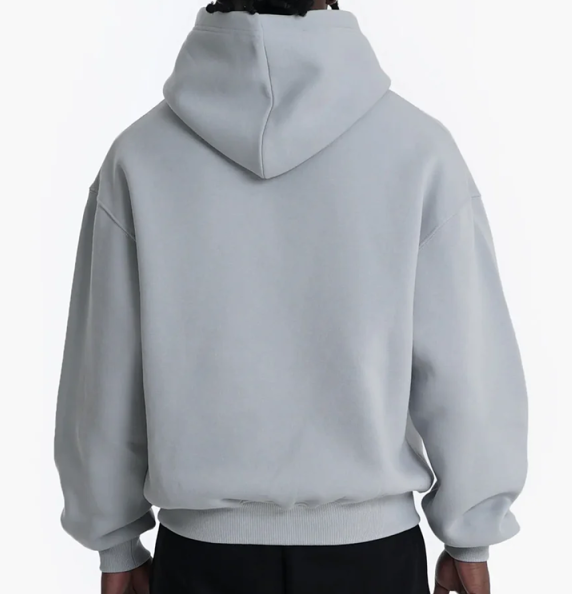
2- to 6-color motifs translate best when the artwork has clear scale, repeat direction, and seam-safe placement. Confirm whether the design sits in a woven body panel, hood lining, pocket, sleeve, or back yoke. 300 GSM fleece or French terry supports different contrast and drape than a dense tapestry panel. Approve Pantone colorways, lining color, and placement map together so panels do not compete with the main motif.
- Define motif scale and repeat direction
- Mark seam allowances on placement art
- Approve Pantone colors on physical swatches
Woven Versus Applied Decoration
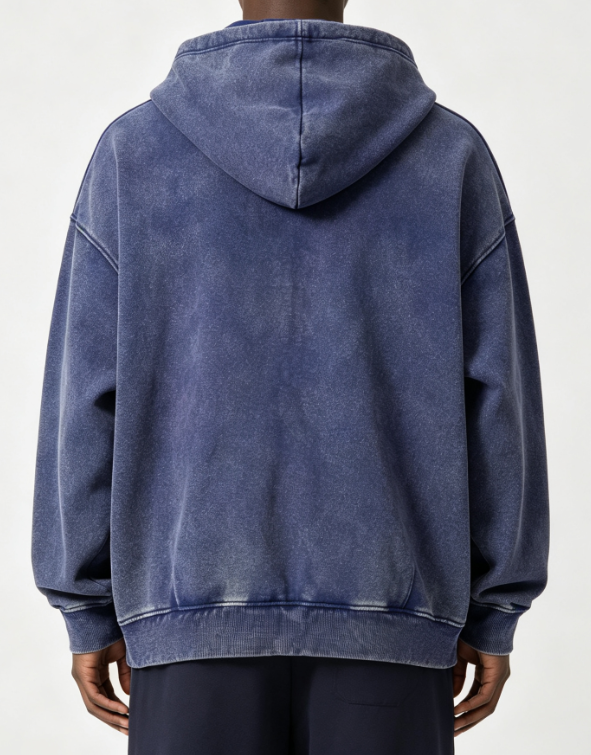
3 common routes create very different results. Woven-in graphics are integral to the fabric and resist surface cracking, while screen prints, embroidery, and patches are applied after fabric production. 1 production-ready artwork file is not enough for every method. Jacquard weaving needs a repeat and yarn-color plan; applied decoration needs separated artwork, stitch files, or patch samples.
Trim And Branding System

3 branded touchpoints—labels, drawcords, and packaging—usually outperform a crowded mix of effects. Specify main label, size label, wash-care content, drawcord tip, zipper finish, and carton presentation in the tech pack. 1 wash effect should support the artwork rather than obscure it. Acid wash, enzyme softening, or garment dye can change base color and decoration appearance, so approve a decorated wash sample.
- Match zipper metal tone to eyelets
- Keep patch edge and embroidery thread coordinated
- Use branded packaging for the final reveal
6. Construction Details That Signal Quality
A 100-unit pilot run should be judged against an approved sample, not a showroom impression. For a custom tapestry hoodie, construction controls determine whether the motif, fit, and shape survive bulk sewing and laundering.
| Checkpoint | Sample Standard | Buyer Question |
|---|---|---|
| Panel alignment | 5–10 mm placement tolerance | Does every visible repeat align? |
| Rib recovery | Stable after 5 wash cycles | Does it return to original shape? |
| Measurements | ±1 cm on key points | Which points require tighter tolerances? |
Motif And Panel Control

A 5–10 mm motif-placement tolerance should be agreed before cutting tapestry or jacquard panels. Directional repeats must match across the front, sleeves, hood, and pocket rather than being cut solely for fabric yield. A 10–12 mm seam allowance is common for stable hoodie seams, subject to the construction specification. Ask to see marked pattern pieces and confirm that sewing will not clip, skew, or bury a key motif at the seam.
- Match repeat direction at all visible joins
- Check pocket placement against the central motif
- Approve left-to-right panel balance before bulk cutting
Seams, Ribs, And Hood
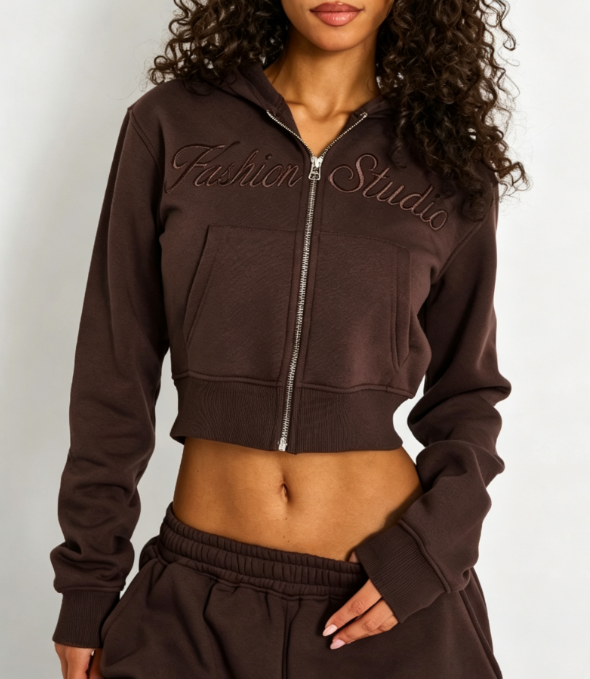
A 3–4 mm stitch length is a practical starting specification for structural lockstitch seams, with no skipped stitches or exposed raw edges. Inspect shoulder tape, consistent overlock width, and bartacks at pocket corners. A 5-cycle wash test should confirm rib recovery at cuffs and hem without waviness or permanent stretch. Review the hood on-body: its center seam, opening shape, and neckline must sit evenly when the drawcord is relaxed.
- Count bartacks at each kangaroo-pocket opening
- Compare cuff and hem recovery after washing
- Check hood symmetry on a fitted sample
Hardware, Shrinkage, And Measurements

A 2–3% dimensional-change target after the agreed wash method is commonly manageable when fabric is pre-shrunk and tested. Record chest, body length, sleeve length, hood opening, and pocket position before and after laundering. A ±1 cm tolerance on key adult hoodie measurements is a useful starting point, with tighter limits for matched panels. Confirm drawcord length, eyelet security, tip finish, and pull resistance on the production sample.
- Specify metal, plastic, or fabric drawcord hardware
- Require a wash-tested measurement report
- Approve tolerance rules by size and grading point
7. How to Choose a Hoodie Manufacturer
A 100-unit MOQ can suit a capsule, but it does not prove factory competence. For a custom tapestry hoodie, evaluate the supplier’s woven-jacquard development control, documented production systems, and ability to answer technical questions directly.
Verify Relevant Production Experience

Ask for three recent woven-jacquard or tapestry-style hoodie samples, including inside views and wash-tested photos. A capable maker can explain yarn content, panel alignment, seam allowance, shrinkage control, and whether the design is woven, appliquéd, or printed.
- Request fit sample and bulk-production photos
- Ask for fabric composition and GSM records
- Confirm repeat alignment at center front
Test Development And Sampling
A 2-stage process—prototype followed by size set or pre-production sample—reduces expensive bulk corrections. Ask who creates patterns, how grading reaches XS–3XL, what revision is included, and how sample comments are tracked.
- Request a sample timeline and revision policy
- Confirm Pantone, trim, and label approvals
- Ask for measurement tolerances in writing
Audit Factory Control
An 80,000-unit monthly capacity claim matters only with evidence of in-line and final inspection. Request QC checklists, measurement reports, defect photos, factory videos, and applicable compliance documents such as BSCI, WRAP, OEKO-TEX, or GOTS where required.
- Verify incoming-fabric inspection
- Review decoration and wash testing
- Confirm final packed-goods inspection
Separate Factories From Traders
A direct production partner names the technician handling patterns, the production line, and the realistic lead time; a general trading supplier often relays vague answers. Test responsiveness with a specification question and require written confirmation of MOQ, calendar, payment milestones, and shipment terms.
- Ask for live workshop video evidence
- Request one accountable project contact
- Compare promised lead time against sample schedule
8. Common custom tapestry hoodie Buying Mistakes
A 100-unit order can fail before cutting if the team approves visuals without checking weave behavior, yield, and wash performance. Use the sample stage to remove production risks that a flat artwork file cannot reveal.
Treating Fabric Like A Print

280–400 GSM tapestry behaves as a woven construction, not a surface graphic: motifs can distort at seams, darts, and rib joins. Request a panel map showing motif direction, center placement, and seam allowances before sampling.
Sending Unsuitable Artwork
1 repeat must be engineered for the loom or sourced fabric; tiny type, hairline outlines, and uncontrolled color gradients can disappear into the weave. Supply vector art, intended repeat dimensions, Pantone references, and a scaled hoodie front-and-back placement file.
Skipping Wash And Placement Checks
2 sample checks are essential: inspect pattern matching across body panels, sleeves, hood, pocket, and zipper area, then wash-test the approved construction. Measure before and after laundering; approve only after shrinkage, torque, pilling, and color transfer meet the agreed tolerance.
Misreading Yield And Decoration
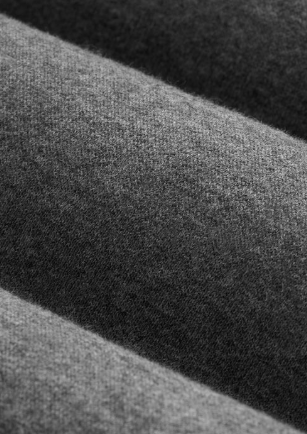
100 units per style and color may require additional fabric because large repeats, directional motifs, and matching panels increase yield loss. Limit added embroidery, patches, or dense prints on heavy woven ground; approve a decoration strike-off to prevent stiffness, puckering, and excess cost.
Buying On Unit Price Alone
3 quotations can differ materially when fabric weight, usable width, repeat matching, labels, inspection, and packing are excluded. Compare a written specification and landed-cost scope, then choose the supplier that documents sample approval, measurement control, and final inspection responsibilities.
9. Steps to Launch Your Hoodie Collection
A 100-unit-per-style-and-color program moves fastest when commercial positioning, fit standards, and artwork are locked before sampling. Treat every approval as a decision gate with a dated revision record, not an informal conversation.
Define The Production Brief
One target customer, retail price, and margin target should determine silhouette, size range, and finish level. Supply a tech pack with flats, measurement chart, BOM, Pantone references, placement dimensions, and label copy. Two artwork files are safer than one: editable vector artwork plus a scaled mockup. Confirm whether tapestry is woven fabric, applique, embroidery, or print before costing.
- Target quantity by colorway
- Reference sample or mood board
- Required compliance and labeling markets
Approve Materials And Samples

280–420 GSM fleece or French terry is a practical starting range, but swatches must be washed before approval. Record composition, shrinkage tolerance, color standard, rib specification, and trim source in the BOM. One prototype validates construction; a subsequent fit sample validates measurements and proportions across intended wear. Approve changes on a marked spec sheet, then request graded XS–3XL measurements where needed.
Lock Bulk And Delivery
One pre-production sample should match approved fabric, artwork, labels, packaging, and measurements before cutting begins. Sign a PP approval sheet that identifies the exact sample date, colorway, and revision number. During bulk production, inspect incoming fabric, in-line sewing, decoration, measurements, and packed cartons. Allow time for sampling, material booking, production, final inspection, and freight; retain patterns and approved records for repeat orders.
10. custom tapestry hoodie Pricing and Cost
100 units is JUNSHEEN’s practical starting point per style and color, so each custom tapestry hoodie carries more development, cutting, and setup cost than a larger run. Final pricing should be quoted from the approved tech pack, woven fabric specification, decoration map, packing requirement, and delivery destination rather than a generic online figure. 300–500 units usually improve unit economics because fabric purchasing, marker efficiency, and embroidery or print setup are spread across more garments. Request a separate sample, freight, and duty line: sampling is normally charged before bulk approval, while international shipping, import taxes, and destination clearance are excluded unless expressly quoted.
| Quantity tier | Indicative unit-cost position | Indicative production lead time | Main cost drivers |
|---|---|---|---|
| 100–199 units | Highest per-unit level | 30–45 days after approvals | Small-lot cutting; custom woven tapestry; pattern and decoration setup |
| 200–499 units | Moderate reduction | 30–45 days after approvals | Better fabric yield; shared setup across more units |
| 500–1,000 units | Lower per-unit level | 35–50 days after approvals | Bulk fabric buying; more efficient sewing and finishing |
| Fabric and weight | Major variable | Add sourcing time if custom woven | Jacquard or tapestry complexity, yarn composition, 320–500 GSM garment weight |
| Decoration, trims, packing | Quoted separately by specification | Add time for approvals | Embroidery stitch count, appliqué, labels, zippers, drawcords, branded packaging |
Start Your Custom Tapestry Hoodie Sampling Project
Send your tech pack, reference garment, sketch or idea to JUNSHEEN for an OEM quotation, material guidance and sampling plan from 100 units.