
Denim Jacket Manufacturers for OEM and Private Label
JUNSHEEN helps brands develop fit-focused XS–3XL denim jackets with 100-unit MOQs, one-stop OEM support, custom finishes, and global production.
Featured Products for denim jacket manufacturers Development
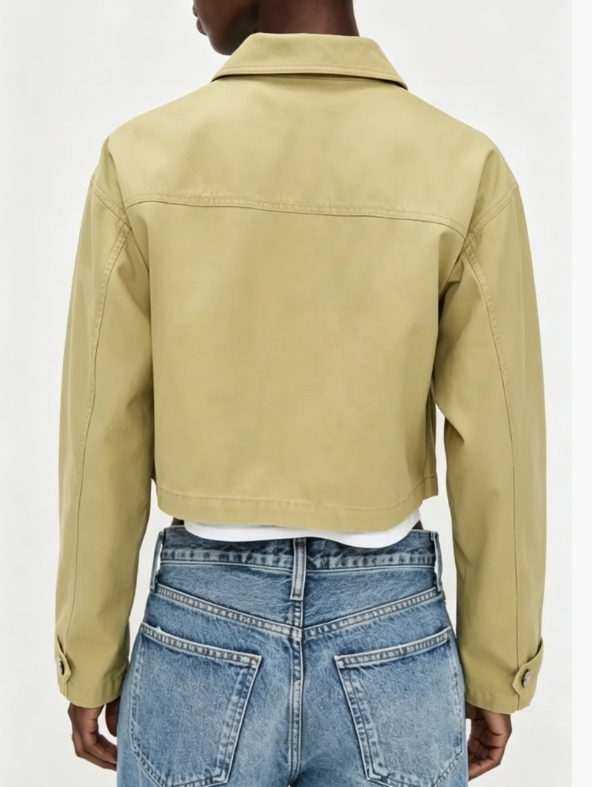
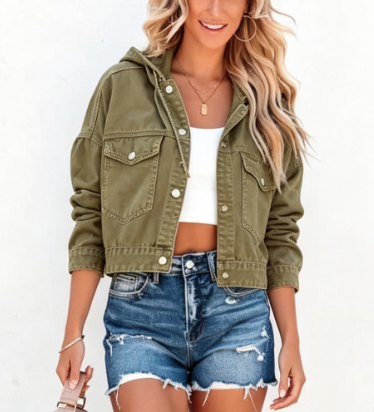
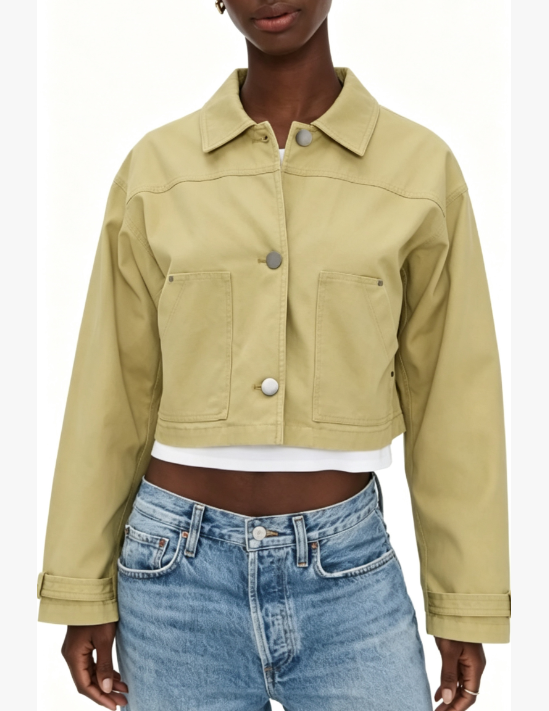

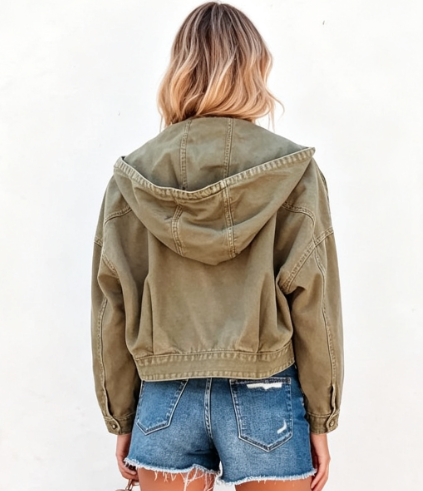

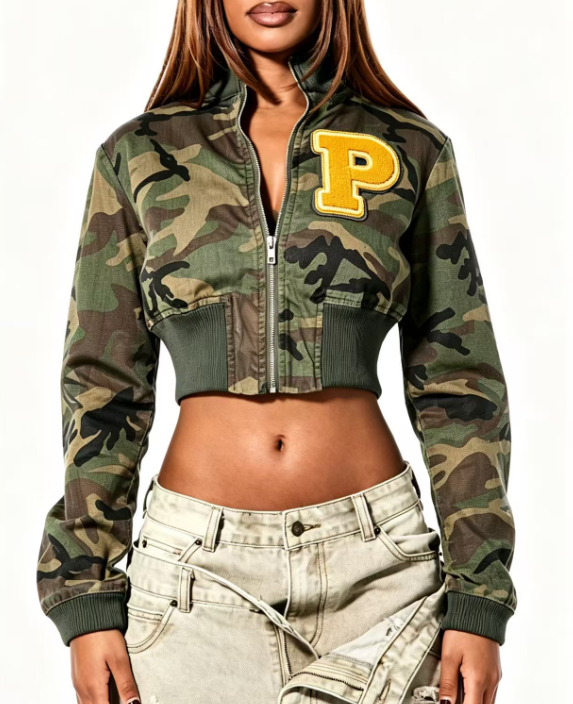


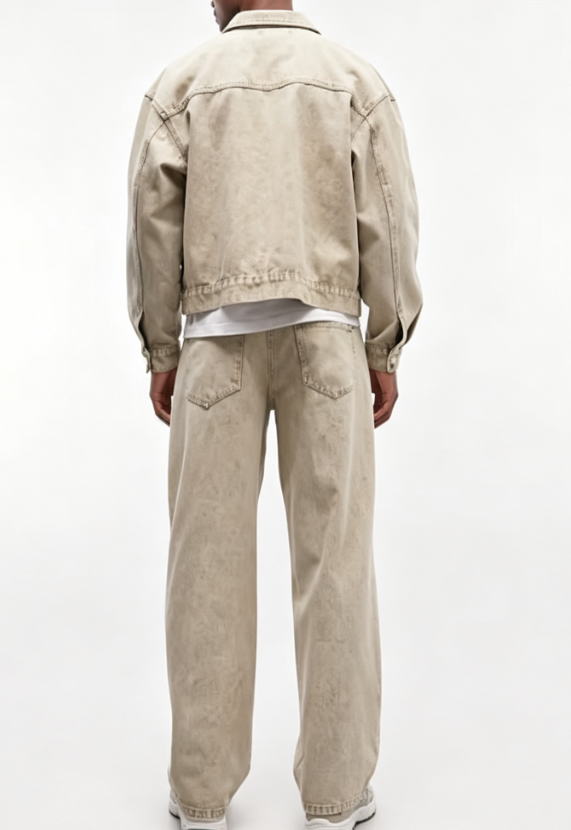

Related Product Catalogue and Quotation





Denim Jacket Manufacturers Built for Reliable Production
From low-MOQ sampling to scalable global orders, JUNSHEEN combines fit-led development with integrated denim manufacturing support.
100-Unit Starting MOQ
Launch custom denim jacket styles from 100 units per style and color, giving new labels a practical route to market.
Fit-Focused Size Development
Pattern makers refine proportions, mobility and grading from XS to 3XL for standard, oversized and extended-size denim jacket programs.
Integrated Decoration
Add embroidery, screen printing, patches, garment washing, custom labels, trims and branded packaging through one coordinated production team.
Scalable Factory Capacity
With 200+ skilled workers and monthly capacity above 80,000 units, JUNSHEEN supports capsule launches and repeat bulk orders.
Global Export Support
Our team coordinates quality control, packing and export-ready shipping support for fashion brands, retailers and sourcing teams worldwide.
Custom Apparel Programs We Support
Develop fit-focused casualwear, denim, knitwear and outerwear from low-MOQ launches to scalable global production.

Custom Hoodies
Produce custom hoodies in fleece, French terry or jersey with refined XS–3XL grading, custom rib trims, embroidery, screen printing and private labels. Start from a tech pack, reference garment or concept, with MOQs from 100 units per style and color.
Request a Quote
Custom T-Shirts
Develop custom T-shirts in cotton, Pima cotton, organic cotton or blended jersey, matched to your target weight, hand feel and price point. Junsheen supports fit development, size grading, screen printing, DTG, DTF, embroidery, labels and export-ready packing.
Request a Quote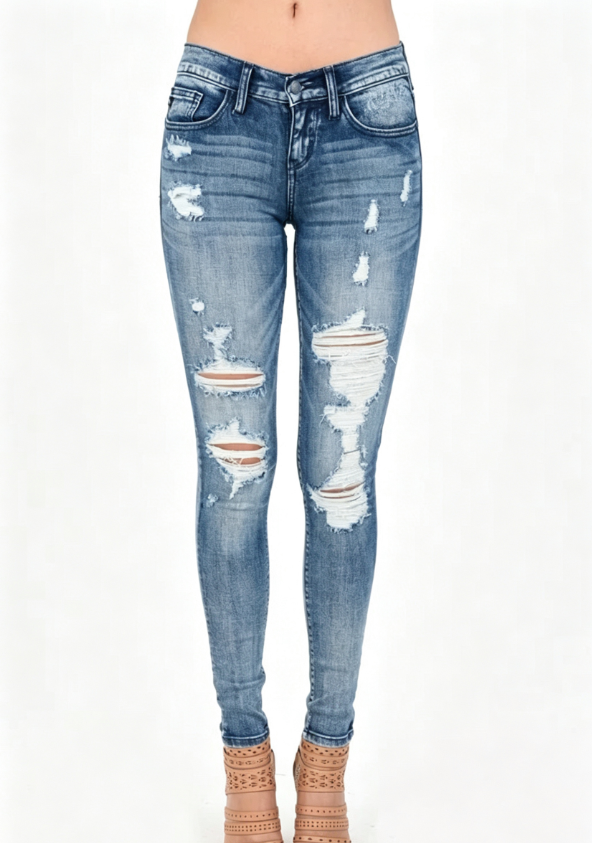
Custom Jeans
Build custom jeans in rigid or stretch denim with brand-specific rises, leg shapes, washes and hardware. Pattern makers refine fit across XS–3XL, while the production team manages fabric sourcing, pocket details, embroidery, distressing, washing, labels and bulk quality control.
Request a Quote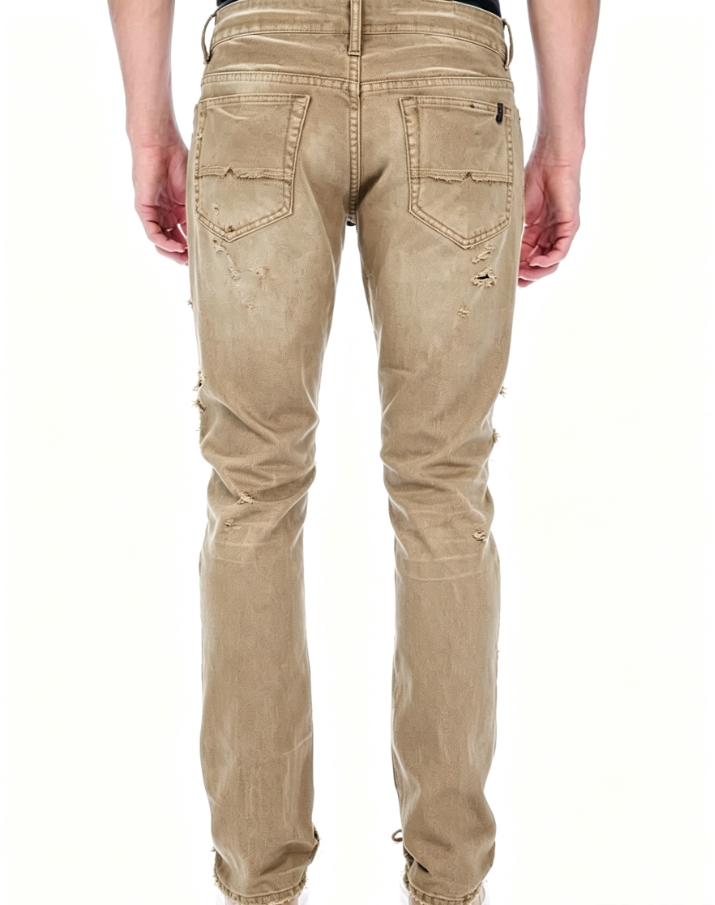
Custom Sweaters
Source turtleneck sweaters in bulk with yarn, gauge, neckline and silhouette selected for your market. Junsheen develops regular, oversized and extended-size fits, then coordinates knit construction, rib details, labeling, sampling and scalable production.
Request a Quote
Custom Jackets
Create custom jean jackets and other woven jacket programs with defined fit, denim weight, wash effect and branded trim package. Production can include embroidery, patches, custom buttons, lining, labels and graded size sets for repeatable bulk orders.
Request a Quote
Custom Sweatshirts & Crewnecks
Develop custom crewneck hoodies, sweatshirts and fleece layers with balanced body lengths, sleeve proportions and rib recovery. Choose French terry, brushed fleece or jersey constructions, then add printing, puff effects, embroidery, garment washes and private-label finishing.
Request a Quote
Custom Cardigans
Produce custom cardigans with knit structures, button configurations, yarn blends and branded trims aligned to your collection. Junsheen supports prototype sampling, fit refinement from XS–3XL, label programs and consistent bulk knitting for seasonal or replenishment orders.
Request a Quote
Custom Puffer & Down Jackets
Develop custom puffer jackets with specified shell fabric, insulation, quilting layout, lining, zipper and weather-use details. The team supports pattern development, sample review, branded labels and trims, and in-line inspection for construction, measurements and packed goods.
Request a Quote
Custom Denim Shorts
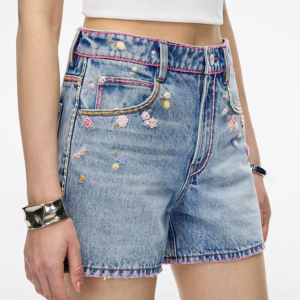
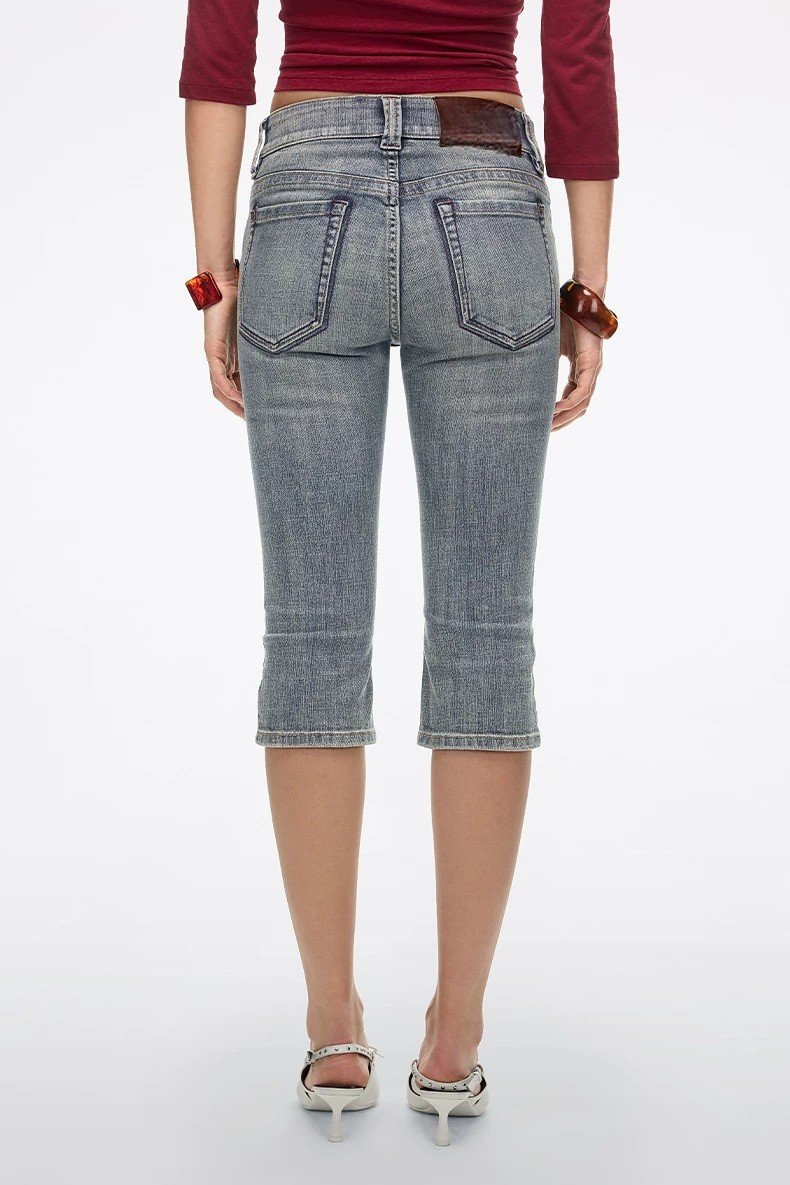
Produce custom jean shorts in rigid or stretch denim with target inseam, rise, leg opening and wash treatment. Junsheen handles pattern grading, hardware, distressed or garment-washed finishes, embroidery, labels and low-MOQ production from 100 units per style and color.
Request a Quote
Custom Sweater Dresses
Create custom sweater dresses with the intended gauge, yarn, body shape and length for your customer. Fit-focused development addresses shoulder balance, sleeve length and grading across XS–3XL, followed by sampling, labeling and controlled bulk production.
Request a Quote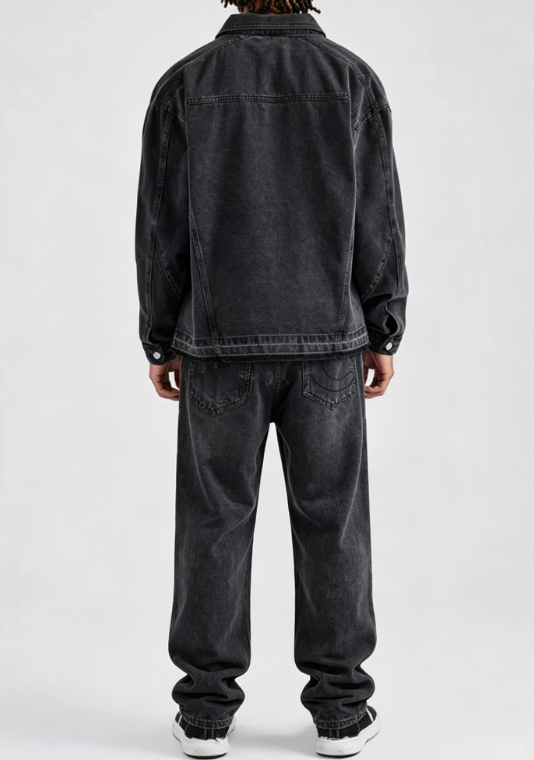
Custom Denim Sets
Develop men’s denim suits for wholesale programs, including coordinated denim jackets and jeans with consistent fabric, wash and trim specifications. Junsheen can manage matching graded size sets, sample approval, branded components, packing requirements and scalable export production.
Request a Quote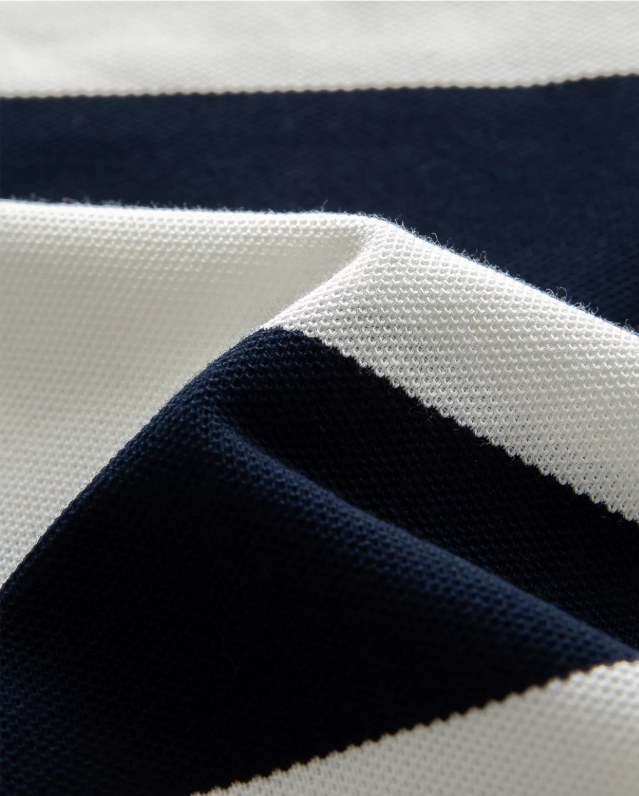
Custom Polo Shirts
Produce custom polo shirts in piqué, jersey or performance knit fabrics with defined collar structure, placket details and logo placement. Junsheen supports fit and size grading, embroidery, printing, custom buttons, labels and wholesale-ready production planning.
Request a Quote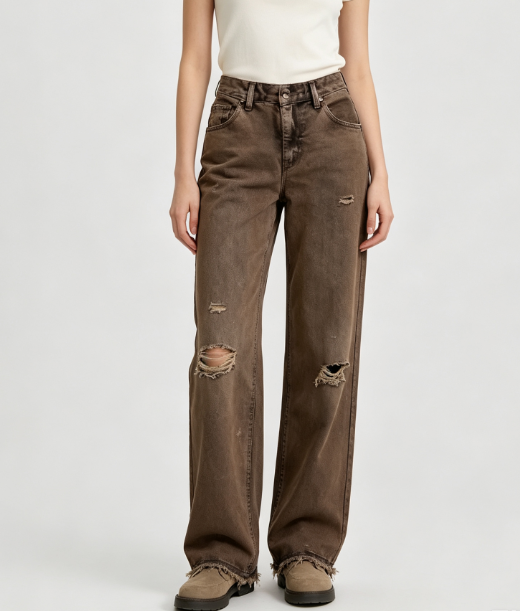
Custom Sweatpants
Develop custom sweatpants in fleece, French terry or jersey with proportioned rises, inseams, cuffs and waistband construction. Add drawstrings, zip pockets, printing, embroidery, garment washing and private-label trims while maintaining fit consistency across XS–3XL.
Request a Quote
Custom Shorts
Produce custom shorts for casual, athleisure and woven programs with specified fabric weight, inseam, pocket layout and waistband treatment. Junsheen supports pattern development, size grading, decoration, branded trims, sampling and low-MOQ production for new collections.
Request a Quote
Custom Pullovers
Create custom pullovers in knit, fleece, French terry or jersey constructions with the right neckline, fit and finish for your line. The team manages material selection, pattern refinement, embroidery or printing, labels, packaging and repeat-order production records.
Request a QuoteDenim and Materials for Custom Denim Jackets

Rigid Cotton Denim
A structured, authentic-feeling denim for classic trucker jackets, workwear silhouettes and vintage washes. Available in varied weights, it develops character through stone, enzyme and garment-wash processes while maintaining dependable abrasion resistance.

Stretch Denim
Cotton-rich denim with elastane for improved mobility and recovery in fitted, cropped or women’s denim jackets. Its flexible hand feel supports comfortable wear while retaining shape through repeated washing and daily use.

Cotton Canvas
A firm, dry-hand woven cotton suited to utility jackets, chore coats and clean structured overshirts. Its dense construction offers reliable durability, clear stitch definition and a substantial midweight feel for transitional collections.

Cotton Twill
A smooth diagonal-weave fabric for lightweight denim-inspired jackets, uniforms and polished casual layers. Twill provides a softer drape than heavyweight denim, dependable strength and consistent color performance after washing.

Recycled Denim
Denim blends incorporating recycled cotton or recycled fibers for brands pursuing lower-impact material options. Available in rigid or stretch constructions, these fabrics balance familiar denim texture, practical durability and wash-ready performance.

Custom Jacket Linings
Cotton poplin, polyester, quilted padding and printed lining options add comfort, warmth or branded interior detail. Lining weight and surface feel can be matched to lightweight denim layers, insulated jackets or premium private-label programs.
Denim Jacket Manufacturers: Decoration and Finishing Options

Logo Embroidery
Flat, 3D puff, chain-stitch, and applique embroidery add dimensional brand marks to denim jackets. Stabilized placement and quality thread selection help retain clean detail, color, and durability through repeated wear and washing.

Screen Printing
Plastisol, water-based, puff, flocking, silicone, high-density, foil, and discharge screen prints create bold artwork on denim panels. We match ink and curing methods to the fabric weight for strong adhesion and lasting visual impact.

Custom Patch Application
Woven, embroidered, chenille, leather, and custom-logo patches create tactile focal points for workwear, varsity, and streetwear denim jackets. Secure stitching and material selection support a premium finish that holds up in daily use.

Garment Washing
Enzyme, stone, acid, and softening washes develop distinctive color, softness, and worn-in character. Sampling lets your team approve the fade level and hand feel before bulk production, helping achieve consistent results across the order.

Specialty Denim Finishing
Brushing, napping, garment dye, tie-dye, distressing, and anti-pilling treatments give custom denim jackets a more considered surface and feel. JUNSHEEN evaluates wash performance and construction compatibility to preserve fit, strength, and branded character.
Denim Jacket Manufacturers’ Custom Trims and Private-Label Details

Custom Metal Buttons
Add engraved logo shank buttons, tack buttons, or antique-finish hardware to trucker jackets, denim overshirts, and workwear styles. Junsheen helps align finish, size, attachment method, and durability with your fabric weight and wash.

Branded Snap Fasteners
Use custom-logo snaps for cuffs, front plackets, chest pockets, and detachable details. Choose polished, matte, painted, or vintage finishes to reinforce your brand identity while keeping closures secure through repeated wear and laundering.

Custom Zipper Pulls
Specify metal or molded zipper pulls with branded logos for denim bombers, zip-front jackets, and utility-inspired styles. We coordinate zipper tape, puller finish, gauge, and placement with the garment’s construction and intended wash treatment.

Woven Leather Labels
Create woven, printed, or embossed leather-style labels for necklines, hems, pockets, and back waistbands. Label materials, artwork, color, stitch method, and placement can be developed alongside your private-label denim jacket samples.

Hang Tags Packaging
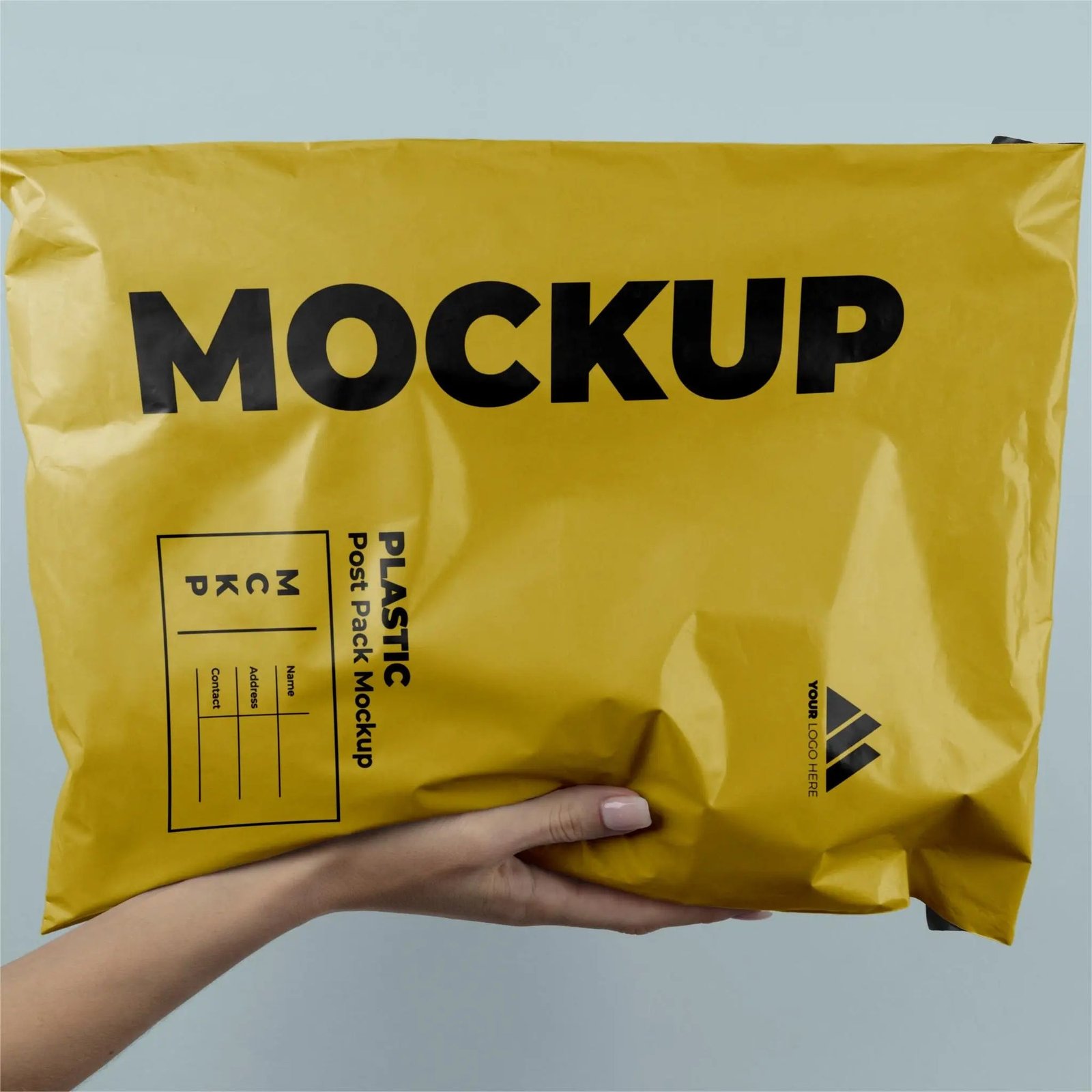
Complete each order with custom hang tags, care cards, barcode stickers, polybags, tissue, and branded cartons. These retail-ready details help denim jacket manufacturers deliver a consistent unboxing experience across wholesale and direct-to-consumer channels.
Logo Patch Details
Apply embroidered, woven, chenille, or leather-style logo patches to sleeves, chest panels, back yokes, and pockets. Patch construction can be matched with embroidery, printing, and garment-wash effects for a cohesive premium finish.
About JUNSHEEN Denim Jacket Manufacturers
Based in Humen Town, Dongguan, JUNSHEEN has helped fashion brands turn denim concepts into production-ready garments since 2010. Our mission is straightforward: combine responsive product development, dependable OEM and private-label manufacturing, and clear export support so brands can launch and grow with confidence.
Our 200+ skilled workers support monthly production above 80,000 units across denim, casualwear, outerwear and knitwear. From 100 units per style and color to ongoing bulk programs, we provide fabric sourcing, pattern making, sampling, cut-and-sew production, washing, decoration, trims, packaging and quality control in one supply chain.
What distinguishes JUNSHEEN from other denim jacket manufacturers is a fit-first approach. We develop balanced XS–3XL, extended-size, plus-size and oversized patterns rather than simply scaling one base size. Having served 2,000+ fashion-brand clients worldwide, we retain production records to make repeat orders faster and more consistent.

Denim Jacket Manufacturers Built for Consistent Custom Production
Fit-Focused Pattern Development
JUNSHEEN develops denim jacket patterns from XS through 3XL, including extended-size, plus-size and oversized fits. Our pattern makers refine shoulder balance, sleeve length, body proportion and ease of movement instead of simply scaling a base size.
- Pattern creation from tech packs, sketches or reference garments
- Graded size sets tailored to your target customer
- Prototype, fit sample and pre-production approval support
- Manufacturability review before bulk production
Purpose-Matched Denim Sourcing
As experienced denim jacket manufacturers, we source rigid, stretch and washed denim with fabric weight, hand feel, durability, drape and target cost in mind. Swatches and sample garments help your team approve the right material before committing to bulk.
- Rigid, stretch, cotton-blend and recycled denim options
- Fabric recommendations aligned with fit and wash goals
- Coordinated sourcing for linings, pocketing and trims
- Material records retained for repeat orders

Integrated Branding and Finishing
Keep decoration, garment finishing and private-label details under one production workflow. JUNSHEEN combines embroidery, printing, patches, labels, hardware and denim washes so each custom jacket arrives with a cohesive, retail-ready brand presentation.
- Embroidery, patches, screen print and heat-transfer options
- Stone wash, enzyme wash, acid wash and softening
- Custom buttons, snaps, zippers, labels and hang tags
- Branded packaging and export-ready packing support

Repeatable Quality at Scale
From 100-unit launches to ongoing bulk programs, JUNSHEEN applies inspections across fabric, construction, measurements, fit, decoration and packed goods. Retained patterns and material records help denim jacket manufacturers deliver dependable repeat production as your brand grows.
- Incoming fabric and in-line construction inspections
- Measurement, fit and decoration checks before packing
- 200+ skilled workers and 80,000+ monthly-unit capacity
- Global shipping support for growing fashion brands
Why Choose JUNSHEEN Among Denim Jacket Manufacturers
Compare the fit-first, low-MOQ production support your denim program receives with JUNSHEEN.
← 左右滑动查看 →
Our Denim Jacket Production Process
A clear, fit-focused workflow for custom denim jackets, from feasibility review to quality-controlled global shipment.
Review Design Feasibility
Share your tech pack, sketch, reference garment, or concept. Our team reviews construction, fit requirements, target price, MOQ, and production viability.
Source Denim and Trims
We recommend denim weights, stretch levels, washes, hardware, labels, and packaging based on hand feel, durability, branding goals, and target market.
Develop Patterns and Samples
Pattern makers build and grade fit-focused XS–3XL patterns, then produce prototypes for measurement, construction, wash, decoration, and pre-production approval.
Confirm Order and Materials
After sample approval, we finalize quotations, bulk materials, size specifications, artwork, trims, and production details for your custom denim jacket program.
Produce and Inspect Bulk
Our 200+ skilled workers manage cutting, sewing, finishing, decoration, and in-line inspections, with checks for measurements, workmanship, wash consistency, and packing.
Pack and Ship Globally
Approved goods receive branded packaging and final quality control before export. We coordinate global shipping support for capsule launches and scalable repeat orders.
Work With Our Denim Jacket Manufacturers
A clear OEM process for turning your tech pack, reference garment, or concept into production-ready custom denim jackets.
Send Your Concept
Share a tech pack, sketch, reference garment, mood board, target quantity, and size range. Our team reviews construction, wash, trims, and manufacturing feasibility.
Confirm Materials and Pricing
Choose denim weight, wash effects, hardware, labels, and packaging with our guidance. We provide a detailed quotation, timeline, and 100-unit MOQ requirements.
Approve Your Sample
We create a prototype for fit, measurements, decoration, and wash review. Refine details, confirm XS–3XL grading where needed, and approve the pre-production sample.
Launch Bulk Production
After approval, our 200+ skilled workers manage cutting, sewing, washing, finishing, labeling, and inspections while retaining production records for consistent repeat orders.
Receive Your Order
Final quality checks cover measurements, construction, decoration, and packed goods. We arrange export-ready shipping support for delivery to your market or nominated destination.
Custom Clothing Manufacturer Credentials and Compliance Documents



What Fashion Brands Say About Working With JUNSHEEN Denim Jacket Manufacturers
JUNSHEEN turned our reference jacket into a production-ready sample in 18 days. Their team corrected the sleeve balance across XS–3XL, and our first 600-unit run passed inspection with less than 1% rework.
We needed a 100-unit launch order without compromising wash consistency. The sample feedback was handled within 48 hours, and every jacket in the final delivery matched our approved acid-wash tone and branded trim specification.
After two repeat orders, the retained patterns and size records made production much faster. Our reorder lead time dropped by 22%, while fit-related customer returns fell 17% compared with our previous supplier.
Denim Jacket Manufacturers FAQ
Clear answers on MOQs, sampling, timelines, fit, private labeling, shipping, and order terms for custom denim jacket programs.
What is the minimum order quantity for custom denim jackets?
How do denim jacket manufacturers handle samples and sample costs?
What lead time should I expect from denim jacket manufacturers?
Can JUNSHEEN develop denim jacket sizing from XS to 3XL?
Do you offer private-label denim jackets with custom labels and hardware?
What payment terms do you offer for denim jacket orders?
Do you ship custom denim jackets internationally?
How do you protect my denim jacket designs and product information?
The Complete Guide to denim jacket manufacturers
Use this practical framework to compare supplier capabilities, materials, quality standards, MOQ and pricing, while avoiding costly sampling, communication, and production mistakes before placing your denim jacket order.
1. What Are Denim Jacket Manufacturers?
2010 is the founding year of Dongguan Junsheen Clothing Co., Ltd., a denim jacket manufacturing partner that turns a tech pack, sketch, reference garment, or concept into production-ready apparel. In practical terms, denim jacket manufacturers coordinate development, pattern making, fabric and trim sourcing, prototype sampling, graded size sets, bulk sewing, inspection, packing, and export—not merely garment assembly. 4 supplier models serve different buying needs. A full-package partner manages the product route from specification review through shipment; a cut-and-sew factory normally produces from buyer-approved patterns and materials; a private-label supplier offers adaptable base styles plus branding; and a trading company sources from factories but may not directly control the production floor. 100 units per style and color is a workable starting point for a capsule when the supplier supports low-MOQ development. Buyers should expect clear quotations, approved fit and wash samples, Pantone and trim confirmation, measurement tolerances, in-line and final quality checks, branded labels or packaging where required, and shipment documents before the balance is settled. 80,000-plus monthly units is the capacity level Junsheen can support as programs move from test orders to replenishment. Its value is accountability across fit, extended-size grading from XS through 3XL, denim sourcing, decoration, production records, and repeat-order consistency.
2. Evolution of Denim Jacket Manufacturing
1905 marked the arrival of Levi’s 506XX Type I jacket, a short workwear layer defined by durable cotton denim, front pleats, riveted stress points and practical patch pockets. Later Type II and Type III trucker patterns refined the silhouette into the chest-pocket, button-front format buyers still reference when briefing a heritage product. 1950s through 1980s shifted denim jackets from utility clothing to youth and fashion uniforms, making fit, wash and branding commercially important alongside construction. Stone wash, enzyme wash, acid wash and garment dye can now change color, contrast and hand feel, while stretch denim improves mobility in slim, cropped and oversized fits. 100-unit-per-style-and-color programs let emerging labels test these directions without committing to traditional bulk volumes. Modern denim jacket manufacturers must preserve balanced collars, secure seams and proportionate pocket placement while also developing graded XS–3XL or extended-size fits, validating wash shrinkage, approving Pantone trims and moving samples quickly from sketch or reference garment to production-ready specification.
3. Types of Denim Jacket Manufacturers
Five supplier models dominate denim-jacket sourcing, and each shifts responsibility for design, development, wash execution, and inventory risk. A 100-unit capsule requires a different partner than a multi-season wholesale program.
| Supplier Type | Best Buyer | Design Support | MOQ And Trade-Off |
|---|---|---|---|
| OEM/ODM factory | Brands building a distinct line | High to moderate | Usually flexible; OEM gives control, ODM improves speed |
| Private-label supplier | Fast market tests | Low to moderate | Often lower MOQ; less exclusive design control |
| Full-package manufacturer | Lean teams needing one accountable partner | High | Moderate MOQ; higher service cost, fewer handoffs |
| Denim wash house | Technical wash-led collections | Wash-focused | Separate coordination; strongest finishing expertise |
| General apparel factory | Basic denim extensions | Low to moderate | Competitive pricing; verify denim-specific capability |
OEM, ODM, And Private Label
OEM factories suit brands with approved tech packs, graded measurements, and wash specifications; they preserve the most product control. ODM and private-label suppliers shorten development by adapting existing blocks, but their base patterns and trim libraries can limit differentiation.
- Use OEM for proprietary silhouettes and repeat programs.
- Use ODM for faster design-assisted launches.
- Use private label for proven styles with branded labels.
Full Package And Wash Specialists

Full-package manufacturers coordinate fabric, patterns, trims, sampling, production, packing, and export, reducing handoffs for lean teams. Specialist wash houses bring deeper enzyme, stone, bleach, laser, and hand-sanding knowledge, yet usually require a sewing factory to manage construction and final accountability.
- Ask wash specialists for test panels before bulk approval.
- Keep a sealed wash standard for color and abrasion control.
General Apparel Factories

General apparel factories can be cost-effective for simple trucker jackets or denim overshirts, particularly when denim is only one category in a collection. Confirm their experience with denim needle selection, seam puckering, rivets, bartacks, shrinkage, and wash tolerances before committing bulk quantities.
- Request comparable denim production samples.
- Review post-wash measurements, not only raw-garment measurements.
4. Materials Used by Denim Jacket Manufacturers
10–14 oz denim is the common decision range for denim jacket manufacturers because weight, yarn choice, and finish directly govern hand feel, durability, cost, and season. Specify the fabric before approving washes or hardware.
| Fabric Weight | Typical Composition | Best Use | Buyer Sourcing Check |
|---|---|---|---|
| 8–10 oz | 100% cotton or cotton blend | Summer layers, overshirts | Confirm opacity and seam strength |
| 11–12 oz | 100% cotton rigid | Core year-round jackets | Approve shrinkage and wash sample |
| 12–14 oz | 98–99% cotton, 1–2% elastane | Fitted or mobility-led styles | Check recovery after washing |
| 13–16 oz | 100% cotton, recycled cotton blend | Structured or winter styles | Verify stiffness, yield, and wash loss |
Weight And Twill Selection
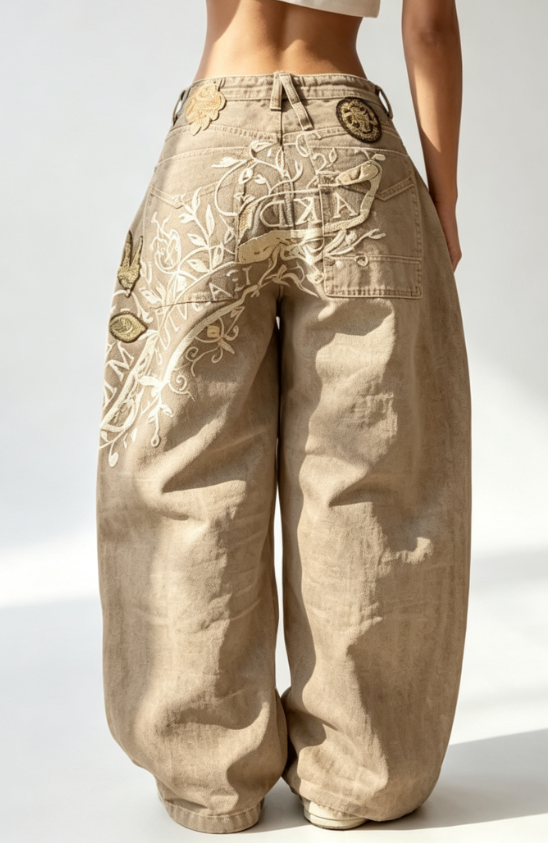
10–11 oz denim suits light layers and spring programs; 12–13 oz is a versatile year-round jacket range. A 3×1 right-hand twill is the standard visual benchmark, while 2×1 twill feels softer and drapes more easily.
Rigid, Stretch, And Responsible Fibers
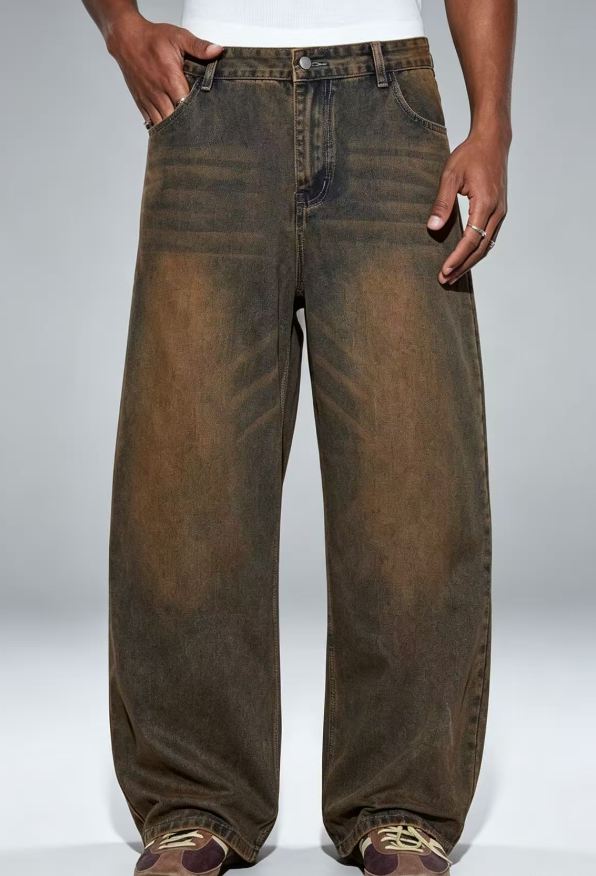
100% cotton rigid denim delivers authentic break-in and supports sharper vintage washes, but needs disciplined fit testing. Stretch denim commonly blends 1–3% elastane for mobility; recycled or organic cotton should be supported by fiber-content and certification documentation.
Lining, Trims, And Washes

4–8 oz cotton lining adds comfort without excessive bulk, while quilted lining targets colder deliveries. Nickel-free buttons, rivets, polyester core-spun thread, woven labels, and leather patches must be tested against enzyme, stone, acid, and garment-dye processes.
5. Customization Options from Denim Jacket Manufacturers
A 100-unit style-and-color run can support meaningful customization when the design is frozen before sampling. Denim jacket manufacturers should cost each visible detail against the target retail price and approval calendar.
| Choice | Brand Effect | Cost And Timing | Approval Focus |
|---|---|---|---|
| Contrast stitching | Workwear definition | Low-to-medium; thread sourcing | Pantone and stitch density |
| Embroidery or patch | Premium tactile branding | Medium-to-high; artwork setup | Backing, placement, wash test |
| Screen print | Graphic-led identity | Low at volume; screen setup | Cracking and adhesion |
| Garment wash | Vintage or directional finish | Medium; wash sampling | Shade, shrinkage, hardware |
Silhouette And Hardware
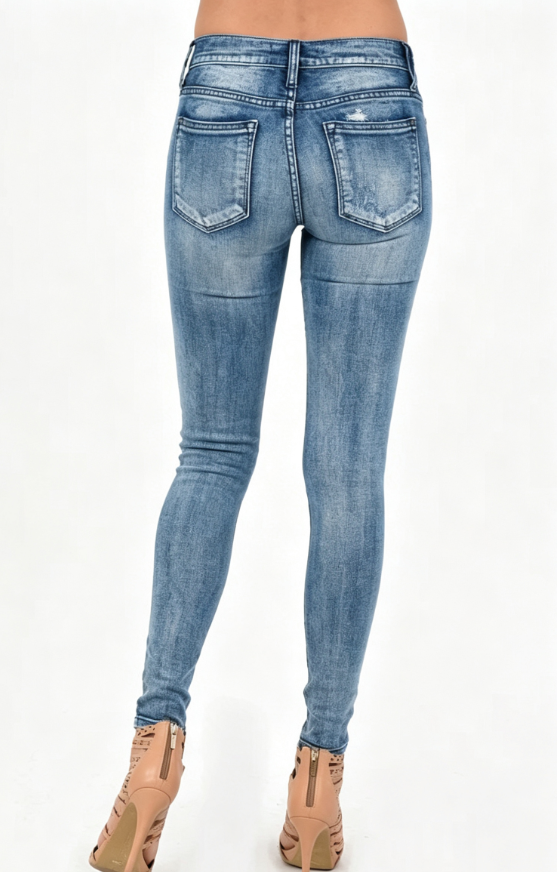
Two fit rounds usually resolve body length, shoulder drop, sleeve pitch, pocket position, collar shape, panels, and grading. Contrast stitching, branded shanks, snaps, or zippers add identity but require approved trim samples before bulk booking.
- Oversized fits need revised shoulder and sleeve balance
- Panel seams increase sewing time and failure points
- Metal hardware needs pull and corrosion checks
Decoration And Washes
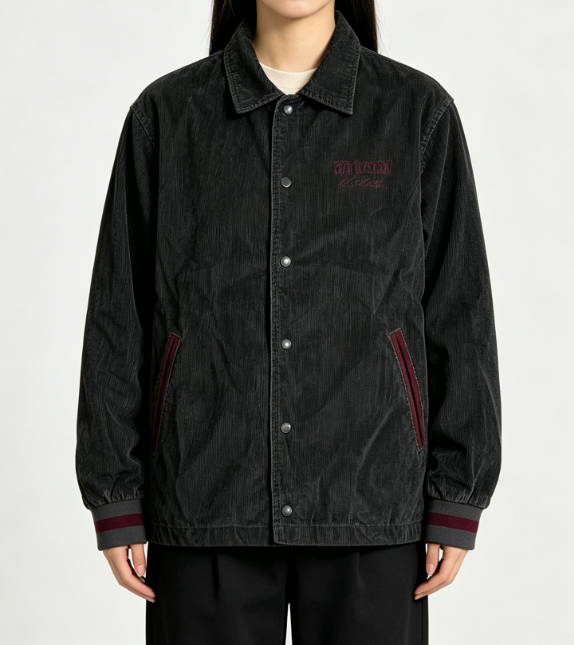
Three decoration routes suit different price points: embroidery and patches create dimension, screen printing handles bold artwork, and direct garment printing favors detailed short-run graphics. Enzyme, stone, acid, and garment washes must be tested on the final denim, thread, labels, and hardware together.
- Embroidery needs backing to protect denim
- Patches require edge and adhesion testing
- Washed samples establish shade tolerance
Labels And Approval Controls

Four label elements—main, size, care, and hang tag—should be approved with packaging before production. Custom polybags, cartons, and inserts affect packing time and freight volume, while retained samples lock the approved construction and wash reference.
- Confirm Pantone thread and print colors
- Approve wash sample before bulk cutting
- Match packaging to retailer compliance needs
6. Denim Jacket Construction Quality Essentials
A production sample should be judged as a wearable system, not only a wash or silhouette. For denim jacket manufacturers, construction checks translate directly into fewer fit complaints, repairs, and returns after delivery.
Pattern Balance And Measurements
A balanced jacket keeps shoulder seams level, collar points symmetrical, sleeves hanging without forward twist, and chest pockets aligned to the center front. A 1–2 cm measurement tolerance is common for key garment points; buyers should approve a graded spec, then measure chest, body length, sleeve length, hem, and pocket placement after washing.
Seams And Reinforcement
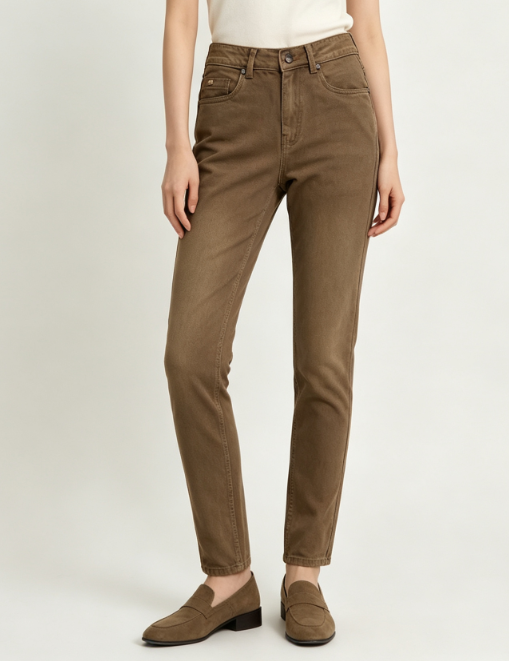
Eight to 10 stitches per inch is a practical target for most denim topstitching; inconsistent density, skipped stitches, or loose thread ends weaken the premium impression. Bartacks should secure pocket corners, plackets, cuff openings, side-seam stress points, and belt-loop ends. Flat-felled or double-needle seams should remain even, with seam allowance fully captured.
Hardware And Wash Performance

Metal buttons, snaps, and rivets should be firmly clinched, centered, and tested through repeated opening cycles; buttonholes must be cleanly cut, dense, and matched to the shank diameter. Three comparison areas require inspection after the approved wash: shade consistency between panels, residual shrinkage against the specification, and dry or wet crocking that can transfer dye to other garments.
7. How to Choose Denim Jacket Manufacturers
Three comparable quotes are only useful after every factory prices the same tech pack, wash standard, trims, quantities, and Incoterm. Evaluate denim jacket manufacturers on execution evidence and total landed-risk, not the lowest unit price.
| Criterion | Evidence To Request | Comparison Focus |
|---|---|---|
| Product experience | Recent physical samples | Construction and wash match |
| Quality system | Inspection records | Tolerance and defect control |
| Export reliability | Shipping documents | Destination experience |
| Commercial terms | Written quotation | Landed cost and cash risk |
Verify Relevant Experience
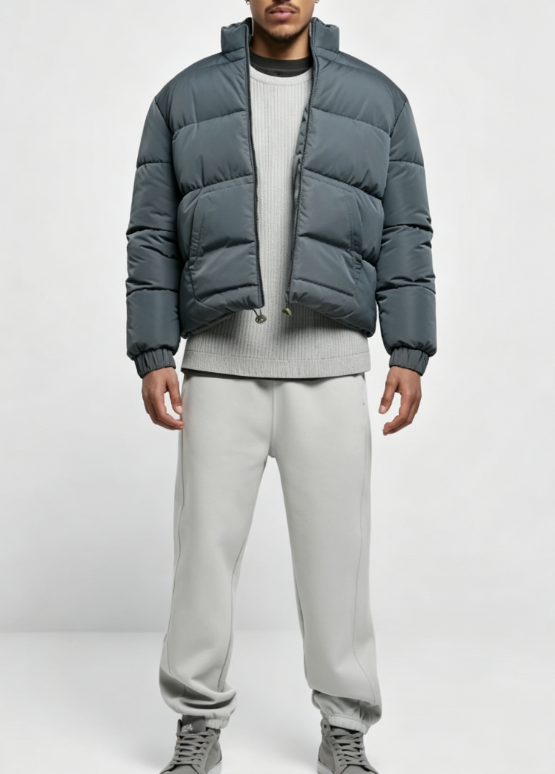
2–3 recent denim-jacket samples reveal more than a capability deck: inspect seam density, collar shape, pocket symmetry, wash consistency, and hardware setting. 100-unit MOQ can suit a capsule, but confirm whether it applies per style, color, fabric, and size ratio.
- Request front, back, and inside sample photos
- Ask for comparable wash and decoration references
- Confirm monthly capacity and peak-season allocation
Audit Sampling And Materials

1 approved pre-production sample should match bulk fabric, Pantone shade, wash recipe, labels, and hardware wherever possible. 10–14 ounce denim commonly behaves differently after washing, so request swatches, composition, weight, shrinkage results, and colorfastness evidence before bulk approval.
- Tech-pack review and measurement chart
- Fabric test reports or supplier documentation
- Sample revision log and approval record
Test Operating Controls
3 checkpoints—incoming materials, in-line sewing, and final packed-goods inspection—should be documented with measurement tolerances and defect records. 7–14 days for development sampling and 30–60 days for bulk are planning ranges; obtain a written critical path, not a verbal promise.
- Ask which certifications apply to the factory or materials
- Name one communication owner and response cadence
- Request export references for your destination market
Compare Total Risk
100% prepayment, deposits, balance timing, and payment protection materially affect cash exposure; compare terms alongside quoted cost. 1 scorecard makes tradeoffs visible: weight fit evidence, material traceability, quality control, lead-time reliability, communication, and export readiness before price.
- Normalize quotes to one delivery basis
- Include sampling and freight costs
- Check repeat-order pattern retention
8. Common Denim Jacket Sourcing Mistakes
Most denim-jacket failures are locked in before the purchase order: an ambiguous spec, an untested wash, or a fit approved in only one size. Use a documented pre-production gate before releasing bulk materials to denim jacket manufacturers.
Lock The Technical Specification
1 tech pack should define fabric composition and weight, Pantone references, stitch density, measurements, tolerances, artwork placement, labels, and packing. Reference photos alone cannot resolve construction decisions. Before approval, issue a revision-controlled spec sheet and require the factory to flag conflicts in writing. Match the approved sample, measurement chart, and bill of materials to the purchase order.
Test Fabric And Wash Together
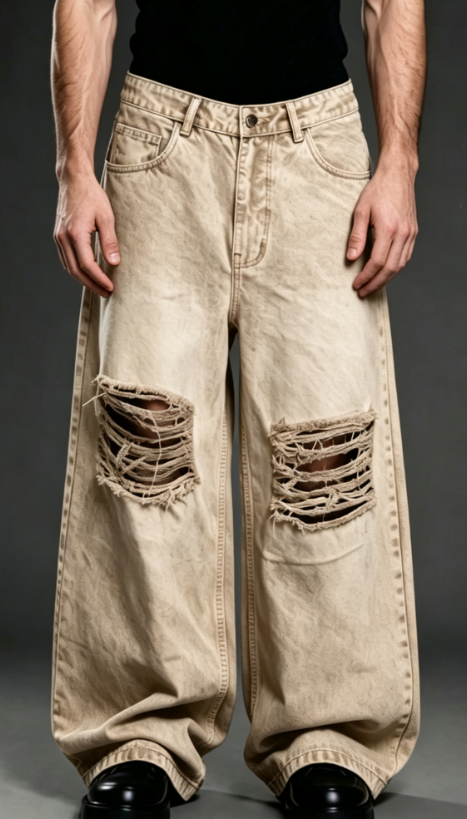
10–14 oz denim can look similar before laundering but shrink, torque, bleed, and fade differently after enzyme, stone, or acid washes. Stretch recovery also changes with fiber blend and wash recipe. Before bulk, test the actual bulk-lot fabric with the approved wash; review a wash panel under consistent lighting. Set an acceptable shade range and retain a sealed control sample.
Approve Fit Across Sizes
XS–3XL grading is not a scaled-up medium: shoulder balance, sleeve length, body sweep, and mobility require proportionate adjustments. A single-size approval can conceal poor extended-size fit. Before release, fit a graded size set on relevant models or mannequins and approve measurement tolerances. Record corrective pattern changes before cutting bulk.
Plan Trims And Total Cost

3–6 week trim lead times can exceed fabric availability, especially for custom metal buttons, branded snaps, leather patches, and specialty zippers. MOQ alone also ignores wash, decoration, freight, testing, and defect allowance. Before placing the PO, confirm trim samples, lead times, backup options, and a landed-cost breakdown. Compare quotes using identical quantities, materials, Incoterms, and quality requirements.
9. Steps to Launch a Denim Jacket Brand
A 100-unit-per-style-and-color starting point can make a focused capsule viable, but only after the product position is fixed. Set the target customer, retail price, fit intent, and 3–5 reference jackets before asking denim jacket manufacturers for quotes.
Define The Product Brief

Three reference garments should be photographed inside and out, then annotated for silhouette, pocket placement, seam details, wash, and hardware. A clear brief prevents a factory from guessing which details are essential. One target retail price should be converted into a landed-cost ceiling before development begins. Include duties, freight, packaging, returns allowance, and margin rather than judging only the factory price.
- Target customer and size range
- Reference photos and measurements
- Color, wash, and trim direction
Build Production Specifications
One tech pack should define flat sketches, point-of-measure chart, graded sizes, construction callouts, Pantone colors, labels, and artwork files. Add tolerances for chest, body length, sleeve length, and hem. XS–3XL programs need deliberate grading, not a mechanically enlarged sample. Approve the base pattern and size set before bulk fabric is committed.
Sample And Test

Two sample rounds are typical: a development sample verifies design feasibility, then a fit or pre-production sample locks production details. Confirm fabric weight, shrinkage, wash effect, thread, buttons, and label placement in writing. Seven days of real wear testing can reveal cuff abrasion, restricted mobility, color transfer, and pocket usability. Correct approved changes in the final tech pack, never only by email.
Release Bulk And Launch
100% pre-production approval should precede cutting, because a late wash or fit change can consume both fabric and delivery time. Schedule inspections for incoming denim, in-line measurements, decoration, and packed cartons. Four weeks before dispatch, confirm carton dimensions, shipping mode, customs documents, delivery appointment, and launch photography. Retain approved patterns, wash recipes, material records, and QC reports for repeat orders.
10. Denim Jacket Manufacturers: Pricing and Costs
100 units is a practical starting tier for a custom denim jacket program, but the lowest unit cost normally appears once orders reach 500–1,000 units per style and color. The indicative ranges below assume a standard unlined cotton-denim trucker jacket, basic labels, and export-ready packing; quotations from denim jacket manufacturers vary with the approved specification. 10–14 oz denim is a common midweight range; heavier 14–16 oz fabric, stretch content, organic or certified material, and specialty mills raise fabric and sewing costs. Stone, enzyme, acid, bleach, or garment-dye washes add processing, while YKK hardware, custom snaps, leather patches, embroidery, and individual retail packaging add labor or component cost. 6 quote inputs prevent avoidable revisions: target quantity by color, fabric composition and weight, wash reference, measurement chart and grading, decoration and hardware artwork, plus packaging and destination. A tech pack or reference sample lets JUNSHEEN review construction, confirm a 100-unit MOQ path, and price sampling separately before bulk approval.
| Order quantity | Indicative unit price, USD | Typical bulk lead time | Main cost considerations |
|---|---|---|---|
| 100–299 units | $22–$38 | 30–45 days | Sampling allocation, low-volume fabric and trim purchasing |
| 300–999 units | $16–$30 | 25–40 days | Wash complexity, embroidery stitches, custom hardware |
| 1,000+ units | $12–$24 | 25–35 days | Fabric yield, color count, packaging, freight preparation |
| Development sample | $80–$200 each | 10–20 days | New pattern, wash trial, fit revisions, custom components |
Start Your Custom Denim Jacket Project
Send your tech pack, reference garment, sketch, or product idea for a fit-focused production quote from experienced denim jacket manufacturers.