
Wholesale Denim Jackets, Starting at 100 Units
Launch custom wholesale denim jackets with OEM, ODM and private-label support, fit-focused XS–3XL development, and scalable production.
Featured Products for wholesale denim jackets Development

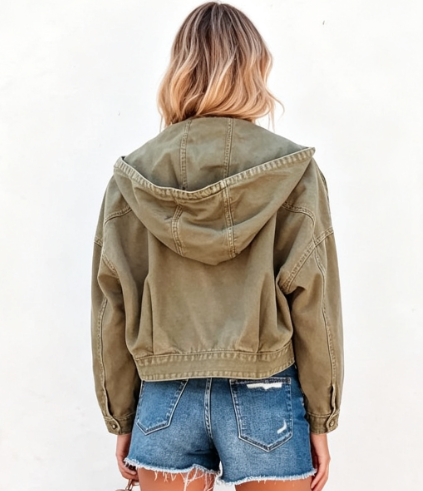
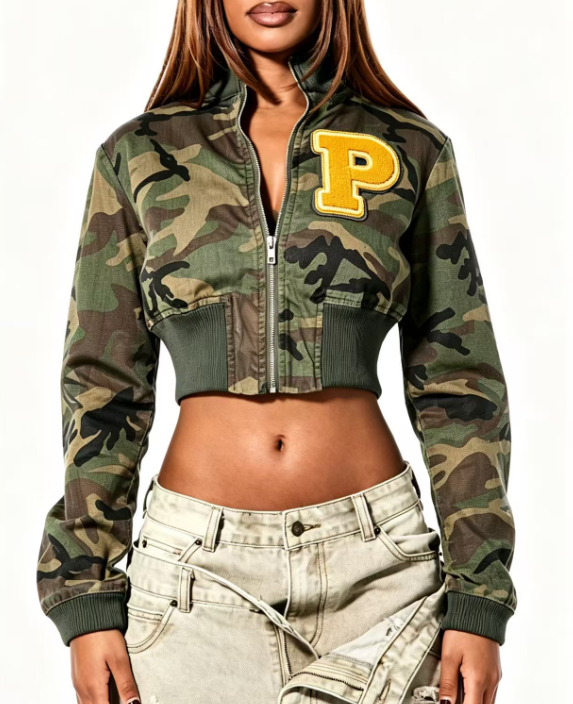
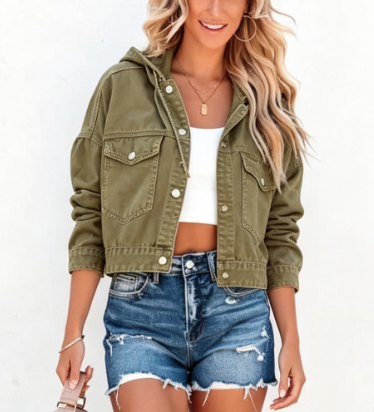

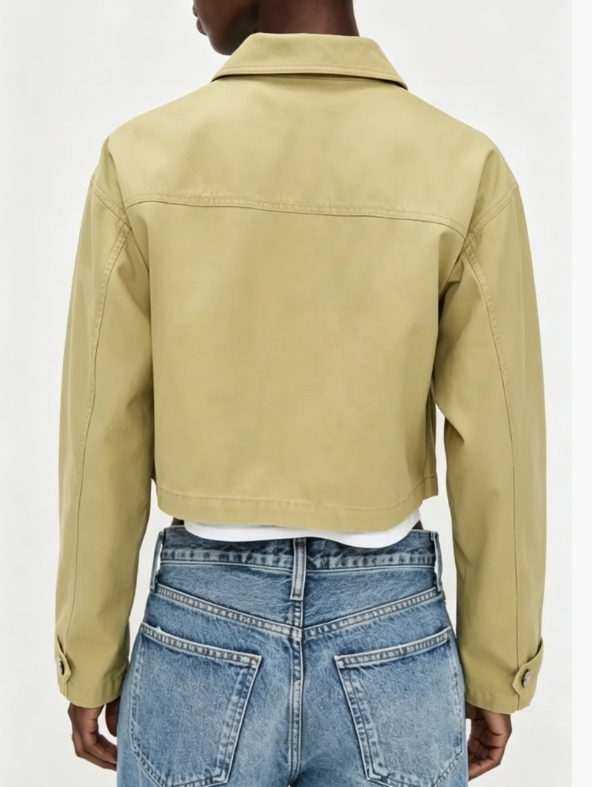




Related Product Catalogue and Quotation

Wholesale Denim Jackets, Built for Brand-Ready Production
From first sample to repeat bulk orders, JUNSHEEN combines flexible development, fit control, finishing, capacity and export coordination in one denim supply chain.
100-Unit MOQ
Launch wholesale denim jackets from 100 units per style and color, giving new labels room to test focused capsule collections.
Fit-Focused XS–3XL
Refined patterns and grading support regular, oversized, extended-size and plus-size jacket fits with balanced proportions across the full size range.
Integrated Decoration
Add embroidery, patches, screen printing, custom labels, branded hardware and packaging through coordinated in-house denim jacket production services.
Custom Wash Development
Select stone wash, enzyme wash, acid wash, garment dye and finishing treatments to create the denim character your collection requires.
Scalable Factory Capacity
With 200+ skilled workers and 80,000+ monthly units of capacity, JUNSHEEN supports samples, growing orders and ongoing bulk programs.
Global Export Support
Receive clear production coordination, quality checks, packed-goods inspection and export support for dependable delivery to global fashion markets.
Wholesale Denim Jackets and Apparel Development
Develop coordinated casualwear, denim, knitwear and outerwear programs with fit-focused patterns, low-MOQ sampling and scalable production support.

Custom Hoodies
Develop custom hoodies in fleece, French terry or jersey with branded embroidery, screen printing, washes, labels and packaging. Pattern development supports standard, oversized and extended-size fits from XS to 3XL, starting at 100 units per style and color.
Request a Quote
Custom T-Shirts
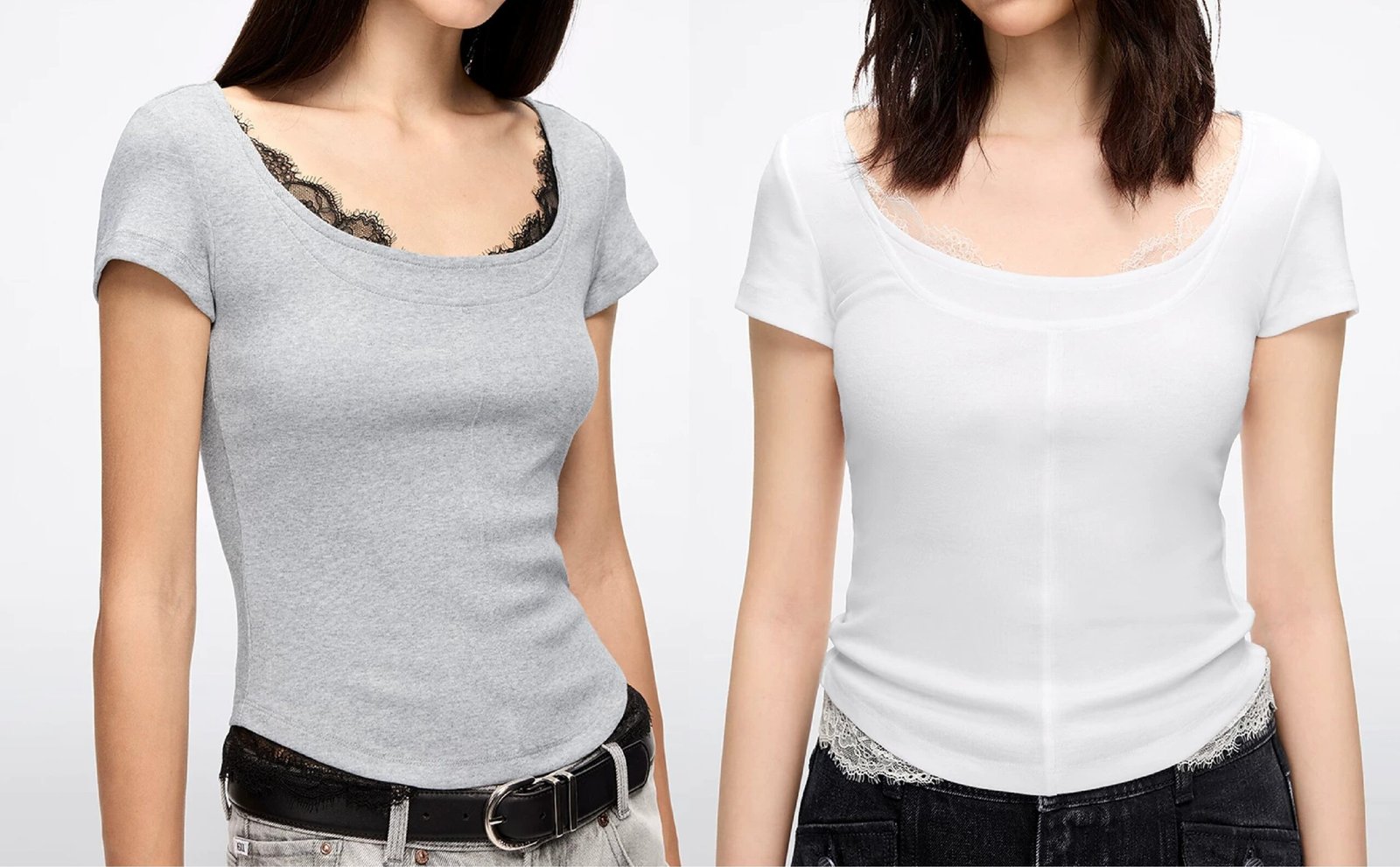
Produce custom tshirt programs in combed cotton, Pima cotton, organic blends or performance jersey. Junsheen supports neck construction, garment weight, print selection, grading and wash testing so your tees hold their intended fit and hand feel after production.
Request a Quote
Custom Jeans
Build custom jeans with denim weight, stretch recovery, rise, leg shape and wash direction specified for your market. Pattern makers refine grading across XS to 3XL, while production covers hardware, embroidery, distressing, garment washes and private labeling.
Request a Quote
Custom Sweaters
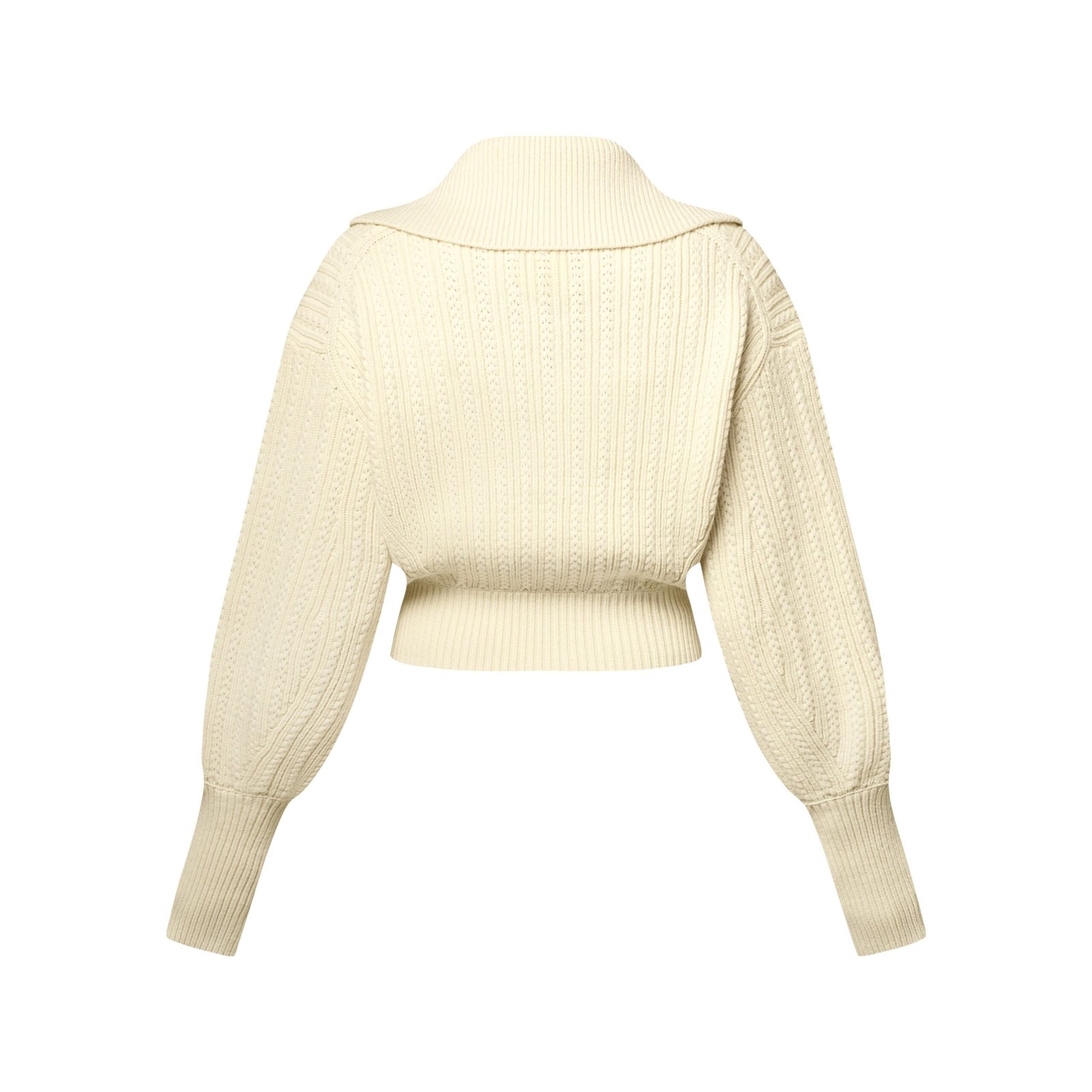
Source turtle neck sweater bulk programs with yarn, gauge, neckline height and body proportion aligned to your specification. Knitwear development includes sampling, fit review, size grading, anti-pilling considerations, branded labels and bulk production planning.
Request a Quote
Custom Jackets
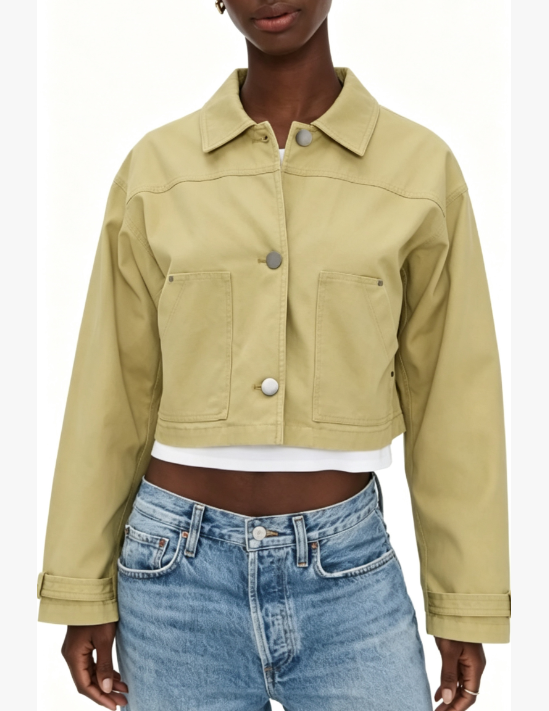
Develop a custom jean jacket with the right denim construction, silhouette, hardware and wash treatment for your line. From cropped and oversized fits to trucker styles, Junsheen manages pattern work, decoration, finishing, labels and scalable OEM production.
Request a Quote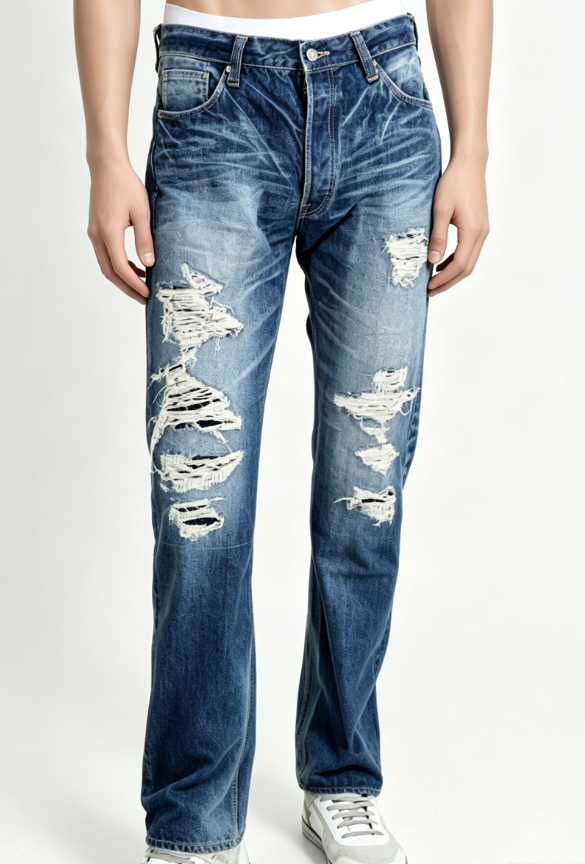
Custom Sweatshirts & Crewnecks
Create custom crewneck hoodie and sweatshirt programs with fleece or French terry options, rib specifications and fit grading. Choose embroidery, puff or screen-print effects, garment dye or brushing, then approve samples before moving to low-MOQ or bulk production.
Request a Quote
Custom Cardigans
Produce custom cardigan styles with tailored yarn selection, knit gauge, button or zipper details and fit development. Junsheen supports classic, cropped, oversized and extended-size proportions, plus private-label trims and packing for wholesale-ready delivery.
Request a Quote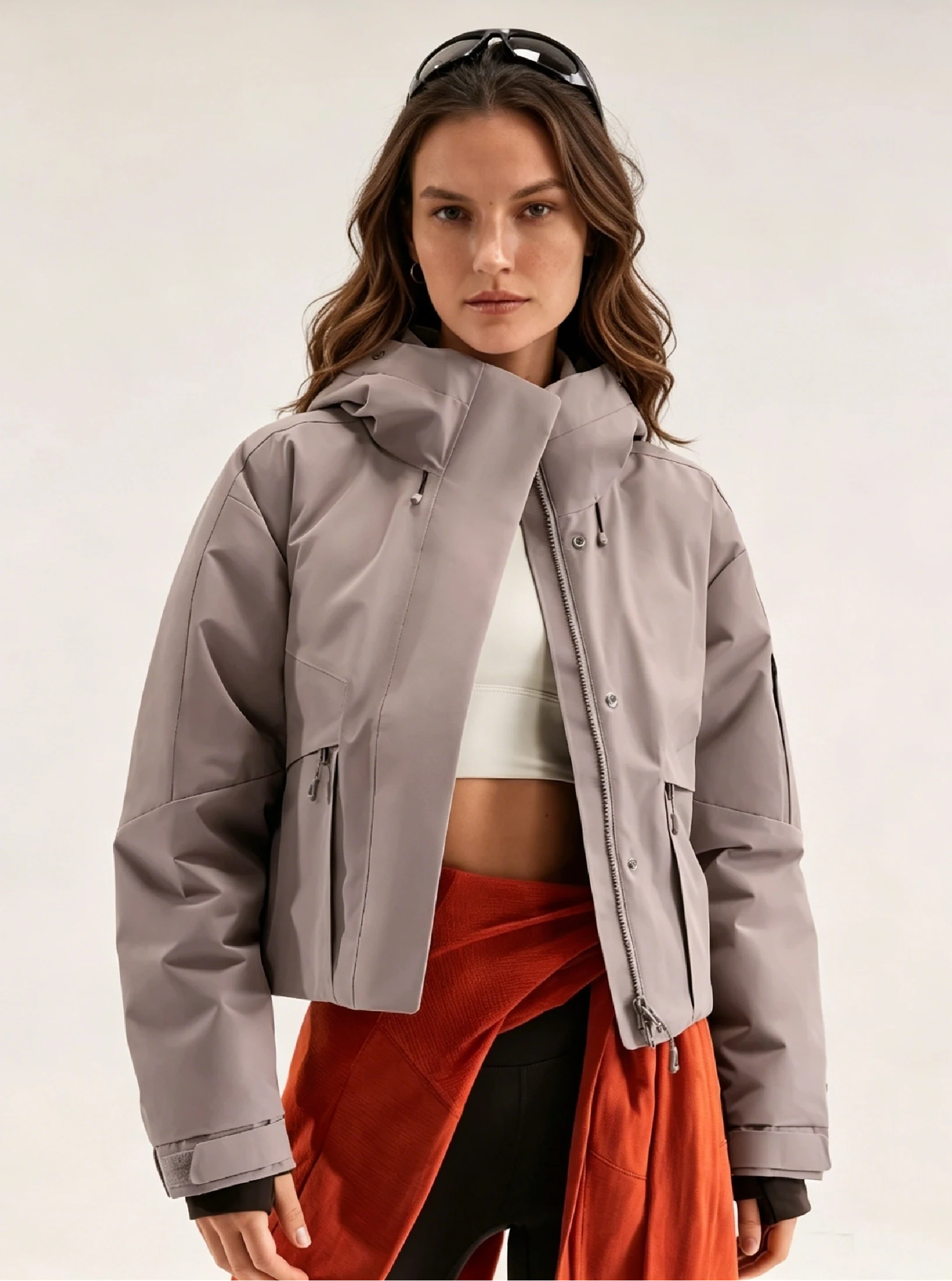
Custom Puffer & Down Jackets
Develop custom puffer jacket programs around insulation, shell fabric, quilting layout, hood construction and hardware requirements. Junsheen supports fit samples, branded trims, reflective details, quality checks and scalable outerwear production for seasonal launches.
Request a Quote
Custom Denim Shorts
Create custom jean shorts with controlled inseam, rise, leg opening and stretch specifications for the intended fit. Denim development includes raw or washed finishes, distressing, embroidery, patches, hardware and consistent grading across your size range.
Request a Quote
Custom Sweater Dresses
Develop custom sweater dresses with yarn, gauge, neckline, body length and shaping defined for your collection. The team samples fit and movement, supports XS–3XL grading, and adds custom labels, buttons, belts or other branded finishing details.
Request a Quote
Custom Denim Sets
Produce mens denim suits wholesale programs as coordinated denim jackets and trousers with consistent fabric, wash and fit standards. Junsheen manages pattern alignment, hardware, decoration, size grading and bulk quality control across both pieces.
Request a Quote
Custom Polo Shirts
Build custom polo shirts in pique, jersey or performance-knit fabrics with collar structure, placket details and logo decoration specified for your brand. Development covers fit, grading, color matching, embroidery or print placement, labels and packaging.
Request a Quote
Custom Sweatpants
Produce custom sweatpants in fleece, French terry or jersey with the rise, taper, cuff and waistband construction your audience expects. Junsheen supports oversized and extended-size grading, logo decoration, washes, trims and coordinated set production.
Request a Quote
Custom Shorts
Develop custom shorts for casualwear, active-inspired or denim-adjacent collections with fabric, inseam, pocket construction and fit clearly specified. Sampling verifies movement and proportion before production, with options for printing, embroidery, washes and private labels.
Request a Quote
Custom Pullovers
Create custom pullovers in knit, fleece or jersey constructions with neckline, sleeve, rib and body proportions developed for your target customer. Junsheen supports fit-focused grading, decoration, finishing, branded trims and repeatable OEM production.
Request a QuoteWholesale Denim Jackets: Materials That Define the Build

Rigid Cotton Denim
A classic, structured denim with a dry-to-soft hand feel for trucker jackets, overshirts and vintage-inspired silhouettes. Available in varied ounce weights, it holds seams, collars and wash effects with dependable shape retention.

Stretch Denim
Cotton-rich denim blended with elastane for body-hugging, fitted or movement-focused wholesale denim jackets. Its controlled recovery improves comfort through the sleeves and body while preserving a substantial denim appearance after wear.

Cotton Twill
A smooth, durable woven fabric suited to lightweight work jackets, utility styles and non-denim color programs. Its diagonal weave provides a clean hand feel, reliable abrasion resistance and a crisp base for embroidery or patches.

Cotton Blend Denim
Cotton blended with polyester or viscose balances authentic denim character with softer drape, added durability or more efficient cost control. It works well for fashion jackets needing a lighter hand or consistent bulk performance.

Recycled Denim
Denim incorporating recycled cotton or recycled fibers for brands developing lower-impact jacket collections. Fiber composition and weight can be specified around the desired hand feel, strength and wash response, with swatches reviewed before bulk approval.
Wholesale Denim Jackets: Decoration, Washing and Finishing

Logo Embroidery
Flat, 3D puff and chain-stitch embroidery add dimensional branding to chest panels, backs and sleeves. Durable threadwork is positioned and tested to retain definition through regular wear and garment washing.

Screen Printing
Plastisol, water-based, puff, flocking, silicone and high-density screen prints create bold graphic placements on denim jackets. Our team matches ink, artwork and curing methods to the fabric weight and desired finish.

Custom Patch Application
Woven, embroidered, chenille, leather-look and applique patches give wholesale denim jackets a layered private-label identity. Secure stitching and placement review help each patch stay clean, aligned and durable in production.

Enzyme Washing
Enzyme washing softens denim while creating a naturally worn surface with reduced stiffness. It is ideal for brands seeking comfortable hand feel, subtle fading and a more broken-in jacket appearance.

Stone Wash Effects
Stone washing develops authentic abrasion, contrast and vintage character across denim jackets. Wash trials let your team approve fade level, seam definition and overall visual balance before bulk production begins.

Garment Dye Effects
Garment dye and pigment treatments deliver distinctive color depth, tonal variation and fashion-forward finishes. Junsheen can develop samples to confirm shade, wash performance and the intended aged or saturated look.
Wholesale Denim Jackets, Finished With Your Brand

Custom Snap Buttons
Add logo-engraved snap buttons at plackets, cuffs, and chest pockets for secure closure and a recognizable hardware signature. Finish options can be matched to your denim wash, metal tone, and target price point.

Branded Zippers
Select durable metal or nylon zippers for front closures, pockets, and detachable details. JUNSHEEN can coordinate puller shapes, logo marks, tape colors, and hardware finishes to support a cohesive private-label denim jacket program.

Woven Leather Labels
Use woven labels or leather patches at the neck, hem, waistband, or back yoke to reinforce brand identity. We can develop logo placement, material, color, embossing, and stitching details alongside your jacket specifications.

Custom Hangtags
Create branded hangtags with product information, sizing, care details, barcode space, and collection messaging. Card stock, strings, seals, and finishing can be tailored to present wholesale denim jackets professionally at retail or delivery.

Drawcords And Tipping
For hooded, hybrid, or utility-inspired denim jackets, add custom drawcords with tipped ends, branded aglets, and matched colors. These details improve adjustability while carrying your collection’s visual language across coordinated outerwear.
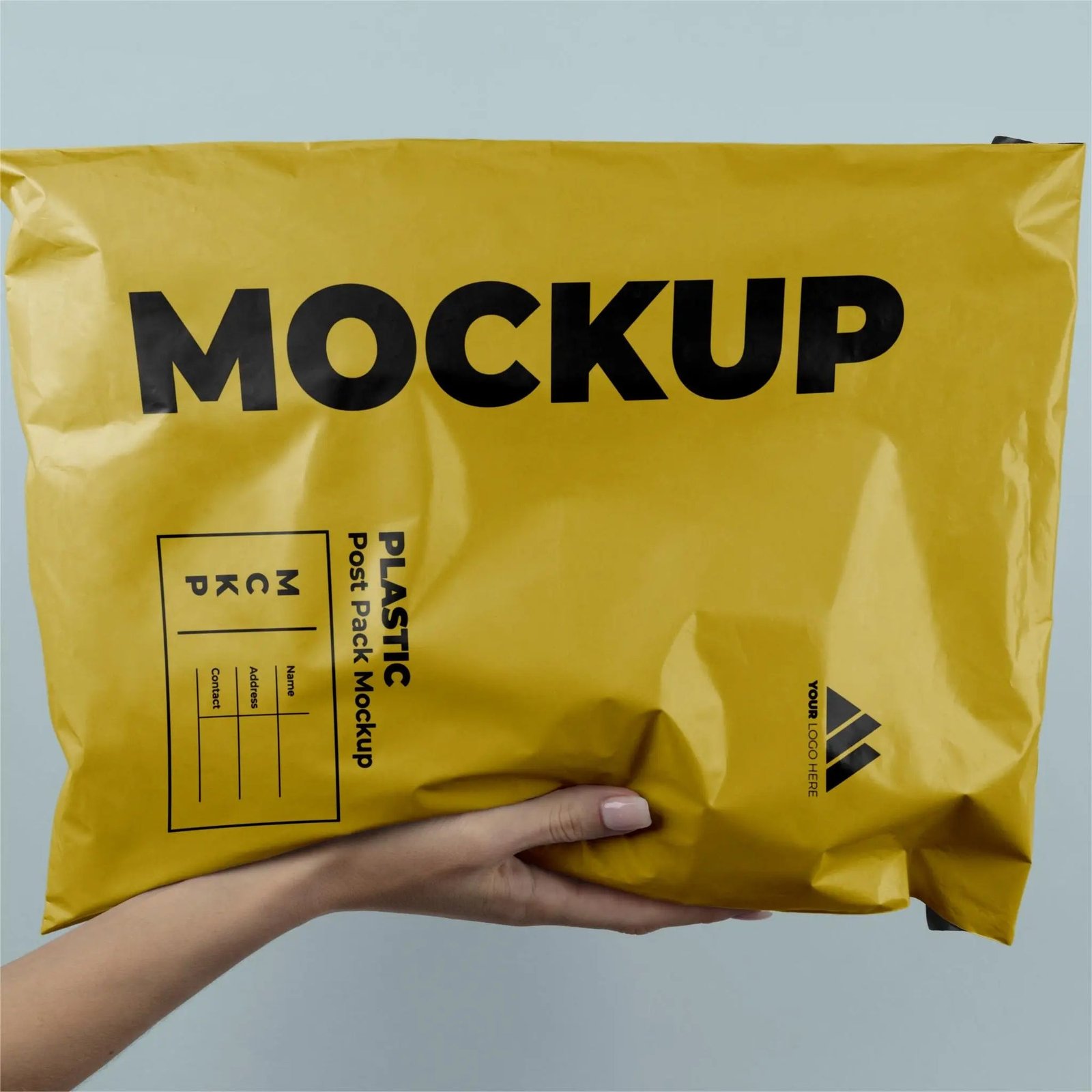
Branded Packaging
Complete each order with custom polybags, garment bags, folding inserts, stickers, cartons, and packing instructions. Branded packaging protects finished jackets through export and gives buyers a polished unboxing experience on arrival.
About JUNSHEEN Denim Jacket Manufacturing
Founded in 2010 in Humen Town, Dongguan, JUNSHEEN helps global brands turn denim-jacket concepts into production-ready collections. Our one-stop team supports OEM, ODM, private label and wholesale denim jackets from technical review and fabric sourcing through sampling, bulk production and export coordination.
With more than 200 skilled workers and monthly capacity above 80,000 units, we serve capsule launches and scalable repeat programs alike. Low MOQs from 100 units per style and color give emerging labels, retailers and sourcing teams a practical route to branded denim production.
What differentiates JUNSHEEN is a fit-first development process. Our pattern makers refine proportion, shoulder balance, sleeve length, mobility and grading from XS to 3XL, including extended-size, plus-size and oversized fits, then pair that work with in-house decoration, washing, labels, trims and final quality control.

Core Capabilities for Wholesale Denim Jackets
Fit-Focused Pattern Engineering
Our pattern team develops denim jackets from XS to 3XL with refined shoulder balance, sleeve proportion, body length, mobility, and grading increments. This fit-first approach supports standard, oversized, extended-size, and plus-size collections without relying on simple pattern enlargement.
- Custom patterns from tech packs, sketches, or reference garments
- XS–3XL grading for standard, oversized, and plus-size fits
- Size-set sampling to confirm proportions before bulk approval
- Manufacturability review to reduce avoidable revisions

Development From Idea to Sample
JUNSHEEN turns an early concept into production-ready wholesale denim jackets through specification review, fabric and trim sourcing, prototype development, and pre-production approval. Brands can begin with complete technical files or collaborate with our team to clarify construction and commercial requirements.
- OEM, ODM, and private-label development support
- Denim weight, stretch, wash, and hand-feel recommendations
- Prototype, fit sample, and pre-production sample stages
- Low MOQ from 100 units per style and color

Integrated Decoration and Finishing
Keep identity and finish under one coordinated production workflow. We combine logo embroidery, printing, patches, custom labels, hardware, garment washing, and finishing to build denim jackets with a consistent branded appearance while maintaining control over placement, color, and durability.
- Embroidery, patches, screen printing, DTF, and heat transfer
- Acid wash, stone wash, enzyme wash, and garment dye options
- Custom buttons, snaps, zippers, woven labels, and hang tags
- Branded packaging and trim coordination

Scalable Quality-Controlled Production
Founded in 2010, JUNSHEEN combines 200+ skilled workers with capacity above 80,000 units monthly for dependable growth from initial capsule orders to repeat bulk programs. Inspections cover fabric, construction, measurements, decoration, fit, and final packed goods before global export.
- In-line and final quality checks across every production stage
- Cut-and-sew, denim, outerwear, and knitwear capability
- Retained patterns and material records for repeat-order consistency
- Global export support for brands, retailers, and wholesalers

Why Choose JUNSHEEN for Wholesale Denim Jackets?
Compare fit-focused development, integrated production, and scalable support against typical fragmented suppliers.
← 左右滑动查看 →
Wholesale Denim Jackets Production Process
A fit-focused OEM workflow that takes your denim jacket program from feasibility review through export-ready delivery.
Feasibility and Fabric Review
Share your tech pack, reference, sketch, or concept. Our team reviews construction, target cost, washes, fabric weight, trims, sizing, and 100-unit MOQ feasibility.
Pattern and Fit Development
Pattern makers build and grade denim jacket patterns from XS to 3XL, refining shoulder balance, sleeve length, body proportion, mobility, and oversized or extended-size fit.
Prototype Sampling Approval
We source denim and components, create prototype samples, and confirm measurements, wash effects, decoration placement, labels, hardware, and final production specifications before bulk approval.
Bulk Cutting and Decoration
Approved materials move into scalable production, including cutting, sewing, embroidery, printing, patches, custom hardware, garment washing, finishing, and private-label trim application.
Quality Control and Shipping
Inspections cover fabric, construction, measurements, fit, decoration, washing, and packed goods. We complete branded packaging and coordinate global export shipping for your wholesale order.
How to Start Wholesale Denim Jackets Production
Submit your concept and move from feasibility review to approved sampling and a production-ready bulk order with JUNSHEEN.
Submit Your Product Brief
Send a tech pack, sketch, reference garment, mood board, target quantity, size range, and required denim washes, trims, decoration, or private-label details.
Review Feasibility and Quote
Our OEM team reviews construction, fabric, fit, grading, and finish requirements, then recommends workable specifications and prepares a clear quotation for your program.
Develop and Approve Samples
We source materials, create patterns, and make prototype samples for your review. Refine fit, measurements, washes, branding, and workmanship before approving production.
Launch Bulk Production
After approval and order confirmation, JUNSHEEN produces your wholesale denim jackets from 100 units per style and color, with in-line quality control and export support.
Custom Clothing Manufacturer Credentials and Compliance Documents



Wholesale Denim Jackets: Proven Production Results
JUNSHEEN corrected our extended-size denim jacket grading during sampling. We cut fit revisions from five rounds to two, approved the size set faster, and launched our 600-unit first run on schedule.
We began with 100 units across two washes for a seasonal capsule. The construction and wash results matched the approved sample closely enough that we reordered 1,200 units within four months.
Their team kept our branded labels, embroidery placement, measurements, and packaging consistent across three repeat orders. The program grew from 300 pieces to 2,500 units without the quality drift we had seen with prior suppliers.
Wholesale Denim Jackets FAQ
Clear answers on MOQ, sampling, production, payment, shipping, fit development and confidentiality for custom denim jacket programs.
What is the MOQ for wholesale denim jackets?
How much do wholesale denim jacket samples cost and how long do they take?
How long does wholesale denim jacket production take?
Can you develop denim jackets in XS–3XL, plus sizes or oversized fits?
Can you make private-label wholesale denim jackets with custom branding?
What payment terms do you offer for denim jacket orders?
Do you ship wholesale denim jackets internationally?
How do you protect my denim jacket designs and brand information?
The Complete Buyer’s Guide to wholesale denim jackets
Use this decision framework to compare styles, materials, customization, quality controls, supplier capabilities, pricing, and launch requirements—while avoiding the sourcing mistakes that create costly samples, delays, and inconsistent production.
1. What Are wholesale denim jackets?
100 units per style and color is a workable entry point for custom wholesale denim jackets at a low-MOQ manufacturer such as Junsheen. In B2B terms, wholesale can mean ready-to-buy stock sold by SKU, but it can also describe bulk purchasing of jackets made under a buyer’s own label. 3 sourcing models require different commitments: ready stock uses an existing fit, wash, trim package and size run; private-label production adds the buyer’s labels and packaging to an established style; OEM builds an approved design from the buyer’s tech pack. ODM goes further, with the factory adapting or developing a market-ready concept, pattern, fabric and wash direction for the brand. 100–500 units per style/color commonly suits capsule labels, retailers testing a new category and wholesalers building a seasonal range, while repeat programs can scale into bulk orders. Buyers should compare landed unit cost, target wholesale price, retailer margin, markdown risk and how much design control they need: stock is faster and less distinctive, whereas OEM or ODM can create a defensible assortment but requires sampling and clearer forecasts.
2. Evolution of the Denim Jacket
1880s workwear jackets used hard-wearing cotton denim, reinforced seams, chest pockets and metal hardware for ranch, rail and industrial use. By the mid-20th century, western styling made the jacket a recognizable uniform: a short body, point collar, front placket, yoke and contrast topstitching became product cues buyers still use to signal utility and authenticity. 1950s youth culture turned denim outerwear from practical gear into a symbol of independence, while later punk, hip-hop and skate scenes made customization central. Patches, embroidery, bleaching, acid wash, oversized fits and distressed finishes let a familiar silhouette carry distinct subcultural messages without requiring an entirely new product category. 1960s through the 1990s also proved the jacket’s seasonal range. A 10–13 oz rigid denim version works as a spring or autumn layer, while stretch denim, sherpa lining, lighter washes and cropped or oversized proportions extend the concept into different climates, genders and price points. 2020s collections continue to use heritage details—triple-needle seams, copper-tone buttons, contrast stitching, tab labels and western yokes—to position products as classic, workwear-inspired or premium. For wholesale denim jackets, that history supports repeat demand: buyers can retain the core silhouette while updating wash, fit, decoration and color to match each season’s assortment.
3. Types of wholesale denim jackets
Six distinct silhouettes usually cover most wholesale denim jackets assortments without duplicating customer demand. Buy depth in one core shape, then add one seasonal or fashion-led option with a clearly different fit and use case.
Classic Trucker Jackets
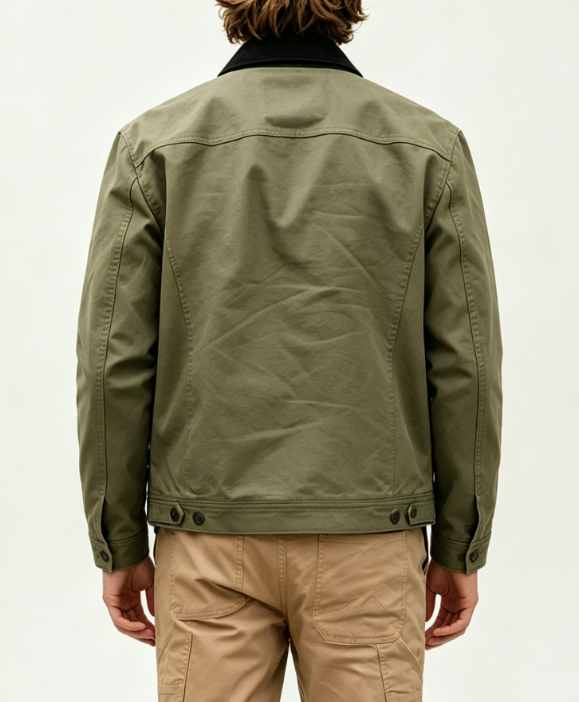
Trucker jackets use a waist-length body, point collar, chest pockets and front yoke; they suit broad unisex and mainstream customers. A regular fit layers over tees or light knits, making it a dependable spring and fall continuity item. 100-unit programs should lock body length, pocket placement and wash standard before sampling. Merchandising works best in two proven washes rather than several visually similar blues.
Oversized And Cropped Fits

Oversized jackets target streetwear and younger fashion customers through dropped shoulders, wider sleeves and longer body ease. A 6–10 cm chest increase versus a regular block must be balanced with sleeve and shoulder proportions. Cropped jackets serve womenswear and high-waist bottom pairings, especially for spring and festival edits. Confirm finished back length on a fit model, because small grading errors change the intended silhouette quickly.
Sherpa And Workwear Styles
Sherpa-lined denim jackets add warmth and visual texture for fall and winter assortments. Specify lining placement, sleeve insulation and shrinkage testing so the shell and lining do not distort after washing. Workwear jackets use utility pockets, reinforced seams and a roomier layer-friendly fit for heritage or utility customers. Durable hardware and bartacks matter more here than decorative wash variation.
Fashion-Led Variations

Fashion-led variations include patchwork, acid wash, embellished, detachable and hybrid denim jackets for limited drops. Their role is to create campaign interest, not replace the core trucker or oversized volume driver. Pantone-approved trims, decoration strike-offs and wash panels should be approved before bulk production. At a 100-unit MOQ, prioritize one distinctive technique per style to control sampling risk and landed cost.
4. Materials for wholesale denim jackets
12–14 oz denim gives most wholesale denim jackets the structure buyers expect, while 8–10 oz suits warm-weather layers. Fiber content, weave density, finish, and stretch percentage should be locked before sampling.
| Material Specification | Weight | Performance | Best Use |
|---|---|---|---|
| 100% cotton rigid 3×1 | 12–14 oz | Strong structure; high fade potential | Classic trucker jackets |
| Cotton-elastane denim | 10–12 oz | Better mobility; moderate recovery | Fitted or extended-size fits |
| Cotton-poly stretch blend | 9–11 oz | Shape retention; faster drying | Contemporary light jackets |
| Recycled cotton blend | 10–13 oz | Lower virgin-fiber content; verify certificates | Sustainability-led capsules |
| Denim with cotton lining | 12–14 oz shell | Softer interior; extra warmth | Premium transitional styles |
Fiber And Weave Choices

100% cotton ring-spun denim delivers a dry hand, clear twill lines, and strong fading potential; rigid constructions reward break-in but feel less forgiving. Open-end cotton is usually more economical but can feel coarser. 2×1 twill is lighter and more flexible, while 3×1 right-hand twill creates the familiar diagonal face and firmer jacket body.
- Specify warp and weft fiber content separately
- Confirm sanforized or unsanforized shrinkage
- Request swatches under wash testing
Weight, Stretch, And Climate
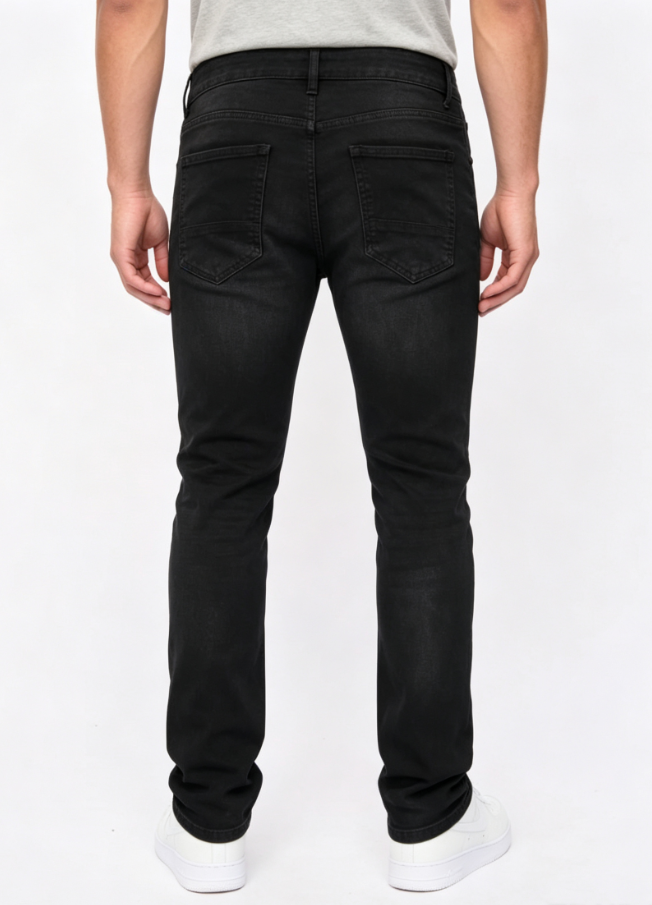
8–10 oz denim works for overshirts and spring layers, whereas 12–14 oz supports classic trucker silhouettes. Weights above 14 oz create pronounced structure but need careful seam and buttonhole testing. 1–3% elastane improves sleeve mobility and recovery; excessive stretch can distort pocket placement after washing. Cotton-polyester-elastane blends dry faster and retain shape, but alter the authentic fade character.
Finishes And Linings

Enzyme, stone, acid, and garment washes change shade, softness, and seam abrasion, so approval must use the final bulk fabric. Dark indigo generally needs crocking tests before pairing with light linings. 120–200 GSM cotton poplin or jersey lining adds comfort without excessive bulk; quilted polyester lining suits insulated outerwear. Recycled cotton or recycled polyester claims should be supported by supplier documentation.
5. Customizing wholesale denim jackets
At Junsheen, a 100-unit-per-style-and-color starting point makes customization decisions unusually consequential. Lock the silhouette, wash standard, artwork size, and trim specification before sample approval so bulk wholesale denim jackets remain repeatable.
| Quantity Tier | Planning Price Per Unit | Customization Scope | Lead Time |
|---|---|---|---|
| 100–299 | US$22–38 | One wash, label, basic embroidery or patch | 45–60 days |
| 300–999 | US$18–32 | Custom wash, trims, 1–2 decorations | 40–55 days |
| 1,000+ | US$15–28 | Developed wash, hardware, branded packaging | 35–50 days |
Silhouette And Wash Development
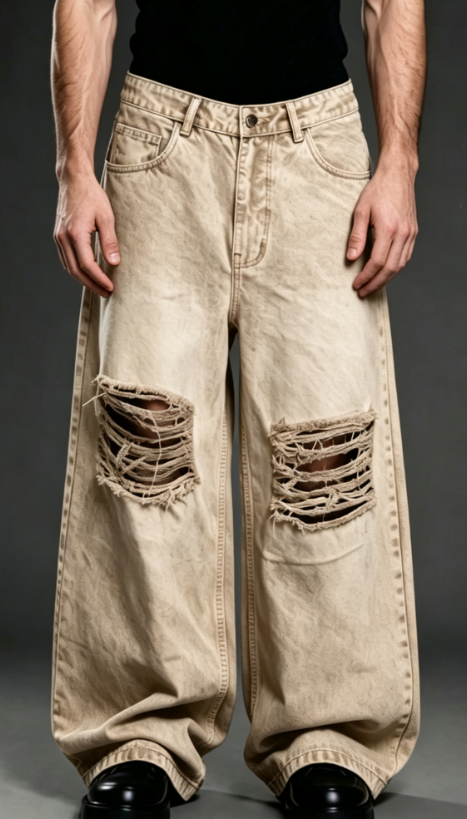
Three fit decisions—shoulder width, body length, and sleeve volume—should be graded together, especially for oversized and XS–3XL programs. Enzyme, stone, acid, and garment washes change shade and hand feel; approve a sealed wash panel because distress placement can shift after laundering.
- Use laser or hand distressing away from pocket edges and seams.
- Specify Pantone thread, wash target, and abrasion reference on the tech pack.
Decoration And Placement
6–10 cm chest embroidery and back artwork generally give the clearest visual hierarchy. Embroidery is durable but dense fills can pucker lightweight denim; screen printing needs a flatter panel and may crack across seams, while woven patches cover detail better than fine threadwork.
- Keep embroidery clear of plackets, pockets, and thick felled seams.
- Use patches for small type, gradients, or intricate multicolor logos.
- Limit screen-print coverage on heavily washed or highly textured denim.
Labels Hardware And Packing

2 label positions—main neck and side seam—usually cover brand and care information without crowding the yoke. Custom rivets, snaps, zippers, leather labels, and branded bags require approved artwork and samples; hardware finishes should be tested against wash and abrasion exposure.
- Specify metal finish, logo relief, puller shape, and corrosion expectation.
- Confirm folded size, polybag warning text, hangtag attachment, and carton count.
6. Key Denim Jacket Construction Quality
At sample stage, construction quality is easiest to verify before wash variation and bulk pressure obscure defects. For wholesale denim jackets, small alignment, reinforcement, and tolerance failures quickly become returns, shortened wear life, and a lower perceived value.
Seams And Reinforcement
8–10 stitches per inch is a practical benchmark for major lockstitch seams; inspect for skipped stitches, puckering, and uneven topstitch spacing. Bartacks should reinforce pocket corners, sleeve plackets, and stress points at the bottom of the front placket. Pull these areas by hand to confirm layers do not separate.
- Check consistent double-needle topstitch spacing
- Inspect inside seam allowances for clean overlocking
- Confirm thread color matches the approved sample
Shape And Pocket Symmetry
3 mm is a useful visual target for matching chest-pocket height, flap angle, collar points, and placket edge alignment. Buttonholes must sit centered on the button line without fraying. A collar should lie flat when fastened and retain equal point length after washing. Compare the sample against a buttoned, laid-flat reference rather than judging it on a hanger.
Hardware Security
10 manual open-close cycles per button, snap, or zipper can reveal loose setting, sharp backs, or binding before approval. Verify that metal hardware is consistently finished and does not damage the denim. For zip-front styles, close the zipper over a filled torso form and check for waviness along the placket. Secure hardware protects the garment’s usable life and avoids costly consumer complaints.
- Test every hardware type on the sample
- Inspect rivet backs for sharp edges
- Confirm approved zipper pull and finish
Wash And Measurement Control
2–3% residual shrinkage is a common approval threshold when the fabric and wash specification permit it; measure before and after the approved wash. Record chest, body length, sleeve length, shoulder width, and sweep. ±1 cm is a typical tolerance for major jacket measurements, with tighter control on collar and pocket placement. Review multiple washed samples because shade, abrasion, and hand feel must remain consistent across pieces.
7. How to Choose a Denim Manufacturer
A denim-jacket supplier should be assessed before price negotiation, because fit, wash control, and repeatability determine landed value. For wholesale denim jackets, compare documented capability against your first-order MOQ and your next-season volume plan.
Verify Denim Experience
Two recent denim samples reveal more than a line-sheet image: inspect seam roping, pocket placement, collar roll, bar-tacks, and wash consistency. 100-unit programs need a factory that can grade and control small runs without treating development as an afterthought.
- Ask for comparable jacket samples and wash references.
- Confirm experience with rigid and stretch denim.
- Request measurement tolerances and inspection checkpoints.
Test Development And Sourcing

1 approved pre-production sample should match the sealed fabric, trims, wash recipe, and graded specification before bulk cutting. 10–14 oz denim is common for jackets, but weight alone does not predict shrinkage, skew, color loss, or hand feel; request swatches and wash testing.
- Can pattern makers revise fit across the size range?
- Which mill documents and fiber certificates are available?
- Are OEKO-TEX, GOTS, WRAP, or BSCI records current where required?
Confirm Scale And Communication
80,000-plus monthly units can indicate useful capacity, yet buyers should confirm reserved capacity by style, wash complexity, and delivery window. 30–45 days is a typical bulk-production range after approvals, but suppliers should separate sampling, material booking, production, inspection, and shipping timing in writing.
- Who owns daily production updates and escalation?
- What is the rework process for failed final inspection?
- Can retained patterns and material records support reorders?
8. Common Wholesale Sourcing Mistakes
Most wholesale denim jackets failures begin before bulk cutting, when a visually acceptable sample substitutes for written production control. A disciplined sourcing file turns assumptions about fit, wash, timing, and cost into approval points.
Incomplete Tech Pack Approval
A 100-unit MOQ does not remove the need for complete specifications. Missing points of measure, stitch density, Pantone references, trim codes, and artwork placement can produce a bulk jacket that matches the sample only loosely. One approved pack should include a measurement chart with tolerances, graded sizes, construction callouts, and a bill of materials. Require the factory to flag contradictions before sampling, then revise the file after each fit round.
Fabric And Wash Assumptions

10 oz and 13 oz denim can look similar on a hanger but differ substantially in drape, warmth, abrasion resistance, and wash response. Selecting by color alone risks unexpected shrinkage, crocking, seam torque, or a hand feel unsuitable for the target market. Three wash trials from the intended mill lot are more useful than a single showroom swatch. Approve fabric weight, composition, stretch recovery, shade band, finished measurements, and wash recipe before bulk booking.
Timing And MOQ Misreads
100 units per style and color is a practical starting point, but each additional wash, fabric, or custom trim can raise material minimums and development time. Late decisions may force substitutions, air freight, or a delayed launch. A pre-production sample is the final checkpoint for measurements, labels, wash, decoration, and packing. Build sampling, revisions, material booking, bulk production, inspection, and freight into the launch calendar; do not choose a supplier solely on the lowest quote.
9. Steps to Launch Your Denim Jacket
A 100-unit-per-style-and-color MOQ lets a label validate a focused denim-jacket concept before committing to a broad program. Set the target customer, price band, channel, and launch date before development begins; those decisions control fit, fabric, finishes, and freight choices.
Define The Development Brief
Three to five competitor references should identify the intended silhouette, wash level, hardware, retail price, and customer rather than serve as copy instructions. The brand owns positioning, artwork, Pantone direction, and commercial targets. A complete tech pack should specify measurements, graded sizes, seam construction, pocket placement, bill of materials, labels, and packaging. Junsheen can review manufacturability, create patterns, grade XS–3XL, and flag cost or production risks before sampling.
Lock Materials And Samples
10–14 oz denim is a practical starting range for most rigid trucker and relaxed jackets, while stretch content changes recovery and fit. Approve fabric swatches, wash standards, zipper or snap samples, and decoration strike-offs before cutting a prototype. One prototype and one controlled revision cycle usually produce clearer decisions than scattered changes across several samples. Freeze the approved measurement chart, wash reference, trims, labels, and packaging in a signed pre-production approval.
Schedule Production And Launch
8–16 weeks is a realistic planning window from confirmed specifications to ex-factory goods, depending on fabric availability, wash complexity, and revision count. The brand must set the sales deadline and freight method early; the manufacturer manages the agreed production sequence and inspections. 100% of packed goods should receive final checks for quantity, labeling, carton marks, and visible defects, alongside agreed measurement and workmanship inspections. Reserve sea, air, or courier capacity before final balance, then prepare product photography, size guidance, inventory intake, and launch messaging before arrival.
10. wholesale denim jackets Pricing and Costs
100 units per style and color is a practical starting point for an OEM denim-jacket program, but a specification-based quotation is more reliable than a fixed online price. Denim weight, fiber blend, mill minimums, color count, and size range establish the material and cutting cost before sewing begins. 12–14 oz rigid denim generally uses less fabric and processing than 14–16 oz stretch or heavyweight constructions, while enzyme, stone, acid, bleach, tint, and hand-sanding washes add handling, yield loss, and approval time. Embroidery, screen prints, patches, branded YKK-equivalent hardware, leather labels, and custom cartons should be priced separately because each changes labor, tooling, freight weight, or packing volume. 20–45 days is a typical planning window after sample and material approval, with repeat orders often moving faster when patterns, graded size sets, wash standards, and trims are retained. Request a quotation showing FOB unit cost, sample charges, decoration setup, packaging, shipping terms, and any applicable duty or destination freight so sourcing teams can calculate landed cost accurately.
| Quantity tier | Indicative unit-cost position | Primary cost drivers | Indicative bulk lead time |
|---|---|---|---|
| 100–299 units | Highest per-unit cost | Low material utilization; setup spread across fewer pieces | 30–45 days |
| 300–999 units | Improving unit economy | Fabric booking, wash volume, decoration stitches, hardware | 25–40 days |
| 1,000–2,999 units | More efficient production cost | Shared colorways, standardized trims, repeat wash recipes | 20–35 days |
| 3,000+ units | Best scale potential | Confirmed mill capacity, packaging consolidation, shipment planning | 20–30 days |
Start Your Wholesale Denim Jackets Sampling Project
Send your tech pack, reference garment or concept for feasibility review, fit guidance and a tailored OEM quote from JUNSHEEN.