
Clothing Wholesale Jeans Built for Your Brand
Launch fit-focused XS–3XL clothing wholesale jeans with 100-unit MOQs, private-label options, and scalable OEM and ODM production.
Featured Products for clothing wholesale jeans Development





Related Product Catalogue and Quotation

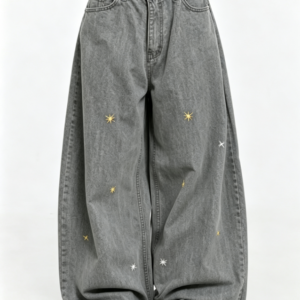


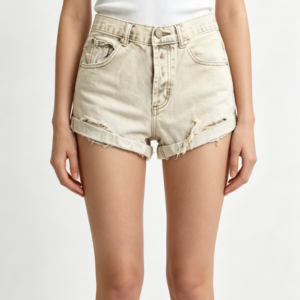

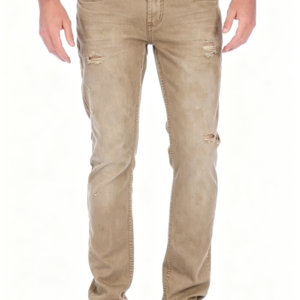


Why Source Clothing Wholesale Jeans from JUNSHEEN
Fit-focused denim development, low-MOQ flexibility, integrated customization and dependable global production in one manufacturing partner.
100-Unit Denim MOQs
Launch jeans capsules from 100 units per style and color while retaining professional development, quality control and private-label options.
Fit-First Size Development
Pattern makers refine rise, leg shape, mobility and grading from XS to 3XL for consistent normal, plus-size and oversized fits.
Custom Washes and Details
Build distinct denim programs with stone wash, acid wash, embroidery, printing, patches, branded trims and custom packaging managed in-house.
OEM to Private Label
Bring a tech pack, sketch or reference garment; our team supports fabrics, patterns, samples and production-ready specifications.
Scalable Global Supply
With 200-plus skilled workers and 80,000-plus monthly units, JUNSHEEN supports repeat wholesale orders and export coordination worldwide.
Denim Supply Chain Control
Coordinate fabric sourcing, cut-and-sew production, inspections and final packing through one responsive partner in Dongguan’s garment-production cluster.
Custom Jeans and Casualwear Programs
Develop denim-led collections and complementary casualwear with fit-focused sampling, low-MOQ production, and scalable private-label support.

Custom Hoodies
Custom hoodies developed in fleece, French terry, or heavyweight cotton blends for branded drops and wholesale programs. We support fit specifications from XS–3XL, oversized proportions, embroidery or print placement, custom ribs, drawcords, labels, and packaging from 100 units per style and color.
Request a Quote
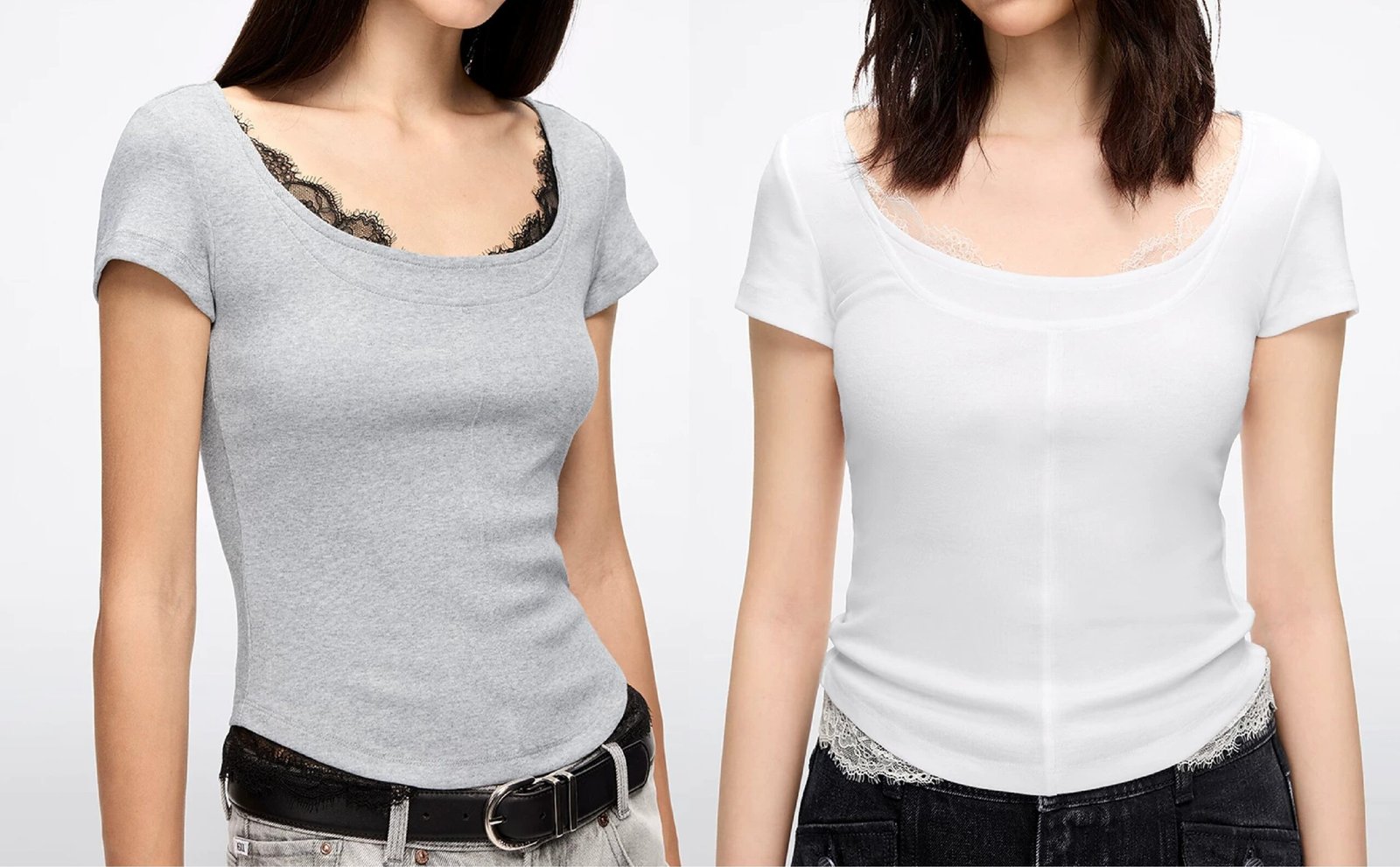
Custom T-Shirts
Build custom T-shirt programs in jersey, combed cotton, Pima cotton, organic options, and performance blends. Our team reviews weight, hand feel, neckline, fit, grading, print method, and wash performance so each custom tshirt is ready for sampling and repeat production.
Request a Quote
Custom Jeans
Produce custom jeans with pattern development, size grading, fabric selection, washes, hardware, and branded trims managed in one workflow. We refine rise, hip, thigh, leg shape, and inseam across XS–3XL to help brands achieve consistent denim fits before bulk approval.
Request a Quote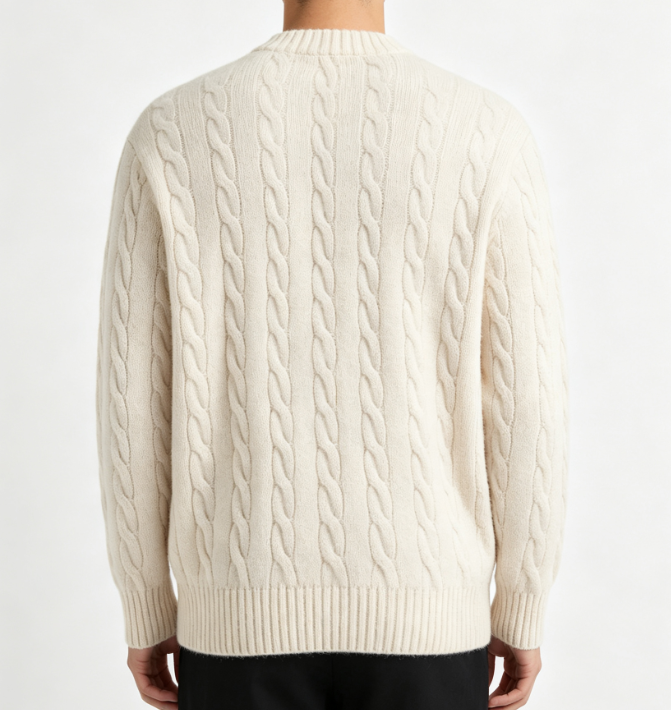
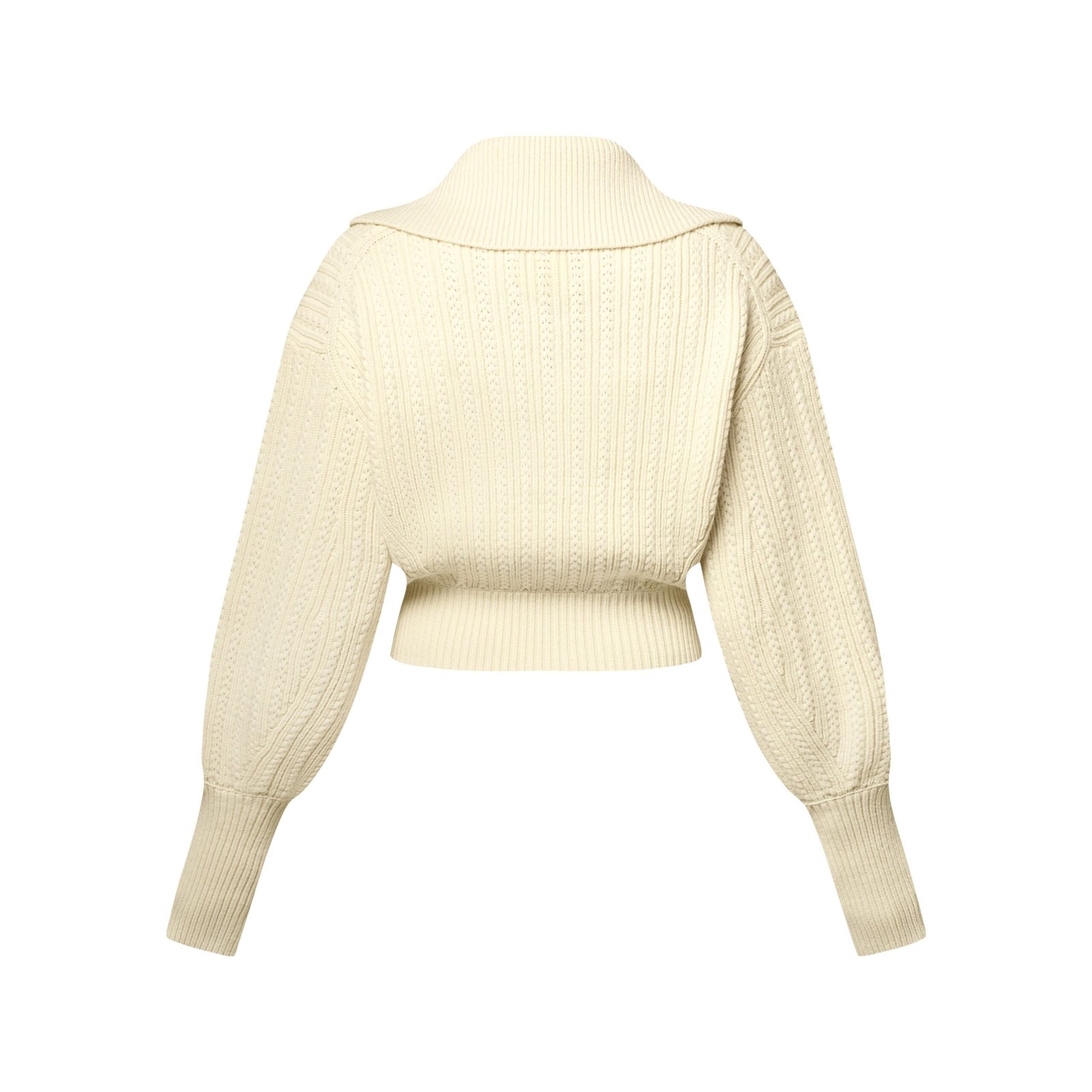
Custom Sweaters
Source and manufacture turtleneck sweater bulk programs in knitted constructions suited to your target price, warmth, stretch, and hand feel. Development can include gauge selection, rib details, body length, sleeve proportion, grading, woven labels, and packaging for wholesale or private-label delivery.
Request a Quote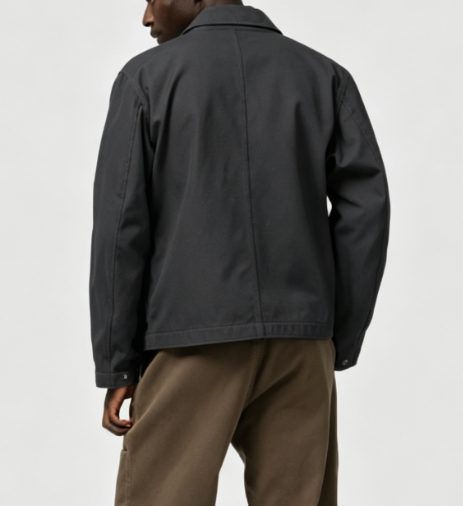
Custom Jackets
Develop custom jean jacket programs in rigid or stretch denim, from classic truckers to oversized layers and coordinated denim collections. We manage pattern balance, wash development, distressing, embroidery, patches, buttons, rivets, labels, and final quality checks for production-ready results.
Request a Quote
Custom Sweatshirts & Crewnecks
Create custom crewneck hoodie and sweatshirt programs for fleece, French terry, and jersey-based collections. Choose crewneck, hooded, cropped, oversized, or relaxed fits, then specify rib construction, print or embroidery, washes, labels, and graded measurements for reliable bulk consistency.
Request a Quote
Custom Cardigans
Manufacture custom cardigan styles in sweater knits with defined gauge, yarn blend, button or zipper options, rib finishes, and brand labeling. Our product-development team helps align drape, shape retention, fit, and size grading with your collection requirements and target market.
Request a Quote
Custom Puffer & Down Jackets
Produce custom puffer jacket programs with shell fabric, insulation, lining, quilting, pockets, zippers, snaps, and branded trims specified for your market. We support prototype review and fit refinement so outerwear performs consistently across the intended XS–3XL size range.
Request a Quote
Custom Denim Shorts
Develop custom jean shorts in rigid, stretch, or comfort-stretch denim with tailored rises, leg openings, inseams, washes, and distressed finishes. We coordinate hardware, pockets, labels, embroidery, and size grading to turn seasonal denim concepts into approved bulk programs.
Request a Quote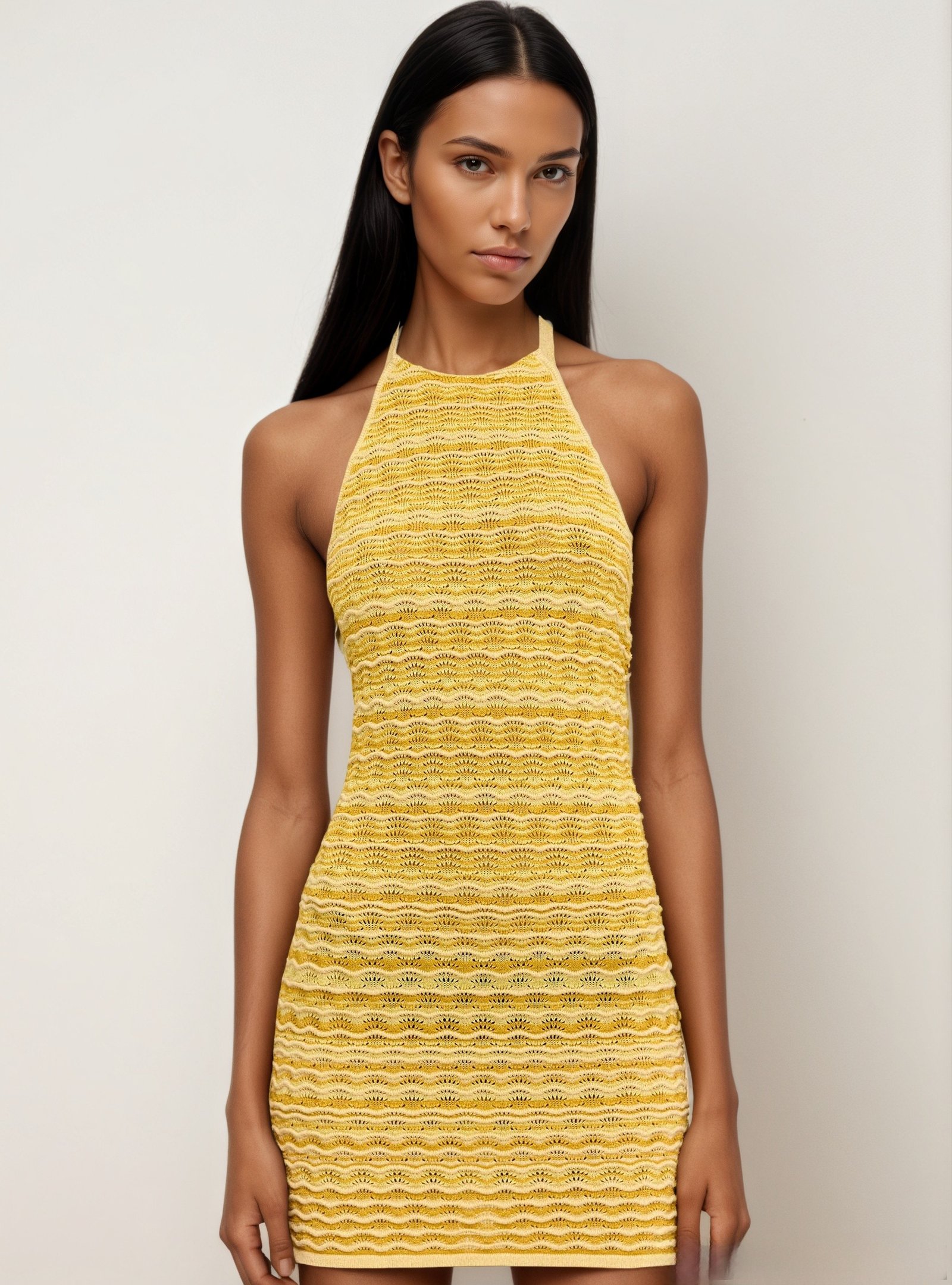
Custom Sweater Dresses
Produce custom sweater dresses in knit constructions chosen for desired warmth, recovery, drape, and body coverage. Pattern development addresses neckline, sleeve length, body proportion, hem shape, and XS–3XL grading, supporting polished private-label and wholesale knitwear collections.
Request a Quote
Custom Denim Sets
Build mens denim suits wholesale programs with coordinated denim jackets, overshirts, trousers, or jeans. We align fabric lot, wash tone, fit blocks, hardware, and branding across the set, helping buyers maintain a consistent presentation from sample approval through repeat bulk orders.
Request a Quote
Custom Polo Shirts
Manufacture custom polo shirts in piqué, jersey, and performance knit fabrics for retail, uniform, and branded-casual programs. Specify collar construction, plackets, sleeve ribs, embroidery, print details, fit, grading, labels, and packaging to meet your product and margin requirements.
Request a Quote
Custom Sweatpants
Develop custom sweatpants in fleece, French terry, or jersey with jogger, straight-leg, wide-leg, or oversized silhouettes. We refine waist, rise, inseam, pocket placement, cuff construction, and grading, then add prints, embroidery, washes, and private-label finishing as required.
Request a Quote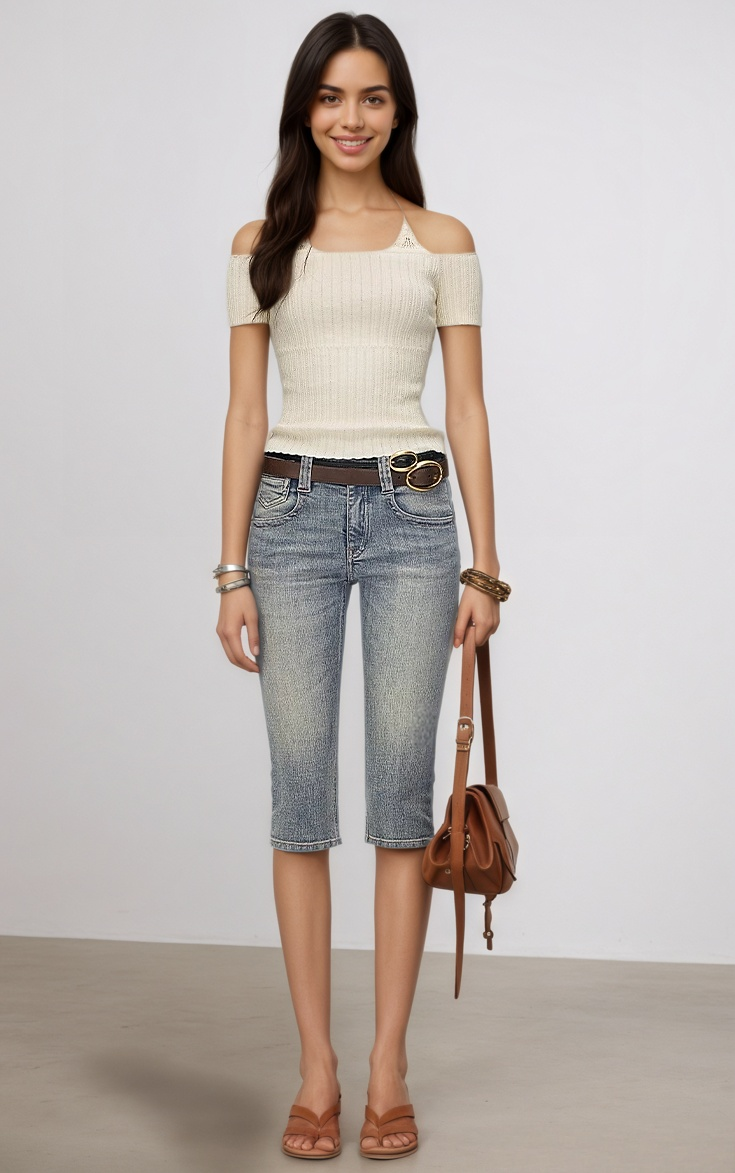
Custom Shorts
Produce custom shorts for casualwear, athleisure, and coordinated seasonal collections in twill, jersey, fleece, denim, or performance fabrics. Development covers fit, inseam, waistband, pockets, stretch, decoration, branded trims, and size grading from initial sample through bulk production.
Request a Quote
Custom Pullovers
Manufacture custom pullovers in knitwear, fleece, French terry, or jersey constructions for layered casualwear programs. Our team supports fabric and yarn selection, neckline, sleeve and body proportions, rib details, decorations, labels, and fit-focused grading for scalable production.
Request a QuoteClothing Wholesale Jeans Materials for Reliable Production

Rigid Cotton Denim
A structured, authentic denim with a dry-to-soft hand feel for classic five-pocket jeans, jackets, and denim sets. Available in versatile midweights, it develops character through stone, enzyme, and garment-wash finishes.

Stretch Denim
Cotton-rich denim blended with elastane for comfortable recovery and easier movement in slim jeans, fitted skirts, and extended-size styles. Its controlled stretch supports shape retention while maintaining a substantial denim appearance.

Cotton Canvas
A durable woven cotton with a firm, natural hand for utility jeans, carpenter details, overshirts, and workwear-inspired coordinates. Its dense construction holds pockets, panels, embroidery, and structured silhouettes well.

Cotton Twill
A smooth diagonal-weave fabric suited to chino-style bottoms, denim alternatives, jackets, and coordinated casualwear. Offered in varied weights, cotton twill provides dependable abrasion resistance, clean drape, and reliable color results.

French Terry Fleece
A soft cotton-blend knit with loopback or brushed interiors for sweatpants, hoodies, and denim-layering programs. Medium-to-heavy weights deliver warmth and comfort while retaining enough body for premium casual silhouettes.

Recycled Denim Blends
Recycled cotton or polyester-blend denim supports lower-impact jeans and casualwear collections without sacrificing commercial performance. Fabric options can be selected for target weight, stretch, wash response, texture, and certification requirements.
Clothing Wholesale Jeans Washing and Decoration Options

Logo Embroidery
Flat, 3D puff and chain-stitch embroidery add tactile branding to pockets, yokes and hems. Carefully stabilized stitching delivers clean detail, dependable wash durability and a premium dimensional finish.

Screen Printing
Plastisol, water-based, puff, flocking and high-density screen prints create bold denim graphics with controlled coverage. Process selection supports the desired hand feel, opacity and lasting visual impact after repeated laundering.

Garment Dye
Garment dyeing applies color after construction for a lived-in, cohesive appearance across custom jeans and denim sets. Controlled dye methods help achieve rich tones, soft character and intentional tonal variation.

Enzyme Wash
Enzyme washing gently softens denim and reduces surface fuzz without harsh abrasion. The result is a smoother hand feel, more wearable comfort and a refined broken-in look suited to contemporary wholesale programs.

Acid Stone Wash
Acid washing creates high-contrast fading and distinctive marbled texture, while stone washing adds softened abrasion and vintage depth. Junsheen can develop wash references through sampling for consistent, brand-specific denim character.
Custom Trims for Clothing Wholesale Jeans

Leather Logo Patches
Custom leather or faux-leather patches add a premium branded finish at the back waistband of clothing wholesale jeans. Choose debossed logos, contrast stitching, colors, shapes, and materials aligned with your collection.

Branded Metal Hardware
Customize jeans buttons, rivets, snaps, and buckle hardware with your logo, finish, and color. Durable branded hardware supports both classic five-pocket denim and fashion-led utility, cargo, or denim-set programs.

Custom Zipper Systems
Specify zipper type, puller shape, tape color, and logo treatment for jean fly fronts, pockets, and detachable details. Junsheen sources reliable components matched to garment weight, wash process, and intended use.

Woven Label Sets
Build coordinated main labels, size labels, wash-care labels, and side flags for a consistent private-label presentation. Label materials and placement are planned during development to remain clear, comfortable, and durable after washing.

Hang Tags Packaging
Add custom hang tags, barcode stickers, polybags, tissue, and branded cartons to prepare jeans for retail or wholesale distribution. Packaging specifications can be coordinated with your folding method, shipment requirements, and market needs.
Drawcords and Tipping
For denim joggers, elastic-waist jeans, and casualwear extensions, select custom drawcords, metal tips, aglets, and eyelets. These small components create a more intentional finish while supporting daily adjustment and wear.
About JUNSHEEN Clothing Wholesale Jeans
Founded in 2010 in Humen Town, Dongguan, JUNSHEEN helps fashion brands turn denim and casualwear ideas into production-ready collections. Our one-stop team supports clothing wholesale jeans, OEM, ODM and private-label programs from initial product development through sampling, bulk production and export coordination.
With more than 200 skilled workers and monthly capacity above 80,000 units, we serve emerging labels, retailers, wholesalers and established fashion businesses worldwide. Start from 100 units per style and color, then scale dependable denim, knitwear, outerwear and casualwear programs as demand grows.
What differentiates JUNSHEEN is fit-first manufacturing. We refine patterns and grading from XS through 3XL, including extended-size, plus-size and oversized fits, while coordinating fabric sourcing, washing, decoration, labels, trims, packaging and quality control within one responsive supply chain.

Clothing Wholesale Jeans, Fit-First Development
XS–3XL Grading That Fits
JUNSHEEN develops clothing wholesale jeans with fit-specific patterns from XS to 3XL, including extended-size, plus-size and oversized programs. Our pattern makers refine rise, hip balance, leg shape and grading increments instead of simply enlarging a base size.
- Fit review across the complete size range
- Refined rise, thigh, knee and leg proportions
- Size sets available before bulk approval
- Fewer fit revisions during production

Denim Development From Concept
Bring a tech pack, sketch, reference garment or mood board to our development team. We turn denim ideas into production-ready specifications through fabric selection, pattern making, prototype sampling and wash planning, supporting capsule launches and scalable wholesale programs.
- Stretch and rigid denim sourcing options
- Prototype, fit sample and size-set support
- Wash, trim and decoration recommendations
- MOQ from 100 units per style and color

Integrated Denim Manufacturing
From cut-and-sew construction to embroidery, printing, washing, labels and packaging, JUNSHEEN manages key production stages in one coordinated supply chain. This gives brands clearer control over quality, timing and private-label details for custom jeans and denim sets.
- 200+ skilled workers and 80,000+ monthly units
- Custom washes, finishes and logo applications
- Woven labels, leather patches and branded trims
- OEM, ODM and private-label production support

Consistency for Repeat Orders
JUNSHEEN retains approved patterns, graded size sets and material records to make repeat clothing wholesale jeans orders more consistent. In-line inspection, measurement checks and final packed-goods review help maintain the specifications your team approved as volume grows.
- Saved production records for faster reorders
- Incoming, in-line and final quality checks
- Approved measurements carried into bulk programs
- Global export support for growing brands

Why Choose JUNSHEEN for Clothing Wholesale Jeans
Compare fit-first, production-ready denim sourcing with the limitations of a typical apparel supplier.
← 左右滑动查看 →
Clothing Wholesale Jeans Production Process
A controlled denim workflow that turns approved specifications into shipment-ready private-label jeans, from fabric sourcing and fit development through finishing, inspection and export.
Source Denim Materials
We match denim, stretch content, weight, wash potential and trims to your target price, hand feel, durability and approved product direction.
Develop Patterns and Samples
Pattern makers build and grade fit-focused XS–3XL jeans, then produce samples for construction, measurements, wash effects and pre-production approval.
Cut and Sew
After material approval, trained teams cut panels and assemble each style with controlled stitching, pocket placement, hardware and reinforcement details.
Wash and Decorate
Approved garments receive stone, enzyme, acid or other specified washes, plus embroidery, printing, patches or custom finishing where required.
Inspect Pack and Ship
Quality teams check measurements, construction, appearance and packed goods before applying private labels, branded packaging and coordinating global export shipment.
How to Start Your Clothing Wholesale Jeans Order
Move from concept to approved bulk production with clear development checkpoints and fit-focused denim support.
Submit Your Product Brief
Send a tech pack, sketch, mood board, or reference garment. Our team reviews construction, sizing, wash requirements, fabrics, trims, and manufacturability.
Confirm Quote and Samples
Review the proposed pricing, 100-unit MOQ, material options, and production timeline. We then develop samples and refine fit, details, and finishing.
Approve Pre-Production Details
Confirm the final sample, graded XS–3XL size set, wash effect, labels, packaging, and bulk specifications before production materials are released.
Launch Bulk Manufacturing
JUNSHEEN manages cutting, sewing, washing, decoration, quality control, packing, and export support for consistent wholesale jeans production at scale.
Custom Clothing Manufacturer Credentials and Compliance Documents



Client Results from Clothing Wholesale Jeans Programs
JUNSHEEN turned our reference jean into an approved size set in two sampling rounds. Their grading adjustments improved the fit across XS–3XL, and our first 600-unit delivery arrived ready for our retail launch.
We started with a 100-unit wash test, then scaled the same style to 2,400 units across three colors. The repeat-order measurements and vintage wash were consistent, which helped us avoid costly rework between drops.
Their team consolidated denim production, custom leather patches, hang tags, and packaging in one program. Sampling moved 30% faster than our previous workflow, and the finished jeans met our agreed measurement tolerances.
Clothing Wholesale Jeans FAQ
Clear answers on minimums, sampling, lead times, sizing, payment, shipping and confidential development for global denim programs.
What is the minimum order quantity for clothing wholesale jeans?
Can I order samples before placing a clothing wholesale jeans bulk order?
How long does clothing wholesale jeans production take?
Can you develop jeans in plus sizes, extended sizes or oversized fits?
What payment terms do you offer for wholesale jeans orders?
Do you arrange international shipping for denim and apparel orders?
How do you protect my jeans designs, tech packs and private-label details?
Can JUNSHEEN handle custom washes, printing, embroidery and branded packaging?
The Complete Buyer’s Guide to clothing wholesale jeans
Use this practical framework to compare denim specifications, customization capabilities, supplier credentials, minimums, costs, and launch steps—while avoiding sourcing mistakes that delay production, weaken quality, or erode margin.
1. What Are clothing wholesale jeans?
Three procurement models sit behind clothing wholesale jeans: ready-stock wholesale, private-label production, and fully custom denim manufacturing. Ready-stock means buying predesigned jeans from available inventory, usually with the shortest replenishment cycle but limited control over fit, wash, branding, or market exclusivity. 100 units per style and color is a practical low-MOQ starting point for a custom program, although fabric minimums, special hardware, and complex washes can raise the workable commitment. Private label starts with an existing block or proven silhouette, then adds labels, hang tags, approved colors, and selected finishes; it gives emerging retailers and wholesalers faster market entry with less development risk than a ground-up style. 2010-founded JUNSHEEN supports OEM and ODM buyers from concept through pattern making, size grading, sampling, denim sourcing, decoration, wash development, packing, and export. Fully custom production suits labels that need proprietary rises, leg shapes, extended-size grading, pocket placement, Pantone color direction, or distinctive acid, stone, and enzyme washes, but it requires more approvals and carries greater inventory exposure. 2 buyer profiles clarify the choice: a new label testing demand should begin with private label or a tightly edited 100-unit custom capsule, while a growing brand with repeat sales should invest in a custom fit block and retained graded patterns. Ready stock prioritizes speed; private label balances speed and identity; full custom maximizes fit control and differentiation.
2. Evolution of Wholesale Denim
1873 is the year Levi Strauss and Jacob Davis received the U.S. patent for riveted work trousers, establishing denim’s durability-first identity. Over the following century, jeans moved from laborwear into youth culture, designer collections and mass retail, making fit, shade and finishing as commercially important as fabric strength. 1970s–1990s wash development turned rigid indigo denim into a broad product platform: stone wash, enzyme wash, acid wash and garment dye create distinct color loss, hand feel and visual character. For clothing wholesale jeans, a supplier must control wash recipes, abrasion placement, shrinkage and post-wash measurements; the same base fabric can produce materially different fits after finishing. 100-unit-per-style-and-color programs suit capsule launches and test orders, but replenishment should center on proven straight, relaxed and slim silhouettes in repeatable indigo, black and ecru shades. Fashion-led baggy, flare, distressed or heavily washed fits need shorter demand windows and tighter buy quantities because trend cycles move faster. 20–30% recycled cotton claims, water-saving wash systems and traceable material documentation increasingly affect sourcing discussions, particularly where retailers set compliance requirements. Buyers should approve washed size sets and retain signed shade, wash and measurement standards before bulk production, since finishing expertise determines whether repeat orders match the approved reference.
3. Types of clothing wholesale jeans
Eight core silhouettes give a first clothing wholesale jeans buy enough coverage without copying a single viral fit. Start with three to five shapes, then use sell-through by size, wash and channel to decide replenishment.
| Category | Silhouette | Customer | Merchandising Role |
|---|---|---|---|
| Straight | Even leg | Broad market | Core volume |
| Slim | Tapered leg | Clean-profile buyer | Carryover |
| Skinny | Close leg | Body-conscious buyer | Focused option |
| Relaxed | Easy seat and thigh | Casual customer | Core alternative |
| Wide-leg | Open leg | Fashion customer | Trend capsule |
| Flare | Knee-to-hem expansion | Retro customer | Statement capsule |
| Cargo | Utility pockets | Streetwear customer | Feature item |
| Extended-size | Dedicated graded fit | Inclusive customer | Size-run anchor |
Core Everyday Fits
Straight jeans keep a near-constant leg width and suit broad age groups, making them the dependable year-round volume line. Slim jeans taper below the knee for customers wanting a cleaner profile; protect thigh and calf ease during fit approval.
- Straight: baseline fit for repeat buying
- Slim: polished casual and smart-casual option
Close-Fit Options
Skinny jeans use substantial leg shaping and usually need stretch recovery testing to avoid bagging after wear. They serve body-conscious customers and can be a focused carryover style rather than the foundation of an opening assortment.
- Confirm rise, knee placement and ankle opening
- Offer dark washes for continuity
Volume And Statement Fits
Relaxed, wide-leg and flare jeans create distinct proportions: relaxed adds seat and thigh ease, wide-leg opens from hip to hem, and flare expands below the knee. Their seasonal demand can shift quickly, so buy controlled color counts and plan clear outfit stories.
- Relaxed: casual, unisex-leaning assortment anchor
- Wide-leg: fashion customer and warm-season styling
- Flare: retro-led capsule or women’s statement line
Utility And Inclusive Fits
Cargo jeans add pocket placement, reinforcement and bulk that must not restrict sitting or walking. Extended-size styles need dedicated grading from XS through 3XL rather than a scaled base pattern; they widen the customer base and reduce fit-related returns.
- Cargo: utility capsule and higher visual-ticket option
- Extended size: essential size-run completeness
4. Materials for clothing wholesale jeans
Denim choice determines fit retention, wash behavior, and the price point of clothing wholesale jeans. Start with fiber content and construction, then confirm weight, shrinkage, and hand feel on a washed sample before bulk approval.
| Fabric Construction | Weight | Performance | Recommended End Use |
|---|---|---|---|
| 100% cotton rigid twill | 12–14 oz | Structured, authentic fading | Fashion jeans, workwear |
| Cotton with 1–3% elastane | 10–12 oz | Comfort stretch, recovery | Slim and extended-size fits |
| Lightweight cotton denim | 7–9 oz | Cooler, softer drape | Summer jeans, denim shirts |
| Recycled-cotton blend | 10–13 oz | Lower virgin content; test strength | Responsible casual denim |
Fiber Content And Stretch

98–100% cotton gives rigid denim its crisp structure and break-in character; ring-spun yarn generally feels cleaner than open-end yarn. 1–3% elastane adds recovery for slim or curvy fits, while polyester or T400 can improve stretch recovery and abrasion resistance.
Weight And End Use

7–9 oz denim, roughly 240–305 GSM, suits lightweight summer jeans, shirts, and relaxed silhouettes with a softer drape. 11–14 oz denim, roughly 373–475 GSM, supports classic five-pocket jeans and workwear-inspired styles with better durability.
Recycled Content And Testing
20–40% recycled cotton can reduce virgin-fiber use, but shorter recycled fibers may require blend adjustments to protect tear strength. 3–8% residual shrinkage after wash is common unless the mill sanforizes the fabric; approve wash, torque, and color-rub results together.
5. Customization and Denim Finishes
A 100-unit denim program succeeds when its fit, wash, trim, and labeling choices are approved as one specification. For clothing wholesale jeans, lock the visual hierarchy before adding costly finishing layers.
| Customization | Sample Approval Focus | Production Effect |
|---|---|---|
| Custom fit block | Graded size set | More development time |
| Wash and whiskers | Wash standard | Shade variation risk |
| Laser or distressing | Placement artwork | Higher finishing cost |
| Labels and hardware | Artwork and compliance | Trim minimums apply |
Build the Fit Block

XS–3XL grading should adjust rise, thigh, knee, inseam, and waistband balance rather than merely enlarge a base pattern. Approve a base sample and size set before placing bulk fabric. Two fit blocks—such as straight and wide leg—are usually enough for a first launch. Each additional block adds pattern work, sample review, and measurement-control risk.
- Record finished-garment measurements and tolerances
- Confirm shrinkage after the intended wash
- Approve fit on representative body forms
Choose Washes Carefully
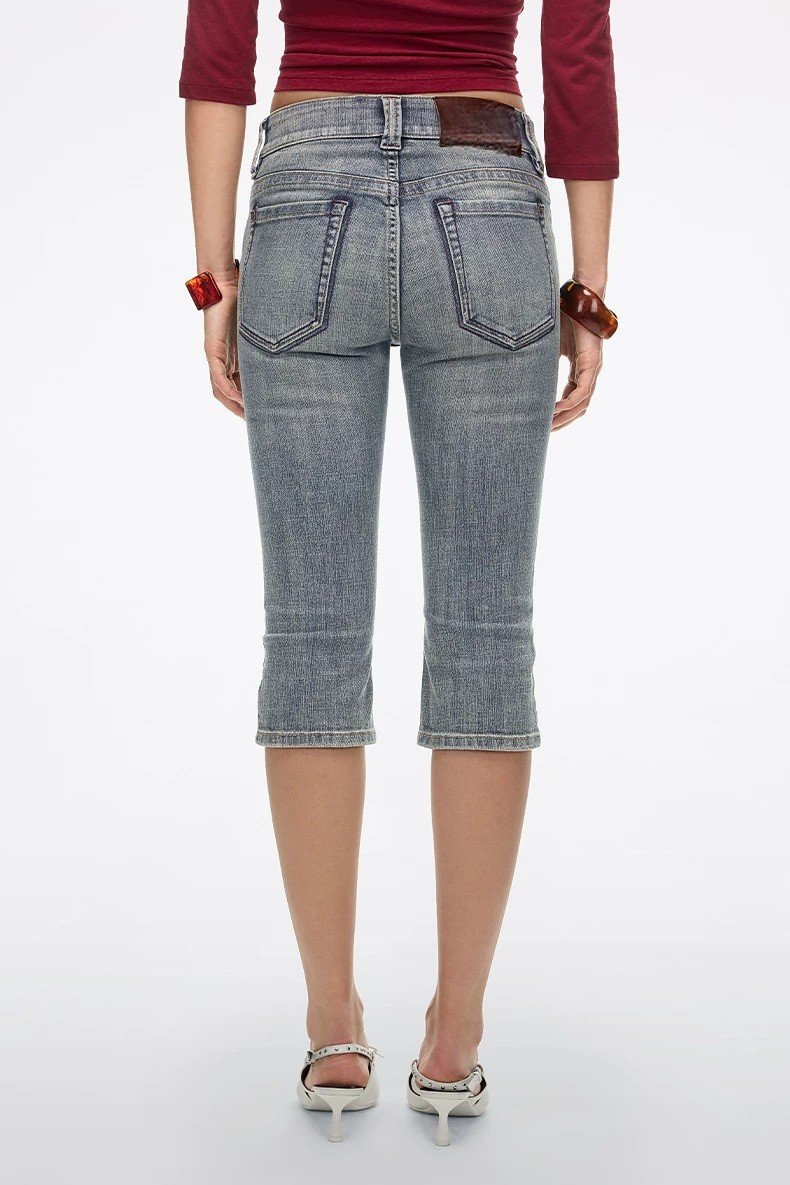
10–14 oz denim commonly supports enzyme, stone, bleach, acid, or garment-dye effects, but each wash changes shade and shrinkage. Submit a wash standard with the approved sample for production matching. Laser whiskers and hand distressing create higher visual variation than clean rinses. Limit first orders to one wash recipe and controlled abrasion placement to improve consistency and lead time.
- Rinse wash: lowest variation and cost
- Stone wash: softer hand, variable tone
- Laser effects: repeatable artwork placement
Finish Brand Details

YKK-type zippers, custom buttons, embroidery, patches, woven labels, leather labels, hang tags, and cartons must be approved against artwork and color standards. Metal hardware and inks may require destination-market testing or restricted-substance documentation. One logo location and one hardware finish keep a 100-unit launch manageable. Custom molds, multiple patch materials, or many Pantone colors can raise minimums, tooling cost, and sampling time.
- Match trim colors to approved Pantone references
- Check label fiber-content and care information
- Retain approved trim cards for repeat orders
6. Clothing Wholesale Jeans Quality Checklist
A bulk approval should turn jeans quality into measurable checkpoints, not a visual judgment. For clothing wholesale jeans, confirm the approved sample, measurement chart, wash standard and defect limits before cutting begins.
Fabric And Wash Testing
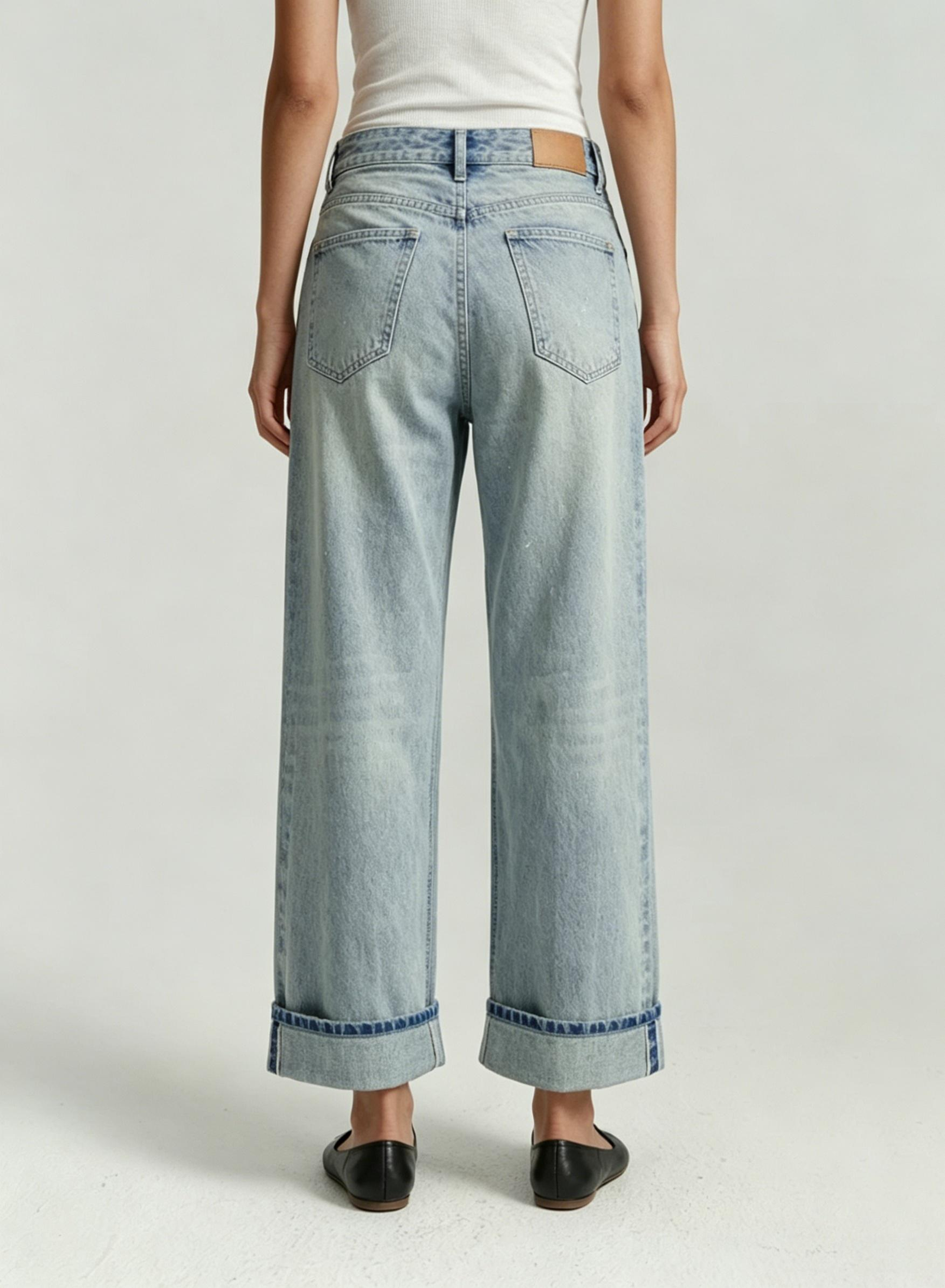
10–14 oz denim should be tested for shrinkage, skew, color transfer and wash appearance before bulk cutting. Record the approved wash panel under consistent lighting, including shade, abrasion placement and hand feel.
- Check wash-to-wash shade consistency
- Verify stretch recovery after laundering
- Approve distress placement by size
Construction And Hardware
8–10 stitches per inch is a common benchmark for durable denim seams, with secure chain-stitch or lockstitch construction where specified. Inspect belt loops, crotch seams and pocket corners for clean bartacks, correctly set rivets and no loose thread ends. 100% of zippers, buttons and snaps should operate smoothly without sharp edges, misalignment or fabric catching. Specify approved hardware finishes and pull-test requirements in the tech pack.
- Count bartacks at stress points
- Confirm rivet caps sit flush
- Test every closure before packing
Fit, Labels And Final Audit
±0.5 inch is a practical starting tolerance for key garment measurements, though brands should set tighter limits for critical rise and inseam points. Measure waist, hip, front rise, back rise, thigh, leg opening and inseam against the graded size chart. 100% of packed units should receive a final visual and measurement audit against the approved sample. Confirm pocket placement, label legibility, care-content accuracy, size label, SKU and carton assortment before shipment.
- Check paired inseams for matching length
- Compare pocket height and spacing
- Verify labels match the purchase order
7. How to Choose a Denim Manufacturer
100-unit minimums can suit a capsule, but they do not prove denim competence. Compare clothing wholesale jeans suppliers on their technical evidence, repeatability, and ability to support growth—not merely the unit quote.
| Evaluation Area | Request | Strong Signal |
|---|---|---|
| Sampling | Fit sample and size set | Dated revision comments |
| Quality | AQL and inspection records | Measured final reports |
| Commercials | Quote and payment terms | Clear deposits and balance timing |
| Export | Packing photos and references | Experience in your destination market |
Verify Denim Specialization

3 recent denim programs reveal more than a capability list. Request front, back, inside-seam, pocket, hardware, and wash-detail photos, plus client references that can confirm delivery consistency.
- Ask for comparable fits and fabric weights
- Request pocket, waistband, and inseam closeups
- Confirm ownership or control of wash-house work
Audit Development Capability
1 approved size set should include measurement specs, graded points, and fit comments. A factory should explain rise, thigh, knee, leg opening, and shrinkage allowances rather than simply scaling a base size. 2 sample rounds are common before bulk approval; confirm sample fees, revision timing, and who signs off on wash, shade, and hand feel.
Check Materials And Compliance

8–14 oz denim is a useful starting range, but composition, stretch recovery, skew, abrasion, and wash response determine performance. Request mill composition sheets, fabric swatches, wash test results, and trim specifications. OEKO-TEX, GOTS, WRAP, and BSCI documents should be requested when relevant to your program. Verify certificate scope, validity dates, factory name, and whether the claim covers the actual material or facility.
Compare Operating Evidence
80,000 monthly units may indicate scale, yet confirmed capacity must be checked against your delivery window and production calendar. Ask for in-line and final-inspection records, AQL standard, export markets served, packing photos, and a written payment schedule. 100-unit flexibility, clear English communication, and retained patterns help a new label reorder reliably. Compare landed cost, defect handling, lead time, and documentation alongside price.
8. Common Jeans Sourcing Mistakes
A 100-unit denim program can fail commercially through small approval gaps rather than poor sewing. Treat every purchase order as a risk-control document: define the standard, test it, then verify packed goods against it.
Lock The Tech Pack
One missing measurement, stitch callout, or Pantone reference can produce an unrepeatable bulk result. Use a revision-controlled tech pack with POM tolerances, graded specs, construction details, trim list, artwork files, and approved sample date.
Approve Real Wash Standards
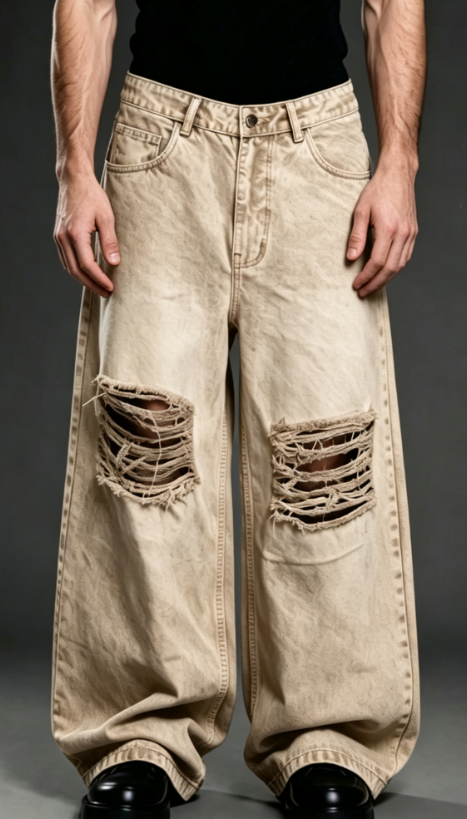
Two phone photos can hide shade variation, back-stain, abrasion placement, and hand-feel differences. Approve a physical washed standard or couriered sample under daylight, then retain it as the bulk comparison reference.
Test Fabric And Fit

3–10% shrinkage after wash can move inseams, waist measurements, and rise outside tolerance. Test fabric before bulk, measure a washed size set, and confirm movement across XS–3XL rather than approving a single base size. $1-per-yard fabric savings can create returns when stretch recovery, colorfastness, or skew is weak. Compare composition, ounce weight, shrinkage, wash performance, and target cost—not price alone.
Control Timing And Hardware
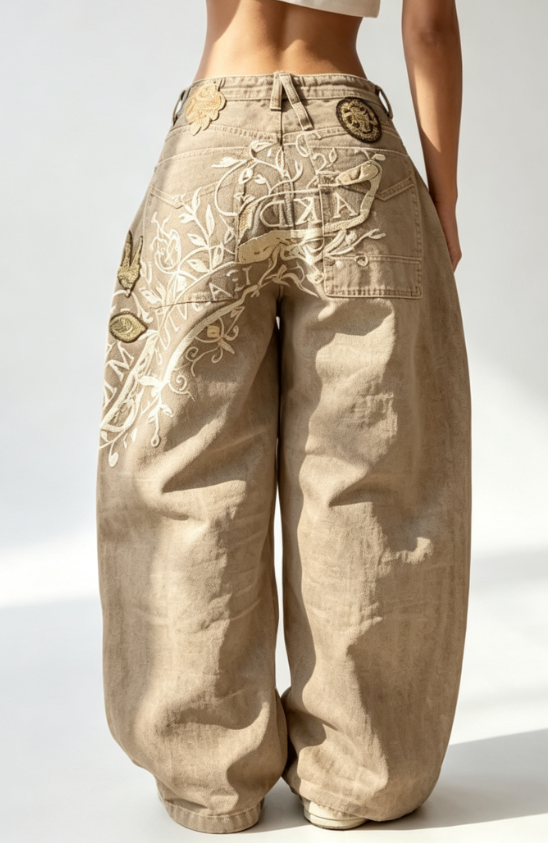
14–45 day production windows exclude development, wash trials, material booking, and freight delays. Build a critical path with sample approvals and a buffer before campaign, retail, or delivery dates. One weak zipper, rivet, or button can trigger costly claims after wear. Specify approved hardware, pull testing where appropriate, and reliable branded components such as YKK when the product position requires them.
Inspect Before Shipment
100% packed-carton release without inspection can turn a correct sample into a difficult post-delivery dispute. Check random finished units against the approved sample for measurements, wash shade, decoration, defects, labeling, quantities, and carton marks before final balance and shipment.
9. Steps to Launch Your Denim Brand
A controlled denim launch starts with a defined customer, price position, and initial 2–4-style range. For clothing wholesale jeans, Junsheen can move from a concept or tech pack to production from 100 units per style and color.
Position The First Range
Two to four core fits give a new label clearer buying data than a broad first drop. The brand owns target customer, retail price, color count, and fit direction; the manufacturer tests whether those choices are feasible. 100-unit planning works best when styles share denim, hardware, and wash families. Specify intended size range, including XS–3XL where relevant, and identify the hero fit before development begins.
- Target customer and price band
- Fit, inseam, rise, and leg shape
- Launch colors and wash direction
Lock Technical Development
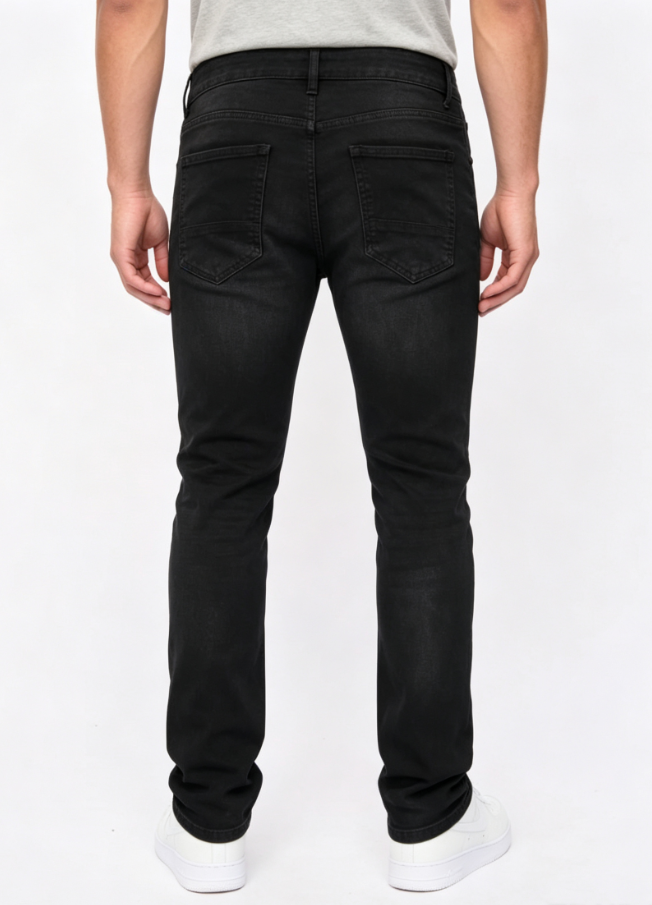
1 complete tech pack should state measurements, construction, stitch details, Pantone references, artwork, labels, and packaging. Junsheen reviews specifications, sources fabric and trims, develops patterns, and flags manufacturability issues. 8–14 oz denim is a practical starting range, but fiber blend, stretch recovery, shrinkage, and wash performance must be approved on actual sample fabric. Approve swatches before committing bulk materials.
Approve Samples And Size Sets

1 prototype confirms silhouette, wash, trim placement, and decoration; revisions should be consolidated into one written feedback file. The brand approves appearance and commercial intent, while the factory corrects pattern, construction, and measurement execution. 3 or more representative sizes in a size set expose grading problems before bulk cutting. Sign off on final measurements, tolerance limits, hand feel, and wash reference before issuing the purchase order.
Control Bulk And Reorders
100% of bulk orders should have an approved purchase order naming style, quantity, delivery terms, approved sample, and balance date. Junsheen then manages cutting, sewing, washing, decoration, packing, and inspections of fabric, in-line work, measurements, and final goods. 30–60 days after launch, review returns, sell-through, size demand, and wash feedback before replenishment. Retained patterns, graded size sets, and material records help repeat programs stay consistent.
- Confirm shipping marks and carton requirements
- Approve final inspection findings before shipment
- Reorder proven fits before seasonal fabric changes
10. Clothing Wholesale Jeans Pricing
100 units per style and color is a practical low-MOQ starting point for custom clothing wholesale jeans; an indicative ex-factory range is US$14–28 for a five-pocket stretch-denim style before freight and applicable duties. Use the tiers below only for comparable specifications, because a 10–12 oz basic wash cannot be priced against a 13–14 oz premium fabric with laser, hand sanding, or heavy distressing. 2 quotations are only comparable when fabric composition, ounce weight, wash recipe, size range, hardware, labels, packing, inspection standard, and Incoterm match. Calculate landed cost—ex-factory price plus samples, setup, testing, freight, insurance, duty, and local delivery—then test the result against the target wholesale price and planned retail margin.
| Quantity per style/color | Indicative ex-factory unit price | Typical bulk lead time | Key quote assumptions |
|---|---|---|---|
| 100–299 units | US$20–28 | 30–45 days | Higher pattern, wash, and trim allocation |
| 300–499 units | US$17–24 | 30–40 days | Standard stretch denim; one wash and private labels |
| 500–999 units | US$15–21 | 25–35 days | Better fabric yield and wash-laundry efficiency |
| 1,000+ units | US$14–19 | 25–35 days | Stable fabric booking; consolidated packaging |
| Any tier | US$100–500+ setup per wash/sample | Sampling: 7–15 days | Complex laser, embroidery, custom hardware, testing increase cost |
Start Your Clothing Wholesale Jeans Project
Send your tech pack, reference garment, or product idea to JUNSHEEN for fit-focused development and a clear 100-unit MOQ quotation.