
Custom Fit Blue Jeans From 100 Units
OEM, ODM and private-label custom fit blue jeans with XS–3XL pattern development, reliable sampling and scalable global production.
Featured Products for custom fit blue jeans Development


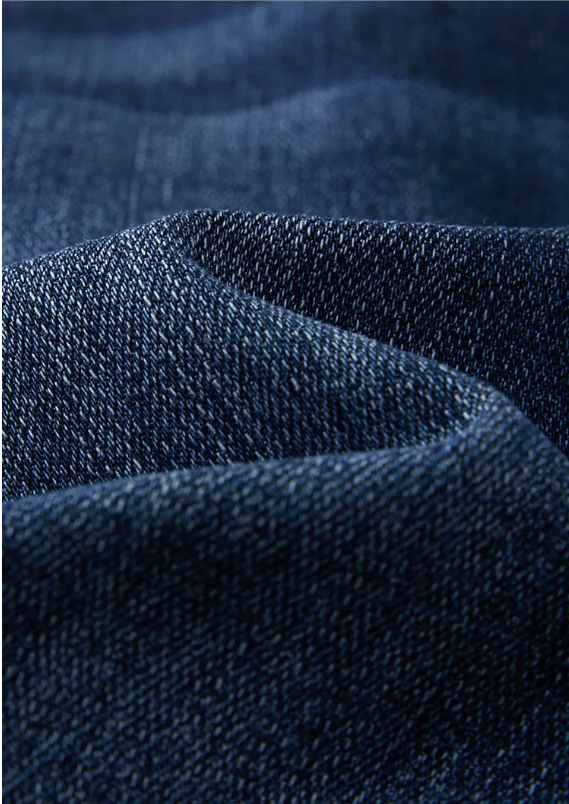


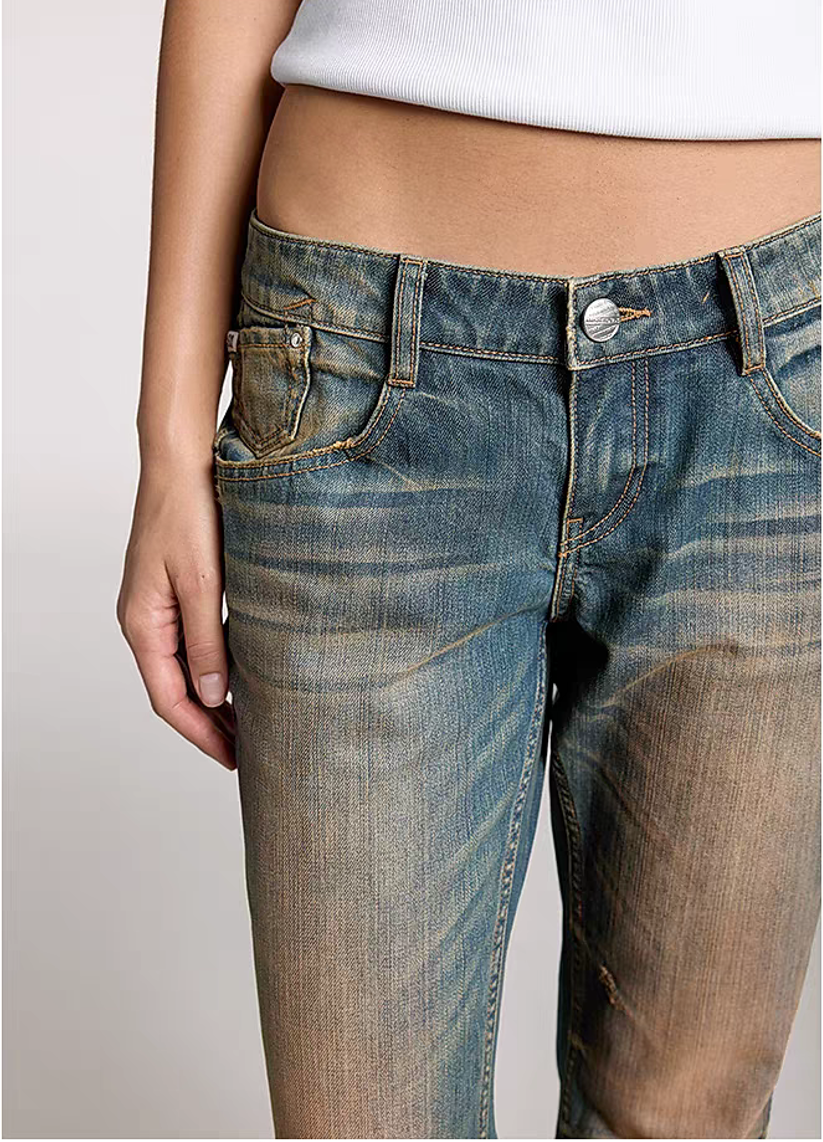


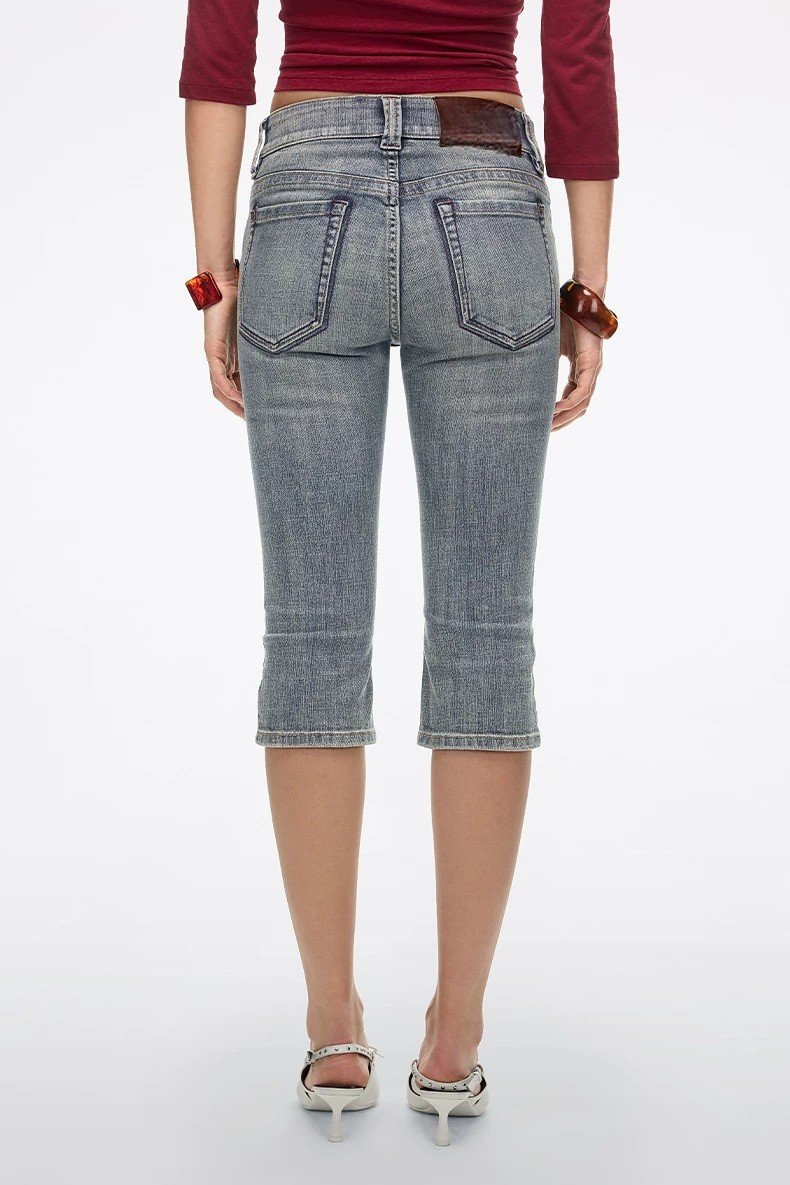
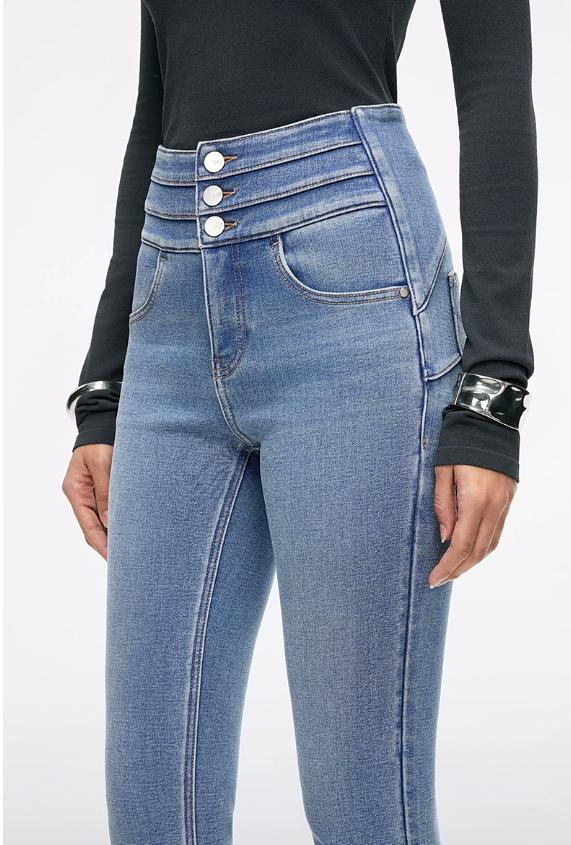
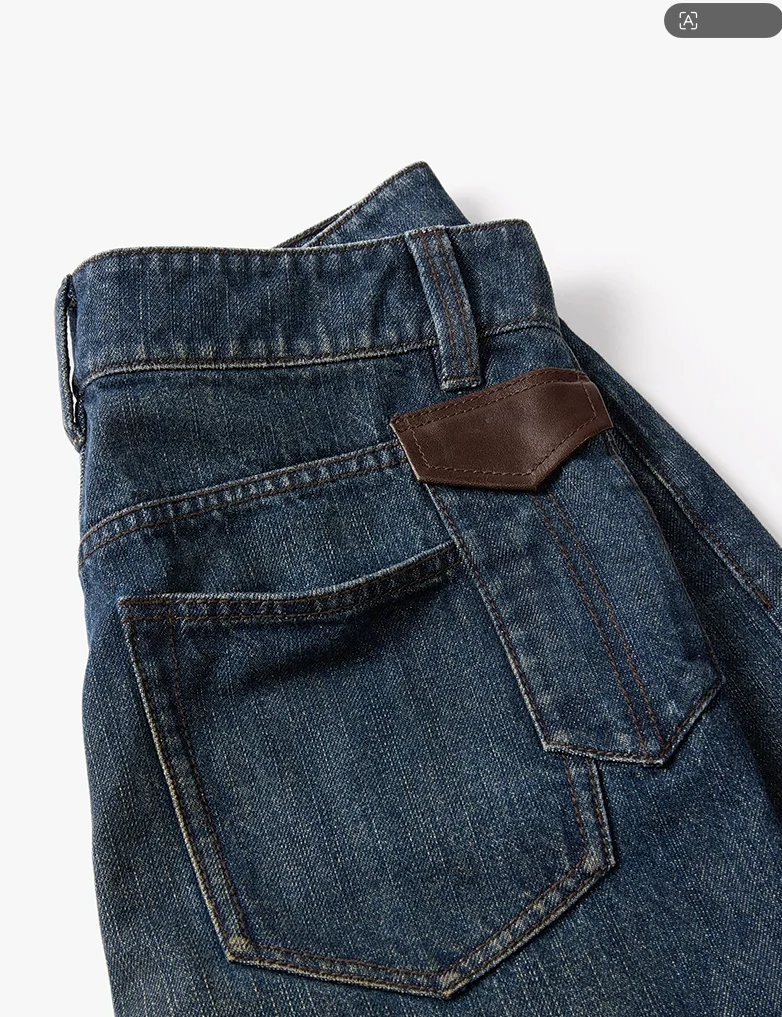
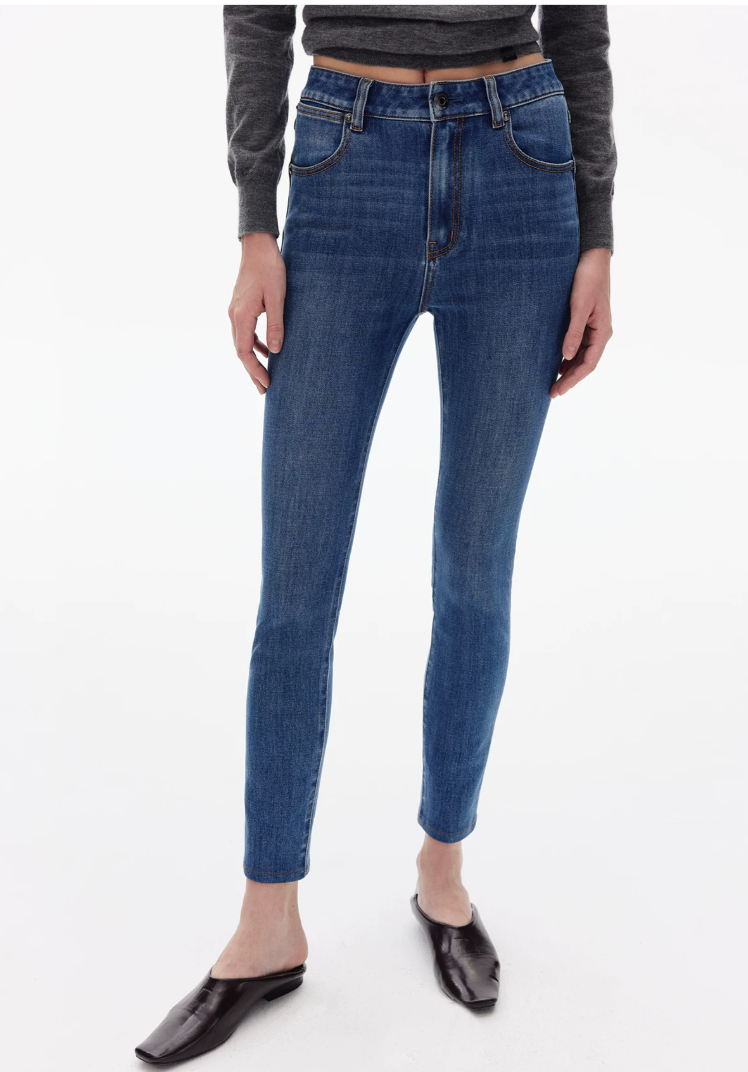
Related Product Catalogue and Quotation

Why Brands Source Custom Fit Blue Jeans From JUNSHEEN
Fit-first development, flexible order quantities and dependable production support for denim programs built to launch and scale.
100-Unit Denim MOQ
Launch custom fit blue jeans from 100 units per style and color, giving new labels practical flexibility for capsule collections.
Fit-First Size Grading
Our pattern makers refine rise, hip balance, leg shape and grading from XS to 3XL instead of simply enlarging base patterns.
One-Stop Development
Move from sketches, tech packs or reference jeans through fabric sourcing, patterns, sampling, approvals and bulk production with one coordinated team.
Custom Washes and Branding
Add denim washes, embroidery, printing, patches, labels, hardware and branded packaging to create a distinctive private-label jeans program.
Scalable Global Production
More than 200 skilled workers and 80,000 monthly units support consistent quality for growing denim orders and worldwide export delivery.
Custom Denim and Casualwear Program Options
Fit-led OEM, ODM, and private-label production for denim and casualwear programs, from 100-unit launches to scalable global replenishment.

Custom Hoodies
Develop custom hoodies in fleece, French terry, jersey, or blended fabrics with fit specifications from XS to 3XL. Support includes pattern development, grading, logo embroidery or printing, washes, custom labels, trims, and branded packaging.
Request a Quote
Custom T-Shirts
Produce custom T-shirts in cotton, Pima cotton, organic cotton, combed jersey, and performance blends. Junsheen supports neckline, weight, silhouette, oversized fit, extended-size grading, screen printing, DTG, embroidery, and private-label finishing.
Request a Quote
Custom Jeans
Build custom jeans from stretch or rigid denim with buyer-defined fits, rises, washes, pocket details, hardware, and branding. Pattern makers refine hip, thigh, inseam, and leg proportions across XS–3XL to support consistent size sets and fewer fit revisions.
Request a Quote
Custom Sweaters
Source and manufacture turtle neck sweaters in bulk using knit constructions suited to your target hand feel, warmth, and price point. Development covers yarn selection, gauge, neckline shape, body length, grading, labels, and pre-production samples.
Request a Quote
Custom Jackets
Produce custom jean jackets in rigid or stretch denim with specified fits, collar shapes, pocket placements, seams, hardware, washes, distressing, embroidery, patches, and private-label details. Sampling validates construction, measurements, and wash results before bulk production.
Request a Quote
Custom Sweatshirts & Crewnecks
Develop custom crewneck hoodies, sweatshirts, and crewnecks in fleece, French terry, or jersey. Define body volume, rib proportions, sleeve balance, and size grading, then add printing, embroidery, washes, labels, and packaging for a production-ready program.
Request a Quote
Custom Cardigans
Manufacture custom cardigans in knit constructions selected for weight, drape, stretch, and durability. Junsheen supports yarn sourcing, gauge selection, button or zipper details, plackets, pockets, fit development, extended sizing, labels, and branded trims.
Request a Quote
Custom Puffer & Down Jackets
Produce custom puffer jackets with specified shell fabrics, insulation, quilting patterns, lining, zippers, pockets, and reflective or branded details. Development focuses on mobility, body proportion, warmth requirements, construction control, and bulk-ready quality standards.
Request a Quote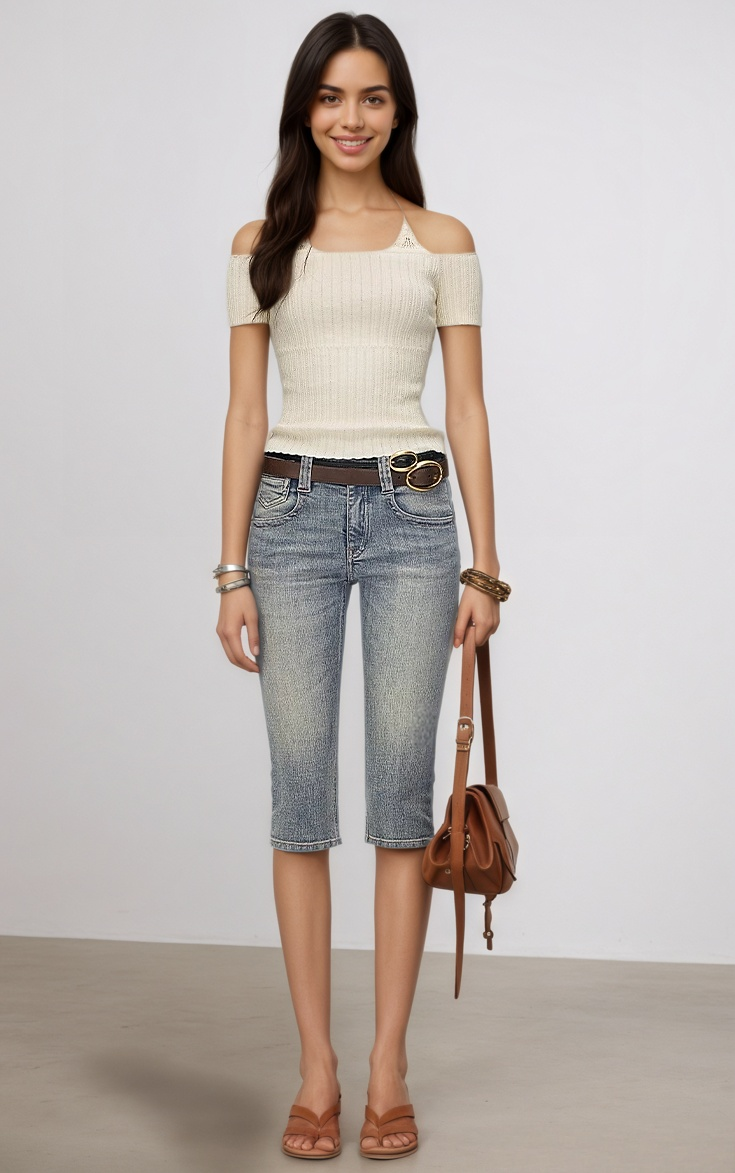
Custom Denim Shorts
Create custom jean shorts in rigid or stretch denim with buyer-defined rises, inseams, hem treatments, washes, distressing, pockets, hardware, and labels. Fit development addresses waist, hip, thigh, and leg-opening balance across the approved size range.
Request a Quote
Custom Sweater Dresses
Develop custom sweater dresses with yarns and knit structures matched to your desired silhouette, warmth, stretch, and recovery. Pattern and sample work defines body length, sleeve proportion, neckline, shaping, extended-size grading, labels, and finishing.
Request a Quote
Custom Denim Sets
Manufacture men’s denim suits wholesale programs as coordinated jackets and jeans with consistent denim, washes, color matching, hardware, and fit standards. Junsheen supports samples, graded size sets, private labels, and scalable bulk production from 100 units per style and color.
Request a Quote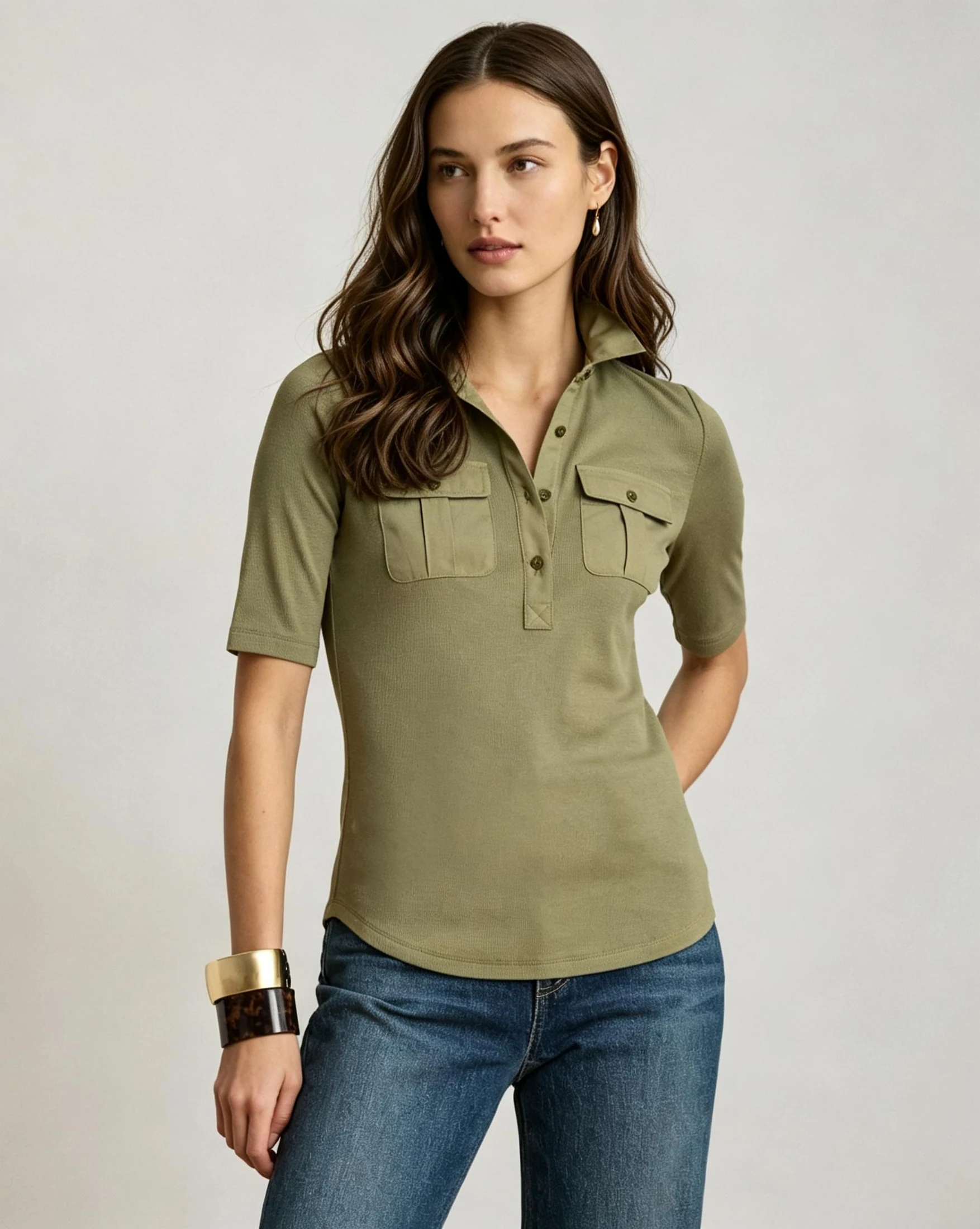
Custom Polo Shirts
Produce custom polo shirts in piqué, jersey, performance knits, or blended fabrics. Specify collar construction, placket, button options, sleeve length, fit, grading, embroidery, printing, labels, and packaging for retail, uniform, or branded collection programs.
Request a Quote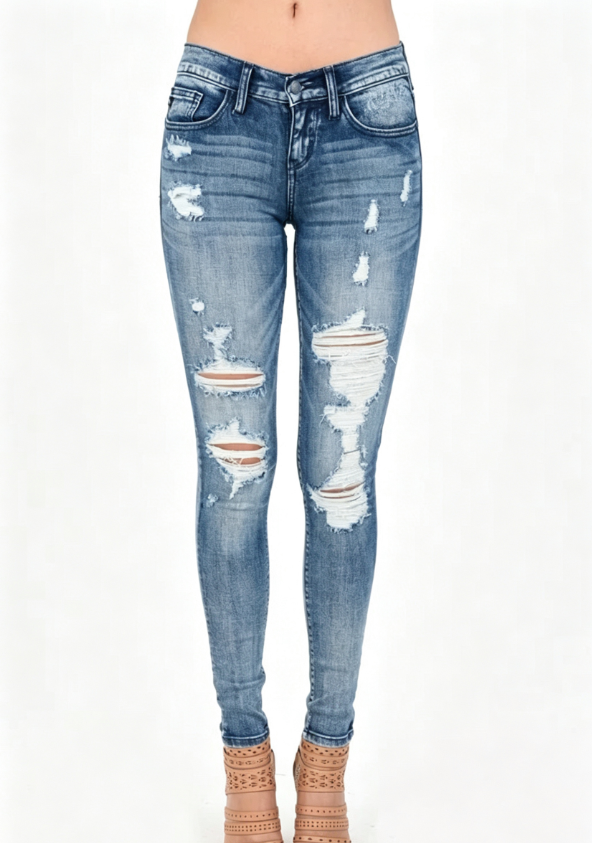
Custom Sweatpants
Develop custom sweatpants in fleece, French terry, and jersey with tailored, relaxed, oversized, or tapered fits. Control rise, inseam, waistband, cuff, pockets, drawcords, grading, printing, embroidery, washes, and branded private-label components.
Request a Quote
Custom Shorts
Manufacture custom shorts in denim, twill, jersey, fleece, or performance fabrics. Development covers inseam, rise, leg opening, waistband, pockets, closures, fit grading, decoration, washes, labels, and packaging to match seasonal or ongoing programs.
Request a Quote
Custom Pullovers
Produce custom pullovers in knit, fleece, French terry, or jersey constructions with defined neckline, fit, sleeve shape, rib details, and fabric weight. Junsheen supports XS–3XL grading, logo applications, washes, private labels, and export-ready packing.
Request a QuoteDenim Fabrics for Custom Fit Blue Jeans

Rigid Cotton Denim
A structured, authentic denim with a dry hand and minimal give, ideal for straight-leg, relaxed and vintage-inspired jeans. Commonly developed in 12–14 oz weights for durable wear and defined wash character.

Stretch Cotton Denim
Cotton-rich denim blended with elastane for comfortable recovery and close body shaping. Well suited to slim, skinny and fitted custom fit blue jeans, typically using 1–3% stretch fiber without losing a denim-like hand.

Comfort Stretch Denim
A balanced denim with moderate stretch and a softer hand, designed for everyday straight, tapered and modern relaxed fits. Its flexible construction improves mobility while maintaining stronger shape retention through repeated wear.

Tencel Blend Denim
Denim blended with Tencel or lyocell for a smoother, cooler hand and fluid drape. A strong choice for lightweight jeans, wide-leg silhouettes and premium soft-wash programs, with improved moisture management.

Recycled Cotton Denim
Denim incorporating recycled cotton fibers for brands building lower-impact collections. Available in varied weights and constructions, it delivers a textured, natural hand while material composition is matched to durability and wash requirements.

Pocketing Twill Fabric
A tightly woven cotton or cotton-blend fabric used for pockets, waistbands and internal reinforcement. Its smooth hand and abrasion resistance help custom jeans keep pocket shape and withstand daily use.
Denim Washes, Decoration and Finishing for Custom Fit Blue Jeans

Denim Washes
Stone, enzyme, acid and softening washes create authentic color variation, worn character and a controlled hand feel. Junsheen develops wash samples to align fading, shrinkage and final appearance before bulk production.

Garment Dyeing
Garment dyeing adds rich seasonal color to denim pieces while preserving a relaxed, lived-in effect. Test samples help confirm shade consistency, wash behavior and the desired level of tonal variation across production.

Logo Embroidery
Flat, 3D puff, chain-stitch and applique embroidery add dimensional brand details to pockets, waistbands and denim jackets. Proper backing and stitch settings support clean definition and dependable wear durability.

Screen Printing
Plastisol, water-based, puff, flocking, silicone and high-density screen prints give denim collections bold graphics with tailored texture. Junsheen matches ink systems to fabric weight, placement and wash-performance requirements.

Custom Patch Application
Woven, embroidered, leather-look and custom logo patches create recognizable private-label signatures on back waistbands, pockets and hems. Secure application methods help retain shape, attachment strength and a premium finished presentation.

Surface Finishing
Brushing, napping, anti-pilling and specialty finishing refine denim softness, texture and long-term appearance. The development team evaluates each finish with the fabric, fit and intended wash cycle for a consistent final garment.
Custom Denim Trims and Private-Label Accessories

Logo Snap Buttons
Add engraved, embossed or printed metal snap buttons to jean closures, waistbands and pockets. Junsheen helps match finishes, colors and logo treatments to your denim wash, brand position and durability requirements.

Custom Metal Zippers
Specify branded zipper pulls, zipper tape colors and metal finishes for fly fronts, pockets or detachable details. We source dependable options that complement your garment construction and maintain consistent performance through wear and washing.

Woven Brand Labels
Use custom woven main labels, size labels and wash-care labels to give every pair a finished private-label identity. Label materials, folds, placement and color matching can be tailored to your jeans collection specifications.

Leather Logo Patches
Create branded back-waist patches in leather, faux leather, paper or woven materials. Custom shapes, debossed logos and stitched placement help turn a standard denim silhouette into a distinct retail-ready product.

Drawcords and Tipping
Add custom drawcords, metal aglets and contrast tipping to elastic-waist jeans, denim joggers or relaxed-fit styles. These details improve function while carrying brand colors and a more considered casualwear finish.
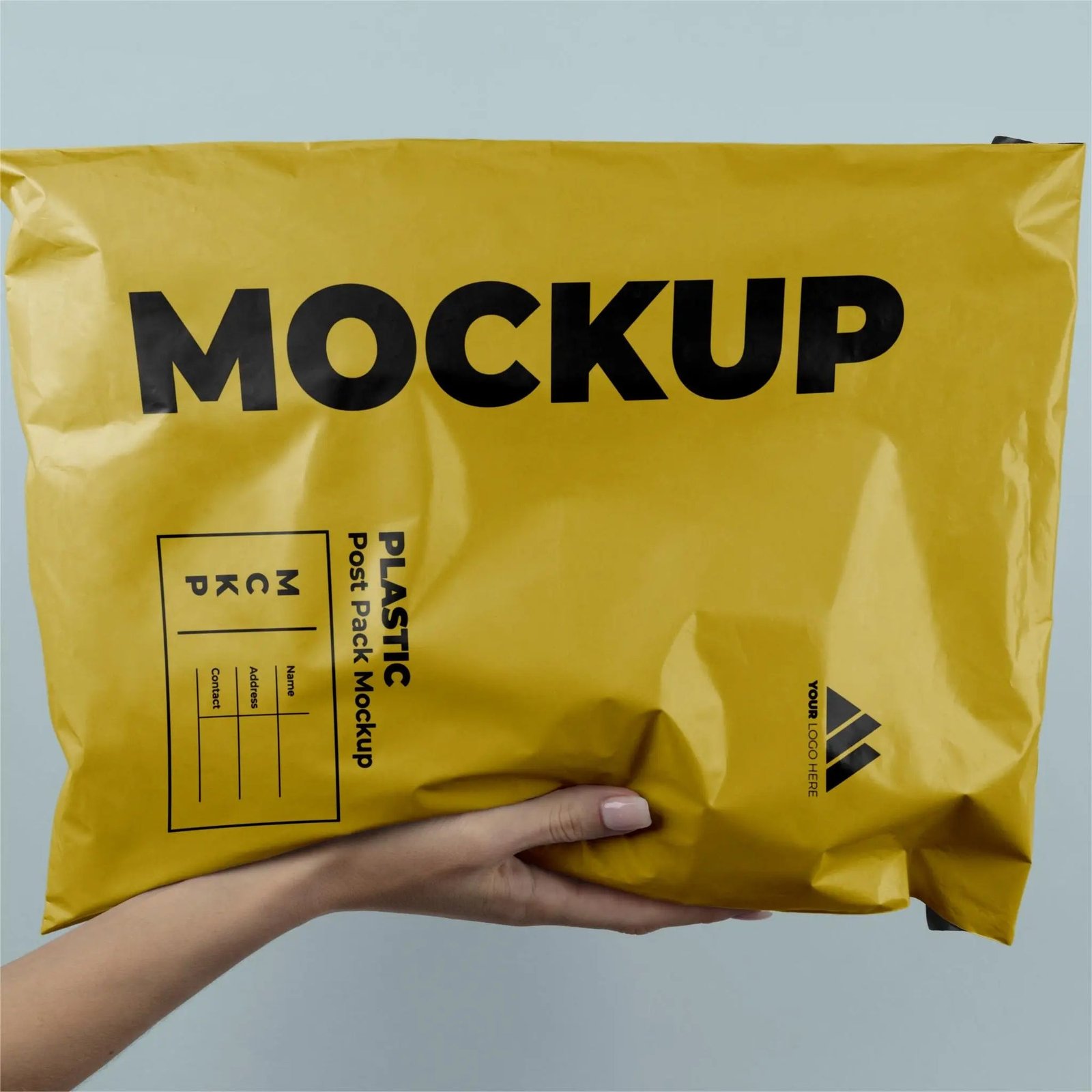
Branded Retail Packaging
Complete your jeans with custom hangtags, barcode stickers, polybags, tissue paper and export-ready packaging. Junsheen coordinates presentation details to support wholesale delivery, retail launch requirements and a consistent unboxing experience.
About JUNSHEEN Apparel Manufacturing
Founded in 2010 in Humen Town, Dongguan, JUNSHEEN helps fashion brands turn denim concepts into production-ready custom fit blue jeans. Our mission is to provide dependable OEM, ODM and private-label manufacturing with clear development support, responsive communication and fit-focused execution from first sample through global shipment.
With more than 200 skilled workers and monthly capacity exceeding 80,000 units, we support capsule launches and scalable denim programs alike. Brands can begin from 100 units per style and color, while drawing on one integrated supply chain for pattern making, fabric sourcing, washing, decoration, labels, packaging and quality control.
What distinguishes JUNSHEEN is a fit-first approach across XS–3XL, extended-size, plus-size and oversized ranges. Our team refines proportions and grading rather than simply enlarging a base pattern, helping global brands develop consistent custom fit blue jeans and repeatable production standards.

Custom Fit Blue Jeans Development Capabilities
Fit-First Pattern Engineering
JUNSHEEN develops custom fit blue jeans from a tech pack, sketch, reference garment, or early concept. Our pattern team refines rise, hip balance, thigh ease, leg shape, inseam, and mobility before production-ready samples move forward.
- Original pattern making and technical specification review
- Men’s, women’s, unisex, oversized, and extended-size fits
- Prototype, fit sample, and size-set development
- Manufacturability feedback before bulk approval

XS–3XL Grade Rules
A reliable size range needs more than enlarging one base pattern. We build grading rules that maintain proportion through XS–3XL, adjusting key measurement points so custom fit blue jeans remain balanced, wearable, and consistent across the full size set.
- Rise, waist, hip, thigh, and knee grading
- Leg opening and inseam adjustments by fit direction
- Extended-size and plus-size proportion review
- Measurement checks during sampling and bulk production
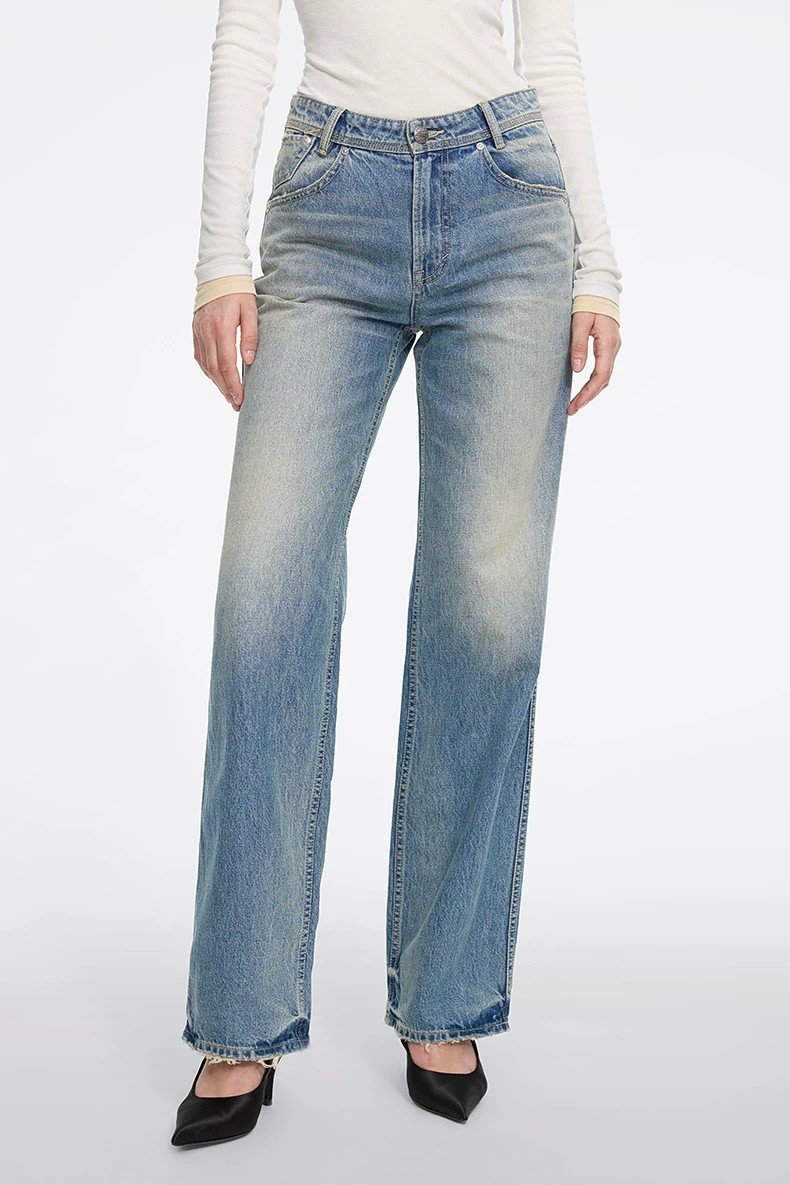
Denim Sourcing and Finishing
Our sourcing network supports rigid, stretch, and comfort-stretch denim selected for target price, weight, recovery, hand feel, durability, and wash performance. In-house decoration and finishing help brands coordinate the fabric, wash recipe, branding, and final garment appearance.
- Denim weight, stretch, color, and construction recommendations
- Stone, enzyme, acid, garment-dye, and softening washes
- Embroidery, patches, screen printing, and heat-transfer branding
- Custom labels, buttons, rivets, zippers, and packaging

Repeat-Order Production Control
JUNSHEEN retains approved patterns, graded size sets, material records, and production specifications to support repeat orders with greater speed and consistency. Quality checks cover fabric, measurements, construction, finishing, decoration, and packed goods before global shipment.
- Approved sample and specification records retained
- In-line and final quality-control checkpoints
- Scalable production from 100 units per style and color
- Export support for growing global denim programs

Custom Fit Blue Jeans Manufacturing Compared
A fit-first denim partner for brands that need clear development, flexible starting quantities and dependable global delivery.
← 左右滑动查看 →
Custom Fit Blue Jeans Production Process
A fit-first denim workflow that moves your concept from feasibility review to packed, shipment-ready goods with clear approvals at every stage.
Review Requirements
We assess your tech pack, reference garment or concept, target price, sizing needs, MOQ and construction requirements to confirm production feasibility.
Source Denim Materials
Our team recommends denim, stretch blends, trims and wash options based on hand feel, weight, durability, cost targets and intended finish.
Create Patterns and Grading
Pattern makers build custom fit blue jeans patterns and refine rise, leg shape, mobility and XS–3XL grading for your target customer.
Approve Development Samples
We produce prototypes and size sets for measurement, fit, wash, decoration and construction review, incorporating approved revisions before bulk production.
Produce and Inspect Bulk
Skilled teams manage cutting, sewing, washing, finishing and private labeling while in-line and final inspections verify measurements, workmanship and consistency.
Pack and Ship Globally
Approved jeans are packed with branded labels, hang tags and packaging, then prepared for export documentation and reliable global shipment.
Start Your Custom Fit Blue Jeans Project
Move from concept to export-ready denim with a fit-focused OEM partner built for 100-unit launches and scalable repeat orders.
Submit Your Concept
Send a tech pack, sketch, reference garment, mood board, or product idea. Our team reviews construction, fit requirements, denim fabric, washes, trims, and target quantities.
Review Quote and Samples
Confirm specifications, pricing, and lead-time details, then evaluate development samples, fabric swatches, and fit adjustments across your required XS–3XL or extended-size range.
Approve Production Details
Approve the final sample, graded measurements, denim wash, decoration, private labels, packaging, and bulk materials. We retain approved records to support consistent repeat orders.
Receive Export-Ready Goods
JUNSHEEN manages bulk production and quality checks for measurements, construction, finishing, and packed goods before arranging global export support for your custom jeans order.
Custom Clothing Manufacturer Credentials and Compliance Documents



What Fashion Brands Say About Our Custom Fit Blue Jeans Manufacturing
JUNSHEEN corrected the rise and thigh balance across our XS–3XL size set before bulk approval. We reduced fit-round revisions from four to two and launched our first 600-unit denim program on schedule.
Our previous supplier treated grading as simple scaling. JUNSHEEN delivered approved custom fit blue jeans samples after two rounds, with consistent waist, inseam, and mobility measurements across five sizes.
We began with 120 units per wash and scaled to 2,400 units over three repeat orders. The delivery dates held, wash details stayed consistent, and the team made replenishment far easier than expected.
Custom Fit Blue Jeans FAQ
Clear answers on MOQ, development, production, payment, shipping, and protected private-label denim programs.
What is the MOQ for custom fit blue jeans?
Can you make a sample before I order custom fit blue jeans in bulk?
How do you grade custom fit blue jeans from XS to 3XL?
What is the lead time for custom denim orders?
Can JUNSHEEN source denim fabric, washes, and custom trims?
What payment terms do you offer for a first custom jeans order?
Do you ship custom fit blue jeans internationally?
How do you protect my denim designs and private-label details?
The Complete Buyer’s Guide to custom fit blue jeans
Use this decision framework to define fit, fabric, construction, and customization requirements, compare qualified OEM suppliers, control costs and lead times, and avoid common sampling and production mistakes before placing your order.
1. What Are custom fit blue jeans?
100-unit production runs can support custom fit blue jeans when the supplier develops a brand-specific specification rather than merely adding a label to an existing jean. For B2B buying, ‘custom fit’ can mean made-to-measure for an individual customer, a repeatable fit block tailored to a target wearer, or OEM development from a tech pack, sketch, or reference garment. 3 fit models matter commercially. Made-to-measure uses individual body measurements; fit-block customization adjusts a master pattern and graded size range; private-label OEM builds the brand’s own denim program; standard private-label denim usually applies branding to a stock silhouette with limited changes. The last option is faster, but it rarely solves a distinct fit or positioning problem. 8 specification areas should be documented before sampling: key measurements, front and back rise, hip and thigh ease, leg shape, inseam, stretch recovery, wash, hardware, and branding. A brand can specify rigid or stretch denim, for example 1–3% elastane, plus stone, enzyme, acid, or garment washes; it can also control pocket shape, rivets, buttons, leather patches, labels, hang tags, and packaging. 1 custom-development brief is warranted when stock jeans cannot deliver the intended body proportion, extended-size grading, wash identity, or signature details. Pattern review, prototype sampling, size sets, and pre-production approval help turn those requirements into a repeatable bulk standard.
2. Evolution of custom fit blue jeans
1873 marked the U.S. patent for riveted work trousers, establishing the durable denim logic that still underpins jeans: indigo warp fabric, reinforced stress points, a button fly, and practical pockets. By the early 20th century, the five-pocket format—two front pockets, coin pocket, and two rear pockets—had become the recognizable commercial template, but its proportions were never universally flattering. 1960s–1980s fashion denim shifted jeans from utility to silhouette, making leg shape, rise, pocket placement, and wash contrast brand signals rather than incidental details. Contemporary stretch denim commonly combines cotton with 1–3% elastane, yet stretch recovery, fabric weight, and wash recipe must be tested together; a soft hand or aggressive fading can change measurements and perceived fit after laundering. XS–3XL development now requires more than scaling a single sample. Digital pattern systems, graded size sets, and fit comments let private-label teams control rise balance, hip-to-thigh ease, knee position, inseam, and waistband recovery across sizes before bulk approval. For custom fit blue jeans, sourcing decisions should therefore protect three assets: repeatable measurements for reorder confidence, wash authenticity that matches the approved sample, and a distinct fit-and-finish signature that prevents the product from reading as generic five-pocket denim.
3. Types of custom fit blue jeans
A 3–5-SKU denim opening range usually sells more coherently than a trend-led assortment. Select custom fit blue jeans by wearer, proportion, movement requirement, and regional channel—not only by the latest silhouette.
| Core Block | Best Customer | Fit Priority | Range Role |
|---|---|---|---|
| Straight mid-rise | Broad adult market | Balanced proportions | Year-round anchor |
| Tapered | Athletic or menswear | Thigh ease | Mobility option |
| Relaxed or wide-leg | Trend-led casual | Drape and seat coverage | Seasonal statement |
Close-Fit Blocks
Slim and skinny fits target customers wanting a clean, leg-lengthening line; skinny needs higher recovery stretch for sitting and knee movement. Keep thigh, knee, and hem measurements separately graded, since simply narrowing the leg can distort balance. Tapered jeans retain room through the seat and thigh before narrowing below the knee. This block suits casual menswear and unisex programs where mobility matters more than a skin-tight profile.
- Slim: polished everyday core
- Skinny: stretch-led youth styling
- Tapered: athletic-thigh accommodation
Straight And Relaxed Fits
Straight fits create a neutral vertical line and remain a dependable all-season core for broad age groups. Set knee and hem widths deliberately so the leg neither clings nor reads as a wide-leg block. Relaxed fits add ease at the hip and thigh for skate, workwear, and comfort-focused collections. Verify back-rise coverage and inseam drape during wear testing, especially in rigid denim.
Wide-Leg And Rise Options
Wide-leg jeans give the strongest fashion silhouette and work best as a limited seasonal statement alongside proven cores. Control outseam shape, hem sweep, and fabric weight so the leg hangs cleanly rather than collapsing. High-rise blocks emphasize the waist and can improve perceived leg length; mid-rise is generally easier to assort across customers. Extended-size development requires revised rise, thigh, seat, and grading increments through 3XL—not a scaled-up sample.
4. Fabrics for custom fit blue jeans
Denim selection starts with yarn, weave, and weight—not color alone. For custom fit blue jeans, the fabric must support the target silhouette, fit tolerance, wash recipe, and selling climate before patterns are finalized.
| Denim Type | Weight / GSM | Recovery And Wash | Best Use |
|---|---|---|---|
| Rigid cotton | 12–15 oz / 407–509 GSM | Low recovery; strong fading; 3–8% shrinkage | Straight, relaxed, vintage |
| Cotton-elastane | 10–13 oz / 340–441 GSM | High mobility; verify knee recovery | Slim, skinny, high-rise |
| Comfort stretch | 11–14 oz / 373–475 GSM | Moderate recovery; softer break-in | Tapered, everyday fits |
| Recycled blend | 11–13 oz / 373–441 GSM | Specify tear strength and wash trials | Responsible capsule programs |
| Tencel or hemp blend | 9–12 oz / 305–407 GSM | Soft, breathable; gentler abrasion | Warm-climate relaxed jeans |
Weight Sets The Foundation

10–12 oz denim, roughly 340–407 GSM, suits warm-weather straight legs and shirts; 13–15 oz, roughly 441–509 GSM, gives classic five-pocket jeans more structure. 16 oz and heavier denim develops pronounced wear but needs stronger sewing control and longer break-in. Ask suppliers to confirm finished weight after sanforizing, not loom-state weight.
Stretch Needs Recovery Testing

1–2% elastane adds mobility to slim and high-rise fits, but poor recovery can create bagged knees and seat growth. Test stretch after wash, wear simulation, and 24-hour relaxation. 20–35% mechanical stretch can come from yarn and construction, often called comfort stretch. It keeps a more denim-like hand than high-stretch blends while improving everyday movement.
Fiber Mixes Change Performance

100% ring-spun cotton rigid denim delivers strong abrasion character and authentic fading, though it can shrink 3–8% without controlled finishing. Cotton-polyester blends improve dimensional stability but may fade less naturally. 20–40% recycled cotton can reduce virgin-fiber use, yet shorter fibers may require virgin cotton or polyester support for tear strength. Tencel, hemp, and Coolmax fibers can add softness, breathability, or moisture management.
5. Customize custom fit blue jeans
A production-ready jeans brief fixes the fit, finish, hardware, and branding before sampling. For custom fit blue jeans, Junsheen can translate a tech pack, reference garment, or annotated artwork into a graded specification set.
| Choice | Product Effect | Pre-Production Test |
|---|---|---|
| Deep yoke | Shapes seat and visual proportion | Fit and seam comfort |
| Heavy distress | Creates worn character | Tear growth and strength |
| Leather patch | Raises premium perception | Wash staining and adhesion |
Fit And Grading
Six to ten key points should be controlled: waist, hip, front rise, back rise, thigh, knee, hem, inseam, and outseam. Define tolerances and grade rules instead of scaling one base size. XS–3XL programs need proportion changes in rise, thigh, and leg opening, not only larger waist measurements. Approve a full size set when extended sizing is central to the line.
Design And Hardware

Two rear-pocket shapes, yoke depth, fly type, and stitch color can make one block look proprietary. Supply vector artwork, Pantone references, placement dimensions, and stitch-per-inch requirements. Metal rivets and buttons must match wash exposure and fabric weight. Reinforced bartacks improve stress-point durability, while decorative hardware can loosen after aggressive abrasion.
- Zip fly or button fly
- Copper, nickel-free, or painted hardware
- Contrast, tonal, or chain-stitch thread
Finishes And Decoration
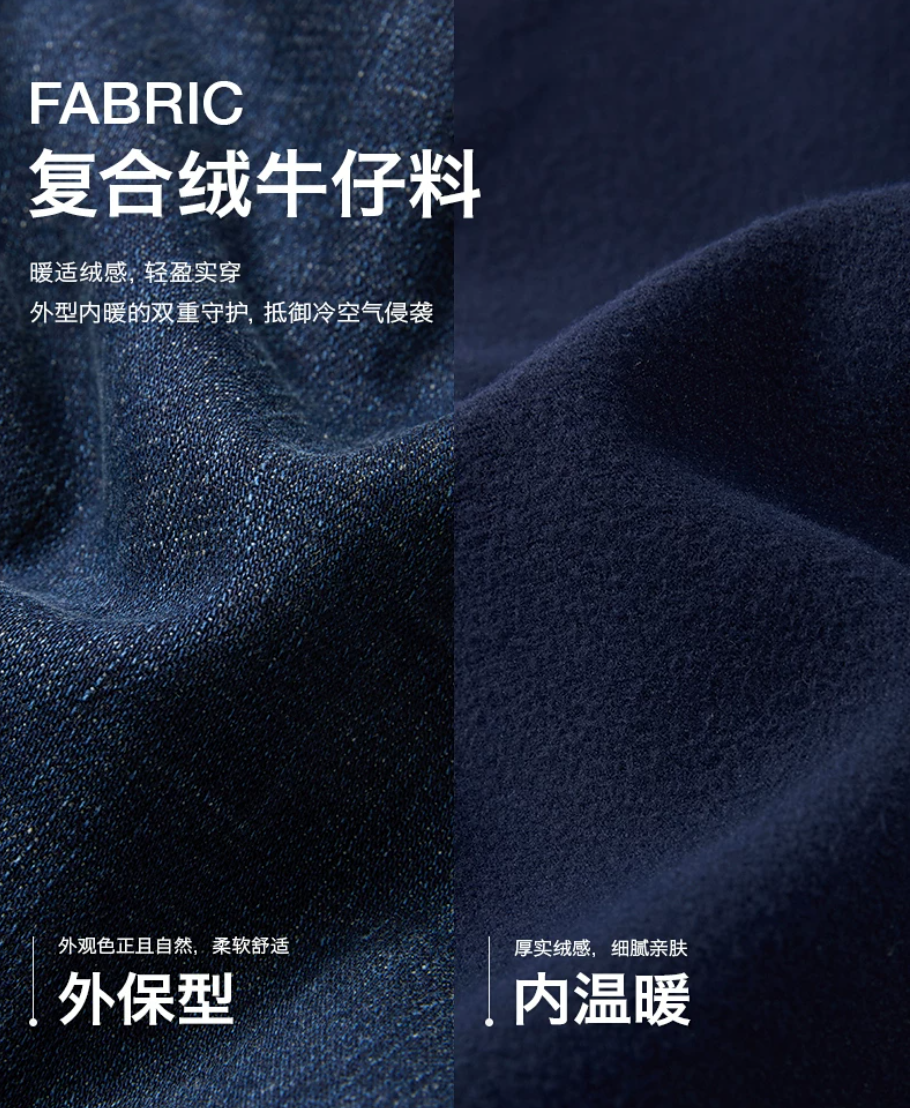
One pre-production sample should test every wash, distress map, embroidery, print, and patch together. Stone wash, enzyme wash, bleaching, and sanding can shift shade, shrinkage, and seam appearance. High-density embroidery and large prints need placement away from high-flex zones. Test adhesion, cracking, abrasion, and colorfastness after the intended wash cycle.
Labels And Packout

Three branding layers commonly include a main label, size label, and wash-care label. Add a leather or woven back patch, hang tag, spare button, polybag, tissue, carton marks, and barcode only when specified. 100-unit capsule orders benefit from standardized packaging components to control cost. Confirm label copy, country-of-origin requirements, and folded dimensions on the pre-production sample.
6. Construction Quality for custom fit blue jeans
Reliable custom fit blue jeans are defined before sewing begins: a balanced pattern, stable waistband, and repeatable measurements matter as much as fabric weight. Approve construction against a written sample standard, not visual impressions alone.
Pattern And Seam Control
10–12 mm seam allowances suit most denim seams; curved areas need consistent clipping and pressing so the rise and outseam do not twist after washing. 2–3 mm measurement tolerances are realistic for critical points on a pre-production sample. Check front and back rise, inseam, thigh, knee, hem, and waistband while the garment lies flat.
Stitching And Reinforcement

8–10 stitches per inch is a common target for denim topstitching, with matched thread tension on both faces. Uneven stitch length, skipped stitches, or puckering are rejectable defects. Chain stitching at the waistband and hems can add authentic denim character, but it must be securely backtacked where specified. Bartacks should reinforce pocket corners, the fly base, belt loops, and stress points without cutting the fabric.
- Specify thread color and topstitch gauge
- Count bartacks at every designated stress point
- Inspect belt loops for secure top and bottom attachment
Hardware And Pocket Placement

YKK or an equivalent approved zipper should run smoothly without wave, sharp teeth exposure, or fly distortion. Rivets, buttons, and snaps must be centered, firmly clinched, and free of burrs. 5–8 mm pocket-placement variation can visibly change the seat fit. Measure pocket height, spacing, angle, and alignment from fixed waistband and side-seam reference points.
Wash And QC Checklist
3 wash-and-dry cycles on the approved sample reveal shrinkage, seam torque, color loss, and hardware failure before bulk release. Record the wash method, temperature, detergent, and final measurements as the control standard. 100% of final packed goods should receive visual and measurement inspection at agreed sampling levels. Define acceptable defects, repair rules, and carton packing requirements in the purchase order.
- No broken stitches, loose hardware, stains, or sharp edges
- Waistband must lie flat without rollover or twisting
- Match approved wash shade and hand feel
- Verify graded measurements against the approved spec
7. How to Choose a Jeans Manufacturer
A jeans factory should be scored on technical proof, not its lowest quoted unit price. For custom fit blue jeans, compare how each supplier controls fit, fabric, wash execution, capacity, and final inspection before approving a sample.
Verify Denim Expertise
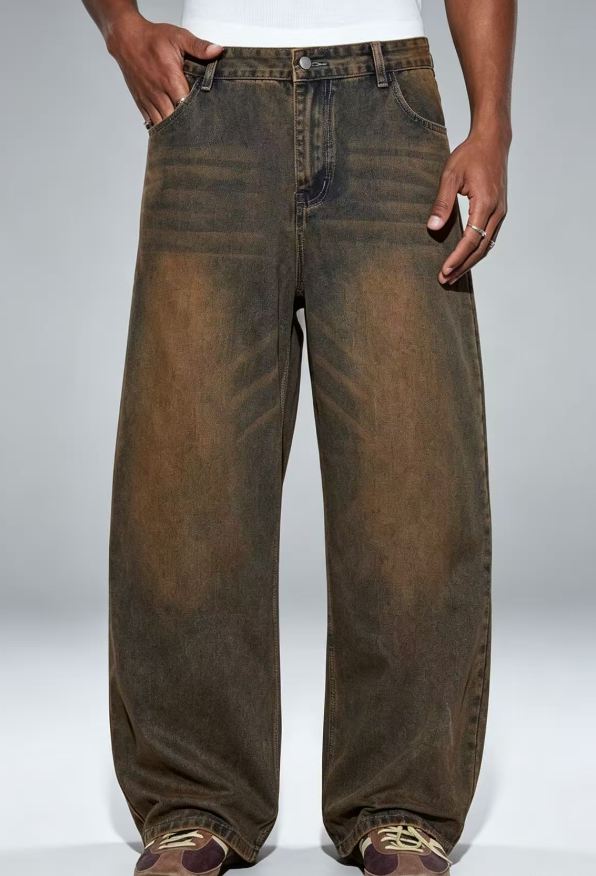
10–14 oz stretch and rigid denim require different sewing, shrinkage, and wash planning. Ask for comparable style photos, fabric test reports, and pre- and post-wash measurement records. 100-unit programs are viable only when the factory can separate development costs from bulk MOQ. Confirm MOQ by style, color, wash, and size ratio in writing.
- Request completed denim tech packs and wash recipes.
- Ask which seams receive chain stitch or bar tacks.
- Compare sample, size-set, and bulk approval stages.
Audit Development And Washing

2–3 sample rounds are common when patterns, rise, and grading require refinement. Review the pattern, grading chart, fit comments, and a washed size set rather than approving one showroom sample. OEKO-TEX, GOTS, WRAP, or BSCI documents should be current and scope-specific. Ask whether washing is in-house or subcontracted, and request wastewater, abrasion, and colorfastness controls.
- Confirm fabric origin, fiber content, weight, and stretch recovery.
- Request Pantone or wash-standard approval swatches.
- Ask for trim specifications and test reports.
Test Production Reliability
30–45 days is a typical bulk window after materials and pre-production approval, but wash complexity can extend it. Obtain a dated critical path covering fabric arrival, cutting, sewing, laundry, inspection, and shipment. A factory with stated monthly capacity should still show available production slots for your delivery month. Require an AQL inspection plan, measurement tolerances, defect photos, and final packed-goods report before balance payment.
- Name one accountable merchandiser and response-time expectation.
- Confirm incoming, in-line, and final inspection checkpoints.
- Request references or anonymized production reports for comparable orders.
8. Common custom fit blue jeans Buying Mistakes
At a 100-unit MOQ, one vague approval can consume the margin intended for a first denim drop. Treat fit, wash, materials, timing, and supplier selection as production controls—not aesthetic preferences.
Define Fit Before Sampling
One reference jean is insufficient when its stretch, rise, or body shape is unknown. The consequence is repeated pattern revisions; prevent it with a measurement spec covering waist, hip, front rise, inseam, leg opening, and tolerated variance. Three graded sizes should be reviewed before bulk approval. Ignoring grading can make extended sizes disproportionately long or tight, so approve the grade-rule table and fit each intended body range.
Test Washes And Fabric

10-ounce denim can look comparable to 12-ounce denim yet behave very differently after enzyme, stone, or acid washing. Skipping wash tests risks shrinkage, crocking, seam torque, and shade variation; test a washed panel and finished sample before confirming bulk. 2% elastane does not guarantee recovery or comfort. Specify fiber content, weight, stretch percentage, recovery, shrinkage target, and wash standard instead of choosing fabric from appearance alone.
Lock Trims And Measurements

14–30 days is a common planning window for custom metal hardware, leather patches, and branded labels. Underestimating trim lead time can hold finished garments; approve artwork, finish, and quantities during sampling. 5 measurement points are not enough for fitted denim approval. Record a complete measured sample against the tech pack, including wash shrinkage, then sign off only when actual tolerances are met.
Reduce First-Order Risk
100 units spread across multiple washes, embroideries, and custom trims create avoidable minimums and quality variables. Overdesigning a first order complicates replenishment; launch one core fit, one wash family, and proven hardware. 20% lower pricing can disappear through rework, delayed communication, or inconsistent bulk quality. Compare suppliers on sample accuracy, denim sourcing, QC checkpoints, capacity, and documented lead times—not unit price alone.
9. Launching Your Custom Jeans Brand
A 100-unit launch succeeds when decisions are locked in the order they affect cost and fit. For custom fit blue jeans, start narrow: one proven silhouette, one core wash, and a size curve based on evidence rather than instinct.
Research the Customer
10–20 competitor listings can reveal price bands, inseam choices, review complaints, and missing sizes. Interview prospective buyers about rise, thigh room, stretch recovery, and the occasions they dress for. 3–5 recurring fit complaints should become measurable brief requirements, such as a 30-inch inseam or added back-rise coverage. Avoid copying a competitor’s measurements without testing them on your intended customer.
Build the Development Brief

1 fit brief should define target wearer, base size, silhouette, front and back rise, leg opening, inseam, tolerance, and intended ease. Convert sketches or a reference garment into a tech pack with construction callouts, Pantone colors, stitch details, labels, and hardware. 2 denim options are usually enough for a first round: rigid 12–14 oz denim or stretch denim with reliable recovery. Select wash direction before sampling because enzyme, stone, or acid washes can change measurements and hand feel.
Sample Before Scaling
1 prototype checks appearance and construction; a revised fit sample checks measurements on the intended body. Record every approved change in the tech pack, rather than relying on email descriptions. XS–3XL grading should be reviewed as a complete size set when extended sizing is planned. Pattern makers should adjust rise, thigh, knee, and hip increments, not merely enlarge the base pattern.
Approve a Focused First Run
100 units should normally concentrate on one style and color, with a rational size curve informed by research or preorders. Adding multiple washes divides quantity, raises sampling complexity, and weakens replenishment data. 1 sealed pre-production sample should match approved fabric, wash, trims, labels, packaging, and measurements. Plan final inspection against that sample and reserve delivery time for freight, customs, and launch photography.
- Approve measurement tolerances before cutting
- Confirm woven labels, care labels, and hang tags
- Keep fabric and wash records for reorders
10. custom fit blue jeans Pricing and Costs
100 units per style and color is a practical starting point for OEM custom fit blue jeans, but it rarely delivers the lowest unit cost. Fabric weight and composition, wash sequence, pocket construction, fit development, trims, branding, packaging, laboratory testing, sampling, and freight all affect the landed cost; ask suppliers to quote each element separately. 12–14 oz stretch denim generally costs differently from rigid 13–15 oz denim because fiber blend, mill minimums, shrinkage control, and wash behavior change. Enzyme, stone, bleach, laser, hand-sanding, whiskering, and resin effects add labor, water-treatment, and reject-risk costs; a new graded pattern and size set are one-time development expenses, not a reliable per-unit price shortcut. 2–3 sample rounds are common when rise, inseam, hip balance, and grading must be proven across sizes. At JUNSHEEN, buyers can start at 100 units per style and color, then lower repeat-order uncertainty by retaining approved patterns, graded size sets, wash standards, and material records; confirm pre-production samples, test requirements, Incoterms, and shipping mode before comparing factory quotes.
| Illustrative order tier | Unit-price direction | Setup-cost impact | Typical production lead time |
|---|---|---|---|
| 100–299 units/style-color | Highest; limited material efficiency | Pattern, wash, and trim setup spread across fewer units | 30–45 days after approvals |
| 300–999 units/style-color | Moderate; better fabric and labor allocation | Setup cost diluted meaningfully | 30–50 days after approvals |
| 1,000+ units/style-color | Lowest relative direction; subject to fabric and wash | Setup cost has the least per-unit effect | 40–60 days after approvals |
Ready to Develop Your Custom Fit Blue Jeans?
Send your tech pack, reference garment, sketch, or denim concept for feasibility review, fit development, and sampling from 100 units per style and color.