
Custom Fit Jeans Manufacturing From 100 Units
Develop private-label custom fit jeans with fit-focused XS–3XL grading, reliable sampling, and scalable global production.
Featured Products for custom fit jeans Development


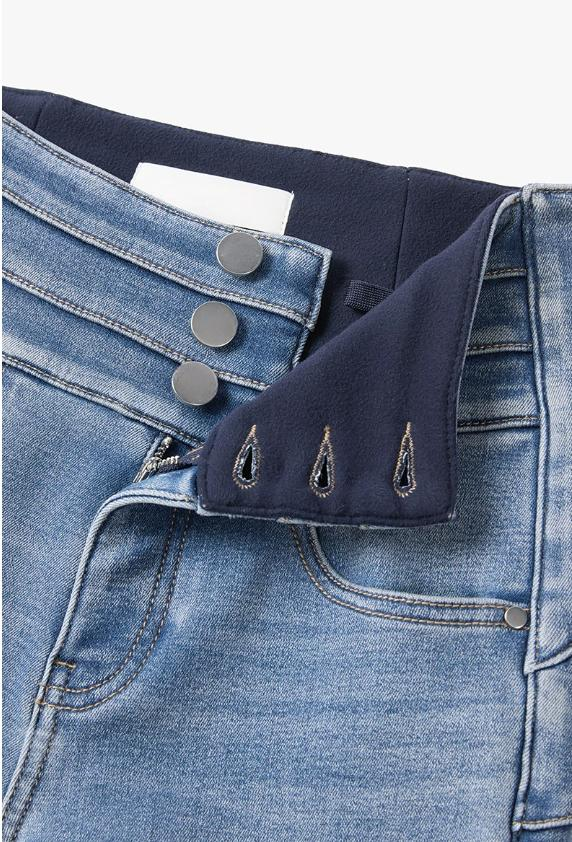


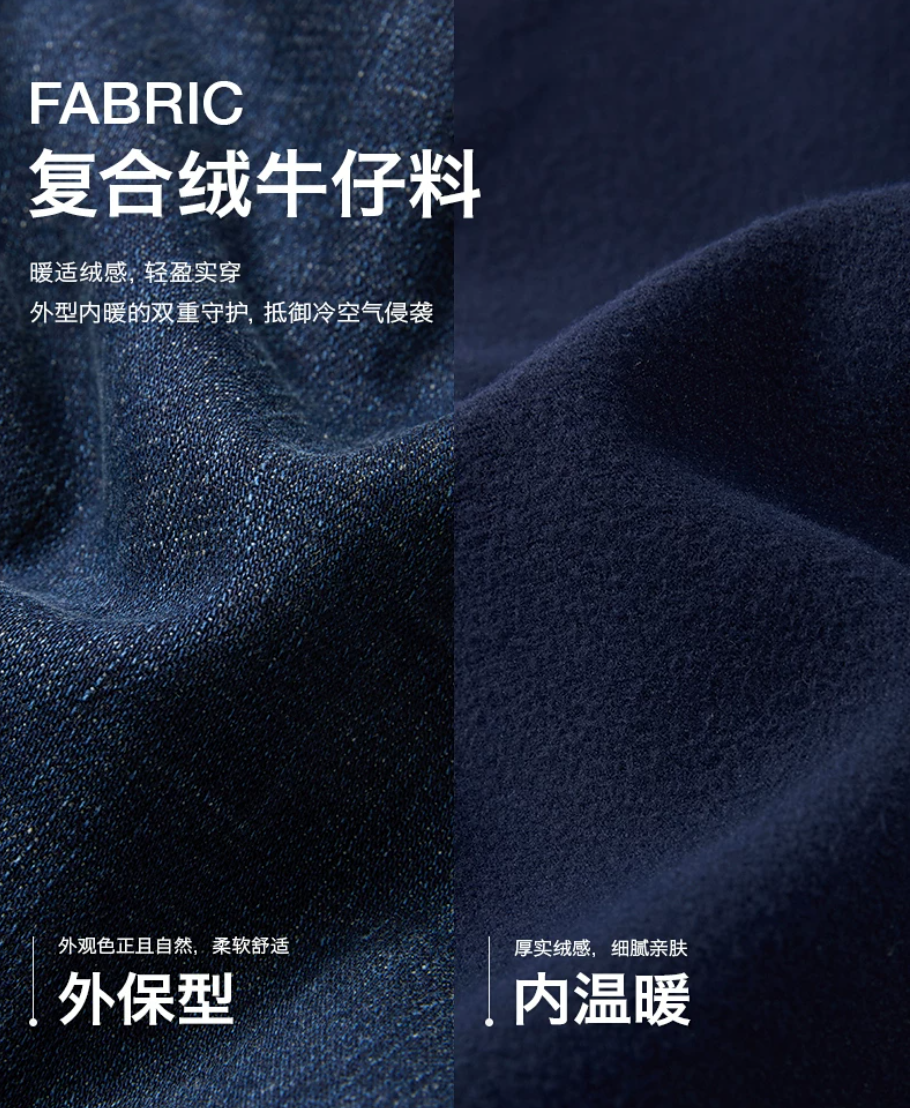

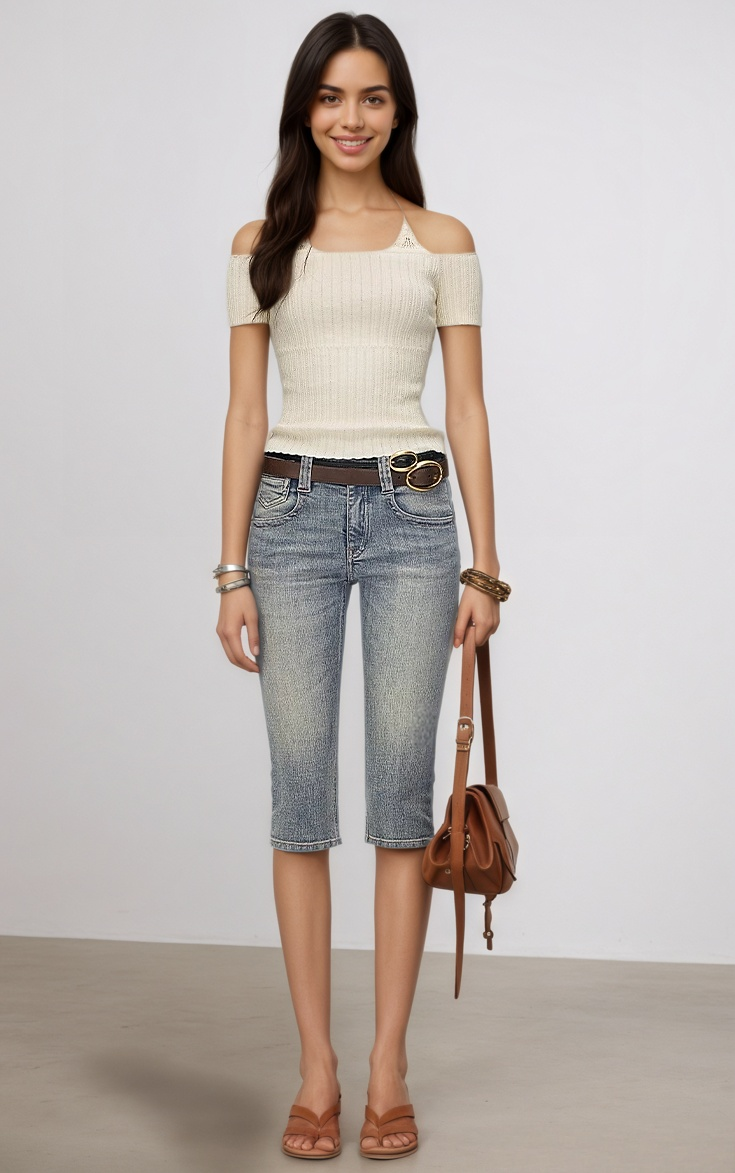

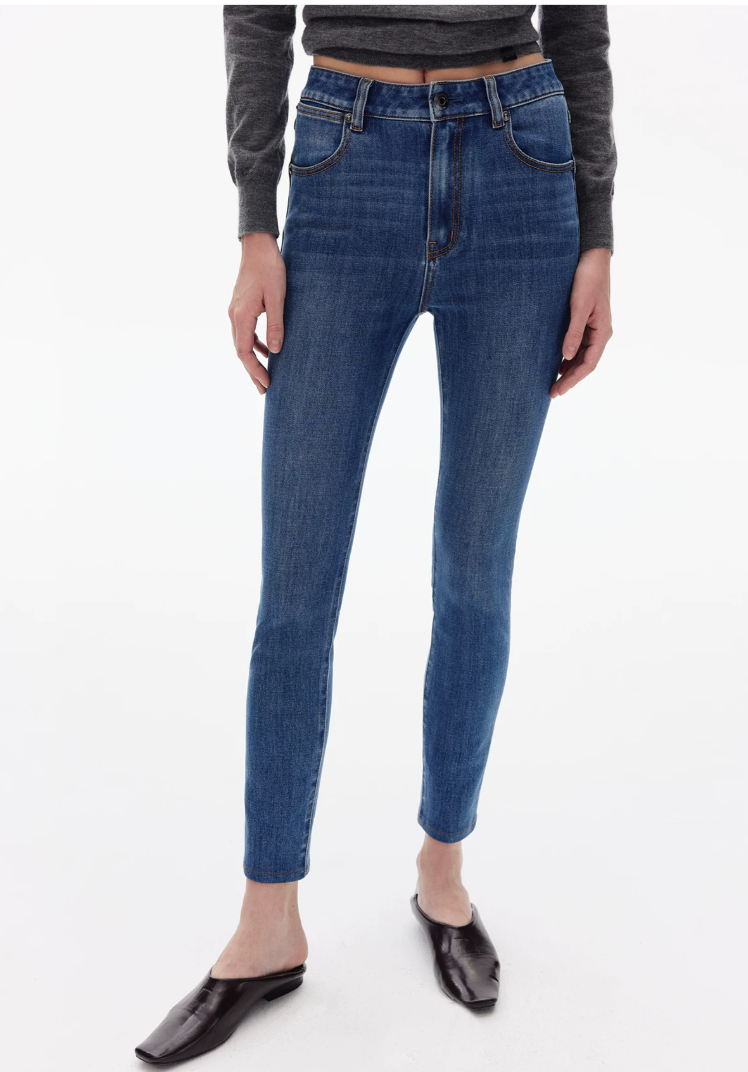


Related Product Catalogue and Quotation

Why Brands Choose JUNSHEEN for Custom Fit Jeans
From first pattern to export-ready bulk goods, JUNSHEEN combines fit-led denim development with responsive, scalable manufacturing.
100-Unit Denim MOQ
Launch a focused custom fit jeans capsule from 100 units per style and color without compromising development support or production control.
XS–3XL Fit Grading
Patterns are refined across normal, extended, plus-size and oversized ranges for balanced rise, proportions, mobility and consistent measurements.
One-Stop Development
Move from a tech pack, sketch or reference garment through fabric sourcing, pattern making, sampling, grading and bulk-ready specifications.
In-House Denim Finishing
Build distinctive jeans with stone, enzyme, acid and garment washes, plus embroidery, printing, labels, trims and branded packaging.
Scalable Production Capacity
More than 200 skilled workers and 80,000-plus monthly units support dependable denim programs from launch quantities to repeat bulk orders.
Global Export Support
Work with an experienced team serving 2,000-plus fashion-brand clients with quality control, packing coordination and international shipping support.
Custom-Fit Jeans and Denim Programs
Build coordinated denim and casualwear collections with fit-led development, flexible 100-unit MOQs, and production support from sampling through global shipment.

Custom Hoodies
Develop custom hoodies in fleece, French terry, or jersey with your fabric weight, fit, hood construction, pockets, rib trims, and branding. We support XS–3XL grading, embroidery, screen printing, washes, labels, and low-MOQ capsule production from 100 units per style and color.
Request a Quote
Custom T-Shirts
Produce custom T-shirts from combed cotton, Pima cotton, organic options, and blended jersey. Our team reviews specifications, develops patterns and size grading, then applies screen print, DTG, DTF, embroidery, garment dye, or wash finishes for retail-ready private-label programs.
Request a Quote
Custom Jeans
Create custom jeans with fit development beyond a scaled base pattern. We refine rise, hip, thigh, inseam, leg shape, stretch, wash performance, hardware, and grading across XS–3XL, supporting denim styles from first sample through repeat bulk production.
Request a Quote
Custom Sweaters
Source turtle neck sweaters in bulk through an OEM knitting program built around yarn selection, gauge, stitch structure, neckline shape, and size consistency. We develop fitted, relaxed, oversized, and extended-size options with private labels, custom trims, and production-ready samples.
Request a Quote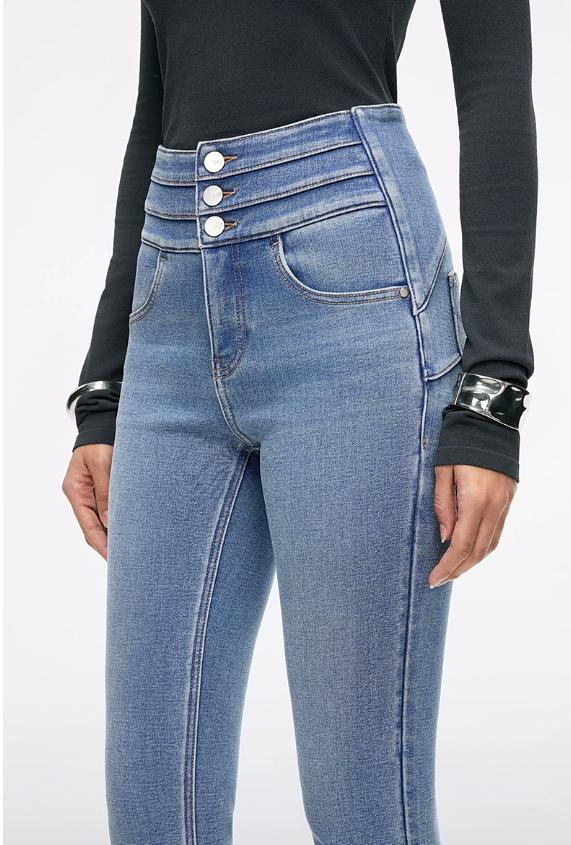
Custom Jackets
Manufacture custom jean jackets in rigid or stretch denim with your preferred silhouette, wash, seams, pockets, closures, and branded hardware. Pattern makers refine shoulder balance and sleeve proportions across the size set, while washing and decoration teams complete the intended finish.
Request a Quote
Custom Sweatshirts & Crewnecks
Build custom crewneck hoodie and sweatshirt programs in fleece or French terry, including crewnecks, hooded styles, oversized fits, and coordinated sets. Choose fabric weight, rib construction, pockets, print or embroidery treatment, garment wash, labels, and packaging for your collection.
Request a Quote
Custom Cardigans
Develop custom cardigans with knitted constructions matched to your intended hand feel, warmth, drape, and durability. Options include button-front, zip-front, cropped, oversized, and extended-size styles, with yarn sourcing, gauge selection, custom labels, trims, and fit approval before bulk production.
Request a Quote
Custom Puffer & Down Jackets
Produce custom puffer jackets with shell fabric, insulation, quilting layout, lining, pocket, zipper, hood, and branding specifications aligned to your market. We support sample testing, fit adjustments, custom trims, reflective details, and bulk production for seasonal outerwear programs.
Request a Quote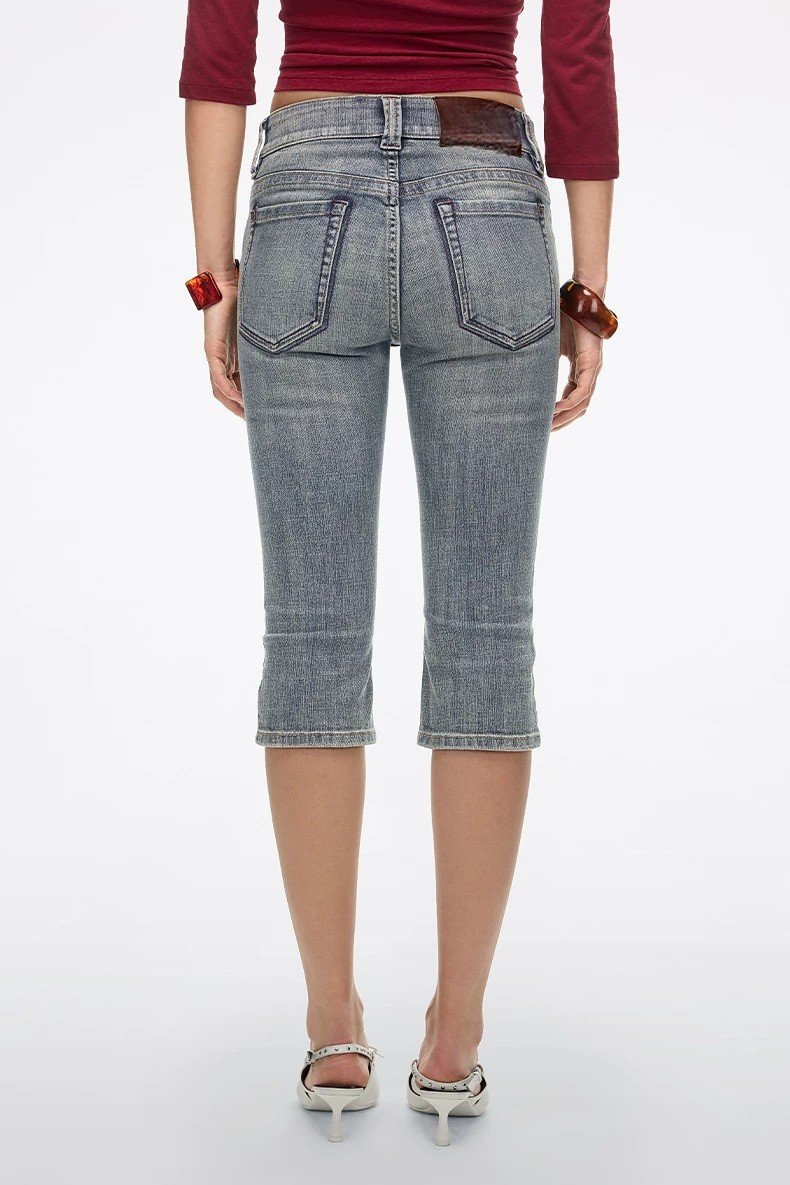
Custom Denim Shorts
Make custom jean shorts in rigid or stretch denim with tailored rise, inseam, leg opening, pockets, hems, washes, distressing, and hardware. Fit-led pattern development supports standard, extended-size, plus-size, and oversized short programs from sampling to bulk shipment.
Request a Quote
Custom Sweater Dresses
Develop custom sweater dresses with knit structures and yarns selected for shape retention, softness, drape, and intended warmth. We support bodycon, relaxed, ribbed, polo, and oversized silhouettes, with fit grading from XS–3XL and branded trims for private-label collections.
Request a Quote
Custom Denim Sets
Produce men’s denim suits wholesale as coordinated jacket-and-jean or denim overshirt-and-trouser programs. We align fabric shade, wash, fit, hardware, stitching, and size grading across each piece, helping brands launch cohesive denim assortments with 100-unit MOQ flexibility.
Request a Quote
Custom Polo Shirts
Manufacture custom polo shirts in pique, jersey, performance knits, and sweater-knit constructions. Define collar structure, placket, sleeve finish, fit, logo embroidery, contrast details, labels, and packaging, with pattern grading designed for consistent wear across XS–3XL sizes.
Request a Quote
Custom Sweatpants
Produce custom sweatpants in fleece, French terry, or performance knits with jogger, straight-leg, wide-leg, and oversized fits. Specify waistband, drawcord, pockets, cuffs, panels, printing, embroidery, washes, labels, and matching sweatshirt or hoodie components.
Request a Quote
Custom Shorts
Develop custom shorts for casualwear, active-inspired, woven, fleece, French terry, denim, or twill collections. We refine inseam, rise, leg opening, pockets, waistband, and grading, then add your selected decoration, trims, wash treatment, labels, and branded packaging.
Request a Quote
Custom Pullovers
Manufacture custom pullovers across knitwear, fleece, French terry, and jersey categories. Whether the style is a quarter-zip, mock neck, sweater pullover, or oversized casual layer, we support fabric or yarn sourcing, fit development, decoration, private labels, and scalable production.
Request a QuoteDenim and Performance Materials for Custom Fit Jeans

Rigid Cotton Denim
A structured, authentic denim with a dry hand and no elastane stretch. Ideal for premium straight-leg, vintage and workwear-inspired jeans; durable 11–14 oz constructions develop distinctive fading through repeated wear and washing.

Comfort Stretch Denim
Cotton-rich denim with light elastane stretch for easier movement while retaining a classic denim appearance. Well suited to slim, tapered and everyday custom fit jeans, typically in versatile midweight 10–12 oz qualities.

Power Stretch Denim
A smooth, flexible denim engineered with higher stretch and recovery for close-fitting silhouettes. Best for skinny, sculpting and extended-size programs, where dependable shape retention and mobility support a more accessible-to-premium price range.

Tencel Blend Denim
A softer, fluid denim blend with a refined hand feel and improved drape. Used for relaxed jeans, wide-leg styles and lighter fashion denim; its breathable comfort supports elevated contemporary collections and premium retail positioning.

Recycled Cotton Denim
Denim incorporating recycled cotton or recycled polyester to support lower-impact material stories. Available in rigid or stretch constructions for jeans and denim sets, with weight, fiber content and wash performance matched to your target cost.
Custom Fit Jeans Washes, Printing and Decoration

Logo Embroidery
Flat, 3D puff and chain-stitch embroidery adds dimensional branding to pockets, waistbands and panels. Thread colors and stitch density are matched to your denim weight for a durable, premium finish.

Screen Printing
Plastisol, water-based, high-density and puff screen prints bring bold artwork to denim garments. Junsheen tests placement and adhesion against the selected wash process to help graphics remain clear after laundering.

Garment Dyeing
Garment dyeing creates rich, lived-in color across finished jeans and denim sets. It can deliver tonal variation, softened hand feel and brand-specific shades while supporting coordinated fit-focused XS–3XL size ranges.

Enzyme Washing
Enzyme washing gently removes surface fibers to soften custom fit jeans and create a naturally worn appearance. The controlled process improves hand feel while preserving construction quality and a clean, commercial denim finish.

Acid Wash Effects
Acid washing produces high-contrast, mottled fades for statement denim collections. Wash trials help refine the contrast level, color retention and placement variation so each production run achieves your intended vintage-inspired look.

Stone Wash Finishing
Stone washing uses controlled abrasion to develop authentic faded character and a broken-in touch. Junsheen calibrates wash time and intensity for your fabric weight, helping balance visual depth, comfort and garment durability.
Custom Fit Jeans Trims and Private-Label Accessories

Branded Metal Buttons
Custom shank buttons, rivets, and snaps add durable closure performance and a recognizable denim signature. Choose finishes, logo embossing, plating colors, and placement for jeans, jackets, pockets, and waistband tabs.

Custom Zipper Systems
Specify metal, nylon, or concealed zipper options for jean flies, pockets, and detachable details. Junsheen can coordinate puller shapes, tape colors, logo treatments, and hardware finishes with your garment design.

Drawcord and Tipping
Add custom drawcords for elastic-waist jeans, denim joggers, and utility styles. Select cotton, flat, round, or contrast cords with branded metal tips, aglets, and color-matched finishing details.

Woven Leather Labels
Woven labels and leather patches establish private-label identity at the waistband, pocket, or interior neck area. We support custom artwork, material choices, embossing, woven text, sizing, and durable attachment methods.

Custom Hang Tags
Branded hang tags communicate fit, fabric, wash care, and collection positioning at retail. Choose tag stock, shapes, finishes, strings, barcodes, and coordinated size stickers for a polished launch-ready presentation.
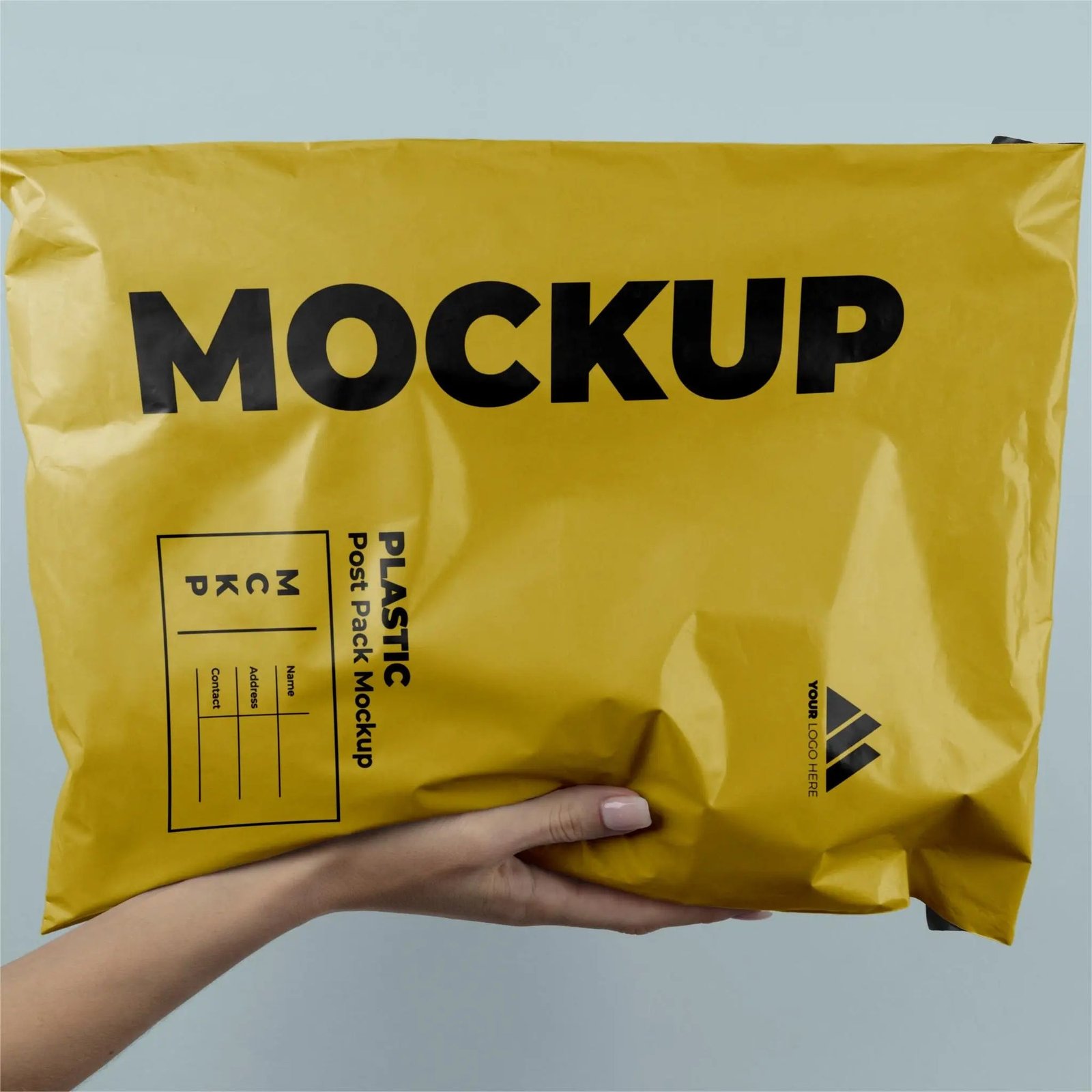
Branded Packaging Sets
Complete each custom fit jeans order with branded polybags, tissue, carton markings, inserts, and care cards. Packaging specifications can be aligned with retailer requirements, export protection needs, and your private-label unboxing experience.
About JUNSHEEN Custom Fit Jeans
Founded in 2010 in Humen, Dongguan, JUNSHEEN helps global fashion brands turn denim concepts into production-ready custom fit jeans. Our one-stop OEM, ODM and private-label team supports everything from technical review and pattern development to fabric sourcing, sampling, bulk production and export coordination.
With more than 200 skilled workers and monthly capacity exceeding 80,000 units, we support capsule launches from 100 units per style and color as well as scalable ongoing programs. In-house cut-and-sew, denim washing, decoration, labels, trims and packaging keep critical production details coordinated under one supply chain.
Fit comes first in every jeans program. Rather than simply enlarging a base pattern, our team refines rise, hip and thigh balance, leg shape, stretch recovery and grading from XS to 3XL, including extended-size, plus-size and oversized fits. This technical approach helps brands reduce sampling revisions and deliver more consistent customer fit.

Custom Fit Jeans Capabilities That Reduce Sampling Revisions
Pattern Making for Real Wear
JUNSHEEN develops custom fit jeans patterns around your intended silhouette, stretch level, wash treatment and customer profile. Our team reviews critical denim measurements before sampling, helping brands resolve fit risks early instead of carrying avoidable revisions into bulk production.
- Pattern development from tech packs, sketches or reference jeans
- Rise, hip, thigh, knee and leg-opening measurements reviewed together
- Mobility and shrinkage allowances considered for the selected denim
- Prototype and fit-sample feedback documented for faster next rounds

XS–3XL Size Grading
A consistent size run requires more than enlarging one base pattern. We grade custom fit jeans from XS to 3XL with attention to body proportion, rise balance, inseam, thigh ease and waistband shape, including extended-size, plus-size and oversized denim programs.
- Normal, extended-size, plus-size and oversized grading support
- Balanced grading increments across key denim fit points
- Size-set samples available before bulk approval
- Graded patterns retained for repeat-order consistency

Denim, Trims and Components
Our sourcing team matches fabric and components to the product’s price point, hand feel and performance needs. From rigid denim and stretch denim to branded hardware, labels and packaging, each recommendation is evaluated for wash behavior, durability and production suitability.
- Rigid, stretch and performance denim sourcing options
- Fabric weight, recovery, shrinkage and wash performance reviewed
- Custom buttons, rivets, zippers, patches and leather labels
- Swatches and sample materials available for approval

In-House Washes and Branding
Bring the finished character of your custom fit jeans into development with coordinated decoration and finishing support. JUNSHEEN manages embroidery, printing, garment washes, distressing details, private labels and packaging so buyers can align appearance, workmanship and production timing.
- Stone, enzyme, acid and garment-dye wash options
- Embroidery, patches, screen printing and heat-transfer branding
- Custom labels, hang tags and branded packaging
- In-line and final checks for measurements, finishing and packed goods

Custom Fit Jeans: JUNSHEEN vs. Typical Denim Suppliers
A fit-first, production-ready denim partner for brands that need low minimums, controlled development and dependable global delivery.
← 左右滑动查看 →
Custom Fit Jeans Production, Step by Step
A controlled denim development process that moves your concept from fit review to production-ready, globally shipped goods.
Review Feasibility and Specs
We assess your tech pack, reference garment or concept, confirming construction, target fit, wash requirements, quantities, timeline and 100-unit MOQ feasibility.
Source Denim and Trims
Our team recommends denim weight, stretch, hand feel, washes, hardware, labels and packaging aligned with your price target and brand positioning.
Build Patterns and Grade
Pattern makers develop custom fit jeans patterns and XS–3XL grading, refining rise, hip balance, leg shape, mobility and proportion across the size range.
Sample, Fit, and Approve
We produce prototypes and size sets for measurement, fit, wash and decoration review, incorporating consolidated feedback before pre-production approval.
Produce and Inspect Bulk
Skilled teams manage cutting, sewing, washing, finishing and private labeling, with in-line and final inspections covering construction, measurements, appearance and packing.
Pack and Ship Globally
Approved custom fit jeans are packed to your specifications, balanced before shipment, and prepared with export support for dependable delivery to global destinations.
How to Start Your Custom Fit Jeans Program
Move from concept to scalable denim production with a clear, fit-focused development path.
Share Your Product Brief
Send a tech pack, sketch, reference garment, mood board, or idea. Our team reviews your custom fit jeans requirements, target market, sizing, fabrics, washes, and branding details.
Review Quotation and Samples
Confirm recommended materials, construction, grading, decoration, MOQ, and pricing. We create prototype samples and size sets so your team can assess fit, hand feel, wash, and details.
Approve Pre-Production Details
Finalize patterns, XS–3XL grading, measurements, trims, labels, packaging, and bulk materials. Pre-production approval aligns every technical requirement before your denim order moves into manufacturing.
Scale Bulk Production
JUNSHEEN manages cutting, sewing, washing, finishing, quality control, packing, and export support. Start from 100 units per style and color, then scale dependable repeat programs.
Custom Clothing Manufacturer Credentials and Compliance Documents



Custom Fit Jeans Client Results and Case Studies
JUNSHEEN helped us turn our graded fit comments into a production-ready size set from XS to 3XL. The 100-unit opening run let us test the launch without committing to excess inventory, and the repeat order moved forward with the same approved specifications.
Our team needed a denim partner that could manage pattern adjustments, wash development, labels and packaging in one program. The sample review was clearer, and we approved our fit direction after two rounds instead of rebuilding the brief with multiple suppliers.
For our extended-size jeans launch, Junsheen focused on rise, thigh and inseam proportions rather than simply scaling a base pattern. We launched six sizes in the first collection and had a reliable factory team for the following color program.
Custom Fit Jeans Manufacturing FAQ
Clear answers on MOQs, sampling, fit development, production, private labeling and global delivery for denim brands.
What is the MOQ for custom fit jeans at JUNSHEEN?
Can you develop custom fit jeans from a sketch or reference sample?
How do you grade custom fit jeans from XS to 3XL?
How long does custom jeans sampling and bulk production take?
Can I order a size set before producing custom fit jeans in bulk?
What private-label options are available for custom jeans?
How are payments handled for a first custom denim order?
Do you protect my denim designs, tech packs and brand information?
Do you ship custom fit jeans internationally?
The Complete Buyer’s Guide to custom fit jeans
Use this practical framework to specify custom fit jeans, compare denim and construction options, evaluate OEM/ODM suppliers, control costs, and avoid sampling, fit, and production mistakes before placing your order.
1. What Are custom fit jeans?
3 production models fall under custom fit jeans, but they deliver different levels of control. Made-to-measure programs alter a proven block for an individual’s waist, inseam, rise, thigh, knee, and hem measurements; they suit direct-to-consumer orders but are not automatically efficient for bulk runs. 1 private-label fit block starts with a supplier’s production-ready jean pattern and changes the dimensions that define a brand’s target wearer. Customization can include front and back rise, waistband position, hip ease, thigh and calf circumference, leg shape, inseam, pocket placement, stretch allowance, and grading rules from XS through 3XL or an extended-size range. 100-unit production programs usually require a repeatable specification rather than one-off tailoring. Fully bespoke jeans begin with a new pattern, fit comments, graded size set, denim and wash behavior targets, construction details, labels, and measurement tolerances; the key buyer question is whether the manufacturer can convert those decisions into approved samples and consistent bulk measurements. At Junsheen, pattern making, size grading, prototype sampling, and fit review can be managed together so a target customer fit becomes a controlled production standard.
2. The History Behind custom fit jeans
1873 marks the patenting of riveted work trousers by Jacob Davis and Levi Strauss, establishing denim as durable workwear rather than a fashion category. As ready-to-wear expanded in the 20th century, factories relied on standardized waist and inseam ranges, which improved scale but left many body proportions poorly served. 1950s designer denim and youth culture turned jeans into a fit-led product, while the late-1970s adoption of stretch fibers made closer silhouettes commercially practical. Stretch denim added recovery, comfort and shape retention variables, so pattern balance, rise, thigh ease and wash shrinkage became as important as nominal size. 2000s extended-size demand exposed the limits of simply enlarging a straight-size block. Modern custom fit jeans use graded patterns, sample size sets and direct-to-consumer return data to refine hip-to-waist balance, leg shape and movement across sizes. 100-unit programs now let labels test a differentiated fit in limited colors before committing to bulk. A capable OEM/ODM partner can convert feedback from prototypes and early sales into retained patterns, controlled fabric specifications and repeatable production as the program scales.
3. Types of custom fit jeans
Six core fit blocks—slim, straight, tapered, relaxed, wide-leg, and inclusive unisex—cover most denim briefs. Buyers should lock a proven base block first, then change rise, thigh ease, and hem rather than multiplying near-identical patterns.
Slim And Tapered Fits
Slim blocks follow the seat and thigh with controlled ease, then keep a narrow leg; they suit fashion-led menswear and stretch-denim programs. A mid or mid-high rise improves everyday wear while preserving a clean tuck or sneaker profile. Tapered blocks retain more room through the upper thigh before narrowing below the knee. Starting from one slim base block, a pattern maker can add thigh ease and revise the knee-to-hem grade without creating a separate size architecture.
Straight, Relaxed, And Wide Leg
Straight fits hold a near-consistent knee and hem width, making them dependable for heritage denim, workwear, and broad retail size runs. A mid rise and moderate seat ease accommodate varied body shapes and boots, trainers, or layered styling. Relaxed and wide-leg fits add ease through the seat, thigh, and leg; relaxed is controlled, while wide-leg carries volume to the hem. Use one relaxed block with defined hem-width options to test demand before committing to several fashion silhouettes.
Gender-Neutral And Extended Sizes
XS through 3XL programs need more than scaled waist measurements: rise, hip balance, thigh circumference, and inseam must be graded together. Gender-neutral fits commonly use moderate rise, balanced hip ease, and a straight or gentle taper for cross-market appeal. Two fit samples—core and extended—often reveal whether grading increments preserve mobility and proportion. Junsheen can refine the base pattern and size set before bulk approval, helping buyers avoid fragmented inventory from unnecessary fit blocks.
4. Fabrics for custom fit jeans
12–14 oz denim is the practical starting range for most custom fit jeans, balancing structure, sewing control, and wash development. Fiber content and weave should be approved with the target fit, recovery requirement, and finishing plan.
| Fabric Type | Weight | Performance | Wash Suitability | Recommended Position |
|---|---|---|---|---|
| Rigid cotton | 12–15 oz | Structured, durable | Enzyme, stone, vintage | Straight, relaxed, heritage |
| Comfort-stretch | 10–13 oz | Mobility, stable recovery | Dark rinse, softening | Slim, tapered, core retail |
| High-stretch | 9–12 oz | Body contour, recovery-sensitive | Low-abrasion washes | Skinny, curve, extended sizes |
| Recycled blend | 11–14 oz | Lower-impact option | Test before heavy bleach | Responsible collections |
| Selvedge | 14–16 oz | Premium character, dense hand | Rinse, controlled fading | Limited premium runs |
Fiber And Weave

100% ring-spun cotton rigid denim delivers crisp shape, strong abrasion resistance, and pronounced fading; right-hand twill is the mainstream choice, while broken twill reduces leg twist. 1–2% elastane creates comfort-stretch denim when paired with cotton and polyester or T400; use it for slim or straight fits requiring mobility without a soft jegging hand.
Weight, Stretch, And Recovery

10–12 oz denim suits lightweight fashion jeans and warm-climate programs, while 13–15 oz supports durable core denim and stronger silhouette retention. 30–40% stretch is usually sufficient for comfort fits; high-stretch fabrics need recovery testing after washing and extended wear to prevent knee bagging or waistband growth.
Wash Response And Sourcing

3–5% recycled cotton can be introduced carefully, but recycled blends should be tested for tensile strength, shade consistency, and abrasion after enzyme, stone, or bleach washes. 14–16 oz selvedge denim is best reserved for premium limited runs because its narrow shuttle-loom width increases fabric consumption and sewing cost.
5. Custom fit jeans: customization options
At a 100-unit-per-style-and-color starting point, custom fit jeans need a disciplined detail hierarchy. Lock structural choices first, then use visible finishes to build a private-label signature without multiplying sampling risk.
| Detail Group | High-Impact Choice | Trade-Off | Production Check |
|---|---|---|---|
| Structure | Rise, inseam, pockets, yoke | Pattern revisions add time | Approve graded size set |
| Branding | Patch, labels, thread, hardware | Custom components may have higher minimums | Approve physical strike-offs |
| Surface Finish | Wash, distressing, embroidery, print | More handling can reduce consistency | Run wash and durability tests |
Lock The Core Fit

Three fit decisions drive repeatability: rise, inseam, and leg shape. Specify front and back rise separately, finished inseams by size, hem opening, and tolerance before approving a pattern. Two back-pocket variables—shape and placement—change both identity and perceived proportions. Confirm yoke depth, fly type, belt-loop count, and pocket stitch map on the fit sample.
- High rise: typically 10–12 inches
- Straight inseam: usually 28–34 inches
- Zipper fly: cleaner, faster assembly
- Button fly: stronger vintage positioning
Specify Branding And Hardware

Four hardware groups deserve an approved finish standard: tack button, rivets, zipper, and leather or jacron patch. Antique finishes can vary between dye lots, so retain a sealed approval sample. Pantone-matched thread, woven labels, wash-care labels, hang tags, and branded trims create recognition with less fit risk. Nickel-release requirements and destination-market labeling rules should be confirmed before bulk ordering.
Choose Surface Effects Carefully

Three wash families—enzyme, stone, and acid wash—alter shade, hand feel, and lead time. Distressing, sanding, embroidery, prints, and patches should be positioned on approved panels so grading does not distort placement. One complex wash or multi-location decoration can raise handling cost and reject risk. Test abrasion durability, colorfastness, and decoration adhesion after laundering before releasing production.
6. Construction Quality for custom fit jeans
Construction determines whether custom fit jeans keep their intended silhouette after wear and washing. Approve workmanship against a measured sample, then use the same checkpoints during pre-production and final inspection.
Pattern And Grain Balance
2 legs should hang evenly from the waistband, with side seams straight and grainlines parallel to the inseam. Twisted legs or roping beyond the approved wash standard change appearance and trigger fit complaints. 1 approved size set should confirm rise, thigh, knee, hem, and inseam measurements before bulk cutting. Compare paired left-right measurements and check that front and back panels align at the outseam.
Seams And Stress Points

8–10 stitches per inch is a practical denim baseline for many lockstitch seams; excessively sparse stitching can open under strain. Flat-felled or durable double-needle seams at inseams improve strength while reducing abrasive seam bulk. 4–6 bartacks are commonly used at pocket corners, fly base, belt loops, and other load points. Pull-test belt loops, pocket openings, zipper stops, and button attachment on the sample.
- Check no skipped stitches or broken thread.
- Confirm zipper operates smoothly when seated.
- Verify button, rivet, and bartack placement.
Waistband Pockets And Hem

5–10 mm shifts in back-pocket position can visibly alter perceived seat shape, so approve placement from fixed reference points. Waistband seam allowance, interfacing, belt-loop spacing, and closure alignment must remain stable after the approved wash. 2 finished hems should match in circumference and inseam, without torque or uneven chain-stitch roping. Check pocket bags lie flat, pocket openings are symmetrical, and no raw edges show inside.
Wash And Measurement Control
3 wash-tested samples provide a useful check: before wash, after wash, and after a wear simulation where appropriate. Shade, abrasion, whiskers, hand feel, and shrinkage should match the approved standard across panels and production lots. ±0.5 cm is a common target for critical waist and rise measurements, while longer inseams may require a separately agreed tolerance. Record actual measurements by size; uncontrolled variation drives exchanges, returns, and repeat-order inconsistency.
7. How to Choose a Jeans Manufacturer
Since 2010, Junsheen has supported denim development from pattern making through export. Choose a partner by testing technical evidence, not by comparing unit quotes alone.
Verify Denim Development Depth

Ask for recent samples showing rigid and stretch-denim fits, including rise, inseam, pocket placement, and graded measurements. A capable factory can explain how patterns change from XS through 3XL rather than merely enlarging a base size. Request fabric swatches and wash panels before approval. Mill information, fiber content, weight, stretch recovery, shrinkage results, and approved Pantone standards reveal whether sourcing decisions are controlled.
- Request a graded measurement chart
- Review wash panels after five washes
- Confirm pattern revision ownership
Audit Production Controls

100-unit minimums per style and color can support a validation run before committing to a bulk program. Use that run to approve fit, wash appearance, decoration, packing, and defect tolerance under real production conditions. Ask for incoming-fabric, in-line, and final-inspection records. Verify measurement checks, seam and rivet testing, shade-banding controls, and traceable material records rather than accepting a generic quality statement.
Check Compliance And Communication
OEKO-TEX, GOTS, WRAP, or BSCI documentation should be requested when those standards are required by your market or retail customer. Confirm chemical restrictions, wash-house wastewater controls, and any certification scope directly with the facility. Two clear approval gates—prototype and pre-production sample—reduce costly bulk surprises. Confirm one accountable contact, written lead times, export paperwork capability, and how the factory escalates fabric, fit, or wash deviations.
- Ask who approves substitutions
- Confirm sample-to-bulk lead time
- Request export references for your destination
8. Common custom fit jeans Buying Mistakes
Most bulk failures trace to an approval gap, not a sewing error. Before releasing custom fit jeans, convert every visual preference into measurable specifications, tested materials, and signed production references.
Copying Fit Without Specs
1 reference jean cannot define a production pattern. Copying it without rise, thigh, knee, hem, inseam, and grading measurements produces inconsistent fit; approve a measurement chart and annotated pattern comments.
Approving One Size Only
1 sample size can hide grade-rule errors. Approving only a medium often creates tight thighs or distorted rises in extended sizes; review a size set at least across the core and end sizes before bulk.
Skipping Wash And Recovery Tests
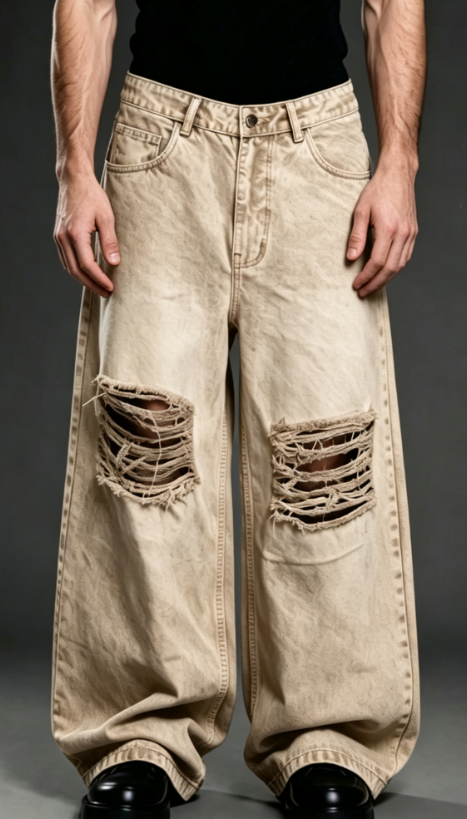
8–12 oz stretch denim can change materially after washing. Unchecked shrinkage, shade loss, and poor stretch recovery cause returns; test the intended wash on the final fabric and record post-wash measurements.
Leaving Details And Branding Vague
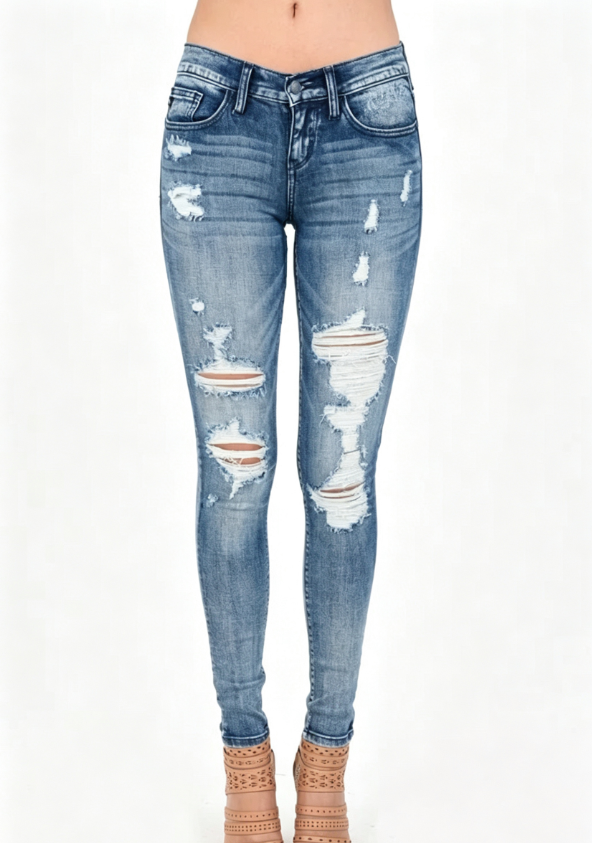
3 unpriced details—custom rivets, leather patches, and specialty washes—can alter cost and lead time. Missing Pantone references or vector logo files also delay approval; lock a bill of materials, artwork, placement, and finish standards.
Choosing On Quote Alone
100-unit quotes are only comparable when construction, fabric, wash, inspection, and packaging match. The lowest price can omit tolerances and rework capacity; compare like-for-like specifications and require a pre-production sample before release.
9. Steps to Launch custom fit jeans
A controlled launch turns custom fit jeans from a concept into a repeatable production program. Assign one brand-side owner for approvals and lock each gate in writing before the next cost-bearing step.
Define The Customer And Benchmark
2 weeks is usually enough to define the target wearer, price tier, competitors, and intended size range. The brand owner should document key silhouettes, retail price, and fit complaints from comparable jeans. 1 decision gate: approve a one-page product brief before development. Include customer profile, reference photos, color count, channel, launch date, and target landed cost.
- Target customer and body range
- Three competitor products
- Target retail and landed cost
- Reference garment measurements
Build The Technical Package
1 complete tech pack reduces sampling ambiguity. The designer supplies front and back flats, bill of materials, Pantone colors, stitch details, labels, hardware, measurements, and wash direction. 1 approved base block is required before grading XS through 3XL or the selected range. Junsheen’s pattern team can review manufacturability, but the brand owns final fit intent.
- Point-of-measure chart
- Construction and thread callouts
- Artwork and label files
- Wash reference and hand feel
Sample, Test, And Revise
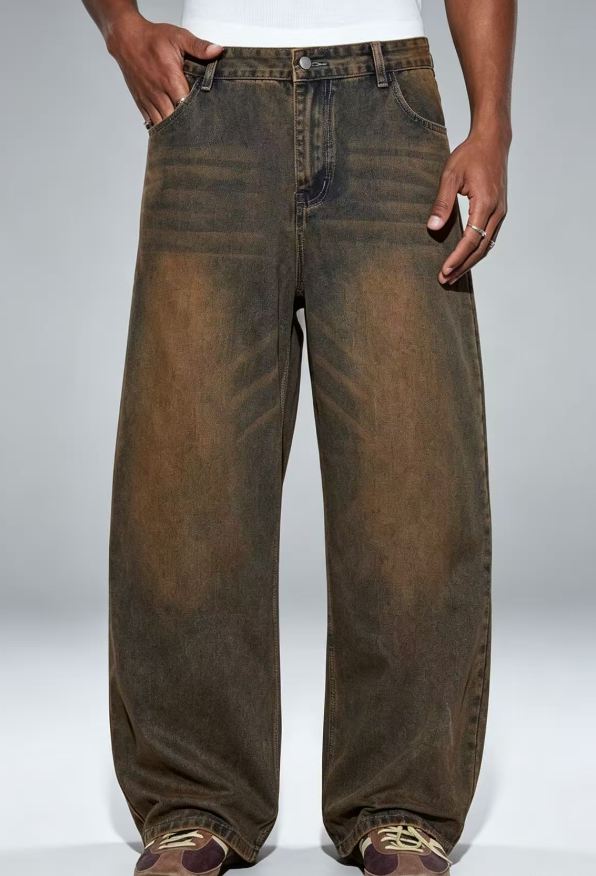
1 prototype validates silhouette, denim weight, stretch recovery, and wash effect before bulk commitment. Review it on the intended fit model and record every revision directly against the measurement chart. 2 wear-test cycles are practical for new blocks or heavy washes. Approve a graded size set only after checking rise, hip balance, inseam, mobility, shrinkage, and appearance after laundering.
- Prototype approval comments
- Wear-test feedback
- Revised measurement chart
- Approved size-set record
Approve Production And Delivery
1 pre-production sample is the final production gate. The brand signs the approved sample, bulk fabric and trim cards, wash standard, packaging specification, and inspection requirements. 100 units per style and color can support a capsule program, while larger runs improve efficiency. Junsheen can manage in-line and final checks; the buyer confirms shipment method, balance payment, and delivery documents.
- Signed pre-production sample
- Bulk fabric and wash standard
- Packing list and carton marks
- Commercial invoice and shipping instructions
10. Custom Fit Jeans Pricing and Costs
100 units per style and color is a practical starting point for an OEM capsule, but the smallest runs carry more pattern, wash, and sourcing cost per pair. Junsheen can review a tech pack, reference garment, or sketch to separate recurring garment cost from one-time development before quoting. 12–14 oz denim is a common midweight range; ring-spun cotton, recycled content, and 1–3% elastane can each change fabric cost, recovery, and wash behavior. Enzyme, stone, acid, tint, and hand-sanding effects add labor and approvals, while YKK zippers, branded buttons, leather patches, woven labels, and custom cartons add trim and packing cost. 7–14 days is a typical sampling window after materials and specifications are confirmed; complex washes or revised fit blocks can extend it. Build the target retail price backward from required gross margin, then choose the fabric, finish, and MOQ that protect fit and quality; estimates should be treated as project-specific quotes, not fixed market rates.
| Order tier | Indicative unit-price drivers | Typical setup costs | Lead-time effect |
|---|---|---|---|
| 100–299 units | Higher allocation for cutting, wash minimums, and trims | Pattern, graded size set, prototype sample | More approvals; sampling commonly 7–14 days |
| 300–999 units | Better fabric and wash efficiency | Samples and custom hardware remain separate | Bulk timing improves after PP approval |
| 1,000+ units | Stronger purchasing leverage and repeatability | Development spreads across more pairs | Repeat orders move faster with retained patterns |
Ready to Develop Your Custom Fit Jeans?
Send your tech pack, reference garment, or product idea for a fit-focused OEM/ODM quotation from JUNSHEEN.