
Custom Made Mens Jeans From 100 Units
Fit-focused OEM, ODM, and private-label custom made mens jeans for global brands, with XS–3XL grading, denim washes, and export-ready production.
Featured Products for custom made mens jeans Development


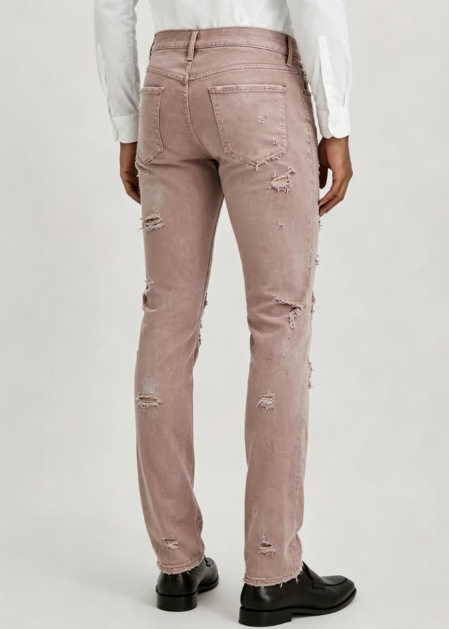


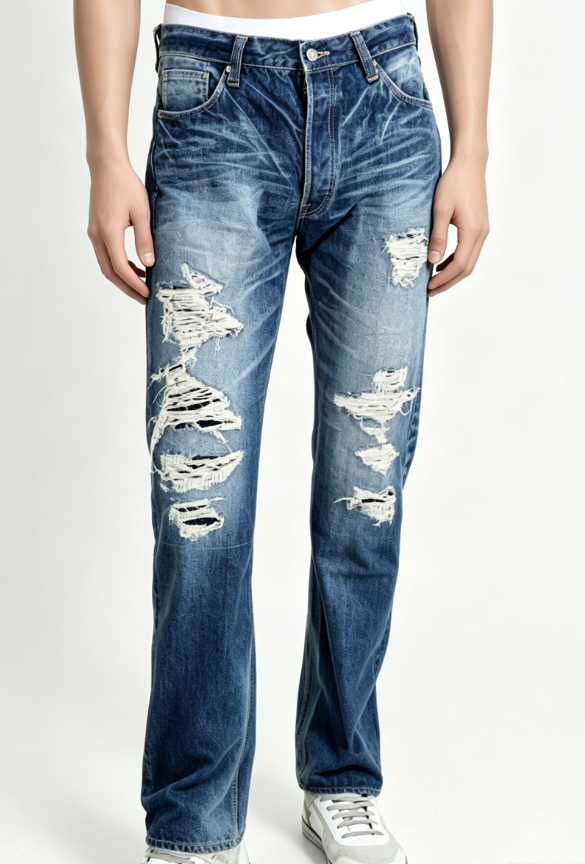

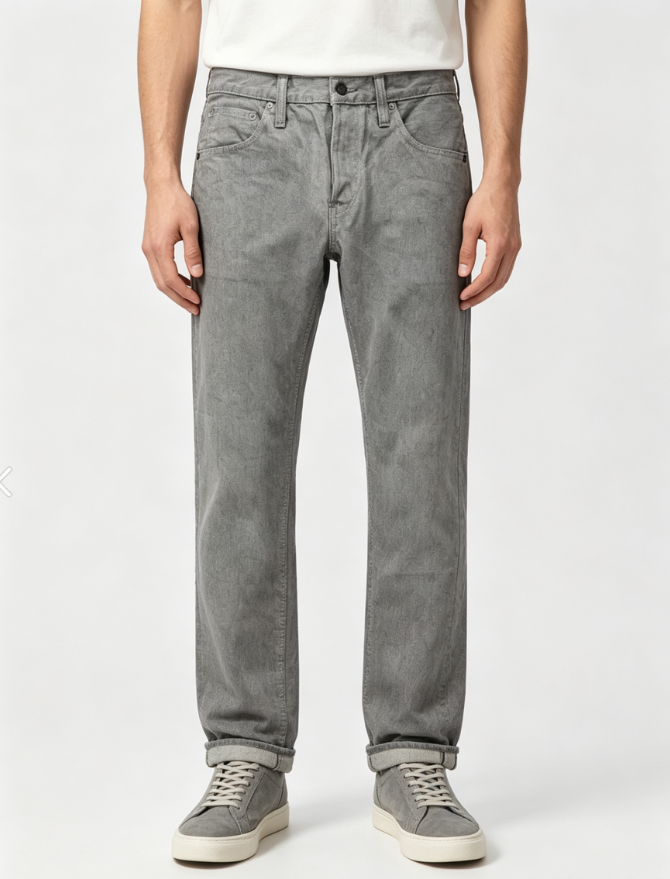
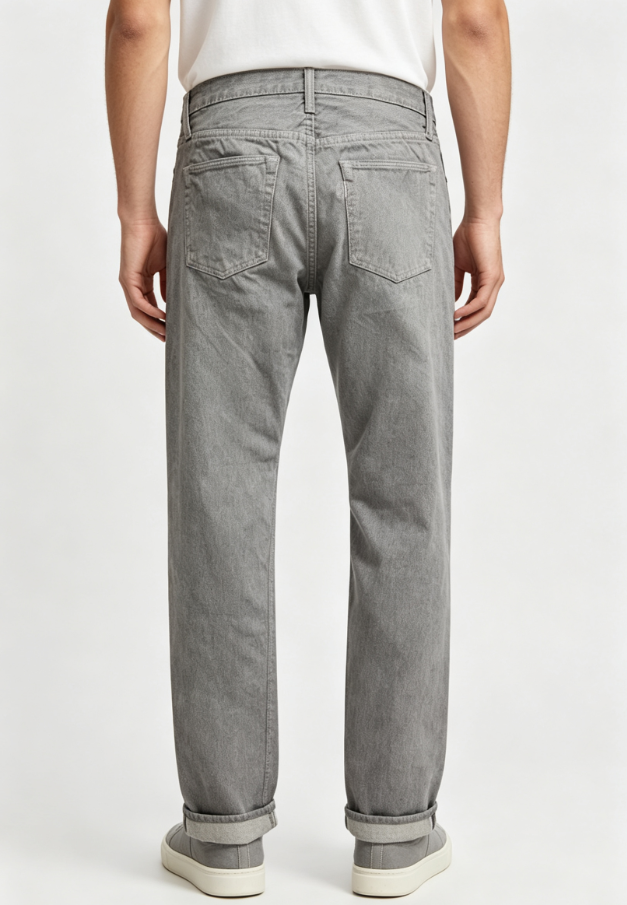
Related Product Catalogue and Quotation
Why Brands Source Custom Made Mens Jeans From JUNSHEEN
From a 100-unit launch to repeat bulk programs, our integrated denim team keeps fit, finishing, branding and production under one accountable supply chain.
100-Unit Denim MOQ
Launch custom made mens jeans from 100 units per style and color, giving emerging labels a practical route to test demand.
XS–3XL Fit Development
Pattern makers refine rise, thigh, leg shape and grading across XS–3XL for normal, extended-size, plus-size and oversized denim fits.
Denim Wash Expertise
Build distinctive collections with enzyme, stone, acid and garment washes, plus softening and finishing selected for your target hand feel.
Integrated Brand Details
Coordinate embroidery, printing, leather labels, custom buttons, zippers, hang tags and branded packaging through one production partner.
Scalable Global Production
With 200+ skilled workers and 80,000+ monthly units of capacity, JUNSHEEN supports capsule launches, wholesale orders and growing global programs.
Development to Export
Turn a tech pack, sketch or reference garment into production-ready jeans with fabric sourcing, sampling, quality control and export support.
Custom Denim and Casualwear Programs
Develop coordinated, fit-led apparel categories from low-MOQ launches to scalable global production, with sourcing, sampling, decoration, and private-label support managed in one supply chain.
Custom Hoodies
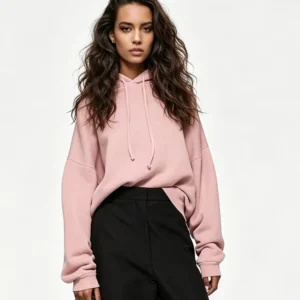
Develop custom hoodies in fleece, French terry, or jersey with your required weight, fit, rib construction, pockets, drawcords, washes, embroidery, printing, labels, and packaging. Fit-focused grading from XS–3XL supports standard, oversized, and extended-size programs from 100 units per style and color.
Request a Quote
Custom T-Shirts
Build custom tshirt programs from combed cotton, Pima cotton, organic cotton, or blended jersey. Junsheen supports neckline, sleeve, body-length, weight, print, wash, and label specifications, helping brands create consistent fits across core basics, graphics, merch, and coordinated collections.
Request a Quote
Custom Jeans
Produce custom jeans with development support for fit, rise, leg shape, stretch, pocket construction, hardware, washes, distressing, embroidery, and branded trims. Pattern makers refine grading across XS–3XL so denim programs maintain proportion and mobility through the full size range.
Request a Quote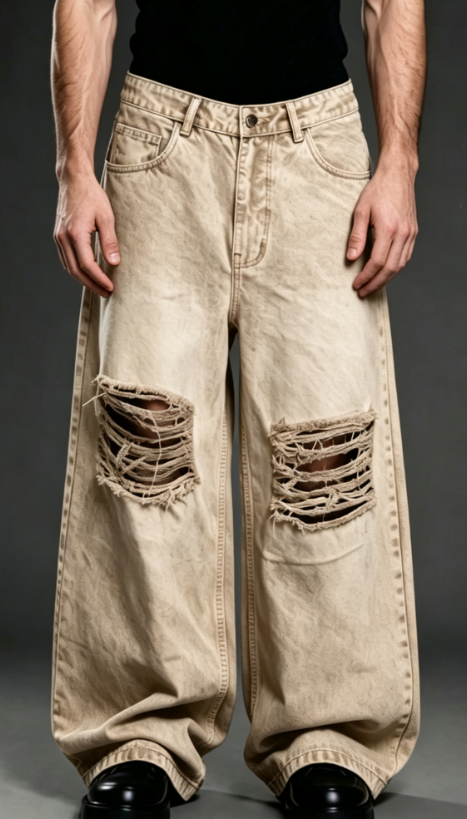
Custom Sweaters
Source turtle neck sweater bulk programs with the required yarn composition, gauge, stitch structure, collar height, rib details, and fit. Knitting capability supports refined samples and repeatable bulk production for fashion labels, wholesalers, and retailers developing seasonal knitwear ranges.
Request a Quote
Custom Jackets
Create custom jean jacket programs with denim weight, silhouette, pocket placement, seam details, metal hardware, wash effects, patches, and branded labels specified for your market. Development can begin from a tech pack, reference garment, or concept and scale after fit approval.
Request a Quote
Custom Sweatshirts & Crewnecks
Develop custom crewneck hoodie and sweatshirt styles with crewneck, hooded, drop-shoulder, cropped, or oversized proportions. Select fleece or French terry, then specify ribbing, panels, embroidery, screen printing, washes, labels, and packaging for cohesive branded casualwear collections.
Request a Quote
Custom Cardigans
Produce custom cardigan styles in knitted constructions suited to your target hand feel, warmth, drape, and price point. Junsheen can develop gauges, stitch textures, button or zipper closures, trims, logo details, and graded fits for standard and extended-size assortments.
Request a Quote
Custom Puffer & Down Jackets
Develop custom puffer jacket programs with shell fabric, insulation, lining, quilting layout, fill weight, zipper, pocket, hood, and branding requirements aligned before sampling. The team supports outerwear construction review, fit adjustments, trims, quality control, and export-ready packing.
Request a Quote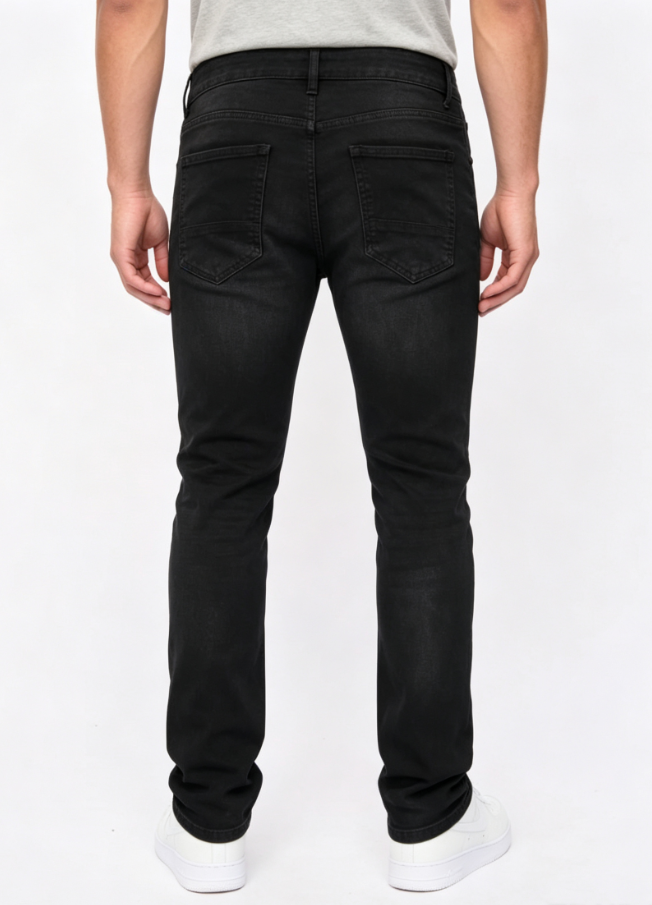
Custom Denim Shorts
Make custom jean shorts with defined rise, inseam, leg opening, stretch, pocket details, hems, hardware, and wash treatment. Fit and grading development helps brands maintain intended proportions across sizes while producing denim shorts for capsule drops or recurring seasonal programs.
Request a Quote
Custom Sweater Dresses
Develop custom sweater dresses with yarn, gauge, stitch pattern, neckline, silhouette, length, rib construction, and labeling specified for your collection. Fit-focused pattern and grading support helps preserve body proportion from XS through 3XL for modern, extended-size, or oversized knitwear.
Request a Quote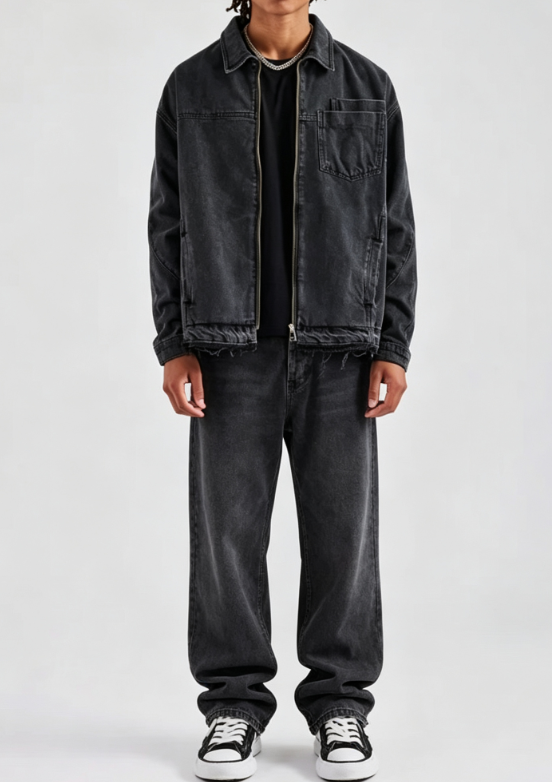
Custom Denim Sets
Produce mens denim suits wholesale programs as coordinated denim jackets and jeans with consistent fabric, wash, color, hardware, and fit standards. Junsheen manages sampling, size sets, branded trims, and bulk quality control so wholesale assortments arrive as production-ready matching sets.
Request a Quote
Custom Polo Shirts
Create custom polo shirts in pique, jersey, or performance knits with collar structure, placket, buttons, cuffs, embroidery, color blocking, and labels matched to your brand. Development supports retail uniforms, golf-inspired collections, promotional programs, and private-label basics with scalable production.
Request a Quote
Custom Sweatpants
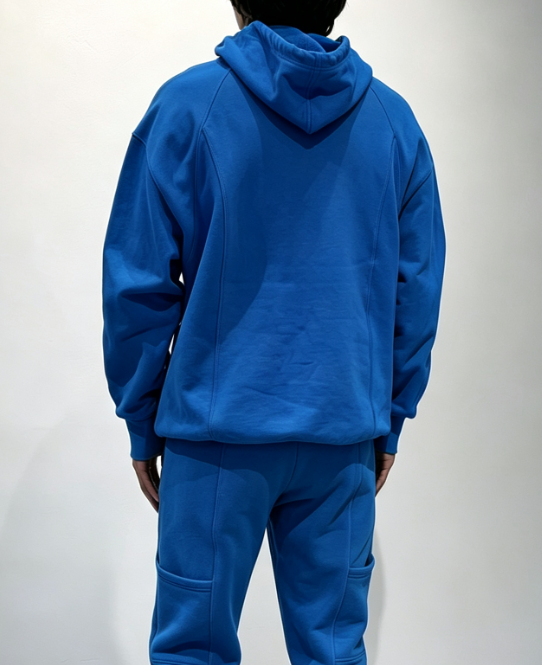
Develop custom sweatpants in fleece, French terry, or performance knits with required rise, taper, cuff, waistband, pockets, drawcords, and decoration. Pattern grading supports balanced fit through XS–3XL, helping brands coordinate dependable bottoms with hoodies, tees, and sweatshirts.
Request a Quote
Custom Shorts
Produce custom shorts across jersey, fleece, twill, woven, denim, and performance materials. Specify inseam, rise, waistband, pockets, liners, trims, printing, embroidery, and wash effects, then approve samples before low-MOQ or bulk production for seasonal casualwear programs.
Request a Quote
Custom Pullovers
Build custom pullovers in knitted, fleece, French terry, or jersey constructions according to your desired silhouette and end use. Junsheen supports necklines, zippers, panels, rib trims, graphics, washes, labels, and fit development for branded layering pieces and coordinated collections.
Request a QuoteDenim Fabrics for Custom Made Mens Jeans

Rigid Cotton Denim
A structured, authentic denim with a dry hand feel for straight-leg, relaxed and vintage-inspired jeans. Typically 11–14 oz, it delivers durable wear, defined fading and strong wash character without added stretch.

Stretch Cotton Denim
Cotton denim blended with elastane for slim, tapered and comfort-focused custom made mens jeans. Usually 10–13 oz, it offers controlled recovery, easier movement and reliable shape retention through repeated washing.

Comfort Stretch Denim
A balanced cotton-blend denim with subtle mechanical or low-elastane stretch for modern everyday fits. At approximately 11–13 oz, it keeps a substantial denim hand while improving mobility and wash resilience.

Lightweight Denim Shirting
A soft, breathable denim or chambray-style fabric suited to summer jeans, utility styles and coordinated denim sets. Commonly 6–9 oz, its lighter weight supports drape, comfort and softer garment-wash effects.

Recycled Blend Denim
Denim incorporating recycled cotton or recycled polyester for brands pursuing lower-impact material stories. Available in varied weights and stretch levels, it can retain a durable hand feel while supporting traceable fabric sourcing requirements.

Heavyweight Raw Denim
Dense, firm raw denim for premium heritage jeans and long-wear workwear silhouettes. Often 14–16 oz or heavier, it develops high-contrast personalized fading and maintains strong structure through demanding wear.
Custom Made Mens Jeans Washes and Decoration Techniques

Garment Washing
Enzyme, stone and acid washes soften denim, build authentic character and create controlled shade variation. Wash trials help brands approve the target hand feel, contrast and worn-in appearance before bulk production.

Garment Dyeing
Garment dyeing delivers rich, fashion-led color with natural tonal variation across finished jeans. It is suited to capsule collections seeking a softer hand, distinctive depth and a less uniform surface than piece-dyed denim.

Logo Embroidery
Flat, 3D puff, chain-stitch and applique embroidery add durable branded detail to pockets, waistbands and panels. Stitch density, backing and placement are reviewed to keep the result clean through wear and repeated washing.

Screen Printing
Plastisol, water-based, puff, flocking, silicone and high-density screen prints create bold graphics on denim. Junsheen matches ink, curing and placement to the garment wash plan for clear artwork and reliable adhesion.

Patch Application
Woven, embroidered, leather-look and custom patches provide a strong private-label signature on back pockets, waistbands or leg panels. Material, edge finish and attachment method are selected for the intended aesthetic and wash durability.

Brushing Finishes
Brushing and napping create a softer, raised surface for selected denim constructions and panels. Combined with controlled washing, these finishes add tactile depth while supporting the comfort and premium character of custom jeans.
Custom Trims and Accessories for Custom Made Mens Jeans

Custom Metal Buttons
Add logo-engraved shank buttons, tack buttons or rivets to waistband closures, fly fronts and pocket stress points. Junsheen helps match finishes, colors and hardware weight to your custom denim wash and brand direction.

Branded Denim Zippers
Specify dependable metal or nylon zippers for jean flies, utility pockets and detachable details. Choose puller shapes, tape colors and branded zipper hardware that support smooth wear while reinforcing your private-label identity.

Woven Leather Labels
Use woven labels or custom leather patches at the waistband, coin pocket or interior seam to establish a recognizable signature. We coordinate artwork, dimensions, edge treatment and attachment methods for bulk-ready jeans production.

Custom Hang Tags
Complete retail presentation with custom hang tags carrying product information, care messaging, barcode space and brand storytelling. Select card stock, print effects, string and fasteners that complement the positioning of your men’s denim collection.

Drawcords And Tipping
Add drawcords with custom tipping to elastic-waist jeans, denim joggers and hybrid casual bottoms. Choose cord material, color, length and branded end finishes that provide a polished, functional adjustment detail.
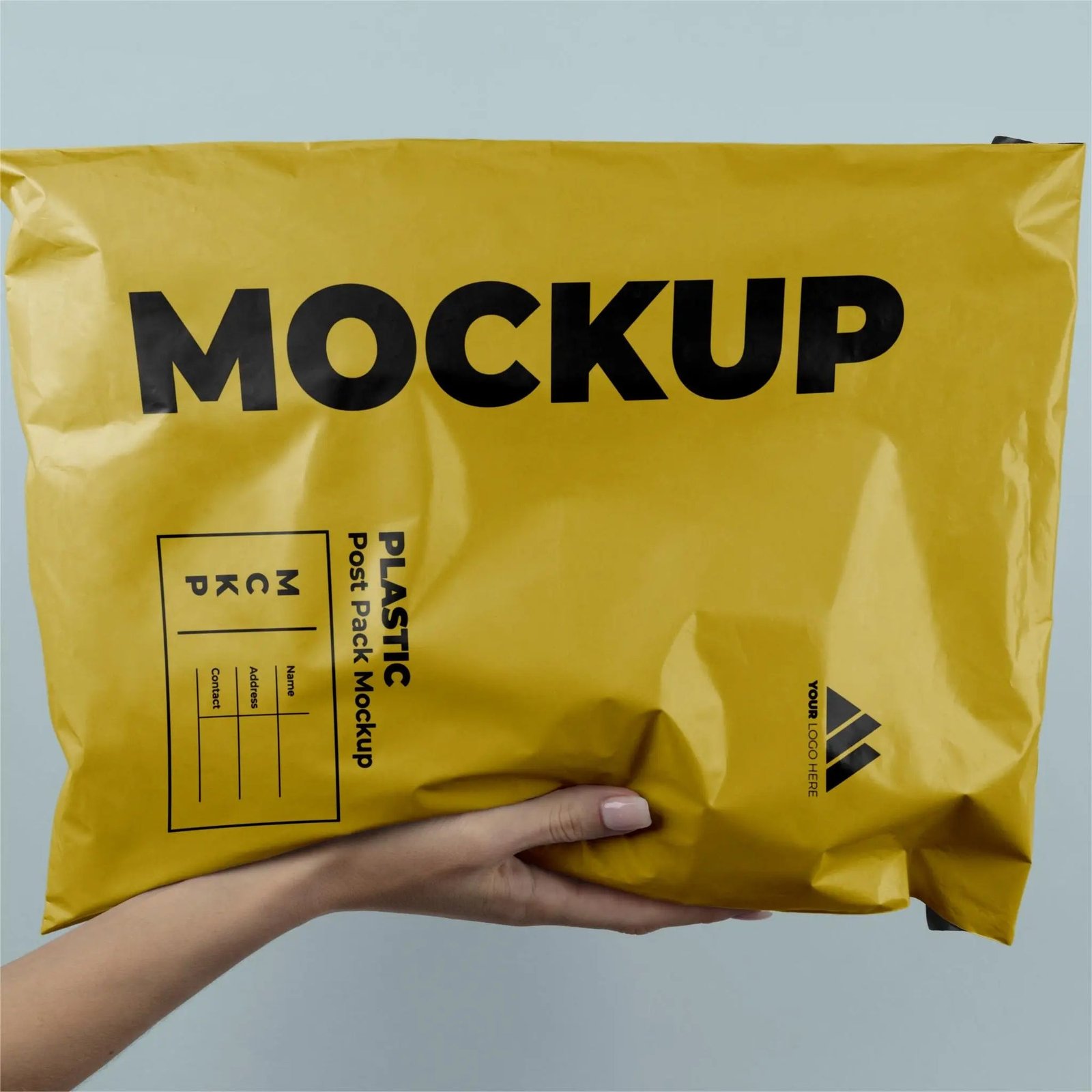
Branded Packaging Sets
Prepare jeans for wholesale, ecommerce or store delivery with branded polybags, tissue, stickers, inserts and outer cartons. Packaging specifications can be aligned with folding methods, label placement and export requirements for your order.
About JUNSHEEN Custom Made Mens Jeans
Founded in 2010 in Humen Town, Dongguan, JUNSHEEN helps fashion brands turn custom made mens jeans concepts into production-ready collections. Our team supports OEM, ODM, private-label and wholesale programs from early design review and fabric sourcing through sampling, bulk production and export coordination.
With 200+ skilled workers and monthly capacity above 80,000 units, we bring cut-and-sew denim, knitwear and casualwear capabilities into one accountable supply chain. Brands can start from 100 units per style and color, then scale confidently with in-house washing, decoration, trims, labels, packaging and quality control.
What distinguishes JUNSHEEN is a fit-first development process built for normal, extended, plus-size and oversized ranges from XS to 3XL. Rather than simply enlarging a base pattern, we refine rise, leg proportion, mobility and grading so denim programs deliver a more consistent fit across sizes and repeat orders.

Custom Made Mens Jeans Fit and Denim Expertise
Fit-First Pattern Development
JUNSHEEN develops custom made mens jeans patterns for regular, oversized, and extended-size programs from XS to 3XL. Our team refines rise, thigh ease, leg shape, inseam, and grading increments so the complete size range performs as intended.
- Pattern creation from tech packs, sketches, or reference jeans
- Fit review for waist, rise, hip, thigh, and leg balance
- Size grading engineered for XS–3XL and extended fits
- Prototype, size-set, and pre-production sample support

Purposeful Denim Sourcing
Select denim fabrics around the silhouette, target price, wash direction, and expected wear performance. Through established suppliers, JUNSHEEN sources rigid denim, stretch denim, cotton blends, and recycled options, then coordinates swatches and sample testing before bulk material approval.
- Rigid, stretch, lightweight, and heavyweight denim options
- Fabric recommendations based on hand feel and durability
- Support for wash performance and shrinkage considerations
- Swatches and sample garments available before bulk confirmation

Integrated Private Label Details
Turn approved jeans into a complete branded product with coordinated trims, decoration, and packaging managed in one production workflow. JUNSHEEN supports labels, leather patches, custom hardware, embroidery, printing, and wash effects without shifting essential details across multiple suppliers.
- Woven, leather, main, size, and wash-care labels
- Custom buttons, rivets, zippers, patches, and hang tags
- Embroidery, screen printing, and logo applications
- Stone wash, enzyme wash, garment dye, and finishing options

Repeatable Production Records
For repeat custom made mens jeans orders, JUNSHEEN retains approved patterns, graded size sets, material records, and production specifications. This documentation helps preserve fit and component consistency while making reorders, color extensions, and scalable bulk programs more efficient.
- Approved patterns and size sets retained for reorders
- Material and trim specifications recorded for consistency
- In-line measurement, construction, and final packed-goods checks
- Scalable capacity from 100-unit launches to bulk programs

Why Choose JUNSHEEN for Custom Made Mens Jeans
Built for brands that need dependable fit development, controlled quality and scalable denim production.
← 左右滑动查看 →
Custom Made Mens Jeans Production Process
A controlled denim development workflow that takes your concept from specifications and fabric selection through approved bulk production and export-ready delivery.
Review Design Feasibility
Our team reviews your tech pack, sketch, or reference garment, confirms construction details, target fit, quantities, timeline, and 100-unit MOQ requirements.
Source Denim and Trims
We recommend denim weight, stretch, wash-ready fabric, hardware, labels, and packaging based on your target cost, hand feel, durability, and brand direction.
Develop Patterns and Samples
Pattern makers create and grade fit-focused XS–3XL patterns, then produce prototype samples for measurement, wash, construction, and private-label approval.
Approve Size Set Details
You review revised samples, size sets, washes, artwork, trims, and production specifications before we lock approved materials and pre-production requirements.
Produce and Inspect Bulk
Skilled teams cut, sew, wash, decorate, finish, and pack your custom made mens jeans while in-line and final inspections verify measurements and workmanship.
Pack and Ship Globally
We complete branded packing, final quality checks, export documentation, and shipping coordination so your finished denim program is ready for its destination.
How to Start Custom Made Mens Jeans Production
Move from your denim concept to approved bulk production with clear technical feedback, fit development, and dependable factory coordination.
Send Your Design Brief
Share a tech pack, sketch, reference garment, mood board, or product idea, including target fit, wash, fabric, sizing, branding details, quantity, and delivery market.
Review Feasibility and Quote
Our denim OEM team reviews construction, grading, materials, washes, trims, and decoration, then recommends practical adjustments and prepares a clear quotation for your program.
Approve Samples and Fit
Confirm fabric and trim options, then assess prototype and size-set samples. Pattern makers refine rise, leg shape, mobility, and XS–3XL grading before production approval.
Confirm Bulk Production
Approve the pre-production sample and order details. JUNSHEEN coordinates materials, cutting, sewing, washing, private labeling, inspection, packing, and export support from 100 units per style.
Custom Clothing Manufacturer Credentials and Compliance Documents



Client Results From Custom Made Mens Jeans Programs
JUNSHEEN corrected the rise and thigh balance across our XS–3XL size set during sampling. We approved the second fit round and launched a 240-piece denim capsule on schedule, with fewer return issues than our previous supplier.
Our first order was 100 units in one wash and two inseams. The team matched our reference jeans, handled leather labels and hang tags, and delivered production-ready pieces that helped us sell through 78% of the capsule in six weeks.
Clear sampling updates and dependable measurements made the process easy for our sourcing team. After a 360-unit initial program, we placed three repeat custom made mens jeans orders within nine months with consistent wash and fit results.
Custom Made Mens Jeans FAQ
Clear answers for brands planning denim sampling, private-label production, and repeat bulk orders with JUNSHEEN.
What is the MOQ for custom made mens jeans?
Can you make a sample before I order custom made mens jeans in bulk?
How long does custom made mens jeans production take?
Can JUNSHEEN develop fits from XS to 3XL?
Do you offer private labels, custom hardware, and packaging?
What payment terms do you offer for a first denim order?
Can you ship custom jeans internationally?
How do you protect my denim designs and tech packs?
The Complete Buyer’s Guide to custom made mens jeans
Use this decision framework to specify fits, fabrics, construction, customization, and production requirements, evaluate denim suppliers with confidence, compare commercial tradeoffs, and avoid costly sampling, pricing, and launch mistakes.
1. What Are custom made mens jeans?
100 units per style and color is a practical entry point for custom made mens jeans: a buyer commissions a production specification rather than selecting a finished stock jean. The specification can define fit and grading, denim weight and stretch, wash recipe, thread and hardware, pocket construction, labels, hang tags, and branded packaging. OEM means the factory makes jeans to the buyer’s approved design and technical requirements; private label may use an existing or adapted base block with the buyer’s branding. Made-to-measure is an individual measurement-driven service, while off-the-shelf denim is predesigned inventory with limited changes; neither delivers the same repeatable, brand-owned product program. 12–16 oz rigid denim, 10–13 oz stretch denim, enzyme or stone washes, Pantone-matched thread, custom buttons, rivets, YKK-compatible zipper specifications, leather patches, and wash-care labels are common program variables. A custom route makes commercial sense when a label needs a distinctive fit or wash, a retailer requires exclusive assortment, or a wholesaler needs consistent reorders under its own identity. 2010-founded JUNSHEEN supports development from a tech pack, sketch, reference garment, or product idea, then retains patterns, graded size sets, and material records for repeat production. That structure is most useful when the buyer can consolidate demand around a clear size range, color plan, and minimum 100-unit commitment per style and color.
2. Evolution of custom made mens jeans
1873 marked the patenting of riveted blue jeans, establishing a workwear template that still guides custom made mens jeans: durable denim, reinforced stress points, a button fly or zipper fly, and five practical pockets. Buyers using heritage language should specify rivet finish, bartack placement, pocket shape, stitch color, and branded hardware rather than relying on a generic vintage reference. 1950s through 1990s turned jeans from utility clothing into fashion denim, expanding the assortment from rigid straight legs to slim, relaxed, bootcut, washed, distressed, and color-dyed programs. A current line plan must pair wash direction with fit: heavy stone washing, acid effects, whiskers, and hand sanding can change shade, shrinkage, and hand feel, so approve a washed size set—not only an unwashed prototype. 1–3% elastane in a cotton-stretch denim blend changed everyday fit expectations, while recycled cotton, organic cotton, and documented wet-processing now shape sourcing conversations. For a 100-unit-per-style-and-color private-label launch, retain fabric composition, mill lot, wash recipe, trim specifications, and graded measurements; that traceability supports repeatable reorders as a capsule moves into bulk production.
3. Types of custom made mens jeans
Six core silhouettes cover most first-season demand for custom made mens jeans. Define rise, inseam, and finished leg opening before sampling; a focused three-fit offer gives buyers cleaner customer choice and more dependable size-run forecasting.
| Silhouette | Rise | Inseam Role | Leg Opening | Merchandising Use |
|---|---|---|---|---|
| Slim | Low or mid | Clean break | 6.5–7.5 in | Fashion core |
| Straight | Mid | Versatile break | 7.5–8.5 in | Evergreen anchor |
| Relaxed | Mid or high | Stacked or cropped | 8–9 in | Casual volume |
| Tapered | Mid | Clean break | 6.5–7.5 in | Transition fit |
| Wide-leg | Mid or high | Full-length drape | 8.5–10 in | Trend statement |
| Utility/carpenter | Mid | Workwear stack | 8–9.5 in | Limited capsule |
Close-Fit Denim
Slim jeans use a low-to-mid rise, a close thigh, and a narrow 6.5–7.5 inch leg opening. They suit fashion-led customers and work with fitted shirts, boots, or clean sneakers. Tapered jeans retain more room at the seat and thigh, then narrow below the knee. Use them as the bridge between slim and relaxed demand, not as a second slim fit.
Core Volume Fits
Straight jeans typically pair a mid rise with a consistent leg and 7.5–8.5 inch opening. They are the lowest-risk evergreen fit for broad age groups and repeat wholesale programs. Relaxed fits add thigh ease and often use a 10–12 inch rise. They support casual layering and should replace, rather than overlap, an only slightly roomier straight block.
Statement And Workwear Fits
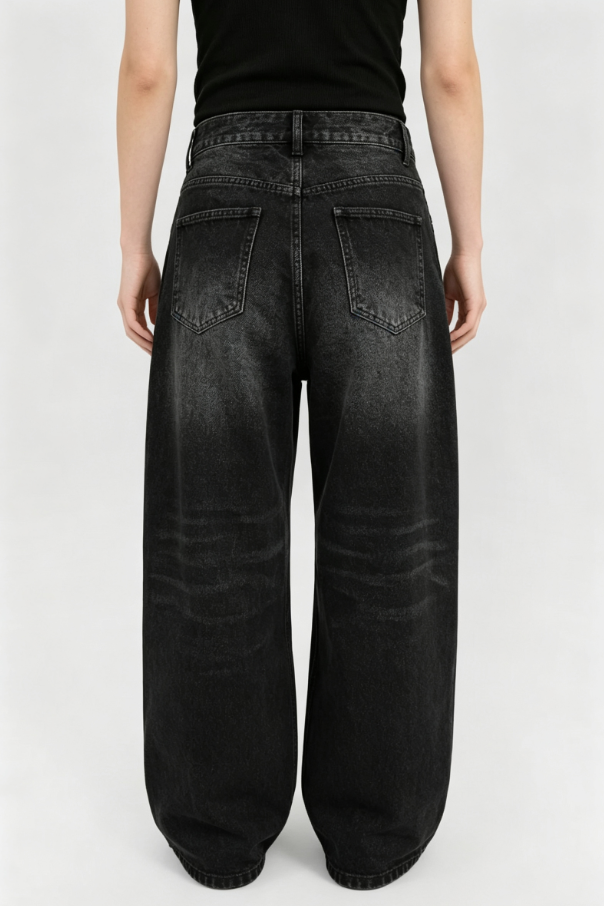
Wide-leg jeans need a deliberate full leg, usually an 8.5–10 inch opening, to read as intentional rather than oversized. They target trend-sensitive customers and deserve dedicated imagery showing full proportion. Utility or carpenter jeans add tool pockets, hammer loops, or reinforced panels to a relaxed or straight base. Limit early colorways to one or two washes because trim and wash combinations multiply inventory complexity.
4. Materials for custom made mens jeans
12–14 oz denim is the usual starting point for custom made mens jeans because yarn, construction, and finishing determine drape more reliably than fiber content alone. Confirm the exact mill lot before approving a wash or graded size set.
| Fabric Type | Typical Weight | Stretch | Hand Feel | Best Use | Tradeoff |
|---|---|---|---|---|---|
| Rigid cotton denim | 12–15 oz | None | Crisp, structured | Straight and vintage fits | Break-in and shrinkage risk |
| Comfort stretch denim | 10–13 oz | 1–2% elastane | Smooth, flexible | Slim and tapered fits | Possible growth after wear |
| Recovery blend denim | 11–13 oz | T400 or polyester blend | Resilient, clean | Travel and fitted programs | Less authentic fading |
| Recycled cotton blend | 11–14 oz | Varies | Dryer, textured | Responsible capsules | Higher sourcing complexity |
Fiber And Stretch

98–100% cotton delivers the crispest break-in and strongest vintage character; 1–2% elastane improves recovery for slim fits. Polyester or T400 blends can stabilize knees and shape, but may reduce the natural fade prized in rigid denim.
Weight, Weave, And Season
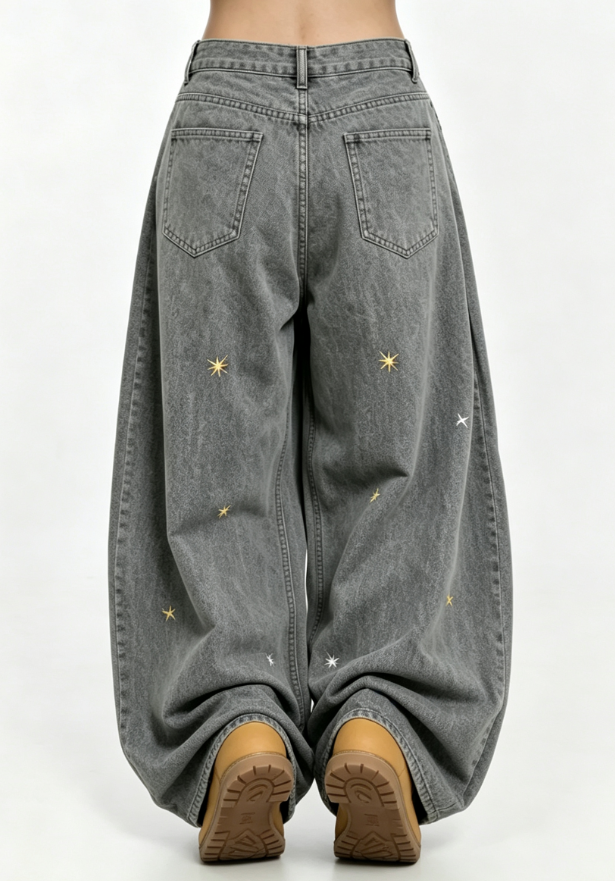
10–11 oz denim suits lighter spring programs, while 13–15 oz fabric gives structured year-round jeans and 16 oz-plus targets heritage or workwear. Right-hand twill is the common balanced choice; broken twill reduces leg twist, and left-hand twill often feels softer after washing.
Finishes And Responsible Options

Enzyme, stone, bleach, and resin processes change shade, softness, shrinkage, and seam contrast, so approve a wash test on the final fabric lot. Organic or recycled cotton requires traceable documentation; request relevant GOTS or OEKO-TEX evidence from the material supplier rather than assuming certification.
MOQ And Cost Planning
100 units per style and color can support a capsule at Junsheen, but custom mill development, specialty yarns, and multiple wash colors raise material minimums. Consolidate fabric across fits and reserve extra yardage for wash tests, replacements, and production variance.
5. Customization for custom made mens jeans
Three customization layers—surface treatment, hardware, and branding—create a recognizable denim program. For custom made mens jeans, lock one signature wash and two identity details before expanding early samples.
| Detail | Visual Impact | Durability Or Compliance | Cost Effect |
|---|---|---|---|
| Enzyme wash | Medium | Test shade consistency | Moderate |
| Hand distressing | High | Check abrasion strength | High |
| Custom hardware | Medium | Nickel-safety review | Moderate |
| Embroidery or print | High | Test adhesion or stitch stability | Moderate |
| Branded packaging | Medium | Confirm recycling requirements | Low to moderate |
Wash And Dye Direction

12–14 oz denim supports enzyme, stone, acid, and garment-dye effects, but each wash needs an approved shade band. Pantone references guide thread and print color, while wash samples must be reviewed after shrinkage and abrasion.
- Start with one core wash
- Approve a shade band
- Test washfastness and crocking
Distressing And Hardware
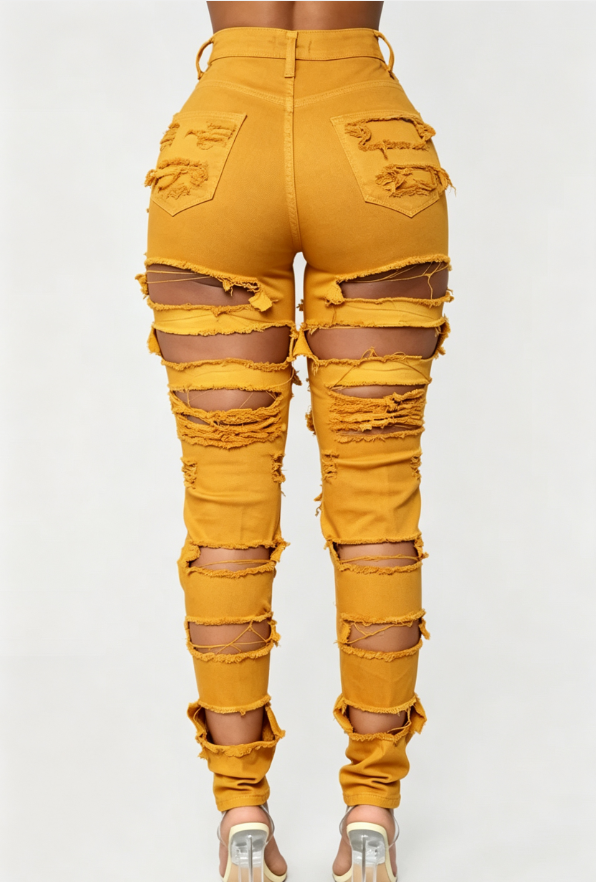
3 distress zones—knee, hem, and pocket edge—usually deliver more controlled character than full-panel damage. Metal rivets and buttons should be nickel-safe where required; secure attachment testing prevents sharp edges and pull-outs.
- Match rivet finish to branding
- Specify button logo artwork
- Limit early distress placements
Branding And Packaging

2 high-recognition placements, such as rear-pocket embroidery and a leather patch, are easier to manage than layered logos. Care labels need fiber content, care instructions, and origin information for the destination market; verify local labeling rules before bulk approval.
- Use woven size labels
- Approve patch color after washing
- Keep packaging damage-resistant
6. Construction Quality in custom made mens jeans
Reliable custom made mens jeans begin with a balanced pattern and repeatable sewing standards. Buyers should lock the construction spec before wash approval, since laundering can expose torque, shrinkage, seam puckering, and uneven abrasion.
Pattern And Seam Control
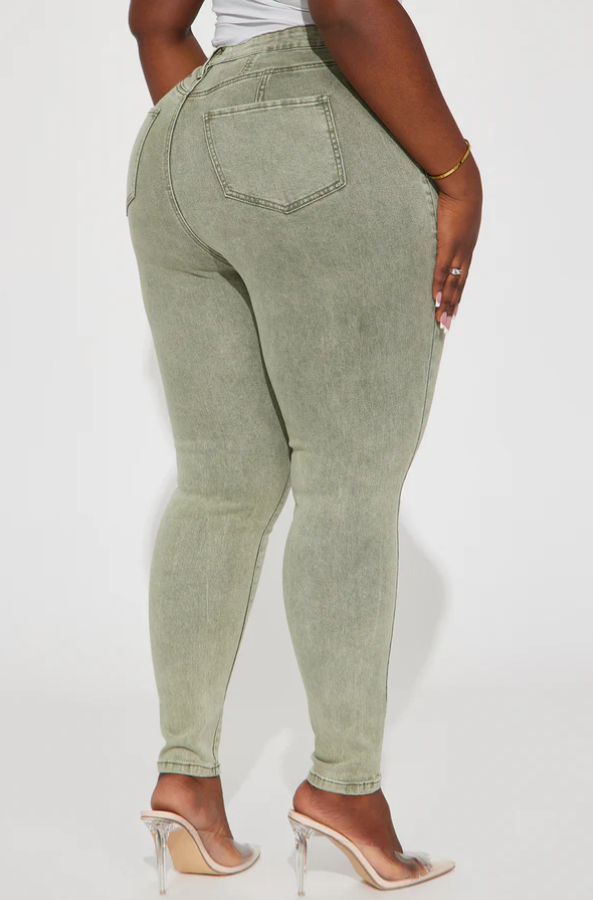
A 1/4-inch or 3/8-inch seam allowance should be specified by seam type, not left to factory convention. Check prototype side seams, yokes, and leg panels lie flat when the garment is hung and worn. Two matched legs should retain the same twist and outseam shape after the approved wash. Record front rise, back rise, inseam, outseam, thigh, knee, and hem tolerances in the tech pack.
- Confirm grainline and leg twist after wash.
- Measure both legs against the graded specification.
- Approve seam allowance callouts at every join.
Stitching And Reinforcement

Eight to 10 stitches per inch is a common denim benchmark for durable lockstitch seams, while heavy thread and correct tension prevent loose loops or broken yarns. Inspect inside and outside seams for consistent stitch length, back-tacks, and no skipped stitches. Bartacks should reinforce high-stress points: pocket corners, fly base, belt-loop ends, and the crotch intersection. Request a pre-production sample showing thread color, chain-stitch detail, and reinforcement placement.
- Check bartacks for full penetration and clean ends.
- Inspect inseam and outseam for puckering.
- Verify belt loops are secured at both ends.
Fly Waistband And Pockets

A zipper fly must open smoothly without catching the fly facing, and the top button must align with the waistband edge. Confirm zipper brand, length, metal finish, and button attachment method in the bill of materials. Rear pockets need approved placement measurements from center back, yoke, waistband, and side seam. Review pocket symmetry on a flat table and on-body, because a few millimeters of variation is visible on fitted jeans.
- Test zipper operation on every final inspection sample.
- Check waistband is level and does not roll.
- Measure rear-pocket height, spacing, and angle.
Wash And Final Inspection
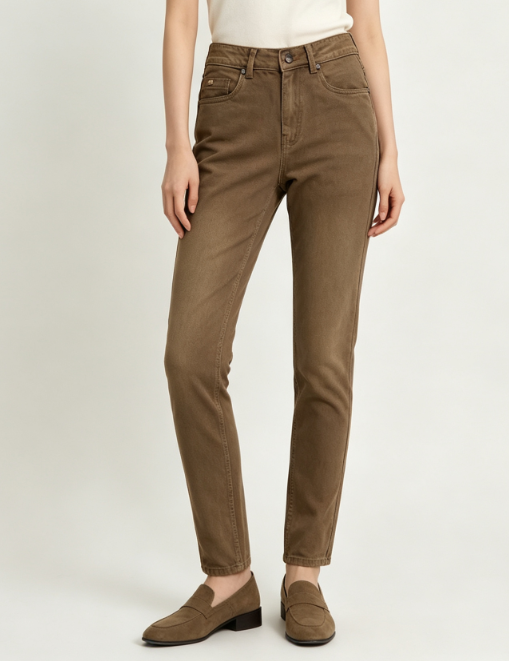
One approved wash standard should define shade, cast, whiskers, abrasion, hand feel, and shrinkage for each colorway. Compare production garments to the sealed approval sample under consistent lighting rather than judging from phone images. Final QC should sample measurements, wash appearance, hardware, pocket symmetry, labels, and packed presentation. For repeat orders, retain the approved pattern, wash standard, and measurement records so the next bulk run starts from the same benchmark.
- Inspect washed garments for leg torque and color variation.
- Compare high-wear areas to the approved wash sample.
- Recheck measurements after laundering and drying.
7. How to Choose a Jeans Manufacturer
A 100-unit starting MOQ can suit a capsule, but it does not prove denim competence. Compare suppliers through documented development, repeatable quality controls, realistic timing, and export-ready communication before approving custom made mens jeans.
Verify Denim Development Depth
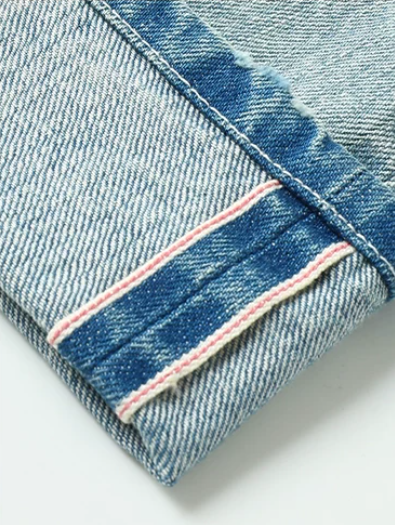
12–14 oz denim samples reveal more than a factory presentation: inspect seam roping, pocket alignment, rise balance, bartacks, and the recovery of any stretch fabric. 1 approved pattern, graded size chart, wash recipe, and construction sheet should be controlled documents. Ask who owns revisions and whether the supplier can reproduce the same wash across a repeat order.
- Request a washed size set, not one showroom sample
- Compare inseam twist after wash
- Check shade variation across three garments
Test Sampling Communication
2 sample rounds are common when fit and wash are developing, so require dated comments, annotated measurement points, and photo confirmation of every correction. 24–48-hour replies are useful, but clarity matters more. Confirm the sampling calendar, approval gate, fabric lead time, and the point when changes affect bulk delivery.
- Tech pack and graded measurement chart
- Pantone, trim, and label approvals
- Written sample revision log
Audit Production And Export Controls
200 skilled workers and 80,000-plus monthly units indicate Junsheen’s stated operating scale, while a buyer should still ask for the capacity reserved for its own program. 100-unit runs require the same incoming-fabric, in-line, measurement, decoration, and final-packed-goods checks as bulk orders. Request an inspection standard, defect policy, shipping terms, and export-document process before paying a deposit.
- Ask for OEKO-TEX, GOTS, WRAP, or BSCI evidence when required
- Confirm final balance timing before shipment
- Review carton markings and packing list format
8. Common custom made mens jeans Buying Mistakes
A 100-unit launch can expose specification gaps that stay hidden in a single prototype. For custom made mens jeans, disciplined pre-production decisions prevent costly rework, late deliveries, and inconsistent retail fit.
Copying Fit Without Grading
XS–3XL patterns cannot be created by enlarging one reference jean uniformly. Require a graded measurement chart covering waist, hip, rise, thigh, knee, inseam, and leg opening; this prevents distorted proportions, returns, and a second size-set round. Two fit models should be reviewed when the target customer spans regular and extended sizes. Confirm mobility in sitting and walking, because an untested rise or thigh grade can turn an approved sample into bulk fit claims.
Selecting Fabric Too Early

11–13 oz stretch denim suits a different wearer and price point than 14–16 oz rigid denim. Define customer, climate, intended silhouette, retail price, and wash level before requesting fabric; this avoids an unsuitable hand feel and margin-damaging fabric changes. 2–5% dimensional change can materially alter inseam and waist after laundering. Ask for wash-test results and set finished-garment tolerances before bulk cutting, preventing shrinkage disputes and rejected inventory.
Rushing Washes And Approval

Three wash references—base shade, abrasion placement, and contrast level—are better than a vague ‘vintage wash’ note. Specify enzyme, stone, bleach, tint, whiskers, and hand-sanding boundaries; this avoids uneven lots, unexpected damage, and resampling delays. One prototype is not enough for a production approval. Review wash, measurements, construction, labels, and trim function on a pre-production sample, then record signed revisions to prevent costly mid-bulk corrections.
Overtrimming And Misquoting
Six branded components can create more failure points than one well-chosen leather patch. Limit trims to items that support the product story and test zipper, button, rivet, and label placement; this prevents breakage, clutter, and slower assembly. Three quotations are comparable only when fabric weight, composition, wash, hardware, packing, MOQ, and delivery terms match. Send one controlled specification sheet to every factory, preventing false savings that reappear as lower quality, exclusions, or schedule changes.
9. Steps to Launch custom made mens jeans
A first custom made mens jeans program moves fastest when every approval is dated and documented. Allow 8–16 weeks from a complete brief to delivery, depending on fabric availability, wash complexity, revisions, and freight.
Set Positioning And Fit
Week 1: define customer, price point, silhouette, inseam range, target retail market, and launch quantities. Supply reference garments, measurement priorities, color direction, and fit notes. JUNSHEEN converts the brief into a feasibility review, pattern direction, and MOQ-based production plan. Approve the fit brief before development starts; late silhouette changes restart pattern and wash work.
- Name the target body type and intended ease
- Specify waist, rise, thigh, knee, and hem priorities
- Confirm starting quantity by style and color
Build The Technical Package
Week 1–2: provide a tech pack or a clear sketch with front and back views, construction callouts, Pantone references, trim placement, labels, and packaging requirements. JUNSHEEN reviews manufacturability, creates patterns and grading where needed, and recommends fabric and trim options. Buyers should approve specifications and quotation before prototype cutting.
- Measurement spec with tolerances
- Bill of materials and wash target
- Artwork files for labels and hardware
Approve Samples And Washes

Weeks 2–6: assess the prototype for balance, comfort, stitch quality, hardware, and wash appearance. Denim shrinkage, stretch recovery, and abrasion must be judged after the intended wash, not from raw fabric. Approve revisions in writing, then review a graded size set and wash standard. The approval gate is a signed pre-production sample matching bulk fabric, trims, labels, and finish.
- Prototype: fit and construction
- Size set: grading across the approved range
- Pre-production sample: bulk-production standard
Run Bulk And Release
Weeks 6–16: bulk work proceeds through cutting, sewing, washing, finishing, packing, and final inspection. JUNSHEEN checks incoming fabric, in-line construction, measurements, decoration, and packed goods. Buyers should lock shipping marks, destination requirements, balance timing, and freight instructions before final packing. Release shipment only after final approval and balance settlement.
10. custom made mens jeans Pricing and Cost
100 units per style and color is a practical starting point for a capsule program; prices below are indicative FOB China estimates in USD for a standard five-pocket jean. Compare quotations only after matching fabric, wash recipe, construction, size range, labels, packing and inspection scope. 10–14 oz denim, elastane content, enzyme or stone washing, distressing, laser work, metal hardware, leather patches and custom packaging can each move the quote materially. Sampling, freight, duties and destination delivery are normally separate costs, so the lowest unit figure is not automatically the best landed-value choice.
| Quantity Tier | Indicative Unit Price | Typical Specification | Bulk Lead Time |
|---|---|---|---|
| 100–299 units | US$18–32 | 10–12 oz denim, basic wash, woven labels | 30–45 days |
| 300–499 units | US$15–27 | Stretch denim, branded trims, moderate wash | 30–45 days |
| 500–999 units | US$13–23 | 12–14 oz denim, custom patch, detailed wash | 35–50 days |
| 1,000+ units | US$11–20 | Repeatable bulk specification, consolidated materials | 35–55 days |
Start Your Custom Made Mens Jeans Sampling Project
Send your tech pack, sketch, or reference garment for fit-focused OEM development and a clear quotation from 100 units per style and color.