
Jean Manufacturers for Fit-Focused Private-Label Denim
JUNSHEEN helps global brands launch custom denim with 100-unit MOQs, OEM/ODM development, and XS–3XL grading from experienced jean manufacturers.
Featured Products for jean manufacturers Development






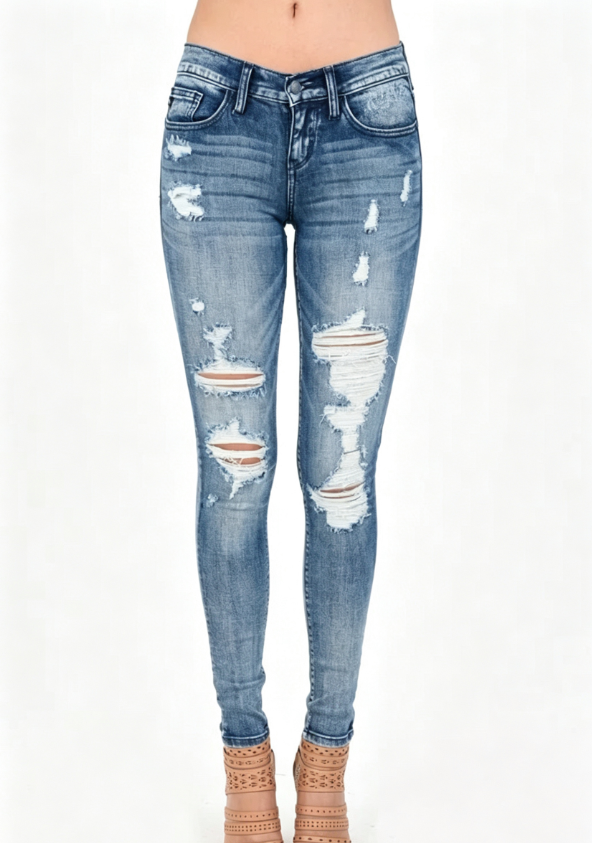
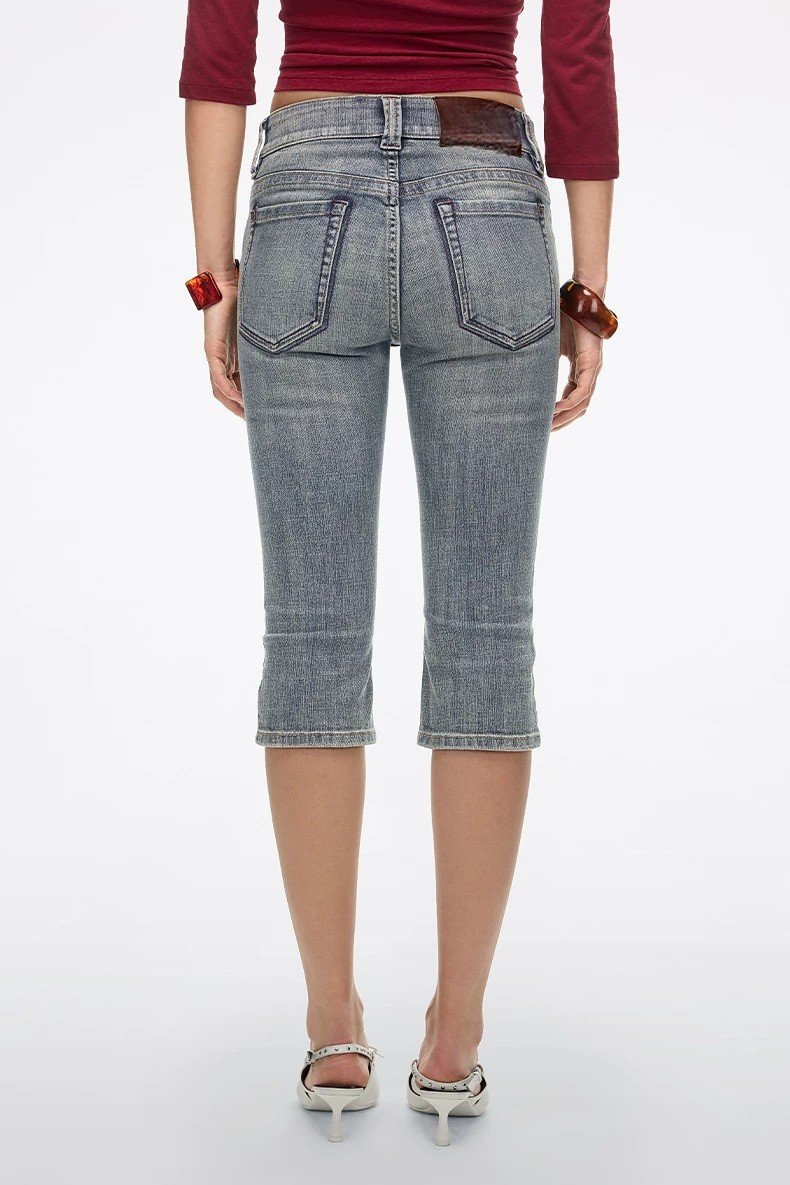
Related Denim Product Catalogue and Quotation


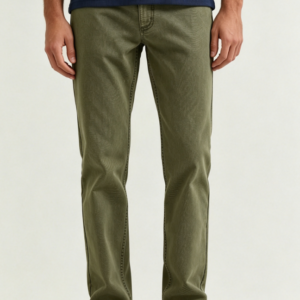

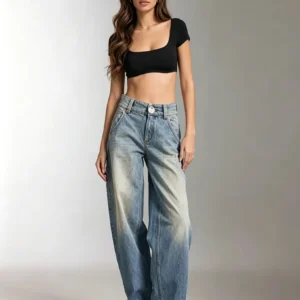


Why Brands Choose JUNSHEEN Jean Manufacturers
From first sample to repeat bulk orders, JUNSHEEN provides practical denim development, dependable production control, and export-ready support.
100-Unit Denim MOQ
Launch custom jeans, denim shorts, or capsule collections from 100 units per style and color without sacrificing production-ready standards.
Fit-Focused Size Grading
Patterns are refined from XS to 3XL with attention to rise, mobility, proportions, and grading increments for consistent denim fits.
One-Stop Development
Turn a tech pack, sketch, reference garment, or idea into approved denim samples with fabric sourcing, patterns, trims, and packaging.
Scalable Production Capacity
More than 200 skilled workers and monthly capacity above 80,000 units support growth from initial runs to ongoing bulk programs.
In-House Denim Finishing
Add distinctive value through embroidery, printing, custom labels, hardware, acid washes, stone washes, softening, and branded packaging.
Global Export Support
Receive clear production coordination, quality inspections, packed-goods checks, and shipping support for denim orders serving international fashion markets.
Core Denim and Casualwear Manufacturing
Develop fit-led apparel programs from low-MOQ launches to scalable production, with coordinated materials, grading, decoration, finishing, and private-label support.

Custom Hoodies
Develop custom hoodies in fleece, French terry, and heavyweight jersey with branded labels, drawstrings, embroidery, screen printing, washes, and XS–3XL grading. Start from a tech pack, reference garment, or concept and scale from 100 units per style and color.
Request a Quote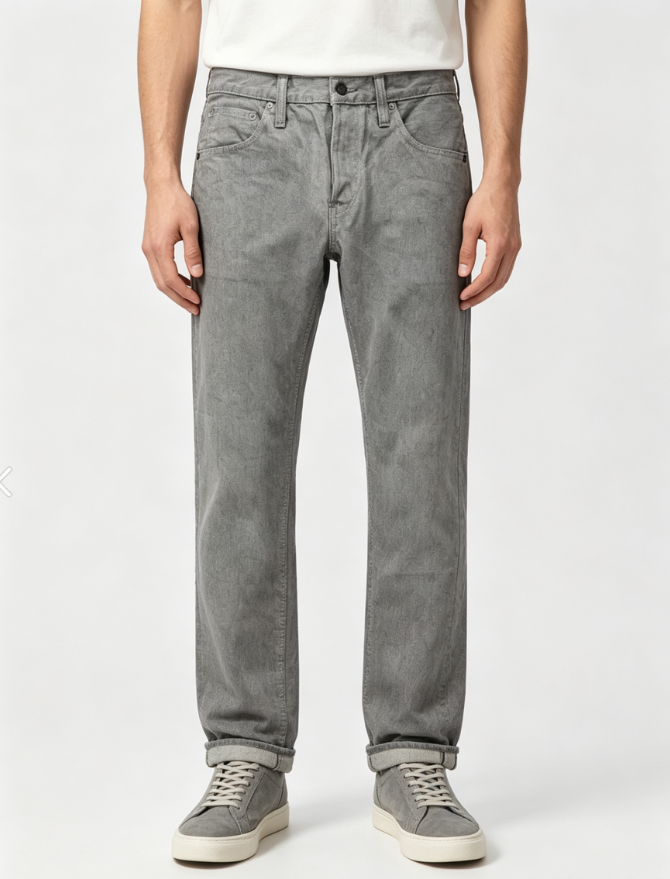
Custom T-Shirts
Produce custom T-shirts in cotton, Pima cotton, organic cotton, combed jersey, and performance blends. Junsheen supports weight and hand-feel selection, fit development, oversized and extended-size grading, plus screen print, DTG, DTF, embroidery, labels, and packaging.
Request a Quote
Custom Jeans
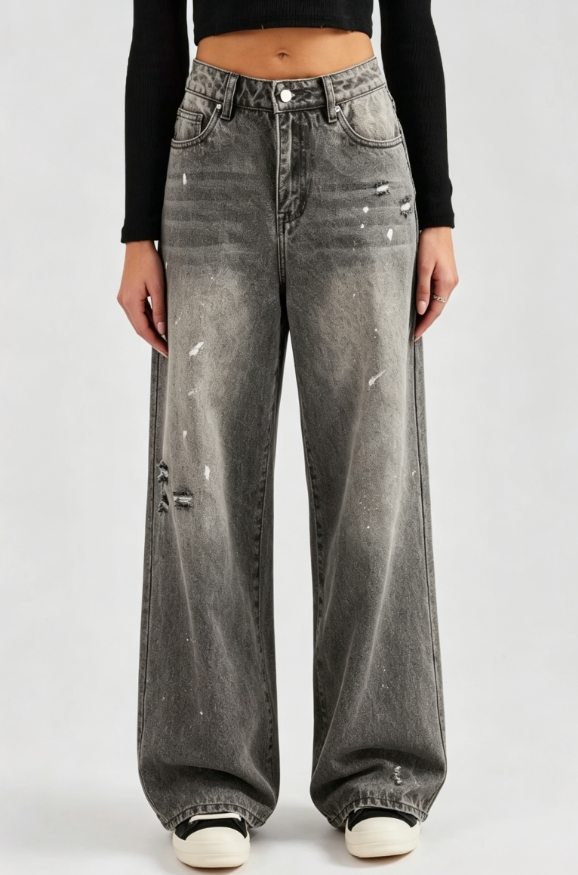
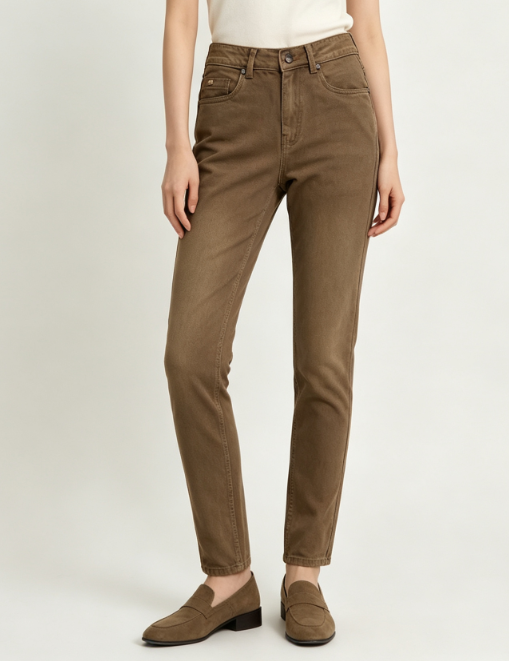
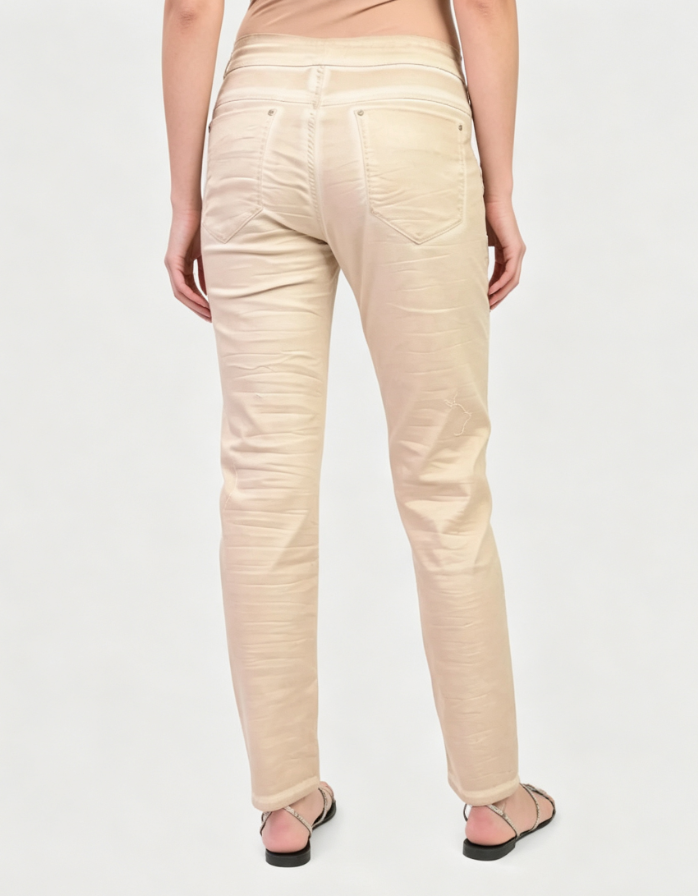
Manufacture custom jeans in rigid or stretch denim with fit-focused pattern development, washes, trims, and private labeling. Pattern makers refine rise, leg shape, mobility, and grading from XS–3XL to support consistent fits across standard, extended-size, and oversized programs.
Request a Quote
Custom Sweaters
Source and produce turtleneck sweaters in bulk using appropriate yarns, gauges, and knit constructions for your target price and hand feel. Development includes neckline proportion, body balance, size grading, trims, labeling, sampling, and repeat-order material records.
Request a Quote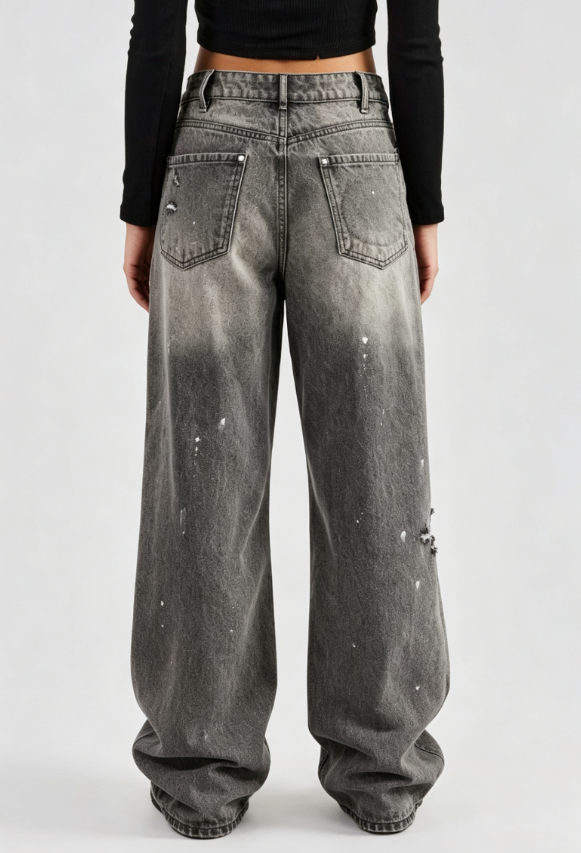
Custom Jackets
Build custom jean jackets in denim, stretch denim, twill, or mixed-material constructions. Junsheen manages pattern development, pockets, seams, hardware, logo patches, embroidery, garment washing, and size grading for men’s, women’s, unisex, and extended-size collections.
Request a Quote
Custom Sweatshirts & Crewnecks
Produce custom crewneck hoodies, sweatshirts, and crewnecks in fleece or French terry with refined rib specifications, fit, and decoration placement. Choose screen printing, puff effects, embroidery, garment dye, acid wash, labels, and packaging for capsule or bulk programs.
Request a Quote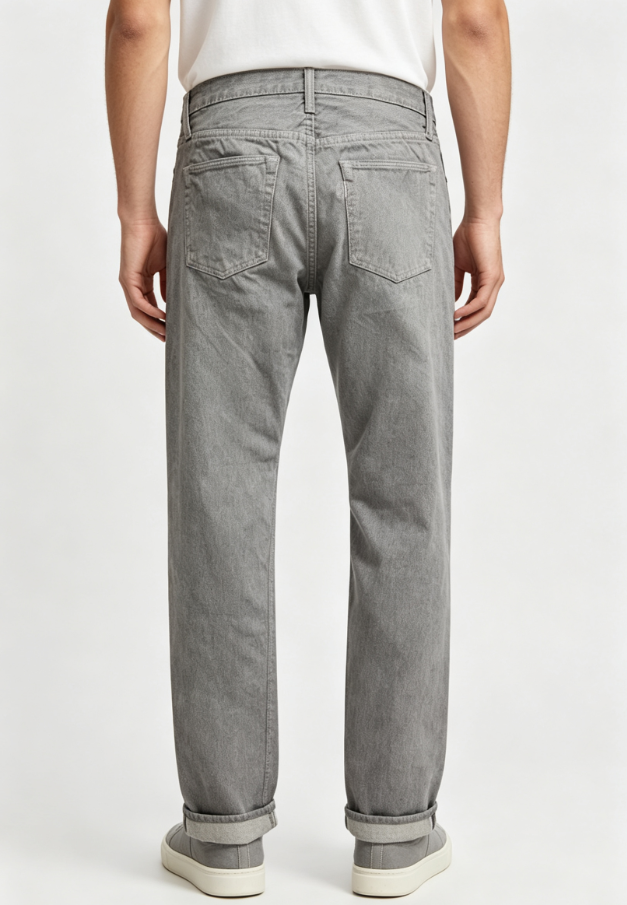
Custom Cardigans
Develop custom cardigans in knitwear constructions matched to the desired weight, drape, and durability. Junsheen supports yarn sourcing, gauge selection, button and trim development, logo embroidery, graded size sets, private labels, and pre-production approval.
Request a Quote
Custom Puffer & Down Jackets
Manufacture custom puffer jackets and down-style outerwear with selected shell fabrics, insulation options, quilting layouts, zippers, snaps, reflective details, and branded trims. Sampling verifies construction, measurement, fill distribution, and mobility before scalable bulk production.
Request a Quote
Custom Denim Shorts
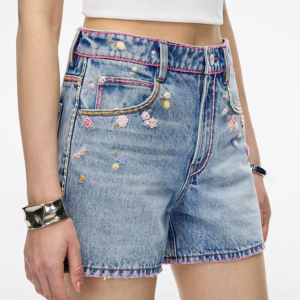
Produce custom jean shorts in rigid or stretch denim with controlled inseams, rises, leg openings, distressing, washes, hardware, and labels. Fit development supports men’s, women’s, unisex, plus-size, and oversized shorts across graded XS–3XL size sets.
Request a Quote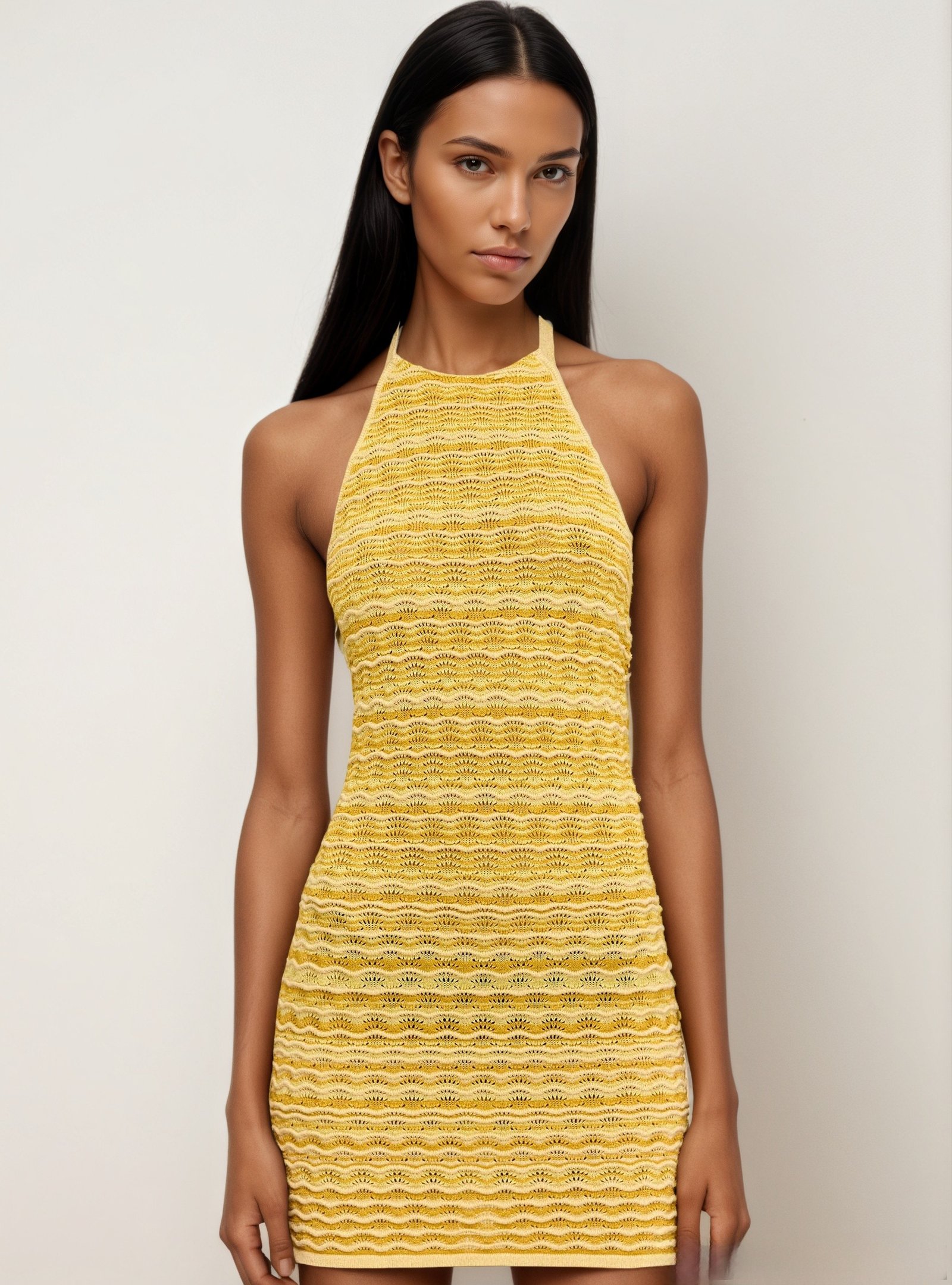
Custom Sweater Dresses
Create custom sweater dresses with yarn, gauge, silhouette, and length specifications aligned to your collection. Junsheen develops fit through the body, sleeves, and hem, then supports size grading, trims, private labels, sampling, and bulk knitwear production.
Request a Quote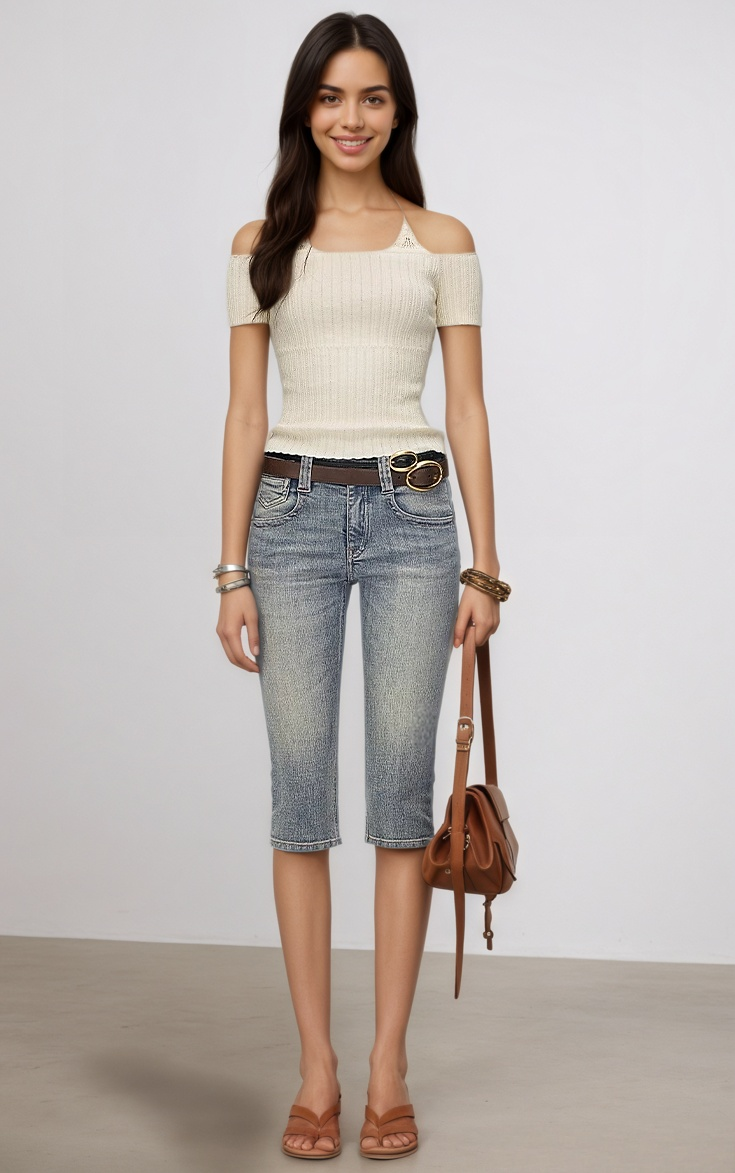
Custom Denim Sets
Manufacture coordinated men’s denim suits and denim sets for wholesale, retail, or private-label programs. Match jackets, overshirts, jeans, or shorts through shared fabric, wash, color, hardware, and fit standards while maintaining separate production-ready specifications for each piece.
Request a Quote
Custom Polo Shirts
Produce custom polo shirts in piqué, jersey, or performance knit fabrics with collar construction, plackets, buttons, embroidery, and sizing tailored to your market. Junsheen supports branded labels, color matching, fit development, and low-MOQ production from 100 units per style and color.
Request a Quote
Custom Sweatpants
Manufacture custom sweatpants in fleece, French terry, and jersey with fit-focused rises, inseams, cuffs, waistbands, pockets, and drawstrings. Add embroidery, screen printing, washes, labels, and coordinated colorways for matching casualwear programs.
Request a Quote
Custom Shorts
Develop custom shorts in jersey, fleece, twill, woven, denim, or performance fabrics. Junsheen helps define inseam, rise, pocket construction, waistband, trim, and decoration requirements, then grades the approved fit for standard, extended-size, and oversized production.
Request a Quote
Custom Pullovers
Produce custom pullovers in jersey, fleece, French terry, woven, or knit constructions based on the intended layer and season. Development covers neckline, closures, fit, fabric weight, branding, decoration, grading, sampling, and consistent bulk production.
Request a QuoteDenim Materials Supported by Our Jean Manufacturers

Rigid Cotton Denim
A structured, authentic denim with a dry hand feel for classic five-pocket jeans, trucker jackets, and denim sets. Commonly selected in midweight constructions around 11–14 oz for durable shaping and wash development.

Stretch Denim
Cotton-rich denim blended with elastane for comfortable recovery and easier movement in slim, straight, and curve-fit jeans. Typical 1–3% stretch fiber content helps retain shape through wear and repeated washing.

Organic Cotton Denim
Organic cotton denim offers a natural hand feel for responsible private-label jeans and jackets. Available in rigid or stretch constructions, it can be specified by weight, color, and wash target to align durability with your collection positioning.

Cotton Twill
A smooth, diagonal-weave cotton fabric suited to chinos, workwear trousers, overshirts, and denim companion pieces. Its stable construction delivers crisp structure, while weight can be adjusted for lighter seasonal or heavier utility styles.

Recycled Denim Blends
Recycled cotton denim blends support lower-impact collections while maintaining a recognizable denim hand feel. Best specified with fiber composition and performance targets in mind, as recycled content can influence strength, shade consistency, and wash results.

Cotton Jersey Blends
Soft cotton jersey and blended knits complete denim programs with tees, sweatshirts, and layered casualwear. Choose lightweight single jersey for breathable tops or heavier fleece and French terry for warm, substantial companion styles.
Jean Manufacturers: Denim Washing, Printing & Decoration Techniques

Denim Garment Washing
Enzyme, stone and acid wash options create softened hand feel, worn character or stronger vintage contrast. Wash development is reviewed against the denim fabric, target appearance and approved sample before bulk production.

Logo Embroidery
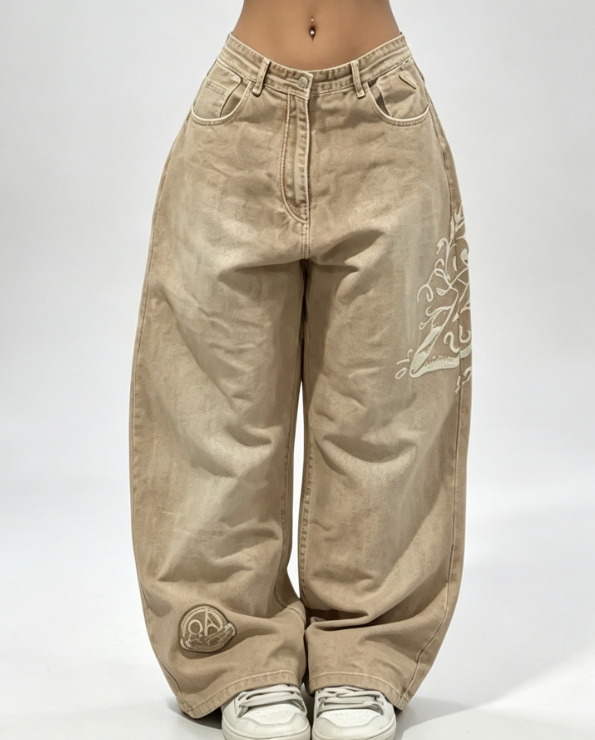
Flat embroidery, 3D puff embroidery, chain stitch and custom patches add durable branded detail to pockets, waistbands and denim jackets. Stitch placement and artwork are checked during sampling for a clean, production-ready result.

Screen Print Effects
Plastisol, water-based, puff, flocking, silicone, high-density, foil and discharge printing support bold graphics on suitable denim and companion casualwear. Process selection considers artwork detail, fabric surface and the intended visual finish.

DTG DTF Transfers
DTG, DTF and heat-transfer decoration provide flexible options for detailed artwork, color-rich graphics and smaller production runs. JUNSHEEN reviews garment placement and print compatibility during development to support consistent application.

Specialty Surface Finishing
Garment dye, brushing, napping and softening treatments can refine color, texture and hand feel for denim programs. These finishing choices are developed through samples so brands can approve the desired look before scaling production.
Custom Trims and Accessories for Jean Manufacturers

Leather and Woven Labels
Add debossed leather patches, woven main labels and size labels to jeans, denim jackets and casualwear. Junsheen coordinates placement, artwork, materials and stitching for a consistent private-label finish.

Custom Buttons and Snaps
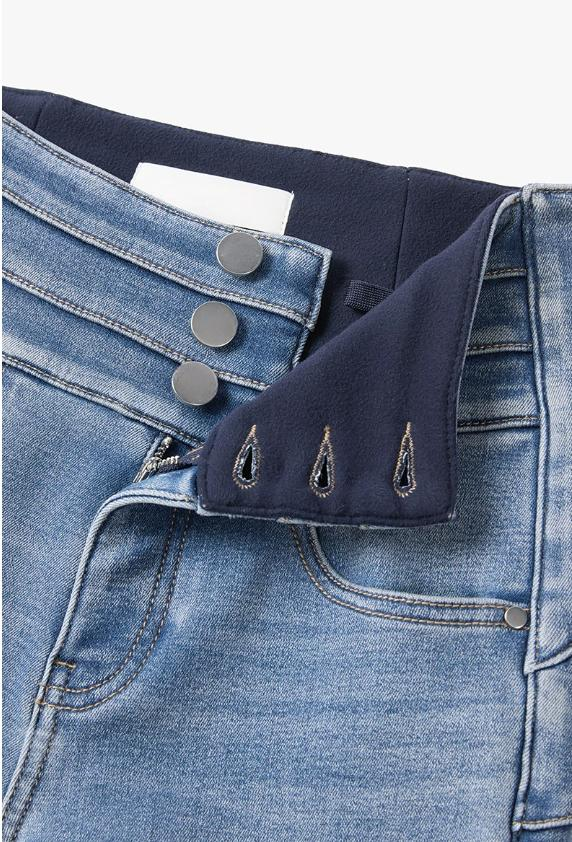
Specify branded jeans buttons, rivets, snap fasteners and metal hardware for denim closures, pockets and outerwear details. Options can be matched to your garment wash, logo treatment and target price point.

Zippers and Pullers
Choose reliable zippers, custom pullers and zipper tapes for jean flies, jackets, pockets and utility styles. Our team helps align hardware color, function and branding with your approved production sample.

Drawcords and Tipping
Develop custom drawcords, aglets and tipped ends for denim joggers, shorts, hoodies and relaxed casualwear. Select cord weight, color, length and finishing details that complement your brand’s intended look.

Hangtags and Packaging
Complete each order with custom hangtags, barcode stickers, polybags, folding instructions and branded packaging. These retail-ready details support clearer merchandising, product identification and a polished unboxing experience.
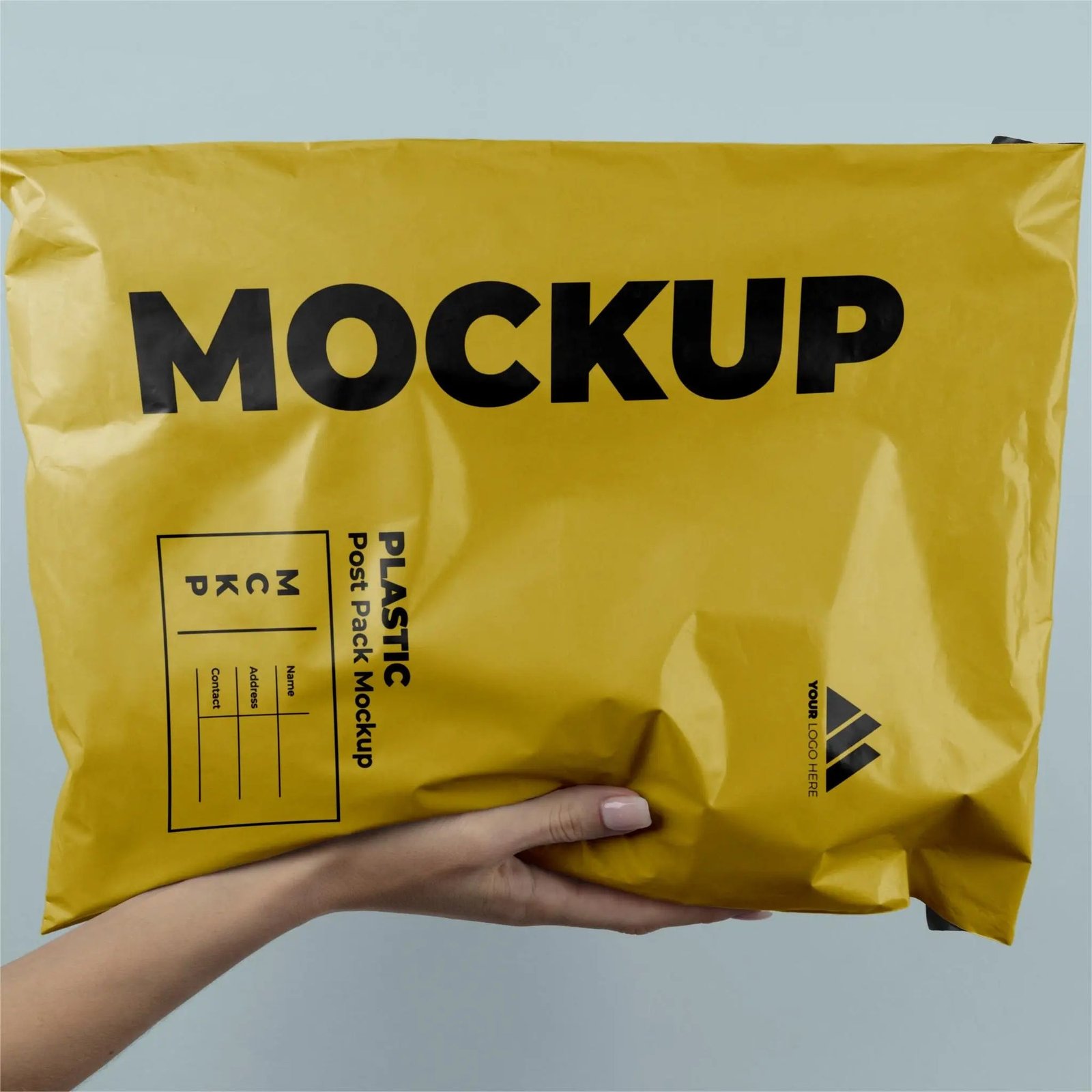
Custom Logo Patches
Apply embroidered, chenille, woven or leather logo patches to jeans and casualwear for distinctive branding. Junsheen can advise on patch construction, placement and attachment methods during product development.
About JUNSHEEN Jean Manufacturers
Founded in 2010 in Humen Town, Dongguan, JUNSHEEN helps global fashion brands turn denim concepts into production-ready collections. As experienced jean manufacturers, we combine OEM, ODM, private-label and product-development support, beginning with a tech pack, sketch, reference garment or early-stage idea.
Our 200+ skilled workers and monthly capacity of 80,000+ units support launches from 100 units per style and color through repeat bulk programs. Cut-and-sew, knitwear, fabric sourcing, pattern making, grading, sampling, denim washing, decoration, quality control, packaging and export coordination are managed through one connected supply chain.
What distinguishes JUNSHEEN is fit-focused development from XS to 3XL, including extended-size, plus-size and modern oversized silhouettes. Rather than scaling a base pattern mechanically, our team refines proportions, mobility and grading so global brands can achieve more consistent fits and scale with confidence.

Jean Manufacturers Built for Fit, Development & Scale
Fit-First XS–3XL Grading
Our jean manufacturers develop denim fits from XS through 3XL, including extended-size, plus-size and oversized programs. Pattern makers refine rise, hip balance, leg shape, inseam, mobility and grading increments instead of simply enlarging a base sample.
- Fit development for regular, plus-size and oversized denim
- Pattern adjustments for rise, proportions and movement
- Size-set reviews before bulk approval
- Consistent grading across the full size range

Development From Concept to Sample
Bring a tech pack, sketch, reference garment or early product idea. JUNSHEEN reviews construction feasibility, recommends denim and trims, creates patterns and prototypes, and resolves production details before your jeans enter bulk manufacturing.
- Tech-pack and specification review
- Denim, stretch and trim sourcing support
- Pattern making and prototype sampling
- Pre-production sample approval process

Integrated Denim Production
JUNSHEEN combines cut-and-sew denim production with embroidery, printing, washing, finishing, labels and packaging in one coordinated supply chain. This integrated approach gives brands clearer control over quality, timing and private-label details from sample through shipment.
- 100-unit MOQ per style and color
- Custom washes, finishing and decoration
- Private-label labels, hardware and packaging
- 200+ skilled workers and 80,000+ monthly capacity
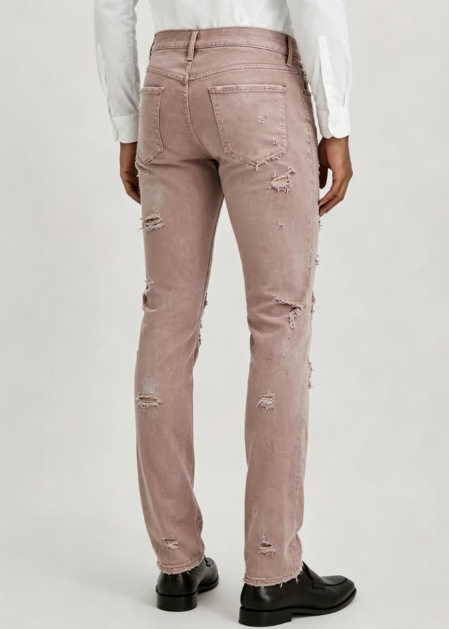
Built for Repeat Orders
Retained patterns, graded size sets and material records help keep repeat denim programs consistent as demand grows. Our jean manufacturers support capsule launches and ongoing bulk orders with documented specifications, in-line inspections, final quality control and global export coordination.
- Saved development records for faster reorders
- Incoming, in-line and final inspections
- Scalable production for growing brands
- Global shipping and export support
Why Jean Manufacturers Choose Junsheen Over Typical Suppliers
Integrated development, fit-first grading, controlled production and export support for denim programs that need to scale reliably.
← 左右滑动查看 →
Jean Manufacturers’ Denim Production Process
A controlled OEM workflow that moves custom denim from feasibility review to export-ready delivery with clear approvals at every stage.
Review Denim Feasibility
Our team reviews your tech pack, reference garment, fit goals, target price, MOQ, wash requirements, and production timeline before development begins.
Source Fabrics and Trims
We recommend denim weight, stretch, color, hardware, labels, and finishing options based on hand feel, durability, wash performance, and brand positioning.
Build Patterns and Samples
Pattern makers develop and grade fit-focused XS–3XL patterns, then produce prototype samples for measurements, construction, wash effects, and approval feedback.
Confirm Bulk Production
After sample approval, we confirm materials, size sets, artwork, packaging, order details, and production specifications before bulk cutting and assembly.
Decorate, Inspect, and Pack
Skilled teams complete sewing, embroidery, printing, denim washing, finishing, in-line inspections, final measurement checks, labeling, and branded packing.
Ship Global Denim Orders
Final packed goods receive export coordination and shipping support, while retained patterns and material records help streamline consistent repeat denim programs.
Work with Our Jean Manufacturers OEM Team
From initial concept to global delivery, Junsheen keeps denim development clear, fit-focused and production-ready.
Submit Your Product Brief
Send your tech pack, sketch, reference garment, or mood board. Our team reviews construction, fit goals, fabric needs, branding details, quantities, and target market.
Confirm Specifications and Quote
We refine manufacturability, recommend denim, washes, trims, grading, and decoration, then provide a clear quotation based on your approved specifications and 100-unit MOQ.
Develop and Review Samples
Our pattern makers create prototypes and size-set samples, refining rise, proportions, mobility, wash effects, and labeling until your team approves the production standard.
Approve Bulk Production
After final approval, Junsheen sources confirmed materials and begins bulk manufacturing with in-line checks for measurements, construction, decoration, washing, and finishing consistency.
Inspect and Ship Globally
Final packed goods undergo quality inspection before export. We coordinate shipping support so your approved jeans arrive ready for wholesale, retail, or direct-to-consumer launches.
Custom Clothing Manufacturer Credentials and Compliance Documents



What Brands Achieve With Our Jean Manufacturers
JUNSHEEN refined the rise, thigh, and inseam across our XS–3XL size set before bulk approval. We reduced sampling revisions from five rounds to two and launched our first 600-piece denim capsule on schedule.
Their development team turned our reference jeans into production-ready patterns and matched the wash consistently across three colors. Our initial 100-unit test sold through in six weeks, so we reordered 1,200 units without rebuilding the specs.
We needed a dependable partner for repeat private-label denim orders. Junsheen retained our patterns and material records, which cut reorder approval time by 40% and helped us scale from 300 to 2,500 units per drop.
Jean Manufacturers FAQ
Clear answers on MOQs, sampling, sizing, payments and global delivery for custom denim programs.
What is the MOQ for custom jeans from jean manufacturers?
Can jean manufacturers make a sample before bulk production?
What are typical lead times for custom jean manufacturers?
Can you develop jeans in XS–3XL and plus sizes?
How do payment milestones work for a first denim order?
Do you ship custom jeans internationally?
How do you protect tech packs and design information?
Can JUNSHEEN handle denim washing, labels and packaging in one order?
The Complete Buyer’s Guide to jean manufacturers
Use this practical framework to compare jean manufacturers, assess denim quality and production capabilities, validate supplier reliability, control costs, and avoid the sourcing mistakes that delay launches or weaken your brand.
1. What Are Jean Manufacturers?
100 units per style and color can be enough for a capsule program, but jean manufacturers are factories that turn approved denim-bottom specifications into repeatable production for private-label, OEM, ODM, and wholesale buyers. Their work can cover jeans, denim shorts, skirts, and coordinated denim sets, with control over pattern, grading, construction, wash, trims, and finished-garment quality. Four supply-chain roles should not be confused: a manufacturer develops and sews the garment; a trading company coordinates suppliers and may not own production; a denim mill weaves, dyes, and finishes fabric; and a brand owns the market-facing product, positioning, and sales channel. A capable factory reviews the tech pack or reference sample for manufacturability, identifies missing measurements or wash details, and aligns fabric weight, stretch, shade, and trim choices before sampling. JUNSHEEN starts with feasibility review, fabric sourcing, pattern making, graded size sets, prototype sampling, and pre-production approval, then manages cutting, sewing, decoration where required, garment finishing, and bulk assembly. Incoming-fabric, in-line, measurement, fit, decoration, and final packed-goods inspections should be standard buyer checkpoints, followed by branded labels, hang tags, packing, export documents, and shipment coordination.
2. The Evolution of Jean Manufacturing
1873 established the riveted blue-jean model: hard-wearing cotton denim, reinforced stress points and repeatable workwear construction. That origin still matters because buyers must specify seam strength, bartacks, pocket reinforcement, fabric weight and shrinkage targets instead of approving a jean only by appearance. 1960s global fashion demand moved denim from utility clothing into seasonal, trend-led product, expanding mills, laundries and cut-and-sew supply chains across regions. Modern jean manufacturers therefore need more than sewing capacity: brands should verify fit development, graded size sets, sample turnaround, factory communication and the ability to reproduce approved wash standards at bulk scale. 1970s stretch denim introduced elastane blends and tighter fit expectations, while later laser marking, ozone, enzyme washing and e-flow systems broadened finishing options. Buyers should request swatches and washed samples, then document shade bands, abrasion placement, stretch recovery and post-wash measurements; a 1–3% elastane fabric can behave very differently after finishing. 2020s sourcing decisions increasingly combine speed with evidence. Ask suppliers for material and wash traceability, restricted-substance controls, relevant OEKO-TEX, GOTS, WRAP or BSCI documentation where applicable, and clear inspection records—particularly when selling into regulated markets or making lower-impact claims.
3. Types of Jean Manufacturers
Six operating models dominate denim sourcing, and each shifts responsibility for development, fabric, washing and logistics. Buyers should match the model to their technical readiness, order volume and tolerance for coordinating separate partners.
| Model | Best Buyer | MOQ Reality | Separate Partners? |
|---|---|---|---|
| Full-package OEM/ODM | New labels | 100+ may be viable | Usually no |
| CMT | Technically prepared brands | Often moderate | Usually yes |
| Integrated producer | Repeat-volume programs | Often higher | Sometimes |
| Wash house | Finish-led denim brands | Per wash/color | Yes |
| Sample room | Pre-launch designers | Low, costly | Yes for bulk |
| High-volume exporter | Retail programs | High | Sometimes |
Full-Package OEM And ODM

Full-package factories manage development through packed goods, making them practical for new labels and lean sourcing teams. JUNSHEEN can develop jeans from a tech pack, sketch or reference and supports programs from 100 units per style and color. One supplier reduces handoffs, but approvals for fabric, fit, wash and trims still determine the critical path.
CMT And Integrated Producers

CMT suppliers cut, sew and assemble buyer-nominated materials, which suits brands with approved denim mills, patterns and wash specifications. Their quoted price can look lower because fabric, laundry, labels and freight may remain separate. Vertically integrated denim producers control more upstream inputs and suit repeat programs requiring stable fabric availability. Their minimums are often higher, especially for exclusive fabric developments.
Wash Houses And Sample Rooms

Specialist wash houses deliver enzyme, stone, acid and garment-dye effects after sewing, so CMT users commonly need a separate laundry partner. Wash trials, shrinkage testing and shade approval should precede bulk release. Boutique sample rooms prioritize pattern correction and prototype speed for early collections. Their unit cost is high and their capacity rarely replaces a bulk factory.
High-Volume Exporters
High-volume exporters suit retailers and established brands placing repeat, multi-SKU orders with fixed calendars. Their scale supports standardized operations, but low-volume capsules may receive less flexibility or face higher minimums.
4. Materials Used by Jean Manufacturers
12–14 oz denim is the commercial sweet spot for many jeans, but composition and construction determine far more than weight. Jean manufacturers should match fiber, yarn, stretch, and certification requirements to the intended wearer and wash program.
| Fabric | Typical Construction | Best Garment Use | Commercial Effect |
|---|---|---|---|
| Rigid cotton | 100% cotton, 12–16 oz | Classic five-pocket jeans | Crisp fades; fit needs precision |
| Comfort stretch | Cotton with 1–2% elastane | Straight, slim, daily wear | Better comfort; moderate recovery risk |
| Power stretch blend | Cotton/polyester, 2–4% elastane | Skinny and shaping fits | Strong recovery; less authentic fading |
| Selvedge | Shuttle-loom cotton, 13–18 oz | Premium limited runs | Higher cost; heritage appeal |
Fiber And Yarn Choices

100% cotton produces classic rigid character, strong abrasion resistance, and pronounced fading; organic cotton changes the fiber-sourcing claim, not the need for wash testing. Ring-spun yarn is softer and more even than lower-cost open-end yarn, while recycled cotton usually needs blending to protect tensile strength and appearance.
Stretch And Recovery

1–2% elastane gives modest comfort stretch; 2–4% suits close-fitting jeans but needs recovery testing after laundering. Polyester blends improve strength, drying time, and cost control, yet can reduce the natural fade and hand feel sought by heritage-denim customers. Rigid denim fits through pattern shaping, whereas stretch denim tolerates closer body measurements. Confirm growth, shrinkage, and recovery on washed garments, not only mill swatches.
Weight And Responsible Sourcing

10–12 oz fabric suits lightweight shirts, summer jeans, and fashion layers; 13–16 oz supports durable core denim, and 17 oz-plus targets heavyweight enthusiasts. Selvedge denim has a finished shuttle-loom edge and higher fabric cost, so reserve it for premium storytelling or visible cuff details. GOTS supports organic-fiber processing claims, while GRS verifies recycled content; OEKO-TEX Standard 100 addresses tested harmful substances. Request current scope certificates and transaction documentation before placing certified bulk goods.
5. Jean Manufacturers Customization Options
A 100-unit private-label program can customize far more than a logo: fit, construction, finishing, and brand presentation must work together. Jean manufacturers need approvals on pattern, wash, and hardware before bulk materials are committed.
| Decision | Approve Early | Tech-Pack Specification |
|---|---|---|
| Silhouette and grading | Before pattern release | POM chart, size range, tolerances |
| Wash and distressing | Before bulk cutting | Reference sample, shade, abrasion map |
| Trims and labels | Before material booking | Artwork, dimensions, finish, placement |
Fit And Pattern Decisions
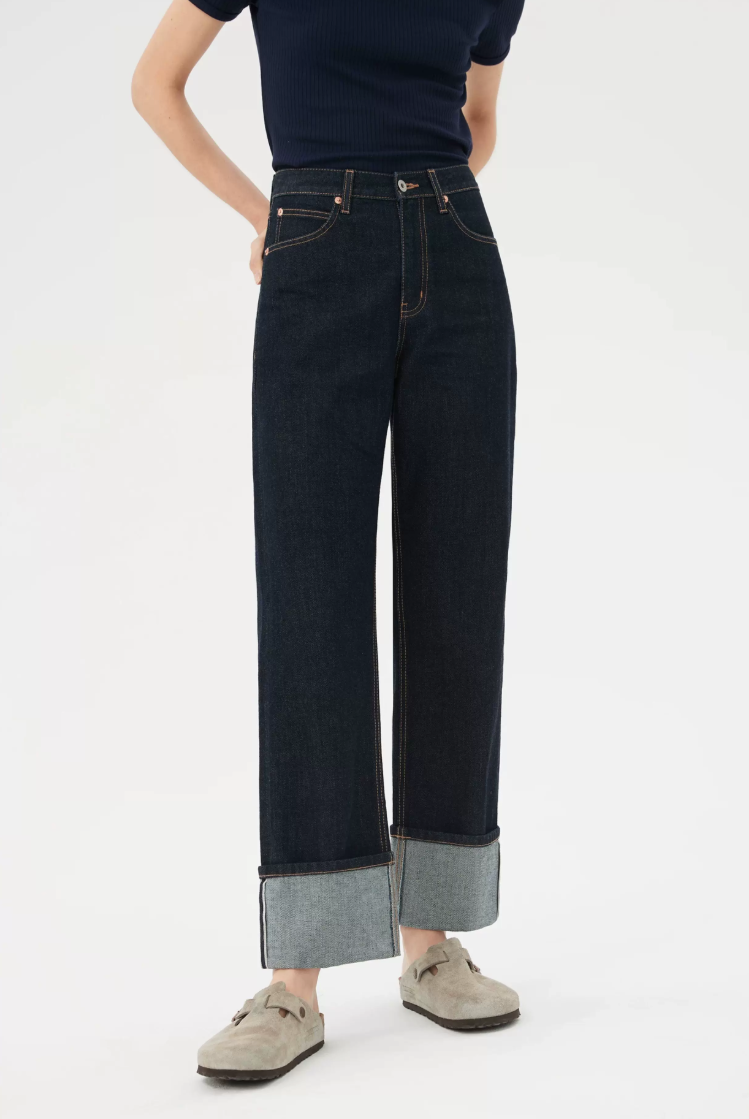
XS–3XL grading should be developed from the intended silhouette, not enlarged from one sample. Specify straight, wide-leg, flare, skinny, or relaxed leg shape; front and back rise; inseam; hem opening; waistband height; and fly type. Two approved fit samples are often more useful than one: confirm measurements and movement before size-set grading. Include a point-of-measurement chart, tolerances, construction sketches, and front, back, and side reference views in the tech pack.
Branding And Detail Choices

5-pocket placement, pocket shape, belt loops, shank buttons, rivets, zipper fly, leather patch, woven labels, and hang tags require early approval because each needs artwork, sourcing, or molds. Call out finish, color, dimensions, placement, and supplier-equivalent hardware in the tech pack. Embroidery, patches, screen print, and printed pocket bags add decoration setup and inspection points. Supply vector artwork, Pantone references, stitch counts, and placement measurements from fixed garment landmarks.
Wash And Color Development
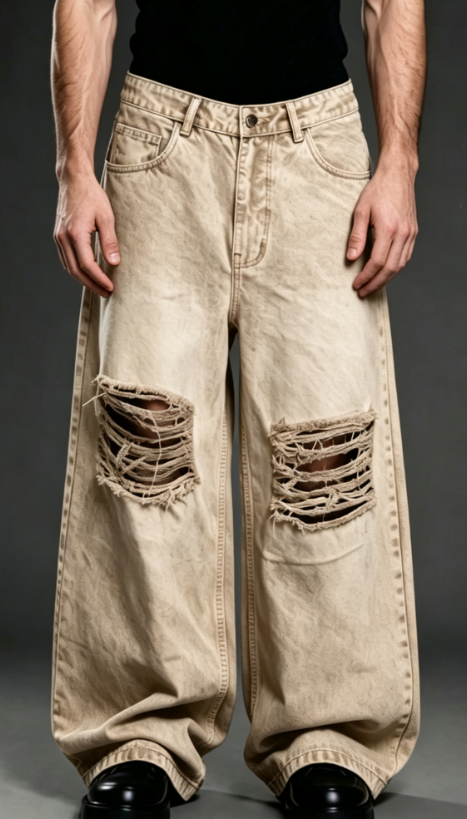
Indigo dye, garment dye, stone wash, enzyme wash, acid wash, whiskering, sanding, and distressing should be approved on the actual denim quality. Wash development changes shade, hand feel, shrinkage, and measurements, so a sealed wash standard is essential before production. Extra wash trials, hand distressing, contrast color effects, and custom hardware typically add cost or lead time. Name the target wash, abrasion zones, thread color, desired stretch recovery, and acceptable shade range on the specification sheet.
6. Key Jean Construction Quality Elements
A jeans sample should be judged after handling, measuring and laundering—not from its wash alone. Experienced jean manufacturers document construction, hardware and tolerances before bulk approval.
Seams And Stress Points
8–10 stitches per inch is a practical benchmark for most denim seams; uneven tension, skipped stitches, or puckering signal risk. Inspect inseams, rises, yokes and outseams for balanced seam allowance and secure chain or lockstitch construction. 3–5 bartacks commonly reinforce pocket corners, fly ends, belt loops and crotch stress areas. Rivets must sit flush without cutting the fabric; loose legs or sharp backs are immediate rejection points.
- Pull pocket corners firmly by hand.
- Check belt loops at both attachment points.
- Look for thread breaks at the crotch.
Hardware And Pocket Function

YKK or equivalent zippers should run smoothly through 10 open-close cycles without snagging, waviness or a dropped puller. The button, buttonhole and fly must align under normal waistband tension. 5–10 mm shifts in back-pocket height or spacing can visibly change fit perception. Compare both pockets against the approved pattern centerline and confirm that opening angles are symmetrical.
Wash, Measurements And Release

2–5% residual shrinkage is common depending on denim, wash and finishing; approve post-wash measurements, not only cut-panel measurements. Request a tolerance chart for waist, rise, inseam, thigh, leg opening and pocket placement. 100% of packed units should receive a final visual and measurement check to the agreed sampling plan. Reject inconsistent shade lots, uncontrolled abrasion through yarns, twisted legs, unstable waistbands, or measurements outside approved tolerance.
- Launder the sample before fit sign-off.
- Compare paired legs for shade and twist.
- Measure a flat waistband after recovery.
7. How to Choose Jean Manufacturers
A reliable choice begins with evidence from the exact denim category, not a general apparel catalog. Compare jean manufacturers against one locked specification sheet so price, lead time, and quality commitments remain directly comparable.
| Decision Area | Evidence To Request | Comparison Rule |
|---|---|---|
| Category expertise | Comparable washed samples | Match silhouette and construction |
| Quality system | QC plan and AQL standard | Use identical tolerances |
| Commercial terms | MOQ, lead time, payment schedule | Include every service and cost |
| Export capability | Market references and shipping documents | Confirm destination experience |
Verify Product And Wash Expertise

Ask for recent samples matching your silhouette, fabric weight, stretch percentage, wash recipe, and trim package. Inspect seam alignment, pocket placement, measurements after wash, abrasion consistency, and color transfer. Request the factory’s denim mill options and in-house or partner wash process. Confirm whether laser, enzyme, stone, bleach, tint, and resin effects are tested before bulk approval.
- Request a washed size set, not only a pre-wash sample
- Check shrinkage and twist after the agreed care cycle
- Verify wash wastewater and chemical-control documentation
Compare Commercial Readiness
Use one tech pack, Incoterm, quantity, color count, packaging standard, and target delivery date for every quotation. A low unit quote can omit washing, labels, freight, testing, or costly minimums. Confirm MOQ per style, color, and wash; sample and bulk lead times; monthly capacity; and peak-season scheduling. Junsheen can support programs from 100 units per style and color, subject to product feasibility.
Audit Risk Before Deposits
Request written QC checkpoints for fabric inspection, in-line measurement, wash approval, final AQL inspection, and packed-goods review. Ask which certifications apply to the facility or materials—such as OEKO-TEX, GOTS, WRAP, or BSCI—and verify them independently. Check export references in your destination market, communication response times, payment milestones, and rework policy. Speak with two current clients and clarify who approves lab dips, fit changes, and shipment release.
- Who owns approved patterns and graded files?
- What happens if bulk measurements fail tolerance?
- Which documents accompany export shipment?
8. Common Jean Manufacturer Sourcing Mistakes
A low unit quote can conceal wash risk, grading errors, delayed capacity, and unbudgeted logistics. Emerging labels should turn every sourcing assumption into a measurable approval point before placing a 100-unit denim order.
Price Beyond The Quote
Three cost lines frequently sit outside an initial FOB quote: custom rivets, branded labels, and freight. Request an itemized pro forma showing fabric, wash, trims, packaging, testing, duty basis, and shipping terms. 100-unit launches need a landed-cost sheet per style and color, not a single garment price. Compare like-for-like fabric weight, wash recipe, hardware, and payment terms before choosing jean manufacturers.
Lock Technical Specifications

One reference photo cannot define a production jean. Send a tech pack with Pantone references, measurement spec, construction callouts, wash target, artwork placement, and approved trim details. Three sample checks prevent costly surprises: wash-test shrinkage and crocking, measure the graded size set, and record tolerances. Approve bulk only after those results match the signed specification.
Validate Scale And Assortment
80,000 monthly units means little without confirming the factory’s available line time, wash capacity, and current production calendar. Ask for a capacity window, sampling schedule, and named escalation contact in writing. Two or three core styles are usually safer than launching eight lightly tested variants. Start with proven fits, then add washes and colors after sell-through data supports replenishment.
Write The Quality Agreement
5 mm hem variation and 1 cm waist variation produce very different fit outcomes, so tolerances must be style-specific. Define acceptable measurement variance, defect thresholds, inspection level, packing method, and rework responsibility. 100% visual inspection is not a substitute for agreed acceptance criteria. Attach sealed samples, measurement charts, wash standards, and approved trim cards to the purchase order.
9. Steps to Launch a Jeans Brand
Two decisions should be fixed before contacting jean manufacturers: the target customer and the price-positioning gap the collection will fill. A first drop works best with 2–4 silhouettes, 1–2 washes each, and one clear fit direction.
Define The Commercial Brief
Week 1 should produce a customer profile, competitor price audit, target retail prices, and margin model. The brand owner must approve the assortment, color count, and intended size range before development begins. Three core styles—such as straight, wide-leg, and relaxed—usually create a more manageable first denim line than six unrelated fits. Reserve 15–20% of the calendar and budget for sample changes, testing, and freight delays.
- Set target retail and landed-cost ceilings
- Choose core fits before wash experimentation
- Assign one final approver for every gate
Build Production-Ready Specifications

Each tech pack should state measurements, graded size chart, construction, stitching, wash reference, fabric weight, Pantone colors, trim list, labels, and packaging. A sample cannot reliably substitute for missing tolerances or unclear ownership. 10–14 oz stretch or rigid denim should be selected against the intended hand feel, recovery, shrinkage, and wash result. The brand approves fabric swatches and trim samples before the factory cuts a prototype.
- Include front, back, and detail artwork
- Specify zipper, button, rivet, and thread finishes
- Confirm wash testing and measurement tolerances
Sample, Approve, And Launch
Two to three sample rounds are common for a new fit: prototype, revised fit sample, then pre-production sample. The designated brand approver should sign dated comments, measurements, wash appearance, and final bill of materials at every gate. After approval, inspect incoming fabric, in-line sewing, wash output, measurements, decoration, and packed cartons; book freight only after final inspection clears. 30–60 days after launch, compare sell-through, returns, fit feedback, and reorder lead times before adding washes or expanding sizes.
- Shortlist factories by denim capability and communication
- Keep approved samples and records for reorders
- Order production only against signed pre-production approval
10. Jean Manufacturing Pricing and Costs
100 units per style and color is a practical starting point for a capsule jeans program, but it rarely delivers the lowest unit cost. Order quantity spreads pattern work, marker efficiency, wash setup and trim purchasing across more garments; one-color repeat programs normally price more efficiently than many short colorways. 10–14 oz denim is common for fashion jeans, while stretch content, ring-spun yarns, organic or recycled inputs and premium selvedge constructions can raise fabric cost. Complex pockets, curved panels, contrast topstitching, bartacks, custom hardware and extended-size grading add labor or development time before washing even begins. $0–$300 in development charges is a useful planning allowance for a basic sample or wash trial, with more required for new patterns, custom molds, lab testing or repeated revisions. Enzyme, stone, acid and laser-style distress effects require controlled sampling because wash recipes, hand sanding, rips and repair work affect both yield and consistency. 30–45 days is a typical bulk-production planning window after sample, fabric and pre-production approvals, excluding transit. A usable quote from jean manufacturers needs the tech pack, size range, quantity by color, fabric specification, wash reference, trims, labels, packaging, required testing and Incoterm; freight, duties and destination handling should be budgeted separately.
| Order quantity per style/color | Indicative FOB unit price (USD) | Sample or setup allowance | Typical production lead time |
|---|---|---|---|
| 100–299 units | $18–$35 | $100–$300 | 35–50 days |
| 300–999 units | $13–$28 | $50–$200 | 30–45 days |
| 1,000+ units | $10–$22 | Often amortized or reduced | 25–40 days |
Jean Manufacturers Ready for Your Next Denim Line
Send your tech pack, reference garment, or product idea for tailored sampling, 100-unit MOQ pricing, and scalable denim production.