
Jeans Cloth Manufacturers for Fit-Focused Private Label
JUNSHEEN delivers one-stop OEM and ODM jeans cloth manufacturers services from 100 units, with XS–3XL development and scalable global production.
Featured Products for jeans cloth manufacturers Development




Related Product Catalogue and Quotation

Jeans Cloth Manufacturers Built for Flexible Sourcing
Low-MOQ development, fit-focused production and scalable support for custom denim and casualwear programs.
100-Unit MOQ
Launch denim capsules from 100 units per style and color, then scale proven designs into reliable ongoing bulk production.
Fit-Focused XS–3XL
Pattern makers refine proportions, rise, mobility and grading increments for standard, extended-size, plus-size and oversized denim fits.
OEM to Private Label
Move from tech pack, sketch or reference garment to production-ready jeans with development, sourcing and private-label support.
Custom Washes and Decoration
Add embroidery, printing, garment dye, acid wash, stone wash and branded details through one coordinated manufacturing supply chain.
Scalable Global Production
Work with 200+ skilled workers, 80,000+ monthly units and export support for dependable delivery to worldwide fashion markets.
Custom Apparel Manufacturing Across Every Core Category
From low-MOQ capsule launches to scaled global programs, JUNSHEEN develops fit-focused casualwear, denim, knitwear and outerwear from XS through 3XL.

Custom Hoodies
Develop custom hoodies in fleece, French terry or jersey with your required weight, silhouette and branding. JUNSHEEN supports pattern development, oversized and extended-size grading, embroidery, screen printing, washes, custom labels and packaging from 100 units per style and color.
Request a Quote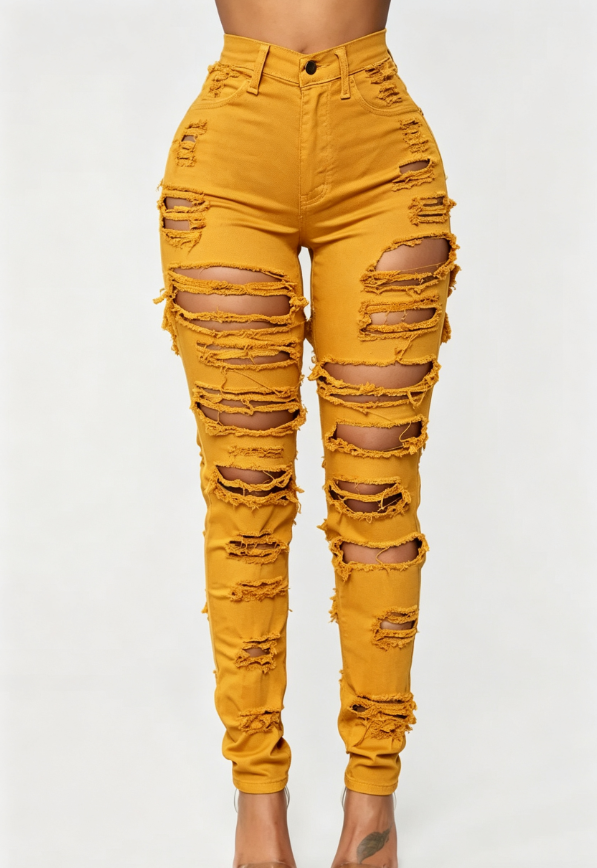
Custom T-Shirts
Produce custom T-shirts in cotton, Pima cotton, organic cotton or blended jersey, built around your target hand feel, weight and fit. Our team develops specs, necklines, size grading and print applications for private-label, wholesale and branded collections.
Request a Quote
Custom Jeans
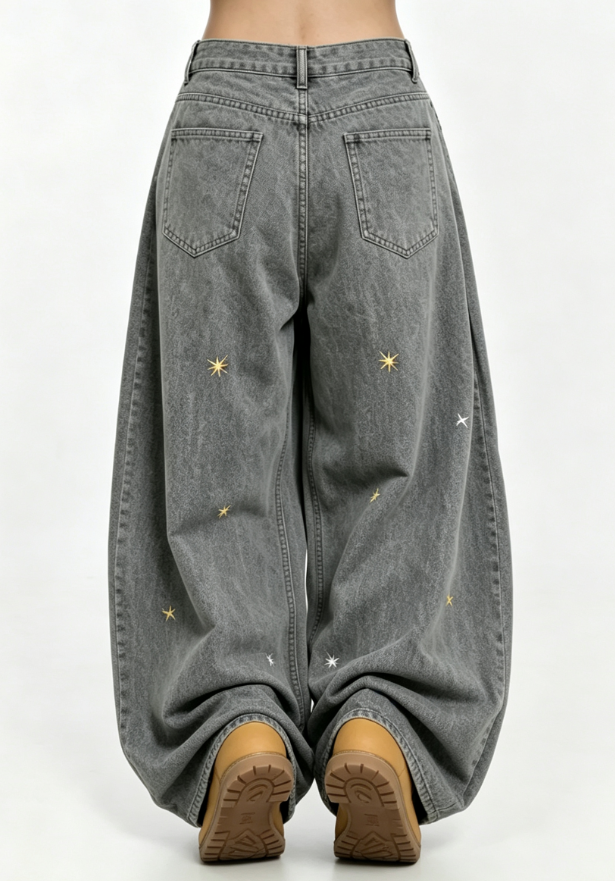
Build custom jeans with fit, rise, leg shape and wash performance defined for your customer. JUNSHEEN supports stretch and rigid denim, pattern making, XS–3XL grading, washes, hardware, labels and repeatable bulk production for modern denim programs.
Request a Quote
Custom Sweaters
Source turtleneck sweaters in bulk with the gauge, yarn blend, neckline structure and body proportions your collection requires. JUNSHEEN develops fitted, relaxed, oversized and extended-size sweater styles, then manages knit sampling, trims, labeling and scalable production.
Request a Quote
Custom Jackets
Develop custom jean jackets in rigid or stretch denim with controlled fit, construction and finishing. Choose washes, distressing, garment dye, embroidery, patches, branded buttons and labels, with pattern adjustments that maintain shoulder balance and mobility across the size range.
Request a Quote
Custom Sweatshirts & Crewnecks
Create custom crewneck hoodies and sweatshirts in fleece or French terry for retail, merch and private-label programs. JUNSHEEN manages silhouette development, rib specifications, print or embroidery placement, washes and XS–3XL grading from low-MOQ sampling through bulk orders.
Request a Quote
Custom Cardigans
Produce custom cardigans with defined yarn, gauge, placket construction and branded trim details. Our knitwear team supports classic, cropped, oversized and extended-size fits, including custom buttons, labels, embroidery and quality checks for shape retention and consistent sizing.
Request a Quote
Custom Puffer & Down Jackets
Develop custom puffer jackets with insulation, shell fabric, quilting layout and functional trims matched to your market. JUNSHEEN supports pattern development, branded zippers, snaps, reflective details, labels and fit grading for lightweight through cold-weather outerwear programs.
Request a Quote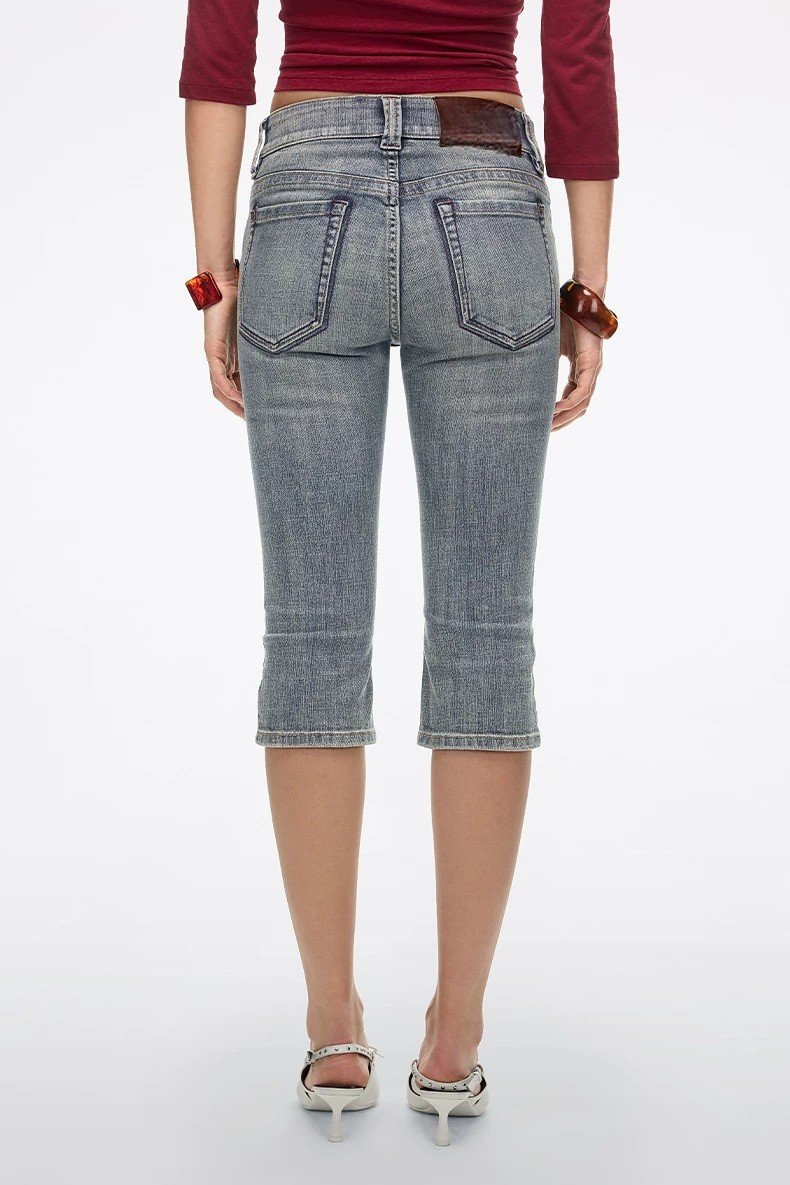
Custom Denim Shorts
Make custom jean shorts with controlled rise, inseam, leg opening and wash character for your target customer. JUNSHEEN develops rigid or stretch denim styles with fraying, distressing, hardware, custom labels and XS–3XL grading for consistent bulk fit.
Request a Quote
Custom Sweater Dresses
Create custom sweater dresses with yarn, gauge, silhouette and stretch recovery tailored to your collection. JUNSHEEN supports ribbed, fitted, relaxed and oversized constructions, extended-size grading, custom trims and sampling to confirm proportion, comfort and shape retention.
Request a Quote
Custom Denim Sets
Develop men’s denim suits for wholesale programs, including coordinated denim jackets, overshirts, jeans and matching separates. JUNSHEEN aligns fabric lots, washes, hardware and fit across the set, with private-label finishing and scalable production for retail or distribution.
Request a Quote
Custom Polo Shirts
Produce custom polo shirts in piqué, jersey or performance knits with your collar construction, placket, sleeve finish and logo treatment. JUNSHEEN supports embroidery, printing, custom buttons, size grading and material selection for uniforms, retail and private-label ranges.
Request a Quote
Custom Sweatpants
Build custom sweatpants in fleece, French terry or performance knits with specified rise, taper, pocket design and waistband construction. JUNSHEEN develops regular, oversized and extended-size fits, then applies embroidery, prints, washes, labels and coordinated set details.
Request a Quote
Custom Shorts
Produce custom shorts across jersey, fleece, twill, woven and performance constructions. Define inseam, pocket layout, waistband, stretch and decoration requirements, while JUNSHEEN manages fit development, XS–3XL grading, trims, labeling and low-MOQ production for seasonal collections.
Request a Quote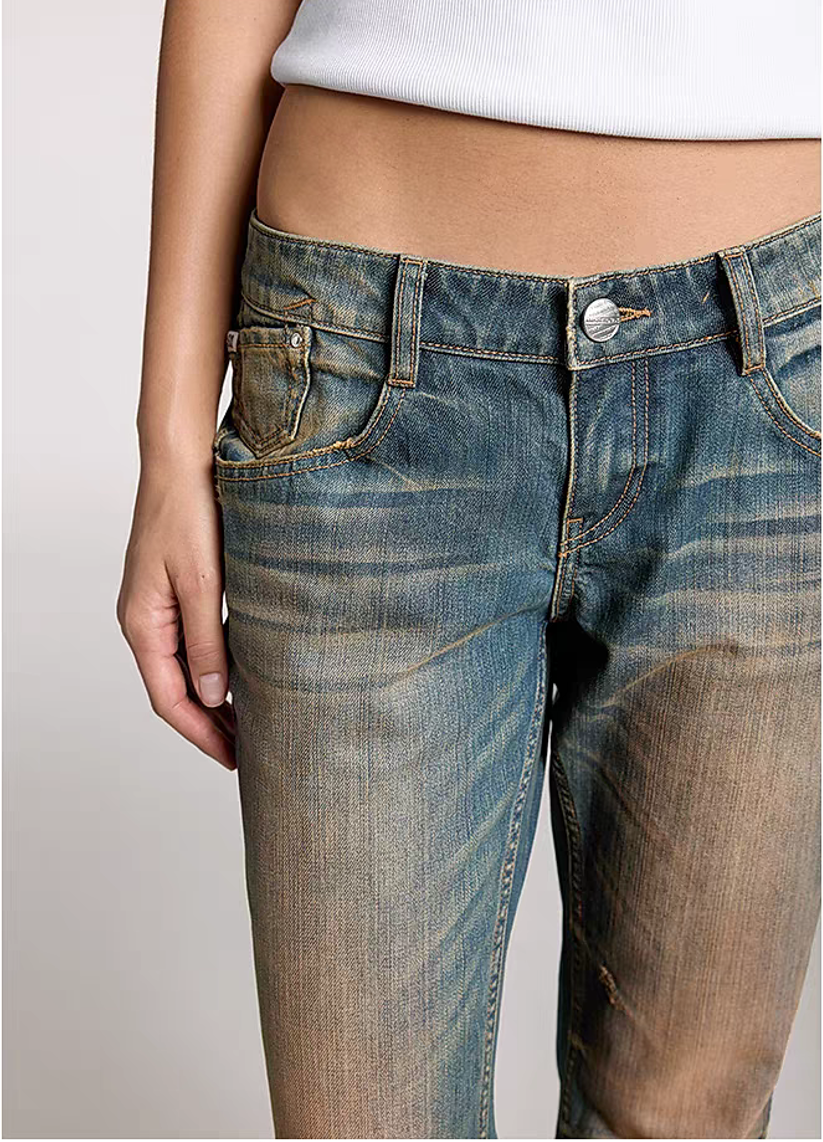
Custom Pullovers
Develop custom pullovers in jersey, fleece, French terry or knit constructions, with attention to neckline, body shape, sleeve proportion and layering comfort. JUNSHEEN supports fit-focused pattern development, branded decoration, washes, labels and repeatable production from 100 units per style and color.
Request a QuoteMaterials Sourced by Jeans Cloth Manufacturers

Rigid Cotton Denim
A structured, authentic denim with a dry hand feel for classic jeans, jackets, and denim sets. Available in varied ounce weights, it gains character through stone washing, enzyme treatments, and garment dyeing.

Stretch Denim
Cotton-rich denim blended with elastane for jeans, skirts, and fitted denim styles. Its controlled recovery supports comfort and shape retention, while multiple weights suit slim, straight, and extended-size fits.

Cotton Jersey
A soft, breathable knit for T-shirts, lightweight tops, and casual layering pieces. Available in combed cotton and blended constructions, its flexible hand feel supports screen printing, DTG, and everyday wear.

French Terry
A midweight loopback knit with a smooth face and absorbent interior for hoodies, sweatshirts, and joggers. Its balanced warmth and drape make it suitable for year-round casualwear collections.

Cotton Twill
A durable woven fabric with a distinctive diagonal texture for workwear-inspired pants, overshirts, shorts, and jackets. Its stable construction holds structure well and performs reliably with garment washing and embroidery.

Recycled Blend Fabrics
Recycled cotton or polyester blends for denim and casualwear programs with defined sustainability goals. Material selection balances fiber content, strength, hand feel, and wash durability before bulk production approval.
Jeans Cloth Manufacturers: Decoration, Washing and Finishing

Logo Embroidery
Flat, 3D puff, chain-stitch, applique, and patch embroidery add tactile logo detail to denim, jackets, hoodies, and knitwear. Secure stitching and material-matched backing help maintain a polished appearance through regular wear and washing.

Screen Printing
Plastisol, water-based, puff, flocking, silicone, high-density, foil, and discharge screen printing create bold branded graphics with controlled color coverage. Our team recommends inks and print methods that suit garment weight, texture, stretch, and wash requirements.

Custom Transfers
DTF, DTG, and heat-transfer applications provide flexible options for detailed artwork, small runs, color-rich logos, and variable placements. Proper curing and placement testing support clean edges, reliable adhesion, and lasting visual impact on casualwear.

Dye Sublimation
Dye sublimation permanently infuses full-color graphics into compatible polyester performance fabrics, producing lightweight prints with no raised hand feel. It is ideal for all-over artwork, gradients, and vivid repeat patterns that remain clear after repeated laundering.

Garment Washing
Enzyme, acid, stone, garment-dye, softening, anti-pilling, brushing, and napping treatments shape the hand feel and visual character of each piece. Sampling helps confirm the intended fade, softness, texture, shrinkage, and finished measurement before bulk production.
Jeans Cloth Manufacturers for Custom Trims, Labels and Packaging

Woven Leather Labels
Add woven, faux-leather or leather labels to jeans waistbands, jackets and knitwear. JUNSHEEN can match your logo, color, dimensions and attachment method for a durable private-label finish.

Custom Zippers Snaps
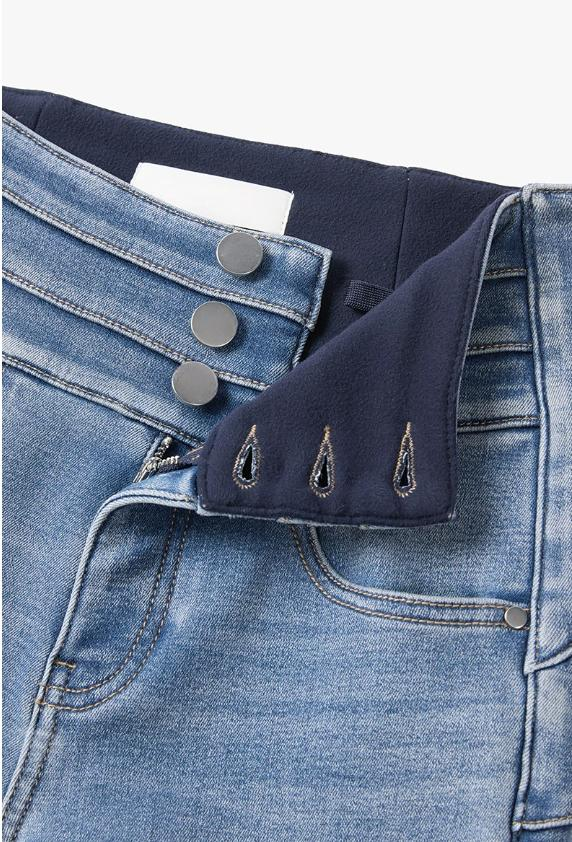
Specify branded zippers, snap buttons and metal hardware for denim flys, outerwear closures, pockets and cuffs. We coordinate finishes, logo details and functional testing to support your design requirements.

Drawcords And Tips
Customize drawcord materials, colors, lengths and tipped ends for hoodies, sweatpants, shorts and jackets. These details reinforce brand identity while providing reliable adjustability and a polished finished garment.

Branded Hang Tags
Create custom hang tags with your logo, product information, barcode space and chosen paper stock. They help retail-ready jeans and casualwear communicate product value from the first customer touchpoint.

Custom Patches Packaging
Use embroidered, woven or silicone patches alongside branded polybags, boxes and packing inserts. JUNSHEEN aligns these finishing components with your private-label specifications for consistent presentation across global shipments.
About JUNSHEEN Apparel Manufacturing
Founded in 2010 in Humen Town, Dongguan, JUNSHEEN helps global fashion businesses turn concepts into production-ready denim and casualwear. As experienced jeans cloth manufacturers, we combine product development, fabric sourcing, pattern making, sampling and export coordination within one responsive apparel supply chain.
Our 200+ skilled workers support monthly output above 80,000 units, serving more than 2,000 fashion-brand clients worldwide. From 100 units per style and color, we provide scalable OEM, ODM, private-label and wholesale programs for emerging labels, retailers, wholesalers and established brands.
What distinguishes JUNSHEEN is fit-focused development from XS to 3XL, including extended-size, plus-size and modern oversized grading. Cut-and-sew, knitwear, embroidery, printing, washing, trims, packaging and quality control are managed together, helping brands keep technical decisions clear from first sample through repeat bulk orders.

Jeans Cloth Manufacturers Built for Production-Ready Apparel
Fit-First Pattern Development
JUNSHEEN develops XS–3XL, plus-size, extended-size and oversized fits with balanced grading rather than simple size enlargement. Pattern makers refine rise, shoulder shape, sleeve length, mobility and body proportion before sampling, helping jeans cloth manufacturers reduce revisions and build reliable size consistency.
- Pattern creation from tech packs, sketches or reference garments
- Fit review, grading and size-set development from XS–3XL
- Prototype and pre-production samples for approval

Purpose-Matched Material Sourcing
Our sourcing team matches denim, stretch denim, twill, jersey, fleece and performance fabrics to your target hand feel, garment weight, wash result and price point. Swatches and sample garments help your team approve materials confidently before bulk production begins.
- Denim, stretch denim, cotton and recycled-fabric options
- Fabric recommendations based on durability, drape and wash performance
- Supplier-network support for trims and bulk-material consistency

In-House Decoration and Finishing
Bring distinct character to denim and casualwear through coordinated embroidery, printing, washing and finishing. JUNSHEEN manages decoration placement and garment effects within one production workflow, making it easier to align samples, labels, trims and final presentation.
- Embroidery, patches, screen printing, DTG and DTF
- Stone wash, enzyme wash, acid wash and garment dye
- Custom labels, hardware, hang tags and branded packaging

Controlled, Scalable Production
With 200+ skilled workers and monthly capacity above 80,000 units, JUNSHEEN supports capsule launches from 100 units per style and color through repeat bulk programs. Quality checks cover incoming fabric, construction, measurements, decoration and packed goods before global shipment.
- Low MOQ from 100 units per style and color
- In-line and final quality-control inspections
- Export-ready packing and global shipping support

Why Brands Choose JUNSHEEN Over Typical Suppliers
Compare a fit-focused, integrated partner with the fragmented service common among jeans cloth manufacturers.
← 左右滑动查看 →
Jeans Cloth Manufacturers Production Process
A clear, fit-focused workflow for custom denim and casualwear programs, from feasibility review through export-ready delivery.
Review Design Feasibility
Share a tech pack, sketch, reference garment, or concept. Our team reviews construction, target fit, quantities, costing priorities, and production requirements.
Source Fabrics and Trims
We recommend denim weights, stretch levels, washes, labels, hardware, and packaging based on your target hand feel, durability, budget, and brand direction.
Build Patterns and Samples
Pattern makers develop and grade fit-focused XS–3XL patterns, then produce prototype samples for measurement, construction, wash, decoration, and approval review.
Confirm Bulk Production Details
After sample approval, we finalize materials, size sets, purchase order details, production schedule, branded trims, and pre-production specifications before cutting begins.
Manufacture and Inspect Orders
Our 200+ skilled workers manage cut-and-sew, washing, finishing, decoration, and in-line checks, followed by final measurement, workmanship, and packed-goods inspection.
Pack and Ship Worldwide
We complete private-label packing, prepare export documentation, settle final approval requirements, and coordinate global shipping for your 100-unit launch or scalable repeat order.
How to Work With Our Jeans Cloth Manufacturers
Move from concept to approved bulk production with one fit-focused OEM team.
Submit Your Product Brief
Send a tech pack, sketch, reference garment, mood board, or idea. Our team reviews construction, fit, denim fabric, decoration, and manufacturability requirements.
Review Your Quotation
Confirm recommended materials, trims, sizing, finishes, MOQ from 100 units per style and color, lead time, and transparent production pricing before sampling begins.
Approve Development Samples
Review prototype samples, measurements, wash effects, embroidery or printing, and XS–3XL grading. We refine details and provide size-set or pre-production approval samples when needed.
Launch Bulk Production
After approval, we source bulk materials, manufacture, inspect, pack, and prepare your order for global shipment with in-line and final quality control.
Custom Clothing Manufacturer Credentials and Compliance Documents



Why Global Brands Choose Our Jeans Cloth Manufacturers
JUNSHEEN helped us launch our first denim capsule at 120 units per color. Their team refined the rise and grading through 3XL, and our first sell-through was 78% in six weeks with far fewer fit returns than expected.
We moved a repeat jean program to JUNSHEEN after inconsistent measurements from another supplier. Across three reorders totaling 4,800 units, the measurements and wash appearance stayed reliable, which let our buying team plan replenishment with confidence.
From our sketch to approved sample, the development team made our oversized denim set production-ready quickly. We scaled from a 100-unit test to 2,400 units, with custom labels, embroidery, and packaging handled through one team.
Jeans Cloth Manufacturers FAQ
Clear answers on denim MOQ, development, fit, payment, shipping, and repeat production with JUNSHEEN.
What is the minimum order quantity for custom denim jeans?
Do jeans cloth manufacturers offer samples before bulk production?
How long do jeans cloth manufacturers take to produce an order?
Can you develop jeans in extended sizes and oversized fits?
What payment terms do you offer for denim manufacturing orders?
Do jeans cloth manufacturers provide global shipping support?
How do you protect my denim designs and private-label details?
Can I reorder the same jeans style later?
The Complete Buyer’s Guide to jeans cloth manufacturers
Use this practical framework to compare jeans cloth manufacturers, evaluate fabric and production capabilities, control costs, and avoid sourcing mistakes before launching denim collections at scalable quality levels.
1. What Are Jeans Cloth Manufacturers?
2010 is the year Dongguan Junsheen Clothing Co., Ltd. began operating as an apparel manufacturer in Humen, Dongguan; in buyer language, jeans cloth manufacturers may mean very different suppliers. A denim mill makes fabric by weaving, dyeing and finishing denim, while a garment OEM/ODM factory converts approved fabric and specifications into finished jeans or denim sets. 100 units per style and color can suit a capsule program at a capable OEM/ODM factory, whereas mill minimums are typically set around fabric meters and color runs. The factory should source or receive denim, develop patterns and graded size sets, make prototypes, cut and sew, manage enzyme, stone or acid washes, inspect measurements and construction, then pack and prepare goods for export. 2 supplier models sit between those endpoints: a full-package supplier coordinates fabric, development, production, packaging and shipping support under one commercial relationship; a trading company chiefly coordinates third-party mills and factories. Choose a mill when your team controls product engineering and needs proprietary denim; choose OEM/ODM for manufacturing execution; choose full package when you need one accountable workflow; use a trading company only when its sourcing reach and oversight are demonstrably stronger than direct factory access.
2. Evolution of Jeans Cloth Manufacturers
1873 made riveted blue jeans synonymous with hard-wearing workwear, and early denim supply chains were built around heavy, mostly 12–14 oz rigid cotton, large production runs, and standardized fits. Mills, laundries, trim suppliers, and sewing factories operated in separate stages, leaving buyers with long development cycles and limited room to revise a style. 1980s fashion denim expanded the brief from durability to silhouette, color, and finish. Elastane-blend stretch denim, enzyme washing, stone washing, and later laser fading allowed manufacturers to create softer hand feel, controlled abrasion, and repeatable visual effects with less manual scraping; buyers began specifying wash recipes, shrinkage tolerances, and shade bands alongside fabric weight. 2000s globalized sourcing made jeans cloth manufacturers more responsive to brands that needed private-label assortments instead of container-scale basics. Digital tech packs, CAD patterns, 3D visualization, and sample approvals now compress revision cycles, while capable OEM partners can support low-MOQ launches around 100 units per style and color before scaling proven fits. 2020s procurement expectations extend beyond appearance and price: buyers increasingly request fiber composition, wash-process records, mill traceability, and evidence for recycled or organic inputs. Responsible production means matching sustainable fibers and lower-impact finishing to performance requirements, documenting decisions clearly, and retaining approved patterns, graded size sets, and material specifications for consistent repeat orders.
3. Types of Jeans Cloth Manufacturers
Six supplier models sit behind the label jeans cloth manufacturers, but they do not sell the same outcome. Mills supply fabric; garment factories and integrated partners turn approved specifications into saleable denim.
| Model | Typical Output | MOQ Implication | Buyer Control | Best For |
|---|---|---|---|---|
| Denim mill | Roll fabric | Usually high | Highest on fabric | Fabric-led teams |
| OEM factory | Finished jeans | Style/color MOQ | High on design | Tech-pack brands |
| ODM/private label | Adapted styles | Often lower | Moderate | Fast launches |
| Vertical manufacturer | End-to-end garments | Flexible by partner | Balanced | Growing brands |
| Washing specialist | Finished effects | Adds batch minimum | High on wash | Denim programs |
| Sourcing agent | Supplier coordination | Factory MOQ plus fee | Indirect | New importers |
Fabric Mills

Denim mills weave and finish roll goods, commonly selling by color and meter rather than by garment. Their mill minimums can exceed a small brand’s first capsule. Fabric control is highest when buyers own the construction, weight, stretch and wash testing. The trade-off is that patterning, sewing, washing and packing require separate vendors.
Garment Production Models
Cut-and-sew OEM factories make finished jeans from a buyer’s tech pack, patterns and approvals. This suits brands needing manufacturing execution while retaining design control. ODM and private-label suppliers start from existing blocks or styles, reducing development time. Vertical manufacturers combine fabric sourcing, cutting, sewing and finishing, which simplifies accountability but may limit mill-level choice.
Finishing And Sourcing
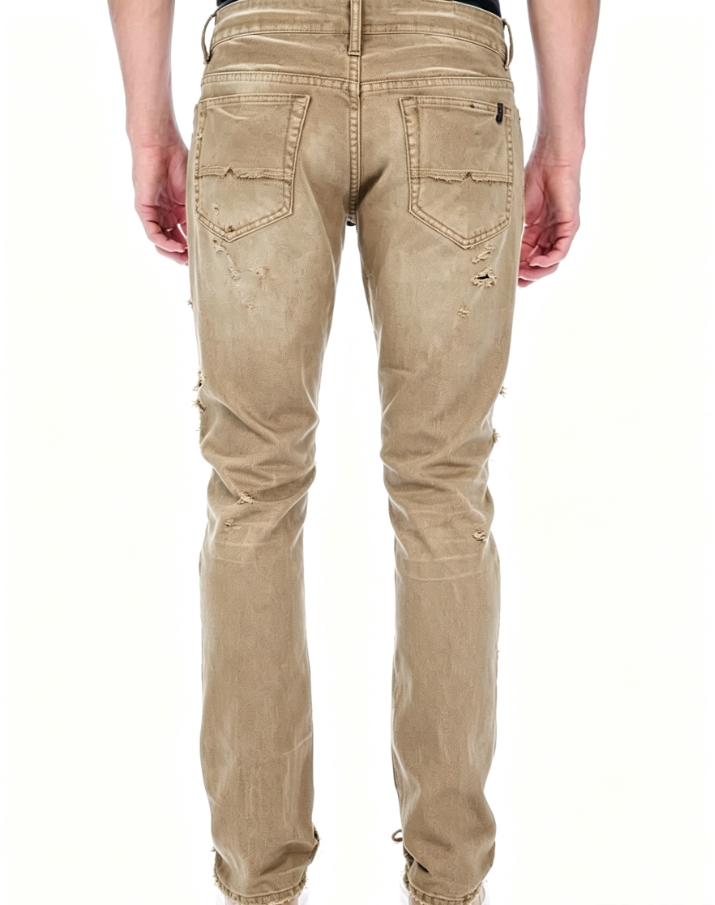
Washing specialists apply enzyme, stone, bleach, laser, tint and distress effects after sewing. They suit developed denim programs, but separate handoffs add timing and shade-risk management. Sourcing agents coordinate mills and factories for a commission. They help buyers without local supplier knowledge, yet add a communication layer and can reduce direct production visibility.
4. Materials Used by Jeans Cloth Manufacturers
Denim performance starts with fiber blend, yarn construction, weave, fabric weight and dye chemistry. Jeans cloth manufacturers should match these specifications to the intended silhouette, wash recipe, price point and expected wear life before sampling.
| Composition | Weight | Best Uses | Key Effect |
|---|---|---|---|
| 100% cotton rigid | 12–14 oz | Straight jeans, jackets | Crisp structure, strong fading |
| Cotton/elastane | 10–12 oz | Slim jeans, skirts | Mobility and closer fit |
| Cotton/lyocell | 8–11 oz | Wide-leg jeans, shirts | Soft drape and comfort |
| Cotton/polyester/elastane | 9–12 oz | Stretch programs | Better recovery and durability |
Fiber Blend And Hand Feel

100% cotton denim delivers the dry hand, abrasion resistance and personalized fading associated with rigid jeans. Ring-spun yarn is usually softer and more uniform than open-end yarn, but commonly costs more. 20–40% lyocell can add fluid drape and a cooler, softer hand for women’s denim and relaxed silhouettes. Organic cotton and recycled cotton support material claims when supplier documentation is available; recycled content can reduce fiber length and may require blend engineering for strength.
Stretch, Weave And Recovery

1–3% elastane provides practical movement in slim jeans, while polyester can improve tensile strength, recovery and drying speed. Excess elastane or weak recovery can produce bagging after wear, so test laundering and stretch return on the approved bulk fabric. 3/1 right-hand twill is the standard diagonal denim construction; left-hand twill often feels softer and twists differently after washing. Rigid denim has no elastane and develops sharper creases, while stretch denim prioritizes comfort and body contour.
Weight And Dye Behavior

8–10 oz denim suits shirts, lightweight shorts and warm-weather styles, whereas 12–14 oz is a versatile jeans range. Fabrics above 15 oz create structured workwear or heritage fits but need stronger sewing settings and longer break-in. Indigo dye produces familiar white-core fading through abrasion and washing. Sulfur black, grey and color dyes can give darker fashion bases, but shade consistency, crocking and wash-fastness should be approved against a signed standard.
5. Customization From Jeans Cloth Manufacturers
At Junsheen, denim programs can start at 100 units per style and color, letting brands specify silhouette, rise, inseam, pocket shape, hardware, and branding. A complete tech pack and approved wash standard prevent custom details from drifting between sample and bulk.
| Customization | Development Risk | Best Use | Cost Effect |
|---|---|---|---|
| Stock labels and rivets | Low | New-label launches | Minimal |
| Custom pocket stitch | Medium | Signature core styles | Pattern and sampling |
| Custom hardware or molds | High | Established collections | Tooling and MOQ |
| Laser distressing and washes | High | Fashion-led capsules | Extra approvals |
Fit And Pocket Specifications

Three core fit measurements—rise, thigh, and leg opening—should be approved with the inseam before grading XS through 3XL. Straight, wide-leg, flare, relaxed, and slim fits need separate balance checks, especially in stretch denim. Two back-pocket variables, placement and stitch design, strongly affect visual identity. Pocket templates, arcuate artwork, coin-pocket shape, and bartack locations should be frozen on the size-set sample.
- High rise, mid rise, or low rise
- Raw, cropped, stacked, or standard inseams
- Five-pocket, carpenter, cargo, or patch pockets
Branding And Trim Choices

Low-risk branding usually uses existing label sizes, standard metal finishes, and screen-printed pocket bags. Woven main labels, size labels, wash-care labels, hang tags, and stock rivets add identity without changing core patterns. Custom logo buttons, zipper pullers, leather patches, molded hardware, embroidery, and all-over prints need artwork approval and supplier sampling. Nickel, lead, and azo-dye requirements should be confirmed for each destination market.
Wash And Distress Control
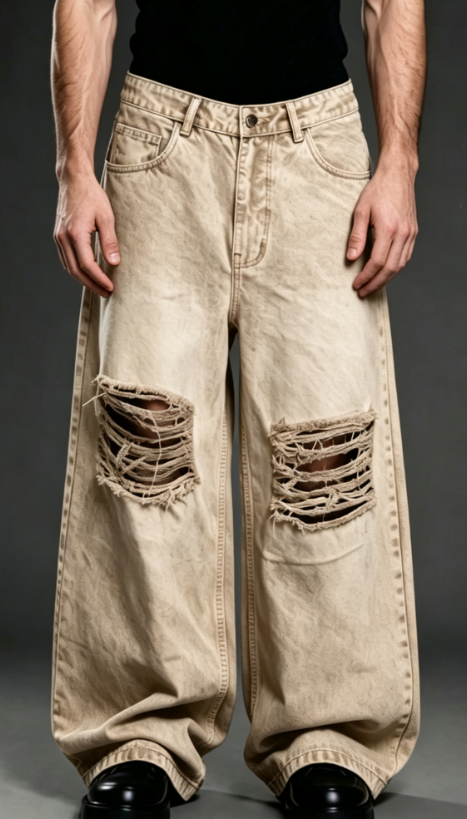
One approved wash standard should define shade, abrasion placement, whiskers, grinding, holes, and hand feel. Enzyme, stone, acid, garment-dye, and softener treatments can alter shrinkage, stretch recovery, and seam appearance. Three approval stages—prototype, wash sample, and pre-production sample—are prudent when distressing is complex. Laser artwork and hand sanding require clear placement guides to keep pairs consistent.
6. Key Construction Quality Elements
A denim specification should turn workmanship into measurable acceptance criteria before bulk cutting. Experienced jeans cloth manufacturers verify construction at the pre-production sample, then confirm it again through wear testing and final AQL inspection.
Seams And Stress Points
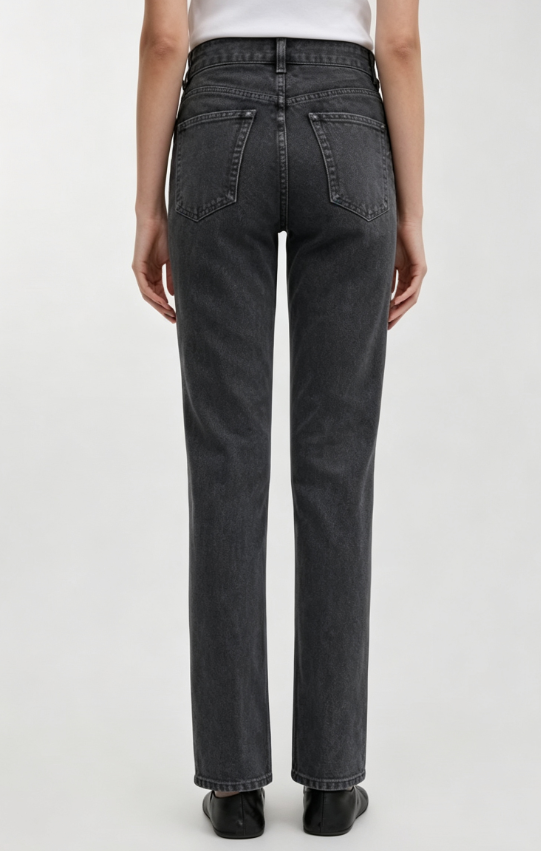
8–10 stitches per inch is a common target for denim lockstitch seams; specify seam type, thread ticket, topstitch spacing, and allowable skipped stitches in the tech pack. 2–3 bartacks at pocket corners, fly ends, belt loops, and other stress points should be mapped on the construction sheet. Pull-test rivets and inspect that they sit flat without cracking fabric.
Hardware And Pocket Accuracy

YKK or an approved equivalent zipper should zip smoothly through repeated cycles, while buttons must remain secure after laundering. Record finish, logo artwork, size, and corrosion expectations on the bill of materials. 5 mm pocket-placement tolerances are practical for many adult jeans, but the tech pack should state the approved measurement points. Compare both back pockets against the approved sample for height, angle, symmetry, and stitch shape.
Fit, Waistband And Wash

1–2 cm garment-measurement tolerances are typical only when assigned by point of measure and size. Check waistband roll, belt-loop alignment, rise, inseam, and leg twist on a graded size set. 3 home-laundering cycles before approval can expose excess shrinkage, dye transfer, hardware damage, or inconsistent wash effects. Approve a sealed wash standard and compare bulk garments under consistent lighting.
Inspection And Approval Controls
AQL 2.5 for major defects and 4.0 for minor defects is a commonly used final-inspection benchmark, subject to the buyer’s agreement. Inspect measurements, seam security, stains, shade variation, labels, packaging, and count accuracy. 100% visual review of the pre-production sample should precede bulk authorization. Keep signed tech packs, wash panels, measurement charts, and defect photos as the production reference.
7. Choosing Jeans Cloth Manufacturers
A dependable denim supplier is proven through documents, samples and production behavior—not a catalogue. Shortlist jeans cloth manufacturers against the specifications your brand will repeat, then verify each claim before placing bulk orders.
| Checkpoint | Buyer Question | Proof To Request |
|---|---|---|
| Specialization | Do you routinely make this denim category? | Reference sample and production photos |
| Quality system | How are measurements and washes controlled? | Inspection reports and test results |
| Traceability | Can you identify fabric mill and lot? | Mill records and certificates |
| Commercial terms | When are deposit and balance due? | Written quotation and payment terms |
Screen The Production Fit
100-unit MOQs can suit capsule launches, while repeat programs need reliable capacity, trained denim operators and controlled wash access. Ask which silhouettes, weights and finishes the factory produces routinely. 3 comparable quotations reveal whether the supplier understands your tech pack, grading, wash recipe and trim requirements. Request recent production photos and a reference sample matching your target construction.
- Confirm MOQ by style, color and wash
- Ask monthly capacity and current loading
- Review denim and stretch-denim specialization
Verify Technical Evidence

1 approved development sample should establish measurements, fabric hand, stitch density, hardware and wash appearance before bulk. Request size-set photos, measurement reports and wash test results for colorfastness, shrinkage and abrasion where relevant. OEKO-TEX, GOTS, WRAP and BSCI documentation must be current and scope-specific; certifications are not interchangeable. Ask for audit dates, certificate numbers and fabric-mill traceability records.
- Factory audit or social-compliance report
- Fabric test reports and lot records
- Pre-production and final inspection reports
Assess Partnership Discipline
7-14 days is a common sampling window after materials and specifications are confirmed; bulk timing depends on fabric, wash complexity and order size. Require a written critical path covering approvals, production, inspection and shipment. 2 named contacts—development and production—reduce handoff errors. For payment, confirm deposit structure, balance timing and export documents before commitment.
- Test response quality with technical questions
- Confirm export markets and shipping experience
- Start with a controlled pilot order
8. Common Buyer Mistakes to Avoid
A low quote can conceal weaker fabric control, unplanned wash loss, or incomplete finishing. Before bulk production, jeans cloth manufacturers need measurable specifications, approved references, and commercial commitments that match the design.
Price Before Capability
10% lower costing can disappear through rejects, rework, or delayed deliveries. Prevent this by comparing fabric weight, construction, wash process, inspection scope, and freight terms—not unit price alone.
Incomplete Development Files
1 missing measurement, stitch callout, or trim specification forces factory assumptions. Provide a tech pack with graded measurements, Pantone references, BOM, artwork files, construction photos, and approved sample comments.
Untested Samples And Washes

2 denim lots can react differently to enzyme, stone, or acid washing. Test wear, shrinkage, color crocking, seam strength, and repeated laundering before approval; approve a wash standard and acceptable shade range. 100-unit launches should seek pattern and wash technical support when fit, stretch recovery, or distress placement has not been validated across sizes.
Unclear Bulk Commitments
100 units per style and color may still require fabric MOQ or dye-lot commitments. Confirm available stock, mill minimums, lead times, and replenishment terms before confirming colors or variants. ±1 cm measurement tolerances and written AQL-based quality requirements prevent subjective disputes. Emerging brands should obtain technical support before bulk when tolerances, critical defects, grading, or inspection criteria remain undefined.
9. Launching a Denim Brand Step by Step
A 100-unit capsule can validate fit, wash direction, and sell-through before cash is tied up in a broad denim range. Start with one target customer, two to four core silhouettes, and a clear opening price architecture.
Define The First Range

Two to four styles are usually enough for a first drop: for example, a straight jean, wide-leg jean, denim short, and trucker jacket. Set intended retail price, target margin, size range, and color count before requesting development.
- Name the customer and wearing occasion
- Limit launch colors to one or two
- Specify normal, extended, or plus-size fit
Build A Production-Ready Tech Pack

One complete tech pack should show flat sketches, measurement specification, construction callouts, Pantone references, trims, labels, placement artwork, and packing requirements. Include a graded size chart rather than asking a factory to enlarge one base size.
- Identify stitch type and thread color
- State tolerance for key measurements
- Attach reference wash and distress images
Develop Fabric And Samples

10–14 oz rigid denim and 11–13 oz stretch denim create materially different fit and wash outcomes, so approve swatches before sampling. Order a prototype, revise only documented issues, then approve a size set and pre-production sample against sealed specifications.
- Confirm composition, weight, shrinkage, and stretch
- Match wash shade under agreed lighting
- Retain approved swatches and sample records
Control Costing And Bulk Risk
100 units per style and color can suit a focused launch, but MOQ, wash complexity, hardware, freight, and packaging must appear in the written quotation. Release bulk only after confirming payment milestones, production calendar, inspection standard, and delivery destination.
- Check incoming fabric and in-line measurements
- Inspect final packed goods before balance payment
- Reserve time for freight, customs, and launch photography
10. Jeans Cloth Manufacturers Pricing and Costs
100 units per style and color is a practical starting point for many custom denim programs, but quantity is only one cost lever. Fabric weight and composition—such as 11–14 oz cotton-stretch denim versus rigid ring-spun cotton—change material, sewing, shrinkage-control and wash costs. 3 wash stages can cost far more than a clean rinse: enzyme, stone, acid, bleaching, hand sanding and distressing add labor, chemicals, testing and rejection risk. YKK zippers, branded rivets, leather patches, custom labels, folding, cartons, inspections, pattern development and sampling should be quoted separately or clearly included. 2 comparable quotations require the same tech pack, graded size range, Pantone colors, fabric specification, wash recipe, trim list, packaging standard, quantity by color and delivery destination. Ask jeans cloth manufacturers to state sample charges, bulk lead time, inspection scope, Incoterm, freight method and whether quoted prices include duty or only factory-to-port costs.
| Order quantity | Illustrative ex-factory unit range | Typical bulk lead time |
|---|---|---|
| 100–299 units | US$18–35 | 30–45 days |
| 300–999 units | US$14–28 | 25–40 days |
| 1,000+ units | US$11–24 | 25–35 days |
Start Your Jeans Cloth Manufacturing Project
Send your tech pack or product idea for OEM, ODM, or private-label sampling with 100-unit MOQs and fit-focused development.