
Rugby Polo Shirt Manufacturer for Private-Label Brands
JUNSHEEN is your rugby polo shirt manufacturer for OEM, ODM and private-label programs, with 100-unit MOQs and fit-focused XS–3XL development.
Featured Products for rugby polo shirt manufacturer Development






Related Rugby Polo Shirt Manufacturer Catalogue & Quotation


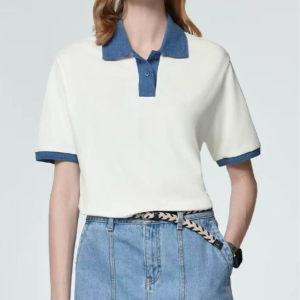

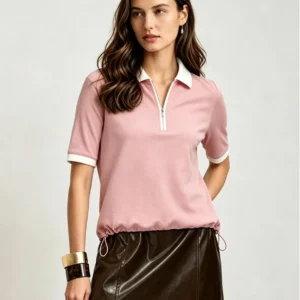
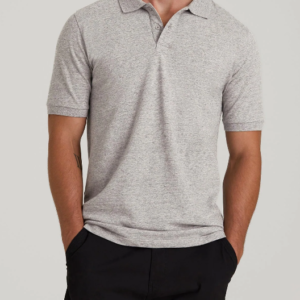
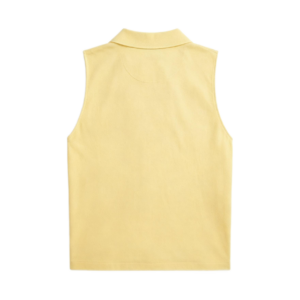


Rugby Polo Shirt Manufacturer Built for Reliable Production
JUNSHEEN combines low-MOQ development, fit-focused patterns, integrated decoration, and export-ready production for private-label rugby polo programs.
100-Unit MOQ
Launch capsule collections from 100 units per style and color, with practical support for emerging labels and test-market orders.
Fit-Focused Development
Develop rugby polos from XS to 3XL with refined grading, balanced proportions, mobility, and consistent sizing across your complete range.
Integrated Decoration
Coordinate logo embroidery, patches, screen printing, labels, trims, and branded packaging through one experienced rugby polo production partner.
Scalable Factory Capacity
Work with 200+ skilled workers and monthly capacity above 80,000 units as your rugby polo program grows.
Material Sourcing Support
Select durable piqué, jersey, performance knits, cotton blends, and trims based on target cost, hand feel, weight, and wash performance.
Global Export Coordination
Move from approved samples to inspected packed goods with export support for fashion brands, retailers, wholesalers, and sourcing teams worldwide.
Rugby Polo and Casualwear Manufacturing Programs
Develop coordinated apparel programs with low-MOQ sampling, fit-focused grading, branded finishes, and repeatable production records for global growth.
Custom Hoodies
Develop custom hoodies from 100 units per style and color, with fleece or French terry options, custom ribbing, embroidery, screen printing, washes, labels, and packaging. Pattern development supports XS–3XL, oversized silhouettes, and consistent repeat orders.
Request a Quote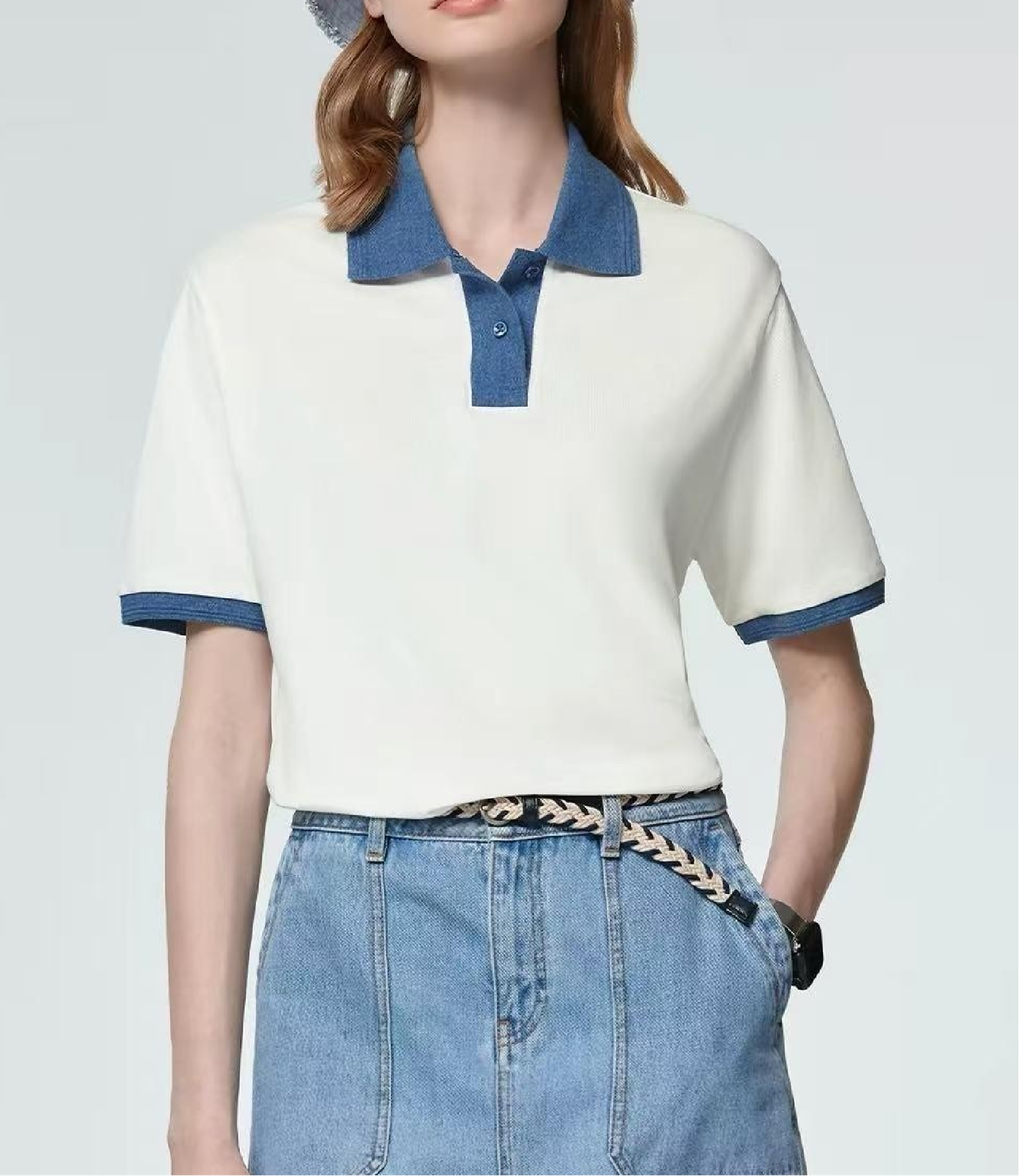
Custom T-Shirts
Produce custom T-shirts in cotton, Pima cotton, organic cotton, or blended jersey, matched to your target weight, hand feel, and print method. Junsheen manages pattern making, size grading, DTG, DTF, screen printing, labels, and bulk production.
Request a Quote
Custom Jeans
Build custom jeans with denim or stretch-denim sourcing, fit development, wash testing, hardware selection, and branded trims. Pattern makers refine rise, leg shape, and grading from XS–3XL so launches and replenishment programs maintain consistent fit.
Request a Quote
Custom Sweaters
Source turtle neck sweater bulk programs with sweater constructions selected for gauge, warmth, stretch, and hand feel. Junsheen supports custom neck heights, yarn blends, grading, labels, and coordinated sampling for wholesale or private-label collections.
Request a Quote
Custom Jackets
Develop custom jean jackets with denim weights, garment washes, embroidery, patches, custom buttons, and branded labels. Technical review covers silhouette, mobility, pocket construction, and fit grading before bulk production, helping brands translate reference pieces into repeatable styles.
Request a Quote
Custom Sweatshirts & Crewnecks
Create custom crewneck hoodie and sweatshirt programs in fleece, French terry, or jersey, with crewneck, hooded, oversized, or standard-fit options. Add puff prints, embroidery, washes, labels, and graded XS–3XL size sets for launch and reorder consistency.
Request a Quote
Custom Cardigans
Produce custom cardigans in knit constructions suited to lightweight layering or heavier seasonal programs. The team supports yarn selection, button and trim sourcing, fit grading, logo embroidery, private labels, and sampling from sketches, tech packs, or reference garments.
Request a Quote
Custom Puffer & Down Jackets
Develop custom puffer jackets with shell, lining, insulation, quilting, hardware, and branding selected for target climate and cost. Junsheen reviews construction, fit, and trim details, then manages sampling, quality checks, packaging, and global export preparation.
Request a Quote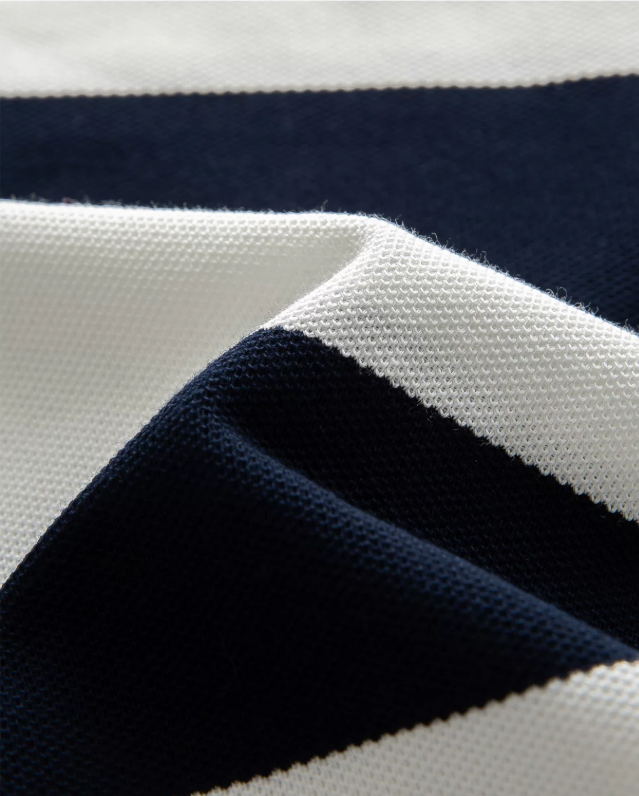
Custom Denim Shorts
Manufacture custom jean shorts with denim or stretch-denim sourcing, custom inseams, raw or finished hems, washes, pockets, hardware, and labels. Fit-focused grading helps maintain proportion through XS–3XL for menswear, womenswear, and extended-size programs.
Request a Quote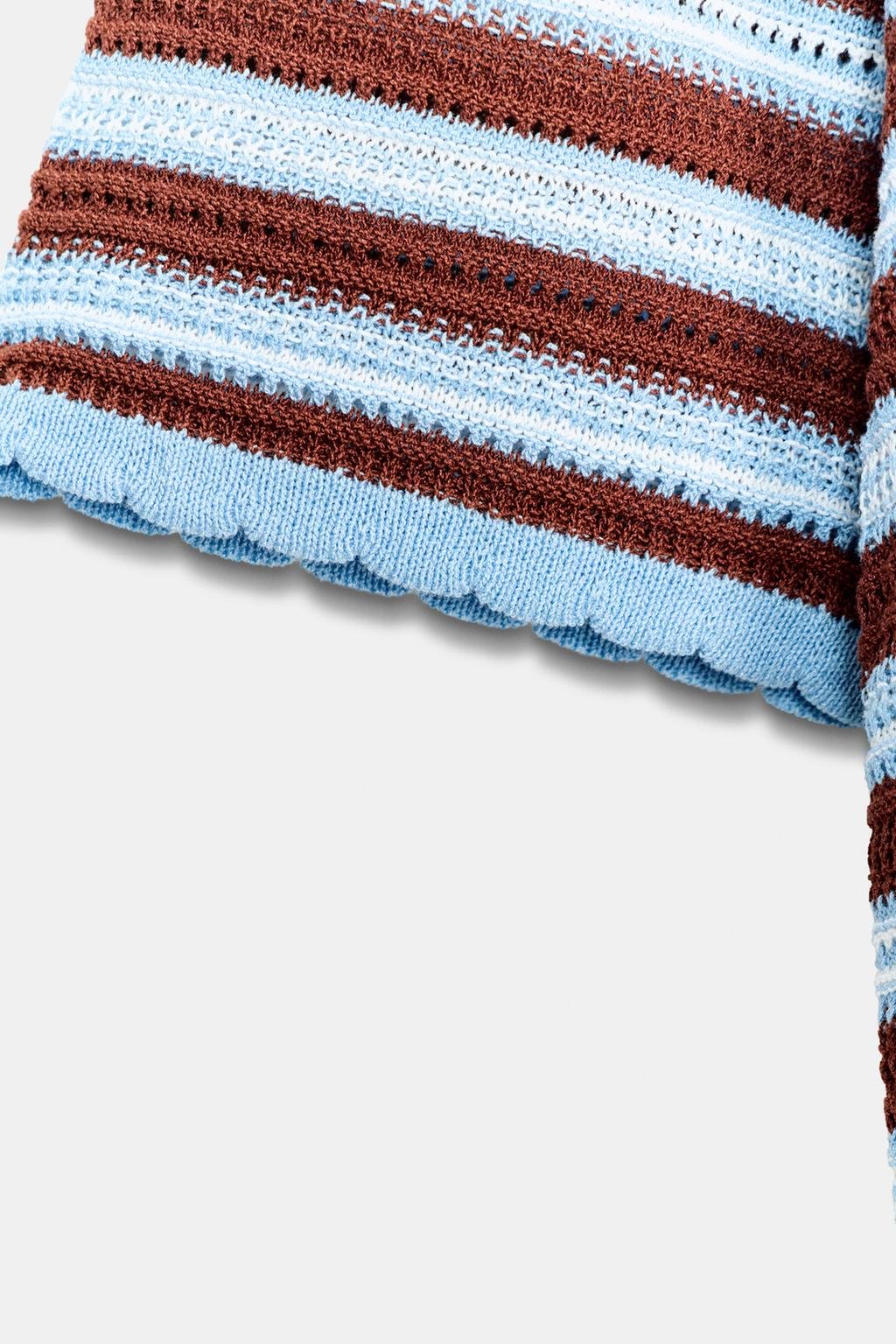
Custom Sweater Dresses
Create custom sweater dresses with knit structures, yarn blends, necklines, sleeve shapes, and lengths aligned to your collection. Junsheen develops samples and graded size sets, helping brands balance stretch, drape, comfort, and reliable bulk consistency.
Request a Quote
Custom Denim Sets
Produce mens denim suits wholesale programs as coordinated jackets and trousers with matched fabric, washes, trims, and fit specifications. Junsheen retains patterns and material records to support repeat orders, color updates, and scalable wholesale replenishment.
Request a Quote
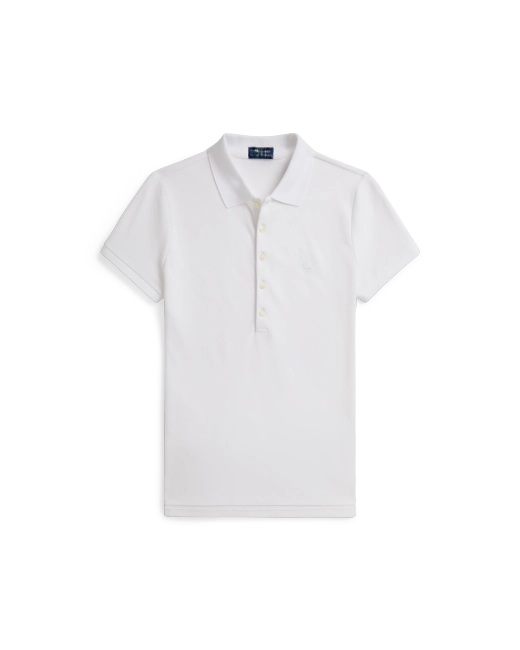
Custom Polo Shirts
Manufacture custom polo shirts, including rugby polo programs, in pique, jersey, or performance knits. Specify collar construction, plackets, stripes, embroidery, patches, and branded trims, with fit-focused XS–3XL grading and low MOQs for new collections.
Request a Quote
Custom Sweatpants
Develop custom sweatpants in fleece, French terry, or jersey with tailored, straight-leg, jogger, or oversized proportions. Control waistband, drawstring, pocket, cuff, print, embroidery, and wash details while maintaining matched fit across coordinated sets.
Request a Quote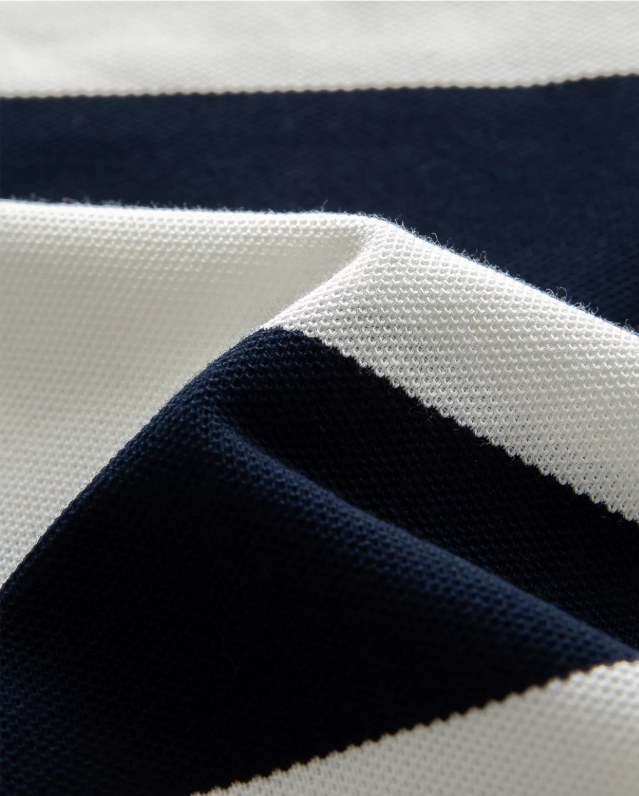
Custom Shorts
Produce custom shorts across jersey, fleece, twill, denim, and woven constructions. Junsheen supports inseam selection, pocket layouts, elastic or fixed waistbands, decoration, labels, and size grading, making capsule quantities and larger seasonal programs easier to manage.
Request a Quote
Custom Pullovers
Build custom pullovers in knit, fleece, French terry, or performance constructions for layering and seasonal collections. Development includes neckline, sleeve, rib, fit, logo, wash, and private-label details, with documented specifications for faster repeat production.
Request a QuoteRugby Polo Shirt Manufacturer Materials for Lasting Comfort

Heavyweight Cotton Jersey
A substantial, breathable knit with a dry, natural hand feel for classic long-sleeve rugby polos. Its 260–320 gsm weight provides structure, abrasion resistance, and dependable shape retention through repeated washing.

Cotton Pique Knit
Textured cotton pique delivers breathable comfort and a refined polo surface for lighter rugby-inspired programs. The raised knit structure improves airflow, while its moderate weight supports clean collars, plackets, and everyday wash performance.

Cotton Polyester Jersey
This balanced blend combines cotton softness with polyester durability for teamwear, wholesale, and frequent-use rugby polos. It resists excessive shrinkage, dries faster than pure cotton, and maintains color and shape through repeat laundering.

Stretch Pique Blend
Cotton-rich pique with elastane offers a flexible, close-to-body fit without losing the recognizable polo texture. Ideal for modern silhouettes, it provides controlled stretch, recovery, and comfortable mobility across graded XS–3XL size ranges.

Brushed Cotton Twill
A durable woven option for contrast collars, reinforced plackets, and heritage rugby details. Brushed twill has a soft surface hand, strong yarn stability, and reliable abrasion resistance for components that need extra structure.
Rugby Polo Shirt Manufacturer Decoration & Finishing Options

Logo Embroidery
Flat, 3D puff, chain-stitch, and applique embroidery create raised, premium logo details for chest crests, sleeve marks, and club-inspired motifs, delivering a durable finish designed to hold its definition through repeated wear and washing.

Screen Printing
Plastisol, water-based, puff, flocking, silicone, high-density, foil, and discharge screen prints add bold graphics, tactile effects, or soft-hand artwork. We match ink systems to fabric construction and artwork requirements for reliable adhesion and color impact.

Heat Transfers
DTF and heat-transfer applications support detailed multicolor logos, names, numbers, and smaller production runs without sacrificing visual clarity. Applied under controlled conditions, they provide crisp edges and dependable wear performance on compatible polo fabrics.

Dye Sublimation
Dye sublimation permanently infuses artwork into compatible performance fabrics, making it ideal for all-over graphics, stripes, and vivid color blocking. The finish remains lightweight, breathable, and resistant to cracking or peeling during active use.

Garment Finishing
Softening, enzyme, anti-pilling, garment-dye, brushing, and napping treatments refine hand feel, color character, and surface performance. JUNSHEEN tests finishing choices against fabric weight and decoration methods to preserve a polished, durable rugby polo.
Rugby Polo Shirt Manufacturer Trims & Accessories

Woven Brand Labels
Custom woven main, size, and wash-care labels give each rugby polo shirt a consistent brand identity while clearly communicating sizing, care instructions, and fiber information for retail-ready presentation.

Custom Rugby Buttons
Choose branded buttons in resin, corozo, metal, or shell-look finishes for plackets and collar closures. Colors, logos, and finishes can align with your collection’s price point and design direction.

Reinforced Snap Closures
Custom snaps offer a durable alternative for plackets, pockets, and outerwear-inspired rugby styles. Select branded caps, matte or polished finishes, and secure attachment specifications suited to repeat wear.

Contrast Rib Trims
Engineered rib collars and cuffs can add tipping, stripes, contrast colors, or custom knit patterns. They help rugby polos retain shape while creating a distinctive sportswear-inspired signature.

Embroidered Logo Patches
Woven, chenille, embroidered, or applique patches add dimension to chest, sleeve, and back placements. Junsheen matches patch construction and attachment methods to your fabric weight and intended wash performance.
Branded Retail Packaging
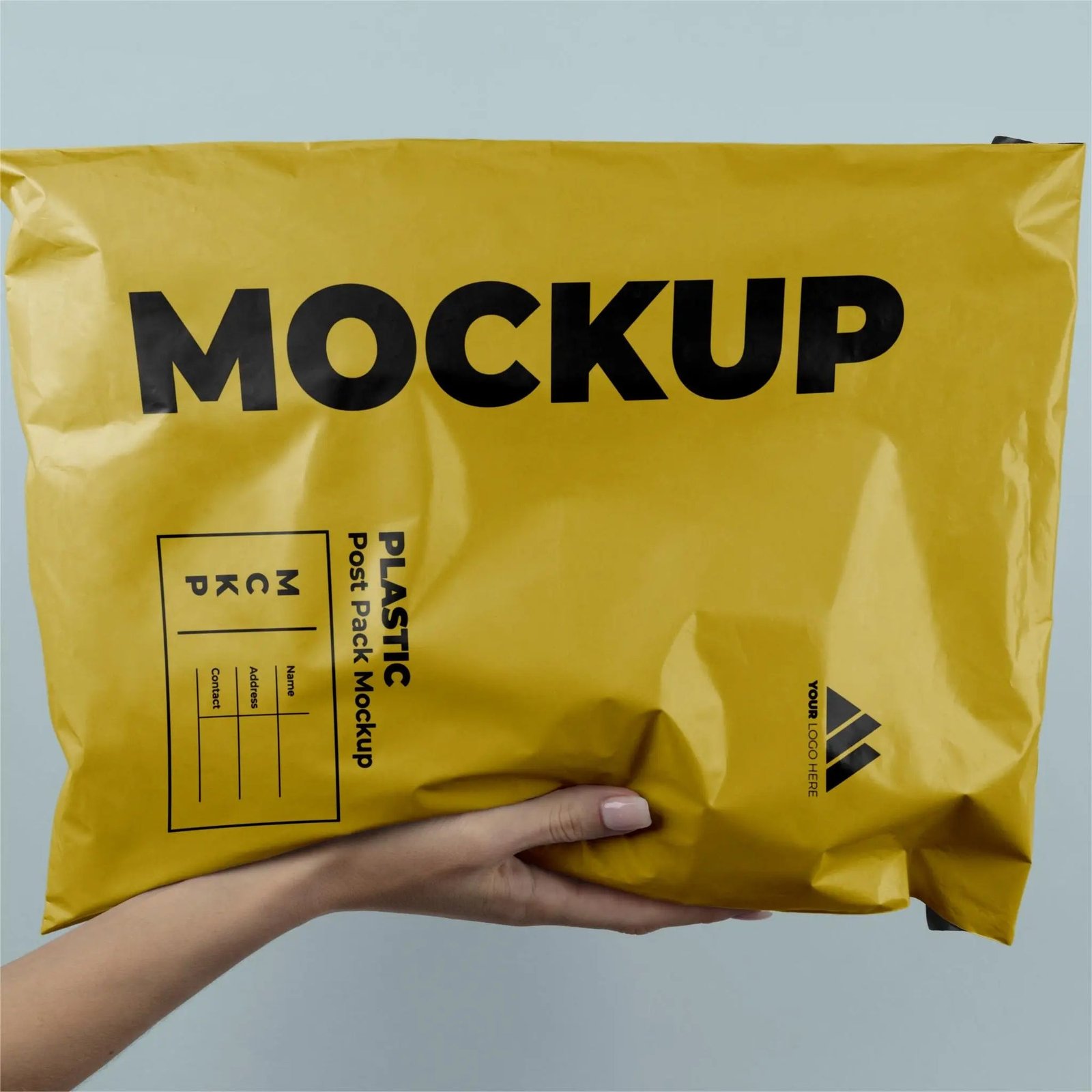
Finish your order with custom hang tags, polybags, size stickers, tissue, and branded packaging. Coordinated packaging supports wholesale handling, ecommerce fulfillment, and a polished unboxing experience.
Your Rugby Polo Shirt Manufacturer
Founded in 2010 in Humen Town, Dongguan, JUNSHEEN helps fashion brands turn rugby polo concepts into production-ready private-label collections. As a rugby polo shirt manufacturer, we combine OEM, ODM, product development, fabric sourcing and export support in one accountable supply chain.
Our 200+ skilled workers support monthly production above 80,000 units, serving capsule launches from 100 units per style and color through to scalable bulk programs. We manage cut-and-sew construction, knit components, embroidery, printing, washes, labels, trims and branded packaging under one roof.
What sets JUNSHEEN apart is fit-led development and clear technical execution. Our team refines patterns and grading from XS to 3XL, including extended-size and oversized fits, then maintains measurement, decoration and quality controls that have supported more than 2,000 fashion-brand clients worldwide.

Rugby Polo Shirt Manufacturer Capabilities
Fit-Focused Pattern Grading
As a rugby polo shirt manufacturer, JUNSHEEN develops size sets from XS to 3XL with proportion-aware grading. Shoulder balance, sleeve length, body width, placket placement, and movement are refined across sizes instead of simply enlarging one base pattern.
- XS–3XL, plus-size, and oversized grading
- Pattern making from tech packs or references
- Prototype and size-set approvals before bulk
- Fit records retained for repeat programs
Fabric and Trim Development
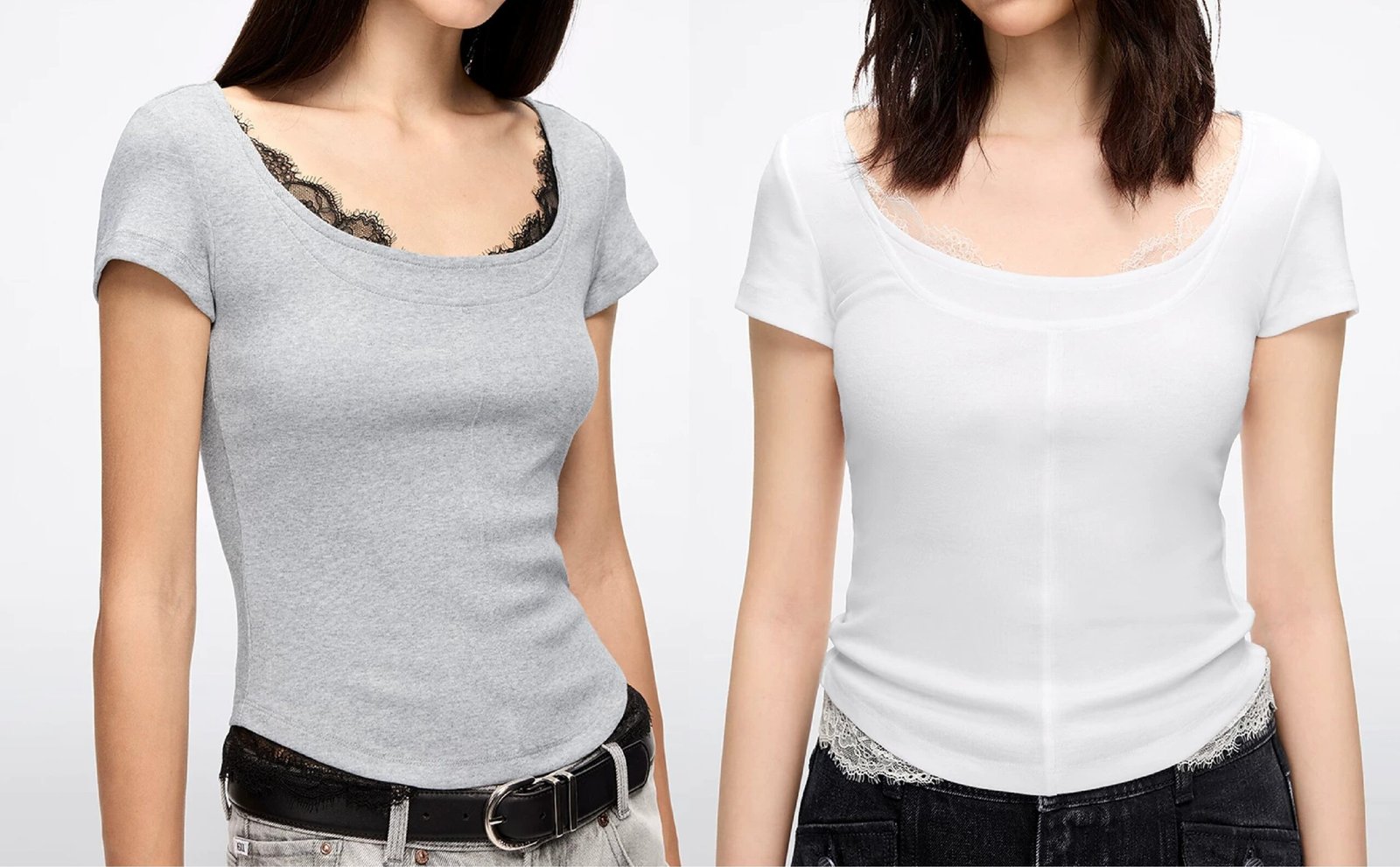
We source durable piqué, jersey, interlock, performance knits, and collar rib options around your target hand feel, weight, cost, and wash performance. Our development team coordinates matching plackets, buttons, labels, tapes, and reinforcement details for a unified polo specification.
- Fabric swatches and sample-garment review
- Collar, cuff, placket, and button matching
- Custom labels, hang tags, and packaging
- Material guidance for durability and drape

Integrated Decoration Control
Keep embroidery, printing, patches, and garment finishing under one coordinated production workflow. JUNSHEEN evaluates artwork placement and technique during development, helping protect logo clarity, fabric performance, and consistent decoration results from approved sample through production.
- Flat, 3D, puff, and chain-stitch embroidery
- Screen print, DTF, DTG, and heat transfer
- Custom patches, applique, and logo details
- Wash and finishing options when required

Scalable Quality-Controlled Production
From a 100-unit launch to ongoing bulk orders, JUNSHEEN combines 200+ skilled workers with monthly capacity above 80,000 units. Incoming materials, in-line construction, measurements, decoration, and packed goods are checked to support dependable export-ready rugby polo programs.
- MOQ from 100 units per style and color
- In-line and final quality inspections
- Cut-and-sew and knitting production support
- Global shipping coordination for growing brands
Why Brands Choose JUNSHEEN Over Typical Suppliers
A rugby polo shirt manufacturer built for fit accuracy, low-MOQ launches, and reliable global scale.
← 左右滑动查看 →
Rugby Polo Shirt Manufacturer Timeline: Sourcing to Global Delivery
A clear development-to-delivery workflow for private-label rugby polo programs, from material approval through final export packing.
Feasibility and Sourcing
We review your tech pack or reference, confirm construction requirements, recommend durable fabrics and trims, and assess the 100-unit MOQ for each style and color.
Patterns and Fit Development
Pattern makers develop and grade rugby polo specifications from XS to 3XL, refining body balance, sleeve proportions, collar shape, mobility, and oversized or extended-size fit.
Sampling and Approval
We produce prototype samples for fabric, color, decoration, measurements, and wash-performance review, then incorporate approved revisions before preparing bulk production specifications.
Bulk Manufacturing and Decoration
Our cut-and-sew team manufactures approved rugby polos, coordinating embroidery, printing, patches, labels, and finishing while monitoring in-line construction, measurements, and consistency.
Final QC and Shipping
Finished goods receive final measurement, appearance, decoration, and packed-goods inspections before branded packaging, export documentation, and global shipment support are arranged.
Start Your Rugby Polo Shirt Manufacturer Project
Move from concept to global delivery with a clear, fit-focused development process built for private-label rugby polo programs.
Send Your Product Brief
Share a tech pack, sketch, reference garment, mood board, or product idea. Include target quantities, sizing, fabric preferences, decoration, labels, and delivery requirements.
Review Feasibility Together
Our team reviews construction, fabric, fit grading, trims, and decoration options, then recommends practical improvements for your target cost, quality level, and 100-unit MOQ.
Approve Samples and Quote
We develop prototype samples and confirm materials, measurements, colors, private-label details, and packaging. After revisions are approved, you receive a clear production quotation and timeline.
Confirm Bulk Production
Approve the pre-production sample and place your order. JUNSHEEN manages cutting, sewing, decoration, washing, in-line inspections, and final quality control across every size.
Receive Globally Shipped Goods
Finished rugby polos are packed to your specifications and prepared for export. Retained patterns, graded size sets, and material records support smoother repeat orders as demand grows.
Custom Clothing Manufacturer Credentials and Compliance Documents




What Fashion Brands Say About Working With JUNSHEEN
JUNSHEEN corrected the shoulder balance and sleeve grading across XS–3XL before bulk approval. Our first rugby polo launch sold through 620 units in six weeks, with far fewer fit-related returns than our previous collection.
Our sampling process dropped from four rounds to two because the team flagged fabric weight, collar construction, and embroidery placement early. The approved bulk order of 1,200 polos matched the size set closely.
We reordered the same rugby polo program in three new colors six months later, and JUNSHEEN retained the pattern and material details accurately. That consistency helped us launch on schedule across 18 retail accounts.
Rugby Polo Shirt Manufacturer FAQ
Clear answers on MOQ, sampling, fit, decoration, payment and worldwide delivery for custom private-label rugby polo programs.
What is the MOQ from your rugby polo shirt manufacturer?
How long do samples take before bulk production?
How much does a custom rugby polo sample cost?
Can a rugby polo shirt manufacturer develop XS to 3XL sizing?
What decoration options are available for custom rugby polos?
What payment terms do you offer for rugby polo shirt manufacturing?
Do you ship custom rugby polos internationally?
How does JUNSHEEN protect my rugby polo shirt designs and brand details?
Complete Rugby Polo Shirt Manufacturer Buyer’s Guide
Use this practical framework to compare supplier capabilities, fabrics, construction, customization, MOQs, and costs—while avoiding sourcing mistakes that can delay launches, weaken quality, or erode your margins.
1. What Is a Rugby Polo Shirt Manufacturer?
2010 is the founding year of Dongguan Junsheen Clothing Co., Ltd., a rugby polo shirt manufacturer that turns a brand’s concept, tech pack, sketch, or reference garment into production-ready casualwear. Its work spans specification review, pattern making and grading, fabric and trim sourcing, prototype and size-set sampling, cut-and-sew production, inspection, packing, and export coordination. 100 units per style and color is a workable starting point for a capsule program, while established collections can move into repeat bulk production. A factory controls or directly manages development and manufacturing decisions; a trading company mainly coordinates third-party factories, a private-label supplier may offer ready-made templates, and a blank wholesaler sells undecorated stock rather than developing a proprietary garment. 200-plus skilled workers and monthly capacity above 80,000 units illustrate the operational scope buyers should evaluate beyond a quotation. Expect documented measurement checks, incoming-material and in-line inspections, decoration review, final packed-goods control, and retained pattern, grade, and material records; for global orders, confirm labeling, carton marks, balance-before-shipment terms, and shipping documents before production begins.
2. Rugby Polo Shirt Evolution and Market Positioning
1871 marked the first codified rugby rules, and the hard-wearing match shirt established a visual language built for contact: wide yarn-dyed stripes, a white contrast collar, a reinforced twill placket, rubber buttons, and a small chest crest. As the silhouette left the field, those functional cues became instantly readable heritage signals rather than purely teamwear specifications. 1990s streetwear and collegiate revival cycles repositioned the heavyweight rugby as a relaxed fashion layer, while contemporary brands have pushed it into oversized, cropped, garment-washed, and refined premium-casual formats. A 280–360 GSM cotton jersey gives a collection a substantial hand feel; a 2×1 rib cuff, taped neck seam, and dense collar distinguish it from a lightweight pique polo. 3 clear design decisions can turn the category into a recognizable product story: assign stripes to a seasonal color system, use contrast collar and placket colors as repeat brand codes, and place a restrained embroidered chest mark where a traditional club crest would sit. Streetwear labels can emphasize scale and bold striping; preppy collections can use cleaner collegiate palettes; workwear capsules can favor washed solids and durable twill details; premium casual lines can reduce contrast and let fabric, fit, and embroidery carry the identity. A rugby polo shirt manufacturer should preserve these codes consistently across samples, graded sizes, and repeat colorways.
3. Types of Rugby Polo Shirt Manufacturer Services
Five service models cover nearly every rugby polo launch, from a 100-unit capsule to repeat bulk production. The right rugby polo shirt manufacturer model depends on who owns the design, sources materials, and manages development risk.
| Model | Design Ownership | Sourcing Lead | Best Fit |
|---|---|---|---|
| OEM | Buyer | Shared | Defined collection |
| ODM/private label | Factory base; buyer branding | Factory | Fast launch |
| Full package | Buyer original design | Factory-managed | New brand |
| CMT | Buyer | Buyer | Experienced sourcing team |
| Decorated blanks | Blank supplier | Factory or buyer | Quick merchandise |
OEM Cut-And-Sew

One approved tech pack is the usual OEM starting point: the buyer owns the design, specifications, artwork, and brand assets. The factory converts them into patterns, samples, graded sizes, and bulk garments. 100 units per style and color can suit an emerging-label capsule when construction and fabric are already defined. Choose OEM when you need production execution but retain product control.
ODM And Private Label

One factory-developed base style can shorten development by supplying an existing fit, fabric direction, and construction template. Buyers customize colors, labels, embroidery, trims, and sometimes collar stripes, while the manufacturer generally retains the underlying base design. 2 to 6 colorways are practical for testing a private-label assortment. Choose ODM when speed and lower development cost matter more than exclusive construction.
Full-Package Manufacturing
One full-package partner coordinates specification review, fabric and trim sourcing, pattern making, sampling, production, QC, packaging, and export. The buyer still owns its original designs and makes approval decisions; the partner manages execution across suppliers. 100-unit MOQ programs benefit brands without an established sourcing office. Choose this model when you need development help and one accountable production contact.
CMT And Decorated Blanks

CMT means cut, make, and trim: the buyer supplies approved fabric, patterns, and often components, while the factory focuses on assembly. It offers high material control but requires stronger sourcing, testing, and delivery coordination. Stock blanks with screen printing or embroidery bypass most pattern work and are best for eventwear, uniforms, and fast merchandise drops. Choose blanks when fit exclusivity is less important than speed.
4. Rugby Polo Shirt Materials and Fabric Choices
180–360 GSM is the practical fabric window for a rugby polo shirt manufacturer: weight, yarn choice, and finishing determine whether the garment reads as classic athletic, premium streetwear, or cool-weather layering.
| Fabric | Typical GSM | Hand And Performance | Best Positioning |
|---|---|---|---|
| Cotton jersey | 200–240 | Soft, breathable; moderate durability | Lightweight casual |
| Pique | 220–280 | Textured, airy; holds shape | Classic premium |
| French terry | 280–340 | Structured, loopback comfort | Transitional streetwear |
| Cotton-poly blend | 240–300 | Durable, lower wrinkle and shrinkage | Active-casual |
| Brushed heavyweight knit | 300–360 | Dense, warm, substantial | Winter premium |
Core Rugby Polo Fabrics
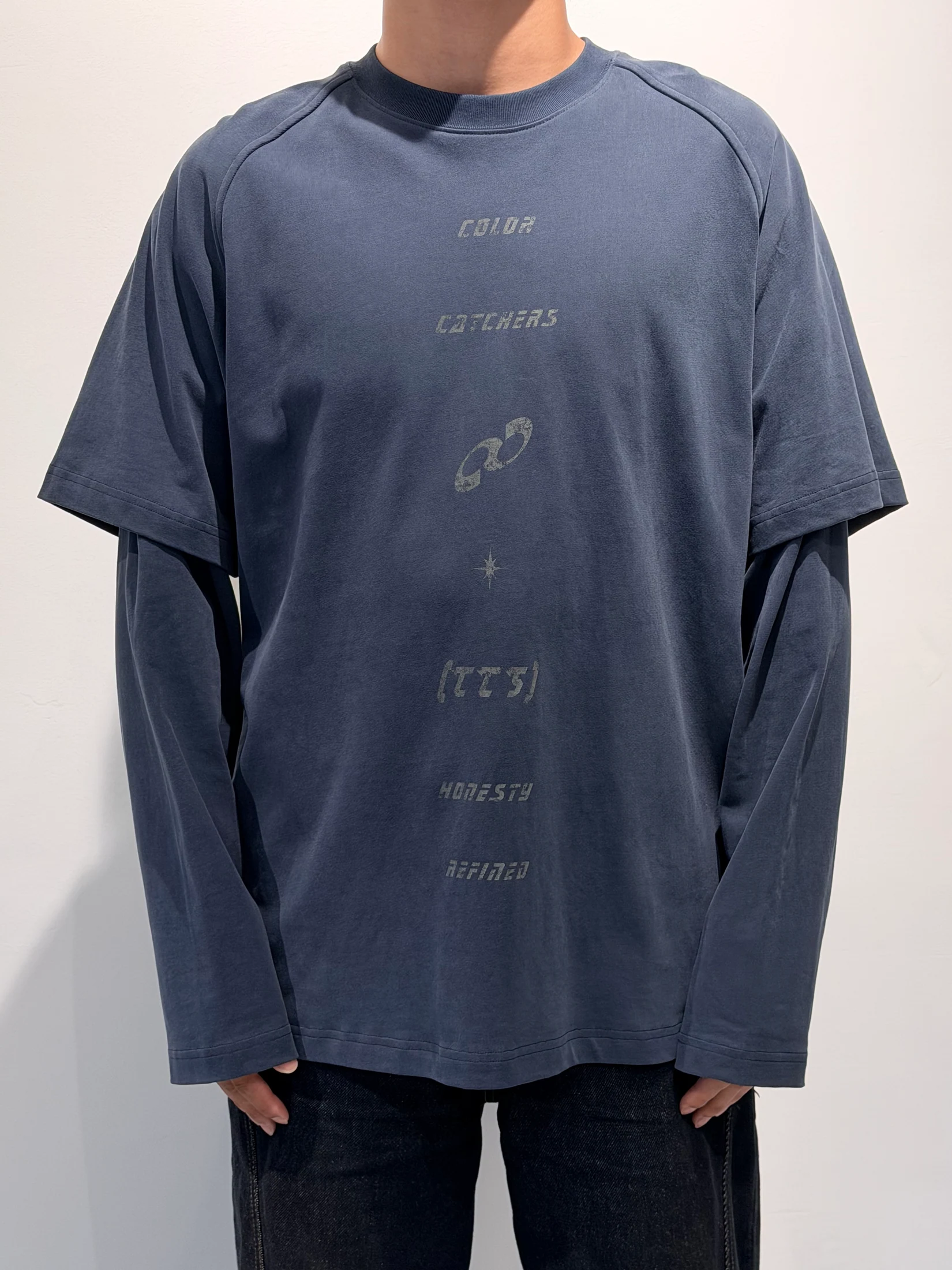
200–240 GSM cotton jersey feels soft and breathable, suiting lighter, casual rugby polos; pre-shrunk ring-spun cotton reduces post-wash movement versus untreated fabric. 220–280 GSM pique provides textured airflow and better shape retention, while 280–340 GSM French terry adds body without fleece warmth. Both support a more structured collar and placket.
Weight, Season, And Positioning

300–360 GSM brushed heavyweight knits create a dense, substantial hand for premium autumn and winter programs, but require careful grading because bulk changes shoulder and sleeve balance. 240–300 GSM cotton-poly blends dry faster, resist wrinkles, and usually hold color well; recycled cotton-poly blends suit sustainability-led lines when fiber composition and pilling performance are tested.
Finishing And Commercial Impact
3–5% shrinkage allowance is common for cotton-rich fabrics unless compacted or pre-shrunk; confirm wash testing before approving measurements. Enzyme washing softens the hand, while brushing increases warmth and perceived weight. 10–20 GSM can noticeably alter drape, collar support, and material cost at scale. Ask suppliers to quote finished GSM, usable width, composition, shrinkage tolerance, and color-specific minimums—not only a swatch price.
5. Customization and Decoration Options
A rugby polo shirt manufacturer should select decoration before sampling because stripe engineering, stitch density, and panel seams affect both cost and appearance. Match the method to the logo’s detail, retail target, and fabric weight.
| Method | Visual Effect | Durability | Typical Setup | Placement Limits |
|---|---|---|---|---|
| Yarn-dyed stripes | Classic, integrated | High | Color-yarn minimums | Limited to stripe layout |
| Embroidery | Textured premium logo | High | Digitized artwork | Avoid heavy fills on light knits |
| Screen print | Bold flat artwork | Medium-high | Screen and ink setup | Best on smooth panels |
| Appliqué or patch | Dimensional heritage detail | High | Cutting and sewing setup | Needs stable, accessible panel |
| Woven labels and buttons | Branded finishing | High | Trim minimums | Neck, placket, hem only |
Color And Stripe Engineering

Pantone-approved yarn-dyed stripes are knitted into the fabric, giving the most authentic rugby appearance and stable color through repeated washing. Piece-dyed panels suit color blocking and smaller color runs, but seam placement must avoid bulky intersections at plackets and shoulder joins.
Surface Logo Methods

Embroidery performs best for compact chest logos; dense fills can pucker lightweight pique or jersey, so backing and stitch count need sampling. Screen print suits bold artwork and larger back placements, while appliqué and sewn patches add dimension but require secure edge stitching.
Branding And Presentation
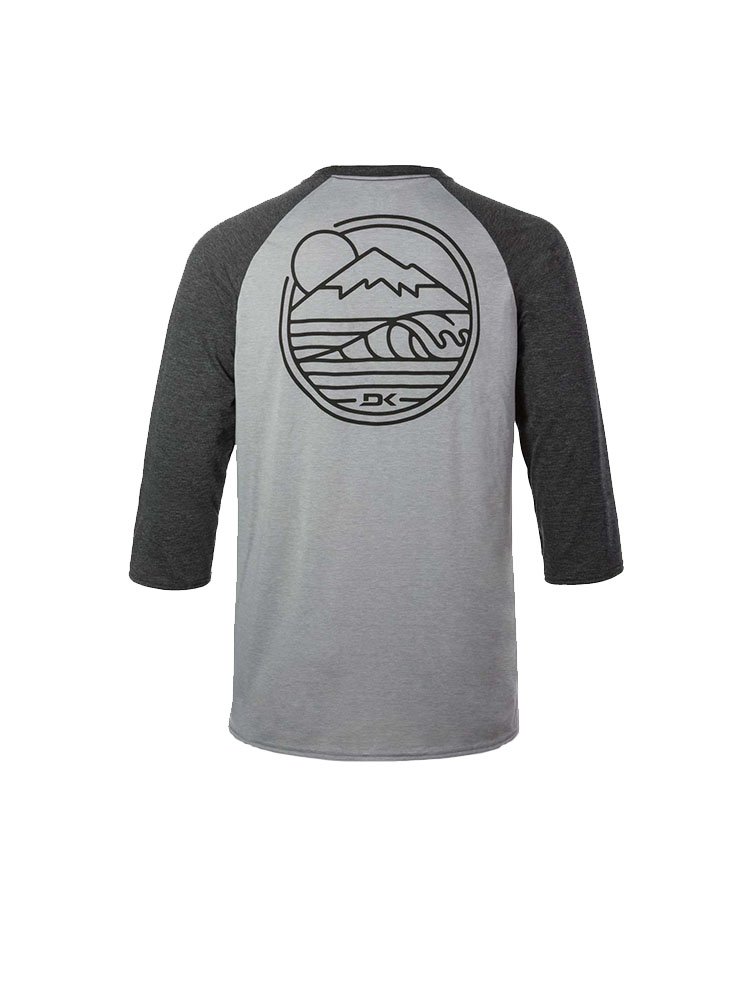
Woven main labels, size labels, neck prints, custom buttons, and branded packaging create a complete private-label program without changing the garment silhouette. 100-unit programs should prioritize one or two high-impact details; multiple custom trims can add separate development lead time and minimums.
6. Construction Details That Signal Quality
A durable rugby polo depends on construction controls that survive repeated wear and washing, not just heavyweight fabric. A capable rugby polo shirt manufacturer should document these checkpoints in the approved sample and production specification.
Collar And Placket Structure

Two-piece collars should retain shape through a reinforced collar stand, stable fusible or knit interlining, and balanced topstitching. Inspect the neckline for puckering, collar-point symmetry, and an even roll. 100% cotton twill plackets need clean turn-backs, consistent button spacing, and bartacks or dense reinforcement at the base. Reject skipped stitches, twisting plackets, exposed seam allowances, or weak buttonholes.
Seams, Taping And Finishes

6–8 stitches per inch is a practical starting point for woven placket seams; stress areas need secure backtacks without thread nests. Check shoulder seams, underarms, side splits, cuffs, and hem for even tension. 10–12 mm shoulder tape helps stabilize the neckline and prevents stretching. Cuffs and hems should lie flat, with matched rib recovery and securely enclosed split-end finishing.
- Check buttons withstand pull testing
- Confirm cuff opening matches graded size
- Inspect side-split bartacks and hem alignment
Stripe Matching And Wash Approval

3–5 mm is a reasonable visual tolerance for stripe alignment across the placket, side seams, and sleeves, subject to fabric repeat. Approve stripe placement on the size set, not only a single prototype. Three wash cycles should confirm shrinkage, torque, color bleeding, collar distortion, and decoration stability before bulk release. Record actual measurements against approved tolerances, commonly ±1 cm on key garment points.
- Reject uneven stripe joins
- Reject collar edge waviness
- Reject seam twisting after wash
7. How to Choose a Rugby Polo Shirt Manufacturer
A capable rugby polo shirt manufacturer proves its process before asking for a deposit. Compare development evidence, production controls, commercial terms, and shipping records against your collection’s fabric, fit, quantity, and launch-date requirements.
Verify Category Evidence

Three recent rugby-polo samples reveal more than a catalog: inspect collar recovery, placket alignment, stripe matching, bartacks, and wash results. Two reference checks should confirm whether the factory handled similar fabric weights, color blocking, and repeat orders. Ask for dated sample photos, measurement sheets, and a production-line video rather than only rendered images.
- Which comparable styles shipped in the past 12 months?
- Can you share measurement tolerances and wash-test results?
- Who approved the pre-production sample?
Test Development Communication
One complete tech-pack review should produce a written feasibility response covering fabric, trims, construction risks, grading, MOQ, and sample timing. 100 units per style and color can suit a capsule, but confirm whether the MOQ applies by color, fabric, or total order. Request a prototype, then approve a size set before bulk cutting.
- What changes after sample approval require a surcharge?
- Which Pantone references and lab dips need approval?
- What is the stated sample revision schedule?
Audit Production And Export
200-plus workers and 80,000-plus monthly units indicate useful scale only when the supplier documents its allocated line capacity and delivery calendar. Four checkpoints—fabric inspection, in-line sewing, measurement review, and final packed-goods inspection—should be defined in writing. Ask for applicable BSCI, WRAP, GOTS, or OEKO-TEX documentation where your market requires it, plus export references and shipping terms.
- What inspection report is issued before final balance?
- Which port, Incoterm, and freight documents are included?
- Who owns the pattern and graded size files?
8. Common Rugby Polo Shirt Manufacturing Mistakes
A 100-unit launch can lose its margin through preventable specification and logistics errors, not only sewing defects. A capable rugby polo shirt manufacturer should surface these risks before bulk approval, but buyers must document the controls.
Chasing The Lowest Unit Price
A $1 lower quote can conceal lighter piqué, fewer inspections, or excluded labels and freight. Compare landed cost against a matched bill of materials, measurement tolerances, and AQL inspection scope. Three quotations should be normalized by fabric GSM, trim specifications, decoration method, packaging, and Incoterm. Request an itemized quote before selecting a supplier.
Approving Untested Samples
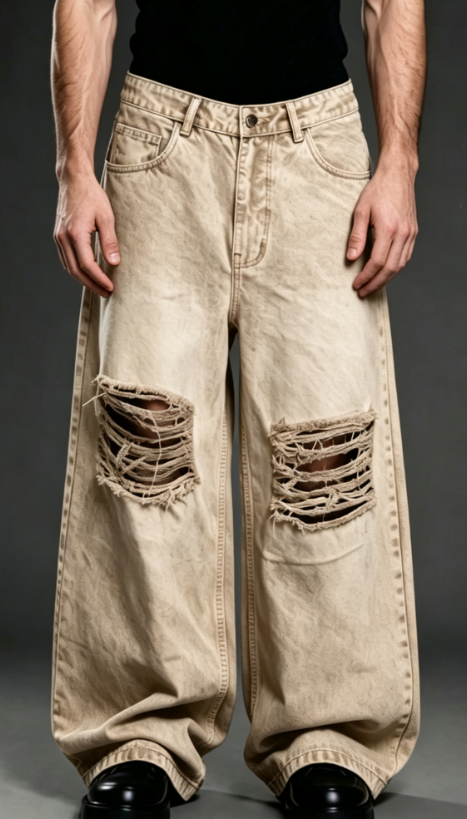
One approved fit sample does not confirm post-wash shrinkage, twisting, color bleed, or collar recovery. Wash-test the sample to the intended care label before releasing bulk fabric. Three wash cycles should include measurement checks, pilling review, and contrast-color staining inspection. Approve a retained sealed sample as the production reference.
Leaving Fit And Color Vague

XS through 3XL cannot be graded reliably by simply enlarging a medium pattern. Provide a tech pack with point-of-measure chart, tolerances, construction callouts, and a graded size set. Pantone references alone may not match yarn-dyed stripes or contrast collars across mills. Approve lab dips, stripe layouts, and trim swatches under agreed lighting before cutting.
Forgetting Spares And Logistics
2% to 5% spare units help cover retailer damage, exchanges, and sample requests without reopening production. Set the spare quantity by size curve and decoration risk before confirming the purchase order. One carton plan should define folding, polybags, barcodes, hangtags, carton marks, dimensions, and shipment Incoterm. Obtain packed-carton weights early so air and sea freight can be budgeted accurately.
9. Steps to Launch Your Rugby Polo Collection
A launch-ready brief lets a rugby polo shirt manufacturer assess feasibility before sampling starts. Plan each approval gate in sequence: changing fabric, fit, or artwork after a sample approval usually resets both cost and timing.
Define The Commercial Brief
1 target customer, retail price, launch date, and expected color count should be fixed first. Review competing polos for fabric weight, fit, collar proportion, and decoration placement. 100 units per style and color is a practical starting point for an emerging-label capsule. Prepare reference images, a measurement target, size range, and intended sales regions before contacting factories.
- Target retail price and margin
- Competitor and reference-garment photos
- Colorways, size breakdown, launch date
Build The Technical Package
1 complete tech pack prevents assumptions during quotation and pattern work. Include front and back flats, all measurements, construction callouts, Pantone references, artwork files, label copy, and packaging requirements. XS–3XL programs need a grading request, not simply enlarged measurements. Confirm the sample size and fit model measurements so sleeve, body, and shoulder balance can be evaluated consistently.
- Editable vector logos
- Measurement specification sheet
- Bill of materials and trim list
Approve Materials And Prototype

220–300 GSM cotton piqué is a common starting range, but yarn, shrinkage, rib recovery, and hand feel require swatch review. Approve fabric, collar rib, buttons, and decoration method before the prototype is cut. 1 prototype validates pattern, construction, and artwork placement; it is not the bulk-production approval. Return consolidated comments with marked measurements and photos to avoid conflicting revisions.
Lock Production And Delivery
1 fit-approved sample should lead to a pre-production sample using confirmed bulk materials, colors, trims, labels, and packaging. Do not release bulk cutting until the pre-production sample is signed off. 2 inspection points matter most: in-line checks catch construction and measurement issues, while final packed-goods inspection confirms quantities, labeling, and carton marks. Reserve freight after the approved delivery window, allowing time for export documents and destination clearance.
10. Rugby Polo Shirt Manufacturer Pricing and Lead Times
100 units per style and color is a practical starting point for a capsule order with a rugby polo shirt manufacturer. At this tier, development, knit collars, stripe matching, custom buttons, embroidery setup, and branded packaging are spread across fewer pieces, so the landed unit cost is highest. 220–280 GSM cotton piqué or heavyweight jersey is commonly more economical than specialty yarn-dyed striped construction, but fabric price alone is not the full comparison. Ring-spun yarn, contrast collar and cuff ribs, twill tape, reinforced plackets, Pantone-matched stripes, and enzyme washing each add material, labor, or approval time. 7–14 days is a realistic window for a first development sample after materials and specifications are confirmed; revisions or bespoke fabric can extend it. Bulk timing starts only after sample approval, while freight choice and destination determine the final shipping window.
| Order tier | Main unit-cost drivers | Sample and production timing | Shipping planning |
|---|---|---|---|
| 100–299 units | Development amortization; stock fabric reduces cost; custom stripes and trims raise it | Sample: 7–14 days; bulk: 25–35 days after approval | Air freight is faster but materially increases landed cost |
| 300–999 units | Better fabric and trim purchasing; yarn-dyed stripe MOQ still matters | Sample: 7–14 days; bulk: 30–40 days | Sea or rail may lower freight cost where routing permits |
| 1,000+ units | Fabric commitment, color count, decoration complexity, cartons, and labeling determine savings | Sample: 7–14 days; bulk: 35–50 days | Book consolidation and destination delivery early |
Partner With a Rugby Polo Shirt Manufacturer Today
Send your tech pack, sketch, or reference garment for fit-focused development, 100-unit MOQs, and a tailored production quote.