
Chinese Quilted Jacket OEM Manufacturing From 100 Units
Develop fit-focused Chinese quilted jacket collections from XS–3XL with OEM, ODM and private-label support, scalable production and global export expertise.
Featured Products for chinese quilted jacket Development

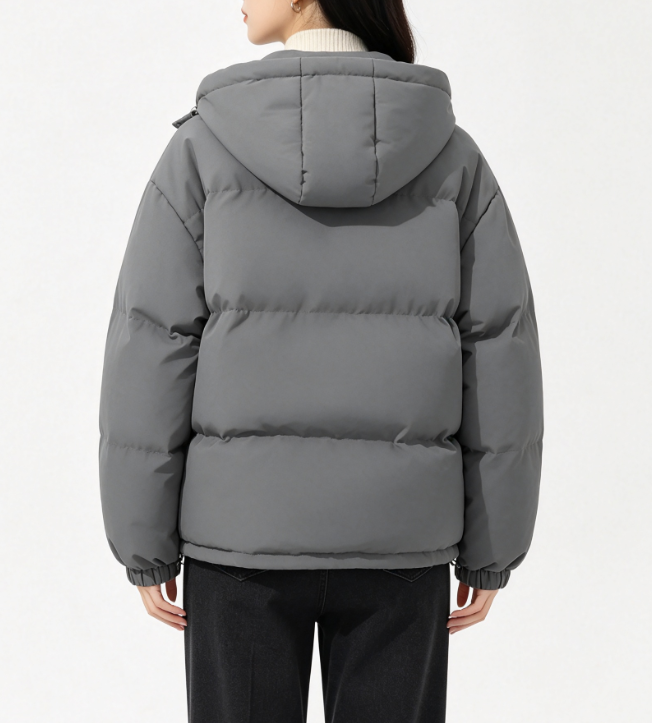


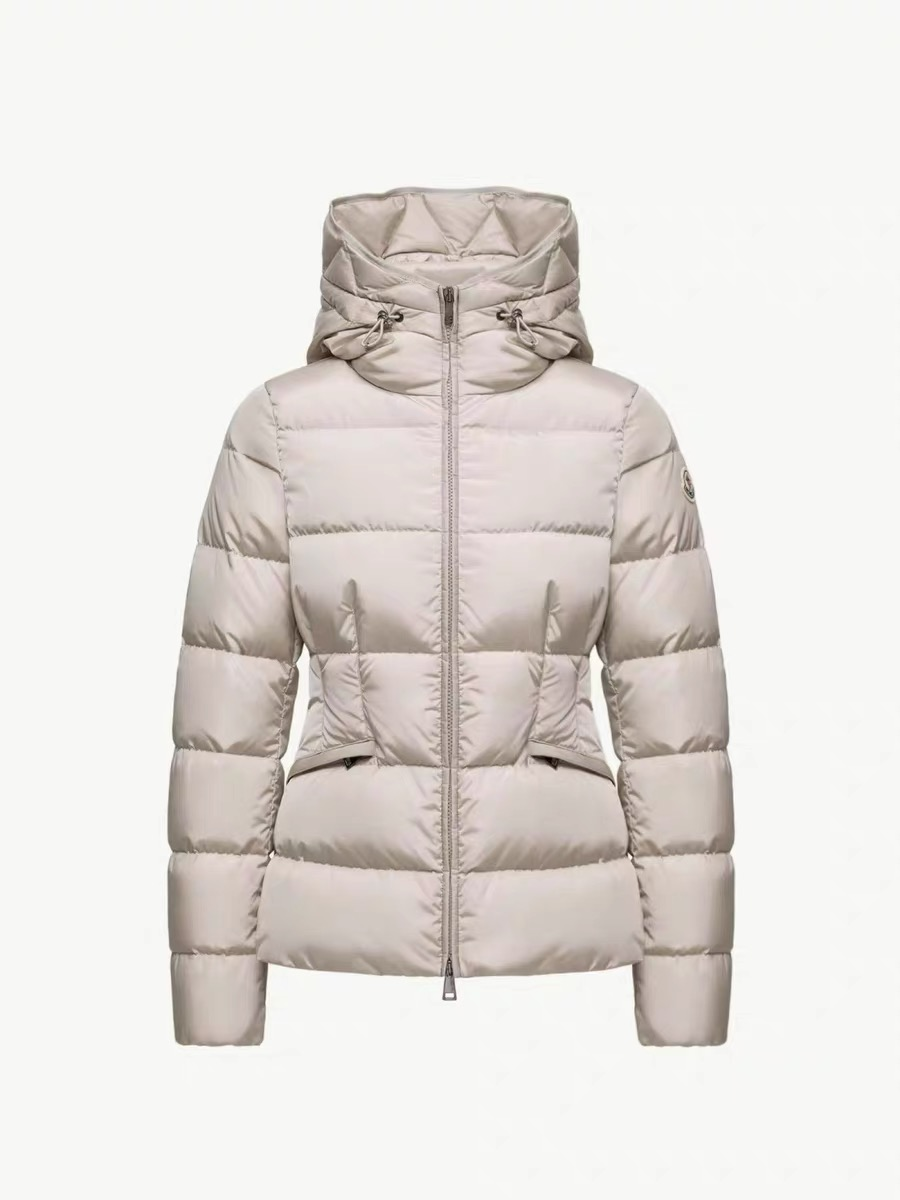

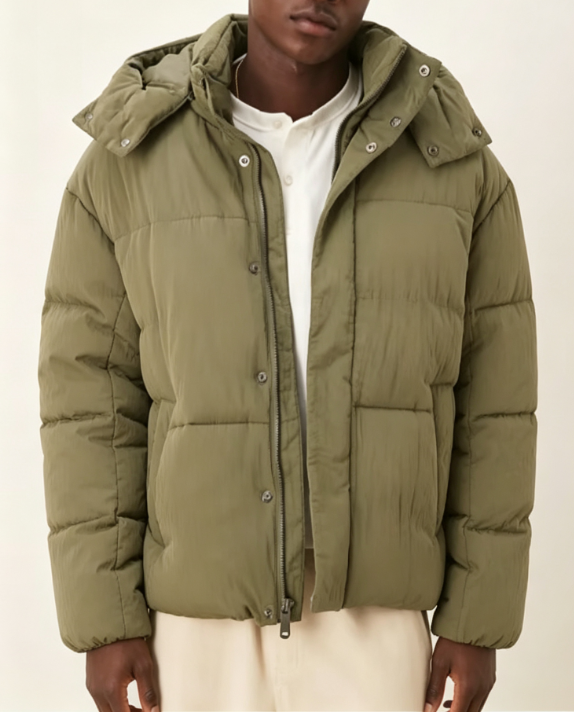


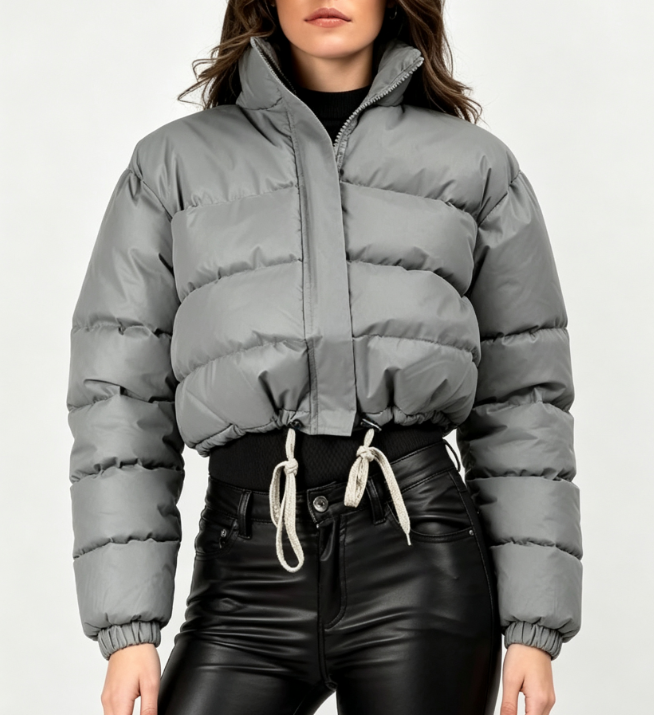


Related Chinese Quilted Jacket Catalogue & Quotation


Why Source Chinese Quilted Jackets From JUNSHEEN
Fit-focused development, integrated decoration, and scalable production for custom quilted outerwear programs.
100-Unit MOQ
Launch capsule Chinese quilted jacket styles from 100 units per style and color, with practical support for emerging labels.
One-Stop Development
Move from sketch, tech pack, or reference sample through fabric sourcing, pattern making, sampling, production, and packaging.
XS–3XL Fit Grading
Build consistent normal, extended-size, plus-size, and oversized fits with refined proportions across the full graded size range.
Integrated Decoration
Add logo embroidery, patches, screen printing, labels, trims, and branded packaging through one coordinated manufacturing supply chain.
Scalable Export Production
Rely on 200+ skilled workers, 80,000+ monthly units of capacity, quality control, and global shipping support as demand grows.
Quilted Jacket Programs and Core Categories
Develop coordinated casualwear, denim, knitwear, and outerwear programs with low-MOQ production, fit-focused grading, and scalable export support.

Custom Hoodies
Develop custom hoodies in fleece, French terry, or jersey for capsule drops and repeat programs. Junsheen supports fabric selection, pattern development, XS–3XL grading, embroidery, printing, labels, and packaging from 100 units per style and color.
Request a Quote
Custom T-Shirts
Produce custom tshirt programs in combed cotton, Pima cotton, organic options, and blended jersey. The team reviews specifications, manages necklines and proportions across sizes, and applies screen print, DTG, DTF, embroidery, or wash finishes.
Request a Quote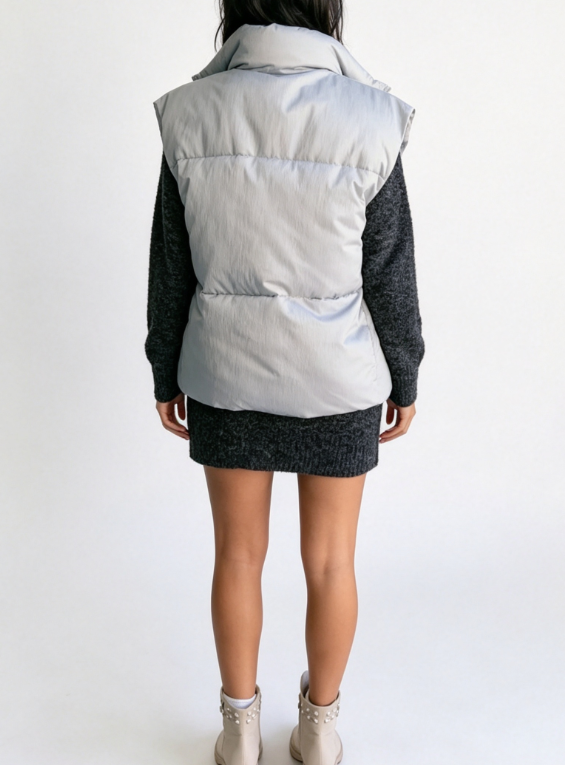
Custom Jeans
Build custom jeans with denim or stretch-denim sourcing, fit development, rise and inseam control, and graded sizing from XS–3XL. Washing, distressing, hardware, leather labels, embroidery, and branded trims can be managed within one production workflow.
Request a Quote
Custom Sweaters
Source turtle neck sweater bulk programs with yarn selection, gauge planning, neckline construction, and fit grading suited to your target market. Junsheen develops sweaters for retail collections, coordinating samples, colorways, labels, and repeatable bulk specifications.
Request a Quote
Custom Jackets
Develop custom jean jacket styles alongside quilted outerwear for cohesive seasonal assortments. Cut-and-sew production covers denim weight selection, collars, pocket placement, washes, custom buttons, patches, embroidery, and size grading for normal, oversized, and extended fits.
Request a Quote
Custom Sweatshirts & Crewnecks
Create custom crewneck hoodie and sweatshirt programs with controlled body length, shoulder balance, rib specifications, and fleece weights. Junsheen supports screen printing, puff effects, embroidery, garment dye, washing, private labels, and low-MOQ sampling through bulk production.
Request a Quote
Custom Cardigans
Launch custom cardigan programs with knit construction, yarn sourcing, button selection, placket development, and size-set approval. Pattern and grading work addresses body proportion and sleeve length, helping brands maintain a consistent fit across standard and extended sizes.
Request a Quote
Custom Puffer & Down Jackets
Manufacture custom puffer jacket programs with shell, lining, insulation, quilting, zipper, and trim specifications aligned to target cost and climate use. Junsheen coordinates prototype sampling, fit review, QC, branded labels, and export-ready packing from low-MOQ launches onward.
Request a Quote
Custom Denim Shorts
Develop custom jean shorts with denim sourcing, rise and leg-opening refinement, inseam options, washes, distressing, and branded hardware. Fit-focused grading supports women’s, men’s, oversized, and extended-size programs while keeping samples and repeat bulk orders consistent.
Request a Quote
Custom Sweater Dresses
Produce custom sweater dresses with yarn and gauge recommendations, silhouette development, neckline control, and grading across XS–3XL. The team can develop fitted, relaxed, or oversized shapes, then manage labels, trims, sample approvals, and scalable knitwear production.
Request a Quote
Custom Denim Sets
Create mens denim suits wholesale programs that coordinate denim jackets, overshirts, jeans, and matching components for retailers and wholesalers. Junsheen manages fabric consistency, wash matching, pattern development, hardware, branded trims, QC, and export support for repeatable bulk orders.
Request a Quote
Custom Polo Shirts
Develop custom polo shirts in pique, jersey, performance knits, or blended fabrics for branded uniforms, retail collections, and wholesale programs. Collar construction, plackets, logo embroidery, printing, grading, labels, and packaging are managed to your approved specifications.
Request a Quote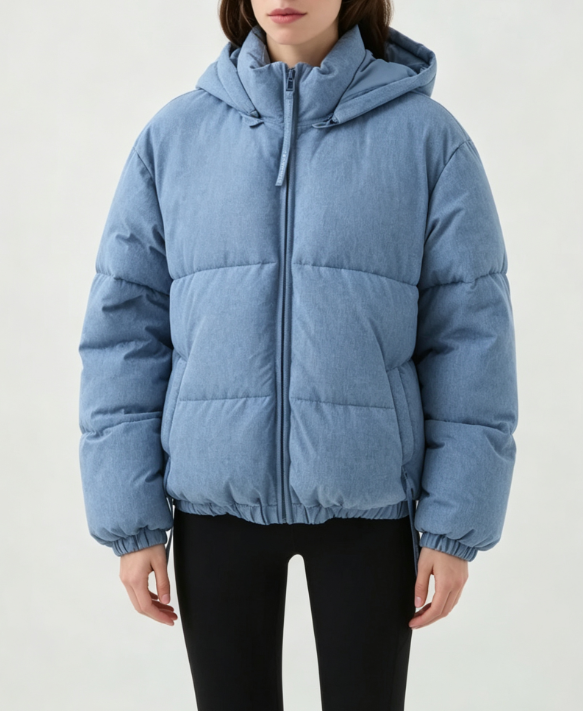
Custom Sweatpants
Produce custom sweatpants in fleece, French terry, or performance knits with attention to rise, leg shape, cuff construction, and mobility. Junsheen supports coordinated sets, size grading, embroidery, printing, washes, private labels, and MOQ flexibility for growing brands.
Request a Quote
Custom Shorts
Develop custom shorts across jersey, fleece, twill, denim, and woven constructions for seasonal assortments. Specifications can include inseam, pockets, elastic or tailored waistbands, drawstrings, printing, embroidery, washes, and fit grading from XS through 3XL.
Request a Quote
Custom Pullovers
Create custom pullovers in knitwear, fleece, French terry, or performance constructions based on a tech pack, reference sample, or concept. Junsheen supports material selection, pattern refinement, decoration, labels, and scalable production for coordinated collection programs.
Request a QuoteMaterials for Warm, Structured Chinese Quilted Jackets

Nylon Taslan Shell
A softly textured, matte woven shell suited to lightweight Chinese quilted jackets and utility-inspired outerwear. Its durable yarn construction offers wind resistance, quick drying performance and a crisp hand that holds quilted panel definition.

Polyester Peach Skin
A smooth, brushed shell fabric for fashion-led quilted outerwear with a refined, suede-like hand feel. Available in multiple weights, it delivers clean color coverage, soft drape and dependable abrasion resistance for everyday wear.

Cotton Twill Shell
A substantial woven option for structured workwear, heritage and casual quilted jackets. Cotton twill has a natural dry hand, visible diagonal texture and reliable shape retention, with weight selections for seasonal warmth and durability.

Recycled Polyester Lining
A smooth, lightweight lining that helps quilted jackets layer comfortably over knitwear and jersey. Recycled polyester provides low-friction wear, good colorfastness and a practical option for brands seeking recycled-content material programs.

Polyfill Insulation
Lofty synthetic insulation for warm, machine-washable Chinese quilted jackets, from light transitional layers to winter-weight styles. Fiberfill weight can be specified by GSM to balance thermal performance, bulk and mobility.

Rib Knit Trims
Stretch rib cuffs, collars and hem bands add secure finishing to bomber and varsity-inspired quilted jackets. Cotton-blend or polyester rib options provide recovery, a comfortable hand and coordinated color matching across the garment.
Chinese Quilted Jacket Decoration & Finishing Capabilities

Logo Embroidery
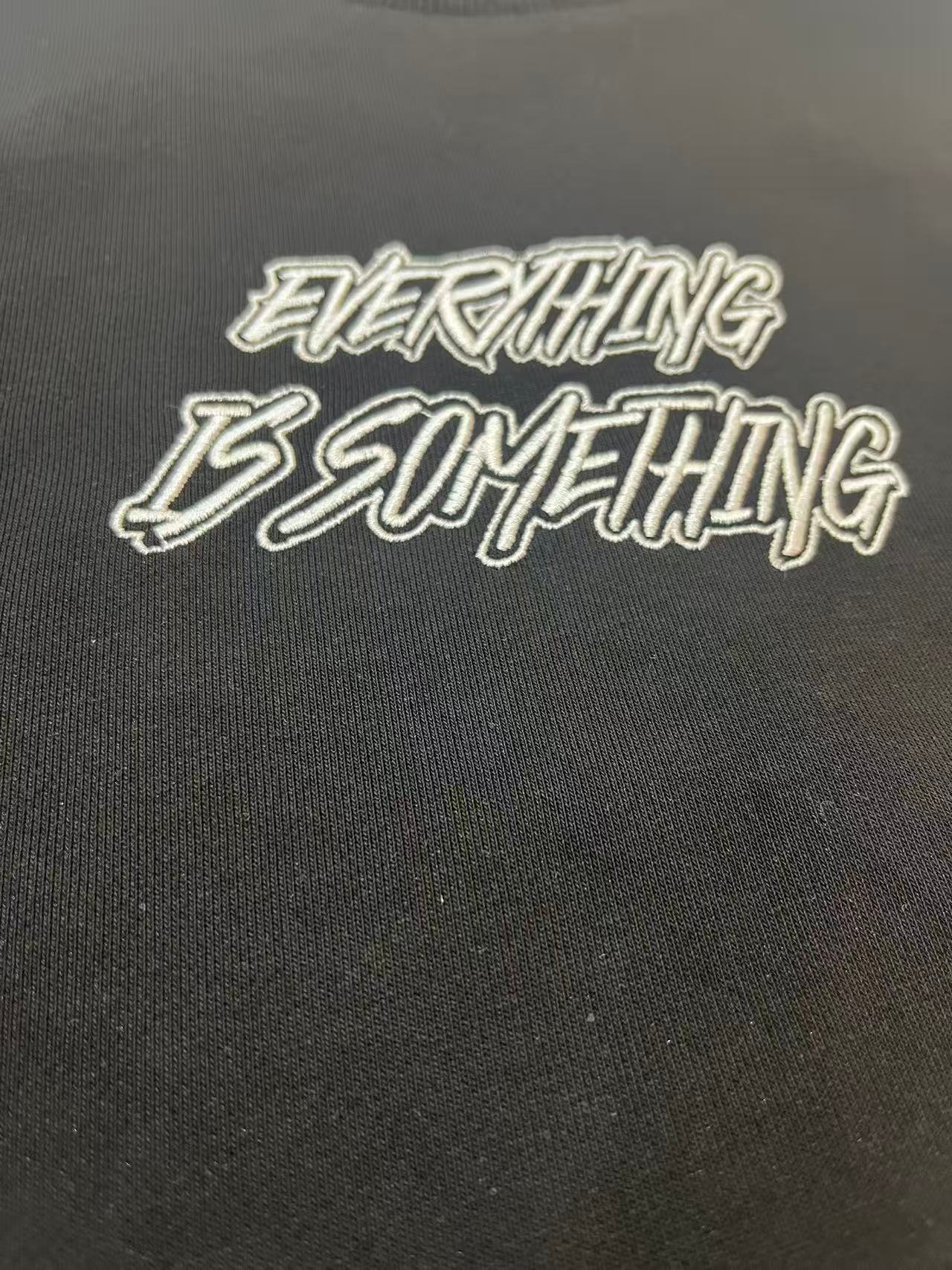
Flat, 3D puff, chain-stitch, and applique embroidery add dimensional branded detail to chest panels, sleeves, and back yokes, using secure stitching and placement review for a polished, durable finish.

Screen Printing
Plastisol, water-based, puff, silicone, high-density, foil, and discharge screen prints create bold graphics on suitable quilted panels, with methods selected for opacity, texture, wash performance, and intended garment use.

Custom Patch Application
Woven, embroidered, chenille, leather-look, and custom logo patches provide a tactile identity for varsity-inspired or utility outerwear, applied with appropriate stitching or backing for clean edges and dependable attachment.

Garment Wash Effects
Softening, enzyme, garment-dye, acid-wash, stone-wash, and brushing treatments can build a worn-in hand feel or tonal character, with process testing used to protect insulation, shell performance, and color consistency.

Surface Finishing
Anti-pilling, napping, softening, and performance-focused finishing improve hand feel, surface appearance, and wear comfort. JUNSHEEN aligns finishing specifications with fabric construction, decoration, and your target market requirements.
Chinese Quilted Jacket Trims & Private-Label Accessories

Custom Snap Buttons
Choose branded metal or coated snap buttons for front closures, pocket flaps and adjustable cuffs. We help match finish, logo treatment and attachment strength to your Chinese quilted jacket design and target price.

Branded Zippers
Specify nylon, metal or molded zippers for center fronts, pockets and utility details. Custom pullers, tape colors and zipper finishes support your brand identity while maintaining smooth performance through sampling and bulk production.

Drawcord And Tipping
Add custom drawcords, cord ends and contrast tipping to hoods, waist channels or hem adjusters. Our team coordinates cord weight, color and hardware so functional adjustments complement the jacket’s intended silhouette.

Woven Brand Labels
Create woven main labels, size labels and wash-care labels with your logo, sizing system and care information. Labels can be positioned at necks, side seams or pockets for a polished private-label presentation.

Custom Hang Tags
Develop branded hang tags with custom paper stock, finishes, strings and product messaging for retail delivery. They help communicate collection identity, material details and care guidance before customers first wear the garment.
Branded Packaging Sets
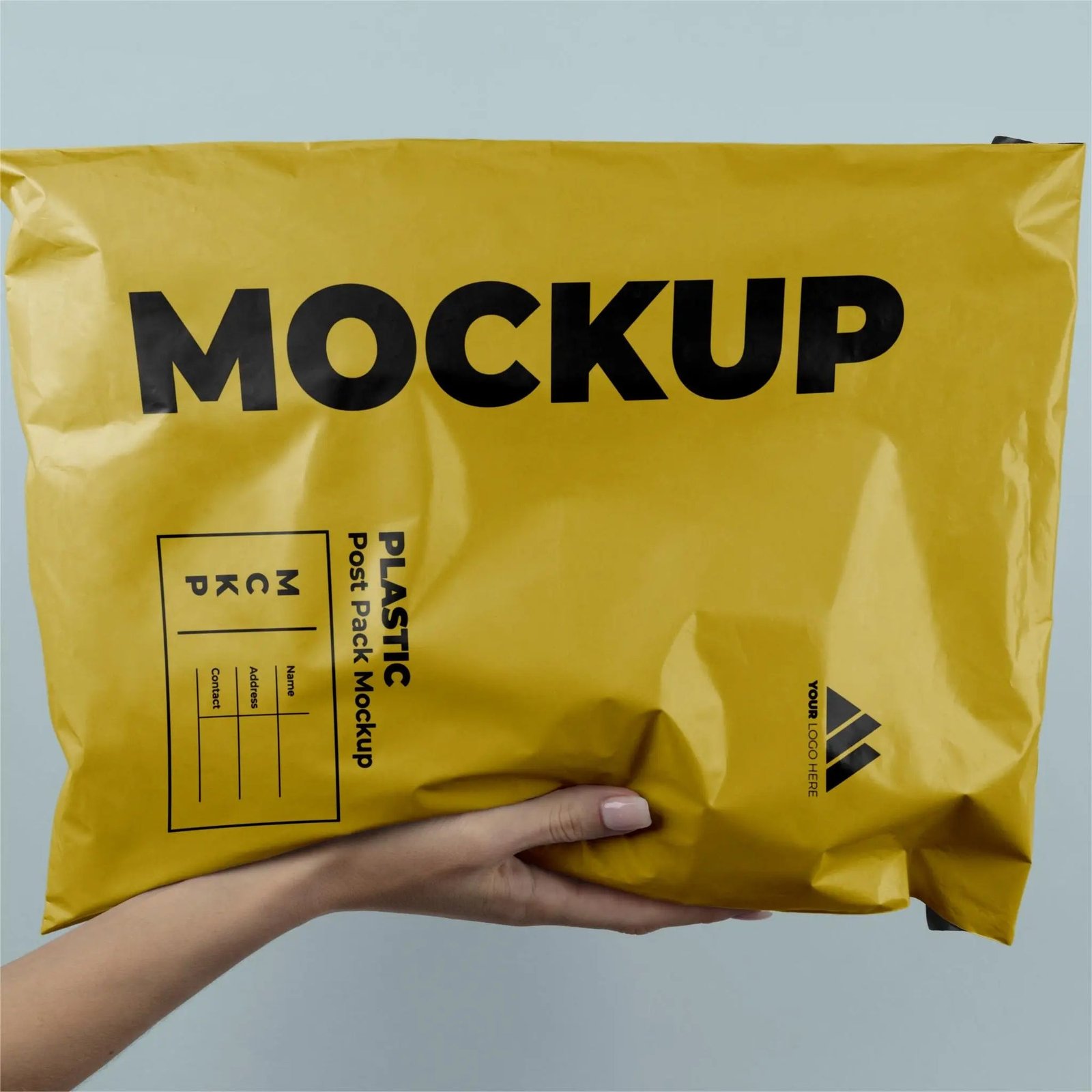
Complete your order with custom polybags, folding instructions, stickers, tissue paper and outer-carton marks. Packaging is planned alongside quality control to protect quilted garments and create a consistent unboxing experience.
About JUNSHEEN Apparel Manufacturing
Founded in 2010 in Humen Town, Dongguan, JUNSHEEN helps brands turn outerwear concepts into production-ready collections. Our Chinese quilted jacket manufacturing combines OEM, ODM, private-label and product-development support from initial specification review through export-ready delivery.
With more than 200 skilled workers and monthly capacity exceeding 80,000 units, we support both focused capsule launches and scalable repeat programs. Brands can begin from 100 units per style and color, with cut-and-sew, knitting, fabric sourcing, quilting, decoration, finishing, labels and packaging coordinated in one supply chain.
What distinguishes JUNSHEEN is a fit-first partnership approach. Our team develops XS–3XL, extended-size, plus-size and oversized patterns with balanced proportions, then retains technical records for more consistent reorders. Clear sampling, in-line quality control and responsive global export support help protect your product vision as volume grows.

Chinese Quilted Jacket Fit, Sampling & Bulk Control
Fit-First Pattern Grading
JUNSHEEN develops chinese quilted jacket patterns from XS through 3XL with proportion-specific grading, not simple scale-ups. Our team refines shoulder balance, sleeve length, body volume and mobility so every planned size supports a consistent, wearable silhouette.
- XS–3XL, extended-size, plus-size and oversized grading
- Pattern review from tech packs, sketches or reference samples
- Size-set sampling before bulk approval
- Retained graded patterns for faster repeat orders

Material Sourcing With Purpose
Choose shell, lining, wadding and trim combinations around your target warmth, weight, hand feel and price point. JUNSHEEN sources through established supplier networks and provides swatches or sample garments, helping buyers validate structure, durability and wash performance before bulk commitment.
- Woven shell options including nylon, polyester, cotton and twill
- Insulation selected for loft, warmth and garment weight
- Fabric and trim recommendations matched to target cost
- Swatches and pre-production material confirmation

In-House Brand Detailing
Make each chinese quilted jacket recognizably yours with coordinated decoration, labels, hardware and packaging. In-house embroidery, print and finishing teams help align logo placement and visual details with the approved sample, reducing handoffs across a multi-supplier production program.
- Flat, 3D puff, chain-stitch and applique embroidery
- Screen print, DTF, heat transfer and specialty effects
- Custom woven labels, care labels, hang tags and packaging
- Branded zippers, snaps, drawcords and patches

Controlled Bulk Consistency
Production control continues from incoming materials through final packed goods. JUNSHEEN checks measurements, construction, quilting alignment, decoration and finishing during in-line and final inspections, giving sourcing teams clear approval points while supporting scalable orders from 100 units per style and color.
- Incoming fabric and trim inspection
- In-line construction and measurement checks
- Final inspection before packing and export
- 80,000+ units monthly capacity for repeat programs

Why Buyers Choose JUNSHEEN Over Typical Suppliers
A fit-first Chinese quilted jacket manufacturing partner for scalable, export-ready programs.
← 左右滑动查看 →
Chinese Quilted Jacket Production Process
A controlled OEM workflow that moves your outerwear program from technical review to packed, shipment-ready goods.
Review Design Feasibility
We assess your tech pack, reference garment or concept, confirming construction, target fit, quilting method, MOQ, cost drivers and production requirements.
Source Fabrics And Trims
Our team recommends shell, lining, insulation and hardware options based on warmth, hand feel, durability, target price, decoration and wash-performance needs.
Build Patterns And Samples
Pattern makers develop and grade fit-focused XS–3XL specifications, then produce prototype samples for measurements, mobility, quilting layout and brand approval.
Confirm Pre-Production Details
After sample approval, we lock fabrics, labels, trims, packaging, color standards and production specifications to create a clear bulk-production reference.
Control Bulk Production Quality
Skilled teams monitor cutting, quilting, sewing, decoration and finishing, with inspections for construction, measurements, appearance and packed-goods consistency.
Pack And Ship Globally
Approved Chinese quilted jacket orders receive private-label packing and export support, then ship globally with documentation prepared for your chosen delivery plan.
Start Your Chinese Quilted Jacket OEM Order
Move from concept to approved bulk production with a clear, fit-focused development process.
Submit Your Design
Send a tech pack, sketch, reference garment, mood board, target quantity, and sizing requirements so our team can review feasibility and construction details.
Confirm Materials and Quote
Select shell fabrics, insulation, lining, quilting, trims, decoration, and private labels; receive a clear quotation based on your specifications and 100-unit MOQ.
Approve Your Sample
Review the prototype for fit, warmth, measurements, quilting quality, and branding details. We refine patterns and materials before size-set or pre-production approval.
Launch Bulk Production
Confirm the order and move into controlled bulk manufacturing, with in-line inspections, final quality checks, branded packaging, and coordinated global export support.
Custom Clothing Manufacturer Credentials and Compliance Documents



Chinese Quilted Jacket Client Results & Production Case Studies
Approved customer testimonial pending. Add a verified sourcing, sampling, fit, or repeat-order outcome with the confirmed production quantity, timeline, or revision result before publishing.
Approved customer testimonial pending. Add a verified account of the Chinese quilted jacket development process, including an approved sample outcome or documented size-grading improvement.
Approved customer testimonial pending. Add a verified wholesale or retail case study with the confirmed reorder quantity, delivery result, or private-label production milestone.
Chinese Quilted Jacket OEM FAQ
Clear answers for sourcing teams planning samples, bulk orders and repeat production with JUNSHEEN.
What is the MOQ for a Chinese quilted jacket order?
Can you develop a Chinese quilted jacket from a sketch or reference sample?
How long does Chinese quilted jacket sampling and bulk production take?
Can you grade quilted jackets from XS to 3XL?
What payment terms apply to a first OEM order?
Can JUNSHEEN arrange international shipping for quilted jacket orders?
How do you protect Chinese quilted jacket designs and private-label details?
Can you add custom labels, quilting patterns and branding?
Complete Buyer’s Guide to chinese quilted jacket Sourcing
Use this decision framework to compare chinese quilted jacket styles, materials, construction, customization, and supplier capabilities—while avoiding MOQ, sampling, quality-control, and costing mistakes that delay a successful launch.
1. What Is a chinese quilted jacket?
1 chinese quilted jacket is a padded outerwear style in which parallel, diamond, channel, or custom stitch lines secure insulation between an outer shell and lining. For global buyers, ‘chinese’ usually describes sourcing origin or a Chinese-made product program; it does not automatically mean a traditional Tang-style collar, frog closures, or other heritage styling. 3 functional layers define the garment: shell fabric controls appearance and weather resistance, insulation supplies warmth, and lining improves comfort while containing the fill. Unlike a high-loft puffer with large baffles, quilting typically creates a flatter, more structured profile; unlike a generic padded jacket, the stitch pattern is a visible design and construction requirement. 100-unit development inquiries should state target season, intended temperature range, silhouette, size range, shell and lining composition, insulation type and weight, quilt pattern, closure hardware, color count, and required labels or packaging. Buyers should also provide a tech pack, reference image, or sketch and identify performance expectations such as water repellency, wash durability, recycled-content documentation, or OEKO-TEX material requirements before requesting a production quote.
2. History of chinese quilted jacket Design
1368–1644, the Ming dynasty is a useful reference point for sourcing teams: padded, layered garments became established practical winter clothing as cotton cultivation and cloth use expanded in China. Regional needs shaped the look—northern garments prioritized warmth and wind protection, while southern versions often used lighter cotton layers, finer shell fabrics, and closer-to-body proportions. 19th- and 20th-century workwear and household quilting kept the category functional, relying on stitched layers to stabilize cotton wadding and extend wear through repeated repair and laundering. Those garments should not be treated as a single national costume: closures, collar shapes, quilting motifs, and textile choices varied by community, period, climate, and social use. Since the 1980s, export-oriented apparel production has translated these references into the modern chinese quilted jacket: diamond or channel quilting, recycled polyester fill, nylon shells, oversized fits, and utility details for global fashion markets. A respectful collection borrows a specific cue—such as a stand collar, fabric-covered frog closure, or indigo-inspired palette—then documents its reference, avoids sacred or identity-specific symbols, and develops contemporary proportions, labeling, and quality requirements for the intended customer.
3. Types of chinese quilted jacket
Seven silhouettes cover most commercial chinese quilted jacket programs, from lightweight layering to cold-weather outerwear. Select the block, quilt layout, and trim package together because each changes target retail price, season, and production complexity.
| Silhouette | Best Channel | Season | Fit And Quilt |
|---|---|---|---|
| Collarless liner | Capsule retail | Spring/fall | Regular; diamond or onion |
| Padded overshirt | Contemporary retail | Fall | Relaxed; horizontal |
| Bomber | Streetwear | Fall/winter | Short; horizontal |
| Workwear jacket | Denim/casual | Fall | Boxy; square |
| Longline coat | Outerwear retail | Winter | Straight; vertical |
| Reversible jacket | Premium travel | Spring/fall | Relaxed; aligned channels |
Liners And Diamond Jackets
2 core options serve fashion layering: collarless liners suit unisex capsules, while diamond-quilted jackets suit accessible heritage collections. Use a regular or slightly cropped fit for spring/fall, with bound edges, snap fronts, and 3–5 cm diamond channels. 100-unit programs benefit from shared shell colors and stock snaps. Collarless binding demands clean seam control; diamond layouts require accurate panel marking so insulation does not shift.
Padded Overshirts And Bombers
1 padded overshirt targets contemporary retail and work-to-weekend customers; use 5–8 cm horizontal or onion quilting, chest pockets, and a shirt collar. A relaxed fit accommodates knitwear and works best for fall or mild winter. 1 bomber targets streetwear channels with rib collar, cuffs, and hem plus a shorter body. Rib matching, zipper quality, and even batting distribution are essential at a mid-to-premium price point.
Workwear And Longline Coats
2 utility-led choices broaden outerwear assortments: workwear jackets use boxy fits, patch pockets, reinforced seams, and square quilting. They suit denim and casualwear collections for fall, especially when durable twill shells support a higher perceived value. 90–120 cm longline coats serve colder markets and womenswear or unisex outerwear ranges. Vertical quilting and side vents reduce bulk, but longer shells, linings, and insulation materially increase fabric consumption.
Reversible Programs
2 wearable faces make reversible jackets effective for travel, resort, and premium private-label collections. Pair a solid shell with contrast lining, reversible pockets, and a two-way zipper; keep quilting channels aligned across both faces. 100-unit MOQ planning should limit reversible programs to two coordinated colorways. Double-sided construction increases labor, so confirm label placement, seam finishing, and the intended retail margin before sampling.
4. chinese quilted jacket Materials and Fabrics
70–110 GSM shells suit lightweight layering, while 140–220 GSM face fabrics better tolerate abrasion and cooler conditions. For a chinese quilted jacket, specify shell, lining, insulation, and trim as one system so weather protection does not compromise drape or target cost.
| Material | Typical Weight | Performance | Recommended Use |
|---|---|---|---|
| Nylon ripstop | 45–80 GSM | Light, tear-resistant, low absorbency | Packable outer shell |
| Polyester | 75–150 GSM | Colorfast, durable, value-led | Everyday fashion shell |
| Cotton blend | 140–220 GSM | Soft hand, breathable, less rain resistant | Heritage or casual styles |
| Recycled polyester | 60–120 GSM | Durable; verify recycled documentation | Lower-impact technical programs |
| Softshell | 200–300 GSM | Wind resistant, structured, heavier | Commuter outerwear |
Buyer Fabric Matrix
4 shell families cover most capsule and bulk programs; confirm finished weight after quilting rather than relying on face-fabric GSM alone.
Shell And Lining Choices

20D–40D nylon delivers a smooth, lightweight shell with strong tear performance; ripstop adds a grid reinforcement for travel and outdoor-focused styles. 75–150 GSM polyester is economical, colorfast, and easy-care, while cotton or recycled cotton blends give a softer, less technical hand. Softshell faces improve wind resistance but create a heavier, more structured jacket. 60–100 GSM polyester lining slides easily over layers; brushed fleece lining increases warmth and comfort but adds bulk and drying time.
Fill, Trim, And Claims
80–200 GSM synthetic insulation retains warmth when damp and recovers better after repeated laundering than cotton fill. Cotton fill provides a natural hand and lower-plastic option, but can compact, absorb moisture, and require stricter wash testing. 100% recycled-content claims require supplier documentation; request transaction certificates where applicable rather than treating a recycled blend as certified. Specify zipper pull strength, snap corrosion resistance, rib recovery, and seam tape only where the intended weather rating justifies them.
5. Customization and Decoration Options
A 100-unit MOQ can support private-label quilted outerwear when colorways and trims stay controlled. For a chinese quilted jacket, lock visual decisions before sampling because each added component changes material booking, labor, and approval risk.
| Option | Visual Impact | MOQ Or Setup | Durability | Main Cost Driver |
|---|---|---|---|---|
| Custom quilt map | High | Sampling pattern | High | Sewing time |
| Embroidery or patch | High | Artwork/sample | High | Stitch count or patch type |
| Printed lining | Medium | Print strike-off | Medium | Color count and yardage |
| Custom hardware | Medium | Mold or finish sample | High | Tooling and plating |
| Branded packaging | Medium | Artwork approval | Shipping dependent | Materials and pack labor |
Surface Design And Color
Three elements—quilt map, color blocking, and contrast binding—define the silhouette before decoration. Supply a flat sketch showing stitch direction, channel width, panel boundaries, binding width, Pantone references, and shell-to-lining color assignments. One approved strike-off or sewn sample is prudent for contrast panels and printed linings. Repeat scale, print placement, fabric base, and lining yardage must be specified so the supplier can calculate waste and matching requirements.
Branding And Hardware
Four common upgrades are embroidery, patches, woven labels, and branded hardware. Provide vector artwork, finished dimensions, placement from seams, thread or patch construction, label folds, logo finish, and zipper, snap, or puller specifications. Two approvals matter for durable branding: embroidery or patch samples, plus hardware finish samples. Dense embroidery raises stitch time; custom molds, plated metal, and low-quantity label runs increase setup cost.
Pockets And Packaging
Two pocket decisions—type and reinforcement—affect both function and sewing time. State welt, patch, zip, or inseam construction; pocket bag fabric; opening dimensions; bartack locations; zipper gauge; and closure direction in the tech pack. Three packaging details should be quoted separately: folded dimensions, polybag or garment bag specification, and hang-tag or carton artwork. Include pack ratio, barcode placement, and export-carton quantity to prevent last-minute relabeling.
6. Key Construction Quality Elements
Eight construction checkpoints separate a premium chinese quilted jacket from a merely padded sample. Review them at prototype approval and again during final inspection, using the approved sample as the control.
Quilting And Fill Control
8–10 stitches per inch is a common starting range for stable quilting, but the approved stitch line and fabric weight should govern the final setting. Inspect parallel channels for even spacing, skipped stitches, puckering, loose thread tails, and drifting intersections. 100% of quilted panels should be checked for cold spots, clumped insulation, and fill escaping through needle holes. Hang and lay samples flat; uneven loft, twisted channels, or exposed fill are visible rejection signals.
Seams, Binding, And Pockets
6–10 mm seam allowances should be consistent with the approved construction, with raw edges enclosed, overlocked, or cleanly bound where specified. Check curved edges for roping, bulky joins, open seams, and binding that pulls the shell. 2–3 bartacks or equivalent reinforcement at pocket stress points reduce tearing during wear. Test pocket openings by hand for symmetry, secure bag seams, and lining caught in the topstitch.
Hardware And Lining Stability
10 repeated zipper cycles and snap opening tests reveal rough sliders, tooth separation, weak tape, and loose snap caps before bulk approval. Specify the approved zipper pull, finish, and closing direction in the tech pack. 2–3 cm of controlled lining ease helps prevent hem pull-up when the wearer moves. Inspect lining for twisting, trapped insulation, uneven sleeve lengths, and seam allowance show-through.
Measurements And Wash Verification
±1 cm is a practical finished-garment tolerance for many key body measurements, while critical opening and collar points may require tighter limits. Measure graded sizes against the approved spec after garments have rested flat. 1 wash test on the approved care cycle should confirm shrinkage, fill migration, color bleeding, seam torque, and hardware damage. Pre-shipment QC should compare random packed units with the sealed approval sample.
7. How to Choose a chinese quilted jacket Manufacturer
100-unit programs can suit a capsule launch, but minimums matter only after the factory confirms fabric availability, color allocation and line capacity. Evaluate a chinese quilted jacket supplier through documented development, controls and delivery performance—not a low headline price.
Verify Outerwear Development
2 sample rounds are common for a new quilted style; ask to see comparable jackets, measurement sheets and sample photos. Confirm who owns pattern making, size grading and correction tracking. 3 questions expose depth quickly: Which shell, insulation and lining combinations have you produced? Can you diagnose quilting distortion? What approval standard releases bulk production?
- Request a pre-production sample
- Check seam, quilting and fill consistency
- Review XS–3XL grading capability
Audit Materials And Compliance
40–120 gsm insulation and shell weight materially affect warmth, drape and freight cost, so require named specifications rather than generic fabric labels. Ask for swatches, composition, test reports and traceable mill information. OEKO-TEX, GOTS, WRAP and BSCI documentation should be requested when relevant to your market or brand policy. Verify document scope, expiry date and the entity named on each record.
- Shell and lining composition
- Insulation weight and recovery
- Colorfastness and wash testing
Compare Total Production Value
80,000-plus monthly capacity may indicate scale, yet the useful question is available capacity during your requested ship window. Ask about incoming-fabric, in-line, final inspection and export handoff procedures. 100 units per style and color can be workable for flexible programs; compare quotes line by line for fabric, trims, sampling, labels, packaging, inspection, freight terms and payment timing. A cheaper unit price can omit necessary testing, approved hardware or revision support.
- Confirm production and inspection milestones
- Ask for written defect-resolution process
- Verify export documents and shipping terms
8. Common Buyer Mistakes to Avoid
A 100-unit launch can become expensive when specifications remain verbal. For a chinese quilted jacket, lock measurable requirements before sampling so factories can quote, develop, and inspect against the same standard.
Specify The Technical Pack
A tech pack needs a front and back sketch, point-of-measurement chart, bill of materials, and construction callouts; a reference photo alone leaves room for interpretation. Two prevention steps are to assign Pantone codes, zipper length, pocket placement, and label positions, then require written factory confirmation before the first sample.
Test Fabric, Fill, And Quilting
Fabric photos cannot show hand feel, weight, shrinkage, or coating performance. Request swatches and approve shell composition, GSM, lining, fill type and weight, plus quilting pitch and stitch density. Three wash tests should include the approved shell, fill, and colorway before bulk material is released. Compare post-wash measurements and shade under daylight and indoor light.
Measure Samples Before Approval
A sample approval without measurements can conceal a 1–2 cm chest, sleeve, or body-length deviation. Check a graded measurement sheet on a size set rather than judging fit from one model. XS through 3XL programs need deliberate grading, not proportional enlargement. Record tolerance, wash condition, and the exact sample revision approved for production.
Freeze Details And Budget Early
Changes after pre-production approval—such as a new zipper, quilting layout, or woven label—can trigger new sampling, material loss, and schedule changes. Freeze artwork, trims, packaging, and carton marks in a signed approval file. A target price must reflect fabric, fill, quilting labor, decoration, MOQ, and freight terms. Ask for a costed quotation and identify the two or three features to simplify if the target is not feasible.
9. Steps to Launch Your Brand
A 100-unit OEM MOQ lets a new label validate one chinese quilted jacket style without committing to a broad seasonal buy. Lock commercial positioning before sampling, then treat each approval as a gate for the next spend.
Define The Commercial Brief
1 target customer, retail price, channel and launch month should be fixed first. Benchmark 5 competing jackets for silhouette, fill weight, fabric hand, color range and price. 2 buyer deliverables are a mood board, reference images, target cost and forecast by color. Decide whether the first run serves DTC, wholesale appointments or both.
Build The Technical Package
1 production-ready tech pack should specify flats, measurements, construction, Pantone colors, artwork, label placement and packaging. Include shell, lining, insulation and trim requirements rather than relying on a reference garment. 2 decision gate: approve specifications before pattern work. Junsheen can review a finished pack or develop details from a sketch or sample.
Sample, Fit, And Grade
1 prototype confirms silhouette, quilt layout and material behavior before bulk fabric is committed. Review photos and physical samples for balance, warmth, mobility and stitch quality. 2 fit revisions should be recorded against a measurement chart; then approve a size set from XS through 3XL where needed. Grading must adjust proportions, not merely enlarge the base size.
Approve Bulk And Sell In
100 units can be allocated across limited colors and core sizes for a controlled first run. Confirm bulk swatches, labels, hang tags, packaging, pre-production sample, inspection standard and freight terms before cutting. 2 sales assets should be ready before production finishes: line sheet, wholesale pricing, delivery window, product photography brief and launch inventory plan. Final balances are settled before shipment.
Production And Delivery Gates
3 inspection points reduce preventable claims: incoming materials, in-line sewing and final packed goods. Check measurements, quilting consistency, decoration, hardware function and carton counts. 4 freight planning starts with the required delivery date and destination. Reserve time for export documents, transit, customs clearance and retailer receiving appointments.
10. chinese quilted jacket Pricing and Cost
100 units per style and color is a practical starting tier for an OEM chinese quilted jacket program at JUNSHEEN. The bands below are indicative FOB-style planning ranges in USD, not fixed offers; the approved tech pack, materials, destination, and order mix determine the formal quote. 20–35 working days is a typical bulk-production window after sample and material approval, while new developments need added time for pattern work and sourcing. A lower price is not automatically comparable: confirm fill weight, shell specification, quilting method, trim quality, packaging, inspection scope, and any required lab testing before selecting a supplier.
- Shell fabric: recycled nylon, cotton twill, polyester, coating, and GSM materially change cost.
- Fill: polyester weight, recycled content, down alternatives, and channel construction affect price.
- Quilting: diamond, onion, wave, and multi-panel layouts add sewing time and wastage.
- Trims and branding: zippers, snaps, labels, embroidery, print, packaging, and testing are quote variables.
| Quantity Tier | Indicative Unit Price | Typical Bulk Lead Time | Typical Specification |
|---|---|---|---|
| 100–299 units | US$24–42 | 30–40 working days | Standard polyester shell, synthetic fill, simple quilting, private labels |
| 300–499 units | US$20–35 | 25–35 working days | Improved shell or fill, custom trims, limited embroidery or print |
| 500–999 units | US$17–30 | 20–30 working days | More efficient cutting, repeat quilting, branded packaging |
| 1,000+ units | US$14–26 | 20–30 working days | Volume sourcing; final cost depends on fabric, fill, testing, and color count |
Ready to Develop Your Chinese Quilted Jacket?
Send your tech pack, reference garment, or product idea to JUNSHEEN for fit-focused development and a production quote from 100 units.