
Custom Biker Shorts From 100 Units
Develop fit-focused custom biker shorts from XS–3XL with OEM, ODM, and private-label support from sampling through global production.
Featured Products for custom biker shorts Development






Related Custom Biker Shorts Catalogue and Quotation




Why Source Custom Biker Shorts From JUNSHEEN
A fit-first, production-ready supply chain for brands building performance, athleisure, and private-label biker short collections.
100-Unit MOQ
Launch a capsule or test new colorways from 100 units per style and color, with room to scale proven programs.
Fit-Focused Size Development
Refine rise, inseam, waistband support, stretch recovery, and XS–3XL grading for biker shorts that fit consistently across your size range.
Performance Fabric Sourcing
Select performance knits and stretch blends for targeted compression, opacity, breathability, durability, hand feel, and wash performance.
Integrated Logo Decoration
Coordinate screen printing, silicone details, embroidery, heat transfers, labels, and branded packaging through one experienced production team.
Scalable Export Production
Work with 200+ skilled workers, 80,000+ monthly units of capacity, quality control, and global shipping support as demand grows.
OEM to Private Label
Bring a tech pack, reference sample, sketch, or idea; our team supports development, sampling, manufacturing, and repeat-order consistency.
Custom Apparel Programs Built to Scale
From 100-unit capsule runs to wholesale replenishment, Junsheen develops fit-focused private-label apparel with coordinated sourcing, production, finishing, and export support.

Custom Hoodies
Develop custom hoodies from a tech pack, reference, or concept, with French terry, fleece, jersey, or heavyweight options. Support includes XS–3XL grading, embroidery, screen printing, washes, branded trims, labels, and low-MOQ production from 100 units per style and color.
Request a Quote
Custom T-Shirts
Build custom T-shirts for launches, retail collections, events, and private-label programs. Junsheen develops jersey weights, fits, necklines, sleeves, and size ranges, then applies screen print, DTG, DTF, embroidery, garment dye, or specialty finishes to approved specifications.
Request a Quote
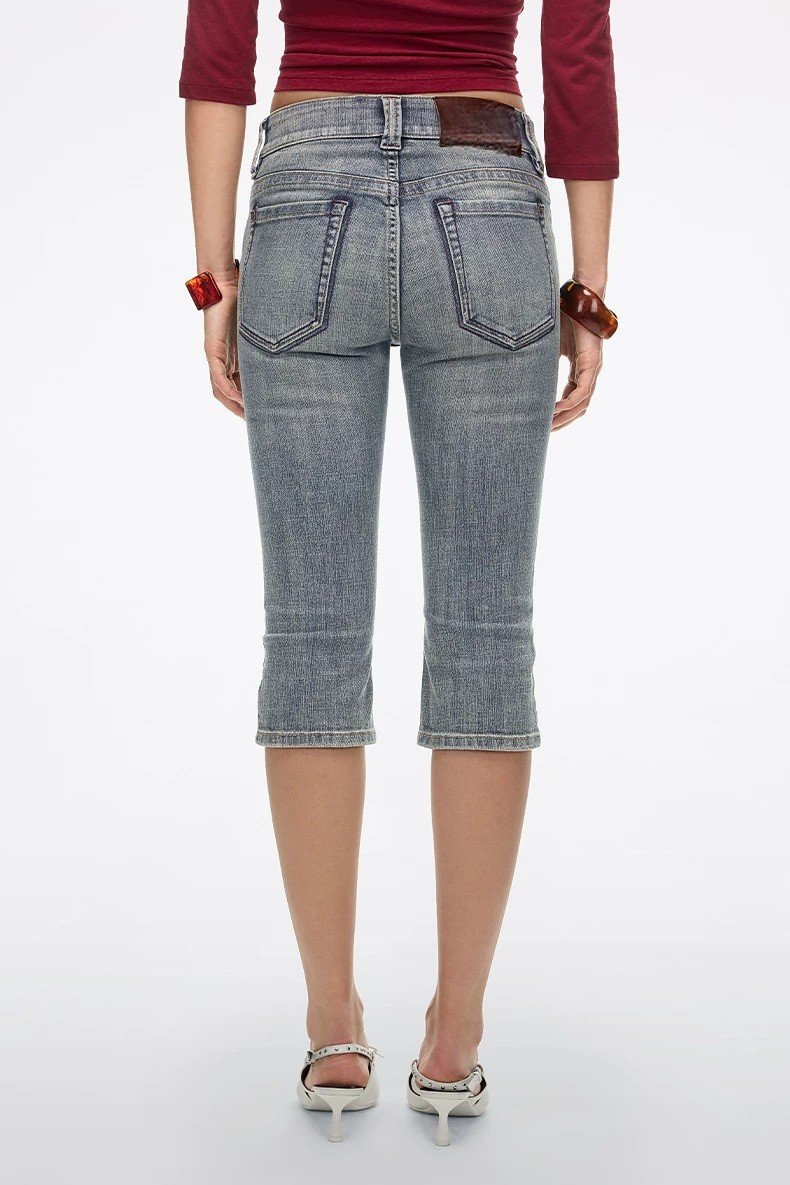
Custom Jeans
Produce custom jeans with fabric sourcing, wash development, pattern making, fit grading, hardware, labels, and packing managed in one workflow. Denim programs can cover stretch or rigid constructions, modern oversized fits, extended sizing, and repeat bulk orders after sample approval.
Request a Quote
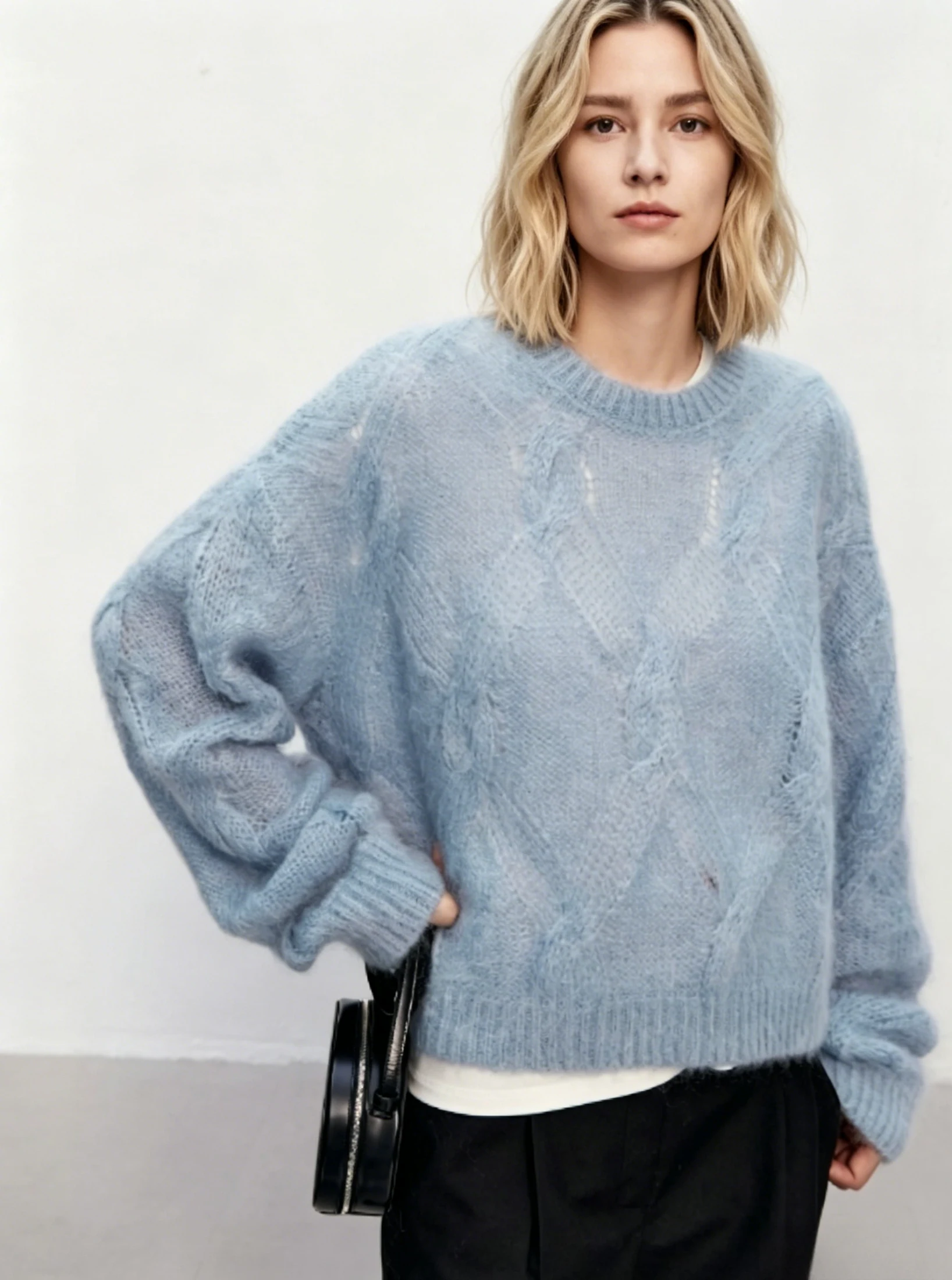
Custom Sweaters
Source turtle neck sweater bulk programs with yarn, gauge, silhouette, and finishing matched to your target price and market. Junsheen supports private-label neck labels, size grading from XS–3XL, sampling, and scalable knitwear production for retail, wholesale, and seasonal collections.
Request a Quote
Custom Jackets
Develop custom jean jackets with denim weight, wash, pocket placement, seams, buttons, patches, and embroidery specified for your brand. The team supports cut-and-sew development, fit refinement, plus-size or oversized grading, samples, and bulk production from 100 units per style and color.
Request a Quote
Custom Sweatshirts & Crewnecks
Create custom crewneck hoodie and sweatshirt programs for capsule drops, teamwear, retail, or private label. Choose fleece, French terry, or jersey constructions, then add rib trims, embroidery, printing, washes, labels, hang tags, and fit-focused XS–3XL grading.
Request a Quote
Custom Cardigans
Produce custom cardigans in sweater constructions suited to fashion, uniform, wholesale, and private-label collections. Junsheen develops yarn blends, gauges, button details, rib finishes, body proportions, and graded size sets, with sample review before bulk knitting begins.
Request a Quote
Custom Puffer & Down Jackets
Develop custom puffer jackets with shell fabric, insulation, lining, quilting, zippers, snaps, reflective details, labels, and branded packaging aligned to your program. Junsheen supports fit development, sample approval, quality control, and scalable outerwear production for global delivery.
Request a Quote
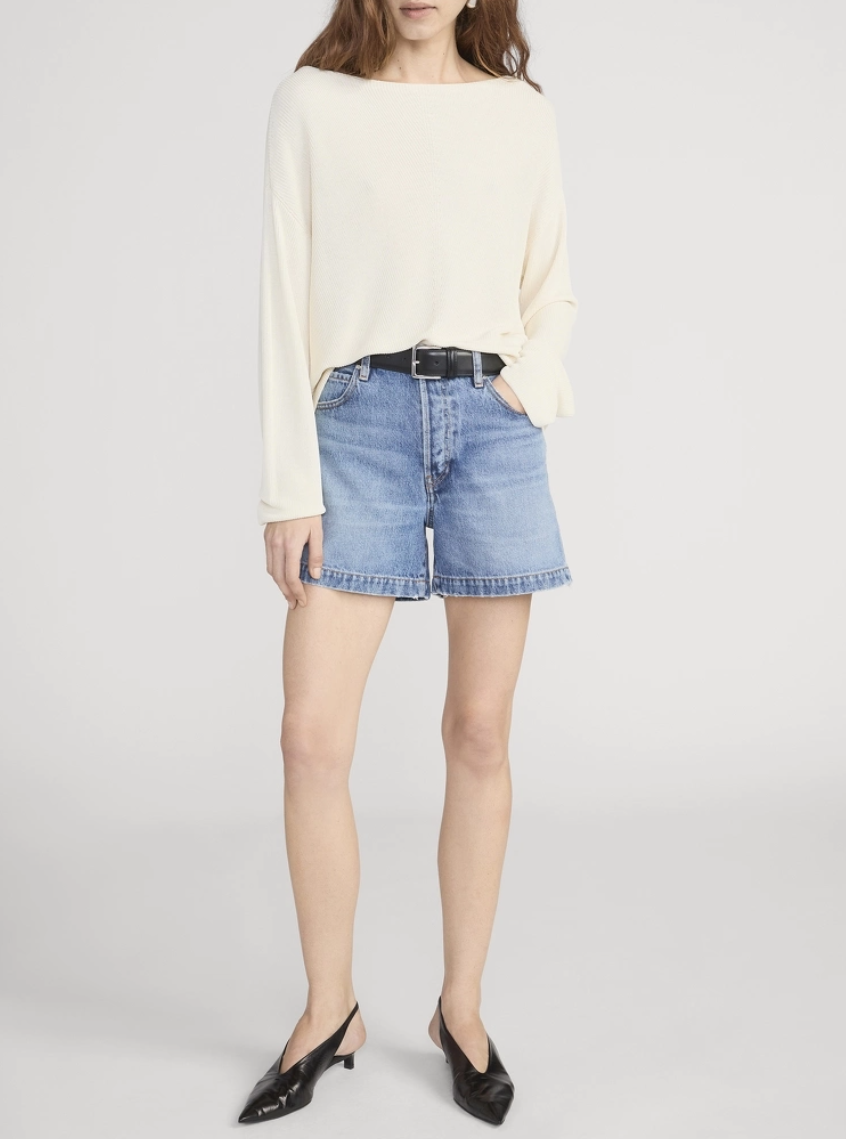
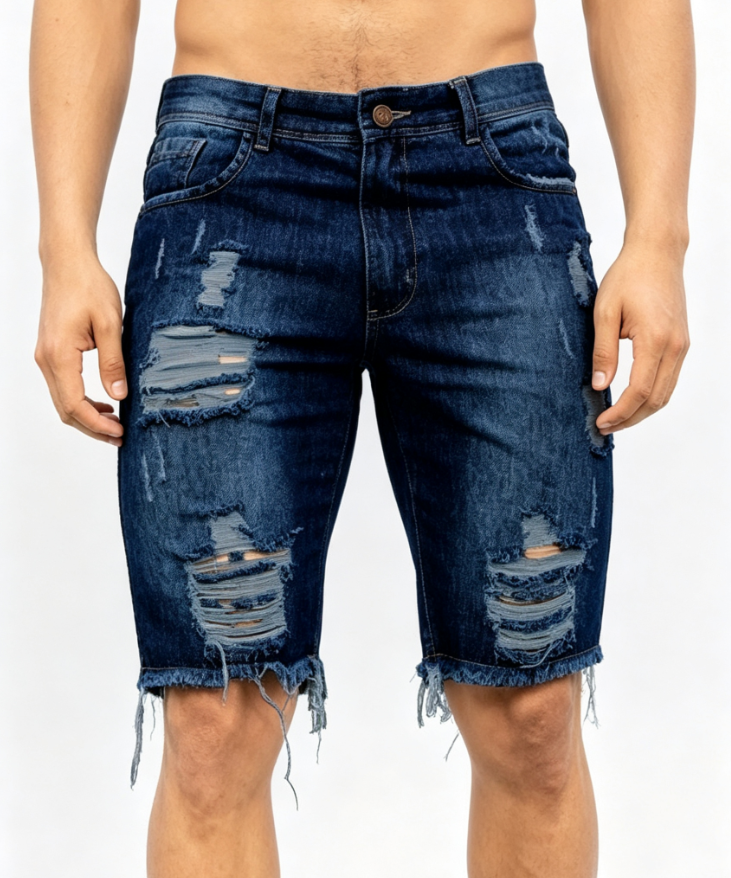
Custom Denim Shorts
Create custom jean shorts with rigid or stretch denim, tailored rises, inseams, pockets, hems, washes, distressing, hardware, and private-label finishing. Fit development covers normal, extended, plus-size, and oversized ranges, helping brands approve proportions before bulk production.
Request a Quote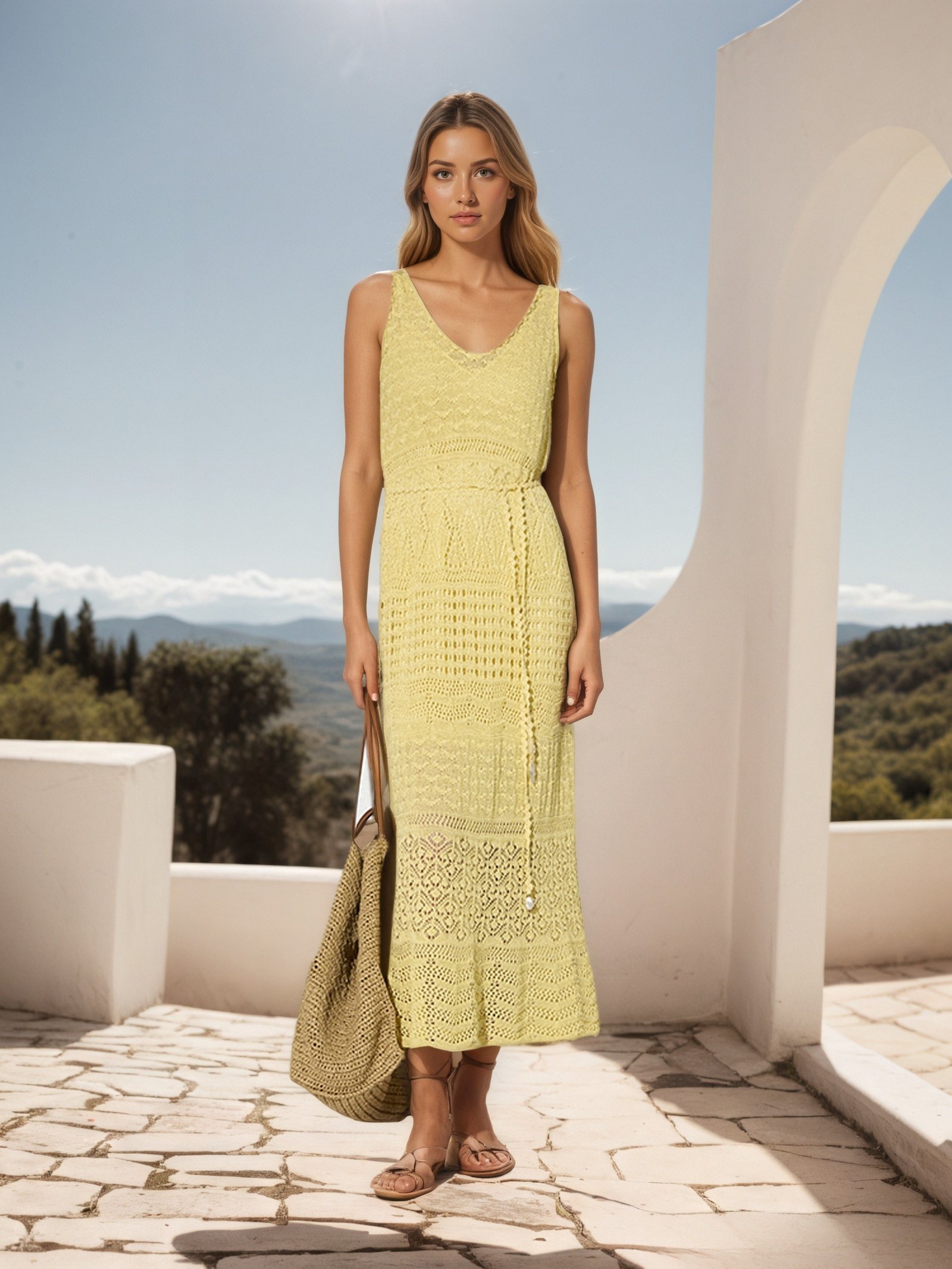
Custom Sweater Dresses
Produce custom sweater dresses with yarn selection, gauge, neckline, length, shaping, and trims developed for your target market. Junsheen supports fashion-forward, body-conscious, relaxed, and extended-size fits, plus branded labels and packaging for private-label or wholesale programs.
Request a Quote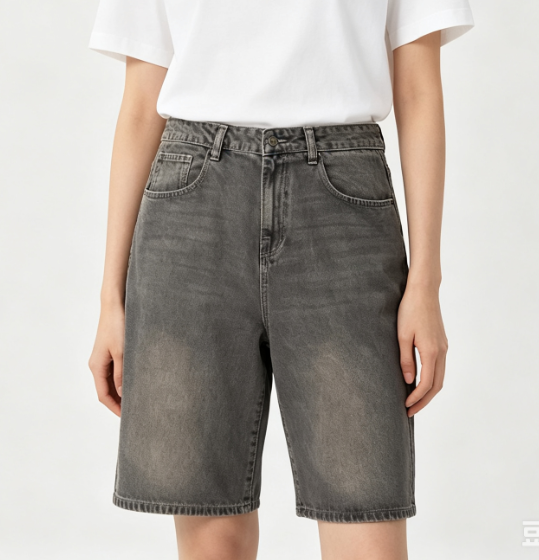
Custom Denim Sets
Supply mens denim suits wholesale with coordinated denim jackets and jeans developed as matching sets. Junsheen manages fabric consistency, wash matching, fit grading, hardware, labels, and production planning, supporting wholesale buyers and brands that need reliable repeatable assortments.
Request a Quote
Custom Polo Shirts
Develop custom polo shirts in pique, jersey, performance knit, or blended fabrics for retail, uniforms, wholesale, and branded merchandise. Specify collar construction, plackets, buttons, embroidery, print details, labels, and XS–3XL grading, then move through sampling to approved bulk production.
Request a Quote
Custom Sweatpants
Produce custom sweatpants with fleece, French terry, or jersey fabric options, refined rises, inseams, cuffs, pockets, waistbands, and drawstrings. Programs can include matching tops, embroidery, print, washes, private-label trims, and low-MOQ manufacturing for launches or replenishment.
Request a Quote
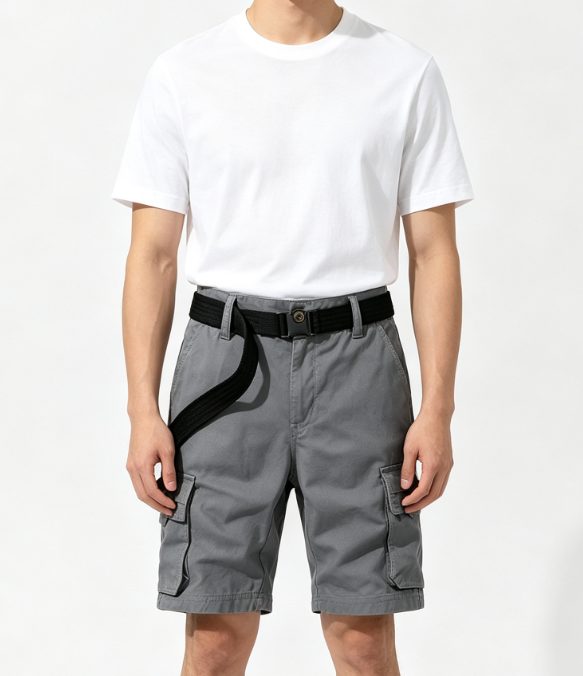
Custom Shorts
Create custom shorts for casualwear, activewear, resort, and coordinated set programs. Junsheen develops woven, jersey, fleece, twill, or performance-knit shorts with buyer-specified lengths, rises, pockets, waist finishes, decoration, labels, and fit grading from XS through 3XL.
Request a Quote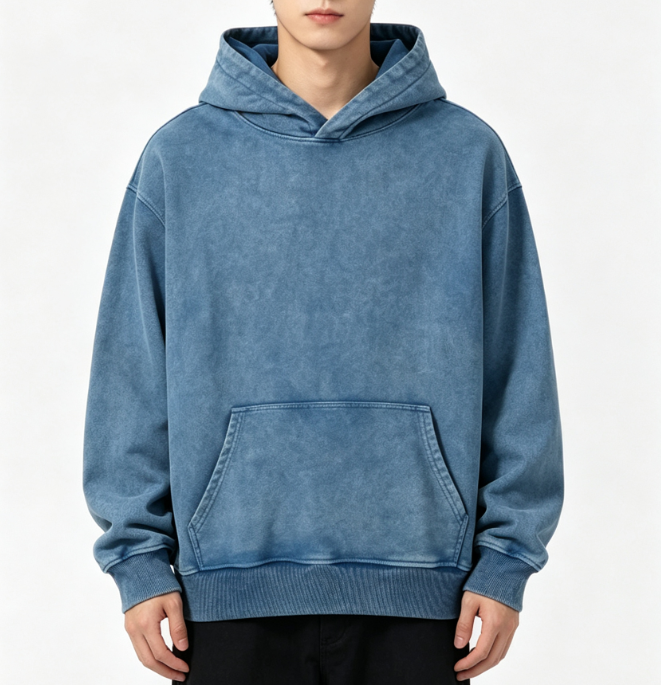
Custom Pullovers
Develop custom pullovers across knitwear, fleece, French terry, and jersey constructions for private-label collections. The team supports neckline, fit, sleeve, rib, fabric-weight, decoration, wash, label, and packaging decisions, with production starting from 100 units per style and color.
Request a QuotePerformance Materials for Custom Biker Shorts

Nylon Spandex Interlock
A smooth, supportive performance knit for premium custom biker shorts, with four-way stretch, strong shape recovery, and a cool hand feel. Ideal for training, cycling, and sculpting silhouettes that need durable opacity.

Polyester Spandex Jersey
A lightweight, quick-drying jersey suited to activewear and promotional collections. Its breathable surface and flexible stretch support everyday movement, while polyester content improves color retention and wash durability for repeat wear.

Ribbed Performance Knit
Textured ribbed knit gives biker shorts a fashion-forward casualwear appearance while maintaining comfortable stretch. The raised surface adds visual depth, and spandex recovery helps the garment retain a close, body-contouring fit after wear.

Cotton Spandex Jersey
A soft, breathable option for lounge, streetwear, and casual biker shorts. Cotton provides a natural hand feel, while added spandex delivers flexible stretch and improved recovery for relaxed yet fitted everyday styles.

Recycled Nylon Blend
A responsible performance fabric option with a sleek hand feel, supportive stretch, and dependable recovery. Recycled nylon blends work well for brands developing activewear collections that require durable, premium-feeling custom biker shorts.
Custom Biker Shorts Decoration and Finishing Options

Stretch Screen Printing
Plastisol, water-based, silicone, puff, and high-density inks are matched to stretch panels and tested for adhesion. The result is bold, durable branding that flexes with custom biker shorts without cracking prematurely.

Performance Heat Transfers
DTF, heat-transfer, reflective, and silicone applications deliver crisp logos and detailed graphics for activewear placements. Proper temperature and pressure control helps maintain a smooth hand feel and dependable stretch recovery.

Stretch Logo Embroidery
Flat or 3D embroidery, chain stitch, and compact logo stitching add a premium tactile detail to suitable waistband or non-stretch placements. Junsheen stabilizes each area to protect shape, comfort, and stitch durability.

Dye Sublimation
Dye sublimation permanently infuses all-over color, patterns, and artwork into compatible polyester performance fabrics. It creates vivid, lightweight graphics with no raised ink layer, helping the garment retain breathability and flexible movement.

Softening and Finishing
Softening, enzyme, anti-pilling, brushing, and other approved finishes refine hand feel and surface performance. Our team evaluates each treatment against fabric stretch, colorfastness, and wash requirements before bulk production begins.
Custom Trims and Accessories for Custom Biker Shorts

Custom Elastic Waistbands
Specify jacquard logo elastic, plush-back elastic, silicone grip tape, or covered waistband construction to support secure movement and reinforce your brand identity across custom biker shorts.

Drawcord and Tipping
Add internal or external drawcords with custom color, aglets, and tipped ends for adjustable waistband styles, activewear capsules, and casual biker-short designs requiring a more technical finish.

Woven Brand Labels
Create woven main labels, size labels, and wash-care labels with your logo, sizing system, fiber information, and care instructions for compliant, retail-ready private-label biker shorts.

Custom Logo Patches
Use embroidered, woven, silicone, leather-look, or heat-transfer patches on the waistband, hem, or pocket area to add a recognizable branded detail without compromising stretch performance.

Zippers and Snaps
Choose zippers, snap buttons, and secure pocket closures for utility, cycling, or fashion-led biker shorts. Junsheen can match component finishes to your trim and hardware direction.
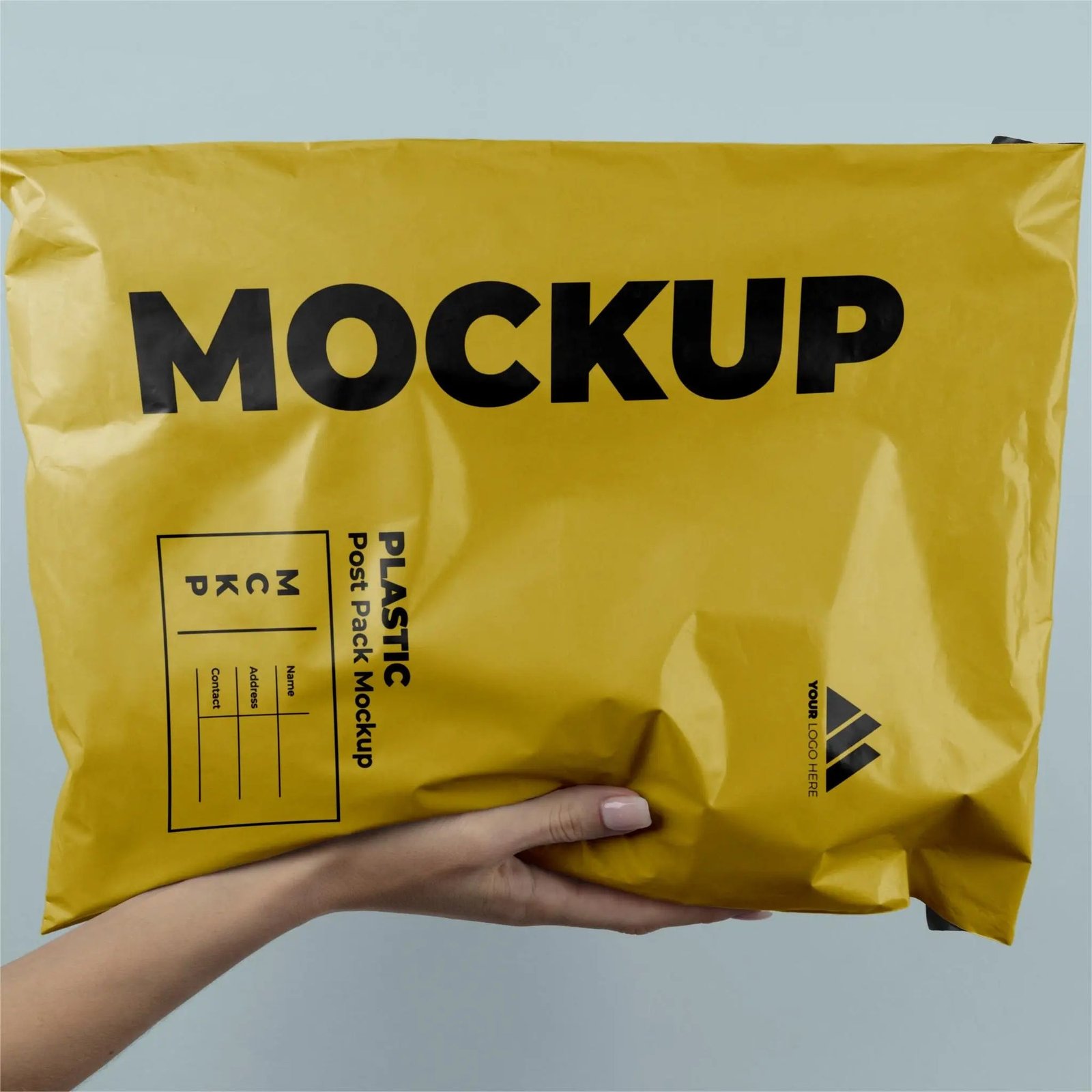
Branded Retail Packaging
Complete each order with custom hangtags, polybags, barcode stickers, folding cards, and branded packaging, helping your custom biker shorts arrive ready for wholesale, retail, or direct-to-consumer fulfillment.
About JUNSHEEN Custom Biker Shorts
Based in Humen Town, Dongguan, one of China’s established garment-production clusters, JUNSHEEN has supported fashion brands with OEM, ODM, and private-label apparel manufacturing since 2010. Our mission is to turn product ideas into dependable, production-ready custom biker shorts and casualwear programs with clear technical support at every stage.
With 200+ skilled workers and monthly capacity exceeding 80,000 units, we support launches from 100 units per style and color through scalable repeat orders. Our integrated supply chain combines product development, pattern making, fabric sourcing, cut-and-sew production, knitting, decoration, quality control, packaging, and global export coordination.
What distinguishes JUNSHEEN is fit-led development backed by one accountable manufacturing team. We refine patterns and grading from XS to 3XL, including extended-size, plus-size, and oversized requirements, while managing custom fabrics, prints, embroidery, labels, trims, and finishes for brands sourcing internationally.

Custom Biker Shorts Fit, Development, and Production
Fit-First XS–3XL Grading
JUNSHEEN develops custom biker shorts with size-specific pattern adjustments from XS through 3XL, refining rise, waistband balance, inseam, leg opening, and stretch recovery instead of simply enlarging a base sample.
- Normal, extended-size, plus-size, and oversized development
- Size-specific rise and body-proportion refinement
- Fit samples and graded size sets before bulk approval
- Mobility-focused construction for stretch fabrics
Development From Any Starting Point
Bring a finished tech pack, sketch, reference garment, mood board, or initial concept. Our product-development team reviews feasibility, recommends fabrics and trims, creates patterns, and turns your biker-short idea into a production-ready specification.
- Tech-pack review and manufacturability guidance
- Fabric, elastic, trim, and construction recommendations
- Prototype samples and revision support
- Clear specifications for bulk production

Integrated Cut-and-Sew Decoration
Keep garment construction, branding, and finishing aligned in one manufacturing workflow. JUNSHEEN combines cut-and-sew production with printing, embroidery, labels, trims, packaging, and quality checks for a more controlled custom biker shorts program.
- Performance knits and stretch-fabric sourcing
- Screen print, DTF, heat transfer, and embroidery
- Custom labels, hang tags, and branded packaging
- In-line measurement and decoration inspection

Repeat Orders Stay Controlled
Patterns, graded size sets, approved materials, and production records are retained to support dependable reorders. With 200+ skilled workers and 80,000+ monthly units of capacity, JUNSHEEN can grow from 100-unit launches into ongoing programs.
- MOQ from 100 units per style and color
- Retained patterns and material records
- Consistent bulk quality-control checkpoints
- Global export support for growing brands

Why Choose JUNSHEEN for Custom Biker Shorts
Fit-focused development, integrated production, and dependable global support from first sample through repeat orders.
← 左右滑动查看 →
Our Custom Biker Shorts Production Process
A clear OEM workflow that turns your brief into fit-approved, private-label biker shorts ready for global delivery.
Review Design Feasibility
Send a tech pack, sketch, reference sample, or mood board. Our team reviews construction, target cost, sizing, decoration, and production requirements before development begins.
Source Fabrics and Trims
We recommend performance knits, stretch levels, weights, labels, elastics, and packaging based on your desired hand feel, durability, price point, and market positioning.
Create Patterns and Samples
Pattern makers develop fit-focused XS–3XL grading, refine rise and mobility, then produce prototype samples for measurement, fabric, logo, and construction approval.
Confirm Specs and Production
After sample approval, we finalize graded patterns, materials, colorways, trims, and order details. Production starts from 100 units per style and color.
Inspect, Pack, and Ship
We check fabric, construction, measurements, decoration, and packed goods throughout production, then complete branded packing and coordinate export support for global shipment.
How to Work With Our Custom Biker Shorts OEM Team
Move from initial concept to export-ready production with a clear, fit-focused development process.
Share Your Product Brief
Send a tech pack, sketch, reference garment, mood board, or concept. Our team reviews custom biker shorts specifications, target fit, fabrics, branding, and 100-unit MOQ feasibility.
Review Quote and Sample
Confirm the recommended materials, construction, decoration, private-label details, pricing, and lead time. We develop a sample and refine fit, rise, inseam, compression, and grading before approval.
Approve Production Details
Approve the final sample, graded size set, colors, labels, packaging, and bulk specifications. We retain production records to support consistent repeat orders as your program grows.
Receive Inspected Export Orders
JUNSHEEN manages in-line and final quality checks, then prepares packed goods for global shipment. Our export support helps sourcing teams receive production-ready orders with clear documentation.
Custom Clothing Manufacturer Credentials and Compliance Documents




Custom Biker Shorts Client Results
JUNSHEEN helped us turn our first custom biker shorts capsule into a 300-unit launch with a fit that held up across XS–3XL. We approved the size set after one revision and sold through 78% of the first drop in six weeks.
Our previous supplier could not keep the waistband, rise, and inseam consistent between reorders. JUNSHEEN rebuilt the grading and delivered 1,200 pairs within the agreed schedule; our customer fit-related returns dropped by 31% in the following season.
We needed branded biker shorts for 14 retail doors without committing to a huge opening order. The 100-unit color MOQ let us test three colors, and the custom labels, hang tags, and packaging arrived retail-ready. Two colors were reordered within 60 days.
Custom Biker Shorts FAQ
Clear answers on minimums, development, materials, timing, payment, shipping, and confidential production with JUNSHEEN.
What is the MOQ for custom biker shorts?
Can you make a sample before I place a custom biker shorts bulk order?
How long does custom biker shorts production take?
Which fabrics work best for biker shorts?
Can you develop custom biker shorts in plus sizes and extended sizes?
Do you offer private labels, printing, and packaging for biker shorts?
What payment terms do you offer for custom biker shorts orders?
Can you ship custom biker shorts internationally and protect our designs?
The Complete Buyer’s Guide to custom biker shorts
Use this practical framework to select fabrics, fits, branding methods, production partners, and order quantities for custom biker shorts—while avoiding quality, costing, sampling, and supplier-selection mistakes that delay a successful launch.
1. What Are custom biker shorts?
4- to 10-inch inseams are the common commercial range for biker shorts: close-fitting, stretch shorts that sit from high thigh to just above the knee. Fashion labels use them for streetwear and layering; activewear brands specify them for training, cycling-inspired capsules, yoga, dance, and everyday performance basics. OEM or private-label custom biker shorts are developed to a brand’s specifications rather than selected as finished blanks from a wholesale catalog. The buyer can define the rise, waistband height and compression, leg opening, inseam, pocket placement, seam layout, fabric weight, color, and graded size chart before approving a sample. 100 units per style and color can support a focused capsule when the factory can coordinate development and bulk production. With a manufacturer such as JUNSHEEN, brands can align fit from XS through 3XL, choose performance knit or cotton-stretch constructions, and add labels, logo decoration, hang tags, wash-care information, and branded packaging. 2 production models create very different brand assets: blank wholesale purchasing trades speed for limited control, while custom development creates a repeatable specification. Retaining approved patterns, size sets, material records, and trim details helps keep reorders consistent as a program grows.
2. The Evolution of Biker Shorts
1890s cycling bloomers established the practical logic behind biker shorts: close body contact, controlled movement, and reduced friction during pedaling. By the late 20th century, technical cycling shorts added stretch synthetics, elasticated waistbands, compression-oriented fits, and chamois padding; those performance cues later migrated into gym and running apparel. 1980s and 1990s fitness culture moved the silhouette beyond the bike, while the 2010s athleisure market made it an everyday base layer and visible outfit piece. Consumers began expecting soft recovery, squat coverage, a secure high rise, and sculpting without harsh compression—requirements that affect fabric stretch, opacity, seam placement, and waistband engineering. 2020s fashion collections extended biker shorts into streetwear, denim-look coordinates, oversized-shirt styling, and matching sets. That versatility means a sourcing brief should specify intended use first: training needs stable stretch and recovery, while fashion-led custom biker shorts may prioritize wash effects, color matching, pockets, or logo placement. XS–3XL development is now a commercial fit issue rather than a simple size extension. A production-ready program needs graded rises, thigh openings, inseams, and waistband tension reviewed across the size set, because coverage, rolling resistance, and comfort can change materially between sizes.
3. Types of custom biker shorts
Six commercially distinct custom biker shorts categories serve different fit expectations, from training compression to fashion layering. Buyers should lock the intended activity, inseam, recovery target, and opacity standard before sampling.
Active Compression Shorts

7–10 inch inseams suit running, cycling, and gym capsules where a close, stay-put fit matters. Specify four-way stretch, a gusset, squat-proof opacity, and a secure high waistband. 200–280 GSM performance knit is a practical development range, but stretch recovery must be tested after washing. Ask the factory to check hip compression, thigh hem grip, and pocket bounce on the size set.
Seamless And Shapewear Styles

4-way circular-knit seamless shorts reduce side-seam bulk and appeal to studio, athleisure, and sculpting customers. Zoned ribbing and contour knitting can support the waist and seat without heavy seams. 2 prototypes are often needed to balance compression against comfort, especially around the leg opening. Confirm yarn content, opacity at stretch, and whether knit panels align consistently across sizes.
Casual Jersey And Maternity

180–240 GSM cotton jersey versions target everyday wear, lounging, and layering under oversized tops. A softer hand and relaxed thigh circumference differentiate them from performance shorts. 10–12 inch front rises and a low-pressure belly panel suit maternity development. Grade the waistband and rise independently; simply enlarging a standard pattern causes rolling and poor under-bump support.
Fashion Prints And Denim Looks

Pantone-matched all-over prints, acid washes, and denim-look stretch fabrics position biker shorts for streetwear and festival collections. These styles prioritize visual impact but still need recovery and non-see-through testing. 1 approved strike-off should precede bulk printing, while denim-look programs need wash and crocking approval. Match artwork placement at the side seam and confirm that finishing will not distort the waistband.
4. Fabrics for custom biker shorts
180–260 GSM is the practical starting range for custom biker shorts: lighter constructions suit layering, while denser fabrics improve coverage. Specify stretch direction, recovery after wash, and opacity under a squat test before approving bulk fabric.
| Fabric | GSM | Performance | Best Use |
|---|---|---|---|
| Nylon-spandex | 220–260 | Excellent recovery; opaque; low pilling | Premium activewear |
| Polyester-spandex | 180–230 | Fast-dry; print-friendly; moderate pilling | Graphic performance |
| Cotton-spandex | 200–260 | Soft; less moisture control | Casual streetwear |
| Recycled synthetics | 200–250 | Verify recovery and certification | Responsible activewear |
| Rib/interlock | 240–300 | Textured or stable; good coverage | Lifestyle sets |
| Seamless knit | 180–240 | Body-hugging; limited placement | Fitted capsules |
Performance Synthetics

220–260 GSM nylon-spandex offers a cool, smooth hand, strong four-way recovery, and premium leggings-level opacity; it suits studio, cycling, and elevated activewear. 180–230 GSM polyester-spandex dries faster and usually costs less, but can pill sooner and feel less luxurious. It accepts sublimation especially well, making it useful for all-over prints.
Natural And Textured Options

200–260 GSM cotton-spandex jersey gives a soft, familiar hand for casual or streetwear shorts, yet manages moisture poorly and may show sweat. Use combed cotton for a cleaner surface and better print results. 240–300 GSM rib knit adds texture and body but needs sufficient spandex to prevent bagging. Dense interlock is more opaque and stable than single jersey for lifestyle sets.
Recycled And Seamless Programs

200–250 GSM recycled polyester or recycled nylon blends support a responsible-material story, but require supplier documentation and wear testing; recycled content alone does not guarantee recovery. Seamless circular knits commonly run 180–240 GSM and minimize side seams, yet color, sizing, and logo placement are less flexible. Reserve them for fitted, performance-led capsules.
5. Custom Biker Shorts Branding Options
Two placement constraints govern stretch branding: the decoration must elongate with the fabric, and it cannot interfere with recovery at the waistband or seams. Junsheen can align artwork, trims, and private-label components during sampling before bulk approval.
| Method | Visual Effect | Durability | MOQ Implication | Artwork And Placement |
|---|---|---|---|---|
| Sublimation | Full-color, all-over | Excellent on polyester | Usually favors coordinated fabric runs | Seam-aware repeat; polyester only |
| Screen Print | Opaque graphic | Good with stretch ink | Lower setup efficiency for many colors | Vector separations; avoid peak-stretch zones |
| Heat Transfer | Fine detail, gradients | Film-dependent | Useful for smaller graphics | 300-dpi art; keep away from seams |
| Silicone Logo | Raised premium mark | High when stretch-tested | Custom mold may increase commitment | Vector logo; small thigh or waistband |
| Woven Label | Textural brand detail | Long-lasting | Custom weave adds lead-time planning | Label artwork; place in stable seam |
Print And Transfer Methods

All-over sublimation works only on polyester-rich performance knits and produces edge-to-edge color without a raised hand. Supply print-ready vector art or 300-dpi repeat files, plus Pantone references where color matching matters. Screen print suits bold, limited-color graphics; silicone or stretch inks are preferable on high-extension panels. Heat transfers allow detailed small runs, but large solid transfers can reduce breathability and crack if the film is not specified for stretch.
Logos And Garment Details

5–8 cm chest-equivalent logo scales usually translate to a small thigh mark on biker shorts; avoid bridge areas across high-stretch seams. Flat embroidery is best reserved for a stable waistband facing, pocket panel, or non-stretch patch rather than the main leg. Custom jacquard waistbands, contrast panels, and reflective piping create recognizable product architecture without covering the body fabric. Confirm seam placement and stretch direction on the graded size set, not only the sample size.
- Woven labels: waistband or side seam
- Silicone logos: thigh or back yoke
- Hangtags: fiber, care, size, barcode
- Packaging: polybag, sticker, branded mailer
Private-Label Approval
100-unit style-and-color programs require disciplined artwork choices because each additional fabric, print color, or custom trim can raise material commitments. Submit logo vectors, Pantone codes, placement dimensions, label copy, and packaging dielines before the pre-production sample. One approved placement map should show stretch zones, seam allowances, and finished dimensions. Retaining that artwork package and graded specification helps repeat orders remain consistent.
6. Construction Details That Signal Quality
Construction determines whether custom biker shorts stay opaque, recover their shape, and survive repeat wear. Review these details on a size-set sample and again on the sealed pre-production sample before authorizing bulk cutting.
Stretch And Opacity
4-way stretch should recover after a full squat, not remain bagged at the seat or knees. Test the darkest and lightest colorways under strong light; opacity depends on fabric weight, stretch ratio, and dye coverage. 10–15 squat cycles on the intended size provide a practical sample check. Inspect for show-through, seam strain, and whitening at maximum extension.
Waistband And Seams
8–12 cm high waistbands commonly provide stable coverage, but elastic recovery matters more than height. Stretch the waistband repeatedly, then measure whether it returns cleanly without rippling or rolling. Flatlock seams reduce raised seam bulk, while coverstitch construction can secure hems and panel joins. Check consistent stitch density, skipped stitches, thread tension, and smooth seam allowance transitions.
Gussets Hems And Pockets
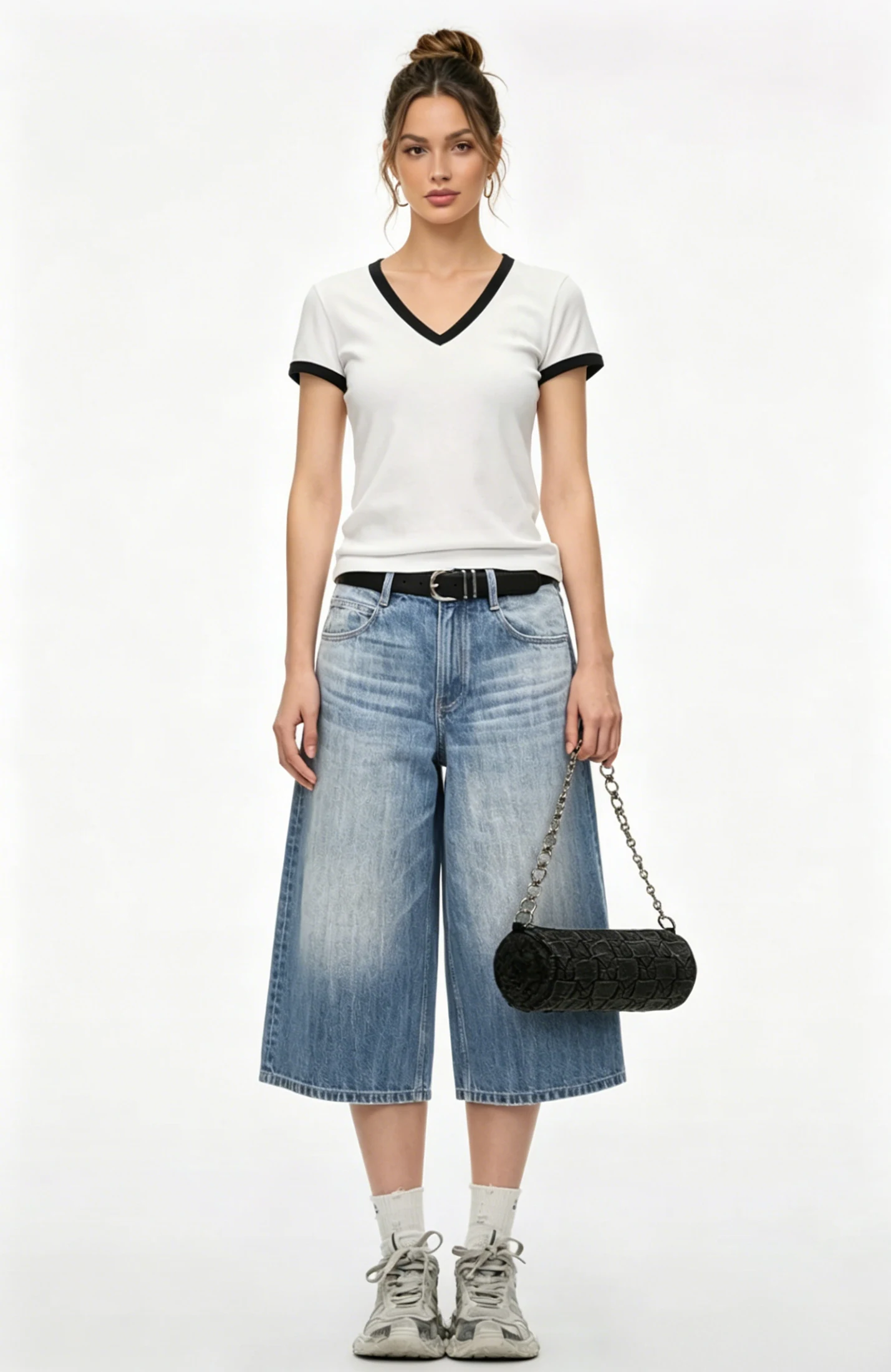
A diamond or triangular gusset distributes stress through the crotch and improves mobility. Confirm its grain direction, seam alignment, and reinforcement during a deep-squat fit test. 2–3 cm hems need even coverstitching and sufficient stretch to avoid popped threads. For pockets, load a phone-sized weight and check bounce, opening security, and distortion of the side panel.
Grading And Wash Approval
XS–3XL grading must adjust rise, thigh circumference, waistband length, and gusset proportion—not simply enlarge one base pattern. Fit at least one core size and one extended size when that range is ordered. After a care-label wash test, remeasure inseam, rise, waist, and leg opening against tolerance. Approve color, recovery, seam appearance, pilling, and hem twist on the pre-production sample.
7. Choosing a custom biker shorts manufacturer
A reliable custom biker shorts manufacturer should be assessed against the production risk in your launch, not its catalog alone. Compare development control, documented quality checks, commercial clarity and export execution before approving a sample.
Verify Category Development
2-way and 4-way stretch shorts require experience with recovery, rise balance and inseam stability. Ask for relevant sample references, measurement tolerances and a size-grade approach from XS through extended sizes. 100-unit programs can suit a capsule, but confirm whether MOQ applies per style, color, fabric or size ratio. Request a pre-production sample before bulk approval.
- Which stretch fabrics and GSM ranges have you produced?
- Can you revise patterns after fit feedback?
- What is the MOQ per colorway?
Audit Materials And Quality
180–280 GSM nylon-spandex or polyester-spandex knits need verified stretch, opacity and wash recovery. Ask whether the supplier can provide swatches, Pantone lab dips and relevant OEKO-TEX, GOTS, BSCI, WRAP or test documentation when required. 3 control points matter: incoming-fabric inspection, in-line measurement and final packed-goods inspection. Confirm how they check seam stretch, waistband twist, print adhesion and measurement tolerances.
- Who approves bulk fabric before cutting?
- What AQL level is used for final inspection?
- How are failed units repaired or replaced?
Confirm Commercial Execution
80,000-plus monthly capacity does not automatically secure your production slot; ask for the actual sample and bulk calendar. A clear quotation should separate fabric, trims, decoration, packaging, sampling, freight and any tooling charges. 7–14 days is a common sampling range, while bulk timing varies with fabric availability and order complexity. Confirm the named contact’s response cadence, payment milestones, shipping terms and support for export documents.
- What lead time starts after sample approval?
- Which Incoterms and carriers can you support?
- Will shipment documents match our import requirements?
8. Common custom biker shorts Sourcing Mistakes
100-unit capsule orders expose specification gaps quickly because there is little volume to absorb rework. Preventable sourcing errors usually begin before the first sample, when appearance, price, or a reference garment substitutes for measurable requirements.
Choosing Fabric By Appearance

180–250 GSM performance knits can look premium on a swatch yet become sheer when stretched. Request recovery, pilling, and squat-opacity tests on the actual dyed fabric. 4-way stretch must be checked after washing, not only before cutting. Approve a sewn sample under strong light and in the intended colorway.
Leaving Specifications Unclear
Pantone TCX or TPX references prevent mills from interpreting a color name differently. Approve a lab dip or bulk swatch before fabric booking. 10–15 measurement points are usually more useful than a vague fit note. Specify inseam, front and back rise, waistband height, leg opening, tolerance, stitch type, and logo placement.
Underestimating Fit And Decoration

XS–3XL grading needs separate review of rise, hip ease, thigh circumference, and waistband tension. Prevent simple proportional enlargement by approving a size set on representative fit models. 3D puff, heavy silicone, and dense embroidery can restrict a stretch knit or crack at high-extension areas. Keep decoration off critical stretch zones and test it through wash and recovery cycles.
Buying Price And Time Only
7–14 days for development sampling is a practical planning allowance before revisions, fabric booking, and pre-production approval. Build at least one revision round into the launch calendar. 3 quotations may share a unit price but exclude inspection, labels, packaging, or fabric testing. Compare like-for-like specifications, approved materials, delivery terms, and defect-handling expectations before selecting a factory.
9. Launching Your custom biker shorts Line
A first custom biker shorts collection moves fastest when each approval locks the next production decision. Plan the launch as a gated sequence: fit and materials first, then colors and artwork, then a signed pre-production sample.
Set The Commercial Brief
1 target customer, retail price, competitor set, launch date, and 100-unit minimum per style-color should be defined before development. Specify intended use—fashion, lounge, or performance—because it determines compression, inseam, and fabric testing.
- Target customer and size range
- Reference products and price target
- Planned style-color quantities
- Required delivery window
Build A Production Tech Pack
1 complete tech pack should include front and back flats, measurement spec, graded size chart, inseam, rise, stitch callouts, label placement, Pantone colors, and artwork files. Supply vector logos in AI, EPS, PDF, or SVG; a JPG alone is not production artwork. 2 decision gates matter: approve the specifications before pattern work, then approve fabric and trim swatches before cutting a prototype. JUNSHEEN can review a sketch, reference garment, or finished pack and identify manufacturability gaps.
Sample And Approve Fit

1 prototype commonly requires 7–14 days after pattern, fabric, and trim inputs are confirmed. Test squat recovery, waistband roll, opacity, pocket stability, and measured tolerances on the intended body type. 2 fit revisions should be consolidated into one marked comment sheet per round. Approve a size set across the selling range before bulk; grading XS through 3XL requires proportional rise, thigh, and waistband adjustments, not simple enlargement.
Lock Bulk Specifications
1 final color and artwork approval should precede the pre-production sample, especially for screen print, heat transfer, embroidery, or garment dye. Confirm Pantone references, placement dimensions, label copy, packaging, carton marks, and wash-care requirements. 1 signed pre-production sample is the bulk benchmark. Changes after this gate can affect cost, material availability, and delivery timing.
Schedule Production And Delivery
30–45 days is a practical bulk-production allowance after pre-production approval, subject to fabric lead time, color count, decoration complexity, and order quantity. Reserve extra time for custom-dyed fabric, specialty trims, and new print strike-offs. 3 inspection points—incoming materials, in-line construction, and final packed goods—should verify measurements, seams, decoration, shade consistency, and packing ratio. Final balance is settled before shipment; allow separate transit time for the destination and shipping method.
10. custom biker shorts Pricing and MOQ
100 units per style and color is Junsheen’s practical starting point for a capsule custom biker shorts program. Indicative EXW pricing moves most with performance-knit composition, 220–300 GSM weight, inseam and gusset engineering, flatlock construction, size grading, colorway count, branded packaging and decoration. 7–21 days is a common development-and-sampling window after materials and specifications are approved; bulk timing follows fabric availability, order complexity and inspection requirements. A confirmed tech pack or approved sample is essential for final OEM pricing: freight, duties and destination delivery are quoted separately because they vary by shipment method and market.
| Quantity tier | Indicative EXW unit price | Typical setup or cost driver | Typical production lead time |
|---|---|---|---|
| 100–299 units | US$6.50–12.00 | Pattern/sample fees; one color; stock stretch knit | 25–35 days |
| 300–499 units | US$5.50–10.00 | Custom dyeing, fabric GSM, extended-size grading | 25–40 days |
| 500–999 units | US$4.75–8.50 | Screen-print screens or embroidery digitizing; cartons | 30–45 days |
| 1,000+ units | US$4.00–7.50 | Bulk fabric yield, multiple colorways, freight consolidation | 35–50 days |
Start Your Custom Biker Shorts Project
Send your tech pack, sketch, or reference garment for a tailored quote and sampling plan from JUNSHEEN’s fit-focused OEM team.