
Custom Sweater Dresses Made to Fit XS–3XL
Develop custom sweater dresses with one-stop OEM, ODM and private-label support, 100-unit MOQs, refined grading and scalable global production.
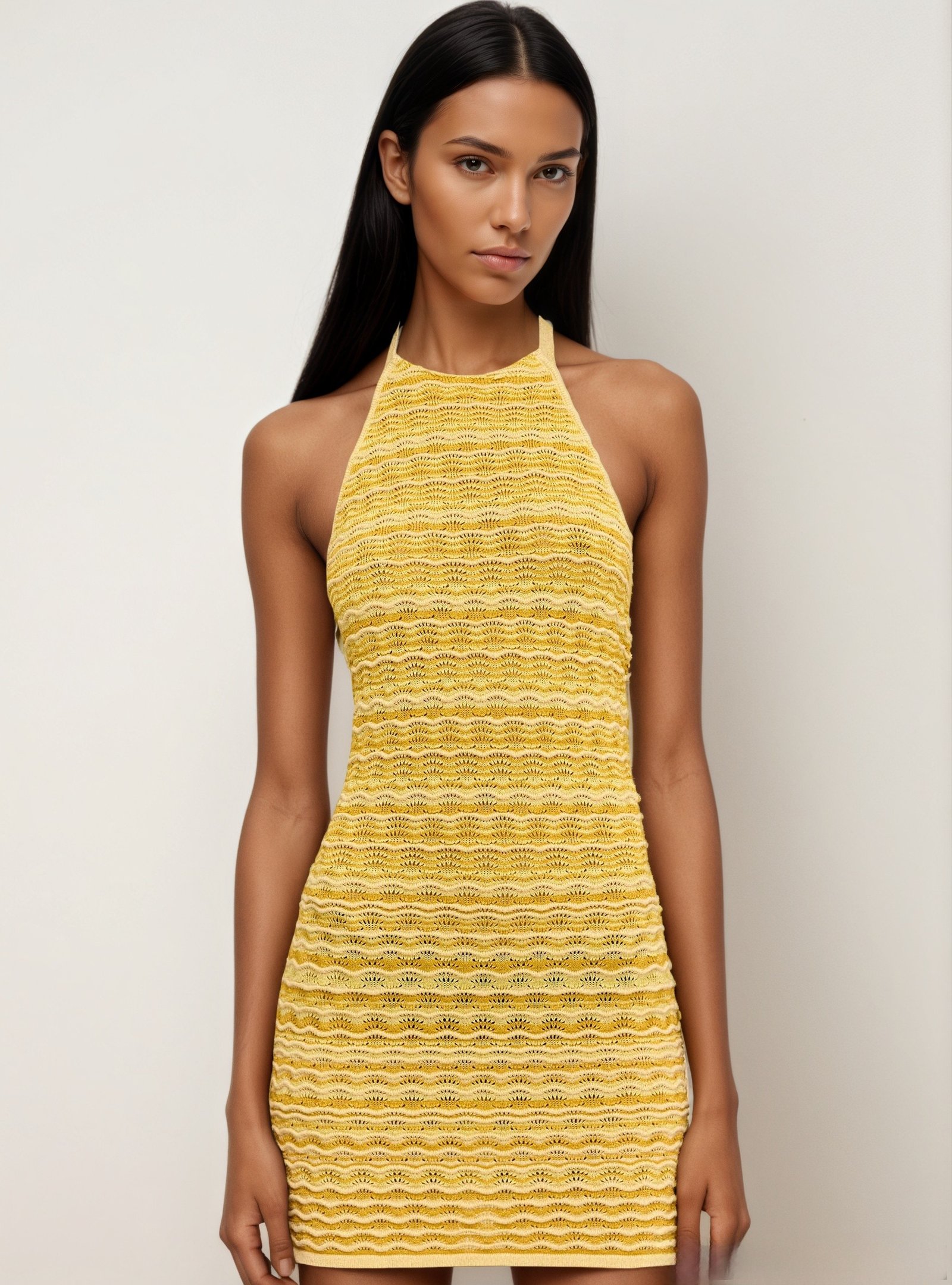
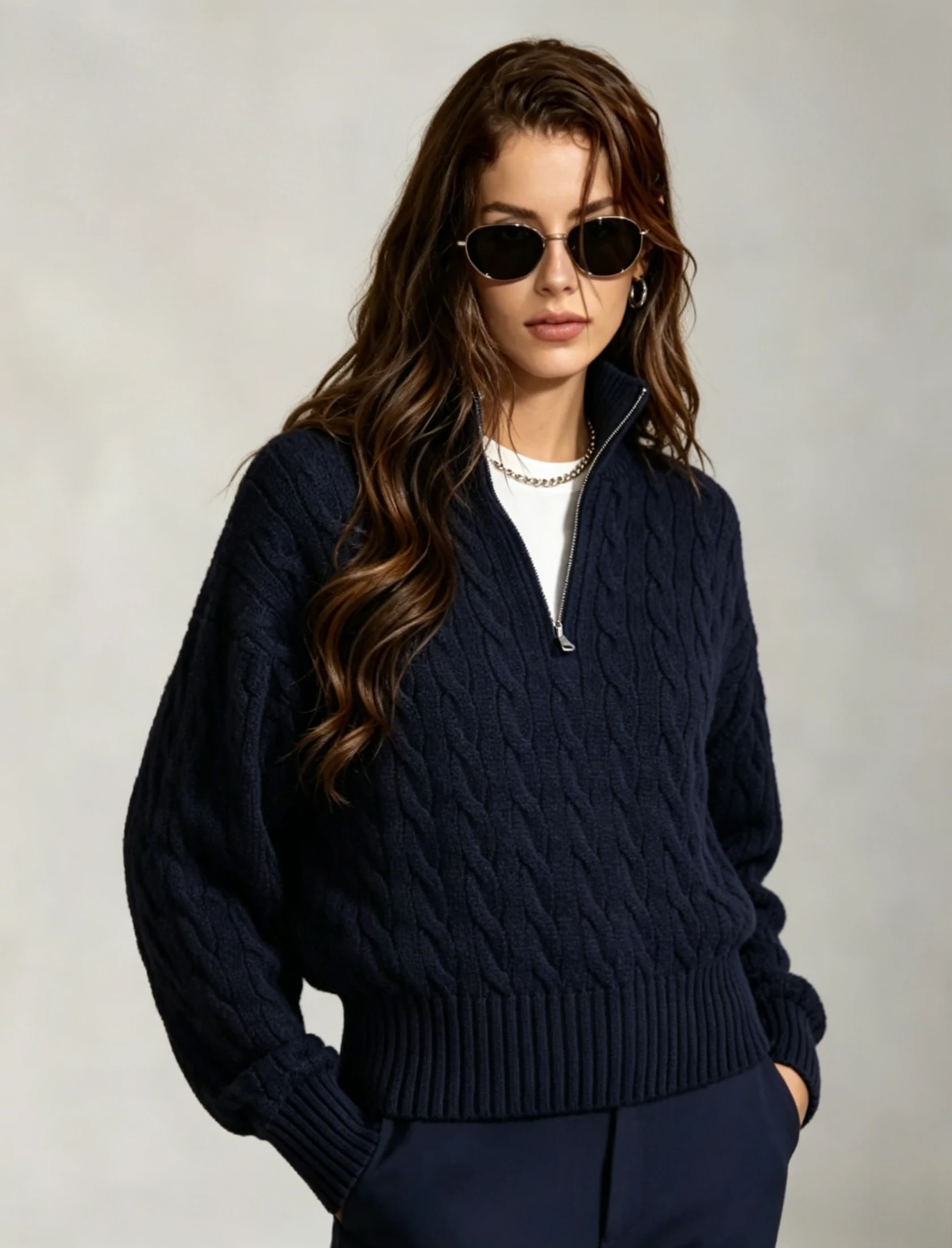
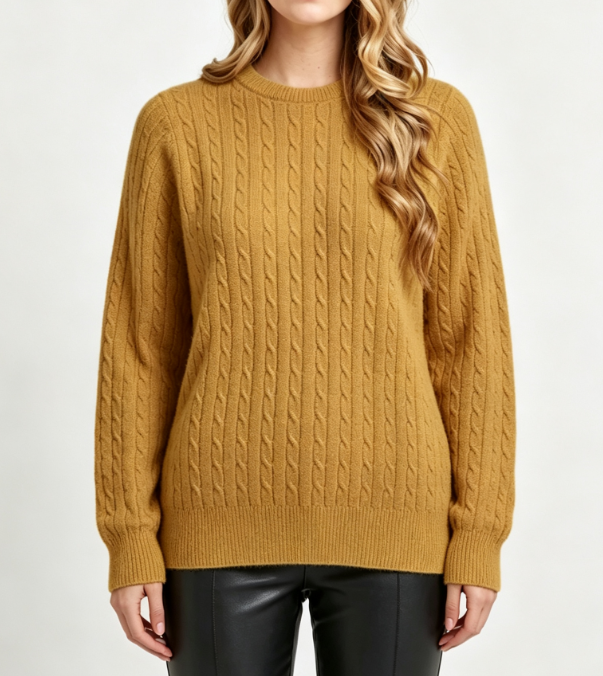
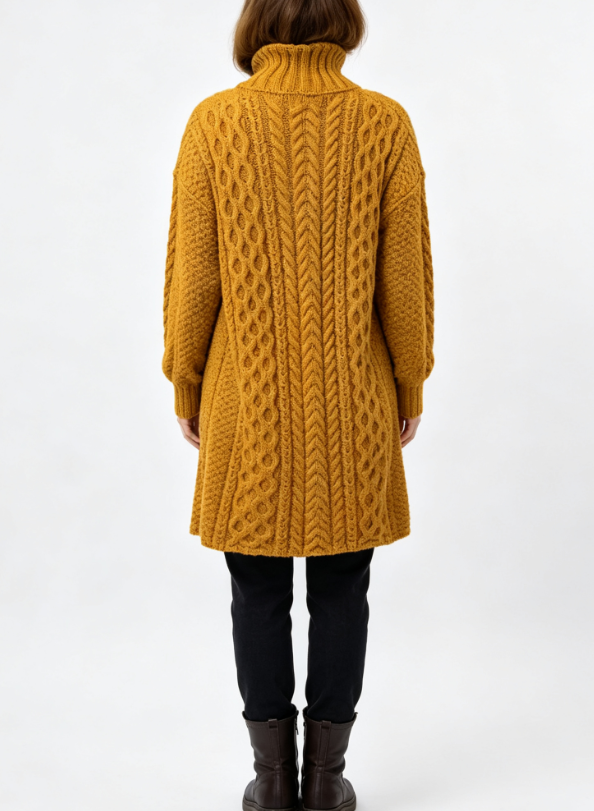
Featured Products for custom sweater dresses Development




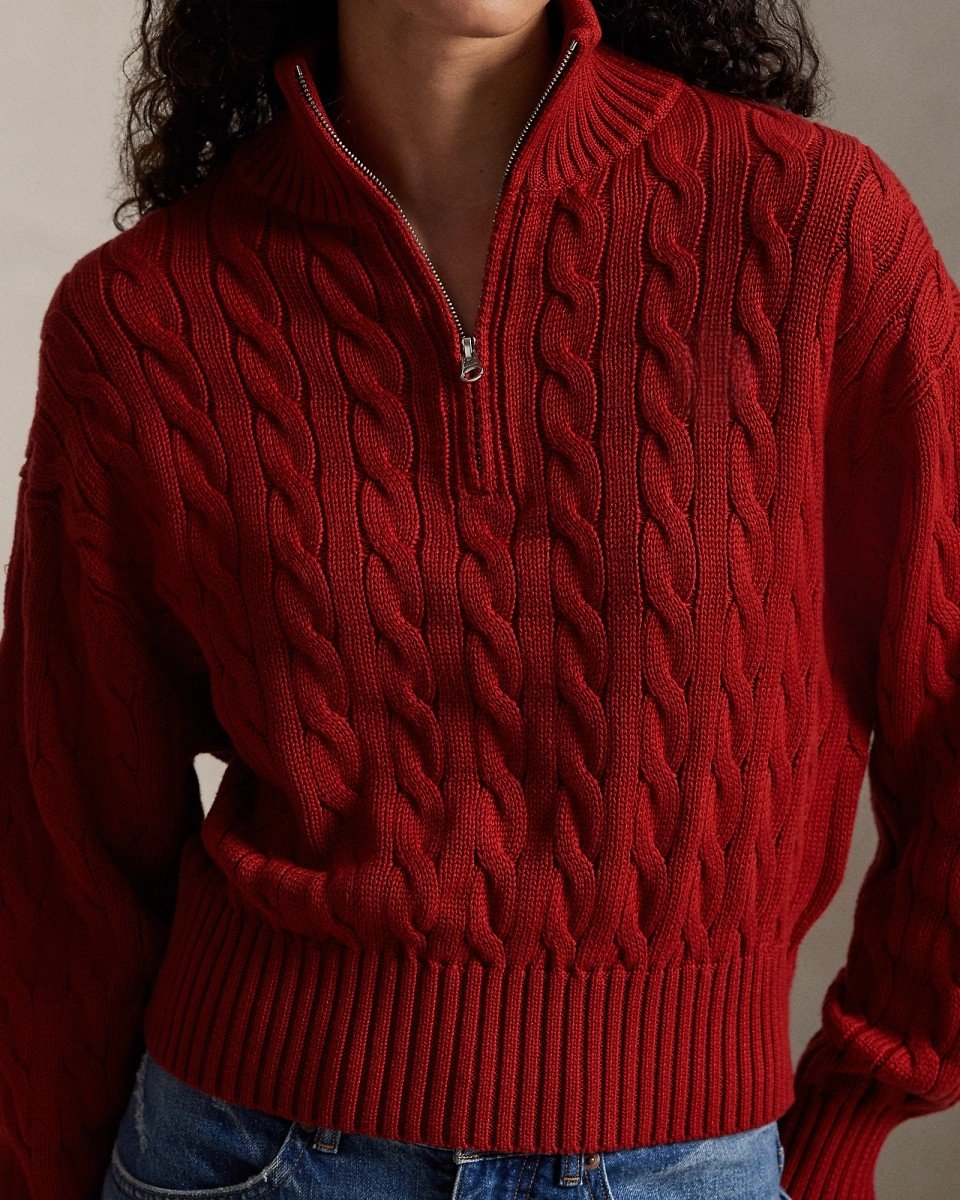

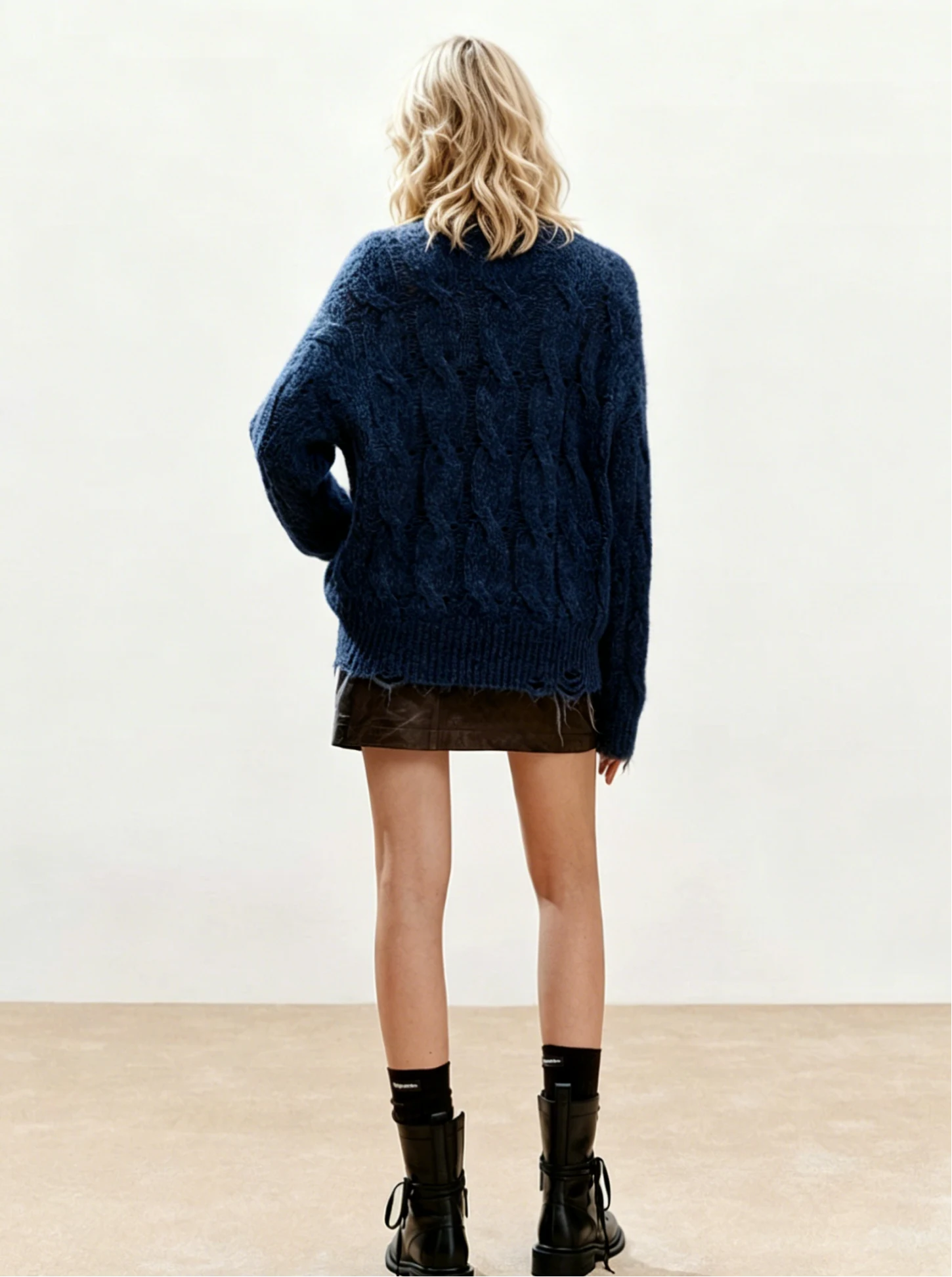


Why Brands Source Custom Sweater Dresses From JUNSHEEN
Launch fit-led knitwear programs with low MOQs, integrated private labeling, and dependable production support from sampling through global delivery.
100-Unit Starting MOQ
Test a capsule, colorway, or new silhouette from 100 units per style and color before scaling into repeat bulk orders.
Fit-Focused XS–3XL
Pattern makers refine proportions, mobility, and grading for regular, oversized, extended-size, and plus-size sweater dress fits.
Knitwear Production Expertise
Source sweater constructions with guidance on yarns, gauges, stretch, drape, durability, and wash performance for your target market.
Complete Private Labeling
Add branded labels, hang tags, custom trims, packaging, and care details for a finished sweater dress program ready for retail.
Integrated Decoration Options
Coordinate embroidery, appliqué, patches, sequins, printing, and garment finishing within one production workflow for clearer quality control.
Scalable Global Production
Work with 200+ skilled workers, 80,000+ monthly units of capacity, and export support for reliable growth across global markets.
Custom Sweater Dresses, From Development to Bulk
Develop fit-focused sweater dress collections with knit construction, private-label details and scalable production from 100 units per style and color.

Custom Sweater Dresses
Create custom knit dresses from a tech pack, sketch, reference garment or initial concept. Junsheen supports yarn and construction selection, pattern development, XS–3XL grading, sampling, labels and branded packaging for capsule launches and repeat programs.
Request a Quote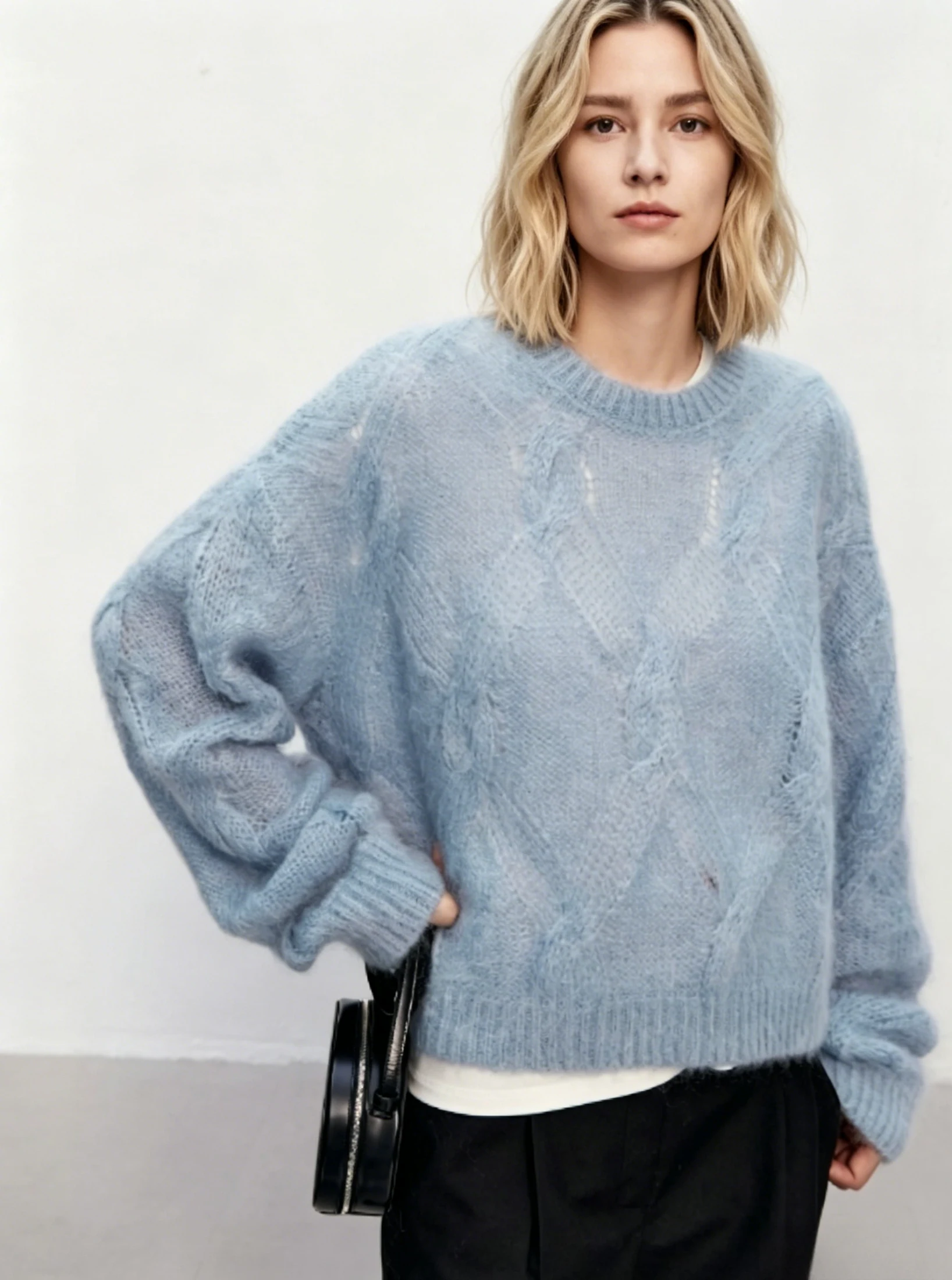
Custom Knitted Dresses
Develop custom knitted dresses with rib, jersey, cable, textured and stretch-knit constructions suited to your target silhouette and price point. Our team reviews proportions, length, mobility and grading before samples move into bulk production.
Request a Quote
Wholesale Sweater Dresses
Source wholesale sweater dresses through a manufacturer equipped for private-label customization and export support. Choose production-ready styles or adapt designs with your preferred knit construction, colors, sizing, trims, labels and packaging, starting at 100 units per style and color.
Request a QuoteMaterials for Custom Sweater Dresses That Fit, Drape and Perform

Cotton Blend Yarn
A breathable, soft-touch yarn for everyday ribbed or fine-gauge sweater dresses. Cotton blends offer a natural hand feel with improved shape retention and can be engineered for lightweight to midweight seasonal programs.

Viscose Nylon Blend
A smooth, fluid yarn suited to body-skimming custom sweater dresses and polished knit silhouettes. Viscose provides cool drape and softness, while nylon adds abrasion resistance, strength and more reliable recovery after wear.

Wool Blend Yarn
A warm, premium-feel option for fall and winter sweater dresses, including relaxed and tailored gauges. Blended wool improves insulation and loft while balancing durability, itch control, pilling resistance and care requirements.

Acrylic Blend Yarn
A versatile, cost-conscious yarn for colorful fashion knits, oversized dresses and seasonal collections. Acrylic delivers a soft wool-like hand, dependable color clarity and lightweight warmth, with blends improving anti-pilling and wash stability.

Stretch Rib Knit
A close-fitting construction for fitted midi dresses, mock-neck styles and coordinated knit sets. Elastane-supported rib delivers comfortable multi-direction stretch and stronger recovery, helping the garment maintain its intended silhouette through repeated wear.
Decoration and Finishing Options for Custom Sweater Dresses

Logo Embroidery
Flat, 3D puff, chain-stitch, or applique embroidery adds a tactile branded detail to custom sweater dresses. Placement and backing are selected to preserve knit stretch, shape, and a clean finish through repeated wear.

Screen Printing
Screen printing delivers bold artwork, logos, and limited-edition graphics with plastisol, water-based, puff, foil, silicone, or high-density effects. JUNSHEEN tests ink compatibility to help maintain color clarity and adhesion on suitable sweater constructions.

Custom Patch Application
Woven, embroidered, chenille, leather-look, or silicone patches create a layered private-label signature. Our team recommends patch materials, attachment methods, and placement that complement the sweater dress fabric while supporting lasting edge security.

Garment Dyeing
Garment dyeing creates rich, lived-in color and allows branded shades to be developed after assembly. It is ideal for compatible sweater dress materials when a soft, dimensional tone or capsule-specific color story is required.

Anti-Pilling Finishing
Anti-pilling finishing helps reduce surface fuzz and improves the polished appearance of custom sweater dresses over wear and washing. JUNSHEEN evaluates fiber blend, knit structure, and hand feel to balance durability with softness.
Private-Label Accessories for Custom Sweater Dresses

Woven Brand Labels
Custom woven main labels and size labels give sweater dresses a polished private-label identity. Choose woven damask, satin or soft-touch constructions, with placement and fold style matched to the neckline and garment construction.

Custom Hang Tags
Branded hang tags communicate your collection story, fiber details, sizing and care information at retail. JUNSHEEN can coordinate custom shapes, paper stocks, string attachments and barcode-ready layouts for finished sweater dress orders.

Zippers and Pullers
Add functional or decorative zippers to sweater dresses, cardigans and related knitwear. Select custom pullers, metal finishes and zipper lengths for quarter-zip necklines, side openings, pockets or convertible styling details.

Branded Snap Buttons
Custom snaps and buttons create durable closures while reinforcing your brand identity. They work well on sweater dress plackets, shoulder openings, cuffs and outerwear-inspired knit styles, with logo, color and finish options available.

Drawcord and Tipping
Custom drawcords, aglets and contrast tipping add definition to hooded sweater dresses and relaxed knit styles. Specify cord thickness, color, end hardware and placement to align the trim with your seasonal brand direction.
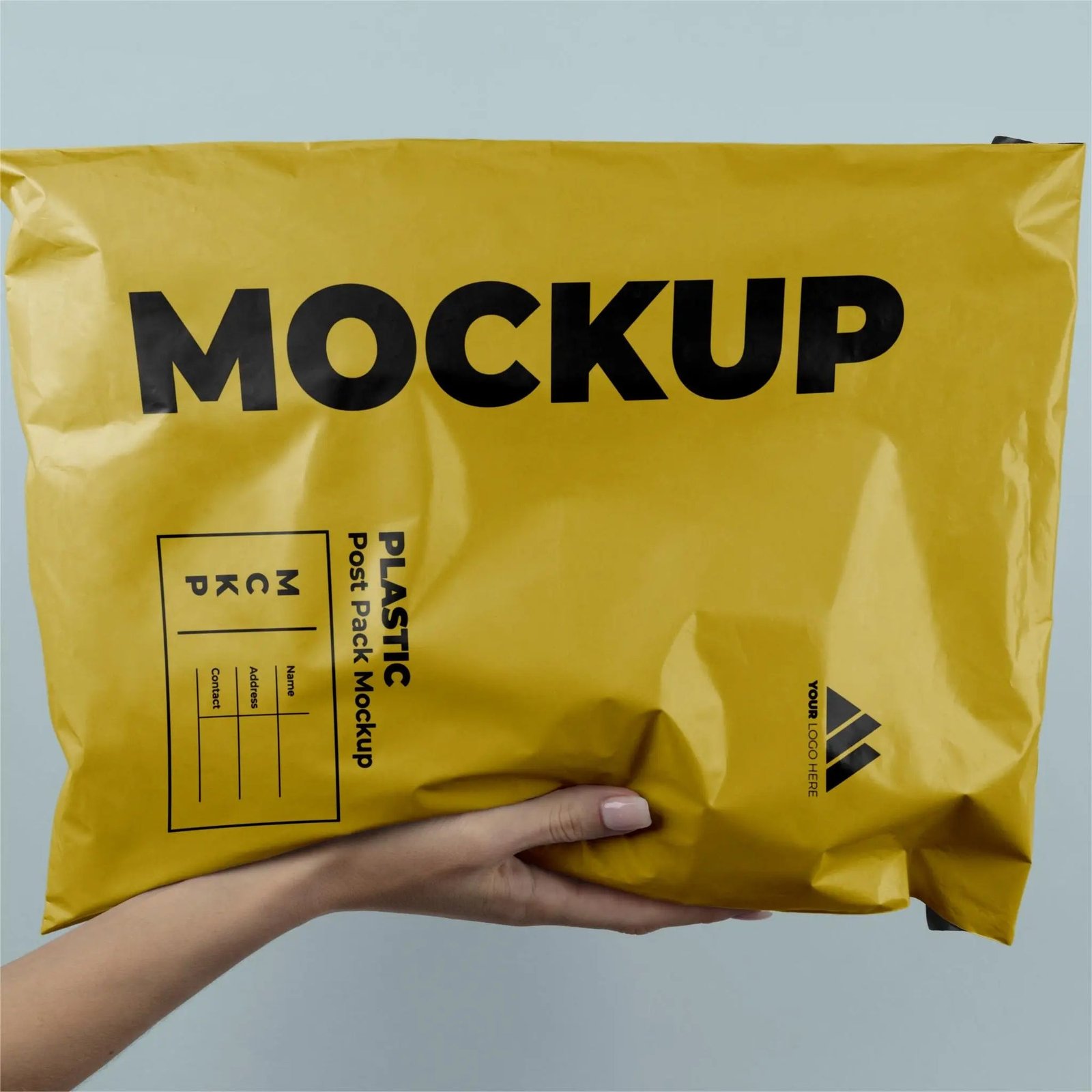
Custom Retail Packaging
Finish each order with branded polybags, tissue paper, size stickers, cartons and presentation inserts. Packaging is coordinated with labels and hang tags to help custom sweater dresses arrive export-ready and retail-ready.
About JUNSHEEN Apparel Manufacturing
Founded in 2010 in Humen Town, Dongguan, JUNSHEEN helps fashion brands turn concepts into production-ready apparel. Our one-stop OEM, ODM and private-label service brings together product development, sourcing, pattern making, sampling, manufacturing, quality control and export support for custom sweater dresses and wider apparel programs.
With more than 200 skilled workers and monthly capacity above 80,000 units, we support capsule launches from 100 units per style and color through scalable repeat production. JUNSHEEN has served 2,000+ fashion-brand clients across global markets, with responsive coordination from development through shipment.
What differentiates JUNSHEEN is fit-first development backed by integrated cut-and-sew and knitwear capability. We refine XS–3XL, extended-size, plus-size and oversized grading, then manage decoration, washing, labels, trims, packaging and final inspections within one dependable supply chain.

Custom Sweater Dresses: Fit-First Development and Production
XS–3XL Fit Engineering
JUNSHEEN develops custom sweater dresses with pattern grading tailored to normal, extended-size, plus-size, and modern oversized fits. Our team adjusts proportions, shoulder balance, sleeve length, body shaping, and mobility across the full size range instead of simply scaling one base pattern.
- Fit-focused patterns from XS through 3XL
- Extended-size and plus-size grading support
- Refined proportions for oversized silhouettes
- Size-set review before bulk approval
Knitwear and Cut-and-Sew Development
Choose the construction that best supports your design, price point, hand feel, and delivery plan. JUNSHEEN combines knitwear capability with cut-and-sew development, helping brands turn a sketch, reference garment, tech pack, or concept into production-ready sweater dress specifications.
- Sweater knits, jersey, fleece, and blended fabrics
- Tech-pack review and manufacturability guidance
- Prototype sampling and pre-production approval
- OEM, ODM, and private-label development

Materials Matched to Performance
Our sourcing team recommends yarns and fabrics based on drape, warmth, stretch recovery, weight, durability, wash performance, and target cost. Brands can compare swatches and sample garments before confirming materials for custom sweater dresses and repeat production.
- Wool, cotton, blends, recycled, and performance options
- Recommendations aligned to target cost and hand feel
- Swatch and sample review before bulk booking
- Material records retained for repeat orders

Private Labels, Finished In-House
Complete your sweater dress program with coordinated branding, decoration, finishing, and packaging support. From labels and hang tags to embroidery, custom trims, washing, and export-ready packed goods, JUNSHEEN keeps key execution details connected through one accountable production workflow.
- Woven labels, care labels, hang tags, and packaging
- Embroidery, printing, patches, and appliqué options
- Custom buttons, zippers, drawstrings, and rib trims
- In-line and final quality inspections

Why Choose JUNSHEEN for Custom Sweater Dresses
Compare the manufacturing controls that help brands launch confidently and scale consistently.
← 左右滑动查看 →
Custom Sweater Dresses Production Process
A managed OEM workflow that moves your sweater dress program from feasibility review to export-ready delivery with fit, quality and brand details controlled throughout.
Review Design Feasibility
Send a tech pack, sketch, reference garment or idea. Our team reviews construction, fit targets, MOQ, materials, decoration and production requirements.
Source Materials and Trims
We recommend yarns, knits, labels, hardware and packaging based on your target hand feel, drape, durability, cost and brand positioning.
Develop Patterns and Samples
Pattern makers create fit-focused XS–3XL grading, then produce prototype samples for measurement, construction, color, trim and wearer-feedback approval.
Confirm Specifications and Order
After sample approval, we finalize quotations, production specifications, size sets, bulk materials, artwork and delivery details before scheduling your order.
Manufacture and Inspect Bulk
Skilled teams knit, assemble, decorate and finish garments while in-line and final inspections verify measurements, workmanship, appearance and packing accuracy.
Pack and Ship Globally
Approved custom sweater dresses receive branded labels and packaging, then are prepared for export with coordinated global shipping support and final balance clearance.
Work With Our Custom Sweater Dresses OEM Team
Move from concept to shipment with clear development, approval and production checkpoints.
Send Your Design Brief
Share a tech pack, sketch, reference garment or mood board with target sizing, materials, quantities and branding requirements for your custom sweater dresses.
Review Your Development Plan
Confirm manufacturability recommendations, fabric and trim options, fit-focused XS–3XL grading, quotation, 100-unit MOQ requirements and estimated production schedule with our OEM team.
Approve Samples and Details
Review prototype samples, measurements, knit construction, decoration, labels and packaging before approving the final specifications and pre-production sample for bulk manufacturing.
Confirm Bulk Production
Place your order after approval while Junsheen manages material preparation, knitting or cut-and-sew production, in-line quality checks and final inspection.
Arrange Global Delivery
Receive export and shipping support for packed custom sweater dresses, with final balance settlement completed before dispatch and documentation coordinated for your destination.
Custom Clothing Manufacturer Credentials and Compliance Documents



Custom Sweater Dresses: Fashion Brand Results and Feedback
JUNSHEEN corrected the shoulder balance and sleeve grading across XS–3XL before bulk approval. Our first size set passed after two rounds instead of the five we budgeted, helping us launch 1,200 units on schedule.
For our rib-knit sweater dress capsule, the team matched the approved hand feel and measurements on a 600-unit repeat order. Returns tied to fit dropped 18% compared with our previous supplier’s comparable program.
We started with a 100-unit colorway test and moved into three replenishment orders within six months. JUNSHEEN handled labels, hang tags, packaging, and export coordination, which saved our small team weeks of launch preparation.
Custom Sweater Dresses FAQ
Clear answers on MOQ, sampling, fit development, payment and global delivery for OEM sweater dress programs.
What is the MOQ for custom sweater dresses?
Can you make a sample before I place a custom sweater dresses bulk order?
How do you develop XS–3XL and plus-size custom sweater dresses?
How long does custom sweater dress sampling and production take?
Can JUNSHEEN help with fabric, knit construction and private-label details?
What payment terms do you offer for sweater dress manufacturing?
Do you ship custom sweater dresses internationally?
How do you protect my custom sweater dress designs and specifications?
The Complete Buyer’s Guide to custom sweater dresses
Use this decision framework to select silhouettes, materials, customization methods, and reliable suppliers for custom sweater dresses—while avoiding specification, costing, sampling, and production mistakes that can compromise fit, quality, margins, and delivery timelines.
1. What Are custom sweater dresses?
100-unit MOQ programs make custom sweater dresses accessible to capsule labels as well as established retailers. For B2B buyers, the term means a sweater-knit or sweater-look dress developed to a brand’s specifications—silhouette, yarn or fabric, gauge or weight, color, sizing, trims, labels, and packaging—then sampled and produced for resale. OEM programs use the buyer’s tech pack, measurements, construction details, and artwork; the factory turns that approved specification into bulk goods. ODM begins with a manufacturer-developed base or direction that the buyer adapts, while private-label programs add the buyer’s branding to an existing or jointly developed product; made-to-order refers to production initiated against a confirmed purchase order rather than stocked inventory. XS–3XL planning matters because a sweater dress is both a knitwear item and a fitted, length-sensitive garment. It can anchor casualwear assortments with ribbed midi styles, support resort collections through lighter open-knit or cotton-blend options, and extend into inclusive ranges only when body length, bust ease, shoulder balance, sleeve proportions, and grading are engineered together. 3 decisions should be settled before requesting development or a quotation: the target customer and fit block, the intended material and construction level, and the commercial quantity by color and size. Buyers should also specify target retail price, delivery window, color references such as Pantone, branding requirements, and whether they need a new pattern, a reference-garment adaptation, or a ready-to-brand base.
2. The Evolution of Sweater Dresses
1920s knit dresses moved wool jersey from a practical layer into a streamlined daywear silhouette, while 1950s fit-and-flare versions made the category more polished. For product planning, that history supports elevated basics built around clean crewnecks, ribs, and dependable mid-calf proportions rather than trend-only details. 1970s acrylic blends, cable stitches, and relaxed tunics expanded sweater dresses into seasonal fashion, and 1990s body-skimming rib knits returned with minimal styling. A focused capsule can now pair two core shapes with 3-5 Pantone colorways, using removable belts, mock necks, or engineered ribs to create distinct price points from shared yarn and trim programs. 2020s demand for comfort and size inclusion has shifted development toward oversized, column, polo, and fitted midi shapes that layer across changing weather. Custom sweater dresses should be graded from XS through 3XL with revised shoulder balance, sleeve length, bust ease, and hem sweep—not simply enlarged—and specified for durable recovery, pilling resistance, and repeatable wash performance to extend selling seasons.
3. Types of custom sweater dresses
Three silhouette families can cover most custom sweater dresses assortments: body-skimming, relaxed, and layered. Start with the wearer and selling season, then add lengths and neckline variants without multiplying fit risk.
| Type | Best Wearer | Seasonality | Merchandising Role |
|---|---|---|---|
| Fitted rib | Shape-conscious customer | Fall through spring | Core repeat style |
| Oversized | Comfort and streetwear customer | Fall and winter | Volume driver |
| Polo or turtleneck | Polished casual customer | Transitional or winter | Neckline refresh |
| Cardigan or vest | Layering customer | Spring or fall | Add-on outfit piece |
| Midi or maxi | Contemporary customer | Year-round or winter | Length-led price ladder |
Body-Skimming Core Styles

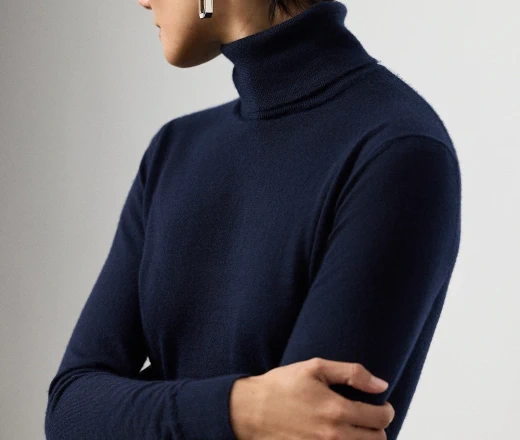
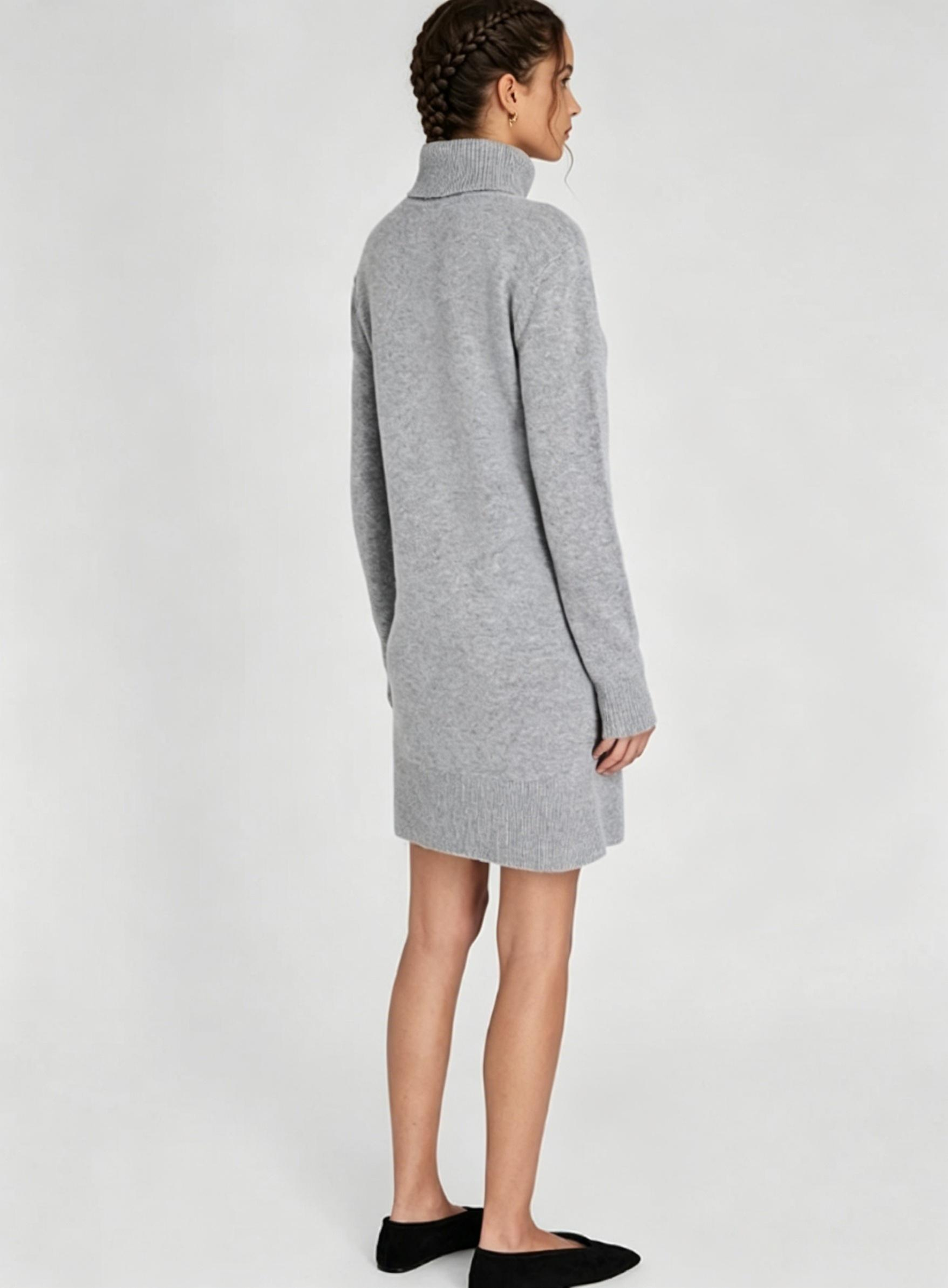
Fitted rib midi and turtleneck dresses suit contemporary, occasion-to-day, and curve-focused brands; rib recovery and hip ease are the primary fit risks. Polo sweater dresses add a collar and placket for preppy or sport-influenced capsules, while a midi length is the safest year-round commercial anchor.
- Fitted rib: transitional layering
- Turtleneck: cold-weather premium
- Polo: polished casualwear
Relaxed And Long-Length Options
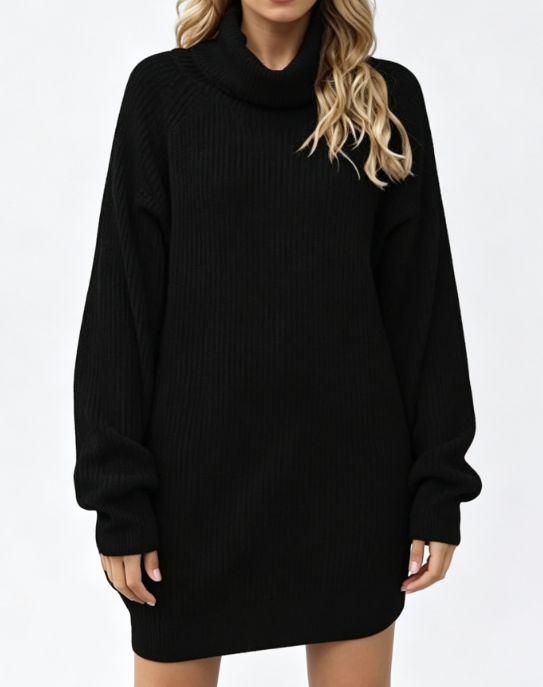
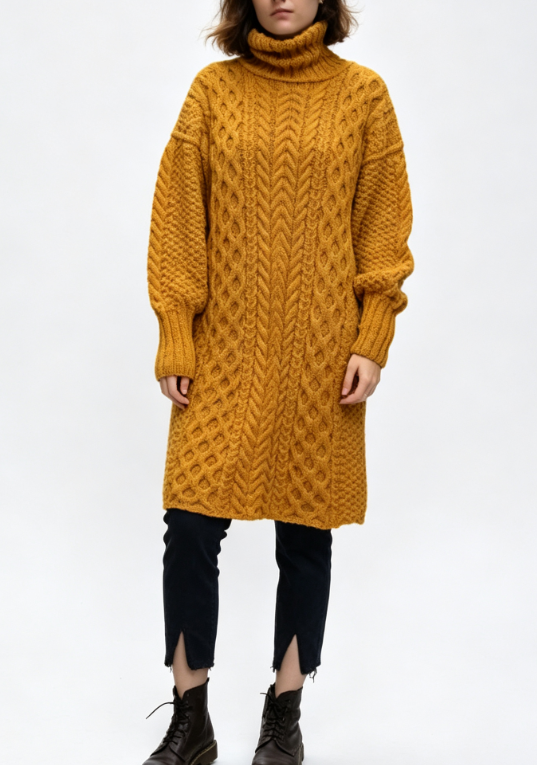
Oversized sweater dresses target comfort-led and streetwear customers, but shoulder drop, sleeve proportion, and hem balance must be controlled across XS–3XL. Maxi styles create a stronger autumn-winter statement; test walking ease and hem stretch before approval, especially with dense knit constructions.
- Oversized: relaxed, youth-led positioning
- Midi: repeatable core SKU
- Maxi: seasonal statement piece
Layering And Set-Look Styles
Cardigan dresses and sweater vests work best as layering-led styles for transitional drops; buyers should specify whether closure, belt, or underlayer is included. Two-piece-inspired dresses create a coordinated look with one garment, making them useful for elevated contemporary collections without managing matching-set inventory.
- Cardigan: versatile wardrobe builder
- Vest: layered merchandising
- Two-piece-inspired: elevated visual novelty
4. Materials for custom sweater dresses
Fiber choice determines drape, warmth, recovery, care burden, and margin before a sample is knitted. For custom sweater dresses, specify blend percentages, gauge, yarn count, and target weight together; a fiber name alone cannot control the final hand feel.
| Blend and Weight | Best Climate | Silhouette | Price Tier |
|---|---|---|---|
| 100% cotton, 250–320 gsm | Mild | Relaxed or polo | Entry-mid |
| 70/30 viscose-nylon, 220–280 gsm | Mild-cool | Fluid fitted | Mid |
| 50/50 acrylic-wool, 300–380 gsm | Cool | Structured midi | Mid |
| 90/10 wool-cashmere, 260–330 gsm | Cold | Premium column | Premium |
| Recycled polyester-elastane, 240–300 gsm | Variable | Stretch bodycon | Mid |
Natural And Regenerated Fibers

100% cotton feels breathable and matte, but its limited recovery suits relaxed shapes better than bodycon ribs. 70/30 viscose-nylon adds fluid drape and stretch recovery; choose compact-spun or anti-pilling yarn for smoother wear.
- Wool delivers warmth at lower bulk.
- Cashmere blends raise softness and price.
- GOTS claims require certified fiber and chain documentation.
Synthetics And Recycled Content

50% acrylic blends are economical, warm, and colorfast, yet low-quality staple yarn can pill quickly. 20–35% nylon or polyester improves abrasion resistance and shape retention; recycled-content claims need transaction certificates, not only supplier statements.
- Recycled polyester improves durability and recovery.
- Elastane supports fitted ribs at 2–8%.
- Machine-wash testing should match care-label claims.
Gauge, Weight, And Fit

7–12 gauge constructions create heavier, structured dresses, while 14–16 gauge suits refined layers and closer silhouettes. Three wash cycles should be approved before bulk to check shrinkage, torque, pilling, and length recovery.
5. Customizing custom sweater dresses
At a 100-unit-per-style-and-color starting point, custom sweater dresses need a disciplined customization plan. Choose one identity-defining knit or graphic treatment first, then add trims and packaging that do not create avoidable sampling, sourcing, or quality risk.
| Technique | Best Use | Tradeoff |
|---|---|---|
| Rib knit | Body-contouring dresses | High stretch needs grading checks |
| Jacquard | Logo or seasonal motif | More yarn changes and setup |
| Embroidery | Small chest or cuff mark | Can snag and adds labor |
| Custom hardware | Premium closure detail | Separate minimums and lead time |
Knit Structure And Gauge

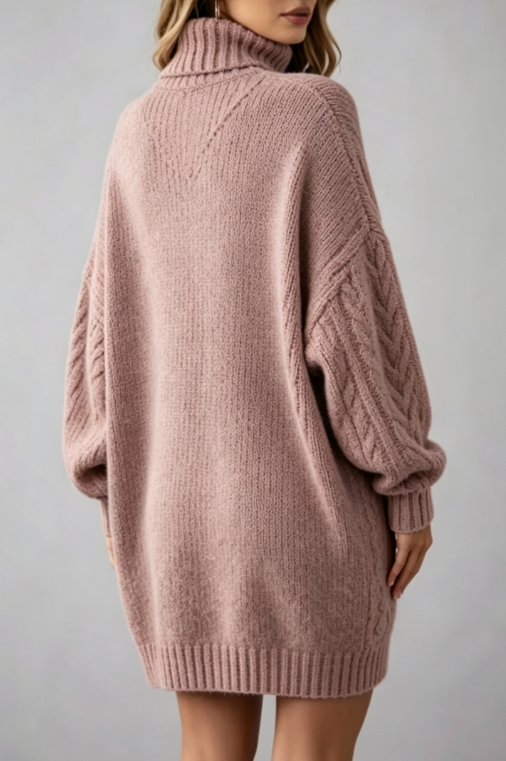
12GG creates a finer, smoother dress suitable for fitted silhouettes, while 5GG–7GG produces a heavier, more textured look. Rib, cable, pointelle, and Milano structures alter stretch, opacity, and production time. 2–3 stitch structures usually read more clearly than a crowded combination. Deep cables and open pointelle require fit testing because they change width recovery and can expose underlayers.
Color And Artwork Choices
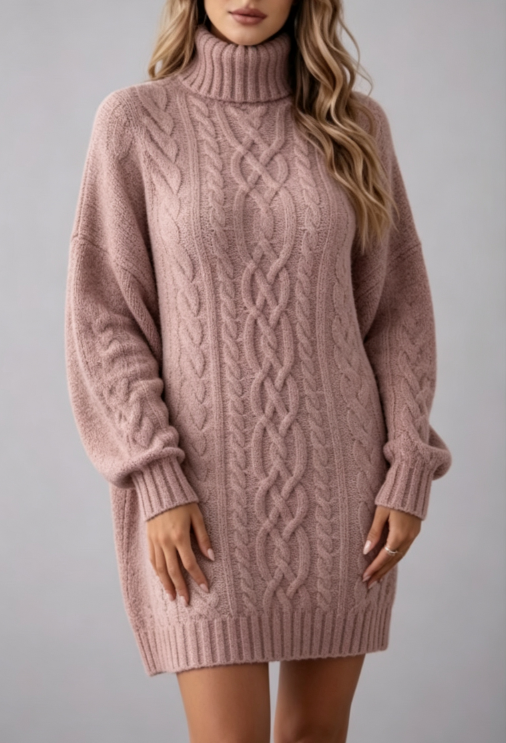
2–4 yarn colors keep color blocking and stripe changes manageable. Pantone references help yarn approval, but lab dips and knitted swatches remain necessary because fiber blend and gauge affect the perceived shade. 1 jacquard placement can establish a strong signature without turning the whole dress into a complex program. Fine jacquard detail may blur at coarse gauges, while embroidery adds setup, stabilizer, and snagging considerations.
Trims Labels And Packaging
1 branded label system—main, size, and care labels—should be finalized before bulk. Woven labels, custom buttons, zipper pulls, belts, and branded bags often have separate supplier minimums and longer approval cycles. 100-unit launches benefit from stock-compatible hardware and simple folded packaging. Request physical trim samples; contrast, weight, plating, wash durability, and attachment strength can materially change the finished garment.
6. Construction Quality for Sweater Dresses
Construction quality determines whether a sweater dress keeps its intended drape and dimensions beyond the fitting room. Approve measurable standards on the sample, then inspect bulk goods against the same reference.
Gauge And Stitch Control
7-gauge to 12-gauge constructions should be visually even across the body, sleeves, and panels; inconsistent loops create thin spots, torque, and uneven drape. 10 cm stitch counts should match the approved sample. Stable yarn tension and consistent stitch density help keep garment weight, fit, and color appearance consistent between production lots.
Linking, Seams, And Shaping
Fully fashioned decreases and clean linking at shoulder, side, and armhole joins produce smoother contours than bulky or skipped joins. Inspect seams inside out for open loops, laddering, and visible yarn ends. 1×1 or 2×2 ribs should recover after repeated stretching. Necklines must lie flat without rolling, excessive opening, or stitch distortion, especially on off-shoulder and fitted silhouettes.
Wash Tests And Tolerances
3 wash cycles before bulk approval can reveal shrinkage, twisting, color loss, seam failure, and pilling that a dry fitting cannot. Test using the planned care method and record results by size. ±1 cm is a practical tolerance for key dress measurements such as chest, body length, and sleeve length; tighter tolerances may be appropriate for stable, fine-gauge styles. Compare every size-set point against the approved measurement chart.
- Check pilling after laundering and abrasion.
- Measure before and after wash testing.
- Inspect rib recovery after stretch testing.
- Retain sealed approved samples for bulk comparison.
7. Choosing a Sweater Dress Manufacturer
A 100-unit starting MOQ is useful only when the factory can protect knitwear quality at that scale. For custom sweater dresses, evaluate the supplier’s development discipline, yarn control, capacity, and export documentation before comparing unit prices.
Verify Knitwear Development
Ask for recent fully fashioned, cut-and-sew knit, and sweater-dress samples in comparable gauges and yarn blends. Review stitch density, linking, rib recovery, pilling, dimensional stability, and wash-test records. Request a pre-production sample, graded measurement chart, and approved color standard before bulk release. Junsheen can develop from a tech pack, sketch, reference garment, or mood board and supports XS through 3XL grading.
- Which gauges and yarn counts suit this silhouette?
- Can you provide wash, shrinkage, and pilling results?
- Who approves the size set and PP sample?
Test Communication And Controls
Use the first sample cycle to test whether comments return as revised specifications, not informal assurances. Confirm Pantone references, tolerances, construction callouts, trim approvals, and revision ownership in writing. Request inspection checkpoints for incoming yarn or fabric, in-line measurements, decoration, and final packed goods. Ask which third-party or social-compliance documents are current; do not assume OEKO-TEX, GOTS, WRAP, or BSCI status without evidence.
- Sample comment log and revision timeline
- QC checklist with measurement tolerances
- Current compliance certificates, where applicable
Confirm Commercial Readiness
Junsheen’s stated capacity exceeds 80,000 units monthly, but buyers should reserve capacity against their own delivery window. Obtain a dated critical path covering yarn booking, sampling, bulk knitting or cutting, finishing, inspection, and shipment. Confirm MOQ by style, color, and size ratio, plus the cost impact of special yarns and low-volume colors. Request a written quotation that separates development, materials, decoration, packaging, freight terms, and payment milestones.
- MOQ and color split
- Production and shipping lead time
- Incoterm, destination, and export documents
8. Common custom sweater dresses Mistakes
Most avoidable sweater-dress failures begin before bulk cutting: an incomplete specification or a rushed approval creates cost, fit, and delivery risk. Treat the sample as a testable production standard, not a visual prototype.
Specify The Knit Clearly
1 tech pack should state yarn composition, gauge, stitch map, measurements, Pantone references, tolerances, and care label requirements. Vague sketches invite different interpretations, causing resampling and missed launch dates.
- Include target garment weight and finished length.
- Mark placement dimensions from fixed landmarks.
- Approve a measurement chart before size-set sampling.
Test Yarn Performance
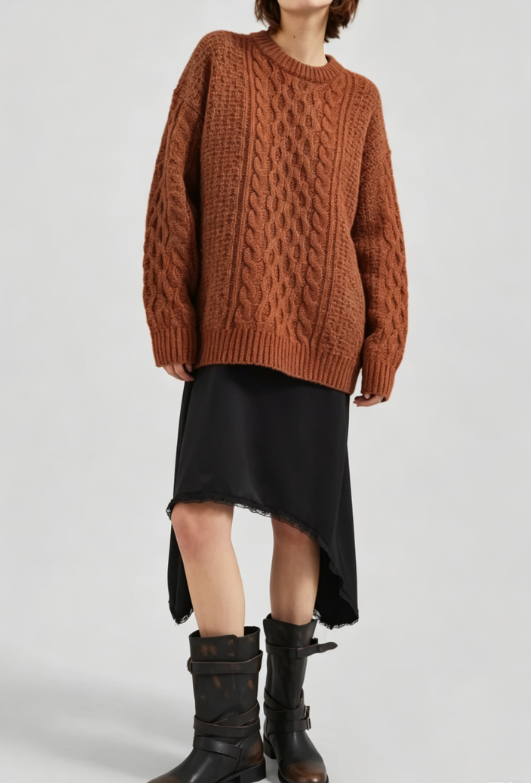
30–50 cm swatches can look premium yet pill or shrink after laundering. Request wash testing and pilling evaluation before bulk approval; confirm dimensional change, colorfastness, hand feel, and recovery against the intended care method.
- Compare washed and unwashed measurements.
- Check abrasion-prone underarm and hip areas.
- Record approved yarn lot and test result.
Grade Beyond The Base Size
XS–3XL grading is not a simple proportional enlargement for fitted or body-skimming custom sweater dresses. Poor grading distorts shoulder balance, sleeve length, hip ease, and neckline shape, increasing returns; review a full graded measurement set and size sample.
Control Decoration And Approval
2 or more heavy decoration methods can change drape, stretch, and production time. Keep embroidery, patches, sequins, or print placement compatible with the knit structure, then approve a washed, measured sample rather than photos alone. 24–48 hours is often too little time for a meaningful approval. Check construction, labels, color, measurements, wash results, and decoration adhesion; document revisions before releasing bulk.
Buy Capability, Not Price
100-unit minimums can be commercially attractive, but the lowest quote may omit yarn testing, grading, finishing, or inspection. Compare like-for-like quotations and select a supplier with documented sampling, quality control, and repeat-order records.
9. Launching Your Sweater Dress Collection
A 100-unit MOQ can support a focused first launch, but the critical path begins before yarn is ordered. Assign one brand owner to approvals and one factory contact to feasibility, samples, and production records.
| Decision Gate | Primary Owner | Dependency |
|---|---|---|
| Tech pack approval | Brand | Competitor review and costing |
| Fit approval | Brand and factory | Prototype and measurement revisions |
| Pre-production approval | Brand | Final yarn, trims, labels, size set |
| Bulk release | Factory | Written pre-production approval |
Define The Product Brief
Week 1 should compare 3–5 competing dresses for retail price, silhouette, gauge, length, and care claims. The brand owner then locks target customer, color count, margin target, and must-have details. A complete tech pack should specify Pantone colors, measurements, stitch or knit construction, labels, packaging, and tolerances. Junsheen can review a finished pack, sketch, reference garment, or mood board for manufacturability before sampling.
- Approve silhouette and target retail price
- Confirm colorways and size range
- Freeze specification before yarn booking
Sample And Fit Gates

Weeks 2–4 typically cover yarn swatches and a prototype, depending on yarn availability and construction complexity. Approve hand feel, stretch recovery, opacity, shrinkage expectations, and color before moving to fit. Week 4–6 fit samples should be tried on the intended size block, including extended sizes when sold. Pattern makers should revise shoulder balance, sleeve length, body proportion, and grading increments rather than simply enlarging a base size.
- Brand: approve aesthetics and fit
- Factory: document revisions and measurements
- Both: sign off size set before bulk
Release Bulk Production
Week 6–8 requires a pre-production sample matching approved yarn, trims, labels, measurements, and packing method. No bulk knitting or cutting should start until the buyer issues written approval. Bulk timing follows approved materials, not the purchase-order date. Junsheen can inspect incoming fabric or yarn, in-line construction, measurements, decoration, and final packed goods before export delivery.
- Confirm final quantity by color and size
- Approve pre-production sample in writing
- Reserve shipping time after final inspection
10. custom sweater dresses Pricing and Costs
100-unit custom sweater dresses programs commonly begin around US$14–30 per piece for a straightforward acrylic, cotton-blend, or viscose-blend knit; premium wool, cashmere blends, intarsia, jacquard, or engineered placement work raise the quote. Final pricing must follow a reviewed tech pack, yarn swatch, gauge, stitch map, size range, decoration artwork, packing specification, testing requirement, and destination. 3 production tiers make budget planning more reliable than requesting one headline price. Sampling typically adds 7–15 days before bulk; bulk lead time starts only after fit, color, trims, and pre-production details are approved. 6 cost controls protect product quality: consolidate colors, use stock-compatible yarns, standardize labels and polybags, limit stitch changes, and plan testing early. Keep the correct gauge, seam reinforcement, size grading, wash testing, and inspection scope—these are usually cheaper than correcting claims, returns, or rework after shipment. 80,000-plus monthly-unit capacity does not eliminate freight variables: carton dimensions, order weight, Incoterm, destination, and shipping mode can materially change landed cost. Ask Junsheen for ex-factory and shipment-inclusive comparisons, then assess unit cost alongside sample approval timing and expected reorder volume.
| Order quantity | Estimated unit price | Typical bulk lead time |
|---|---|---|
| 100–299 units | US$14–30 | 25–40 days |
| 300–999 units | US$11–24 | 25–35 days |
| 1,000+ units | US$8–19 | 20–30 days |
Start Your Custom Sweater Dresses Sample
Send your tech pack, reference garment or idea for fit-focused development and a tailored OEM quotation from JUNSHEEN.