
Wholesale Sweater Dresses with 100-Unit OEM MOQs
Develop private-label wholesale sweater dresses with OEM/ODM support and fit-focused XS–3XL grading, from sampling through scalable global production.
Featured Products for wholesale sweater dresses Development

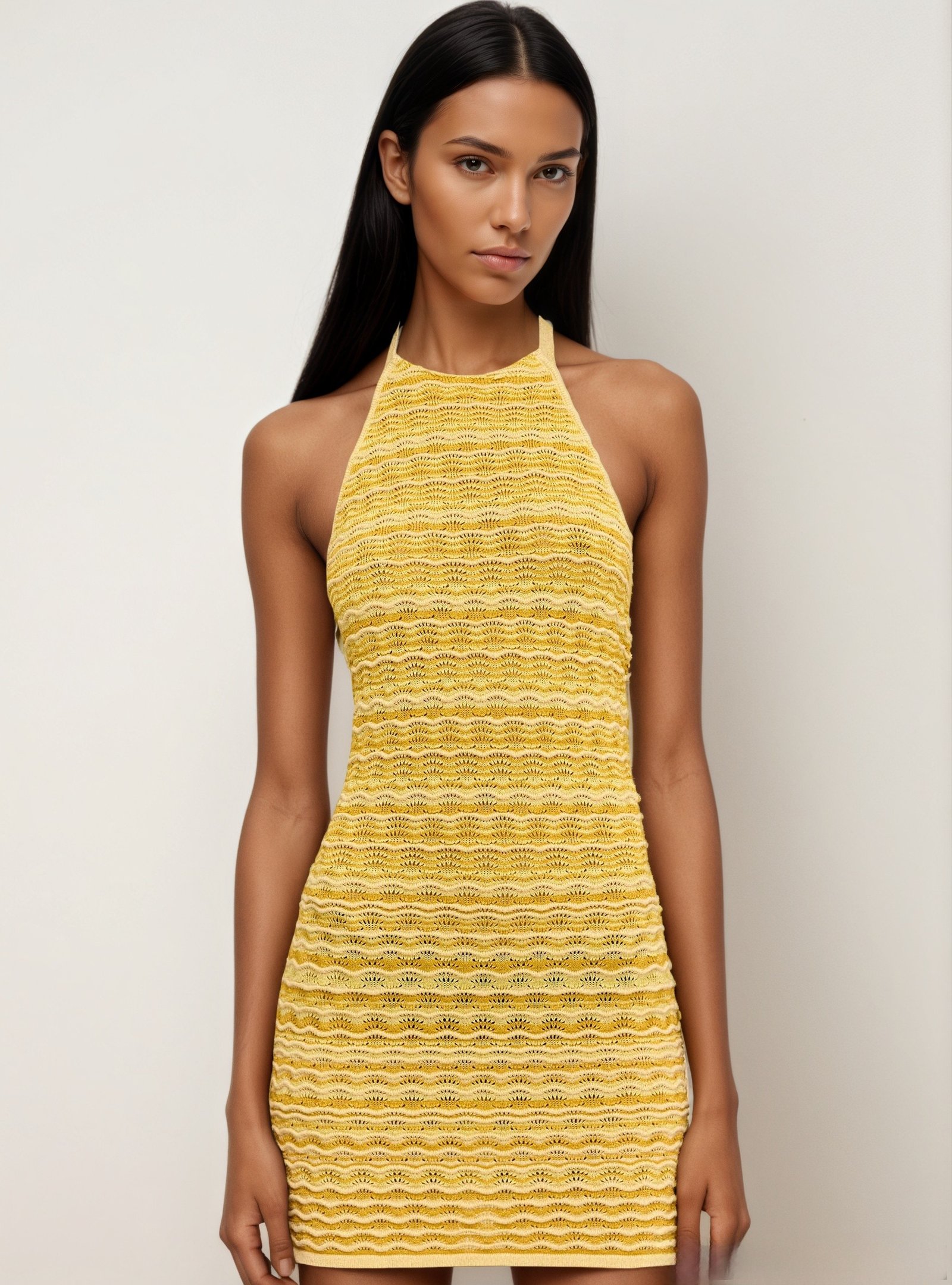

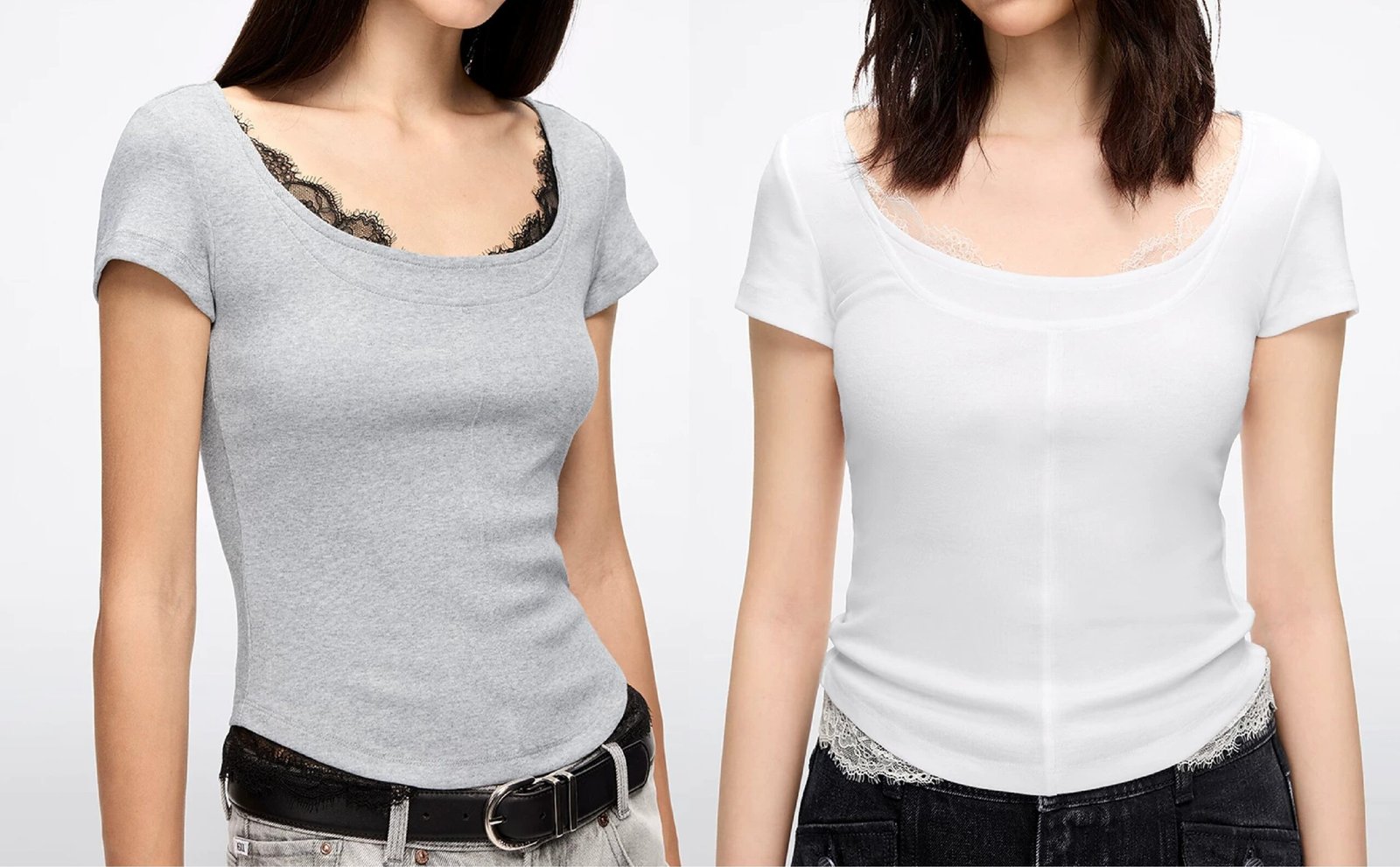


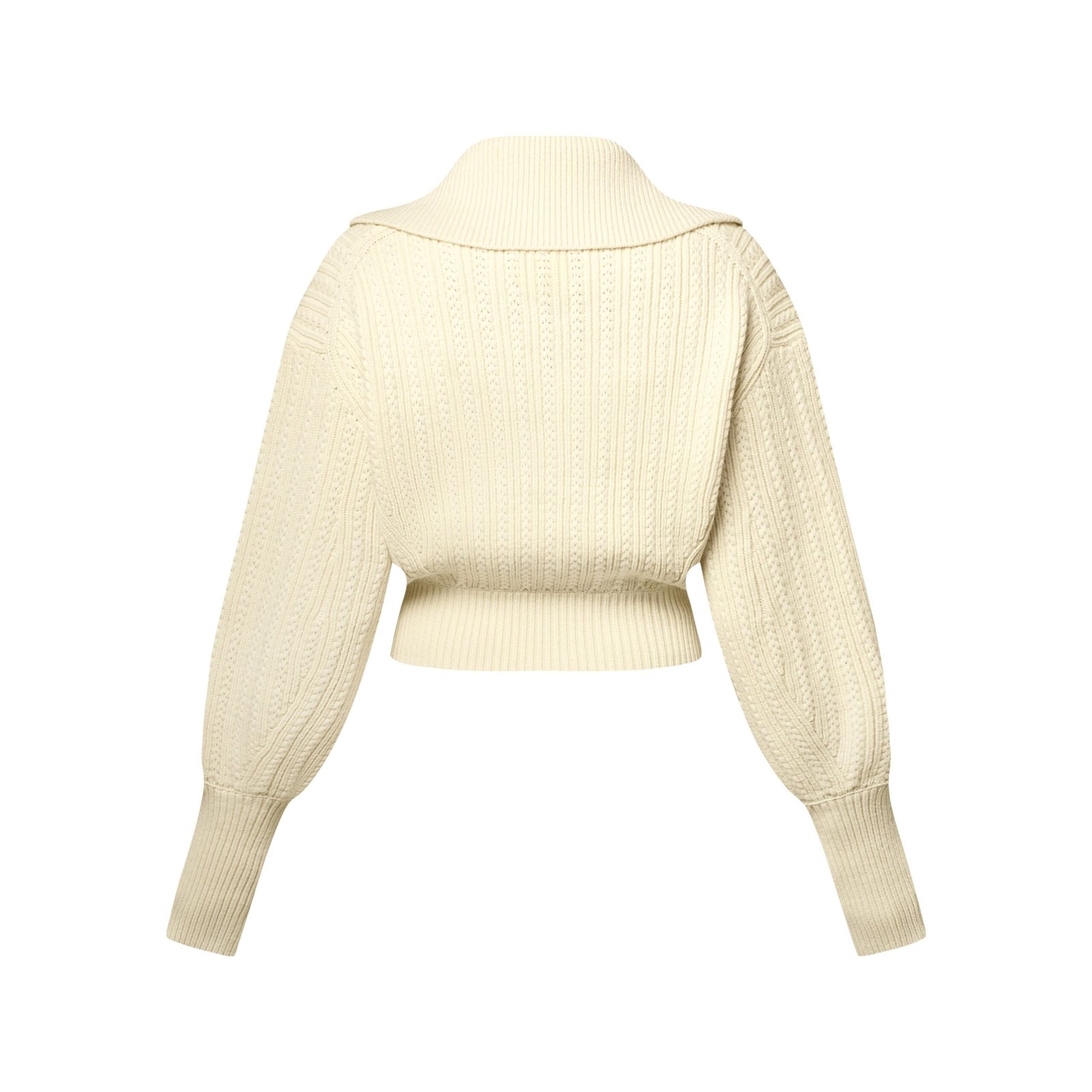


Related Product Catalogue and Quotation




Why Source Wholesale Sweater Dresses from JUNSHEEN
A fit-focused knitwear partner for low-MOQ launches, branded programs, and reliable global scale.
100-Unit MOQ
Launch each sweater dress style and color from 100 units, giving new labels practical access to custom wholesale production.
Fit-First Size Development
Patterns are refined from XS–3XL for proportion, mobility, and grading consistency across normal, plus-size, extended-size, and oversized fits.
Integrated Decoration
Add logo embroidery, patches, printing, labels, trims, and garment finishing through one coordinated production team.
Private-Label Ready
Build a complete branded program with custom main labels, care labels, hang tags, packaging, buttons, zippers, and drawstrings.
Scalable Global Production
Rely on 200+ skilled workers, 80,000+ monthly units, quality control, and export support as wholesale sweater dress demand grows.
Custom Knitwear, Sweater Dress & Apparel Programs
Develop capsule-ready and scalable custom apparel with fit-focused patterns, low MOQs, and integrated production from sampling through global delivery.
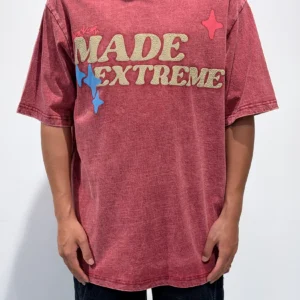
Custom Hoodies
Develop custom hoodies in fleece, French terry, and jersey with fit specifications, graded XS–3XL size sets, embroidery or printing, custom trims, labels, and packaging. Start at 100 units per style and color for capsule launches or repeat programs.
Request a Quote
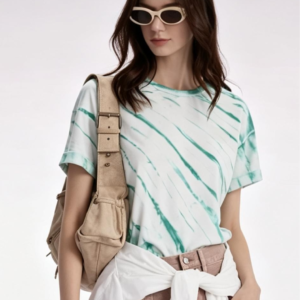
Custom T-Shirts
Produce custom T-shirts in cotton, Pima cotton, organic options, and blended jersey. Junsheen supports fabric-weight selection, normal, oversized, and extended-size fits, screen printing, DTG, DTF, labels, and production-ready grading for consistent reorders.
Request a Quote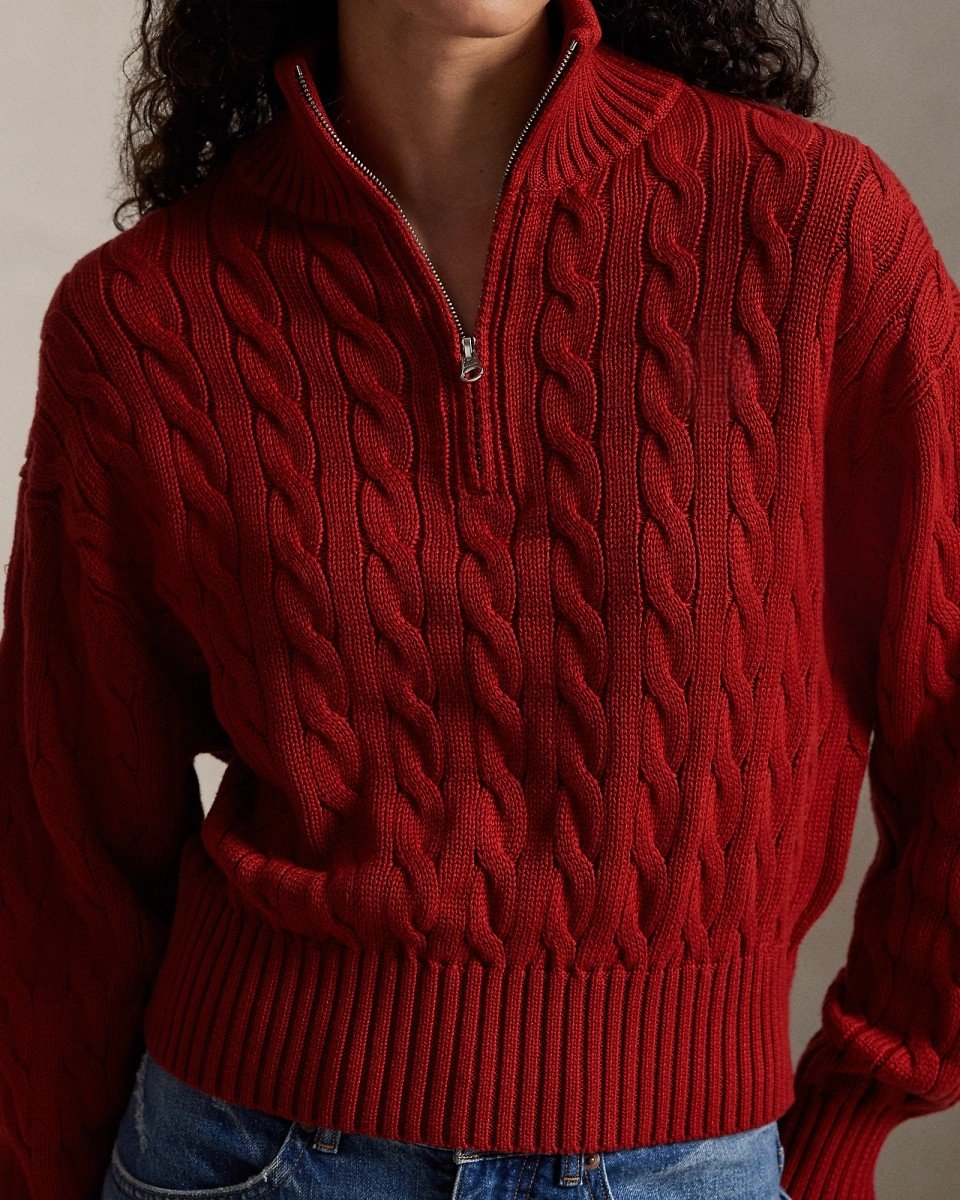
Custom Jeans
Build custom jeans in rigid or stretch denim with refined rises, leg shapes, washes, hardware, patches, and branded trims. Pattern development and size grading help maintain proportion and mobility from XS through 3XL across your denim assortment.
Request a Quote
Custom Sweaters
Source turtle neck sweaters in bulk through a knitwear program tailored to yarn, gauge, silhouette, and target cost. Develop ribbed, fitted, relaxed, or oversized styles with size-set review to maintain neckline, sleeve, and body proportions across sizes.
Request a Quote
Custom Jackets
Manufacture custom jean jackets and other denim outerwear with selected denim weights, wash treatments, contrast stitching, branded buttons, patches, and labels. Development support helps resolve construction, fit, and finishing details before bulk approval.
Request a Quote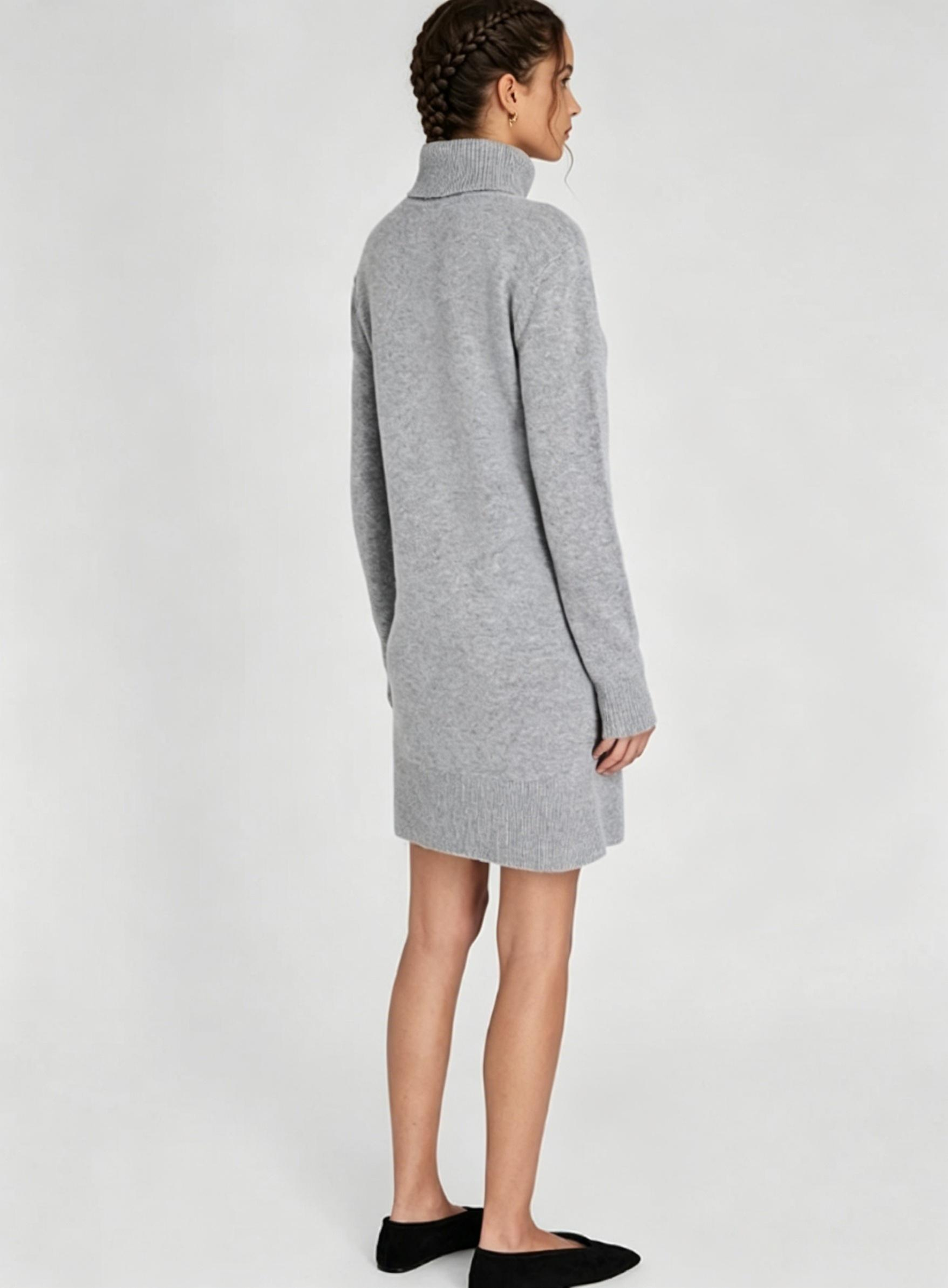
Custom Sweatshirts & Crewnecks
Create custom crewneck hoodies, sweatshirts, and crewnecks in fleece, French terry, or jersey. Specify garment weight, rib construction, oversized or regular fit, decoration, washes, and private-label components while retaining graded patterns for repeat production.
Request a Quote
Custom Cardigans
Develop custom cardigans across fine-gauge and heavier sweater constructions, with yarn, gauge, button, placket, pocket, and trim options. Fit-focused grading supports consistent shoulder balance, sleeve length, and body shape for regular and extended-size collections.
Request a Quote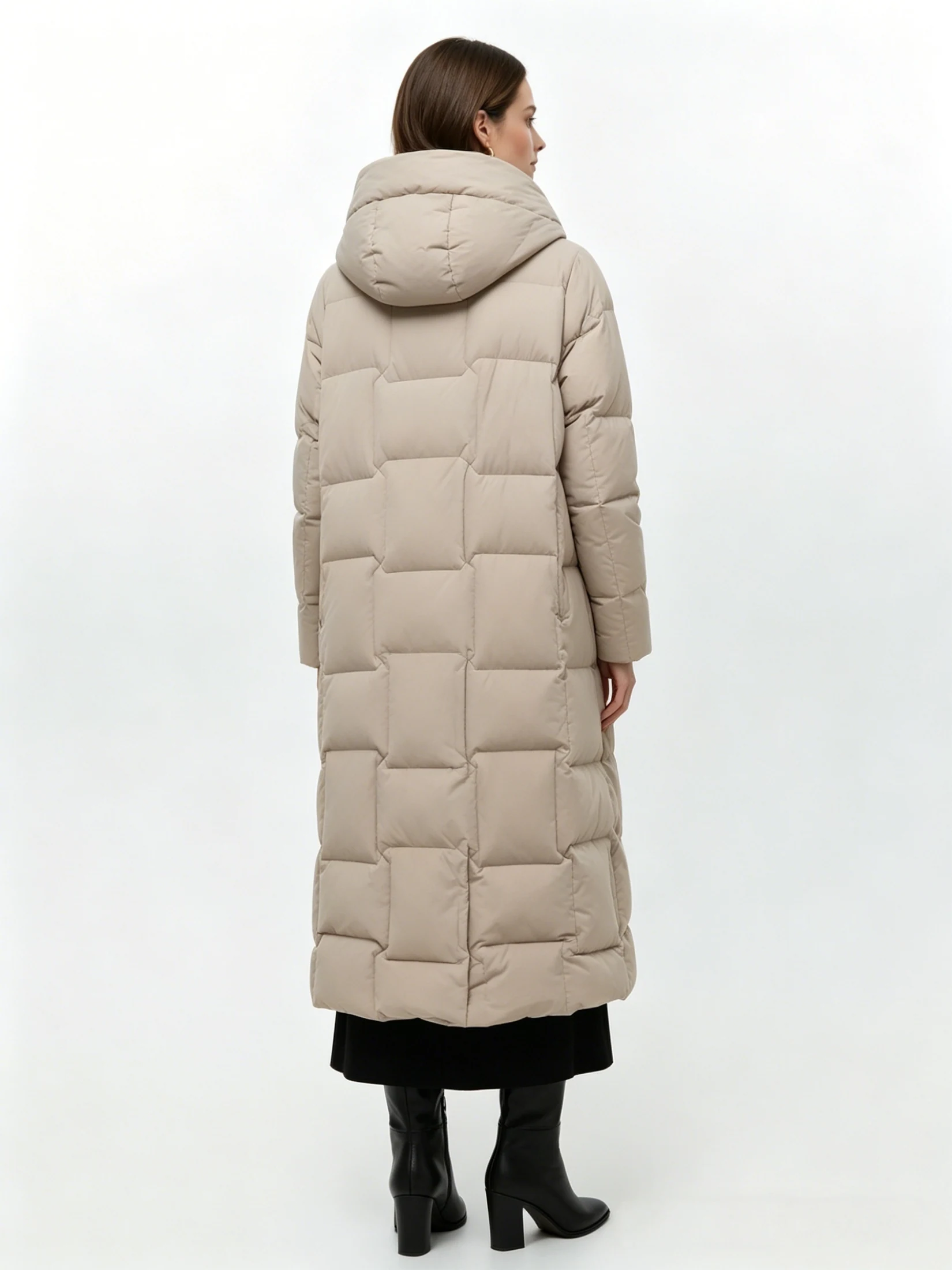
Custom Puffer & Down Jackets
Produce custom puffer jackets with selected shell fabrics, insulation, quilting layouts, linings, zippers, snaps, reflective details, and branded packaging. Sampling confirms bulk construction, warmth requirements, and fit before scaling to global seasonal delivery.
Request a Quote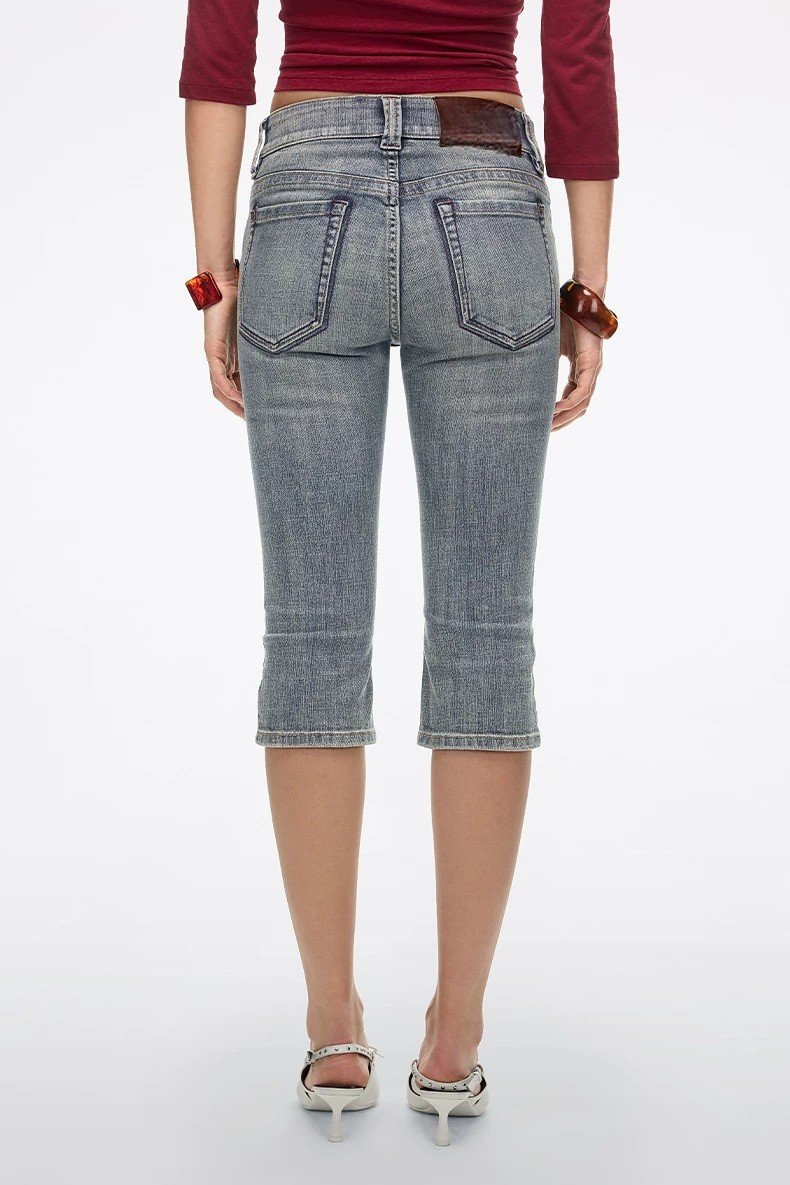
Custom Denim Shorts
Make custom jean shorts in rigid or stretch denim with defined inseams, rises, hem treatments, washes, distressing, hardware, and labels. Pattern and grading work help preserve intended leg opening and seat fit across the full size range.
Request a Quote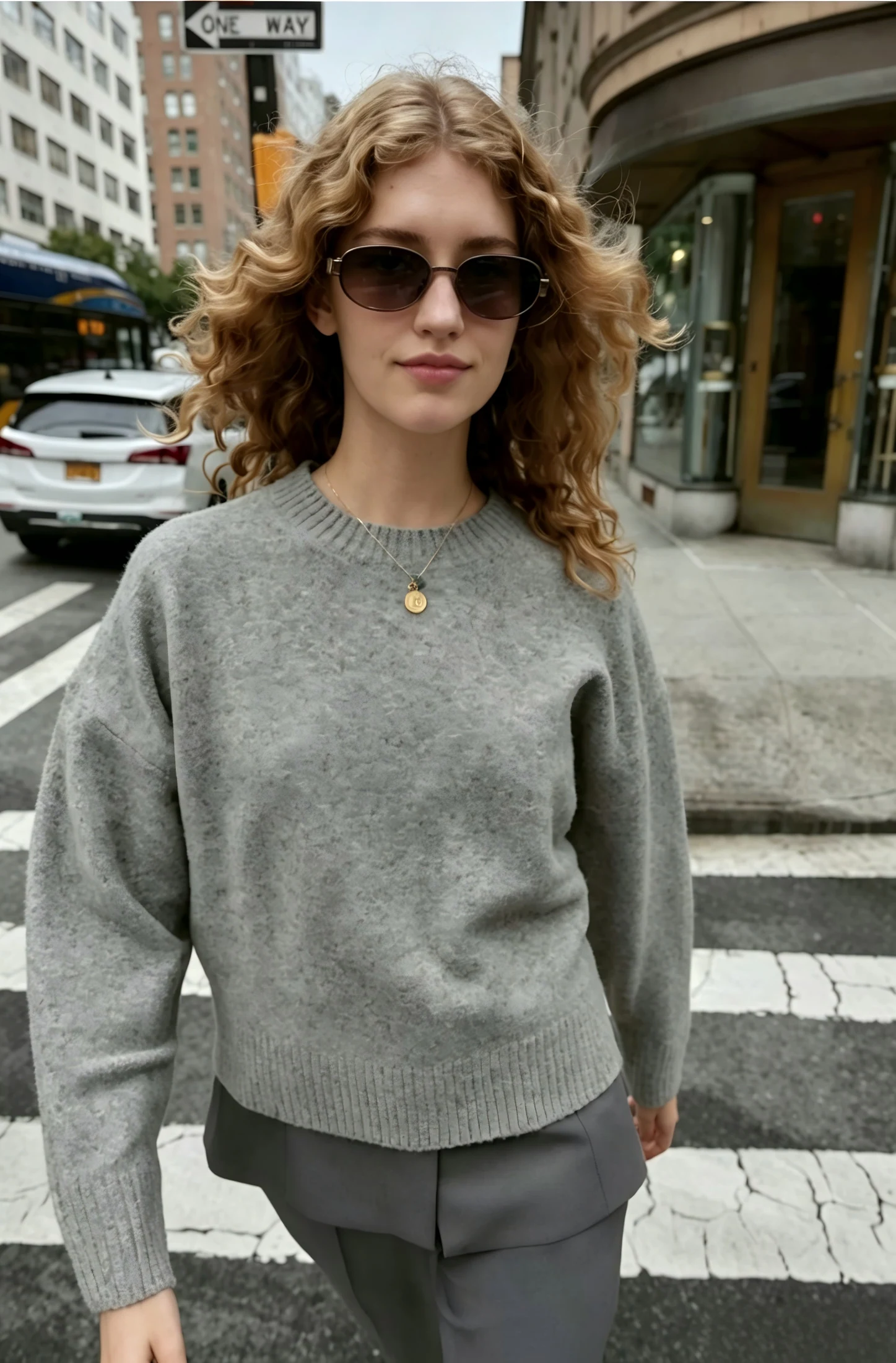
Custom Sweater Dresses
Develop custom sweater dresses in fitted, relaxed, ribbed, or oversized silhouettes with knit structures selected for drape, recovery, warmth, and target price. Junsheen refines body length, shoulder balance, sleeve proportions, and grading for XS–3XL fit consistency.
Request a Quote
Custom Denim Sets
Produce mens denim suits wholesale with coordinated denim jackets, overshirts, trousers, or jeans. Align fabric shade, wash, hardware, stitching, and sizing across each piece, with low-MOQ development available for branded denim capsules and wholesale programs.
Request a Quote
Custom Polo Shirts
Manufacture custom polo shirts in pique, jersey, performance knits, or sweater-knit constructions. Choose collar structure, plackets, buttons, embroidery, color blocking, and fit specifications to create retail-ready polos with consistent grading and private-label finishing.
Request a Quote
Custom Sweatpants
Develop custom sweatpants in fleece, French terry, jersey, or performance knits with specified rises, inseams, leg shapes, pockets, cuffs, drawcords, and decoration. Fit-focused pattern grading supports regular, oversized, and extended-size programs.
Request a Quote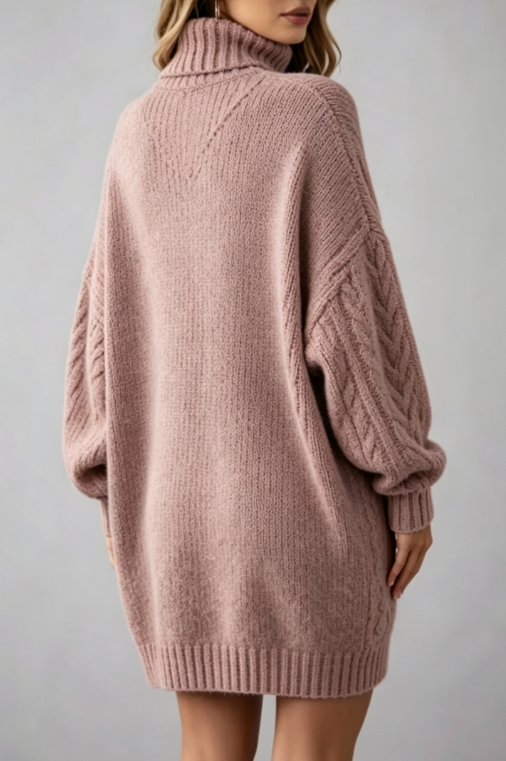
Custom Shorts
Produce custom shorts for casualwear, athleisure, denim, and woven programs with fabric, length, rise, pocket, waistband, and trim options. Sampling and size-set reviews help maintain comfort, mobility, and consistent proportions from XS through 3XL.
Request a Quote
Custom Pullovers
Create custom pullovers in knitwear, fleece, French terry, or jersey, including quarter-zip, mock-neck, and oversized styles. Select fabric or yarn, collar and cuff construction, decoration, labels, and packaging with development support from concept to bulk production.
Request a QuoteWholesale Sweater Dresses in Production-Ready Yarns

Viscose Nylon Blend
Smooth, cool and fluid with a refined drape for body-skimming rib sweater dresses. Nylon improves abrasion resistance and shape recovery, while viscose provides a soft hand feel and polished appearance.

Cotton Acrylic Blend
Soft, breathable and approachable for casual sweater dresses and transitional collections. Cotton adds natural comfort, while acrylic supports color retention, lighter weight and dependable machine-wash performance.

Wool Blend Yarn
Warm, resilient and elevated for premium cold-weather sweater dresses. Wool delivers natural insulation and a rich hand feel; blended fibers can improve durability, reduce pilling and simplify care requirements.

Modal Rib Knit
Exceptionally soft with graceful drape for fitted midi dresses, lounge styles and layering pieces. Modal enhances moisture comfort and a silky hand feel, while rib construction supplies flexible stretch and recovery.

Polyester Stretch Knit
Durable, colorfast and easy-care for fashion sweater dresses requiring reliable repeat wear. Elastane adds controlled stretch and recovery, while polyester helps maintain shape, supports textured stitches and dries quickly.
Wholesale Sweater Dresses: Decoration & Finishing Options

Logo Embroidery
Flat, 3D puff and chain-stitch embroidery add dimensional branding to sweater dresses. Carefully selected backing and stitch density help preserve knit structure while delivering a durable, premium logo finish.

Custom Patch Application
Woven, embroidered, chenille and applique patches create tactile branded details for sweater dresses and coordinated knitwear. Placement, edge finishing and attachment methods are reviewed to support clean appearance and reliable wear.

Screen Print Effects
Water-based, plastisol, puff, flocking, silicone and high-density screen prints create bold graphics on suitable sweater constructions. Junsheen tests artwork, fabric texture and print coverage to help maintain clarity and wash durability.

Garment Dyeing
Garment dye, tie-dye and acid-wash color treatments give knitwear a custom, lived-in character. Trial samples confirm shade, hand feel and shrinkage performance before bulk production, supporting consistent color across your order.

Softening And Finishing
Enzyme washes, anti-pilling treatments, brushing and napping refine hand feel, surface texture and everyday comfort. Finishing is selected around yarn blend and intended use to enhance softness without compromising garment durability.
Wholesale Sweater Dresses with Private-Label Accessories

Woven Brand Labels
Custom woven main, size, and care labels give wholesale sweater dresses a polished retail identity. Choose woven, printed, or leather-look constructions, placement, and color-matched artwork for consistent private-label presentation.

Custom Hang Tags
Branded hang tags communicate sizing, fabric stories, care guidance, and collection details at retail. Junsheen can coordinate custom shapes, paper stocks, strings, barcodes, and finishes with your sweater dress packaging.

Zippers And Buttons
Add functional or decorative zippers, custom buttons, and snap closures for sweater dresses with plackets, collars, pockets, or side openings. Hardware options are selected to suit garment weight, finish, and target price.

Drawcords And Tipping
Custom drawcords, aglets, and contrast tipping add branded definition to hooded, waist-adjustable, and sport-inspired sweater dress styles. Match cord texture, color, length, and end finishes to your private-label direction.

Rib Knit Trims
Engineered rib trims support clean necklines, cuffs, hems, and waist shaping across knitwear programs. Our team can develop rib weight, recovery, stripe placement, and color combinations for dependable fit and durability.
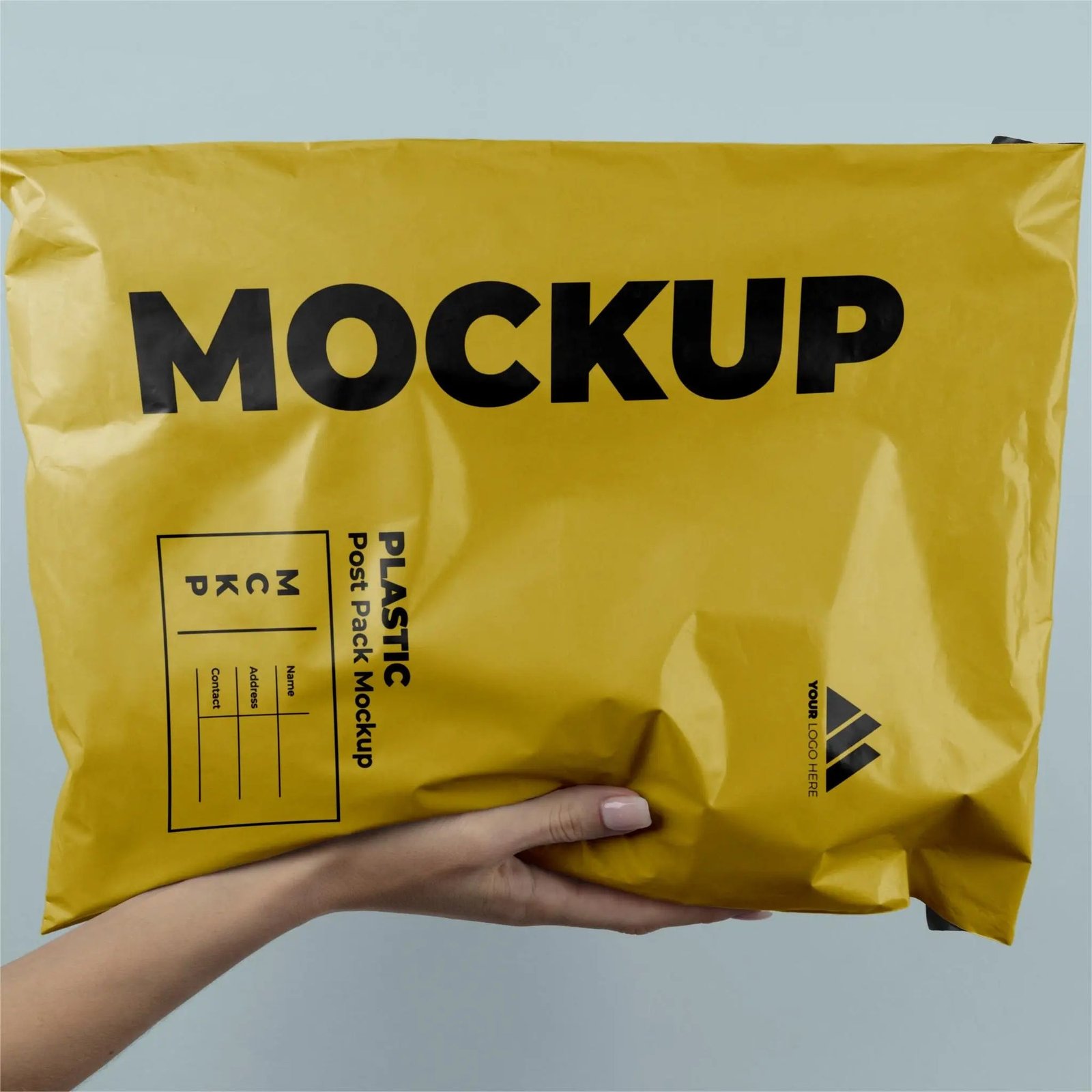
Branded Gift Packaging
Complete your order with custom polybags, tissue, stickers, boxes, and shipping-ready packaging. Coordinated packaging protects wholesale sweater dresses in transit while creating a stronger unboxing experience for retail customers.
About JUNSHEEN Knitwear Manufacturing
Founded in 2010 in Humen Town, Dongguan, JUNSHEEN helps fashion brands turn sweater-dress concepts into production-ready wholesale sweater dresses. Our one-stop OEM, ODM and private-label team supports development from sketches, tech packs and references through sampling, material sourcing and export-ready production.
With 200+ skilled workers and monthly capacity above 80,000 units, we combine cut-and-sew expertise with knitwear capability for emerging labels, retailers, wholesalers and established global brands. Programs can begin at 100 units per style and color, then scale smoothly as demand grows.
What distinguishes JUNSHEEN is fit-first development across XS–3XL, including extended-size, plus-size and oversized grading. We refine proportion, mobility and measurements rather than simply enlarging a base pattern, while managing decoration, finishing, labels, packaging and quality control in one accountable supply chain.

Wholesale Sweater Dresses Engineered for Every Size Range
Fit Grading That Performs
JUNSHEEN develops wholesale sweater dresses from XS to 3XL with grading that considers shoulder balance, sleeve length, waist placement, body proportion and mobility. Our pattern team refines each size instead of simply scaling one base sample.
- XS–3XL, extended-size and plus-size development
- Balanced proportions across the graded size set
- Fit samples and size sets before bulk approval
- Modern oversized silhouettes engineered intentionally
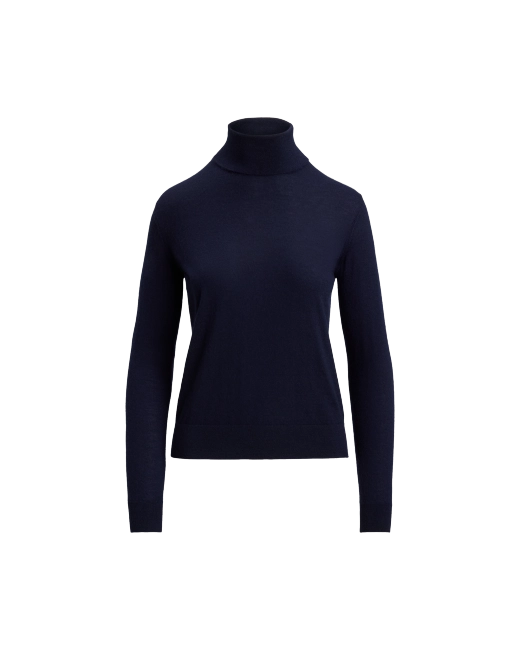
Knits Meet Cut-and-Sew
Bring sweater dress ideas into one coordinated production program. Our knitwear capability works alongside cut-and-sew development, allowing brands to specify sweater constructions, contrast panels, linings, trims and companion casualwear without splitting suppliers.
- Sweater, cardigan and pullover constructions
- Integrated woven, jersey and fleece components
- Fabric, trim and construction recommendations
- One team for development through export

Brand Details Built In
Turn approved sweater dress samples into a recognizable private-label product with in-house decoration, finishing and packaging support. We align logo treatments, labels, hardware and presentation details to your target price, hand feel and brand direction.
- Logo embroidery, patches and print effects
- Woven labels, size labels and wash-care labels
- Custom buttons, zippers, drawstrings and hang tags
- Branded packaging and export-ready packing

Repeat Orders Stay Controlled
For ongoing wholesale sweater dresses programs, JUNSHEEN retains approved patterns, graded size sets and material records to support dependable reorders. Incoming, in-line and final inspections help protect measurements, construction quality and presentation as volume scales.
- 100-unit MOQ per style and color
- Retained specifications for faster repeat programs
- 200+ skilled workers and 80,000+ monthly capacity
- Global shipping support for growing brands

Why Choose JUNSHEEN for Wholesale Sweater Dresses
Evidence-led production support for fit, repeatability and global scale.
← 左右滑动查看 →
Wholesale Sweater Dresses Production Process
A controlled OEM workflow that moves each knitwear program from feasibility review to export-ready delivery.
Review Design Feasibility
We assess your tech pack, sketch, reference garment, target price, size range, and construction requirements to define a production-ready wholesale sweater dress program.
Source Materials and Trims
Our team recommends yarns, knit constructions, labels, and trims based on hand feel, drape, durability, target cost, and approved brand direction.
Develop Patterns and Samples
Pattern makers create fit-focused XS–3XL grading, then produce prototype samples for measurement, construction, color, and wash-performance review before bulk approval.
Produce Bulk Knitwear
After approval, we coordinate knitting, cut-and-sew operations, decoration, finishing, and private-label components with scalable capacity from 100 units per style and color.
Inspect Pack and Ship
Multi-stage quality checks verify materials, measurements, fit, workmanship, decoration, and packed goods before branded packaging and global export shipment are released.
How to Start Your Wholesale Sweater Dresses Order
Move from concept to shipment with one fit-focused manufacturing partner.
Submit Your Design Direction
Send a tech pack, sketch, reference garment, or mood board. Our team reviews construction, sizing, knitwear details, fabrics, and private-label requirements.
Review Quote and Samples
Confirm the quotation, material recommendations, and 100-unit MOQ. We develop samples and size details for your review before bulk approval.
Approve Production Details
Approve the fit, graded XS–3XL size set, colors, trims, labels, and packaging. We retain approved specifications to keep repeat wholesale orders consistent.
Receive Quality-Checked Shipment
JUNSHEEN manages bulk production, in-line inspections, final measurements, packing, and export coordination, then arranges global shipment after final balance settlement.
Custom Clothing Manufacturer Credentials and Compliance Documents



Wholesale Sweater Dresses: Verified Client Results
JUNSHEEN corrected our extended-size sweater dress grading during sampling. We reduced fit revisions from five rounds to two and approved the XS–3XL size set before our launch deadline.
Our first 120-unit rib-knit dress program arrived on schedule with consistent measurements across three colors. Sell-through reached 78% in six weeks, so we placed a 600-unit reorder.
The team translated our sketches into production-ready sweater dresses, including custom labels and embroidery. Sampling lead time dropped by 12 days compared with our previous supplier, and bulk quality matched the approved sample.
Wholesale Sweater Dresses FAQ
Clear answers on MOQ, development, production, fit, payment and delivery for custom knitwear programs.
What is the MOQ for wholesale sweater dresses?
Can I order a sample before placing a wholesale sweater dresses bulk order?
How long does wholesale sweater dresses production take?
Can you develop sweater dresses in plus sizes and oversized fits?
What payment terms do you offer for custom sweater dress orders?
Do you ship wholesale sweater dresses internationally?
How do you protect my sweater dress designs and brand details?
Can JUNSHEEN add private labels, embroidery or custom finishes to sweater dresses?
Complete Guide to wholesale sweater dresses
Use this practical framework to select styles, materials, construction standards, customization routes, and reliable suppliers for scalable sweater-dress production—while avoiding costly sampling, pricing, fit, and sourcing mistakes.
1. What Are wholesale sweater dresses?
100 units per style and color is a practical entry point for a private-label sweater-dress program, while ready-stock wholesale usually means buying an existing supplier design in preset colors, sizes, and packaging. Wholesale sweater dresses are B2B knit dresses purchased for resale, whether the buyer needs immediate inventory or a branded collection produced to its own specifications. 3 sourcing routes create materially different quote requests: ready stock prioritizes availability and carton quantities; private label adds labels, hang tags, and packaging to an existing base style; fully custom knitwear starts with a tech pack, sketch, or reference and can change yarn, gauge, silhouette, color, trims, and grading. Boutiques, online stores, department-store vendors, wholesalers, and seasonal capsule labels commonly use these programs for fall/winter drops, resort layering, or extended-size assortments. 4 decisions should be settled before requesting quotes: target retail price, sales channel, expected units by color and size, and the level of design control required. Buyers should also specify delivery market, target hand feel, size range, Pantone colors, branding needs, and whether a sample or size set is required; without those inputs, MOQ, lead time, and unit-cost comparisons are unreliable.
2. Evolution of wholesale sweater dresses
1920s knitwear moved from practical cold-weather layering into women’s daywear as machine knitting made finer gauges and repeatable rib structures more accessible. By the mid-century, fitted sheath and cardigan-dress shapes established the dependable, lower-risk core of wholesale sweater dresses: restrained colors, durable yarn blends, and silhouettes that can return across multiple seasons. 1960s and 1970s fashion widened the category through mini lengths, turtlenecks, A-lines, belt details, and bolder stripes, while acrylic and nylon blends improved color retention, recovery, and accessible price points. Those shifts still guide range planning: a classic program benefits from fewer proven colors and replenishable fits, whereas a trend-led program needs earlier sampling, sharper color decisions, and controlled buys. 1990s oversized proportions and 2010s body-conscious stretch knits made silhouette and gauge as commercially important as fiber content. Buyers should specify the intended ease, length, and stretch recovery rather than approve a single sample on appearance alone; rib dresses, compact viscose blends, and loose chunky knits behave very differently after wear and washing. XS–3XL demand has made inclusive grading a sourcing requirement rather than a size-chart extension. A credible extended-size program needs proportion adjustments at shoulders, bust, hips, sleeves, and hem—not merely enlarged measurements—so established core fits and fashion experiments should be developed, costed, and stocked as separate strategies.
3. Types of wholesale sweater dresses
Six wholesale sweater dresses categories cover distinct selling occasions, from fitted nightlife pieces to relaxed layering styles. A balanced buy should separate silhouette risk, seasonal demand, and styling position before colors or trims are finalized.
Bodycon And Rib Knit
Two close-to-body options serve trend-led customers: bodycon relies on controlled stretch, while rib knit creates vertical texture and recovery. Autumn-to-spring demand is strong, but hip and bust grading require size-set approval. Three merchandising choices matter: use opaque stitch density, specify stretch-recovery limits, and offer neutral core colors. These dresses suit polished evening, workwear, and elevated casual assortments.
Oversized And Tunic Dresses
Two relaxed silhouettes target comfort buyers: oversized dresses emphasize dropped shoulders and volume, while tunics are designed for leggings or boots. Early fall through winter is their strongest window, with sleeve length and body proportion as key fit risks. 100-unit MOQ programs benefit from fewer yarn colors and shared rib specifications across both shapes. Position them as easy layering products rather than precision-fit fashion.
Collared And Cardigan Styles
Two structured categories widen occasion coverage: polo dresses add a sporty collar, while cardigan dresses create open-front layering. Resort, transitional, and office-casual edits can carry them beyond peak cold-weather selling. Four production details deserve approval: collar stand shape, button spacing, placket stability, and closure reinforcement. Cardigan-style dresses also need a clear styling plan for belts, slips, or coordinated inner layers.
4. Materials for wholesale sweater dresses
12-gauge construction makes fiber selection visible in drape, opacity, and surface texture. For wholesale sweater dresses, specify blend percentages before approving color, because finishing can change softness and shrinkage.
| Material | Handfeel And Warmth | Care And Pilling | Gauge / Best Use | Price Level |
|---|---|---|---|---|
| Cotton | Breathable, moderate warmth | May shrink; low-medium pilling | 12–16; transitional basics | Mid |
| Viscose/Nylon | Soft, fluid, moderate warmth | Gentle wash; good recovery | 12–16; ribbed fitted dresses | Mid-high |
| Acrylic | Soft, warm, lightweight | Easy care; higher pilling risk | 7–12; value winter styles | Low |
| Polyester Blend | Durable, quick-dry, moderate warmth | Easy care; low pilling | 10–14; travel programs | Low-mid |
| Wool/Nylon | Warm, resilient | Hand wash; low pilling | 7–10; premium cold weather | High |
| Cashmere Blend | Luxurious, very warm | Delicate care; moderate pilling | 12–16; luxury fine gauge | Premium |
| Recycled Yarn | Varies by fiber content | Test wash and shade stability | 7–16; sustainability capsules | Mid-high |
Natural Fiber Choices

100% cotton feels breathable and familiar, but needs tighter knitting or blend support for shape retention. 70/30 wool-nylon adds warmth and recovery for cold-weather fitted styles; cashmere blends raise handfeel and cost.
- Use ring-spun cotton for smoother surfaces.
- Request anti-pilling testing on wool blends.
- Dry-clean guidance suits cashmere-rich programs.
Manmade Blend Performance
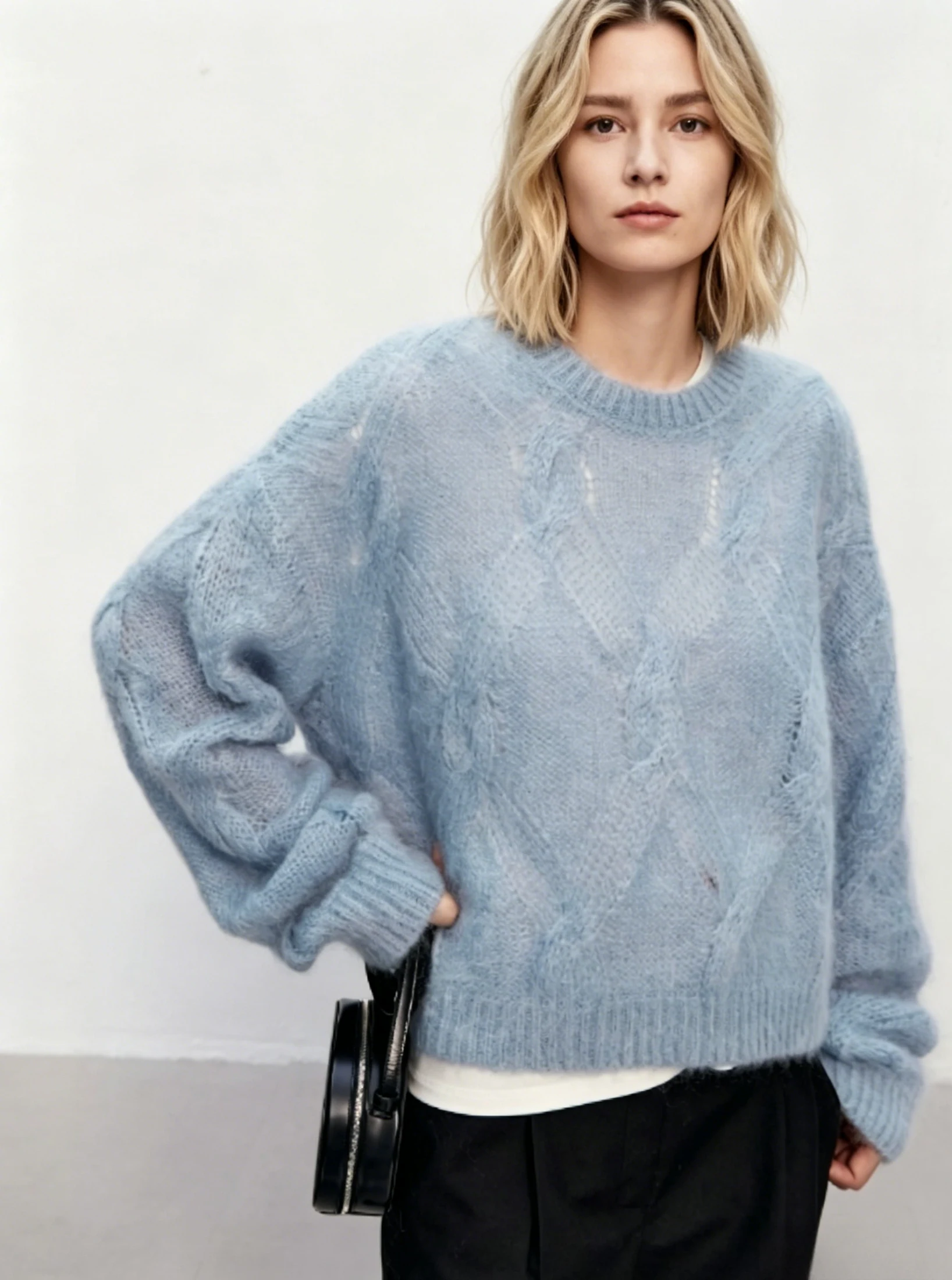
50/50 viscose-nylon delivers fluid drape and a softer hand than acrylic, suited to refined rib dresses. 70% acrylic blends offer accessible warmth, while polyester improves colorfastness and reduces drying time.
- Add nylon for better stretch recovery.
- Check acrylic for abrasion pilling.
- Use polyester blends for travel-friendly styles.
Gauge And Season Planning

7–9 gauge yarns build warmer, more dimensional fall and winter dresses with greater yarn consumption. 12–16 gauge constructions suit spring layers; recycled yarns require swatch approval for shade variation and consistency.
- Match gauge to silhouette and target retail.
- Approve wash tests before bulk yarn booking.
- Confirm recycled-content documentation when required.
5. Customizing wholesale sweater dresses
At a 100-unit MOQ, prioritize repeatable private-label elements before costly engineered details. For wholesale sweater dresses, Junsheen can develop yarn color, trims, grading, labels, and packaging alongside sampling.
| Customization | 100-Unit Economics | Development Time | Durability Priority |
|---|---|---|---|
| Stock yarn and rib change | Efficient | 7-14 days | High |
| Woven labels and hangtags | Efficient | 5-10 days | High |
| Small embroidery or badge | Moderate | 7-14 days | High |
| Stripe layout | Moderate | 10-18 days | High |
| Custom jacquard or intarsia | Higher cost | 14-21 days | Confirm yarn stability |
High-Impact Low-Risk Details
At 100 units, woven main labels, size labels, wash-care labels, hangtags, and branded polybags usually deliver the clearest identity per dollar. Specify artwork, placement, material, and attachment method before sampling.
- Woven labels resist repeated washing better than printed neck labels.
- Embroidery suits small logos; request backing to protect knit loops.
- Custom patches need edge testing to avoid snagging delicate gauges.
Yarn And Knit Decisions
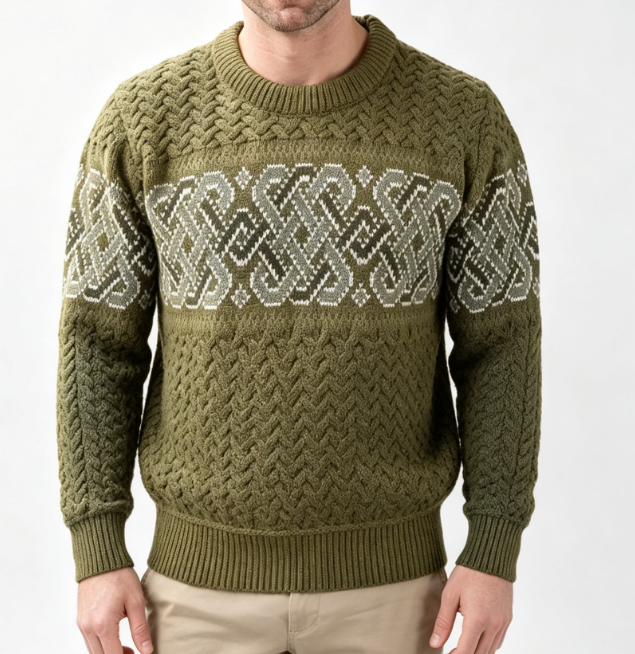
Pantone-matched yarn, rib placement, cable textures, and stripe layouts affect both hand feel and development time. A stock yarn colorway is faster at 100 units; new dye lots, intarsia, and multi-color jacquards require swatches and tighter approval.
- Use two or three colors for economical stripes.
- Reserve jacquard for durable, visible brand motifs.
- Approve knit-downs before bulk yarn is committed.
Fit And Size Grading

XS through 3XL requires graded patterns, not simple enlargement. Confirm body length, bust ease, shoulder balance, sleeve length, and hem recovery in a size set; extended sizing can add development work but prevents expensive fit revisions.
- Measure garments after relaxation, not immediately off machine.
- Keep one approved base block for repeat programs.
6. Construction Quality for Sweater Dresses
A sweater dress can look correct on a hanger yet fail after two washes if gauge, shaping, and recovery were not approved. For wholesale sweater dresses, lock construction standards into the sample and pre-production approval record before bulk yarn is committed.
Yarn And Gauge Control
A complete yarn specification should state fiber blend, count, ply, twist, color lot, and permitted substitutions. A 7-gauge dress typically reads heavier than a 12-gauge construction, but gauge alone does not establish quality. A measured stitch density swatch confirms course and wale counts, panel weight, opacity, and hand feel. Review swatches after relaxation because compact knitting can change dimensions before finishing.
- Record yarn count, blend, ply, and color-lot reference
- Approve gauge and stitch density on finished fabric
- Reject unapproved yarn substitutions before knitting
Shaping And Recovery
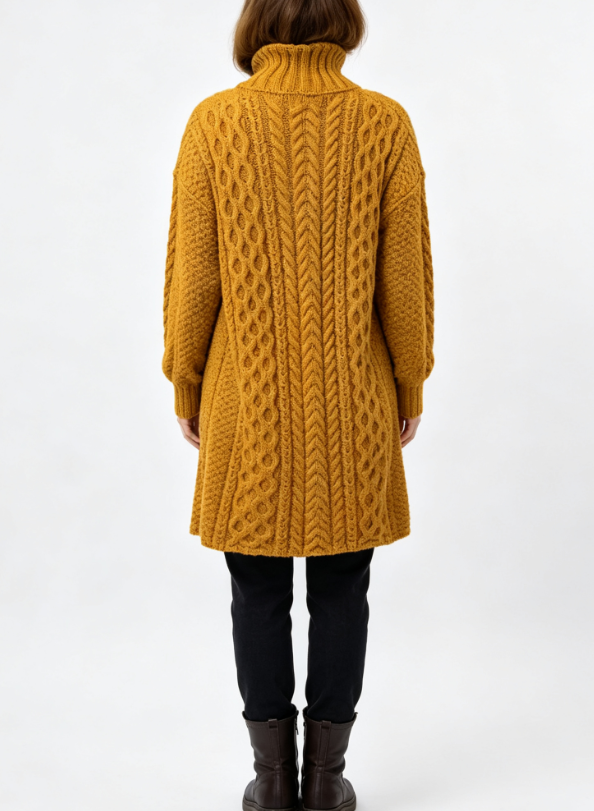
Fully fashioned decreases, transferred stitches, and shaped panels produce cleaner waist and shoulder control than relying only on seaming. Check that front, back, sleeves, and any skirt panels align at notches without torque. A rib hem, cuff, or collar should return close to its original width after repeated extension. Test recovery after 10 manual stretches and compare it with the approved sample.
- Inspect panel symmetry and shaping locations
- Stretch rib openings repeatedly for recovery
- Check side seams for twisting
Necklines And Linking
A neckline must remain flat, even, and proportionate after wear simulation and washing. Inspect bind-off tension, rib attachment, and shoulder tape where the design needs extra stabilization. Linked seams should be smooth inside and outside, with no dropped loops, open joins, or bulky ridges. Examine underarm, shoulder, and side-seam joins under tension before approving the size set.
- Check neckline wave and edge tension
- Inspect linking for skipped loops
- Pull seam joins lightly to reveal openings
Wash Test And Tolerances
One approved wash test should assess shrinkage, length change, pilling, color transfer, spirality, and trim behavior using the intended care method. Retain the washed sample beside the unwashed control for sign-off. A measurement chart should define finished-garment points, grading, and tolerances; knitwear commonly needs practical tolerance bands rather than rigid woven-garment targets. Re-measure critical bust, body length, sleeve, hem, and neckline points after wash testing.
- Approve washed and unwashed measurement records
- Set tolerance by measurement point
- Document pilling and color-change observations
7. Choosing wholesale sweater dresses manufacturers
Three comparable quotes should be evaluated against the same tech pack, yarn specification, gauge, size range and Incoterm. A low unit price can conceal sampling charges, weak grading, slow approvals or unreliable export handling.
Verify Knitwear Expertise
100-unit MOQs can suit a capsule, but ask whether the factory can knit, link, wash and finish sweater dresses in-house or manages subcontractors. 12- and 7-gauge samples reveal different density and drape; request photos of linking seams, neck finishes and worn size sets.
- Request comparable sweater-dress production references
- Confirm gauge, yarn count and stitch capability
- Ask who controls linking and final pressing
Audit Development And Materials
Two prototype rounds are often enough only when the buyer supplies clear measurements, Pantone references and construction details. Request a sample timeline, revision policy and retained pattern and grading records. 100% acrylic, cotton blends and wool blends require different pilling, shrinkage and colorfastness controls. Ask for yarn composition, supplier traceability, lab-test scope and available OEKO-TEX or GOTS documentation.
- Yarn card and composition specification
- Approved measurement chart and tolerance sheet
- Wash, pilling and colorfastness results
Compare Production Reliability
30- to 60-day bulk lead times should be quoted from final sample and material approval, not from initial inquiry. Confirm monthly capacity, color allocation, inspection stages and the escalation contact for delayed trims. 3 export questions expose operational maturity: Which Incoterms are offered, who prepares commercial documents, and how are carton markings verified? Compare landed risk, rework response and communication speed alongside price.
- Incoming yarn and in-line inspection records
- Final AQL standard and defect-rework process
- Export markets and shipping-document experience
8. Common Wholesale Sweater Dress Mistakes
Three pre-production approvals prevent most costly wholesale sweater dresses corrections: yarn testing, a measurable tech pack, and a graded fit review. Treat the quotation as a specification document, not a price list, before releasing bulk fabric.
Choosing Yarn By Appearance
A soft showroom swatch can still pill after 3–5 wears, especially with loosely spun acrylic blends. Request fiber content, gauge, stitch density, a pilling result, and wash shrinkage testing on the actual proposed yarn. Two wash cycles at the intended care temperature reveal dimensional change before bulk knitting. Approve a washed garment sample rather than relying on an unwashed development sample.
Approving Vague Specifications
A sweater dress tech pack needs finished measurements, tolerances, gauge, stitch map, yarn composition, color standard, trim details, and care instructions. Replace terms such as ‘oversized’ or ‘mid-length’ with centimeter measurements and Pantone references. One approved pre-production sample should match the signed specification and revision date. Record every change in writing before production begins.
Ignoring Fit And Size Depth
XS–3XL grading cannot be created by simply adding equal widths to every size. Review a full size set or at least base, smallest, and largest samples to check shoulder balance, sleeve length, body proportion, and stretch recovery. Three core sizes rarely represent a complete retail assortment. Build size and color quantities from prior sales, retailer data, or a controlled initial test order.
Missing Labels And Quote Parity
Four label elements are commonly missed: main label, size label, wash-care label, and country-of-origin marking. Provide label artwork, placement, fiber content, and care language before sample approval. Two quotations are comparable only when yarn, gauge, weight, packaging, labels, testing, quantities, and Incoterms match. Use a line-by-line comparison sheet and question any unusually low figure.
9. Launching Your Sweater Dress Collection
A 12–16 week calendar gives a first sweater-dress capsule room for research, sampling, approvals, and freight without last-minute compromises. Start with one customer, one price band, and a tightly edited offer before booking wholesale sweater dresses production.
| Stage | Timing | Decision Gate |
|---|---|---|
| Research | Weeks 1–2 | Customer and competitor evidence |
| Sampling | Weeks 3–6 | Fit and materials approved |
| Bulk | Weeks 7–12 | QC passed before shipment |
| Launch | Weeks 13–16 | Inventory and assets ready |
Research And Assortment
2 competitor price audits and 10–20 customer interviews should define silhouette, fiber preference, and retail ceiling. Review returns language for fit, pilling, sheerness, and length complaints. 3 styles in 2 colors each is usually enough for a first capsule: a fitted midi, relaxed sweater dress, and layered tunic. Share yarn or fabric swatches before locking colors.
Development Decision Gates
Week 1–2 should end with a line plan, target cost, and approved reference direction. A tech pack needs measurements, grading, stitch details, Pantone colors, labels, and packaging instructions. Week 3–6 should produce a prototype and revision list; approve fit before embellishment or bulk materials. Junsheen can develop from a tech pack, sketch, reference garment, or mood board, with orders from 100 units per style and color.
- Approve construction and hand feel
- Approve XS–3XL grading where required
- Freeze labels, trims, and artwork before booking
Book, Inspect, And Launch
Weeks 7–12 are for material confirmation, production booking, in-line checks, and final packed-goods inspection. Check measurements against tolerances, seam consistency, decoration placement, shade variation, and carton counts. Week 13–16 should reserve time for freight, product photography, SKU setup, and launch assets. Keep a 5–10% contingency for sample changes, expedited trims, or rework rather than adding a fourth style.
10. Wholesale Sweater Dress Pricing and Costs
100 units per style and color is Junsheen’s practical starting point for a capsule program, but an exact quote follows the approved yarn, gauge, measurements, artwork, trims, packing method, and destination. The ranges below are indicative EXW USD estimates for a standard adult sweater dress; freight, duties, testing, and destination taxes are separate. 12–18 machine-production days is a typical bulk window after sample, color, and material approval for uncomplicated repeat orders. Wool content, fine gauge, jacquard or cable structures, fully fashioned panels, embroidery, custom labels, specialty hardware, and air freight can raise cost or extend timing; request a landed-cost comparison before setting wholesale and retail margins.
| Quantity Tier | Indicative EXW Unit Price | Main Cost Drivers | Bulk Production Lead Time |
|---|---|---|---|
| 100–299 units | US$16–28 | Cotton/acrylic blend, 5–7 gauge, simple rib, standard labels | 15–25 days |
| 300–499 units | US$13–23 | Gauge, yarn blend, body length, color count, hangtags | 15–22 days |
| 500–999 units | US$11–20 | Volume efficiency; jacquard, cable knit, embroidery add cost | 18–28 days |
| 1,000+ units | US$9–18 | Repeat yarn booking, fewer colors, standardized trims reduce cost | 20–35 days |
Start Your Wholesale Sweater Dresses Program
Send your tech pack, product idea, or reference garment for a tailored quote, fit-focused XS–3XL development, and 100-unit MOQ support.