
Custom Embroidered Sweater Manufacturing From 100 Units
Develop fit-focused XS–3XL custom embroidered sweaters with private-label support, in-house decoration, and scalable production for global fashion brands.
Featured Products for custom embroidered sweater Development



Related Product Catalogue and Quotation

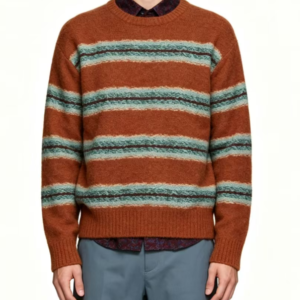

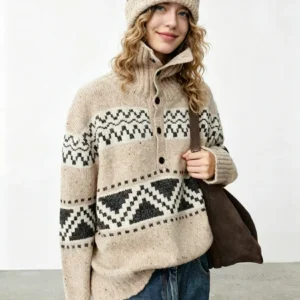


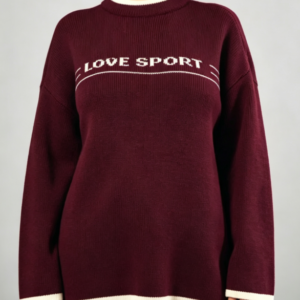

Why Brands Source Custom Embroidered Sweaters From JUNSHEEN
Fit-focused development, integrated embroidery, and dependable production support from first sample through global delivery.
100-Unit MOQ
Launch custom embroidered sweater capsules from 100 units per style and color, then scale proven designs into ongoing bulk programs.
Fit-Focused XS–3XL
Pattern makers refine proportions, mobility, shoulder balance, and grading for normal, extended-size, plus-size, and oversized sweater fits.
Integrated Embroidery
Coordinate flat, 3D puff, chain-stitch, applique, patches, and logo embroidery with knitwear development under one accountable production team.
Scalable Production Capacity
More than 200 skilled workers and 80,000-plus monthly units support responsive sampling, repeat orders, and growing global collections.
Global Export Coordination
Receive organized quality control, branded packaging, documentation, and export support for custom embroidered sweaters shipped to worldwide markets.
Custom Sweater and Private-Label Programs
Develop coordinated casualwear, denim, knitwear and outerwear programs with fit-focused sampling, low 100-unit MOQs and scalable production support.

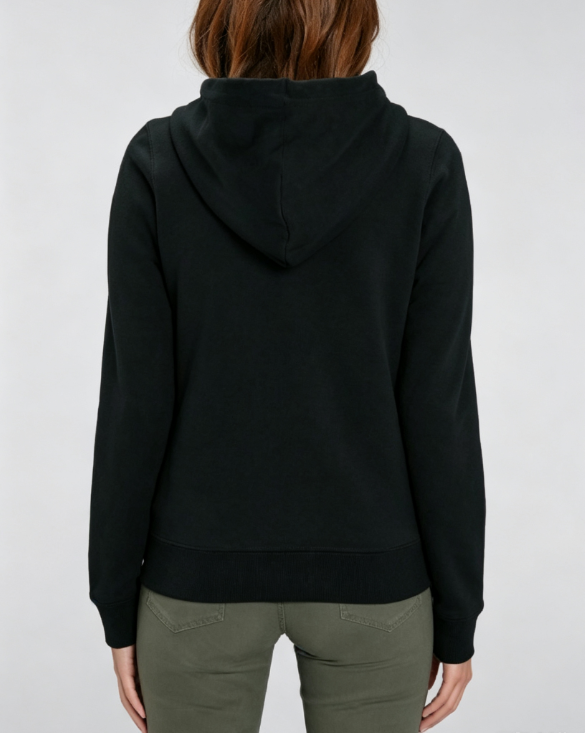
Custom Hoodies
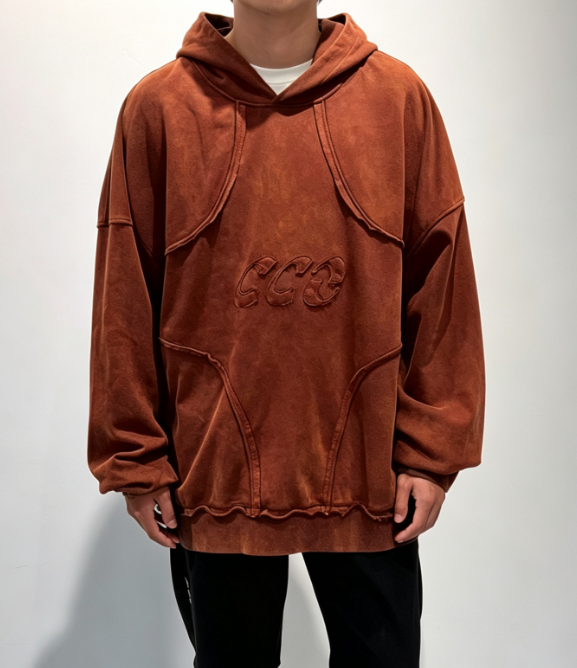
Develop custom hoodies in fleece, French terry or heavyweight jersey, with fit development from XS to 3XL. Add embroidery, screen printing, custom drawstrings, labels and packaging for capsule drops, retail programs or repeat wholesale orders.
Request a Quote
Custom T-Shirts
Produce custom tshirt programs in combed cotton, Pima cotton, organic blends or performance jersey. Junsheen supports pattern development, graded sizing, DTG, DTF and screen-print applications, helping brands align hand feel, weight and target cost before bulk production.
Request a Quote
Custom Jeans
Build custom jeans in rigid, stretch or washed denim with brand-specific rises, leg shapes and grading. Development can include custom hardware, washes, distressing, embroidery, labels and fit approval to support consistent denim programs across repeat orders.
Request a Quote
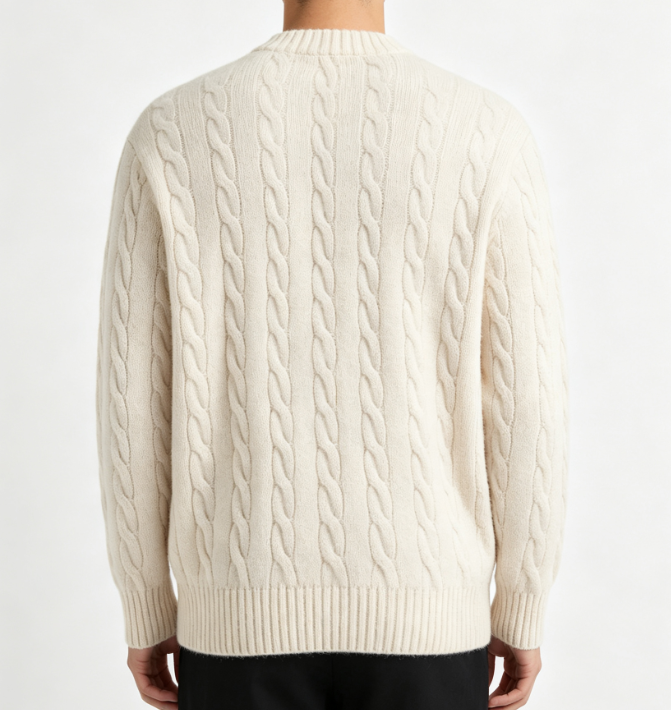
Custom Sweaters
Source turtle neck sweater bulk programs in sweater constructions suited to your target hand feel, gauge and price point. Junsheen develops turtlenecks with controlled body proportions, sleeve balance, rib details, logo embroidery or labels for private-label collections.
Request a Quote
Custom Jackets
Develop a custom jean jacket from concept through denim selection, pattern making, wash development and final finishing. Choose rigid or stretch constructions, branded buttons, patches, embroidery and distressing details for coordinated denim collections.
Request a Quote
Custom Sweatshirts & Crewnecks
Produce custom crewneck hoodie and sweatshirt styles in fleece, French terry or jersey, with regular, oversized and extended-size grading. Add rib trims, embroidery, puff or high-density prints, garment washes and private-label finishing.
Request a Quote
Custom Cardigans
Create custom cardigan programs with sweater constructions, button or zipper options, rib finishes and fit-focused grading. The team can support yarn and material selection, logo embroidery, custom labels and sampling for commercial knitwear ranges.
Request a Quote
Custom Puffer & Down Jackets
Develop custom puffer jacket styles with shell fabric, insulation, quilting layout and hardware selected for your market and target cost. Junsheen supports branded zippers, reflective details, labels, packaging and fit approval before bulk production.
Request a Quote
Custom Denim Shorts
Produce custom jean shorts in rigid or stretch denim with tailored inseams, rises and leg openings. Washes, distressing, embroidery, branded hardware and labels can be developed for seasonal denim assortments or matching set programs.
Request a Quote
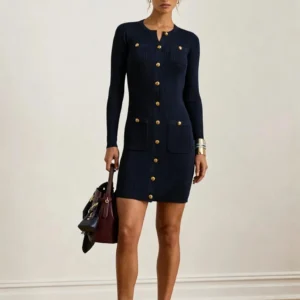
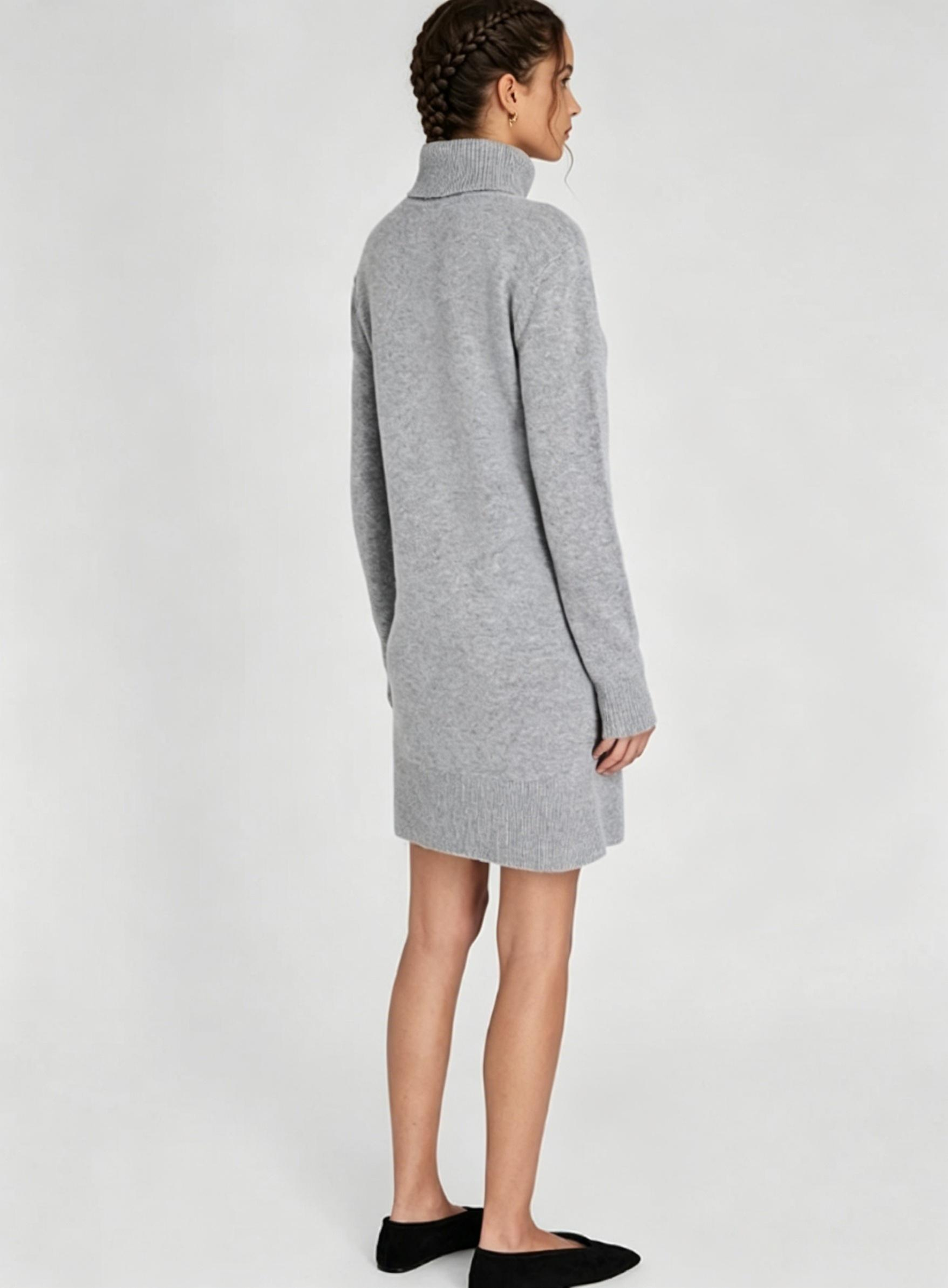
Custom Sweater Dresses
Develop custom sweater dresses with controlled length, body shaping and size grading from XS through 3XL. Select sweater constructions, necklines, rib details and branded trims that support both regular and extended-size private-label collections.
Request a Quote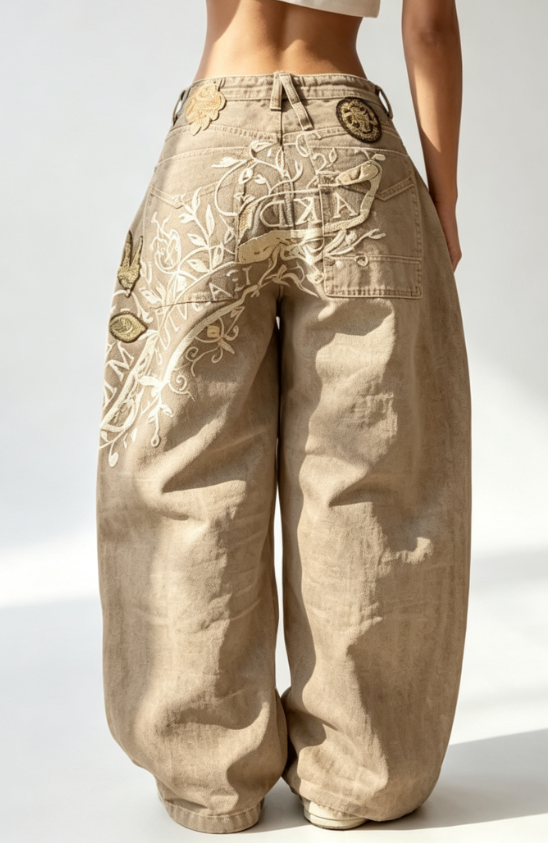
Custom Denim Sets
Build mens denim suits wholesale programs with matching denim jackets and jeans developed as coordinated sets. Junsheen manages fabric consistency, wash matching, fit specifications, branded hardware and scalable production for retail or wholesale distribution.
Request a Quote
Custom Polo Shirts
Produce custom polo shirts in pique, jersey or performance-knit fabrics with collar construction matched to your brand standard. Add embroidery, contrast trims, buttons, labels and graded fits for uniforms, retail collections or promotional programs.
Request a Quote
Custom Sweatpants
Develop custom sweatpants in fleece, French terry or jersey with jogger, straight-leg or oversized silhouettes. Pattern makers refine rise, inseam and mobility across XS–3XL, while printing, embroidery and branded trims complete the private-label program.
Request a Quote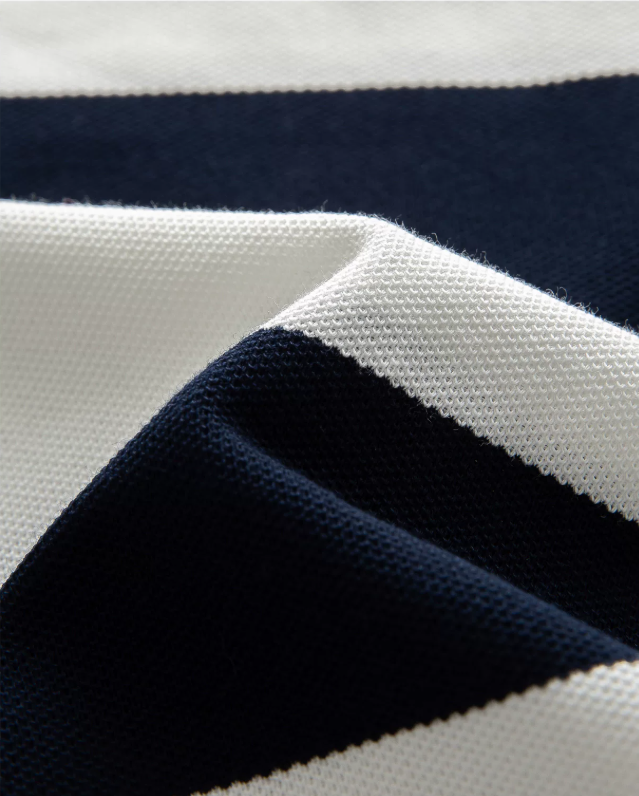
Custom Shorts
Produce custom shorts in jersey, fleece, twill or woven fabrics for casual, active or resort-focused assortments. Choose inseam, pocket layout, waistband construction, decoration and labels, then approve fit samples before low-MOQ or bulk production.
Request a Quote
Custom Pullovers
Develop custom pullovers in knit, fleece, French terry or jersey constructions, including quarter-zip, half-zip and hoodless styles. Junsheen supports fabric selection, fit grading, embroidery, printing, trims and private-label packaging for cohesive seasonal ranges.
Request a QuoteMaterials for Custom Embroidered Sweater Development

Cotton Knit
Breathable, soft cotton knit gives branded crewnecks and lightweight pullovers a natural hand feel. Its stable surface supports clean logo embroidery, while medium-weight constructions provide comfortable year-round wear.

Cotton Wool Blend
Cotton-wool blends combine a smooth, approachable hand with added warmth for refined embroidered sweaters. The balanced yarn composition improves shape retention and works well for premium retail and uniform programs.

Merino Wool
Fine merino wool delivers a soft, elevated feel for premium custom embroidered sweater collections. Naturally breathable and temperature regulating, it suits lightweight-to-midweight knitwear with carefully stabilized embroidery placements.

Acrylic Wool Blend
Acrylic-wool blends offer dependable warmth, color consistency, and accessible cost control for large-scale sweater programs. Their resilient yarn structure is well suited to ribbed cuffs, intarsia details, and embroidered brand marks.

Viscose Nylon Knit
Viscose-nylon knit creates a smooth, fluid hand feel for modern fitted cardigans and pullovers. Added nylon improves recovery and durability, helping garments maintain clean proportions through repeat wear and washing.
Custom Embroidered Sweater Decoration Techniques

Flat Embroidery
Precision flat embroidery creates clean logo outlines, fine lettering, and detailed artwork with a smooth stitched finish. It is a reliable choice for chest logos, sleeve marks, and understated custom sweater branding built for repeated wear.

3D Puff Embroidery
Raised foam-backed stitching gives logos and bold graphics a sculpted, high-impact profile. 3D puff embroidery works especially well for simplified lettering and emblem shapes, delivering tactile dimension while maintaining a durable decorative finish.

Chain Stitch Embroidery
Looped chain stitching brings textured, heritage-inspired character to varsity lettering, large motifs, and statement graphics. The elevated thread path creates a handcrafted visual effect that helps custom sweater collections stand apart from standard logo embroidery.

Appliqué Embroidery
Fabric panels are cut, positioned, and secured with embroidery to create layered color, scale, and texture. Appliqué is ideal for collegiate graphics, oversized lettering, and premium designs that need stronger visual contrast without excessive stitch density.

Custom Patch Application
Woven, embroidered, chenille, leather, or silicone patches add flexible branding options across sweater programs. Junsheen can develop patch materials and attachment methods to match your design, balancing a distinctive tactile look with dependable wash performance.
Custom Embroidered Sweater Trims and Branding Accessories

Woven Brand Labels
Custom woven main, size and wash-care labels give every sweater a consistent retail identity. We position them at necklines, side seams or hems and coordinate materials, fold styles and care information for your market.

Logo Embroidered Patches
Add embroidered, chenille, applique or woven patches to chest panels, sleeves and hems for layered brand recognition. Patch construction is matched to sweater weight and embroidery placement to maintain comfort and clean attachment.

Custom Zipper Pulls
Branded zipper pulls, metal sliders and zipper tape elevate zip-neck, cardigan and hoodie-style sweaters. Choose finishes, colors and logo treatments that support your collection’s hardware direction while remaining practical for repeat production.

Drawcord and Tipping
Custom drawcords, aglets and contrast tipping provide a finished private-label detail on hooded sweater styles. We can align cord thickness, color and end hardware with your rib trims, embroidery colors and target retail position.

Snaps and Buttons
Select branded snaps, horn-look buttons, metal buttons or custom fasteners for cardigan and outer-layer sweater designs. Our team reviews placement and reinforcement requirements so closures perform reliably through wear, washing and bulk production.
Branded Retail Packaging
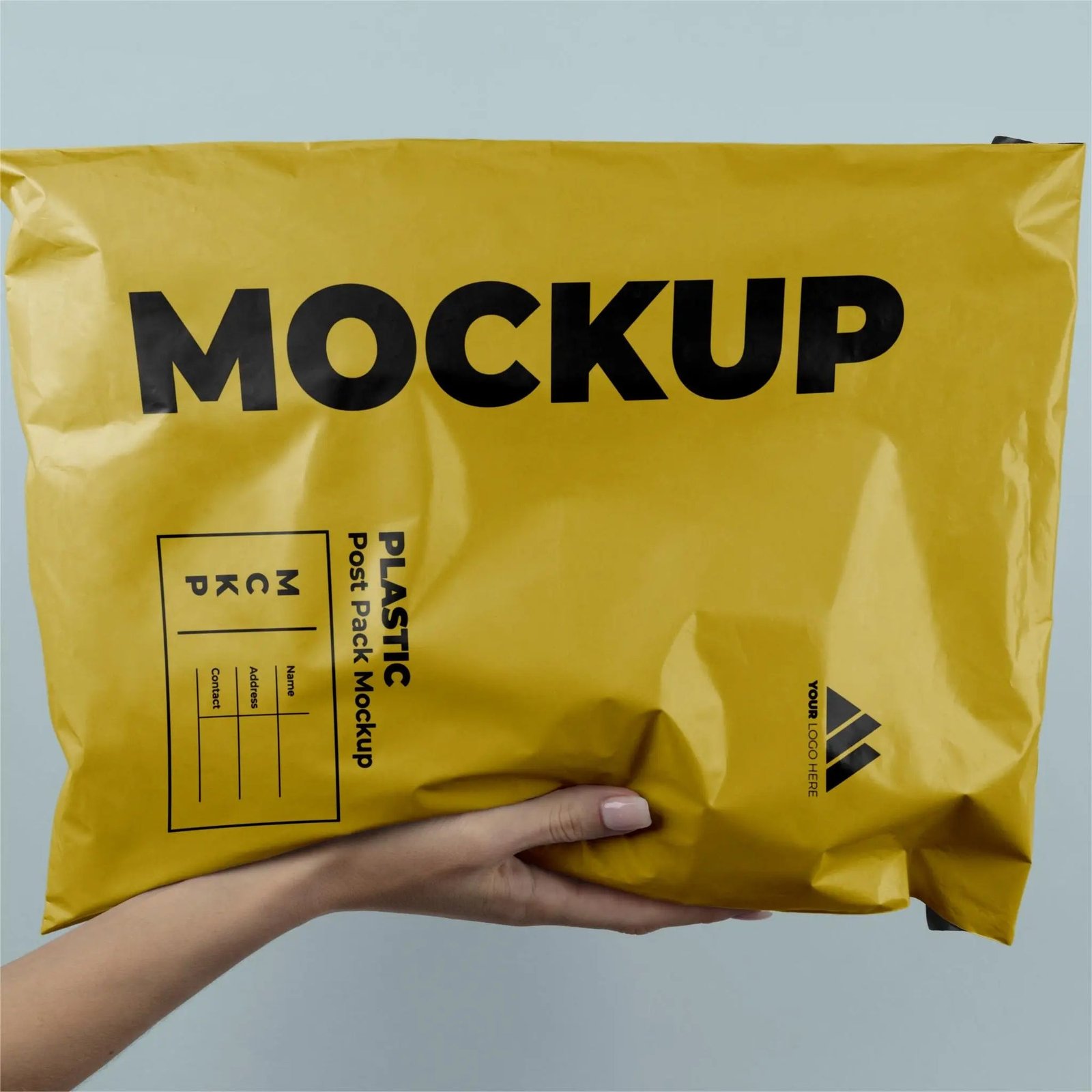
Finish your order with custom hang tags, barcode stickers, polybags, tissue paper and export-ready cartons. Packaging specifications can be matched to retailer requirements and help your custom embroidered sweater arrive presentation-ready for sale.
Custom Embroidered Sweater Manufacturing Since 2010
Based in Humen Town, Dongguan, JUNSHEEN has helped worldwide apparel brands turn product ideas into production-ready custom embroidered sweater programs since 2010. We provide OEM, ODM and private-label development for emerging labels, independent designers, retailers and sourcing teams, starting from 100 units per style and color.
Our 200+ skilled workers combine cut-and-sew, knitting, embroidery, finishing, labeling, packaging and export support in one coordinated supply chain. With monthly capacity above 80,000 units, we can support a focused capsule launch, repeat wholesale orders or scalable global production without losing technical control.
Fit-first development is what separates JUNSHEEN from a standard supplier. From XS to 3XL, extended-size, plus-size and oversized fits, our pattern makers refine proportions and grading rather than simply enlarging a base size. That discipline helps brands achieve consistent comfort, stronger samples and dependable bulk quality.

Custom Embroidered Sweater Production Built for Consistency
Fit-First Pattern Development
JUNSHEEN converts tech packs, sketches, reference garments, and ideas into production-ready sweater patterns. Our team refines shoulder balance, body length, sleeve proportions, and ease before sampling, then grades each approved fit from XS through 3XL for dependable repeat orders.
- Pattern making and technical specification review
- XS–3XL, extended-size, plus-size, and oversized grading
- Prototype, size-set, and pre-production sample approval

Material Sourcing With Purpose
Each custom embroidered sweater program begins with materials chosen for the intended silhouette, hand feel, embroidery support, target cost, and wash performance. We source sweater knits, cotton blends, wool options, recycled materials, rib trims, and supporting components through an established supplier network.
- Material recommendations matched to your target market
- Swatches and sample garments before bulk confirmation
- Fabric, rib, trim, and color coordination support

Precision Embroidery Execution
In-house decoration teams evaluate artwork, placement, stitch density, backing, and garment structure before running bulk embroidery. From flat and 3D puff embroidery to chain stitch, applique, patches, and sequins, we help protect detail, drape, and consistency across every production run.
- Flat, 3D puff, chain stitch, applique, and patch embroidery
- Artwork review and placement confirmation
- Decoration testing during sampling and bulk production
Integrated Bulk Quality Control
JUNSHEEN manages cutting, knitting coordination, decoration, finishing, labeling, packing, and inspection in one supply chain. Checks cover incoming materials, in-line construction, measurements, fit, embroidery, and final packed goods, helping brands maintain reliable custom embroidered sweater quality at scale.
- 200+ skilled workers and 80,000+ monthly units capacity
- In-line and final inspection across key production stages
- Retained patterns and material records for repeat orders

Custom Embroidered Sweater Manufacturing Built for Brand Growth
Compare JUNSHEEN’s fit-first, production-ready support with the limits of a typical apparel supplier.
← 左右滑动查看 →
Custom Embroidered Sweater Production Process
A clear, fit-focused workflow that takes your sweater from feasibility review to export-ready delivery.
Review Design Feasibility
We assess your tech pack, artwork or reference, confirming sweater construction, embroidery placement, fit requirements, target cost and 100-unit MOQ feasibility.
Source Materials and Trims
Our team recommends yarns, knit constructions, rib trims, labels and packaging based on hand feel, durability, decoration performance and your approved price target.
Develop Patterns and Samples
Pattern makers create and grade fit-focused XS–3XL specifications, then produce prototype samples for measurement, embroidery quality, wash performance and approval review.
Confirm Bulk Production Details
After sample approval, we lock materials, embroidery files, color standards, labels, size ratios, packing instructions and pre-production specifications before scheduling bulk production.
Embroider Inspect and Ship
Skilled teams knit or assemble garments, complete embroidery, inspect measurements and packed goods, then prepare export documentation and global shipment support.
Start Your Custom Embroidered Sweater Project
A clear development path for fashion brands, from initial specifications through inspected, export-ready production.
Share Your Design Brief
Send a tech pack, sketch, reference garment, or mood board with target quantities, sizing, embroidery placement, materials, and private-label requirements.
Review Feasibility and Sampling
Our team confirms construction, yarn or fabric options, fit grading, decoration methods, 100-unit MOQ feasibility, sample timing, and a detailed quotation.
Approve Your Production Sample
Review the custom embroidered sweater sample, measurements, colors, embroidery quality, labels, and packaging details before issuing bulk-production approval.
Receive Inspected Finished Goods
JUNSHEEN manages bulk production, in-line and final inspections, packing, and global export support for consistent goods ready for your launch.
Custom Clothing Manufacturer Credentials and Compliance Documents



What Apparel Brands Say About Our Custom Embroidered Sweater Production
JUNSHEEN turned our sketch into an approved custom embroidered sweater sample in two rounds. Their team corrected the sleeve proportions across XS–3XL, and our first 300-unit launch had fewer than 2% fit-related returns.
The embroidery placement and stitch density stayed consistent from our pre-production sample through three colorways. We reordered 1,200 sweaters six months later, and the measurements, yarn feel, and logo finish matched our original run.
Starting at 100 units let us test a new oversized knit program without overcommitting inventory. After sell-through exceeded our forecast by 35%, JUNSHEEN scaled the repeat order to 2,500 units while keeping our private labels and packaging on schedule.
Custom Embroidered Sweater FAQ
Clear answers on MOQs, sampling, fit, decoration, payments, shipping, and confidential product development.
What is the MOQ for a custom embroidered sweater?
How long does a custom embroidered sweater sample take?
How much does a custom embroidered sweater sample cost?
Can you develop plus-size and oversized sweater fits?
What embroidery options can you add to sweaters?
What payment terms do you offer for custom sweater orders?
Do you ship custom embroidered sweaters internationally?
How do you protect my custom embroidered sweater design and artwork?
The Complete Buyer’s Guide to custom embroidered sweater
Use this decision framework to select silhouettes, fabrics, embroidery methods, and reliable suppliers for custom embroidered sweaters, while avoiding specification, sampling, pricing, and production mistakes that delay launches or weaken brand quality.
1. What Is a custom embroidered sweater?
100 units per style and color is a practical starting point for a custom embroidered sweater program: a finished casualwear garment specified with stitched artwork and brand components, not merely a blank bought for later decoration. Buyers are purchasing the base—typically a 280–420 GSM fleece or French-terry sweatshirt—plus approved fit, color, construction, embroidery execution, labels, packing, and production control. 3D/puff, flat, chain-stitch, or appliqué embroidery creates a raised, durable textile decoration by sewing thread directly into the garment; a printed sweatshirt applies ink, film, or transfer to the surface instead. A knit sweater is constructed from knitted yarn panels or whole-garment knitting, whereas an embroidered sweatshirt uses a cut-and-sew fleece or terry body; blank merchandise has none of the finalized artwork, placement, or private-label specification. 6 supplier-ready decisions define the order: base fabric and color, vector artwork and stitch type, placement and size, thread colors matched to Pantone references, main/size/wash labels, and XS–3XL fit with graded measurements. Embroidery is the right choice for logos, crests, monograms, and small-to-medium designs where texture, wash durability, and a premium hand matter; very large filled areas may add stiffness, stitch time, and cost, making screen print or appliqué more suitable.
2. Evolution of Embroidered Casualwear
1860 marked a practical turning point when mechanized embroidery began moving needlework from labor-intensive ornament toward repeatable commercial decoration. That shift established the buyer expectation still relevant to a custom embroidered sweater: a logo should retain its shape, color separation, and perceived value through wear and laundering rather than behave like a surface-only graphic. 5,000 to 12,000 stitches is a common range for a small-to-medium chest logo, while dense fills, collegiate crests, and applique can require substantially more. Modern streetwear adopted those tactile constructions because raised thread, chenille-style patches, and tonal embroidery make limited drops, premium merch, and team or staff uniforms feel more permanent than a basic print. 2 priorities now drive sourcing decisions: visual dimension and production control. Buyers should specify Pantone thread references, finished logo dimensions, placement from high-point shoulder, backing type, and a sew-out approval; on fleece or knit grounds, testing the embroidery with the actual garment fabric helps prevent puckering, distortion, and an overly rigid hand feel. 100-unit programs can make embroidery practical for capsule collections when one decoration layout is shared across the run. For scalable branded casualwear, retain approved digitizing files, thread charts, placement specs, and wash-test results so reorders preserve the same collegiate, uniform, or elevated-retail identity.
3. Types of custom embroidered sweater
Six core formats cover most custom embroidered sweater programs, from fleece layers to fully fashioned knits. Select the silhouette before digitizing artwork, because pocket, zipper, rib, and stitch structure determine usable logo locations.
Crewneck Sweatshirts

280–360 GSM crewnecks suit unisex retail, school, and wholesale programs across spring through winter. A left-chest, center-chest, or sleeve logo works cleanly; specify rib recovery, neck tape, and an embroidery backing that avoids puckering.
Pullover Hoodies
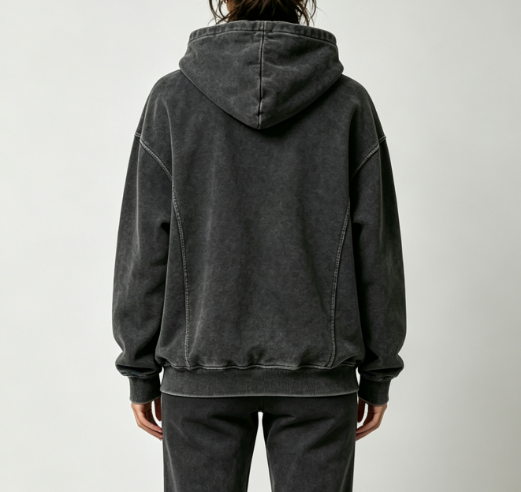
320–450 GSM hoodies are dependable cold-weather and DTC staples for youth, streetwear, and team collections. Keep embroidery clear of the kangaroo-pocket seam and hood opening; define hood depth, drawcord hardware, and logo size before sampling.
Zip-Up Hoodies
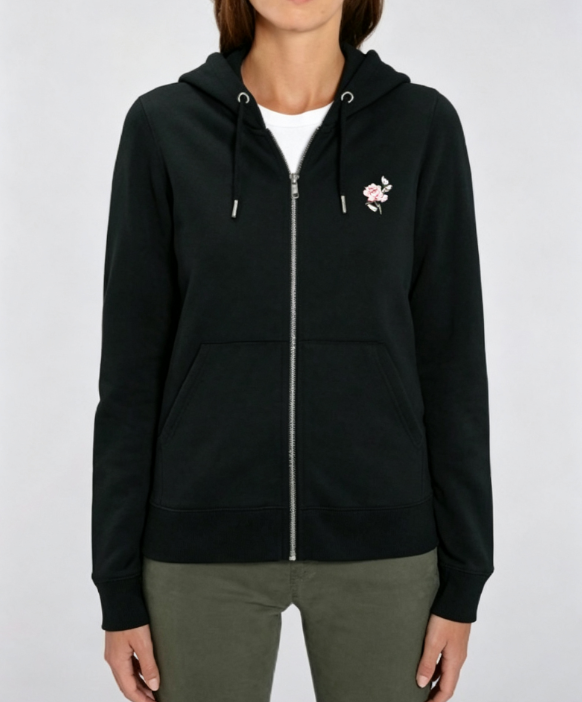
Full-zip styles suit layering, travel, and retailer assortments where easy on-off wear matters. Divide chest artwork around the zipper or use a sleeve placement; specify zipper gauge, zipper tape color, and whether the logo crosses a seam.
Oversized And Cropped Fits

XS–3XL or extended sizing requires proportional grading rather than simply enlarging a base pattern. Oversized silhouettes favor larger chest or back embroidery, while cropped women’s fits need measured body length, shoulder balance, and a logo positioned above the hem.
Knitted Sweaters

7–12 gauge knitted sweaters serve premium fall and winter collections, boutiques, and corporate gifting. Small embroidered chest marks are practical on stable knit panels; confirm yarn composition, gauge, rib dimensions, and backing compatibility to prevent distortion.
4. Fabrics for custom embroidered sweater
280–320 GSM is the practical starting band for a custom embroidered sweater in mild climates; colder programs usually need 320–420 GSM. Fabric choice controls handfeel, recovery, shrinkage risk, stitch density tolerance, and wash-care instructions.
| Fabric | Handfeel and Care | Best Program | Embroidery Support |
|---|---|---|---|
| 100% cotton | Soft; higher shrinkage risk | Premium retail | Cutaway backing |
| Cotton-poly fleece | Stable; easy care | Uniform or active | Cutaway; topping for pile |
| French terry | Breathable; moderate warmth | Mild-climate retail | Cutaway for dense logos |
| Brushed fleece | Warm; soft pile | Cold-weather programs | Cutaway plus topping |
| Polyester | Durable; quick-dry | Active or uniform | Medium cutaway |
| Knit yarn blend | Textured; wash-sensitive | Premium knitwear | Cutaway; test tension |
Choose The Base Fabric
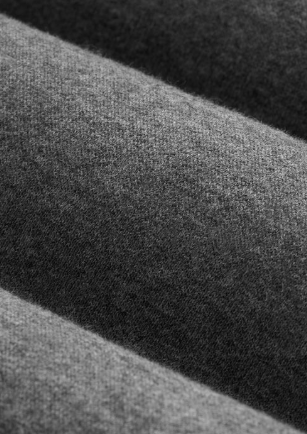
100% ring-spun cotton feels premium and breathable, but should be pre-shrunk or allowed for shrinkage before placement approval. Cotton-poly fleece improves recovery and reduces care sensitivity. French terry uses unbrushed loops for lighter, year-round layers; brushed fleece adds loft and warmth but can shift under dense embroidery. Polyester is durable and quick-drying, though its smoother face needs careful hooping to prevent puckering.
Match Weight To Climate

240–280 GSM French terry suits warm climates, travel layers, and transitional retail. 280–340 GSM fleece is a versatile core range for standard sweatshirts. 340–420 GSM brushed fleece serves cold-weather drops, while knit yarn blends are specified by gauge and yarn composition rather than GSM. Wool or wool-acrylic knit blends need swatch wash testing because heat and agitation can alter dimensions.
Stabilize The Embroidery

1.5–2.5 oz cutaway backing is the usual choice for logos on fleece, terry, and knits because it remains after laundering. Tear-away backing can suit light, open designs on stable fleece but offers less long-term support. 2–3 mm topping prevents stitches sinking into brushed pile; water-soluble topping is useful where a clean surface is critical. Sample approval should check puckering, show-through, and distortion after at least one care wash.
5. Custom embroidered sweater Design Options
A custom embroidered sweater becomes production-ready when artwork decisions are translated into measurable decoration and trim specifications. Confirm the visual hierarchy before sampling: embroidery type, placement, scale, color references, and finishing details.
| Option | Best Visual Effect | Cost Driver | Production Note |
|---|---|---|---|
| Flat embroidery | Fine logos and lettering | Stitch count and colors | Best for detailed artwork |
| 3D puff | Raised bold graphics | Foam and digitizing | Avoid very small details |
| Appliqué or chenille | Textured varsity look | Material layers and labor | Secure edges for washing |
| Patch or mixed decoration | Dimensional branding | Patch construction and application | Confirm placement tolerances |
Select The Embroidery Method
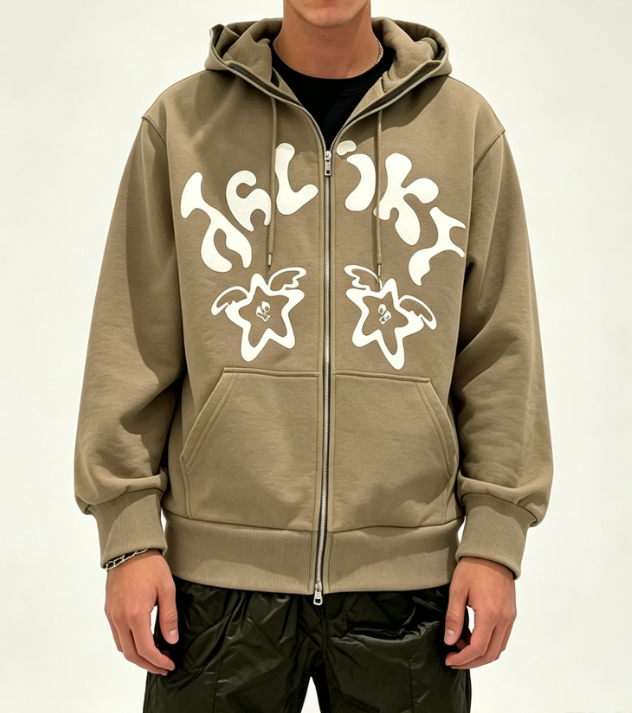
Flat embroidery gives detailed logos, fine lettering, and a low-profile hand; 3D puff uses foam to raise bold shapes and needs open artwork. Appliqué, chenille, patches, metallic thread, and print-plus-embroidery mixes add texture, but each requires a sample to check edge finish and wash behavior.
Control Cost And Durability

5,000 to 10,000 stitches is a useful planning range for many chest logos; higher stitch counts, more thread colors, and larger artwork generally raise run time and cost. 75/11 embroidery needles, tear-away or cut-away backing, and suitable stabilizer choice prevent puckering on sweater knits. Dense fills on lightweight or stretchy panels need testing.
Build A Complete Production Brief

Pantone references should define thread, body, rib, neck tape, and patch colors, while artwork files should identify exact placement from neck point or center front. 100-unit capsule orders benefit from recording label content, size range, hangtag, polybag, carton marks, and branded packaging alongside the approved sample.
- Provide vector artwork and thread-color callouts.
- State logo dimensions for every size.
- Specify backing visibility and removal method.
- Approve a sewn sample before bulk production.
6. Construction Quality That Matters
Two sample stages—fit sample and pre-production sample—should prove construction before a custom embroidered sweater enters bulk cutting. A measurable approval standard prevents soft fleece, clean artwork, or a low unit cost from masking failures that appear after repeat wear.
Seams And Reinforcement
Four-thread overlock seams should lie flat without skipped stitches, waviness, or exposed seam allowance; inspect side seams, armholes, shoulder joins, and pocket corners under light. Two reinforcement points deserve written callouts: shoulder tape or clean neck binding, plus bartacks at pocket openings or other stress points. Request seam type, stitch density target, and reinforcement locations in the tech pack.
- Check both sleeves for matched seam width
- Stretch seams lightly; stitches must not pop
- Compare left and right pocket placement
Ribs, Necklines, And Fleece

1×1 or 2×2 rib cuffs and hems should recover after repeated hand stretching, with no loose elastane feel or rippling. Measure rib height and finished opening circumference on the approved sample. 280–400 GSM brushed fleece is common for heavier sweatshirts, but weight alone does not confirm quality. Review the face for pilling risk, the brushed back for evenness, and the neckline after a wash-and-dry trial.
Embroidery And Wash Approval
One wash test should include the intended care method and a measurement check before and after laundering. Record tolerance by point of measure—chest, body length, sleeve, neck opening, cuff, and hem—in the graded spec. One embroidery approval must verify registration, thread tension, backing coverage, and interior comfort. Ask for backing type, placement dimensions, Pantone thread references, and whether backing is trimmed or sealed after stitching.
- Photograph measurements before and after washing
- Inspect embroidery from face and inside
- Approve the exact bulk fabric and rib lot
7. How to Choose a Manufacturer
100-unit programs demand evidence that a factory can control fit, embroidery, and replenishment at small scale. Compare suppliers on documented execution and total risk, not only the quoted unit price.
| Comparison Area | Proof To Request | Price-Risk Signal |
|---|---|---|
| Sampling | Photos, spec sheet, revision record | Unpriced revisions increase cost |
| Embroidery | Digitized file, stitch count, strike-off | Low quotes may omit density |
| Shipping | Incoterm, carton plan, documents | Freight scope may be excluded |
Verify Product And Sampling Experience
3 recent sample photos should show comparable sweater gauges, rib construction, placement embroidery, and inside finishing; ask which machines and digitizing workflow were used. 1 approved pre-production sample should match a signed measurement specification, Pantone references, stitch count, thread colors, and embroidery placement tolerances. Confirm whether sampling fees and revision limits are stated.
Test Supply Chain And Communication

100 units per style and color is a practical benchmark for a capsule, but request the factory’s stated MOQ by fabric, color, and decoration method. 80,000 monthly units may signal capacity, yet ask for production scheduling, lead-time ranges, fabric swatches, supplier test reports, and one named contact who can resolve technical questions quickly.
Audit Controls, Compliance, And Delivery
4 inspection points—fabric receipt, in-line sewing, measurement and final packing—should be documented with acceptable-tolerance rules and defect-report examples. OEKO-TEX, GOTS, WRAP, or BSCI claims require current certificates when relevant; confirm export terms, carton specifications, freight options, customs documents, and who carries delay or damage risk.
8. Common Buyer Mistakes to Avoid
Most embroidery failures begin before sampling: an art file, placement note, or price comparison leaves out production-critical detail. Lock the technical decisions before approval so a 100-unit launch does not carry avoidable rework into bulk.
Prepare Production-Ready Artwork

300 DPI artwork is not automatically embroidery-ready; fine gradients, tiny type, and hairline gaps can disappear when converted to stitches. Supply vector art or a cleaned high-resolution file, plus a requested stitch size and Pantone thread references. 2 mm details often need simplification, especially in puff embroidery or chain stitch. Ask for a digitized sew-out on the intended garment color before approving the final file.
Specify Placement And Fabric

5 cm from the neck is different from 5 cm below the collar seam, and undefined placement invites variation. Include left-chest, back, or sleeve coordinates, artwork width and height, and a measurement point on the tech pack. 280–360 GSM fleece and lighter French terry react differently to stitch density, backing, and puckering. Test the chosen embroidery on the actual bulk fabric before locking material, color, and stabilizer.
Approve Fit And Quality Carefully
XS–3XL grading cannot be treated as a scaled logo and body pattern; sleeve balance and placement should be reviewed across the size set. Request graded measurements and confirm whether logo dimensions or placement change by size. One sample approval should cover construction, thread tension, loose-thread trimming, puckering, color tolerance, measurement tolerance, and packed appearance. Record agreed standards and retain the approved sample as the bulk reference.
Compare Complete Commercial Terms
100-unit quotations can look comparable while excluding digitizing, labels, packaging, embroidery backing, freight, or sample revisions. Compare like-for-like specification sheets and list every inclusion, payment milestone, and Incoterm. 15–30 days of buffer after pre-production approval is prudent when fabric booking, embroidery capacity, and international shipping are involved. Confirm a dated critical path rather than relying on a single bulk-ready date.
9. Steps to Launch Your Collection
A 100-unit-per-style-and-color launch needs locked decisions before cutting begins. Junsheen can turn a sketch, reference garment, or finished tech pack into a production-ready custom embroidered sweater, but the brand retains approval responsibility at each gate.
Define The Product Brief
One target customer, price position, size range, and wear occasion should anchor the brief. Specify silhouette, intended fit, XS–3XL grading needs, target retail price, and launch quantity before development begins.
Build Technical Files

One complete tech pack reduces sampling ambiguity. The brand supplies measurement specs, construction callouts, label placement, and vector artwork; Junsheen reviews manufacturability, creates patterns, and flags decoration or seam conflicts before sampling.
- Approved logo artwork in AI, EPS, or PDF
- Pantone references and embroidery dimensions
- Placement measured from stable garment points
Approve Materials And Samples

Two material decisions—fabric weight and color—should be confirmed against physical swatches. Review the prototype for hand feel, stitch density, shrinkage, fit, and artwork placement; then approve a revised sample or size set before bulk authorization.
Release Bulk Production
One pre-production approval is the final decision gate before cutting. Finalize the graded measurement chart, approved sample, color and trim references, embroidery file, labels, packaging, quantities, shipping address, and payment terms; Junsheen then manages in-line and final inspections before shipment.
10. custom embroidered sweater Pricing and Cost
100 units is JUNSHEEN’s practical starting tier for a single style and color, where sampling, pattern work, and embroidery digitizing are spread across relatively few garments. Treat every unit figure as an indicative factory-cost framework, not a fixed quote: approved fabric, artwork, and destination determine the final calculation. 280–360 GSM cotton-rich fleece generally costs more than lighter 220–280 GSM French terry, while wool blends, brushed interiors, oversized bodies, and graded XS–3XL size runs add material or labor. A flat chest logo is economical; puff embroidery, applique, multiple locations, metallic thread, and high stitch counts increase machine time and digitizing requirements. 1 quotation should separately identify ex-factory garment cost, one-time digitizing or sample charges, labels and packaging, and freight or duty exposure. Confirm the stitch count, Pantone thread references, placement dimensions, packing method, and Incoterm before approving bulk production.
| Quantity tier | Indicative ex-factory unit range (USD) | Main unit-price drivers | Typical bulk lead time |
|---|---|---|---|
| 100–299 | $18–$32 | Fleece weight; 5,000–10,000-stitch chest logo; digitizing spread | 25–35 days after approvals |
| 300–999 | $14–$26 | Fabric yield; 8,000–15,000 stitches; woven labels | 25–35 days after approvals |
| 1,000–2,999 | $11–$21 | Repeat efficiency; colorways; standard polybags | 30–40 days after approvals |
| 3,000+ | Quote required | Material booking; multi-location embroidery; branded packaging | 35–50 days after approvals |
Start Your Custom Embroidered Sweater Quote
Send your tech pack, reference garment, sketch, or idea to begin fit-focused sampling and a clear 100-unit MOQ quotation with JUNSHEEN.