
Custom Letterman Sweater Manufacturing From 100 Units
Launch fit-focused custom letterman sweater programs from XS–3XL with OEM, ODM and private-label support from JUNSHEEN.
Featured Products for custom letterman sweater Development







Related Custom Letterman Sweater Catalogue and Quotation





Why Brands Source Custom Letterman Sweaters From JUNSHEEN
From first sample to repeat bulk orders, our integrated OEM team combines knitwear expertise, fit-led development, branding details, and export-ready scale.
100-Unit MOQ
Launch a custom letterman sweater capsule from 100 units per style and color without sacrificing development support or production control.
Knitwear and Cut-and-Sew
Develop varsity-inspired sweaters with coordinated knit components, cut-and-sew panels, rib trims, and construction options through one manufacturing partner.
Fit Grading XS–3XL
Pattern makers refine proportions, mobility, sleeve balance, and grading increments for normal, oversized, extended-size, and plus-size sweater fits.
In-House Varsity Decoration
Add logo embroidery, chenille-style patches, applique, chain stitch, screen printing, or custom labels to create distinctive team-inspired branding.
Scalable Global Production
Work with 200+ skilled workers, 80,000+ monthly units of capacity, quality checks, packaging, and export support for growing international programs.
Letterman Knitwear and OEM Categories
Build coordinated varsity-inspired collections with fit-focused development, branded details, and scalable production from 100 units per style and color.

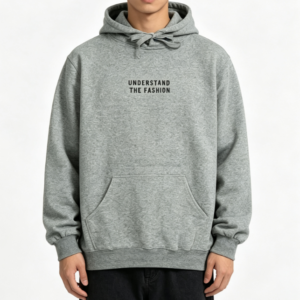
Custom Hoodies
Develop custom hoodies in fleece or French terry with varsity patches, puff embroidery, striped rib trims, and branded drawcords. Pattern grading from XS to 3XL helps translate a signature fit into capsule launches and repeat bulk programs.
Request a Quote
Custom T-Shirts
Produce custom T-shirts for graphic-led layers, event merchandise, or coordinated varsity ranges. Choose jersey weight, neckline, fit, screen printing, DTG, embroidery, and private labels, then approve samples before production from 100 units per style and color.
Request a Quote
Custom Jeans
Create custom jeans with defined rises, leg shapes, washes, hardware, and branded trims for a complete denim program. Junsheen supports pattern development, size grading, stretch-denim sourcing, fit samples, and consistent bulk construction across the approved size range.
Request a Quote
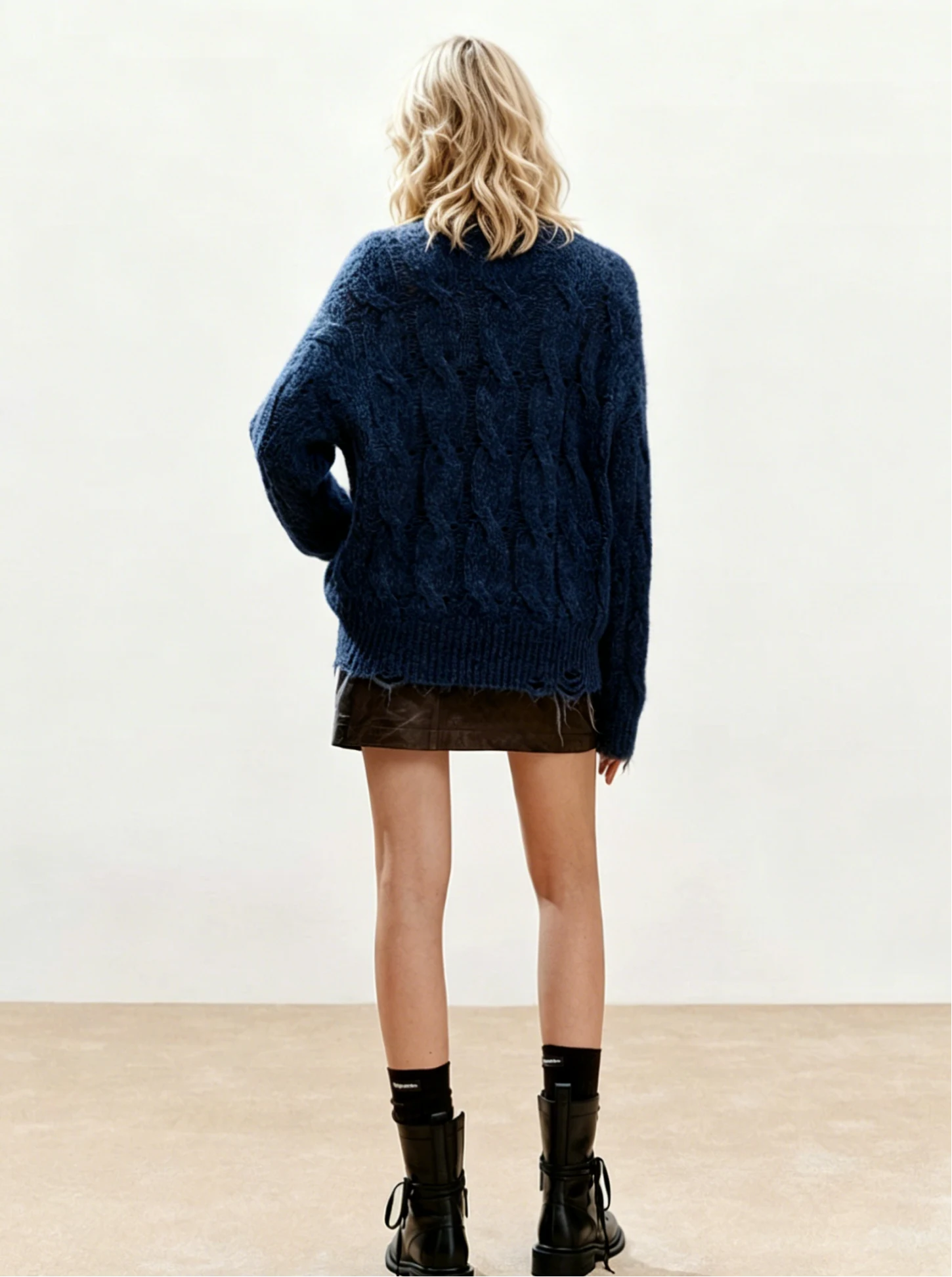
Custom Sweaters
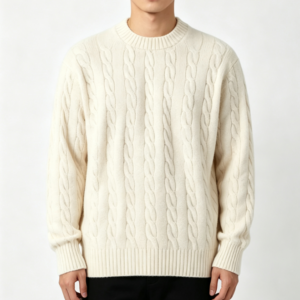
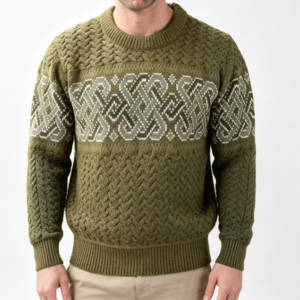
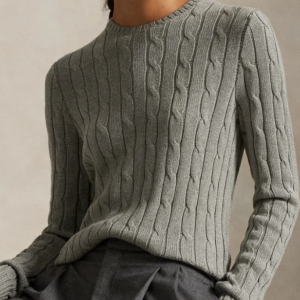
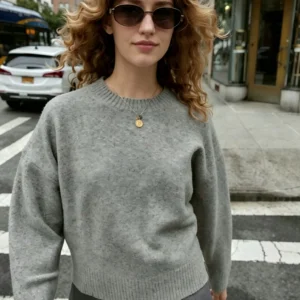
Source turtle neck sweater bulk programs with custom yarn blends, gauges, neck heights, rib structures, stripes, and logo details. Knitwear development supports fitted, oversized, and extended-size silhouettes from XS to 3XL, with samples used to confirm hand feel and proportion.
Request a Quote
Custom Jackets
Develop custom jean jackets with denim weight, wash treatment, pocket placement, hardware, patches, and embroidery aligned to your brand. Pattern makers refine shoulder balance and sleeve length, while in-house finishing supports a coordinated varsity or denim range.
Request a Quote
Custom Sweatshirts & Crewnecks
Build custom crewneck hoodie and sweatshirt programs with French terry or fleece, ribbed collars, appliqué, embroidery, and print placement. Technical development covers body length, sleeve proportion, grading, and repeatable production specifications for branded essentials.
Request a Quote
Custom Cardigans
Create custom cardigans with varsity stripes, button fronts, embroidered crests, jacquard details, or custom patches. Junsheen develops yarn, gauge, rib, and fit specifications for cropped, classic, oversized, and extended-size styles ready for sampling and bulk production.
Request a Quote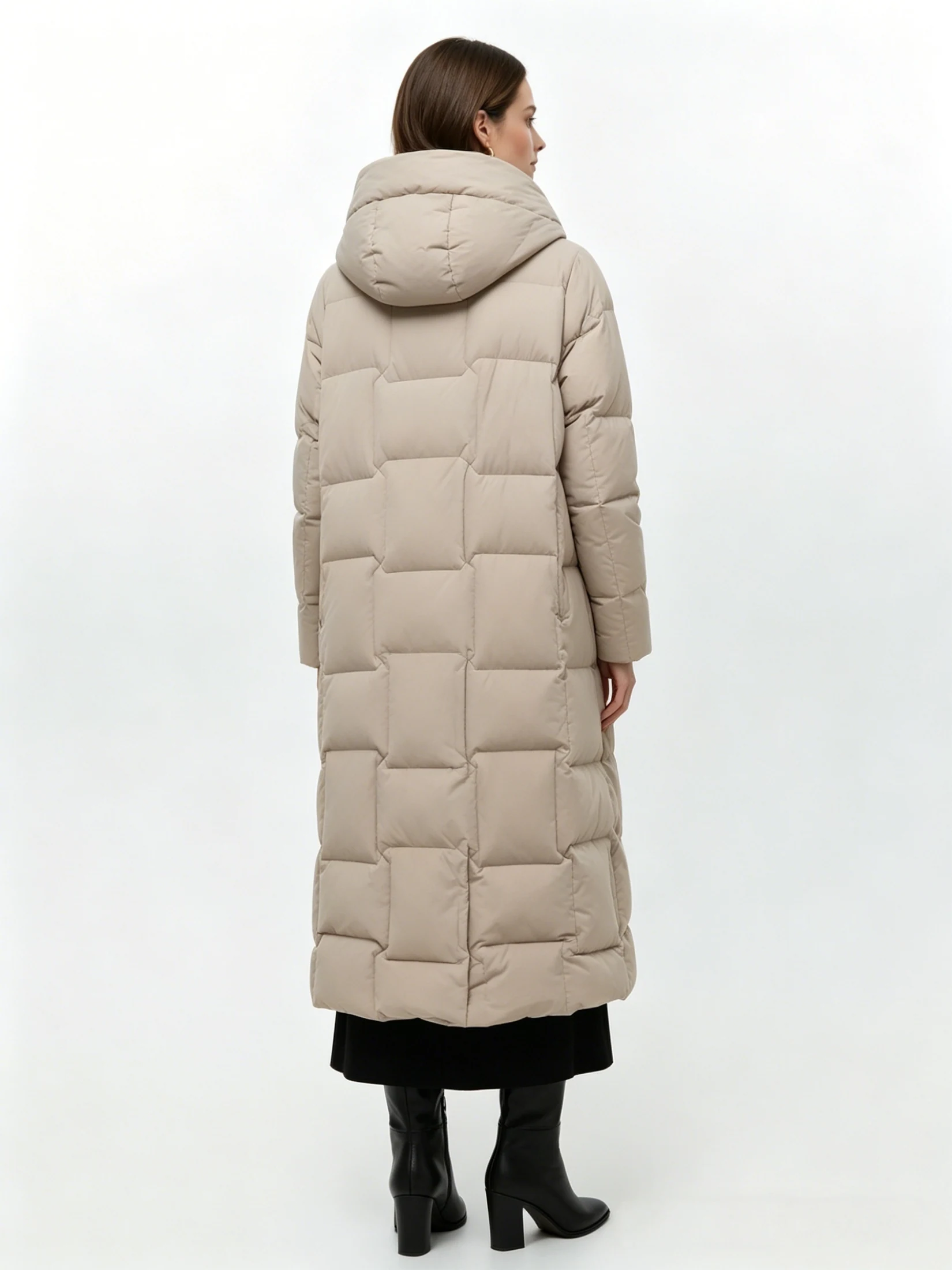
Custom Puffer & Down Jackets
Produce custom puffer jackets with selected shell fabrics, insulation levels, quilting layouts, zippers, labels, and reflective or embroidered branding. Development focuses on warmth, mobility, body proportion, and layered-fit requirements before scaling global bulk orders.
Request a Quote
Custom Denim Shorts
Develop custom jean shorts with targeted inseams, rises, hems, washes, stretch levels, and branded hardware. Fit-focused grading supports consistent proportions across XS to 3XL, while sampling confirms wash appearance, comfort, and construction before bulk production.
Request a Quote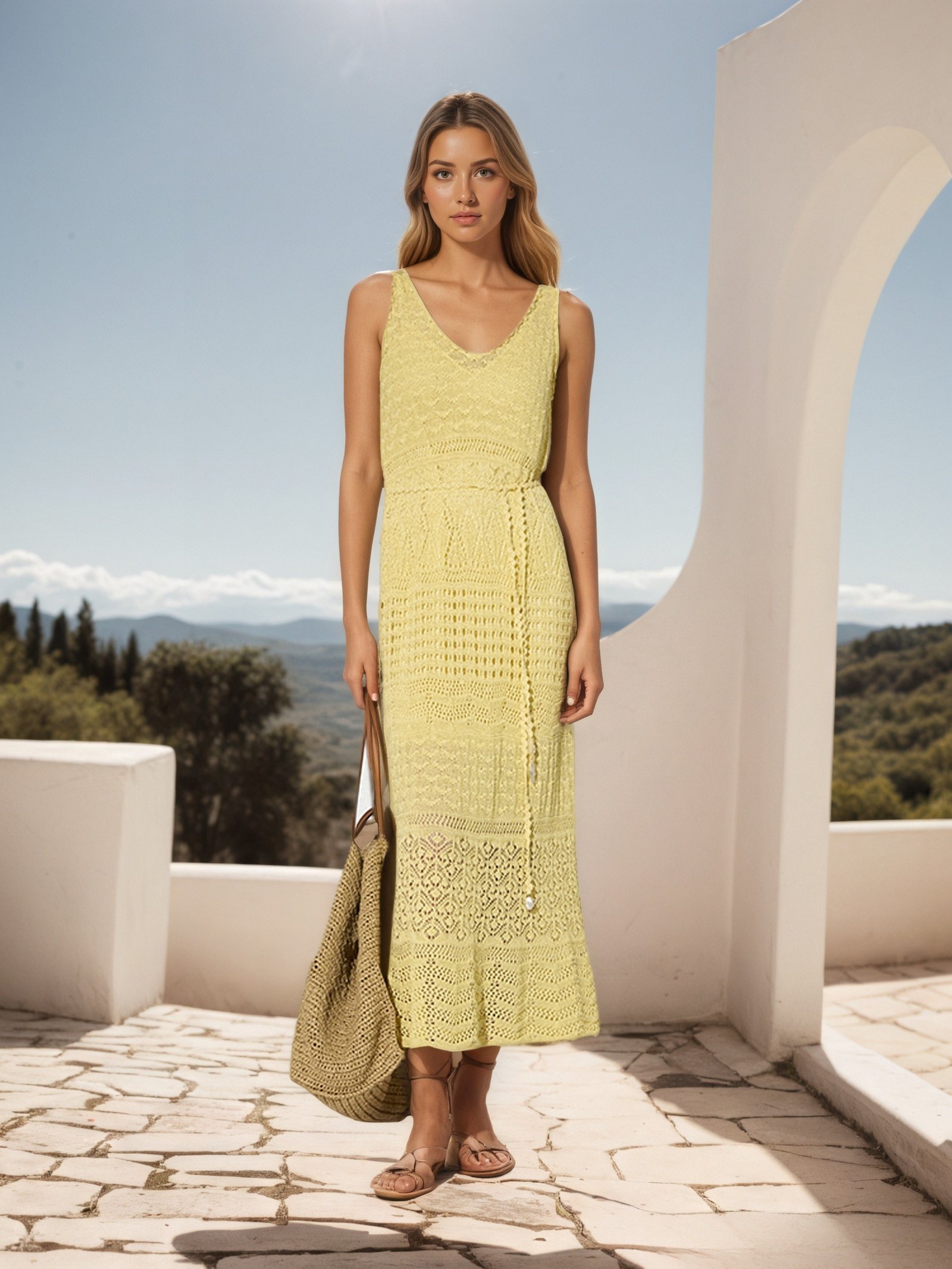
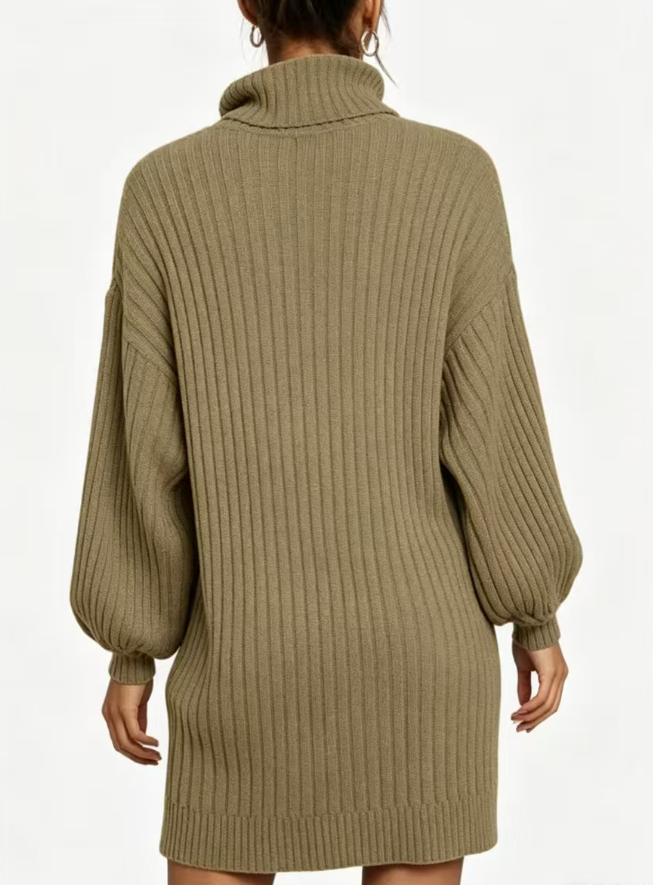
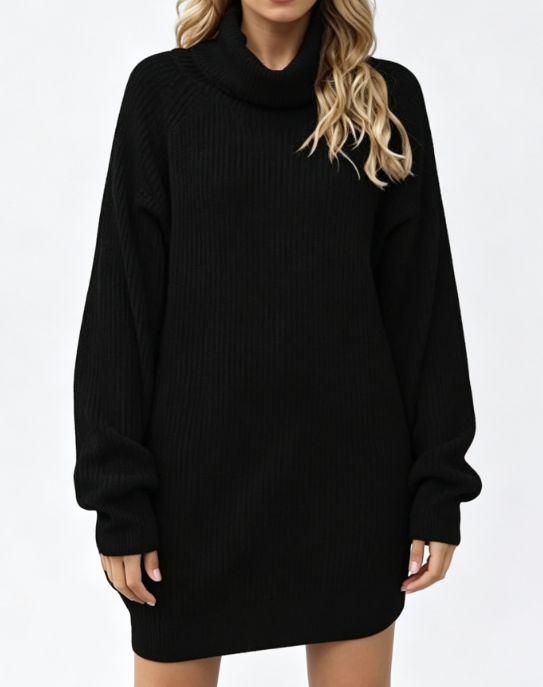
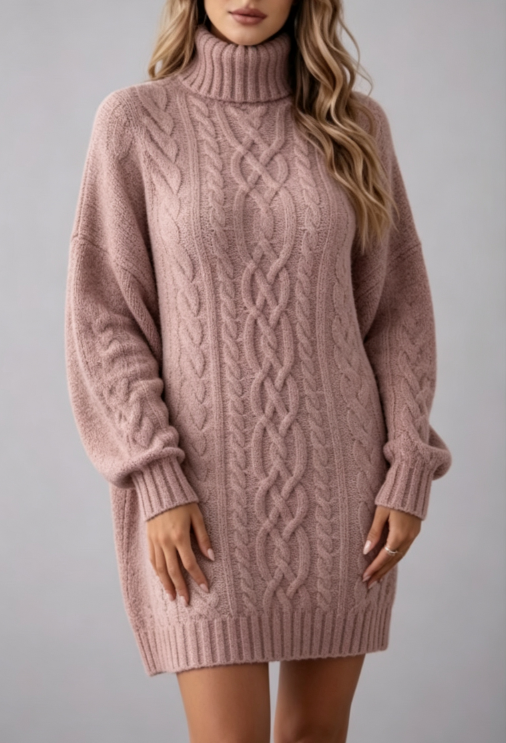
Custom Sweater Dresses
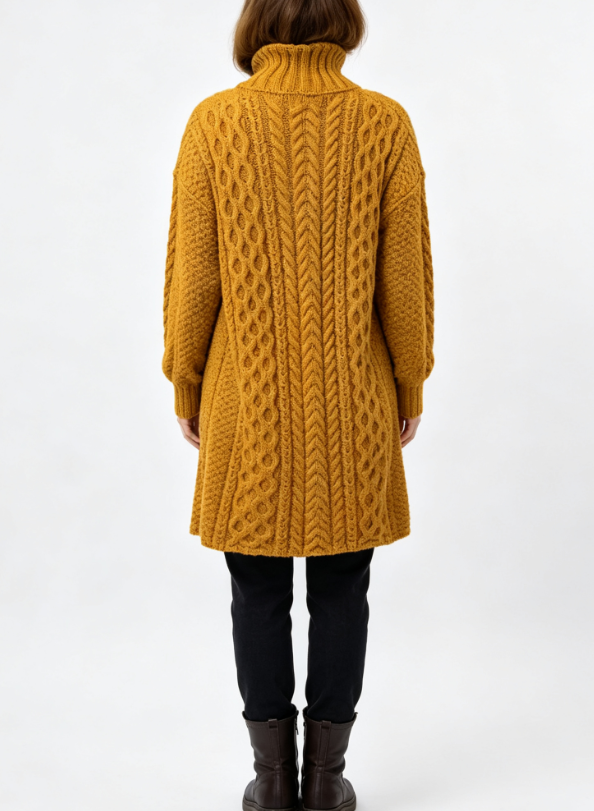
Create custom sweater dresses that extend a knitwear range into coordinated seasonal silhouettes. Specify yarn, gauge, length, neckline, ribbing, stripes, and logo details, with pattern development supporting fitted, relaxed, oversized, and extended-size applications.
Request a Quote
Custom Denim Sets
Build mens denim suits wholesale programs with matched denim jackets and jeans, consistent washes, coordinated trims, and scalable specifications. Junsheen supports sampling, pattern retention, size grading, and repeat production for retailers, wholesalers, and brand collections.
Request a Quote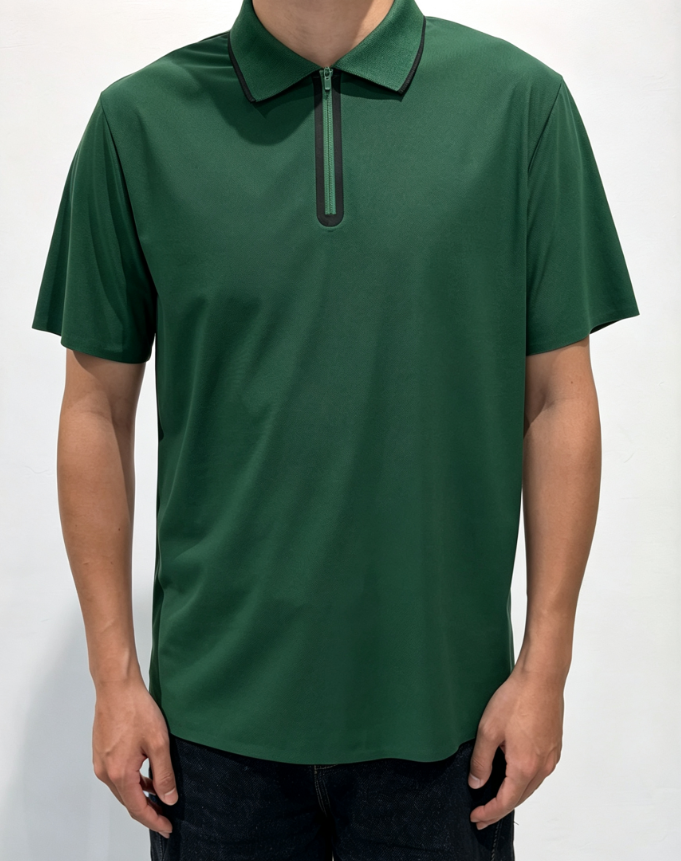
Custom Polo Shirts
Produce custom polo shirts in piqué, jersey, performance knit, or sweater-knit constructions. Define collar shape, placket, stripe placement, embroidery, labels, and fit, then use samples to confirm a polished varsity layer suitable for retail or uniform-inspired collections.
Request a Quote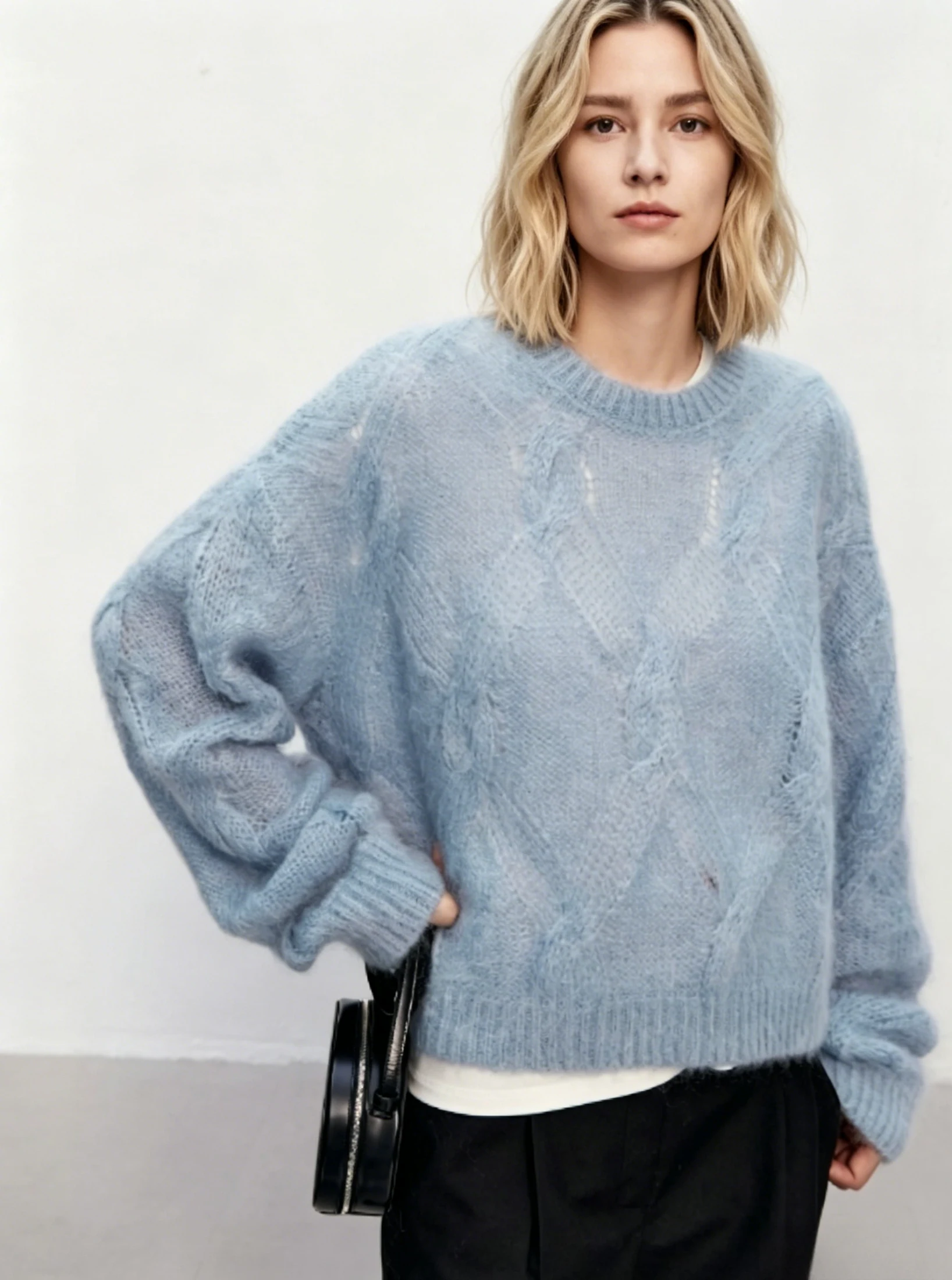
Custom Sweatpants
Develop custom sweatpants in fleece, French terry, jersey, or performance knits with graded waist, rise, and leg proportions. Add embroidery, prints, contrast panels, cuffs, drawcords, and private-label trims to coordinate with hoodies and crewnecks.
Request a Quote
Custom Shorts
Produce custom shorts for casualwear, sport-inspired, or coordinated set programs. Select fabric, inseam, waistband, pockets, mesh lining, decoration, and finishing, with fit samples and XS–3XL grading helping maintain comfort and proportion across sizes.
Request a Quote
Custom Pullovers
Create custom pullovers in knit, fleece, French terry, or woven constructions with quarter zips, collars, stripes, embroidery, and branded trims. Development support helps turn varsity references into production-ready specifications for samples, low-MOQ launches, and bulk replenishment.
Request a QuoteCustom Letterman Sweater Knitwear Materials

Wool Blend Knits
Warm, substantial wool blends give custom letterman sweaters an elevated collegiate feel for premium varsity styles. Fiber ratios can be adjusted for softness and durability, while medium-to-heavy gauges provide structured warmth and shape retention.

Acrylic Knit Constructions
Acrylic knits deliver a soft, wool-like hand feel and dependable color clarity for bold school palettes. They suit accessible varsity programs, with lightweight-to-midweight gauges, good resilience and practical resistance to everyday wear.

Cotton Blend Yarn
Breathable cotton blends create a cleaner, more casual feel for transitional-season letterman sweaters and lifestyle collections. Blended yarn improves recovery and durability, while a smooth hand supports embroidery, patches and stripe details.

Recycled Fiber Blends
Recycled polyester and recycled cotton blends support lower-impact material goals without sacrificing commercial performance. Suitable for modern private-label varsity knitwear, these yarns offer durable wear, stable color and customizable gauge, texture and composition.

Rib Knit Trims
Rib-knit cuffs, collars and waistbands define the classic varsity silhouette while helping garments hold their shape. We can develop contrast stripes, custom color matching and elasticized recovery for secure, comfortable high-wear edges.

Performance Knit Blends
Performance knit blends bring stretch, moisture management and durable recovery to sport-inspired custom letterman sweaters. Ideal for active lifestyle or teamwear programs, they can be engineered with lighter weights and resilient, easy-care yarn combinations.
Custom Letterman Sweater Decoration Techniques

Chenille Applique
Layered chenille letters and crests create the raised, tactile varsity look associated with classic letterman styles. Junsheen develops clean edges, secure stitching and scalable placement for repeatable bulk production.

Custom Woven Patches
Woven, embroidered or leather-look patches add detailed logos, mascots and commemorative marks without overloading the knit surface. We match patch backing, border finish and attachment method to maintain durable wear.

Flat Embroidery
Flat embroidery delivers crisp logo lines, small text and detailed graphic elements with a refined finish. Thread density and stabilizing are selected for the sweater construction to help prevent puckering and preserve shape.

3D Puff Embroidery
Raised 3D embroidery gives initials, monograms and bold icons added dimension for a premium varsity statement. Controlled foam coverage and stitch settings produce a structured look that holds up through regular wear.

Chain Stitch Embroidery
Chain stitch creates expressive, heritage-inspired lettering with a hand-crafted visual character. It is ideal for oversized names, script logos and decorative outlines that bring depth and movement to custom letterman sweaters.

Screen Print Transfers
Screen-print transfers apply sharp multicolor artwork, numbers and graphic accents where embroidery is not the best fit. We recommend suitable ink effects and transfer placement for strong color definition and dependable adhesion.
Custom Letterman Sweater Trims and Brand Accessories

Branded Snap Buttons
Choose custom metal or resin snap buttons with branded caps, color-matched finishes, and durable closure performance for front plackets on varsity-inspired custom letterman sweaters.

Custom Zipper Hardware
Add branded zipper pullers, metal teeth, nylon coils, or concealed closures for zip-front sweater styles, coordinating hardware color, logo treatment, and garment function with your collection.

Drawcord and Tipping
Develop cotton, flat, round, or contrast drawcords with metal aglets, woven tipping, and color-matched finishes for hooded letterman styles and coordinated casualwear programs.

Woven Care Labels
Apply woven main labels, size tabs, and compliant wash-care labels that clearly communicate your brand identity, fiber content, country requirements, and garment-care instructions.

Custom Patches Tags
Create chenille, embroidered, applique, leather, or woven patches alongside branded hang tags to reinforce varsity storytelling, product positioning, and retail presentation at every customer touchpoint.
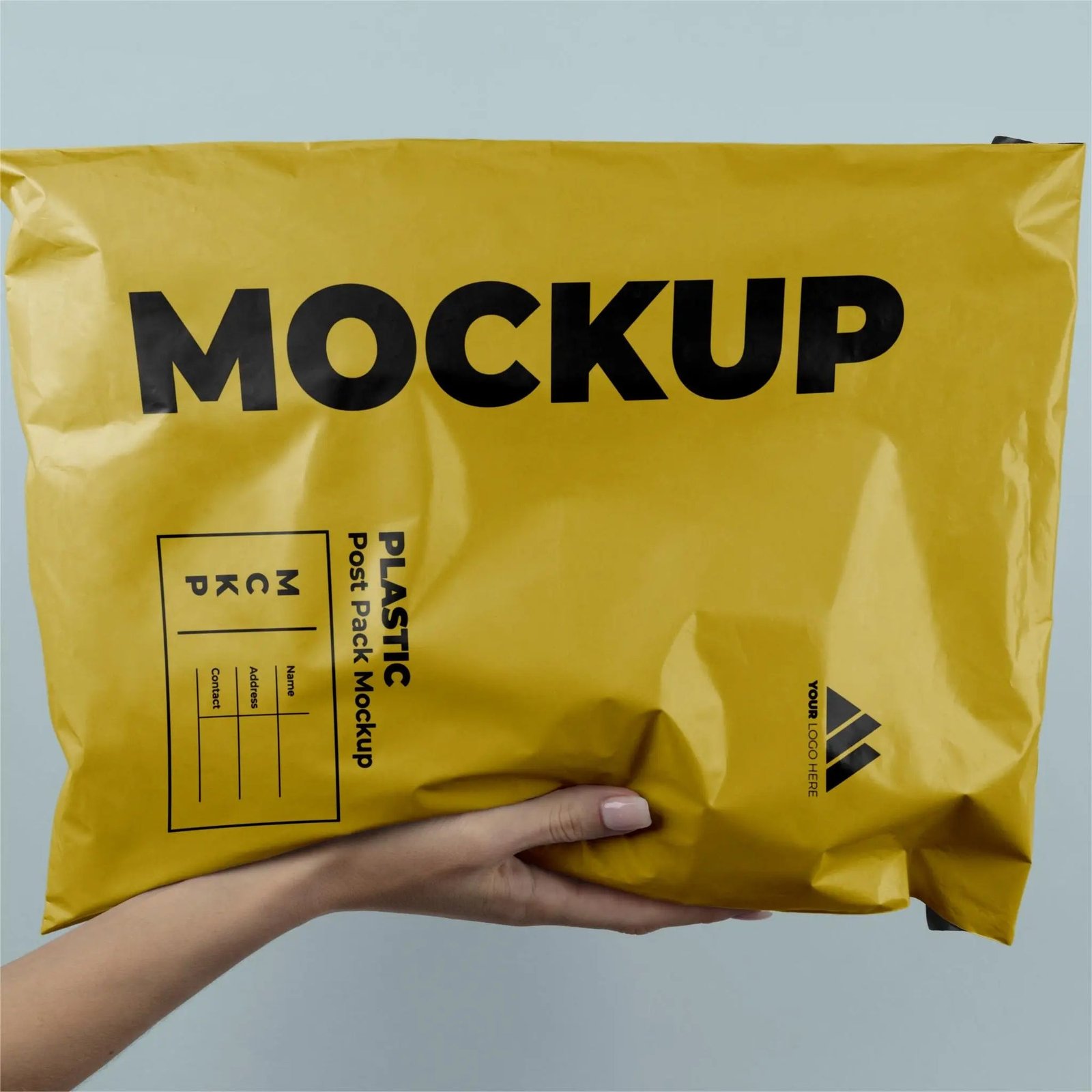
Branded Packaging Sets
Complete each order with custom polybags, tissue paper, sticker seals, cartons, and inserts designed to protect finished sweaters during export while strengthening your unboxing experience.
Custom Letterman Sweater Manufacturing Since 2010
Founded in 2010 in Humen Town, Dongguan, JUNSHEEN helps fashion brands turn custom letterman sweater concepts into production-ready knitwear. Our one-stop OEM, ODM and private-label team supports design review, yarn and trim sourcing, pattern development, sampling, bulk production and export coordination.
With more than 200 skilled workers and monthly capacity above 80,000 units, we serve capsule launches from 100 units per style and color as well as scalable repeat programs. Our integrated cut-and-sew and knitting capabilities keep development, decoration, finishing, labeling and packaging aligned from sample approval through shipment.
JUNSHEEN has served over 2,000 fashion-brand clients worldwide by putting fit and production reliability first. We refine normal, oversized, extended-size and plus-size grading from XS to 3XL, while providing in-house embroidery, patches, printing and private-label details that give each varsity-inspired collection a distinct identity.

Custom Letterman Sweater Capabilities Built for Repeat Production
Fit-First XS–3XL Grading
JUNSHEEN develops custom letterman sweater patterns for standard, extended-size, plus-size, and modern oversized fits. Pattern makers refine shoulder balance, sleeve proportions, body length, rib placement, and grading increments across the complete size range instead of simply scaling one base pattern.
- XS–3XL size development
- Extended-size and oversized fit support
- Size-set sampling before bulk approval
- Measurement specs aligned to your market

Material Sourcing With Purpose
Our sourcing team matches knitwear yarns, body fabrics, rib trims, and lining options to your intended hand feel, weight, durability, and target cost. Swatches and sample garments help your team assess color, stretch, recovery, and wash performance before bulk materials are confirmed.
- Cotton, wool blends, acrylic, and recycled options
- Rib and contrast-panel coordination
- Fabric weight and drape guidance
- Swatch review before bulk commitment
Coordinated Varsity Decoration
A custom letterman sweater often combines chenille patches, applique, embroidery, and branded trims. JUNSHEEN coordinates decoration placement with garment construction so artwork, stitch density, backing, seams, and rib details are reviewed together during development rather than corrected after sampling.
- Chenille, applique, and custom patches
- Flat, 3D, and chain-stitch embroidery
- Placement review with technical teams
- Labels, hang tags, and branded packaging

Records That Support Reorders
Approved patterns, graded size sets, material details, and production references are retained to make repeat custom letterman sweater programs more consistent. This documented approach helps protect fit, color, decoration placement, and construction standards as a successful capsule grows into ongoing seasonal production.
- Retained pattern and grading records
- Material and trim reference tracking
- Repeatable decoration specifications
- Scalable production from 100 units

Why Choose JUNSHEEN for Custom Letterman Sweater Production
One integrated manufacturing partner for fit, decoration, quality control, and scalable private-label delivery.
← 左右滑动查看 →
Custom Letterman Sweater Production Process
A controlled OEM workflow that moves your varsity knitwear concept from feasibility review to export-ready delivery.
Review Design Feasibility
We assess your tech pack, sketch, or reference garment, then confirm construction, sizing, decoration placement, target cost, and 100-unit MOQ feasibility.
Source Yarns and Fabrics
Our team recommends knit yarns, rib trims, fleece, or woven components based on hand feel, weight, durability, color, and wash-performance requirements.
Develop Patterns and Samples
Pattern makers refine XS–3XL grading, body balance, sleeves, and mobility before producing prototype samples and size sets for your approval.
Produce and Decorate
Approved custom letterman sweater orders move into knitting or cut-and-sew assembly, followed by embroidery, appliqué, patches, prints, labels, and finishing.
Inspect Pack and Ship
We check measurements, construction, decoration, and packed goods, then complete branded packaging, export documentation, and global shipment coordination.
How to Work With Our Custom Letterman Sweater OEM Team
Move from concept to globally shipped production with a clear, fit-focused development process.
Send Your Design Brief
Share a tech pack, sketch, reference garment, or mood board with target quantities, size range, fabric preferences, decoration requirements, and private-label details.
Confirm Specifications and Quote
Our team reviews manufacturability, recommends knit materials and trims, refines XS–3XL grading needs, then provides a clear quotation from 100 units per style and color.
Approve Your Development Sample
Review the prototype for fit, knit construction, color, embroidery or patches, labels, and finishing. We incorporate approved revisions before preparing bulk production standards.
Authorize Bulk Production
Approve the final sample, graded size set, and production details. JUNSHEEN coordinates knitting, cut-and-sew operations, decoration, trims, packaging, and in-line quality control.
Receive Export-Ready Orders
Final inspections verify measurements, construction, decoration, and packed goods before shipment. Retained patterns and material records help make future custom letterman sweater reorders faster and consistent.
Custom Clothing Manufacturer Credentials and Compliance Documents



Custom Letterman Sweater Results From Global Brand Partners
JUNSHEEN corrected the shoulder balance and sleeve grading across our XS–3XL size set during sampling. We approved the second revision, reduced our planned revision cycle by two weeks, and reordered 1,200 units with consistent measurements.
Our first 180-piece varsity knit capsule needed custom chenille patches, woven labels, and branded packaging. The team kept every component aligned to our tech pack and delivered the bulk order on schedule for our launch window.
We moved our repeat letterman sweater program to JUNSHEEN after inconsistent sizing from another supplier. Across three colorways and 900 units, the approved fit and embroidery placement stayed consistent, making our replenishment order much easier to manage.
Custom Letterman Sweater OEM FAQ
Clear answers on MOQ, sampling, materials, sizing, payment, shipping, and production planning.
What is the MOQ for a custom letterman sweater?
How long does a custom letterman sweater sample take?
How much does custom letterman sweater sampling cost?
Which fabrics and knit constructions can you use?
Can you develop plus-size and oversized letterman sweater fits?
What payment terms do you offer for OEM orders?
Do you ship custom letterman sweaters internationally?
How do you protect my designs and manage bulk production quality?
The Complete Buyer’s Guide to custom letterman sweater
Use this decision framework to define your product, compare fabrics and decoration methods, evaluate supplier capabilities, control costs, and avoid production mistakes before launching a custom letterman sweater program.
1. What Is a custom letterman sweater?
100-unit programs can use a custom letterman sweater as a varsity-inspired knitwear piece: typically a ribbed crewneck, V-neck, or button-front silhouette carrying chenille letters, embroidered crests, stripes, or appliqué. Unlike a letterman jacket, it has no traditional wool body and leather sleeves; unlike a sweatshirt, its identity comes from fully fashioned or knit-panel construction rather than cut-and-sew fleece. 2 core silhouettes are often confused in briefs. A letterman cardigan has a full button placket and works well for collegiate or heritage collections, while a pullover letterman sweater gives a cleaner sport-luxe profile; both differ from casual sweatshirts through knit gauge, rib structure, and decorative placement. 3 buyer groups commonly use the format differently: fashion labels build limited varsity capsules, schools and teams specify recognizable colors and insignia, and retailers use it as a seasonal graphic knit. Before development, lock the silhouette, intended fit from XS to 3XL, yarn composition, gauge or garment weight, Pantone color blocking, decoration method, label package, target landed cost, and size/color quantity split; these decisions determine whether the product can be sampled and repeated consistently.
2. Evolution of the Letterman Sweater
1865 marked an early Harvard baseball use of the letter ‘H’, establishing the core varsity signal: a visible mark of team membership earned through performance. By the 1930s, chenille patches and striped rib trims had turned that idea into wearable campus symbolism, with school colors, initials, numerals and mascots carrying more meaning than a logo alone. 1950s American collegiate style moved letterwear beyond the field, while the sweater version retained its knit-specific vocabulary: contrast V-necks, cuffs, hems and sleeves framed a chest letter without the weight of a wool-and-leather jacket. For a custom letterman sweater, that heritage still informs placement discipline—one oversized chenille initial, restrained sleeve stripes and a clear color hierarchy read more credibly than competing decorations. 1980s streetwear and later luxury collections recast varsity codes as identity pieces rather than awards, enlarging proportions, mixing wool with cotton blends and using embroidery, applique or patches for graphic impact. Current premium directions favor dense fully fashioned knits, modern oversized fits, tonal badges, limited Pantone palettes and deliberately aged or brushed surfaces; the strongest programs reference campus language while giving it a brand-specific silhouette and story.
3. Types of custom letterman sweater
A custom letterman sweater format should match the wearer, price tier, and layering role before artwork is approved. Six core silhouettes cover most collegiate, streetwear, womenswear, and premium-knit programs.
Crewneck Pullovers

100-unit capsule programs often start with crewnecks for unisex collegiate or streetwear customers. A regular fit supports chenille letters and contrast rib without complicating styling. 2×2 rib at the neck, cuff, and hem should recover after washing; use this format when the sweater is a dependable logo-led core SKU.
V-Neck Styles
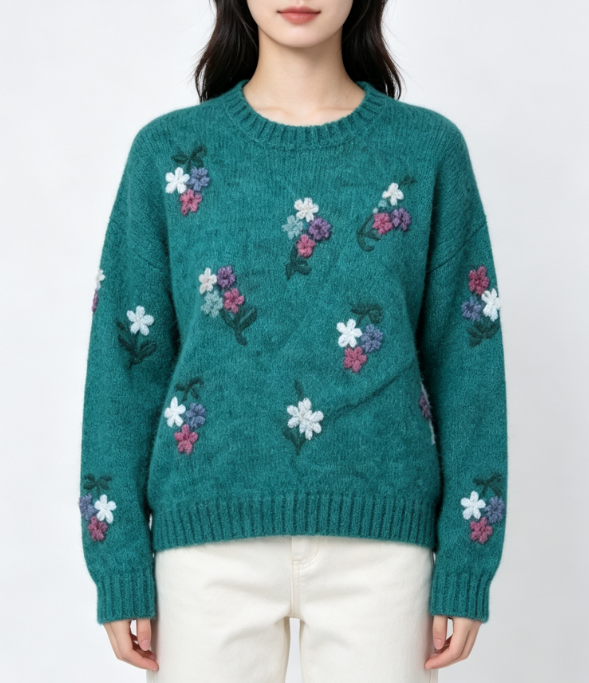
V-neck versions suit schoolwear, golf-inspired assortments, and more polished retail customers. The neckline needs stable rib shaping so it lies flat over a shirt. 1–2 contrast stripes frame the opening cleanly; choose it when layering and a traditional varsity reference matter more than oversized streetwear volume.
Cardigans And Crops

Button-front cardigans target womenswear, campus, and boutique collections because they work open or closed. Reinforce buttonholes and specify placket gauge early. Cropped silhouettes suit fashion-led drops; retain adequate body width so the garment does not become restrictive when paired with high-rise bottoms.
Oversized And Fully Fashioned
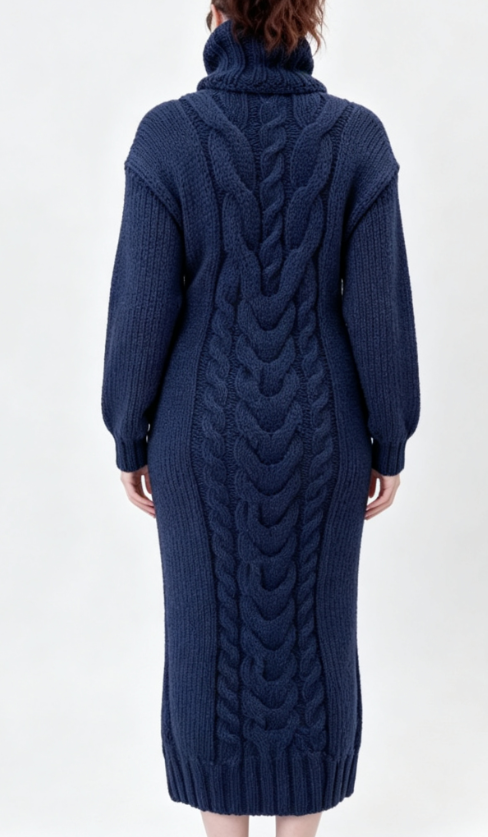
Oversized fits serve contemporary labels seeking dropped shoulders and wider sleeves. Pattern grading must preserve sleeve proportion from XS through 3XL instead of merely enlarging a base size. Fully fashioned knit panels suit premium programs: shaped decreases, linked seams, and controlled necklines produce a cleaner finish. Select this option when fit and knit engineering justify a higher cost.
4. custom letterman sweater Materials and Fabrics
12-gauge knit is a versatile starting point for a custom letterman sweater: it gives a clean, medium-weight surface for patches and embroidery. Specify fiber content before sampling, because warmth, recovery, pilling, care, and price move together.
| Material | Performance | Best Use | Sourcing Trade-Off |
|---|---|---|---|
| Cotton | Soft; moderate warmth; easy care | Premium casual | Heavier; shape control needed |
| Acrylic | Warm; low cost; pilling risk | Value collegiate | Synthetic hand |
| Wool | Warm; resilient; careful wash | Premium heritage | High cost; itch risk |
| Wool blend | Balanced warmth and cost | Elevated core line | Confirm pilling and care |
| Recycled yarn | Varies by blend | Sustainability-led capsule | Traceability and shade variation |
| Cotton-poly | Stable; practical; moderate warmth | Volume programs | Less natural hand |
Reading Gauge And Yarn Count
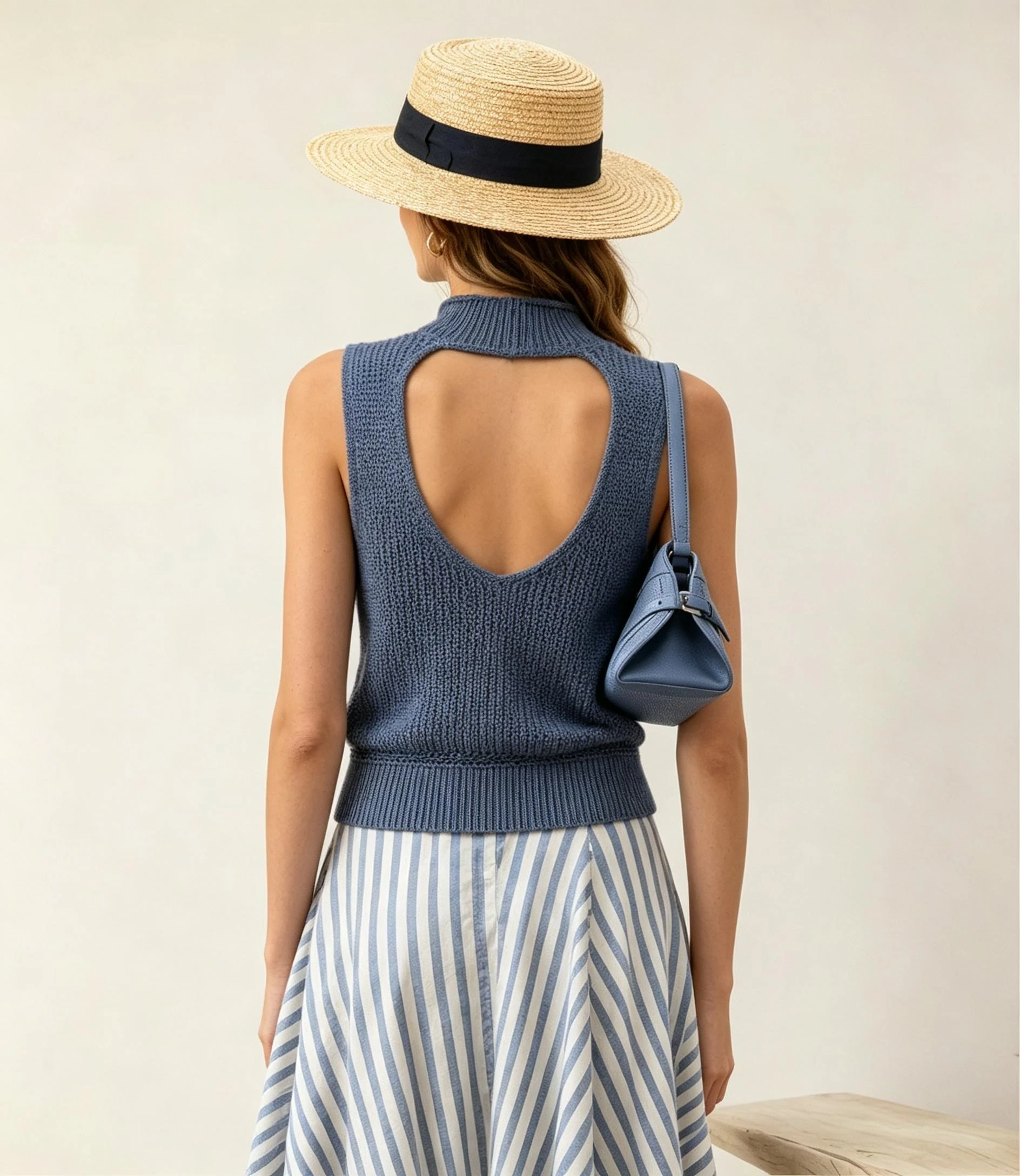
7-gauge sweaters use thicker yarns and produce a warmer, more textured, heritage look; 12-gauge is smoother and more commercial. Higher gauge means more needles per inch, not automatically better quality. Nm 2/28 identifies a two-ply yarn with a relatively fine count; ask the supplier to confirm final garment weight, stitch density, and wash test. A heavier yarn can still knit loosely, so gauge alone cannot predict durability.
Select By Market Position

100% cotton delivers a familiar natural hand and easy color storytelling, but can lose shape unless construction and finishing are controlled. Acrylic gives low-cost warmth and vivid color, yet buyers should request pilling testing. 30–50% wool blends raise insulation and perceived value while reducing the cost and care burden of pure wool. Recycled yarns support a sustainability brief, but shade consistency and fiber traceability need early approval.
Source Against The Sample

1 approved swatch set should show hand feel, stitch density, color, and post-wash appearance before bulk yarn booking. Request fiber declarations, color-lot approval, and pilling results when a premium claim or recycled content appears on product copy.
5. custom letterman sweater Customization Options
Three coordinated color zones—body, sleeves, and collar—usually create the clearest varsity identity. Lock Pantone references, stripe widths, and contrast placement before sampling so rib, yarn, and trim shades can be matched consistently.
| Method | Visual Effect | Durability | MOQ Impact | Artwork Preparation |
|---|---|---|---|---|
| Chenille patch | Raised, tactile | High when stitched | Higher per design | Vector shape and thread colors |
| Embroidery | Detailed, dimensional | High | Moderate | Vector logo; stitch-size review |
| Intarsia | Integrated color blocks | High | Higher yarn planning | Knit chart and color map |
| Jacquard | Fine repeated motif | High | Moderate to higher | Repeat file and yarn colors |
| Appliqué | Layered, bold | High when secured | Moderate | Cut lines and placement file |
| Screen print | Flat graphic | Wash-test dependent | Lower for simple art | Print-ready vector separations |
Color, Trim, And Fit

Two or three rib-stripe colors are practical for cuffs, hem, and a contrast collar; specify stripe order and finished widths in millimeters. Sleeve contrast can be knit-in or sewn as a panel, depending on the construction. XS–3XL grading needs separate chest, body-length, shoulder, and sleeve measurements rather than proportional enlargement. Junsheen can develop normal, extended-size, plus-size, and oversized fits from approved measurements.
- Pantone body and sleeve colors
- Rib stripe sequence and width
- Contrast collar and cuff placement
Decoration Selection
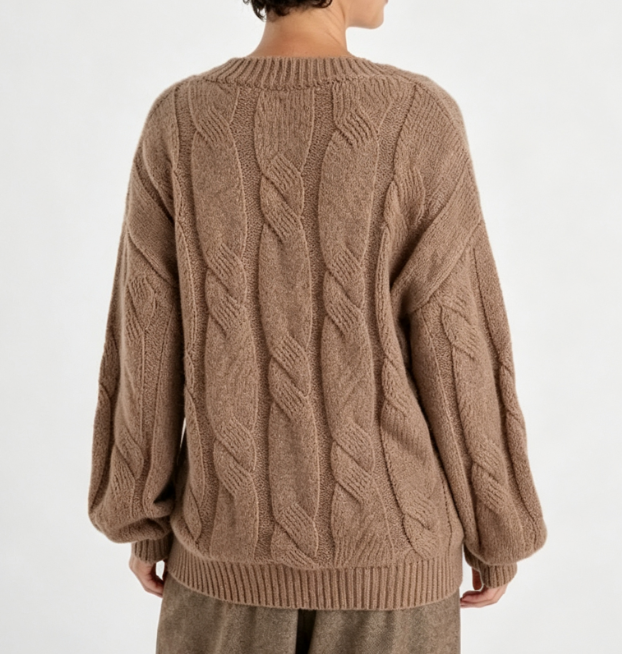
Chenille patches give raised collegiate texture, while embroidery delivers crisp small logos and appliqué supports large multicolor shapes. Intarsia and jacquard place artwork within the knit structure; screen printing is the lower-complexity alternative for broad graphic areas.
Branding And Packout

Three label layers—woven brand label, size label, and wash-care label—should be approved with their fold, stitch position, and fiber content. Hangtags, polybags, tissue, stickers, and cartons need artwork, dimensions, and packing quantities before bulk approval.
- Woven main and neck labels
- Size and wash-care labels
- Hangtags and branded packaging
6. Construction Details That Signal Quality
A polished custom letterman sweater is decided at the sample table, not after cartons leave the factory. Inspect construction under tension, after laundering, and against approved measurements before authorizing bulk production.
Rib And Neck Recovery
2×2 or 1×1 ribs should spring back after repeated stretching; bagged cuffs and hems signal weak elastane content, loose knitting, or poor yarn recovery. 3 wash cycles at the intended care setting should preserve neckline shape. Check the collar lies flat, matches the neck opening, and does not roll or ripple.
Knitting And Linking
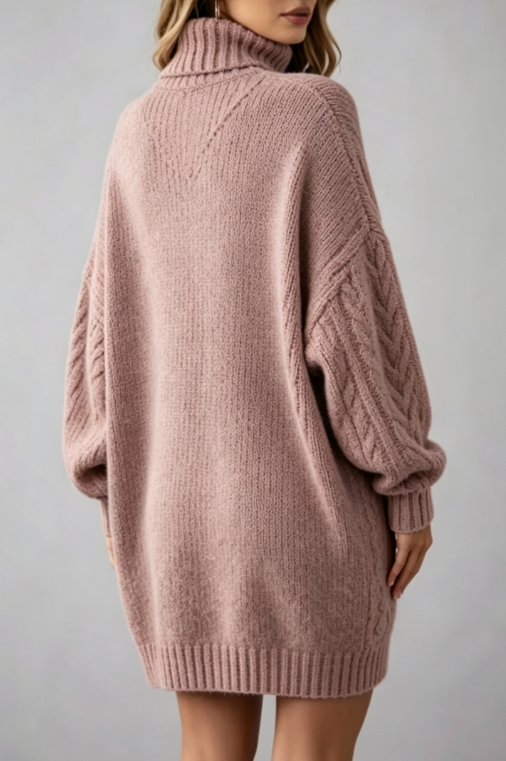
12-gauge and 7-gauge constructions require different stitch counts, but each panel must show even density with no ladders, dropped stitches, yarn slubs, or abrupt shade variation. Linking at shoulders and armholes should be smooth inside and out. Match stripes, side seams, and sleeve joins within the approved visual standard.
- Compare left and right sleeve lengths
- Pull seams gently for skipped links
- Review yarn lots under daylight and cool white light
Patches And Decoration

Every chenille, felt, embroidery, or applique patch needs secure edge attachment with no puckering, exposed adhesive, or distorted base knit. 10 to 15 cm letter patches should remain flat when the body panel is stretched. Confirm placement from fixed reference points, not from a seam that may shift.
Wash And Final Inspection
A pre-production wash test should confirm colorfastness, dimensional stability, and hand feel; contrast yarns must not bleed onto light panels. Set acceptable shrinkage in the tech pack before sampling. At final inspection, measure chest, body length, sleeve length, neck width, and rib openings against graded specifications. Use agreed tolerances, commonly ±1 cm for key garment measurements, and record defects by size and color.
- Inspect packed goods for needle damage
- Compare carton assortment with packing list
- Retain sealed approval samples for reference
7. How to Choose a custom letterman sweater Manufacturer
A manufacturer should prove technical control before quoting a custom letterman sweater. Evaluate its knitwear development, yarn traceability, sampling discipline, communication cadence, and whether its stated MOQ and capacity match your launch plan.
Verify Knitwear Development
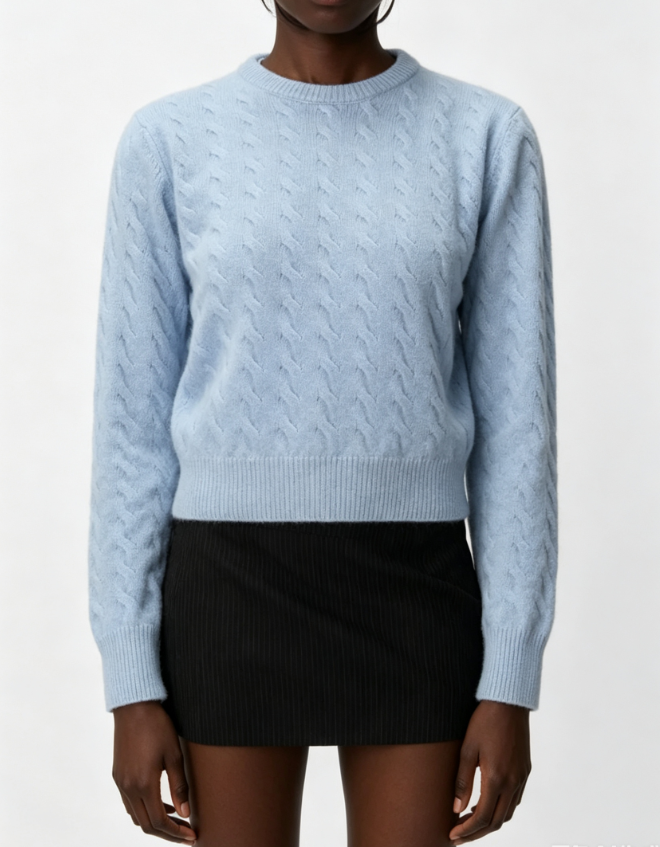
12-gauge, 7-gauge, and fully fashioned sweater programs require different machinery and pattern knowledge. Ask for comparable samples, stitch-density specifications, shrinkage results, and graded measurements—not only product photos.
- Which gauges and knit structures run in-house?
- Can you review tech packs and create patterns?
- How are XS–3XL grading increments approved?
Check Materials And Decoration
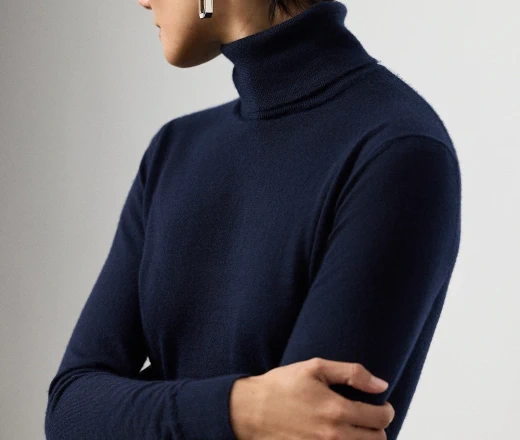
100-unit style-and-color programs need realistic yarn availability and color planning. Confirm fiber content, yarn count, Pantone matching method, lab-dip timing, and whether chenille, applique, chain stitch, or embroidery is sampled on the actual knit.
- Request yarn swatches and composition records.
- Confirm decoration backing prevents knit distortion.
- Ask whether color lots are reserved for repeats.
Audit Production Transparency
80,000-plus monthly units is useful only when the supplier identifies capacity allocated to your delivery window. Request a written critical path covering yarn booking, sample approval, bulk knitting, decoration, inspection, packing, and shipment.
- What is the sample-to-bulk lead time?
- Who sends weekly production updates?
- Which inspections cover measurements and decoration?
- What compliance documents can be shared?
Test The Working Relationship
2–3 prototype rounds are common when fit, color, and decoration are evolving. Use the first sample to judge response quality: JUNSHEEN can develop from a tech pack, reference garment, sketch, or mood board, then retain approved patterns and material records for repeat orders.
- Is every change logged before resampling?
- Will final approval use a sealed sample?
- Are payment, defect, and remake terms written clearly?
8. Common custom letterman sweater Buying Mistakes
Most preventable sweater failures begin before the purchase order: artwork, yarn, gauge, fit and timing are treated as separate decisions. Lock the technical specification before sampling, not after bulk materials are booked.
Copying Artwork Without Review

3D embroidery, chenille and knitted intarsia produce different edges, weight and stitch density; a copied reference may not survive a direct conversion. Submit vector artwork, placement dimensions and intended technique, then approve a strike-off or decoration mock-up before sampling.
Choosing Yarn By Price
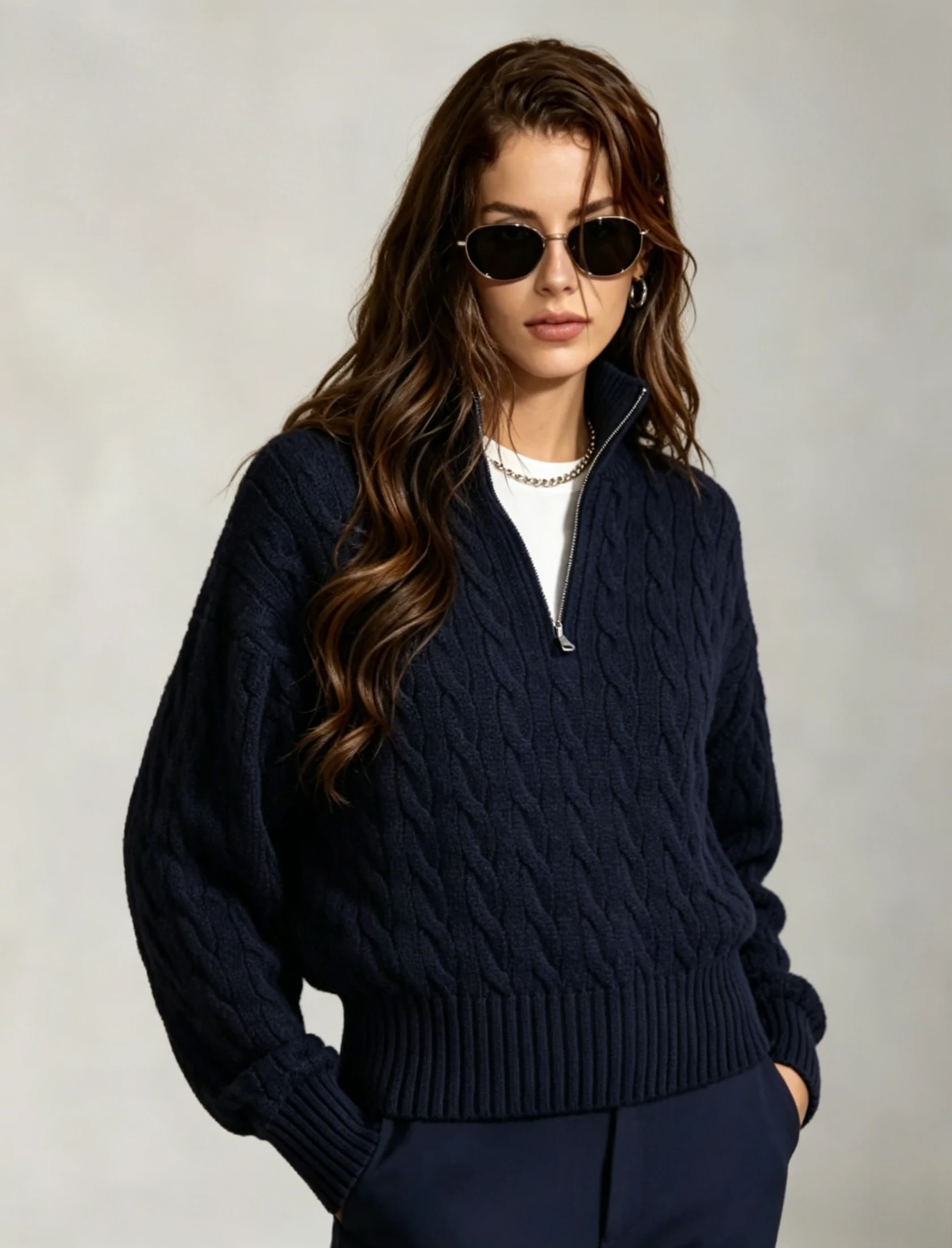
100% acrylic can meet a low target cost, but lower-grade yarn may pill, feel harsh or lose recovery after washing. Compare fiber content, yarn count, anti-pilling performance and wash results; select against the brand’s hand-feel and retail-positioning brief, not unit price alone.
Ignoring Gauge And Fit

7-gauge and 12-gauge constructions differ materially in thickness, drape and logo definition, while an oversized block cannot be created by simply enlarging a regular pattern. Specify gauge, finished measurements, grading increments and ease; review a size set when XS through 3XL is planned.
Rushing Approval And Planning
±1–2 cm measurement tolerances and a dated critical path prevent disputes over fit and delivery; approving one sample too quickly leaves errors undiscovered. Confirm patch counts, backing, colors and placements, then schedule artwork approval, yarn booking, sample revision, pre-production approval and final inspection.
- List every measurement and allowed tolerance.
- Count patches by size, color and technique.
- Assign approval dates and a shipment buffer.
9. Steps to Launch Your Brand Program
A 100-unit-per-style-and-color program can move efficiently when decisions are locked in sequence. Start with a launch-date-backward calendar that reserves time for yarn approval, sampling, fit corrections, production, inspection and export.
Define The Development Brief

One complete tech pack should state the silhouette, target customer, measurement chart, gauge, stitch structure, yarn composition, Pantone colors, rib specifications and label placement. Three artwork files—vector crest, applique layout and embroidery size—let the factory check stitch density, backing and placement before sampling.
- Include front, back and detail views
- State approved tolerance by key measurement
- Send reference photos with annotated differences
Approve Samples And Fit
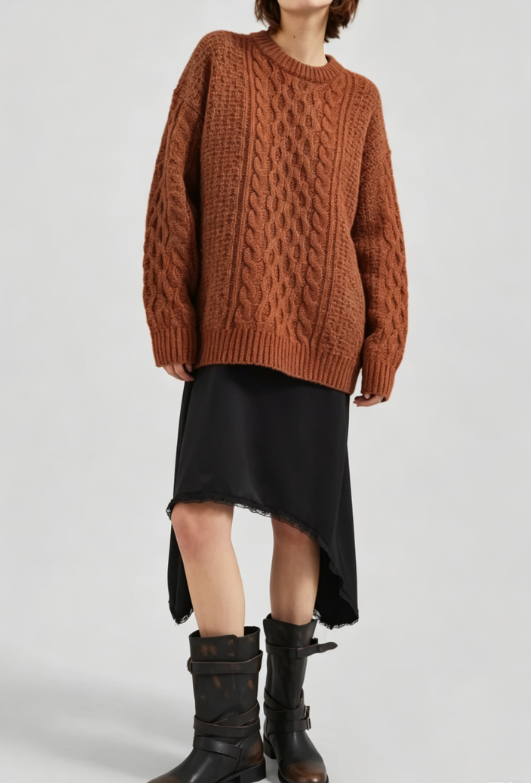
Two sample stages prevent most bulk surprises: a prototype validates construction and artwork, then a fit sample validates measurements, balance and hand feel. XS through 3XL grading needs deliberate shoulder, body-length and sleeve increments; approve a size set when extended or oversized fit is planned.
- Record all revisions in one dated comment sheet
- Approve yarn swatches before final knitting
- Confirm wash and pilling expectations
Lock Bulk And Delivery
One pre-production sample should match approved yarn, colors, trims, artwork and packaging before bulk cutting or knitting begins. Freeze changes after approval except for documented quality corrections. 100-unit launches benefit from in-line measurement checks, decoration inspection and final packed-goods review. Share the required delivery date, destination, carton limits and shipping method at order confirmation to protect the calendar.
- Provide final PO and shipping marks
- Confirm main, size and care labels
- Approve a production-ready packing list
10. custom letterman sweater Pricing and Cost
100 units is the practical entry tier for a custom letterman sweater program, but yarn composition, 7- to 12-gauge selection, knit density, color count, and intarsia or jacquard complexity set the base cost. Acrylic-cotton blends and simple rib structures sit below wool-rich yarns, fully fashioned panels, contrast sleeves, and multi-color artwork. 2 decoration decisions often change the quote fastest: chenille patches require separate materials and attachment labor, while embroidery cost rises with stitch count, placement, and backing. Woven labels, size and care labels, polybags, hangtags, cartons, sampling revisions, and destination freight should be quoted separately; final pricing requires approved specifications, artwork, size breakdown, packaging requirements, and shipping terms.
| Quantity Tier | Indicative Unit Price | Typical Production Lead Time |
|---|---|---|
| 100–299 units | US$24–42 | 35–50 days after sample approval |
| 300–499 units | US$20–35 | 30–45 days after sample approval |
| 500–999 units | US$17–30 | 30–40 days after sample approval |
| 1,000+ units | US$14–26 | 25–35 days after sample approval |
Start Your Custom Letterman Sweater Sample
Send your tech pack or design idea for a quote, fit review, and OEM sampling from 100 units per style and color.