
Heavyweight Sweatshirt Manufacturer for Scalable Private-Label Programs
JUNSHEEN is a heavyweight sweatshirt manufacturer offering fit-focused development, private-label finishing, and 100-unit MOQs for global fashion brands.
Featured Products for heavyweight sweatshirt manufacturer Development


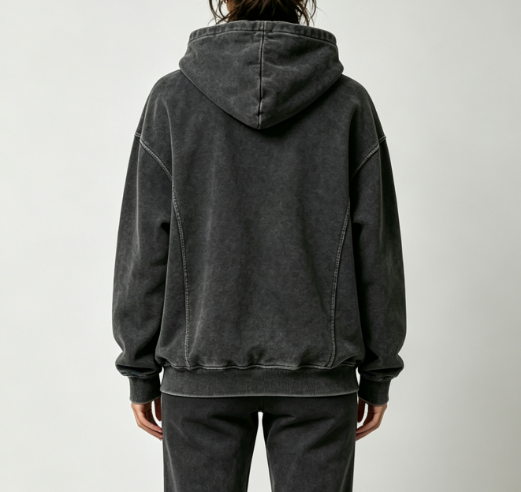


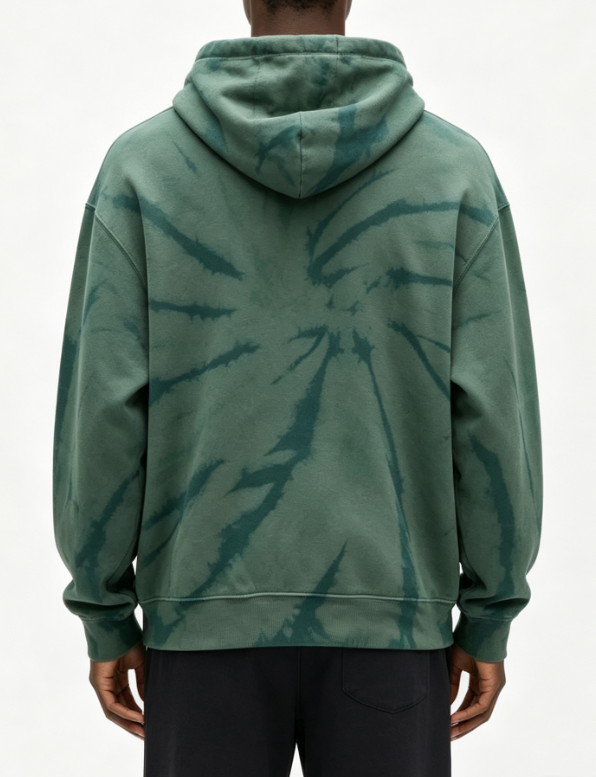


Related Product Catalogue and Quotation
Why Brands Choose JUNSHEEN for Heavyweight Sweatshirts
From first sample to repeat bulk orders, JUNSHEEN combines fit-led development, flexible minimums, and integrated production for heavyweight sweatshirt programs.
100-Unit Starting MOQ
Launch a capsule or test a colorway from 100 units per style and color, then scale proven heavyweight sweatshirt designs confidently.
Fit-First Size Development
Pattern makers refine oversized, standard, and extended-size fits from XS to 3XL for balanced shoulders, sleeves, proportions, and movement.
Heavyweight Fabric Sourcing
Source fleece, French terry, brushed cotton blends, and recycled options selected for target GSM, hand feel, durability, and wash performance.
In-House Decoration Control
Add logo embroidery, screen printing, puff effects, custom patches, washing, labels, trims, and branded packaging through one coordinated production team.
Scalable Global Production
With 200+ skilled workers and 80,000+ monthly units of capacity, JUNSHEEN supports repeat heavyweight sweatshirt orders with export-ready quality control.
Heavyweight Sweatshirt and Casualwear Manufacturing
Develop fit-consistent, brand-ready casualwear from 100 units per style and color, with sampling, decoration, finishing, and scalable repeat-order support.

Custom Hoodies
Develop custom hoodies in fleece, French terry, or jersey with refined XS–3XL grading, custom hoods, pockets, rib trims, labels, embroidery, printing, and washes. Junsheen supports capsule quantities from 100 units per style and color through scalable bulk reorders.
Request a Quote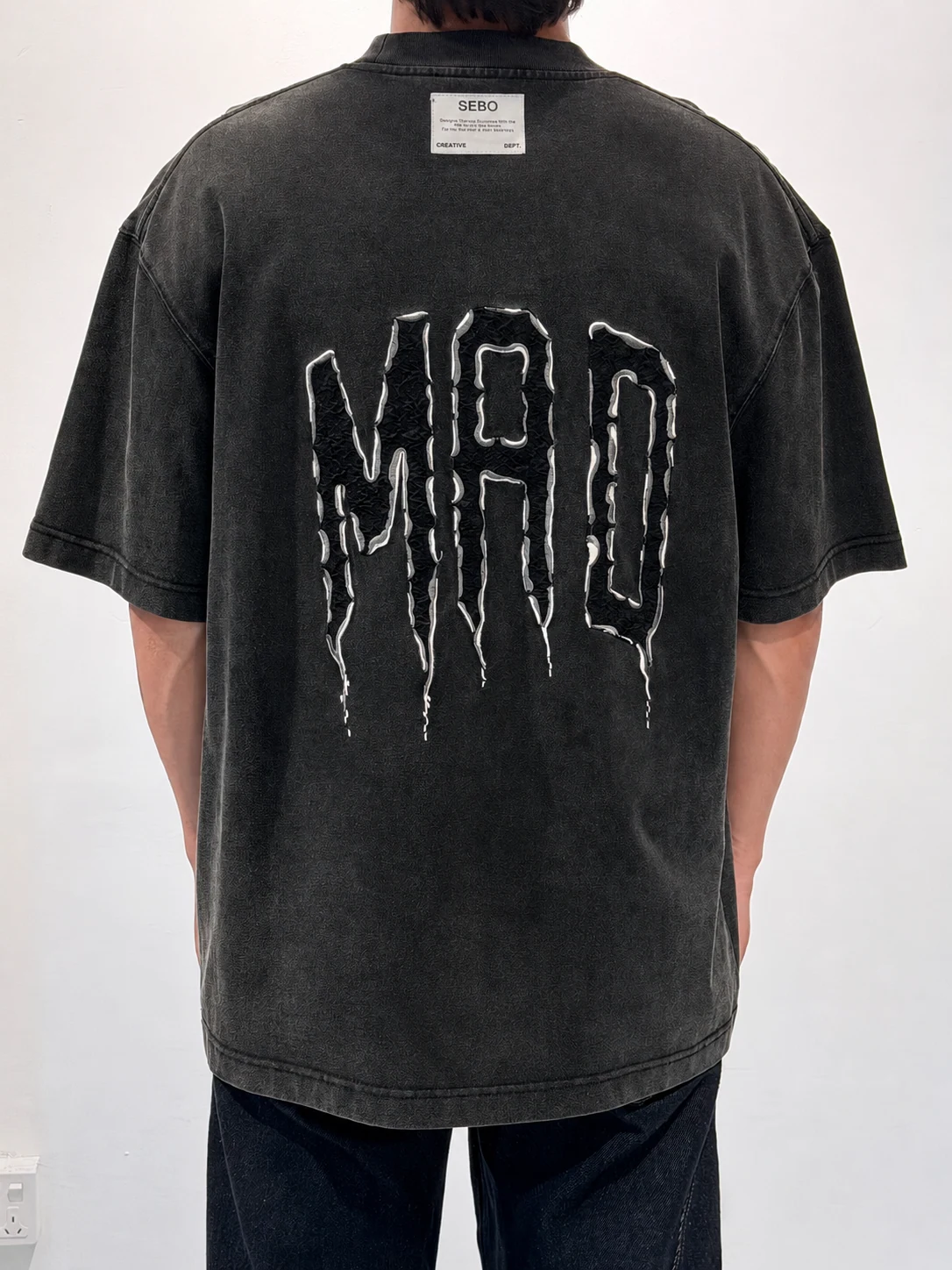
Custom T-Shirts
Produce custom T-shirts with fabric weight, collar construction, sleeve proportion, and fit specifications matched to your target customer. Choose combed cotton, blends, oversized silhouettes, screen printing, DTG, embroidery, private labels, and packaging for retail-ready programs.
Request a Quote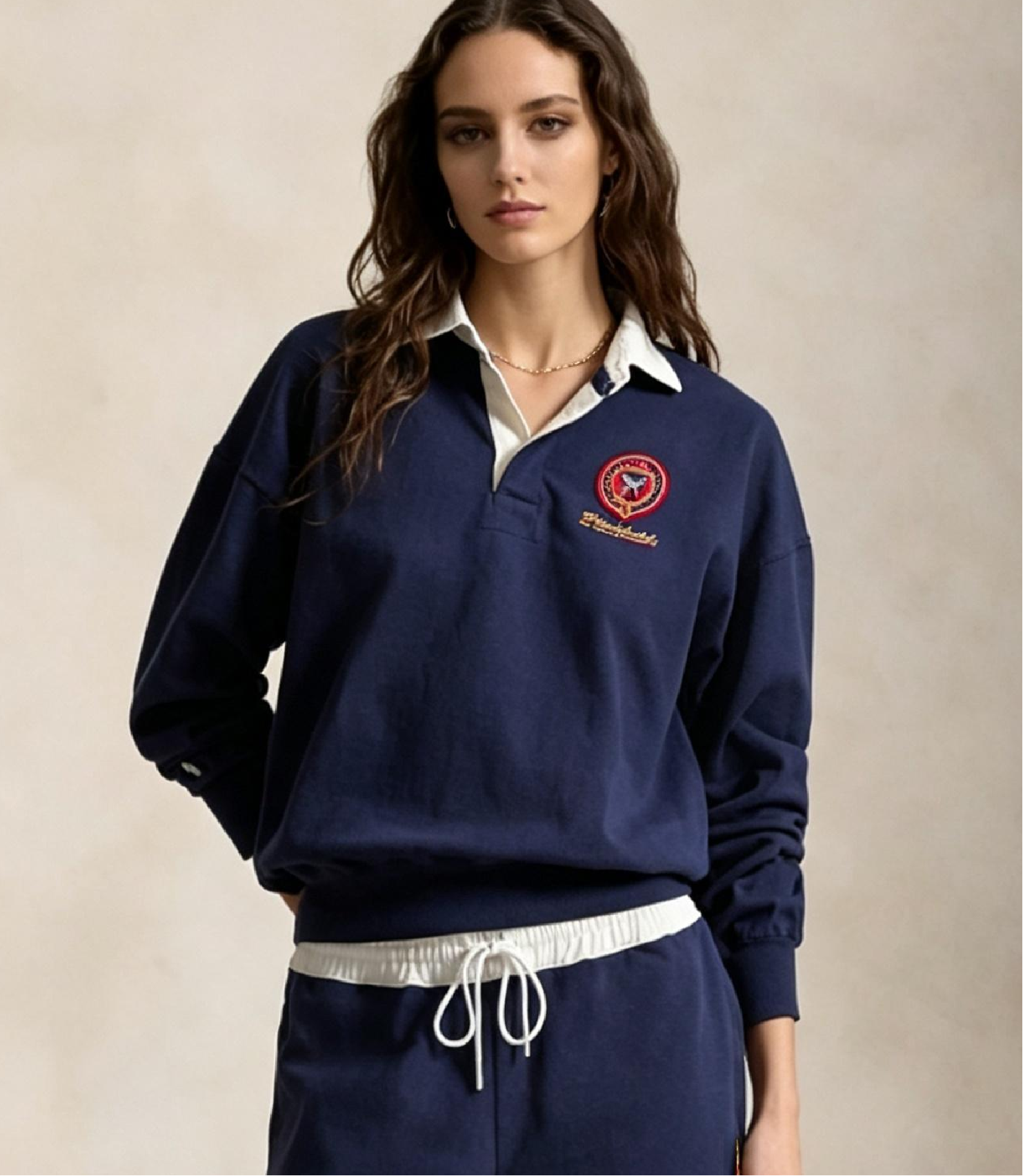
Custom Jeans
Manufacture custom jeans in rigid, stretch, or washed denim with controlled rises, leg shapes, pocket details, hardware, and branded trims. Pattern development and grading help maintain fit consistency across sizes before bulk denim production begins.
Request a Quote
Custom Sweaters
Source turtle neck sweater bulk programs and custom sweaters in knit constructions suited to weight, hand feel, warmth, and drape requirements. Junsheen develops necklines, rib details, size grading, labels, and packaging for wholesale or branded collection launches.
Request a Quote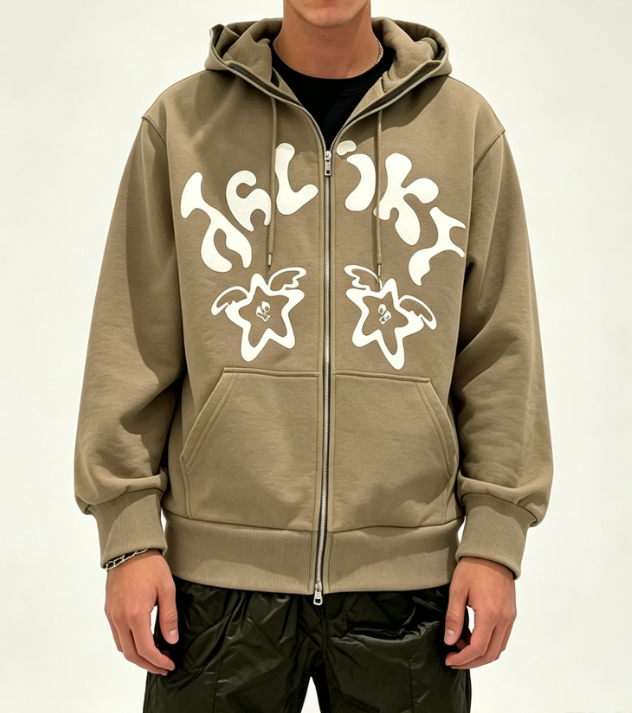
Custom Jackets
Build custom jean jackets and other casual outerwear with denim selection, panel construction, pockets, closures, washes, embroidery, patches, and branded hardware. Sampling validates fit, construction, and decoration placement before scalable production.
Request a Quote
Custom Sweatshirts & Crewnecks
Create custom crewneck hoodies, heavyweight sweatshirts, and crewnecks in fleece or French terry with specified GSM, rib balance, fit, and finishing. In-house printing, embroidery, washing, labels, and packaging keep brand details coordinated.
Request a Quote
Custom Cardigans
Develop custom cardigans with knit gauge, yarn blend, button or zipper selections, rib structures, and fit proportions aligned to your collection. Size sets support consistent grading from XS through 3XL before bulk manufacturing.
Request a Quote
Custom Puffer & Down Jackets
Produce custom puffer jackets with shell fabrics, insulation choices, quilt layouts, lining, pockets, zippers, reflective details, and branded trims. Development focuses on mobility, warmth, construction durability, and repeatable bulk specifications.
Request a Quote
Custom Denim Shorts
Manufacture custom jean shorts in rigid or stretch denim with controlled inseams, rises, leg openings, washes, distressing, hardware, and labels. Pattern refinement helps preserve intended proportion across normal, extended, and oversized size ranges.
Request a Quote
Custom Sweater Dresses
Develop custom sweater dresses with appropriate yarn, knit structure, length, stretch, neckline, and silhouette control. Junsheen supports sampling, grading, branded labels, and packaging for fashion labels needing dependable wholesale or retail production.
Request a Quote
Custom Denim Sets
Produce men’s denim suits for wholesale programs, including coordinated denim jackets and jeans with matched washes, fabric lots, trims, and fit specifications. Retained patterns and material records support consistent replenishment across repeat orders.
Request a Quote
Custom Polo Shirts
Manufacture custom polo shirts in piqué, jersey, or performance knits with collar construction, plackets, cuffs, embroidery, printing, and private-label details. Fabric recommendations balance comfort, durability, target cost, and wash performance.
Request a Quote
Custom Sweatpants
Build custom sweatpants in fleece, French terry, or jersey with specified rises, leg shapes, cuffs, pockets, drawcords, and decoration. Fit-focused grading supports coordinated sets and reliable sizing from XS through 3XL.
Request a Quote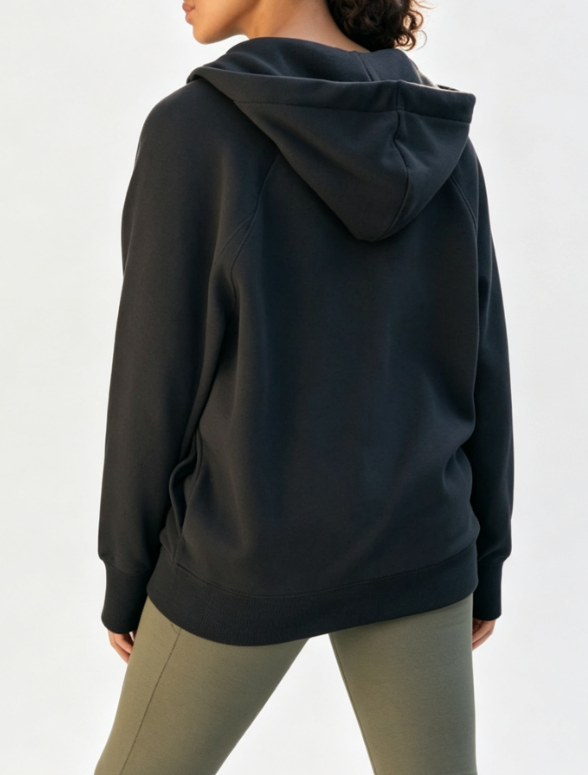
Custom Shorts
Develop custom shorts across jersey, fleece, twill, denim, and woven constructions with defined inseams, waist treatments, pockets, and finishes. Sampling helps confirm mobility, proportion, decoration placement, and brand-ready trim details before bulk orders.
Request a Quote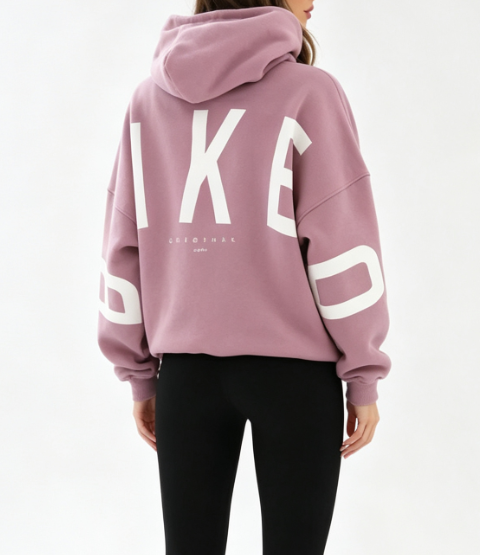
Custom Pullovers
Produce custom pullovers in sweatshirt, knit, or lightweight casualwear constructions with selected necklines, fabrics, fits, rib trims, labels, and decoration. Junsheen can develop from a tech pack, reference garment, sketch, or product concept.
Request a QuoteHeavyweight Sweatshirt Manufacturer Materials We Support

Cotton Brushed Fleece
A warm, substantial sweatshirt fabric with a soft brushed interior and durable cotton face. Commonly used for premium pullover and crewneck programs, typically developed from 320 to 500 GSM for true heavyweight structure.

French Terry Cotton
Loopback French terry delivers breathable comfort with a clean, premium surface and less bulk than brushed fleece. Ideal for transitional heavyweight sweatshirts, it offers stable shape retention and commonly runs from 280 to 420 GSM.

Organic Cotton Fleece
Organic cotton fleece gives brands a softer natural hand feel for elevated or sustainability-led sweatshirt collections. It suits heavyweight basics and private-label programs, with customizable brushed backing, fiber blends, and weights from 320 to 480 GSM.

Recycled Cotton Blends
Recycled cotton blends support resource-conscious collections while maintaining a substantial casualwear feel. Used for washed, vintage-inspired, or oversized sweatshirts, these fabrics can be engineered with recycled polyester for improved durability and recovery.

Cotton Polyester Fleece
Cotton-polyester fleece balances a soft cotton-facing hand with reliable durability, color retention, and reduced shrinkage. A practical choice for repeat bulk programs, teamwear, and branded sweatshirts, available in heavyweight 300 to 450 GSM constructions.

Performance Knit Fleece
Performance knit fleece adds stretch, moisture management, or quick-dry function to heavyweight sweatshirt designs. Suitable for active-inspired and travel-ready collections, it can combine brushed warmth with elastane recovery and resilient shape retention.
Heavyweight Sweatshirt Manufacturer Decoration and Finishing Options

Custom Embroidery
Flat, 3D puff, chain-stitch, applique, and patch embroidery add dimensional logo detail with strong stitch definition. Stabilization and thread selection are matched to heavyweight fleece or French terry for a clean, durable finish.

Screen Printing
Plastisol, water-based, puff, silicone, high-density, foil, flocking, and discharge screen prints create bold artwork with controlled texture. We test placement and curing to help prints retain color, adhesion, and hand feel through repeated washing.

DTF and DTG
DTF and DTG printing support detailed graphics, small runs, gradients, and multi-color artwork without traditional screen setup. Process selection depends on fabric composition, artwork coverage, and the softness or vibrancy your sweatshirt design requires.

Garment Dyeing
Garment dyeing develops rich, lived-in color after construction, giving heavyweight sweatshirts a distinctive casual character. We review shrinkage, seam appearance, and color variation during sampling so the final effect aligns with your approved standard.

Wash and Brushing
Enzyme, acid, stone, and softening washes can create vintage depth, softer hand feel, or controlled fade. Brushing and napping enhance surface warmth and loft while preserving the substantial feel expected from heavyweight fleece.

Anti-Pilling Finish
Anti-pilling treatments help reduce surface fiber fuzz and improve the sweatshirt’s appearance over wear and washing. Junsheen evaluates fabric construction and finishing recipes to balance durability, softness, color retention, and intended garment character.
Private-Label Trims and Accessories

Woven Brand Labels
Custom woven main labels, size labels, and wash-care labels give heavyweight sweatshirts a clear brand signature while providing essential fit, fiber, and care information for global retail and wholesale programs.

Drawcord and Tipping
Match drawcord thickness, length, color, and tipped ends to your sweatshirt design. These details add a premium finish to hooded styles and can coordinate with embroidery, prints, and branded hardware.

Custom Zippers Snaps
Specify zippers, snap buttons, pulls, and closures for quarter-zips, full-zips, collars, pockets, and detachable details. JUNSHEEN helps align hardware strength, finish, and placement with your target price and use case.

Rib Cuffs Hems
Custom rib trims support shape retention at cuffs, necklines, and hems. Select rib weight, stretch recovery, stripe placement, and color matching to give heavyweight sweatshirt manufacturer programs a polished, durable silhouette.

Logo Patches
Add woven, embroidered, chenille, leather, silicone, or applique patches for visible brand identification. Patches work well on chests, sleeves, hems, and back panels, creating a distinct private-label statement without overprinting.
Hangtags and Packaging
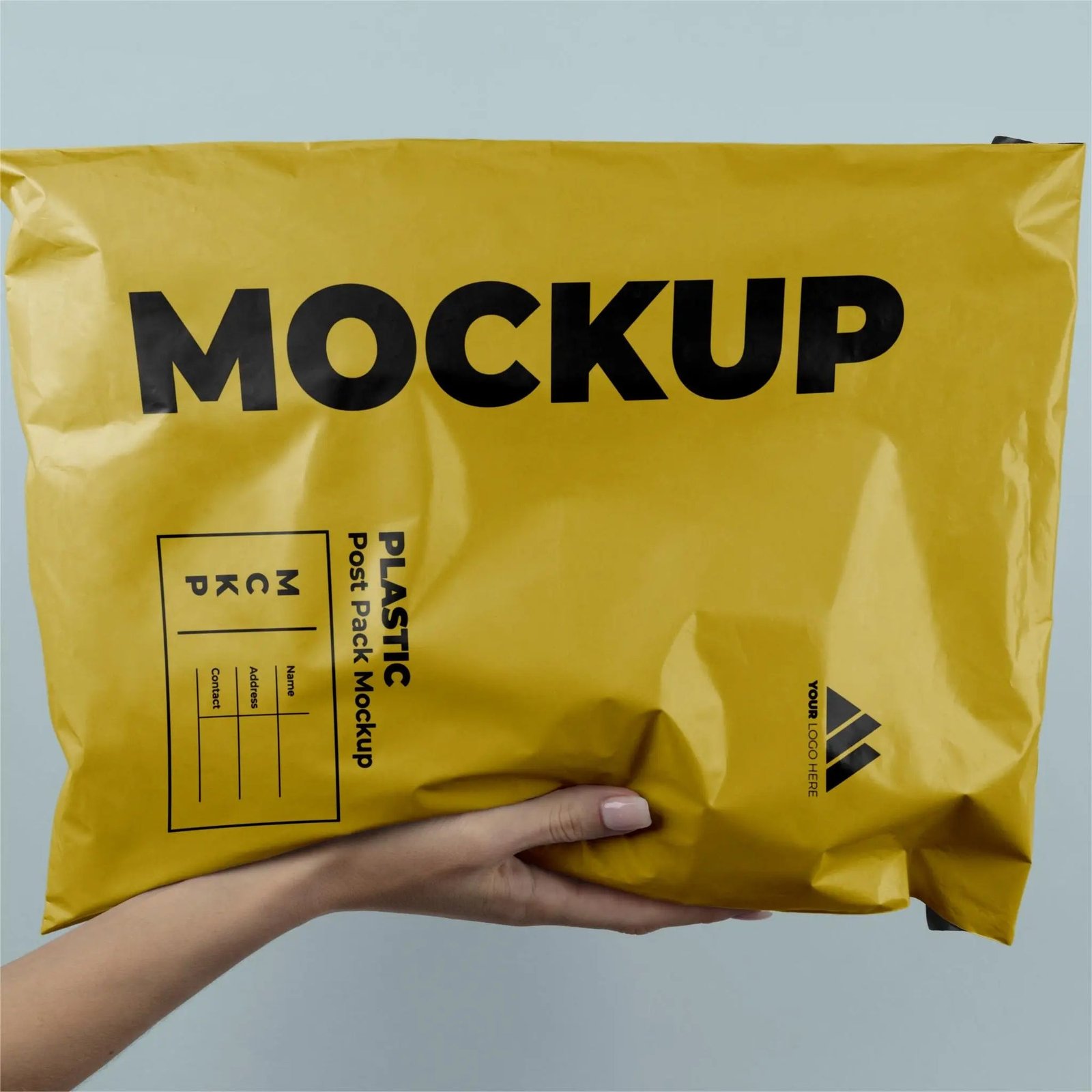
Complete your order with custom hangtags, barcode stickers, polybags, tissue, cartons, and branded packaging. Retail-ready packing improves presentation, protects garments in transit, and streamlines receiving for your wholesale or ecommerce channel.
About JUNSHEEN, Your Heavyweight Sweatshirt Manufacturer
Founded in 2010 in Humen Town, Dongguan, JUNSHEEN helps fashion brands turn heavyweight sweatshirt concepts into production-ready private-label collections. Our mission is straightforward: combine responsive product development, dependable manufacturing, and clear technical support so brands can launch confidently from a 100-unit MOQ and scale without changing suppliers.
As a heavyweight sweatshirt manufacturer with 200+ skilled workers and monthly capacity above 80,000 units, we manage cut-and-sew development, fabric sourcing, pattern making, grading, embroidery, printing, washing, labeling, packaging, quality control, and export support in one coordinated supply chain. We serve emerging labels, established brands, wholesalers, and retailers worldwide.
What distinguishes JUNSHEEN is a fit-first approach across XS–3XL, extended-size, plus-size, and modern oversized silhouettes. Rather than simply enlarging a base pattern, our team refines proportions and grading for consistent wear. More than 2,000 fashion-brand clients have relied on this detail-focused approach for repeatable quality and scalable production.

Heavyweight Sweatshirt Manufacturer Production Control
XS–3XL Pattern Grading
As a heavyweight sweatshirt manufacturer, JUNSHEEN develops XS–3XL size sets with adjusted shoulder balance, sleeve length, body proportions, and mobility—not simple scale-ups of one base pattern.
- Normal, oversized, extended-size, and plus-size fit development
- Graded measurements reviewed before bulk approval
- Size-set sampling to validate consistency across fits

Fabric and Trim Development
Build the weight, hand feel, and durability your collection requires with fleece, French terry, and cotton-blend options. Our team aligns fabric, rib, drawcords, labels, and hardware with your target price and intended wash performance.
- Fabric recommendations based on GSM, drape, and end use
- Matching rib trims and custom drawcord options
- Swatches and sample garments before bulk material confirmation
In-House Brand Customization
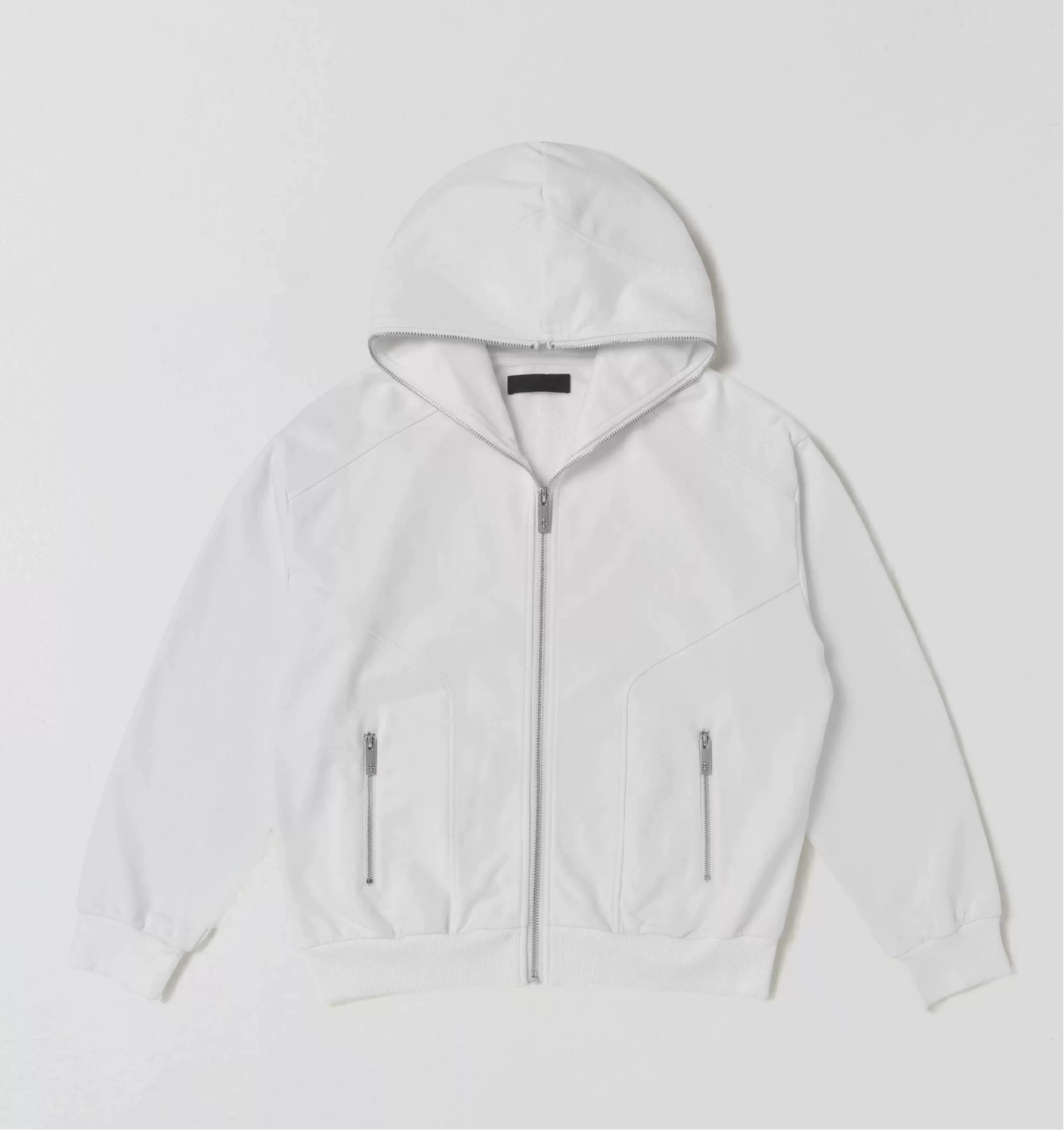
Turn approved sweatshirt specifications into a complete private-label product through coordinated decoration, finishing, labeling, and packaging. In-house capabilities help keep colors, placement, and branded details aligned through sampling and production.
- Screen print, embroidery, puff, DTF, and heat-transfer decoration
- Garment dye, acid wash, brushing, and anti-pilling finishes
- Custom woven labels, hang tags, patches, and packaging

Multi-Stage Quality Control
JUNSHEEN checks heavyweight sweatshirt programs from incoming material through packed goods. Teams verify fabric, construction, measurements, fit, decoration, and final presentation to support dependable repeat production from 100-unit MOQ launches to scaled orders.
- Incoming fabric and trim inspection
- In-line checks for stitching, measurements, and decoration
- Final packed-goods inspection before global shipment

Heavyweight Sweatshirt Manufacturer: JUNSHEEN vs. Typical Suppliers
A fit-first, low-MOQ production partner built for launch-ready development and reliable scale.
← 左右滑动查看 →
Our Heavyweight Sweatshirt Production Process
A controlled OEM workflow that turns your approved concept into export-ready heavyweight sweatshirts, from 100 units per style and color.
Review Brief and Feasibility
We assess your tech pack, reference garment, target price, fit requirements, decoration details, MOQ, and delivery goals before recommending a production-ready direction.
Source Fabrics and Trims
Our team selects heavyweight fleece or French terry, ribbing, labels, drawcords, and packaging based on weight, hand feel, durability, wash performance, and budget.
Develop Patterns and Samples
Pattern makers build and grade fit-focused XS–3XL specifications, then produce samples for measurement, construction, decoration, wash, and approval before bulk commitment.
Cut, Sew, and Decorate
After pre-production approval, we manage bulk cutting, sewing, embroidery, printing, washing, and finishing through coordinated in-house and supplier-network production controls.
Inspect, Pack, and Ship
We check fabric, measurements, construction, decoration, and packed goods, then complete private-label packing and support worldwide shipment for approved heavyweight sweatshirt orders.
Start Your Heavyweight Sweatshirt Manufacturer Project
Move from concept to delivery with a clear OEM workflow built for 100-unit launches and scalable repeat orders.
Submit Your Brief
Send a tech pack, sketch, reference garment, or mood board with target quantities, colors, fabric weight, sizing, decoration, and private-label requirements.
Review Feasibility and Quote
Our team reviews construction, fit, materials, and branding details, recommends practical options, confirms the 100-unit MOQ, and prepares a clear quotation.
Approve Development Samples
Review prototype samples, fabric swatches, measurements, graded XS–3XL fit, decoration, and finishing; refine details before approving your production-ready specification.
Confirm Bulk Production
Approve the final sample and order details, then Junsheen coordinates sourced materials, cut-and-sew production, in-line quality checks, labels, trims, and packaging.
Arrange Global Delivery
After final inspection and balance settlement, we prepare packed goods and export support for reliable shipment to your warehouse, retailer, or fulfillment partner.
Custom Clothing Manufacturer Credentials and Compliance Documents



What Fashion Brands Say About Working With JUNSHEEN
JUNSHEEN corrected the shoulder and sleeve balance across our XS–3XL size range before bulk production. Our first 300-unit heavyweight sweatshirt drop had 42% fewer fit-related returns than our previous launch.
We launched a two-color capsule at the 100-unit MOQ without compromising on fabric weight or private labels. The approved sample matched bulk closely, and all 200 pieces arrived in Toronto five days ahead of our campaign shoot.
From our tech pack to final cartons, the team kept measurements, embroidery placement, and wash results consistent through a 1,200-piece order. Their export coordination made delivery to our UK warehouse straightforward and on schedule.
Heavyweight Sweatshirt Manufacturer FAQ
Clear answers on MOQ, development, production, shipping, and brand protection for custom heavyweight sweatshirt programs.
What is the minimum order quantity for a heavyweight sweatshirt manufacturer?
Can a heavyweight sweatshirt manufacturer make samples before bulk production?
How long does heavyweight sweatshirt sampling and production take?
Can you customize heavyweight sweatshirt fabric, weight, printing, and labels?
Can you develop oversized and extended-size heavyweight sweatshirts?
What payment terms does JUNSHEEN offer for custom sweatshirt orders?
Does JUNSHEEN ship heavyweight sweatshirts internationally?
How does a heavyweight sweatshirt manufacturer protect my designs and product information?
Complete Buyer’s Guide: heavyweight sweatshirt manufacturer
Use this practical framework to evaluate fabric, construction, customization, MOQ, pricing, and supplier reliability—so you can select the right production partner, avoid costly sampling errors, and launch heavyweight sweatshirts with confidence.
1. What Is a Heavyweight Sweatshirt Manufacturer?
300–500 GSM is the practical sourcing range most buyers mean by heavyweight sweatshirt, although the final feel also depends on yarn count, knit density, and finishing. A heavyweight sweatshirt manufacturer develops and produces that fabric-and-garment system: commonly brushed three-end fleece or dense French terry, stabilized rib, and a pattern engineered to carry the added weight without twisting, sagging, or restricting movement. 100 units per style and color is a workable low-MOQ starting point for a capsule program when the supplier can source fabric, make patterns, grade sizes, sample, and control bulk sewing in-house. That differs from a generic cut-and-sew supplier that may only sew buyer-provided components, and from a blank-garment wholesaler that sells fixed colors, fits, labels, and fabric specifications with limited modification. JUNSHEEN supports OEM, ODM, and private-label development from a tech pack, sketch, reference garment, or product idea, including fabric selection, oversized and extended-size grading through 3XL, decoration, labels, and packaging. This model best suits emerging labels testing premium fleece, retailers needing exclusive fits, wholesalers building a private line, and established brands that need repeatable custom programs rather than stocked blanks.
2. The Evolution of Heavyweight Sweatshirts
1920s athletic training gear established the sweatshirt as a hard-wearing layer: brushed fleece trapped warmth, rib cuffs controlled stretch, and cotton-rich knits tolerated repeated laundering. Workwear later adopted the same practical formula, making durability, shrinkage control, and dependable recovery more important than fashion novelty. 1970s and 1980s streetwear turned the sweatshirt into a visible identity piece, while oversized proportions, collegiate graphics, pigment dyeing, and distressed finishes made age and hand feel part of the product story. Luxury casualwear subsequently raised buyer expectations for heavier hand, cleaner pattern balance, refined embroidery, and trims that look intentional rather than generic. 2010s private-label programs made that premium language accessible to smaller brands, provided they can translate it into repeatable specifications. A heavyweight sweatshirt manufacturer now needs to support roughly 100-unit style-and-color launches with oversized or extended-size grading, durable fabric selection, vintage washes, and branded labels or packaging. Responsible sourcing is also a purchasing requirement: buyers increasingly ask for traceable cotton or recycled options, relevant certifications such as OEKO-TEX or GOTS where applicable, and wash testing before bulk approval. 2020s demand has shifted from simply adding GSM to building a complete garment proposition. The strongest programs match fabric weight and surface, shrinkage targets, collar and rib recovery, wash effect, decoration method, Pantone control, and premium private-label details to the intended retail position.
3. Types of Heavyweight Sweatshirt Manufacturer Programs
At 100 units per style and color, the right program determines how much design risk a buyer carries. A heavyweight sweatshirt manufacturer may supply only sewing capacity or manage the route from concept through packed goods.
| Program | Control | Speed | Best Fit |
|---|---|---|---|
| Private label | Low–medium | Fast | New branded launch |
| OEM | High | Moderate | Technical brand team |
| ODM | Medium | Fast | Design-led startup |
| Full package | High | Moderate | Concept-stage buyer |
| Stock blanks | Low | Fastest | Event or test drop |
| Specialist factory | Varies | Moderate | Category-focused program |
Private Label And OEM
At 100-unit MOQs, private label adapts an existing base with your labels, colors, and artwork. It is the lower-development route for emerging brands needing a fast branded launch. With OEM, the buyer supplies a tech pack, measurements, BOM, and Pantone references. Design control is highest, but sampling and technical decisions remain the buyer’s responsibility.
ODM And Full Package
ODM starts from factory-developed silhouettes, fabrics, or construction options, then adds brand-specific changes. It shortens development and reduces pattern costs, but creates less exclusive product architecture. Full-package development converts a sketch or reference into specifications, patterns, samples, sourcing, grading, and production. It suits buyers without an internal technical team and usually carries more development cost.
Blanks And Specialists
Stock blanks can be decorated with screen print, embroidery, or transfers after quick approval. This is typically the fastest route, though fabric, fit, and color choices are constrained by available inventory. Specialist factories focus on a narrow category, such as fleece or fashion outerwear, and may deliver stronger process knowledge. Compare their minimums and capacity against a versatile partner before committing.
4. Heavyweight Sweatshirt Materials and Fabric Specifications
360–500 GSM is the practical heavyweight range for most branded sweatshirts. A capable heavyweight sweatshirt manufacturer matches fiber, yarn and finishing to the intended hand feel, warmth and repeat-wash stability.
| Fabric Type | Typical GSM | Benefits | Tradeoffs | Recommended Use |
|---|---|---|---|---|
| French terry | 320–420 | Breathable loops; clean hand | Less insulation | Layering sweatshirts |
| Cotton fleece | 360–460 | Soft, warm, cotton-rich | More shrinkage risk | Core premium crews |
| Three-end fleece | 420–500 | Dense, lofty, durable | Higher cost and bulk | Oversized winter styles |
| Cotton-poly blend | 340–460 | Recovery and durability | Less natural hand | Uniform programs |
| Recycled blend | 350–450 | Lower virgin-fiber use | Validate pilling and strength | Sustainability-led capsules |
Fabric Weight And Structure
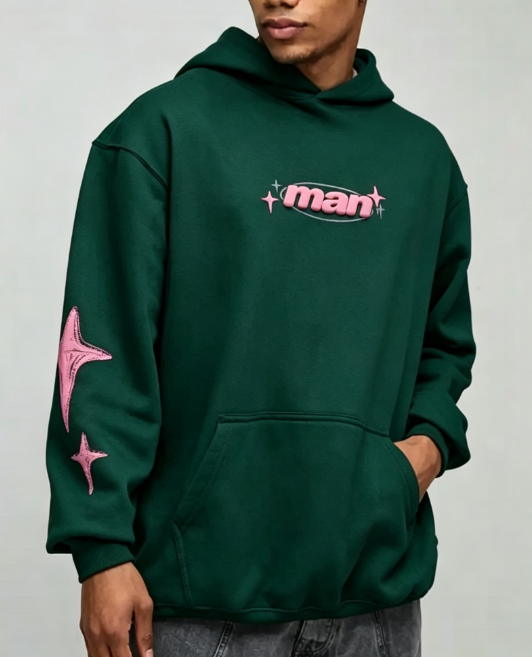
360 GSM French terry uses unbrushed loops, giving breathable weight and a cleaner transitional-season feel. 420–500 GSM three-end fleece has a dense face and insulated interior; the third yarn improves loft, recovery and premium perceived value.
Fiber And Yarn Choices

100% ring-spun cotton delivers a softer, smoother face than open-end yarn, supporting refined screen print and embroidery results. 70/30 or 80/20 cotton-poly blends improve abrasion resistance, drying speed and shape retention, but polyester can reduce the natural cotton hand. Recycled cotton or recycled polyester needs fiber-content verification because shorter recycled fibers can affect pilling and strength.
Shrinkage And Surface Finish

3–5% dimensional change is a common tolerance target after controlled washing. Specify pre-shrunk fabric, wash testing and finished garment measurements before approving bulk. Brushed interiors increase warmth and softness but may shed initially; loopback preserves breathability and a more structured interior. Enzyme or anti-pilling finishing can improve surface performance without replacing sound yarn selection.
5. Customization and Decoration Options
Three customization layers—silhouette, identity trim, and surface decoration—should be specified together before sampling. A heavyweight sweatshirt manufacturer can then test the intended hand feel, placement, and wash performance without expensive late changes.
| Technique | Visual Effect | Durability | Placement Limits | Setup And Quantity |
|---|---|---|---|---|
| Screen print | Opaque, clean color | High with correct cure | Flat panels preferred | Screens; efficient for repeat bulk |
| Puff print | Raised 3D logo | Medium-high | Avoid seams and heavy folds | Screens; best for simple artwork |
| DTG | Fine multicolor detail | Medium | Smooth cotton-rich areas | Minimal setup; useful for small runs |
| Embroidery or appliqué | Textured premium dimension | High | Needs backing; avoid bulky seams | Digitizing; suited to logos and patches |
| Garment dye or wash | Vintage, tonal finish | Depends on testing | Whole garment treatment | Lab dips; approve before bulk |
Pattern, Rib, And Branding

100-unit capsule programs benefit from a custom block: body length, dropped shoulder, cuff depth, and hem opening can match the label’s fit direction. 1×1 or 2×2 rib can be color-matched, while woven main labels, size labels, and printed or herringbone neck tape make the inside brand-specific.
Print, Stitch, And Patch Choices
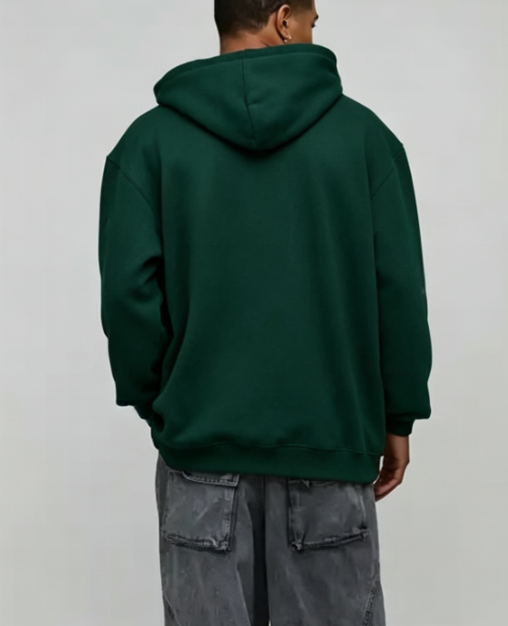
3D puff ink creates raised logos, whereas plastisol screen print gives dense, opaque color and works best on stable chest or back panels. DTG suits detailed multicolor artwork and smaller runs; embroidery, appliqué, and custom patches add texture but need backing, stitch-density, and placement review.
Wash And Garment Dye

2-stage garment dyeing produces a broken-in, tonal look but requires shrinkage and colorfastness approval before bulk cutting. Enzyme, softening, acid, and anti-pilling washes alter hand feel and vintage character; test decorated samples first because abrasion can change print and embroidery appearance.
6. Construction Details That Signal Quality
At 360–500 GSM, a heavyweight sweatshirt exposes construction errors quickly: twisted seams, loose ribs, and uneven shrinkage alter fit after only a few washes. A capable heavyweight sweatshirt manufacturer should document these details in the tech pack and approve them on a washed sample.
Seams And Shoulder Strength
Three-needle coverstitch or flatlock seams reduce bulk and abrasion at high-stress joins; stitch density should be even, without skipped stitches or puckering. A taped or reinforced back-neck and shoulder seam limits stretching from hanger weight and repeated wear. Pull shoulder seams gently, then inspect the inside for seam slippage.
- Check matched seam allowances on both shoulders.
- Confirm no raw thread tails exceed 5 mm.
- Compare left and right shoulder pitch.
Rib, Neck, And Hem Recovery

1×1 or 2×2 rib should recover after a 10-second stretch rather than remain wavy. Specify rib composition, finished height, and recovery expectation for neck, cuffs, and hem. A stable crew neck sits flat against the body; poor binding tension causes a neckline to ripple or choke. Try the garment on and measure cuff and hem openings after wash testing.
- Stretch each cuff and watch recovery.
- Inspect neck rib join for puckering.
- Check hem does not flip upward.
Grain, Pockets, And Interior

Straight grain alignment keeps side seams vertical and prevents a body from spiraling after laundering. On hooded styles, pocket corners need bar tacks or reinforced stitching to resist hand-load tearing. Brushed fleece should have an even interior nap with no thin patches; French terry loops should be consistent. Turn the sample inside out and inspect every pocket attachment.
- Lay the body flat to spot twisting.
- Load each pocket corner by hand.
- Check lining and shell color transfer.
Wash And Finish Checkpoints
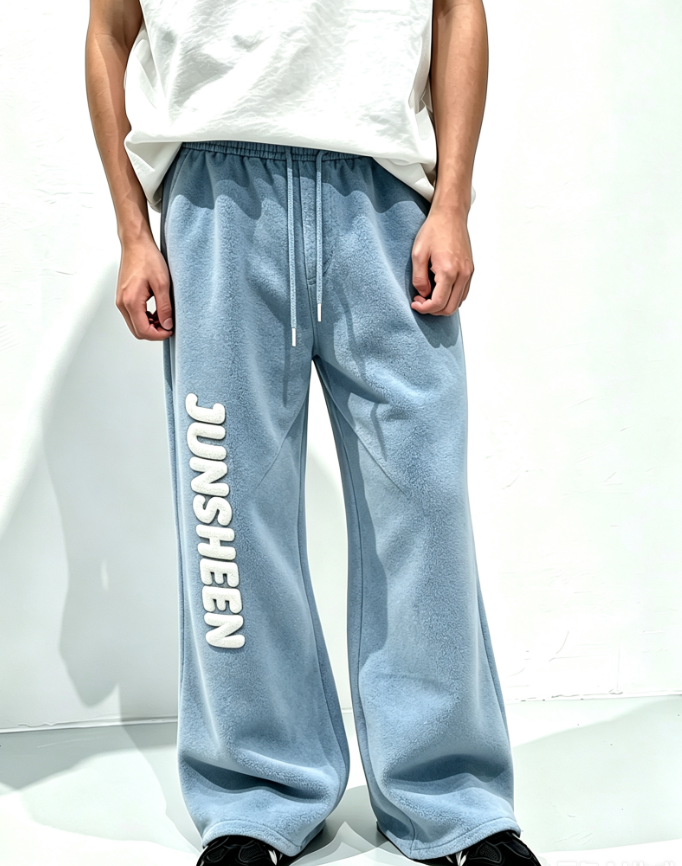
Three wash-and-dry cycles reveal shrinkage, torque, pilling, and color loss before bulk approval. Record chest, body length, sleeve length, and neck opening before and after testing. Enzyme, softener, anti-pilling, garment-dye, or acid-wash finishes must be approved against a retained reference sample. Review hand feel, odor, shade variation, and decoration cracking after laundering.
- Set acceptable shrinkage tolerances in writing.
- Photograph samples before and after washing.
- Retain the signed wash-test sample.
7. How to Choose a Heavyweight Sweatshirt Manufacturer
A capable heavyweight sweatshirt manufacturer proves control of fabric, fit, and repeat production before it asks for a deposit. Evaluate documents and sample evidence, not factory photos or a low quoted unit price.
Verify Relevant Production Evidence

3 recent sweatshirt references should show inside seams, rib recovery, print or embroidery, measurement points, and post-wash appearance. 100-unit capsule capability matters only if the supplier can explain color, size, and decoration minimums separately.
- Request comparable sample photos and wash-test results
- Ask for client-approved measurement tolerances
- Confirm MOQ by style, color, and size curve
Test Development And Fabric Control
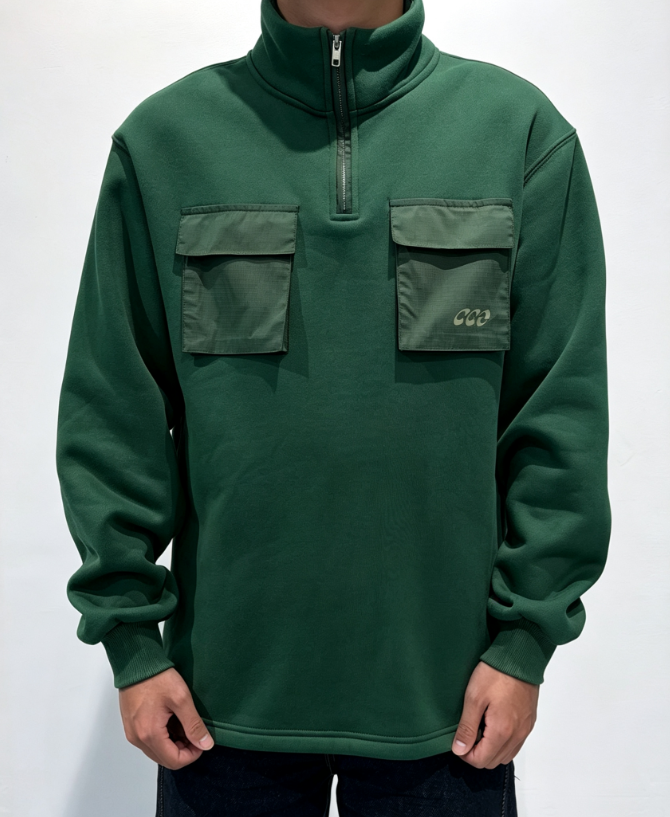
1 complete tech-pack review should return a construction comment, BOM, grading plan, and risk list rather than a generic quotation. 280–460 GSM fleece or French terry choices require documented composition, shrinkage allowance, pilling expectations, and Pantone lab-dip approval.
- Ask who owns patterns and graded files
- Request swatches before bulk fabric booking
- Question how size-set corrections enter production
Audit Quality And Compliance
4 inspection stages—fabric, in-line sewing, measurement, and final packing—should have checklists and defect escalation records. OEKO-TEX, GOTS, WRAP, or BSCI claims require current certificate numbers, scope, and issuing body; certification is not transferable across factories.
- Request QC reports from comparable orders
- Define AQL, measurement tolerance, and rework rules
- Confirm label, carton, and barcode checks
Expose Operational Weaknesses Early
30–45 day bulk lead times are credible only after fabric availability, decoration capacity, and production-slot dates are stated in writing. 2 direct questions reveal weak control: ‘What can delay this style after PP approval?’ and ‘Who signs off on shade, measurements, and final release?’ Confirm Incoterms, balance timing, freight responsibility, and a named communication owner before payment.
- Request a dated critical-path schedule
- Ask for monthly capacity and current booking load
- Clarify FOB, CIF, DDP, or courier terms
8. Common Heavyweight Sweatshirt Sourcing Mistakes
A low quoted unit price can conceal rework, missed launch dates, and inconsistent repeat orders. For a 100-unit first run, lock technical and commercial decisions before bulk fabric is committed.
Price Without Specifications
A $2 saving can disappear after fabric substitution, rejected decoration, or air freight. Compare like-for-like quotes covering GSM, fiber content, rib specification, labels, packaging, sampling, and Incoterms. A repeat order needs the approved bill of materials and measurement chart retained. Ask the heavyweight sweatshirt manufacturer to quote any changed color, wash, or trim separately.
Incomplete Sample Approval

One approved sample is insufficient when it lacks final artwork, labels, wash testing, or the intended fabric lot. Approve a complete pre-production sample against a signed spec pack. A 3–5% shrinkage allowance can materially change body length and sleeve measurements. Record wash method, measurement points, tolerances, Pantone references, and acceptable shade variation.
Artwork And Timing Gaps
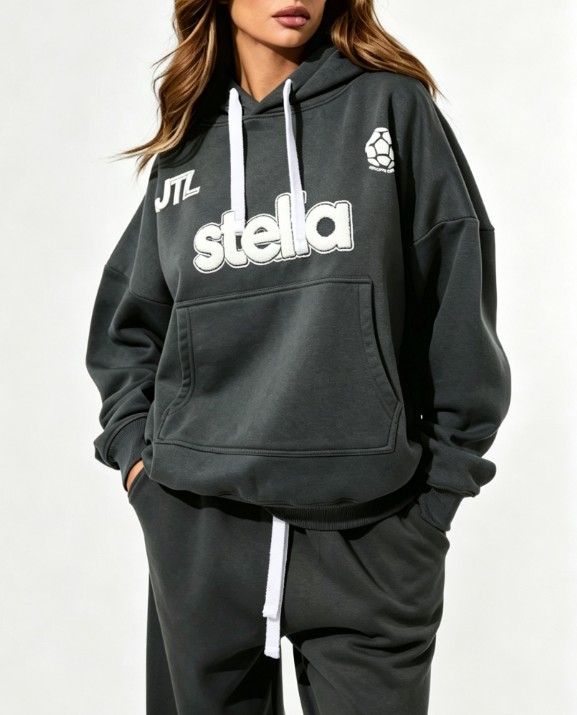
Fine halftones, tiny type, and large solid ink areas can crack, bleed, or feel overly stiff on brushed fleece. Send vector artwork early and request a strike-off for screen print, puff, embroidery, or DTF. Two to three additional weeks may be needed for screens, embroidery files, custom patches, or specialty effects. Freeze artwork and placement before booking the bulk production window.
Inspection And Terms
AQL-based final inspection cannot correct an undefined standard after goods are packed. Set measurement tolerances, defect criteria, quantity rules, and inspection timing before the purchase order. A first order commonly requires clearer payment and delivery terms than a repeat program. Confirm deposit, balance timing, sample charges, lead time, freight responsibility, and remedy for approved-spec deviations in writing.
9. Steps to Launch Your Heavyweight Sweatshirt Line
A launch calendar should begin 16–24 weeks before the intended delivery date. A capable heavyweight sweatshirt manufacturer can convert that calendar into approvals, purchasing milestones, and a launch-ready replenishment plan.
Brief And Technical Package
Week 1: define the target wearer, retail price, color count, and size range before requesting quotes. Deliver a product brief with benchmark photos, desired silhouette, and expected order quantity. Week 2: issue a tech pack listing measurements, tolerances, Pantone references, artwork placement, labels, and packaging. Confirm ownership of patterns and the revision-control process.
- Target customer and channel
- Retail price and margin target
- Size chart and colorway plan
Fabric And Fit Approval

Week 3: select a 380–500 GSM fleece or French terry after reviewing swatches, composition, shrinkage, and hand feel. Approve fabric, rib, drawcord, and decoration specifications in writing. Week 5: review the fit sample on the intended body type and record every measurement correction. Extended sizes require deliberate grading, not a scaled-up base pattern.
Production, Freight, And Reorders
Week 7: approve a pre-production sample that matches final fabric, trims, artwork, labels, and packing. Release bulk production only after signing the approved sample and inspection standard. Week 10: schedule in-line and final checks, then book freight against the launch date and customs buffer. Within 30 days of launch, compare sell-through, returns, and size demand before placing a repeat order.
- Measurement and construction checks
- Decoration and label verification
- Carton count and shipping documents
10. Heavyweight Sweatshirt Pricing and Cost Factors
100 units per style and color is a practical starting point for a capsule program with a heavyweight sweatshirt manufacturer such as JUNSHEEN. Indicative ex-works prices below assume a 420–500 GSM cotton-rich fleece or French terry sweatshirt, standard ribbing, one colorway, and approved artwork; actual quotations follow the tech pack, material selection, and destination. 420–500 GSM fabric, fiber content, brushed or unbrushed finish, oversized pattern engineering, and size grading are the largest garment-cost variables before decoration. Ring-spun cotton, organic or recycled claims, specialty washes, dense embroidery, puff print, custom zippers, woven labels, hang tags, and individual packaging add cost and sometimes extend approval time. 2.5–4.0× is a common initial retail-markup planning range, but brands should model duty, freight, returns, sampling, and marketing rather than rely on factory cost alone. Protect fit and fabric quality first, consolidate colors or placements where possible, and use samples to confirm the cost-critical specification before committing to bulk.
| Quantity tier | Indicative ex-works unit price | Typical bulk lead time | Main cost leverage |
|---|---|---|---|
| 100–299 units | US$18–32 | 30–45 days after approvals | Simplify print locations; share fabric and trims across colors |
| 300–499 units | US$15–27 | 30–40 days after approvals | Improve fabric yield and decoration efficiency |
| 500–999 units | US$13–24 | 25–40 days after approvals | Spread pattern, screen, and label setup across more units |
| 1,000+ units | US$11–21 | 25–35 days after approvals | Negotiate committed fabric, carton configuration, and freight planning |
Start Your Heavyweight Sweatshirt Manufacturer Project
Send your tech pack, sketch, or reference garment for fit-focused private-label development from 100 units per style and color.