
Acid Wash T Shirt Manufacturer for Private-Label Growth
JUNSHEEN delivers OEM, ODM and private-label acid-wash tees from 100 units, with fit-focused XS–3XL development and one-stop finishing.
Featured Products for acid wash t shirt manufacturer Development


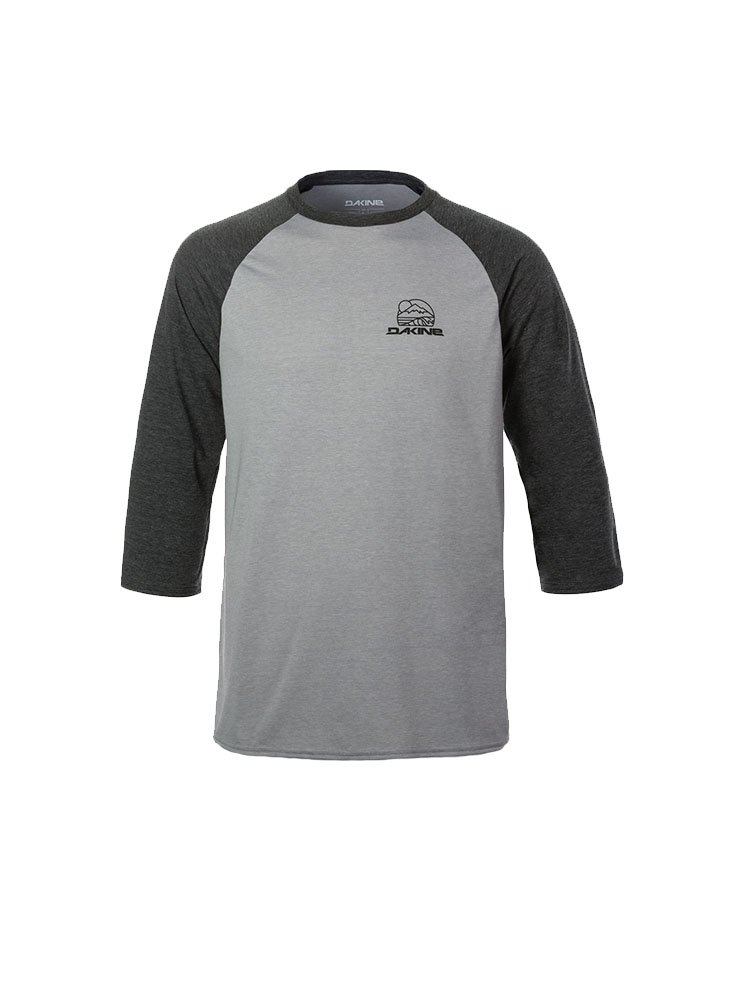


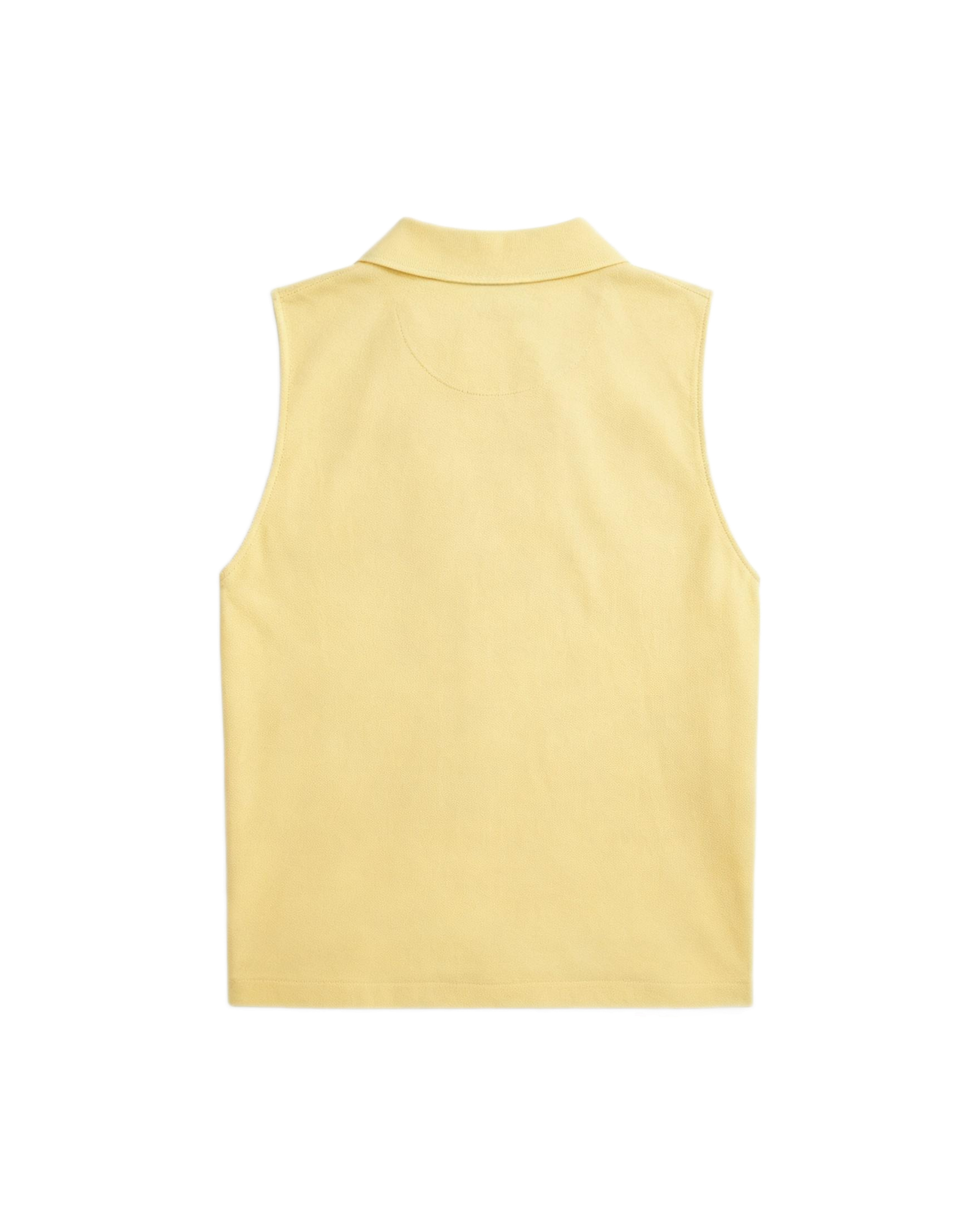


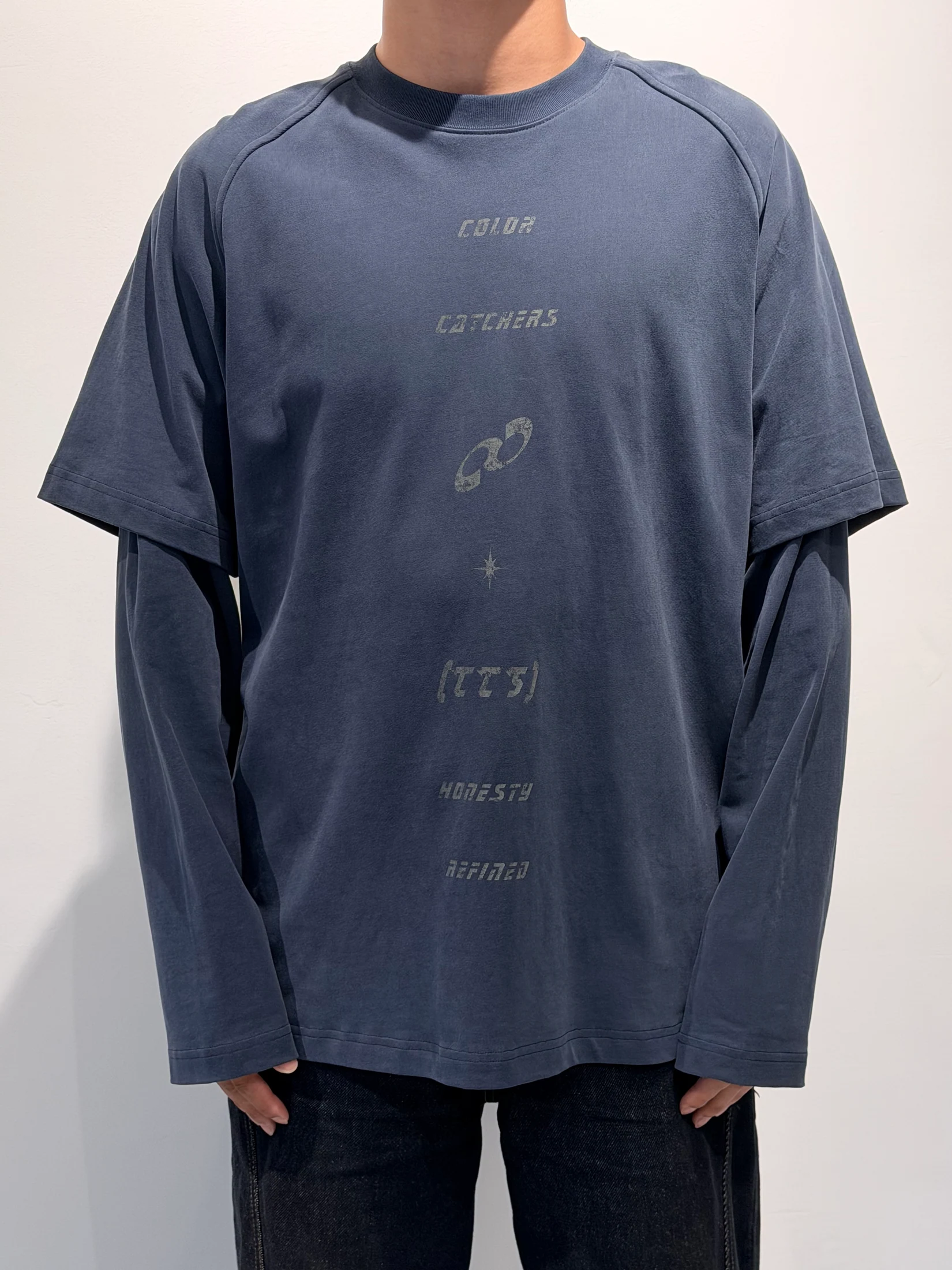

Related Product Catalogue and Quotation




Why Brands Choose JUNSHEEN as Their Acid Wash T Shirt Manufacturer
From first sample to repeat bulk orders, JUNSHEEN combines flexible minimums, fit-focused development, controlled finishing, and export-ready production.
100-Unit MOQ
Launch acid-wash tee capsules from 100 units per style and color, with practical support for emerging labels and tested reorders.
Fit-Led Size Development
Pattern makers refine proportions and grading from XS to 3XL, including oversized and plus-size fits that wear consistently across the range.
Integrated Wash Effects
Control acid wash, garment dye, softening, enzyme treatments, and distressed finishes alongside cut-and-sew production for a cohesive final garment.
Print and Embroidery
Add screen print, puff effects, DTG, DTF, patches, or logo embroidery in-house while coordinating placement with the washed garment character.
Scalable Production Capacity
Work with 200+ skilled workers and 80,000+ monthly units of capacity, scaling successful acid-wash T-shirt programs without changing suppliers.
Global Export Support
Receive coordinated quality control, packing, documentation, and global shipping support from a manufacturer serving more than 2,000 fashion-brand clients.
Acid-Wash T-Shirt Programs, Built to Scale
Develop coordinated streetwear, denim and knitwear programs with fit-focused sampling, low-MOQ production and complete private-label support.

Custom Hoodies
Custom hoodies in fleece, French terry or heavyweight jersey, developed for oversized streetwear, standard fits and XS–3XL grading. Add acid wash, garment dye, puff printing, embroidery, custom rib, labels and branded packaging from 100 units per style and color.
Request a Quote
Custom T-Shirts
Custom T-shirts produced in combed cotton, heavyweight jersey and blended qualities for acid-wash tees, vintage looks and private-label basics. Junsheen supports pattern development, fit refinement, DTG, screen print, embroidery, wash effects and complete labeling.
Request a Quote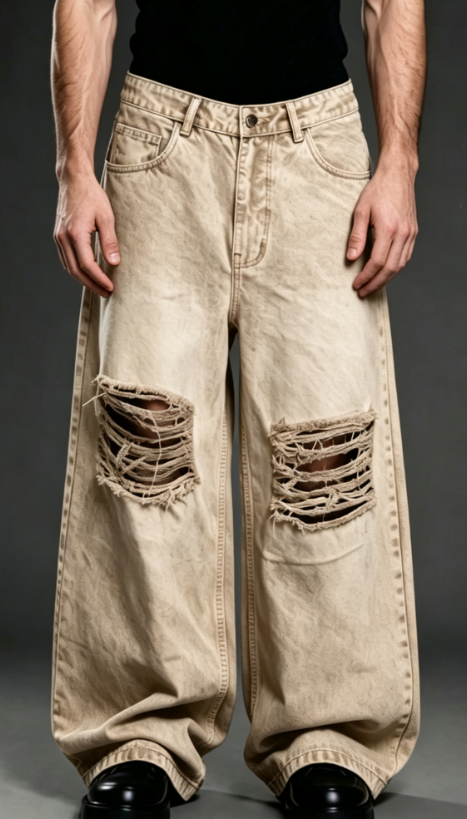
Custom Jeans
Custom jeans developed in rigid, stretch or washed denim with brand-specific rises, leg shapes and grading. Support includes fabric sourcing, pattern making, distressing, enzyme or stone washing, custom hardware, leather labels and coordinated bulk production.
Request a Quote
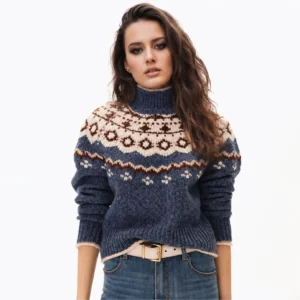
Custom Sweaters
Custom sweaters and turtleneck sweater bulk programs produced with suitable knit constructions, yarn selection and size grading. Develop pullovers for regular, oversized or extended-size fits, then specify rib details, labels, colorways and packaging for wholesale or branded collections.
Request a Quote
Custom Jackets
Custom jean jackets and other outerwear programs built around denim weight, wash direction, fit and finishing requirements. Junsheen manages sampling, cut-and-sew construction, embroidery or patches, custom buttons, labels and matching denim capsule production.
Request a Quote
Custom Sweatshirts & Crewnecks
Custom sweatshirts and crewnecks developed in fleece or French terry for clean private-label essentials and washed streetwear. Pattern makers refine body proportion, shoulders and sleeves across XS–3XL, with options for screen printing, embroidery, labels and garment finishing.
Request a Quote
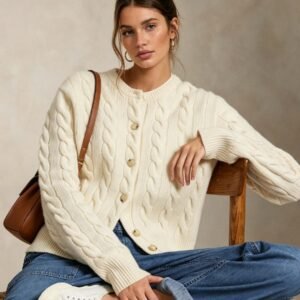
Custom Cardigans
Custom cardigans made in knitwear constructions selected for target hand feel, weight and durability. Develop button-front silhouettes, cropped or oversized proportions, branded trims, embroidery and graded size sets for capsule collections, wholesale programs and repeat orders.
Request a Quote
Custom Puffer & Down Jackets
Custom puffer jackets produced with specified shell fabrics, insulation, quilting layout and trim details. Junsheen supports fit development, prototype sampling, branded zippers, labels, reflective details and scalable production for outerwear collections.
Request a Quote
Custom Denim Shorts
Custom jean shorts developed in rigid or stretch denim with chosen inseam, rise, leg opening and wash treatment. Add distressing, acid wash, stone wash, branded hardware, patches and labels, with fit-focused grading for men’s, women’s or unisex lines.
Request a Quote
Custom Sweater Dresses
Custom sweater dresses developed with knit structures and yarn blends suited to the intended drape, warmth and recovery. Junsheen supports silhouette development, sleeve and body proportion, extended-size grading, trims, labels and production-ready sampling.
Request a Quote
Custom Denim Sets
Custom denim sets for menswear wholesale and private-label programs, including coordinated jackets, jeans, overshirts and denim shorts. Align fabric, washes, hardware and fit across the set, then move from low-MOQ samples to consistent bulk production.
Request a Quote
Custom Polo Shirts
Custom polo shirts in pique, jersey or performance knit fabrics, developed for retail, uniform or branded casualwear programs. Specify collar construction, plackets, fit, embroidery, printed details, color matching, labels and packaging from 100 units per style and color.
Request a Quote
Custom Sweatpants
Custom sweatpants in fleece, French terry or performance knits, built for matching sets and standalone bottoms. Junsheen refines rise, inseam, leg shape and grading, with options for garment wash, embroidery, printing, custom drawcords and branded trims.
Request a Quote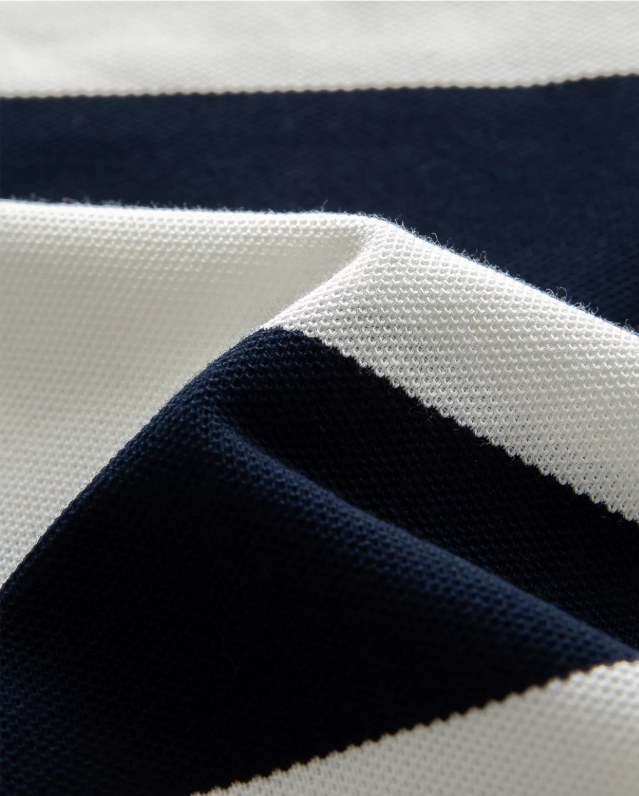
Custom Shorts
Custom shorts developed in jersey, fleece, twill, denim or woven fabrics for casual, streetwear and seasonal programs. Control inseam, rise, pocket construction and fit, then add washes, prints, embroidery, labels and packaging for private-label launch quantities.
Request a Quote
Custom Pullovers
Custom pullovers developed in fleece, French terry, jersey or knit constructions for layered casualwear. Junsheen supports hooded, quarter-zip and crew silhouettes with fit-focused XS–3XL grading, custom decoration, washes, trims, labels and repeat-order consistency.
Request a QuoteMaterials for Acid Wash T-Shirt Development

Open-End Cotton
A textured, dry-hand cotton jersey suited to vintage streetwear and relaxed acid-wash tees. Commonly developed around 220–280 GSM, it delivers a substantial feel and strong visual character after garment washing.

Combed Cotton Jersey
Softer and cleaner than open-end yarn, combed cotton jersey works well for premium everyday acid-wash T-shirts. Its smoother surface supports consistent printing while retaining dependable strength through repeated wash cycles.

Cotton Blend Jersey
Cotton blended with polyester or modal can balance softness, recovery, and production cost for fashion programs. The blend composition helps improve shape retention and can reduce excessive shrinkage during acid-wash finishing.

Organic Cotton Jersey
Organic cotton jersey provides a natural, premium hand feel for brands with material-conscious positioning. Available in varied weights, it can be specified for soft washed surfaces while supporting private-label sustainability documentation requirements.

Heavyweight Cotton Jersey
Heavyweight cotton jersey creates structured oversized and boxy acid-wash T-shirts with a dense, substantial drape. At approximately 260–320 GSM, it holds silhouette well and withstands demanding wash and finishing treatments.
Acid Wash T Shirt Manufacturer Finishing Options

Acid Wash
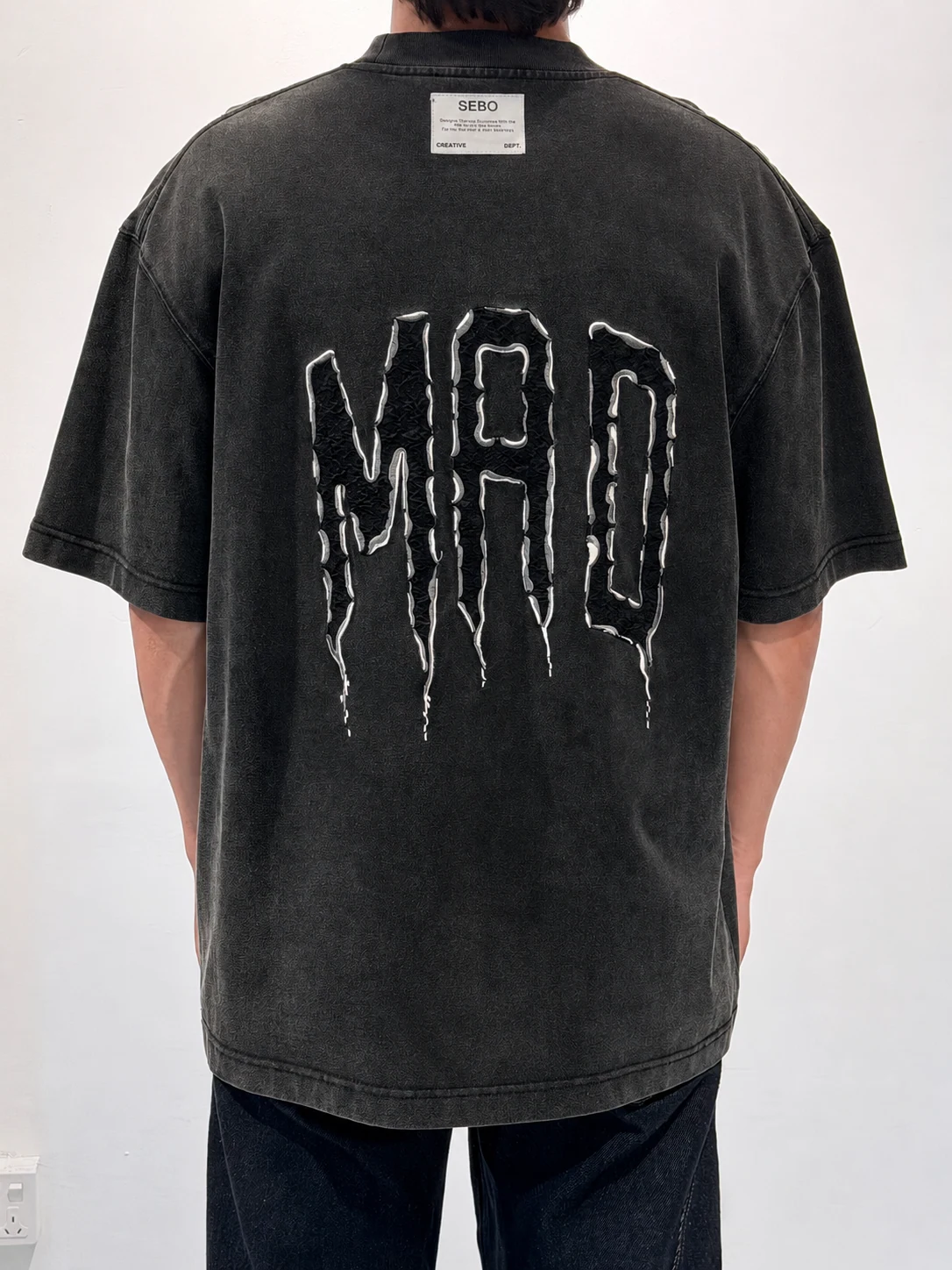
Controlled acid wash creates a high-contrast, worn-in surface with individual variation on every tee. Junsheen tests fabric weight, dye response, and wash recipes to achieve the intended vintage character while protecting garment shape.

Screen Printing
Plastisol, water-based, puff, flocking, silicone, high-density, foil, and discharge screen prints add durable branded artwork. We match ink systems to the washed ground color so graphics retain clarity, adhesion, and visual impact after laundering.

DTG Printing
Direct-to-garment printing reproduces detailed artwork, gradients, and multicolor illustrations with a soft hand feel. It is ideal for acid-wash tees requiring intricate placements, smaller runs, or artwork that benefits from flexible color control.

Embroidery Details
Flat, 3D puff, chain-stitch, applique, patch, and logo embroidery add dimensional branding to finished tees. Our team stabilizes placement and selects thread, backing, and stitch density for a clean result that withstands regular wear.

Softening Finishes
Enzyme washing, softening, anti-pilling treatment, brushing, and napping refine hand feel and surface character after garment dyeing or acid wash. These finishing options help brands balance a broken-in look with comfortable, dependable everyday wear.
Custom Details From Your Acid Wash T Shirt Manufacturer

Woven Neck Labels
Custom woven main labels give acid-wash T-shirts a polished retail identity. Choose your logo, size format, fold style and thread colors for clean placement at the back neck or side seam.

Printed Care Labels
Printed or woven wash-care labels communicate fiber content, care instructions and required market details without distracting from the garment. We match the label format and placement to your tee’s comfort and compliance needs.

Branded Hang Tags
Custom hang tags add collection storytelling, pricing and product information at retail. Select stock, shape, finishes, string and barcode-ready layouts that align with your acid-wash T-shirt brand presentation.

Drawcord And Tipping
For hooded or layered acid-wash programs, custom drawcords and branded tipping create a coordinated finish. Match cord color, aglets and logo details to the garment wash, trims and wider collection palette.

Custom Patch Details
Embroidery, woven, leather-look or silicone patches add a tactile brand marker to chest, hem, sleeve or back-neck placements. JUNSHEEN coordinates patch construction with your wash effect and decoration plan.
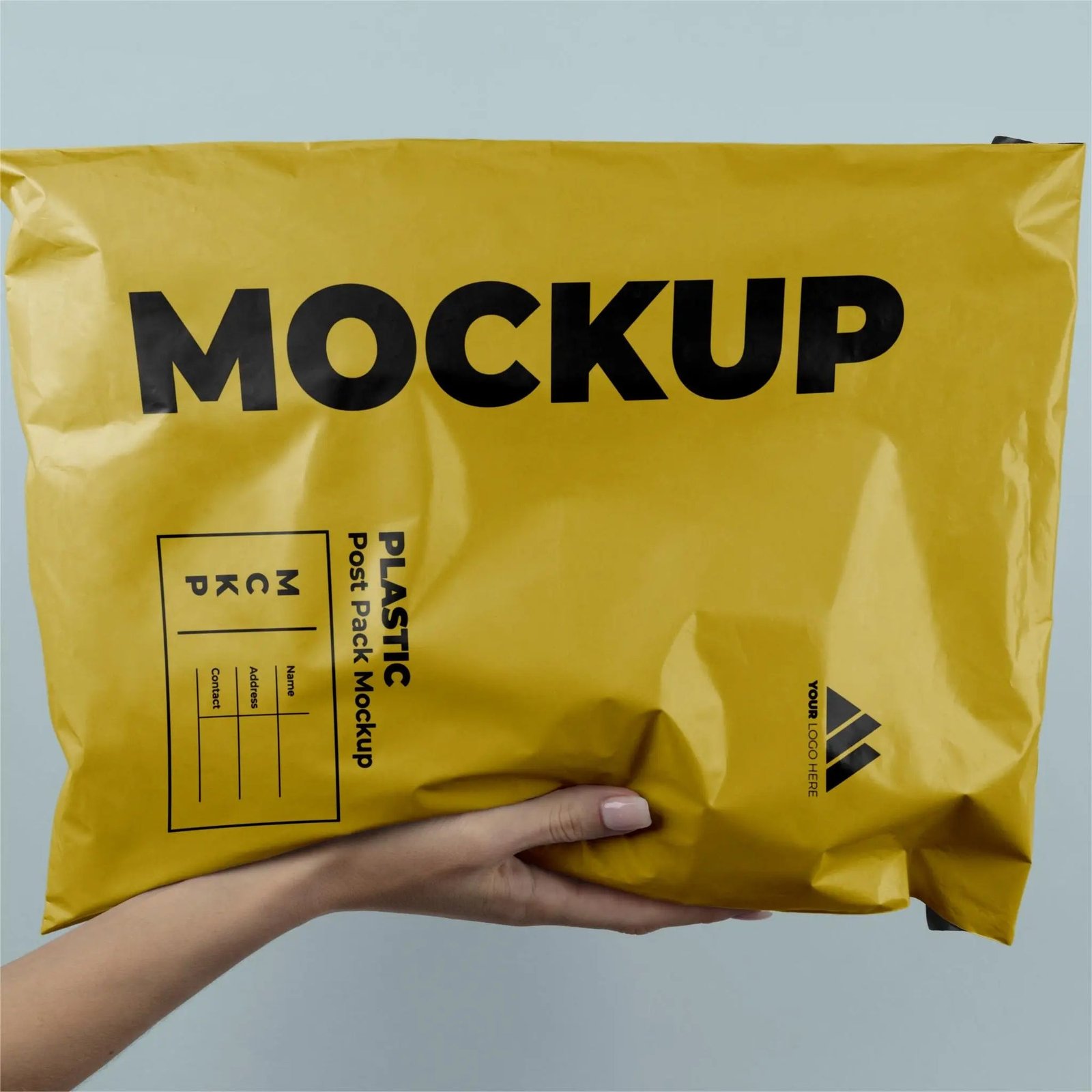
Branded Packaging
Finish orders with custom polybags, tissue paper, stickers, carton marks or presentation boxes. Branded packaging protects acid-wash tees through export while creating a consistent unboxing experience for wholesale and direct-to-consumer launches.
About Our Acid Wash T Shirt Manufacturer Team
Founded in 2010 in Humen Town, Dongguan, JUNSHEEN is an acid wash t shirt manufacturer built to turn fashion concepts into dependable production programs. We provide OEM, ODM and private-label support from development and fabric sourcing through sampling, washing, quality control and export coordination.
Our 200+ skilled workers combine cut-and-sew, knitwear, printing, embroidery, garment washing, labeling and packaging within one supply chain. With monthly capacity above 80,000 units and low MOQs from 100 units per style and color, we support capsule launches as confidently as repeat bulk orders.
What sets JUNSHEEN apart is a fit-first, long-term partnership approach. Our team develops XS–3XL, extended-size, plus-size and oversized patterns with considered grading, while retaining technical records to make reorders faster, more consistent and easier to scale.

Acid Wash T Shirt Manufacturer Capabilities for Consistent Production
Fit Built for Every Size
JUNSHEEN develops acid-wash tees from XS to 3XL with deliberate grading for regular, oversized and extended-size fits. Our pattern team reviews shoulder balance, body length, sleeves and mobility before bulk production, helping preserve the intended silhouette across the full size range.
- XS–3XL grading for regular, oversized and plus-size programs
- Pattern refinement based on your tech pack, reference or concept
- Prototype and size-set approvals before production
- Retained patterns for faster, more consistent repeats
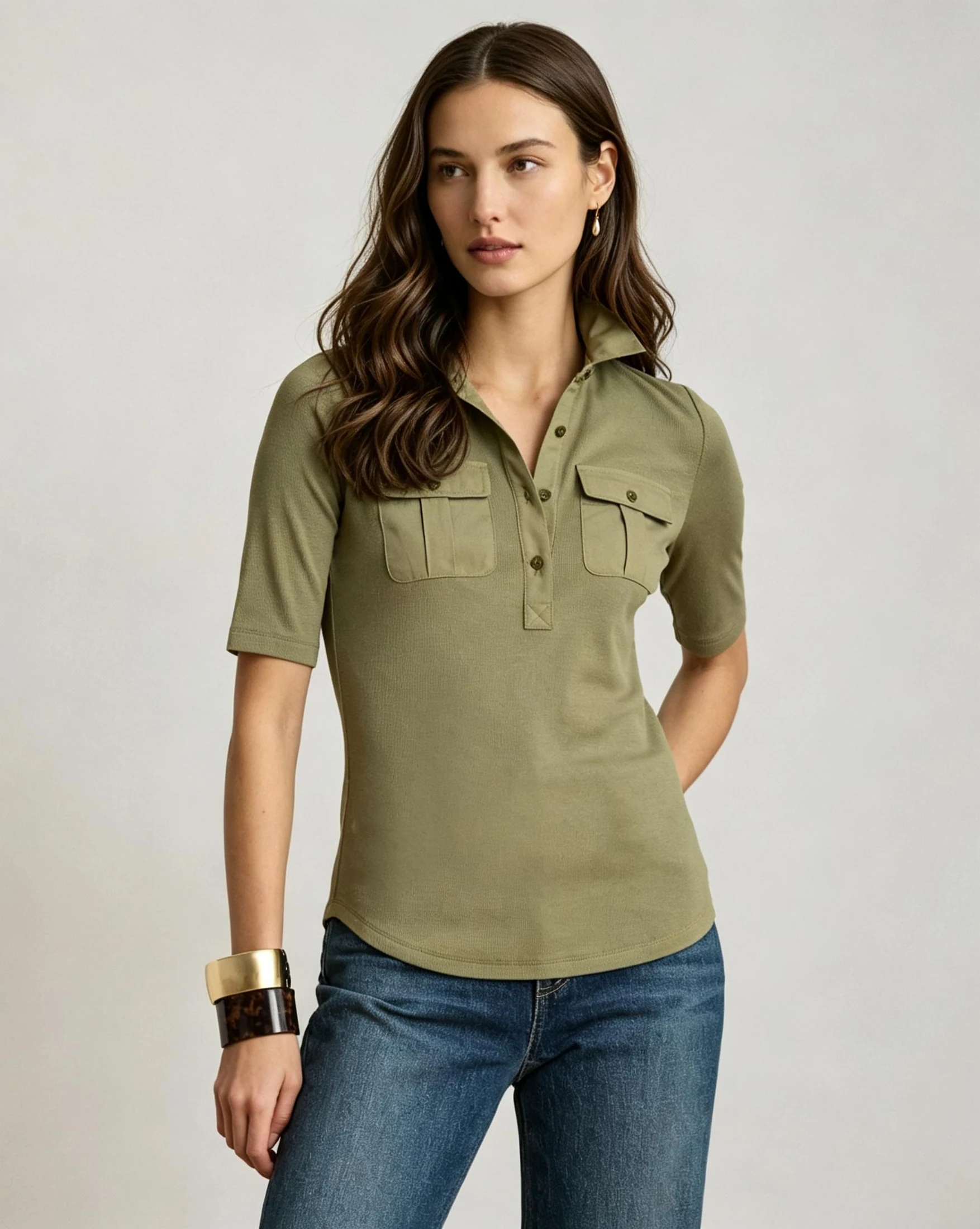
Fabric and Wash Control
Fabric weight, fiber blend and dye response directly affect an acid-wash result. We source suitable jersey options, test wash behavior during development and align fading, softness and garment character with your approved sample so the production run delivers a controlled branded finish.
- Cotton and blended jersey recommendations by target hand feel
- Acid wash, enzyme wash and softening options
- Sample-led review of color loss, texture and shrinkage
- Fabric and wash records retained for repeat orders

Integrated Decoration Workflow
Build a finished private-label tee without splitting work among multiple suppliers. JUNSHEEN coordinates acid washing with screen printing, puff effects, embroidery, patches, labels, trims and packaging, checking each application for compatibility with the selected fabric and finish.
- Screen print, water-based, puff, DTF and heat-transfer options
- Flat, 3D and chain-stitch embroidery capability
- Custom woven labels, hang tags and wash-care labels
- Decoration placement reviewed before bulk approval

Repeatable Quality Management
From incoming fabric through packed goods, JUNSHEEN checks measurements, construction, wash appearance and decoration quality at defined production stages. With 200+ skilled workers and 80,000+ monthly units of capacity, we support 100-unit launches and scalable replenishment with documented controls.
- Incoming, in-line and final inspection checkpoints
- Measurement and appearance checks against approved samples
- Low MOQ from 100 units per style and color
- Global export support for growing brand programs

Why Choose JUNSHEEN as Your Acid Wash T Shirt Manufacturer
Built for lower-risk development, consistent finishing, and scalable private-label production.
← 左右滑动查看 →
Our Acid Wash T Shirt Manufacturer Production Process
A controlled workflow for custom acid-wash tees, from feasibility review to export-ready delivery.
Review Design Feasibility
We assess your tech pack, artwork, reference garment, fit targets, wash effect, decoration placement, quantities, and 100-unit MOQ requirements before development begins.
Source Materials and Sample
Our team recommends jersey weight, cotton blend, rib, labels, and wash approach, then develops patterns and samples across XS–3XL for approval.
Cut, Sew and Wash
Approved materials move into cut-and-sew production, followed by controlled acid washing and finishing to achieve the intended vintage character and hand feel.
Apply Custom Decoration
We add screen prints, embroidery, patches, transfers, or private-label details after washing, checking placement, adhesion, color, and compatibility with the garment surface.
Inspect, Pack and Ship
Quality teams inspect measurements, construction, wash consistency, decoration, and packed goods before branded packing and coordinated global export shipment.
Start Your Acid Wash T Shirt Order
Bring your concept, tech pack, or reference garment to JUNSHEEN for a clear, fit-focused path from development to scalable production.
Submit Your Product Brief
Send your tech pack, sketch, mood board, or reference tee with target quantities, sizing, wash effect, fabric preferences, and private-label requirements.
Review Feasibility and Sample
Our acid wash t shirt manufacturer team reviews construction, fabric, wash outcome, grading, decoration, and target cost, then develops a prototype for approval.
Confirm Pricing and Details
Review the quotation, sample feedback, size set, materials, labels, packaging, and delivery plan. Approve final specifications before placing your 100-unit MOQ order.
Launch Controlled Bulk Production
JUNSHEEN manages fabric sourcing, cut-and-sew production, acid washing, decoration, in-line inspections, final quality control, packing, and global export support.
Custom Clothing Manufacturer Credentials and Compliance Documents




What Fashion Brands Say About JUNSHEEN as an Acid Wash T Shirt Manufacturer
Reserved for approved customer feedback: document sample response times, wash consistency, and the final number of revisions required before bulk approval.
Reserved for approved customer feedback: confirm how XS–3XL grading performed across the size set and quantify fit-related returns or revisions after launch.
Reserved for approved customer feedback: verify repeat-order lead times, order quantities, and the measurable consistency of acid-wash color and logo placement.
Acid Wash T Shirt Manufacturer FAQ
Clear answers on MOQs, samples, timelines, wash consistency, payment, shipping, and confidential product development.
What is the minimum order quantity for an acid wash t shirt manufacturer?
Can an acid wash t shirt manufacturer make a sample before bulk production?
How do you keep acid-wash T-shirt color and finish consistent?
What lead time should I expect from an acid wash t shirt manufacturer?
Can you add private labels, prints, and custom packaging to acid-wash tees?
What payment terms do you offer for a first custom T-shirt order?
Do you ship acid-wash T-shirts internationally?
How does JUNSHEEN protect my designs and product information?
Complete Buyer’s Guide to acid wash t shirt manufacturer
Use this practical framework to evaluate acid-wash production methods, fabric and construction standards, customization capabilities, supplier reliability, realistic costs, and the sourcing mistakes that can derail a branded T-shirt launch.
1. What Is an acid wash t shirt manufacturer?
100 units per style and color is a practical starting point for a specialist acid wash t shirt manufacturer such as Junsheen, which develops the garment before it is washed. That scope includes fabric and weight selection, pattern and grading review, prototype approval, cut-and-sew construction, finishing, decoration coordination, inspection, packing and export-ready fulfillment. 1980s-style acid wash is defined by high-contrast, irregular fading rather than a uniform solid color. Manufacturers commonly tumble garments with treated pumice or use controlled bleaching and wash formulas, then neutralize, rinse and soften them; wash time, liquor ratio, garment load and fabric dye response determine the final marbling, contrast and hand feel. 180–260 GSM cotton jersey tees are typical candidates, but ring-spun cotton, blends, seams, ribs, screen prints and embroidery must all be tested against the wash recipe. Specialist production benefits streetwear labels, vintage-inspired brands, retailers needing repeatable color direction, and sourcing teams that need sample-to-bulk controls; a standard blank supplier may provide the base tee but not manage wash variation, shrinkage, decoration compatibility or final packed-goods quality.
2. Evolution of Acid-Wash T-Shirts
1980s acid-wash apparel grew from denim finishing, where pumice and oxidizing agents produced the high-contrast, worn surface associated with punk, rock, and vintage workwear. T-shirts adopted the language because a washed jersey could make a new graphic tee feel collected, tour-worn, or one-of-one without changing its basic silhouette. 1990s and 2000s band merchandise, skatewear, and streetwear kept the treatment visible, while premium casualwear later reframed it through heavier ring-spun cotton, restrained fades, and garment-dyed color stories. The commercial appeal remains practical: wash character gives familiar blanks stronger shelf differentiation and lets brands connect oversized fits, archival graphics, and limited-drop colorways in one product. 2020s demand generally favors controlled variation over uncontrolled randomness: buyers want each garment to look individual while approved samples still define contrast, ground shade, and placement of lighter areas. A capable acid wash t shirt manufacturer uses repeatable recipes, measured liquor ratios, timed neutralization, thorough rinsing, and wash testing to reduce chemical residue, shade drift, fabric damage, and poor colorfastness; modern production should also manage ventilation, PPE, wastewater treatment, and batch records rather than relying on the inconsistent practices associated with earlier washes.
3. Types of acid wash t shirt manufacturer Services
Five service models dominate acid-wash sourcing, and each shifts responsibility between the buyer and factory. A capable acid wash t shirt manufacturer should explain where pattern ownership, wash control, and approval risk sit before quoting.
| Model | Control | MOQ Flexibility | Speed | Primary Risk |
|---|---|---|---|---|
| Full-package OEM/ODM | High | Medium | Medium | Approval delays |
| Cut-and-sew specialist | High | Low–medium | Medium | Separate wash coordination |
| Wash-house partnership | Medium | Medium | Medium | Handoff variability |
| Private-label supplier | Low–medium | High | Fast | Limited customization |
| Stock-blank decorator | Low | High | Fastest | Commodity fit and finish |
Full-Package OEM And ODM
100-unit capsule orders usually fit a full-package OEM/ODM factory when the buyer needs fabric sourcing, patterns, grading, wash trials, trims, and packed export goods. This route gives the strongest cross-process control, but approvals take longer because each fabric, shade, and hand-feel decision must be locked before bulk.
- Best for new labels and custom fits
- Request a washed size set before bulk
- Confirm wash standard and measurement tolerance
Specialist Production Partners
1 wash house can create the acid effect, while a separate cut-and-sew factory makes the tee; this split can work for established teams with technical oversight. It raises handoff risk: garment shrinkage, wash damage, and shade variation need joint accountability in writing.
- Cut-and-sew specialists suit proprietary blocks
- Wash-house partnerships need shared QC gates
- Stock-blank decorators prioritize fast launches
Private Label And Blanks
2 lower-complexity routes are private-label catalogs and stock blanks decorated after purchase. Private label offers faster branding with limited silhouette changes; blank decoration is quickest, but neither route gives the same control over base fabric, wash recipe, or fit.
- Use private label for tested catalog programs
- Use blanks for events and demand tests
- Avoid claiming exclusive wash effects without proof
4. Materials and Fabrics for Acid-Wash Tees
100% cotton gives the clearest acid-wash contrast because chlorine-based finishing removes dye unevenly across cellulose fibers. An acid wash t shirt manufacturer should lock fiber blend, yarn, GSM, and shrinkage target before approving artwork or color.
| Fabric | Recommended GSM | Best Use | Acid-Wash Behavior | Buyer Trade-Off |
|---|---|---|---|---|
| 100% cotton jersey | 180–220 | Core graphic tee | High contrast, soft fading | More shrinkage risk |
| Heavyweight cotton | 240–280 | Oversized premium tee | Durable, restrained texture | Higher freight and cost |
| Cotton-poly blend | 180–240 | Active casualwear | Lower contrast, stable shape | Less natural hand |
| Recycled cotton blend | 200–260 | Sustainability-led capsule | Variable, vintage effect | Color consistency needs testing |
| Organic cotton | 180–240 | Certified-material program | Comparable to cotton | Higher material cost |
Yarn And Knit Selection

18–24 singles ring-spun jersey delivers a smoother face for screen printing and a softer, more controlled washed clouding. Open-end yarn creates a drier, more textured hand but can show greater surface fuzz after abrasion.
- Use single jersey for classic tees
- Specify combed ring-spun for cleaner prints
- Request compaction or pre-shrinking tests
Weight, Shrinkage And Printing

180–220 GSM suits standard fashion tees, while 240–280 GSM supports structured oversized silhouettes and more abrasion resistance. Pre-shrunk fabric and a post-wash measurement tolerance are essential because acid washing can alter body length, twist, and print registration. 3–5% shrinkage allowance is commonly built into cotton specifications, but brands should approve a washed size set rather than rely on greige-fabric data. Water-based and discharge prints generally integrate better with a soft washed hand than thick plastisol deposits.
Responsible Fiber Options

20–40% recycled cotton blends reduce virgin-fiber use but may produce less predictable mottling because recycled content varies in fiber length and residual color. Organic cotton can deliver the same wash character as conventional cotton when yarn count, dye system, and finishing recipe are matched. GOTS claims require certified materials and chain-of-custody controls; do not treat ‘organic’ as a finished-garment certification by default. Ask suppliers for composition records, test results, and the intended certification scope.
5. Customization and Decoration Options
A 100-unit color-and-style program can combine acid wash with garment dye, controlled fading, enzyme softening, and selective distressing. Lock the wash standard before approving decoration, because abrasion and chemistry can shift ink, thread, patch edges, and label appearance.
| Method | Best For | Wash Consideration |
|---|---|---|
| Screen print | Bold volume graphics | Apply after wash |
| DTG | Detailed short-run art | Use smooth print area |
| Embroidery or patches | Premium tactile branding | Avoid heavy distress zones |
Control Color And Wash

Pantone references, swatches, and a sealed wash sample should define the base shade, contrast level, and acceptable panel variation. Acid wash is inherently irregular, so approve a tolerance rather than expecting identical mottling. Enzyme finishing can soften hand feel and reduce loose surface fiber after the wash. Garment dye generally belongs before the final acid wash test; repeated wet processing can alter shrinkage and shade.
- Pantone target and lab-dip approval
- Light, medium, or high-contrast wash
- Hand-applied or laser distress placement
Sequence Decoration Correctly
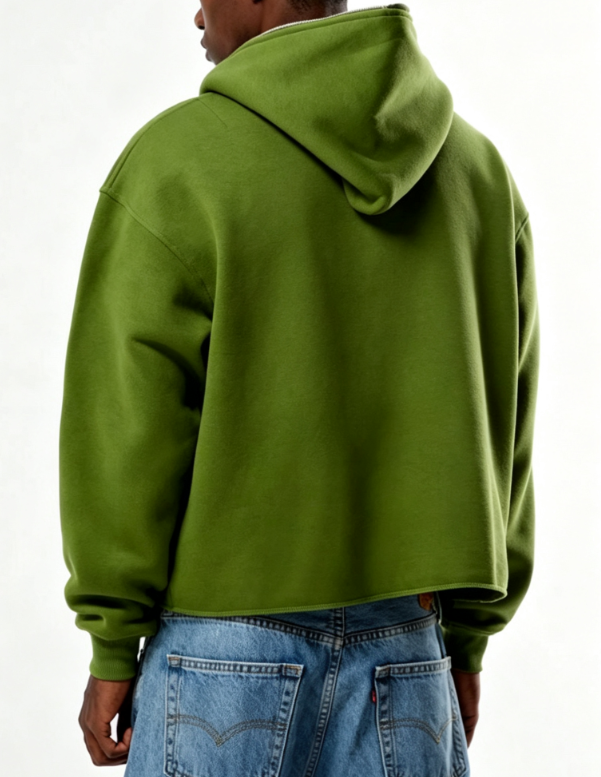
Most screen prints, DTG artwork, embroidery, and heat-applied patches should be added after washing. Acid, pumice, and enzyme action can fade prints, abrade thread, create patch-edge lift, or leave uneven decoration coverage. A 1-piece decorated wash trial is worthwhile when a deliberately worn graphic is part of the concept. Neck prints, woven labels, hangtags, and branded packaging are normally completed after final finishing and quality approval.
Match Method To Program

Screen printing suits bold spot-color graphics and repeat orders; DTG suits short runs and detailed tonal art. Embroidery, applique, and custom patches add texture and a premium hand, but require placement review on uneven washed surfaces. JUNSHEEN can coordinate labels, neck prints, hangtags, and branded packaging within its private-label workflow. Supply artwork, placement dimensions, Pantone references, and the desired wash sample before prototype approval.
6. Construction Details That Signal Quality
A premium acid-wash tee is decided after its third wash, not at sample presentation. An acid wash t shirt manufacturer should control construction and dimensional change alongside the visual wash effect.
Fabric Weight And Stability

180–260 GSM is a practical premium jersey range; specify an agreed finished-weight tolerance, typically ±5%, after washing. Record residual shrinkage and spirality targets by size rather than approving an unwashed panel. 5% or less length and width shrinkage is a common buyer target for cotton jersey, subject to fabric construction. Test garments through the intended care cycle before bulk release.
- Finished GSM and permitted tolerance
- Length, width, and twist after wash
- Test method and care instructions
Collar And Seam Engineering
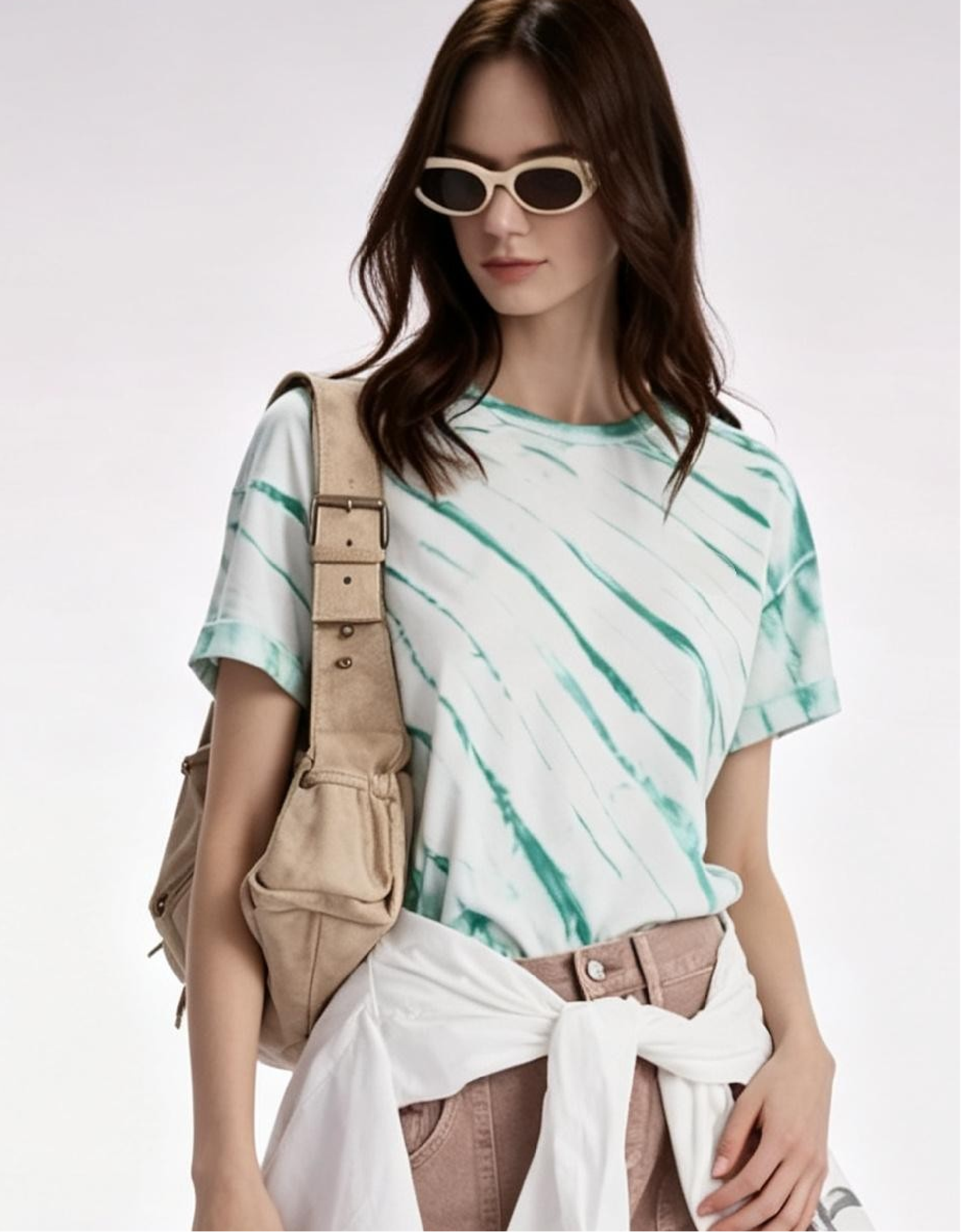
1×1 or 2×1 rib should recover cleanly after repeated stretching; request rib composition, finished neck opening, and recovery testing. A well-matched collar prevents the faded body from looking prematurely worn. 8–10 stitches per inch is a useful starting specification for jersey seams, adjusted for fabric weight and machine type. Specify shoulder tape, twin-needle hems, and reinforced shoulder joins where the silhouette demands them.
- Collar rib width and stretch recovery
- Shoulder tape material and width
- Stitch density and hem width
Body Construction And Approval
Side-seamed bodies give greater control over grading, side-shape alignment, and twisting than tubular bodies; tubular construction can suit selected cost-sensitive programs. State the chosen body type in the tech pack. 100% of packed units should receive final checks for measurements, seam damage, stains, holes, shade variation, labels, and packing. Approve a pre-production sample only after its wash result, hand feel, collar recovery, shrinkage, and twist match signed standards.
- Tech pack: measurement chart and tolerances
- Pre-production: signed wash standard
- Final inspection: appearance and measurements
7. Choosing an acid wash t shirt manufacturer
Choose an acid wash t shirt manufacturer by verifying process control before comparing unit price. A supplier should show repeatable wash results, documented inputs, responsive development, and a production plan that matches your size range and launch calendar.
| Evaluation Area | Ask The Supplier | Evidence To Request |
|---|---|---|
| Wash control | Who performs washing and reinspects it? | Wash test, shade band, defect photos |
| Materials | Can each lot be traced? | Composition, mill, lot records |
| Capacity | Can volume scale without delaying launch? | Monthly capacity and production schedule |
| Shipping | Which terms and documents are supported? | Packing list, invoice, booking process |
Verify Wash Capability

2 sample panels in the same fabric lot should show controlled shade variation, no holes, and acceptable seam abrasion. Ask whether acid washing is in-house or outsourced; outsourced work needs named facilities, batch controls, and reinspection.
- Request before-and-after wash photos
- Ask for wash recipe and test records
- Confirm neutralization and drying controls
Evaluate Samples And Fit
100 units per style and color can suit a capsule, but confirm the MOQ applies after sizes, colors, labels, and wash variations. Review a prototype, graded size set, and measurement tolerance sheet; extended sizes need deliberate grading, not simple enlargement.
- Compare approved sample to production specification
- Check chest, length, shoulder, and sleeve tolerances
- Approve shade band for acceptable variation
Check Evidence And Communication
24–48-hour response expectations should be agreed during sampling, along with one accountable development contact. Request fabric composition records, supplier traceability, relevant OEKO-TEX, GOTS, WRAP, or BSCI evidence where required, and inspection reports covering fabric, measurements, decoration, and packed goods.
- Ask for recent acid-wash production references
- Request capacity and critical-path lead-time plan
- Confirm export documents and shipping coordination
8. Common Acid-Wash Sourcing Mistakes
Acid-wash programs fail most often at approval gates, not on the sewing line. A capable acid wash t shirt manufacturer can control process windows, but buyers must define acceptable variation, tests, quantities, and dates before bulk release.
Approve Physical Standards

One approved photo cannot show hand feel, odor, fabric damage, or true shade. Approve a retained physical wash standard and a bulk-ready sample under daylight before production. Two comparable garments can never share identical bleach marbling. Define the acceptable contrast range, placement character, and reject level rather than demanding cloned patterns.
Test Fabric Before Commitment

5–8% dimensional movement can occur when cotton jersey is washed without a stabilized specification. Test shrinkage, twist, pilling, and color transfer after the intended wash, then set finished measurements accordingly. 180 GSM fabric may survive a light wash yet become too weak for a high-contrast treatment. Select fabric only after defining the wash target, hand feel, and final GSM.
Sequence Decoration Correctly

Screen prints applied before an aggressive wash can crack, fade, or pick up unwanted abrasion. Confirm whether printing, embroidery, labels, and distressing occur before or after washing through a production sample. Pantone matching after acid washing requires a tolerance, not an assumption of unwashed-color accuracy. Specify the approved final-garment appearance.
Lock Commercial Controls
100 units per style and color is a practical low-MOQ starting point, but special fabric, multiple wash trials, and custom trims can raise material minimums. Obtain a line-item quotation covering sample rounds, wash development, decoration, and packaging. 2–3 cm measurement tolerances and a written lead-time plan prevent subjective disputes. Confirm sample approval date, fabric booking, bulk window, inspection, balance payment, and shipment cutoff in writing.
9. Steps to Launch an Acid-Wash T-Shirt Line
For a first 100-unit program, lock decisions in a sample sequence instead of approving a mood board and hoping bulk production matches it. An experienced acid wash t shirt manufacturer should document each gate before fabric is cut.
Define The Product Brief
1 reference board should show front, back, wash placement, silhouette, neck rib, artwork scale, and target customer. Add a tech pack with Pantone references, measurement chart, construction notes, and labeled artwork files. 100 units work best as one base style with one or two colorways. Approve the specification and target ex-factory cost before sourcing begins.
Test Fabric And Wash

180–240 GSM ring-spun cotton jersey is a common starting range for substantial acid-wash tees. Request swatches or trial yardage, then approve weight, shrinkage, hand feel, color loss, and wash contrast. 1 wash trial is the critical gate because acid washing changes shade and dimensions. Keep an approved swatch or sealed wash standard for bulk comparison.
Approve Fit And Decoration
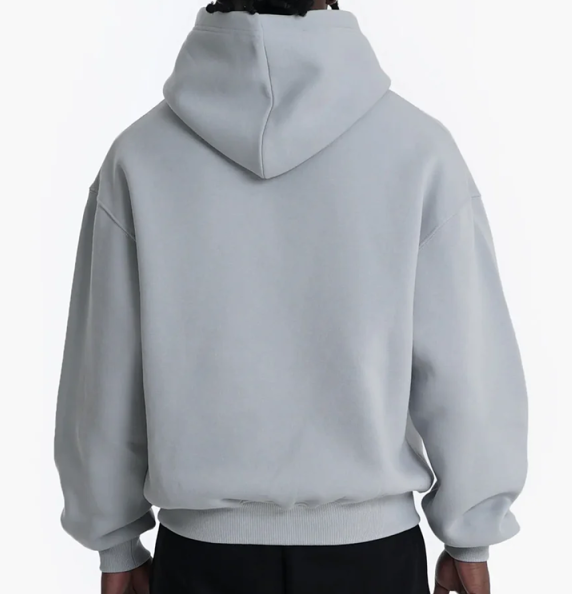
1 fit sample verifies body length, shoulder balance, sleeve opening, collar recovery, and post-wash measurements. For oversized or XS–3XL programs, approve the base fit before grading the full size set. 1 decoration strike-off should confirm placement, artwork size, ink opacity, and compatibility with the washed surface. Approve screen-print colors or embroidery thread before the pre-production sample.
Release Bulk And Fulfillment
1 pre-production sample combines approved fabric, wash, pattern, decoration, labels, and packaging; it is the final release gate. Do not start bulk until its measurements and appearance are signed off. 100-unit bulk orders need in-line measurement checks, wash-shade comparison, decoration inspection, and final packed-goods review. Confirm carton marks, quantity breakdown, shipping method, and balance timing before dispatch.
10. Acid-Wash T-Shirt Pricing and Cost
100 units per style and color is JUNSHEEN’s practical entry point for a custom acid-wash tee program; an exact quote depends on the approved fabric, pattern, wash test, decoration artwork, labeling, packing and destination. A 180–220 GSM ring-spun cotton blank normally costs less than a heavier 240–280 GSM oversized build, but hand feel and shrinkage targets matter as much as weight. 2–3 wash trials are often the most economical safeguard for a controlled vintage contrast before bulk approval. Reduce cost by standardizing colors, sharing print screens across sizes, selecting stock trims and consolidating freight—not by eliminating wash testing or measurement control.
| Quantity tier | Indicative ex-factory unit price | Primary cost drivers | Expected production lead time |
|---|---|---|---|
| 100–299 units | US$7.50–14.00 | 180–220 GSM jersey; moderate acid wash; one-color screen print; woven labels | 25–35 days after approval |
| 300–999 units | US$6.20–11.50 | Fabric weight, wash contrast, print colors, custom neck label and polybag | 25–35 days after approval |
| 1,000–2,999 units | US$5.20–9.80 | 240–280 GSM fabric, all-over effects, puff or DTG print, hang tags | 30–40 days after approval |
| 3,000+ units | US$4.60–8.50 | Colorways, wash complexity, branded packaging, carton count and shipping mode | 30–45 days after approval |
Request an Acid Wash T Shirt Manufacturer Quote
Send your tech pack, sketch, or reference garment for a tailored OEM quotation, fit review, and 100-unit MOQ production plan.