
Wholesale Blank Tshirts, Built for Your Brand
Source wholesale blank tshirts from 100 units per style/color with fit-focused XS–3XL development, private labels, decoration, and scalable global production.
Featured Products for wholesale blank tshirts Development
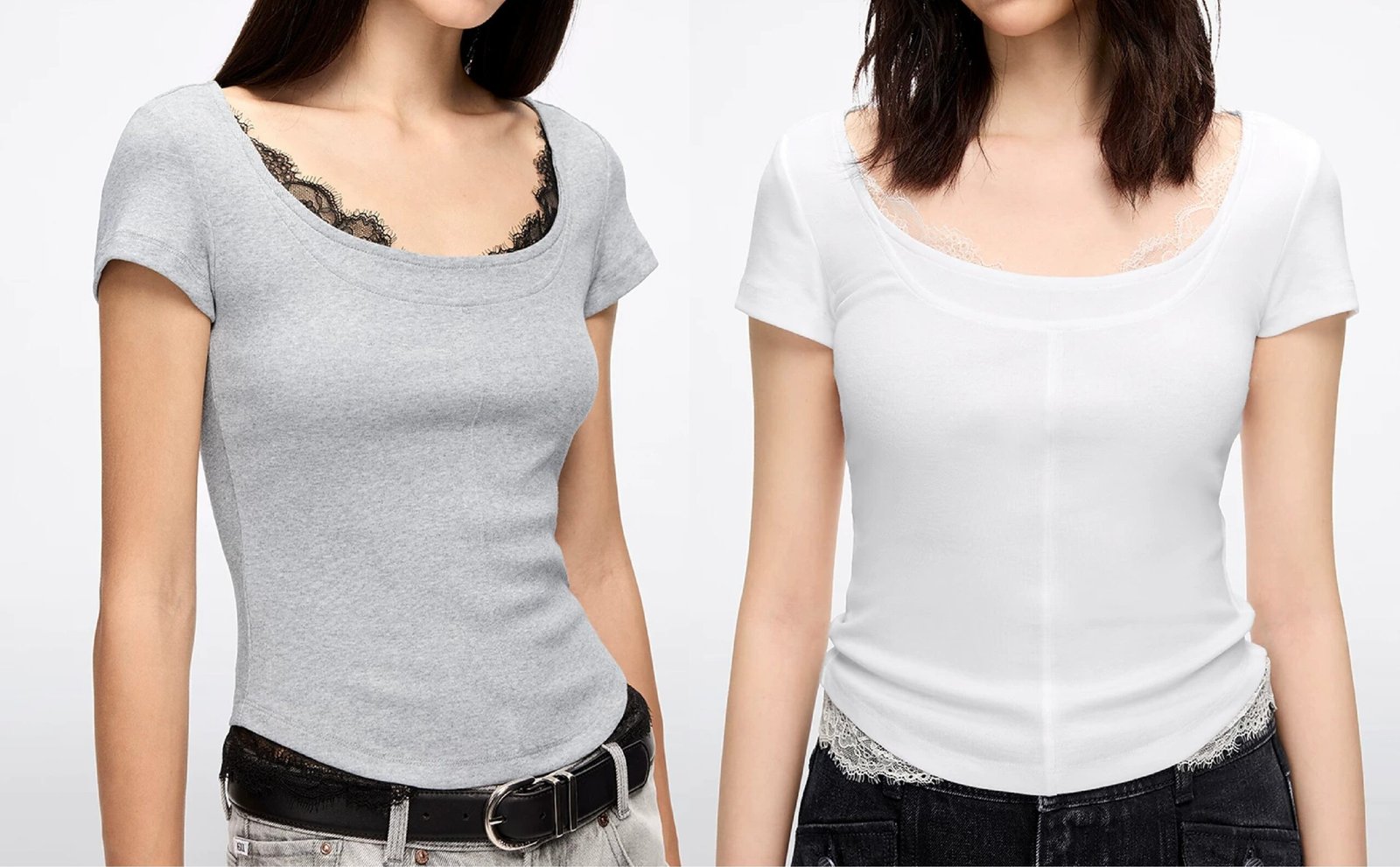




Why Buyers Source Wholesale Blank Tshirts from JUNSHEEN
One integrated manufacturing partner for fit-led blank T-shirt development, dependable production, and global delivery.
100-Unit Starting MOQ
Launch wholesale blank tshirts from 100 units per style and color, supporting focused capsule drops before larger repeat programs.
Fit-Focused XS–3XL Grading
Pattern makers refine proportion, mobility, shoulder balance, and grading increments for standard, oversized, extended-size, and plus-size T-shirt ranges.
Integrated Product Development
Move from a tech pack, sketch, reference garment, or idea through fabric sourcing, pattern making, sampling, size sets, and approval.
In-House Decoration Options
Add screen printing, DTG, DTF, embroidery, washes, labels, trims, and branded packaging through one coordinated production workflow.
Scalable Production Capacity
More than 200 skilled workers and 80,000-plus monthly units support reliable growth from initial blank T-shirt orders to bulk programs.
Global Export Support
Work with an experienced Dongguan team serving 2,000-plus fashion-brand clients with quality control, packing, documentation, and worldwide shipping coordination.
Apparel Programs for Every Sales Channel
Develop fit-focused private-label casualwear from low-MOQ launches to repeat wholesale and retail production, with integrated decoration, finishing, and packaging.

Custom Hoodies
Develop custom hoodies in fleece, French terry, and heavyweight jersey with your fit specifications, fabric weight, rib details, embroidery, printing, washes, labels, and packaging. Start at 100 units per style and color for capsule drops, online launches, or replenishment programs.
Request a Quote
Custom T-Shirts
Build a custom tshirt program for retail, wholesale, events, or private-label collections. Choose jersey composition, weight, neckline, fit, size grading, screen printing, DTG, DTF, embroidery, garment dye, labels, and branded packaging from development through bulk production.
Request a Quote
Custom Jeans
Produce custom jeans with fit development across XS–3XL, including rise, leg shape, stretch level, pocket construction, washes, hardware, trims, and branded labels. Junsheen supports sampling and scalable denim production for women’s, men’s, unisex, extended-size, and oversized ranges.
Request a Quote
Custom Sweaters
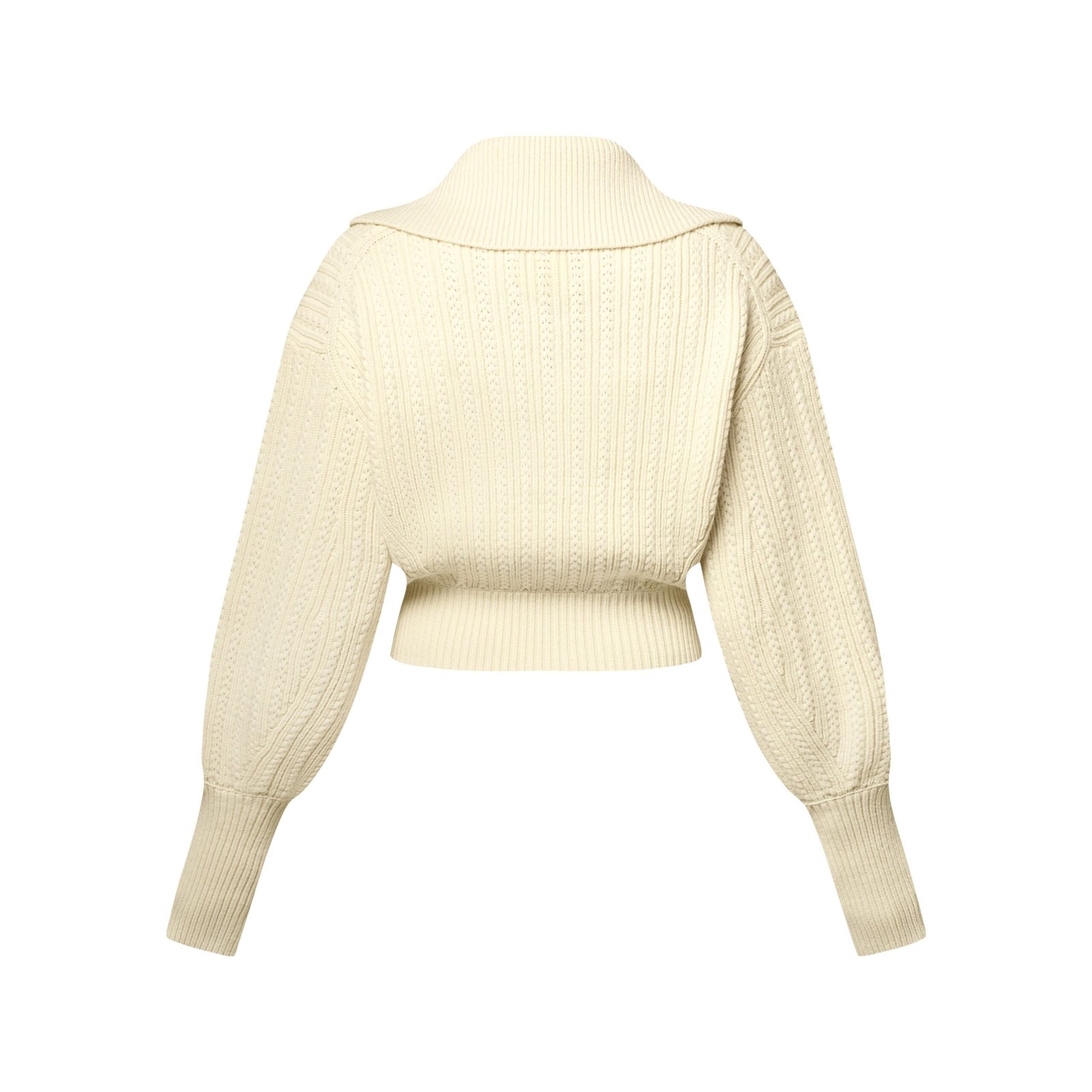
Source turtle neck sweater bulk programs with knit construction, yarn blend, gauge, collar height, body proportion, and grading aligned to your target market. Develop private-label turtlenecks for seasonal collections, wholesale packs, and replenishment orders with labels, trims, and export-ready packaging.
Request a Quote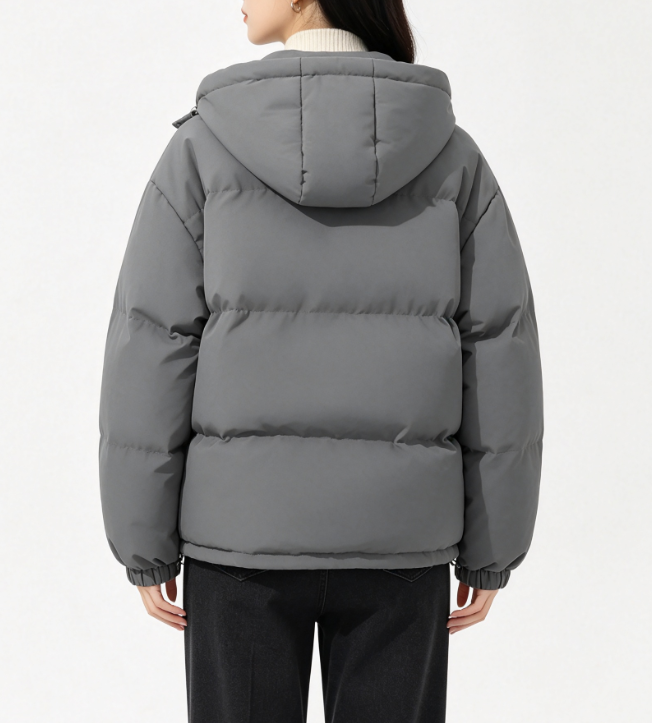
Custom Jackets
Create a custom jean jacket with denim weight, silhouette, pocket layout, wash treatment, hardware, embroidery, patches, and private-label trims specified for your collection. Pattern development and size grading support standard, oversized, and extended-size jackets from sample approval through repeat bulk production.
Request a Quote
Custom Sweatshirts & Crewnecks
Manufacture custom crewneck hoodie and sweatshirt styles in brushed fleece, French terry, or jersey, with neckline, rib, fit, print, embroidery, and wash details matched to your brief. Low-MOQ development supports new brand launches before scaling into ongoing retail or wholesale orders.
Request a Quote
Custom Cardigans
Develop custom cardigan programs in knitted or cut-and-sew constructions, with yarn selection, gauge, button or zipper closures, pocket details, and branded trims. Fit-focused grading helps maintain balance across regular, oversized, and extended-size collections for retail and wholesale channels.
Request a Quote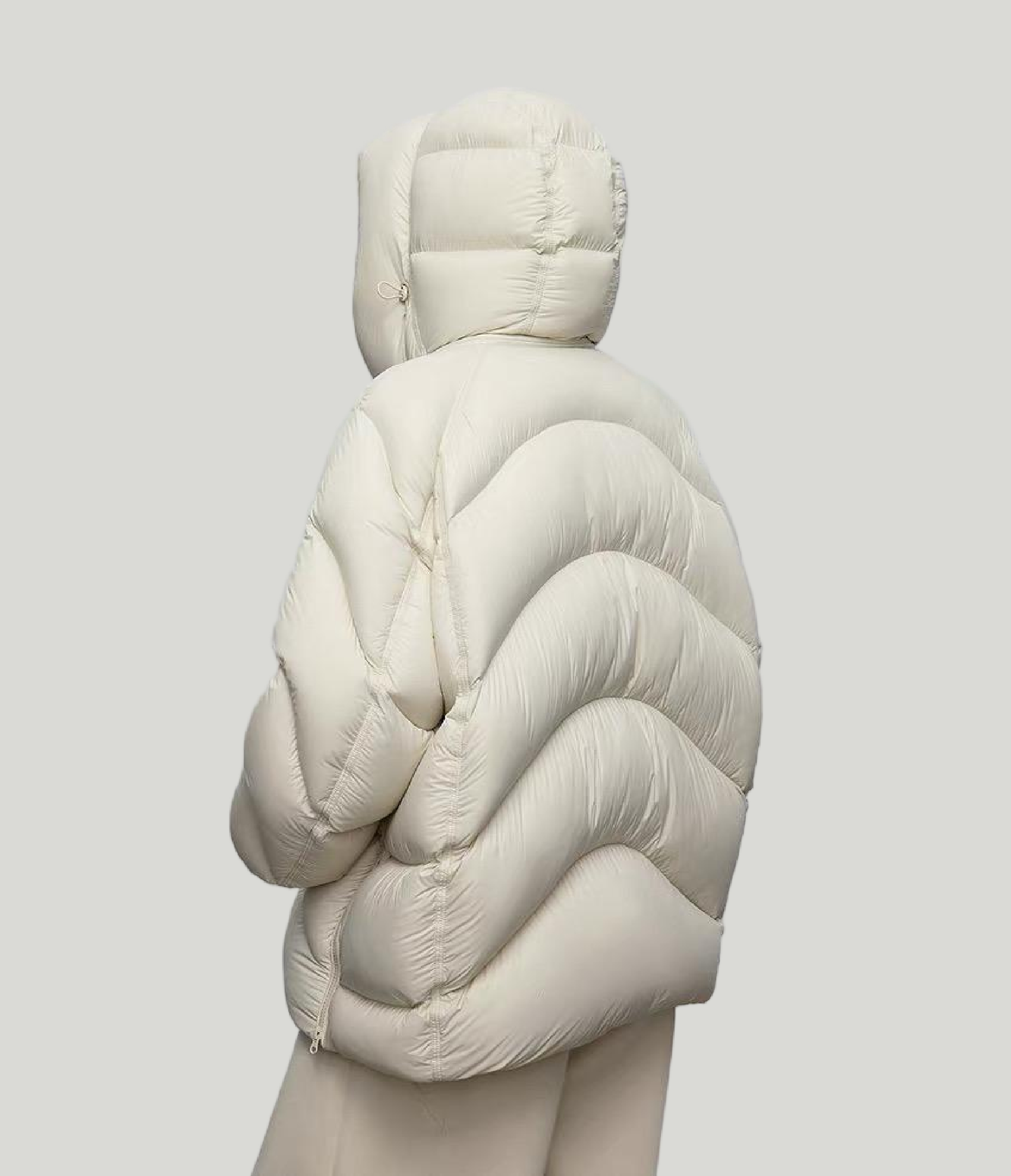
Custom Puffer & Down Jackets
Produce custom puffer jacket styles with shell fabric, insulation, quilting layout, lining, hardware, pockets, hood construction, and reflective or branded details selected for your market. Junsheen supports sampling, fit review, private labeling, and scalable outerwear production for global shipment.
Request a Quote
Custom Denim Shorts
Build custom jean shorts with denim weight, inseam, rise, leg opening, stretch, wash, distressing, pocket design, hardware, and labels defined to your specifications. Fit development supports women’s, men’s, unisex, plus-size, and seasonal wholesale programs from 100 units per style and color.
Request a Quote
Custom Sweater Dresses
Create custom sweater dresses with the intended knit structure, yarn blend, gauge, neckline, length, sleeve shape, and grading developed for your customer profile. Junsheen supports fitted, relaxed, oversized, and extended-size styles, plus private-label trims and export packaging for seasonal launches.
Request a Quote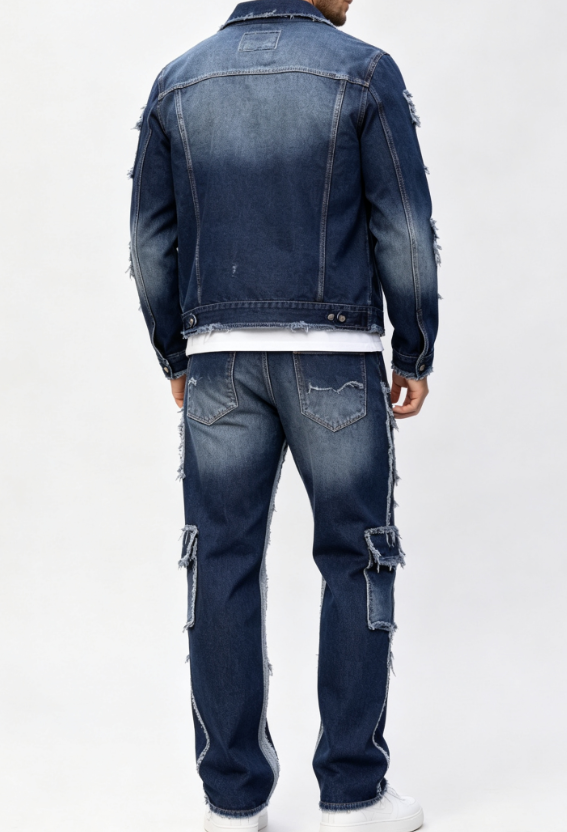
Custom Denim Sets
Develop mens denim suits wholesale programs with coordinated denim jackets and jeans, consistent washes, matched hardware, and reliable size grading across the set. Junsheen manages sampling, fabric sourcing, decoration, labels, and bulk production for retailers, wholesalers, and private-label brands.
Request a Quote
Custom Polo Shirts
Produce custom polo shirts in pique, jersey, or performance knit with collar construction, placket, cuff, fit, color blocking, logo embroidery, printing, and private-label trims. Suitable for fashion collections, uniforms, resortwear, and wholesale programs requiring consistent repeat production.
Request a Quote
Custom Sweatpants
Manufacture custom sweatpants in fleece, French terry, or jersey with your preferred rise, taper, waistband, pocket, cuff, drawcord, print, embroidery, and wash specifications. Fit-focused patterns support coordinated sets, extended sizing, and low-MOQ collection launches that can scale into replenishment orders.
Request a Quote
Custom Shorts
Build custom shorts across jersey, fleece, twill, woven, and denim-ready constructions, with inseam, waistband, pockets, closures, decoration, and finishing adapted to your market. Junsheen supports private-label samples and repeat bulk production for casualwear, active-inspired, and wholesale assortments.
Request a Quote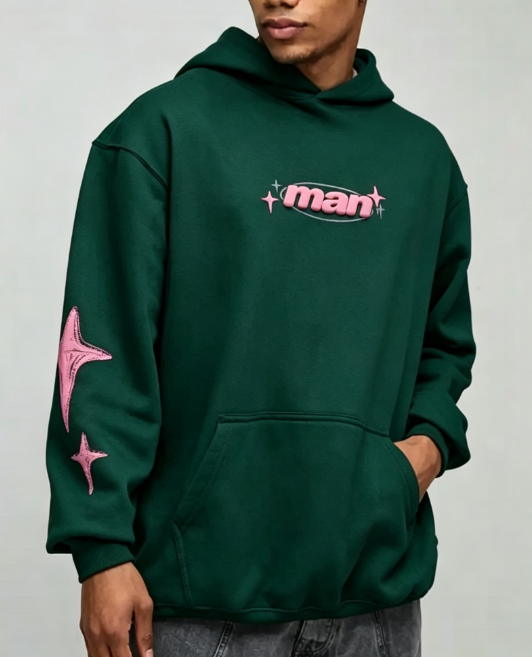
Custom Pullovers
Develop custom pullovers in knit, fleece, French terry, or jersey with specified neckline, silhouette, fabric weight, stitch or print details, washes, labels, and packaging. Pattern makers refine proportions and grading from XS–3XL to support consistent fits across retail, wholesale, and private-label programs.
Request a QuoteMaterials for Wholesale Blank Tshirts

Cotton Jersey
A breathable, soft everyday jersey for core blank tees, retail basics, and screen-print programs. Available in lightweight to heavyweight constructions, it offers a natural hand feel, dependable absorbency, and versatile drape.

Pima Cotton
A premium long-staple cotton with a smoother surface and notably softer hand feel for elevated blank T-shirts. Its fine fibers improve strength and reduce surface fuzz, supporting refined retail essentials and high-definition decoration.

Organic Cotton
A natural-choice jersey for brands building responsible blank T-shirt collections. It delivers breathable comfort and a familiar cotton hand while available fabric weights can be selected to balance softness, opacity, and structured body.

Blended Jersey
Cotton-polyester or cotton-elastane jersey adds durability, recovery, or quicker drying to wholesale blanks. The blend ratio can tune softness and stretch, making it practical for active casualwear, fitted silhouettes, and repeat-wash programs.

Performance Knits
Moisture-managing knit fabrics suited to active, promotional, and travel-focused blank tees. Lightweight construction, controlled stretch, and fast-drying performance help garments retain comfort and mobility through frequent wear and laundering.

Recycled Options
Recycled cotton and recycled polyester blends help support lower-impact material stories without limiting color or finish direction. Fabric composition, weight, and surface texture can be specified for casual basics, uniforms, or branded merchandise.
Wholesale Blank Tshirts Decoration and Finishing Options

Screen Print
Plastisol and water-based screen printing deliver crisp artwork, reliable color coverage, and durable logo placement for wholesale blank tshirts. Puff, foil, silicone, high-density, flocking, and discharge effects add distinctive texture and dimension.

DTG Printing
Direct-to-garment printing reproduces detailed, full-color artwork with a soft hand on compatible cotton jerseys. It is well suited to graphic-led T-shirt programs, smaller runs, and designs requiring fine tonal transitions.

Custom Embroidery
Flat, 3D puff, chain-stitch, applique, patch, and logo embroidery create a premium dimensional finish. Our team reviews stitch density and backing requirements to help maintain clean placement, durable construction, and comfortable wear.

Garment Dye
Garment dye gives finished T-shirts rich, lived-in color and subtle shade variation that feels more individual than piece-dyed basics. We align fabric selection, dye testing, and wash performance with your intended color standard.

Wash Finishing
Enzyme, softening, anti-pilling, acid, stone, tie-dye, brushing, and napping treatments tailor softness, surface character, and vintage appeal. Sample approval helps confirm the desired hand feel and consistent production result.
Wholesale Blank Tshirts, Fully Branded

Woven Brand Labels
Custom woven main, size and wash-care labels give wholesale blank tshirts a polished brand identity. JUNSHEEN positions labels to suit necklines, side seams or hems while supporting clear fiber, care and sizing information.

Custom Hang Tags
Branded hang tags add retail-ready storytelling, pricing and collection details before your T-shirts reach stores or customers. Choose custom shapes, stock, finishes and attachment methods that match your label’s market position.

Drawcords and Tipping
For hooded tees, layered styles and matching casualwear, custom drawcords and tipped ends reinforce a coordinated collection look. Select colors, materials and branded aglets that complement your garment fabric and decoration.

Snaps and Zippers
Custom snaps and zippers bring functional detail to henleys, pocket tees, overshirts and companion outerwear. JUNSHEEN sources finishes, pullers and color options that meet your target cost and maintain a cohesive private-label appearance.

Logo Patches
Embroidered, woven, leather-look and applique patches create a distinctive logo placement on chest pockets, sleeves, hems or back panels. They add durable visual recognition without relying solely on printed artwork.
Rib Trims Packaging
Match custom neck ribs, cuffs and hem trims with branded polybags, cartons or gift-ready packaging for a consistent delivery experience. These details help your blank T-shirt program arrive production-complete and retail prepared.
About JUNSHEEN Wholesale Blank Tshirts
Founded in 2010 in Humen Town, Dongguan, JUNSHEEN helps fashion brands turn blank T-shirt concepts into dependable wholesale programs. Our one-stop team supports OEM, ODM and private-label development from fabric selection and pattern making through sampling, bulk production and export coordination.
With more than 200 skilled workers and monthly capacity above 80,000 units, we serve capsule launches and ongoing volume orders with low MOQs from 100 units per style and color. More than 2,000 fashion-brand clients have relied on our cut-and-sew, knitwear, decoration, finishing and packaging capabilities.
Our difference is fit-first development. For wholesale blank tshirts and wider casualwear collections, we refine patterns and grading from XS to 3XL, including extended-size, plus-size and oversized fits, so proportions, comfort and repeat-order consistency are built into the program.

Wholesale Blank Tshirts Built for Repeatable Production
Fit-Focused Pattern Development
JUNSHEEN develops wholesale blank tshirts from XS through 3XL with pattern work that considers shoulder balance, body proportion, sleeve length, mobility and grading increments. The result is a more consistent base garment for standard, oversized and extended-size programs.
- XS–3XL, plus-size and oversized grading
- Pattern refinement before bulk approval
- Size-set sampling for fit validation
- Manufacturability review for each style

Fabric Sourcing With Purpose
Choose jersey, combed cotton, Pima cotton, organic cotton or blended constructions with guidance based on target cost, weight, hand feel, drape, durability and wash performance. Swatches and sample garments help your team approve materials with confidence before bulk sourcing.
- Fabric recommendations matched to your brief
- Options for lightweight to heavyweight tees
- Wash-performance and shrinkage considerations
- Supplier-network sourcing for scalable orders

Integrated Decoration and Finishing
Keep blank programs clean for resale or add branded value through in-house printing, embroidery, washing and finishing. JUNSHEEN coordinates decoration with fabric selection and garment construction, helping maintain the intended hand feel, color result and production consistency.
- Screen print, DTG, DTF and heat transfer
- Flat, 3D/puff and logo embroidery
- Garment dye, acid wash and softening
- Private-label trims and branded packaging

Controls for Repeat Orders
From approved patterns and graded size sets to retained material records, JUNSHEEN builds repeatability into every wholesale blank tshirts program. Incoming-fabric, in-line, measurement, decoration and final packed-goods checks support dependable reorders as your volume scales.
- Records retained for faster reorders
- Multi-stage quality control inspections
- 100-unit MOQ per style and color
- 80,000+ units monthly production capacity

Why Choose JUNSHEEN for Wholesale Blank Tshirts
A fit-focused, production-ready partner for blank T-shirt programs that need dependable support from sampling through global delivery.
← 左右滑动查看 →
Wholesale Blank Tshirts Production Process
A clear, fit-focused workflow that takes your blank T-shirt program from feasibility review to packed goods ready for worldwide shipment.
Review Feasibility and Specs
Our team reviews your tech pack, reference, target price, sizing, colorways, MOQ, decoration needs, and delivery goals before confirming a practical production path.
Source Fabrics and Components
We recommend jersey weight, cotton or blends, rib, thread, labels, and packaging based on hand feel, durability, wash performance, target cost, and intended market.
Develop Patterns and Samples
Pattern makers build and grade fit-focused XS–3XL blocks, then produce prototypes and size sets for measurement, construction, shrinkage, and approval review.
Cut, Sew, Decorate, Finish
Approved wholesale blank tshirts move into bulk cutting and sewing, with optional printing, embroidery, garment washing, finishing, and private-label trims managed in one supply chain.
Inspect, Pack, and Ship
Quality checks cover fabric, measurements, construction, decoration, and final packed goods before branded packing, export documentation, and coordinated worldwide delivery.
How to Source Wholesale Blank Tshirts with Our OEM Team
Move from product concept to shipment through a clear, fit-focused development and production process.
Submit Your Product Brief
Send a tech pack, sketch, reference garment, or idea with target quantities, sizes, fabric preferences, decoration, and private-label requirements for feasibility review.
Confirm Specifications and Quote
Review recommended materials, fit details, XS–3XL grading, trims, lead times, and pricing with our team before confirming your 100-unit-per-style-and-color program.
Approve Your Production Sample
Evaluate the prototype or size set for construction, hand feel, measurements, fit, printing, embroidery, washing, and labels; refine details before bulk approval.
Launch Bulk Production
Our 200+ skilled workers manage fabric checks, cut-and-sew production, decoration, finishing, in-line inspection, final quality control, packing, and global export coordination.
Custom Clothing Manufacturer Credentials and Compliance Documents




Wholesale Blank Tshirts: Client Feedback and Production Cases
JUNSHEEN helped us launch our first blank tee program at a 100-unit MOQ. Their size grading reduced our fit revisions from three rounds to one, and we reordered 1,800 units within four months.
The team matched our requested heavyweight jersey feel and kept measurements consistent across XS–3XL. Our first 2,400-piece delivery arrived on schedule, allowing us to supply all 18 retail locations before our seasonal launch.
We needed clean private-label blanks that could scale after testing our market. JUNSHEEN delivered samples in two revisions, then supported three repeat orders totaling 6,500 tees with reliable labels, packing, and export coordination.
Wholesale Blank Tshirts FAQ
Clear answers on minimums, sampling, fit, quality, payment, shipping, and confidential production support.
What is the MOQ for wholesale blank tshirts?
Can I order wholesale blank tshirts in custom colors, weights, and fabrics?
How long do samples for wholesale blank tshirts take, and what do they cost?
Do I need a finished tech pack to start?
Can JUNSHEEN develop fits from XS to 3XL?
What quality control do you use for blank T-shirt orders?
What payment terms are available for a first order?
Can you ship wholesale blank tshirts internationally and protect our designs?
The Complete Buyer’s Guide to wholesale blank tshirts
Use this practical framework to evaluate blank tee specifications, decoration readiness, supplier capabilities, MOQ and cost tradeoffs—while avoiding sourcing mistakes that can undermine fit, quality, delivery, and brand margins.
1. What Are wholesale blank tshirts?
100-unit production runs can make wholesale blank tshirts practical for capsule labels as well as established uniform and retail programs. They are undecorated, production-ready T-shirts purchased in volume for resale, screen printing, embroidery, private labeling, events, workwear, or a brand’s own decorated collection; the blank is the controlled base garment, not merely an inexpensive tee. 2 sourcing routes define the category. Stock blanks are pre-made styles held in standard colors and sizes, usually chosen for speed and lower development risk; OEM-developed blanks are built to a brand’s specifications, including fabric weight, ring-spun or open-end yarn, neckline, body length, fit block, grading, labels, and approved Pantone color. Printers, promotional distributors, wholesalers, retailers, creators, and fashion brands use both, but the second route gives a program a more defensible product identity. 160–220 GSM jersey is common for many print-ready tees, yet decoration compatibility must be confirmed before buying. Fabric surface, shrinkage, dye migration risk, seam placement, and wash performance affect plastisol, water-based ink, DTF, DTG, heat transfer, and embroidery results. 3 commercial checks matter more than the lowest unit price: MOQ by style and color, repeat-order consistency, and reliable size grading. A low-cost blank that changes shade, measurements, collar recovery, or print behavior between deliveries can create costly rework and weaken customer trust.
2. Evolution of the Blank T-Shirt Market
1913 marked an early U.S. Navy adoption of the cotton crew-neck undershirt, but postwar casual dressing and 1950s screen icons turned the T-shirt into visible everyday apparel. As mills improved ring-spun yarns, tubular knitting, reactive dyeing, and pre-shrinking, buyers began judging blanks by hand feel, shrinkage control, collar recovery, and weight—not merely by low unit cost. 1970s music, skate, surf, and hip-hop scenes made the blank tee a branding canvas, while screen printing turned a plain garment into merchandise, uniforms, and limited drops. The market consequently split beyond basic open-end cotton into 140–180 GSM lightweight jerseys, 180–220 GSM standard tees, and 240 GSM-plus heavyweight or oversized silhouettes, each requiring a fit and decoration plan. 2000s print-on-demand platforms and global e-commerce shortened the path from artwork to sale, raising expectations for ready decoration, color consistency, and replenishable wholesale blank tshirts. Private-label sourcing now combines faster sampling with custom patterns, Pantone-approved colors, labels, packaging, and graded XS–3XL size sets; a capable manufacturer must protect repeatability while moving a capsule concept into a production-ready bulk program.
3. Types of wholesale blank tshirts
Nine core wholesale blank tshirts silhouettes cover most retail, promotional, and private-label programs. Buyers should match the body shape to the sales channel, then approve a graded sample before committing bulk fabric and decoration.
| Style | Best Channel | Validate Before Ordering |
|---|---|---|
| Crew neck | Unisex retail, promotions | Rib recovery and collar shape |
| V-neck | Womenswear, resort | V depth and reinforcement |
| Oversized | Streetwear | Chest width and sleeve drop |
| Boxy | Fashion retail | Body-to-length proportion |
| Fitted | Athleisure | Stretch and grading |
| Longline | Contemporary retail | Hem curve and length |
| Workwear, resort | Pocket placement versus print | |
| Heavyweight | Premium casual | Shrinkage and garment weight |
| Performance | Teams, activewear | Decoration compatibility |
| Extended-size | Inclusive retail | Proportional size set |
Classic Neckline Staples

Crew necks use a round, close-to-neck opening and remain the broadest unisex retail and screen-printing choice. Confirm neck-rib recovery, collar width, and shoulder-to-shoulder tape after laundering. V-necks create a more open neckline for womenswear, resort retail, and layered looks. Approve V depth and point reinforcement, because a small pattern change materially affects fit and decoration placement.
Fashion-Led Body Shapes
Oversized and boxy tees use dropped shoulders and wider bodies for streetwear, influencers, and premium casual channels. Validate finished chest width, body length, sleeve opening, and whether the intended fit is unisex or gender-specific. Fitted and longline styles serve body-conscious, athleisure, and contemporary assortments. Check stretch allowance, side-seam shaping, hem curve, and size-grade increments rather than scaling one base pattern.
Functional And Inclusive Options
Pocket tees add a left-chest utility detail for heritage, workwear, and resort capsules; keep large chest prints off the pocket zone. Heavyweight tees commonly run 220–300 GSM and support premium embroidery or dense ink, but require wash testing for torque and shrinkage. Performance tees favor moisture-management knits for teams, events, and activewear, while extended-size styles require proportioned shoulders, sleeves, and body lengths from XS through 3XL. Confirm decoration adhesion on synthetics and approve a full size set for inclusive programs.
4. Materials for wholesale blank tshirts
Fabric choice sets the hand feel, opacity, print behavior, and wash risk of wholesale blank tshirts. Start with the intended decoration and retail position, then match fiber content to a practical GSM range.
| Fabric And Weight | Feel And Breathability | Print Result | Best End Use |
|---|---|---|---|
| 100% cotton, 160–180 GSM | Breathable, light; moderate opacity | Screen print, DTG | Promotional and summer tees |
| Combed ringspun, 180–220 GSM | Soft, smooth, breathable | Fine-detail DTG, discharge | Premium retail blanks |
| Organic or recycled blend, 180–220 GSM | Natural hand; verify claim scope | Screen print, DTG | Sustainability-led programs |
| CVC, 180–220 GSM | Durable, colorfast, good opacity | Screen print, transfers | Uniforms and core basics |
| Tri-blend, 150–180 GSM | Very soft, drapey, breathable | Vintage-style graphics | Fashion and lifestyle tees |
| Poly/stretch, 180–220 GSM | Quick-dry, elastic, less natural hand | Sublimation or transfers | Active-casual fitted tees |
Natural Fiber Options
100% cotton at 160–220 GSM is breathable, matte, and reliable for screen print; allow controlled shrinkage through pre-shrinking and wash testing. 100% organic cotton offers similar performance when certification scope is documented. Combed ringspun cotton has a smoother, softer surface than open-end cotton, improving fine-detail DTG and discharge results.
- 160–180 GSM: lightweight promotional tees
- 180–220 GSM: core retail blanks
- 220–260 GSM: structured premium silhouettes
Blended Performance Choices
CVC, commonly cotton-rich with polyester, improves color retention, durability, and opacity while retaining a cotton-forward hand. Tri-blends use cotton, polyester, and rayon for a soft drape; recycled-cotton blends reduce virgin-fiber use but need verified recycled-content claims. Polyester dries quickly but can feel less breathable and may require dye-sublimation-compatible artwork.
- CVC: dependable everyday uniforms
- Tri-blend: soft vintage retail tees
- Stretch blend: fitted active-casual styles
Stretch And Print Control
2–5% elastane improves recovery in slim or fitted tees, but excessive stretch can distort large plastisol prints. 180 GSM fabric suits light graphics, while 220 GSM better supports dark colors and high-density prints. Request a wash test for shrinkage, spirality, pilling, and print cracking before bulk approval.
- Water-based ink favors absorbent cotton
- Sublimation requires high-polyester content
- Dark colors need adequate opacity
5. Customizing wholesale blank tshirts
A 100-unit run can turn wholesale blank tshirts into a recognizable private-label product without committing to a large inventory bet. Select decoration after confirming artwork detail, fabric, wash target, and the retail position the finished tee must support.
| Method | Indicative Add-On | Best Order Size | Artwork Limits | Durability | Best Fabric |
|---|---|---|---|---|---|
| Screen print | US$0.80–2.20 | 100+ units | Spot colors; halftones | 50+ washes | Cotton, cotton-rich jersey |
| DTG | US$3.00–7.00 | 1–50 units | Photographic detail | 30–50 washes | High-cotton, light colors |
| DTF | US$1.50–4.50 | 25–100 units | Fine detail; transfer edge | 30–50 washes | Cotton, blends, polyester |
| Embroidery | US$1.00–3.50 | 50+ units | Small logos; stitch limits | 50+ washes | Midweight jersey, piqué |
Match Decoration To Volume

100+ units usually favor screen printing because setup is spread across the run and color consistency is repeatable. 1–50 units often suit DTG or DTF, while embroidery works best for compact chest logos rather than large filled artwork.
Build A Private Label
3 neck-label components—main label, size label, and wash-care label—make a blank read as a branded garment. 1 branded hangtag, folded polybag, or mailer can improve retail presentation; specify barcode placement and carton pack ratios before bulk approval.
Use Washes Deliberately

180–240 GSM cotton jersey accepts garment dye, enzyme washing, acid wash, and softening more predictably than unstable blends. 1 pre-production sample should confirm shrinkage, color loss, print adhesion, and label appearance after the intended wash process.
6. Construction Details That Signal Quality
Construction quality determines whether wholesale blank tshirts keep their shape after repeated wear and laundering. Approve these details on a washed sample and lock them into the production specification before bulk cutting.
Neck And Shoulder Build
1×1 or 2×1 rib should recover cleanly after a 10-second stretch; a loose collar is an early failure point. Request matching neck tape, reinforced shoulder seams, and consistent coverstitching.
- Check collar width and rib recovery after washing
- Specify shoulder tape width and stitch placement
- Compare neckline shape on every sample size
Seams And Hem Finish
8–12 stitches per inch is a practical baseline for jersey seams, subject to fabric weight and machine type. Side-seamed bodies generally give better control of twist and fit than tubular bodies, while a double-needle hem should lie flat without tunneling.
- Inspect skipped stitches, puckering, and seam grin
- Measure sleeve and bottom-hem turnback
- Check side-seam alignment after laundering
Wash Stability And Grading
3–5% shrinkage tolerance is commonly specified for cotton jersey, but the acceptable result must match the approved test method. Ask for wash-test records covering dimensional change, colorfastness, spirality, pilling, and dye transfer. XS–3XL grading needs more than added body width: shoulder, sleeve, neck opening, and body length must progress proportionately. At Junsheen, brands can review graded size sets before pre-production approval.
- Approve a washed fit sample and measurement chart
- Set allowable measurement tolerances by point
- Inspect bulk against the sealed pre-production sample
7. How to Choose a T-Shirt Manufacturer
Compare manufacturers with the same specification sheet, target quantity, Incoterm and delivery date. A low quote for wholesale blank tshirts is meaningless unless the supplier can evidence fit control, material traceability and reliable export execution.
Verify Relevant Product Experience
Ask for recent jersey T-shirt examples matching your weight, neckline and finish—not unrelated fashion imagery. Confirm whether cutting, sewing, decoration and finishing occur in-house, and require written disclosure of any subcontracted process.
- Request comparable production samples
- Confirm subcontractor names and responsibilities
- Review export-market references
Test Development And Fit
Approve a prototype before bulk, then use a graded size set when XS–3XL or extended sizes matter. Check shoulder balance, body length, sleeve opening, shrinkage allowance and measurement tolerances against the tech pack.
- Prototype and revision timeline
- Pantone and trim approvals
- Grading rules by size
Audit Materials And Controls
Specify composition, GSM, yarn type, color standard and wash tests before booking fabric. For a 180–240 GSM blank, compare fabric swatches and post-wash measurements; request applicable OEKO-TEX, GOTS, WRAP or BSCI documentation rather than assuming certification.
- Incoming-fabric inspection records
- In-line measurement checks
- Final AQL inspection report
Compare Operational Proof
Confirm capacity and lead time against your color count and order size, then ask who owns merchandising, QC and shipping communication. Junsheen states a 100-unit-per-style-and-color starting point and monthly capacity above 80,000 units; buyers should validate such claims through sampling and production records.
- Named account contact
- Written critical-path schedule
- Export documents and Incoterm experience
8. Common Wholesale Buying Mistakes
A 5% lower unit price can disappear once rework, freight, and rejected stock are counted. Before bulk ordering, convert assumptions on fit, color, decoration, and timing into signed specifications.
Price Without Landed Cost
A $0.40 saving per tee is irrelevant if duties, freight, packaging, and inspection add $1.20. Request a landed-cost sheet showing EXW or FOB basis, carton dimensions, Incoterms, and destination charges. A 100-unit MOQ also changes the value of a quote when setup fees or color minimums apply. Ask: ‘What is the total delivered cost for this exact size and color ratio?’
Samples Without Testing

One approved sample does not prove wash stability. Run at least three wash-and-dry cycles, then record shrinkage, twisting, pilling, print cracking, and measurement change on a test report. A 180 GSM ring-spun jersey may suit DTG, while a heavily textured fabric can reduce print definition. Confirm the decoration method on the approved fabric swatch and sealed sample.
Uncontrolled Fit And Color
A 1–2 cm measurement difference can materially alter an oversized silhouette across XS–3XL. Approve a graded measurement chart with point-of-measure diagrams, tolerances, and a golden sample. One Pantone reference does not guarantee identical dye lots. Require a lab dip approval, color standard, and lot-control plan before cutting.
Missing Production Plan
Four weeks can pass quickly between material booking, sampling, bulk cutting, decoration, final inspection, and export. Use a critical-path timeline with approval deadlines, named owners, and buffer time for revisions. A written purchase order should freeze quantities, size ratios, labels, packing, QC standard, delivery date, and balance-payment trigger. Ask the manufacturer to confirm each milestone before releasing the deposit.
9. Steps to Launch a Blank Tee Brand
A first run of 100 units per style and color can validate a blank-tee concept without building an unmanageable catalog. Set the target wearer, retail price, margin and intended channel before choosing fabric or decoration.
Define The First Assortment
Three core fits usually outperform ten unrelated SKUs at launch: a regular crew, a modern oversized crew and one heavyweight option. Keep two to four commercial colors, shared neck labels and one grading logic so wholesale blank tshirts read as a collection. Emerging labels should prioritize a recognizable fit; wholesalers need repeatable colors and size availability; retailers need an assortment that complements their existing price architecture.
Write The Fit And Fabric Brief
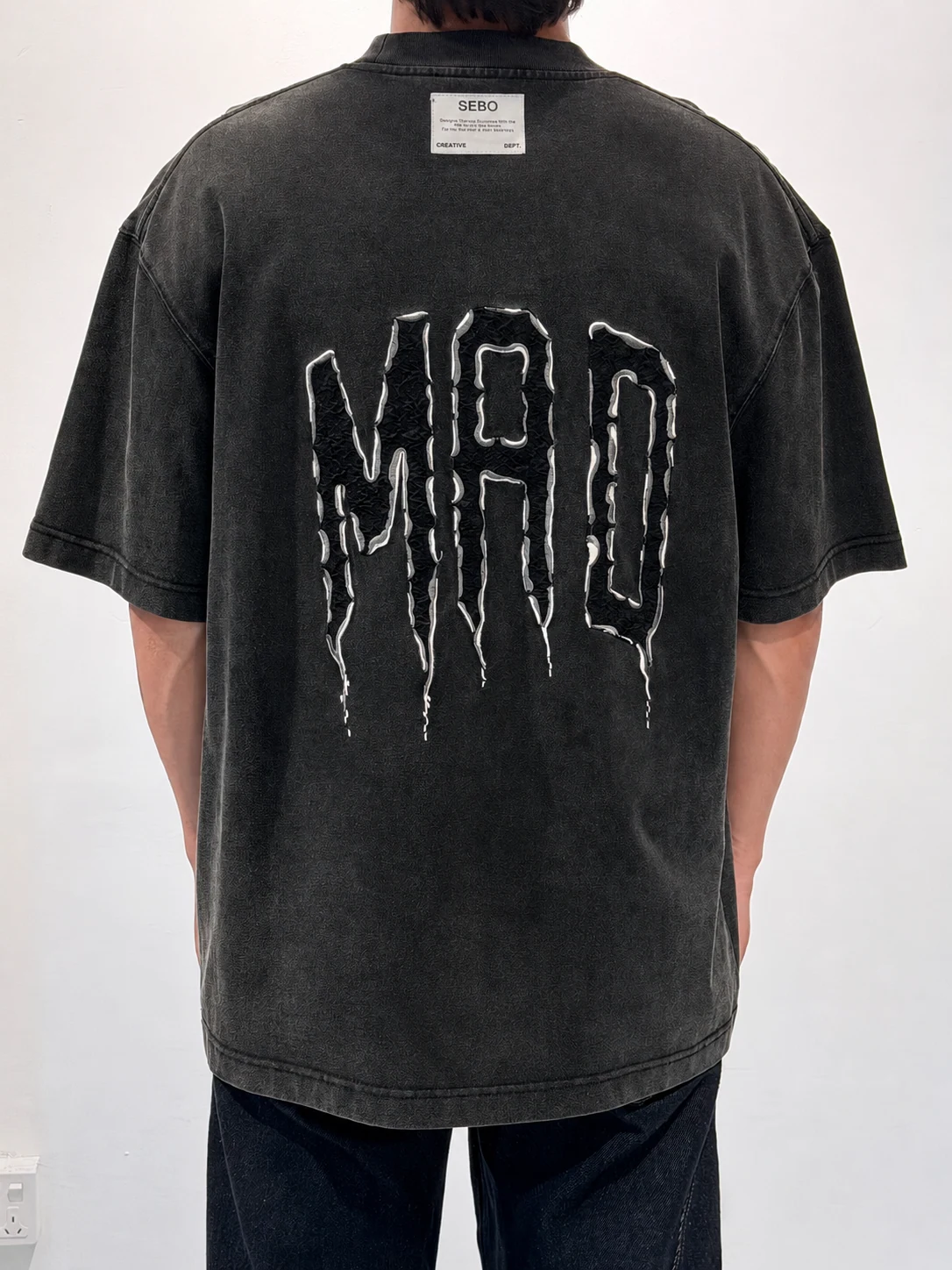
180–220 GSM combed ring-spun jersey suits a versatile everyday tee, while 240–280 GSM supports a structured premium blank. Specify body length, chest width, shoulder drop, neck-rib height, shrinkage tolerance and XS–3XL grading in the tech pack. Junsheen can review a sketch, reference garment or finished specification, then develop patterns and swatches before bulk material confirmation.
- Target retail price and gross-margin target
- Pantone colors and acceptable shade variation
- Fabric composition, GSM and wash requirements
- Measurement chart with grading increments
Sample, Test, Then Brand
Two sample rounds are a practical allowance: first resolve fit and construction, then approve fabric, color and trims. Wash-test for shrinkage, torque, pilling, collar recovery and print durability before signing the pre-production sample. One woven main label, size label, wash-care label and hang tag create a retail-ready identity without complicating the first order.
Plan Launch And Reorders
100 units per style and color is a workable capsule MOQ when demand is unproven; concentrate units in proven sizes rather than ordering equal ratios. Photograph approved samples, prepare flat lays and fit notes, and reserve a clear reorder decision point after initial sell-through. Retain approved patterns, graded size sets and fabric records to make replenishment faster and keep repeat production consistent.
10. Wholesale Pricing, MOQ, and Lead Times
100 units per style and color is a workable OEM entry point for wholesale blank tshirts, but it carries the highest per-unit development burden. Pattern work, graded specifications, fabric booking, cutting setup and inspection are spread across fewer garments, so a 300- to 500-unit run generally produces a more efficient FOB quote. 14-28 days is a practical bulk-production expectation after sample, material and pre-production approvals; sampling and approvals should be planned separately. Request each quote on the same Incoterm basis—typically FOB—and identify whether testing, freight, duties and destination delivery are excluded. 180-260 GSM cotton jersey, fabric color count, oversized or extended-size grading, custom labels, embroidery or screen-print colors, branded packaging and OEKO-TEX or GOTS testing can all change cost. Confirm fiber content, shrinkage tolerance, decoration placement and carton requirements before comparing suppliers.
| Quantity per style/color | Illustrative FOB unit-price direction | Typical bulk lead time | Commercial implication |
|---|---|---|---|
| 100 units | Highest; setup costs spread least | 14-28 days after approval | Best for validation or capsule launches |
| 300 units | Moderate; better fabric and cutting efficiency | 18-32 days after approval | Practical target for repeatable blanks |
| 500-1,000 units | Lower; stronger purchasing leverage | 21-35 days after approval | Best for core-color replenishment |
| 1,000+ units | Lowest, subject to fabric availability | 25-40 days after approval | Supports planned stock programs |
Start Your Wholesale Blank Tshirts Sampling Program
Send your tech pack, sketch, or reference garment for a fit-focused sample and a clear 100-unit MOQ production quote.