
Cheap Custom Tshirts From 100 Units
Develop cheap custom tshirts with OEM, ODM and private-label support, fit-focused XS–3XL grading, and scalable global production.
Featured Products for cheap custom tshirts Development
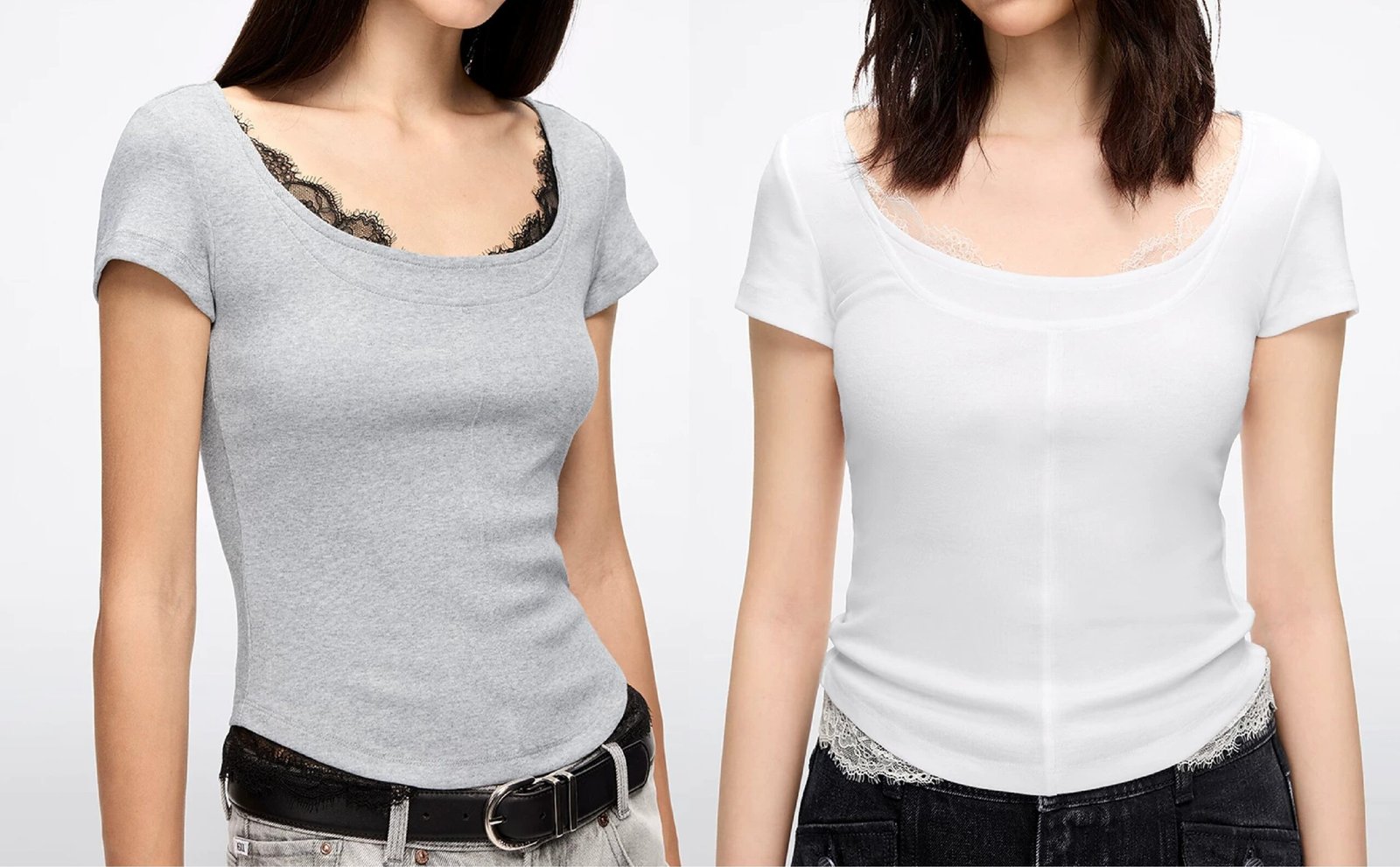


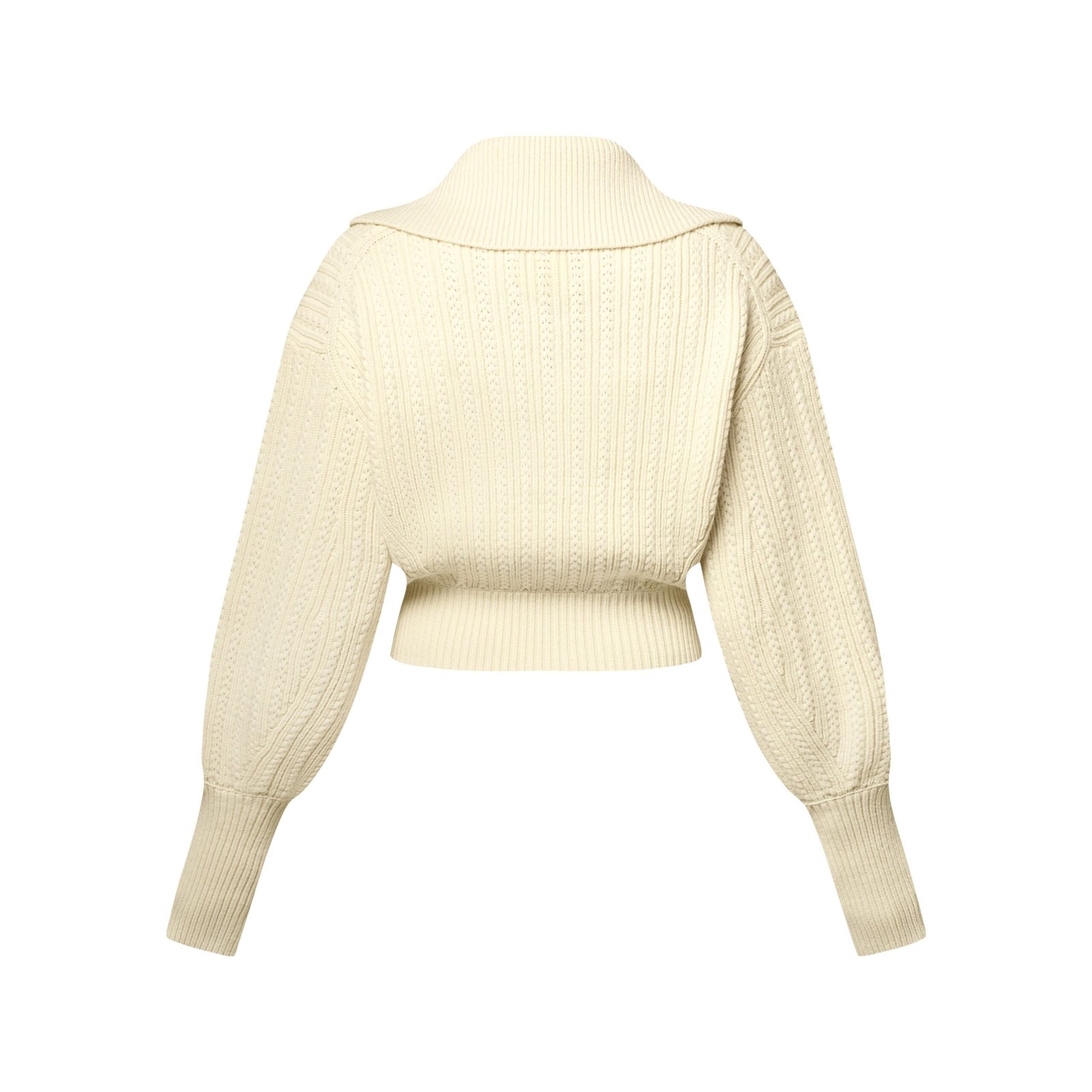


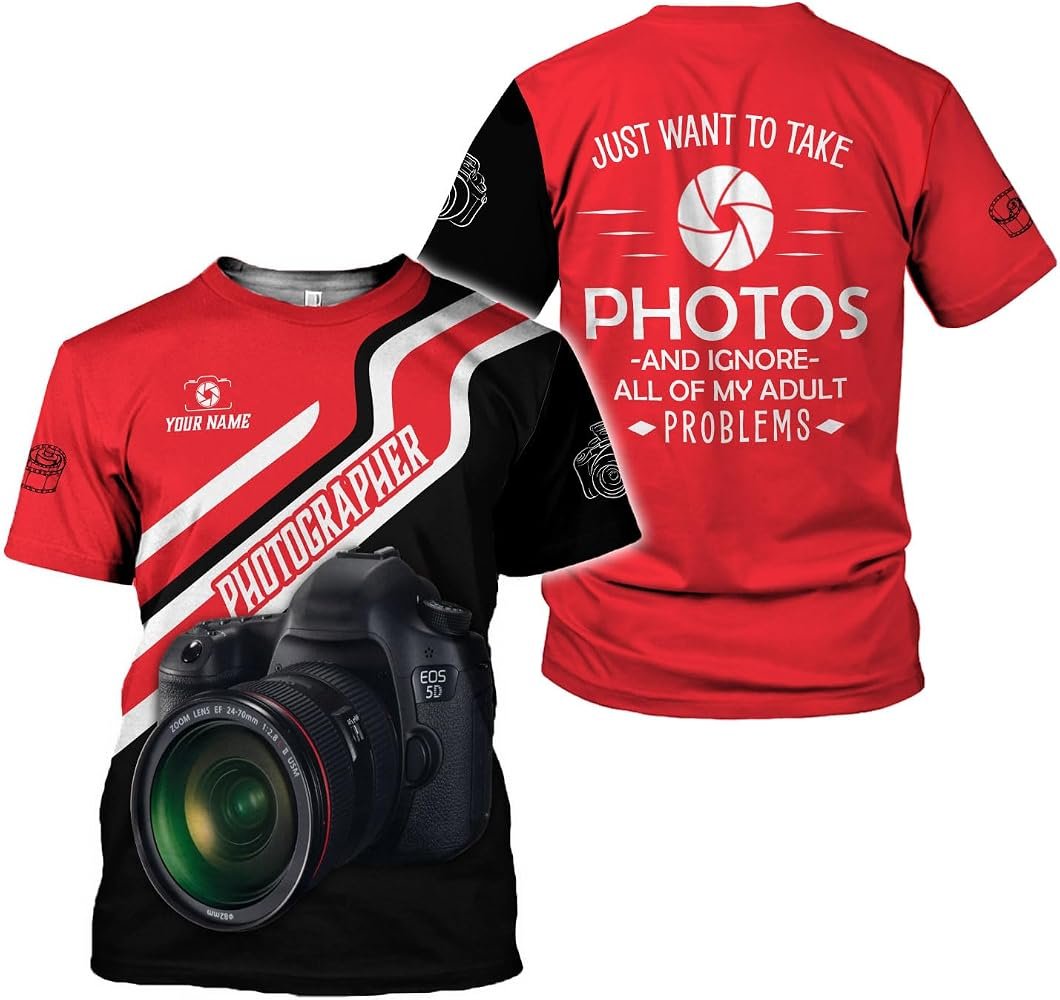


Cheap Custom Tshirts Built for Cost-Conscious Brands
Practical low-MOQ development, fit control and production support for launches that need reliable quality without unnecessary complexity.
100-Unit Starting MOQ
Launch a color and style from 100 units, giving emerging labels a manageable route into branded production.
Fit-Focused XS–3XL Development
Patterns and grading are refined for regular, oversized and extended-size fits instead of simply scaling one base sample.
One-Stop Decoration
Coordinate screen printing, embroidery, labels, washes, trims and packaging through one manufacturing team for clearer execution.
Scalable Production Capacity
More than 200 skilled workers and 80,000 monthly units support capsule launches, repeat orders and growing wholesale programs.
Global Export Support
From quotation through final inspection and shipping, JUNSHEEN helps international sourcing teams move production forward with confidence.
Custom T-Shirts and Apparel Manufacturing
Expand a T-shirt program into coordinated casualwear, denim, knitwear, and outerwear with fit-focused development, low MOQs, and production-ready private labeling.

Custom Hoodies
Develop custom hoodies in fleece, French terry, or brushed cotton blends with your fit specifications, fabric weight, rib details, pockets, drawcords, embroidery, printing, washes, labels, and packaging. Available from 100 units per style and color.
Request a Quote
Custom T-Shirts
Produce custom T-shirts in combed cotton, organic cotton, Pima cotton, blended jersey, and performance knits. Junsheen supports neckline, silhouette, weight, size grading, screen printing, DTG, DTF, embroidery, garment dye, private labels, and bulk export.
Request a Quote
Custom Jeans
Create custom jeans with denim or stretch-denim sourcing, fit development, pattern grading, washes, distressing, hardware, embroidery, patches, labels, and branded packaging. The team develops regular, oversized, and extended-size fits from XS through 3XL.
Request a Quote
Custom Sweaters
Source turtle neck sweaters for bulk programs with custom yarn blends, gauges, neck heights, rib structures, silhouettes, and graded sizing. Junsheen supports sampling and repeatable knitwear production for fashion labels, retailers, and wholesale collections.
Request a Quote
Custom Jackets
Build custom jean jackets with denim sourcing, cut-and-sew construction, fit refinement, branded buttons, patches, embroidery, printing, garment washes, and private labeling. Coordinate jacket details with jeans, shorts, or full denim programs for a consistent collection.
Request a Quote
Custom Sweatshirts & Crewnecks
Produce custom crewneck hoodies, sweatshirts, and crewnecks in fleece or French terry with tailored fabric weights, neck ribbing, cuffs, hems, graphic applications, embroidery, washes, and labels. Size sets can cover regular, oversized, plus-size, and extended-size fits.
Request a Quote
Custom Cardigans
Develop custom cardigans with knit construction, yarn selection, gauge, button or zipper options, pockets, rib finishes, labels, and branded trims. Pattern and grading support helps maintain shoulder balance, body proportion, and sleeve length across XS–3XL.
Request a Quote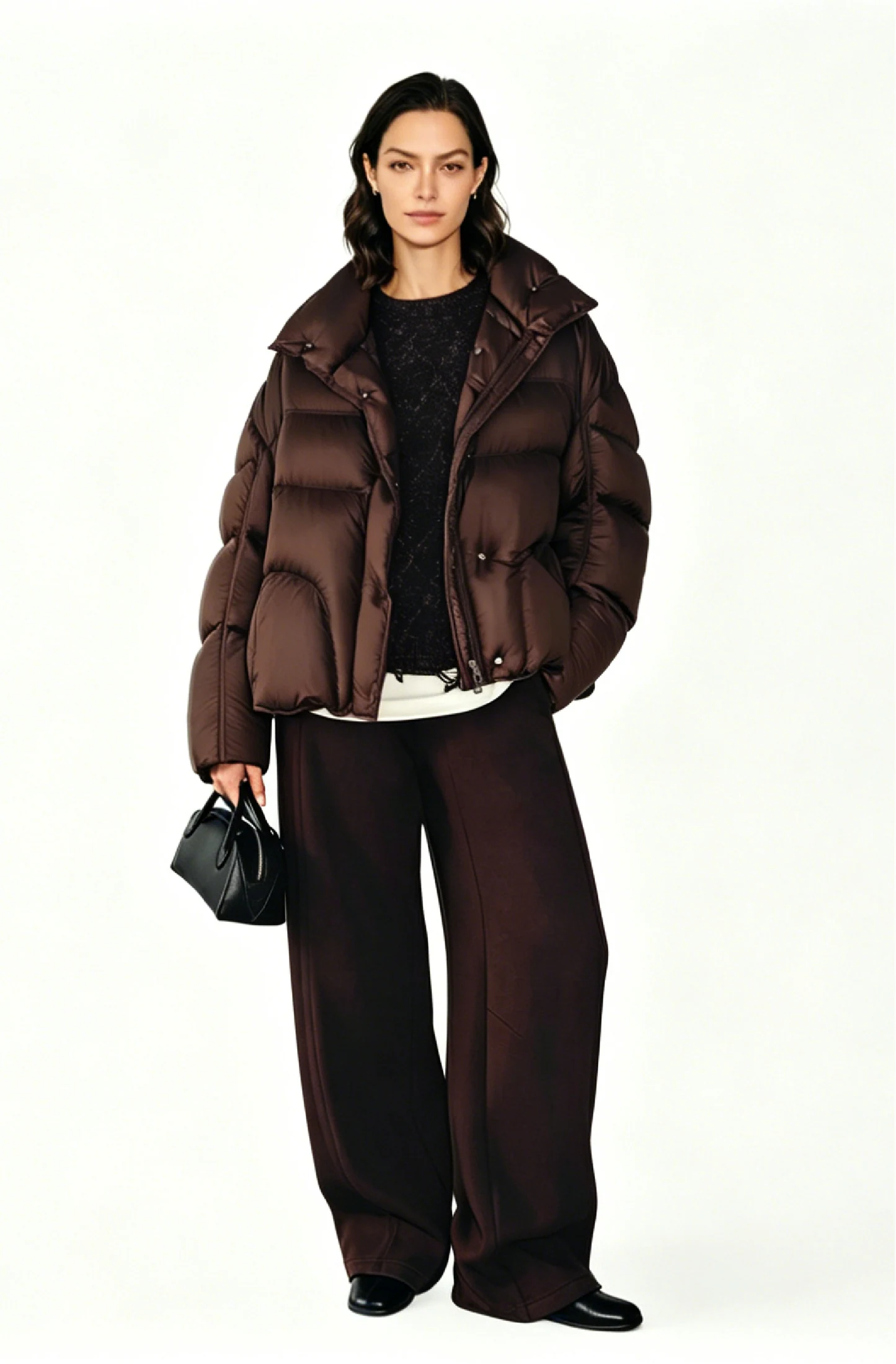
Custom Puffer & Down Jackets
Manufacture custom puffer jackets with shell, lining, insulation, quilting, closures, pockets, hoods, reflective details, labels, and packaging specified for your market. Junsheen supports prototype sampling, fit review, and scalable outerwear production from low-MOQ launches onward.
Request a Quote
Custom Denim Shorts
Create custom jean shorts with denim or stretch-denim fabrics, inseam and rise specifications, washes, distressing, raw hems, hardware, embroidery, patches, labels, and size grading. Develop coordinated styles alongside jeans and denim jackets within one production program.
Request a Quote
Custom Sweater Dresses
Produce custom sweater dresses with yarn, gauge, neckline, body length, sleeve shape, rib details, and silhouette tailored to your collection. Technical development addresses stretch, drape, opacity, and consistent grading for regular and extended-size assortments.
Request a Quote
Custom Denim Sets
Develop men’s denim suits for wholesale and private-label programs, including coordinated denim jackets and trousers with matching fabrics, washes, hardware, fits, and branding. Junsheen can sample and scale cohesive denim sets for retailers, distributors, and fashion brands.
Request a Quote
Custom Polo Shirts
Manufacture custom polo shirts in pique, jersey, and performance-knit fabrics with collar construction, plackets, buttons, contrast details, embroidery, printing, labels, and packaging. Develop corporate, retail, uniform, or fashion-focused fits from XS through 3XL.
Request a Quote
Custom Sweatpants
Produce custom sweatpants in fleece, French terry, jersey, or performance knits with specified rises, leg shapes, waistband construction, cuffs, pockets, drawcords, prints, embroidery, labels, and washes. Match them to hoodies or crewnecks for complete coordinated sets.
Request a Quote
Custom Shorts
Create custom shorts in woven, jersey, fleece, twill, denim, or performance fabrics, with tailored inseams, waistbands, pockets, liners, trims, decoration, and labels. Development support helps brands achieve consistent fit across men’s, women’s, unisex, and extended-size ranges.
Request a Quote
Custom Pullovers
Manufacture custom pullovers in knit, fleece, French terry, and performance constructions with custom necklines, closures, pockets, cuffs, hems, prints, embroidery, labels, and packaging. Junsheen supports fit development and sampling before scalable global production.
Request a QuoteCheap Custom Tshirts Materials for Comfort and Wear Performance

Cotton Jersey
A versatile soft-knit staple for everyday cheap custom tshirts, with a breathable natural hand feel. Available in lighter to midweight constructions, it supports screen printing, DTG and casual retail programs.

Combed Cotton Blends
Combed cotton blends deliver a smoother surface, cleaner print results and improved durability for branded tees. Blend ratios can add stretch, shape retention or cost efficiency while maintaining a comfortable hand feel.

Organic Cotton
Organic cotton offers a premium natural feel for brands prioritizing responsible material choices. It works well for elevated basics and private-label collections, with fabric weight selected to balance softness, opacity and drape.

French Terry
French terry has a smooth face and loopback interior, making it suitable for heavier T-shirts, transitional layers and coordinated sets. Its structured midweight hand provides comfort without the bulk of fleece.

Performance Knits
Performance knits are designed for active, travel and promotional T-shirt programs needing moisture management and durability. Polyester or blended constructions can provide fast drying, stretch and dependable color retention through repeated wear.

Recycled Blends
Recycled cotton and polyester blends help brands develop lower-impact custom tees while managing commercial targets. Material composition, weight and surface texture can be matched to your desired hand feel, print method and price point.
Cheap Custom Tshirts: Print, Embroidery and Wash Options

Screen Printing
Plastisol, water-based, puff, silicone and high-density screen prints create bold, repeatable artwork with strong wash durability. Junsheen helps select inks and placements that suit your fabric weight, color count and target cost.

DTF and DTG
DTF and DTG printing reproduce detailed graphics, small text and multi-color artwork without complex screen setup. They are practical options for expressive cheap custom tshirts, samples and lower-volume graphic programs.

Logo Embroidery
Flat, 3D puff and chain-stitch embroidery add dimension and a premium tactile finish to chest logos, sleeves and patches. Stitch density, backing and placement are reviewed to protect garment drape and long-term wear.

Custom Patch Application
Woven, embroidered, applique and custom patches create layered branding with clear visual separation from the base garment. Applied correctly, they deliver durable identity details for streetwear, uniforms and private-label collections.

Garment Wash Effects
Enzyme, softening, garment-dye, acid-wash and stone-wash treatments adjust color, softness and vintage character. Wash testing helps align the intended look with fabric stability, print compatibility and repeatable bulk production.

Surface Finishing
Brushing, napping and anti-pilling finishes refine hand feel, warmth and surface appearance. Junsheen recommends finishing methods that support the garment construction, intended season and value position without compromising durability.
Retail-Ready Accessories for Cheap Custom Tshirts

Woven Brand Labels
Custom woven main, size, and wash-care labels establish clear brand identity and garment information. Applied at the neck, side seam, or hem, they turn cheap custom tshirts into consistent retail-ready private-label pieces.

Custom Hang Tags
Branded hang tags communicate collection details, fabric stories, sizing, care, and pricing information at retail. Choose custom stock, shapes, finishes, strings, and attachments to match your label’s visual direction.

Embroidered Logo Patches
Woven, embroidered, chenille, or leather-look patches add dimensional branding to chest panels, sleeves, hems, and outerwear. They are ideal for creating recognizable signature details without changing the core garment construction.

Drawcords and Tipping
Custom drawcords, aglets, and contrast tipping bring a coordinated branded finish to hoodies, sweatpants, and shorts. Material, color, length, and hardware can be matched to your collection’s fit and price target.

Zippers and Snaps
Select custom zipper pulls, metal snaps, buttons, and closures for jackets, polos, denim, and layered pieces. JUNSHEEN sources trims that balance durability, visual impact, and production cost across repeat programs.
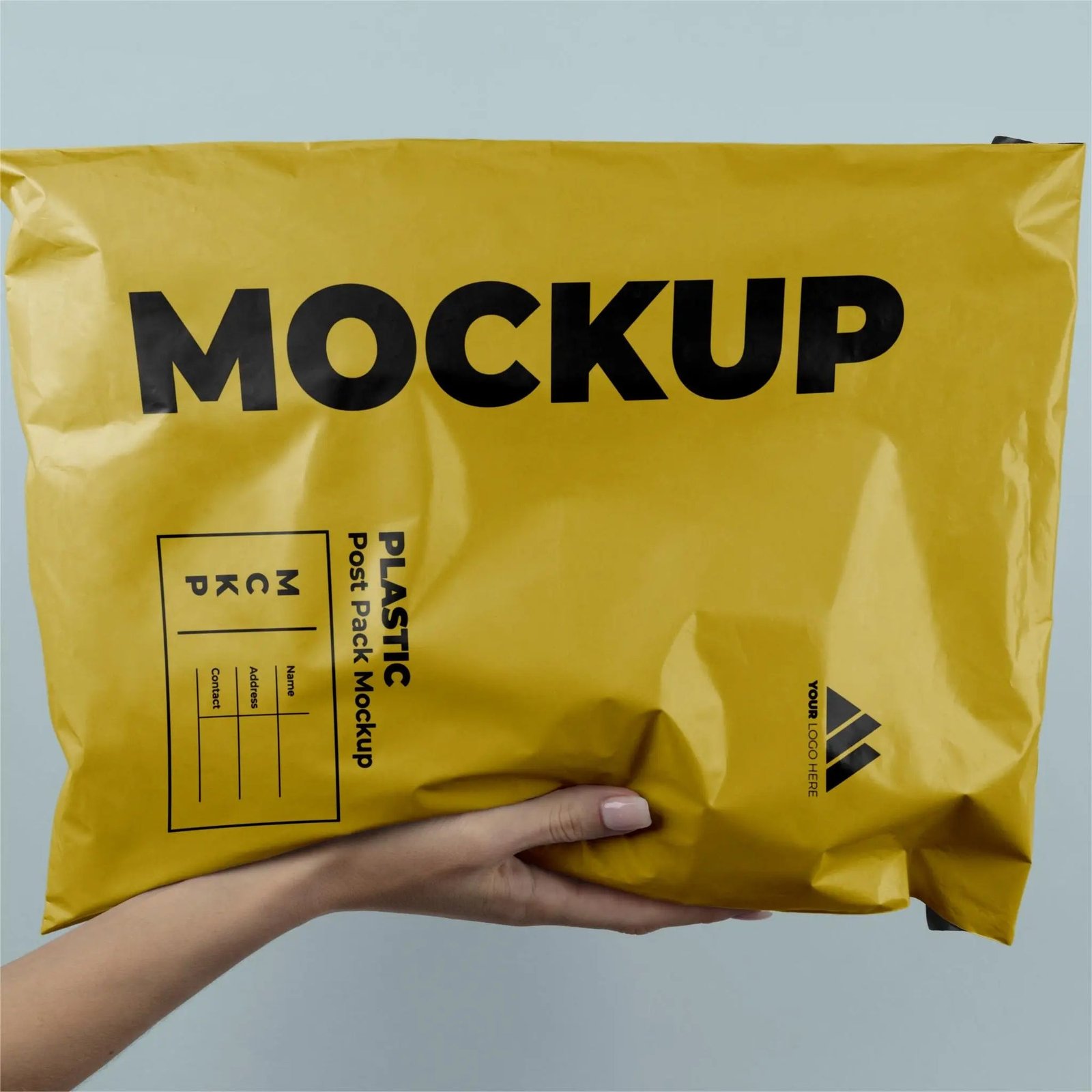
Branded Packaging Sets
Complete each order with custom polybags, tissue, stickers, inserts, carton marks, and mailer-ready packaging. Branded packaging protects finished garments in transit while delivering a more cohesive unboxing and wholesale presentation.
About JUNSHEEN Apparel Manufacturing
Founded in 2010 in Humen Town, Dongguan, JUNSHEEN helps fashion brands turn custom apparel ideas into production-ready programs. Our one-stop OEM, ODM and private-label team supports cheap custom tshirts alongside casualwear, denim, outerwear and knitwear, from early development through global shipment.
With more than 200 skilled workers and monthly capacity above 80,000 units, we serve capsule launches and repeat bulk programs with 100-unit MOQs per style and color. Cut-and-sew, knitting, fabric sourcing, printing, embroidery, finishing, labels and packaging are coordinated within one dependable supply chain.
Our difference is fit-first development. We refine patterns and grading from XS through 3XL, including extended-size, plus-size and modern oversized silhouettes, so brands can reduce avoidable revisions and build more consistent collections. More than 2,000 fashion-brand clients have relied on JUNSHEEN for responsive production and long-term growth.

Cheap Custom Tshirts, Developed for Repeatable Production
Fit-First Pattern Development
Turn a tech pack, sketch, reference garment, or product idea into production-ready cheap custom tshirts. JUNSHEEN reviews construction, measurements, and manufacturability before sampling, helping brands resolve fit and cost details early instead of revising them during bulk production.
- Pattern making and specification review
- XS–3XL, plus-size, and oversized grading
- Prototype, size-set, and pre-production samples
- Fit refinements for balance and mobility

Fabric Sourcing for Target Costs
Select jersey and blended fabrics around the hand feel, weight, durability, stretch, and target price your collection requires. Our supplier network supports cotton, combed jersey, organic options, and performance blends, with swatches and sample garments available before bulk material confirmation.
- Fabric options matched to your target cost
- Weight, drape, shrinkage, and wash-performance review
- Cotton, blends, organic, and performance knits
- Swatch and sample approval support

Decoration Under One Roof
Keep artwork execution connected to garment development with in-house printing, embroidery, washing, labels, trims, and packaging. This integrated approach helps cheap custom tshirts maintain clearer color, placement, and finishing standards while reducing handoffs between separate production vendors.
- Screen print, DTG, DTF, puff, and silicone effects
- Flat, 3D, chain-stitch, and patch embroidery
- Garment dye, acid wash, softening, and finishing
- Custom labels, hang tags, and branded packaging

Controls That Support Reorders
Build repeatable programs from 100 units per style and color through scalable bulk production. JUNSHEEN retains patterns, graded size sets, and material records, while inspections cover fabric, construction, measurements, decoration, and packed goods for dependable repeat orders and global shipment.
- 100-unit MOQ for capsule launches
- 200+ skilled workers and 80,000+ monthly capacity
- Incoming, in-line, and final quality inspections
- Retained production records for consistent reorders

Why Choose JUNSHEEN for Cheap Custom Tshirts
One accountable manufacturing partner for fit, production, quality control and worldwide delivery.
← 左右滑动查看 →
Cheap Custom Tshirts Production, Step by Step
A clear manufacturing workflow for cost-conscious brands, from feasibility review and sampling to inspected, export-ready orders.
Review Brief and Feasibility
Share a tech pack, sketch, reference garment, or idea. Our team reviews construction, fit, decoration, target cost, and the 100-unit MOQ.
Source Materials and Trims
We recommend jersey weight, cotton blends, labels, and packaging that match your hand feel, performance needs, branding, and price target.
Develop Patterns and Samples
Pattern makers build and grade fit from XS to 3XL, then create prototype samples for measurement, construction, fabric, and decoration approval.
Confirm Quote and Production
After sample approval, we finalize specifications, materials, quantities, and delivery details before scheduling scalable cut-and-sew production for your custom T-shirts.
Inspect, Pack, and Ship
Quality teams check fabric, measurements, construction, print quality, and packed goods. We complete branded packing and coordinate worldwide export shipment.
How to Order Cheap Custom Tshirts
Move from an initial concept to controlled bulk production with one fit-focused manufacturing partner.
Send Your Design Brief
Share a tech pack, sketch, reference garment, mood board, or product idea. Include target quantities, sizes, fabric preferences, decoration, and pricing goals.
Review Feasibility and Pricing
Our team reviews construction, fit, materials, and decoration requirements, then recommends practical options and prepares a transparent quotation for your 100-unit MOQ program.
Approve Your Development Sample
Confirm fabrics, trims, measurements, grading, print or embroidery, and finishing through samples. We refine details before locking the approved production specifications.
Launch Controlled Bulk Production
JUNSHEEN manages bulk cutting, sewing, decoration, inspection, packing, and export support, with quality checks across measurements, construction, finishes, and final packed goods.
Custom Clothing Manufacturer Credentials and Compliance Documents




Client Results With Cheap Custom Tshirts
JUNSHEEN helped us launch a 240-piece graphic tee capsule from a rough concept. Their team adjusted the grading before bulk, and our first delivery passed retailer checks with only two minor packaging revisions.
We moved our repeat tee program to JUNSHEEN after fit inconsistency affected returns. The revised XS–3XL size set reduced fit-related returns by 18% over two seasonal drops and made reorders much easier to manage.
For our 100-unit test run, JUNSHEEN combined heavyweight jersey, puff print, woven labels, and export packing in one order. The capsule sold through 72% of inventory in six weeks, so we placed a 1,200-unit repeat order.
Cheap Custom Tshirts FAQ for B2B Buyers
Clear answers on MOQ, sampling, production, fit, decoration, payment and global delivery for private-label T-shirt programs.
What is the MOQ for cheap custom tshirts?
Can I order samples before producing cheap custom tshirts in bulk?
How long does cheap custom tshirts production take?
Can you make custom T-shirts in XS to 3XL?
What printing and embroidery options are available for custom T-shirts?
What payment terms do you offer for new apparel orders?
Do you ship cheap custom tshirts internationally?
How do you protect my designs and private-label details?
The Complete Buyer’s Guide to cheap custom tshirts
Use this practical framework to compare fabrics, decoration methods, quality controls, pricing, and supplier capabilities—so you can source affordable custom tees confidently while avoiding costly production, sizing, and branding mistakes.
1. What Are cheap custom tshirts?
100 units per style and color is a practical starting point for cheap custom tshirts in B2B production. The term covers affordable blanks or made-to-order tees customized with a logo, graphic, neck label, wash-care label, hang tag, or branded packaging for retail, events, uniforms, merch, and capsule collections. 160-220 GSM cotton jersey is often the value range for a dependable casual T-shirt, but low price is not automatically low quality. A viable cost-led program still needs stable shrinkage, balanced stitching, accurate grading, clean print registration, and a fabric choice matched to the intended hand feel; open-end cotton lowers cost, while ring-spun or combed cotton generally improves softness and surface appearance. 3 variables shape the delivered value most: MOQ, decoration, and sourcing route. Larger color runs spread setup costs, one- or two-color screen prints are usually more economical than multi-color DTG or specialty effects, and direct sourcing from established production regions such as Dongguan can combine development, fabric procurement, labeling, inspection, and export coordination. Buyers should compare landed cost and approved sample quality rather than judging a quote by unit price alone.
2. History of cheap custom tshirts
1904 is commonly cited as the year the U.S. Navy adopted a crew-neck cotton undershirt, helping establish the T-shirt as practical workwear rather than a finished fashion item. Its low material use, simple cut-and-sew construction, and easy laundering made it a natural uniform layer for labor, military, and sports use. 1939 marked an early commercial turning point when printed T-shirts appeared in licensed promotional merchandise, while mid-century screen printing made bold logos and event graphics repeatable at scale. Mesh screens, plastisol inks, and separated spot colors let teams, schools, retailers, and concert organizers order recognizable designs without changing the base garment. 1970s streetwear, music merchandising, and branded retail moved the tee from giveaway to fashion staple, while offshore sourcing widened access to blank garments and private-label production. Today, automated screen-printing lines remain efficient for larger runs, while DTG, DTF, heat transfer, and digital artwork workflows reduce setup barriers for short programs; cheap custom tshirts can therefore support emerging labels, event buyers, and wholesalers that need as few as 100 units per style and color before scaling proven designs.
3. Types of cheap custom tshirts
7 core formats cover most low-cost custom T-shirt briefs. At Junsheen, a 100-unit style-and-color starting point lets buyers test fashion fits while reserving simpler blanks for volume programs.
| Format | Buyer | Typical Weight | Best Branding | Order Role |
|---|---|---|---|---|
| Crew neck | Broad unisex | 160–180 GSM | Chest print | Core volume |
| V-neck | Women’s or hospitality | 150–170 GSM | Left-chest logo | Supporting style |
| Oversized | Streetwear | 180–240 GSM | Back graphic | Fashion capsule |
| Fitted | Women’s active casual | 160–200 GSM | Neck label | Fit range |
| Heritage retail | 180–220 GSM | Woven label | Premium basic | |
| Long-sleeve | Transitional retail | 160–200 GSM | Sleeve print | Seasonal extension |
| Event tee | Promotions | 150–180 GSM | One-color print | High volume |
Everyday Neckline Staples
160–180 GSM crew necks serve broad unisex retail, staff uniforms, and merchandise; center-chest screen prints and neck labels give the strongest branding return. 150–170 GSM V-necks suit women’s assortments, resort capsules, and hospitality teams. A restrained left-chest logo protects the neckline’s cleaner, lighter look.
Fashion Fit Programs
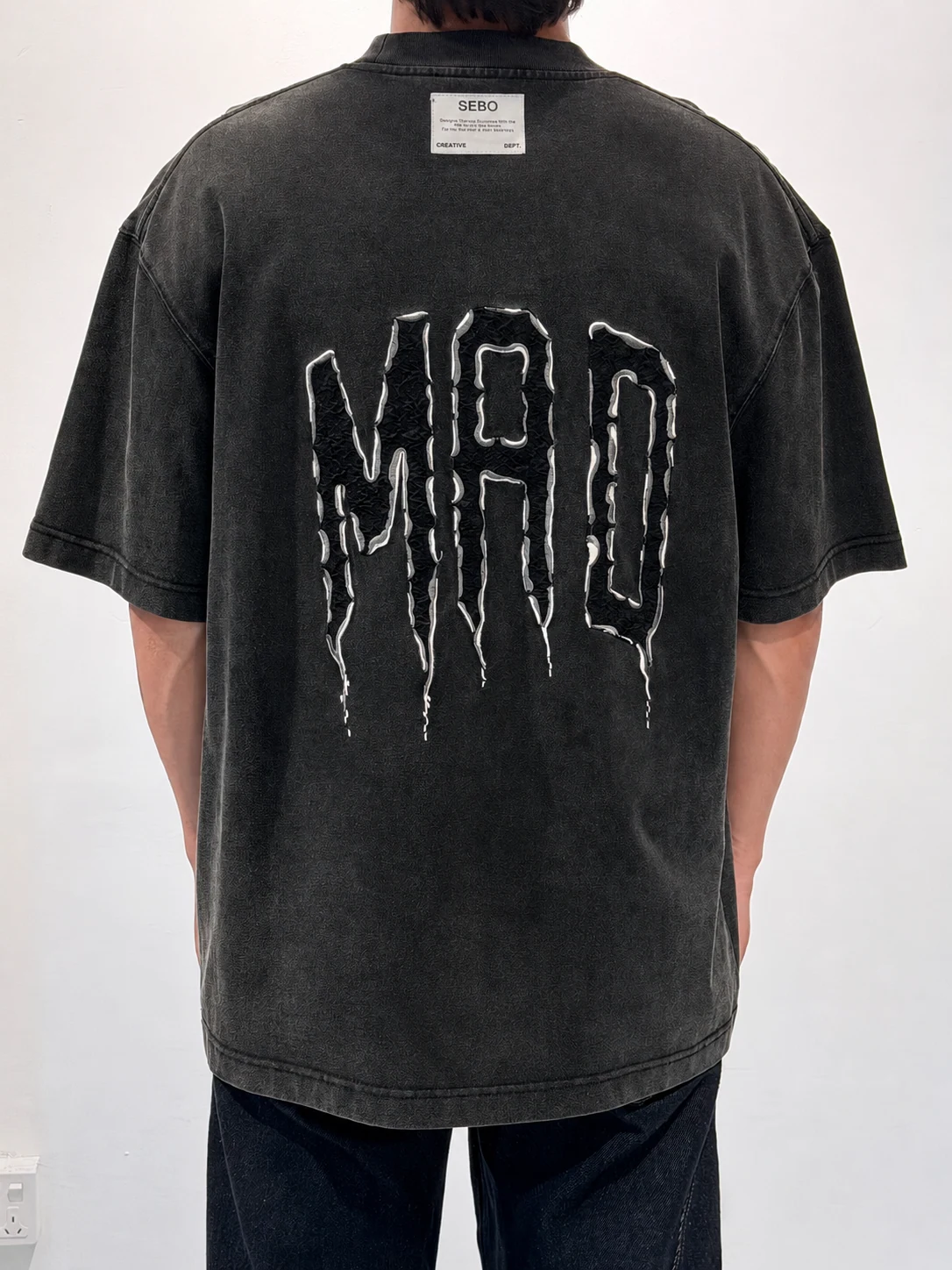
180–240 GSM oversized tees target streetwear and modern casual collections, with dropped shoulders providing room for back graphics, puff ink, or embroidery. 160–200 GSM fitted tees suit body-conscious women’s, athletic-casual, and layered ranges. A correctly graded pattern matters more than simply reducing a unisex block.
Utility And Volume Formats

180–220 GSM pocket tees add a retail detail for workwear-inspired and heritage capsules; woven pocket labels or tonal embroidery keep decoration practical. 160–200 GSM long sleeves extend a core graphic into transitional seasons. Promotional and event tees typically prioritize a simple 150–180 GSM blank, one-color print, and large attendance quantities.
4. Fabrics for cheap custom tshirts
160–180 GSM is the common economy range for cheap custom tshirts, but the lowest fabric cost can create a thin hand and higher return risk. Select fabric from the intended retail position, decoration method, and wear life—not price per kilogram alone.
| Fabric | Typical GSM | Hand Feel | Best Use |
|---|---|---|---|
| Open-end cotton | 150–180 | Dry, basic | Promotional tees |
| Ring-spun cotton | 160–190 | Soft, smooth | Retail graphics |
| Polyester | 140–170 | Light, technical | Sublimation uniforms |
| Cotton-poly blend | 150–190 | Balanced | Workwear, events |
| Recycled blend | 160–200 | Variable | Sustainability capsules |
| Heavy cotton jersey | 180–220 | Dense, structured | Streetwear |
Cotton And Ring-Spun Cotton
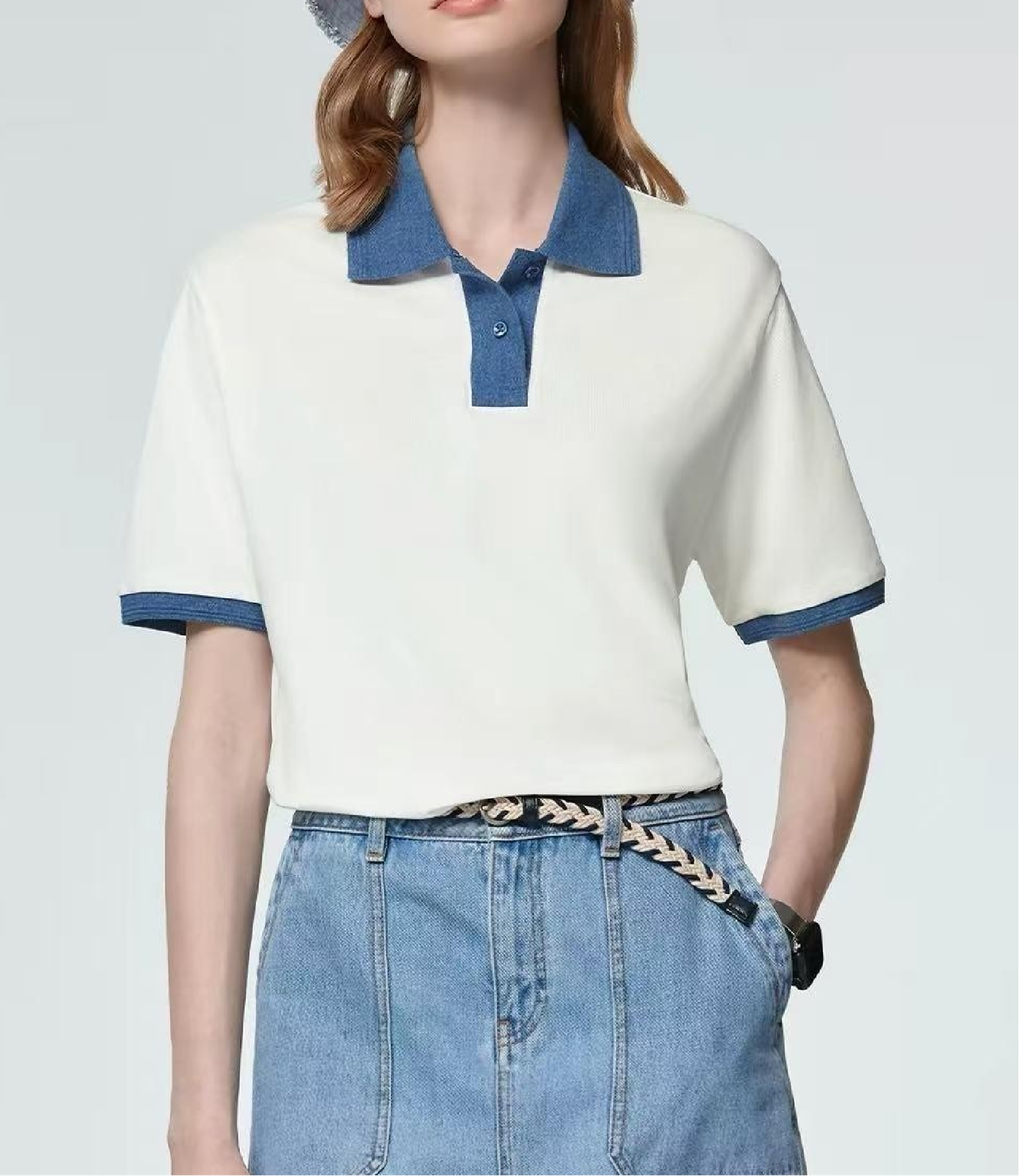
100% cotton breathes well and accepts water-based, discharge, DTG, and screen prints cleanly. Open-end cotton is more economical; ring-spun yarn feels smoother, prints with finer detail, and supports a more premium blank. 3–5% residual shrinkage is a practical allowance unless fabric is pre-shrunk and wash-tested. Specify combed ring-spun cotton for branded retail tees where hand feel matters more than the lowest unit cost.
Synthetics And Blends
100% polyester dries quickly, resists wrinkles, and performs well for sublimation, sportswear, and staff uniforms. Its lower breathability and synthetic hand can conflict with a classic fashion-T-shirt position. 50/50 or 60/40 cotton-poly blends reduce shrinkage, improve abrasion resistance, and keep costs predictable. Confirm print ink and curing settings, because polyester can cause dye migration on light plastisol colors.
Weight, Recycled Content, And Durability

180–220 GSM jersey gives a structured, substantial silhouette for streetwear and oversized fits. Heavier cloth usually lasts longer but increases material consumption, freight weight, and drying time. 20–50% recycled cotton or recycled polyester can support a sustainability brief, but fiber consistency, pilling, shade variation, and certification documentation should be reviewed before bulk approval. Request swatches and a washed sample for every final fabric.
5. Customizing cheap custom tshirts
At a 100-unit MOQ, decoration selection determines whether cheap custom tshirts retain margin or require costly rework. Match artwork, color count, wash expectations, and launch volume before approving the sample.
| Method | Setup And Detail | Durability | Best Order Size | Lead-Time Effect |
|---|---|---|---|---|
| Screen print | Screens; solid colors | High | 100+ repeat units | Adds setup |
| DTG | No screens; photo detail | Medium-high | Small mixed artwork | Minimal setup |
| DTF/heat transfer | No screens; fine detail | Medium-high | 50-200 units | Transfer preparation |
| Embroidery | Digitizing; limited tiny detail | High | Logos, small placements | Adds machine time |
Choose The Print Process

One- to four-color screen prints give opaque color and dependable wash resistance with paid screen setup; they suit repeat runs. DTG reproduces photographs and fine gradients without screens, while DTF transfers handle detailed small runs but can leave a heavier hand.
Build Brand Touchpoints
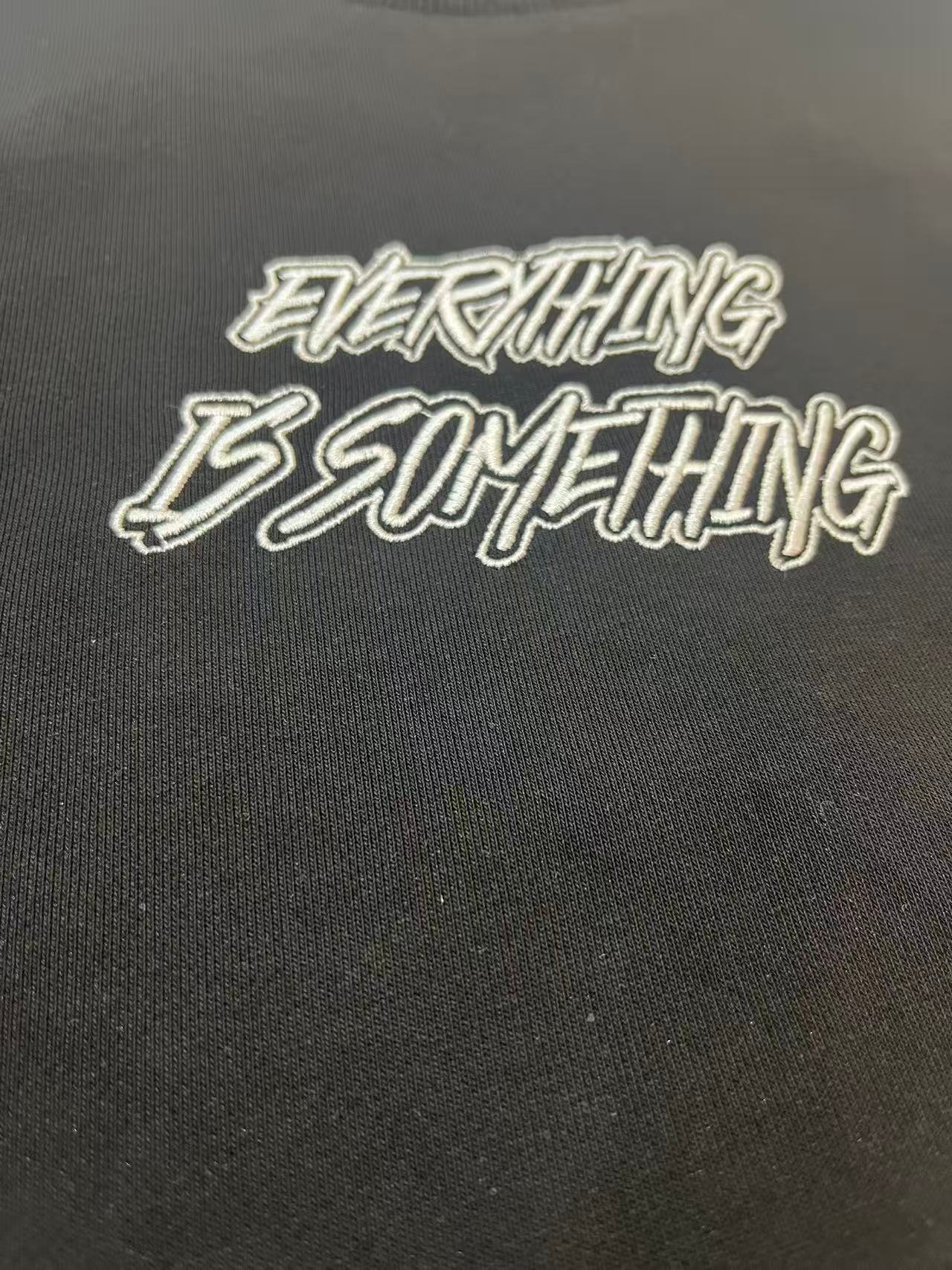
One inside neck print can replace a sewn main label on lightweight tees and reduce labor, but care content still needs a compliant solution. Woven labels, hangtags, and branded mailers add perceived value; confirm artwork, placement, and packing sequence before bulk cutting.
Protect Margin And Quality

Two sample checks—after decoration and after washing—reveal cracking, dye migration, registration drift, and embroidery puckering before production. For 100-unit launches, limit placement count and approve Pantone targets; oversized embroidery and multiple transfers add handling time.
6. Quality Checks for cheap custom tshirts
A value-priced T-shirt should still meet a written approval standard before bulk cutting begins. For cheap custom tshirts, the sample must prove repeatable fabric, fit, sewing, color, and decoration performance—not merely look acceptable on a hanger.
Fabric And Shrinkage Control
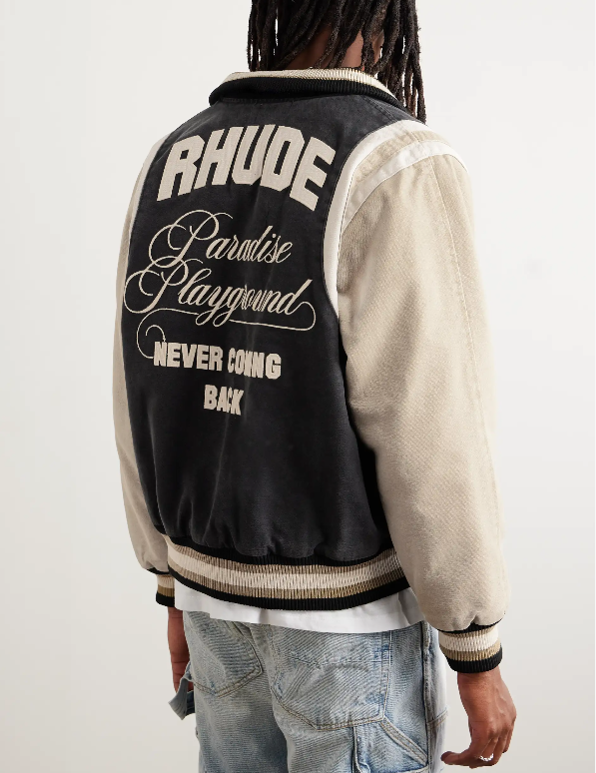
160–220 GSM jersey is common for promotional and casual tees; confirm the approved sample’s actual GSM with a calibrated cutter and scale. Set an acceptable production tolerance, commonly ±5%, before fabric booking. 5% or less length-and-width shrinkage after the agreed wash method is a practical target for many cotton jerseys. Wash, dry, remeasure, and compare both body and sleeve dimensions against the pre-wash sample.
- Check lot-to-lot shade under daylight and cool white light
- Record composition, GSM, finish, and wash method
- Inspect for skew, holes, barre, and uneven hand feel
Construction And Fit Checkpoints
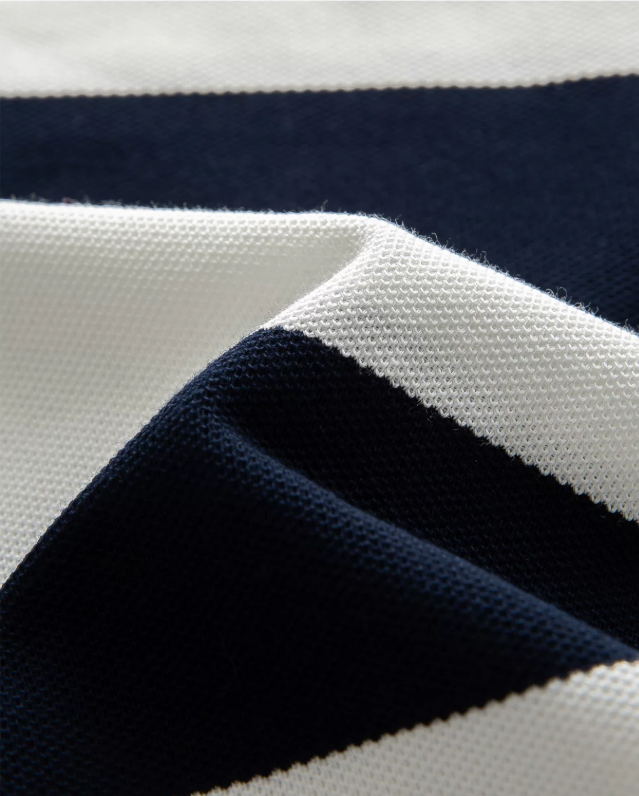
1×1 rib collars should recover after repeated stretching without permanent waviness. Verify neck tape or shoulder tape is cleanly enclosed, and inspect shoulder seams for matched joins and balanced seam allowance. 8–10 stitches per inch is a useful starting benchmark for durable lockstitch or coverstitch work, subject to fabric weight. Measure chest, body length, sleeve length, and neck width at specified points; many programs use ±1 cm tolerances for key adult tee measurements.
- Stretch the collar ten times and inspect recovery
- Check side seams for twisting after washing
- Confirm hem and sleeve coverstitches are even
Color And Print Approval
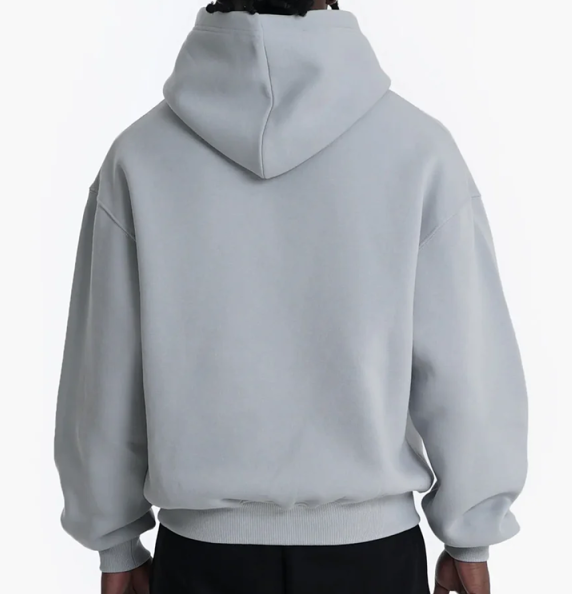
Pantone-approved color standards should be checked against the sample and bulk lab dip under agreed lighting. Test colorfastness after washing and rubbing, especially on dark pigments and garment-dyed cotton. 24 hours after curing, screen prints should resist a controlled stretch, tape pull, and wash test without cracking, lifting, or obvious color loss. Approve print placement from measured reference points, not visual judgment alone.
- Check ink coverage at edges and fine lines
- Compare logo position across multiple sample sizes
- Retain the signed sample and measurement sheet
7. Choosing a cheap custom tshirts Manufacturer
A 100-unit quote is useful only after the factory proves it can repeat your specification. For cheap custom tshirts, compare development control, capacity, documentation, and shipping competence alongside unit cost.
Confirm Development Scope
100 units per style and color can suit a capsule, but confirm whether the MOQ changes by fabric, color, print placement, and size mix. Ask whether the supplier supports OEM from a tech pack and ODM from a sketch, then require a pre-production sample before bulk approval.
- What sampling fee and revision limit apply?
- Who owns approved patterns and graded specs?
- Can Pantone colors and custom labels be matched?
Audit Materials And Fit

160–220 GSM ring-spun jersey is common for everyday tees, while heavier 240 GSM constructions change drape and cost. Request swatches, composition, shrinkage expectations, and shade-band approval before bulk fabric booking. XS–3XL programs need graded patterns, not a uniformly enlarged base size. Ask for a measurement chart and tolerance standard for every size.
- Which mill supplies the fabric?
- Are OEKO-TEX, GOTS, WRAP, or BSCI documents available when required?
- Will fabric lot and trim records be retained?
Test Production Reliability
200 skilled workers and capacity above 80,000 units monthly indicate scale, but your order needs a committed production window. Request the in-line and final inspection checkpoints, defect-report format, and rework policy. Ask which export markets the factory regularly serves and who manages carton marks, packing lists, commercial invoices, and shipping coordination.
- What are measurement and print tolerances?
- Can decoration samples match bulk output?
- Who is the single daily contact?
Clarify Commercial Terms
First orders commonly require full prepayment or a deposit structure because custom materials cannot be resold easily. Confirm payment milestones, sample credits, balance timing, and what happens if approvals or fabric delivery shift the schedule. JUNSHEEN accepts T/T, PayPal, and major credit cards; its terms can progress from full first-order prepayment to staged deposits as cooperation stabilizes.
- Is freight quoted separately from product cost?
- What currency and bank charges apply?
- What approvals release bulk production?
8. Cheap custom tshirts Buying Mistakes
At a 100-unit MOQ, cheap custom tshirts can become expensive when specifications are assumed rather than approved. Most avoidable losses come from artwork, fit, fabric, compliance, and calendar decisions made before bulk production.
Price-Only Supplier Selection
A quote that is 10% lower may exclude fabric testing, measurement control, or packed-goods inspection. Compare like-for-like specifications and require a written quote covering fabric GSM, decoration, labels, packaging, and defect policy.
Samples, Artwork, And Fit

One approved pre-production sample prevents repeating an unapproved collar shape, print placement, or color across 100 units. Supply vector AI, PDF, or EPS artwork with Pantone references, then approve shrinkage allowance and a graded size chart after wash testing.
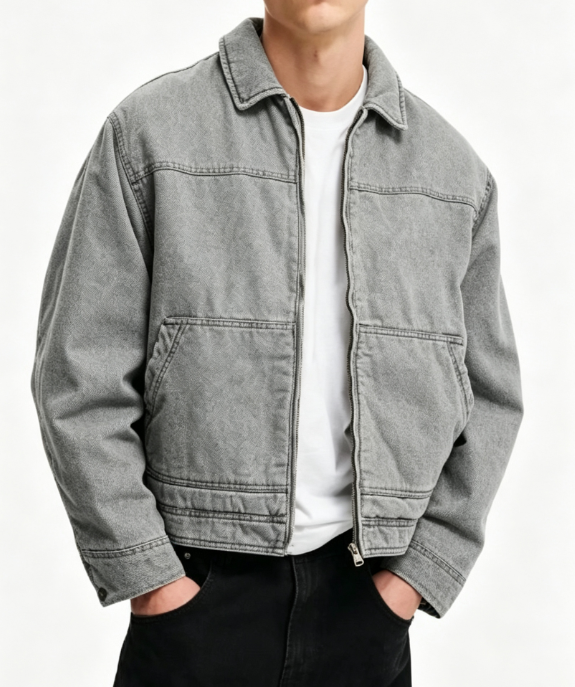
Labels And Production Calendar
Two required labels—fiber-content and care information—can vary by destination market and should be confirmed before production. Lock the sample approval date, bulk start, inspection window, and shipping method in writing; late artwork approval can shift every later milestone.
9. Launching Your Custom T-Shirt Brand
A first collection should solve one customer’s specific fit and price problem before it expands into every neckline or print trend. For cheap custom tshirts, a disciplined 2–4 SKU launch makes sampling, photography, inventory and reorders manageable.
Define The First Range
Start with 2–4 core SKUs, such as a regular tee, heavyweight oversized tee, long-sleeve tee and one graphic style. Limit each to 1–3 proven colors so stock funding stays focused. Use a 100-unit-per-style-and-color starting point only after demand, size ratios and sales channels are clear. Build XS–3XL grading into the plan if extended sizing is part of the customer promise.
Build A Production Brief

A complete tech pack specifies flat sketches, measurements, tolerances, Pantone colors, fabric GSM, seams, labels, artwork dimensions and packaging. A 180–220 GSM ring-spun jersey suits many retail tees, while 240–280 GSM supports a structured oversized feel. Send suppliers one controlled revision file and label every change by date and version. Reference photos alone cannot reliably communicate shrinkage allowance, print placement or collar-rib dimensions.
Sample, Approve, And Launch

Approve a prototype before bulk, then check measurements after washing, neckline recovery, print adhesion, hand feel and grading. Record corrections in writing and confirm a sealed pre-production sample before cutting. Prepare product photos, size charts, care guidance and launch copy during bulk production rather than after arrival. Keep fabric codes, approved trims, artwork files and packing specifications for faster, consistent repeat orders with JUNSHEEN.
10. cheap custom tshirts Pricing and Lead Times
100 units per style and color is a practical starting point for a capsule order. Landed cost changes with quantity, fabric composition and GSM, color count, print method and coverage, embroidery stitches, labels, packaging, sampling, and freight or duty route. 160–220 GSM ring-spun cotton jersey usually costs less than heavyweight 240–280 GSM cotton, but fabric is only one line item. A one-color screen print is generally more economical at volume than DTG or multi-location decoration; custom neck labels, hang tags, polybags, folding, and cartons add measurable per-unit cost. 7–25 production days is a planning range after sample and material approval, depending on fabric availability, decoration complexity, and order size. Junsheen should quote cheap custom tshirts only after confirming the tech pack or reference, size range, Pantone colors, fabric, artwork, packaging, Incoterm, and shipping destination.
| Order quantity | Indicative EXW unit price (USD) | Common assumption | Estimated production lead time |
|---|---|---|---|
| 100–299 | $5.50–$10.50 | 160–220 GSM jersey; one-color print; basic labels | 15–25 days |
| 300–999 | $4.20–$8.50 | Same base; screen-print efficiency improves | 12–20 days |
| 1,000+ | $3.50–$7.00 | Confirmed bulk fabric; standard packaging | 7–15 days |
Start Your Cheap Custom Tshirts Production Today
Send your tech pack, reference garment, or product idea to JUNSHEEN for a fit-focused 100-unit-MOQ production quotation.