
Custom Cropped T Shirts From 100 Units
Develop fit-focused XS–3XL custom cropped t shirts with private-label details, expert sampling, and scalable OEM production.
Featured Products for custom cropped t shirts Development




Related Product Catalogue and Quotation




Custom Cropped T Shirts Built for Brand-Ready Production
Develop crop tees with responsive low-MOQ manufacturing, fit-focused development, integrated branding, and scalable global delivery.
100-Unit MOQ
Launch custom cropped t shirts from 100 units per style and color, keeping capsule drops, market tests, and wholesale programs commercially practical.
Fit-First Pattern Making
Refined XS–3XL grading considers crop length, shoulders, sleeves, body balance, and movement instead of simply enlarging a base pattern.
Fabric Sourcing Support
Select jersey, Pima cotton, organic cotton, blends, and performance knits around your target hand feel, weight, cost, and wash performance.
Integrated Decoration
Add screen printing, DTG, DTF, puff effects, embroidery, patches, washes, labels, trims, and branded packaging through one coordinated production team.
Scalable Global Production
Work with 200+ skilled workers, 80,000-plus monthly capacity, quality control, and export support as your custom crop tee program grows.
Custom Cropped T-Shirts and Casualwear Programs
Build coordinated casualwear, denim, outerwear, and knitwear programs with low-MOQ development, fit-focused grading, and scalable production.

Custom Hoodies
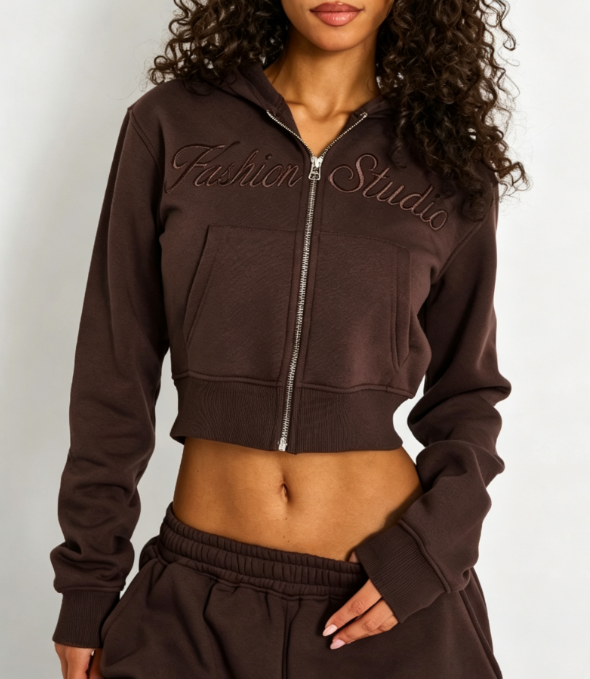
Develop custom hoodies from 100 units per style and color, with French terry, fleece, jersey, custom ribbing, embroidery, printing, washes, labels, and branded packaging. Fit development supports XS–3XL, oversized silhouettes, and repeatable bulk specifications.
Request a Quote
Custom T-Shirts
Produce custom T-shirts from a tech pack, sketch, reference, or concept. Choose jersey weight, cotton or blended fabrics, necklines, washes, screen printing, DTG, DTF, embroidery, and private-label details while maintaining graded fit consistency from XS–3XL.
Request a Quote
Custom Jeans
Manufacture custom jeans in rigid or stretch denim with fit review, pattern development, grading, washes, hardware, labels, and packaging managed in one workflow. Suitable for capsule launches, extended-size assortments, and scalable denim programs.
Request a Quote
Custom Sweaters
Source and produce turtle neck sweaters in bulk with sweater constructions selected for hand feel, warmth, drape, and target cost. Junsheen supports sampling, size grading, labels, trims, and coordinated knitwear collections from low-MOQ launch orders onward.
Request a Quote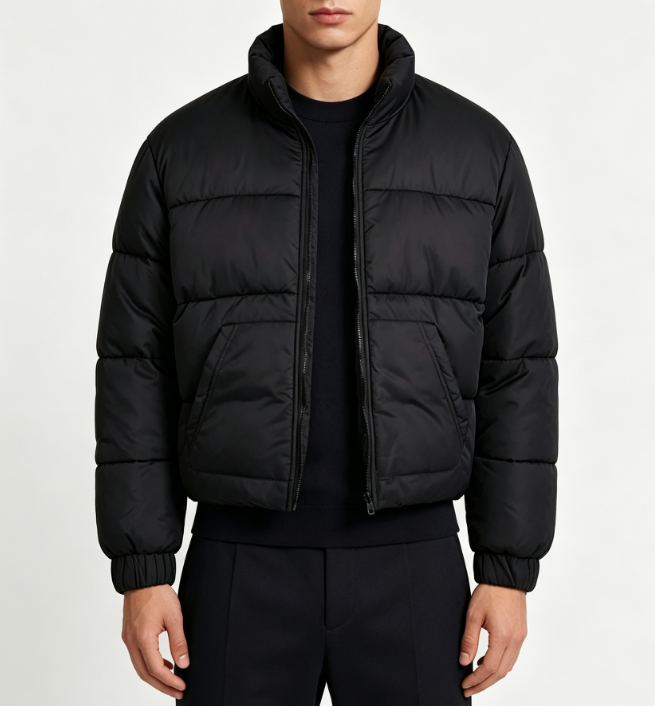
Custom Jackets
Create custom jean jackets with denim fabric sourcing, pattern development, fit refinement, branded buttons, snaps, patches, embroidery, washes, and private-label finishing. Coordinate proportions and wash effects with matching jeans, shorts, or denim-set programs.
Request a Quote
Custom Sweatshirts & Crewnecks
Develop custom crewneck hoodies, sweatshirts, and crewnecks in fleece, French terry, or jersey. Control garment weight, rib specifications, oversized or regular fit, printing, embroidery, wash treatments, and XS–3XL grading for consistent collection sizing.
Request a Quote
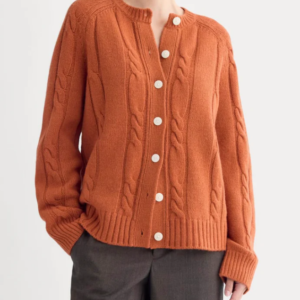
Custom Cardigans
Produce custom cardigans with knit construction, yarn and material selection, button or zipper options, branded labels, and grading support. Development can begin with a reference garment or design direction and scale into coordinated sweater programs.
Request a Quote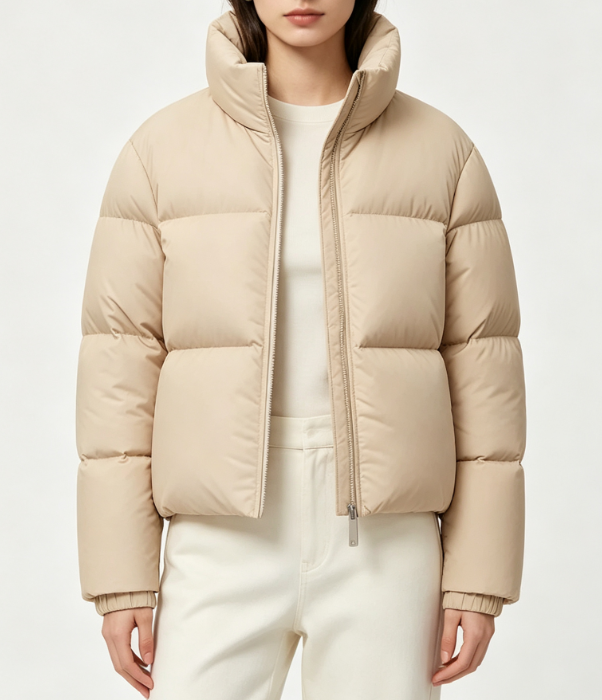
Custom Puffer & Down Jackets
Manufacture custom puffer jackets with fabric, insulation, lining, quilting, zipper, pocket, trim, and branding specifications reviewed before bulk production. Pattern makers refine mobility and body proportion across XS–3XL for outerwear that fits consistently.
Request a Quote
Custom Denim Shorts
Develop custom jean shorts in rigid or stretch denim with tailored inseams, rises, pocket details, hardware, washes, distressing, patches, and labels. Match fabric and wash direction to jeans or denim jackets for coordinated seasonal drops.
Request a Quote
Custom Sweater Dresses
Produce custom sweater dresses with knit constructions chosen for drape, coverage, stretch, and intended silhouette. Junsheen supports pattern development, size grading, trims, labels, and sampling for regular, extended-size, and oversized assortments.
Request a Quote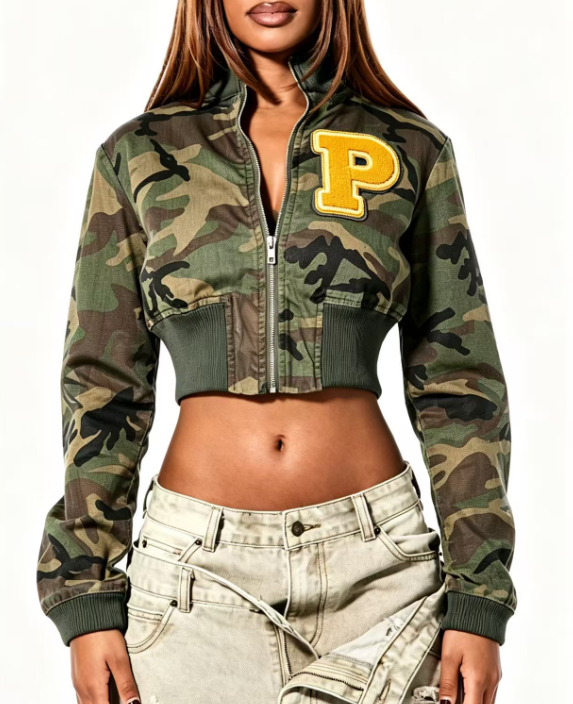
Custom Denim Sets
Manufacture men’s denim suits for wholesale programs, including coordinated denim jackets and jeans with aligned fabric, wash, hardware, and fit specifications. Low-MOQ development helps brands test matching sets before expanding into ongoing bulk replenishment.
Request a Quote
Custom Polo Shirts
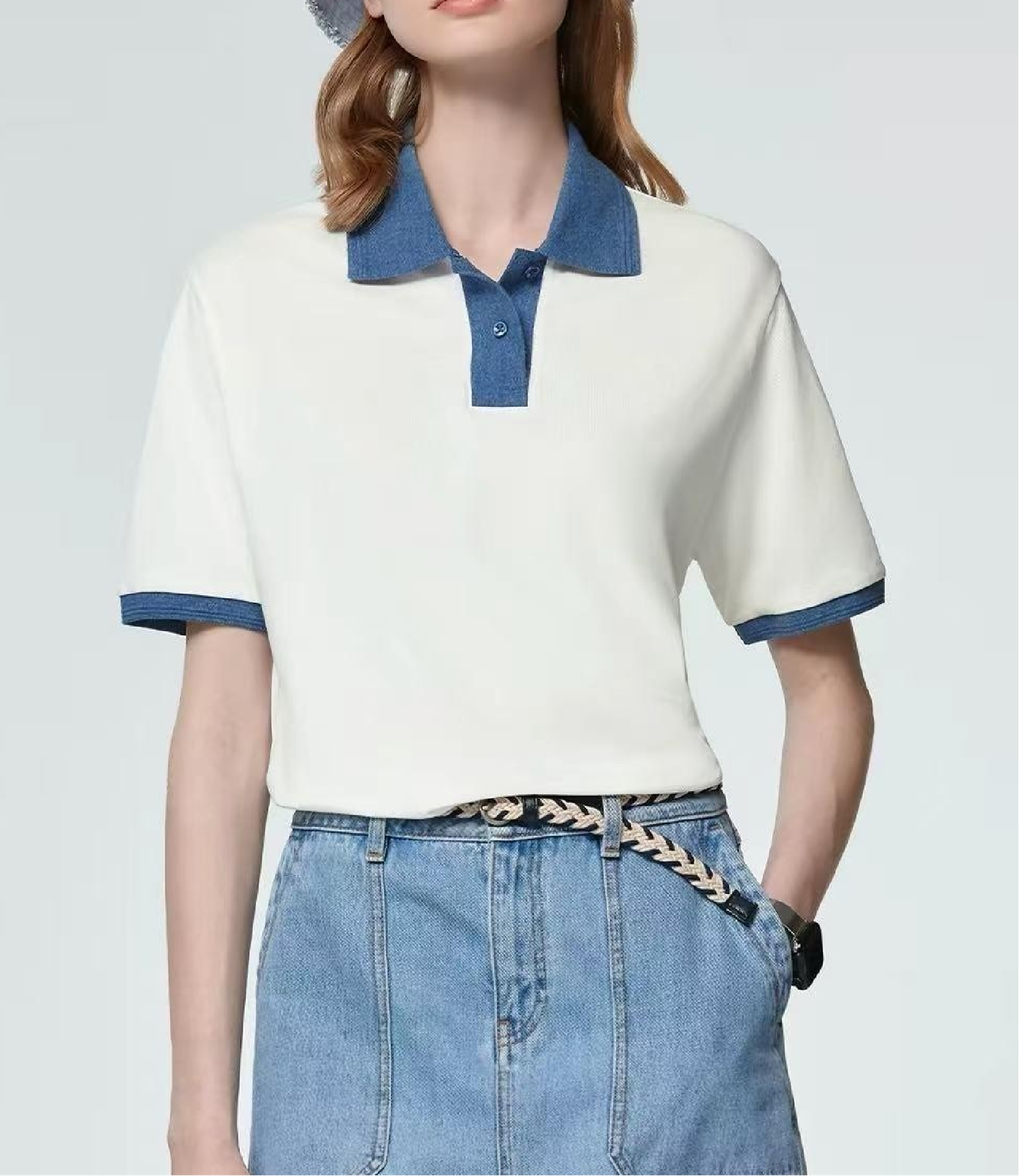
Produce custom polo shirts in knit or performance fabrics with collar, placket, cuff, button, embroidery, print, and label specifications. Fit-focused grading supports uniform, retail, and private-label programs requiring reliable sizing across XS–3XL.
Request a Quote
Custom Sweatpants
Develop custom sweatpants in fleece, French terry, or jersey with waistband, drawstring, pocket, cuff, print, embroidery, wash, and label options. Coordinate fabric weight and color with hoodies or crewnecks for complete loungewear and streetwear sets.
Request a Quote
Custom Shorts
Manufacture custom shorts across jersey, fleece, twill, denim, and woven constructions. Define inseam, rise, pockets, trims, decoration, and wash performance during sampling, then retain specifications for consistent repeat orders and coordinated collections.
Request a Quote
Custom Pullovers
Produce custom pullovers in knit, fleece, French terry, or jersey constructions, with options for quarter zips, hoods, collars, embroidery, printing, labels, and trims. Development supports regular, oversized, plus-size, and extended-size fit requirements.
Request a QuoteMaterials for Custom Cropped T Shirts, Layers and Capsule Drops

Combed Cotton Jersey
Soft, breathable cotton jersey for everyday custom cropped tees and logo-led capsule drops. Available in lightweight to heavyweight constructions, it delivers a smooth hand feel, dependable print clarity and comfortable year-round wear.

Organic Cotton Jersey
A premium natural option for responsibly positioned cropped T-shirts and elevated basics. Organic cotton offers a clean, soft hand feel and breathable comfort, with fabric weights selected to balance opacity, drape and durability.

Stretch Cotton Jersey
Cotton-blend jersey with elastane for fitted crop tops, baby tees and close-to-body layers. Its controlled stretch and recovery help the garment retain shape through repeated wear while preserving a soft, flexible feel.

Rib Knit Jersey
Textured rib knit creates a body-hugging look for cropped tanks, long sleeves and fashion-forward tees. The knit’s natural crosswise stretch improves mobility, while its pronounced ribs add visual depth and resilient shape retention.

French Terry Cotton
Midweight cotton French terry suits cropped sweatshirts, relaxed layers and coordinated sets. Smooth on the face with soft loopback texture inside, it provides breathable warmth, stable structure and a substantial premium hand feel.

Recycled Blend Jersey
Recycled cotton or polyester-blend jersey supports capsule drops with sustainability goals without losing commercial wearability. Material blends can be specified for weight, softness and durability, making them suitable for branded crop tees and layered basics.
Custom Cropped T Shirts: Decoration and Finishing Options

Screen Printing
Plastisol, water-based, high-density, and specialty screen prints deliver saturated color and dependable wash durability. Ideal for bold logos, large graphics, and repeatable custom cropped t shirts programs.

DTG and DTF
DTG and DTF printing reproduce detailed artwork, gradients, and small color runs with excellent clarity. These flexible options suit complex graphic placements and capsule collections requiring fast visual sampling.

Puff Print Effects
Puff, silicone, foil, flocking, and raised high-density inks add dimension to branded artwork. The result is a tactile surface that makes logos and graphics stand out on premium cropped tees.

Logo Embroidery
Flat, 3D puff, chain-stitch, applique, and patch embroidery create a refined, durable identity. Our team reviews placement and backing requirements to preserve the drape and comfort of cropped silhouettes.

Garment Dye Washing
Garment dye, acid wash, enzyme wash, softening, and anti-pilling treatments build washed-in color and a more individual hand feel. Controlled finishing supports consistent appearance across approved bulk production.
Private-Label Accessories for Custom Cropped T Shirts

Woven Neck Labels
Custom woven main labels establish your brand at the neckline of cropped tees, with options for woven, printed, leather-look, or folded constructions matched to your logo, color palette, and preferred hand feel.

Wash Care Labels
Add compliant wash-care and size labels with fiber content, care instructions, country-of-origin details, and branded messaging. We position them for comfort and clean presentation without disrupting the cropped garment’s fit.

Custom Hangtags
Branded hangtags create a polished retail-ready first impression for custom cropped t shirts. Choose custom shapes, stocks, finishes, strings, and barcode-ready layouts that support your collection story and wholesale requirements.

Printed Neck Tapes
Custom neck tape reinforces the inside back neckline while carrying repeating logos, messages, or color blocking. It adds a considered private-label detail and helps give lightweight cropped jersey styles a refined finish.

Drawcords and Snaps
For cropped hoodies, layered tops, and adjustable casualwear, select branded drawcords, metal aglets, snap buttons, or zipper pulls. Our team matches trim function, finish, and color to your approved garment design.
Branded Packaging
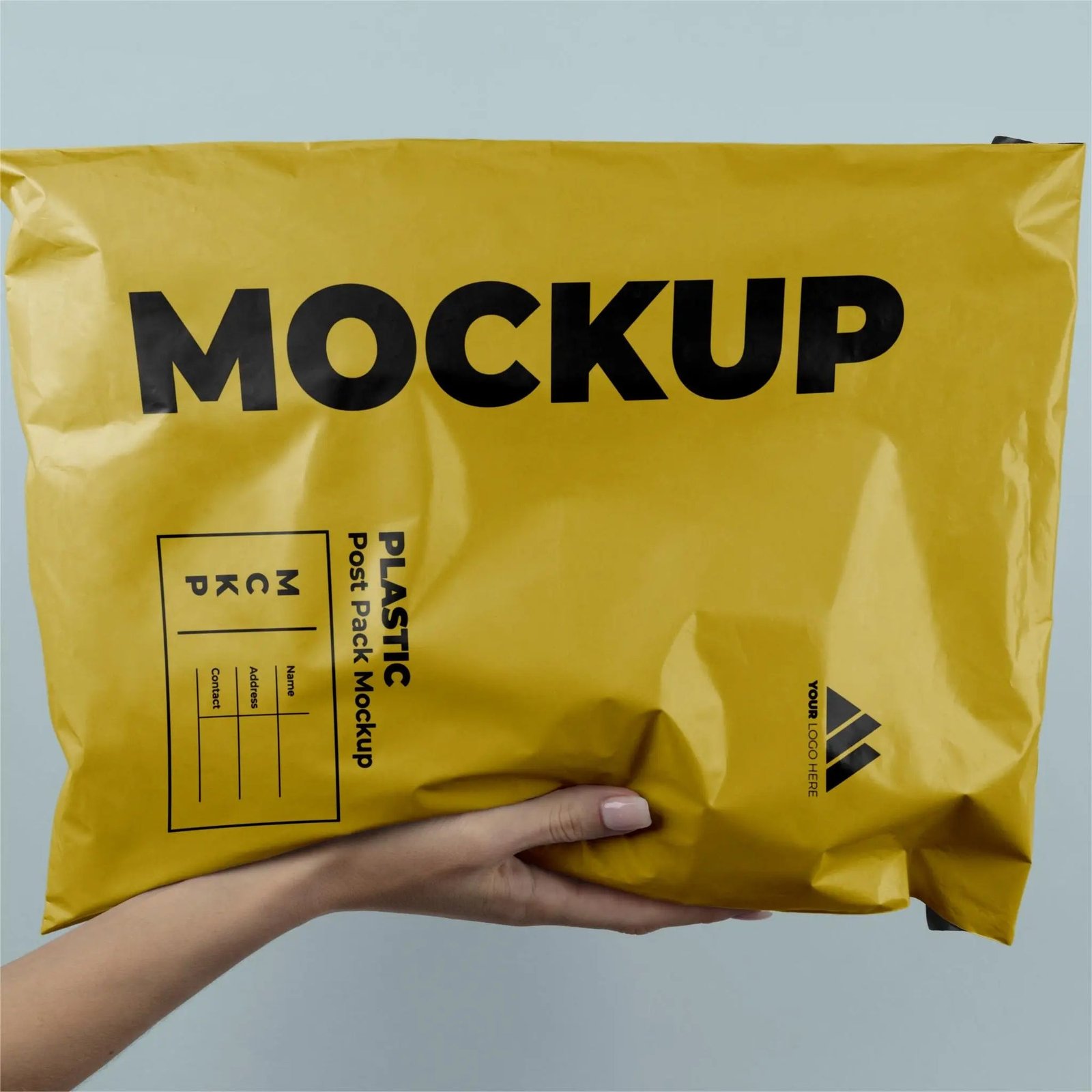
Complete your order with custom polybags, tissue paper, stickers, size dividers, carton marks, and packing inserts. JUNSHEEN coordinates presentation details to help custom cropped t shirts arrive ready for retail, fulfillment, or wholesale delivery.
About JUNSHEEN Custom Cropped T Shirts
Founded in 2010 in Humen Town, Dongguan, JUNSHEEN helps fashion brands turn custom cropped t shirts and broader casualwear concepts into production-ready collections. Our mission is straightforward: provide responsive, fit-first OEM, ODM and private-label manufacturing that supports launches from a 100-unit style-and-color MOQ through scalable global programs.
Our integrated supply chain combines product development, pattern making, XS–3XL grading, fabric sourcing, cut-and-sew, knitting, printing, embroidery, washing, labels, trims, packaging and export support. With more than 200 skilled workers and monthly capacity above 80,000 units, we keep technical details and quality control connected from sample approval to packed goods.
What distinguishes JUNSHEEN is fit development built for real customers, not simple pattern enlargement. We refine proportion, shoulder balance, sleeve length and mobility across normal, extended, plus-size and oversized ranges. More than 2,000 fashion-brand clients rely on this practical approach to build consistent crop tee programs and repeatable apparel production.

Custom Cropped T Shirts Built for Fit and Repeatability
Fit-First Pattern Engineering
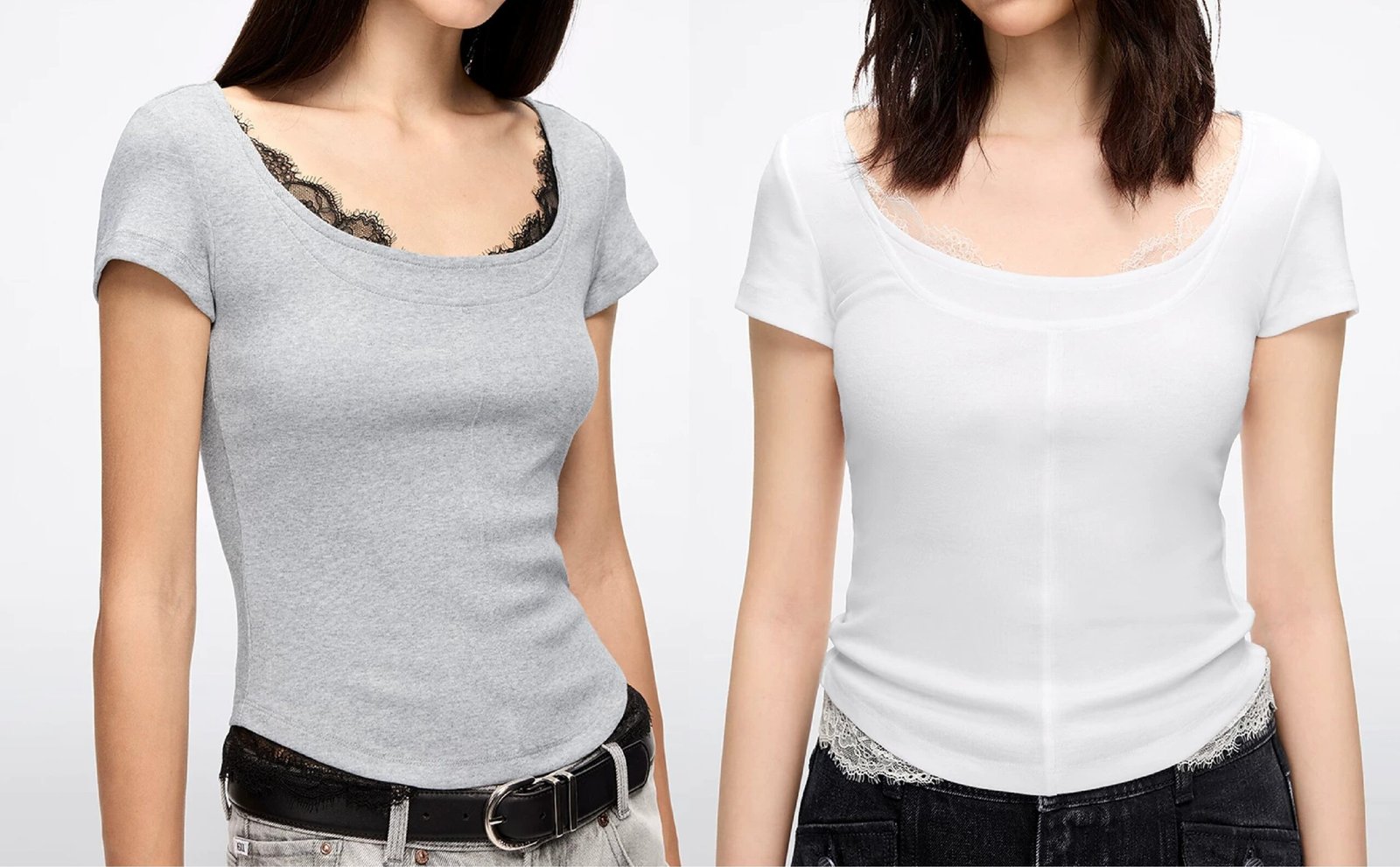
JUNSHEEN develops custom cropped t shirts from XS through 3XL with proportion-led pattern work. Our team adjusts crop length, shoulder balance, sleeve shape, chest ease and hem placement instead of simply scaling one base size.
- XS–3XL, extended-size and oversized grading
- Crop lengths matched to your target silhouette
- Fit samples and size-set review before bulk approval
Development From Any Starting Point
Bring a tech pack, sketch, reference garment, mood board or early product idea. Our OEM and ODM team reviews construction, fabric weight, trims and manufacturability to turn the concept into a production-ready cropped tee.
- Pattern making and prototype sampling
- Jersey, rib, blended and specialty fabric sourcing
- Low MOQ from 100 units per style and color

In-House Decoration Control
Build recognizable custom cropped t shirts with decoration and finishing coordinated through one manufacturing supply chain. We align artwork, placement, hand feel and wash effects with your fabric and fit requirements before production begins.
- Screen print, DTG, DTF, puff and silicone effects
- Flat, 3D/puff, chain-stitch and patch embroidery
- Garment dye, acid wash, softening and anti-pilling finishes

Records That Support Reorders
For repeat programs, JUNSHEEN retains approved patterns, graded size sets and material records to help maintain continuity. This gives growing brands a clearer path from initial sampling to dependable replenishment and scalable global production.
- Approved specifications retained for future orders
- Incoming, in-line and final quality inspections
- 200+ skilled workers and 80,000+ monthly-unit capacity

Why Brands Choose JUNSHEEN for Custom Cropped T Shirts
A fit-first OEM partner for low-MOQ launches and scalable apparel programs.
← 左右滑动查看 →
Custom Cropped T Shirts: From Fabric Sourcing to Global Delivery
A managed OEM workflow that moves your crop tee program from feasibility review to export-ready delivery with clear approvals at every stage.
Review Feasibility and Specs
Share a tech pack, sketch, reference garment, or concept. Our team confirms construction, fit targets, decoration options, MOQ, timeline, and production feasibility.
Source Fabrics and Trims
We recommend jersey weights, cotton blends, rib options, labels, and packaging based on hand feel, cost, wash performance, and your brand positioning.
Develop Patterns and Samples
Pattern makers refine cropped length, shoulder balance, sleeve proportions, and XS–3XL grading. Review prototype samples, swatches, and size sets before approval.
Launch Bulk Manufacturing
After pre-production approval, our cut-and-sew team manages fabric preparation, cutting, sewing, printing or embroidery, washing, and finishing for consistent bulk output.
Inspect Pack and Export
Multi-stage checks cover fabric, measurements, construction, fit, decoration, and packed goods. Approved custom cropped t shirts are labeled, packed, and prepared for global shipping.
How to Source Custom Cropped T Shirts With Our OEM Team
Move from concept to delivery with clear feasibility review, sample approval and controlled bulk production.
Send Your Design Brief
Share a tech pack, sketch, reference garment or mood board with target quantities, size range, fabric preferences, decoration requirements and delivery market.
Review Feasibility and Quote
Our development team reviews construction, fit, materials and trims, recommends production-ready adjustments, then provides a clear quotation for your 100-unit minimum program.
Approve Your Production Sample
Confirm fabrics, color, cropped proportions, XS–3XL grading, print or embroidery details and labels through samples before approving final specifications for production.
Launch Bulk Production
JUNSHEEN manages sourcing, cutting, sewing, decoration, finishing, inspections, packing and export coordination, keeping your approved custom cropped T shirts on track for delivery.
Custom Clothing Manufacturer Credentials and Compliance Documents




Custom Cropped T Shirts Results From Brand Partnerships
JUNSHEEN helped us turn a four-style crop tee capsule into a production-ready range from 100 units per color. Their grading corrections reduced our sample revisions from three rounds to one, and the launch sold through 72% of inventory in six weeks.
Our previous supplier treated extended sizes as simple enlargements. JUNSHEEN rebuilt the cropped fit from XS to 3XL, improving shoulder balance and body length. Returns tied to fit dropped 28% after our first reorder.
For our Australia-bound custom cropped T shirts, the team coordinated fabric, puff print, labels, and export packing in one program. They delivered 1,200 units on schedule, and we placed a repeat order within 30 days because quality was consistent across every color.
Custom Cropped T Shirts FAQ
Clear answers on MOQ, sampling, labeling, fit development, payment and worldwide delivery.
What is the MOQ for custom cropped t shirts?
Can you make a sample before I place a bulk order for custom cropped t shirts?
How long does custom cropped t shirts sampling and bulk production take?
Do you offer private labels and custom packaging?
Can you grade cropped T-shirt patterns from XS to 3XL?
What payment terms do you offer for OEM orders?
Can you ship custom cropped t shirts internationally?
How do you protect my designs and production information?
The Complete Buyer’s Guide to custom cropped t shirts
Use this decision framework to specify silhouettes, fabrics, decoration, construction, and 100-unit OEM sourcing requirements—while comparing supplier capabilities, controlling landed costs, and avoiding sampling, fit, and compliance mistakes.
1. What Are custom cropped t shirts?
100-unit starting programs make custom cropped t shirts a production category rather than simply a shorter blank tee. The garment is specified around a deliberately reduced body length—often measured from high-point shoulder—plus the brand’s chosen neckline, shoulder width, sleeve shape, fabric weight, color, trims, fit blocks, and artwork placement. 3 sourcing routes create very different buyer outcomes. Blank customization adds a print, embroidery, or transfer to a ready-made crop tee; private-label production adds the buyer’s labels, hangtags, packaging, and selected colorways to an existing supplier style; full OEM/ODM development builds or revises the pattern, grading, materials, construction, and finishing from a tech pack, reference garment, sketch, or concept. 2010-founded Junsheen treats fit as a development variable, not a final inspection point. For a cropped silhouette, that means confirming finished length, hem position, shoulder balance, chest ease, sleeve proportion, and grading from XS through 3XL before bulk approval—especially when the same style serves normal-size, extended-size, or oversized ranges. 1 buyer question defines the category: can this supplier turn our intended cropped fit and brand identity into a repeatable, production-ready tee at our target quantity and cost? The answer depends on whether the order needs only decoration, a branded existing style, or true pattern-and-product development.
2. The Evolution of Cropped T-Shirts
1970s youth fashion helped move the cropped tee from altered athletic and dancewear into a deliberate casual silhouette. Shortened jersey tops later reappeared through aerobics-inspired styling, then became a recognizable component of 1990s pop, skate, and streetwear wardrobes. 1990s streetwear and festival dressing made proportion—not simply exposed midriff—the commercial idea: a boxy body, dropped shoulder, fitted baby tee, or raw-cut hem each signaled a different customer. Athleisure broadened the category again by pairing shorter tees with high-rise leggings and joggers, while contemporary womenswear and unisex capsules use controlled volume, heavyweight cotton, and wider sleeves to update the shape. 2020s trend cycles have shifted preferred finished lengths from roughly 16–18 inches for a true crop to 20–22 inches for a more wearable high-hip fit, depending on size and grading. Brands developing custom cropped t shirts should validate torso coverage, rise pairing, size range, and regional customer expectations with fit samples and target-customer feedback; copying a viral silhouette without that check can create avoidable returns and weak repeat demand.
3. Types of custom cropped t shirts
Six production-ready custom cropped t shirts silhouettes cover distinct fit expectations, from body-hugging Y2K shapes to relaxed streetwear. Lock the intended customer and wear point before sampling, because crop length changes balance more than chest width alone.
Baby Tees And Rib Crops

Baby tees suit junior, trend-led and fitted womenswear ranges; a 42–48 cm body commonly finishes near the high waist. Use 160–190 GSM stretch jersey, set-in short sleeves, a close crew neck, and a straight or lightly curved hem. Fitted rib crops serve customers wanting recovery and a cleaner contour; 1×1 rib with 5–8% elastane follows the torso better than loose jersey. Specify a 40–46 cm body, narrow bound neckline, fitted sleeves, and a coverstitched hem that does not flare.
Boxy And Drop-Shoulder Crops
Boxy crops suit unisex, skate and casual collections; a wide chest with a 45–52 cm body creates shape without excess length. Choose 180–240 GSM cotton jersey, a regular shoulder, wider sleeve opening, rib crew neck, and square hem. Oversized drop-shoulder crops target streetwear customers; 220–280 GSM compact jersey gives the silhouette controlled drape. Define shoulder drop, longer sleeves, a 48–55 cm body, and a straight hem so grading preserves the intended volume.
Muscle And Long-Sleeve Crops
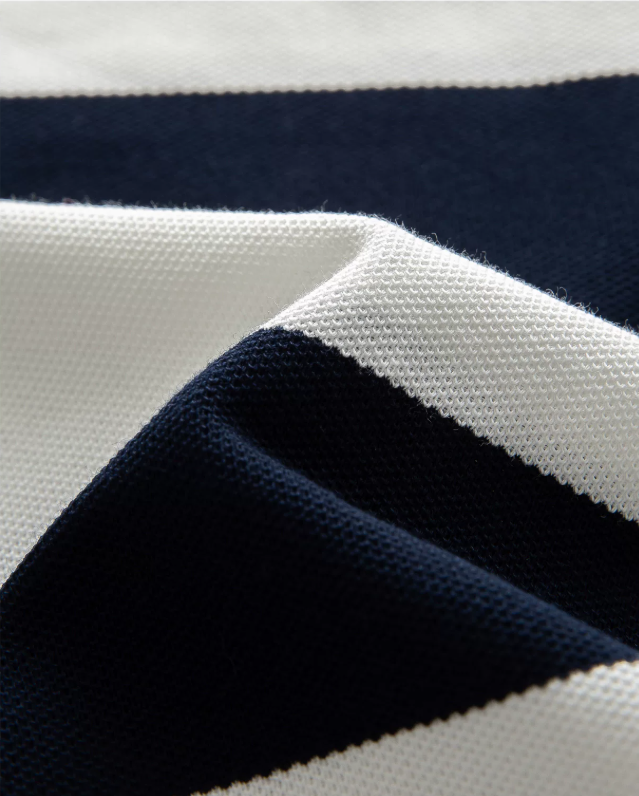
Muscle crops fit active or fashion customers seeking exposed shoulders; use 180–220 GSM jersey with enough structure to hold the armhole. Set a 43–49 cm body, raised armhole, sleeveless cut, rib crew neck, and clean folded hem. Long-sleeve crops extend the category into transitional weather; 180–220 GSM stretch jersey or rib should recover at cuffs. Confirm a 42–50 cm body, sleeve pitch, wrist cuff or self-fabric hem, and neckline depth before grading.
4. Fabrics for custom cropped t shirts
160–180 GSM fabric keeps a cropped tee light enough for warm-weather layering, while 220–260 GSM produces a more opaque, structured silhouette. Select weight alongside fiber, knit, shrinkage control, print method, and the intended retail tier.
| Fabric | Typical GSM | Best Use | Positioning |
|---|---|---|---|
| Cotton jersey | 160–180 | Light summer crops | Entry to mid |
| Combed cotton | 200–220 | Graphic fashion crops | Mid |
| Organic cotton | 180–220 | Certified collections | Premium |
| Cotton-spandex rib | 180–240 | Fitted crops | Mid to premium |
| Heavyweight jersey | 220–260 | Oversized crops | Mid to premium |
| Cotton-poly blend | 180–220 | Value basics | Entry to mid |
| Performance blend | 160–200 | Active crops | Mid to premium |
Reading GSM And Hand Feel

160–180 GSM cotton jersey feels soft, breathable, and economical, but light shades may need opacity testing. 200–220 GSM combed or ring-spun jersey has a cleaner hand and smoother print surface for mid-tier programs.
Match Fabric To Fit

1×1 cotton-spandex rib at 180–240 GSM suits fitted crops because elastane improves stretch recovery around the body and neckline. For oversized crops, choose 220–260 GSM heavyweight jersey; its firmer drape holds a boxier shape after washing.
- Use 3–8% elastane for fitted rib bodies.
- Approve wash tests before locking garment length.
- Grade body width and hem opening separately.
Fiber And Performance Tradeoffs

5–8% residual shrinkage is common in untreated cotton, so specify pre-shrunk fabric and confirm finished-garment wash results. Organic cotton supports a higher-price sustainability story when certification documentation is available; cotton-poly and performance blends dry faster, resist wrinkles, and suit active or travel-focused capsules.
- Combed cotton: premium softness and sharp screen prints.
- Cotton-poly: stable, durable, value-oriented.
- Performance blends: moisture management and recovery.
5. Customizing custom cropped t shirts
A 100-unit style-and-color program can carry far more brand identity than a logo alone. For custom cropped t shirts, separate surface decoration from product-development changes: the first alters appearance, while the second changes the garment itself.
| Method | Visual Effect | Artwork Limits | Durability | Cost Direction |
|---|---|---|---|---|
| Screen print | Opaque, clean | Separated colors | High | Low at volume |
| DTG | Soft full color | Cotton preferred | Medium-high | Higher per unit |
| DTF | Bright detailed transfer | Film-based art | Medium-high | Medium |
| Embroidery | Raised texture | Small, simplified logos | High | Higher |
Select The Decoration Method

1-color screen print is the most economical route for bold, repeatable artwork; plastisol, water-based, puff, foil, and high-density inks each need artwork prepared for the chosen effect. DTG suits detailed, full-color art on cotton, while DTF handles small multicolor runs and difficult placements. Embroidery and applique add dimension but need stable backing and sufficient clearance from seams.
- Screen print: strong color, efficient at volume
- DTG: photographic detail on cotton
- DTF: flexible multicolor transfers
- Embroidery: textured premium logo
Compare Effect Against Production
3 decoration variables drive feasibility: artwork complexity, placement size, and order quantity. Request strike-offs or sample panels before approving bulk color and hand feel.
Build Branded Finishing

2 label locations—the back neck and side seam—usually establish private-label identity without changing the silhouette. Add woven labels, neck prints, wash-care labels, hangtags, and branded bags as separate line items. 1 product-development change, such as a revised crop length, neckline, sleeve shape, fabric weight, or graded size set, requires pattern and sample approval. Decoration cannot correct a poor base fit.
6. Construction Details That Signal Quality
A cropped tee’s quality is usually decided in the sample before bulk approval. Buyers should inspect how each construction point holds shape after stretching, washing, and measurement checks.
Collar And Neck Stability
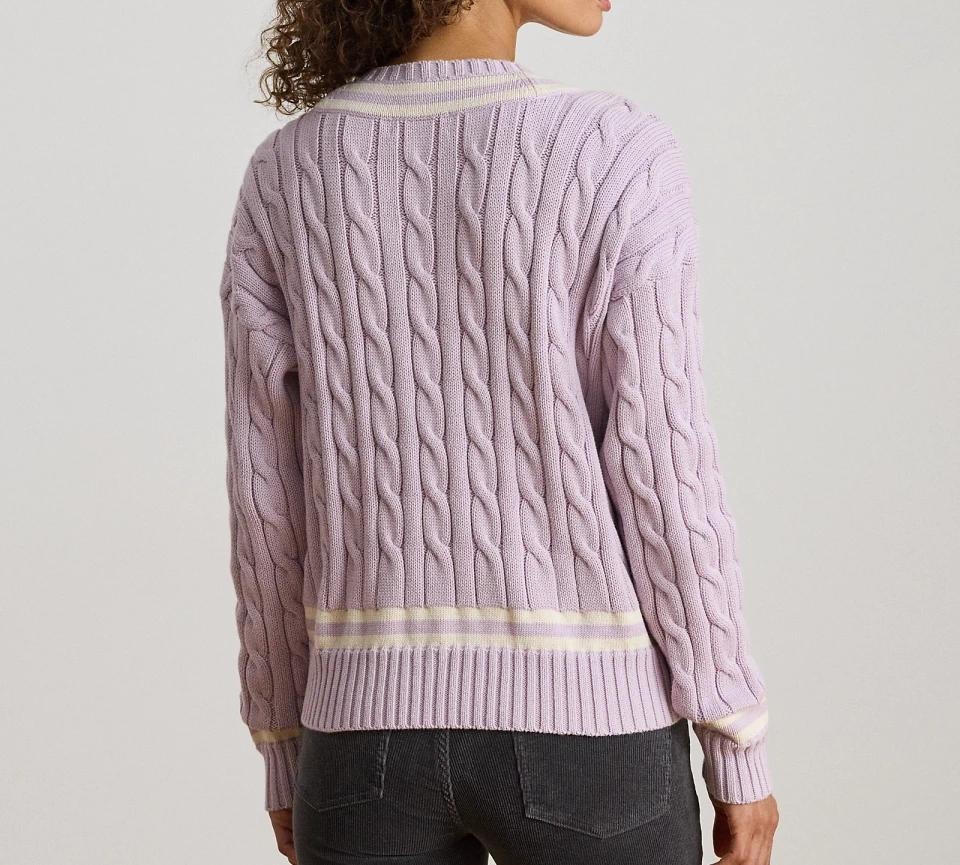
A 1×1 rib collar should recover cleanly after repeated hand stretching, without waviness or a permanently widened neckline. Neck tape should sit smoothly across the back neck and cover the seam comfortably. Two shoulder seams should align evenly with the collar and show no twisting when the garment lies flat. These details preserve neckline shape and create a more polished first impression.
Stitching And Seam Control

Eight to 12 stitches per inch is a useful sample-check range for many jersey seams, subject to fabric weight and stretch. Loose stitches, skipped stitches, or excessive seam puckering can shorten garment life. Both side seams should hang straight, while sleeve attachment should remain balanced on left and right. Check seam allowances and underarm areas after gentle stretching to identify distortion early.
Hem And Fabric Consistency

A double-needle hem should appear even around the body and sleeves, with no tunneling or roping after laundering. The hem must retain a flat line so the cropped length reads intentional rather than curled. Fabric weight should remain consistent between approved swatch, sample, and bulk lot; compare GSM and hand feel across panels. For knit tees, confirm the agreed shrinkage tolerance after the specified wash test.
Grading And Measurements
XS through 3XL grading requires deliberate changes to body width, shoulder balance, sleeve length, and crop length rather than simple enlargement. Review a graded measurement chart and at least one relevant size sample. Every critical point of measure should have a tolerance, commonly around plus or minus 1 cm for knit garments depending on the specification. Measure finished samples flat, after conditioning, and record deviations before production approval.
7. Choosing a custom cropped t shirts manufacturer
A manufacturer’s first quote is less useful than its development evidence. For custom cropped t shirts, assess whether the supplier can control crop length, grading, fabric shrinkage, decoration placement, and export timing before comparing unit prices.
Verify Relevant Development Experience
100-unit minimums can suit a capsule, but confirm whether the MOQ applies per style, color, fabric, and size run. Request dated photos of comparable cropped tees, including front, back, side, inside seams, neck rib, and measurement points. 3 fit references—a tech pack, reference garment, and target wearer profile—usually reveal whether pattern support is real. Ask how the factory adjusts body length, shoulder balance, sleeve opening, and grading rather than merely shortening a standard tee.
Audit Materials And Sampling

160–220 GSM ring-spun cotton jersey is a common starting range, but shrinkage and hand feel must be tested after wash. Request fabric composition, GSM tolerance, width, color-lab-dip photos, and available OEKO-TEX, GOTS, WRAP, or BSCI documentation where relevant. 1 approved sample should precede bulk cutting. Confirm sample fee, revision allowance, Pantone matching method, measurement tolerance, sample lead time, and whether pre-production photos show labels, print placement, and wash results.
Test Production Readiness
200-plus workers and 80,000-plus monthly units indicate capacity, yet capacity is meaningful only with a scheduled production window. Ask for an itemized critical path from material booking through inspection, packing, balance payment, and export handoff. 100% final inspection is not a substitute for in-line controls. Request the QC standard, acceptable defect level, measurement report, needle-control procedure, carton marks, export markets served, and named communication contact before paying a deposit.
- Confirm fabric booking and bulk lead time in writing
- Request pre-production sample approval checkpoints
- Ask who owns patterns and graded files
- Confirm shipping terms and final-balance trigger
8. Common custom cropped t shirts Buying Mistakes
100-unit capsule orders expose specification gaps faster than large runs. For custom cropped t shirts, preventable fit, material, artwork, and quotation errors can turn a promising sample into unsellable inventory.
Copying Measurements Blindly
2 cm can change a cropped body’s perceived proportion and hem exposure. Copying a reference spec without a wear test risks distorted shoulders, armholes, and grading; review a fitted prototype across XS–3XL before approval.
Treating GSM As Quality

180 GSM ring-spun jersey and 180 GSM open-end jersey can feel, drape, and wash very differently. Request swatches and a washed sample, confirm composition and knit construction, and set shrinkage expectations before bulk fabric is booked.
Rushing Artwork And Approvals

1 artwork file may require screen print, DTG, DTF, or embroidery depending on detail, placement, and order volume. Approving without a strike-off, Pantone check, measurement sheet, and construction review can lock in costly rework.
Comparing Incomplete Quotes
3 quote lines can appear comparable while omitting color minimums, custom labels, trims, packing, or measurement tolerances. Match fabric, GSM, color count, decoration, quantity, packaging, Incoterm, and acceptable tolerance line by line before selecting a supplier.
9. Steps to Launch Your Cropped Tee
A 100-unit-per-style-and-color starting point can make a cropped-tee launch testable, but only if approvals are sequenced. Reserve calendar room for one prototype, one fit sample, and a pre-production checkpoint before bulk cutting.
Define Customer And Reference
One target customer profile should lock intended fit, crop length, price band, and wear occasion before development begins. Two to four reference garments should identify measurable cues: shoulder width, body length, sleeve opening, collar height, and desired wash character.
Build The Technical Package
One complete tech pack should specify graded measurements from XS through 3XL where applicable, stitch types, tolerances, labels, and packing. Two artwork files are minimum: editable vector logos and a placement sheet with print dimensions, Pantone colors, and decoration method.
Approve Materials And Samples

160–220 GSM ring-spun cotton jersey suits many cropped tees; lock composition, shrinkage expectation, color standard, and trim choices from swatches. Two sampling rounds are prudent: approve construction in the prototype, then approve graded fit, print, and wash performance in the fit sample.
Release Bulk With Buffers
One signed pre-production sample must freeze measurements, fabric lot, artwork, label copy, fold method, and carton marks before cutting. Three checkpoints—inline sewing, measurement review, and final packed-goods inspection—should precede shipment. Build 2–3 weeks of sampling buffer and 3–5 weeks after approval for production, excluding transit.
10. custom cropped t shirts Pricing and Costs
100 units is JUNSHEEN’s practical starting point per style and color, so a first-run custom cropped t shirts quote carries more pattern, setup, and material-allocation cost per garment than a repeat bulk order. A 160–180 GSM open-end or ring-spun jersey tee is usually the entry point; 220–260 GSM combed cotton, organic cotton, heavier rib, or specialty washes raise both fabric and processing cost. 2–4 pattern changes—such as a shaped hem, baby-tee sleeve, dropped shoulder, contrast rib, or reinforced neckline—can add development and sewing time. Screen-print colors, puff or high-density effects, embroidery stitch count, DTG artwork coverage, custom neck labels, hang tags, polybags, and branded cartons should be costed as separate line items rather than assumed in the base garment price. 7–14 days is a typical sampling window after specifications and materials are confirmed; bulk timing depends on fabric availability, approved sample timing, decoration capacity, and order size. Freight, insurance, destination-country duties, VAT/GST, and customs clearance are outside a factory-only unit-cost comparison, so final quotations require an approved tech pack or reference sample, size breakdown, colorways, packaging requirements, Incoterm, and delivery destination. 1 approved pre-production sample is the most economical control point: changes after bulk fabric cutting can create replacement-material, labor, and schedule costs. For repeat programs, retained patterns, graded size sets, and material records can reduce redevelopment work, but current fabric and freight pricing should still be reconfirmed before each order.
| Quantity tier | Main unit-price drivers | Indicative production lead time |
|---|---|---|
| 100–299 units/style/color | Sampling amortization, fabric MOQ, single-color setup, labels and packing | 25–35 days after approval |
| 300–999 units/style/color | Fabric yield, print coverage/colors, sewing complexity, wash process | 30–40 days after approval |
| 1,000+ units/style/color | Material booking, decoration throughput, carton volume, inspection plan | 35–50 days after approval |
Start Your Custom Cropped T Shirts Sample Today
Send your tech pack, sketch, reference garment, or product idea for a tailored OEM quotation from JUNSHEEN’s fit-focused production team.