
Custom Made Tshirts From 100 Units
Develop fit-focused custom made tshirts from XS–3XL with one-stop OEM, ODM, private-label production, in-house decoration, and global export support.
Featured Products for custom made tshirts Development






Why Brands Source Custom Made Tshirts With JUNSHEEN
One manufacturing partner for fit-led development, private-label detail, dependable production, and worldwide delivery.
100-Unit MOQ
Launch capsule collections from 100 units per style and color, with practical support for emerging labels and growing programs.
Fit-First XS–3XL Grading
Refined patterns address proportions, mobility, shoulders, sleeves, and grading increments for normal, plus-size, extended-size, and oversized fits.
Integrated Decoration
Add screen printing, DTG, DTF, embroidery, washes, labels, trims, and branded packaging through one coordinated production supply chain.
Scalable Production Capacity
More than 200 skilled workers and 80,000 monthly units support reliable growth from sampling through recurring bulk orders.
Global Export Support
Work with an experienced team serving 2,000+ fashion-brand clients across key international markets, from approval to shipment.
Custom Apparel Categories We Manufacture
From launch-ready capsules to repeat bulk programs, Junsheen develops fit-focused casualwear, denim, knitwear and outerwear from 100 units per style and color.
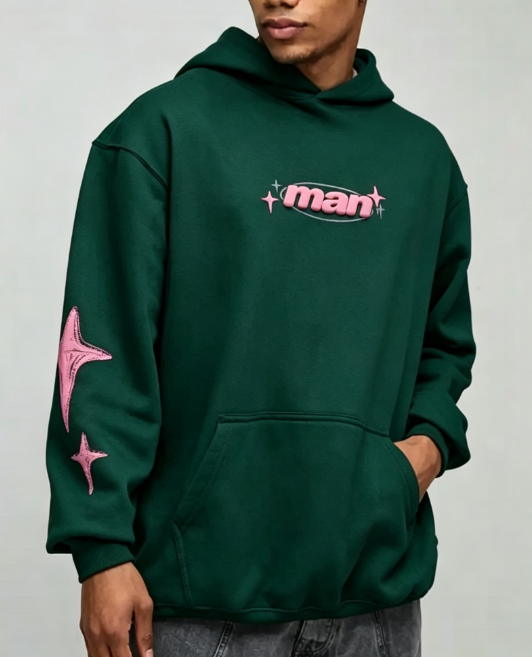
Custom Hoodies
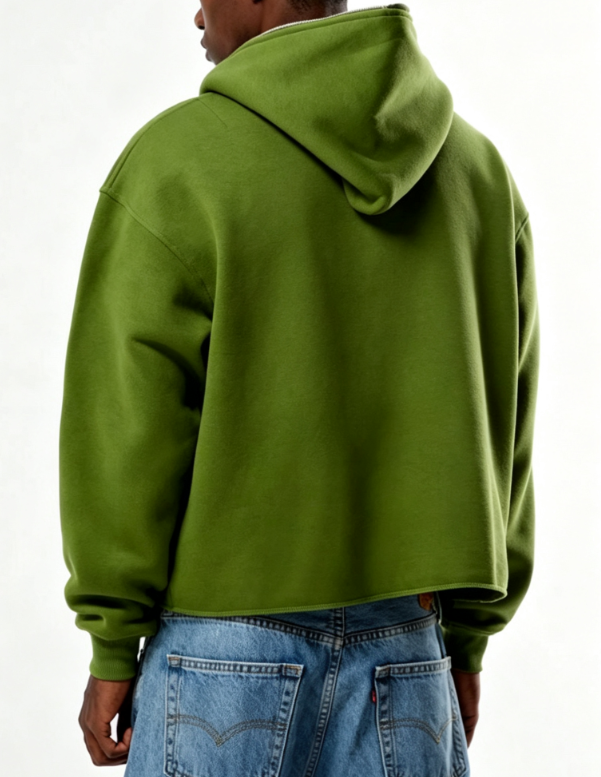
Develop custom hoodies in fleece, French terry or jersey with your preferred weight, fit and finish. Junsheen supports oversized and extended-size grading from XS–3XL, plus embroidery, screen printing, washes, labels and branded packaging.
Request a Quote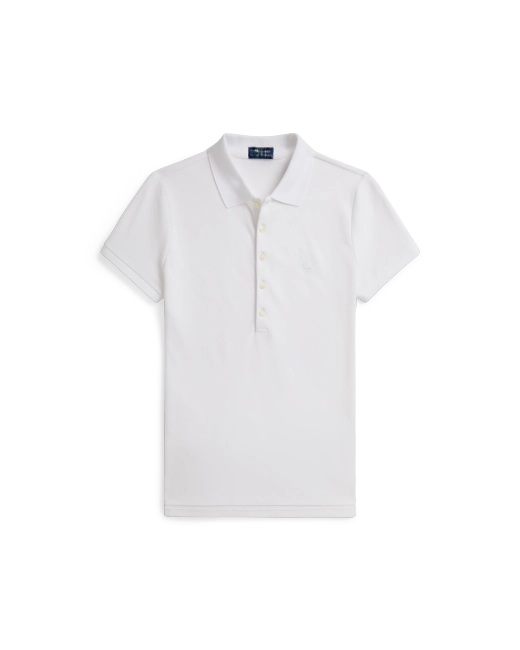
Custom T-Shirts
Produce custom tshirt programs in cotton, Pima cotton, organic blends or performance jersey. Our team reviews specifications, builds patterns and grades size sets for consistent fit, then applies screen print, DTG, DTF, embroidery or private-label details.
Request a Quote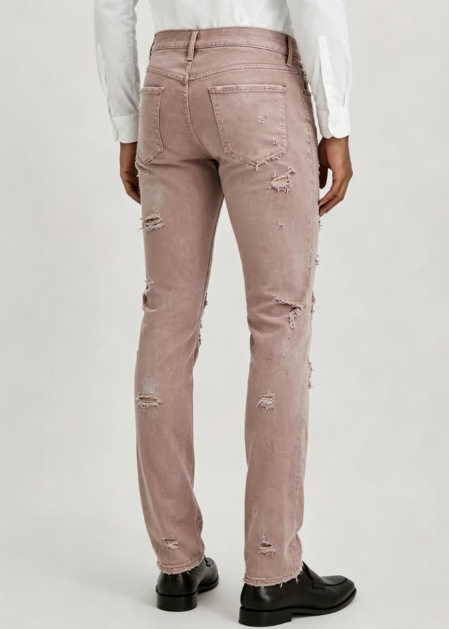
Custom Jeans
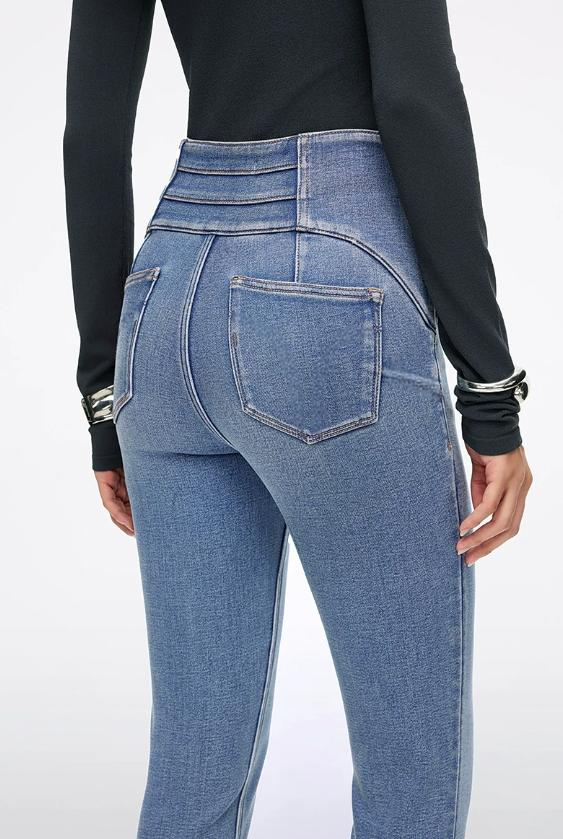
Develop custom jeans with denim or stretch-denim options, fit-specific patterns and controlled wash development. We support straight, relaxed, wide-leg and oversized silhouettes, refining rise, leg shape and grading before bulk production from 100 units per style and color.
Request a Quote
Custom Sweaters
Source turtle neck sweater bulk programs with knitted constructions selected for gauge, hand feel, warmth and durability. Junsheen develops neckline shape, body proportion and sleeve balance across XS–3XL, with yarn, color, label and packaging options aligned to your target market.
Request a Quote
Custom Jackets
Create custom jean jacket programs in rigid or stretch denim, with custom paneling, pockets, hardware and wash effects. Pattern makers refine shoulder balance, sleeve length and body ease, while in-house finishing supports garment dye, stone wash and other denim treatments.
Request a Quote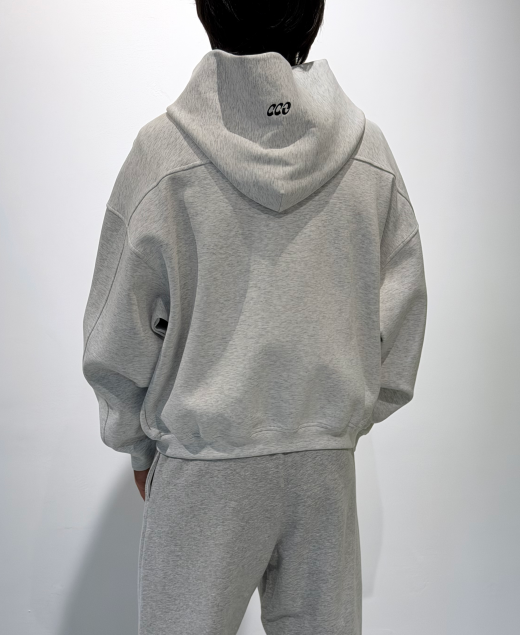
Custom Sweatshirts & Crewnecks
Manufacture custom crewneck hoodie and sweatshirt styles in fleece, French terry or jersey. We can develop brushed or unbrushed interiors, rib specifications, dropped shoulders and oversized fits, then add custom embroidery, printing, patches, labels and trims.
Request a Quote
Custom Cardigans
Develop custom cardigan collections in knitted yarns chosen for softness, recovery, warmth and cost targets. Junsheen supports button or zip closures, jacquard details, custom rib trims and fit grading for standard, extended-size and oversized programs.
Request a Quote
Custom Puffer & Down Jackets
Produce custom puffer jacket styles with shell, lining, insulation, quilting and hardware selected for your climate and price point. Our team develops mobility, layering ease and size grading, then manages trims, reflective details, labels and export-ready packing.
Request a Quote
Custom Denim Shorts
Make custom jean shorts in rigid or stretch denim with your preferred inseam, rise, leg opening and wash direction. Junsheen develops fit samples and graded size sets, then applies distressing, garment washes, custom hardware, labels and branded packaging.
Request a Quote
Custom Sweater Dresses
Develop custom sweater dresses with knit structures that balance silhouette, stretch, coverage and comfort. We refine neckline, sleeve, body length and grading from XS–3XL, supporting fitted, relaxed and oversized styles with custom yarn, trims and labels.
Request a Quote
Custom Denim Sets
Build mens denim suits wholesale programs with coordinated denim jackets and jeans designed for consistent fabric, wash and fit. Junsheen manages matching components, hardware and size grading, helping wholesalers and brands maintain repeatable sets across bulk orders.
Request a Quote
Custom Polo Shirts
Manufacture custom polo shirts in pique, jersey or performance knits with collar construction, plackets and sleeve details matched to your use case. We support embroidered logos, printed elements, custom buttons, labels and fit development from XS–3XL.
Request a Quote
Custom Sweatpants
Produce custom sweatpants in fleece, French terry or performance knits for coordinated sets or standalone bottoms. Our pattern team refines rise, inseam, leg shape and waistband comfort, with options for pockets, drawstrings, printing, embroidery and washes.
Request a Quote
Custom Shorts
Develop custom shorts in jersey, fleece, twill, denim or performance fabrics for casual, active or streetwear collections. Junsheen supports inseam and fit development, graded size sets, pockets, custom trims, decoration and private-label packaging.
Request a Quote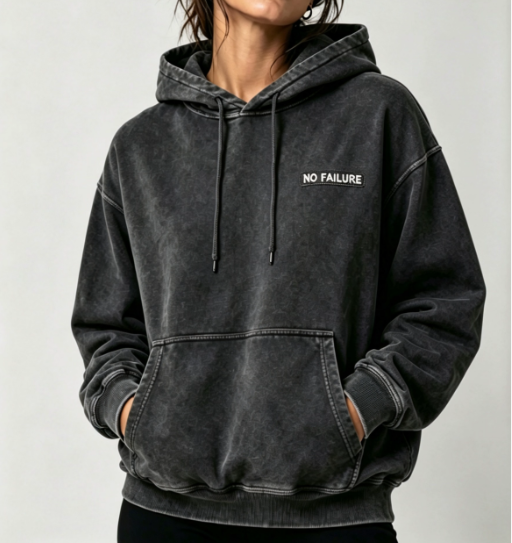
Custom Pullovers
Manufacture custom pullovers in knit, fleece, French terry or jersey constructions with fit and fabric selected for your collection. We develop neckline, sleeve and body proportions, including oversized and extended-size grading, then complete decoration, labels, trims and packaging.
Request a QuoteMaterials for Custom Made Tshirts: Fit, Hand Feel, and Performance

Combed Cotton Jersey
Smooth, breathable, and dependable for everyday branded T-shirts, combed cotton jersey offers a cleaner hand feel and reduced surface fuzz. Available across lightweight to heavyweight constructions for retail basics, graphic tees, and premium private-label programs.

Pima Cotton Jersey
Exceptionally soft with a refined, premium hand feel, Pima cotton jersey suits elevated custom made tshirts and luxury essentials. Its longer fibers support a smoother surface, strong color presentation, and comfortable wear across repeat washes.

Organic Cotton Jersey
A natural, soft-touch option for brands building responsibly positioned T-shirt collections, organic cotton jersey can be sourced in varied weights. It provides breathable comfort, reliable screen-print compatibility, and a clear material story for private-label programs.

Cotton Blend Jersey
Cotton-blend jersey balances natural comfort with added stretch, recovery, or durability depending on the fiber mix. It works well for fitted tees, active-inspired casualwear, and scalable branded programs requiring consistent shape retention after washing.

Heavyweight Cotton Jersey
Dense, substantial, and structured, heavyweight cotton jersey creates a premium silhouette for oversized tees, streetwear drops, and durable merch programs. Higher GSM construction improves drape control and gives embroidery or bold graphics a stronger base.

Performance Knit Jersey
Lightweight, quick-drying performance knit jersey is suited to sport-casual T-shirts, travel apparel, and functional branded uniforms. Engineered fibers provide moisture management and stretch while maintaining a clean surface for transfers, sublimation, or logo details.
Custom Made Tshirts With Standout Decoration and Finishing

Logo Embroidery
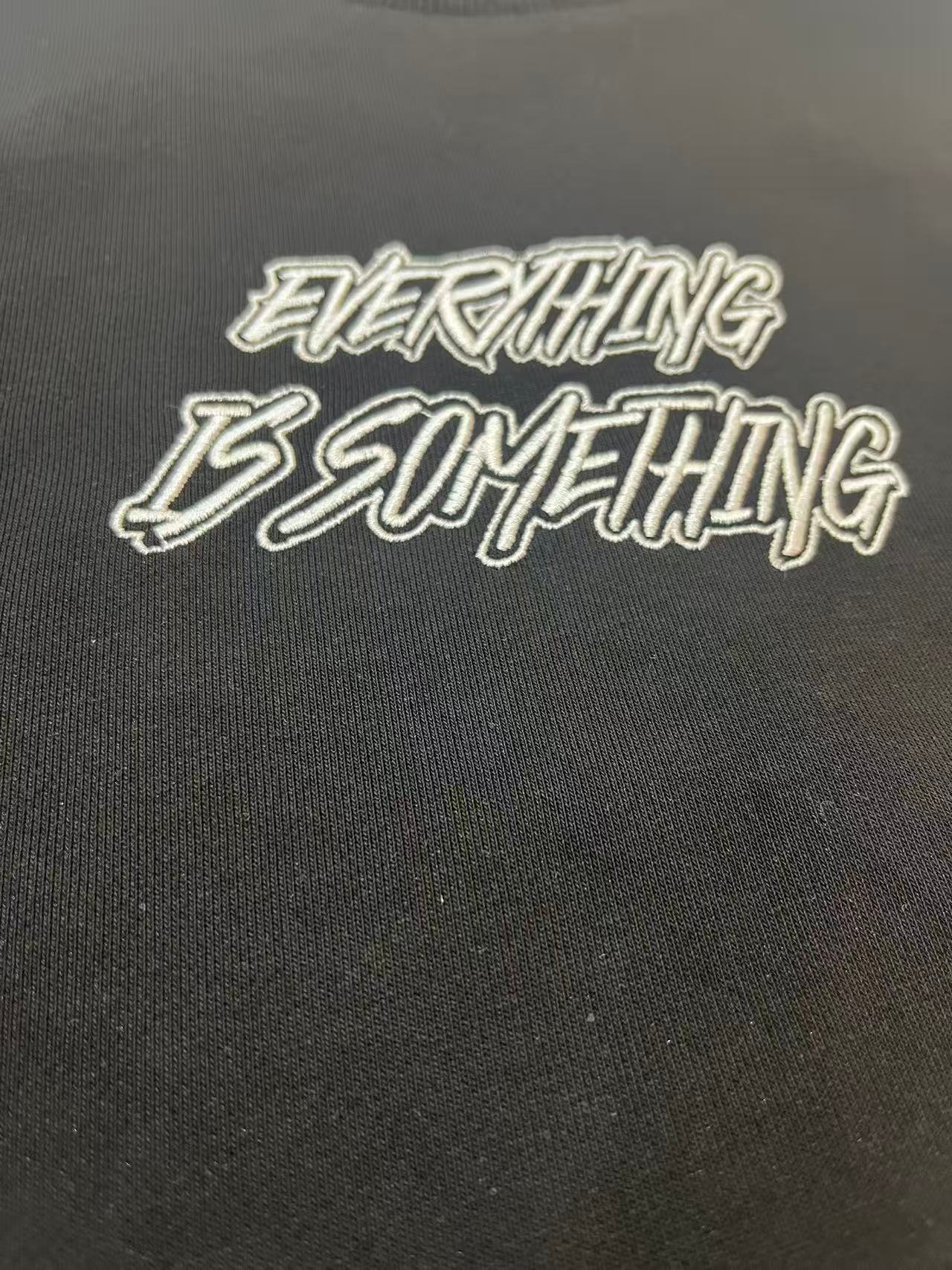
Flat, 3D puff, chain-stitch, applique, sequin, and patch embroidery add dimensional texture and a premium branded finish. Junsheen stabilizes placement and stitch density for clean, durable logos that hold their shape through repeat wear and washing.

Screen Print
Plastisol, water-based, puff, flocking, silicone, high-density, foil, and discharge screen prints create bold color, tactile effects, or soft-hand artwork. Process selection is matched to the fabric and design so graphics remain sharp, flexible, and wash durable.

Digital Printing
DTG, DTF, heat transfer, and dye sublimation support detailed artwork, color gradients, and smaller graphic runs. These methods reproduce intricate designs with precise placement while allowing the finish, stretch, and fabric compatibility to suit the intended garment.

Garment Dyeing
Garment dye, tie-dye, and acid-wash treatments create nuanced color variation and an individual, lived-in character. Controlled sampling helps brands approve the tone, wash effect, and consistency before bulk production begins.

Fabric Softening
Enzyme washes, softening, anti-pilling treatments, brushing, and napping refine surface texture and hand feel. These finishing processes can make custom made tshirts feel broken-in, warmer, smoother, or more resilient for their intended retail position.
Private-Label Trims for Custom Made Tshirts

Woven Brand Labels
Custom woven main labels, size labels, and wash-care labels give custom made tshirts a consistent brand identity while communicating sizing, fiber content, and care instructions clearly.

Custom Hang Tags
Add branded hang tags with your logo, barcode, pricing details, collection story, or care messaging. They create a polished retail presentation for launches, wholesale deliveries, and direct-to-consumer orders.

Logo Drawcords
Select custom drawcords, tipped cords, aglets, and colors for hoodies, sweatpants, and outerwear. These small details reinforce collection identity while matching fabric weight and intended garment use.

Zippers and Snaps
Specify branded zippers, pullers, snap buttons, and closures for jackets, denim, polos, and utility styles. JUNSHEEN helps align hardware finish, durability, function, and visual direction with your design.

Custom Logo Patches
Use embroidered, woven, leather, silicone, or applique patches to add dimensional branding to tees, denim, jackets, and accessories. Placement and construction are reviewed during sampling for dependable bulk execution.
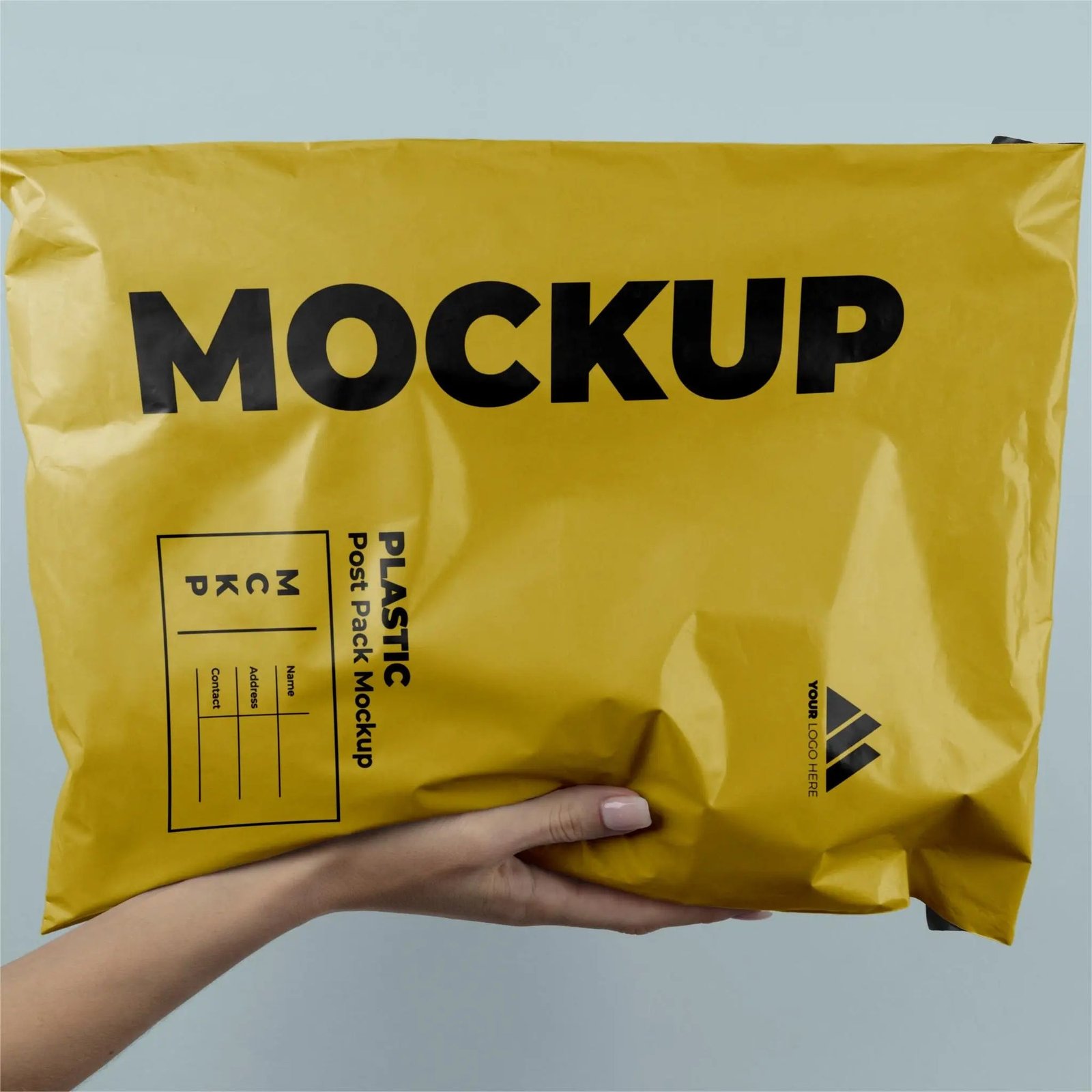
Branded Packaging
Finish production with custom polybags, mailers, tissue paper, stickers, cartons, and packing inserts. Coordinated packaging supports a consistent unboxing experience and helps prepare goods for global shipment.
About JUNSHEEN Custom Made Tshirts
Founded in 2010 in Humen Town, Dongguan, JUNSHEEN helps fashion brands turn custom made tshirts and casualwear concepts into production-ready collections. Our mission is to provide a responsive, technically capable manufacturing partner from initial idea and sampling through quality-controlled bulk delivery.
Our integrated supply chain brings together cut-and-sew, knitwear, fabric sourcing, pattern making, XS–3XL grading, printing, embroidery, washing, labels, packaging, and export support. With more than 200 skilled workers and monthly capacity above 80,000 units, we support capsule launches from 100 units per style and color through scalable repeat programs.
What distinguishes JUNSHEEN is a fit-first approach paired with practical brand support. We refine proportions for normal, extended-size, plus-size, and oversized garments rather than merely enlarging a base pattern. Having served more than 2,000 fashion-brand clients globally, we bring clear development guidance and dependable production to every order.

Custom Made Tshirts: Fit-First Development Capabilities
XS–3XL Fit Engineering
JUNSHEEN develops custom made tshirts with proportion-led patterns from XS through 3XL, including extended-size, plus-size, and modern oversized fits. Our pattern makers adjust shoulder balance, body length, sleeve shape, mobility, and grading increments instead of simply scaling one base size.
- Normal, extended-size, plus-size, and oversized grading
- Pattern refinement for balance, comfort, and movement
- Size sets reviewed before bulk approval
- Retained graded patterns for repeat programs
From Concept to Sample
Bring a finished tech pack, sketch, reference garment, mood board, or early product idea. Our development team reviews manufacturability, recommends fabrics and trims, creates patterns, and coordinates prototype samples so your T-shirt is ready for confident production decisions.
- Tech pack and specification review
- Fabric, weight, and trim recommendations
- Pattern making and prototype sampling
- Pre-production approval support

Integrated Decoration Control
Keep artwork, garment construction, and finishing aligned under one production partner. JUNSHEEN applies embroidery, screen printing, DTG, DTF, transfers, garment dyeing, washes, labels, and branded packaging with processes selected for the fabric, artwork detail, and intended hand feel.
- Screen print, DTG, DTF, and transfer options
- Flat, puff, chain-stitch, and patch embroidery
- Garment dye, acid wash, softening, and finishing
- Custom labels, hang tags, and packaging

Repeatable Bulk Production
Launch from 100 units per style and color, then scale into ongoing custom made tshirts programs with dependable records and quality checks. More than 200 skilled workers and monthly capacity above 80,000 units support consistent construction, measurements, decoration, packing, and global export coordination.
- Low MOQ from 100 units per style/color
- Incoming, in-line, measurement, and final inspections
- Material and pattern records retained for reorders
- Scalable global production and shipment support
Why Choose JUNSHEEN for Custom Made Tshirts
Fit-focused development, transparent quality control, and scalable private-label production in one manufacturing partner.
← 左右滑动查看 →
Custom Made Tshirts, From Sourcing to Global Shipment
A controlled, fit-focused manufacturing workflow for private-label T-shirt programs, from material approval through export-ready delivery.
Feasibility and Material Sourcing
JUNSHEEN reviews your tech pack, artwork, target cost, and fit requirements, then recommends suitable jersey weights, colors, trims, and production methods.
Pattern, Sample, and Approval
Pattern makers develop and grade fit-focused XS–3XL specifications, producing samples and size sets for measurement, wear, fabric, and construction approval.
Cutting and Garment Assembly
After pre-production approval, bulk fabrics are inspected, cut, and sewn by skilled teams using retained patterns and approved construction standards.
Decoration and Garment Finishing
Approved logos and effects are applied through embroidery, screen printing, DTG, transfers, washing, or finishing processes matched to your custom made tshirts.
Inspection, Packing, and Export
In-line and final checks verify measurements, fit, decoration, and packed goods before branded packaging, shipping documentation, and global export coordination.
Start Your Custom Made Tshirts Order
Move from concept to export-ready production with a clear, fit-focused process built for launches from 100 units per style and color.
Share Your Product Brief
Send a tech pack, sketch, reference garment, mood board, or product idea. Our team reviews construction, fit targets, decoration, quantities, and feasibility.
Confirm Materials and Quotation
Choose fabrics, trims, labels, and finishing options with our guidance. We confirm specifications, MOQ, sampling requirements, lead time, and a transparent production quotation.
Approve Your Development Sample
We create patterns, grade XS–3XL where needed, and produce a sample for fit, measurements, fabric hand feel, decoration, and construction approval.
Launch Bulk Production
After pre-production approval, our 200-plus skilled workers coordinate cutting, sewing, printing, embroidery, finishing, in-line inspection, and final quality control.
Receive Export-Ready Goods
We complete branded packaging, final measurement and packed-goods checks, then arrange global shipping support so your custom made tshirts arrive ready for distribution.
Custom Clothing Manufacturer Credentials and Compliance Documents




What Fashion Brands Say About Our Custom Made Tshirts
JUNSHEEN corrected our oversized tee grading across XS–3XL before the second sample. We approved the full size set in 18 days and launched 240 units with far fewer fit questions from customers.
Their team replied quickly, translated our reference garment into a clear specification, and kept decoration approvals moving. Our 100-unit custom made tshirts capsule arrived ready for launch, with labels and packaging handled in one place.
We began with 150 tees per color and reordered three times within eight months. The fit stayed consistent, production scaled smoothly to 1,200 units, and JUNSHEEN gave us dependable export support for our retail rollout.
Custom Made Tshirts FAQ
Clear answers on minimums, sampling, fit, payment, shipping, and confidential production support.
What is the MOQ for custom made tshirts?
How long does it take to make a custom made tshirts sample?
How much does a custom made tshirts sample cost?
Can you develop sizes from XS to 3XL or plus sizes?
What payment terms do you offer for custom apparel orders?
Do you ship custom made tshirts internationally?
Will you protect my designs and brand information?
Can I start without a complete tech pack?
The Complete Buyer’s Guide to custom made tshirts
Use this practical framework to specify custom made tshirts, compare fabrics and decoration methods, evaluate OEM suppliers, control MOQ and costs, and avoid the quality, timeline, and communication mistakes that derail production.
1. What Are custom made tshirts?
100 units per style and color is a practical entry point for custom made tshirts when a buyer needs a defined product rather than a decorated commodity blank. In B2B terms, OEM usually means producing to an approved specification; private label adds the buyer’s branding; blank-plus-print applies artwork to an existing base; fully custom development creates the pattern, fit, material, trims, and finish from the ground up. 160–280 GSM is a common jersey range, but the specification should state more than weight: fiber content, ring-spun or open-end yarn, knit structure, shrinkage tolerance, color standard, and wash method all affect the finished garment. Buyers can also define regular, oversized, or extended-size grading; collar rib, neck tape, stitching, sleeve and body measurements, Pantone artwork, screen-print or embroidery placement, labels, hang tags, polybags, cartons, and barcodes. 3 approvals protect the order before bulk cutting: a development sample confirms concept and workmanship, a size set validates grading, and a pre-production sample locks materials, artwork, measurements, and packaging. Junsheen can develop from a tech pack, sketch, reference garment, mood board, or product idea, then retain pattern and material records for repeat consistency. 1 stock blank is preferable when speed, low commitment, and a standard fit matter more than product distinction. Custom manufacturing is the stronger choice when the brand needs proprietary fit, a specific hand feel or weight, recurring private-label presentation, controlled size range, or a garment whose construction and finish support a higher retail position.
2. The Evolution of custom made tshirts
1913 marked the U.S. Navy’s adoption of a lightweight cotton crew-neck undershirt, helping establish the T-shirt as practical workwear rather than visible fashion. By the 1950s, film, youth culture, and retail turned that plain base layer into an outer garment with identity value. 1960s screen printing made repeatable graphic runs commercially viable, so concert merchandise, political messaging, sportswear, and promotional apparel could move beyond hand-painted pieces. Plastisol became a durable standard for bold opaque color, while water-based inks later expanded options for softer hand feel and lower-plastic print programs. 1980s streetwear and music scenes made limited graphics, deliberate oversized fits, washes, and label details central to product storytelling. Private-label buyers consequently need more than a logo placement: they should submit a measurable spec, Pantone references, print dimensions, placement tolerances, fabric weight, neck-rib requirements, and wash expectations. 2010s DTG, DTF, digital artwork workflows, and recycled or certified material programs shortened development for multicolor and smaller runs, but they did not remove factory discipline. For custom made tshirts, modern sourcing should confirm decoration compatibility, strike-offs, shrinkage and wash tests, graded measurements, traceable material documentation where required, and a realistic MOQ—such as 100 units per style and color—before bulk approval.
3. Types of custom made tshirts
A coherent custom made tshirts range starts with fit architecture, not decoration. Select silhouettes that share a clear customer, price point, and fabric platform before approving samples.
| Category | Silhouette | Suitable Weight | Production Focus |
|---|---|---|---|
| Crewneck | Regular, universal | 180–220 GSM | Neck rib and shrinkage |
| Oversized | Dropped, boxy | 220–280 GSM | Dedicated pattern |
| Performance | Mobile, technical | 140–180 GSM | Recovery and seams |
Core Crewnecks And Fitted Tees

180–220 GSM ring-spun cotton suits classic crewnecks for broad retail appeal; a regular body, set-in sleeve, and 1×1 rib neck are dependable starting points. 160–190 GSM jersey supports fitted tees for slimmer customers. Lock chest, body length, sleeve opening, and shrinkage tolerances before size grading.
Oversized Streetwear Fits
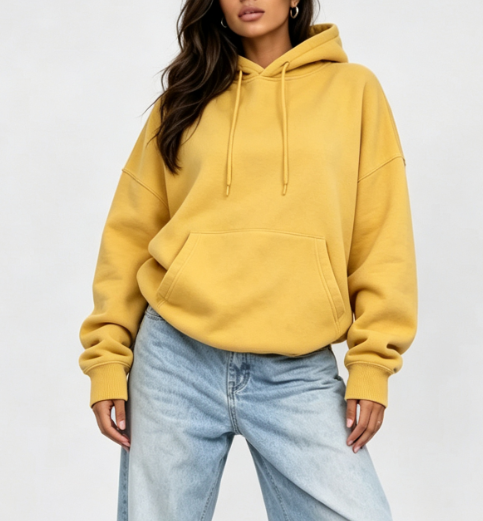
220–280 GSM cotton jersey gives oversized tees the structure streetwear customers expect. Dropped shoulders, wider sleeves, and a longer or boxier body need separate patterns—not an enlarged regular fit. 2–4 cm changes in body width or length can materially alter the silhouette. Approve wash-tested samples, especially for garment-dyed or enzyme-washed programs.
Polos Long Sleeves And Performance
200–240 GSM pique suits polos, while 180–220 GSM jersey works for long sleeves. Polos require collar stand, placket, button, and rib-color approvals; long sleeves need cuff and sleeve-pitch checks. 140–180 GSM polyester or blended performance knits suit activewear. Specify stretch recovery, moisture management, seam type, and decoration method before bulk production.
Extended-Size Programs
XS–3XL programs need proportioned grading rather than uniform enlargement. Shoulder balance, sleeve length, chest ease, body length, and armhole mobility should be checked across a full size set. 100-unit style-and-color starting quantities let brands test a focused assortment. Keep key fabric weights and color standards consistent across related fits to simplify repeat orders.
4. Fabrics for custom made tshirts
160–220 GSM is the practical starting range for most custom made tshirts. Fabric choice determines print behavior, drape, opacity, shrinkage risk, and whether a style suits humid, temperate, or performance-led assortments.
| Fabric | Typical GSM | Best Application | Climate/Positioning |
|---|---|---|---|
| Cotton or organic cotton | 160–200 | Everyday logo tee | Breathable; core premium |
| Combed cotton | 180–220 | Retail heavyweight tee | Smooth, opaque; temperate |
| Recycled cotton blend | 180–240 | Sustainability program | Structured; verify fiber claim |
| CVC | 160–200 | Uniform or merch tee | Durable; broad climate |
| Tri-blend or modal | 140–180 | Soft fashion tee | Drapey; warm climates |
| Polyester performance knit | 140–180 | Activewear or event tee | Quick-dry; humid use |
Fiber And Yarn Choices

100% cotton offers breathable, familiar hand feel; ring-spun and combed yarns feel smoother than open-end cotton. 20–40% recycled cotton is usually blended with virgin cotton or polyester to improve strength and consistency. Organic cotton requires verified certification when that claim appears on labels.
Blends And Technical Fabrics

CVC uses cotton as the majority fiber, retaining softness while polyester improves durability and color retention. Tri-blends add rayon or modal for fluid drape; polyester and performance knits wick moisture but can feel less natural. Select low-sheen filament polyester carefully for retail-facing tees.
Weight Knit And Shrinkage
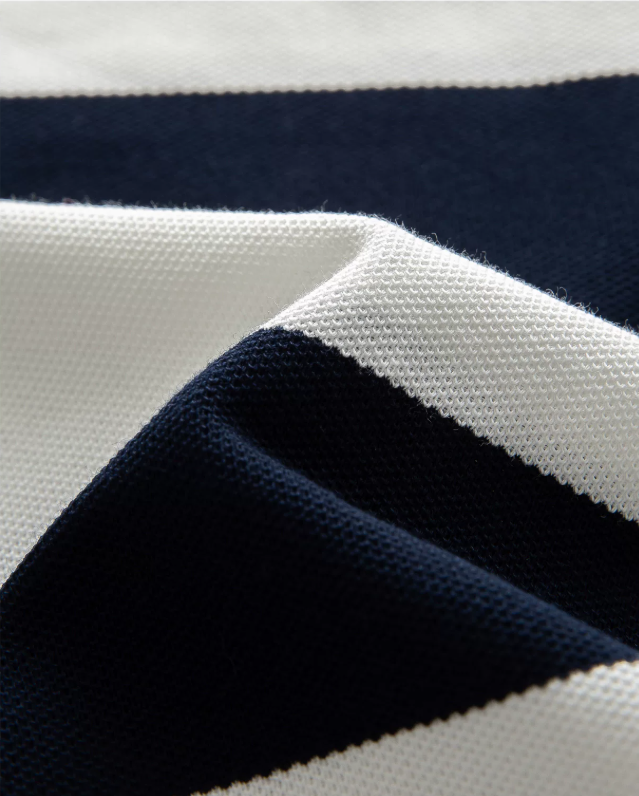
140–160 GSM single jersey suits hot climates and layering, while 180–220 GSM creates better opacity and a premium silhouette. 5–8% residual shrinkage can occur in untreated cotton; pre-shrinking, wash testing, and approved measurement tolerances should precede bulk cutting. Interlock feels denser, and rib knit is best reserved for collars.
5. Customization and Decoration Options
100-unit production runs require decoration choices that match artwork complexity, fabric, and repeat potential. For custom made tshirts, lock the visual standard before sampling, because a print method can change hand feel, color, and shrinkage response.
| Method | Artwork And Color | Durability / Setup | Best Quantity |
|---|---|---|---|
| Screen print | Bold vectors; spot or process colors | Excellent; screens required | 100+ units |
| DTG | Photographic detail; wide gamut | Good; minimal setup | Samples to small runs |
| DTF / heat transfer | Multicolor, small details | Good; film setup | Small to mid runs |
| Embroidery / appliqué | Simple shapes; limited fine detail | Excellent; digitizing required | 100+ units |
Choose The Print Method

1–3 spot-color logos favor screen print: opaque color, strong wash durability, and per-color screen setup. DTG suits detailed, short-run artwork on cotton; DTF and heat transfer handle multicolor placements but can feel less breathable. 4-color process artwork needs separations, underbase decisions, and fabric-specific strike-offs. Puff ink adds height but loses fine detail; discharge works best on dischargeable dark cotton and produces a softer hand.
Match Finish To Garment
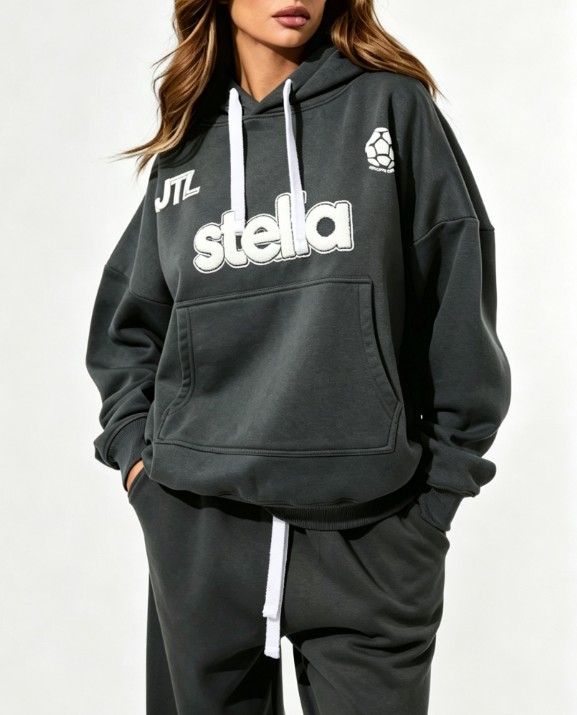
180–260 GSM jersey accepts most chest prints, while all-over sublimation requires polyester-rich fabric and seam-aware artwork. Embroidery, appliqué, and patches add dimension, but dense stitches can distort lightweight jersey. 1 approved wash recipe matters for garment dye, acid wash, stone wash, or enzyme softening. Test print adhesion, measurement change, and shade variation after wash; dye lots should never be approved from a digital mockup alone.
Specify Branding And Files

300 dpi artwork at final print size, Pantone references, placement dimensions, and a tech pack reduce interpretation during sampling. Supply vector AI, PDF, or EPS for screen separations and embroidery digitizing; approve a physical strike-off for color-critical work. 2 label positions should be stated clearly: main or neck label and size label. Specify neck tape, wash-care content, hangtags, polybags, carton marks, barcode placement, and folding method before bulk approval.
6. Construction Quality for custom made tshirts
A dependable T-shirt is defined by repeatable recovery, seam integrity, and dimensional stability—not simply fabric weight. For custom made tshirts, lock these details in the approved sample before cutting bulk fabric.
Collar And Shoulder Stability
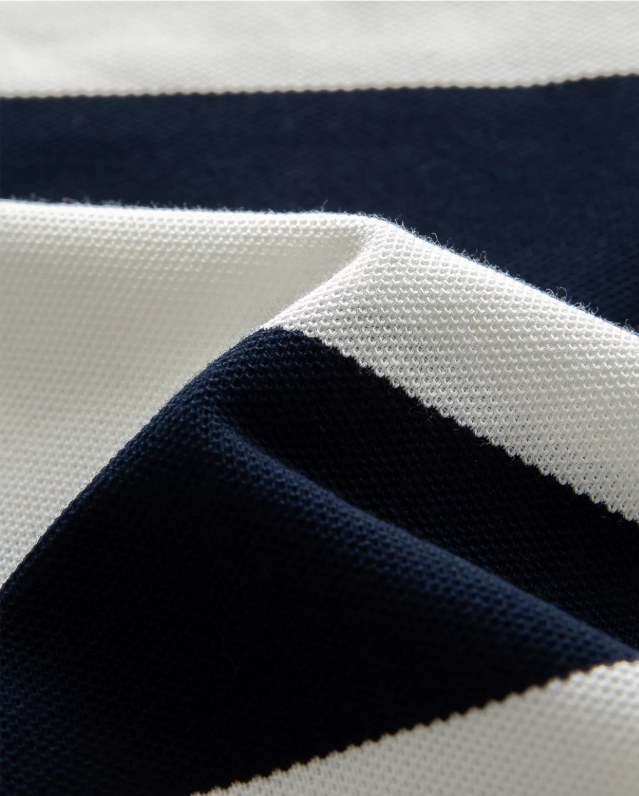
A 1×1 rib collar should recover after stretching and lie flat after washing; a narrow neck tape stabilizes the shoulder seam and improves comfort. Inspect collar wave, neckline symmetry, tape attachment, and skipped stitches on the sample. A 2-needle coverstitch at the hem and sleeves should be even, with balanced tension and no tunneling. Check that sleeve openings match, hems do not twist, and stitches remain intact after stretch testing.
Seams And Pattern Control
A standard side-seam jersey T-shirt commonly uses overlock construction with a clean, durable seam allowance. Compare left and right side seams for puckering, twisting, uneven seam margins, and loose thread ends. XS through 3XL require graded patterns, not simple width additions; shoulder balance, body length, sleeve length, and chest increments must remain proportionate. Request a size set when extended sizes are part of the launch.
Shrinkage And Final Inspection
A wash test should measure length, chest, collar opening, spirality, color change, and print or embroidery condition before bulk approval. Set acceptable shrinkage tolerances in the tech pack according to fabric composition and finish. During pre-shipment quality control, inspect random packed units against the approved sample, measurement chart, label placement, decoration position, and carton count. Record defects by category so corrective action is clear before goods ship.
- Measure garments before and after wash
- Check collar recovery after repeated stretching
- Verify measurements against graded tolerances
- Inspect packed goods for stains and holes
7. How to Choose a T-Shirt Manufacturer
Choose a manufacturer by testing its ability to reproduce your specification, not by comparing unit prices alone. For custom made tshirts, verify technical capability, commercial fit, and evidence of controlled production before placing bulk orders.
Match Product Specialization

100-unit launches need a supplier comfortable with low-MOQ cut-and-sew work, not only promotional blank printing. Ask for comparable jersey weights, collar constructions, and decoration samples. 180–260 GSM tees require different handling than lightweight 140–160 GSM jersey. Confirm experience with ring-spun cotton, oversized fits, and your intended wash standard.
- Request three comparable finished samples
- Check collar recovery after washing
- Review stitching inside and outside seams
Validate Development Capability

1 approved prototype should precede a size set and pre-production sample. Ask who creates patterns, how grading is checked, and whether fabric swatches are approved before bulk cutting. Pantone references, a measurement spec, and a bill of materials reduce interpretation. A capable factory flags shrinkage, print placement, and fit risks during feasibility review.
- Pattern and graded measurement chart
- Fabric composition and GSM record
- Approved color and trim references
Audit Control And Commercials
200-plus workers and 80,000-plus monthly units can support scale, but capacity must be confirmed against the production calendar. Request in-line and final-inspection procedures, defect tolerances, export markets, and shipment terms. 3 documents make quotes comparable: itemized fabric and trim costs, sampling charges, and freight or Incoterm assumptions. Confirm payment milestones in writing; first-order terms may require full prepayment, with later terms subject to relationship history.
- Quality-control checklist and inspection report
- Compliance certificates relevant to your market
- Written lead time, MOQ, and payment schedule
8. Common Buyer Mistakes to Avoid
A 100-unit MOQ makes an early error affordable to repeat, not harmless. For custom made tshirts, lock technical, commercial, and delivery decisions before bulk material is committed.
Start With Production-Ready Specifications
A complete tech pack states measurements, graded tolerances, stitch type, GSM, fabric composition, Pantone references, label placement, and pack ratio. Attach annotated artwork and a reference sample; this protects the quotation and factory feasibility decision.
Compare Quotations Like Specifications
A low quote can omit combed yarn, shrinkage allowance, screen count, wash testing, or individual polybags. Compare like-for-like BOMs and Incoterms; this protects the margin and final landed-cost decision.
Test Fabric And Approve Deliberately

A 180 GSM jersey can change hand feel, opacity, and shrinkage after washing. Request swatches, wash-test a sample, measure before and after laundering, and approve a signed size set; this protects fit and repeat-order consistency.
Freeze Artwork, Compliance, And Timing

Pantone, print size, and placement should be frozen before screens, transfers, or embroidery files are released. Provide required OEKO-TEX, GOTS, WRAP, BSCI, labeling, testing, and destination-market rules upfront; this protects compliance approval and prevents rework.
Plan Tolerances And Delivery Buffers
Standard measurement tolerances and shade variation must be agreed by size, fabric, and dye lot before production. Build sampling, approval, bulk production, inspection, freight, and customs buffer into the launch date; this protects sell-through timing rather than only ex-factory completion.
9. Steps to Launch Your T-Shirt Brand
A 100-unit OEM MOQ can validate a focused T-shirt concept without committing to a broad collection. Build each decision around evidence: a defined customer, comparable products, approved samples, and a launch plan that converts early demand into repeatable orders.
Define Customer And Gap
3-5 direct competitors reveal price bands, fit gaps, color saturation, and review complaints. Define one customer, one use case, and a retail target before selecting a relaxed, oversized, fitted, or heavyweight style. 2-3 hero colors and one fabric weight keep the first drop legible. Record target retail price, landed-cost ceiling, and expected margin before requesting quotes.
Build Production Files
1 tech pack should specify flat sketches, measurements, grading, GSM, fiber content, Pantone colors, artwork placement, labels, packaging, and tolerances. Include reference photos, but make written specifications the approval standard. 100 units per style and color is a practical OEM starting point at Junsheen. Reduce variants before sampling rather than spreading the MOQ across unproven designs.
Sample Before Bulk
3 suppliers is enough for a useful shortlist when each can show relevant jersey construction, decoration, fit development, and export communication. Compare quotations on fabric, trims, decoration, sampling, packaging, and shipping assumptions. 1 approved fit sample and a signed measurement sheet are the bulk gate. Revise neckline, shrinkage, print scale, and grading in sampling; never treat production as the first wear test.
Fund And Launch Carefully
30-50% of an initial launch budget should remain available for freight, duties, content, exchanges, and customer acquisition. Use waitlists, small preorders, or deposits only when delivery timing and refund terms are clear. 2 inspection points—during production and before packing—catch defects before freight. Photograph approved samples, create size guidance, product pages, and email assets while goods are in production, then reorder from proven colors and sizes.
10. custom made tshirts Pricing and Cost
100 units per style and color is a practical OEM starting point at JUNSHEEN, but factory price changes first with fabric specification, garment weight and decoration coverage. A 160–180 GSM open-end jersey blank costs differently from a 220–260 GSM ring-spun or combed-cotton tee, while Pantone-matched dye, contrast panels and enzyme washes add material and process cost. 2 cost figures should be separated: ex-factory garment price and landed sourcing cost. Landed cost also includes development samples, screen or embroidery setup, labels, branded packaging, inspection, freight, duty and destination-side handling; combining colors or increasing volume usually lowers setup cost per unit, whereas rush approvals can extend cost and timing.
| Order tier | Indicative factory-price drivers | Typical setup / sampling | Typical production lead time |
|---|---|---|---|
| 100–299 units | Basic tee, 1 fabric, 1–2 print colors; higher GSM increases cost | Sample plus screen setup charged separately | 25–35 days after approvals |
| 300–999 units | Better fabric utilization; 2–4 colors, labels and bags spread across more units | Screen setup amortizes more effectively | 30–40 days |
| 1,000–2,999 units | Bulk fabric buying lowers unit cost; embroidery, woven labels and custom trims remain add-ons | Pre-production sample and decoration test | 35–45 days |
| 3,000+ units | Best efficiency for repeatable styles; custom dye, individual packaging and multi-SKU packing affect cost | Tooling and sampling negotiated by program | 40–55 days |
Ready to Develop Your Custom Made Tshirts?
Send your tech pack, sketch, or product idea for an OEM quotation backed by 100-unit MOQs and fit-focused XS–3XL development.