
T-Shirt OEM ODM Manufacturer for Fit-Focused Private Labels
Your t-shirt oem odm manufacturer for 100-unit MOQ production, XS–3XL fit development, custom decoration, labels, and global delivery.
Featured Products for t-shirt oem odm manufacturer Development


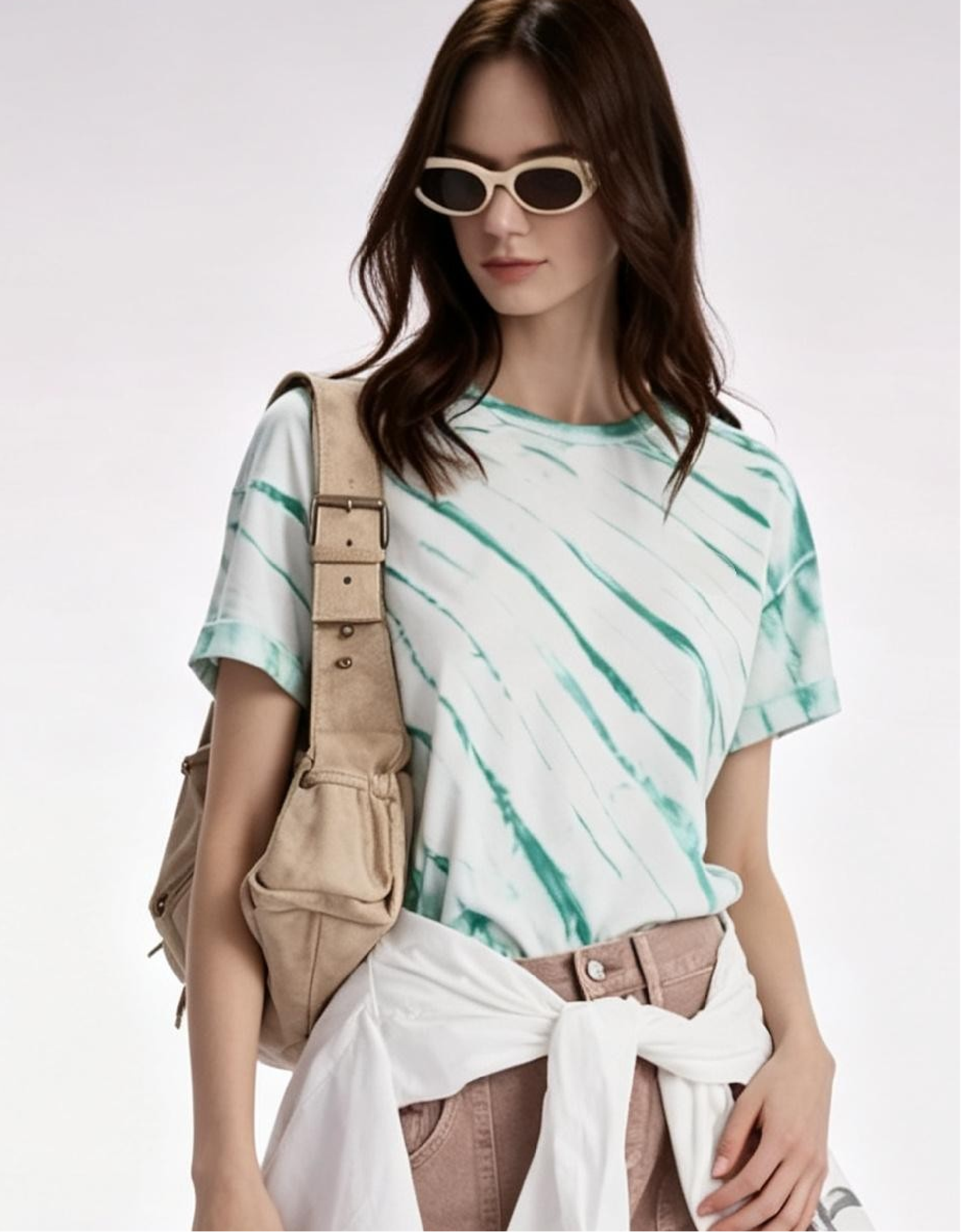


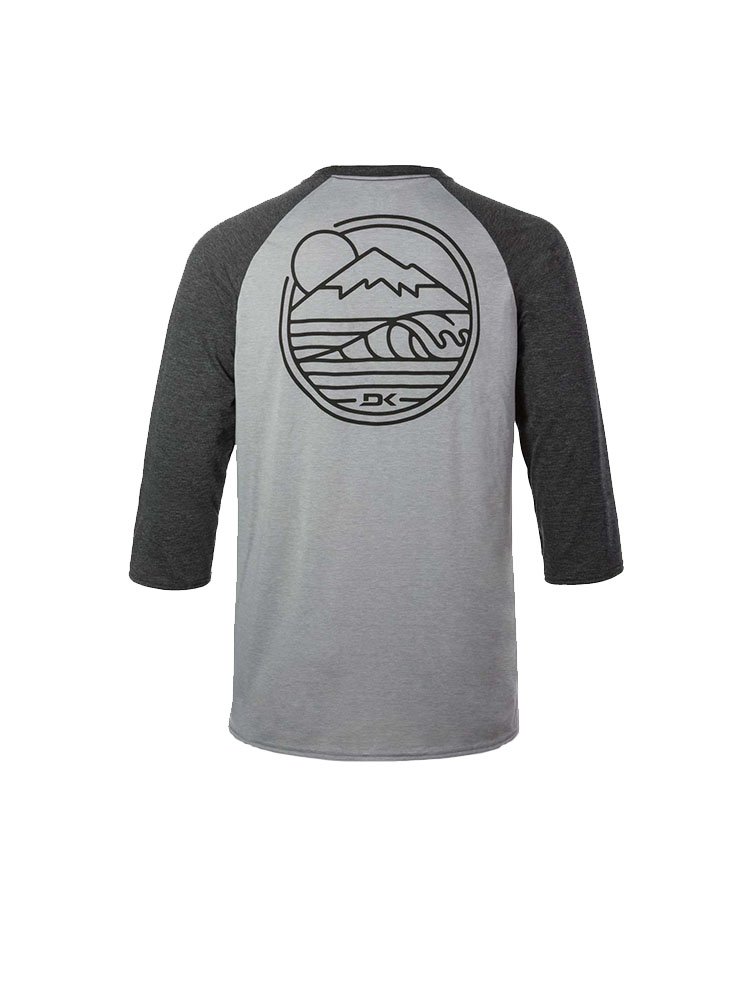
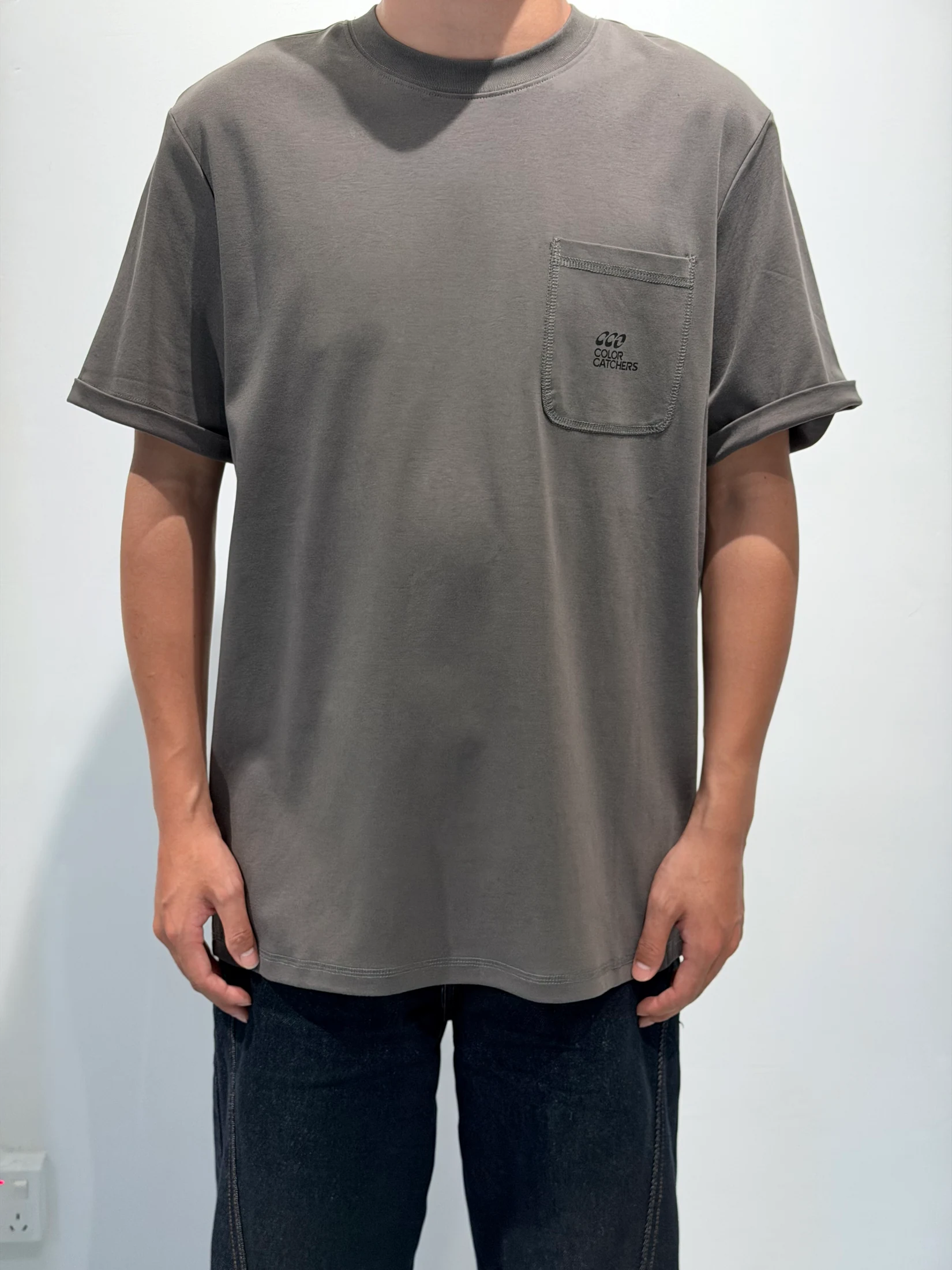
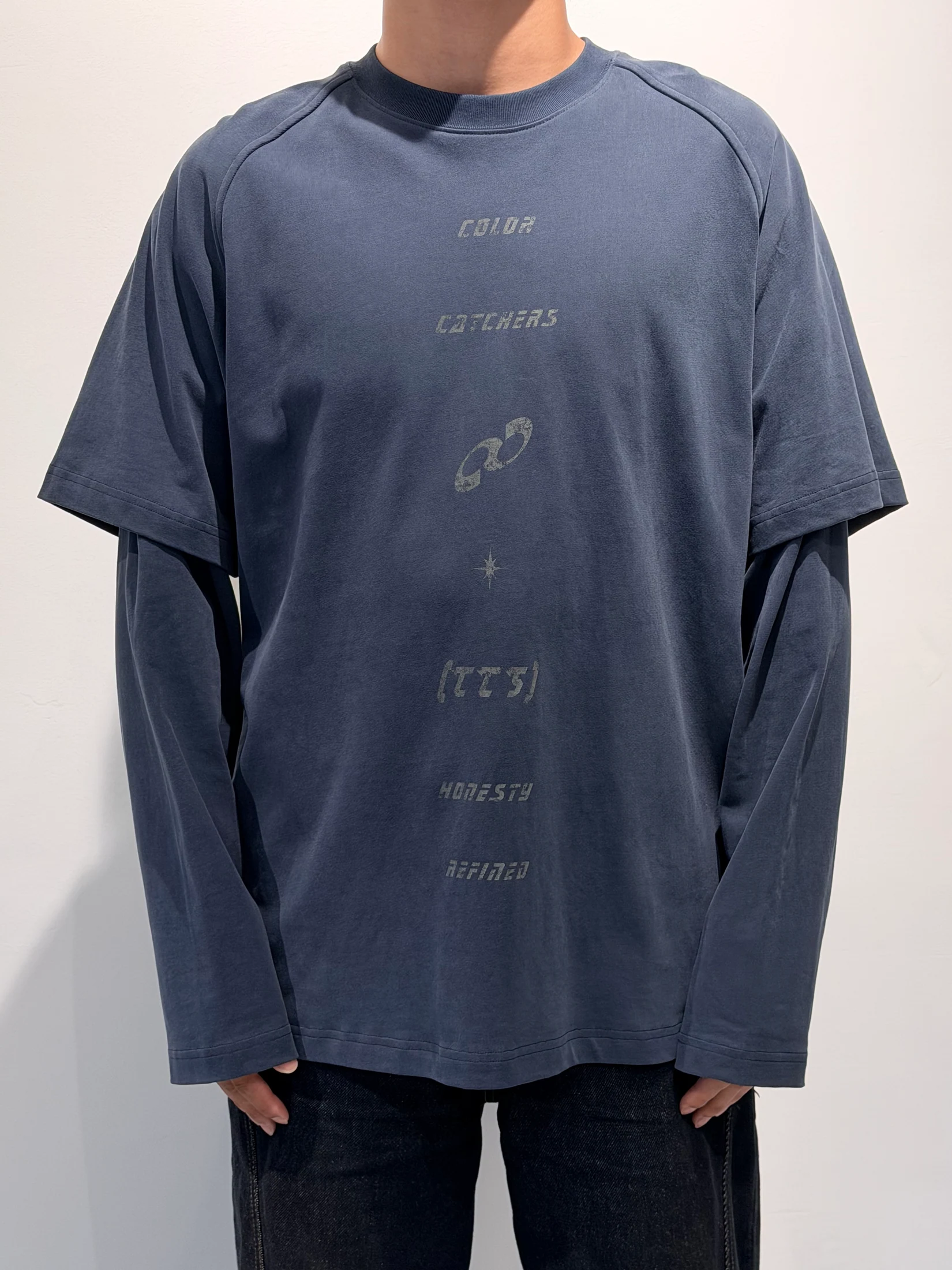


Related Product Catalogue and Quotation
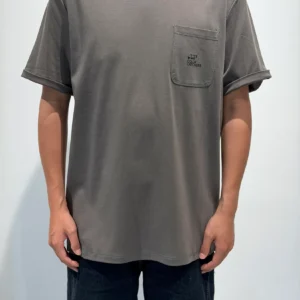


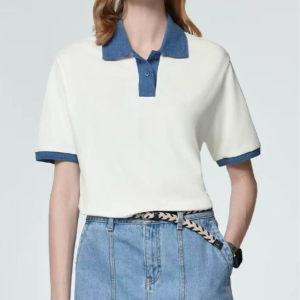

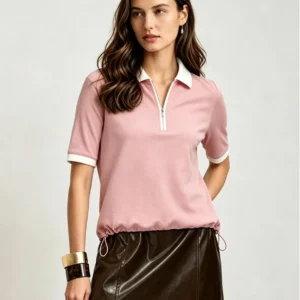
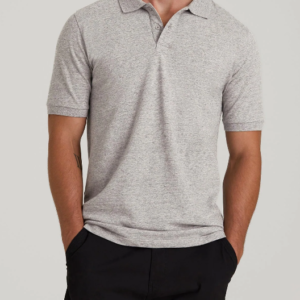


Why Brands Choose JUNSHEEN as Their T-Shirt OEM ODM Manufacturer
Integrated development, fit control and production support for private-label T-shirt programs from first sample through global delivery.
100-Unit MOQ
Launch capsule collections from 100 units per style and color, with practical support for emerging labels and growing reorder programs.
Fit-Focused XS–3XL Grading
Pattern makers refine proportions, shoulder balance and grading increments across normal, extended-size, plus-size and oversized T-shirt fits.
Integrated Decoration
Coordinate screen printing, DTG, DTF, embroidery, washes, labels, trims and branded packaging through one accountable production partner.
Scalable Factory Capacity
More than 200 skilled workers and 80,000-plus monthly units support reliable sampling, bulk production and ongoing global brand growth.
Material Sourcing Expertise
Source cotton, organic cotton, blended jersey and performance knits matched to your target hand feel, weight, durability and cost.
Export-Ready Support
Receive quality-controlled, packed goods and responsive export coordination for fashion brands, retailers and sourcing teams worldwide.
Custom Apparel Categories We Manufacture
From launch-ready tees to coordinated denim and insulated outerwear, Junsheen develops fit-focused casualwear from 100 units per style and color.
Custom Hoodies
Develop custom hoodies in fleece or French terry with your preferred weight, fit, rib trims, drawcords, pockets, labels, embroidery, printing, and wash finish. Pattern development supports XS–3XL, plus-size, and oversized silhouettes before bulk production.
Request a Quote
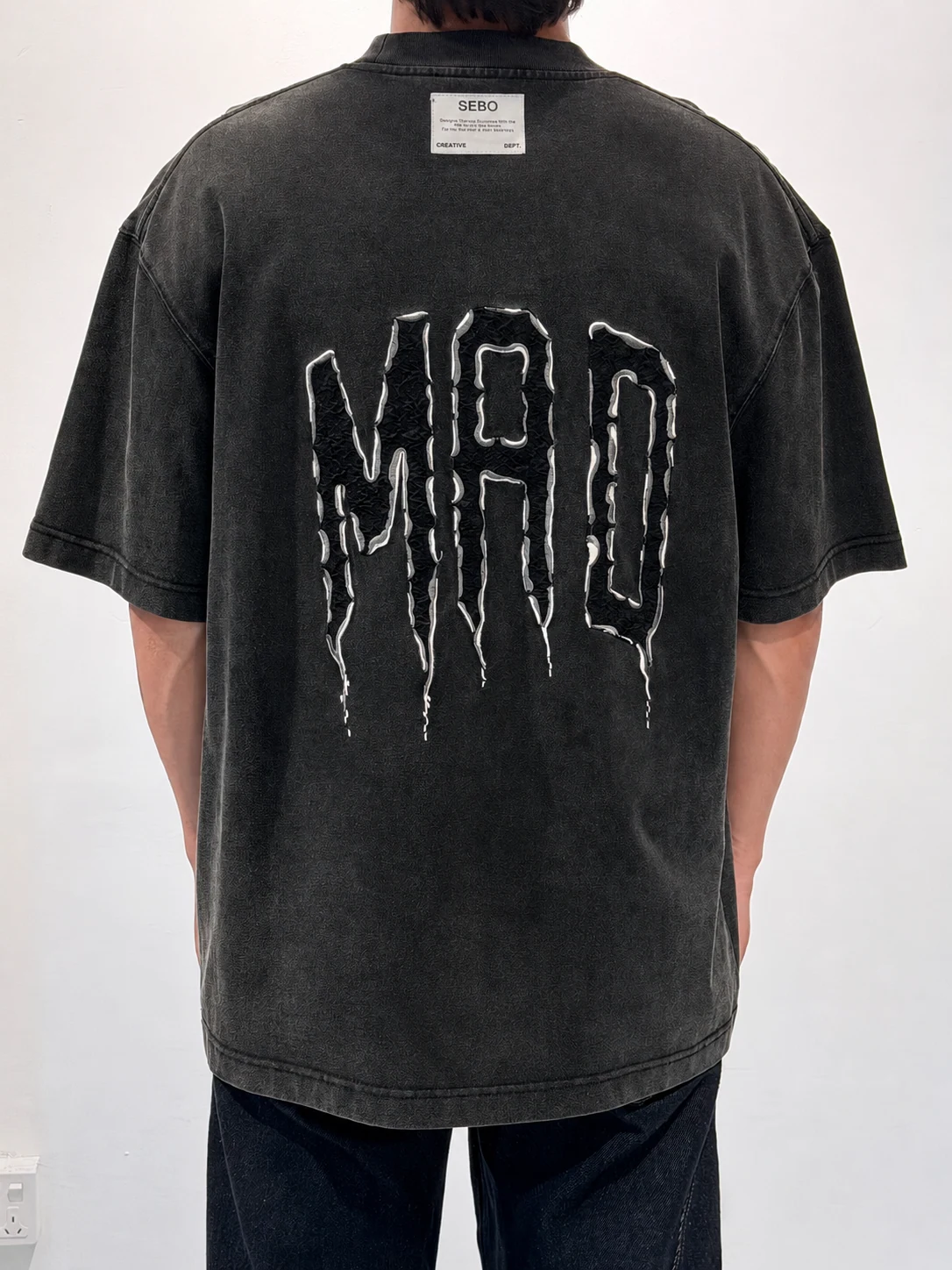
Custom T-Shirts
Produce custom T-shirts in combed cotton, Pima cotton, organic cotton, or blended jersey. We support necklines, weights, cuts, size grading, screen printing, DTG, DTF, embroidery, labels, and packaging for retail, wholesale, or private-label programs.
Request a Quote
Custom Jeans
Develop custom jeans in rigid or stretch denim with fit-specific patterns, rises, leg shapes, washes, hardware, pocket details, patches, and branded trims. Sampling and graded size sets help confirm construction and fit before repeatable bulk production.
Request a Quote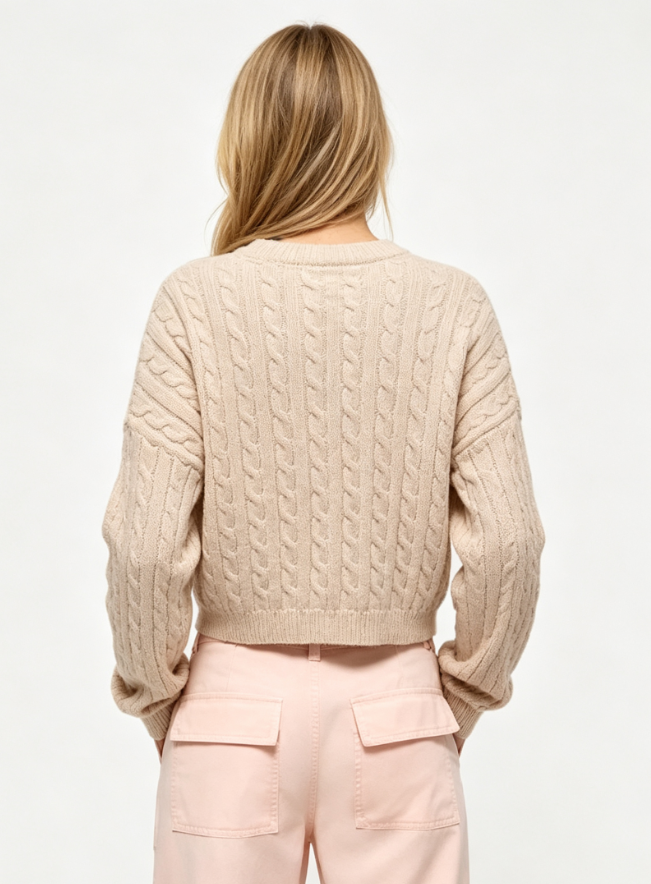
Custom Sweaters
Source turtle neck sweaters in bulk through sweater development that considers yarn composition, gauge, stitch structure, hand feel, and shape retention. We support fitted, relaxed, oversized, and extended-size grading, plus custom labels and packaging.
Request a Quote
Custom Jackets
Build custom jean jackets in denim or stretch denim with selected washes, collars, pockets, seams, buttons, rivets, patches, embroidery, and branding. Our team reviews construction and fit requirements for samples, size sets, and scalable production.
Request a Quote
Custom Sweatshirts & Crewnecks
Create custom crewneck hoodies and sweatshirts in fleece or French terry with crew, quarter-zip, or hooded constructions. Specify fabric weight, fit, ribbing, graphics, embroidery, washes, labels, and grading for cohesive core or seasonal programs.
Request a Quote
Custom Cardigans
Develop custom cardigans with the right yarn, gauge, stitch pattern, closure, neckline, and proportion for your collection. Knitting capability supports button-front, zip-front, cropped, oversized, and extended-size styles with branded trims and finishing.
Request a Quote
Custom Puffer & Down Jackets
Produce custom puffer jackets with selected shell fabrics, insulation, lining, quilting layouts, zippers, pockets, hoods, and reflective or branded details. Development focuses on warmth, mobility, construction quality, and size consistency across the approved range.
Request a Quote
Custom Denim Shorts
Manufacture custom jean shorts in rigid or stretch denim with defined inseams, rises, hems, pockets, washes, distressing, hardware, and labels. Fit development helps brands approve proportions and grading before placing low-MOQ or ongoing bulk orders.
Request a Quote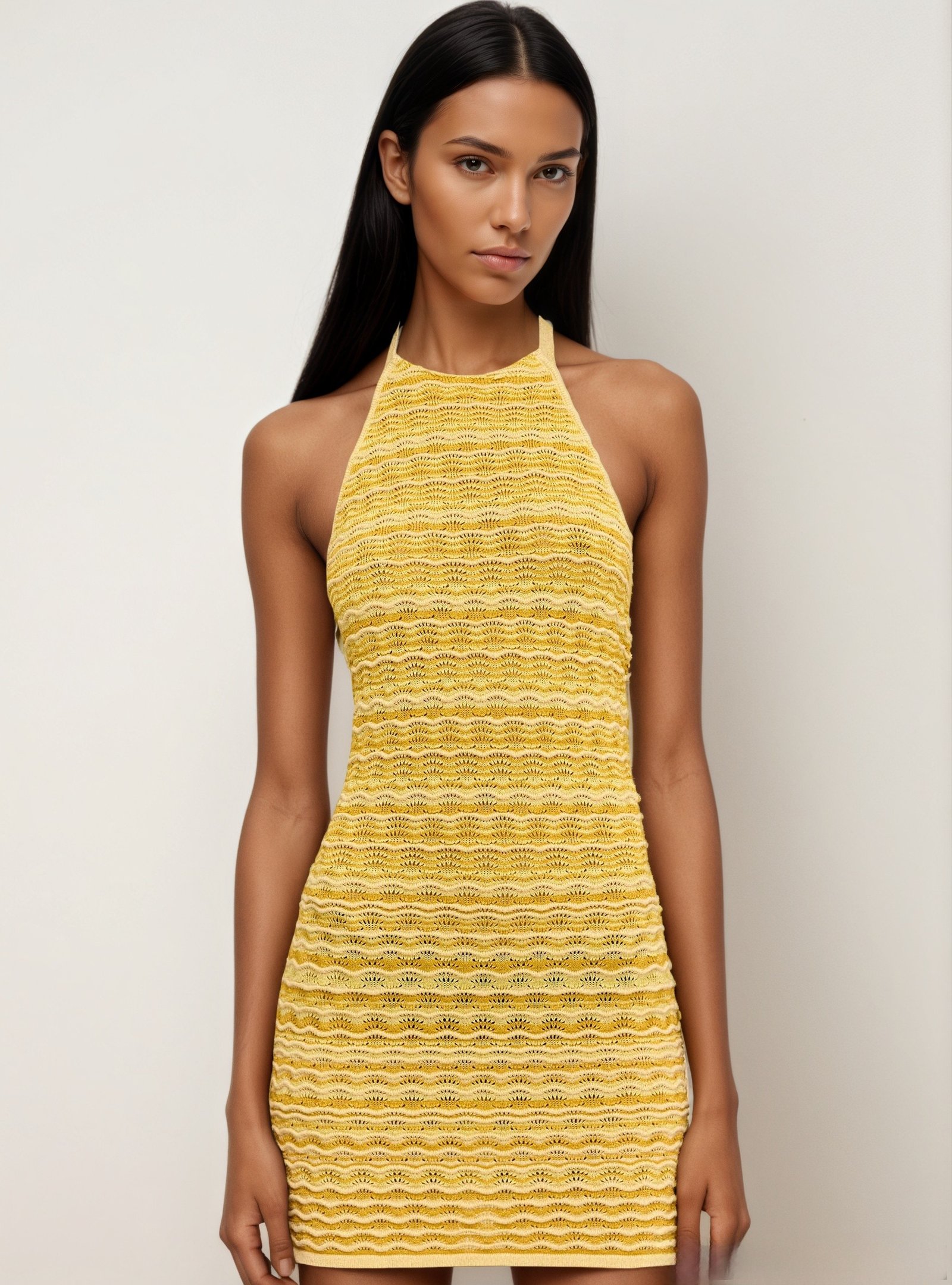
Custom Sweater Dresses
Create custom sweater dresses with yarn, gauge, stitch, neckline, sleeve, length, and silhouette specified for your target customer. We develop fitted, relaxed, oversized, and extended-size options with samples that confirm drape, recovery, and finish.
Request a Quote
Custom Denim Sets
Produce men’s denim suits for wholesale programs as coordinated jackets and jeans with consistent fabric, wash, color, hardware, and fit standards. Junsheen supports sampling, graded sizing, private labeling, and repeat production for retail-ready assortments.
Request a Quote
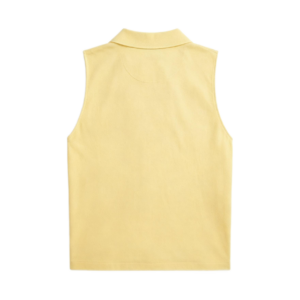
Custom Polo Shirts
Develop custom polo shirts in pique, jersey, performance knit, or blended fabrics with chosen collars, plackets, cuffs, embroidery, prints, buttons, labels, and packaging. Pattern and grading support polished fits across standard and extended sizes.
Request a Quote
Custom Sweatpants
Manufacture custom sweatpants in fleece, French terry, jersey, or performance knit with selected rises, leg shapes, waistbands, pockets, cuffs, drawcords, prints, embroidery, and washes. Fit-focused grading supports matching sets and standalone bottoms.
Request a Quote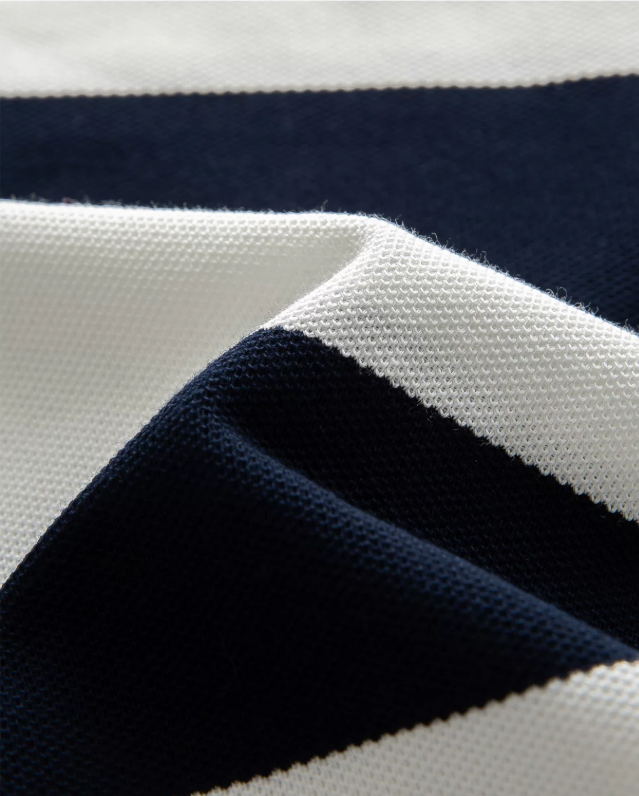
Custom Shorts
Produce custom shorts in jersey, fleece, twill, denim, or performance fabrics for casual, athletic-inspired, and resort programs. Specify inseam, rise, pockets, waistband, trims, decoration, and wash treatment while approving fit through sampling and size sets.
Request a Quote
Custom Pullovers
Develop custom pullovers in knit, fleece, French terry, or jersey constructions with selected necklines, closures, pockets, trims, graphics, embroidery, and wash effects. We support fit refinement, XS–3XL grading, private labels, and production from 100 units per style and color.
Request a QuoteMaterials for Custom T-Shirt Development

Combed Cotton Jersey
Smooth, soft and breathable with a refined hand feel, combed cotton jersey suits premium everyday T-shirts. Common weights range from 180–240 GSM, offering clean printing surfaces and dependable wash durability.

Heavyweight Cotton Jersey
Dense, structured cotton jersey creates a substantial streetwear T-shirt with a dry, premium hand feel. At roughly 260–320 GSM, it supports oversized silhouettes, stronger shape retention and bold decoration.

Cotton Spandex Jersey
Cotton-spandex jersey combines natural softness with controlled stretch and recovery for fitted tees, baby tees and rib-adjacent casualwear. Its flexible construction improves comfort and helps garments retain their shape after wear.

Pima Cotton Jersey
Pima cotton jersey delivers an exceptionally smooth, soft hand feel for elevated T-shirt collections. Long-staple fibers improve strength, reduce surface fuzz and provide a polished base for premium private-label programs.

Organic Cotton Jersey
Organic cotton jersey offers breathable comfort and an authentic natural hand feel for conscious casualwear collections. Available in varied weights, it supports soft everyday T-shirts while meeting material goals for sustainability-led brands.

Cotton Modal Blend
Cotton-modal blends feel silky, fluid and cool against the skin, making them ideal for elevated basics and relaxed-fit tees. The blend improves drape and softness while maintaining practical durability for repeated wear.
Printing, Embroidery and Garment Finishing Options

Screen Printing
Plastisol and water-based screen printing deliver saturated color, crisp logo edges and dependable wash durability. Choose puff, flocking, silicone, high-density, foil or discharge effects to give custom T-shirts a more dimensional branded finish.

DTG Printing
Direct-to-garment printing reproduces detailed artwork, gradients and full-color graphics directly on suitable cotton-rich T-shirts. It is ideal for complex small-run designs that need a soft hand feel and accurate visual detail.

DTF Transfers
DTF transfers apply vivid, flexible graphics to a wide range of fabric blends and garment colors. The result is sharp detail, strong opacity and reliable adhesion for logos, illustrations and limited-edition T-shirt programs.

Logo Embroidery
Flat, 3D puff and chain-stitch embroidery create a premium textured logo with long-lasting thread definition. Our t-shirt oem odm manufacturer team can position embroidered marks precisely for chest, sleeve, hem or patch applications.

Garment Washing
Enzyme, softening, anti-pilling, acid and stone washes change the hand feel and visual character of finished T-shirts. These treatments can create broken-in softness, vintage depth or a more individual washed appearance.

Specialty Effects
Tie-dye, garment dye, brushing and napping add distinctive color movement, texture and surface character. JUNSHEEN samples each effect to help brands approve the intended look before bulk production begins.
T-Shirt OEM ODM Manufacturer Trims and Packaging

Woven Brand Labels
Add woven main labels, size labels and wash-care labels to give every T-shirt a consistent brand identity. JUNSHEEN coordinates placement, material selection and production-ready specifications for your private-label collection.

Custom Hang Tags
Create branded hang tags with your logo, product details, sizing or campaign messaging. Ideal for retail presentation, wholesale orders and launch-ready packaging, with coordinated strings, pins and finishing options available.

Logo Drawcords
Use custom drawcords, tipped cords and branded aglets on hoodies, sweatpants and outerwear that complement your T-shirt line. Options can be matched to garment color, trim direction and target market positioning.

Zippers and Snaps
Specify zippers, snap buttons and metal hardware for jackets, polos, denim and layered casualwear. JUNSHEEN helps align finish, function and logo detailing with the garment’s construction, durability and intended price point.

Custom Logo Patches
Apply embroidered, woven, leather-look or specialty logo patches to elevate tees, denim, knitwear and outerwear. Patches add tactile brand recognition while supporting placement details that distinguish a private-label range.
Branded Packaging
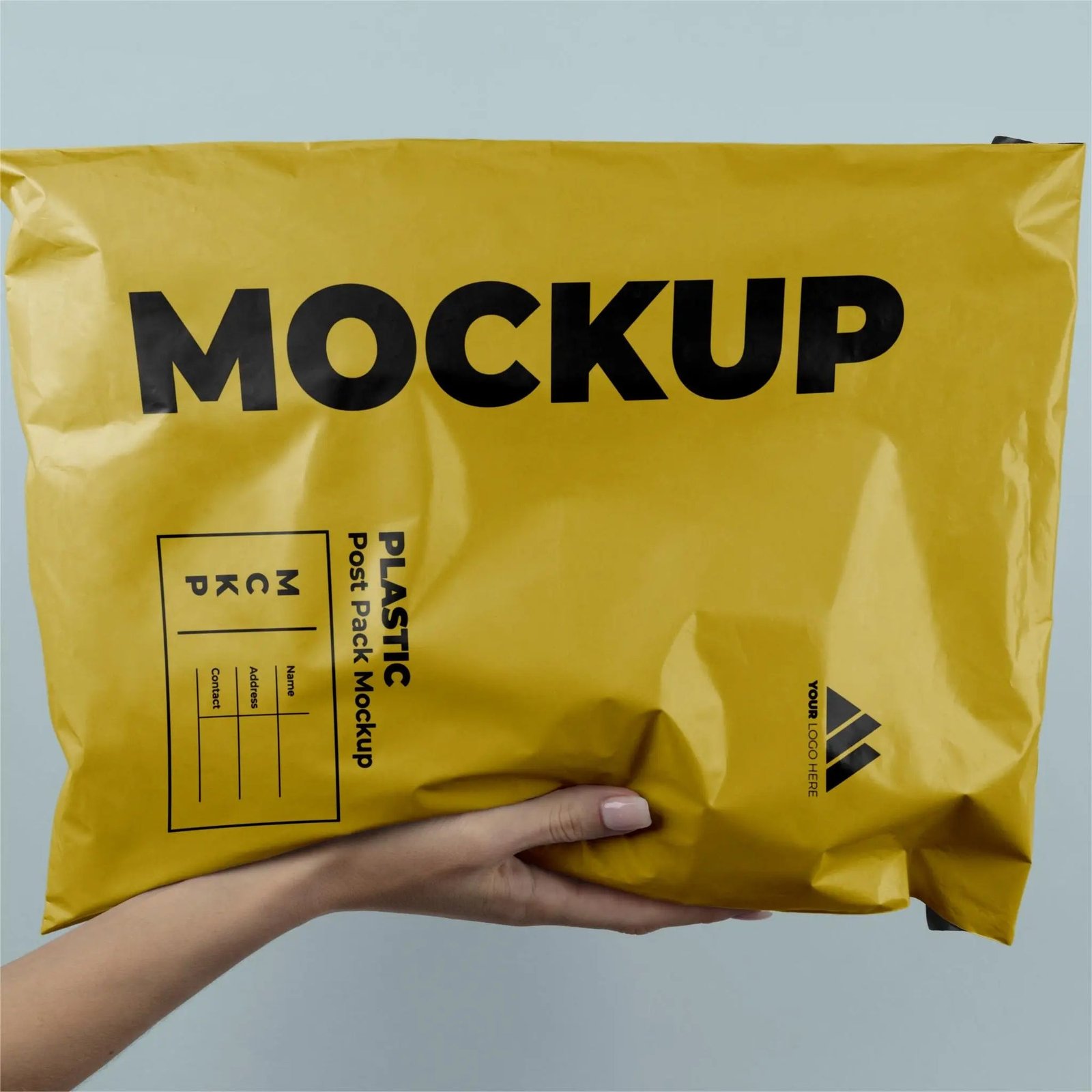
Finish orders with custom polybags, tissue, stickers, cartons and branded packing details for direct retail, wholesale or export. Packaging can protect garments in transit while delivering a polished unboxing experience.
About Our T-Shirt OEM ODM Manufacturer Team
Founded in 2010 in Humen Town, Dongguan, JUNSHEEN was built to give fashion brands a dependable t-shirt OEM ODM manufacturer and long-term product-development partner. We turn tech packs, sketches, reference garments and early ideas into production-ready custom T-shirts with clear technical guidance from sampling through shipment.
Our 200+ skilled workers support cut-and-sew, knitwear, fabric sourcing, pattern making, printing, embroidery, finishing, private-label trims and export coordination in one connected supply chain. With monthly capacity above 80,000 units, we can support 100-unit style-and-color launches as confidently as scalable repeat programs.
What distinguishes JUNSHEEN is a fit-first approach to manufacturing. Our team develops XS–3XL, extended-size, plus-size and oversized T-shirts with considered grading, not simple pattern enlargement, then retains approved patterns and material records to keep quality consistent as your brand grows.

T-Shirt OEM ODM Manufacturer Capabilities That Scale
XS–3XL Fit Development
JUNSHEEN develops T-shirt patterns for normal, extended-size, plus-size and modern oversized ranges from XS through 3XL. Our team refines proportions, shoulder balance, sleeve length and grading increments instead of simply enlarging a base size.
- Pattern making from tech packs, sketches or reference garments
- Fit-focused grading for regular, oversized and plus-size silhouettes
- Prototype samples and size sets before bulk approval
- Measurement reviews that reduce avoidable fit revisions
Production-Ready Product Development
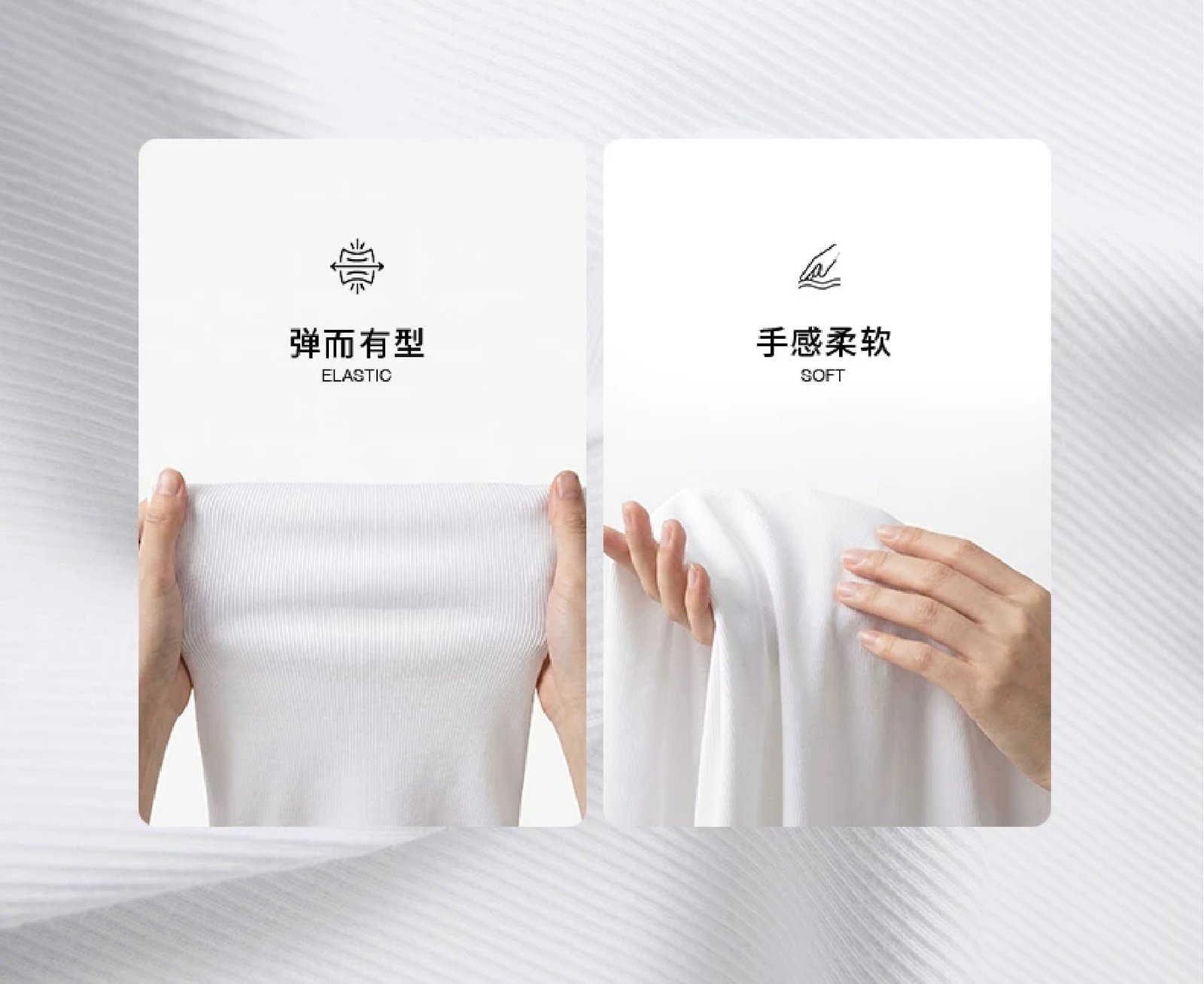
As a t-shirt OEM ODM manufacturer, JUNSHEEN turns early concepts into clear production specifications. We review construction, fabric weight, trims and target costing so your sample can move into manufacturing with fewer technical uncertainties.
- Fabric and GSM recommendations aligned with hand feel and cost
- Construction and manufacturability review before sampling
- Custom collars, rib trims, labels and packaging options
- Low MOQ from 100 units per style and color
Integrated Decoration and Finishing
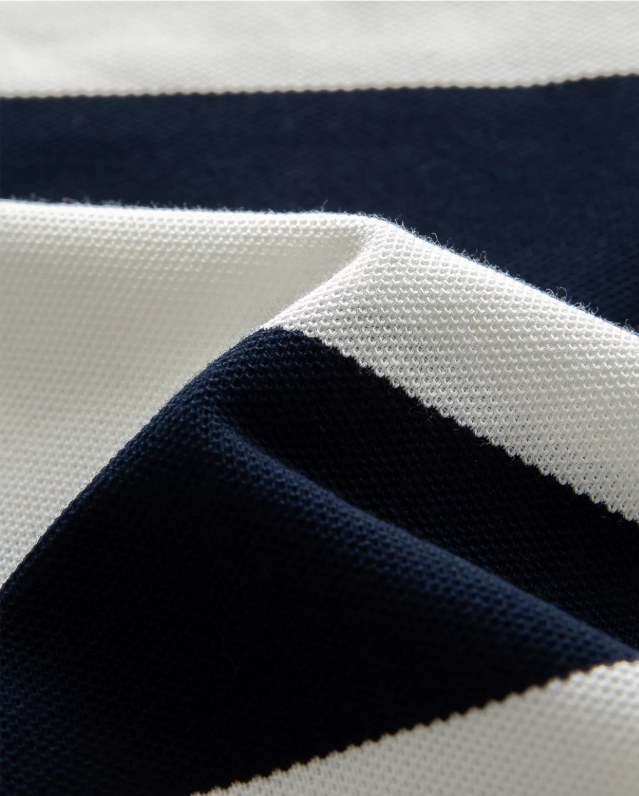
Keep decoration, wash effects and private-label details coordinated through one manufacturing partner. JUNSHEEN combines cut-and-sew production with in-house embroidery, printing and finishing to help maintain visual consistency from approved sample to packed goods.
- Screen printing, DTG, DTF, heat transfer and specialty effects
- Flat, 3D puff, chain-stitch and patch embroidery
- Garment dye, enzyme wash, acid wash and softening options
- Woven labels, hang tags and branded packaging coordination

Repeat-Order Production Control
JUNSHEEN retains approved patterns, graded size sets and material records to support more consistent repeat programs. With 200+ skilled workers and monthly capacity above 80,000 units, we can support capsule launches and scalable replenishment orders.
- Incoming, in-line and final quality inspections
- Measurement, fit and decoration checks across production
- Retained records for faster repeat-order setup
- Global export support for growing fashion brands

How JUNSHEEN Compares With Typical T-Shirt OEM ODM Manufacturers
Fit-focused development, low-MOQ flexibility, and scalable production for custom t-shirt programs.
← 左右滑动查看 →
T-Shirt OEM ODM Manufacturer: From Tech Pack to Global Delivery
A clear, controlled production path for custom T-shirts, from feasibility review and fabric selection through inspection, branded packing, and export shipping.
Review Product Feasibility
Share a tech pack, sketch, reference garment, or concept. Our team reviews construction, fit, decoration, MOQ, target cost, and manufacturability before development begins.
Source Fabrics and Trims
Select jersey weight, cotton blend, color, labels, neck rib, packaging, and decoration methods with recommendations based on hand feel, durability, wash performance, and budget.
Develop Samples and Fit
We create patterns, grade XS–3XL size ranges, produce prototype samples, and refine measurements, collar shape, sleeve balance, and branding details for approval.
Confirm Bulk Production
After sample and quotation approval, we lock materials, specifications, graded size sets, production quantities, and delivery details before cutting and manufacturing your order.
Inspect, Pack, and Ship
Incoming materials, in-line sewing, measurements, print quality, and final packed goods are checked before branded packing and coordinated international export delivery.
How to Start With a T-Shirt OEM ODM Manufacturer
Move from concept to delivery with a clear development process built for 100-unit capsule launches and scalable private-label production.
Submit Your Product Brief
Send a tech pack, sketch, mood board, reference garment, or product idea. Our team reviews specifications, fit goals, materials, decoration, and manufacturing feasibility.
Confirm Pricing and Materials
Review recommended fabrics, trims, construction details, MOQ, lead time, and quotation. We align target cost, garment weight, hand feel, and private-label requirements before sampling.
Approve Your Development Sample
Receive a prototype or size set for fit, measurement, decoration, and wash review. Pattern makers refine XS–3XL grading and production details based on your feedback.
Launch Bulk Production
Confirm the pre-production sample and order details, then begin cut-and-sew production. In-line checks verify fabric, construction, measurements, printing, embroidery, labels, and packing.
Arrange Global Shipment
Complete final quality inspection and balance payment before shipment. We prepare packed goods and export support for reliable delivery to your warehouse, retailer, or fulfillment partner.
Custom Clothing Manufacturer Credentials and Compliance Documents



T-Shirt OEM ODM Manufacturer Results and Client Feedback
JUNSHEEN turned our tech pack into approved samples in two rounds instead of the five we expected. Their grading adjustments gave our XS–3XL tee a noticeably more consistent shoulder and body fit, helping us launch 1,200 units on schedule.
For our first 100-unit colorway, the team made fabric, print, labels, and packing feel like one coordinated process. We sold through the initial run in six weeks and reordered without rebuilding specifications from scratch.
We needed a supplier that could protect fit consistency while scaling. JUNSHEEN delivered three repeat T-shirt programs totaling 8,500 units with reliable measurements, clean embroidery, and export-ready packing for our UK and Canadian orders.
t-shirt oem odm manufacturer FAQ
Clear answers on MOQs, sampling, timing, payments, shipping and brand protection for JUNSHEEN custom T-shirt programs.
What is the MOQ for a t-shirt oem odm manufacturer program?
Can a t-shirt oem odm manufacturer develop my design from a sketch or reference?
How does sampling work with JUNSHEEN?
What are the lead times for a t-shirt oem odm manufacturer order?
Which printing, embroidery and finishing options are available?
What payment terms does JUNSHEEN offer for custom T-shirt production?
Does JUNSHEEN ship T-shirts internationally?
How does a t-shirt oem odm manufacturer protect my designs and brand details?
The Complete Buyer’s Guide to t-shirt oem odm manufacturer
Use this practical decision framework to compare supplier capabilities, fabrics, customization, quality controls, pricing, and lead times while avoiding sourcing mistakes that delay launches, dilute brand quality, or inflate production costs.
1. What Is a t-shirt oem odm manufacturer?
OEM production means the buyer supplies the product direction—typically a tech pack, approved sample, measurements, artwork and bill of materials—and retains control of the design specification. A t-shirt oem odm manufacturer converts that specification into patterns, graded sizes, samples, bulk cutting, sewing, decoration, inspection and packed export goods; the factory may recommend manufacturability changes without becoming the design owner. ODM production starts with a factory-developed base style, block, fabric direction or ready design that the buyer selects and adapts. The manufacturer contributes more product-development input, while the buyer customizes fit, color, Pantone artwork, print placement, trims and branding; this route suits retailers, wholesalers and emerging labels that need a faster starting point than a fully engineered original style. 100-unit production per style and color can make either model practical for a capsule launch when the specification is controlled. Private-label service sits alongside both: JUNSHEEN can add woven labels, size and care labels, hang tags, packaging, custom trims and approved decoration while supporting sampling through pre-production approval, bulk quality control and global shipment. Independent designers often favor OEM for distinctive concepts, whereas brands validating a market commonly begin with ODM or an ODM base refined into a proprietary program.
2. Evolution of T-Shirt Manufacturing Partnerships
2010 is the year Dongguan Junsheen Clothing began operating in Humen, a mature garment-production cluster where a factory relationship increasingly extends beyond contract sewing. Brands now expect one partner to review a tech pack or concept, source fabric and trims, make patterns, grade sizes, sample, decorate, pack, and prepare goods for export. 100 units per style and color can be enough to test a capsule, which has made low-MOQ production important for emerging labels and independent designers. This shift favors manufacturers that can move from a sketch, reference garment, or mood board into a production-ready specification without forcing a young brand into bulk-only quantities. 3D visualization, digital pattern files, measurement records, and faster sample feedback have shortened decision cycles, but they do not replace physical approval. A reliable t-shirt oem odm manufacturer still needs to validate fabric weight, shrinkage, print behavior, fit, grading, and wash results before bulk cutting. OEKO-TEX, GOTS, WRAP, and BSCI expectations illustrate why the lowest quote is rarely the full cost of sourcing. Modern casualwear programs need traceable materials, consistent decoration, documented quality checks, and a partner able to protect fit and repeatability as colorways, sizes, and order volume expand.
3. Types of t-shirt oem odm manufacturer Services
Choosing a t-shirt oem odm manufacturer route depends on how complete your product brief is, how quickly you need market-ready units, and where you need control. Compare design ownership, development work, and MOQ before requesting quotes.
| Service Route | Design Responsibility | Speed | Control | Best Fit |
|---|---|---|---|---|
| Cut-and-sew OEM | Buyer-led specification | Moderate | High | Established product brief |
| Full-package ODM | Shared development | Moderate | Shared | New design concept |
| Private label blanks | Existing base garment | Fast | Lower | Quick branded launch |
| Specialty production | Shared feasibility | Moderate to longer | High on materials | Material-led collection |
Cut-And-Sew OEM

100 units per style and color is a practical entry point for custom cut-and-sew programs. The brand supplies a tech pack or approved reference, while the factory develops patterns, samples, grading, and production controls. 100% design control suits labels with defined measurements, trims, and fit standards. Allow time for prototype and size-set approval; this route is best for differentiated core products.
Full-Package ODM
2–4 development rounds are common when a buyer begins with a sketch, mood board, or product idea. The manufacturer helps select fabric, shape the specification, create patterns, and propose construction details. 100-unit runs can work when colors and materials are consolidated. Control is collaborative rather than fully buyer-led, making ODM suitable for emerging labels needing technical direction.
Private Label And Blanks

7–21 days is often faster than a new cut-and-sew development cycle when suitable blanks are available. Buyers select an existing silhouette, then add neck labels, hang tags, embroidery, screen print, or transfer decoration. Lower development risk benefits event programs, retailers, and first collections. Control is mainly branding and decoration, while fit, fabric, and base construction remain constrained by the blank.
Sustainable Or Specialty Programs

160–280 GSM cotton jerseys, recycled blends, garment dye, oversized fits, or specialized print effects require early feasibility review. Buyers should confirm fiber documentation, shrinkage targets, colorfastness, and decoration compatibility before bulk approval. 100-unit MOQ may be feasible, but specialty fabrics or custom dye lots can raise minimums and lead times. This route fits brands whose material story or finish is central to the product.
4. T-Shirt Fabrics and Materials for Production
160–220 GSM jersey is the commercial center of most custom T-shirt programs, balancing opacity, breathability, and print stability. A capable t-shirt oem odm manufacturer should match fiber, knit, and finishing to price point before sampling.
| Fabric And Weight | Structure | Best Use | Market Position |
|---|---|---|---|
| 160 GSM cotton | Single jersey | Promotional merchandise | Value |
| 180–200 GSM combed cotton | Single jersey | Premium basics | Mid-premium |
| 240 GSM cotton | Heavy jersey | Streetwear | Premium |
| 160 GSM recycled polyester blend | Performance knit | Activewear | Performance |
| 180 GSM modal-cotton | Single jersey | Soft fashion tees | Premium |
Fiber Choices By Position

100% cotton offers a familiar dry hand and reliable screen-print surface; ring-spun or combed yarn feels smoother than open-end cotton. Organic cotton supports a higher-value sustainability position when certification scope is verified. Modal blends create a soft, fluid hand for premium fashion programs but need careful recovery testing. Recycled polyester improves abrasion resistance and moisture management, while traceability claims require supplier documentation.
- Cotton: versatile core and promotional programs
- Combed cotton: smoother premium basics
- Modal blend: soft drape-led fashion
- Recycled polyester: durable activewear
Weight And Knit Structure

140–160 GSM single jersey suits light promotional and warm-weather tees, although light colors may require opacity checks. 180–220 GSM jersey gives premium basics a fuller hand and more stable silhouette. 220–280 GSM heavyweight jersey suits streetwear, while interlock provides a cleaner, denser face than single jersey. Rib knit is normally reserved for collars because its stretch recovery differs from the body fabric.
Performance And Wash Control

3–5% residual shrinkage is a common pre-production tolerance target after approved wash testing, but actual results depend on fiber, dyeing, and finishing. Cotton benefits from pre-shrinking or compaction; polyester blends typically retain dimensions better. Water-based and discharge prints work best on suitable cotton grounds, while polyester may require low-bleed inks or sublimation-compatible white fabric. Test print adhesion, crocking, pilling, and recovery on the final fabric lot.
5. Customization Options from a t-shirt oem odm manufacturer
A t-shirt oem odm manufacturer should turn artwork into a coordinated product system, not a blank garment with a logo. At JUNSHEEN, programs can start from 100 units per style and color, making fit, trim, color and finish decisions practical early in development.
| Method | Best Use | Durability | Complexity | Order Scale |
|---|---|---|---|---|
| Screen printing | Bold spot-color graphics | High | Low to medium | Small to bulk |
| DTG | Detailed full-color artwork | Medium | Medium | Samples to small runs |
| DTF | Detailed multicolor logos | High | Medium | Small to mid runs |
| Embroidery | Chest logos and emblems | High | Medium | Mid to bulk |
| Puff print | Raised simple graphics | Medium to high | Medium | Mid to bulk |
| Specialty finishes | Foil, flock or silicone accents | Varies | High | Controlled runs |
Build the Garment Block

XS through 3XL requires deliberate grading, especially for oversized and extended-size blocks. Specify body length, shoulder drop, sleeve opening, collar width and rib recovery before approving decoration placement. 2 collar directions commonly separate a line: a tight crew neck for core basics or a wider, heavier rib for streetwear. Choose short, long, raglan or dropped sleeves to reinforce the same silhouette language.
- Match fit blocks across colorways
- Approve a graded size set
- Define washed versus clean appearance
Coordinate Brand Touchpoints

Pantone references should govern shell color, thread, print ink and packaging where color consistency matters. A garment-dye or acid-wash effect needs sample approval because shade variation is intrinsic to the process. 3 identity zones—neck print, woven main label and hangtag—should use the same logo hierarchy. Add size labels, wash-care labels, custom bags or folding boards only where they support retail presentation and compliance.
Choose Decoration Strategically

1 decoration method rarely suits every graphic: fine full-color art and raised logos have different production requirements. Test the chosen print or embroidery on the final fabric and wash it before bulk approval.
6. Construction Details That Signal T-Shirt Quality
A 180–220 GSM T-shirt can still fail buyer expectations if its seams twist, collar relaxes, or measurements drift after laundering. Inspect construction at sample approval and again against packed bulk goods, because these details directly influence fit retention, returns, perceived value, and repeat purchases.
Stitching And Seam Alignment
At 8–12 stitches per inch, lockstitch and overlock seams should look even without skipped stitches, puckering, or exposed thread tails. Side seams, sleeve seams, and hems must align cleanly at matching join points; poor alignment can torque the body after washing.
- Ask for SPI targets by operation.
- Check seams inside and outside the garment.
- Compare left and right sleeve attachment.
Shoulders And Neck Recovery

A shoulder-to-shoulder tape stabilizes the neckline and helps prevent stretching during wear and laundering. Test the rib by stretching it several times and checking whether it returns flat; a wavy collar quickly lowers perceived quality and increases complaints.
- Confirm tape width and fiber content.
- Check rib height, stretch, and rebound.
- Inspect neckline seam for rippling.
Hems, Fabric, And Tolerances
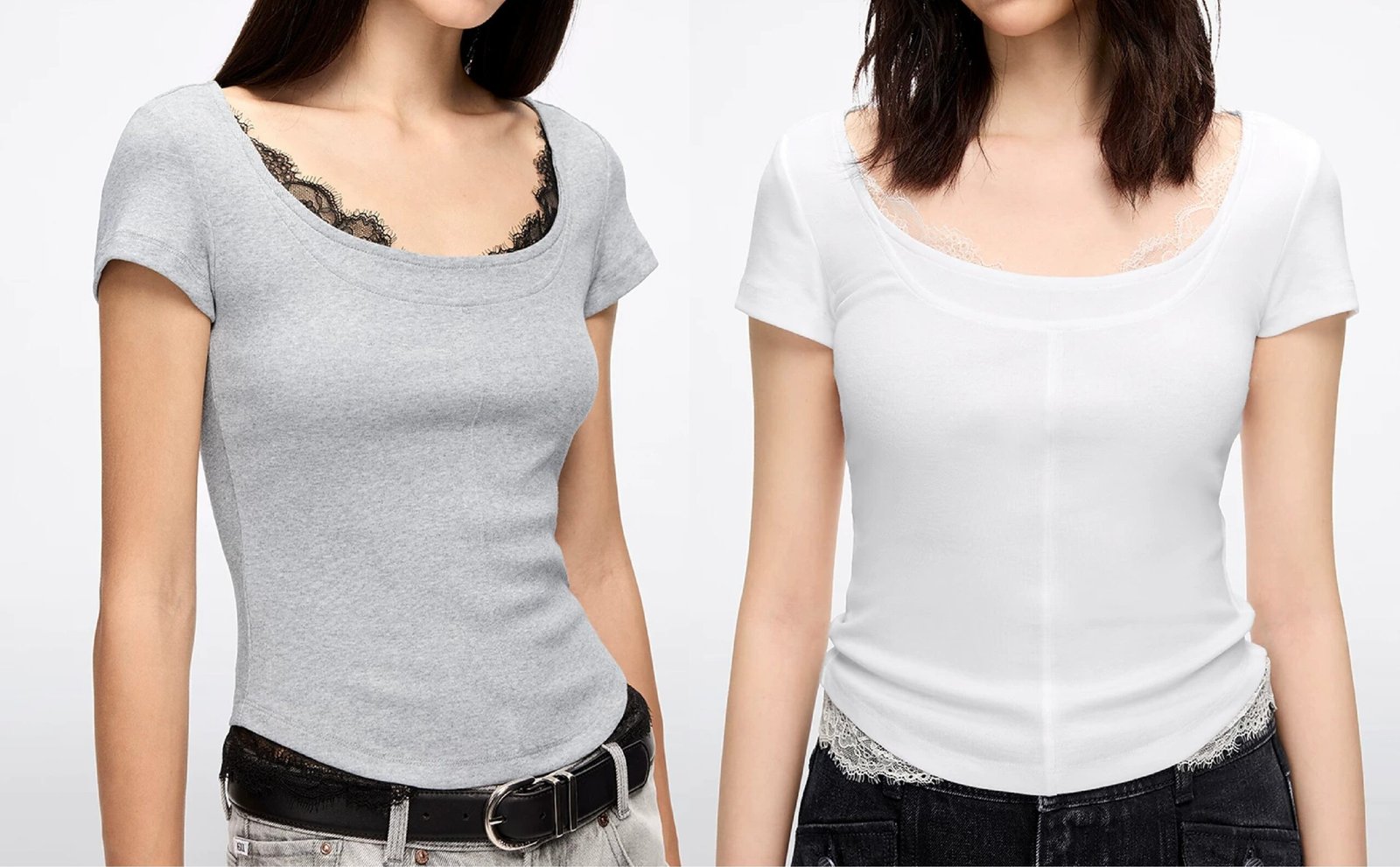
A 2.5–3 cm double-needle hem should remain flat, with consistent needle spacing and no roping. Approve a measurement chart with stated tolerances—commonly ±1 cm on key body measurements—and verify every approved color for weight, shade, hand feel, and shrinkage consistency.
- Measure chest, length, shoulder, and sleeve.
- Compare fabric lots before bulk cutting.
- Check hem width around the full circumference.
Wash Test Approval Questions
After 3–5 home-laundering cycles, assess shrinkage, spirality, pilling, print durability, collar recovery, and seam twisting against the approved sample. Ask the t-shirt oem odm manufacturer which wash method, temperature, detergent, and pass/fail limits it uses, then retain the tested sample as the production reference.
- What shrinkage limit applies after washing?
- Will bulk fabric be wash-tested by lot?
- How are out-of-tolerance pieces handled?
7. How to Choose a t-shirt oem odm manufacturer
A 100-unit MOQ is useful only when the supplier can protect fit, color, and delivery at that scale. Choose a t-shirt oem odm manufacturer through evidence, not capability lists or lowest-price quotations.
Verify Category Capability
Request 3-5 recent T-shirt samples matching your weight, silhouette, and decoration; inspect neck recovery, seam consistency, shrinkage, and print adhesion. Ask which steps are in-house and which are subcontracted, including pattern making, cutting, printing, washing, QC, and packing. Confirm monthly capacity, typical sampling time, bulk lead time, and export destinations.
- Review factory registration and production-floor photos
- Request comparable client references where permitted
- Check certifications such as OEKO-TEX, GOTS, WRAP, or BSCI when relevant
Test Development Discipline
A complete tech pack should state measurements, tolerances, GSM, composition, Pantone colors, artwork placement, labels, packing, and test requirements. Approve a prototype, then a graded size set or pre-production sample before bulk cutting. Record revisions in writing; unclear approvals are a common cause of inconsistent repeat orders.
- Confirm fabric swatch and lab-dip approval
- Measure samples against agreed tolerances
- Retain approved sample and specification revision
Audit Commercial Readiness
A 7-14 day sampling window and 30-45 day bulk window are common planning references, but fabric availability, wash effects, and peak seasons can extend them. Ask for incoming, inline, and final-inspection procedures, an AQL standard if used, defect-report handling, carton specifications, shipping terms, and export documentation support. Test responsiveness during sampling before placing a larger order.
8. Common T-Shirt Sourcing Mistakes to Avoid
A 5% avoidable defect rate can erase the margin gained from a lower FOB quote. Lock technical, commercial, and quality decisions before bulk cutting so a t-shirt oem odm manufacturer can execute consistently.
Price-Only Supplier Selection
A $0.30 lower unit price may conceal lighter GSM, weaker stitching, or excluded testing. Compare like-for-like quotes covering fabric composition, weight, decoration, packaging, freight terms, and defect allowance.
Incomplete Technical Briefs
A one-page sketch cannot define a repeatable T-shirt. Provide a tech pack with measurement tolerances, Pantone references, GSM, stitch specification, artwork files, label placement, and graded size chart. A 1–2 cm measurement tolerance should be agreed by point of measure before sampling. Confirm every revision in writing and issue one controlled approval file.
Skipping Production Validation

One approved fit sample does not validate bulk fabric behavior. Approve a pre-production sample in final fabric, color, print, labels, and packaging before cutting. Three checks prevent costly claims: test wash shrinkage, assess colorfastness, and compare shade under agreed lighting. Record the approved sample as the production reference.
- Measure shrinkage after the agreed wash method
- Check color against Pantone under D65 lighting
- Approve print hand feel and placement tolerance
Unclear Commercial And Quality Terms
A 100-unit MOQ can mean per style, color, fabric, or size run. State MOQ basis, size breakdown, overrun allowance, lead time, payment milestones, and re-order material availability in the purchase order. AQL 2.5 is a common final-inspection benchmark for major defects, but it must be written into the agreement. Define inspection points, measurement tolerances, repair rules, and remedies before shipment.
Late Label Compliance

Country-of-origin, fiber-content, care, and size labeling rules vary by destination market. Supply finished label artwork early and verify language, permanent attachment, placement, and retailer-specific barcode requirements before bulk production.
9. Steps to Launch a Custom T-Shirt Brand
A 100-unit launch can move efficiently when decisions are locked in stages rather than revised during bulk cutting. Give a t-shirt oem odm manufacturer a defined customer, price target, channel, launch date, and one accountable approver.
Define The Product Brief
One target customer should determine the silhouette, retail price, color count, and intended use before design starts. Record competitor references, required sizes, artwork locations, and acceptable cost range. Three files speed feasibility review: a mood board, measurement reference, and bill of materials. State whether the first drop needs standard, oversized, or extended-size grading from XS through 3XL.
- Brand positioning and target retail price
- Colorways, size range, and unit split
- Reference images and decoration placement
Lock Fabric And Fit

180–220 GSM ring-spun jersey suits many premium everyday tees, while 240–300 GSM supports heavyweight streetwear. Approve hand feel, shrinkage expectation, rib specification, and Pantone direction before a sample is cut. One fit sample is the first decision gate. Review chest, body length, shoulder slope, sleeve opening, neck stretch, and wash appearance on the intended wearer.
Sample And Release Bulk
Two to three sample rounds are common when artwork, fit, and wash require refinement. Consolidate revisions into one dated comment sheet with photos, measurements, and approval status. One approved tech pack and purchase order should freeze style code, quantities by size and color, fabric, trims, packing method, price, delivery terms, and inspection standard. Do not release bulk on verbal approvals.
Monitor Delivery And Reorder
Four checkpoints—pre-production sample, in-line review, final measurement inspection, and packed-goods check—catch issues before shipment. Confirm carton marks, polybag warnings, barcode labels, and shipping documents before balance payment. Thirty days after launch, compare sell-through by size, color, returns, and customer fit feedback. Retained patterns, graded size sets, and material records make replenishment faster and more consistent.
10. T-Shirt OEM/ODM Pricing, MOQ, and Lead Times
100 units per style and color is Junsheen’s practical starting point for capsule programs, but it is not a universal low-cost tier. At that volume, selecting stock 160–220 GSM jersey, one Pantone body color, and a single decoration position avoids fabric-MOQ, dye-lot, and setup charges that can outweigh unit savings. 15–35 production days is a typical bulk window after sample, material, artwork, and pre-production approval; sampling commonly adds 7–14 days. Final landed cost also changes with EXW, FOB, or DDP shipping terms, freight mode, duties, and carton dimensions, so compare like-for-like quotations rather than only the garment price.
| Quantity tier | Indicative FOB unit price | Sampling/setup | Typical bulk lead time |
|---|---|---|---|
| 100–299 units | US$5.80–9.50; stock jersey, one-color screen print | US$80–200 sample; screens/artwork extra | 25–35 days |
| 300–999 units | US$4.50–7.50; better fabric yield and spreading efficiency | US$80–180 sample; setup shared across units | 20–30 days |
| 1,000–2,999 units | US$3.80–6.50; production-scale purchasing | Sample credited only by agreement; setup diluted | 18–28 days |
| 3,000+ units | US$3.20–5.80; subject to specification and fabric booking | New screens, embroidery files, or custom trims quoted separately | 18–25 days |
Ready to Develop Your Custom T-Shirt Line?
Send your tech pack, reference garment or product idea to a t-shirt OEM ODM manufacturer and receive a tailored quote.