
Private Label TShirts From 100 Units
Develop fit-focused private label tshirts from XS–3XL with one partner for sampling, production, decoration, labels and global delivery.
Featured Products for private label tshirts Development






Related Product Catalogue and Quotation


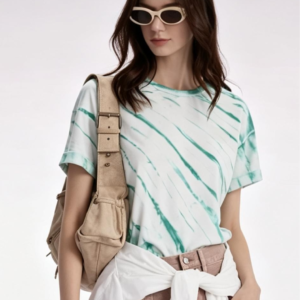
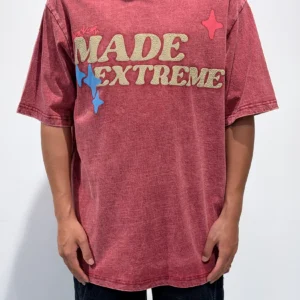


Why Brands Source Private Label TShirts From JUNSHEEN
Build launch-ready T-shirt programs with lower entry quantities, fit-led development and dependable scale from one experienced apparel manufacturing team.
100-Unit Launch MOQ
Launch private label tshirts from 100 units per style and color, helping emerging labels test capsules without overcommitting inventory.
Fit-Focused XS–3XL Grading
Pattern makers refine proportions, mobility and grading across normal, extended, plus-size and oversized fits for more consistent wearability.
Integrated Decoration
Coordinate screen printing, DTG, embroidery, washes, labels and branded packaging through one production partner for cleaner execution.
Material Sourcing Support
Select cotton, organic blends, jersey and performance fabrics with recommendations based on hand feel, weight, durability and target cost.
Scalable Production Capacity
Move from capsule runs to ongoing bulk orders with 200+ skilled workers and monthly capacity above 80,000 apparel units.
Global Export Coordination
Receive responsive export support, quality checks and production communication for T-shirt programs shipping to markets worldwide.
Custom Apparel Programs We Support
Private-label development and scalable production across casualwear, denim, knitwear, outerwear, and fit-focused XS–3XL size ranges.
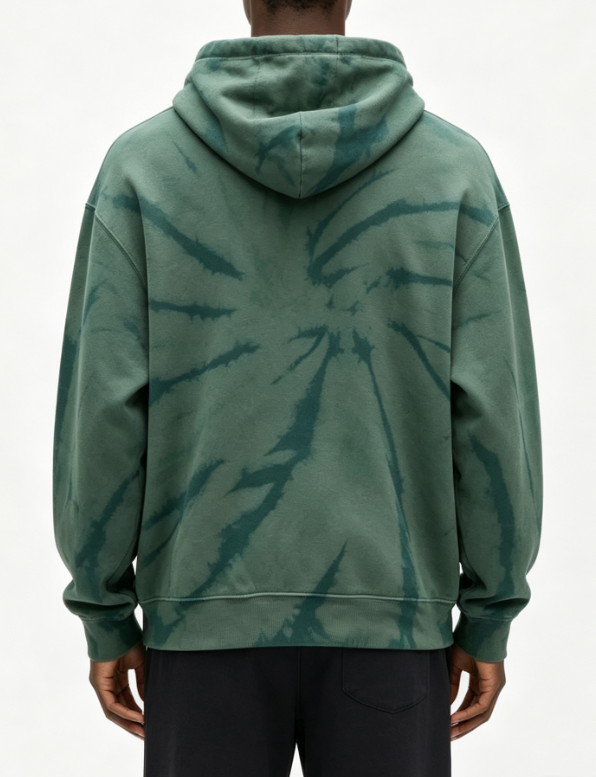
Custom Hoodies
Develop custom hoodies in fleece, French terry, or heavyweight cotton blends with custom patterns, graded XS–3XL sizing, embroidery or printing, washes, labels, trims, and branded packaging. Programs start from 100 units per style and color.
Request a Quote
Custom T-Shirts
Produce custom T-shirts in combed cotton, organic cotton, jersey, and performance blends. Junsheen supports fit development, fabric-weight selection, oversized or extended-size grading, screen printing, DTG, DTF, embroidery, private labels, and export-ready packing.
Request a Quote
Custom Jeans
Develop custom jeans in rigid or stretch denim with fit-specific patterns, size grading, wash development, distressing, hardware, labels, and packaging. Sampling can begin from a tech pack, reference garment, or product concept before bulk denim production.
Request a Quote
Custom Sweaters
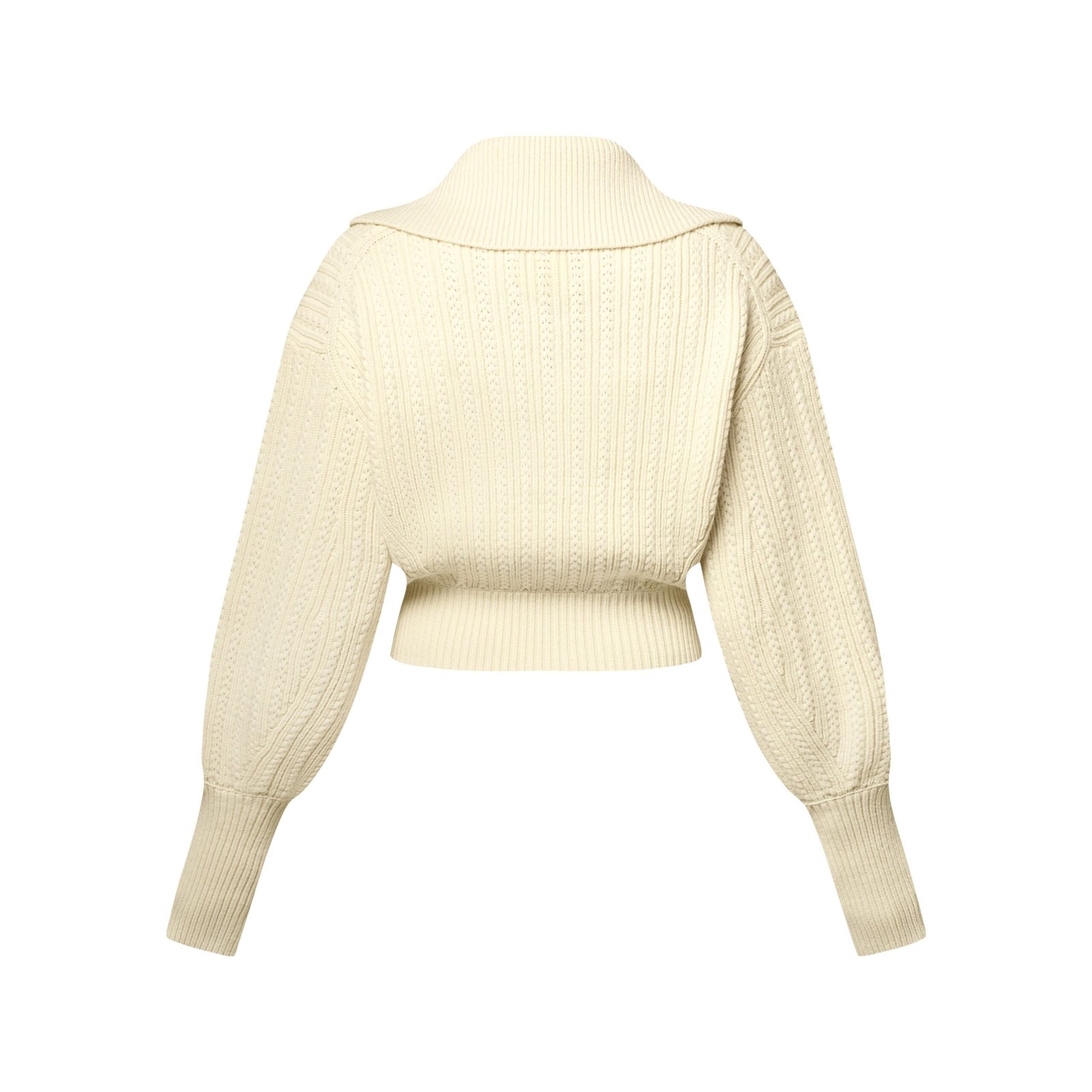
Manufacture turtleneck sweaters in bulk using knitted constructions selected for gauge, hand feel, warmth, stretch, and shape retention. Support includes yarn sourcing, fit development, XS–3XL grading, neck construction, labels, custom trims, and private-label finishing.
Request a Quote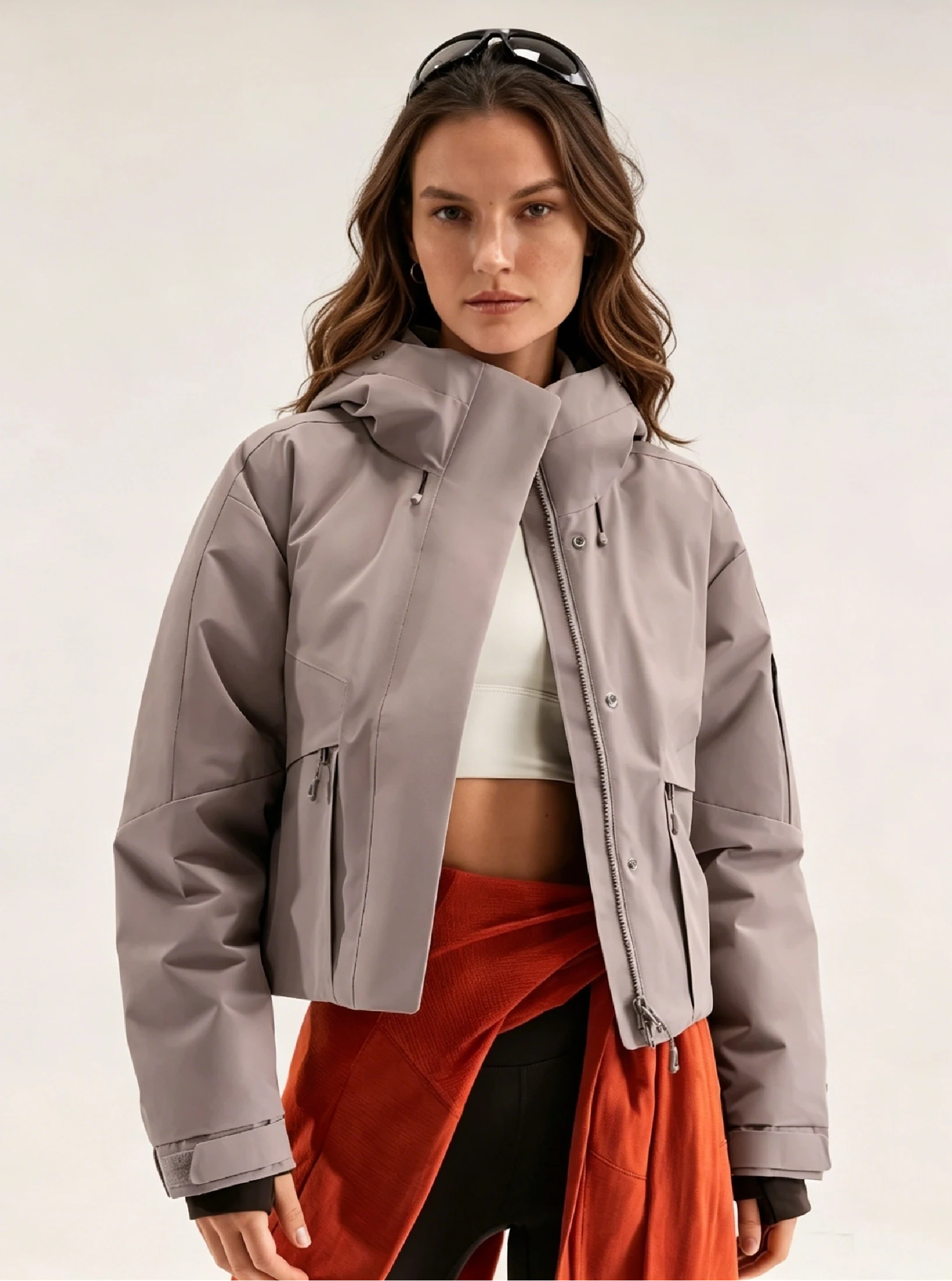
Custom Jackets
Produce custom jackets, including custom jean jackets, in denim, twill, woven fabrics, and lined constructions. Development covers pattern making, pocket placement, washes, embroidery or patches, branded buttons, snaps, zippers, labels, and size-set approval.
Request a Quote
Custom Sweatshirts & Crewnecks
Create custom sweatshirts and crewnecks in fleece or French terry with regular, oversized, plus-size, or extended-size fits. Choose rib trims, garment washes, embroidery, screen printing, patches, labels, and branded packaging for private-label programs.
Request a Quote
Custom Cardigans
Develop custom cardigans in knit constructions tailored to target gauge, yarn blend, drape, and durability. Junsheen supports button or zipper options, knit sampling, fit grading, woven labels, custom trims, and scalable bulk production from 100 units.
Request a Quote
Custom Puffer & Down Jackets
Manufacture custom puffer and down jackets with shell fabrics, insulation options, lining, quilting, hardware, and branding specified for the intended market. Support includes pattern development, fit grading, reflective details, labels, packaging, quality control, and export preparation.
Request a Quote
Custom Denim Shorts
Produce custom jean shorts in rigid or stretch denim with tailored rises, inseams, hems, pockets, washes, distressing, hardware, and branded labels. Pattern makers refine grading and proportion across XS–3XL before bulk approval.
Request a Quote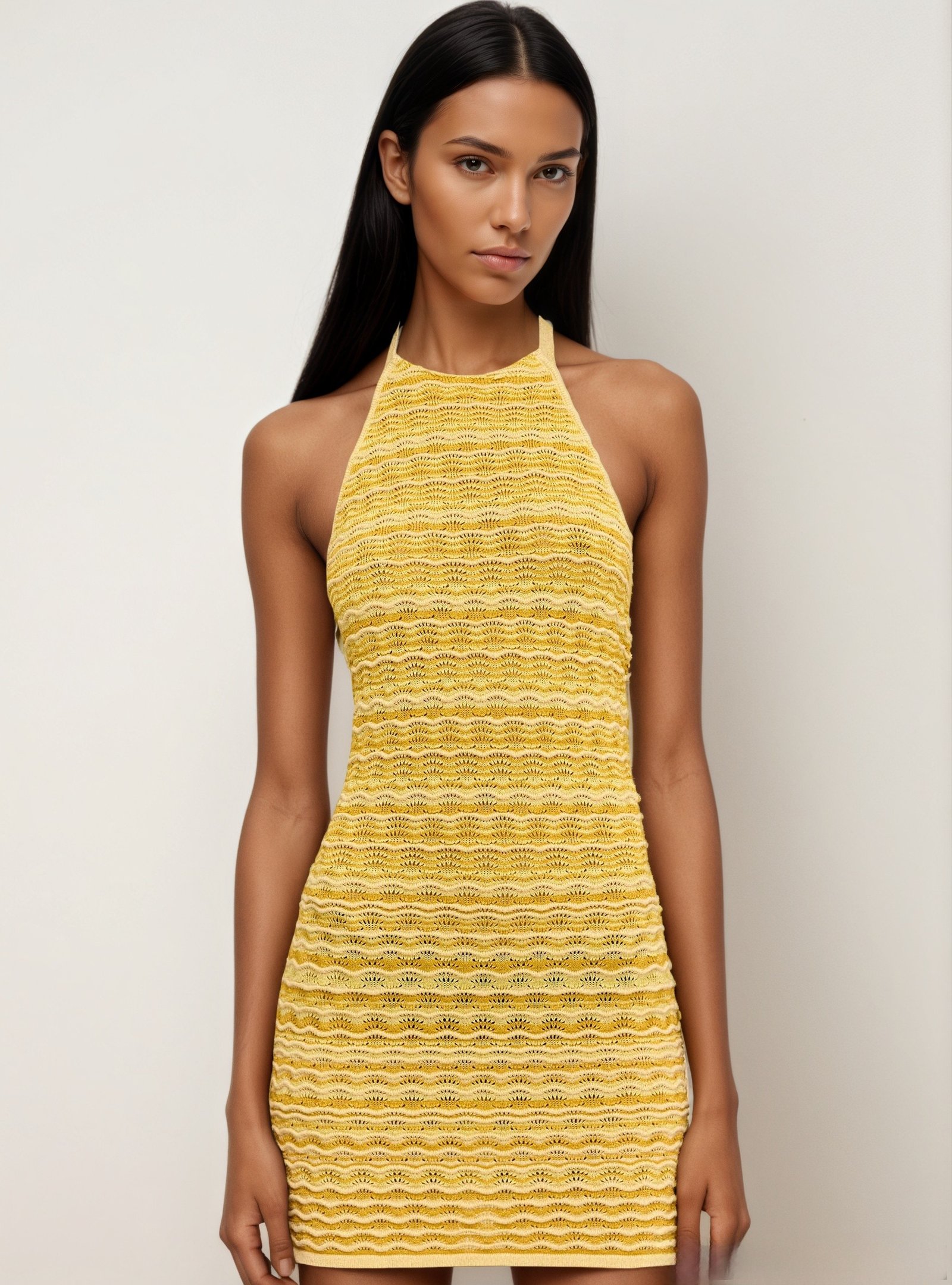
Custom Sweater Dresses
Develop custom sweater dresses with knitted structures suited to the desired silhouette, weight, stretch, and recovery. Programs include yarn sourcing, pattern and grading support, neckline options, length specifications, labels, trims, sampling, and production scaling.
Request a Quote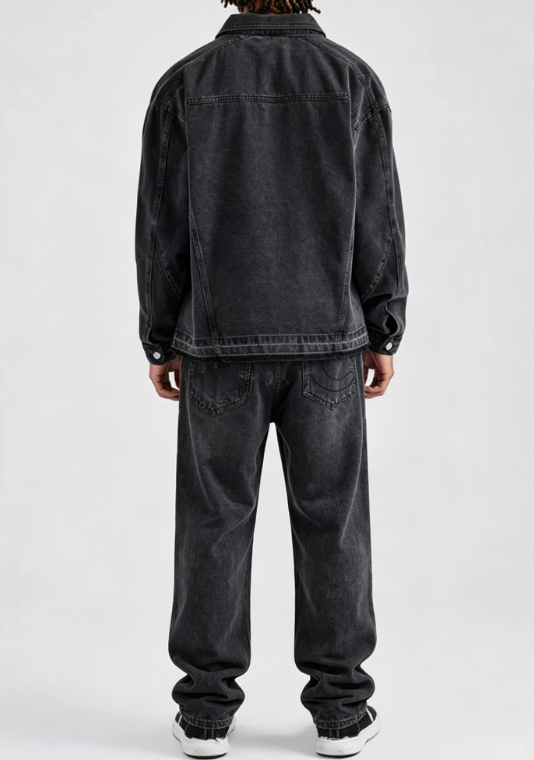
Custom Denim Sets
Manufacture coordinated denim sets for menswear wholesale and branded collections, including matching jackets, jeans, shirts, or overshirts. Maintain consistent fabric, wash, color, hardware, sizing, and branding across each component through sampling and bulk production.
Request a Quote
Custom Polo Shirts
Produce custom polo shirts in pique, jersey, and performance knit fabrics for fashion, retail, and uniform programs. Support includes collar construction, plackets, embroidery, printing, fit grading, custom buttons, labels, packaging, and low-MOQ production.
Request a Quote
Custom Sweatpants
Develop custom sweatpants in fleece, French terry, jersey, or performance knits with regular, relaxed, oversized, and extended-size fits. Specify rises, cuffs, pockets, drawstrings, washes, printing, embroidery, labels, and branded packaging.
Request a Quote
Custom Shorts
Manufacture custom shorts across jersey, fleece, twill, denim, and woven constructions. Development includes inseam, rise, pocket, waistband, and fit specifications, plus fabric sourcing, decoration, washes, private labels, size grading, and bulk quality control.
Request a Quote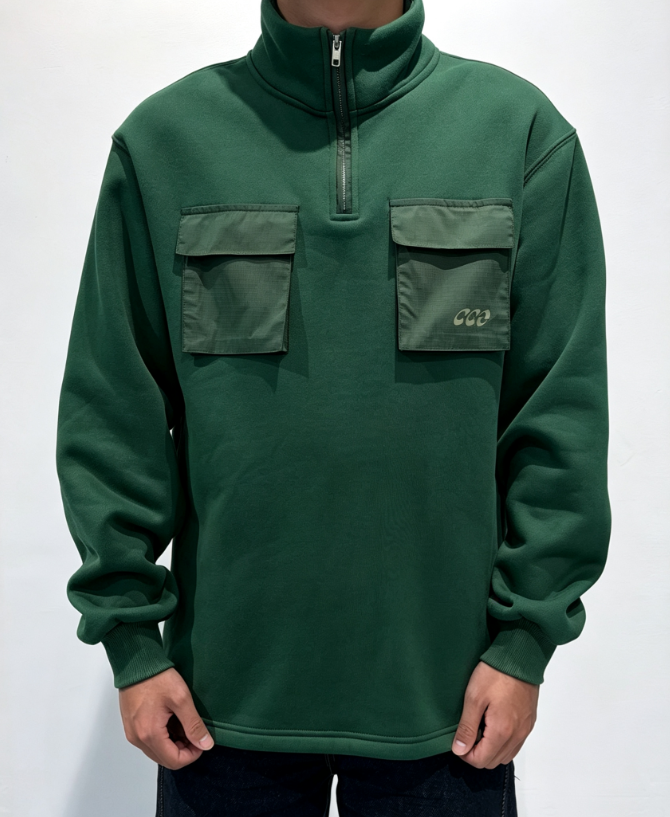
Custom Pullovers
Produce custom pullovers in knit, fleece, French terry, or woven constructions for casualwear and outerwear programs. Junsheen supports fit-focused pattern development, fabric selection, collars or hoods, closures, decoration, labels, trims, packaging, and repeat-order consistency.
Request a QuoteMaterials for Private Label TShirts

Cotton Jersey
A soft, breathable everyday knit for core tees, retail basics, and printed collections. Available in lightweight to heavyweight constructions, cotton jersey offers a familiar hand feel, dependable absorbency, and reliable screen-print performance.

Pima Cotton
A premium, smooth-feel option for elevated private label tshirts and refined essentials. Its longer fibers create a softer surface with reduced pilling potential, clear decoration results, and a polished drape for higher-value programs.

Organic Cotton
A natural-feel choice for brands prioritizing responsible material stories in casualwear. Organic cotton jersey delivers breathable comfort and a soft hand, with fabric weight and finishing selected to suit relaxed, fitted, or oversized tees.

Cotton Blend Jersey
Cotton blends combine familiar comfort with added recovery, durability, or cost control for versatile T-shirt programs. Polyester, modal, or elastane content can improve stretch, shape retention, moisture management, and wash performance.

Performance Knits
Engineered for activewear-inspired tees, uniforms, and technical casual collections, performance knits feel light and smooth against the skin. Moisture-wicking constructions, mechanical stretch, and quick-dry properties support mobility and repeat wear.

Recycled Fiber Blends
Recycled polyester and recycled cotton blends support lower-impact material options without limiting custom development. These fabrics can provide durable wear, stable color performance, and adaptable weights for promotional tees, basics, and modern streetwear.
Private Label Tshirts: Decoration and Finishing Options

Screen Printing
Plastisol, water-based, puff, silicone, high-density, foil, and discharge screen printing create sharp branded graphics with dependable wash durability for private label tshirts, from simple chest logos to large-format artwork.

Logo Embroidery
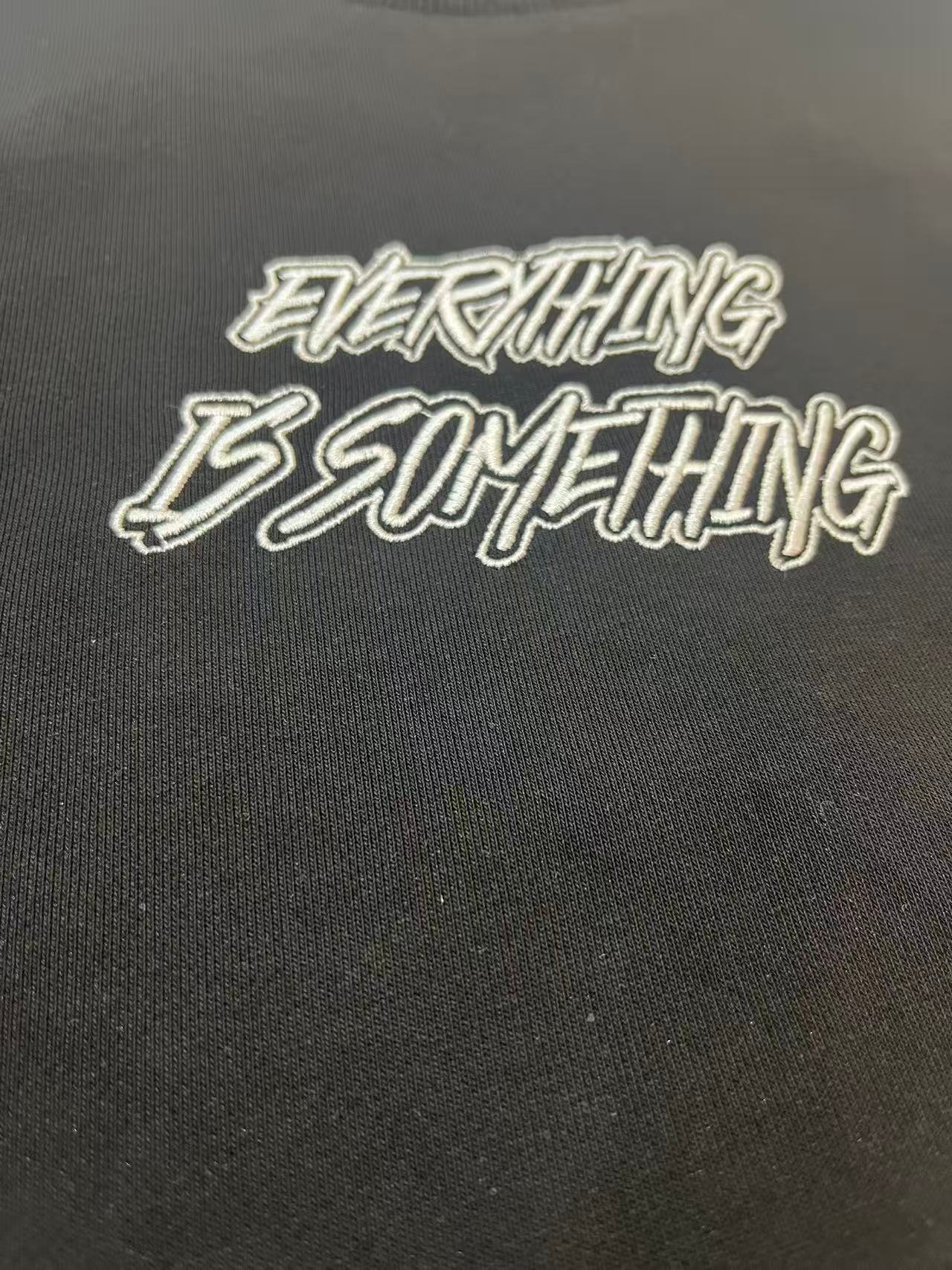
Flat, 3D puff, chain-stitch, applique, and patch embroidery add dimension and a premium tactile finish. Junsheen matches backing, stitch density, and placement to the fabric weight for clean, long-lasting results.

DTG and DTF
DTG and DTF printing reproduce detailed, full-color artwork, gradients, and small production runs without traditional screen setup. Both options provide flexible graphic placement and strong visual clarity on suitable T-shirt fabrics.

Heat Transfer
Heat-transfer applications deliver precise multicolor logos, names, and detailed graphics with a smooth or specialty finish. They are well suited to short runs, complex artwork, and placement areas that demand crisp edge definition.

Dye Sublimation
Dye sublimation permanently infuses vibrant all-over graphics into compatible polyester fabrics, preserving breathability and softness. It is ideal for performance T-shirts, promotional programs, and designs requiring uninterrupted color coverage.

Wash Finishing
Garment dye, acid wash, enzyme wash, softening, brushing, and anti-pilling treatments refine hand feel, color character, and lived-in appeal. Finishing is tested with your fabric choice to support consistent bulk results.
Custom Labels, Trims and Packaging for Private Label TShirts

Woven Brand Labels
Custom woven main labels establish brand identity at the neck, side seam or hem. Junsheen can coordinate logo artwork, label quality, color matching and placement for polished private label tshirts.

Care Size Labels
Printed or woven care and size labels provide fiber content, wash guidance and size information for your target market. They are specified for comfort, durability and clear compliance-ready garment presentation.

Custom Hang Tags
Branded hang tags add product storytelling, barcode details and retail information before garments reach stores or customers. Select custom shapes, stocks, finishes, strings and attachments to suit your collection positioning.

Branded Drawcords
Custom drawcords, aglets and tipping elevate coordinated hoodies, sweatpants and outerwear programs alongside your T-shirt collection. Choose colors, materials and logo details that reinforce a consistent seasonal identity.

Zippers and Snaps
Zippers, snap buttons and custom hardware support jackets, polos and layered casualwear within a broader private-label range. We help match finish, functionality and trim strength to the garment’s intended wear.
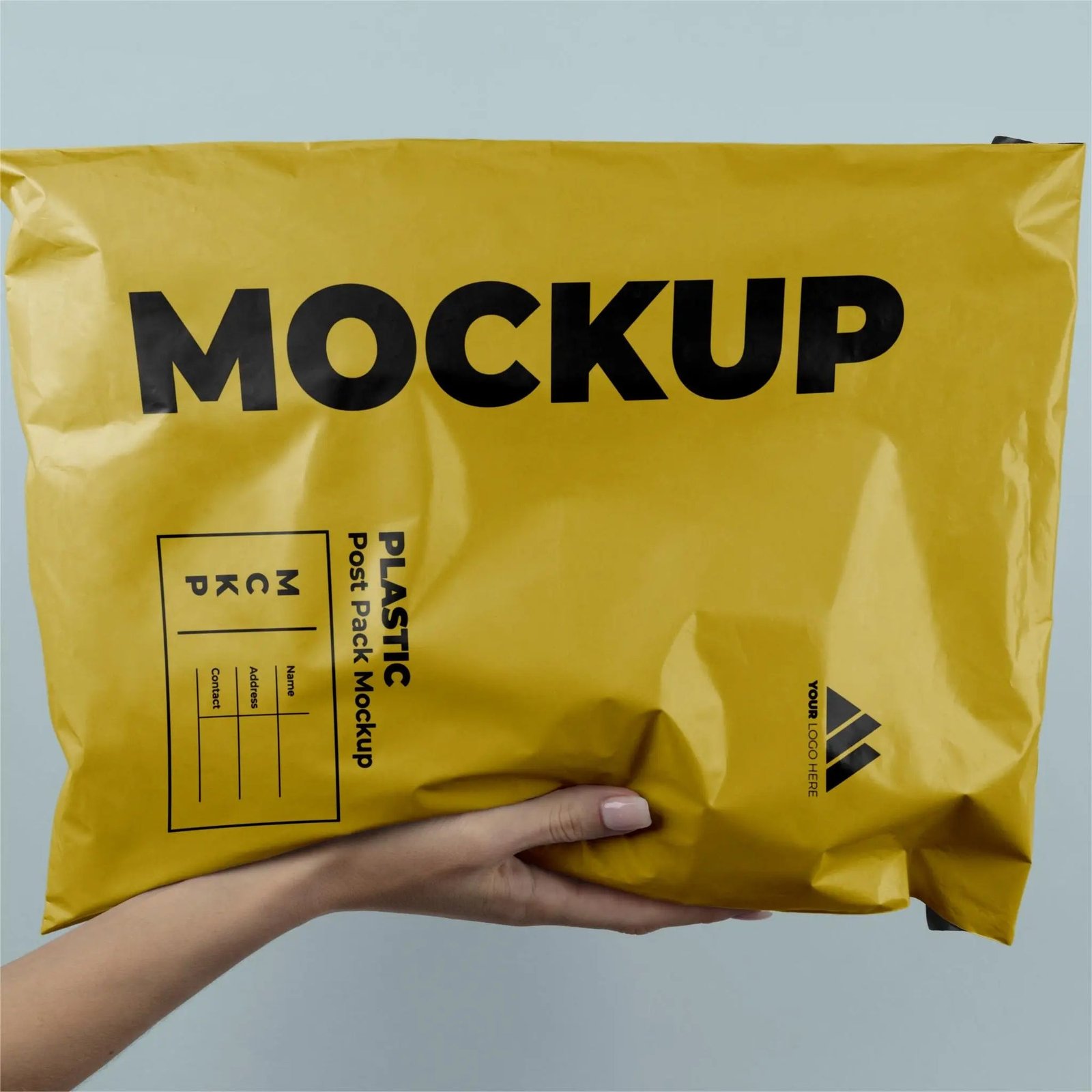
Branded Packaging
Custom polybags, tissue paper, stickers, cartons and insert cards create a retail-ready delivery experience. Packaging can protect finished garments in export transit while presenting your brand consistently to wholesale or direct customers.
About JUNSHEEN Private Label TShirts
Founded in 2010 in Humen Town, Dongguan, JUNSHEEN helps fashion brands turn private label tshirts from an idea into production-ready garments. Our one-stop team supports OEM, ODM, private-label and wholesale programs with development guidance, fabric sourcing, sampling, quality control and global export coordination.
With more than 200 skilled workers and monthly capacity exceeding 80,000 units, we support launches from 100 units per style and color through repeat bulk programs. Cut-and-sew, knitting, printing, embroidery, washing, labels, trims and branded packaging are coordinated through one accountable manufacturing partner.
What distinguishes JUNSHEEN is a fit-first approach to scalable apparel production. We refine patterns and grading from XS to 3XL, including extended-size, plus-size and oversized fits, while keeping product details, measurements and materials consistent. More than 2,000 fashion-brand clients have relied on this practical, responsive process.

Private Label TShirts Capabilities That Scale
Fit Engineering Across XS–3XL
JUNSHEEN develops private label tshirts with proportion-led patterns, not simple size enlargement. Our team refines shoulder balance, body length, sleeve shape and grading increments across standard, extended-size, plus-size and oversized fits before bulk approval.
- Pattern development from sketches, tech packs or reference garments
- Size grading engineered for movement and consistent proportions
- Prototype, size-set and pre-production fit approvals
- Fit records retained for reliable repeat orders

Development Built for Production
Move from a creative direction to a production-ready T-shirt program with one development team. We review specifications, recommend fabrics and trims, resolve manufacturability details, create samples and align construction with your target cost, hand feel and launch requirements.
- Fabric, weight and hand-feel recommendations
- Cut-and-sew specifications and pattern making
- Sample revisions guided by feasibility review
- Low MOQs from 100 units per style and color

Decoration Under One Roof
Create recognizable private label tshirts without splitting artwork, embellishment and finishing across suppliers. JUNSHEEN coordinates embroidery, screen printing, DTG, DTF, transfers, garment washes, labels, trims and packaging to keep details aligned with approved samples.
- Screen print, puff, silicone, foil and discharge effects
- Flat, 3D, chain-stitch and applique embroidery
- Garment dye, acid wash, softening and anti-pilling finishes
- Custom labels, hang tags and branded packaging

Controlled Capacity for Growth
From a capsule release to recurring wholesale programs, JUNSHEEN combines 200+ skilled workers with monthly capacity above 80,000 units. Incoming-material, in-line and final inspections verify measurements, construction, decoration and packed goods before global shipment.
- Scalable production from 100-unit launches
- Quality checks across fabric, sewing, fit and finishing
- Consistent retained patterns and material records
- Export support for global fashion brands

Why Choose JUNSHEEN for Private Label TShirts
Fit-led development, integrated production control, and export-ready support for growing apparel programs.
← 左右滑动查看 →
Private Label TShirts Manufacturing Process
A clear, fit-focused production path from feasibility review to export-ready delivery.
Review Requirements and Feasibility
Share your tech pack, sketch, reference garment, or idea. Our team reviews construction, sizing, decoration, target cost, MOQ, and production feasibility.
Source Fabrics and Components
We recommend fabrics, trims, labels, and packaging based on hand feel, weight, durability, wash performance, brand positioning, and approved target cost.
Develop Patterns and Samples
Pattern makers create fit-focused XS–3XL specifications, grade sizes, and produce prototype samples for measurement, construction, fabric, decoration, and fit approval.
Confirm Quote and Production
After sample approval, we finalize specifications, quantities, colors, and timelines. Bulk production begins with controlled cutting, sewing, printing, embroidery, and finishing.
Inspect Pack and Ship
Multi-stage checks cover incoming materials, in-line workmanship, measurements, decoration, and final packed goods before branded packing and coordinated global shipment.
How to Start Your Private Label TShirts Program
Move from concept to delivered production with a clear, fit-focused process for private label tshirts from 100 units per style and color.
Share Your Product Brief
Send a tech pack, sketch, mood board, reference garment, target quantity, and delivery market. Our team reviews feasibility, fit requirements, materials, and decoration details.
Confirm Specifications and Pricing
Refine fabrics, weights, colors, size grading, labels, packaging, and finishes. Receive a clear quotation, production timeline, and recommendations aligned with your target cost.
Approve Your Development Sample
Review prototype samples for construction, measurements, hand feel, print or embroidery quality, and overall fit. We revise approved details before creating your pre-production sample.
Launch Bulk Production
Confirm your order and begin bulk manufacturing from 100 units per style and color. In-line checks monitor fabric, construction, measurements, decoration, and finishing consistency.
Receive Your Finished Order
Final packed goods undergo quality inspection before export. We arrange global shipping support and retain production records to make repeat private-label programs faster and more consistent.
Custom Clothing Manufacturer Credentials and Compliance Documents




Verified Private Label TShirts Client Results
JUNSHEEN helped us move from a rough reference tee to a production-ready fit in three sample rounds. Their grading notes gave our XS–3XL launch a more consistent body length, and we placed our 600-unit reorder with no measurement changes.
For our private label tshirts capsule, the team consolidated fabric, neck-label, screen-print, and packaging decisions in one development process. We launched 12 colorways from a 100-unit MOQ per color and received buyer-ready goods on the agreed shipping schedule.
Our second order matched the approved sample more closely than our previous supplier’s repeat run. JUNSHEEN retained the pattern and material records, which reduced our fit review from six comments to two and kept our 1,200-unit replenishment on track.
Private Label TShirts FAQ
Clear answers on MOQs, samples, payments, shipping, fit development and confidentiality for your next T-shirt program.
What is the MOQ for private label tshirts?
How long does a private label tshirts sample take?
How much do private label tshirts samples cost?
Can you develop T-shirt sizes from XS to 3XL?
Do you offer custom labels, packaging and logo decoration?
What payment terms do you offer for T-shirt manufacturing?
Can JUNSHEEN ship private label tshirts internationally?
How do you protect my designs and product information?
The Complete Buyer’s Guide to private label tshirts
Use this decision framework to define product requirements, compare supplier capabilities, control costs, and avoid the sourcing mistakes that delay launches or weaken quality.
1. What Are private label tshirts?
100 units per style and color is a practical entry point for private label tshirts: a manufacturer produces garments that carry your brand identifiers, while you own the customer-facing product, positioning, retail price, and sales channel. The supplier manages agreed specifications, materials, construction, decoration, labeling, quality checks, packing, and shipment; the buyer supplies or approves the design direction and purchase order. 1 blank wholesale tee is not private label until it is converted into a branded product through labels, hang tags, packaging, or approved decoration. Print-on-demand usually applies artwork to a finished garment only after an order arrives, while white-label goods are pre-existing styles sold to multiple buyers with limited changes; both offer less control over fit, fabric, and construction. 2 private-label routes sit between branded blanks and fully bespoke OEM. A light private-label program may use an existing 180–240 GSM ring-spun jersey block with custom neck labels and screen print, whereas custom OEM can begin with a tech pack or reference sample and include a new pattern, Pantone fabric, grading, trims, washes, and embroidery. 2010-founded JUNSHEEN supports this model from 100 units per style and color, allowing a new label to test a capsule without buying container-scale inventory and allowing established brands to add controlled repeat programs. What buyers are purchasing is production capacity plus technical execution under their own brand—not a reseller’s finished T-shirt.
2. The Evolution of private label tshirts
1950s promotional T-shirts were typically commodity blanks: buyers selected a stock open-end cotton body, printed a logo, and accepted supplier-set fit, colors, and carton quantities. Contract manufacturing later made custom neck labels and color programs practical, but high fabric minimums and long approval cycles kept private-label entry mainly with established retailers. 1990s fashion labels shifted the brief from a printed blank to a product specification. Ring-spun jersey, garment dye, enzyme washes, oversized proportions, Pantone-matched color, neck-rib recovery, and branded trims meant a T-shirt now required pattern control, fabric testing, and decoration approval before bulk production. 2010s direct-to-consumer brands reset buyer expectations around speed and proof. A sourcing partner is now expected to turn a tech pack, sketch, or reference garment into a prototype and size set quickly, retain patterns and material records for repeat orders, and document fabric, trim, decoration, and inspection decisions for traceability. 100-unit per style-and-color programs have made small capsules and market tests more accessible than traditional bulk-only purchasing. For private label tshirts, the practical standard is fit development from XS through 3XL where needed, swatch and sample approval before bulk, recognizable label and packaging execution, and a realistic path from a limited launch to replenishment volume.
3. Types of private label tshirts
Eight core tee formats let a label cover everyday basics, fashion-led drops, and active use without duplicating the same fit. Start with two or three silhouettes, then expand colors and branding only after sample approval.
| Type | Target Customer | Fit Focus | Typical Weight | Best Season | Branding Potential |
|---|---|---|---|---|---|
| Crewneck | Broad unisex | Balanced shoulder | 160–180 GSM | Year-round | Front or back print |
| V-neck | Polished casual | Neck depth | 150–170 GSM | Spring/summer | Small chest logo |
| Oversized | Streetwear | Drop shoulder | 220–280 GSM | Year-round | Large graphics |
| Fitted | Layering buyers | Chest ease | 150–170 GSM | Year-round | Minimal label |
| Heavyweight | Premium basics | Structured body | 220–280 GSM | Fall/winter | Embroidery or print |
| Casual retail | Pocket placement | 180–220 GSM | Spring/summer | Woven label | |
| Long-sleeve | Layering buyers | Cuff and sleeve | 180–220 GSM | Spring/fall | Sleeve print |
| Performance | Active consumers | Mobility seams | 140–180 GSM | Warm weather | Heat transfer |
Everyday Core Silhouettes
160–180 GSM crewnecks suit broad unisex programs; protect shoulder balance, neck recovery, and graded body length from XS through 3XL. 150–170 GSM V-necks and fitted tees target cleaner, body-conscious assortments. Specify chest ease and neckline depth separately for each market.
- Crewneck: dependable logo canvas
- V-neck: polished casual option
- Fitted: layerable, shape-led staple
Fashion And Premium Tees

220–280 GSM heavyweight and oversized tees support streetwear, elevated basics, and larger chest or back artwork. Control drop-shoulder width, sleeve opening, and shrinkage before approving bulk. 180–220 GSM pocket tees add a small branding zone without overwhelming the garment. Match pocket placement, stripe direction, and print scale to the base fit.
- Oversized: relaxed, trend-led proportion
- Heavyweight: premium hand and structure
- Pocket: subtle label detail
Seasonal And Performance Options
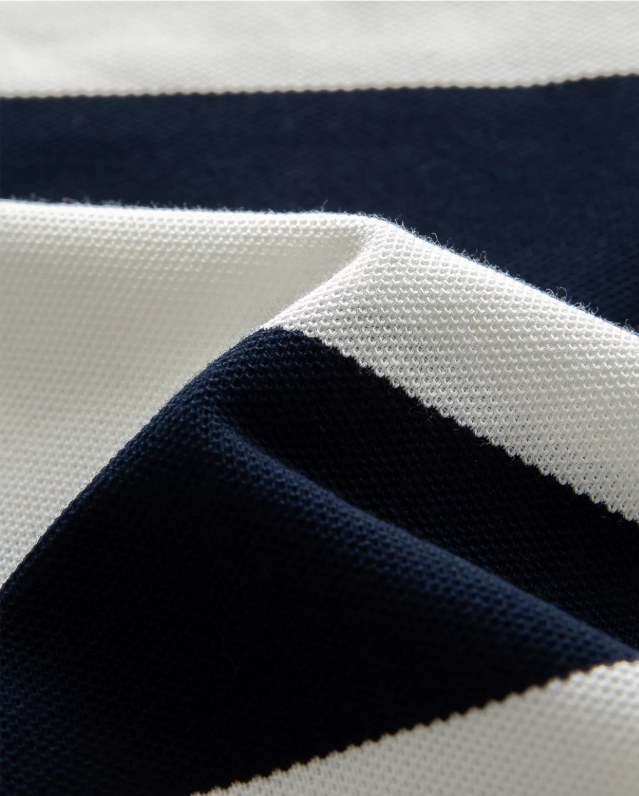
180–220 GSM long-sleeve tees extend spring, fall, and layering assortments. Check cuff tension and sleeve length across the full graded size set. 140–180 GSM performance tees suit training and travel when moisture management, stretch recovery, and low-friction seams matter. Keep heat-transfer logos sized for ventilation zones.
- Long-sleeve: transitional layering
- Performance: movement-focused utility
- Small logo: versatile wholesale option
4. Fabrics for private label tshirts
160–180 GSM jersey suits lightweight private label tshirts, while 200–260 GSM delivers a more substantial premium feel. Material choice should be approved from swatches and wash-tested samples because hand feel, shrinkage, print results, and cost move together.
| Material | Typical GSM | Hand Feel And Performance | Best Use |
|---|---|---|---|
| Cotton | 160–220 | Breathable; strong screen-print base; shrinkage needs control | Core retail tees |
| Organic cotton | 160–220 | Natural hand; higher cost; verify certification scope | Sustainability-led lines |
| Combed ring-spun cotton | 180–240 | Soft, smooth, durable; premium print surface | Premium graphics |
| Recycled blend | 160–220 | Varies by blend; verify pilling and color consistency | Responsible basics |
| Polyester | 140–200 | Quick-dry, durable; less natural breathability | Activewear, sublimation |
| Modal or viscose | 160–200 | Very soft drape; lower abrasion tolerance | Draped fashion tees |
| Cotton-elastane | 180–240 | Stretch recovery; stable fitted shape | Fitted tees |
| Cotton interlock | 200–260 | Dense, smooth, less sheer; higher cost | Heavyweight premium tees |
Weight And Knit Structure
150–180 GSM single jersey is breathable, flexible, and economical for everyday tees; 180–220 GSM is the most versatile retail range. Interlock uses two knit layers, giving a smoother, denser, more stable surface than jersey but adding weight and cost. 3–5% residual shrinkage is a practical tolerance to discuss after fabric compaction and garment washing. Confirm finished-garment measurements after the intended print and wash process.
Fiber Trade-Offs
100% cotton is breathable and print-friendly, although untreated fabric can shrink; organic cotton follows the same performance logic at a higher material cost. Combed ring-spun cotton removes shorter fibers for a softer, cleaner print surface than open-end cotton. Polyester resists wrinkles and dries quickly, but dye-sublimation is its strongest decoration route; modal and viscose create soft drape but need controlled washing. Recycled blends support material-positioning goals, while cotton-elastane improves recovery for fitted silhouettes.
Sampling For Production
2 wash cycles at the target care setting reveal whether a fabric twists, pills, fades, or changes hand feel before bulk approval. Test dark colors, high-density ink, and stretch areas on the actual GSM rather than a substitute swatch.
5. Customize private label tshirts
A 100-unit style-and-color run can carry more than a logo: fit, color, trims and packing determine whether private label tshirts feel proprietary. Lock these choices on an approved sample before bulk materials are committed.
| Route | Visual Effect | Setup | Scale And Durability | Best Volume |
|---|---|---|---|---|
| Screen print | Opaque, vivid | Screens per color | Excellent scale; durable | 100+ units |
| Embroidery | Raised, premium | Digitized file | Durable; slower output | 100+ units |
| DTG | Detailed, soft color | Minimal setup | Best for small runs; wash-test | 10–100 units |
| DTF | Bright, flexible transfer | Film setup | Scalable; may feel heavier | 50–500 units |
| Heat transfer | Sharp logos | Transfer artwork | Good for placements; variable feel | 50–300 units |
| Specialty print | Puff, foil, flock | Effect-specific screens | Strong impact; test wash resistance | 100+ units |
Build The Base Garment

XS–3XL grading should rebalance shoulders, sleeve length and body proportions instead of enlarging one base size. Choose a standard, cropped, boxy or oversized pattern and confirm measurements on a size set. Pantone references guide color matching, while garment dyeing creates washed, uneven or vintage character. Test dyed samples because shade, shrinkage and print adhesion can change after washing.
- Custom neck tape or inside-back print
- Woven main, size and wash-care labels
- Hangtags, polybags, mailers or retail boxes
Select The Decoration Route

6 decoration routes solve different artwork and volume problems. Confirm artwork separations, placement, ink colors and wash-test expectations before production.
Finish For Brand Recall
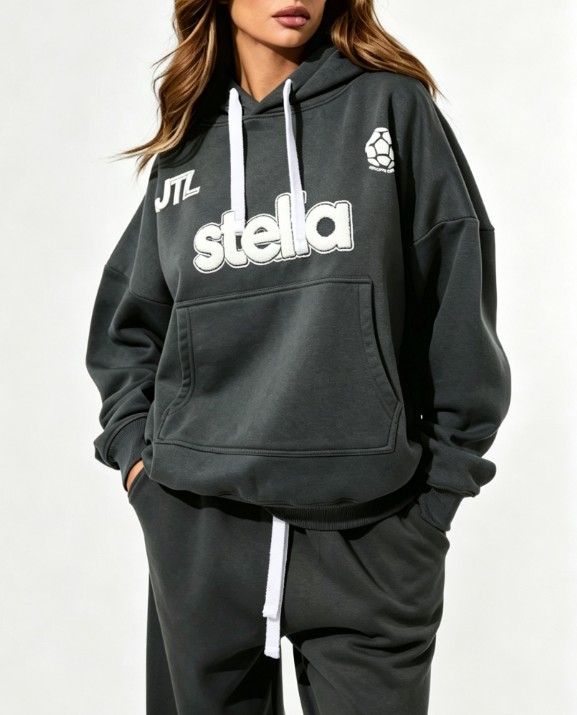
2 finishing decisions often distinguish a stock blank from a retail-ready tee: softening or enzyme wash changes hand feel, while puff, flocking, foil or silicone adds tactile contrast. Use specialty effects on test panels first, especially over dark garment-dyed fabrics.
6. Quality Elements in private label tshirts
Retail-ready private label tshirts require measurable construction standards, not a subjective ‘premium’ label. Put fabric, workmanship, wash-test and measurement requirements into the tech pack before sampling begins.
Yarn And Fabric Control
24/1 to 30/1 ring-spun combed cotton typically gives a smoother, denser jersey surface than basic open-end yarn. Request approved swatches, fiber content, shade standard and an agreed GSM tolerance; ±5% is a practical starting point. 3-point fabric inspections should flag holes, barre, streaks and inconsistent hand feel before cutting. Compare roll-to-roll weight and color under agreed light conditions, especially for dark garment-dyed shades.
- Confirm yarn type and fiber percentage
- Set GSM and shade tolerances
- Approve a retained fabric swatch
Construction That Holds Shape
1×1 or 2×1 collar rib must recover after repeated stretching without waviness or neckline torque. Ask for shoulder-to-shoulder tape, balanced seam alignment and a clean, even side seam. 8–10 stitches per inch is a useful benchmark for many jersey seams, subject to fabric weight and machine type. Inspect hem roping, skipped stitches, raw thread tails and uneven coverstitch width.
- Check collar recovery after stretch
- Verify shoulder tape placement
- Inspect side seams and hems
Wash Testing And Measurements
3 wash cycles should be tested before bulk approval for shrinkage, spirality, colorfastness and pilling. Set acceptable shrinkage by fabric and finish; many brands target no more than 3–5% after the stated care process. ±1 cm for key body measurements is commonly specified on adult tees, with tighter tolerances where fit is critical. Record sample measurements, wash method, test results and corrective actions in a signed approval sheet.
- Test wash shrinkage and torque
- Assess pilling and color transfer
- Measure against graded specification
Document The Standard
1 approved gold-seal sample should define the retail-ready benchmark for color, hand feel, construction and measurements. Promotional tees often accept broader variation; branded retail programs should not. A workable QC sheet names the inspection point, tolerance, sampling level and pass-or-fail action. Junsheen can retain approved patterns, graded size sets and material records to support repeat-order consistency.
- Attach annotated construction photos
- List measurable tolerances
- Retain sealed approval samples
7. Choose a private label tshirts Manufacturer
A capable manufacturer turns a 100-unit capsule into a repeatable program, while a cheap quote can conceal weak grading, inconsistent fabric, or late communication. Evaluate private label tshirts suppliers with evidence from the same style you intend to buy.
Verify Category And MOQ Fit
100 units per style and color is a practical starting point for many emerging-label programs, but confirm the MOQ by fabric, color, print placement, and size curve. 3 comparable recent T-shirt projects reveal more than a generic catalog: ask for construction photos, target markets, repeat-order experience, and an export reference.
- MOQ by color and decoration
- Available jersey GSM and fiber blends
- Monthly capacity and booking window
Approve Development And Materials
1 approved size set should precede bulk production; request the base pattern, measurement chart, grading rules, and tolerances for XS through 3XL where relevant. 180–220 GSM ring-spun cotton jersey suits many premium tees, but test the actual sample for shrinkage, torque, colorfastness, pilling, seam durability, and print wash resistance.
- Pantone color confirmation
- Fabric composition and weight report
- Wash-test result and revision record
Audit Reliability Before Price
2–3 quotations should be compared line by line, including fabric, trims, decoration, packing, inspection, freight terms, sampling, and lead time; the lowest unit price is not the lowest landed risk. 30–45 days is a common bulk-production planning range after approvals, so require a critical path, in-line inspection checkpoints, final AQL standard, compliance documents where required, and a written remedy for defects or shortages.
- OEKO-TEX, GOTS, WRAP, or BSCI evidence when applicable
- Named production contact and response time
- Final inspection report and after-sales claim process
8. Common private label tshirts Buying Mistakes
Most private label tshirts failures start before bulk production: an incomplete approval, a misleading quote, or a missing delivery detail. A disciplined pre-production checklist costs little compared with remaking inventory or missing a launch date.
Comparing Quotes Properly
100-unit quotes can differ because one factory prices 180 GSM open-end cotton while another includes 220 GSM ring-spun jersey, labels, and packing. Compare a line-item specification, not only a unit price. Confirm fabric composition, GSM, decoration method, trim, sample charges, MOQ by color, and Incoterm before selecting a supplier.
Locking Fit And Testing

2-3 cm tolerance can materially change a tee’s shoulder, chest, or body length. Supply a measurement chart with points of measure, tolerances, grade rules, and an approved size sample. 5-10% shrinkage is possible in untreated cotton jersey. Require wash testing and Pantone or approved color-standard verification before bulk fabric is cut.
Preparing Production Artwork

300 DPI artwork at final print size prevents soft raster edges, while vector files preserve clean spot-color separations. Specify print dimensions, placement from high point shoulder, ink colors, and the intended effect. Request a strike-off or decorated sample for puff, discharge, high-density, or large chest prints; these techniques can alter hand feel and registration.
De-Risking The Order
100 units per style and color can suit a capsule, but unproven artwork or fit should not be multiplied across a broad size run. Start with a sellable test quantity, then reorder from retained patterns and material records. Confirm folding method, polybag warning labels, hang tags, carton marks, shipping Incoterm, production window, and balance-payment deadline in writing. These details protect launch timing and retailer compliance.
9. Launch Your T-Shirt Brand Step by Step
A 100-unit-per-style-and-color starting point lets a first launch test demand without treating sampling as a formality. Set approval gates before production so the buyer—not the factory—owns commercial, fit, artwork, and shipment decisions.
Define The Customer And Brief
One target customer, price band, and wear occasion should drive the brief. Specify silhouette, size range, color count, competitor references, target retail price, and required margin before requesting quotes. Two owners should sign this gate: the brand founder approves positioning, while merchandising approves the sellable assortment. Do not sample if retail price, channel, or intended customer remains undecided.
Build The Technical Package
A complete tech pack records flat sketches, points of measure, graded specs, Pantone colors, construction, artwork placement, labels, and packaging. Junsheen can develop from a sketch or reference garment, but written approvals prevent assumptions. One sample comment sheet should consolidate feedback from design, fit, and production. Do not release revisions through scattered chat messages or move forward with unapproved measurement tolerances.
Approve Materials And Samples
160–220 GSM ring-spun jersey suits many everyday tees, while 240 GSM and above creates a heavier premium hand. Review swatches for shrinkage, opacity, pilling, color, and decoration compatibility before bulk fabric is reserved. One fit sample and, where sizing is broad, a size set should be tried on relevant bodies. The brand owns final fit approval; avoid bulk production until wash results, print placement, and branded components match the approved sample.
Control Bulk And Launch Timing
A pre-production sample should match the approved fabric, trims, labels, print, measurements, and packing method. The buyer signs it; production then uses it as the quality reference for in-line and final inspections. Four launch dates must align: bulk completion, final balance, freight departure, and receiving deadline. Hold inventory announcements until quantities, carton marks, customs documents, and delivery estimates are confirmed.
10. private label tshirts Pricing and Cost
100 units per style and color is JUNSHEEN’s stated starting scale, but a usable private label tshirts price begins only after fabric, GSM, fit, decoration, labels, packaging, colorways, size range, and Incoterm are fixed. Compare quotations like-for-like: a 180 GSM open-end cotton tee with one-color plastisol is not comparable with a 260 GSM ring-spun oversized tee carrying puff print, woven labels, and individual polybags. 7–21 days is a practical planning range for development and bulk lead time after approvals, subject to material availability and order complexity. Landed cost rises with heavier or certified fabric, additional Pantone colors, extended XS–3XL grading, multi-location artwork, and air freight; larger repeat volumes can dilute pattern, screen, and trim setup costs.
| Quantity tier | Indicative unit-cost drivers | Typical setup cost | Production lead time |
|---|---|---|---|
| 100–299 units | Low volume; fabric waste and setup carry more cost | Patterns, screens, labels quoted separately | 14–21 days after approval |
| 300–999 units | Better fabric and trim utilization; 1–2 colors preferred | Screen or embroidery digitizing depends on artwork | 12–18 days after approval |
| 1,000+ units | Volume can reduce unit cost when specifications stay consistent | Setup spreads across more units | 10–16 days after approval |
| Any tier | GSM, fiber, wash, print colors, packaging, size grading, shipping terms | Confirm by tech pack, artwork, size chart, and Incoterm | Material availability may extend timing |
Ready to Develop Your Private Label TShirts?
Send your tech pack, sketch, reference garment, or product idea for feasibility review, fit-focused sampling, and a clear 100-unit MOQ quotation.