
Custom Raglan Shirts From 100 Units
Develop custom raglan shirts with OEM, ODM and private-label support, fit-focused XS–3XL grading, and scalable global production.
Featured Products for custom raglan shirts Development




Custom Raglan Shirts Catalogue & Quotations





Custom Raglan Shirts Built for Brand Growth
Develop, finish and scale reliable raglan programs through one fit-focused apparel supply chain.
100-Unit MOQ
Launch custom raglan shirts from 100 units per style and color, supporting capsule collections, test runs and focused wholesale programs.
Fit-Led XS–3XL Grading
Pattern makers refine shoulder balance, sleeve proportions and body grading for normal, oversized and extended-size raglan fits.
Integrated Decoration
Coordinate screen printing, embroidery, patches, transfers and garment washes in-house for cleaner execution and more consistent branding.
Private-Label Finishing
Add woven labels, wash-care labels, hang tags, custom trims and branded packaging to deliver retail-ready garments.
Scalable Production Capacity
Rely on 200+ skilled workers and 80,000+ monthly units to move successful raglan styles from launch to repeat orders.
Global Export Support
Work with one responsive team for quality control, packed-goods inspection and export coordination for worldwide brand deliveries.
Raglan Shirts and Casualwear We Develop
From fit-led raglan shirts to coordinated casualwear programs, Junsheen develops production-ready styles from 100 units per style and color.

Custom Hoodies
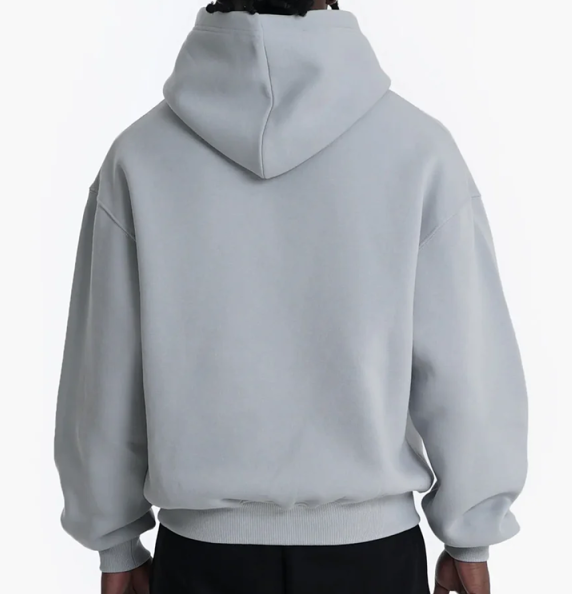
Custom hoodies developed in fleece, French terry, or jersey with raglan sleeves, balanced hood proportions, pocket options, rib trims, and branded decoration. We support XS–3XL grading, sample approval, labels, and bulk production for capsule or repeat programs.
Request a Quote
Custom T-Shirts
Custom T-shirts produced in cotton, Pima cotton, organic cotton, and blended jersey for raglan, crewneck, oversized, and fitted silhouettes. Pattern development addresses shoulder balance, sleeve length, body proportion, print placement, and consistent grading across XS–3XL.
Request a Quote
Custom Jeans
Custom jeans developed in rigid, stretch, or recycled denim with fit review across rise, hip, thigh, leg shape, and inseam. Junsheen manages wash development, hardware, embroidery or printing, labels, size grading, and scalable bulk production.
Request a Quote
Custom Sweaters
Turtleneck sweaters for bulk programs developed in knit constructions selected for gauge, hand feel, warmth, recovery, and cost target. We refine neck height, body length, sleeve proportion, and XS–3XL grading before confirming yarns, samples, and production quantities.
Request a Quote
Custom Jackets
Custom jean jackets developed in denim or stretch denim with fit-controlled shoulders, sleeve shape, pocket placement, closures, and wash effects. Programs can include custom buttons, patches, embroidery, garment finishing, labels, and coordinated denim bottoms.
Request a Quote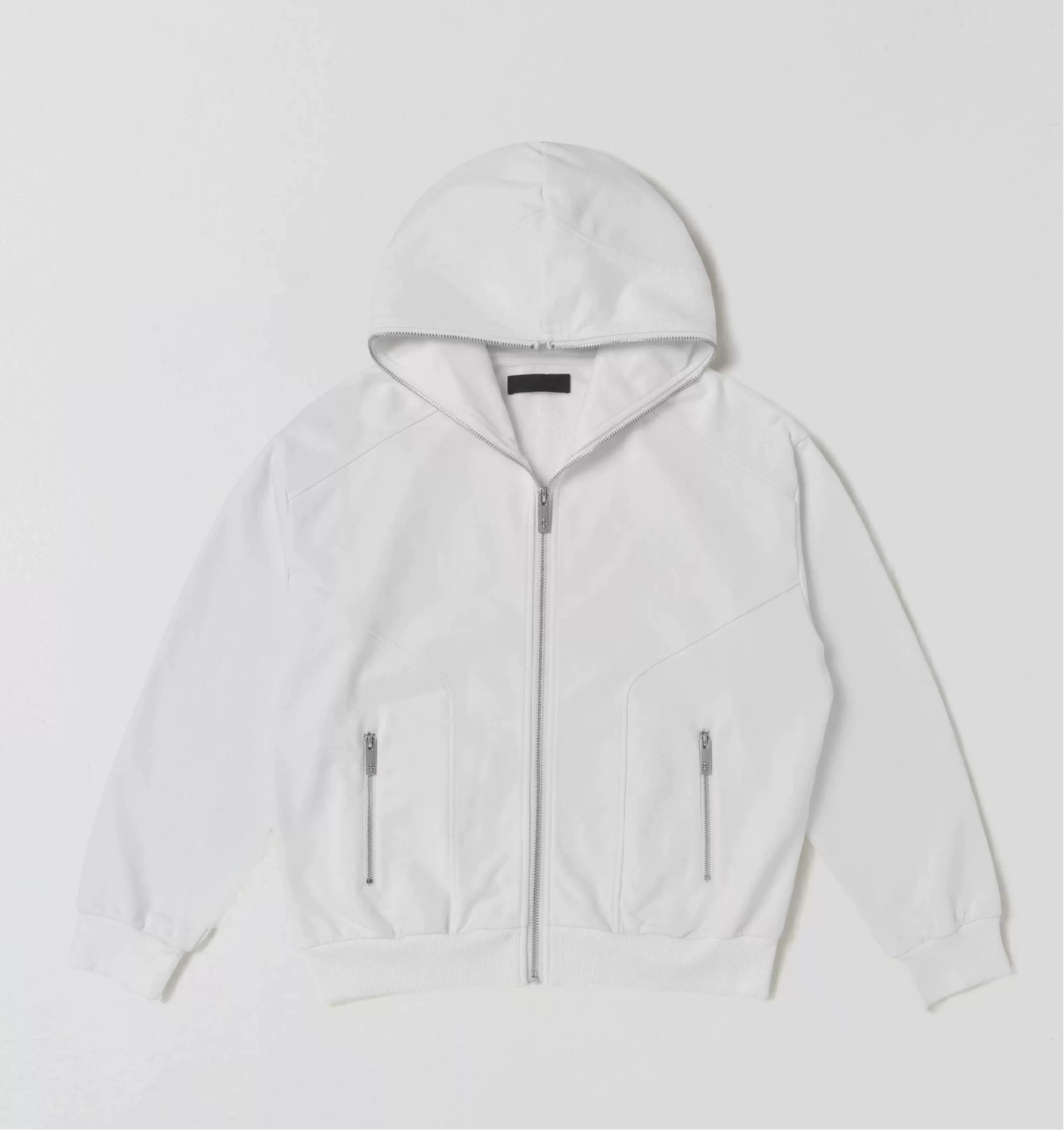
Custom Sweatshirts & Crewnecks
Custom crewneck hoodies, sweatshirts, and crewnecks developed in fleece or French terry with raglan or set-in sleeves. We control rib recovery, neckline shape, body balance, decoration placement, and extended-size grading for dependable repeat production.
Request a Quote
Custom Cardigans
Custom cardigans developed in knitted constructions with planned gauge, yarn blend, button or zipper options, pocket details, and trim specifications. Pattern and grading work focuses on shoulder placement, placket stability, sleeve length, and body proportion from XS–3XL.
Request a Quote
Custom Puffer & Down Jackets
Custom puffer jackets developed around target insulation, shell fabric, lining, baffle layout, and mobility requirements. We support fit samples, custom zippers and trims, logo details, size grading, quality control, and export-ready bulk packing.
Request a Quote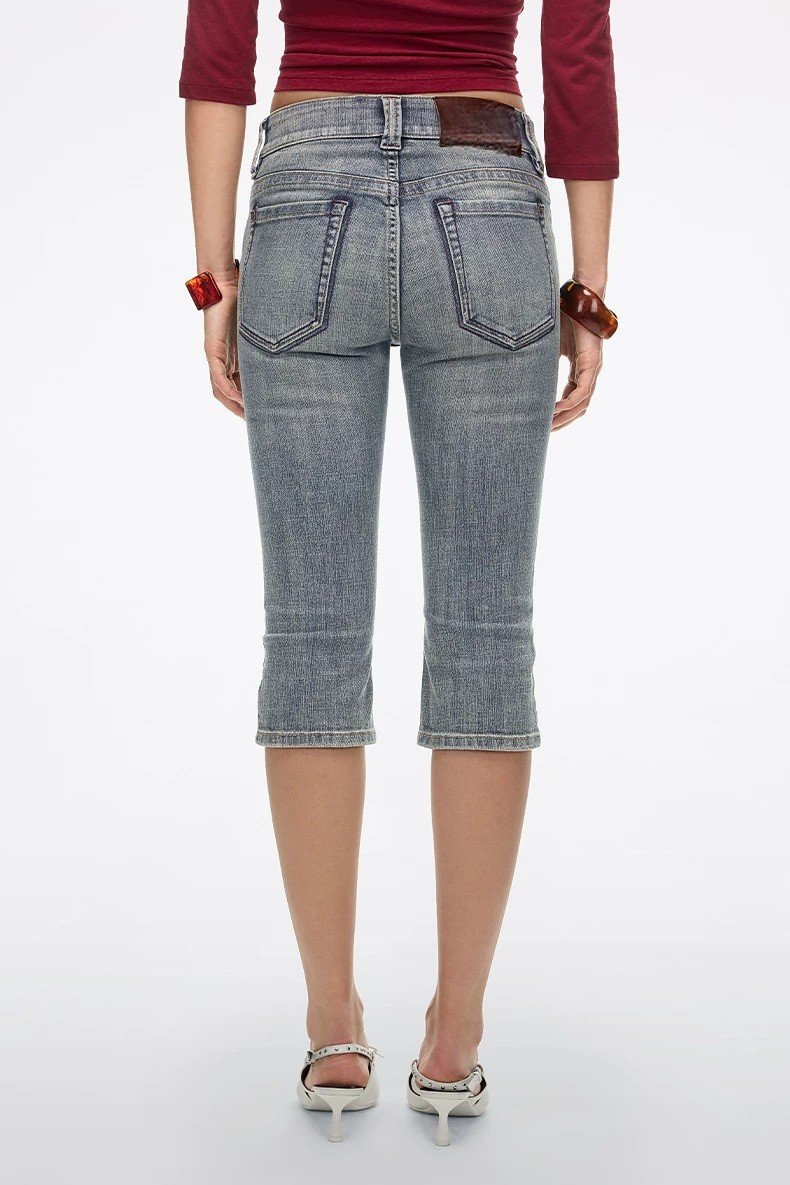
Custom Denim Shorts
Custom jean shorts developed in denim or stretch denim with specified rise, inseam, leg opening, pocket construction, and wash finish. Junsheen can add distressed details, embroidery, branded hardware, labels, and consistent XS–3XL grading.
Request a Quote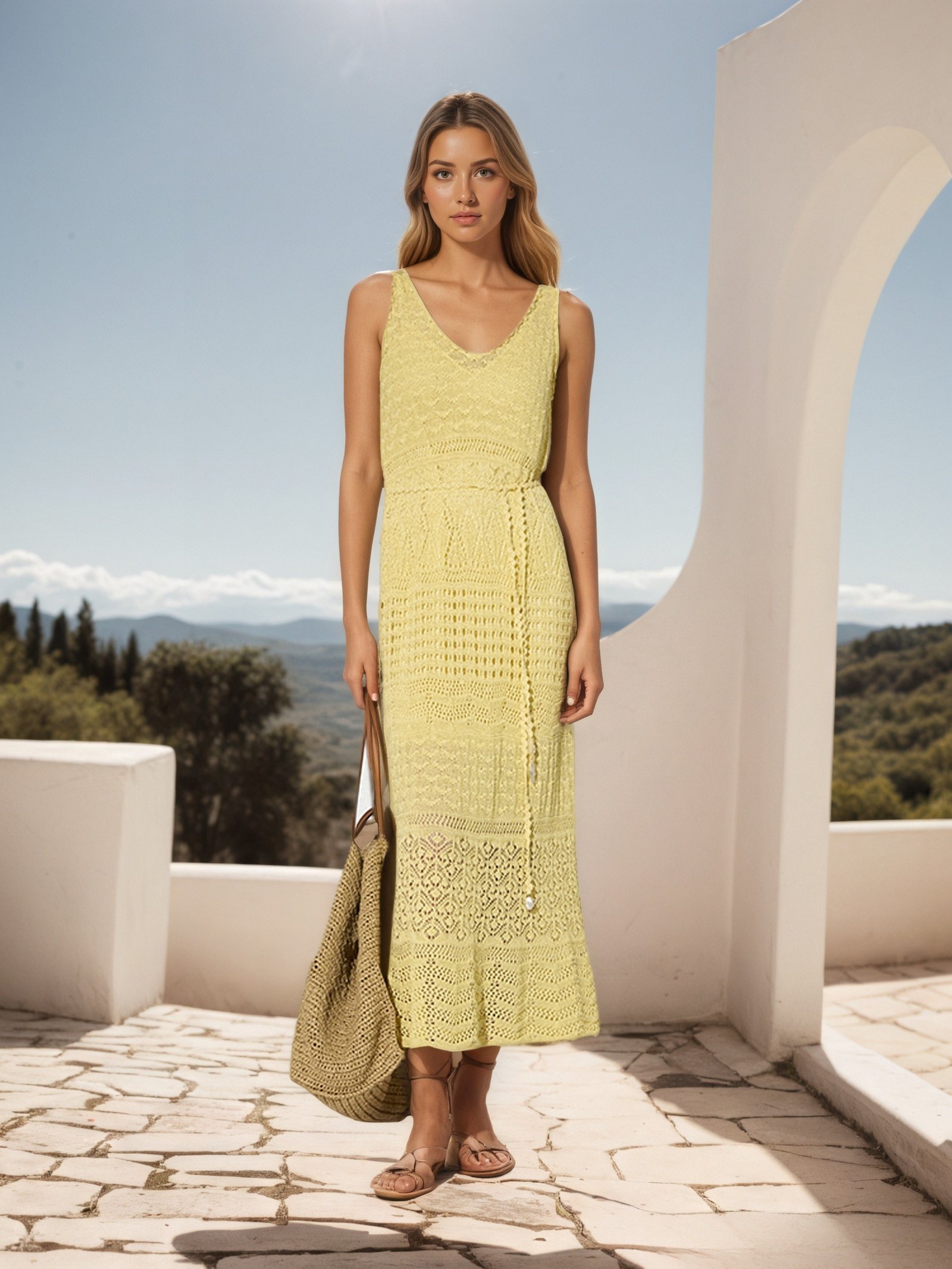
Custom Sweater Dresses
Custom sweater dresses developed in selected knit constructions for drape, coverage, stretch, and recovery. We refine neckline, waist position, sleeve length, hem balance, and extended-size proportions to help brands approve wearable fits before bulk production.
Request a Quote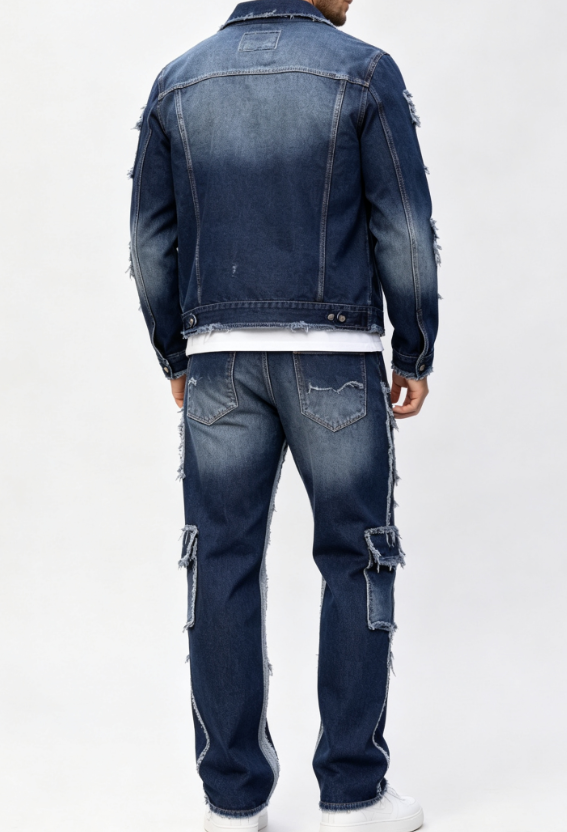
Custom Denim Sets
Men’s denim suits for wholesale programs developed as coordinated jackets and jeans with matching denim, wash standards, hardware, and sizing. We manage fit consistency across both pieces, branded trims, sampling, quality checks, and bulk delivery.
Request a Quote
Custom Polo Shirts
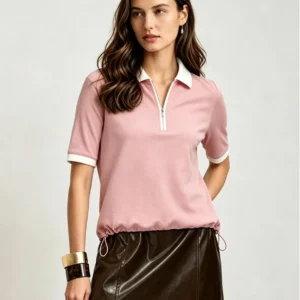
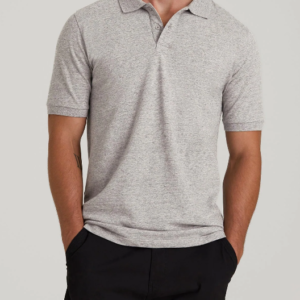
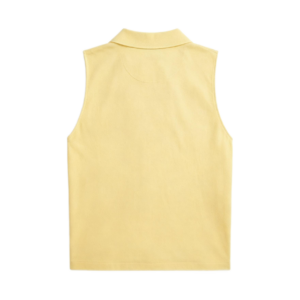
Custom polo shirts developed in pique, jersey, or performance knits with controlled collar shape, placket construction, sleeve cuffs, and logo placement. Fit development covers regular, oversized, and extended-size grading, supported by embroidery, printing, labels, and packaging.
Request a Quote
Custom Sweatpants
Custom sweatpants developed in fleece, French terry, or performance knits with specified rise, leg shape, cuff or open-hem finish, waistband construction, and pockets. We coordinate fabric weight, decoration, XS–3XL grading, sampling, and bulk production.
Request a Quote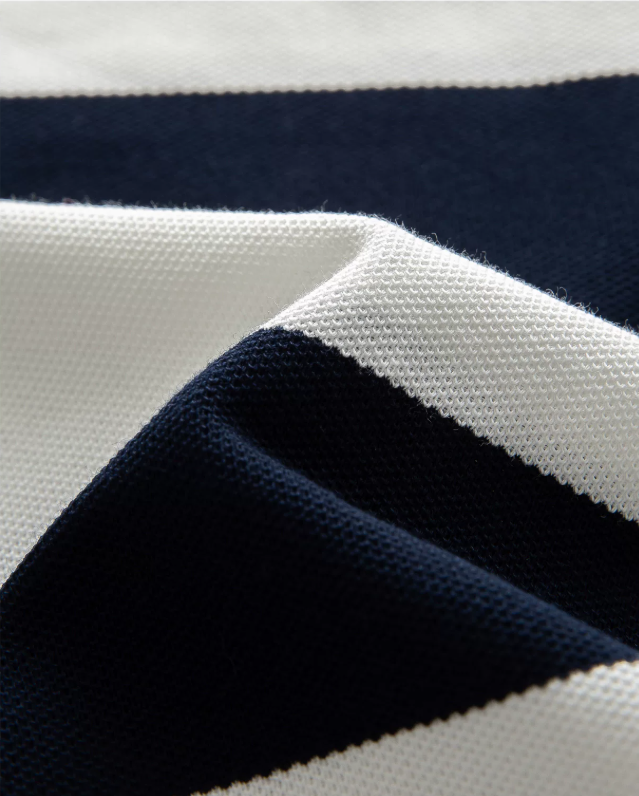
Custom Shorts
Custom shorts developed for jersey, fleece, twill, denim, or performance fabrics with target inseam, rise, leg opening, pocket design, and waistband details. Programs can include printing, embroidery, washes, labels, and size sets for retail-ready production.
Request a Quote
Custom Pullovers
Custom pullovers developed in jersey, fleece, French terry, or knit constructions for quarter-zip, half-zip, mock-neck, and lightweight layering styles. We define neckline, sleeve, hem, fabric weight, decoration, and fit grading before approving bulk production.
Request a QuoteMaterials for Custom Raglan Shirts

Combed Cotton Jersey
Smooth, breathable and soft against skin, combed cotton jersey suits everyday raglan tees and lightweight long sleeves. Typical 160–220 GSM constructions offer a clean surface for printing and dependable comfort.

Cotton Blend Jersey
Cotton blends balance natural softness with improved recovery, durability or cost control for branded raglan shirts. Added polyester or elastane can increase shape retention, stretch and wash resilience across active casualwear programs.

French Terry
French terry has a soft jersey face and unbrushed loopback interior, making it ideal for heavier raglan tops and transitional layers. Midweight 280–360 GSM options provide substance without the bulk of fleece.

Performance Knit
Moisture-managing performance knits work well for athletic-inspired raglan shirts, training tops and teamwear. Polyester or nylon blends deliver lightweight breathability, quick drying and mechanical stretch for easier movement.

Organic Cotton Jersey
Organic cotton jersey offers a naturally soft, breathable hand for elevated casual and sustainability-led raglan collections. Available in lightweight to midweight constructions, it supports comfortable daily wear and detailed screen printing.

Recycled Fiber Blends
Recycled polyester and cotton blends help brands build lower-impact raglan programs without losing everyday practicality. These fabrics can provide durable color retention, stable wash performance and a balanced hand for casual or active styles.
Custom Raglan Shirts: Decoration & Finishing Options

Screen Printing
Plastisol, water-based, puff, silicone, high-density, foil, and discharge screen prints create crisp logo placement and durable color coverage. JUNSHEEN matches ink systems to jersey weight, artwork detail, wash requirements, and production volume.

Logo Embroidery
Flat, 3D puff, chain-stitch, applique, sequins, and custom patch embroidery add tactile brand detail to raglan shirts. Stabilization, thread selection, and stitch density are reviewed to keep placement clean and comfortable.

DTF & DTG
DTF and DTG printing support detailed artwork, short-run graphics, gradients, and multicolor designs without large screen setups. The team recommends the right method based on fabric composition, hand feel, opacity, and expected wash durability.

Dye Sublimation
Dye sublimation permanently bonds all-over color and artwork into compatible polyester performance fabrics. It delivers lightweight, breathable graphics with no surface ink layer, making it well suited to athletic-inspired raglan programs and bold panel designs.

Garment Washing
Softening, enzyme, anti-pilling, garment-dye, tie-dye, acid-wash, stone-wash, brushing, and napping treatments create a broken-in hand feel or distinctive vintage character. Wash trials help confirm color, shrinkage, and surface results before bulk production.
Private-Label Accessories for Custom Raglan Shirts

Woven Brand Labels
Custom woven main labels, size labels and wash-care labels give custom raglan shirts a finished retail identity. Choose woven, printed or leather-look options matched to your logo, size range and garment construction.

Drawcords and Tipping
Add branded drawcords, contrast tipping or custom aglets to hooded raglan styles and casual layers. Junsheen can coordinate color, thickness and finish with rib trims, embroidery or printed graphics.

Snap Button Closures
Custom snaps create functional, polished closures for varsity-inspired raglan shirts, overshirts and lightweight jackets. Select metal, resin or logo-branded options with finishes that support your collection’s intended price point.

Custom Logo Patches
Embroidery, woven, chenille, silicone and applique patches add dimensional brand recognition to sleeves, chest panels or hem areas. We review placement and backing choices to suit fabric weight, stretch and wash performance.

Rib Trim Details
Custom rib collars, cuffs and hem bands sharpen the fit and visual identity of raglan programs. Match stripe layouts, yarn colors and recovery requirements across standard, oversized and extended-size XS–3XL grading.
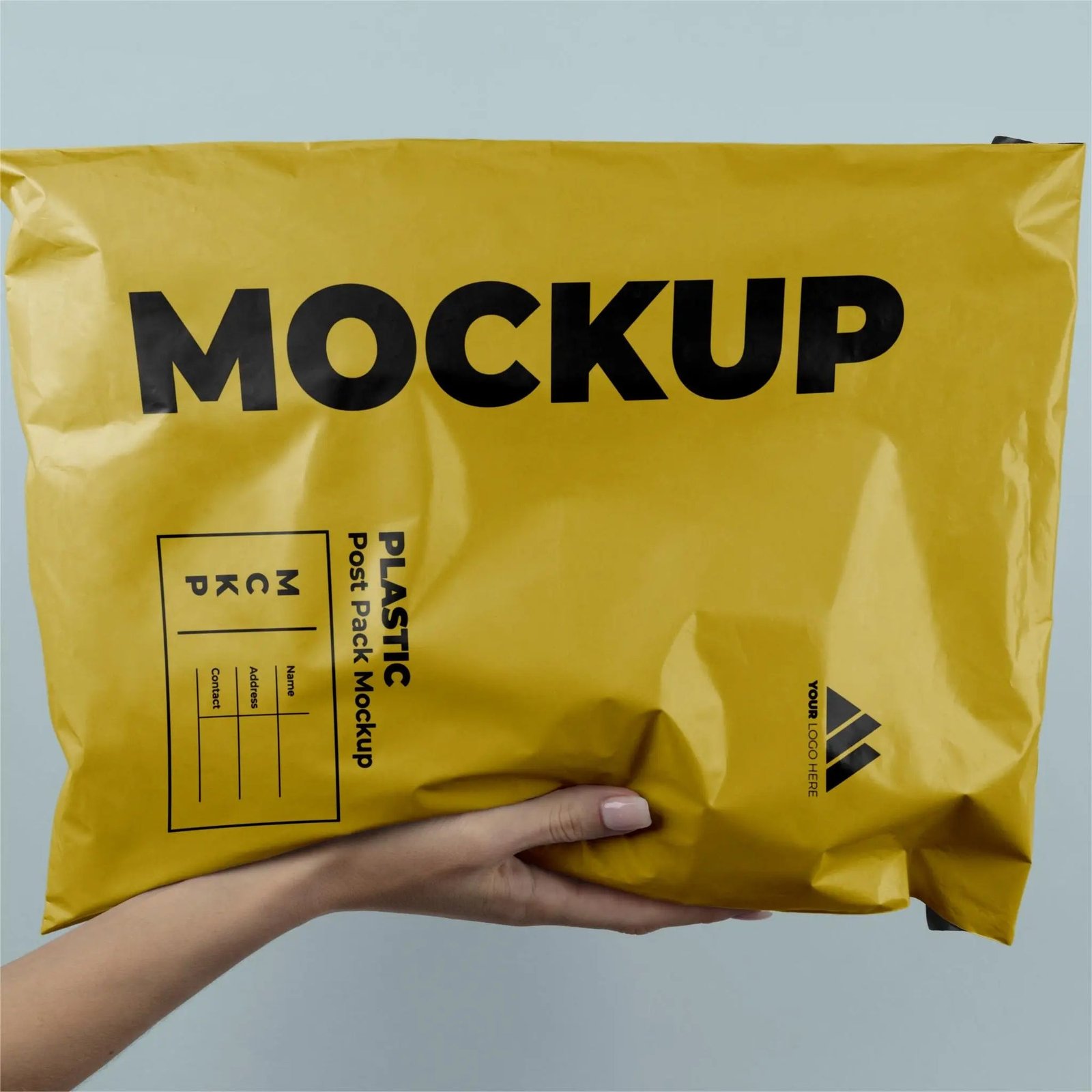
Branded Retail Packaging
Complete private-label presentation with custom hangtags, polybags, barcode stickers and branded packaging. Packaging specifications can be prepared for wholesale, e-commerce fulfillment or direct-to-consumer launches alongside final quality inspection.
Custom Raglan Shirts, Built by JUNSHEEN
Founded in 2010 in Humen Town, Dongguan, JUNSHEEN is a one-stop OEM, ODM and private-label apparel manufacturer for fashion brands worldwide. We turn custom raglan shirts from a tech pack, reference or idea into production-ready programs, supporting low MOQs from 100 units per style and color.
Our 200+ skilled workers combine cut-and-sew, knitting, fabric sourcing, printing, embroidery, finishing, labels, packaging and quality control in one coordinated supply chain. With monthly capacity above 80,000 units and export experience serving 2,000+ fashion-brand clients, we support capsule launches and scalable repeat production.
Fit development sets JUNSHEEN apart. Our pattern team refines shoulder balance, raglan sleeve mobility, body proportions and grading increments across XS–3XL, including extended-size, plus-size and modern oversized fits. The result is a more consistent garment that helps brands reduce sampling revisions and build confidence into every size set.

Core Capabilities Behind Better-Fitting Custom Raglan Shirts
Raglan Patterns That Move
JUNSHEEN develops custom raglan shirts with sleeve seams, shoulder balance, body length and underarm mobility engineered together. Starting from a tech pack, sketch or reference sample, our pattern team turns your design direction into a production-ready fit.
- Pattern making from concepts, samples or tech packs
- Raglan sleeve and armhole mobility reviewed before sampling
- Fabric weight, stretch and shrinkage considered in construction
- Prototype and fit-sample revisions managed clearly

XS–3XL Grading With Intent
Our grading team develops normal, extended-size, plus-size and oversized custom raglan shirts from XS through 3XL. Rather than enlarging one base size, we adjust proportions and grading increments to help each size retain the intended silhouette and wearability.
- Fit-focused grading for XS–3XL size ranges
- Oversized and plus-size proportions developed separately
- Sleeve length, chest balance and body proportions checked
- Size sets available for approval before bulk production

Decoration Under One Roof
Keep artwork, placement and garment character aligned with integrated decoration and finishing support. JUNSHEEN coordinates screen printing, embroidery, patches, transfers and washes with your raglan shirt construction, helping reduce handoffs and avoidable production inconsistencies.
- Screen print, DTG, DTF and heat-transfer options
- Flat, 3D/puff and logo embroidery capability
- Custom patches, labels, trims and branded packaging
- Washes and finishing selected for the target look

Repeat Orders Stay Consistent
For growing raglan programs, retained patterns, graded size sets and material records make repeat production more dependable. With 200+ skilled workers and monthly capacity above 80,000 units, JUNSHEEN supports capsule launches from 100 units through scalable global supply.
- MOQ from 100 units per style and color
- Patterns and approved specifications retained for reorders
- In-line, measurement and final packed-goods inspections
- OEM, ODM and private-label export support worldwide

Why Choose JUNSHEEN for Custom Raglan Shirts?
Compare a fit-focused OEM partner with the limited flexibility of a typical supplier.
← 左右滑动查看 →
Custom Raglan Shirts Production Process
A clear, fit-focused workflow for developing brand-ready raglan programs from 100 units per style and color.
Review Brief and Feasibility
We assess your tech pack, sketch, or reference garment, confirm construction requirements, target pricing, MOQ, grading needs, and production timeline before development begins.
Source Fabrics and Trims
Our team recommends jersey, fleece, performance knit, rib, labels, and trims based on hand feel, weight, durability, decoration method, and wash-performance targets.
Develop Patterns and Samples
Pattern makers build and grade fit-focused raglan patterns from XS to 3XL, then produce prototype samples for measurement, mobility, proportion, and approval review.
Cut, Decorate, and Assemble
Approved materials move into cutting, sewing, embroidery, printing, washing, and finishing, with in-line checks protecting construction quality and consistent logo placement.
Inspect, Pack, and Ship
Final inspections verify measurements, fit, decoration, and packed goods before branded labels, hang tags, and packaging are completed for reliable worldwide export shipment.
How to Start Your Custom Raglan Shirts Project
Move from concept to bulk production with a clear OEM workflow built for sourcing teams, emerging labels, and scalable brand programs.
Send Your Design Brief
Share a tech pack, sketch, reference garment, mood board, or product idea with target quantities, sizing, fabric preferences, and decoration requirements.
Review Feasibility and Samples
Our team reviews construction, fit, materials, and branding details, then develops patterns, sources options, and prepares samples for your evaluation.
Approve Quote and Details
Confirm pricing, 100-unit MOQ requirements, graded XS–3XL specifications, fabric, trims, artwork, packaging, and pre-production sample details before bulk scheduling.
Launch Bulk Production
JUNSHEEN manages cutting, sewing, decoration, finishing, inspections, packing, and export support, keeping your approved custom raglan shirts program moving reliably.
Custom Clothing Manufacturer Credentials and Compliance Documents



What Fashion Brands Say About Our Custom Raglan Shirts
JUNSHEEN turned our tech pack into approved custom raglan shirts in two sampling rounds. Their team corrected the sleeve balance across XS–3XL, and our first 300-unit drop achieved a 98% sell-through within eight weeks.
We needed a heavyweight baseball raglan with puff print, custom labels, and a vintage wash. The bulk order matched the approved sample closely across all 1,200 pieces, helping us launch our retailer program on schedule.
Our repeat orders are much easier now. JUNSHEEN retained our graded patterns and material details, so the second 2,500-unit run required no fit revisions. Quality and logo placement stayed consistent across three colorways.
Custom Raglan Shirts FAQ
Clear answers on MOQ, sampling, production, payment, shipping and brand protection for your OEM program.
What is the MOQ for custom raglan shirts?
How long does a custom raglan shirt sample take, and what does it cost?
Can you develop custom raglan shirts from a sketch or reference garment?
What payment terms do you offer for a first raglan shirt order?
What is the production lead time for custom raglan shirts?
Which fabrics work best for raglan shirts?
Can JUNSHEEN arrange international shipping and export support?
How do you protect our custom raglan shirt designs and brand details?
The Complete Buyer’s Guide to custom raglan shirts
Use this decision framework to select silhouettes, fabrics, decoration, construction, and a reliable OEM supplier for custom raglan shirts—while avoiding costly specification, sampling, MOQ, and production mistakes.
1. What Are custom raglan shirts?
Two diagonal seams define custom raglan shirts: each sleeve runs from the neckline to the underarm instead of joining at a shoulder-armhole seam. That uninterrupted upper-panel construction gives the wearer more shoulder rotation and makes the sleeve, collar, and body panels clear areas for contrast colors, stripes, or printed graphics. Four product labels are often confused in sourcing briefs. A set-in-sleeve tee has a conventional armhole seam around the shoulder; a baseball tee is usually a raglan shirt with contrasting three-quarter or long sleeves; a raglan sweatshirt uses the same seam geometry in heavier fleece or French terry; and a jersey may be raglan-cut but is defined primarily by its sport or team-use styling. 100 units per style and color can be a practical starting point for a capsule program when the specification is production-ready. Buyers should state sleeve length, neckline, body fabric, sleeve-to-body color relationship, fit target, and decoration placement, because custom raglan shirts are a construction category—not automatically a baseball tee, sweatshirt, or athletic uniform.
2. The History of Raglan Shirt Design
1853 is the year often associated with Lord Raglan, whose name became attached to a sleeve cut that runs diagonally from collar to underarm rather than ending at a conventional shoulder seam. The construction entered military and outerwear vocabulary because it gave coats a cleaner shoulder line and allowed easier movement over layered clothing. 1900s baseball uniforms helped move the raglan into sport, where contrasting sleeves and body panels made team colors immediately legible from the stands. Athletic makers later adopted the same shoulder-to-underarm seam for training tops, sweatshirts, and warm-up layers that needed unrestricted arm motion. 1970s and 1980s retro-sports styling turned the baseball raglan into casualwear, linking three-quarter sleeves, contrast neck bindings, and collegiate color blocking with an informal unisex look. Streetwear and skate-influenced collections retained that visual code because a simple two-color panel layout can make a basic jersey feel more intentional. 100-unit starting programs make that history commercially useful for brands developing custom raglan shirts today: one stable base pattern can support core solids, team-inspired contrasts, washed finishes, or logo-led capsules. For sourcing teams, the sleeve line is a clear differentiation point that works across adult fits, modern oversized silhouettes, and coordinated seasonal color stories without requiring a complex garment architecture.
3. Types of custom raglan shirts
Six commercial formats cover most custom raglan shirts programs, but each solves a different season, fit, and channel problem. Select the silhouette before finalizing fabric weight, decoration placement, or size range.
Baseball And Three-Quarter Tees

Three-quarter sleeves give baseball tees a recognizable contrast-panel look for fan merchandise, streetwear capsules, and college retail. Use a regular or relaxed fit for spring and early fall; independent webshops and event sellers suit this format. Short sleeves work better for warm-weather promotions, youth teams, and value-focused wholesale. A slightly fitted unisex block keeps the classic athletic reference without limiting everyday wear.
Long-Sleeve Everyday Raglans
Long sleeves suit transitional weather, layering assortments, and logo-led basics for direct-to-consumer brands. A regular fit with controlled sleeve length is the safest choice for ecommerce, where returns often expose grading problems. Two-color body-and-sleeve combinations create visual contrast without adding complex paneling. Boutique retailers can carry them as autumn core styles or lightweight souvenir merchandise.
Sweatshirts And Performance Tops

280–360 GSM raglan sweatshirts target fall and winter casualwear, gym studios, and premium merchandise programs. Choose relaxed shoulders and rib cuffs for brand webstores, while oversized proportions fit fashion-led drops. 150–220 GSM performance raglans serve running clubs, training teams, and outdoor promotions in warm or changeable conditions. Athletic customers need a closer fit and mobility through the underarm; team dealers are a natural channel.
Oversized Fashion Fits
Dropped-armhole oversized raglans appeal to fashion labels and influencers selling limited streetwear capsules. Use extended-size grading rather than simply scaling a standard block, then position the style through DTC launches and selected boutiques. 100-unit-per-style-and-color programs let emerging brands test this higher-risk silhouette before replenishment. A longer body and fuller sleeve should be approved on a size set, especially from XS through 3XL.
4. Fabrics for custom raglan shirts
140–180 GSM is the usual starting range for everyday custom raglan shirts, but fiber blend determines recovery, shrinkage, and decoration results as much as weight. Select fabric after defining climate, silhouette, and print method.
| Fabric | Typical GSM | Hand Feel | Best Use |
|---|---|---|---|
| Cotton jersey | 140–180 | Breathable, natural | Everyday warm-climate tees |
| CVC | 150–190 | Soft, stable | Promotional and retail basics |
| Cotton-poly | 160–220 | Durable, quick-dry | Teamwear and repeat programs |
| Tri-blend | 130–170 | Soft, heathered | Vintage-fashion styles |
| French terry | 220–280 | Loopback, weighty | Transitional raglans |
| Interlock | 180–240 | Smooth, opaque | Fitted athletic styles |
| Modal blend | 150–200 | Silky, drapey | Premium lifestyle tees |
| Recycled polyester | 140–180 | Light, technical | Performance and sublimation |
Core Jersey And Blends
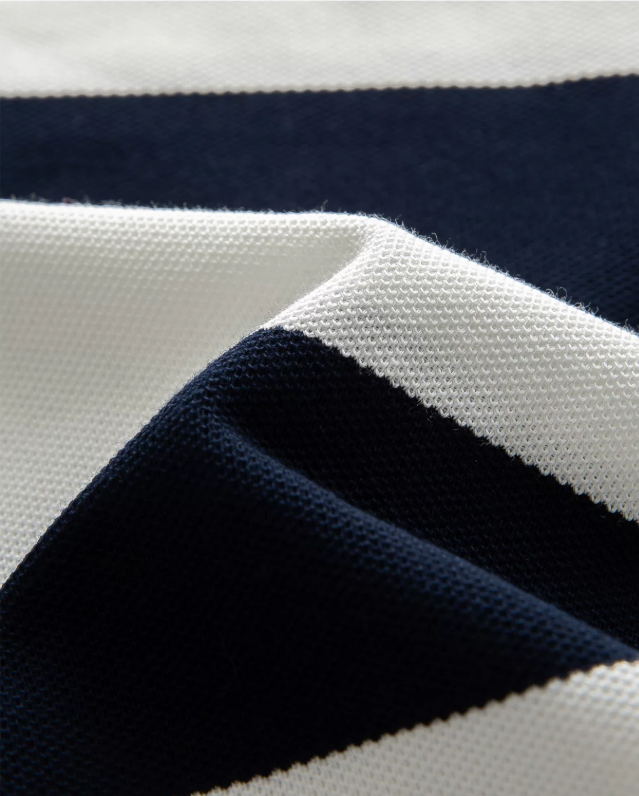
160 GSM ring-spun cotton jersey feels breathable and familiar, suits warm climates, and accepts water-based or plastisol screen print well. Allow controlled wash testing because untreated cotton can shrink 3–5%. 60/40 CVC and 50/50 cotton-poly jersey dry faster, hold shape better, and reduce shrinkage. Tri-blends add a soft, heathered hand; use low-bleed inks when polyester content is high.
Structured And Premium Knits

220–280 GSM French terry gives a loopback interior, moderate warmth, and a casual premium weight; it works for transitional-weather raglans. Fleece is warmer but changes the product category and print handle. 180–240 GSM interlock has a smooth double-knit face, better opacity, and controlled stretch for cleaner athletic or fitted silhouettes. Modal-cotton blends feel notably soft and drape well, but require careful recovery testing.
Performance Fabric Decisions

140–180 GSM recycled polyester performance knit offers moisture management, fast drying, and reliable color retention for training styles. Dye-sublimation requires high polyester content and a light-colored base; screen printing needs migration testing. 2–5% elastane improves movement, but excessive stretch can distort large graphics. Confirm stretch recovery, pilling resistance, and wash appearance on a sewn sample before approving bulk fabric.
5. Customization Options for custom raglan shirts
Two-piece raglan color blocking changes both visual identity and cutting complexity. Specify sleeve contrast, body panels, collar finish, Pantone targets, and decoration together so artwork, trims, and unit economics remain coherent from sample through reorder.
| Method | Durability | Artwork Limits | Best Fit |
|---|---|---|---|
| Screen print | High | Color separations | Startup and wholesale |
| DTG | Medium-high | Photographic detail | Small launches |
| Embroidery | High | Simple stitched shapes | Premium logos |
| Patch | High | Separate manufactured badge | Wholesale identity |
| All-over sublimation | High | Polyester, seam alignment | Performance programs |
Color Blocking And Necklines

Two or three fabric colors can create classic baseball contrast, athletic panels, or a premium tonal look; each extra cut panel adds sewing operations and fabric-control risk. Pantone TCX references guide color matching, while rib crew necks, V-necks, and contrast binding should be approved against the chosen body fabric.
- Contrast sleeves emphasize the raglan seam
- Side panels add shaping and cost
- Neck binding needs stretch recovery testing
Print And Decoration Choices

Screen print suits 100-unit programs with repeat artwork and solid color separations; plastisol is durable, while water-based ink gives a softer hand. DTG handles detailed low-volume art but performs best on cotton-rich light garments. All-over sublimation requires polyester and seam-aware artwork; embroidery and patches add dimension but can distort lightweight jersey.
Branding Specification
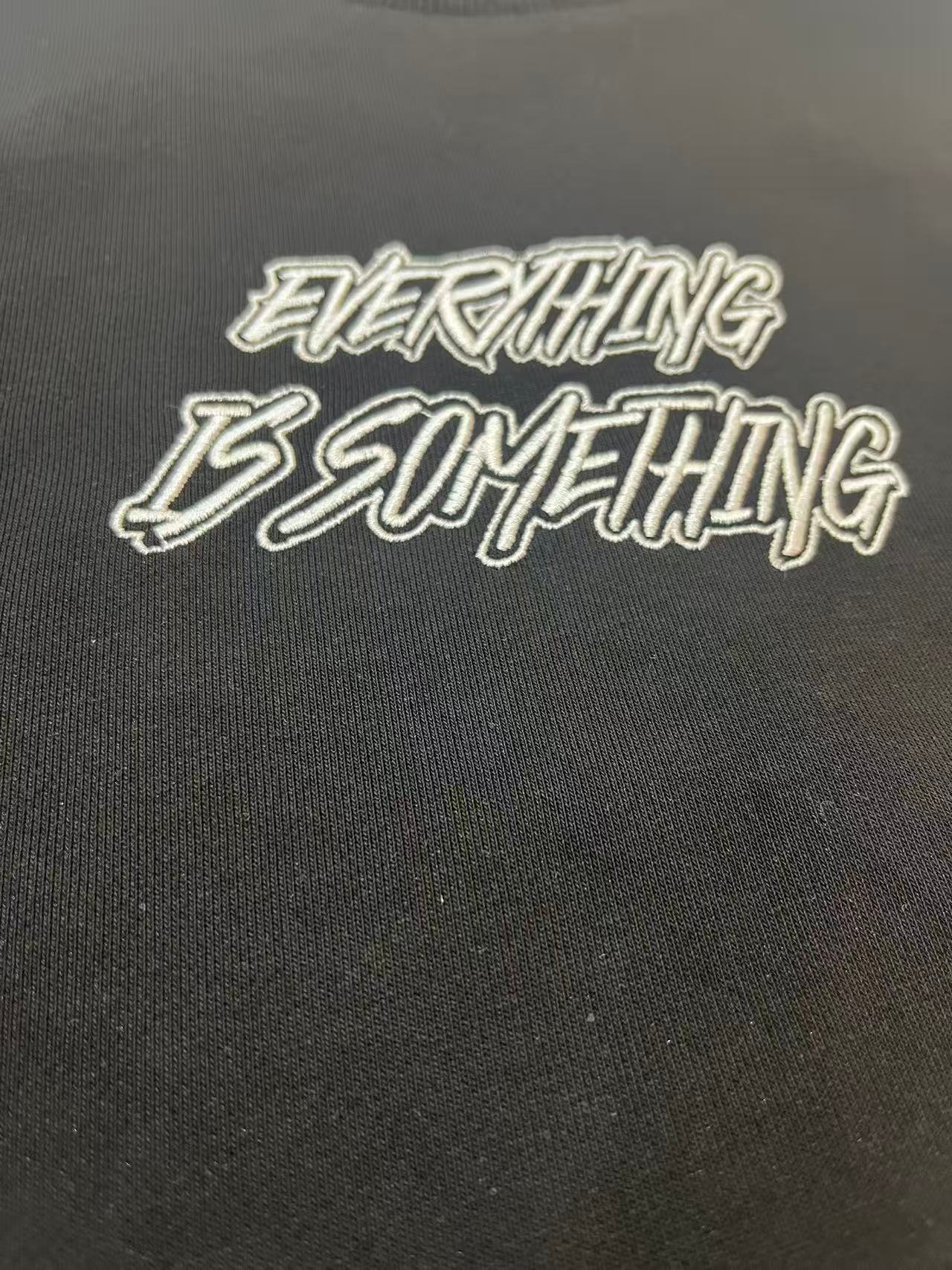
Three label points—main label, size label, and wash-care label—make a garment retail-ready. Add hangtags, barcode stickers, folding instructions, and branded polybags only after confirming the sales channel. 100-unit capsule orders benefit from one decoration location and standard packaging. Wholesale programs can justify custom patches, multiple placements, and carton-marking requirements when quantities spread fixed setup costs.
6. Construction Details That Signal Quality
A production sample should be inspected inside out as well as worn: raglan construction concentrates stress from neckline to underarm. For custom raglan shirts, clean seam geometry and stable measurements matter more than a visually neat first impression.
Raglan Seams And Mobility
A raglan seam should run smoothly from neck rib to underarm without twisting, puckering, or uneven curve depth. Check both sleeves on a flat table, then raise and rotate the arms to confirm unrestricted shoulder mobility. Eight to 12 stitches per inch is a practical jersey benchmark; stretch seams also need adequate elongation. Reinforced overlock, coverstitch, or flatlock construction should remain intact when the seam is gently stretched.
- Reject skipped stitches or seam grin.
- Compare left and right sleeve lengths.
- Check underarm joins for needle damage.
Neck, Hem, And Fabric Stability
A 1×1 rib neckband should recover after being stretched several times and lie flat without rippling. Weak recovery, a wavy neckline, or exposed seam allowance signals poor rib selection or incorrect attachment tension. Fabric weight should be consistent across body and sleeves; compare cut swatches or weigh matching panels when possible. Confirm the approved shrinkage tolerance after the specified wash, especially before finalizing length and sleeve proportion.
- Inspect hem coverstitch for even spacing.
- Check hem does not torque after washing.
- Record wash method and shrinkage result.
Measurements And Grading
A measurement sheet should define chest, body length, sleeve length, neck opening, and tolerance at every size. Measure the sample laid flat after relaxation, using the same points of measure specified in the tech pack. XS through 3XL programs need deliberate grading rather than uniform enlargement. Abrupt sleeve jumps, distorted armholes, or uneven chest increments indicate weak pattern control and can create fit failures in bulk.
- Verify each point against stated tolerance.
- Request a graded size set before bulk.
- Compare measurements after wash testing.
7. How to Choose a Raglan Shirt Manufacturer
A 100-unit MOQ can make custom raglan shirts accessible, but it does not prove a factory can control fit, decoration, and repeat production. Screen suppliers through evidence from comparable styles before paying a deposit.
Verify Relevant Capability
Ask for recent raglan samples with contrasting sleeves, rib neckbands, and the intended print or embroidery method. A factory should explain seam sequence, measurement tolerances, and whether it can develop patterns and graded size sets rather than merely copy a reference.
Test Development And Communication
Request a written sampling route: tech-pack review, fabric swatches, prototype, size set, and pre-production approval. Confirm one contact owns revision logs, Pantone approvals, measurement comments, and photo updates; unclear version control creates costly bulk errors.
- Which sample revisions are included?
- Who approves bulk fabric and color?
- What changes trigger a new quotation?
Check Controls And Capacity
Confirm incoming-fabric, in-line, measurement, decoration, and final-packed-goods inspections in writing. Ask which compliance documents apply to your market—such as OEKO-TEX, GOTS, WRAP, or BSCI—and request lead times for sampling, bulk production, and export booking.
Compare Quotations Properly
Compare quotations line by line: fabric composition and GSM, trims, decoration colors, packing, sampling, inspection, freight terms, and payment milestones. The lowest unit price may exclude pattern work, wash testing, defects allowance, or shipping support; identify every exclusion before the deposit.
8. Common custom raglan shirt Buying Mistakes
A 100-unit launch can fail before cutting begins when specifications leave room for factory interpretation. Treat every sample, color, size, and approval point as a written production control for custom raglan shirts.
Write A Complete Tech Pack
A 1-page sketch is not a tech pack: it rarely defines raglan seam placement, body length, sleeve length, tolerance, stitching, labels, or artwork size. Before sampling, issue a revision-controlled pack with flat measurements, Pantone references, construction callouts, BOM, and placement dimensions in millimeters.
Control Shrinkage And Grading
A 5% wash shrinkage can turn an approved medium into a short-selling fit, especially in cotton jersey and French terry. Before bulk, require washed measurements and a graded XS–3XL size chart; review shoulder balance and sleeve mobility rather than enlarging one base pattern.
Specify Fabric And Decoration
A 160 GSM jersey chosen only for price may feel too light for dense plastisol, while puff ink can distort lightweight or highly stretchy fabric. Before approval, compare swatches for weight, recovery, hand feel, and wash performance, then test the intended print or embroidery on the actual bulk fabric.
Approve Production References
One approved development sample does not replace a pre-production sample made with confirmed fabric, trims, artwork, and packing. Before cutting, sign off on the PP sample and retain it as the sealed reference for measurements, color, decoration, and workmanship.
Confirm Color And MOQ
Two dye lots can show visible shade variance under daylight and store lighting, and a 100-unit MOQ may apply per style-color rather than the full order. Before payment, approve lab dips or strike-offs and confirm MOQ by color and size ratio in the purchase order.
9. Steps to Launch custom raglan shirts
A 100-unit-per-style-and-color program needs locked decisions before materials are committed. Build custom raglan shirts through approval gates, because a late fit or artwork change can reset sampling, sourcing, and delivery timing.
Position The Product
Week 1 should define target customer, retail price, competitors, color direction, and 3–5 reference garments. Record what is being adopted versus changed, then make the brand the owner of the final brief, artwork, and approved specifications.
- Target retail price and margin
- Reference-garment measurements
- Competitor color and logo review
Build The Tech Pack
Version 1 should state fabric, GSM, Pantone colors, raglan seam construction, measurements, tolerances, labels, packaging, and decoration placement. Supply editable artwork plus print-ready vector files, and retain dated source files so revisions have one accountable owner.
- AI or EPS logo files
- Point-of-measure chart
- Bill of materials
- Packaging dielines
Approve Samples And Fit
One prototype confirms construction, while a size set confirms grading across the intended run, such as XS–3XL. Approve fabric swatches, strike-offs, measurements, fit, wash results, and labeling in writing before issuing the bulk purchase order.
- Fabric hand and GSM
- Pantone and decoration strike-off
- Fit comments by size
- Final sample sign-off
Control Bulk And Delivery
Bulk timing begins only after the purchase order, deposit, approved pre-production sample, and material booking align. Monitor critical-path dates for fabric arrival, cutting, decoration, sewing, final inspection, branded packaging, balance payment, and shipment booking.
- Pre-production sample approval
- In-line measurement checks
- Final packed-goods inspection
- Carton marks and shipping documents
10. Custom Raglan Shirt Pricing and Costs
100 units per style and color is JUNSHEEN’s practical starting MOQ for custom raglan shirts, so buyers should consolidate core colorways and lock the intended size curve before sampling. At this tier, development costs, fabric minimums, and setup charges are distributed across relatively few garments; a two-color capsule can therefore cost more per unit than a simpler repeat order. 160–220 GSM ring-spun cotton jersey generally costs less to cut and sew than heavier 240–320 GSM cotton blends, French terry, or specialty performance knits. Quotes also move with Pantone color matching, contrast sleeves, screen-print color count, DTG/DTF artwork coverage, embroidery stitch count, custom labels, individual polybags, and extended-size grading from XS through 3XL. 7–35 production days is a useful planning range after sample and material approval, while freight depends on the destination, shipping method, carton volume, and customs requirements. Final pricing requires an approved specification, graded size range, quantity by color, decoration artwork, labeling and packaging requirements, and named delivery destination.
| Order quantity | Indicative unit-cost drivers | Typical production lead time |
|---|---|---|
| 100–299 units | Highest setup allocation; limit colors and decoration placements | 15–35 days |
| 300–999 units | Better fabric utilization; screen-print and trim costs spread further | 12–30 days |
| 1,000+ units | Bulk fabric buying and repeat processes can reduce unit cost | 10–25 days |
Launch Custom Raglan Shirts With JUNSHEEN
Send your tech pack, sketch, reference garment, or product idea for fit-focused OEM development and a clear 100-unit MOQ quotation.