
Custom Sublimation Shirts, From 100 Units
Develop color-accurate custom sublimation shirts with fit-focused XS–3XL grading, private labels, and scalable OEM production.
Featured Products for custom sublimation shirts Development




Related Product Catalogue and Quotation





Custom Sublimation Shirts, Built to Scale
Integrated development, fit-focused sizing, dependable capacity, and export support for brands building color-driven apparel programs.
100-Unit Starting MOQ
Launch custom sublimation shirts from 100 units per style and color, giving capsule collections a practical path to market.
Integrated Product Development
Move from artwork, tech pack, or reference garment through fabric selection, pattern making, sampling, and production planning with one team.
Fit-Focused XS–3XL Grading
Build consistent normal, extended-size, plus-size, and oversized fits with refined proportions, mobility, and grading increments across every size.
In-House Decoration Control
Coordinate dye sublimation alongside embroidery, printing, labels, trims, washing, and branded packaging for a cohesive private-label result.
Scalable Global Delivery
Rely on 200+ skilled workers, 80,000+ monthly units of capacity, quality inspections, and export support for growing international programs.
Custom Apparel Styles for Private-Label Programs
Develop fit-focused casualwear, denim, knitwear and outerwear from low-MOQ capsules to scalable branded production.

Custom Hoodies
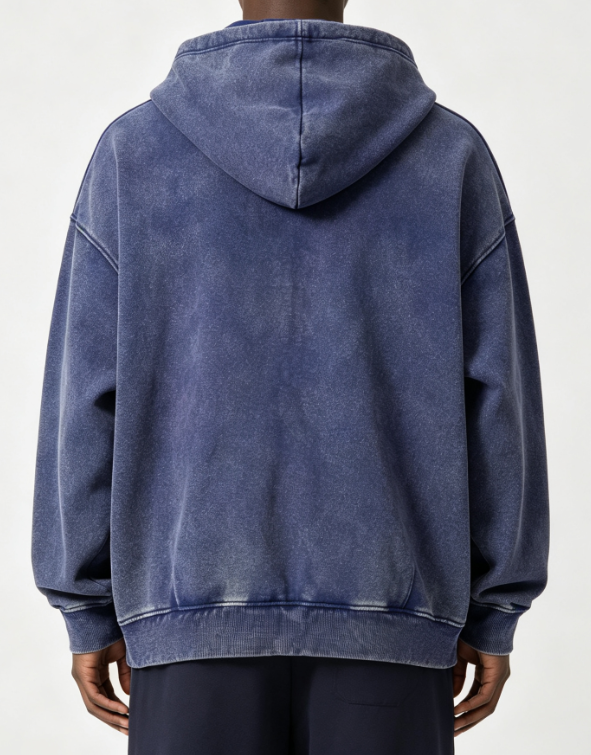
Develop custom hoodies in fleece, French terry or jersey for fashion capsules, teamwear and private-label collections. Support includes pattern making, XS–3XL grading, embroidery or printing, custom labels, trims and packaging from 100 units per style and color.
Request a Quote
Custom T-Shirts
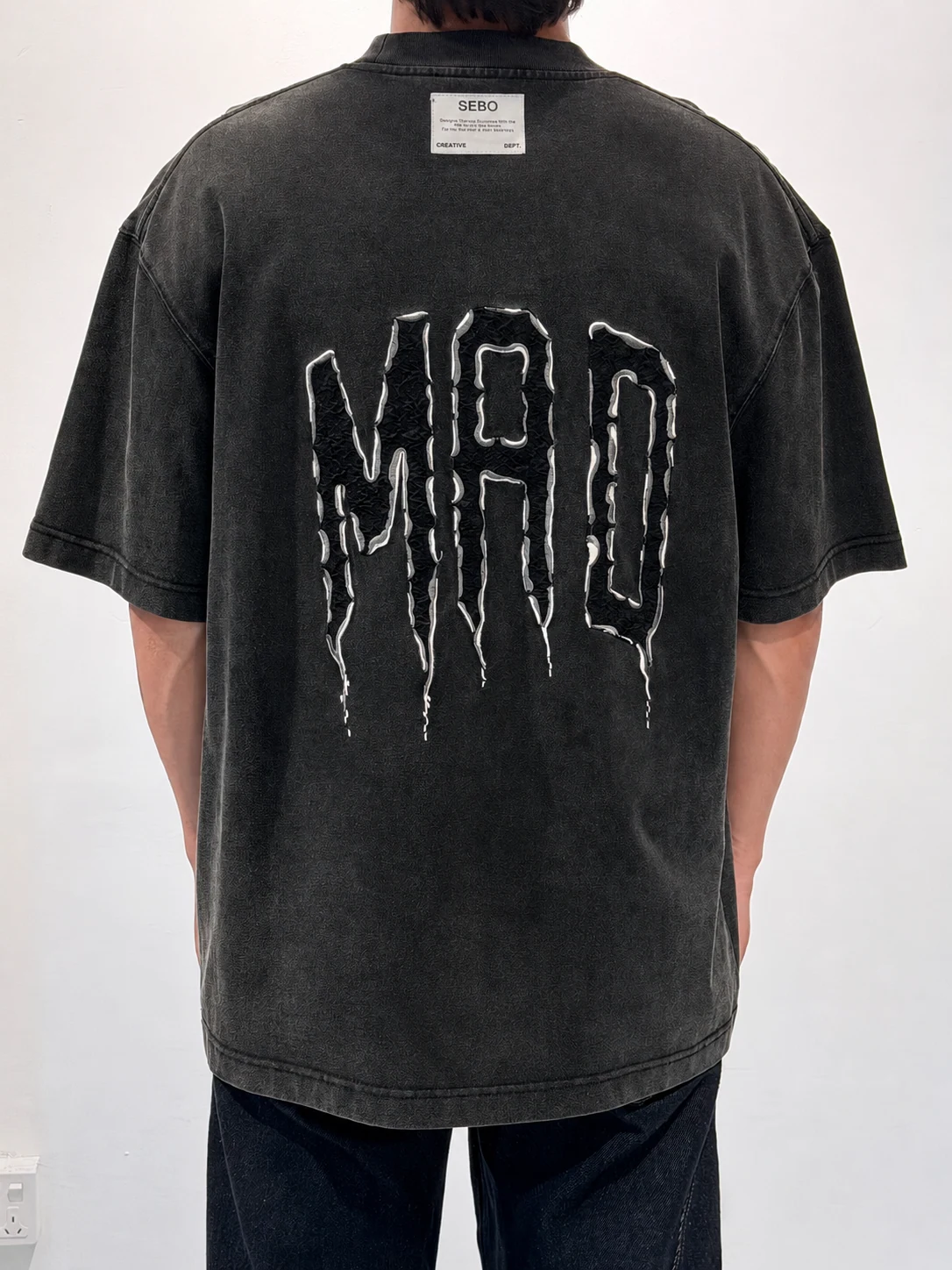
Produce custom T-shirts in combed cotton, Pima cotton, organic options and blended jersey. Junsheen supports fashion fits, oversized silhouettes, size grading, screen printing, DTG, DTF, embroidery and private-label finishing for launches and ongoing ranges.
Request a Quote
Custom Jeans
Manufacture custom jeans with denim or stretch-denim fabric selection, fit development and wash planning. Pattern makers refine rise, leg shape, mobility and grading from XS–3XL, while custom hardware, labels, embroidery and garment washes support differentiated denim programs.
Request a Quote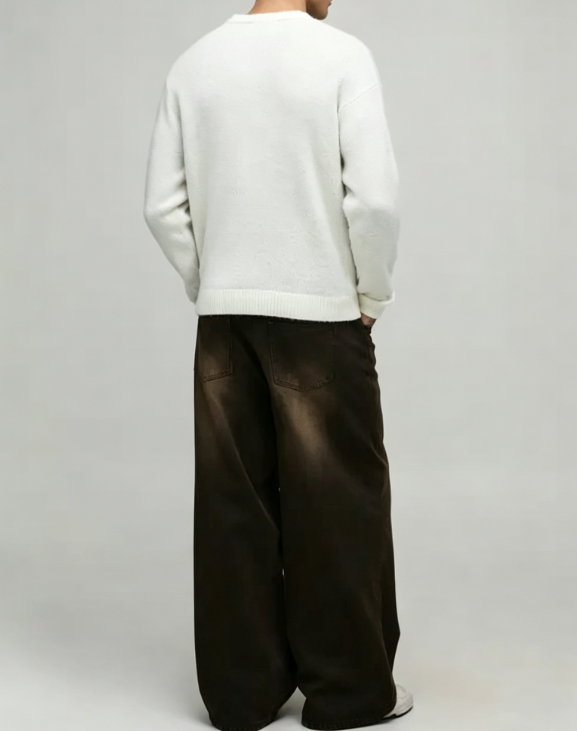
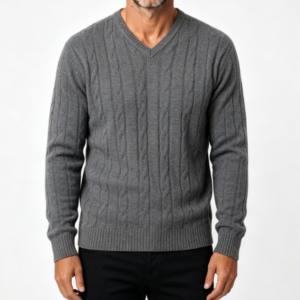
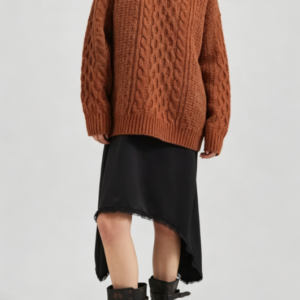
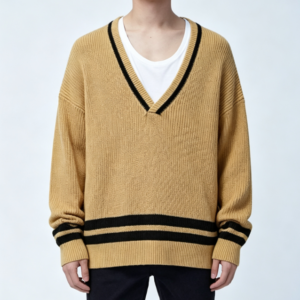
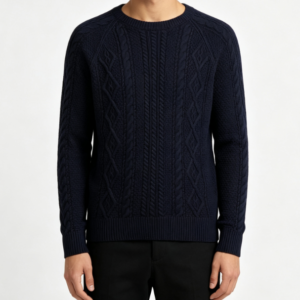
Custom Sweaters
Source and manufacture turtleneck sweaters in bulk for private-label knitwear lines, using yarn and construction choices suited to target hand feel, warmth and cost. Development can include oversized, extended-size and standard fits, custom labels, colorways and scalable repeat production.
Request a Quote
Custom Jackets
Create custom jean jackets and other denim outerwear with pattern development, fabric sourcing, washes and branded trim options. Programs can include classic, oversized or fit-focused silhouettes, embroidery, patches, custom buttons and private-label packaging for capsule or wholesale orders.
Request a Quote
Custom Sweatshirts & Crewnecks
Build custom crewneck hoodies, sweatshirts and crewnecks in fleece, French terry or jersey. Junsheen supports fit and grading development, rib trims, embroidery, screen printing, washes, labels and packaging for branded teamwear and fashion essentials.
Request a Quote
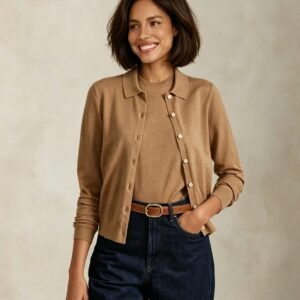
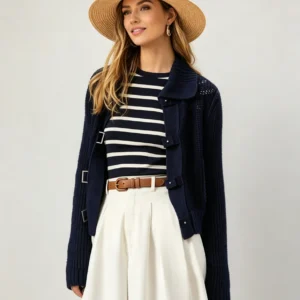
Custom Cardigans
Develop custom cardigans with knitwear construction, yarn selection and size grading aligned to your target customer. Options include button or zip fronts, custom ribs, logo embroidery, woven labels and packaging for private-label knitwear collections.
Request a Quote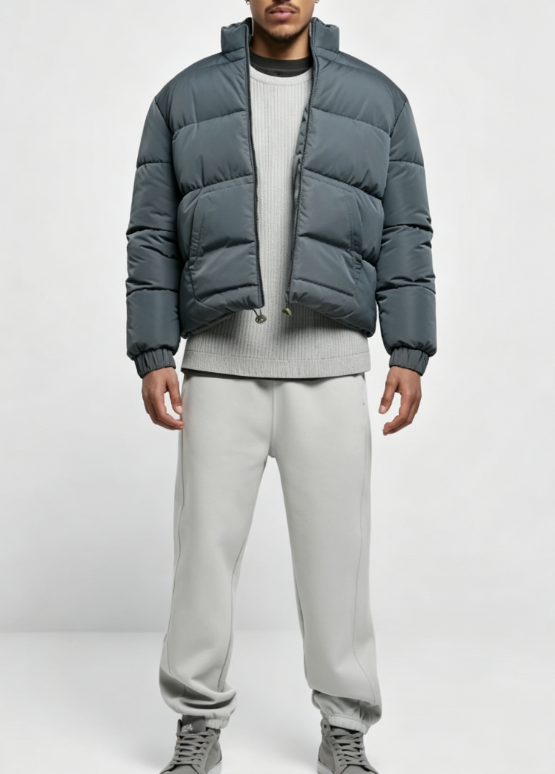
Custom Puffer & Down Jackets
Manufacture custom puffer jackets with shell, lining, insulation, quilting and trim specifications managed through sampling and bulk production. Develop fashion or functional outerwear with fit-focused grading, branded zippers, reflective details, labels and export-ready packing.
Request a Quote
Custom Denim Shorts
Produce custom jean shorts in rigid or stretch denim with tailored rise, inseam and leg-opening development. Washing, distressing, garment dye, embroidery, patches, custom hardware and graded XS–3XL size sets support branded warm-weather denim collections.
Request a Quote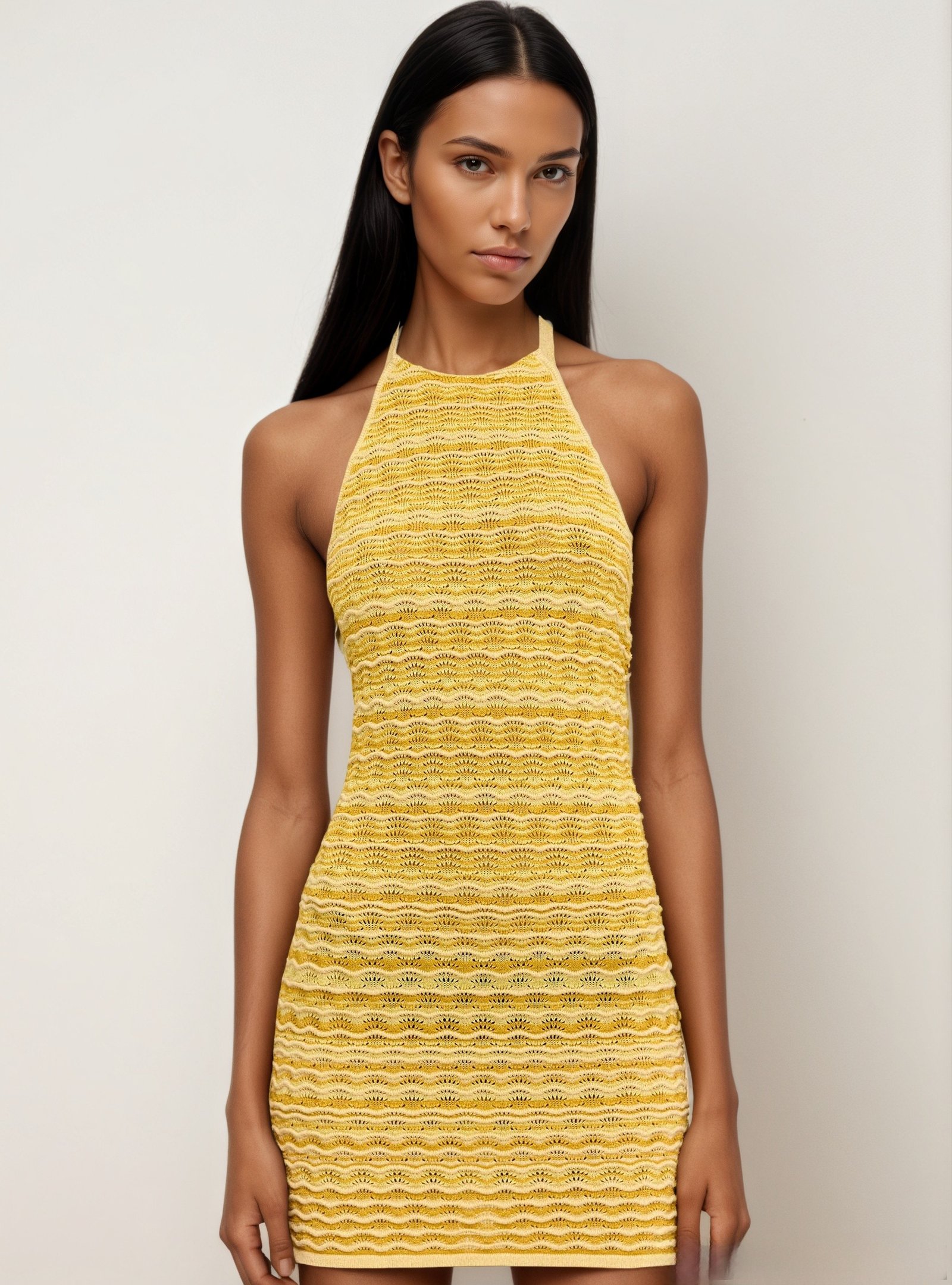
Custom Sweater Dresses
Create custom sweater dresses with knitwear development focused on body proportion, length, sleeve balance and comfortable grading. Select yarns and constructions for the desired drape, warmth and recovery, then add labels, trims and packaging for private-label delivery.
Request a Quote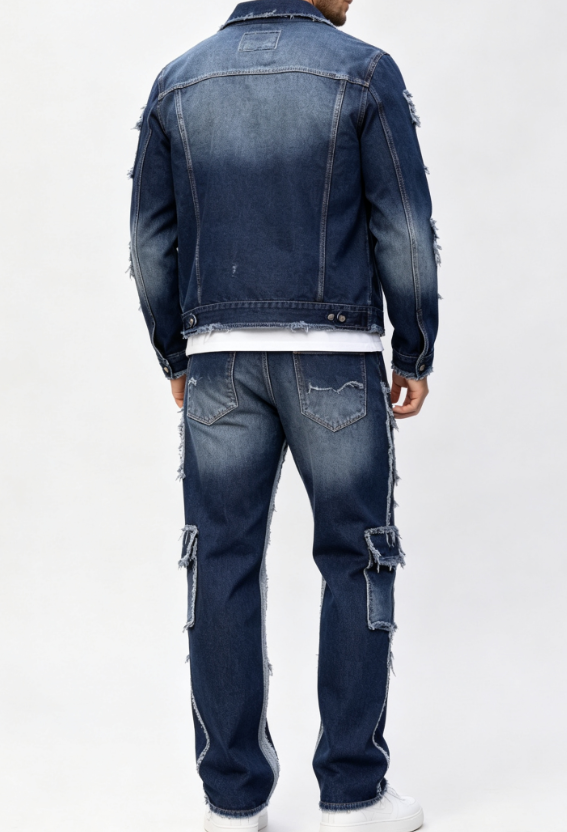
Custom Denim Sets
Manufacture men’s denim suits wholesale with coordinated jackets and trousers developed as matching sets. Junsheen supports denim sourcing, fit and grading, washes, custom hardware, branded labels and quality control for retailers, wholesalers and fashion-brand programs.
Request a Quote
Custom Polo Shirts
Produce custom polo shirts in pique, jersey or performance-knit fabrics for branded uniforms, teamwear and retail collections. Specify collar construction, plackets, fit, XS–3XL grading, logo embroidery, printing, labels and packaging from low MOQs.
Request a Quote
Custom Sweatpants
Develop custom sweatpants in fleece, French terry or performance knits for coordinated sets, athleisure and private-label basics. Control rise, taper, inseam and size grading, then add pockets, drawstrings, rib cuffs, decoration and branded trims.
Request a Quote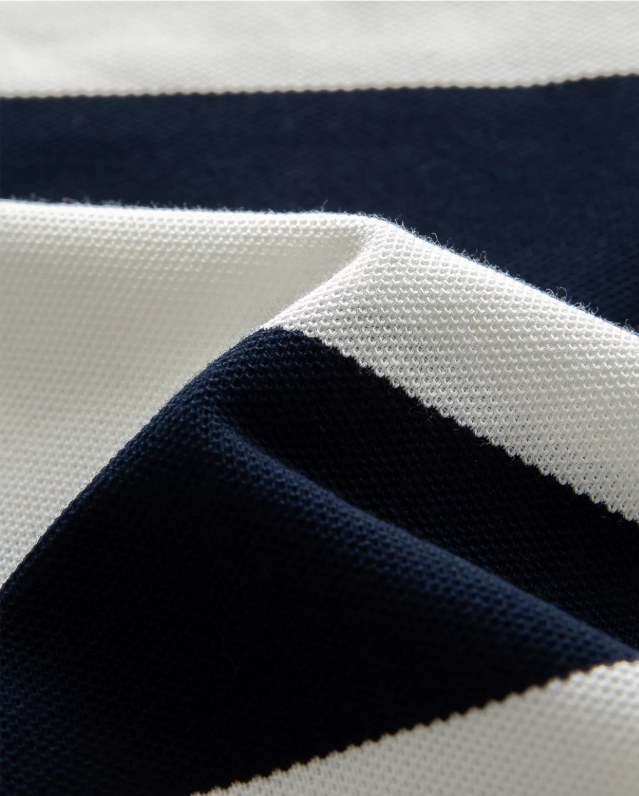
Custom Shorts
Manufacture custom shorts across jersey, fleece, twill, woven and performance-knit constructions. Junsheen supports fit development, inseam and pocket specifications, XS–3XL grading, printing or embroidery, custom labels and packaging for retail or team programs.
Request a Quote
Custom Pullovers
Produce custom pullovers in knit, fleece, French terry or jersey constructions, including quarter-zip and fashion silhouettes. Development covers fabric selection, pattern making, fit grading, branded zippers, embroidery, printing, labels and packaging for scalable private-label ranges.
Request a QuoteMaterials for Color-Accurate Custom Sublimation Shirts

Interlock Polyester
Smooth, stable interlock polyester delivers a clean hand feel for custom sublimation shirts, teamwear, and promotional apparel. Its double-knit construction offers moderate body, reliable opacity, and a crisp surface that supports sharp, color-accurate artwork.

Birdseye Mesh
Lightweight birdseye mesh feels breathable and dry against the skin, making it ideal for sports jerseys, training tops, and active uniforms. Its perforated knit structure improves airflow while retaining a dependable polyester base for vivid sublimated graphics.

Polyester Spandex
Polyester spandex combines a smooth, flexible hand with stretch recovery for fitted performance shirts, cycling styles, and fashion-activewear. Typical stretch content supports mobility and shape retention while the polyester face keeps full-color sublimation prints bright and consistent.

Pique Polyester
Textured polyester pique creates a refined, breathable feel for sublimated polo shirts, golf apparel, and branded uniforms. The raised knit surface adds visual depth and ventilation, while its durable construction stands up well to repeated wear and washing.

Polyester French Terry
Polyester French terry provides a soft outer hand and looped inner texture for lightweight sweatshirts, warm-up sets, and coordinated sublimation collections. Its midweight construction adds comfortable coverage while maintaining a stable printable surface for all-over color.
Custom Sublimation Shirts and Decoration Processes

Dye Sublimation
Dye sublimation bonds artwork into polyester-based fabric for vivid, all-over color, smooth hand feel and dependable wash durability. JUNSHEEN supports placement planning and production for custom sublimation shirts with consistent repeat color.

Screen Printing
Screen printing delivers opaque logos, bold spot colors and specialty effects across tees, hoodies and teamwear. Choose plastisol, water-based, puff, flocking, silicone, high-density, foil or discharge inks to match your collection’s visual direction.

DTF and DTG
DTF and DTG printing support detailed artwork, tonal graphics and flexible small-run logo placement. These methods help brands reproduce fine lines and multi-color designs while selecting the application best suited to fabric type and order needs.

Custom Embroidery
Flat, 3D puff and chain-stitch embroidery add dimensional branding with a premium, long-wearing finish. JUNSHEEN can also develop applique, sequins, custom patches and logo embroidery for coordinated private-label apparel programs.

Heat Transfers
Heat transfer applications create clean, precise graphics for names, numbers, logos and detailed artwork. They are ideal for targeted placements and can be paired with sublimation or other decoration methods in multi-process apparel collections.

Garment Finishing
Garment dye, enzyme washing, softening, anti-pilling treatment, acid wash, stone wash, brushing and napping refine hand feel and visual character. Controlled finishing helps each finished garment align with your intended brand aesthetic.
Private-Label Accessories for Custom Sublimation Shirts

Woven Brand Labels
Custom woven main, size and wash-care labels give custom sublimation shirts a consistent private-label identity. Sewn into necklines, side seams or hems, they communicate brand, sizing and care information clearly.

Custom Hang Tags
Printed hang tags add a polished retail presentation for launch collections, wholesale deliveries and e-commerce fulfillment. Choose branded artwork, product details, barcode space, string attachments and stock suitable for your positioning.

Logo Drawcords
Custom drawcords with contrast tipping, printed logos or branded aglets add functional character to sublimated hoodies, quarter-zips and warm-up styles. They help align sportswear programs with your color system and visual identity.

Zippers and Snaps
Select dependable zippers, snap buttons and pullers for sublimated jackets, polos, jerseys and outerwear. JUNSHEEN can coordinate finish, color and branded hardware details with the garment construction and intended use.

Custom Logo Patches
Embroidery, woven, silicone, rubber and applique patches create dimensional logo placement where full-color sublimation needs an added tactile detail. Use them on chests, sleeves, hems or caps for stronger brand recognition.
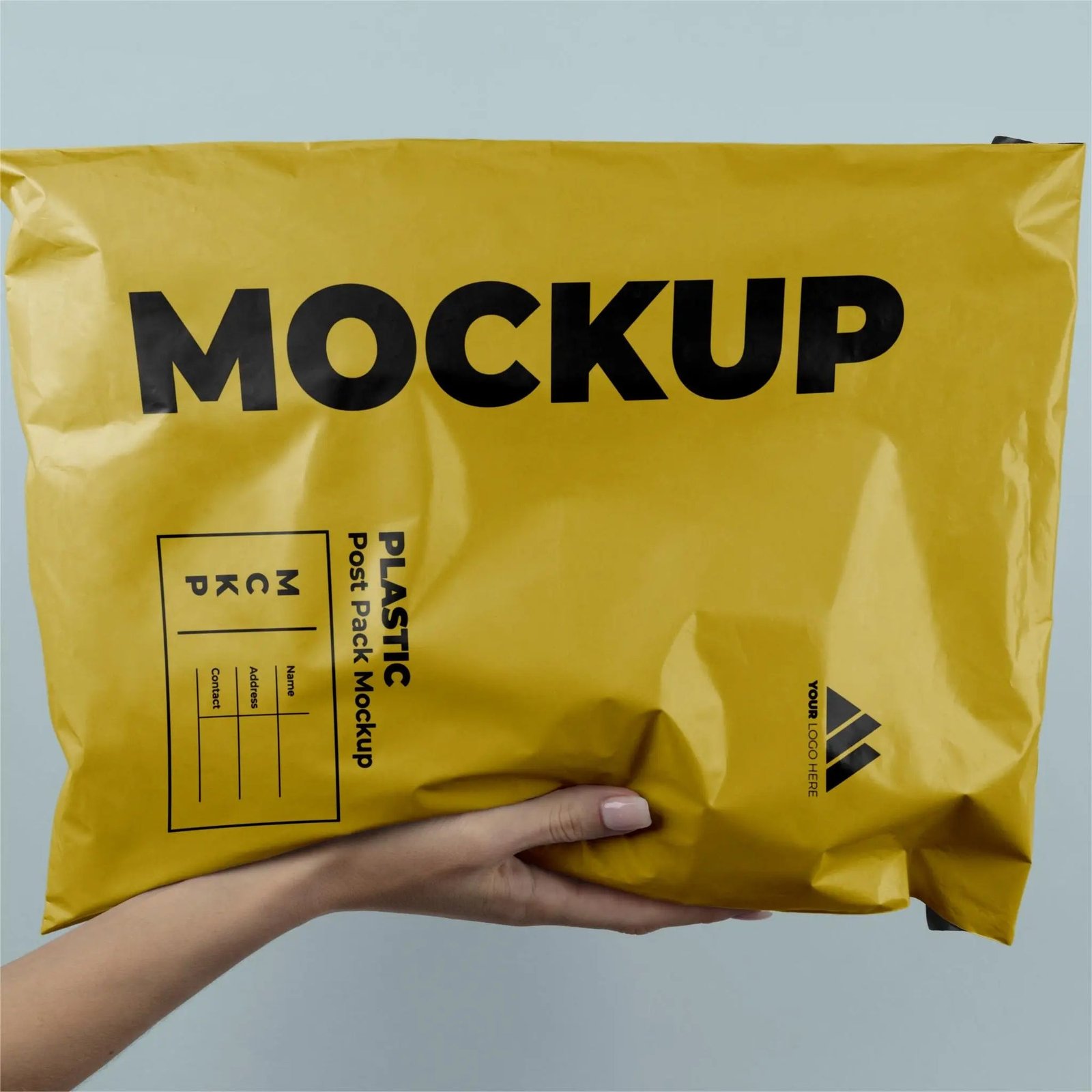
Branded Packaging
Finish your order with custom polybags, tissue, size stickers, cartons and packing inserts. Retail-ready packaging protects garments during global shipping while delivering a more cohesive unboxing experience for customers and wholesale buyers.
About JUNSHEEN Custom Sublimation Shirts
Founded in 2010 in Humen Town, Dongguan, JUNSHEEN helps fashion brands turn custom sublimation shirts and broader apparel concepts into production-ready collections. Our mission is to provide responsive, technically grounded manufacturing for emerging labels, established retailers, wholesalers and sourcing teams worldwide.
With more than 200 skilled workers and monthly capacity exceeding 80,000 units, we combine cut-and-sew production, knitwear capability, fabric sourcing, pattern development, printing, finishing, labeling and export support in one supply chain. Programs can start from 100 units per style and color, then scale with demand.
What distinguishes JUNSHEEN is fit-first development across XS–3XL, extended-size, plus-size and oversized ranges. Rather than simply enlarging a base pattern, our team refines proportions and grading for consistent wear. This detail-led approach has supported more than 2,000 fashion-brand clients across global markets.

Custom Sublimation Shirts, Ready for Production
Fit Engineering That Holds
JUNSHEEN develops custom sublimation shirts with production-ready patterns, not simple size enlargements. Our team refines proportion, mobility, shoulder balance and grading from XS to 3XL, helping brands approve size sets with greater confidence before bulk production.
- Fit-focused pattern development from XS to 3XL
- Extended-size, plus-size and oversized grading support
- Prototype and size-set review before bulk approval
- Specification feedback to reduce sampling revisions

Fabric Chosen for Color
Sublimation performance begins with the right fabric construction. We source polyester and performance-knit options around color yield, weight, stretch, drape and wear expectations, then provide swatches and sample garments so your team can assess the finished result.
- Fabric recommendations aligned to artwork and end use
- Options for lightweight, stretch and performance constructions
- Swatch and sample review before material confirmation
- Target-cost guidance without losing functional priorities

Decoration Under One Roof
Artwork is translated into custom sublimation shirts through coordinated development, dye-sublimation production and finishing. JUNSHEEN can combine all-over color with embroidery, patches, labels, trims and branded packaging, keeping private-label details aligned across the complete garment program.
- Dye sublimation for vivid, full-coverage graphics
- Embroidery, patches and logo applications available
- Custom labels, hang tags and wash-care details
- Branded packaging and trim coordination

Quality Built for Reorders
From incoming materials through packed goods, our team checks measurements, construction, fit and decoration at key production stages. Retained patterns, graded size sets and material records make repeat custom sublimation shirt orders faster to manage and more consistent at scale.
- Incoming-fabric and in-line production inspections
- Measurement, fit and decoration checks
- Final inspection before export packing
- Retained production records for repeat programs

Why Choose JUNSHEEN for Custom Sublimation Shirts
Evidence-led manufacturing support for sourcing teams evaluating MOQ, fit, development, quality, scale and export readiness.
← 左右滑动查看 →
Custom Sublimation Shirts: From Feasibility to Global Delivery
A controlled OEM workflow that aligns artwork, fit, color, quality and delivery expectations from the first review through final shipment.
Feasibility and Specification Review
We review your tech pack, artwork, reference samples, target sizing, fabric requirements, quantities and delivery goals to confirm manufacturability before development begins.
Fabric and Color Sourcing
Our team recommends sublimation-compatible performance knits based on hand feel, weight, stretch, durability and color performance, then coordinates swatches and material approval.
Pattern Making and Sampling
Pattern makers develop fit-focused XS–3XL grading, prepare print-ready panels and produce samples for measurement, construction, color and artwork approval before bulk production.
Cutting, Printing and Sewing
Approved fabric is cut into panels, dye-sublimated for all-over color accuracy, then sewn by skilled operators with coordinated trims, labels and private-label details.
In-Line Quality Control
Inspectors check fabric, print placement, color consistency, stitching, measurements and fit throughout production, addressing issues before garments move to final packing inspection.
Packing and Global Shipment
Finished custom sublimation shirts receive final inspection, branded packaging and export documentation, then ship worldwide with records retained to streamline repeat production orders.
Start Your Custom Sublimation Shirts OEM Program
Move from concept to approved bulk production with a clear, fit-focused development process built for 100-unit launches and scalable global orders.
Share Your Product Brief
Send a tech pack, sketch, reference garment, or artwork. Our team reviews construction, sublimation placement, sizing, target cost, and production feasibility.
Confirm Materials and Pricing
Select fabrics, trims, labels, and finishing details with our sourcing team. Receive a clear quotation based on your specifications, quantities, and delivery needs.
Approve Your Production Sample
Review prototype samples, fit, grading, color accuracy, and decoration quality. We refine details before confirming bulk materials and issuing final production approval.
Launch Bulk Production
JUNSHEEN manages cutting, sublimation, sewing, quality control, packaging, and export coordination, keeping your custom apparel program moving toward on-time delivery.
Custom Clothing Manufacturer Credentials and Compliance Documents



Custom Sublimation Shirts: Client Results and Brand Case Studies
Verified client quote pending approval. Add a customer-approved testimonial describing repeat-order color consistency, fit accuracy, or reduced sample revisions for a custom sublimation shirt program.
Verified client quote pending approval. Add a customer-approved testimonial with a specific production outcome, such as units delivered, fewer revision rounds, or successful expansion into additional sizes.
Verified client quote pending approval. Add a customer-approved testimonial covering artwork translation, dependable bulk quality, or a repeat-order result for a private-label sublimation collection.
Custom Sublation Shirts FAQ
Clear answers on MOQ, samples, lead times, shipping, payment and design protection for OEM apparel programs.
What is the MOQ for custom sublimation shirts?
How long does a custom sublimation shirt sample take?
How much does a custom sublimation shirt sample cost?
Can JUNSHEEN help if I only have artwork or a product idea?
What are the payment terms for a first order?
What is the production lead time for custom sublimation shirts?
Do you ship custom sublimation shirts internationally?
How do you protect my tech pack, artwork and private-label details?
The Complete Buyer’s Guide to custom sublimation shirts
Use this practical framework to evaluate fabrics, print specifications, construction, supplier capabilities, pricing, and launch readiness for custom sublimation shirts—while avoiding costly sampling, color, MOQ, and production mistakes.
1. What Are Custom Sublimation Shirts?
100% polyester is the standard starting point for custom sublimation shirts because heat turns solid dye into gas, allowing it to bond inside polyester fibers rather than sit on the surface. The transfer is applied under controlled heat and pressure, producing color that remains breathable and does not add the hand feel associated with a printed ink layer. 200°C is a common production reference point for sublimation pressing, although the exact temperature, dwell time and pressure depend on fabric weight, coating and transfer paper. Polyester-rich, light-colored fabrics produce the most reliable results: white is ideal because the process dyes the base rather than laying down opaque white ink, while cotton-heavy or dark garments require a different decoration route. 1 all-over print begins with engineered artwork mapped to garment panels before cutting, so graphics can run across the body, sleeves and side seams with deliberate placement. A logo-placement print instead applies a defined chest, back or sleeve graphic to a finished garment; choose sublimation when a branded program needs photo-detail, gradients, repeated patterns or team-style color blocking without cracking, and choose placement printing when the design is limited, dark-ground, cotton-based or intentionally tactile.
2. The Evolution of Sublimation Apparel
1950s dye-sublimation research began in industrial imaging, where heat converted solid disperse dyes directly into gas for controlled transfer. By the 1970s and 1980s, polyester’s durability and moisture management made the process practical for athletic uniforms, especially designs needing numbers, names, stripes, and full-color sponsor graphics without adding a heavy print layer. 1990s wide-format digital printers and improved transfer papers moved sublimation beyond specialist teamwear into promotional apparel, event merchandise, and fashion graphics. Digital files replaced many screen-by-screen setups, so a buyer could revise placement, colorway, or artwork rapidly; complex repeats, gradients, and photographic artwork became attainable without a separate screen for every color. 2000s production workflows made smaller private-label programs more feasible through RIP color management, calibrated heat presses, and cut-and-sew panel printing. For custom sublimation shirts, buyers now expect Pantone-informed color targets, approved strike-offs, repeatable artwork files, and clear fabric specifications across global sourcing; the same discipline supports faster replenishment and protects consistency when a 100-unit launch grows into bulk production.
3. Types of Custom Sublimation Shirts
Seven product families cover most custom sublimation shirts programs. Match the silhouette and print area to the wearer’s activity, retail channel, and expected repeat-order volume before approving a sample.
| Type | Best Use | Print Coverage | Best Channel |
|---|---|---|---|
| Performance tee | Training and events | Full panels | Sports and promo |
| Jersey | Teams and esports | Full panels plus names | Team dealers |
| Polo | Uniforms and golf | Panel graphics | Corporate and resort |
| Fashion tee | Merchandise drops | All-over or focal | DTC and boutiques |
| Long sleeve | Fishing and cycling | Sleeves and torso | Specialty retail |
| Button front | Resort lifestyle | Panel matched | Wholesale and resort |
Performance Tees And Jerseys
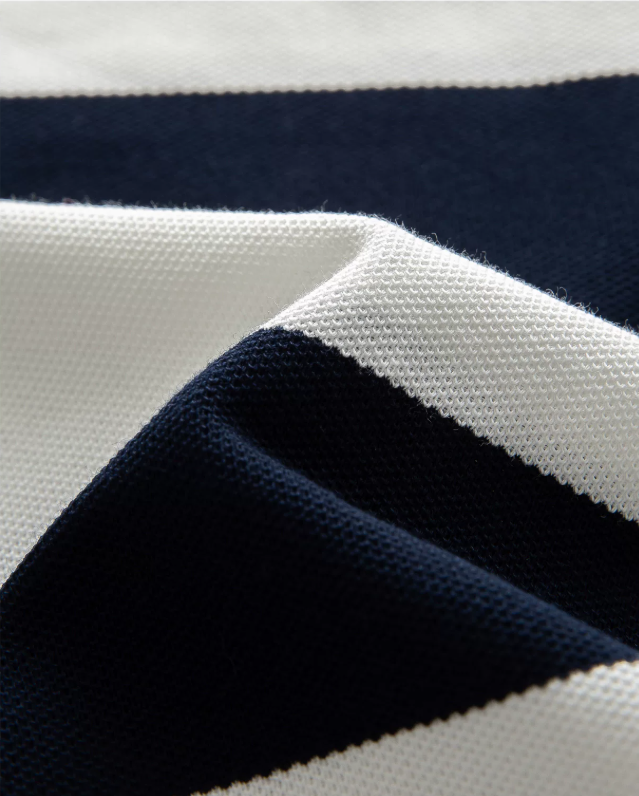
140–180 GSM interlock performance tees suit running, gym, esports, and promotional programs; use a relaxed athletic block with shoulder mobility. Full-front, back, and sleeve coverage works best when seam placement is mapped before printing. Jerseys need sport-specific necklines, sleeve lengths, and number zones. Team dealers and event organizers benefit from repeatable player-name files and controlled Pantone color references.
Polos And Fashion Tees

160–220 GSM polos serve golf, hospitality, corporate uniforms, and resort retail; reserve a clean placket, collar, and button area to prevent visual crowding. Use all-over graphics on panels, with restrained chest branding for professional channels. Fashion T-shirts suit artist merchandise, streetwear, and boutique drops. Oversized blocks can carry edge-to-edge artwork, while fitted retail tees need artwork positioned to maintain chest and hem balance.
Long Sleeves And Button Fronts
Long-sleeve shirts support fishing, cycling, sun-protection, and cooler-weather assortments; extend graphics across sleeves but keep cuffs and underarms readable. Button-front woven styles suit resort, bowling, and lifestyle collections, where panel-matched prints look more intentional than random repeats. Extended-size programs from XS through 3XL require revised shoulder, sleeve, body, and grading proportions rather than simply enlarging artwork. Inclusive brands and direct-to-consumer retailers should approve print scale across the full size set.
4. Fabrics for Custom Sublimation Shirts
100% polyester remains the most reliable base because disperse dyes bond into its fibers under heat. Fabric weight, knit structure, and ground color determine comfort, coverage, and how crisp artwork appears.
| Fabric | Fiber And GSM | Hand And Stretch | Moisture And Opacity | Print Vibrancy |
|---|---|---|---|---|
| Jersey | 100% polyester, 140–160 GSM | Smooth, moderate stretch | Good wicking; moderate opacity | High |
| Interlock | 100% polyester, 150–180 GSM | Dense, stable stretch | Good wicking; high opacity | High |
| Birdseye mesh | 100% polyester, 130–150 GSM | Textured, light stretch | Excellent airflow; lower opacity | High |
| Pique | 100% polyester, 160–200 GSM | Textured, stable | Good wicking; good opacity | High |
| Recycled polyester | 100% rPET, 140–180 GSM | Varies by yarn | Comparable when specified | High after testing |
| Polyester blend | 85–95% polyester, 150–180 GSM | Softer, higher recovery | Varies; good opacity | Reduced or heathered |
Compare Core Fabric Bases

140–160 GSM polyester jersey has a smooth, light hand and moderate stretch, making it a practical fashion and promotional base. 150–180 GSM interlock offers a denser, more opaque face; birdseye mesh improves airflow, while pique gives polos a textured, uniform-ready appearance.
Avoid Cotton And Dark Grounds
0% cotton is preferred for full-color sublimation because cotton does not permanently accept disperse dye; a polyester blend produces a deliberately heathered, lower-vibrancy result. White or very pale grounds deliver the strongest color range because dye sublimation cannot print white and has limited coverage over dark fabric. Request strike-offs when artwork contains pale skin tones, neon colors, or fine gradients.
Match Fabric To End Use
140–150 GSM birdseye mesh suits hot-climate activewear, while 160–180 GSM interlock suits opaque teamwear and uniforms. Fashion shirts often use soft jersey or 85/15 polyester-spandex for added recovery. 5-inch swatches should show front and back opacity, four-way stretch, wash hand, moisture transfer, and a printed Pantone-critical artwork panel before bulk approval.
- Fashion: soft jersey or stretch blend
- Activewear: birdseye mesh or interlock
- Uniforms: opaque interlock or pique
5. Customization Options for Custom Sublimation Shirts
At Junsheen, a 100-unit-per-style-and-color starting point can support a branded capsule without limiting the artwork to a chest logo. Custom sublimation shirts are planned as complete garment systems: print map, panels, trims, labels, and pack presentation.
| Option | Best Use | Sampling Or Cost Effect |
|---|---|---|
| All-over or repeat print | Continuous graphics and teamwear | Panel mapping proof required |
| Engineered placement | Seam-aligned artwork | Higher prepress attention |
| Names and numbers | Events and uniforms | Variable-data handling added |
| Woven labels and packaging | Private-label retail programs | Extra components and approvals |
| Embroidery or patches | Tactile logo detail | Added labor beyond sublimation |
Artwork Formats And Color Control
Adobe Illustrator AI, EPS, or print-ready PDF files preserve vector edges for logos, repeats, and engineered panels; photographic graphics should be 300 dpi at final print size. Pantone references, approved strike-offs, and a calibrated digital proof reduce avoidable color variation. RGB screen colors should never be treated as final production color targets.
- Use full-size artwork with bleed and seam allowances.
- Supply fonts as outlines and linked images embedded.
- Mark print zones, fold lines, and panel boundaries.
Print Maps And Personalization

All-over artwork, repeat patterns, gradients, and photographic graphics are sublimated into polyester-based panels before cut-and-sew assembly. Engineered placement prints require panel-specific files so artwork aligns across shoulders, side seams, and sleeves. Name-and-number personalization needs a controlled data sheet and a sample approval; variable artwork adds prepress handling. Contrast panels can be sublimated, while cut-and-sew color blocking may require separately sourced fabric.
Branding Beyond Sublimation

Woven main labels, size labels, wash-care labels, printed neck tapes, hang tags, and branded packaging establish private-label ownership after the print is fixed. Embroidery, patches, and heat transfers are add-ons, not sublimated artwork, and each changes labor, placement tolerance, and cost. A pre-production sample should include every decoration and trim intended for bulk. Custom hardware, multiple label languages, and individualized packing can raise minimums or extend sampling time.
6. Construction Quality That Buyers Should Check
Construction defects usually become expensive only after a shirt reaches customers. For custom sublimation shirts, buyers should approve the pattern, sewing standard, finished measurements and all-over artwork placement before bulk production begins.
Pattern And Size Control
A graded size set should be measured against the approved specification at chest, body length, shoulder, sleeve and neck opening. Size grading must adjust proportions between sizes, not merely add uniform width. A pre-production sample should be worn, washed and remeasured to confirm shrinkage and recovery. Record tolerances by point of measure so bulk inspectors can identify systematic drift.
- Check left-to-right shoulder balance
- Compare size-set measurements to spec
- Verify sleeve pitch and mobility
Seams And Edge Finishing
Overlock seams need balanced tension, full seam allowance capture and no skipped stitches; flatlock is preferable where a low-profile athletic seam is specified. Stitch density should be consistent enough to resist seam opening without puckering lightweight performance knit. A collar must recover after repeated stretching and lie flat at the neckline. Inspect coverstitch hems and sleeve openings for even width, secure thread tails and no roping after washing.
- Pull-test underarm and shoulder seams
- Inspect collar rebound after stretch
- Wash-test hem torque and puckering
Print And Bulk Audit
All-over sublimation panels should be printed and cut with seam allowances considered, so stripes, logos and repeat patterns meet predictably across side seams, sleeves and collars. Alignment is judged against approved placement references, not by requiring a continuous image across every seam. A bulk audit should sample packed goods for measurements, construction, shade consistency and decoration placement. Test washed units for color fastness, migration, shrinkage and print clarity before release.
- Compare panels to approved placement markers
- Check batch-to-batch color consistency
- Audit labels, packing and final measurements
7. How to Choose a Sublimation Manufacturer
A 100-unit MOQ can suit a capsule, but it does not prove a factory can control fit, color, and delivery. Qualify the production system before approving a sample fee or deposit.
Verify OEM Development
Ask whether the supplier creates patterns, grades sizes, and sews prototypes in-house. A factory that only brokers printing cannot resolve shoulder balance, sleeve length, or production tolerances. Request a comparable sublimated style, its measurement chart, and a pre-production approval process. Confirm whether the 100 units may be split by color or size.
Audit Color And Materials
Ask what polyester construction, GSM, and finish will be used; 140–180 GSM interlock and birdseye behave differently in print, stretch, and opacity. Request swatches before confirming bulk fabric. Require an ICC workflow, calibrated file review, and Pantone target handling. Ask for strike-offs under standard lighting, plus wash and colorfastness test criteria.
Check Production Controls
Ask whether printing, cutting, sewing, and final inspection are controlled by one accountable team. Incoming-fabric checks, in-line measurement checks, decoration inspection, and packed-goods audits should be defined. Request realistic sample and bulk lead times, monthly capacity, shipment terms, and a named communication contact. Ask which compliance records—such as OEKO-TEX, GOTS, WRAP, or BSCI—are actually available for the proposed materials or facility.
Choose The Right Supplier Fit
At 100 units per style and color, choose a manufacturer set up for low-MOQ development, not a high-volume mill that treats the order as an exception. Confirm what happens if grading, artwork, or fabric availability changes after sampling. For JUNSHEEN, buyers can assess cut-and-sew development, fabric sourcing, size grading from XS through 3XL, decoration review, and retained production records before scaling repeat programs.
8. Common Custom Sublimation Shirts Mistakes
Eight repeat failures can turn an approved concept into delayed, unsellable inventory. For custom sublimation shirts, each is preventable through a documented pre-production checkpoint rather than a verbal assurance.
Fabric And Artwork Mismatches

100% polyester is usually the dependable base for vivid dye sublimation; low-poly blends can mute color or create uneven results. Approve a fabric swatch and a printed strike-off using production-weight material before bulk. 300 dpi at final print size is the practical artwork baseline; enlarged web graphics often produce soft edges and pixelation. Check supplied files at full scale, including logos, gradients, and transparent effects, before creating print layouts.
Seams And Color Approval
5-10 mm of placement tolerance can shift a motif onto a side seam, collar join, or armhole and visibly break the design. Review a marked pattern-placement map and a sewn sample, not only a flat digital mockup. Pantone references reduce uncertainty, but screen previews cannot confirm dye, fabric, or heat-setting results. Approve physical lab dips or printed panels under daylight and store lighting before production.
Fit, Grading, And Testing
XS-3XL grading cannot be safely created by enlarging one size because shoulder balance, body length, and sleeve proportions change across the set. Measure and wear-test a graded size set against the brand specification before releasing bulk. 3 wash cycles can reveal shrinkage, color migration, seam twisting, or print change that a fresh sample conceals. Sign off a documented wash-test result using the intended care method and fabric lot.
Schedule And Supplier Decisions
2-4 weeks for development and sampling, plus bulk scheduling, should be planned before a launch date is announced. Confirm a critical path covering artwork approval, fabric arrival, pre-production sample, inspection, and shipping. A lower unit quote can exclude fabric controls, grading, inspection, packaging, or correction capacity. Compare like-for-like quotations and require an approved sample, QC checkpoints, and written material specifications before placing the order.
9. Steps to Launch Your Sublimated Shirt Line
A 100-unit launch can move cleanly when commercial decisions are locked before sampling. Set one dated critical path that assigns approvals, revision windows, production checkpoints and freight cutoffs to named owners.
Define The Product Brief
Two buyer decisions come first: target customer and price architecture. Specify silhouette, intended use, colorway count, target retail price, margin requirement and initial units per size. One brief should state whether the line uses fashion jersey, performance knit or teamwear construction. For extended sizing, define the full XS–3XL grade plan rather than scaling one base size blindly.
- Target customer and channel
- Retail price and cost ceiling
- Size curve and launch quantity
Prepare Art And Specifications
300-dpi artwork at final print scale prevents soft edges and misplaced panels. Supply vector logos, Pantone references, repeat direction, seam allowances and placement maps. One production tech pack should record fabric composition, GSM, stitch details, labels, packing method and measurement tolerances. Junsheen can review a finished pack, sketch or reference garment for manufacturability before sampling.
- Print-ready panel artwork
- Measurement specification sheet
- Label and packaging artwork
Approve Samples And Bulk
One prototype validates print alignment, hand feel and construction before bulk materials are committed. Allow a revision loop, then approve a graded size set and signed pre-production sample before issuing the purchase order. Four checkpoints keep the critical path realistic: artwork release, sample approval, bulk start and final inspection. Track fabric arrival, cutting, printing, sewing and packing against the agreed delivery date.
- Approve fit and measurements
- Confirm color and panel alignment
- Release purchase order after sign-off
Archive For Reorders
One reorder-ready file reduces avoidable interpretation on later collections. Retain approved patterns, graded measurements, artwork files, material swatches, trim specifications, packing instructions and final inspection notes. Two references matter most for repeat consistency: the approved pre-production sample and its dated specification revision. Record every change in a revision log so replenishment orders do not revert to an earlier version.
- Approved sample photos
- Final bill of materials
- Revision-controlled tech pack
10. Custom Sublimation Shirts Pricing and Costs
100 units per style and color is a practical starting point for an OEM custom sublimation shirts program at Junsheen; request a quotation from the approved tech pack, size range, artwork and delivery term rather than relying on a fixed online price. Unit cost falls as production spreads pattern work, print preparation and inspections across more pieces. 140–180 GSM performance polyester generally costs less than heavier 180–220 GSM interlock, recycled yarns or specialty stretch blends, but hand feel, opacity and wash performance should govern the specification. Full-coverage artwork, all-over placement matching, multiple panels, contrast collars and individual names or numbers add labor, material handling and quality-control time. 2–4 weeks is a typical planning window after sample approval for straightforward bulk work, while new fabric development, complex cut-and-sew construction or stringent measurement tolerances can extend it. Woven labels, hangtags, custom bags, export carton requirements, shipping mode and Incoterms should be quoted separately so product cost and landed cost remain comparable.
| Order tier | Indicative unit-price drivers | Setup or sampling scope | Expected production planning |
|---|---|---|---|
| 100–299 units | MOQ; fabric weight; all-over print coverage | Pattern review, artwork setup and prototype sample usually carry separate development charges | Sample approval plus 2–4 weeks for straightforward bulk |
| 300–999 units | More efficient cutting, printing and packing allocation | Size set, revised sample or personalized data files may add cost | 2–5 weeks, depending on materials and approvals |
| 1,000+ units | Volume improves allocation; complex trims and inspection levels remain cost drivers | Pre-production sample and bulk material confirmation recommended | 3–6 weeks; confirm capacity and shipping schedule |
Start Your Custom Sublimation Shirts Collection
Send your tech pack, reference garment or product idea for feasibility review, sampling guidance and a custom OEM quote from JUNSHEEN.