
Tie Dye T Shirt Manufacturer for Private-Label Brands
JUNSHEEN delivers custom OEM tie-dye T-shirts from 100 units, with fit-focused XS–3XL development, decoration, labeling, and export support.
Featured Products for tie dye t shirt manufacturer Development


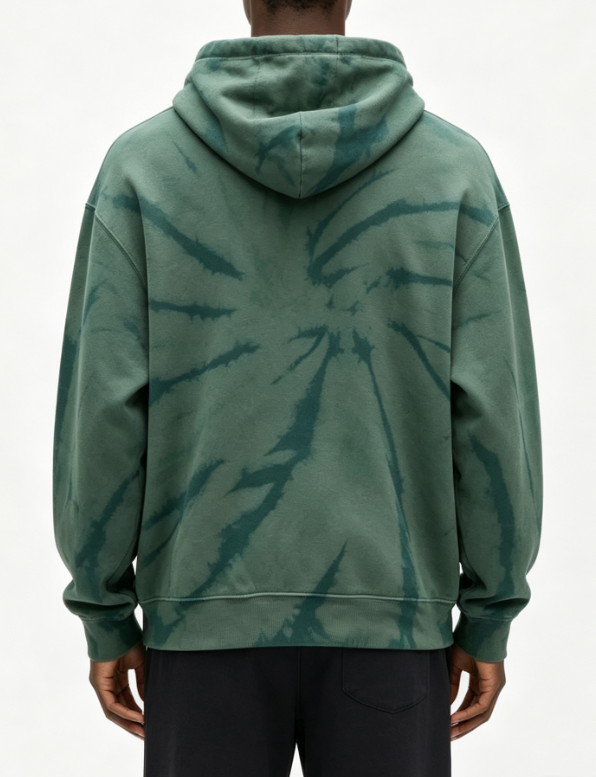


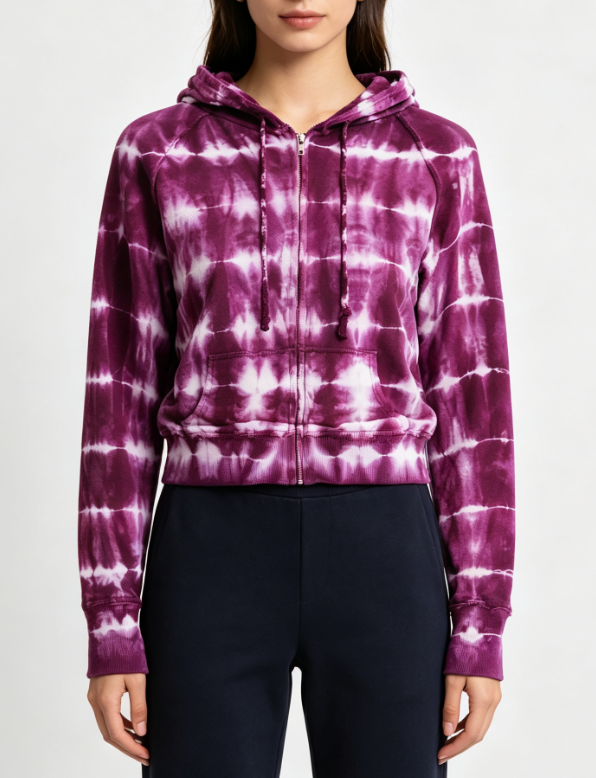


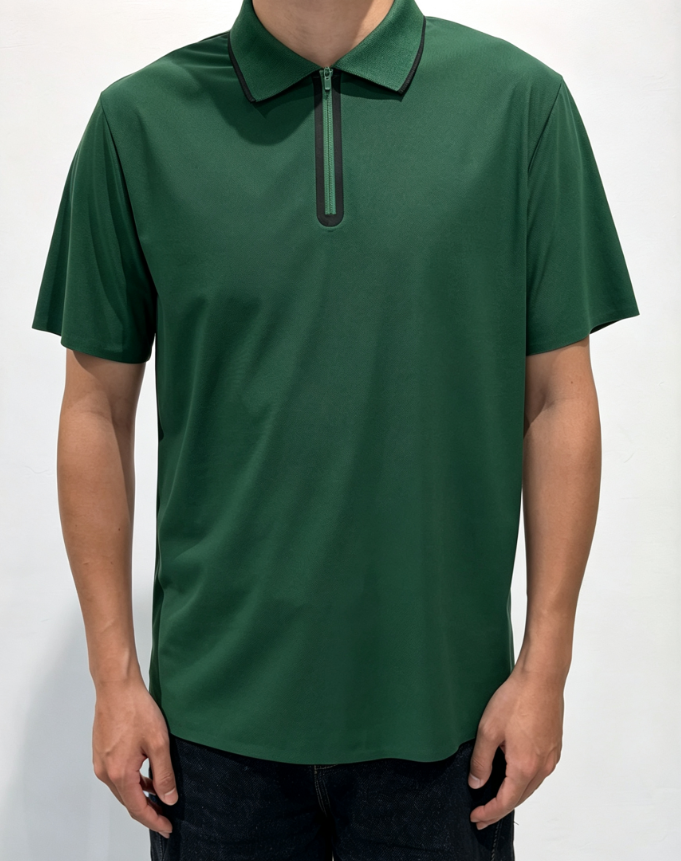

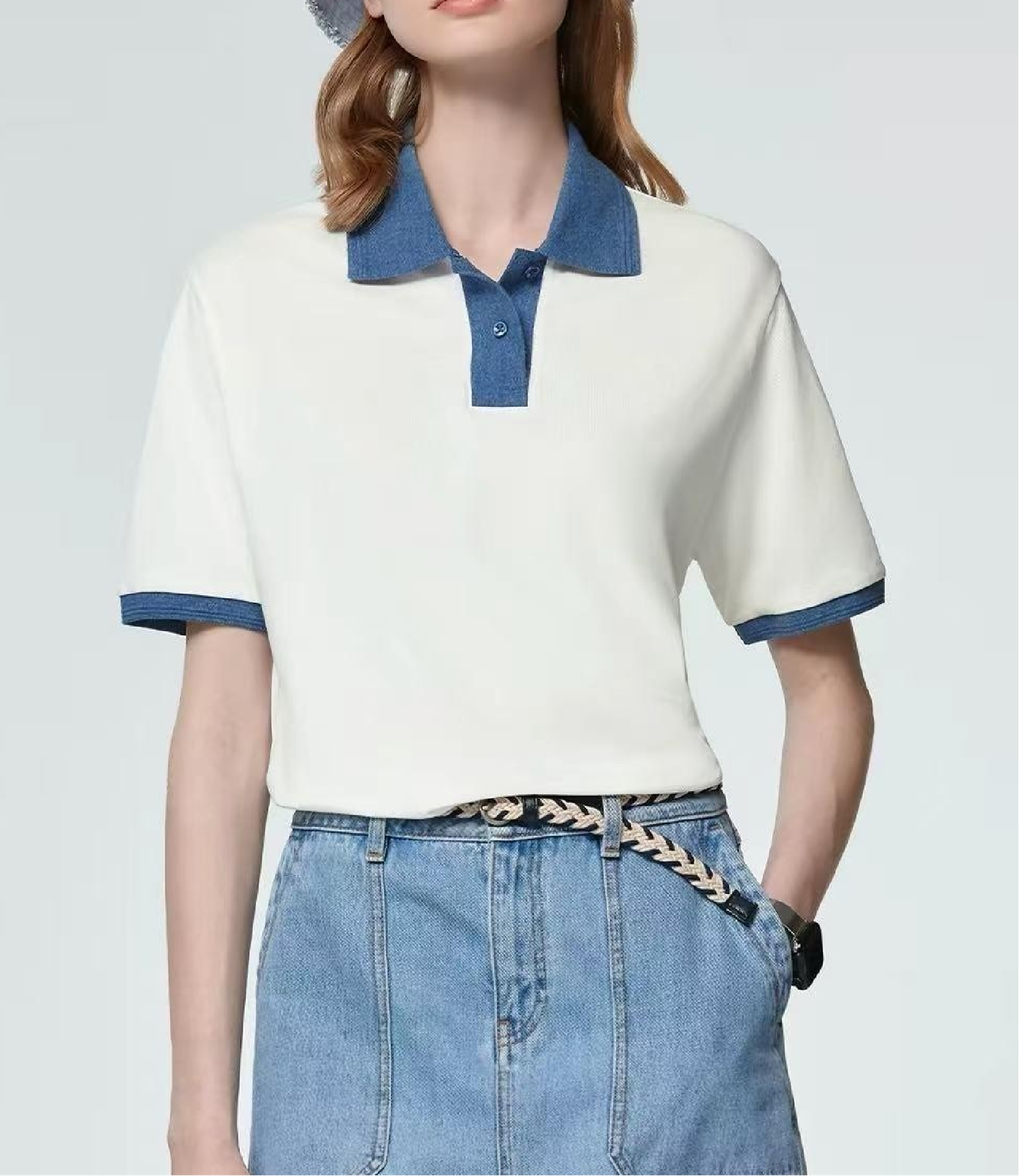


Why Brands Choose Our Tie-Dye T-Shirt Manufacturing
JUNSHEEN combines low-MOQ development, fit-led production, integrated finishing, and dependable export support for custom tie-dye programs.
100-Unit MOQ
Launch capsule collections from 100 units per style and color, with practical support for emerging labels and growing wholesale programs.
Fit-Focused XS–3XL
Our pattern team grades normal, oversized, extended-size, and plus-size tie-dye T-shirts for balanced proportions, mobility, and repeatable fit.
Integrated Decoration
Coordinate tie-dye with screen printing, embroidery, DTG, DTF, custom labels, trims, washing, and branded packaging through one production team.
Scalable Production
More than 200 skilled workers and 80,000-plus monthly units support reliable growth from sampling through ongoing bulk apparel orders.
Global Export Support
JUNSHEEN manages quality checks, packed-goods preparation, and export coordination for fashion brands sourcing across international markets.
Tie-Dye Apparel Programs We Manufacture
Develop coordinated tie-dye and custom casualwear programs with fit-focused patterns, flexible 100-unit MOQs, and integrated decoration, finishing, labeling, and export support.
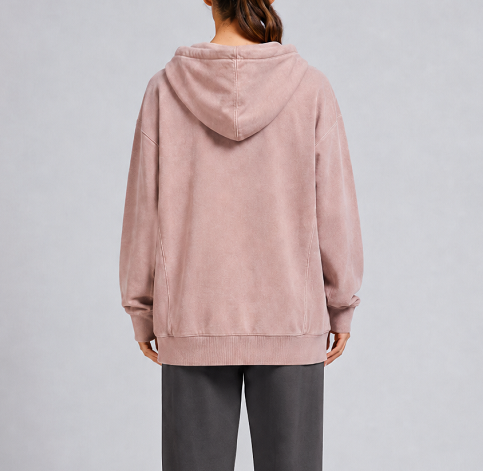
Custom Hoodies
Custom hoodies can combine tie-dye dyeing, French terry or fleece weights, oversized or XS–3XL grading, and branded labels. We support development from artwork or reference samples through fit approval, wash testing, bulk production, and packing.
Request a Quote
Custom T-Shirts
Build custom T-shirts in cotton jersey, combed blends, or performance knits with tie-dye, screen printing, DTG, DTF, or embroidery. Pattern development covers standard, extended-size, plus-size, and modern oversized fits from XS through 3XL.
Request a Quote
Custom Jeans
Develop custom jeans with denim weight, stretch, wash, distressing, and fit specifications aligned to your collection. Our team supports pattern making, size grading, branded hardware, labels, and coordinated tie-dye or garment-dyed denim treatments where appropriate.
Request a Quote
Custom Sweaters
Source turtle neck sweaters in bulk with yarn, gauge, stitch structure, and fit requirements defined for your target market. We develop pull-on silhouettes with refined neck shape, body proportion, sleeve balance, grading, private labels, and coordinated color programs.
Request a Quote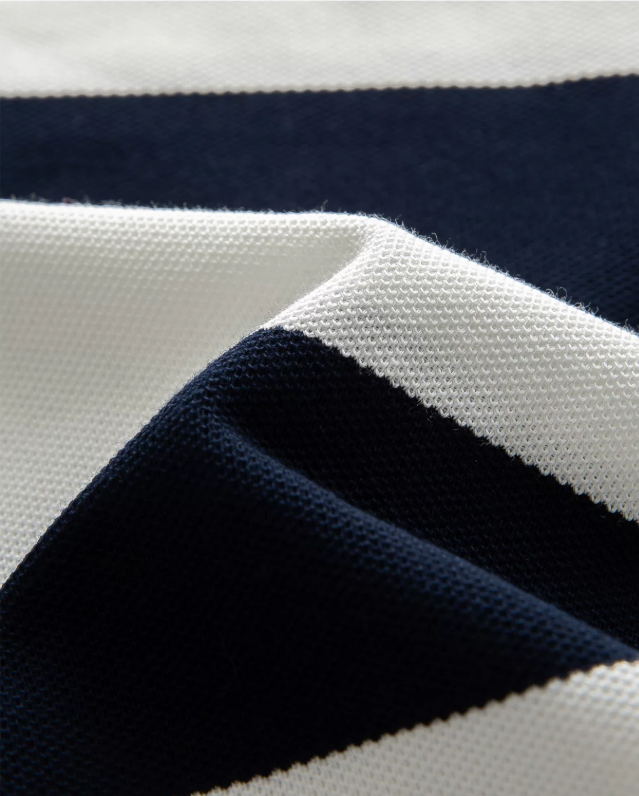
Custom Jackets
Produce custom jean jackets with denim washes, contrast stitching, branded buttons, patches, embroidery, and print placement. We review construction and fit before sampling, then manage grading, finishing, quality control, and private-label packaging for bulk orders.
Request a Quote
Custom Sweatshirts & Crewnecks
Develop custom crewneck hoodie and sweatshirt programs in fleece or French terry, with crewneck, hooded, oversized, or standard silhouettes. Tie-dye, garment dye, puff print, embroidery, rib trims, and fit-focused XS–3XL grading can be specified in one program.
Request a Quote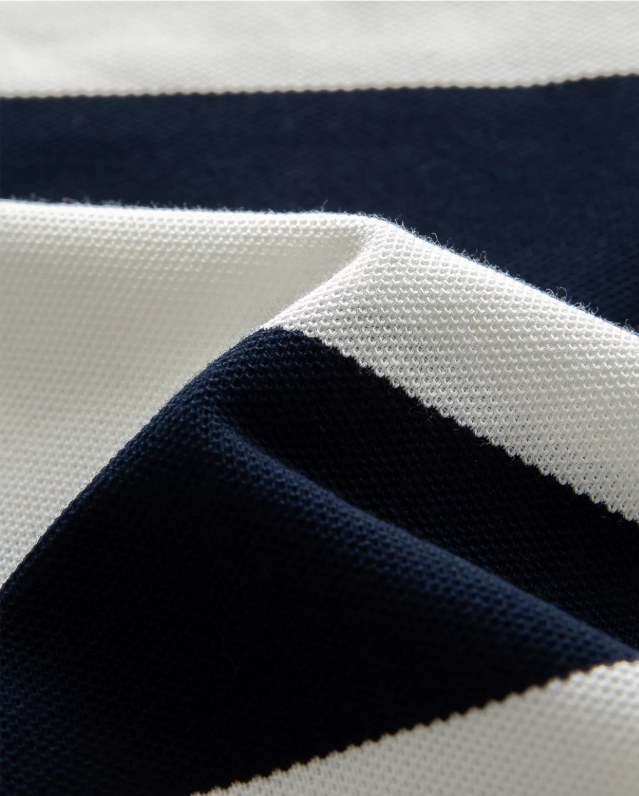
Custom Cardigans
Create custom cardigans with knitted or cut-and-sew constructions, selected yarn blends, button or zip closures, and branded trims. We refine length, shoulder shape, sleeve proportion, and grading to support polished standard, oversized, or extended-size assortments.
Request a Quote
Custom Puffer & Down Jackets
Manufacture custom puffer jackets with shell fabric, insulation, quilting layout, lining, closures, pockets, and branded details specified for your climate and price point. Sampling validates proportions and construction before scalable bulk production and export packing.
Request a Quote
Custom Denim Shorts
Produce custom jean shorts with denim weight, rise, inseam, hem finish, stretch, wash, and distressing tailored to your market. We develop graded fits, branded hardware, labels, and coordinated denim color or treatment programs from 100 units per style/color.
Request a Quote
Custom Sweater Dresses
Develop custom sweater dresses with yarn, gauge, stitch pattern, neckline, length, and silhouette aligned to your collection. Fit development addresses body proportion, mobility, and grading across XS–3XL, with private labels, trims, and packaging prepared for retail.
Request a Quote
Custom Denim Sets
Build mens denim suits wholesale programs with matching denim jackets, overshirts, jeans, or shorts. We coordinate fabric lots, washes, stitch details, hardware, fit specifications, size grading, labels, and packing to maintain consistency across the full set.
Request a Quote
Custom Polo Shirts
Manufacture custom polo shirts in piqué, jersey, or performance knit fabrics with collar construction, plackets, embroidery, prints, and branded buttons. We support fit and size-set approval for promotional, retail, uniform, or private-label polo programs.
Request a Quote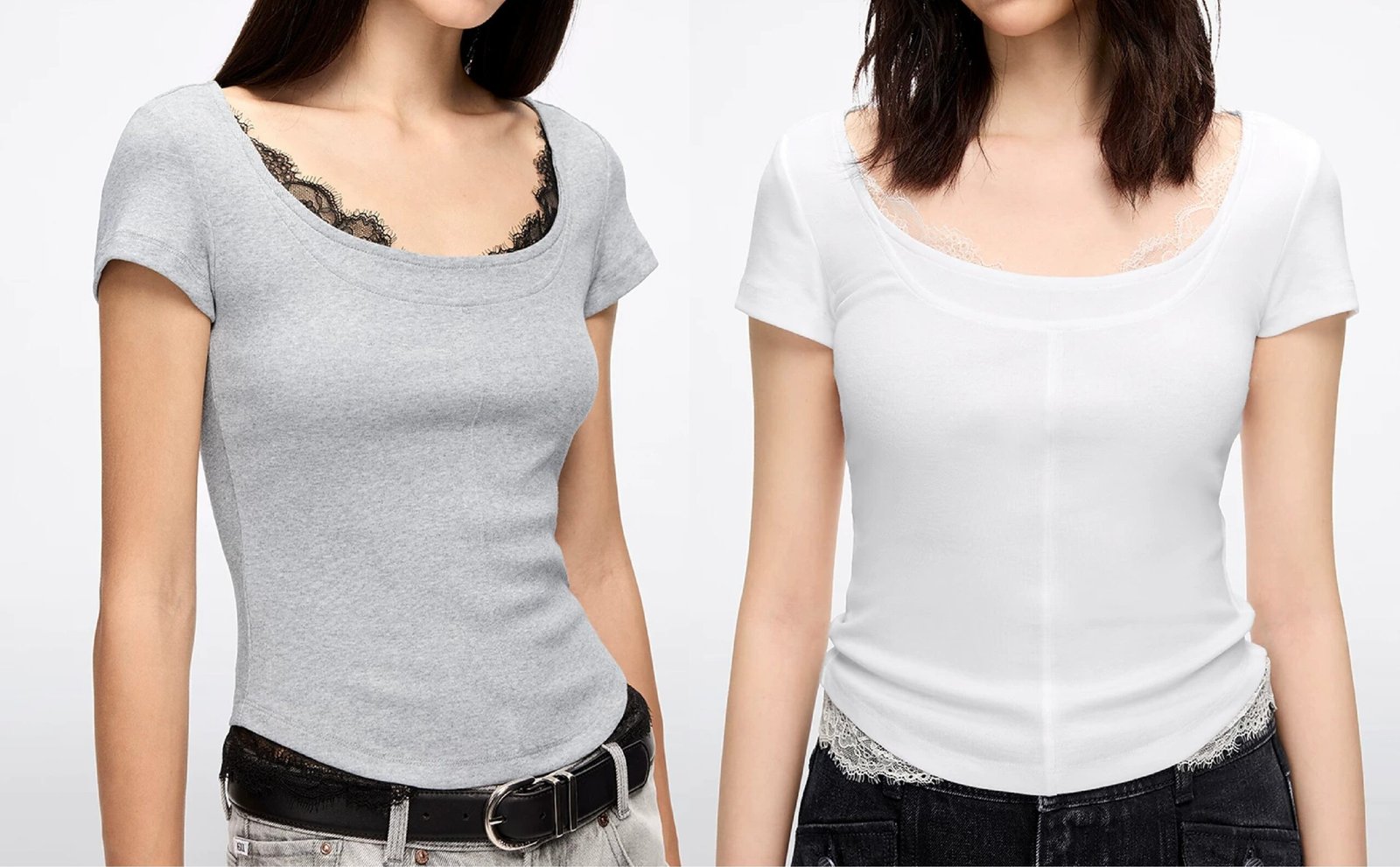
Custom Sweatpants
Develop custom sweatpants in fleece, French terry, jersey, or performance fabrics with jogger, straight-leg, or oversized fits. Specify tie-dye, garment washes, embroidery, print effects, elasticated waist details, and fit-focused grading from XS through 3XL.
Request a Quote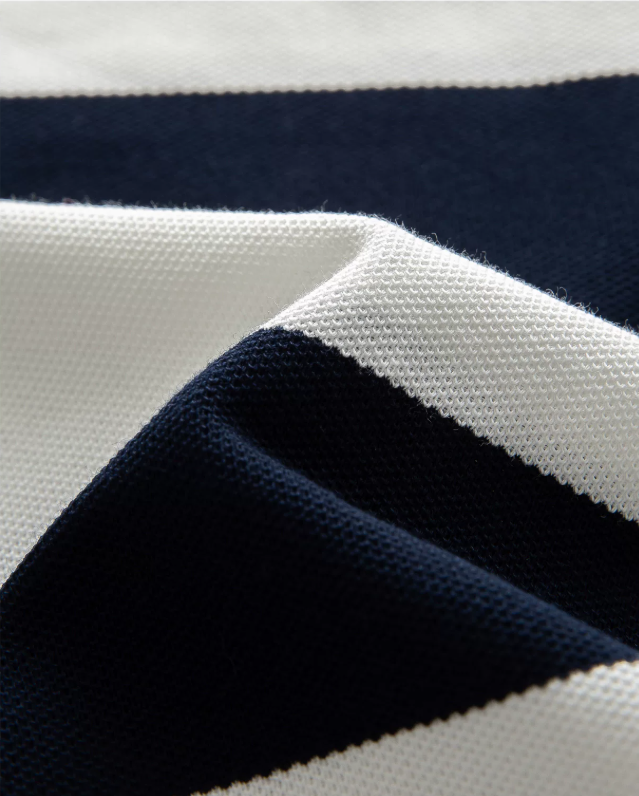
Custom Shorts
Produce custom shorts in jersey, fleece, twill, woven, or denim fabrics for casual, sport, or coordinated set programs. We support inseam and rise development, pocket construction, tie-dye or print decoration, private labels, and low-MOQ production.
Request a Quote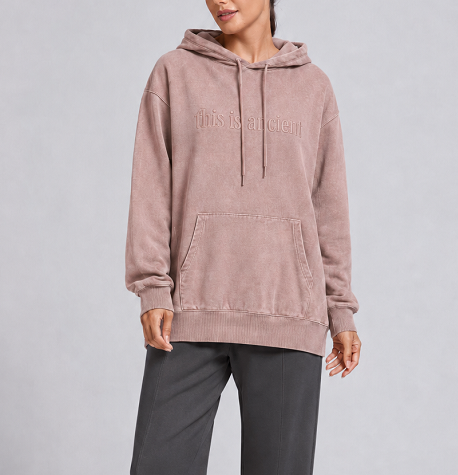
Custom Pullovers
Create custom pullovers in knit, fleece, French terry, or jersey constructions with quarter-zip, mock-neck, crewneck, or oversized silhouettes. Our team manages fabric selection, fit development, decoration, finishing, grading, labels, and repeat-order production records.
Request a QuoteTie-Dye T-Shirt Fabrics for Every Hand Feel

Ring-Spun Cotton
A soft, breathable staple for classic tie-dye tees, ring-spun cotton accepts color richly and wears comfortably. Choose midweight 180–220 GSM jersey for retail-ready everyday shirts with a smooth, dependable hand feel.

Organic Cotton
Organic cotton offers a natural hand feel and strong dye uptake for responsible private-label programs. Available in lightweight to midweight jersey, it suits elevated basics and brands seeking verified material options with comfortable breathability.

Combed Cotton Jersey
Combed cotton jersey removes shorter fibers for a cleaner, smoother surface that supports crisp color effects and printing. Its refined hand feel and balanced 180–240 GSM weight suit premium fitted or oversized tie-dye T-shirts.

Cotton Blend Jersey
Cotton-polyester or cotton-modal blends balance softness, shape retention, and target cost. Controlled stretch and reduced shrinkage make them practical for fashion tees requiring a lighter drape, repeated washing, or consistent bulk sizing.

French Terry
French terry brings a looped interior, substantial body, and soft casualwear appeal to heavyweight tie-dye styles. Typically 280–350 GSM, it works well for boxy T-shirts, matching sets, and transitional streetwear collections.

Recycled Fiber Blends
Recycled cotton and recycled polyester blends support lower-impact capsule programs without sacrificing dependable wear. Fabric composition can be tailored for texture, durability, and dye performance, with swatches reviewed before sampling and bulk approval.
Tie-Dye, Printing & Garment Finishing Options

Custom Tie Dye
Controlled dip, spiral, crumple, and placement tie-dye methods create distinctive color movement for branded T-shirts. We review color references, fabric behavior, and wash testing to support repeatable results across approved bulk production.

Screen Printing
Plastisol, water-based, puff, high-density, foil, flocking, and discharge screen printing add vivid graphics with the right opacity and texture. Ink systems are matched to the dyed ground and garment weight for durable wash performance.

DTG DTF Transfers
DTG and DTF decoration support detailed artwork, tonal graphics, and smaller-run designs where screen setup is less efficient. Proper artwork preparation and placement checks help preserve sharp detail on custom tie-dye T-shirts.

Logo Embroidery
Flat, 3D puff, chain-stitch, applique, and patch embroidery provide tactile branding with a premium, long-lasting finish. Our team evaluates stitch density, backing, and placement to keep lightweight T-shirt fabrics comfortable and stable.

Garment Washes
Enzyme, softening, anti-pilling, acid wash, and garment-dye treatments refine hand feel and create a more lived-in visual character. Sampling verifies color change, shrinkage, and surface appearance before your production run is approved.

Surface Finishing
Brushing, napping, softeners, and specialty finishing can adjust softness, texture, and vintage character after decoration. JUNSHEEN aligns finishing choices with fabric weight, fit requirements, and intended retail positioning for a cohesive final garment.
Custom Trims, Labels & Packaging

Woven Neck Labels
Custom woven main, size, and care labels give tie-dye T-shirts a polished private-label finish. We help match label materials, folds, colors, and placement to your neckline construction and brand standards.

Branded Hang Tags
Add custom hang tags with your logo, sizing, product story, barcode, or care messaging. They provide retail-ready presentation for wholesale orders, capsule launches, e-commerce fulfillment, and in-store merchandising.

Custom Logo Patches
Choose embroidered, woven, chenille, leather, or printed patches for chest, sleeve, hem, or back-neck placement. Patches add a durable branded focal point without competing with the tie-dye artwork.

Drawcord And Tipping
For hooded tie-dye styles and coordinated sets, custom drawcords, metal or silicone tips, and branded aglets create a considered finish. Options can be coordinated with garment color, trims, and logo details.

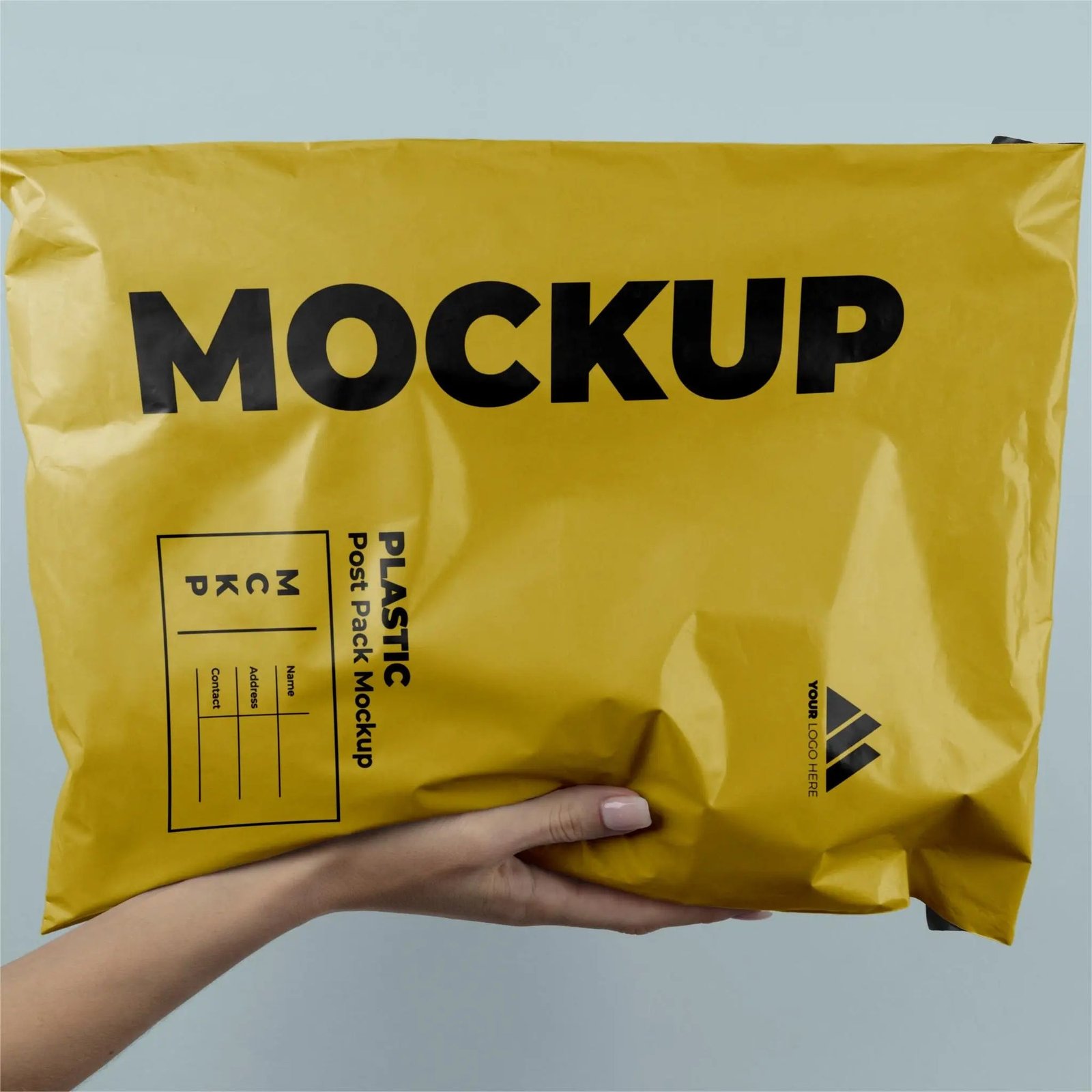
Retail Packaging
Branded polybags, tissue paper, stickers, carton marks, and packing inserts help protect finished garments and support a consistent unboxing experience. JUNSHEEN can prepare packaging requirements for export-ready private-label orders.
Custom Hardware Trims
Add snap buttons, zippers, rivets, hem labels, or reflective details where your design requires them. Our team sources trims for performance, appearance, wash compatibility, and reliable bulk-production consistency.
About JUNSHEEN, Your Tie Dye T Shirt Manufacturer
Founded in 2010 in Humen Town, Dongguan, JUNSHEEN helps fashion brands turn tie-dye concepts into production-ready apparel. As a one-stop OEM, ODM and private-label partner, we combine product development, fabric sourcing, cut-and-sew manufacturing, decoration, finishing, packaging and export support under one responsive supply chain.
More than 200 skilled workers and monthly capacity above 80,000 units support launches from 100 units per style and color to repeat bulk programs. We have served 2,000+ fashion-brand clients worldwide, providing dependable manufacturing for emerging labels, independent designers, wholesalers, retailers and established sourcing teams.
Our fit-first development approach sets JUNSHEEN apart. From XS to 3XL, including extended-size, plus-size and oversized programs, our pattern makers refine proportion, mobility and grading rather than simply enlarging a base pattern. This technical focus helps create consistent tie-dye T-shirts that fit the intended customer and scale with confidence.

Tie Dye T Shirt Manufacturer Capabilities That Scale
Development That Protects Your Vision
JUNSHEEN turns tech packs, sketches, reference garments, and mood boards into production-ready tie-dye T-shirts. Our team reviews construction, dye placement, measurements, and decoration feasibility early, helping reduce sampling revisions before your style moves into bulk.
- Tech-pack and specification review
- Prototype, fit sample, and size-set support
- OEM, ODM, and private-label development
- Low MOQ from 100 units per style/color

Fit Grading From XS to 3XL
A strong tie-dye effect still needs a dependable fit. Pattern makers refine shoulder balance, body length, sleeve proportions, mobility, and grading increments for normal-size, extended-size, plus-size, and modern oversized T-shirt programs.
- Fit-focused XS–3XL pattern development
- Extended-size and plus-size grading
- Oversized silhouettes with balanced proportions
- Retained pattern records for repeat orders

Fabric, Dye, and Finish Control
As an experienced tie dye t shirt manufacturer, we recommend jersey weights, cotton blends, and surface finishes based on your intended hand feel, color outcome, target price, and wash performance. Swatches and sample garments help confirm materials before bulk commitment.
- Cotton, combed jersey, and blended fabric sourcing
- Fabric weight and hand-feel recommendations
- Tie-dye, garment dye, acid wash, and softening
- Screen printing, embroidery, DTG, and DTF options

Bulk Production With Accountable QC
From incoming fabric inspection through packed-goods checks, JUNSHEEN controls key production stages in one supply chain. More than 200 skilled workers and 80,000+ monthly units of capacity support reliable delivery for capsule launches and growing global programs.
- Incoming, in-line, measurement, and final inspections
- Cut-and-sew, decoration, labels, and packaging
- Scalable production for repeat and bulk programs
- Export support for global fashion brands

Why Choose JUNSHEEN Over a Typical Supplier?
A tie dye t shirt manufacturer with integrated development, fit-led production, and dependable global order support.
← 左右滑动查看 →
Tie Dye T Shirt Manufacturer Production Process
A controlled, fit-focused workflow that takes your custom tie-dye program from concept review to export-ready delivery.
Review Design Feasibility
Our team reviews your tech pack, artwork, reference garment, target fit, quantity, and budget to confirm construction, dye method, decoration, and production requirements.
Source Fabrics and Trims
We recommend suitable jersey weights, cotton blends, labels, packaging, and color-dye approaches based on hand feel, wash performance, target cost, and brand positioning.
Develop Patterns and Samples
Pattern makers create and grade fit-focused XS–3XL specifications, then produce samples for measurement, construction, tie-dye placement, artwork, and wash approval.
Approve Details and Production
After sample confirmation, we lock approved materials, trims, measurements, finishing standards, and packing details before scheduling bulk production from 100 units per style and color.
Inspect, Pack, and Ship
Quality teams check fabric, construction, measurements, decoration, and packed goods before branded packaging and coordinated global export shipment to your destination.
Work With a Tie Dye T Shirt Manufacturer
Move from a tech pack, sketch, reference garment, or concept to approved bulk production with one accountable JUNSHEEN team.
Share Your Product Brief
Send your tech pack, sketch, reference garment, mood board, or concept with target quantities, sizes, colors, decoration requirements, and desired delivery market.
Review Feasibility and Quote
Our OEM team reviews construction, tie-dye effects, fabric, fit grading, trims, and packaging, then recommends practical specifications and prepares a clear quotation.
Develop and Approve Samples
We create patterns and samples for your review, refining measurements, XS–3XL grading, washes, print placement, and color execution before pre-production approval.
Confirm Bulk Production
After approval, JUNSHEEN secures materials and schedules production from 100 units per style and color, with in-line checks across construction and finishing.
Reorder With Confidence
We retain approved patterns, graded size sets, and material records to support consistent repeat orders, scalable replenishment, final inspection, and global export coordination.
Custom Clothing Manufacturer Credentials and Compliance Documents



What Fashion Brands Say About Our Tie Dye T Shirt Manufacturer Team
JUNSHEEN turned our mood board into clear sample approvals in two rounds. Their team flagged color-placement risks early, and our 120-piece capsule arrived with the same soft wash feel across every size.
The XS–3XL grading was the difference for our launch. We reduced fit-related sample revisions from five rounds to two, while keeping the oversized silhouette consistent for both our core and extended-size customers.
We began with 100 units per color and scaled to 3,600 units across two repeat orders. Reorder measurements, tie-dye placement, labels, and packing stayed consistent, which made wholesale delivery far easier to manage.
Tie Dye T Shirt Manufacturer FAQ
Clear answers on MOQs, sampling, production, sizing, private labeling, and worldwide delivery.
What is the minimum order quantity for custom tie-dye T-shirts?
Can a tie dye t shirt manufacturer make a sample before bulk production?
How long does a custom tie-dye T-shirt order take?
How does a tie dye t shirt manufacturer protect my designs and brand information?
Can you develop extended sizes and oversized tie-dye T-shirt fits?
What private-label options can a tie dye t shirt manufacturer provide?
What payment terms do you offer for first orders?
Do you ship custom tie-dye T-shirts internationally?
Complete Guide to Choosing a tie dye t shirt manufacturer
Use this decision framework to compare tie-dye production methods, fabric and quality standards, supplier capabilities, pricing, and lead times—while avoiding sourcing mistakes that can undermine color consistency, fit, compliance, and margins.
1. What Is a Tie Dye T Shirt Manufacturer?
100 units per style and color is a practical starting point for a tie dye t shirt manufacturer: it develops the garment, controls the dye process, and delivers production-ready goods. Unlike a blank supplier selling standard tees, it can specify fabric, pattern, grading, shrinkage allowance, dye placement, wash recipe, and color-repeat tolerance before bulk cutting. 2 production models are often confused with this role. A print-on-demand vendor usually decorates pre-made blanks one order at a time, while a general garment factory may sew a supplied pattern but outsource dyeing; neither necessarily owns the full sequence from lab dip or strike-off through cut-and-sew, softening wash, measurement inspection, packing, and export documentation. 2010 is the founding year of Dongguan Junsheen Clothing Co., Ltd., a full-package apparel manufacturer in Humen, Dongguan. It is a suitable route for labels needing custom ring-spun jersey choices, fit development from XS through 3XL, branded trims, tie-dye or garment-dye finishing, quality control, and shipment coordination; buyers with finalized blanks, artwork, and simple replenishment needs may instead prefer a decorator or blank distributor.
2. Evolution of Tie-Dye Apparel Production
6th-century resist-dye examples show the core principle still used in apparel: binding, folding, stitching, or clamping fabric so dye reaches each area differently. For a buyer, that handcrafted origin explains why two garments can vary; modern production converts the intended effect into controlled fold maps, dye recipes, dwell times, and wash sequences. 1960s counterculture made spiral tie-dye a mass-market visual, while contemporary factories expanded it into ice dye, crinkle, dip dye, bleach effects, garment dye, and engineered placement patterns. A tie dye t shirt manufacturer should approve a master sample and color standard before bulk cutting, then control batch size, liquor ratio, temperature, and wash-off to keep shade and pattern variation commercially acceptable. 100-unit capsule orders now make tie-dye practical for streetwear drops, resortwear, youth collections, and event or promotional apparel; repeat programs need more disciplined records than one-off artwork. Specify the base fabric, usually 160–220 GSM cotton jersey for T-shirts, the number of colors, acceptable variation, placement zones, and whether each piece must be unique or visually matched. OEKO-TEX-certified inputs, lower-impact dye choices, wastewater handling, and durable colorfastness are increasingly part of sourcing review. Ask suppliers to test wash performance on the final dyed garment, because softeners, enzyme washes, and overprinting can change hand feel, shrinkage, and shade after dyeing.
3. Types of Tie Dye T Shirt Manufacturer Services
Five service models determine how much design control, capital, and calendar time a buyer accepts. A tie dye t shirt manufacturer should match the model to the collection’s fit complexity, branding requirements, and reorder plan.
| Service Model | Typical MOQ | Speed | Buyer Control | Best Fit |
|---|---|---|---|---|
| Stock blanks with dyeing | 50–100 pieces | 1–2 weeks | Low | Fast market test |
| Private-label customization | 100–300 pieces | 2–4 weeks | Medium | Emerging brand |
| Cut-and-sew full package | 100+ per style/color | 4–8 weeks after approval | High | Distinct product |
| Wholesale program | 50–300 pieces | Immediate to 2 weeks | Low | Retail replenishment |
| Integrated export factory | 100+ per style/color | Sample to shipment | High | Scaling global brand |
Blank Dyeing And Wholesale

1–2 week blank-dye programs start with stocked tees, then apply spiral, crumple, or dip-dye effects. They move fastest, but buyers control neither base fit nor every dye variation. 50–300 piece wholesale assortments suit retailers testing colorways and event sellers needing immediate inventory. Confirm stock continuity before marketing a repeatable style.
Private Label Customization

100–300 units per style commonly supports a stocked or semi-custom base with neck labels, hangtags, packaging, and screen printing. This balances speed with brand presentation, while fit changes remain limited. 2–4 approved colors are a practical opening range for emerging labels. Request wash tests because labels and print inks must withstand the garment’s dye and finishing process.
Full Package And Export
100 units per style and color can support cut-and-sew development when a factory can pattern, grade, source, dye, decorate, inspect, and ship. This delivers the highest control over silhouette, GSM, trims, and size range. 200+ units per style often improves unit economics for custom fabric and repeat programs. Vertically integrated export factories suit brands that need one accountable supplier from sample approval through packed-goods inspection.
4. Tie Dye T Shirt Manufacturer Fabric Options
100% cotton remains the clearest starting point because its absorbent cellulose fibers take reactive dye vividly. A capable tie dye t shirt manufacturer should match fiber, GSM and knit structure to the desired color breakup, shrinkage allowance and wearing climate.
| Fabric | Typical GSM | Dye Result | Best Use |
|---|---|---|---|
| Combed cotton jersey | 160–180 | Bright, soft | Warm-climate tees |
| Organic cotton jersey | 180–220 | Rich, natural hand | Premium basics |
| Cotton-poly blend | 180–220 | Heathered contrast | Active casualwear |
| Recycled blend | 180–230 | Variable uptake | Sustainability programs |
| Heavyweight jersey | 220–280 | Bold, stable folds | Oversized streetwear |
| Interlock or slub knit | 200–260 | Textural variation | Specialty capsules |
Fiber Content And Dye Uptake

100% combed ring-spun cotton gives saturated color and a soft, breathable hand, while organic cotton follows the same dye behavior when its certification chain is specified. Cotton-poly blends produce a heathered or contrast effect because polyester generally requires disperse dye rather than fiber-reactive dye. 30% to 50% recycled content can support a recycled brief, but buyers should confirm whether recycled polyester, recycled cotton, or both are used; each changes absorbency and shade consistency.
Weight, Knit, And Climate

160–180 GSM single jersey suits warm-climate promotional tees; its lighter construction dries quickly but can show more twist after washing. 200–240 GSM jersey creates a more substantial premium hand and a cleaner canvas for dense spirals or folds. 260 GSM and above supports boxy, oversized silhouettes, although heavy jersey needs controlled relaxation and shrinkage testing before final measurements. Interlock, rib and slub knits create different surface texture and dye diffusion than standard single jersey.
Briefing Fabric Performance
3% to 5% shrinkage is a common planning range for cotton jersey, but the approved bulk fabric should determine the actual pattern allowance. Request a wash-tested swatch or sample to assess crocking, hand feel, spirals and color migration before approving production.
5. Custom Tie-Dye and Branding Options
A tie dye t shirt manufacturer should separate visual ambition from repeatability before sampling. JUNSHEEN can pair garment finishing with private-label details so the dye effect, logo treatment, and retail presentation are specified as one production package.
| Approach | Design Freedom | Color Consistency | Production Constraint |
|---|---|---|---|
| Spiral or all-over tie-dye | Very high; each piece varies | Low to moderate | Approve variation range |
| Controlled repeat design | High with mapped placement | Moderate to high | Needs binding and panel controls |
| Garment dye | Moderate; solid or washed effects | Moderate | Fiber and wash affect shade |
| Dip dye or ombré | High visual impact | Moderate | Transition height must be specified |
| Screen print | Precise artwork and branding | High ink control | Test adhesion after washing |
| Embroidery | Textured, durable logo | High thread control | Best on stable logo areas |
Pattern Development

Spiral and all-over tie-dye create high visual variation, even when the same color recipe is used. Approve reference photos and acceptable variation limits before bulk cutting. Controlled repeat placements use marked folds, binding points, and color maps to make panels more consistent. Dip dye and ombré require a defined transition height, garment length tolerance, and front-to-back approval.
Color And Wash Choices

Pantone references guide target shades, but hand-dye absorption varies by fiber content, knit weight, and wash process. Garment dye produces a softer, lived-in result; acid wash adds contrast but can change shade consistency. 100% cotton generally accepts dye more predictably than high-polyester blends. Request lab dips and washed sample garments when color matching is commercially critical.
Branding After Dyeing

Screen print, neck print, woven labels, embroidery, hangtags, and branded packaging serve different jobs. Confirm whether decoration is applied before or after dyeing because wash exposure can affect print adhesion and thread appearance. 3D embroidery adds dimension but is less suitable over highly irregular dye fields. Woven labels and hangtags provide the most controlled brand color when garment shade variation is expected.
6. Construction and Quality Standards
A dependable tie dye t shirt manufacturer controls variation before cutting, not after packing. For every colorway, buyers should lock measurable fabric, construction, and inspection standards into the approved sample record.
Fabric And Color Controls

A 4-point fabric inspection should identify holes, stains, barre, and width variation before cutting. Shrinkage testing after the intended wash process should confirm usable pattern allowances. Two approved shade-band limits should govern both fabric lots and dye placement. Wash, crocking, and lightfastness tests should match the destination market and agreed end use.
Construction And Fit

A 3-thread overlock seam is common for knit T-shirts, but shoulder tape and reinforced high-stress joins prevent premature distortion. Stitch density, seam allowance, and thread color belong in the tech pack. A 1×1 rib neckband should recover after stretch testing without rippling or permanent growth. Measurement tolerances, typically stated point by point in centimeters or inches, must accompany the graded size chart.
Approval And Final Inspection
One sealed pre-production sample should record the approved shade, placement, hand feel, measurements, and finishing. Buyers should require photos of key points and signed approval before bulk cutting. An AQL 2.5 final inspection is a common general standard for packed apparel. Pre-shipment reports should show quantity checked, defect classification, measurements, carton counts, shade results, and corrective actions.
- Approved tech pack with point-of-measure tolerances
- Wash-tested sample and shade-band approval
- Final AQL report with defect photos
7. How to Choose a Tie Dye T Shirt Manufacturer
A 100-unit MOQ can suit a capsule, but it does not prove that a tie dye t shirt manufacturer can control shade variation, fit, or delivery. Compare evidence from the same fabric weight, dye process, and order scale you intend to buy.
| Evaluation Point | Evidence To Request | Decision Signal |
|---|---|---|
| Capacity and MOQ | Monthly output, MOQ by color | Matches launch and reorder plan |
| Quality system | AQL report, wash and measurement records | Defined checks before packing |
| Compliance and traceability | Fiber, dye, and certificate documents | Verifiable supplier records |
| Export and payment | Shipping documents, quoted terms | Clear lead time and risk split |
Verify Relevant Production Experience
Ask for three recent tie-dye references matching your jersey GSM, color count, and decoration method. Review factory photos or a live video walk-through of dyeing, cutting, sewing, inspection, and packed export cartons. Request the specification sheet, approved lab-dip or strike-off, measurement chart, and wash-test record for each comparable program. Remote buyers should confirm that the displayed sample and production floor belong to the same legal supplier.
- Which tie-dye method controls repeatability?
- Who owns pattern, grading, and sample approval?
- What was the actual reorder quantity?
Compare Samples And Technical Control

Order at least two samples: one development sample and one pre-production sample after corrections. Measure body length, chest, neck recovery, twist, and shrinkage after the agreed wash cycle. Specify Pantone references where applicable, but accept that hand tie-dye is intentionally variable; define an approved-range standard. Check ring-spun versus open-end cotton, GSM, seam density, print adhesion, and dye migration.
Confirm Commercial Readiness
Obtain the MOQ by style, color, and size; monthly capacity; critical-path lead time; and export destination experience in writing. Confirm whether fabric booking, bulk dyeing, final inspection, and balance payment drive the shipment date. Request material traceability records, compliance certificates relevant to your market, QC reports, packing list examples, and payment terms before placing a deposit. Ask how claims, shade disputes, and delayed approvals are documented and resolved.
8. Common Tie-Dye Sourcing Mistakes
A 100-unit capsule can lose its margin through avoidable approvals, not the dye method itself. Buyers should lock physical standards before bulk release, because tie-dye variation, fit, and presentation compound across a size run.
Approving Color From Screens
Pantone references and calibrated screens are starting points, not bulk approval standards. Approve a physical lab dip and a washed strike-off under daylight; otherwise, hue or contrast disputes can delay shipment and trigger markdowns.
Skipping Fabric Compatibility Tests

100% cotton jersey typically accepts fiber-reactive dye differently from polyester blends or silicone-softened fabric. Confirm composition, GSM, shrinkage, and wash testing before booking yardage; skipping this step risks dull color, bleeding, torque, or unusable stock.
Leaving Specs And Packaging Loose
XS–3XL grading needs measurement tolerances, a point-of-measure chart, and fit comments—not a base-size sketch alone. Define fold method, polybag warnings, labels, barcode placement, and carton pack ratios; ambiguity creates rework, retailer chargebacks, and receiving delays.
Buying Only On Unit Price
A lower quote can omit wash testing, shade sorting, inspection time, or reorder material reservation. Compare like-for-like specifications and retain approved panels, recipes, patterns, and trim records; without continuity planning, repeat orders can arrive with visible shade or fit changes.
9. Steps to Launch a Tie-Dye Collection
A 100-unit launch succeeds when approvals follow a fixed sequence, not when the design is merely attractive. A capable tie dye t shirt manufacturer should turn a target customer, product brief, and delivery date into measurable production decisions.
Build The Product Brief

One target customer should define the silhouette, retail range, size run, and intended use before sampling starts. A mood board then narrows the dye direction, placement scale, logo treatment, and two or three colorways. Three fabric choices require early comparison: 180–220 GSM ring-spun jersey for lightweight tees, 220–260 GSM cotton jersey for structure, or blended fabric for specific stretch and recovery needs.
- Target customer and price position
- Garment silhouette and size range
- Reference images and dye placement
- Initial colorway count
Approve Technical Samples

One tech pack should lock measurements, tolerances, seam details, artwork size, label positions, and wash-care requirements. Pantone references guide the intended palette, but a dyed fabric swatch or strike-off is the practical color approval. Two sample stages prevent costly assumptions: approve a prototype for design direction, then approve a fit sample on the correct size base. Small brands should consolidate feedback into one marked revision list per round.
Lock Bulk And Reorder Data
One pre-production sample must match the approved fabric, dye process, artwork, trims, measurements, and packing before bulk cutting. Confirm final quantities by size and color, approved sample photos, carton marks, inspection standard, payment schedule, and shipping method in writing. During bulk production, inspections should check fabric, measurements, construction, decoration, and packed goods against the approval record. After delivery, retain sell-through data, graded patterns, material references, and approved samples to make reorders faster and more consistent.
10. Tie-Dye T-Shirt Pricing and Cost
100 units is a practical starting point for a custom tie dye t shirt manufacturer, but the first run carries the highest development cost per piece. The indicative ranges below assume a 180–220 GSM cotton jersey, one tie-dye treatment, standard sewing, and FOB China terms. 7–21 days is a typical sample-development window once artwork, measurements, color references, and fabric are approved. A physical sample commonly costs US$80–250 per style; complex placement dyeing, multiple Pantone targets, or embroidery can increase that amount. 6 variables move a quotation most: fabric weight and fiber, hand or machine dye technique, color count, added screen print or embroidery, labels and packaging, and testing or shipping terms. Exact pricing requires a finalized tech pack, size breakdown, decoration files, packing specification, test requirements, destination, and agreed Incoterm.
| Quantity tier | Indicative unit price | Sample or setup | Typical bulk lead time |
|---|---|---|---|
| 100–299 units | US$8.50–15.50 | US$80–250 sample; US$30–100 screen setup/color | 25–35 days |
| 300–499 units | US$7.20–12.80 | US$80–250 sample; setup spread across order | 25–35 days |
| 500–999 units | US$6.20–10.80 | US$80–250 sample; setup amortized | 30–40 days |
| 1,000+ units | US$5.40–9.50 | Quote after dye, trim, and packaging review | 30–45 days |
Start Your Custom Project With a Tie Dye T Shirt Manufacturer
Send your tech pack, sketch, reference garment, or product idea for feasibility review, fit development, sampling, and a clear production quote.