
Wholesale Tshirt Manufacturing From 100 Units
Launch fit-focused wholesale tshirt programs from XS to 3XL with OEM, ODM, private-label support and scalable global production.
Featured Products for wholesale tshirt Development
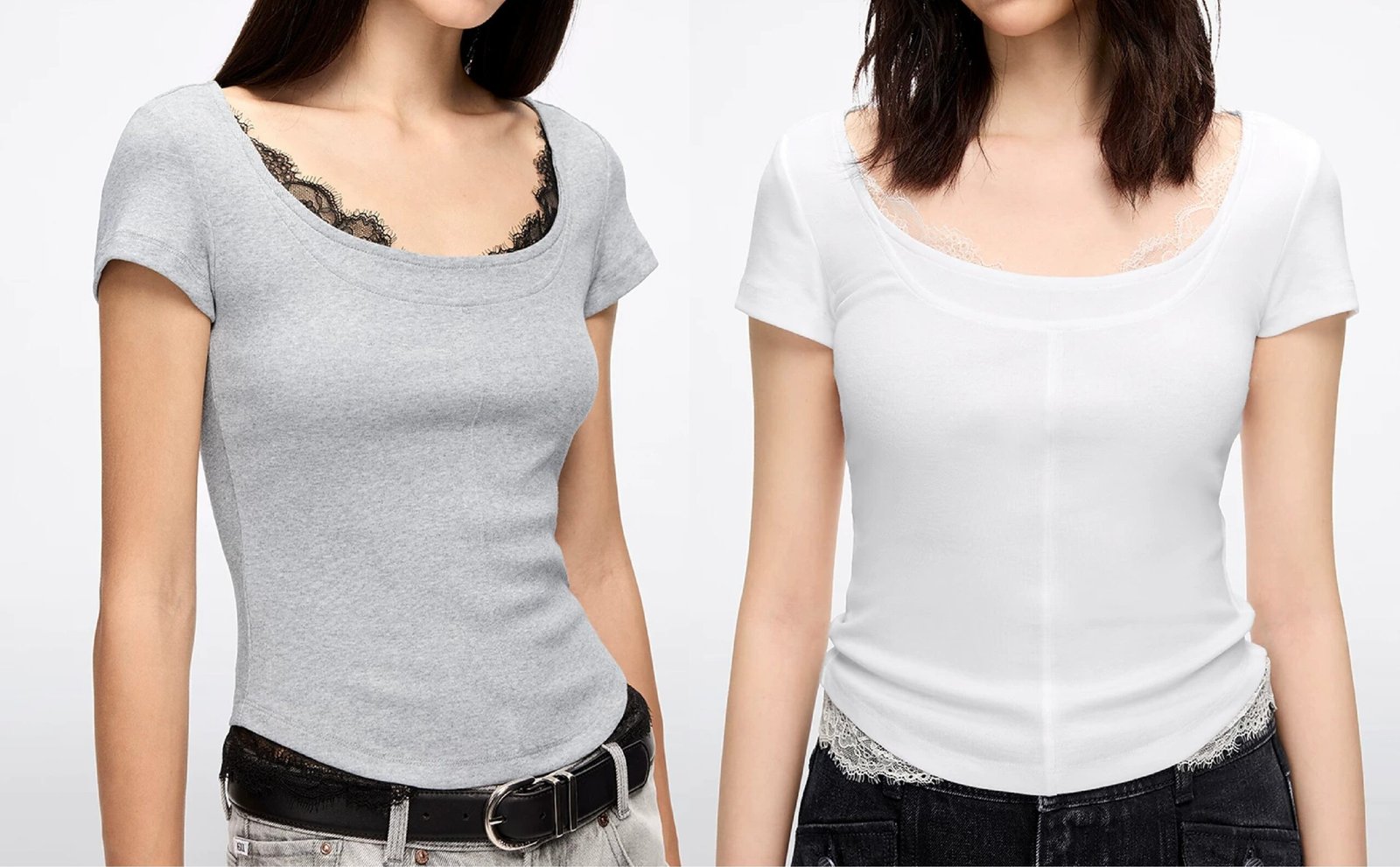


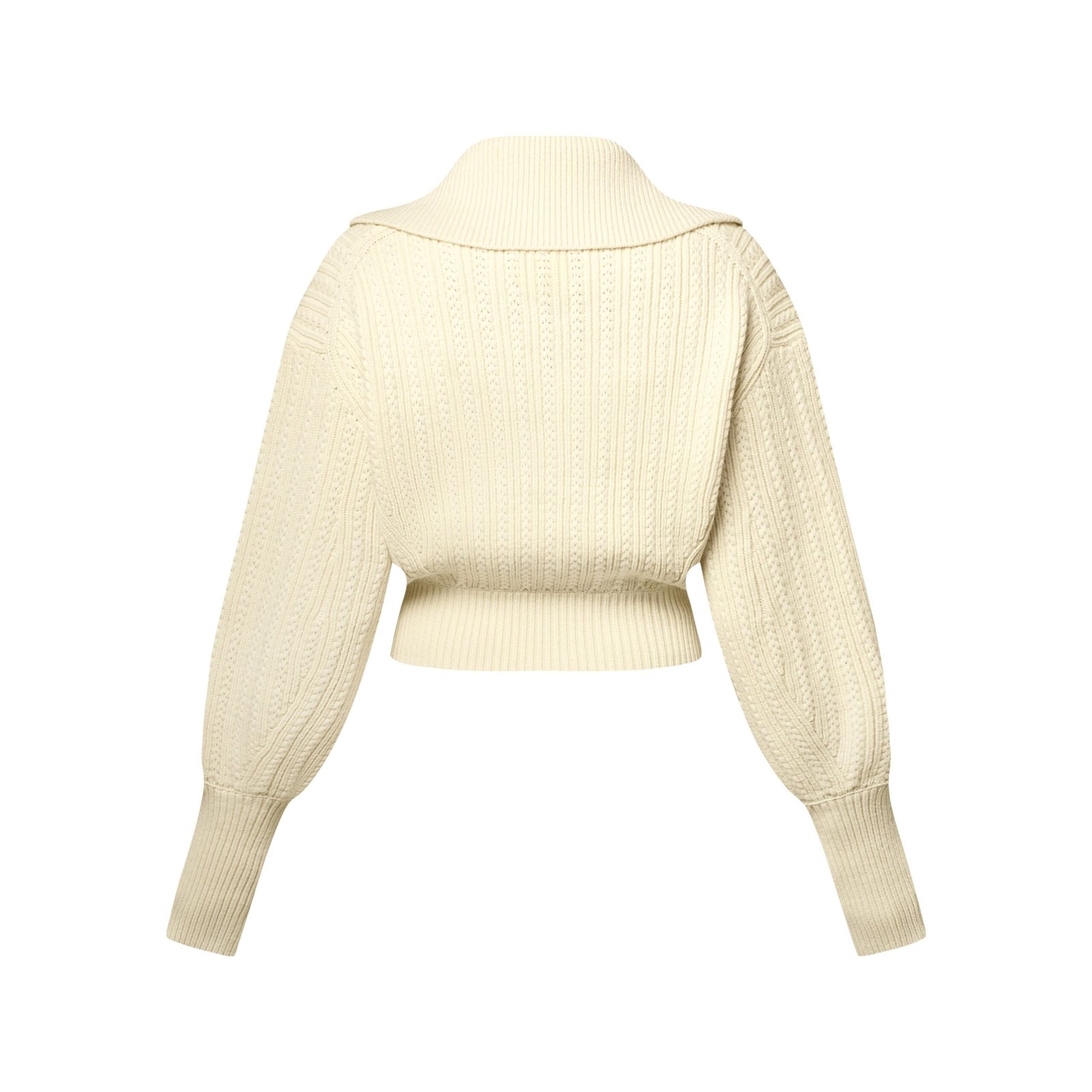


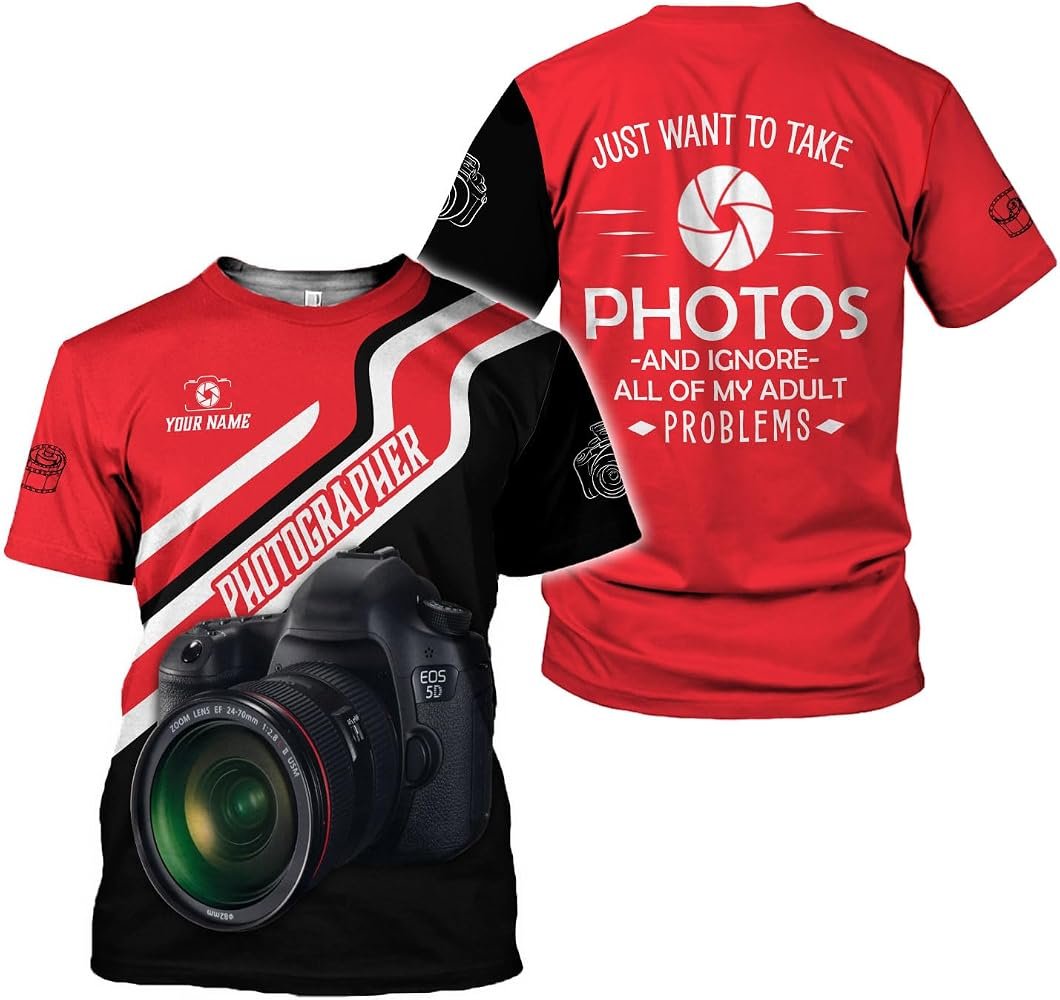
Related Wholesale Tshirt Catalogue & Quotation
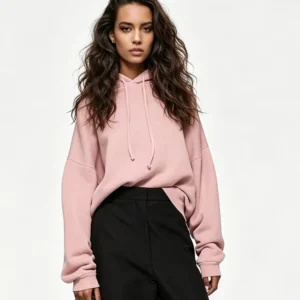
Why Brands Source Wholesale T-Shirts From JUNSHEEN
One integrated production partner for fit-led development, branded finishes, scalable output, and dependable global delivery.
100-Unit MOQ
Launch wholesale tshirt capsule collections from 100 units per style and color, then scale proven designs into repeat bulk programs.
Fit-First Size Development
Pattern makers refine proportions, mobility, and grading from XS to 3XL for regular, oversized, extended-size, and plus-size T-shirts.
Integrated Decoration
Keep embroidery, screen printing, DTG, DTF, washes, and finishing coordinated within one production workflow for consistent results.
Complete Private Labeling
Build a retail-ready wholesale tshirt program with custom labels, hang tags, trims, branded packaging, and carefully selected fabric options.
Scalable Production Capacity
More than 200 skilled workers and 80,000-plus monthly units support sampling, seasonal drops, and growing international replenishment orders.
Global Export Support
From quotation through final inspection and shipment, JUNSHEEN supports fashion brands, retailers, and sourcing teams worldwide.
Wholesale T-Shirt & Casualwear Manufacturing
Develop custom T-shirts and coordinated casualwear programs with low-MOQ development, fit-focused grading, and scalable production from one apparel partner.

Custom Hoodies
Develop custom hoodies in fleece, French terry, and heavyweight cotton blends. Junsheen supports OEM construction, oversized and extended-size grading from XS–3XL, screen printing, embroidery, washes, custom labels, and branded packaging from 100 units per style and color.
Request a Quote
Custom T-Shirts
Produce custom T-shirts in jersey, combed cotton, Pima cotton, organic cotton, and performance blends. We support crewneck, V-neck, oversized, fitted, and extended-size programs with pattern development, printing, embroidery, garment dye, labels, and scalable bulk production.
Request a Quote
Custom Jeans
Manufacture custom jeans in rigid denim, stretch denim, and specialty washes. Development covers fit blocks, rises, leg shapes, pocket construction, grading, hardware, embroidery, distressed effects, stone wash, acid wash, and private-label finishing for brand-ready denim programs.
Request a Quote
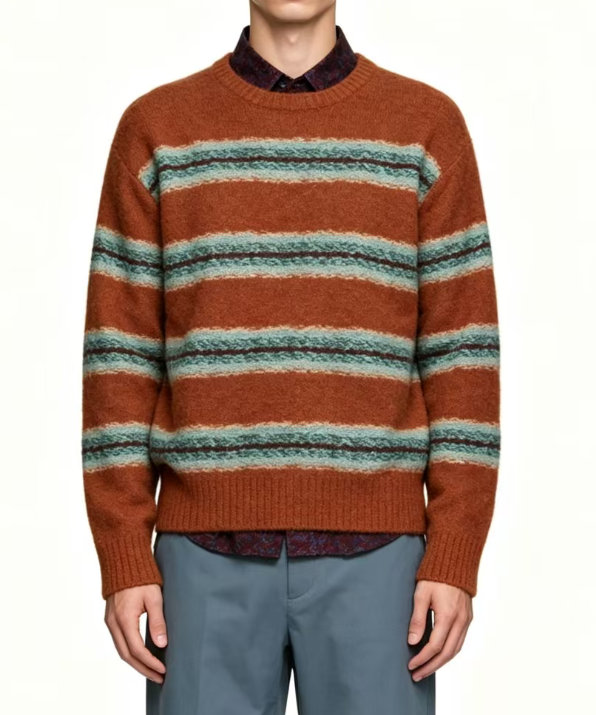
Custom Sweaters
Source turtle neck sweater bulk programs with knit constructions suited to your target hand feel, weight, and price point. Junsheen develops necklines, gauge, yarn blends, fit blocks, oversized proportions, XS–3XL grading, labels, and packaging for wholesale or private-label collections.
Request a Quote
Custom Jackets
Create custom jean jackets and other woven outerwear with denim, twill, or stretch-denim options. Our team supports pattern development, pocket placement, branded buttons, trims, embroidery, patches, washing, size grading, and repeatable bulk specifications.
Request a Quote
Custom Sweatshirts & Crewnecks
Build custom crewneck hoodie and sweatshirt programs in fleece, French terry, and jersey-backed fabrics. Choose crewneck, drop-shoulder, oversized, or standard silhouettes with rib trims, puff or screen printing, embroidery, garment washes, and fit-focused XS–3XL grading.
Request a Quote
Custom Cardigans
Develop custom cardigans with knitted yarns selected for softness, durability, drape, and target cost. We support button-front, zip, cropped, oversized, and extended-size styles, plus custom labels, trims, color development, graded size sets, and bulk production.
Request a Quote
Custom Puffer & Down Jackets
Manufacture custom puffer jackets with shell fabric, insulation, quilting, lining, zipper, pocket, hood, and reflective-detail options. Junsheen supports fit development, sample approval, branded trims, private labels, quality control, and scalable outerwear production.
Request a Quote
Custom Denim Shorts
Produce custom jean shorts in rigid or stretch denim with the wash, length, rise, and leg opening your collection requires. Development includes pocket construction, hardware, distressed treatments, embroidery, patches, size grading, labels, and packaging.
Request a Quote
Custom Sweater Dresses
Create custom sweater dresses across fitted, relaxed, oversized, ribbed, and structured knit silhouettes. Junsheen supports yarn and gauge selection, neckline and length development, plus-size grading, custom trims, labels, size sets, and production for private-label collections.
Request a Quote
Custom Denim Sets
Develop mens denim suits wholesale programs, including coordinated denim jackets, overshirts, jeans, and matching separates. We manage fabric matching, pattern consistency, branded hardware, washes, decoration, graded sizing, labeling, and export-ready bulk production.
Request a Quote
Custom Polo Shirts
Manufacture custom polo shirts in pique, jersey, performance knits, and cotton blends. Specify collar construction, plackets, sleeve cuffs, embroidery, printing, contrast details, fit blocks, extended-size grading, custom labels, and packaging from low MOQs.
Request a Quote
Custom Sweatpants
Produce custom sweatpants in fleece, French terry, and knit fabrics for standard, relaxed, tapered, or oversized fits. We support elastic or drawstring waists, pocket details, rib cuffs, embroidery, printing, washes, XS–3XL grading, and coordinated set production.
Request a Quote
Custom Shorts
Develop custom shorts in jersey, fleece, twill, woven, denim, and performance fabrics. Choose inseam, waistband, pocket, lining, decoration, wash, and trim details, with fit-focused size grading, private labels, packaging, and low-MOQ sampling support.
Request a Quote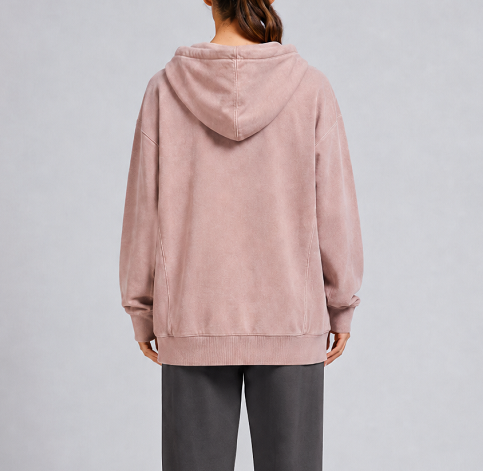
Custom Pullovers
Manufacture custom pullovers in knit, fleece, French terry, and woven constructions. Junsheen develops neckline, half-zip, quarter-zip, hoodless, oversized, and extended-size styles, with embroidery, printing, labels, trims, wash finishes, and scalable production.
Request a QuoteWholesale T-Shirt Materials for Custom Casualwear

Combed Cotton Jersey
Smooth, breathable cotton jersey with a clean, soft hand for premium everyday wholesale tshirt programs. Available across lightweight to heavyweight constructions, it supports reliable printing, comfortable wear, and flexible color development.

Pima Cotton Jersey
Long-staple Pima cotton delivers an exceptionally soft, refined hand and durable surface for elevated tees. Its smooth yarn quality helps retain comfort and appearance through repeated washing while supporting premium private-label positioning.

Cotton Blend Jersey
Cotton-blend jersey balances natural comfort with added stretch, recovery, or durability for fitted and active casualwear. Junsheen can adjust fiber ratios, fabric weight, and finish to match your target cost and silhouette.

Organic Cotton Jersey
Organic cotton jersey offers a natural, breathable feel for brands building more considered casualwear collections. Choose suitable weights and softening finishes for relaxed tees, oversized fits, or essential basics with clear sourcing requirements.

Performance Knit Fabrics
Performance knits provide moisture management, stretch, and quick-drying comfort for sport-inspired T-shirts and lifestyle uniforms. Fabric selection can be tailored for body-hugging or relaxed fits, with weight and recovery specified during development.

French Terry Fleece
French terry and fleece bring a substantial, soft feel to heavyweight T-shirts, layering pieces, and coordinated casualwear. Loopback or brushed interiors can be selected for warmth, structure, and the desired garment weight.
Wholesale Tshirt Decoration and Finishing Techniques

Logo Embroidery
Flat, 3D puff, chain-stitch, applique, sequin, and patch embroidery add dimensional branded detail with secure stitch coverage and durable wash performance for polos, tees, hoodies, outerwear, and knitwear.

Screen Printing
Plastisol, water-based, puff, flocking, silicone, high-density, foil, and discharge screen prints create bold color, texture, or specialty effects engineered for consistent placement and repeatable bulk production.

Digital Printing
DTG, DTF, heat transfer, and dye-sublimation processes reproduce detailed artwork, gradients, and small-run graphics with clean color definition, helping brands match the right method to fabric and order volume.

Garment Dyeing
Garment dye, tie-dye, and acid-wash treatments create distinctive tonal variation and lived-in color character. JUNSHEEN tests fabric behavior and wash results before bulk approval for dependable production consistency.

Fabric Washing
Softening, enzyme, stone, anti-pilling, brushing, and napping finishes refine hand feel, surface texture, and vintage appeal while supporting the durability and comfort expectations of branded wholesale tshirt collections.
Private-Label Accessories for Wholesale Tshirt Orders

Woven Brand Labels
Custom woven, printed, leather or silicone labels add a durable brand signature at the neck, side seam or hem. JUNSHEEN coordinates label dimensions, fold style, color matching and placement for production-ready private-label T-shirts.

Custom Hang Tags
Branded hang tags communicate sizing, collection details and retail positioning before the garment is worn. Choose custom stock, shapes, finishes, stringing and barcode-ready layouts for wholesale T-shirt orders prepared for store or e-commerce fulfillment.

Neck Labels
Main labels, size labels and wash-care labels can be woven, printed or heat transferred to suit comfort and branding requirements. Clear fiber content, care instructions and size information support consistent retail presentation across XS–3XL size runs.

Custom Patches
Embroidery, applique, woven and PVC-style patches create dimensional branding for tees, polos, sweatshirts and outerwear. Junsheen advises on patch construction and attachment methods so the detail remains secure through washing and regular wear.

Drawcords and Tips
For coordinated hoodie and casualwear programs, custom drawcords, aglets and tipped ends extend your brand details beyond the T-shirt. Match colors, materials and finishing to create a cohesive private-label collection with a polished feel.
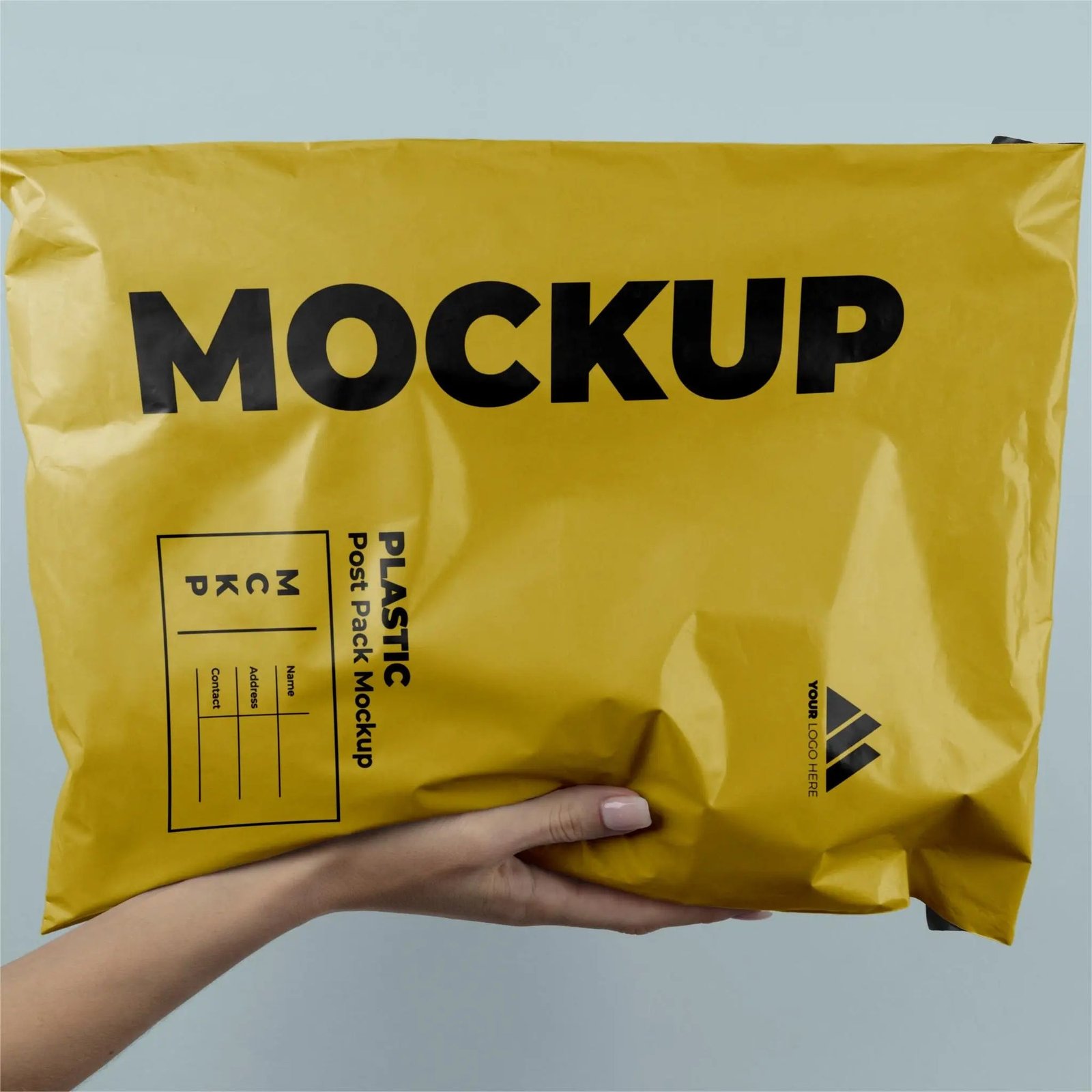
Branded Packaging
Custom polybags, tissue paper, sticker seals, folding inserts and shipping-ready cartons help protect garments and reinforce your brand at delivery. Packaging can be specified alongside labels and trims to simplify wholesale packing and export preparation.
About JUNSHEEN Wholesale Tshirt Manufacturing
Founded in 2010 in Humen Town, Dongguan, JUNSHEEN helps fashion brands turn wholesale tshirt concepts into dependable OEM, ODM, and private-label production. Our mission is to make product development clearer, more responsive, and ready to scale—from a 100-unit capsule launch to repeat bulk programs.
With more than 200 skilled workers and monthly capacity above 80,000 units, we combine cut-and-sew and knitwear production with fabric sourcing, pattern making, XS–3XL grading, printing, embroidery, washing, labels, trims, packaging, quality control, and global export support in one connected supply chain.
What sets JUNSHEEN apart is fit-focused development and practical manufacturing partnership. We refine proportions across normal, extended, plus-size, and oversized fits instead of simply scaling a base pattern. Having served 2,000+ fashion-brand clients worldwide, we bring the technical consistency brands need for wholesale tshirt programs that grow.

Wholesale Tshirt Manufacturing Capabilities
Fit-First Size Development
JUNSHEEN develops wholesale tshirt fits from XS through 3XL with dedicated grading for standard, plus-size, extended-size and oversized silhouettes. Pattern makers refine proportions, mobility and measurement increments instead of simply enlarging a base pattern.
- XS–3XL grading for inclusive size ranges
- Shoulder, sleeve and body balance reviewed
- Size sets support confident pre-production approval
- Fit records retained for future programs

From Concept to Sample
Bring a finished tech pack, sketch, reference garment or early product idea. Our development team reviews feasibility, recommends fabrics and trims, creates patterns and prototypes, then helps resolve manufacturability details before your production order is confirmed.
- OEM, ODM and private-label development support
- Fabric, weight and hand-feel recommendations
- Pattern making and prototype sampling
- 100-unit MOQ per style and color

Integrated Production and Decoration
Cut-and-sew, knitwear, printing, embroidery, washing, finishing, labels and packaging are coordinated through one manufacturing supply chain. This gives brands clearer control over garment construction, branded details and delivery requirements across each wholesale apparel program.
- Jersey, fleece, denim, twill and knitwear capability
- Screen print, DTG, DTF and specialty effects
- Flat, puff and 3D embroidery options
- Custom labels, trims and branded packaging

Consistency for Repeat Orders
JUNSHEEN retains approved patterns, graded size sets and material records to support faster, more consistent repeat production. Incoming-fabric, in-line and final inspections help protect measurements, construction, decoration and packed-goods quality as your volume scales.
- 200+ skilled workers and 80,000+ monthly capacity
- Quality checks from fabric to packed goods
- Approved specifications retained for reorders
- Global export support for growing brands

Why Choose JUNSHEEN for Wholesale Tshirt Production
Fit-first development, integrated production, and repeat-order control for brands scaling from 100 units per style and color.
← 左右滑动查看 →
Wholesale Tshirt Production Process
A clear, fit-focused workflow that takes your concept from feasibility review to inspected, export-ready garments.
Review Project Feasibility
Share a tech pack, sketch, reference garment, or idea. Our team reviews construction, target fit, MOQ, decoration requirements, timeline, and production feasibility.
Source Fabrics and Trims
We recommend fabrics, weights, colors, labels, and trims based on hand feel, durability, target cost, wash performance, and your brand positioning.
Develop Patterns and Samples
Pattern makers create and grade fit-focused XS–3XL patterns, then produce prototypes and size sets for measurement, construction, decoration, and approval review.
Confirm Details and Production
After sample approval, we confirm specifications, bulk materials, quantities, packaging, and delivery requirements before coordinating cut-and-sew, knitting, printing, embroidery, and finishing.
Inspect Pack and Ship
Quality checks cover fabric, measurements, fit, construction, decoration, and packed goods. Approved wholesale tshirt orders receive branded packing and global export support.
How to Work With Our Wholesale Tshirt OEM Team
Move from an initial concept to approved bulk production with a fit-focused, production-ready process.
Send Your Product Brief
Share a tech pack, sketch, reference garment, mood board, or initial idea. Our team reviews specifications, fit goals, fabrics, decoration, and manufacturability.
Confirm Materials and Quote
Select suitable fabrics, trims, labels, and finishes for your target price and hand feel. We provide a clear quotation, MOQ, lead-time, and development plan.
Develop and Review Samples
We create patterns, grade XS–3XL as needed, and produce samples for your review. Refine measurements, construction, branding, and decoration before final approval.
Approve Production Details
Confirm the approved sample, size set, bulk materials, packaging, and order details. Retained patterns and specifications help keep repeat wholesale tshirt orders consistent.
Produce and Ship Globally
Our 200+ skilled workers manage bulk production, in-line checks, final inspection, packing, and export support for scalable delivery from 100 units per style and color.
Custom Clothing Manufacturer Credentials and Compliance Documents




Wholesale Tshirt Manufacturing Results From Our Clients
JUNSHEEN corrected the shoulder and body-length balance across our XS–3XL size set during sampling. We approved the second round and launched 1,200 wholesale tshirts with far fewer fit-related customer returns than our prior run.
Our first 100-unit colorway arrived with consistent screen-print placement and labeling, so we could test demand without overcommitting inventory. The team retained our patterns and helped us turn the reorder around in 24 days.
We moved from a reference tee to a production-ready oversized fit with custom neck labels, hang tags, and garment wash support. After the initial 300-unit order, we scaled to 3,600 units across three colors with dependable quality.
Wholesale Tshirt Manufacturing FAQ
Clear answers on minimums, sampling, fit, quality, shipping, payment, and confidentiality for your next production order.
What is the MOQ for wholesale tshirt production?
How much do wholesale tshirt samples cost and how long do they take?
Can you make wholesale t-shirts from my tech pack, sketch, or reference garment?
Do you offer XS–3XL and plus-size fit grading?
What quality control do you use for wholesale tshirt orders?
What payment terms do you offer for custom apparel orders?
Can you ship wholesale t-shirts internationally?
How do you protect my designs and brand information?
The Complete Buyer’s Guide to wholesale tshirt
Use this practical framework to evaluate wholesale tshirt styles, fabrics, customization, quality, supplier capabilities, costs, and launch risks—so your team can source confidently, compare manufacturers fairly, and avoid expensive production mistakes.
1. What Is a wholesale tshirt?
100 units per style and color is a practical entry point for a wholesale tshirt program when the garment is being made to a buyer’s specification. Unlike purchasing blank stock from a distributor, this model reserves production for a defined fabric, fit, color, trim and decoration brief; the buyer owns the commercial direction while the factory manages manufacturing execution. 3 sourcing models serve different B2B needs. Blank wholesale stock suits printers, event suppliers and retailers needing immediate, standardized inventory; private-label programs add brand labels, hang tags or packaging to an established base; OEM/ODM manufacturing develops or adapts the product from a tech pack, sketch, reference sample or manufacturer-led proposal. Brands use the last route when silhouette, fabric weight, grading or wash treatment must differentiate the line. 1 approved sample should anchor every custom order before bulk cutting. MOQ is the minimum quantity needed to run a style or color efficiently, specifications define measurable requirements such as GSM, Pantone color, tolerances and decoration placement, and sampling confirms fit, hand feel and construction. A new label usually benefits from low-MOQ OEM development, while a distributor with repeat demand may favor private label or replenishable blanks.
2. Evolution of wholesale tshirt Sourcing
1950s blank-tee distribution made the wholesale tshirt a commodity: buyers selected standard white or colored tubular-body stock, then sent it to local screen printers. Large runs lowered unit cost, but restricted brands to generic fits, limited color programs, and inventories sized for printing minimums. 1980s–1990s private-label sourcing shifted value upstream into fabric specification, cut-and-sew patterns, Pantone color matching, labels, and retail-ready packaging. Ring-spun jersey, heavier 180–240 GSM options, and garment washes let a T-shirt carry a distinct hand feel and silhouette instead of functioning only as a print surface. 2000s digital workflows compressed development: tech packs, digital artwork approvals, DTF, DTG, heat transfer, and short-run screen-print methods support faster samples and smaller launches. A capable manufacturer can now coordinate pattern making, size grading, decoration, and inspection from one specification set, reducing version-control errors across global suppliers. 100-unit per style-and-color programs reflect current buyer expectations for testing demand before committing to bulk. Buyers increasingly ask for material and trim records, OEKO-TEX or GOTS documentation where applicable, repeatable XS–3XL grading, and production visibility; differentiated fit, verified quality, and traceability now matter as much as a low per-piece price.
3. Types of wholesale tshirt Styles
A first wholesale tshirt assortment works best when each silhouette serves a defined customer and selling occasion. Start with 3–4 core fits, then add fashion or technical options only when sales data supports them.
| Style | Target Customer | Merchandising Role |
|---|---|---|
| Regular crew | Broad unisex | Core volume SKU |
| Oversized | Streetwear customer | Trend-led graphic SKU |
| Fitted | Athletic or body-conscious | Focused fit extension |
| Performance | Active customer | Technical price tier |
Core Everyday Fits
Crew-neck tees suit the broadest unisex customer base; a regular shoulder, straight body, and 160–220 GSM jersey make them dependable logo, retail, and multipack programs. V-necks give a cleaner neckline for womenswear, resort, and layering assortments. Keep both in shared colors so buyers can test neckline preference without multiplying fabric risk.
- Crew neck: anchor SKU for broad distribution
- V-neck: selective alternative for layered styling
Fashion Fit Options
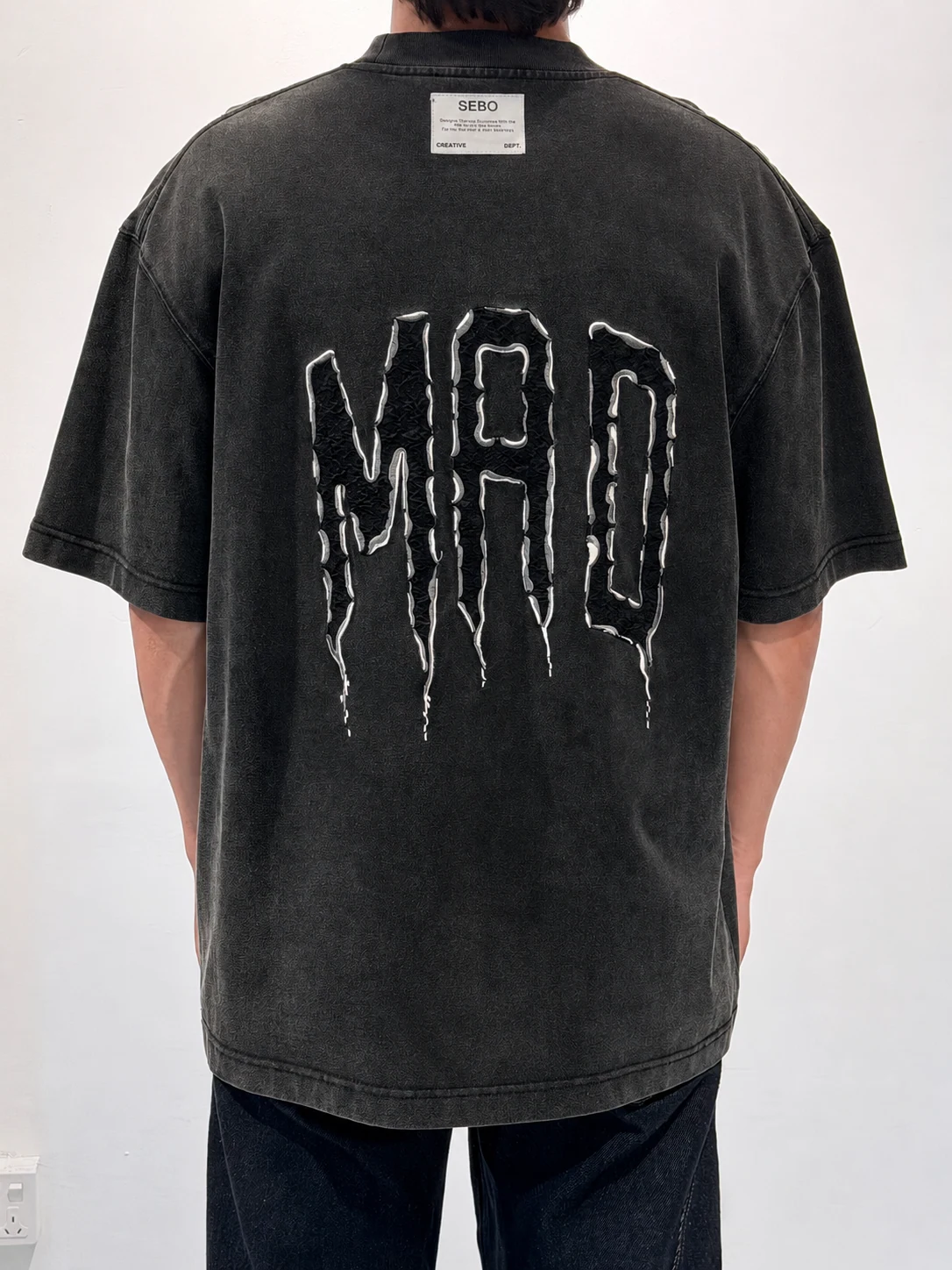
Oversized tees use dropped shoulders and extra body ease for streetwear, youth, and gender-neutral capsules; pair them with heavyweight 220–300 GSM jersey and larger back graphics. Fitted and longline tees target distinct needs. Fitted cuts support body-conscious or athletic styling, while elongated hems create a layered streetwear proposition; neither should replace the regular-fit core.
- Oversized: statement silhouette and graphic canvas
- Fitted: shape-led, narrower customer segment
- Longline: fashion layer, lower opening buy
Functional And Detail Styles
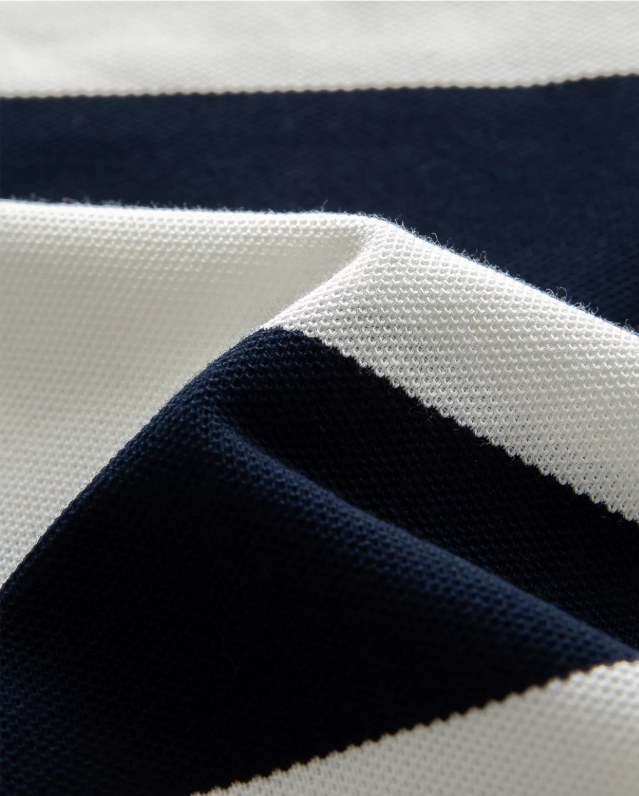
Pocket tees add a small premium cue for casual lifestyle ranges, especially when pocket matching is controlled. Long-sleeve tees extend transitional-season selling and give artwork a sleeve-placement option. Performance tees need a separate brief: moisture management, stretch recovery, opacity, and seam comfort matter more than a fashion hand feel. Merchandising them beside cotton basics can blur the price story.
- Pocket: subtle elevated casual option
- Long-sleeve: seasonal bridge SKU
- Performance: activewear-specific product lane
4. wholesale tshirt Materials and Fabrics
140–260 GSM is the practical starting range for a wholesale tshirt: fabric weight changes opacity, drape, print results, and perceived value before a pattern is cut. Request swatches, wash-test samples, and approved GSM tolerances before bulk confirmation.
| Fabric And Weight | Hand And Performance | Relative Cost | Best Application |
|---|---|---|---|
| Combed ring-spun cotton, 180–200 GSM | Soft, breathable, clean print surface | Premium | Premium retail |
| Carded cotton, 160–180 GSM | Dry hand, breathable, economical | Low–medium | Everyday or promotional |
| Cotton-poly, 180–200 GSM | Stable, durable, reduced shrinkage | Medium | Everyday uniforms |
| Polyester/recycled blend, 140–180 GSM | Quick-dry, durable, sublimation-ready | Medium | Athletic |
| Heavyweight cotton, 220–260 GSM | Opaque, structured, low drape | Medium–high | Streetwear |
Natural Fiber Choices
160–180 GSM carded cotton is breathable, economical, and well suited to everyday tees, though open-end yarn feels drier and can shrink more without controlled finishing. 180–220 GSM combed ring-spun or organic cotton feels smoother, prints cleanly, and supports premium branding. Organic claims should be supported by applicable transaction documentation, while modal-rich blends add softness and fluid drape.
- Carded cotton: durable, value-focused hand
- Ring-spun cotton: smoother surface for detail
- Organic cotton: verify certification paperwork
- Modal blend: soft drape, lower ruggedness
Blends And Performance
50/50 cotton-poly balances breathable cotton with polyester durability, color retention, and lower shrinkage. It is a dependable option for staffwear and repeat-wash promotional programs. 100% polyester and recycled-poly blends dry quickly and suit athletic tees, sublimation, and moisture-oriented programs. Their slicker hand and lower natural breathability make them less suitable for a heritage cotton feel.
- Polyester: strongest sublimation compatibility
- Cotton-poly: stable everyday wash performance
- Recycled blends: confirm fiber-content documentation
Weight, Opacity, And Fit

220–260 GSM heavyweight jersey delivers opacity, structure, and a boxier streetwear silhouette; it generally costs more to ship and requires grading that preserves shoulder balance. 150–170 GSM fabrics drape more easily for promotional or warm-climate tees. Pre-shrunk, compacted, or enzyme-washed samples should be measured after laundering before approving production.
- 150–170 GSM: light promotional tees
- 180–200 GSM: versatile daily retail
- 220–260 GSM: structured streetwear
5. Customization and Decoration Options
A 100-unit-per-style-and-color program can still carry a coherent private label when color, fit, trims, and decoration are specified together. Start with Pantone references, a graded fit sample, and placement artwork before approving bulk materials.
| Method | Setup | Color Capability | Durability | Placement | Best Quantity |
|---|---|---|---|---|---|
| Screen print | Screens per color | Spot or simulated process | High | Most panels | 300+ |
| DTG | Minimal | Full color | Medium-high | Flat areas | 100-300 |
| DTF/transfer | Minimal | Full color | High | Flat areas | 100-500 |
| Embroidery | Digitizing | Thread colors | High | Chest, sleeve, cap | 100+ |
Build The Private Label
Three label points—neck, hem, and hangtag—create the most visible ownership system. Specify label material, fold, stitch method, care content, and country-of-origin requirements in the tech pack. One branded packaging set can include polybags, size stickers, barcode labels, tissue, and cartons. Confirm dielines and packing ratios before production, since late packaging changes can delay final packing.
- Woven neck labels suit premium programs
- Hem labels add subtle brand recognition
- Hangtags carry barcodes and retail information
Match Method To Artwork

Six common methods serve different artwork and volume needs. Screen printing favors repeat runs; DTG and DTF preserve detailed, multicolor graphics without screen setup. 100% cotton jersey accepts water-based, plastisol, DTG, and discharge work differently. Dark garments usually need an underbase, while polyester requires low-bleed inks or tested transfers.
Specify Specialty Finishes

3D puff ink, silicone, foil, flocking, embroidery, and appliqué add dimension but demand larger spacing and wash testing. Dense embroidery can distort lightweight jersey, so stabilize the area or choose heavier fabric. 2 to 3 sample rounds are common when artwork combines print, wash, and trim details. Approve strike-offs under production lighting and after laundering, not only from digital proofs.
6. Construction Quality for wholesale tshirt
Construction quality determines whether a wholesale tshirt keeps its shape after repeated laundering. Assess the sample inside out, then require the same approved specifications and wash standard for bulk production.
Yarn And Fabric Stability
30/1 ring-spun cotton generally feels smoother and pills less than coarser open-end yarn. Check fabric for even surface, spirality, barre marks, holes, and consistent GSM. 3–5% residual shrinkage after the agreed wash method is a practical target for many cotton jerseys. Measure chest, body length, and twist before and after testing.
- Confirm yarn type and fabric GSM
- Check skewing after wash and tumble drying
- Compare bulk fabric swatch to approved sample
Neck And Shoulder Construction
1×1 rib collars need enough elastane and recovery to return after stretching. A loose neckline, rippling rib, or exposed seam allowance signals weak construction. 12–14 stitches per inch is a common starting point for clean jersey seams, subject to fabric weight and machine setup. Neck tape should cover the shoulder seam smoothly without puckering.
- Stretch collar five times and check recovery
- Inspect shoulder tape from neckline to armhole
- Check seam tension for skipped stitches
Seams, Hems, And Fit
Side-seamed bodies usually give more predictable shape than tubular blanks, especially on fashion fits. Inspect side seams for twisting and verify the hem is level when laid flat. XS–3XL grading must adjust shoulder, chest, length, sleeve, and neck proportion rather than merely enlarging width. Approve a size set when extended sizing is part of the program.
- Measure against the approved tolerance chart
- Check coverstitch hems for tunneling
- Compare left and right sleeve lengths
Wash Test And Final Inspection
3 wash cycles using the stated care method reveal shrinkage, color loss, seam torque, collar growth, and print cracking. Record results against the approved sample before production release. A pre-shipment inspection should sample packed units for measurements, stains, needle damage, labels, decorations, folding, and carton counts. Retain approved patterns and measurement records for repeat orders.
- Use the same detergent and drying method
- Photograph measurement points before and after washing
- Audit random cartons and packed garments
7. Choosing a wholesale tshirt Manufacturer
Choose a wholesale tshirt manufacturer by testing its technical process before comparing its quote. A reliable first order starts with evidence: relevant samples, documented specifications, clear approvals, and a realistic production schedule.
Match Product Specialization
100-unit minimums can suit a capsule, but confirm the factory routinely makes your jersey weight, silhouette, size range, and decoration. Ask for comparable finished samples rather than generic apparel photos.
- Request two comparable production samples
- Confirm XS–3XL grading capability
- Verify screen print or embroidery experience
Audit Development And Materials
1 approved tech pack should specify measurements, tolerances, Pantone colors, construction, artwork, labels, and packaging. Request fabric swatches, composition and GSM records, wash-test results, and a pre-production sample before bulk cutting.
- Ask who owns patterns and graded files
- Compare shrinkage after washing
- Approve trim and label samples
Verify Controls And Commercial Terms
80,000 units of monthly capacity matters only when the supplier can reserve a production slot and inspect incoming fabric, in-line sewing, measurements, decoration, and packed goods. Request compliance certificates where required—such as OEKO-TEX, GOTS, WRAP, or BSCI—then verify their scope and validity. 3 questions expose delivery risk: What is the sample lead time, bulk lead time after approval, and escalation contact for defects? Confirm payment milestones, final-inspection standard, balance-before-shipment terms, and shipping responsibility in writing.
- Ask for an inspection checklist
- Request a dated critical-path schedule
- Confirm defect remedy procedure
8. Common wholesale tshirt Buying Mistakes
Most wholesale tshirt failures begin before a purchase order is issued: a low quote, incomplete specification, or compressed calendar creates costs that surface in bulk. Lock technical, commercial, and approval decisions before cutting fabric.
Price-Only Supplier Selection
$0.30 saved per unit can disappear through higher rejects, fabric substitution, or weak measurement control. Compare quotes against GSM, composition, stitching, shrinkage tolerance, decoration, packing, and inspection scope. 100-unit capsule orders need a landed-cost sheet, not a unit-price comparison. Request a pre-production sample and written bill of materials before approving bulk.
Uncontrolled Samples And Colors
5% shrinkage or twisting after washing can make an approved fit unusable. Wash-test the correct fabric, print, and trim combination before bulk, then set acceptable measurement tolerances. Pantone TCX or a signed lab dip prevents subjective color disputes. Approve color under defined lighting and retain the sealed standard with the order file.
Vague Specifications And Decoration
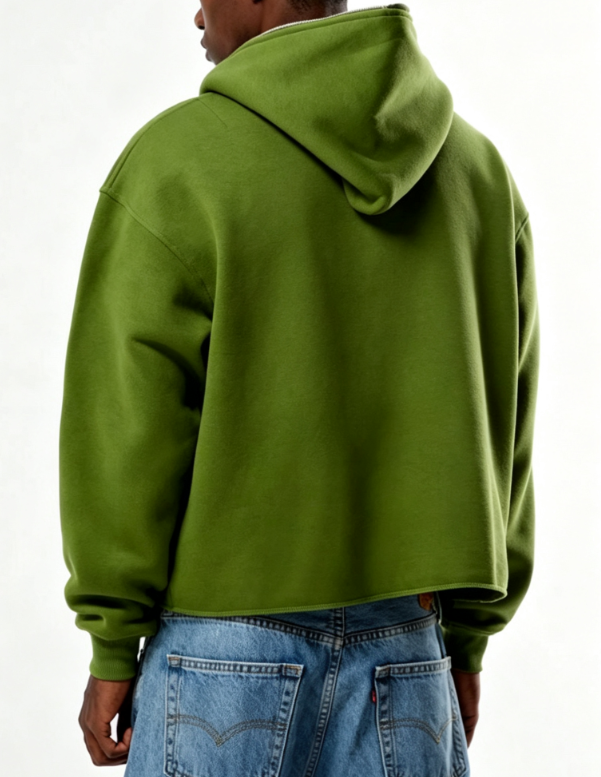
1 missing neck-rib width, print size, or placement reference invites factory interpretation and inconsistent pieces. Supply a tech pack with graded measurements, construction callouts, artwork files, placement dimensions, and approved sample photos. 12-color artwork may be unsuitable for a low-volume screen-print run, while fine detail can fail on coarse jersey. Match the method to artwork, fabric, order quantity, and wash requirement before sampling.
Overloaded Launch Planning
3-week expectations often ignore fabric booking, lab dips, sampling, approvals, production, packing, and freight. Work backward from the retail date, allowing approval buffers and confirming the production slot in writing. 20 SKUs at a 100-unit MOQ can trap cash in fragmented inventory. Start with fewer colorways and proven core fits, then replenish from retained patterns and material records.
Freight And Packing Blind Spots
1 carton specification can change dimensional weight, retail readiness, and damage risk. Confirm folded dimensions, polybags, labels, hang tags, carton count, HS-code support, Incoterms, and destination freight before the final quote. 30% deposit is not the whole cash requirement when sampling, duties, balances, and freight are due later. Build a landed-cost model and approve packaging artwork before bulk packing begins.
9. Steps to Launch Your T-Shirt Brand
A 100-unit OEM MOQ lets a new label test one hero T-shirt without committing to a full collection. Set customer, retail price, margin target, and sales channel before approving any design.
Lock the Commercial Brief
One customer profile should define the hero fit: cropped, regular, boxy, or oversized, with a clear XS–3XL size range. Set a target retail price first, then work backward to landed cost, duties, fulfillment, and marketing. Two colorways are usually enough for a first 100-unit run. Freeze the color count and size curve at this gate; late assortment changes create avoidable material and packaging adjustments.
- Customer and use occasion
- Retail price and margin target
- Hero fit, colors, and size curve
Build the Production Pack
One tech pack should specify measurements, tolerances, stitch details, neck rib, fabric weight, Pantone colors, label positions, and packing method. Supply print artwork as vector files and state the required decoration method, such as water-based screen print or puff ink. 160–220 GSM ring-spun cotton jersey suits many premium casual tees, while 220–260 GSM supports a heavier oversized hand feel. Confirm fabric swatches before sampling rather than approving from a screen image.
- Measurement spec and grading
- Vector artwork and print locations
- Fabric, trims, labels, and carton pack
Sample, Gate, Then Sell

One prototype sample tests fit, shrinkage, print placement, and hand feel before bulk fabric is committed. Revise shoulder balance, body length, neckline recovery, and decoration only from documented comments; approve a final production-ready sample as the bulk reference. 100 units can be allocated across two colors and a realistic size curve after preorder, wholesale, and direct-to-consumer demand are checked. Finalize hang tags, polybags, carton marks, product photography, SKU data, and launch-channel inventory before production begins.
- Fit and wash approval
- Production-ready sample signoff
- Sales, inventory, and fulfillment readiness
10. wholesale tshirt Pricing and Costs
100 units per style and color is a practical starting point for OEM wholesale tshirt programs, but the figures below are planning ranges rather than a binding quote. Final costing follows the approved tech pack, fabric availability, color count, artwork, measurements and packing specification. 160–220 GSM cotton jersey, custom labels, screen-print color count, individual polybags, sample rounds and freight can each move the landed cost materially. Request separate sampling, production, decoration, packaging and shipping lines so a low ex-factory unit price does not hide development or logistics expense.
| Program and quantity | Illustrative ex-factory price per unit | Expected production lead time | Typical cost inclusions |
|---|---|---|---|
| Blank tee; 100–299 units | US$4.50–8.50 | 20–35 days | 160–220 GSM jersey, standard sewing, basic polybag |
| Private-label tee; 300–999 units | US$5.50–10.50 | 25–40 days | Custom main/size labels, wash-care label, hangtag application |
| 1–2 color screen-printed tee; 300–999 units | US$6.50–13.00 | 30–45 days | Private labels, print setup, standard placement, basic packing |
| Complex custom tee; 1,000+ units | US$8.00–18.00+ | 35–55 days | Heavier or specialty fabric, multiple placements, custom trims and packing |
Start Your Wholesale Tshirt Project With JUNSHEEN
Send your tech pack or product idea for fit-focused sampling, 100-unit MOQ pricing, and scalable bulk production support.