Custom Jean Jacket Manufacturing From 100 Units
Develop fit-focused custom jean jackets from XS–3XL with OEM, ODM, and private-label support, scalable production, and global export coordination.
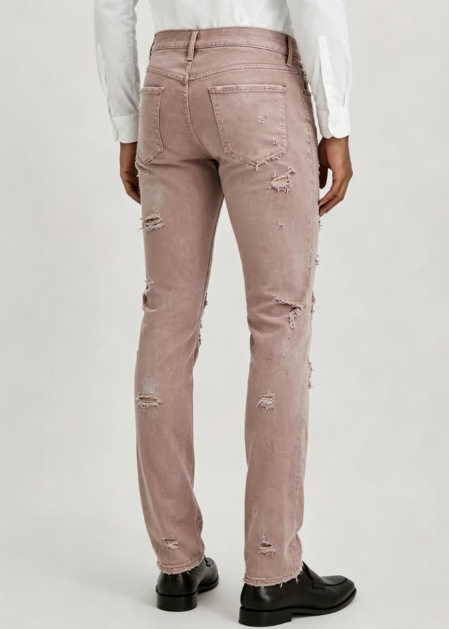
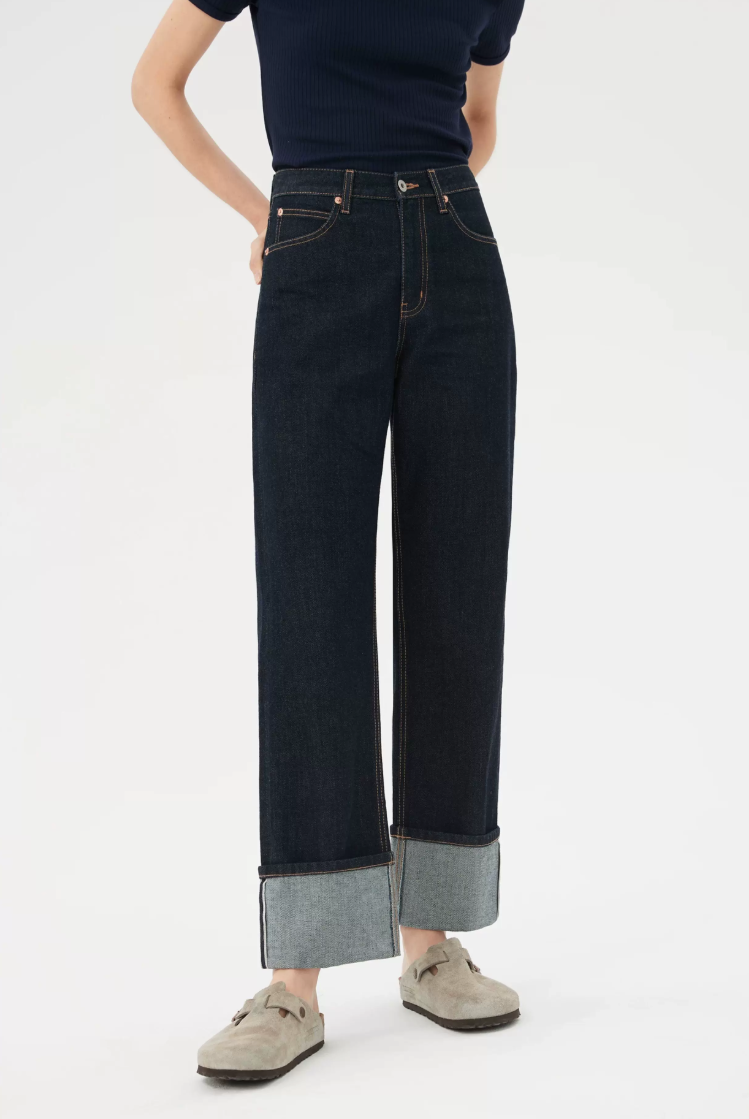
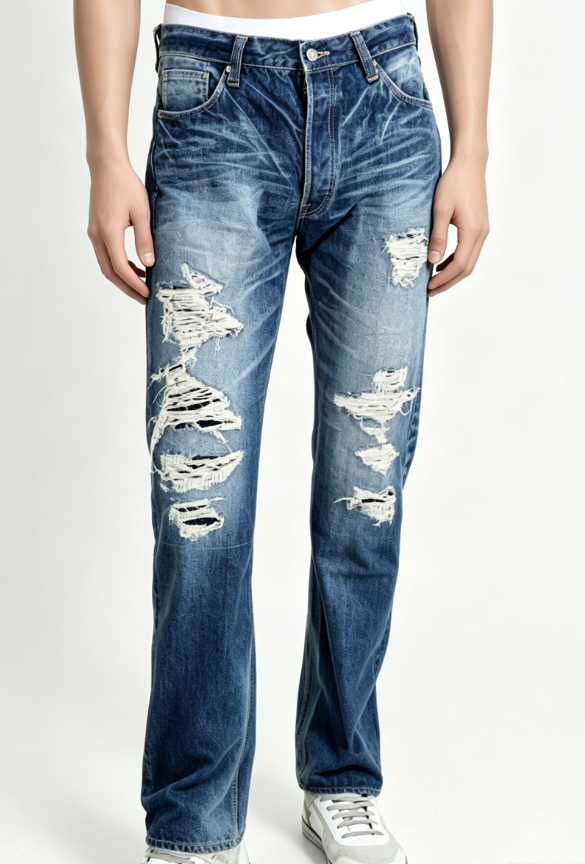
Featured Products for custom jean jacket Development


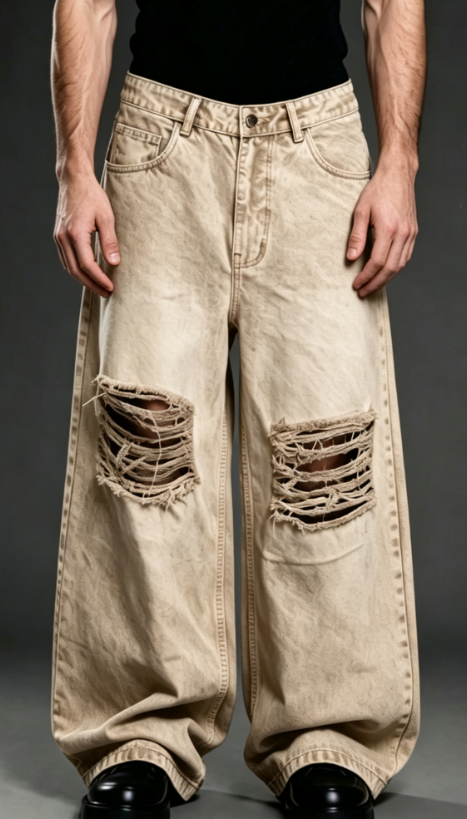


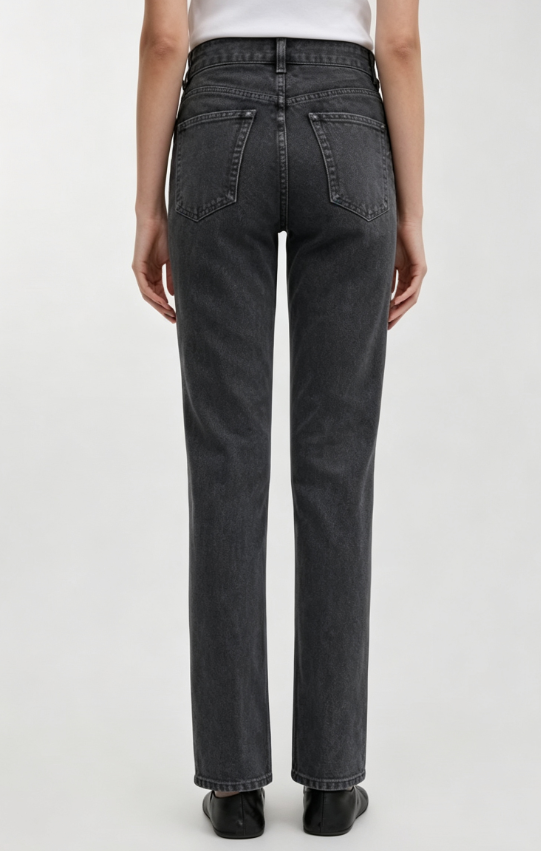
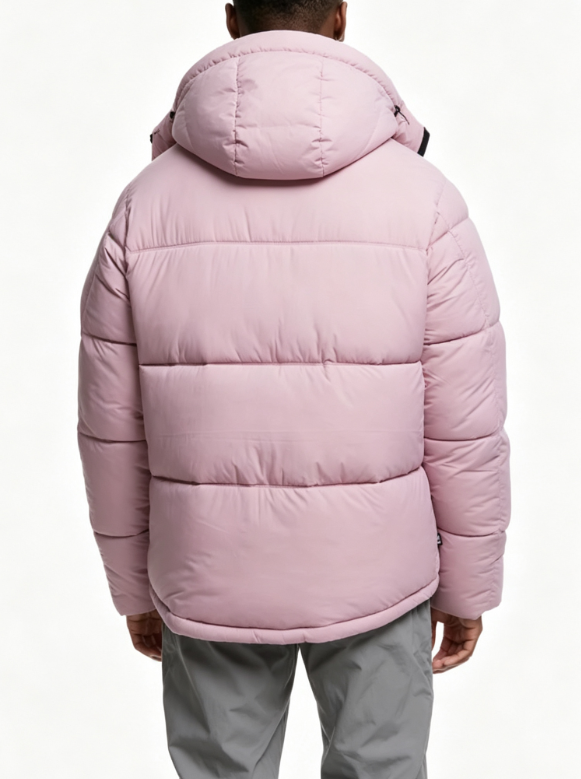
Related Product Catalogue and Quotation






Why Brands Choose JUNSHEEN for Custom Jean Jacket Production
From launch-ready capsules to repeat bulk programs, integrate development, decoration, labeling, quality control and global delivery with one manufacturing partner.
100-Unit Denim MOQ
Launch a custom jean jacket capsule from 100 units per style and color without sacrificing production-ready development support.
Fit-First Size Development
Refine proportions, mobility and grading from XS to 3XL for standard, oversized and extended-size denim jacket fits.
In-House Decoration
Add logo embroidery, patches, screen printing, garment washes and finishing effects with coordinated quality control under one roof.
Complete Private Labeling
Build a retail-ready program with custom woven or leather labels, hang tags, buttons, hardware and branded packaging.
Scalable Production Capacity
Move confidently from capsule quantities to ongoing volume with 200+ skilled workers and monthly capacity above 80,000 units.
Global Export Support
Coordinate inspection, packed-goods approval and international shipping support for fashion brands, wholesalers and sourcing teams worldwide.
Custom Denim Jackets, Built for Brand Programs
From 100-unit launches to repeat wholesale programs, JUNSHEEN develops fit-focused jackets with coordinated materials, decoration, labeling, and export support.

Custom Denim / Jean Jackets
Develop custom denim jackets from a tech pack, reference garment, or concept. JUNSHEEN supports fabric selection, pattern development, XS–3XL grading, washes, hardware, embroidery, printing, and branded finishing for capsule collections or scalable production.
Request a Quote
Custom Varsity Jackets
Source cotton varsity jackets for wholesale programs with custom body fabrics, rib trims, lining, snaps, patches, and embroidery. Low MOQs from 100 units per style and color help brands test team-inspired or collegiate assortments before expanding volume.
Request a Quote
Custom Embroidered Jackets
Create custom embroidered denim jackets with flat, 3D/puff, chain-stitch, applique, patch, or logo embroidery. Placement, backing, thread colors, and garment wash are reviewed during sampling to protect construction quality and achieve consistent repeat production.
Request a Quote
Custom Womens Jackets
Develop personalized women’s jean jackets with proportions and grading tailored to the target customer. Pattern makers refine shoulder balance, sleeve length, body shape, and ease, then add custom washes, trims, embroidery, prints, labels, or packaging.
Request a Quote
Custom Mens Jackets
Produce custom men’s denim jackets with specified fits, from regular and relaxed to modern oversized silhouettes. JUNSHEEN develops patterns, size grades, denim weights, hardware, washes, and branded details for consistent fit across launch and replenishment orders.
Request a Quote
Jacket Manufacturer
Work with a denim jacket manufacturer that combines product development, cut-and-sew production, sourcing, decoration, quality control, and export coordination. JUNSHEEN can assess feasibility, improve specifications, and retain approved patterns and material records for repeat orders.
Request a Quote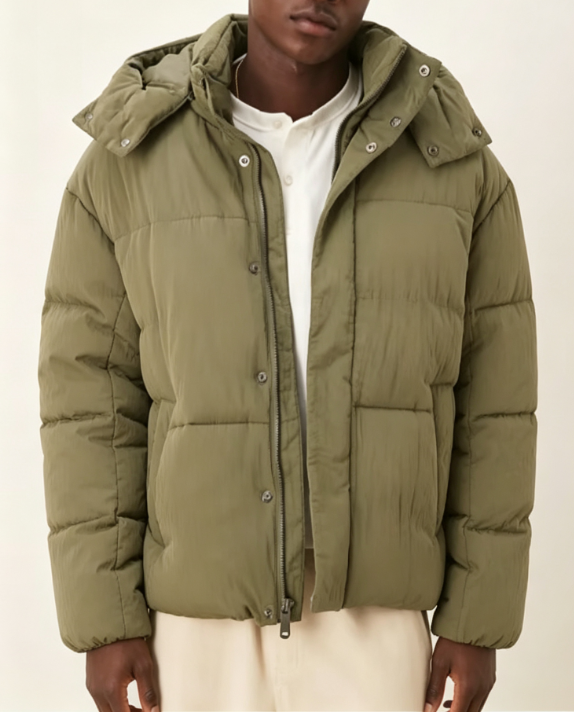
Jacket Supplier
Use JUNSHEEN as a denim jacket supplier for private-label, wholesale, and brand programs. The team coordinates fabric swatches, samples, quotations, bulk materials, in-line inspections, final checks, and global shipment support from one production partner.
Request a Quote
Jacket Factory
Partner with a knitwear jacket factory for sweater-knit jackets, cardigans, and hybrid outerwear. JUNSHEEN supports yarn and construction selection, fit development, trims, labels, and coordinated cut-and-sew components where a collection requires both capabilities.
Request a Quote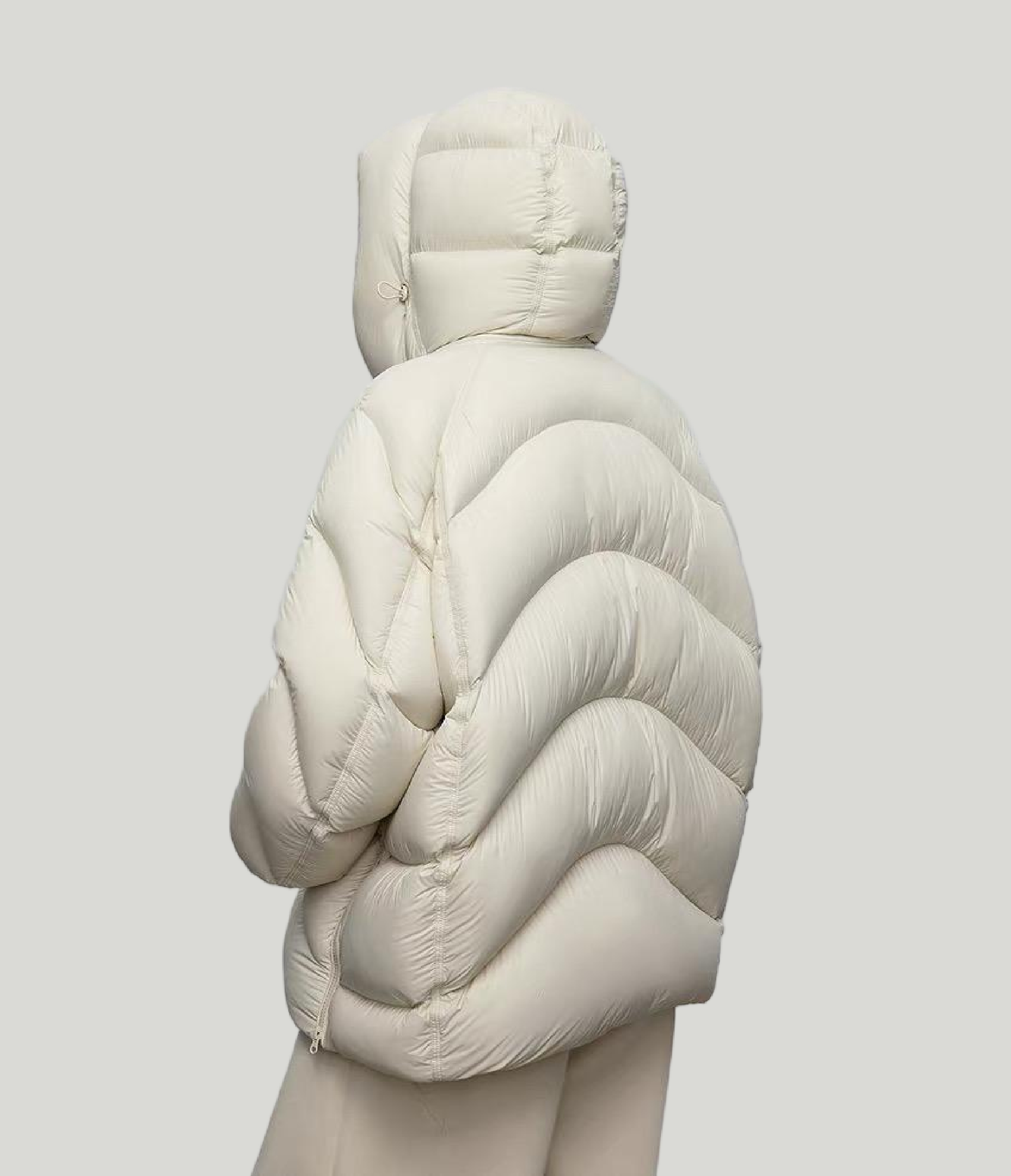
Wholesale Jackets
Build wholesale denim jacket assortments with approved fits, washes, and branding details that can be repeated across markets. JUNSHEEN supports 100-unit starting quantities per style and color, then scales programs through 80,000-plus monthly production capacity.
Request a Quote
Bulk Jackets
Order jean jackets in bulk with production controls covering incoming fabric, construction, measurements, decoration, wash results, and packed goods. Retained patterns and graded size sets help maintain consistency when replenishment quantities increase.
Request a Quote
Private Label Jackets
Launch private-label jackets with custom main labels, size labels, wash-care labels, hang tags, hardware, patches, and branded packaging. JUNSHEEN supports development from concept through pre-production approval and bulk export, beginning at 100 units per style and color.
Request a Quote
Custom Jeans Jacket
Develop a custom jeans jacket around your intended fit, denim weight, wash, and finish. The team can work from sketches or samples and coordinate pockets, seams, buttons, rivets, embroidery, printing, and private-label components before bulk approval.
Request a Quote
Custom Denim Jacket
Specify a custom denim jacket with fabric, silhouette, grading, trims, and decoration aligned to your price target. Material recommendations consider hand feel, durability, stretch, wash performance, and drape, with swatches and samples available for review.
Request a Quote
Custom Personalized Denim Jacket
Create personalized denim jackets using custom embroidery, patches, printing, garment dye, acid wash, stone wash, or branded hardware. JUNSHEEN confirms placement and finish during sampling, helping labels turn individual design direction into production-ready specifications.
Request a Quote
Custom Denim Jacket Customize
Customize denim jackets through a structured development process: specification review, fabric and trim sourcing, pattern creation, prototype sampling, size sets, and pre-production approval. This supports clearer decisions before committing to bulk materials and production.
Request a Quote
Custom Wholesale Jean Jackets
Source wholesale jean jackets with controlled fits, approved washes, and complete private-label details. JUNSHEEN serves retailers, wholesalers, and brands needing reliable bulk production, while flexible 100-unit MOQs support new colorways and smaller initial buys.
Request a Quote
Customize Jean Jacket
Customize a jean jacket from a mood board, sketch, reference garment, or finished tech pack. JUNSHEEN converts the concept into patterns, graded sizes, material choices, wash specifications, decoration files, and an approved sample for production.
Request a Quote
Customized Jean Jacket
Produce customized jean jackets with fit development across regular, extended-size, plus-size, and oversized ranges from XS through 3XL. Rather than simply enlarging a base pattern, JUNSHEEN refines proportions and grading increments across the size set.
Request a Quote
Custom Denim Jacket Custom
Build a denim jacket custom program with the technical details documented before bulk production. JUNSHEEN aligns fabric, wash, measurements, stitching, hardware, decoration, labeling, and packaging through sampling and pre-production review.
Request a Quote
Custom Jean Jackets
Create custom jean jackets for brand collections, retail capsules, and merchandise programs. With denim sourcing, cut-and-sew capability, in-house decoration, finishing, and labeling, JUNSHEEN manages the product details needed for a coherent, repeatable jacket line.
Request a Quote
Custom Denim Jean Jacket Wholesale
Plan denim jean jacket wholesale programs with coordinated fabrics, washes, and fit blocks across multiple styles or colors. JUNSHEEN supports sampling and bulk execution for international buyers, with global export support and capacity for ongoing replenishment.
Request a Quote
Custom Jean Jacket Custom
Develop a jean jacket custom design with approved measurements, construction details, pocket configuration, buttons, wash treatment, and branding. The development team identifies manufacturability considerations early, reducing avoidable revisions between prototype and bulk production.
Request a Quote
Custom Jeans Jacket Wholesale
Purchase jeans jackets wholesale with OEM, ODM, or private-label support from a manufacturer serving more than 2,000 fashion-brand clients. JUNSHEEN can start at 100 units per style and color, then support repeat orders as demand grows.
Request a QuoteCustom Jean Jacket Materials We Source

Rigid Cotton Denim
A structured, authentic-feel denim for classic custom jean jackets, trucker styles and matching sets. Available in midweight to heavyweight constructions, it develops character through stone, enzyme and vintage wash treatments.

Stretch Denim
Cotton-rich denim with elastane for improved mobility and body comfort. Ideal for fitted jackets, slim silhouettes and extended-size programs, with controlled stretch recovery that helps maintain shape through repeated wear.

Cotton Twill
A smooth, durable woven fabric suited to lightweight denim-look jackets, utility overshirts and contrast panels. Its diagonal weave provides a clean hand feel, dependable abrasion resistance and crisp structure for embroidery.

Recycled Denim Blends
Denim incorporating recycled cotton or recycled polyester for collections with material-responsibility goals. Suitable for jackets and coordinated casualwear, these blends balance durable weight, visible texture and wash-ready performance.

Cotton Jersey Lining
A soft, breathable lining option for transitional custom jean jackets and unlined-feel outerwear. Its flexible knit construction adds comfort against the skin while supporting lightweight layering and easy everyday movement.

Quilted Polyester Lining
A smooth, insulating lining for cooler-weather denim jackets, sherpa-inspired programs and padded outerwear. Lightweight polyester batting provides warmth without excessive bulk and supports clean internal construction during production.
Custom Jean Jacket Decoration, Washing and Finishing

Logo Embroidery
Flat, 3D puff and chain-stitch embroidery add dimensional branding to back panels, chest areas and sleeves. Carefully selected backing and stitch density help preserve clean detail, secure attachment and lasting wear on denim.

Screen Printing
Plastisol, water-based and high-density screen printing create bold graphics with controlled coverage on denim jackets. Our team tests artwork placement and ink behavior so prints retain visual impact through intended washing and regular wear.

Custom Patch Application
Woven, embroidered, chenille, leather-look and applique patches create a tactile private-label identity. We can position patches, reinforce attachment methods and coordinate edge finishes for a polished result suited to your jacket design.

Garment Washing
Enzyme, stone, acid and softening washes give each custom jean jacket its intended broken-in feel and vintage character. Wash development is sampled to balance color variation, hand feel, seam appearance and durability.

Garment Dyeing
Garment dye and tie-dye processes deliver distinctive all-over color with nuanced tonal movement. We review fabric composition, trim compatibility and wash testing before bulk approval to help achieve a consistent branded finish.

Specialty Print Effects
Puff, flocking, silicone, foil, discharge, DTF and heat-transfer effects let brands add contrast beyond standard ink. Process selection considers denim weight, artwork detail, flexibility and the visual result after washing.
Custom Jean Jacket Trims, Labels and Packaging

Custom Metal Buttons
Specify branded shank buttons, tack buttons or engraved metal hardware for front plackets, cuffs and waist adjusters, giving each jacket a durable closure system and a clear premium brand signature.

Logo Snap Fasteners
Add custom snaps to trucker jackets, utility pockets and detachable details. JUNSHEEN can coordinate finishes, logo engraving and placement to match your denim wash, trim direction and target market.

Branded Zipper Pulls
Choose metal or nylon zippers with custom pullers for zip-front denim jackets, pockets and removable layers. Hardware is selected for smooth operation, wash compatibility and alignment with your label identity.

Woven Leather Labels
Apply woven main labels, size labels or leather back patches that reinforce your private label. JUNSHEEN positions and secures labels to suit the garment construction, wash process and retail presentation.

Custom Hang Tags
Complete your custom jean jacket with branded hang tags, care cards and barcode-ready inserts. Options can be matched to your launch requirements, helping wholesale, retail and direct-to-consumer orders arrive presentation-ready.
Branded Packaging
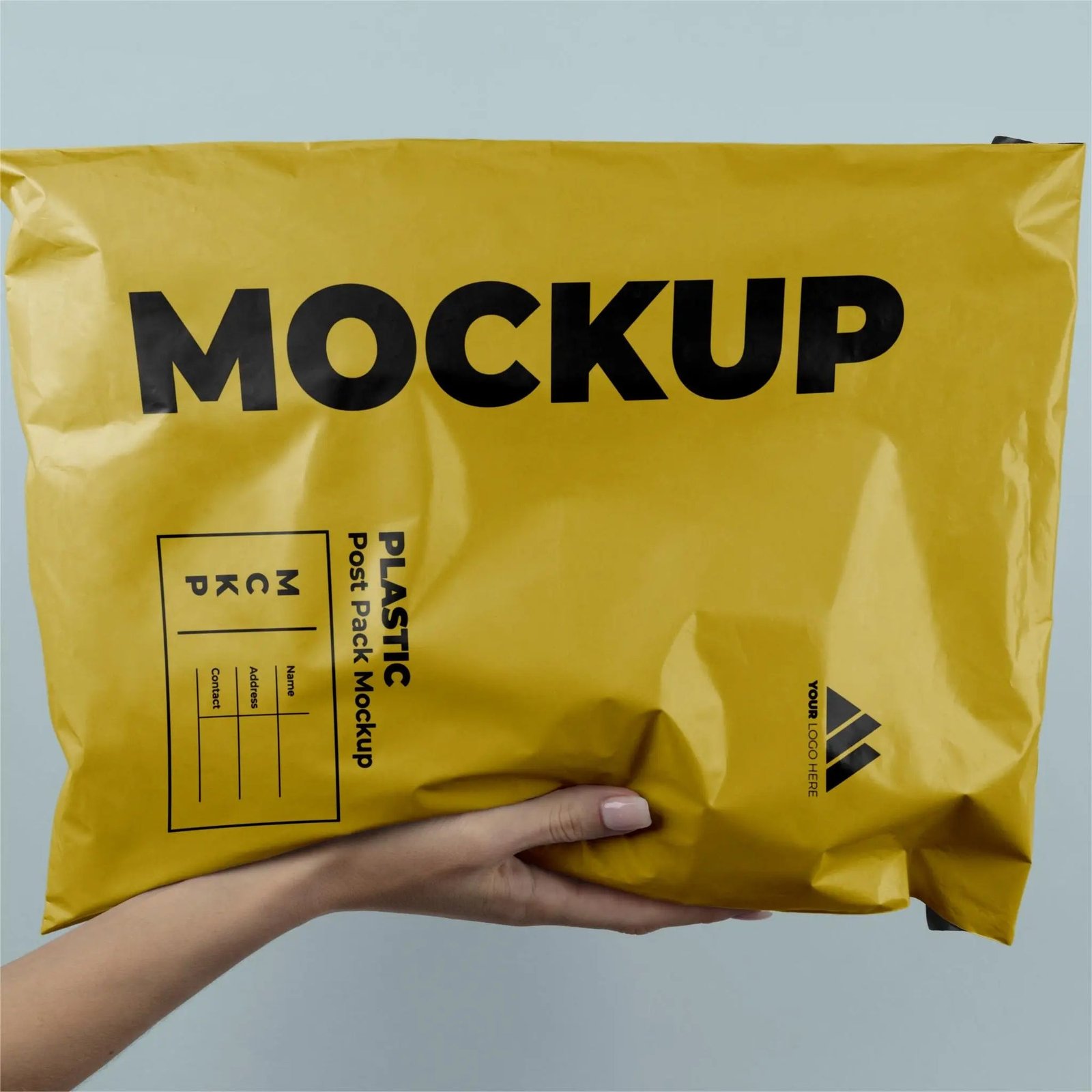
Use custom polybags, folding instructions, size stickers and branded outer packaging to protect finished jackets in transit. Packaging specifications can support organized receiving, fulfillment efficiency and a consistent unboxing experience.
About JUNSHEEN Custom Jean Jacket Manufacturing
Founded in 2010 in Humen Town, Dongguan, JUNSHEEN helps fashion brands turn custom jean jacket concepts into production-ready collections. Our mission is straightforward: provide responsive OEM, ODM and private-label manufacturing that gives emerging labels and established teams dependable support from first idea through global delivery.
With 200+ skilled workers and monthly capacity above 80,000 units, we unite product development, pattern making, denim sourcing, cut-and-sew production, decoration, washing, quality control, packaging and export support in one supply chain. Brands can begin at 100 units per style and color, then scale confidently as demand grows.
What distinguishes JUNSHEEN is a fit-first, detail-controlled approach. We refine XS–3XL, extended-size, plus-size and oversized patterns for balanced proportions, then manage branded trims, labels and finishes in-house. Having served 2,000+ fashion-brand clients, we bring practical manufacturing discipline to every jacket program.

Custom Jean Jacket Development, Fit and Production
Fit-First Pattern Development
JUNSHEEN converts your tech pack, sketch, reference garment or concept into production-ready custom jean jacket patterns. Our team reviews construction, proportions and mobility early, helping prevent costly sampling revisions while protecting the intended silhouette, from fitted to contemporary oversized.
- Pattern making from specs, samples or design concepts
- Fit review for shoulders, sleeves, body balance and movement
- Prototype, size-set and pre-production sample support
- OEM, ODM and private-label development from 100 units

XS–3XL Grading That Fits
A larger size is not simply an enlarged base pattern. For custom jean jacket programs, Junsheen refines grading increments, sleeve length, chest ease and body proportions across XS–3XL, including extended-size, plus-size and oversized fits built for your target customer.
- Normal-size, extended-size and plus-size development
- Balanced grading across the complete size range
- Oversized proportions developed with purposeful ease
- Retained patterns and size records for repeat orders
Denim Sourcing and Wash Development
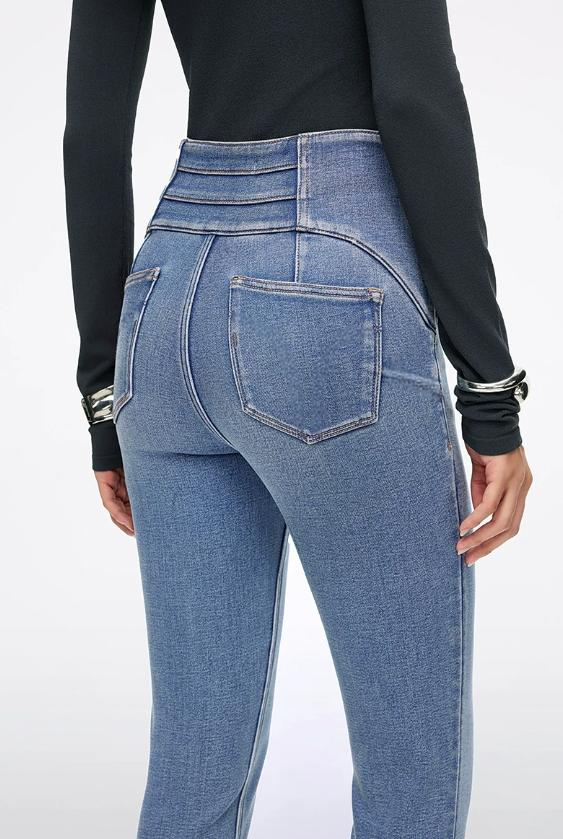
Choose denim with the weight, stretch, hand feel and durability your collection requires. Junsheen sources suitable fabric and develops wash directions that complement your custom jean jacket design, from clean rinses to softer, more lived-in finishes, before bulk material approval.
- Rigid, stretch and blended denim sourcing
- Fabric recommendations aligned with cost and performance
- Wash sampling for color, hand feel and consistency
- Swatches and sample garments before bulk confirmation

Integrated Decoration and Quality Control
Keep critical jacket details under one coordinated production team. In-house decoration, labels, trims and finishing are checked alongside construction, measurements and packed goods, giving brands clearer control over custom jean jacket consistency from approved sample through global shipment.
- Embroidery, patches, screen printing and specialty effects
- Custom labels, buttons, snaps, zippers and packaging
- Incoming, in-line and final inspection checkpoints
- 200+ skilled workers and 80,000+ monthly-unit capacity

Why Choose JUNSHEEN for Your Custom Jean Jacket
A fit-first, low-MOQ production partner versus the fragmented supplier model.
← 左右滑动查看 →
Custom Jean Jacket Production Process
A controlled OEM workflow that moves your denim program from feasibility review to export-ready shipment.
Review Brief and Feasibility
We assess your tech pack, reference garment or concept, target price, fit requirements, MOQ, construction details and production timeline before development begins.
Source Denim and Trims
Our team recommends denim weight, stretch, washes, hardware, labels and supporting materials based on hand feel, durability, brand positioning and budget.
Build Patterns and Samples
Pattern makers develop and grade fit from XS to 3XL, then produce prototype samples for measurement, construction, decoration and wash approval.
Cut, Sew and Decorate
After pre-production approval, we coordinate bulk cutting, sewing, embroidery, printing, patches, washing and finishing through one integrated production workflow.
Inspect, Pack and Ship
In-line and final inspections verify measurements, workmanship, decoration and packed goods before branded packaging, export documentation and global shipment are arranged.
Start Your Custom Jean Jacket Project
Move from concept to export-ready production with a clear, fit-focused process built for launches from 100 units per style and color.
Send Your Design Brief
Share your tech pack, sketch, reference jacket, measurements, logo artwork, target quantity, and market requirements so our team can assess your custom jean jacket concept.
Review Feasibility and Samples
Confirm construction, denim weight, washes, trims, sizing, decoration, and cost direction; then review prototype and fit samples with XS–3XL grading where required.
Approve Production Details
Finalize the quotation, sample revisions, size set, materials, labels, packaging, and pre-production specifications before releasing your private-label jacket order to bulk manufacturing.
Produce and Ship Globally
JUNSHEEN manages in-line quality checks, final inspection, packing, and export coordination, helping your approved custom jean jacket order reach its destination reliably.
Custom Clothing Manufacturer Credentials and Compliance Documents



Custom Jean Jacket Results From Growing Brands
JUNSHEEN turned our sketch into a production-ready custom jean jacket in two sample rounds. The revised shoulder and sleeve grading cut fit comments by 60%, and our 120-piece capsule sold through in six weeks.
Our first 150-unit denim run arrived measurement-consistent across XS–3XL, including the oversized fit we specified. That reliability let us reorder 600 units without reopening the pattern, saving nearly three weeks in development time.
We moved from a 100-piece private-label jacket test to a 2,400-unit seasonal program. Fabric, embroidery, labels, washing and packaging stayed coordinated through one team, and our bulk delivery met the agreed launch window.
Custom Jean Jacket Manufacturing FAQ
Practical answers on MOQ, development, pricing, production, payment and delivery for private-label denim programs.
What is the MOQ for a custom jean jacket?
Can you make a custom jean jacket from my tech pack or design idea?
How long does custom jean jacket sampling and bulk production take?
Can you grade jean jackets from XS to 3XL and plus sizes?
Do I need a finished tech pack before ordering a custom jean jacket?
What payment terms do you offer for custom jean jacket orders?
Can you ship private-label denim jackets internationally?
How do you protect my custom jean jacket design and brand details?
The Complete Buyer’s Guide to custom jean jacket Sourcing
Use this decision framework to specify products, compare supplier capabilities, control costs, and avoid common sampling, quality, compliance, and production mistakes when sourcing private-label denim outerwear.
1. What Is a custom jean jacket?
100 units per style and color is a practical starting point for a custom jean jacket program: the buyer specifies a saleable garment, not merely a logo placement. A private-label jacket carries the brand’s own labels, grading, trims, packaging and product identity, while a made-to-order program can begin from a tech pack, sketch, reference garment or development brief. 12–14 oz denim is a common midweight range, but the specification can also define rigid or stretch construction, cotton blend, wash, color, silhouette, body length, collar, pocket layout, seams, hardware and lining. Pantone-approved thread, custom snaps or YKK zippers, woven or leather labels, wash-care labels, hang tags and branded cartons turn those choices into controlled production requirements. 3 program levels help buyers judge commercial value: decorated blanks add embroidery, patches or print to an existing jacket; private label adapts an established base with brand identifiers and selected materials; made-to-order develops the pattern and bill of materials around the intended customer. Customization becomes a differentiated product when fit, fabric hand, wash, construction and branding support a defined retail position; if only a logo changes on stock outerwear, it remains primarily a promotional item.
2. The Evolution of Denim Jackets
1880s workwear jackets emerged alongside riveted denim, built for durability with reinforced seams, pointed chest pockets and metal buttons. Those functional codes still make the safest foundation for a custom jean jacket: a waist-length trucker silhouette, contrast topstitching, sturdy shank hardware and a clean indigo or black wash read as heritage rather than seasonal. 1950s youth culture turned denim outerwear from utility clothing into a symbol of rebellion, and later music, skate and streetwear scenes made patches, distressing and oversized proportions familiar product language. For a targeted launch, embroidered back patches, faded washes and raw hems create a stronger point of view, but should match the customer’s price tolerance and preferred level of styling. 1990s fashion cycles expanded the category through acid wash, color denim, cropped fits, relaxed shoulders and decorative trim; these references continue to return in shortened trend windows. Buyers should keep the base pattern, pocket placement and metal hardware consistent for repeatability, then use removable trend-led choices—garment wash, artwork, appliqué or finish—to refresh each drop. A manufacturer such as Junsheen can develop the pattern, graded size set, wash sample and private-label trims together before bulk approval.
3. Types of custom jean jacket
Six silhouettes cover most custom jean jacket assortments, but their commercial purpose differs sharply. Select the block before artwork: fit, denim weight, and channel determine whether a jacket reads as core volume, fashion novelty, or cold-weather outerwear.
| Type | Wearer And Fit | Season / Weight | Decoration And Role |
|---|---|---|---|
| Classic trucker | Broad unisex, regular | Spring–fall, 12–14 oz | Large back; dependable core SKU |
| Oversized | Unisex streetwear, relaxed | Spring–fall, 10–13 oz | Maximum back area; campaign statement |
| Cropped | Women’s/youth, short body | Spring–fall, 10–13 oz | Back and sleeves; boutique fashion add-on |
| Fitted | Women’s, shaped body | Spring–fall, 12–14 oz stretch | Panels and sleeves; polished layer |
| Sherpa-lined | Cold-weather unisex | Fall–winter, 12–16 oz shell | Back panel; premium outerwear |
| Utility/workwear | Unisex, boxy or regular | Fall–spring, 12–16 oz | Pockets constrain art; workwear capsule |
Core Trucker And Fitted

12–14 oz rigid or 1–2% stretch denim suits classic truckers and fitted shapes. Truckers serve broad unisex core programs; fitted jackets target body-contoured womenswear and use front panels, backs, and sleeves for logos or patches.
Oversized And Cropped

10–13 oz denim keeps oversized and cropped jackets wearable across spring through fall. Oversized blocks support gender-neutral streetwear and large back prints; cropped shapes create a higher-fashion women’s or youth-oriented add-on for DTC and boutiques.
Lined And Utility Jackets

12–16 oz shells with sherpa lining sell as fall-winter outerwear, while utility jackets add patch pockets and workwear detailing. Both reward premium retail presentation: lining raises warmth and perceived value, while utility pockets reduce uninterrupted decoration space.
4. Materials for a custom jean jacket
12–14 oz denim is the usual starting range for a custom jean jacket, but composition determines how it breaks in, recovers, and survives finishing. Review swatches after the intended wash, because indigo shade and shrinkage can change materially in processing.
| Material | Weight / Weave | Wash And Feel | Best Use / Tier |
|---|---|---|---|
| Rigid 100% cotton | 12–14 oz, 3×1 twill | Strong fades; firm hand; moderate shrinkage | Heritage jackets; premium |
| Cotton-stretch denim | 10–13 oz, 1–3% elastane | Soft mobility; verify recovery | Fitted styles; mid-premium |
| Recycled cotton blend | 11–13 oz, twill | Wash-test strength and shade | Responsible capsules; mid-tier |
| Heavy rigid cotton | 14–16 oz, 3×1 twill | Durable, structured, slower break-in | Workwear; premium |
Composition And Stretch

100% cotton, commonly a 3×1 right-hand twill, gives the rigid heritage hand, sharp fading, and strong abrasion resistance buyers expect from premium denim. 1–3% elastane in a cotton-stretch blend adds comfort and mobility; specify recovery testing so elbows and cuffs do not bag after wear.
- Rigid cotton suits vintage and workwear programs.
- Comfort stretch suits fitted and travel-oriented styles.
- Recycled cotton should be blended for strength retention.
Weight And Wash Behavior

10–11 oz denim works for light layering and spring deliveries, while 14–16 oz fabric creates a more structured cold-weather jacket. Ring-spun yarns usually feel cleaner and softer than open-end yarns at comparable weights. 3–5% shrinkage is a practical planning range for unsanforized cotton; sanforized denim reduces dimensional change but still requires a wash test before grading approval.
Linings And Seasonal Use

100% cotton poplin or lightweight twill lining keeps a jacket breathable and clean-finished for transitional seasons. Quilted polyester lining adds warmth and bulk, so allow ease through the body and sleeves before approving the fit sample. OEKO-TEX documentation can support material due diligence when requested, but buyers should confirm the certificate scope and current validity with the mill.
5. custom jean jacket Customization Options
A custom jean jacket becomes recognizably yours when decoration, wash, and hardware follow one visual direction. Lock the base denim shade and fit before approving artwork, patches, or metal finishes.
| Method | Visual Effect | Placement And Durability | Setup And MOQ |
|---|---|---|---|
| Embroidery | Textured premium logo | Chest, back, sleeve; highly durable | Digitizing required; economical across repeat units |
| Screen Print | Bold opaque art | Flat panels; wash-resistant when cured | Screens required; favors shared artwork |
| DTG Or Transfer | Fine-color illustration | Avoid heavy abrasion zones | Low setup; useful for small runs |
| Patches And Labels | Tactile brand signature | Chest, hem, back neck; stitch securely | Custom tooling or materials can raise MOQ |
| Wash And Hardware | Vintage or elevated finish | Test studs and trims after wash | Custom components need longer approvals |
Decoration Method Matrix
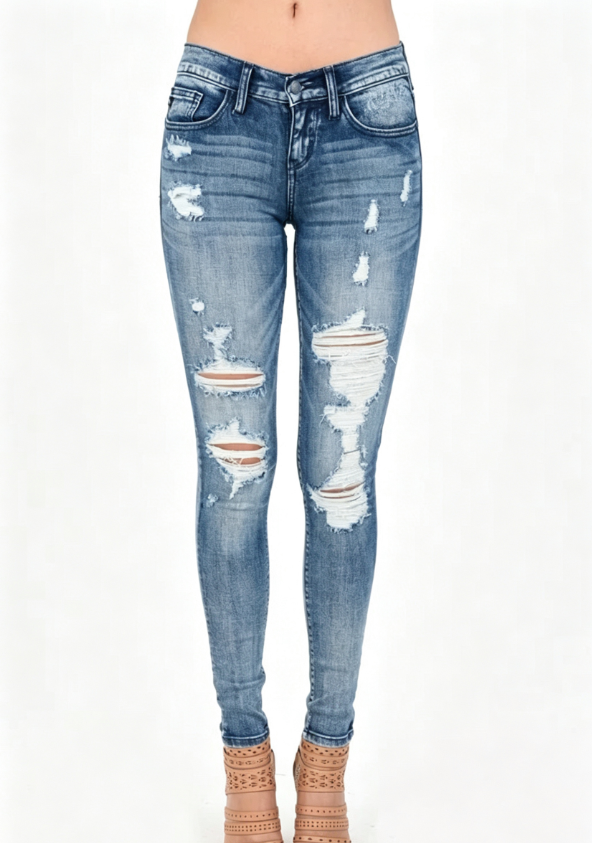
Screen print, embroidery, DTG, and transfers solve different artwork problems; test each on the selected wash before bulk approval.
Build A Cohesive Specification
Pantone references, stitch colors, patch dimensions, and hardware finishes should appear on one placement sheet. Pair dense embroidery with stable panels, and avoid fragile transfers where aggressive stone washing or distressing will abrade them.
- Match nickel, antique brass, or painted hardware.
- Specify artwork scale for every graded size.
- Approve a washed, decorated pre-production sample.
Wash And Hardware Details

Enzyme, stone, acid, and garment-dye treatments change shade, hand feel, and seam contrast, so decoration must be tested after the intended wash sequence. Studs, snaps, custom buttons, zipper pulls, leather labels, and woven patches add identity but require approved placement and attachment testing.
6. Key Construction Quality Elements
Construction turns a recognizable denim silhouette into a dependable custom jean jacket. Buyers should lock critical dimensions and workmanship standards before sampling, then inspect the same points at prototype, pre-production, and final stages.
Pattern Balance And Fit
Three checkpoints matter: shoulder slope, sleeve pitch, and body-to-hem proportion. A prototype should hang level when buttoned, with no placket twist or front hem lift. XS–3XL grading needs deliberate changes to chest, sweep, sleeve length, and armhole; enlarging one base pattern creates distorted proportions.
- Specify finished garment measurements and tolerances
- Mark pocket position from center front and high point shoulder
- Approve mobility with layered-wear fit testing
Seams And Reinforcement

8–10 stitches per inch is a practical baseline for denim topstitching; overly sparse stitches reduce durability, while excessive density can pucker washed fabric. Two-needle felled or lapped seams suit high-stress panels. Require bartacks at pocket corners, sleeve placket ends, and other pull points, with matching thread color and clean backtacks.
- Check seam allowance and raw-edge coverage
- Inspect bartacks for equal length and density
- Confirm no broken stitches or skipped needle holes
Front Details And Hardware

One center-front alignment check should be performed with the jacket laid flat and buttoned. Collar points, placket edges, chest pockets, and hem must appear symmetrical without bubbling. Metal buttons and buttonholes need repeatable placement. In the tech pack, state button diameter, finish, shank type, buttonhole length, and reinforcement requirements.
- Match pocket flap angles left to right
- Test every button for secure clinching
- Check buttonholes for fraying and correct length
Wash And Final Inspection
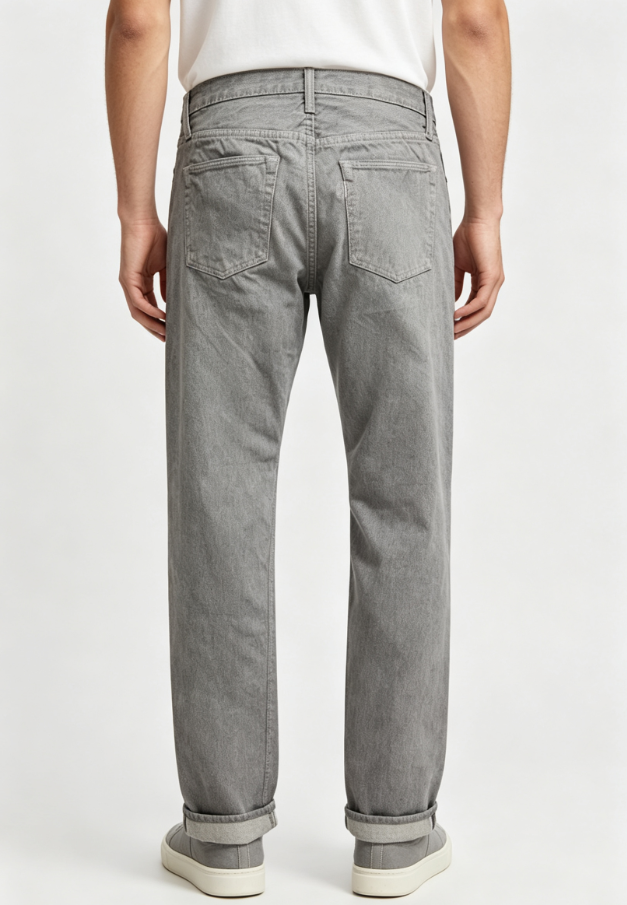
A pre-production sample should use approved bulk fabric, trims, thread, and wash recipe. Compare shade, abrasion placement, shrinkage, and hand feel against the sealed reference before bulk cutting. Final inspection should measure finished garments against the approved spec and agreed tolerances. Review wash consistency across cartons, stain marks, loose threads, decoration damage, and packed presentation.
- Measure chest, length, sleeve, shoulder, and sweep
- Compare paired garments from different production lots
- Record defects with photos and batch references
7. Choosing a custom jean jacket Manufacturer
A quoted unit price cannot reveal whether a factory can reproduce fit, wash character, and branded details at scale. Compare each custom jean jacket supplier through documented capability, controls, and response quality before approving development.
Verify Denim Development

100-unit programs require disciplined pattern and grading work, not merely a resized sample. Ask for comparable denim styles, measurement specs, size-set photos, and a written sample-revision plan. 12–14 oz rigid denim and stretch constructions behave differently after washing. Request fabric composition, weight tolerance, shrinkage results, and retained swatch or lot records.
- Can the factory grade XS through 3XL?
- Which wash test confirms final measurements?
- Who approves pattern changes before bulk?
Control Washes And Decoration

1 approved wash standard should anchor bulk production, because enzyme, stone, and acid washes can shift shade and hand feel. Request a sealed approval sample, wash recipe controls, and photos from multiple production lots. 3 decoration proofs—artwork, strike-off, and placement measurement—reduce avoidable logo disputes. Confirm whether embroidery, patches, print, snaps, and labels are checked before final packing.
- Ask for Pantone or shade-band approval.
- Request embroidery and print strike-offs.
- Confirm hardware pull-test records.
Audit Production Reliability
100 units per style and color is JUNSHEEN’s stated capsule-launch starting point; buyers should still obtain an MOQ breakdown by fabric, wash, color, and trim. Request a dated critical-path schedule from sample approval through inspection and shipment. AQL inspection records, incoming-fabric checks, and final measurement reports are stronger evidence than verbal quality assurances. Ask which compliance documents apply to your market and whether material traceability follows each fabric lot.
- Request recent QC-report examples.
- Confirm lead time after approval.
- Name one accountable production contact.
8. Common Buyer Mistakes to Avoid
A 100-unit custom jean jacket order leaves little room to absorb avoidable revisions. Before bulk approval, convert every visual preference into measurable specifications, approved materials, and written packaging instructions.
Define Fit And Specifications
XS–3XL grading cannot be derived safely from one reference photo; vague shoulder, sleeve, and body-length direction produces inconsistent fit. Provide a marked sample, measurement chart, grade rules, construction callouts, and tolerance ranges before sampling.
Test Fabric And Washes

10–14 oz denim can shrink, torque, fade, or change hand feel after enzyme, stone, or garment-dye processing. Select fabric on weight, composition, stretch, and wash performance—not lowest price—and approve a washed sample with measurements before bulk.
Validate Decoration Limits
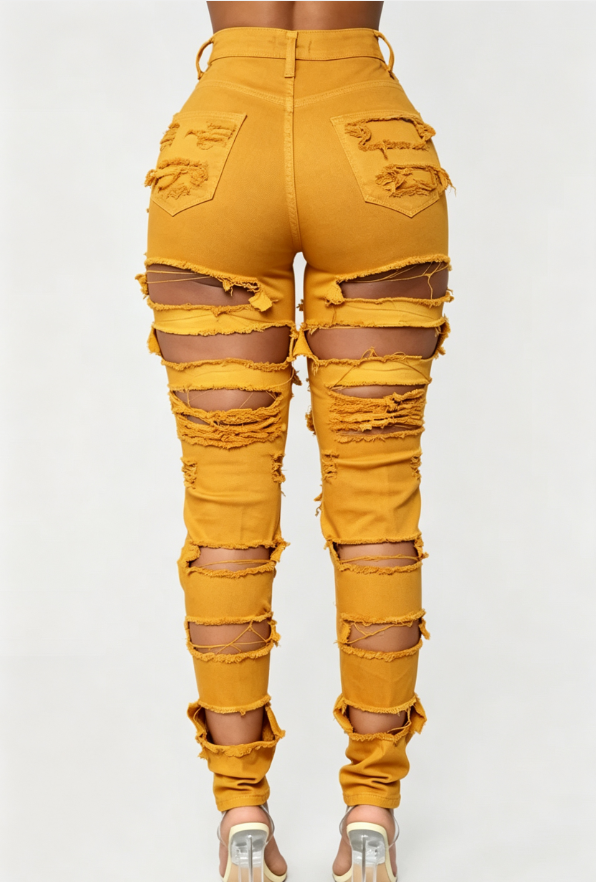
3D embroidery, screen print, patches, and distressing all require clearance from seams, pockets, plackets, and wash effects. Submit artwork at production size, Pantone references, placement dimensions, and a decoration strike-off to prevent crooked logos, cracking ink, or rejected panels.
Confirm MOQ And Packing

A 100-unit MOQ may apply per style and color, while fabric, special trims, or custom packaging can impose separate minimums. Confirm color breakdowns, label copy, polybag warnings, carton marks, folding method, barcodes, and final inspection standards in the purchase order.
9. Steps to Launch Your Jacket Line
A 12- to 20-week calendar is a realistic starting point for a first custom jean jacket launch. Lock each approval gate before buying bulk fabric; late changes to wash, hardware, or grading can reset the schedule.
Research And Design Brief
Weeks 1-2 should define the customer, competitor price band, target retail margin, and 3-5 reference jackets. The brand owner approves silhouette, intended fit, colorways, and a target landed cost before development begins. One design brief should specify use case, size range, wash direction, decoration placement, and required compliance. Merchandising owns volume assumptions; the designer owns visual intent; sourcing challenges specifications that exceed the budget.
Technical Development And Sampling

Weeks 3-7 convert the brief into a tech pack with measurements, construction callouts, Pantone references, BOM, artwork, and packing instructions. A factory should flag risky seams, shrinkage allowances, wash variation, and MOQ constraints before cutting a prototype. One prototype is a decision gate, not a production approval. Review fit on the intended body or form, then document every revision in writing; uncontrolled changes after sample sign-off create cost and lead-time risk.
Size Set To Delivery
Weeks 8-20 cover revised samples, a graded size set, pre-production sample, bulk cutting, in-line checks, final inspection, and freight booking. The technical designer approves grading and measurements, while the production owner releases bulk only after materials and pre-production sample match. At least 2-4 weeks of contingency protects launches from fabric reorders, wash rework, delayed trims, and inspection failures. Confirm carton marks, delivery terms, balance payment timing, and shipping documents before goods leave the factory.
10. custom jean jacket Pricing and Costs
100 units per style and color is Junsheen’s practical starting point for a capsule custom jean jacket program. The table shows indicative ex-works positioning; an approved tech pack, wash standard, quantity split, and ship-to destination are required for a usable quote. 10–14 oz denim normally balances cost, structure, and wearability, while heavier fabric, stretch content, premium ring-spun yarns, and shade-controlled lots raise material cost. Enzyme or garment dye is simpler than acid, stone, bleach, or multi-step vintage washes, which add processing, testing, rejects, and time. 100% of landed cost is not garment price: embroidery, screen print, custom hardware, leather labels, hang tags, polybags, cartons, samples, freight, duty, and local delivery must be budgeted separately. Larger consolidated runs spread development and setup costs, but final pricing should confirm Incoterms and destination freight.
| Order quantity | Indicative cost position | Expected production lead time |
|---|---|---|
| 100–299 units | Highest unit cost; sampling and setup spread over fewer pieces | 30–45 days after approvals |
| 300–999 units | Lower fabric and trim cost; wash efficiency improves | 25–40 days after approvals |
| 1,000+ units | Best unit-cost leverage when colors and components are consolidated | 25–35 days after approvals |
Ready to Develop Your Custom Jean Jacket?
Send your tech pack, sketch, reference garment or idea to JUNSHEEN for fit-focused development and a clear production quote from 100 units.