
Custom Screen Printed Tshirts From 100 Units
Launch custom screen printed tshirts with OEM, ODM and private-label support, fit-focused XS–3XL development, and scalable global production.
Featured Products for custom screen printed tshirts Development


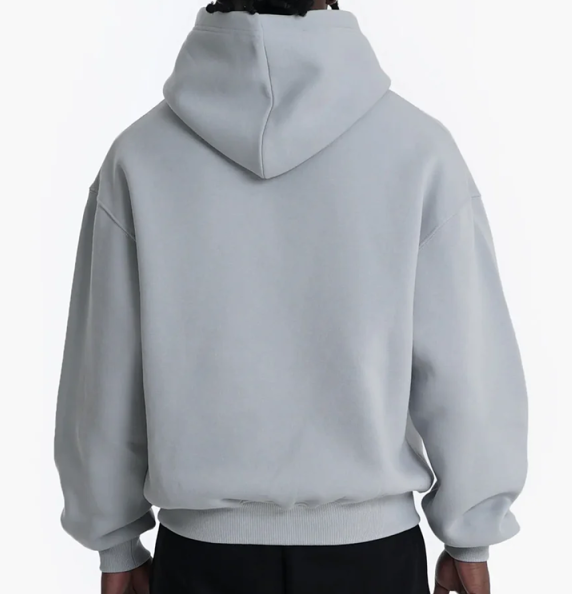


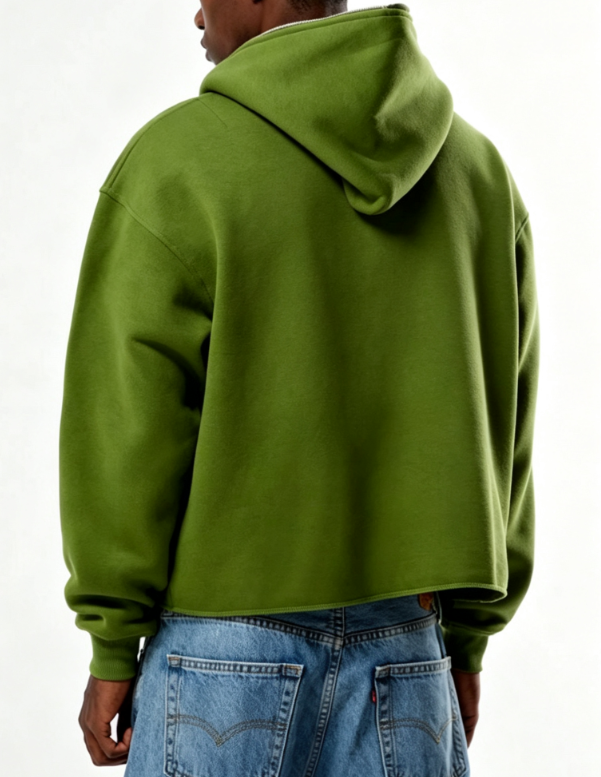

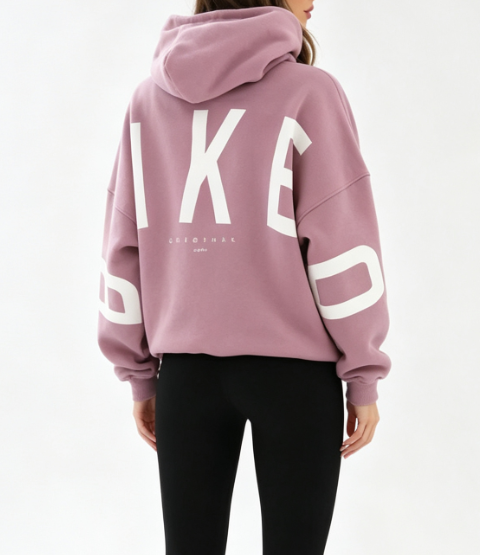
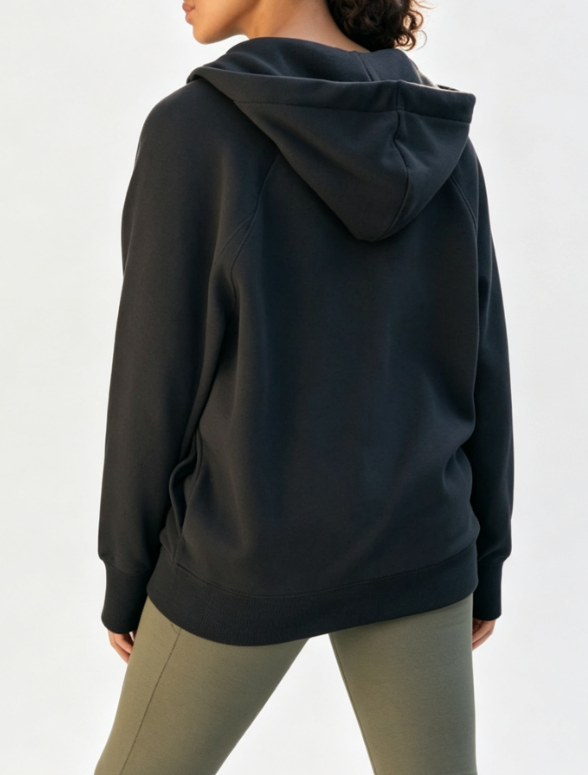



Related Product Catalogue and Quotation





Why Source Custom Screen Printed Tshirts From JUNSHEEN
One integrated OEM supply chain for fit-led tee development, dependable decoration, private labeling, and global scale.
100-Unit MOQ
Launch capsule collections from 100 units per style and color, then build toward repeat and bulk programs with confidence.
Fit-First Size Development
Pattern makers refine proportion, mobility, and grading from XS to 3XL for standard, oversized, and extended-size tee ranges.
In-House Print Effects
Choose plastisol, water-based, puff, flock, silicone, high-density, foil, discharge, DTG, DTF, or transfer decoration under one team.
Private-Label Ready
Complete your tees with custom labels, hang tags, packaging, patches, drawstrings, and other branded finishing details.
Scalable Production Capacity
More than 200 skilled workers and 80,000-plus monthly units support growth from first drops to ongoing global orders.
Export Support Worldwide
Work with an experienced Dongguan team serving 2,000-plus fashion-brand clients across key global markets with export coordination.
Custom Apparel for Every Collection
Build coordinated casualwear, denim, knitwear, and branded essentials with low-MOQ development, fit-focused grading, and scalable production.

Custom Hoodies
Develop custom hoodies in fleece or French terry with fit specifications from XS–3XL. Choose oversized, regular, or extended-size blocks, then add embroidery, screen printing, washes, custom labels, drawstrings, and branded packaging from 100 units per style and color.
Request a Quote
Custom T-Shirts
Produce custom tshirt programs in cotton, Pima cotton, organic cotton, and blended jersey. Junsheen supports cut-and-sew fits, oversized proportions, size grading, screen printing, DTG, DTF, embroidery, garment dye, and private-label trims for branded basics and promotional collections.
Request a Quote
Custom Jeans
Manufacture custom jeans in rigid or stretch denim with tailored rises, leg shapes, pocket details, washes, and hardware. Development covers patterns, graded size sets, fabric sourcing, distressing, stone washing, labels, and bulk quality control for men’s, women’s, and extended-size denim programs.
Request a Quote
Custom Sweaters
Source turtle neck sweater bulk orders in knitted constructions suited to your target weight, hand feel, and price point. Junsheen develops necklines, gauges, rib structures, silhouettes, and XS–3XL grading, with private labels, hang tags, and export-ready packaging available.
Request a Quote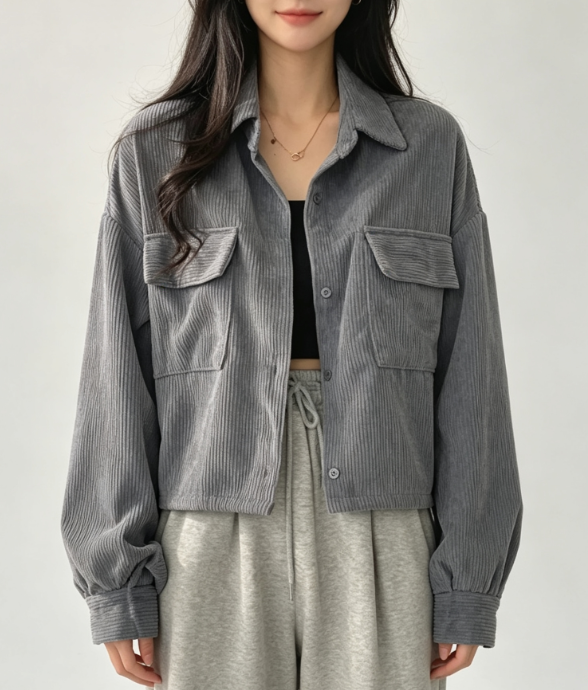
Custom Jackets
Create custom jean jacket collections in denim, twill, or mixed-material constructions. Specify cropped, oversized, fitted, or workwear-inspired blocks, then add embroidery, patches, prints, metal hardware, contrast stitching, washes, and branded labels through sampling and bulk production.
Request a Quote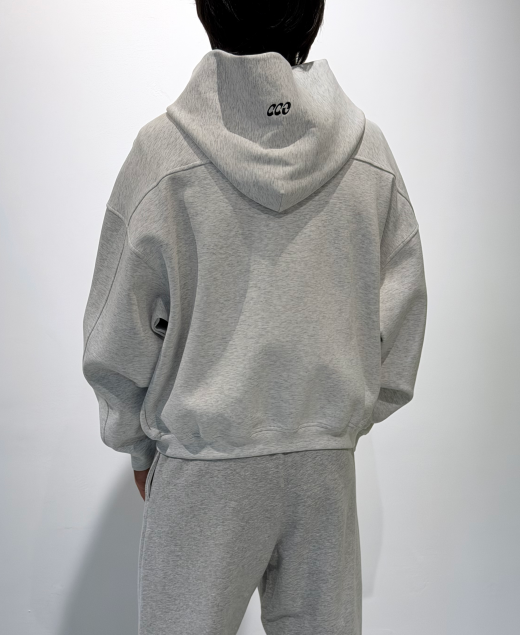
Custom Sweatshirts & Crewnecks
Build custom crewneck hoodie and sweatshirt styles in fleece, French terry, or brushed knit fabrics. Pattern makers refine shoulder balance, sleeve length, body proportion, and grading, while in-house decoration supports prints, embroidery, patches, washes, and private-label finishing.
Request a Quote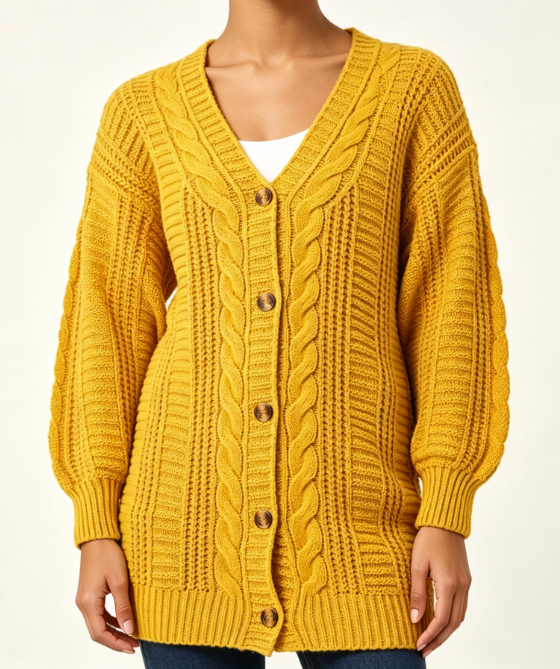
Custom Cardigans
Develop custom cardigan programs in knit gauges and yarn blends selected for drape, warmth, durability, and cost. Junsheen supports button or zip closures, rib trims, jacquard details, embroidered logos, size grading, labels, and coordinated sweater collections.
Request a Quote
Custom Puffer & Down Jackets
Produce custom puffer jacket styles with defined insulation, shell fabrics, quilting layouts, pockets, zippers, snaps, and reflective details. Development includes fit approval, trim sourcing, branded labels, packaging, and scalable production for outerwear collections.
Request a Quote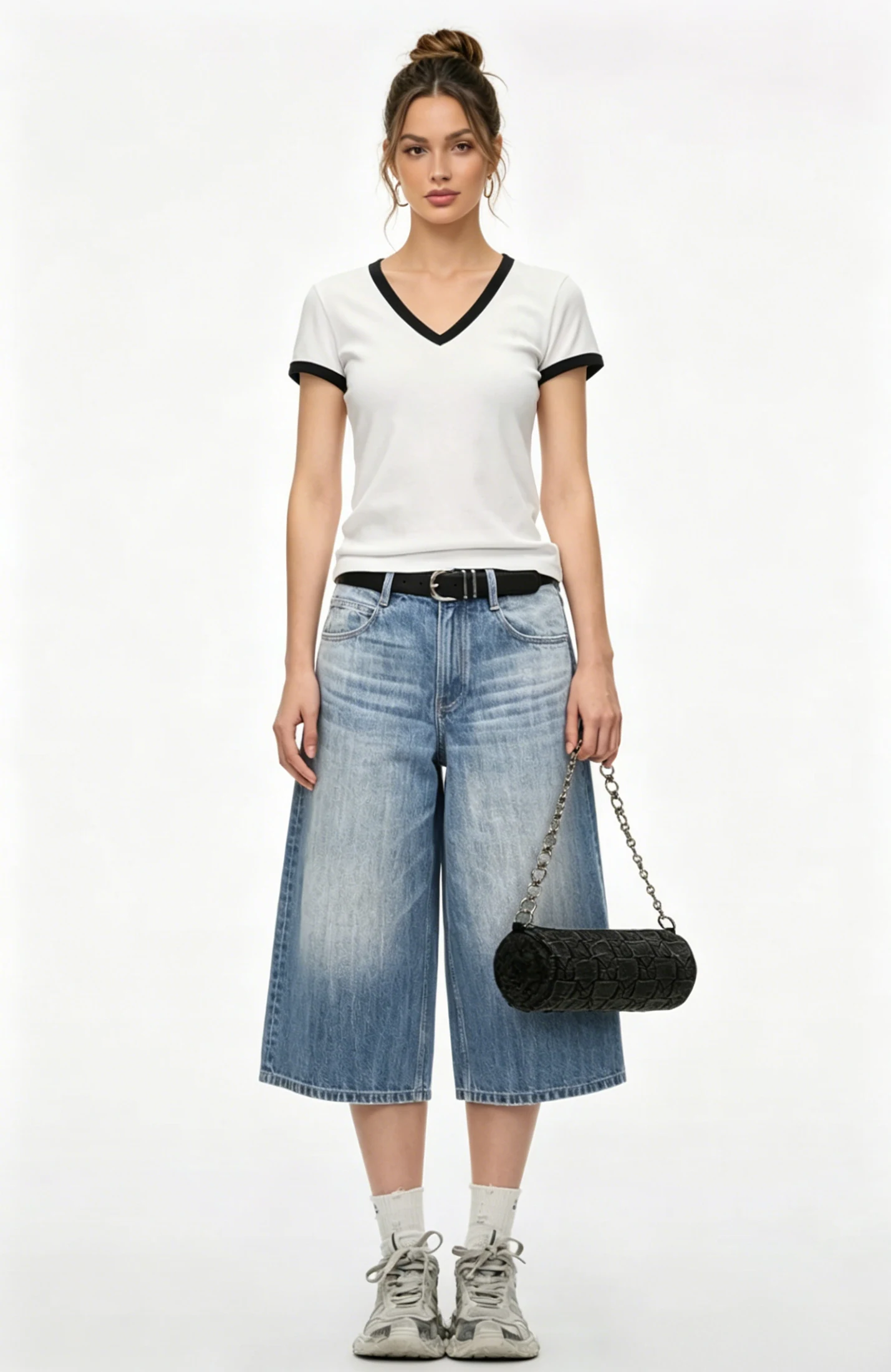
Custom Denim Shorts
Manufacture custom jean shorts in rigid or stretch denim with specified inseams, rises, hems, pocket treatments, and washes. Fit-focused pattern development supports regular, plus-size, and oversized silhouettes, while labels, hardware, embroidery, and finishing can be customized.
Request a Quote
Custom Sweater Dresses
Create custom sweater dresses in knitted constructions with controlled shape, stretch, coverage, and size consistency. Junsheen develops fitted, relaxed, ribbed, or oversized styles, selecting yarns, gauges, trims, labels, and XS–3XL grading to match your collection requirements.
Request a Quote
Custom Denim Sets
Source mens denim suits wholesale through coordinated denim jacket and trouser programs developed for consistent fabric, wash, color, and fit. Junsheen manages patterns, grading, hardware, stitching, labels, packaging, quality control, and export support from low-MOQ runs to repeat bulk orders.
Request a Quote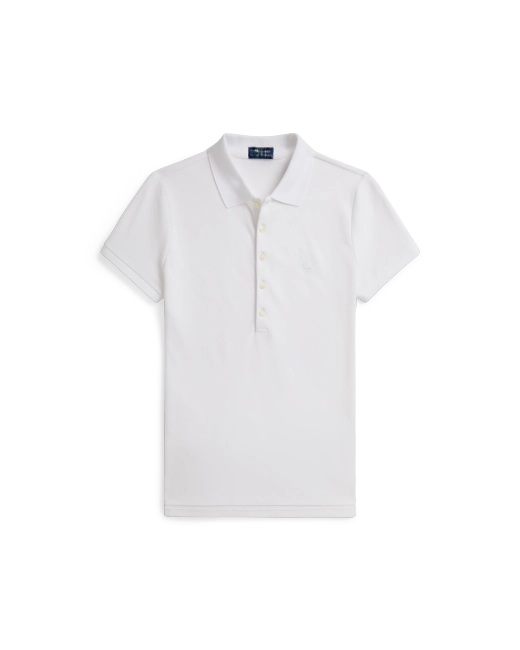
Custom Polo Shirts
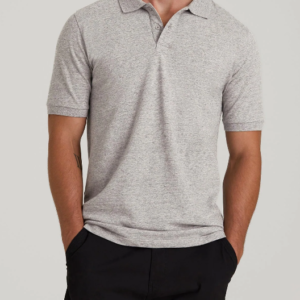
Develop custom polo shirts in piqué, jersey, performance knits, or blended fabrics. Specify collars, plackets, sleeve ribs, fit blocks, and grading, then add logo embroidery, printing, woven labels, custom buttons, and packaging for retail, uniform, or private-label programs.
Request a Quote
Custom Sweatpants
Produce custom sweatpants in fleece, French terry, or jersey with tapered, straight-leg, wide-leg, or oversized fits. Development includes waistband construction, pockets, cuffs, drawstrings, grading, embroidery, printing, washes, labels, and matching hoodie or crewneck sets.
Request a Quote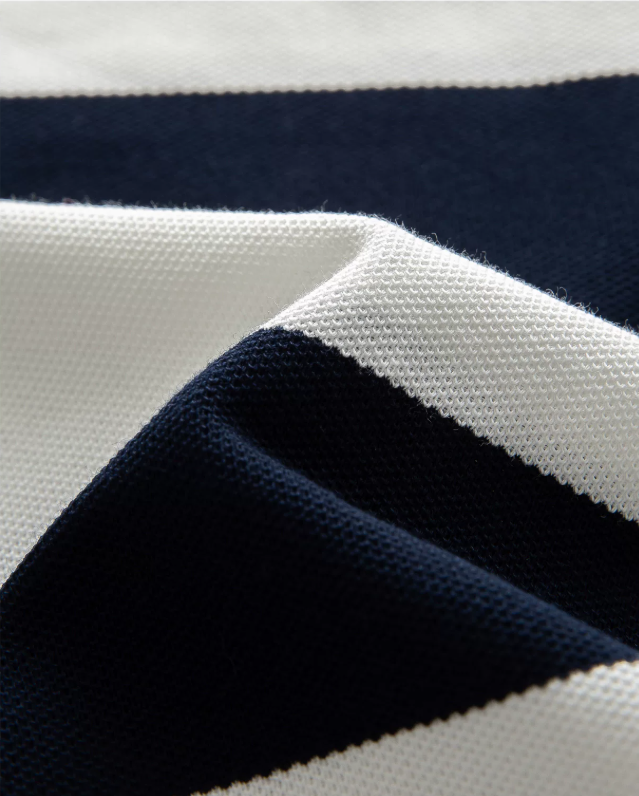
Custom Shorts
Manufacture custom shorts in jersey, fleece, twill, denim, or woven fabrics for casualwear and coordinated sets. Define inseam, rise, pockets, waistband, fit, and decoration, with XS–3XL grading, custom trims, labels, packaging, and 100-unit minimums per style and color.
Request a Quote
Custom Pullovers
Develop custom pullovers across fleece, French terry, jersey, and knitted fabrics. Junsheen supports quarter-zip, half-zip, mock-neck, and classic styles with fit development, graded size sets, embroidery, printing, patches, washes, branded trims, and export-ready finishing.
Request a QuoteMaterials for Custom Screen Printed Tshirts

Combed Cotton Jersey
A smooth, soft everyday jersey for premium graphic tees and retail basics. Its clean surface supports crisp screen-print detail, while 180–220 GSM weights provide breathable comfort and dependable shape retention.

Heavyweight Cotton Jersey
A dense, structured cotton jersey suited to oversized streetwear and elevated merchandise tees. Typically 240–320 GSM, it delivers a substantial hand feel, stable print surface and durable silhouette after repeated washing.

Cotton Spandex Jersey
A flexible jersey for fitted tees, baby tees and active casualwear. With controlled elastane stretch and recovery, it follows the body comfortably while providing a smooth base for selected screen-print placements.

Organic Cotton Jersey
A natural-feel option for brands building responsible essentials and printed capsule collections. Available in soft combed constructions and varied weights, it offers breathable comfort with a reliable surface for water-based or plastisol prints.

Cotton Polyester Blend
A practical blend for promotional tees, uniforms and high-volume programs requiring durability and efficient cost control. The fabric dries faster than pure cotton, maintains color well and can be developed in lightweight or midweight jerseys.

Pima Cotton Jersey
A refined long-staple cotton jersey for luxury T-shirts and detail-led private-label programs. Its exceptionally soft, smooth hand feel and fine yarn construction create an elevated print ground with reduced surface fuzz.
Custom Screen Printed Tshirts: Print and Decoration Techniques

Plastisol Screen Print
A versatile opaque ink process that produces saturated color and sharp logo detail on light or dark tees. Proper curing creates a durable print with dependable coverage through repeat wear and washing.

Water-Based Screen Print
Water-based inks absorb into the fabric for a softer hand feel and breathable finish. Ideal for fashion graphics and lightweight jersey, this method delivers a more natural, less raised printed surface.

Puff Print Effects
Specialty puff ink expands during curing to create a raised, tactile graphic. It adds dimensional contrast to logos, lettering, and selected artwork while maintaining a distinctive fashion-forward screen-print appearance.

Discharge Printing
Discharge printing removes dye from suitable dark cotton garments and replaces it with color, producing a soft print with minimal surface feel. JUNSHEEN reviews fabric compatibility before sampling for consistent results.

Specialty Print Finishes
Build standout graphics with high-density, silicone, flocking, foil, or reflective effects. These targeted finishes add texture, shine, depth, or visibility, helping custom screen printed tshirts carry a stronger branded visual identity.

Mixed Media Decoration
Combine screen printing with embroidery, custom patches, or applique for layered apparel graphics. Our in-house team aligns placement, materials, and production sequence so the finished tee remains durable and commercially consistent.
Custom Trims for Custom Screen Printed Tshirts

Woven Neck Labels
Custom woven main, size, and wash-care labels give each tee a consistent brand identity. We can match fold style, yarn color, label placement, and care information to your approved private-label specification.

Branded Hang Tags
Hang tags add product storytelling, sizing, pricing, and launch-ready branding at retail. Choose custom shapes, stocks, finishes, strings, and barcode layouts, with tags attached during final packing for streamlined fulfillment.

Custom Logo Patches
Woven, embroidered, leather-look, and printed patches create a distinctive branded accent on chest areas, hems, sleeves, or back necks. Our team helps confirm patch material, dimensions, attachment method, and placement before bulk production.

Drawcord and Tipping
For coordinated T-shirt, hoodie, and casualwear capsules, custom drawcords and tipped ends extend your visual system across styles. Select cord thickness, color, aglets, and branding details that align with your collection.

Zippers and Snaps
Custom zippers, snap buttons, and hardware support layered tees, overshirts, outerwear, and matching programs. We source finishes and colors that complement your artwork, fabric, and target price while maintaining dependable function.
Branded Packaging
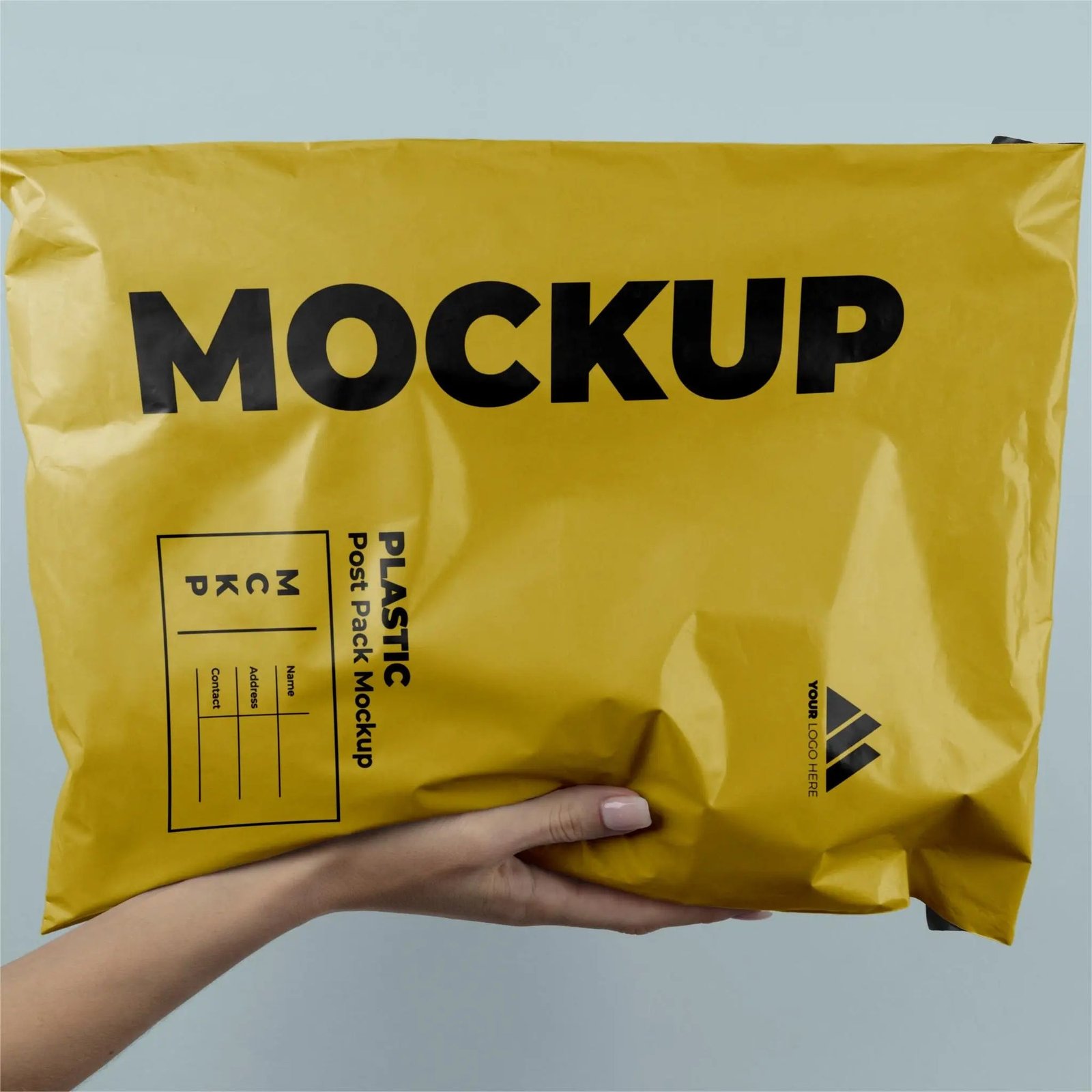
Finish custom screen printed tshirts with branded polybags, tissue, stickers, carton marks, and fold instructions. Packaging is planned around retail presentation, protection in transit, and efficient export packing for global deliveries.
About JUNSHEEN Apparel Manufacturing
Founded in 2010 in Humen Town, Dongguan, JUNSHEEN helps fashion brands turn concepts into production-ready apparel. Our one-stop OEM, ODM and private-label team supports custom screen printed tshirts alongside casualwear, denim, knitwear and outerwear, from early development through export-ready delivery.
With more than 200 skilled workers and monthly capacity above 80,000 units, we support launches from 100 units per style and color to repeat bulk programs. Cut-and-sew production, fabric sourcing, screen printing, embroidery, washing, labels, trims, packaging and quality control are coordinated within one responsive supply chain.
What distinguishes JUNSHEEN is a fit-first manufacturing approach built for real collections and real customers. We develop XS–3XL, extended-size, plus-size and oversized fits with considered pattern grading, while retaining technical records that help global brands achieve more consistent samples, reorders and scalable production.

Custom Screen Printed Tshirts Built for Fit and Repeatability
XS–3XL Fit Development
JUNSHEEN develops custom screen printed tshirts with refined proportions across XS–3XL, including extended-size, plus-size and modern oversized fits. Our pattern makers adjust shoulders, body length, sleeves and grading increments instead of simply scaling one base pattern.
- Fit-focused patterns for regular, oversized and extended-size ranges
- Size grading that supports balance, mobility and consistent proportions
- Prototype, size-set and pre-production sample approval
- Development support from tech packs, sketches or reference garments

Controlled Print Execution
In-house decoration teams match print methods to your artwork, fabric and target hand feel. From water-based and plastisol prints to puff, high-density, foil and discharge effects, we manage placement, color consistency and production-ready execution.
- Water-based, plastisol, puff, flocking and silicone printing
- High-density, foil and discharge effects for distinctive finishes
- Artwork placement and color review before bulk production
- Compatible embroidery, patches and mixed-decoration options

Fabric Matched to the Print
Material sourcing begins with the performance your custom screen printed tshirts need in wear and wash. We recommend jersey weights, cotton blends and specialty fabrics based on print coverage, softness, durability, drape, budget and your intended customer.
- Cotton, combed jersey, Pima cotton and organic options
- Fabric weight guidance for retail, streetwear and promotional programs
- Swatches and sample garments available before bulk confirmation
- Wash and finishing options to achieve the right hand feel
Repeat Orders Made Consistent
JUNSHEEN retains approved patterns, graded size sets and material records to make repeat programs faster and more consistent. With 200+ skilled workers, 80,000+ monthly units of capacity and 100-unit MOQs, we can support capsule launches through scalable replenishment.
- Saved production records for dependable reorders
- In-line checks for measurements, construction and decoration
- Low MOQ from 100 units per style and color
- Global export coordination for ongoing brand programs

Why Choose JUNSHEEN for Custom Screen Printed Tshirts
Fit-focused development, dependable production, and global delivery support in one apparel supply chain.
← 左右滑动查看 →
Custom Screen Printed Tshirts Production Process
A clear, fit-focused workflow from feasibility review to export-ready delivery.
Review Design Feasibility
Our team reviews your tech pack, artwork, reference garment or concept, confirms MOQ, fit requirements, print placement and production-ready specifications.
Source Fabrics and Trims
We recommend jersey weight, fiber blend, color, labels and trims based on hand feel, target cost, print performance, durability and wash expectations.
Develop Patterns and Samples
Pattern makers refine XS–3XL grading and oversized proportions, then produce samples for fit, construction, fabric and screen-print approval before bulk production.
Print and Produce Bulk
Approved custom screen printed tshirts move into cut-and-sew production, with matched inks, controlled print placement and in-house decoration across every production batch.
Inspect, Pack and Ship
We check measurements, construction, printing and packed goods, add private-label packaging, then coordinate global export shipment for your confirmed delivery schedule.
How to Order Custom Screen Printed Tshirts
Move from concept to delivered production with clear approvals, fit-focused development, and coordinated export support.
Submit Your Brief
Send a tech pack, sketch, reference garment, or concept with quantities, target market, sizing, fabric preferences, and required screen-print details.
Review Quote and Sample
Confirm the proposed fabric, construction, decoration method, 100-unit MOQ, pricing, and timeline, then review a prototype or size sample before bulk approval.
Approve Production Details
Sign off on fit, graded XS–3XL measurements, artwork placement, colors, labels, trims, packaging, and pre-production specifications for custom screen printed tshirts.
Receive Inspected Shipment
JUNSHEEN manages bulk production, in-line and final quality checks, packed-goods approval, and global shipping coordination for your completed order.
Custom Clothing Manufacturer Credentials and Compliance Documents



Custom Screen Printed Tshirts: Production Results
JUNSHEEN helped us launch 1,200 custom screen printed tshirts across four colorways. Their team corrected the shoulder grading before the size set, cutting our planned fit revisions from three rounds to one.
We started with a 100-unit test order and reordered 2,500 tees within six months. Print registration stayed consistent across black and pigment-dyed garments, and the private-label packaging arrived ready for retail fulfillment.
Our oversized tee program needed XS through 3XL without simply scaling one pattern. JUNSHEEN delivered a wearable graded fit and completed the 1,800-piece production run on schedule for our seasonal drop.
Custom Screen Printed Tshirts FAQ
Clear answers on MOQ, samples, timelines, payment, shipping, and production confidentiality.
What is the MOQ for custom screen printed tshirts?
Can I order a sample before producing custom screen printed tshirts in bulk?
How long does it take to make custom screen printed tshirts?
Can you help if I only have a design idea or reference T-shirt?
What payment terms do you offer for a first custom screen printed tshirts order?
Do you ship custom printed T-shirts internationally?
How do you protect my artwork, tech packs, and private-label details?
Can you develop sizes beyond a standard T-shirt size range?
The Complete Buyer’s Guide to custom screen printed tshirts
Use this decision framework to select print-ready styles, fabrics, construction standards, and a capable supplier, while avoiding costly artwork, sampling, pricing, and production mistakes before placing your order.
1. What Are custom screen printed tshirts?
100-unit runs can support a custom screen printed tshirts program when the artwork, color separations, garment specification, and print locations are approved. The printer pushes ink through mesh screens—one screen per spot color or effect—onto cut-and-sewn or sourced T-shirts, then cures the print; buyers are purchasing decorated garments, not merely blank tees with a logo added later. 1 plastisol print uses opaque PVC-based ink and heat curing, making it durable, vivid, and reliable on dark cotton; water-based ink absorbs more into the fabric for a softer hand. Discharge ink removes dye from suitable dark garments and replaces it with pigment, but results depend on fiber content, garment dye, and wash testing. 2 to 6 spot colors are common for scalable graphics because each Pantone-matched color receives its own screen, whereas DTG and DTF reproduce full-color artwork differently and suit other artwork or quantity needs. Print placement specifies exactly where the graphic sits—such as left chest, full front, back neck, sleeve, or oversized back—and must include dimensions and tolerance from a fixed garment reference point. 3 approvals keep the program repeatable: artwork separation, ink type, screen mesh, garment color, placement, and cured sample standard. For a brand, that production record is what turns a graphic concept into a consistent reorderable SKU.
2. The History of custom screen printed tshirts
1907 marked the patenting of a photo-reactive stencil process that helped move screen printing beyond hand-cut paper stencils. Once mesh screens and separations became repeatable, printers could place opaque, high-contrast artwork on cotton jerseys with the bold coverage buyers still expect from custom screen printed tshirts. 1960s band merchandise and 1970s skate, surf, and punk scenes turned the printed tee into a portable identity system rather than a basic promotional item. That shift made graphic scale, placement, and reliable color matching commercially important; production teams now commonly work from Pantone references and approved strike-offs instead of judging colors from a monitor. 1980s fashion branding brought softer water-based, discharge, and specialty effects alongside traditional plastisol, so hand feel became part of the product brief. A dense plastisol print can suit a bold vintage or streetwear graphic, while water-based ink can better preserve the feel of ring-spun cotton; the right choice depends on fabric color, artwork coverage, wash target, and effect. 100-unit production runs now let emerging labels use the same development logic once reserved for larger programs: artwork checks, color separations, sample approval, and controlled repeat orders. Faster sampling has raised expectations, not removed discipline—buyers should still approve print size, placement, cure quality, and wash performance before bulk release, while requesting ink systems and material records aligned with their sustainability requirements.
3. Types of custom screen printed tshirts
150–180 GSM crewnecks and 240–300 GSM heavyweight tees serve different price points, print looks, and repeat-buy behavior. Select the blank format before approving artwork, because silhouette and fabric weight determine who will wear it and how it should be merchandised.
Core Crewneck And Heavyweight

150–180 GSM classic crewnecks suit broad unisex programs, event merchandise, and accessible logo tees; their regular silhouette accepts chest, back, and full-front screen prints cleanly. 240–300 GSM heavyweight or oversized tees target streetwear customers seeking structure and drop shoulders. Use bold large-format graphics and limited-color drops, then merchandise them as premium hero pieces.
Fitted And Pocket Tees
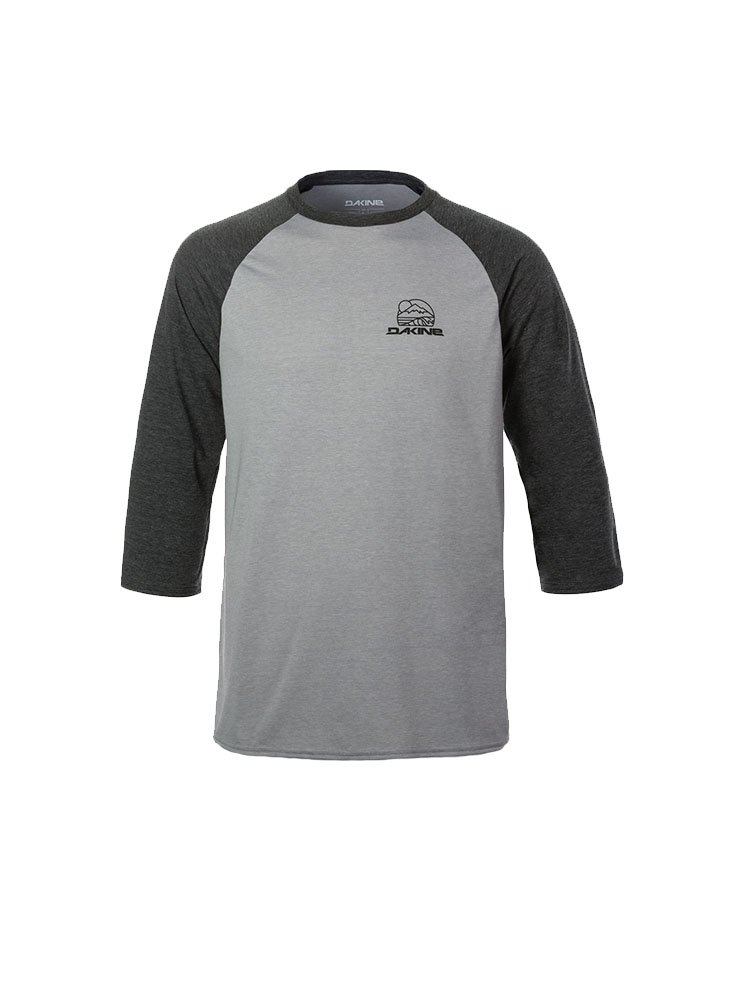
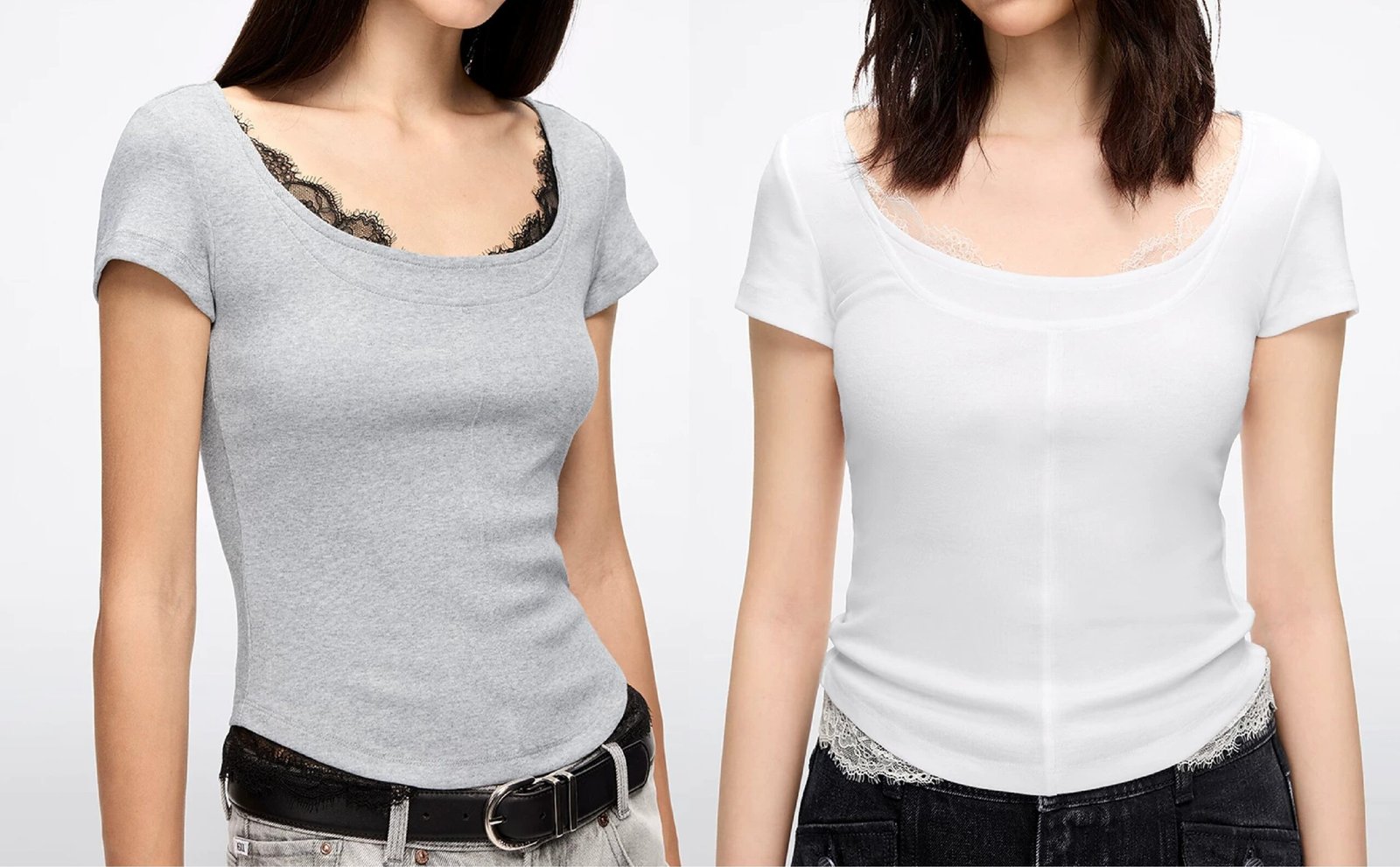
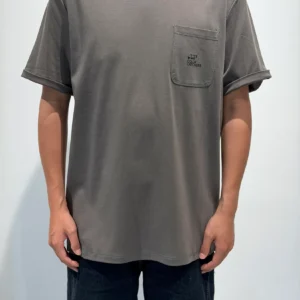
140–170 GSM fitted fashion tees suit contemporary labels and customers wanting closer sleeves, shorter bodies, or shaped side seams. Small chest prints, tonal inks, and restrained branding preserve the garment’s fashion-led role. 160–200 GSM pocket tees add a functional visual break for casual and workwear assortments. Print above, beside, or on the pocket carefully; pocket placement can complicate large front artwork and should be sampled first.
Long-Sleeve And Performance Blends
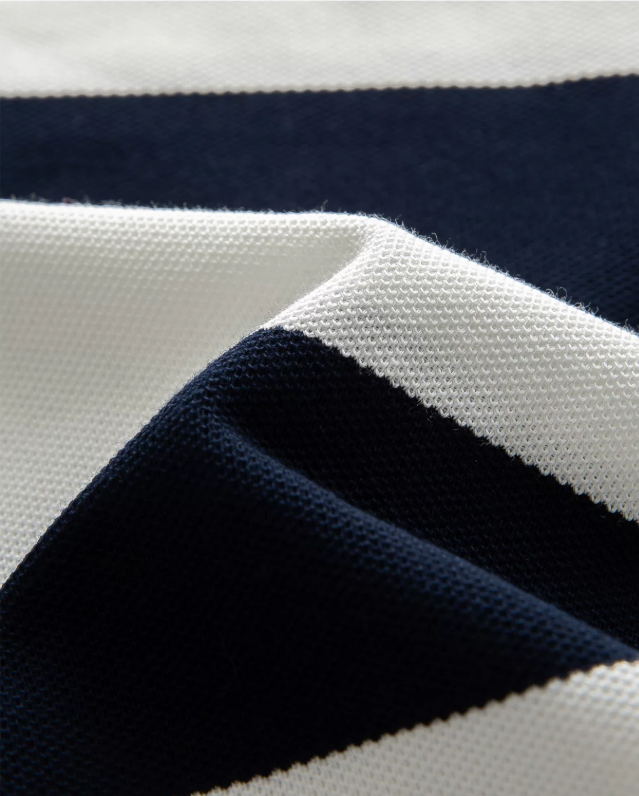
160–220 GSM long-sleeve tees extend a graphic program into transitional weather and skate, workwear, or layered collections. Front graphics paired with sleeve prints create higher perceived value without changing the core silhouette. 130–180 GSM performance or cotton-poly blended tees serve activewear, staff uniforms, and warm-climate promotions. Choose low-bleed inks and test print adhesion on polyester-rich fabric; prioritize moisture management and repeat-logo utility over dense hand feel.
4. Materials for custom screen printed tshirts
A 100% cotton label does not define print performance. For custom screen printed tshirts, specify fiber, yarn, knit, GSM, shrinkage tolerance, color, and finishing before approving a base.
| Base | Typical GSM | Print Behavior | Best Use |
|---|---|---|---|
| Open-end cotton | 160–190 | Absorbent; textured hand | Promotions, value tees |
| Ring-spun cotton | 180–220 | Smooth, sharp detail | Retail graphics |
| Organic cotton | 180–220 | Soft; verify lot finish | Premium responsible lines |
| Recycled cotton blend | 180–240 | Variable surface; test artwork | Vintage or sustainability stories |
| Polyester | 140–180 | Low absorption; manage migration | Sportswear, sublimation |
| Cotton-poly blend | 160–220 | Stable, balanced opacity | Everyday branded programs |
Fiber And Yarn Choices

Ring-spun cotton uses finer, smoother yarn than open-end cotton, giving a softer hand and cleaner ink edge. Organic cotton follows the same performance logic, but certification scope should be verified per fabric lot. Recycled cotton is commonly blended with virgin cotton or polyester because recycled fibers shorten during processing. Polyester resists shrinkage and wears hard, while cotton-poly blends balance opacity, softness, dimensional stability, and cost.
- Open-end cotton: value-focused, drier hand
- Ring-spun cotton: premium retail softness
- Polyester: performance and sublimation bases
- Cotton-poly: dependable everyday programs
GSM And Knit Structure

150–180 GSM single jersey suits lightweight promotional or warm-climate tees; 180–220 GSM supports mainstream retail; 220–260 GSM creates a substantial oversized hand. Combed ring-spun yarn and tighter jersey reduce surface hairiness, improving fine-detail prints. Rib is best reserved for collars, while interlock offers a denser, smoother face with more opacity. Fleece and French terry belong to heavier garments, not standard screen-print tee bases.
Shrinkage, Dye, And Ink

3–5% shrinkage is a practical wash-test allowance for untreated cotton, whereas polyester and stable blends usually move less. Request compaction or pre-shrinking when final measurements are tight. Reactive-dyed cotton typically gives rich color and strong print absorption; polyester needs disperse dye and can show dye migration under heat. Dark bases need an underbase for bright plastisol colors, while water-based ink feels softer but depends on absorbency and curing control.
5. Customization and Screen-Print Options
At a 100-unit MOQ, custom screen printed tshirts need artwork that is production-ready before screens are separated. Supply vector logos or 300-DPI, final-size raster art, identify Pantone targets, and approve a placement map with dimensions.
| Method | Visual Result | Hand Feel | Compatibility | Best Use |
|---|---|---|---|---|
| Plastisol | Opaque, sharp | Medium-heavy | Cotton and blends | Bold spot-color logos |
| Water-based | Matte, integrated | Soft | Absorbent cotton | Premium soft prints |
| Discharge | Vintage, low-profile | Very soft | Dischargeable cotton | Dark-garment fashion graphics |
| Puff or metallic | Raised or reflective | Textured | Test by fabric | Accent details |
Prepare Artwork And Separations
1-color spot art uses one screen per ink and delivers the most controlled solid color. Simulated-process separations build photographic detail from halftones and several spot inks, so test prints are essential. 12-inch chest art and 3-inch left-chest marks require different screen sizes, registration tolerances, and curing checks. State garment color, print width, placement from HPS, and whether artwork may overlap seams.
- Provide vector AI, EPS, or PDF logos
- Use 300-DPI raster art at print size
- Name Pantone colors and underbase requirements
Select Ink For The Garment
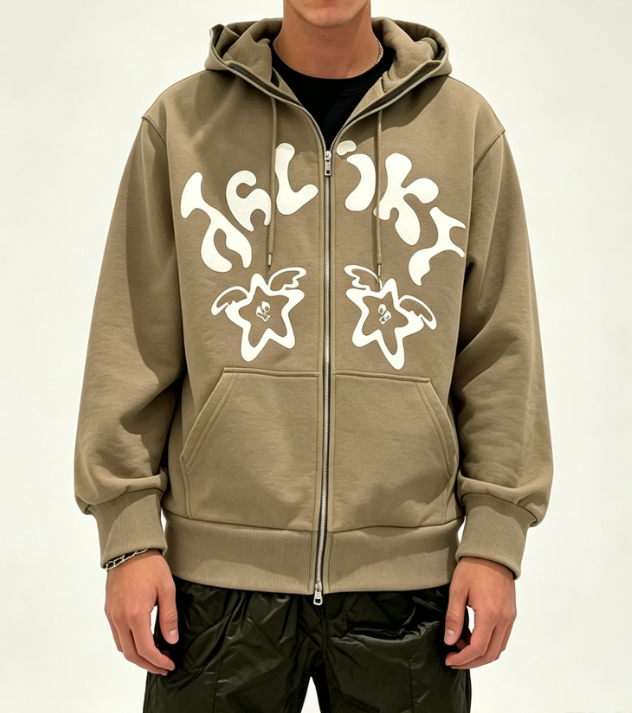
Plastisol gives opaque, durable color on cotton, blends, and dark garments, but leaves a heavier film. Water-based ink has a softer hand on absorbent cotton; discharge removes dye before adding color and needs dischargeable, high-cotton fabric. Puff, metallic, foil, silicone, high-density, and flock are specialty effects requiring compatible artwork, controlled deposits, and wash testing. Confirm cure temperature against heat-sensitive performance blends.
Finish The Brand Experience

2 placements usually cost more than one because each location needs its own setup, loading step, and quality check. Higher color counts add screens and registration time, so simplify secondary marks where possible. 1 neck print can replace a woven main label; add size and care information where required. Hangtags, folded bags, custom mailers, garment dye, enzyme wash, acid wash, or softening should be approved on the production sample.
- Confirm neck-label legal content by market
- Approve packaging dimensions and barcode position
- Wash-test specialty prints before bulk approval
6. Construction Details That Signal Quality
A 1×1 collar rib, stable seam allowance, and repeatable measurements determine whether a printed tee still looks intentional after laundering. Inspect construction before approving bulk, because distorted necklines or skewed bodies can misalign artwork and trigger returns.
Collar And Shoulder Stability

A 1×1 rib collar should recover after a firm stretch without waving; verify rib weight, neck opening, and coverstitch consistency on approved samples. A shoulder-to-shoulder neck tape stabilizes the neckline and hides the seam. Check that both shoulder seams sit evenly and that tape does not pucker the jersey.
- Stretch-test collar recovery after wash
- Check neck tape ends and seam bulk
- Compare left and right shoulder lengths
Seams And Hem Finishing

A 10–12 stitches-per-inch lockstitch is a practical benchmark for clean jersey seams, while loose stitches can open under wear. Confirm side-seam alignment or specify a tubular body when avoiding side seams matters to the design. A twin-needle sleeve and bottom hem should remain flat after washing. Inspect hem width, skipped stitches, twisting, and whether the print sits square to the body grain.
- Measure sleeve and bottom hem widths
- Check side-seam twist after laundering
- Inspect skipped stitches under tension
Shrinkage And Measurement Control

A 3–5% wash-shrinkage allowance is common for cotton jersey, but the approved specification must state the method and target measurements. Pre-shrinking or compaction should be confirmed before bulk cutting. A ±1 cm chest and body-length tolerance is often workable for standard tees; critical fit points may need tighter limits. Retain the sealed size set, graded pattern, and measurement chart for repeat orders.
- Record before-and-after wash measurements
- Measure chest, length, shoulder, and sleeve
- Approve grading across XS through 3XL
Wash Test Before Bulk
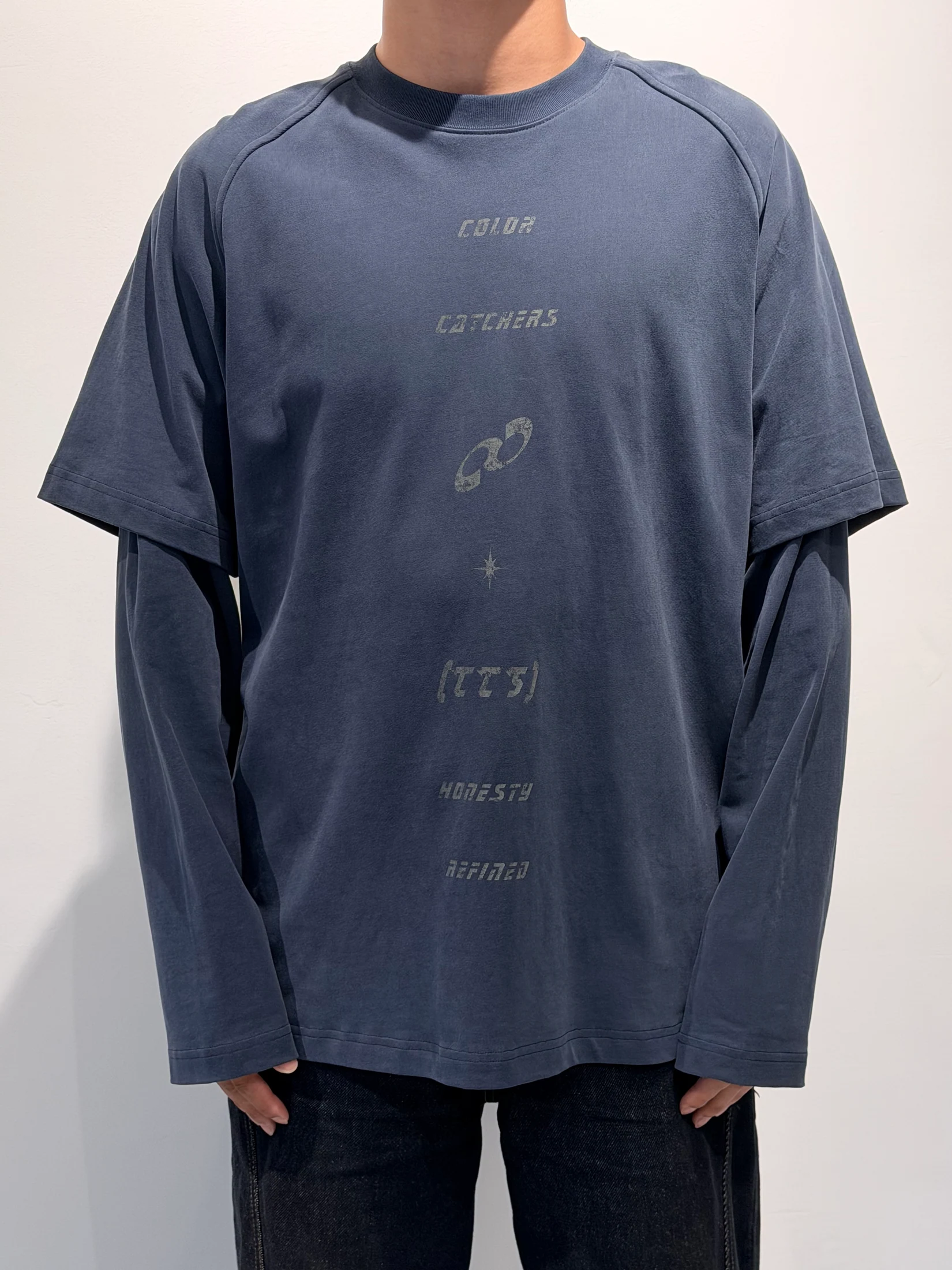
One production-representative wash test should assess shrinkage, spirality, collar recovery, seam puckering, and print position. Use the intended care cycle rather than a gentle sample wash. Two or more washed garments provide a better check against one-off variation. Photograph measurements and defects against the approved sample so future reorders use the same acceptance standard.
- Verify print remains centered after wash
- Check color transfer and surface pilling
- Archive results with material records
7. Choosing a custom screen printed tshirts Manufacturer
Two supplier types serve this category: a print shop decorates buyer-supplied blanks, while a full-package manufacturer controls fabric, pattern, grading, cut-and-sew, printing, packing, and export. For custom screen printed tshirts, choose the model that matches your fit ownership and reorder needs.
Match The Production Model
100-unit style-and-color programs suit a capsule launch, but confirm whether the MOQ applies per color, per print placement, or across a combined order. A supplier experienced in fashion tees should discuss 180–260 GSM jersey, collar recovery, shrinkage, and graded sizing—not only ink colors. 2 capability checks separate full-package production from decoration-only service: ask who owns the pattern, sources Pantone-matched fabric, and retains approved specifications for repeats.
- Can they develop blanks from a tech pack?
- Can they support XS through 3XL grading?
- Can they quote landed export terms clearly?
Approve Artwork And Samples
1 pre-production sample should show the actual fabric, print method, placement, and colorway whenever possible. Require artwork review for line weight, halftones, underbase needs, trapping, and print-area limits before screens are made. 3 approval questions prevent expensive ambiguity: Is the Pantone target achievable on this garment color? What wash test verifies cracking, adhesion, and color loss? Which signed sample and measurement tolerance govern bulk production?
Verify Controls And Communication
200-worker factories with documented in-line and final inspection can support larger replenishment programs, but buyers should request the current production calendar rather than rely on generic lead-time promises. Confirm capacity, sample timing, bulk timing, inspection points, and shipping handoff in writing. 4 compliance questions are practical: Which documents can be provided for the fabric, inks, factory, and social audits? Are OEKO-TEX, GOTS, WRAP, or BSCI records applicable to this order? Who answers defects, customs paperwork, and export booking?
- Ask for a print-QA checklist.
- Confirm final balance timing before shipment.
- Name one accountable sales and production contact.
8. Common Buyer Mistakes to Avoid
Most avoidable screen-print losses appear before bulk production: at artwork review, material selection, and sample approval. A disciplined brief converts those decisions into measurable specifications, protecting margin, timing, and repeat-order consistency.
Prepare Production-Ready Artwork
300 DPI artwork at final print size prevents jagged edges, trapped details, and expensive redraws. Send vector AI, EPS, or PDF files with separated spot colors and defined print dimensions. 0.5 mm lines and tiny knockouts can fill during printing, particularly after wash. Ask the supplier to flag minimum line weight, halftone limits, and required color separations before quoting.
Specify Ink And Garment Colors

1 dark garment usually needs a white underbase beneath bright plastisol or water-based inks. Omitting it produces dull color, weak opacity, and a sample that cannot match the approved artwork. Pantone codes—not names such as navy or cream—give the production team a reference. Approve an ink drawdown or strike-off under the intended lighting before bulk.
Test Fabric, Fit, And Wash

160–220 GSM cotton jersey and blends accept ink differently, especially with silicone softeners, dye migration, or high polyester content. Test the actual bulk fabric with the proposed ink system before locking the fabric order. XS–3XL measurements, tolerances, and post-wash shrinkage must be written into the tech pack. Run wash tests and a full size set; rushed sample approval leads to rework, returns, and inconsistent repeat orders.
Quote Total Production Cost
4 spot colors usually require more screens, setup, registration time, and unit cost than a 1–2 color graphic. Request a color-count breakdown, including underbase, flash cures, print locations, and screen charges. 100-unit MOQ pricing can hide freight, rejects, relabeling, and inspection gaps when suppliers compete only on unit price. Compare sample quality, documented QC, lead time, communication, and total landed cost before awarding production.
9. Launching Your Printed T-Shirt Program
100-unit style-and-color runs let a new label test demand without overbuilding inventory. Start custom screen printed tshirts with a defined customer, price band, delivery date, and a tightly related graphic assortment.
Build The Assortment
3 to 5 coordinated graphics create a clearer launch than unrelated one-off prints. Set hero, secondary, and repeatable logo treatments using shared type, Pantone colors, and placement rules. 2 core blanks and 2 colorways usually keep early inventory manageable. Plan size ratios from expected customers, then reserve proven colors and graphics for replenishment.
- Define target customer and retail price
- Assign hero, support, and logo graphics
- Set size curves before purchasing blanks
Prepare Production Files
1 complete tech pack should specify measurements, fabric GSM, neck rib, stitching, labels, packing, and graded size chart. Supply vector artwork, Pantone references, print dimensions, placement points, and separated colors. 6-color artwork needs a screen-by-screen separation review before sampling. Confirm halftones, underbase requirements, ink type, and allowable registration tolerance with the factory.
- AI, PDF, or EPS vector artwork
- Named spot colors and print locations
- Front, back, sleeve, and neck details
Approve Before Bulk

1 prototype verifies hand feel, fit, shrinkage, and graphic scale before production. Compare like-for-like quotes: fabric composition, GSM, print colors, label package, MOQ, sampling charges, and freight terms. 1 signed pre-production sample should lock fabric, print, measurements, trims, and packaging. Schedule in-line checks, final AQL inspection, balance payment, and shipping around the launch date.
- Measure approved size points
- Wash-test print and shrinkage
- Photograph approved sample for ecommerce
Plan The Release
4 to 6 weeks of content preparation helps retailers launch with consistent product pages. Photograph front, back, detail, fit, and movement views; retain the approved sample as the visual reference. 30 to 60 days of sales data can guide replenishment decisions. Keep artwork files, graded patterns, material records, and color standards organized so repeat orders stay consistent.
- Create SKU and barcode plan
- Book freight before final inspection
- Set replenishment trigger levels
10. custom screen printed tshirts Pricing and Cost
100 units is a practical starting tier for custom screen printed tshirts, but pricing should be quoted against an approved spec, print artwork, and Incoterm. The indicative EXW ranges below assume a 180–220 GSM cotton jersey tee, one front plastisol print of one to three Pantone colors, standard neck label, polybag, and folded packing. 30–45 days is a typical planning window from approved pre-production sample to finished bulk goods; sampling, fabric availability, and freight are separate milestones. Cost moves most with fabric composition and weight, quantity, print locations and color count, water-based or specialty inks, private labels, custom packaging, and destination freight.
| Quantity tier | Indicative EXW unit price | Typical bulk lead time | Key assumption |
|---|---|---|---|
| 100–299 units | US$5.80–9.50 | 30–45 days | One location; 1–3 color plastisol |
| 300–999 units | US$4.40–7.20 | 25–40 days | Shared setup across higher volume |
| 1,000–2,999 units | US$3.60–5.90 | 25–35 days | Standard cotton jersey and packing |
| 3,000+ units | US$3.10–5.10 | 30–45 days | Subject to fabric booking and print capacity |
| Extra print location | US$0.45–1.60 added | May add 1–3 days | Depends on size, colors, and ink effect |
Start Your Custom Screen Printed Tshirts Sampling Project
Send your tech pack, sketch, or reference garment for a tailored OEM quote, fit-focused development, and production from 100 units.