Jean Factory Manufacturing From 100 Units
JUNSHEEN is your one-stop jean factory for OEM, ODM and private-label apparel, with fit-focused XS–3XL development and global production support.
Featured Products for jean factory Development




Related Product Catalogue and Quotation




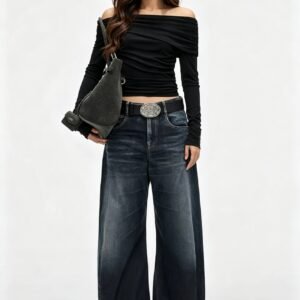


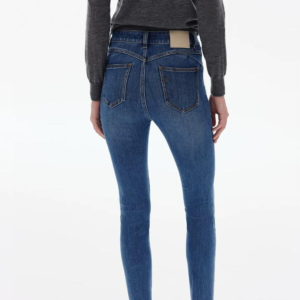
Why Brands Choose Our Jean Factory
From first sample to global delivery, JUNSHEEN combines fit-focused development, flexible minimums, and scalable apparel production in one supply chain.
100-Unit MOQ
Launch denim capsules and custom casualwear with minimums from 100 units per style and color, then scale proven programs confidently.
Fit-First XS–3XL Grading
Our pattern makers refine proportions, mobility, rise, sleeves, and grading increments for normal, plus-size, extended-size, and oversized fits.
Integrated Decoration
Coordinate embroidery, printing, washes, finishing, labels, trims, and branded packaging through one experienced production team.
Scalable Production Capacity
More than 200 skilled workers and monthly capacity above 80,000 units support both growing labels and ongoing bulk orders.
Global Export Support
Work with a responsive jean factory experienced in serving 2,000+ fashion-brand clients across major international markets.
Core Apparel Categories We Manufacture
OEM, ODM and private-label production across denim, casualwear, knitwear and outerwear, developed from 100 units per style and color.

Custom Hoodies
Custom hoodies developed in fleece, French terry or jersey with fit-focused XS–3XL grading. Choose oversized, standard or plus-size proportions, then add embroidery, screen printing, washes, custom labels, drawstrings and branded packaging.
Request a Quote
Custom T-Shirts
Custom T-shirts produced in cotton, Pima cotton, organic cotton and blended jersey. We support neck and sleeve specifications, garment weights, oversized or fitted silhouettes, XS–3XL grading, and decoration including screen print, DTG, DTF and embroidery.
Request a Quote
Custom Jeans
Custom jeans manufactured in rigid or stretch denim with pattern development for fit, rise, leg shape and size grading. Options include washes, distressing, garment dye, branded hardware, leather patches, embroidery and private-label finishing.
Request a Quote
Custom Sweaters
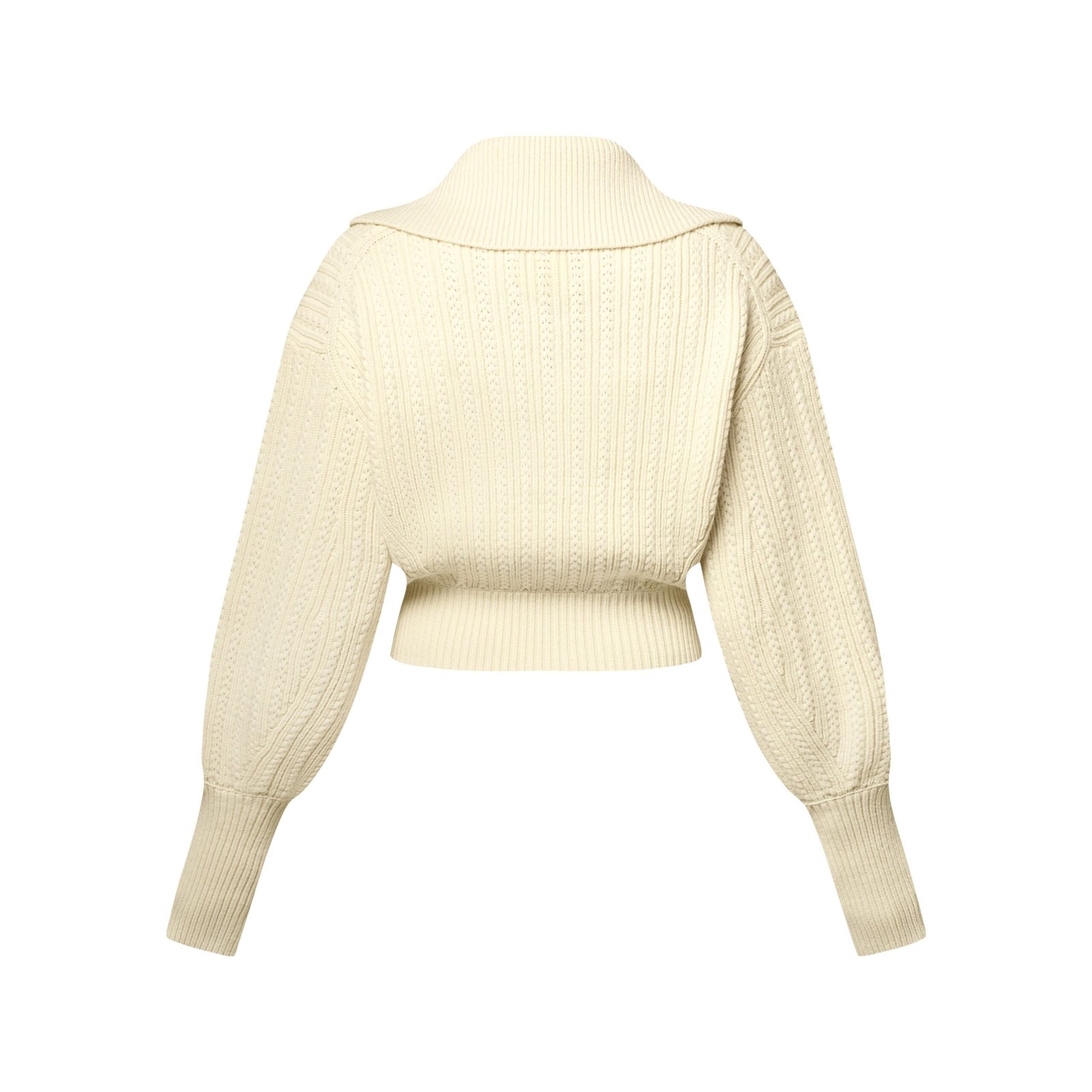
Custom sweaters, including turtle neck sweater bulk programs, produced in suitable knit constructions with defined yarn, gauge, silhouette and trim specifications. Development covers regular, oversized and extended-size fits, plus labels, buttons, embroidery and packaging.
Request a Quote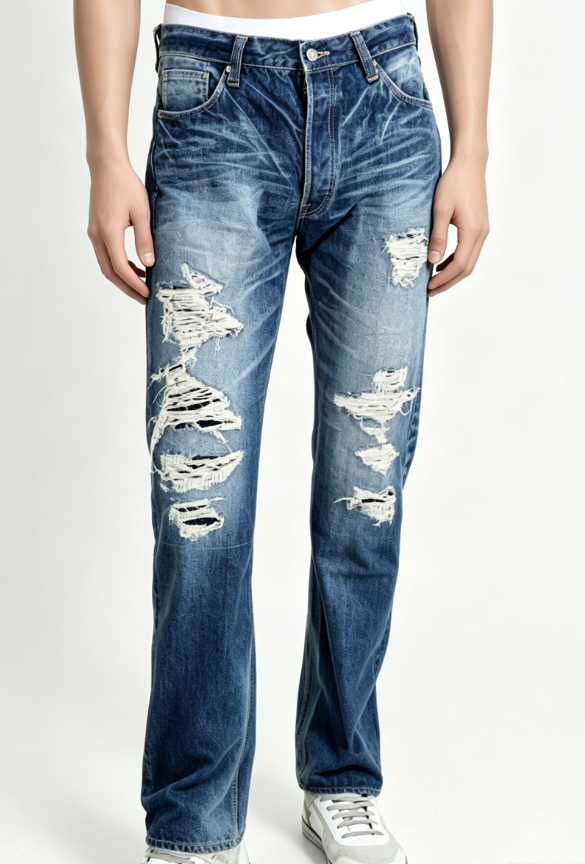
Custom Jackets
Custom jean jackets and other woven jackets developed with denim, twill or performance fabrics. We refine body balance, sleeve length and mobility, then manage washes, pockets, closures, patches, embroidery, labels and bulk quality control.
Request a Quote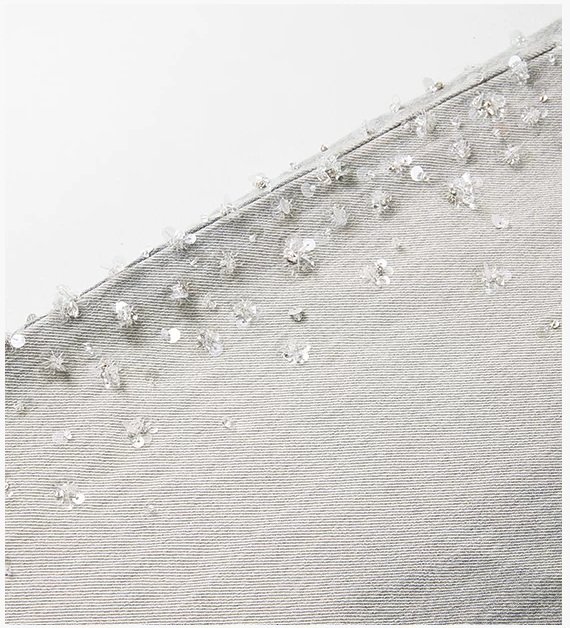
Custom Sweatshirts & Crewnecks
Custom sweatshirts and crewnecks made in fleece, French terry or jersey for branded casualwear programs. Specify crewneck, hooded or hybrid styles, fit from XS–3XL, rib trims, prints, embroidery, washes and private-label components.
Request a Quote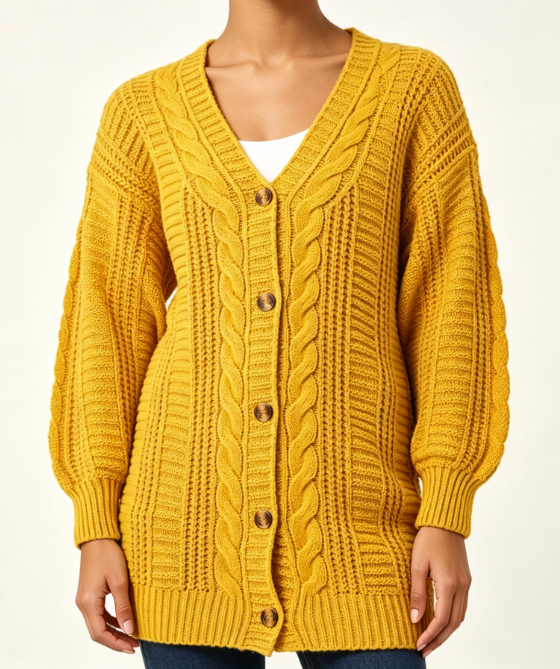
Custom Cardigans
Custom cardigans developed in knit constructions suited to your target hand feel, weight and drape. We support button or zip closures, rib details, pockets, oversized and extended-size grading, branded labels, trims and production-ready sampling.
Request a Quote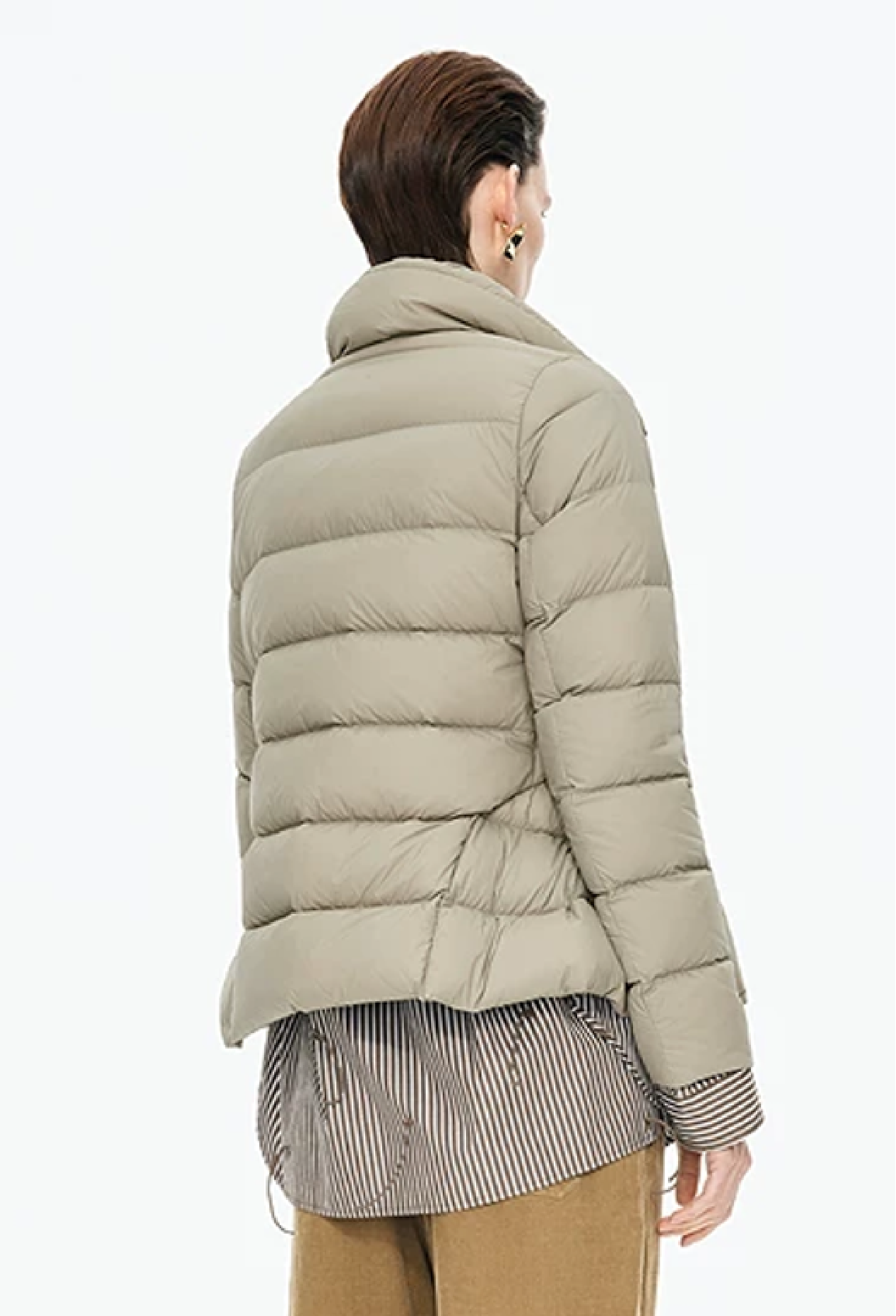
Custom Puffer & Down Jackets
Custom puffer jackets and down-style outerwear developed around insulation, shell fabric, quilting layout and functional trim requirements. Production supports fit review, zippers, snaps, reflective details, branded labels, packaging and export-ready inspection.
Request a Quote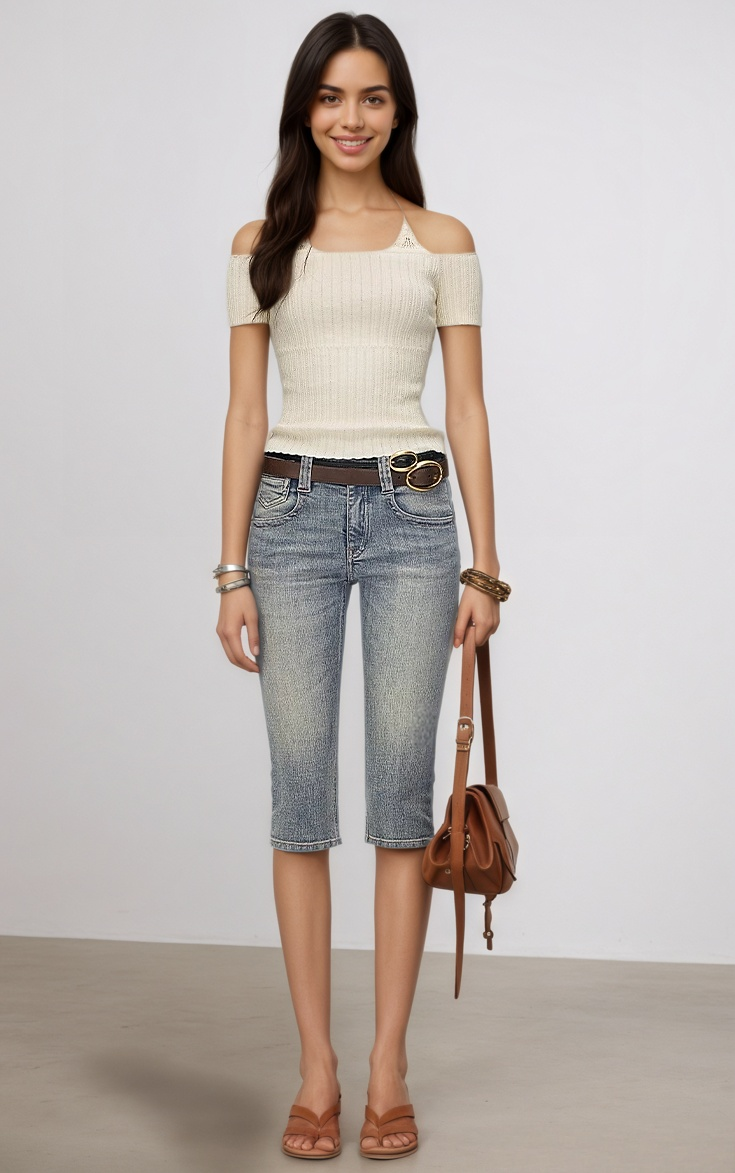
Custom Denim Shorts
Custom jean shorts produced in rigid or stretch denim with fit development for rise, inseam, leg opening and size grading. Select wash treatments, fraying, distressing, pockets, hardware, patches, embroidery and private-label finishing.
Request a Quote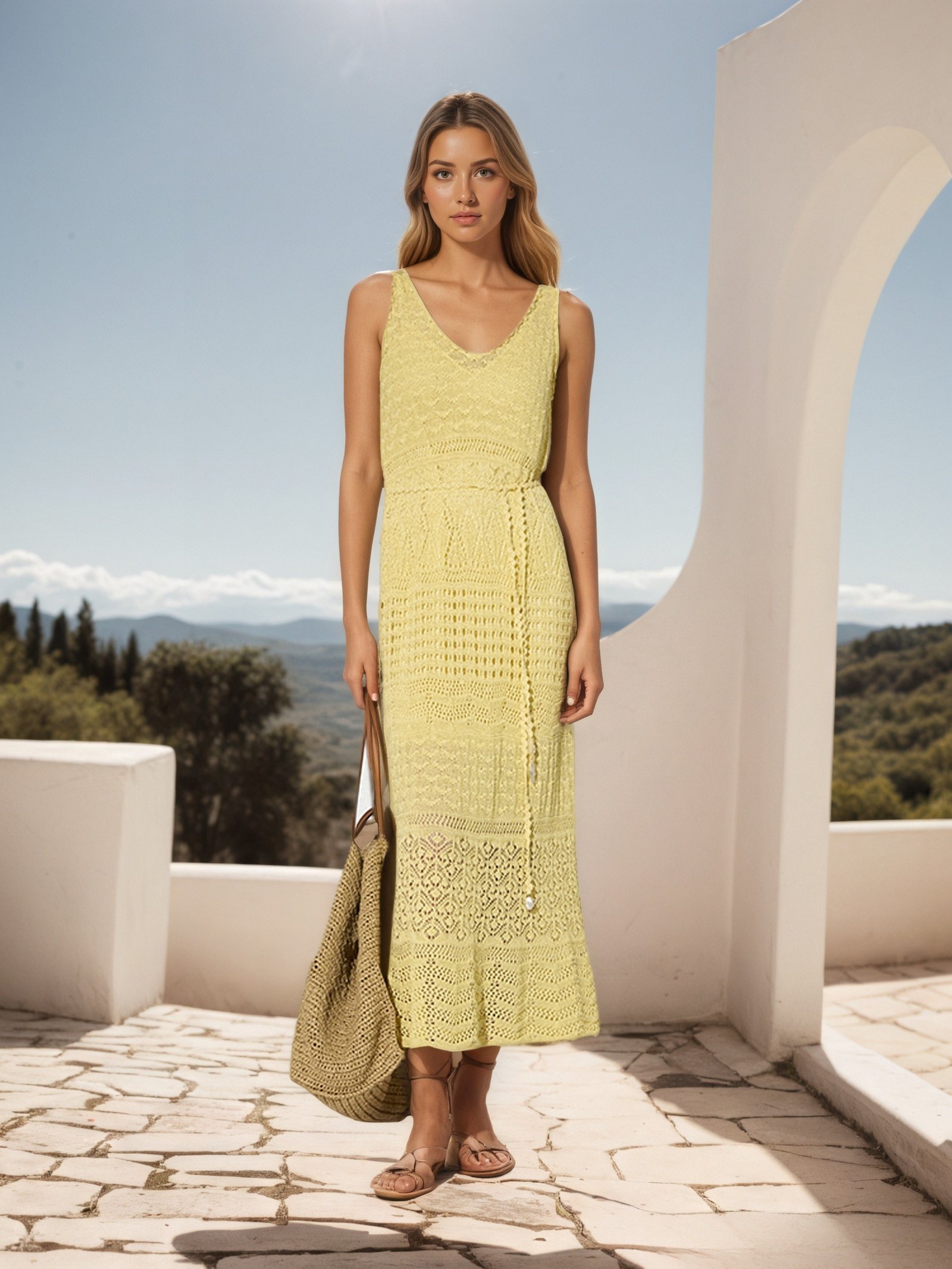
Custom Sweater Dresses
Custom sweater dresses developed in knit constructions with controlled length, shape, drape and stretch recovery. Our team supports turtleneck, fitted, relaxed and oversized silhouettes, extended-size grading, trims, labels and sample-to-bulk approval.
Request a Quote
Custom Denim Sets
Custom denim sets for mens denim suits wholesale and coordinated collections, including matching jackets, jeans, shirts and overshirts. We align fabric, wash, color, hardware and fit across pieces, then produce from 100 units per style and color.
Request a Quote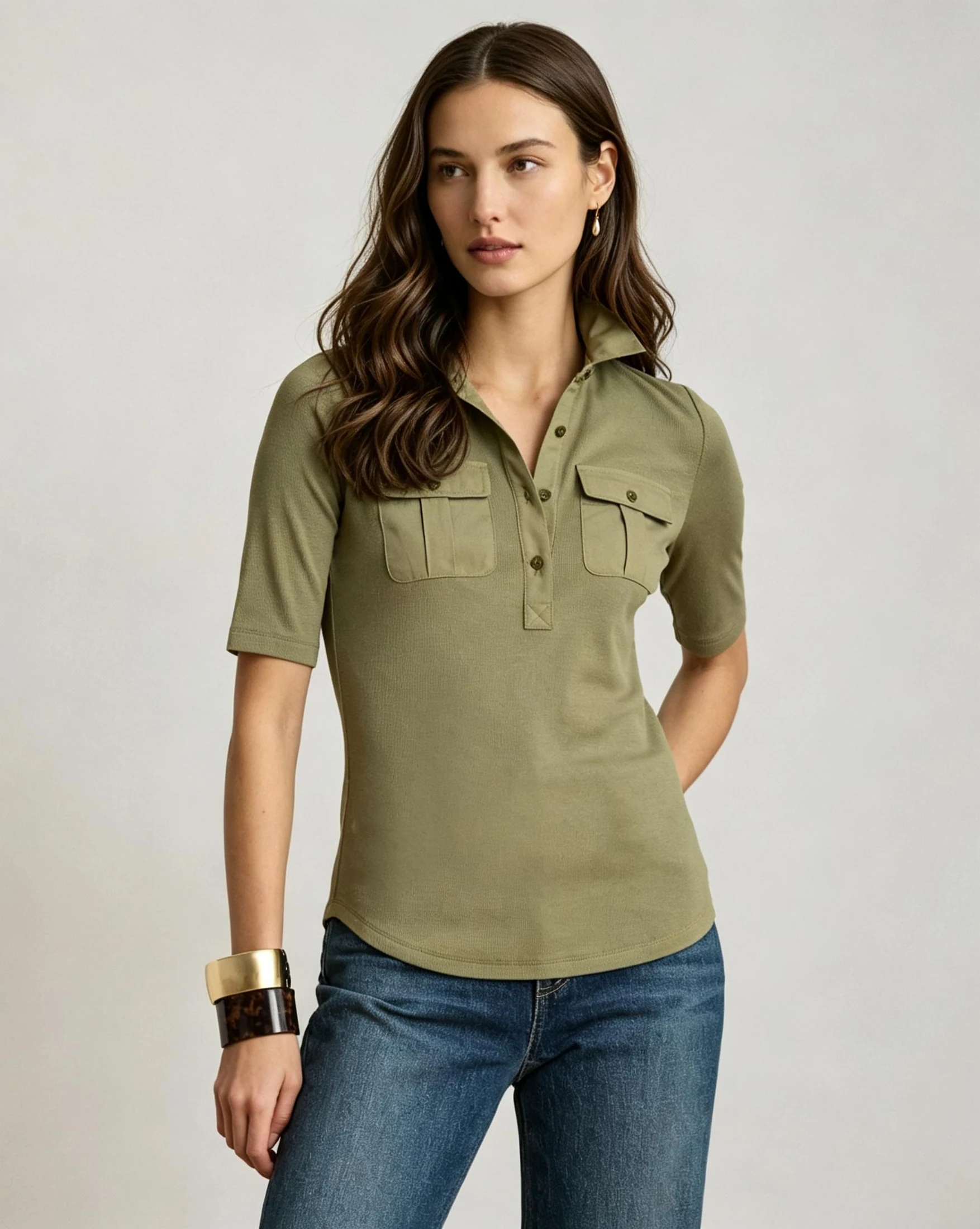
Custom Polo Shirts
Custom polo shirts produced in pique, jersey and performance knits with collar, placket and sleeve specifications tailored to your brand. Add embroidery, printing, contrast trims, size grading, custom buttons, labels and packaging.
Request a Quote
Custom Sweatpants
Custom sweatpants made in fleece, French terry or jersey with fit development for rise, inseam, cuffs and waistband comfort. Available details include pockets, drawstrings, rib trims, embroidery, prints, washes and XS–3XL grading.
Request a Quote
Custom Shorts
Custom shorts developed in jersey, fleece, twill, denim or performance fabrics for casual and active-inspired collections. We support inseam and pocket specifications, waistband construction, extended sizing, decoration, labels, trims and consistent bulk measurements.
Request a Quote
Custom Pullovers
Custom pullovers produced in knit, fleece, French terry or jersey constructions, based on your intended silhouette and season. Development covers neckline, fit, fabric weight, rib trims, embroidery, printing, washes, labels and scalable production.
Request a QuoteJean Factory Materials for Custom Apparel

Rigid Cotton Denim
A structured, authentic denim with a firm hand and minimal give, ideal for classic jeans, denim jackets and workwear silhouettes. Available across weights for durable construction, characterful fading and dependable shape retention.

Stretch Denim
Cotton-rich denim blended with elastane for comfortable recovery and easier movement. A practical choice for fitted jeans, denim shorts and modern women’s or extended-size styles, balancing a soft hand with resilient stretch.

Cotton French Terry
A smooth-faced knit with soft loopback texture, suited to premium hoodies, sweatshirts and matching sets. Its midweight construction provides breathable comfort, clean drape and enough body for refined casualwear silhouettes.

Brushed Cotton Fleece
A warm knit fabric with a brushed interior and plush hand feel, commonly used for hoodies, joggers and cold-weather layers. Available in substantial weights for insulation, softness and long-lasting everyday wear.

Combed Cotton Jersey
A soft, breathable knit with a smooth, refined surface for T-shirts, polos and lightweight casual essentials. Combed yarns reduce short fibers, helping create a cleaner hand feel, comfortable stretch and polished print results.

Cotton Twill Woven
A durable woven fabric recognized by its diagonal weave and crisp, substantial hand. Well suited to overshirts, utility jackets, trousers and workwear-inspired pieces, with reliable abrasion resistance and structured silhouette support.
Jean Factory Decoration, Washing and Finishing

Logo Embroidery
Flat, 3D puff, chain-stitch and applique embroidery create raised, tactile branding with strong stitch definition. Ideal for jean jackets, hoodies and denim sets requiring durable logos that retain their character through repeated wear.

Screen Printing
Plastisol, water-based, puff, flocking, silicone, high-density, foil and discharge screen printing produce bold artwork with controlled color and texture. Our team recommends inks and print methods based on fabric, artwork detail and wash requirements.

Dye Sublimation
Dye sublimation permanently bonds vivid, all-over graphics into compatible polyester fabrics without adding surface weight. It delivers smooth color, sharp detail and excellent wash resistance for performance knits, sportswear panels and custom graphic programs.

Digital Print Methods
DTG, DTF and heat-transfer decoration support detailed artwork, gradients and smaller production runs with flexible placement. These methods help emerging labels test graphic concepts while maintaining clean edges, rich color and dependable adhesion.

Garment Washes
Enzyme, acid, stone and garment-dye washes build lived-in color, softness and authentic denim character. Brushing, napping and softening finishes can further refine hand feel while controlled testing protects fit, seams and decoration quality.
Jean Factory Custom Trims, Labels and Packaging

Woven Brand Labels
Custom woven main labels, size labels and wash-care labels establish clear brand identity and product information inside jeans, jackets, knitwear and casualwear while supporting consistent private-label presentation across repeat production.

Leather Logo Patches
Embossed leather or leather-look patches add a premium signature detail to jean waistbands, denim jackets and workwear-inspired styles. JUNSHEEN can coordinate placement, artwork, material selection and secure attachment during production.

Custom Zippers Snaps
Select branded zippers, pullers, snap buttons, rivets and metal hardware for functional closures and distinctive finish. These components are specified to suit denim, outerwear, pockets, cuffs and adjustable garment details.

Drawcords And Tipping
Custom drawcords, aglets and contrast tipping give hoodies, sweatpants, shorts and waist-adjustable styles a considered retail finish. Options can align color, texture and trim material with your collection’s visual direction.

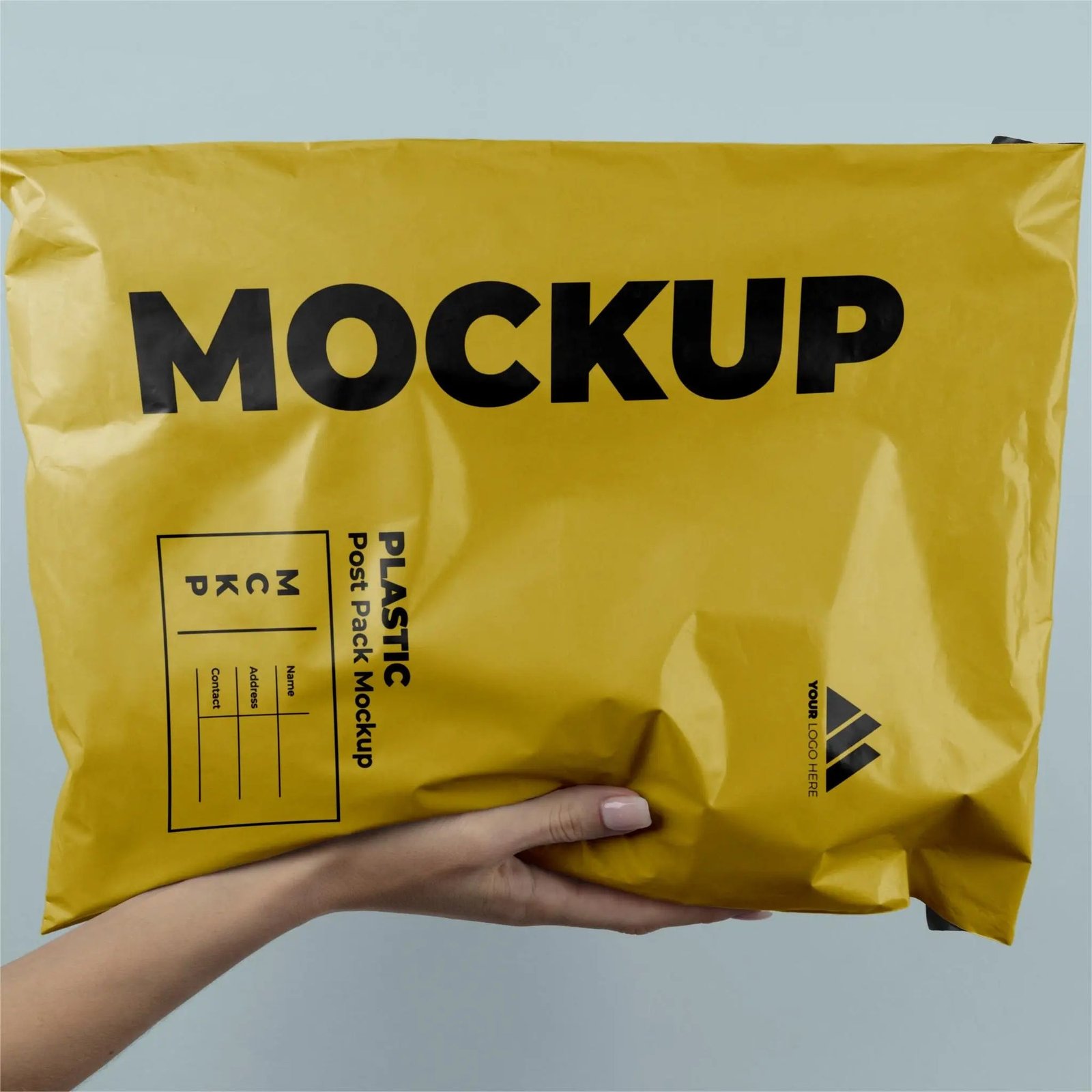
Branded Hangtag Sets
Coordinate custom hangtags, barcode stickers, price-ticket layouts, inserts and attachment methods for ready-to-sell apparel. These details help wholesalers, retailers and direct-to-consumer brands deliver a cohesive unboxing and store presentation.
Custom Patch Details
Add embroidered, chenille, applique, rubber or woven patches to denim and casualwear for dimensional branding. JUNSHEEN helps match patch construction, placement and attachment method to your garment fabric and wash process.
Inside the JUNSHEEN Jean Factory
Founded in 2010 in Humen Town, Dongguan, JUNSHEEN is a jean factory and one-stop apparel manufacturing partner for brands building denim, casualwear, knitwear and outerwear collections. Our mission is to turn concepts, sketches and tech packs into production-ready products with clear technical support from development through export.
More than 200 skilled workers support integrated cut-and-sew and knitting production, with monthly capacity above 80,000 units. From 100 units per style and color, we provide OEM, ODM, private-label and wholesale support for startups, established labels and sourcing teams, serving more than 2,000 fashion-brand clients worldwide.
What distinguishes JUNSHEEN is a fit-first approach. Our pattern team develops XS–3XL, extended-size, plus-size and oversized garments by refining proportion, mobility and grading at every size, then connects that work to fabric sourcing, decoration, washing, labels, packaging and quality control in one accountable supply chain.

Jean Factory Fit-First Development and Integrated Production
XS–3XL Pattern Engineering
Our jean factory develops normal, extended, plus-size and oversized fits with dedicated pattern adjustments—not simple size enlargement. Shoulder balance, rise, sleeve length, mobility and grading increments are refined across the full size range before bulk approval.
- Fit-focused development from XS through 3XL
- Extended-size and oversized proportions reviewed separately
- Size sets verify measurements and wearable balance
- Graded patterns retained for repeat programs

From Concept to Sample
Bring a tech pack, sketch, reference garment, mood board or early product idea. JUNSHEEN’s OEM, ODM and private-label team reviews feasibility, improves specifications, sources materials and creates production-ready samples for denim and casualwear programs.
- Tech-pack review and manufacturability guidance
- Fabric, trim and wash recommendations
- Prototype, revision and size-set sampling
- Low MOQ from 100 units per style and color

Decoration and Finishing In-House
Keep visual details coordinated within one production workflow. Our jean factory supports embroidery, print, custom patches, garment washes, dye effects, labels, trims and packaging, helping preserve intended color, hand feel and branding from approved sample to packed goods.
- Embroidery, screen printing, DTF and heat transfer
- Stone wash, enzyme wash, acid wash and garment dye
- Custom labels, leather patches and branded hardware
- Integrated finishing checks before final packing

Consistency for Reorders
Repeat orders move faster because JUNSHEEN retains approved patterns, graded size sets and material records. Incoming fabric, in-line construction, measurements, decoration and final packed goods are checked to help maintain dependable quality as orders scale.
- Documented approved specifications and materials
- In-line and final quality-control inspections
- 200+ skilled workers and 80,000+ monthly capacity
- Global export support for growing brand programs

Why Choose This Jean Factory Over Typical Apparel Suppliers
JUNSHEEN combines low-MOQ development, fit-focused production, documented quality control and export support in one accountable supply chain.
← 左右滑动查看 →
Jean Factory Production Process, Built for Reliable Scale
JUNSHEEN manages each production stage in one coordinated supply chain, from feasibility and fit development to quality-controlled export shipping.
Review Your Product Brief
Share a tech pack, sketch, reference garment, or idea. Our team confirms feasibility, construction details, fit requirements, MOQ, and production direction.
Source Fabrics and Trims
We recommend denim, stretch denim, cotton, fleece, knits, labels, hardware, and packaging based on target cost, hand feel, durability, and wash performance.
Develop Patterns and Samples
Pattern makers create and grade fit-focused XS–3XL specifications, then produce prototype samples for measurement, construction, decoration, and approval before bulk production.
Cut Decorate and Assemble
Approved materials move into cutting, sewing, embroidery, printing, washing, finishing, and private-label application, coordinated by our experienced apparel production team.
Inspect Pack and Ship
Quality checks cover fabric, measurements, construction, fit, decoration, and packed goods. We then prepare branded packaging and arrange worldwide export shipping.
Work With Our Jean Factory OEM/ODM Team
Move from a tech pack, sketch, or reference garment to approved samples and dependable bulk production with a clear, fit-focused process.
Submit Your Product Brief
Send your tech pack, sketch, reference garment, mood board, or product idea. Our team reviews construction, sizing, materials, decoration, target quantity, and launch requirements.
Confirm Specifications and Quote
Align on fabric, trims, fit grading, washes, private-label details, MOQ, timelines, and pricing. We recommend manufacturable options that match your target cost and quality goals.
Develop and Review Samples
Our jean factory creates patterns and prototype samples for your review. Refine measurements, fit, fabric hand feel, branding, and finishing before approving the production standard.
Approve Pre-Production Details
Confirm the final sample, graded size set, materials, artwork, labels, packaging, and order details. Retained production records support consistent repeat orders as your program grows.
Launch Controlled Bulk Production
JUNSHEEN manages cutting, sewing, decoration, washing, inspection, packing, and export support. In-line and final quality checks help deliver approved apparel ready for global distribution.
Custom Clothing Manufacturer Credentials and Compliance Documents



Jean Factory Client Results and Production Case Studies
JUNSHEEN helped us correct the rise, thigh, and inseam grading across XS–3XL before bulk approval. We reduced fit-related sample revisions from five rounds to two and launched our first 600-unit denim capsule on schedule.
We began with a 100-unit private-label jean run, then reordered three times within nine months. The wash consistency, branded trims, and communication gave us confidence to grow the program to 1,200 units per season.
Our oversized denim set needed a premium hand feel without missing our target cost. The team sourced workable fabric options, refined the sample, and delivered 480 launch units with measurements that matched our approved size set.
Jean Factory FAQ for OEM Buyers
Clear answers on minimums, development, production, payments, shipping and confidentiality for custom denim programs.
What is the minimum order quantity at your jean factory?
Can your jean factory develop jeans from a sketch or reference garment?
How does jean factory sampling work before I place a bulk order?
How long does custom jeans production take?
Can you make extended-size and plus-size jeans from XS to 3XL?
What payment terms does your jean factory offer?
Do you ship jeans internationally and handle export support?
How do you protect my designs, tech packs and private-label details?
The Complete Buyer’s Guide to jean factory
Use this practical framework to evaluate jean factory capabilities, compare supplier criteria, plan customization and pricing, and avoid costly sourcing mistakes before launching or scaling your denim collection.
1. What Is a jean factory?
2010 is the founding year of Dongguan Junsheen Clothing Co., Ltd., an OEM/ODM apparel manufacturer in Humen, Dongguan. A modern jean factory turns a brand concept, tech pack, reference garment, or sketch into production-ready denim through pattern development, size grading, fabric and trim sourcing, prototype sampling, and pre-production approval. 10–16 oz denim is commonly specified by finished-garment weight, but the factory must also control fiber blend, stretch recovery, shrinkage, shade, and wash response before cutting. Its production flow includes marker making, cutting, sewing, reinforcement at stress points, washing or garment finishing, measurement checks, inspection, packing, and export preparation. 100 units per style and color can be a practical starting point for a capsule program at a factory-direct partner such as Junsheen. Unlike a general garment factory that may primarily assemble many product categories, a specialized jeans supplier manages denim-specific concerns such as rise balance, inseam grading, pocket placement, rivets, bartacks, zipper selection, wash testing, and consistent shade across a bulk order. 200+ skilled workers and monthly capacity above 80,000 units allow Junsheen to serve emerging labels testing a fit, established brands replenishing proven styles, wholesalers developing private-label ranges, and retailers needing controlled repeat production. Factory-direct production is most useful when buyers need clearer technical feedback, lower minimums, coordinated labels and packaging, and one accountable team from sample through packed goods.
2. Evolution of the jean factory
1873 established the riveted blue jean as hard-wearing workwear; factories then relied on chain-stitch hemming, felled seams and standardized industrial sewing to make durable garments at scale. As denim became everyday fashion, production expanded from local mills and sewing rooms into global supply chains linking yarn, weaving, cut-and-sew, finishing and export. 1980s wash development made the jean factory a product-development partner, not merely a sewing operation. Stone wash, enzyme wash, bleaching, garment dye and acid effects created distinct looks, while elastane blends added recovery and mobility to rigid cotton denim. 2010s sustainability pressure pushed buyers to ask where cotton, dyes, chemicals and washing processes originate, and to request documented testing and repeatable wash recipes. Automated cutting, digital pattern systems and laser or ozone finishing can shorten development cycles and reduce variability, but fit approval and physical wash samples remain essential. 100-unit per style-and-color access now lets emerging labels test a silhouette before committing to bulk. Buyers expect a jean factory to provide clear material traceability, realistic sampling and production lead times, flexible MOQ, retained patterns and grading, and differentiated fits, washes and trims rather than commodity five-pocket jeans.
3. Types of jean factory Services
Six service models dominate denim sourcing, and each shifts responsibility between brand and factory. Match the model to your technical readiness, volume, wash complexity, and need for fabric control before requesting quotes.
| Model | Handles | Best For | Buyer Tradeoff |
|---|---|---|---|
| CMT | Cut and sew | Technical brands | Highest coordination |
| Full-package OEM | Development to shipment | Growing labels | Less supplier control |
| ODM/private label | Existing styles adapted | Fast launches | Lower exclusivity |
| Integrated maker | Materials through production | Repeat programs | Often higher MOQs |
| Wash specialist | Laundry effects | Complex finishes | Needs strong specs |
| Small-batch specialist | Low-volume production | Market testing | Higher unit cost |
CMT Production
CMT means cut, make, trim: the factory cuts approved fabric, sews garments, and installs supplied trims. It suits experienced brands with locked patterns, purchase orders, and nominated mills. 100% of fabric, wash specifications, grading, and compliance coordination usually remains the buyer’s responsibility. CMT offers maximum material control but exposes weak planning and can add coordination cost.
Full-Package OEM
Full-package OEM manages development through packed goods, including sourcing, patterns, production, and quality control. It fits brands needing a production partner rather than separate fabric and sewing vendors. 100-unit programs can be practical for focused styles, while established runs benefit from consolidated purchasing. Buyers retain approvals on fit, Pantone, wash standard, and pre-production sample; factory coordination reduces operational burden.
ODM And Private Label
ODM starts with supplier-developed blocks or proven styles that buyers adapt with labels, colors, fabrics, or finishes. Private label is fastest when launch speed matters more than exclusive construction. 2-3 sample rounds are still advisable because fit and wash can change after branding. Unit cost and development risk are lower, but design differentiation and ownership are more limited.
Integrated And Specialist Facilities
Vertical makers combine fabric access, cutting, sewing, and sometimes laundry, improving traceability and replenishment planning. Choose them for repeat denim programs where consistent shade, fabric availability, and scale outweigh flexibility. Wash-focused facilities handle enzyme, stone, acid, bleach, and garment-dye effects; send them clear wash standards and test garments. Small-batch specialists suit 100-unit validation runs but commonly have higher per-unit labor costs.
4. Jean Factory Materials and Fabrics
10–16 oz denim is the starting decision for fit, comfort, wash character, and delivered cost. A capable jean factory confirms fiber content, weave, shade, shrinkage, and test requirements before approving bulk fabric.
| Fabric Type | Typical Weight | Key Properties | Recommended Use |
|---|---|---|---|
| Rigid cotton denim | 12–16 oz | Structured, durable, vintage fading | Straight, loose, workwear jeans |
| Stretch cotton denim | 10–13 oz | Comfort, recovery, closer fit | Slim jeans, jeggings |
| Cotton blend denim | 8–12 oz | Lower cost or softer hand | Shorts, shirts, fashion denim |
| Recycled cotton denim | 10–14 oz | Lower virgin-fiber use; variable strength | Responsible capsule programs |
| Selvedge denim | 12–18 oz | Dense edge, narrow width, premium appeal | Heritage and limited runs |
Fiber And Stretch

100% ring-spun cotton rigid denim gives the strongest vintage character and breaks in with wear, but needs accurate shrinkage control. Cotton-elastane denim improves recovery for slim jeans; excessive stretch can cause bagging at knees and seat.
- Use 1–3% elastane for most stretch jeans.
- Specify cotton source and recycled-content percentage.
- Request warp and weft stretch-recovery data.
Weight And Weave
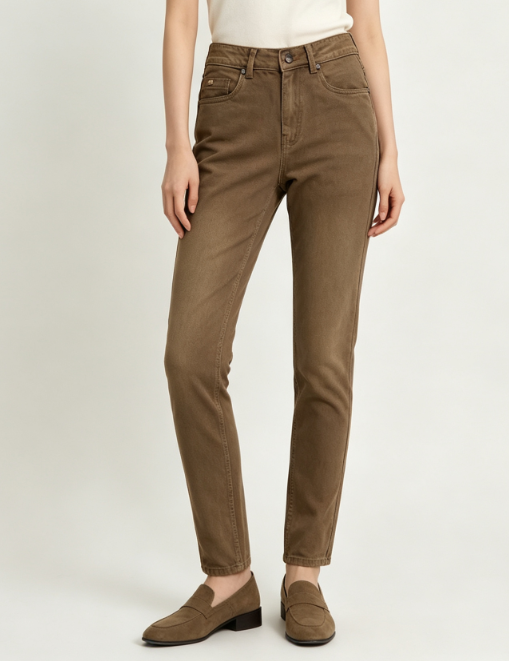
8–10 oz fabrics suit lightweight shirts, shorts, and warm-climate denim, while 12–14 oz supports mainstream five-pocket jeans. 15 oz and heavier denim creates structured silhouettes but increases sewing difficulty, wash time, and freight weight. 3×1 right-hand twill is the common five-pocket weave because its diagonal face wears predictably. Selvedge denim uses narrow shuttle-loom construction; it can add provenance and clean outseams, but fabric width and yield affect cost.
Color And Fabric Testing

1 lab dip is insufficient for bulk approval: compare shade under daylight and store lighting, then retain an approved cutting swatch. Indigo, sulfur black, and garment-dye colors should be tested after the intended wash recipe. 3 wash cycles should check dimensional change, seam torque, crocking, colorfastness, pilling, and stretch recovery. Ask for shrinkage targets by direction, since uncontrolled warp shrinkage changes inseam and rise.
- Test dry and wet crocking for dark shades.
- Confirm wash appearance on production-weight fabric.
- Keep approved swatches with lot records.
5. Customization and Decoration Options
A 100-unit capsule can look proprietary when fit, wash, and trim decisions reinforce one clear brand code. At a jean factory, specify each visible choice early so sampling tests the complete garment rather than a generic base.
| Choice | Brand Value | Production Watchpoint |
|---|---|---|
| Contrast stitching | Visible, low-complexity identity | Approve color and stitch density |
| Pocket embroidery | Recognizable rear view | Protect seam strength and alignment |
| Laser or distressing | Fashion-led surface character | Control placement and variation |
| Custom hardware | Premium tactile cue | Confirm plating and corrosion testing |
Fit Blocks And Construction
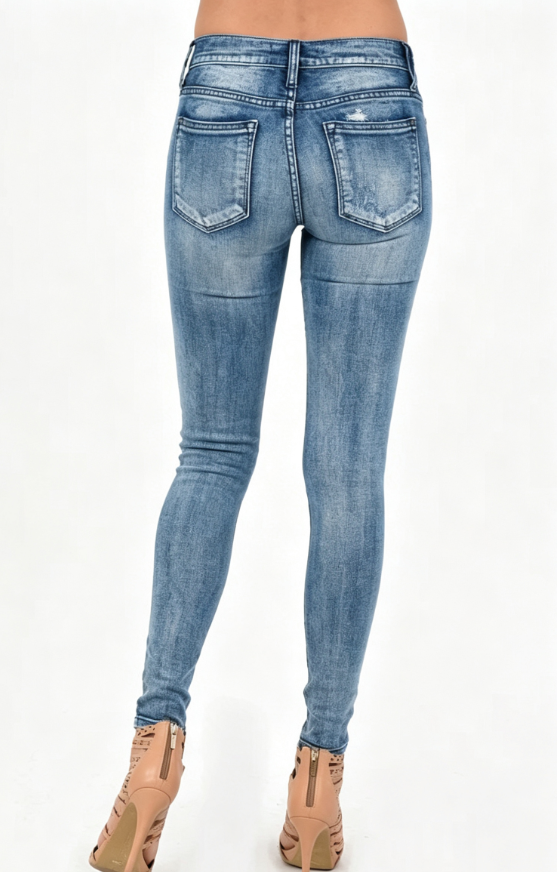
XS–3XL programs need separate grading decisions for rise, thigh, knee, and leg opening; simply enlarging one block distorts proportion. Two-pocket placement, back-yoke depth, coin-pocket shape, belt-loop count, and contrast topstitching can distinguish a jean without changing the sewing route.
- Choose straight, slim, relaxed, wide-leg, or flare blocks
- State high, mid, or low-rise measurements
- Specify stitch color, SPI, and bartack locations
Brand Signatures That Matter

YKK-type zippers, custom shank buttons, rivets, leather patches, woven labels, and branded pocket embroidery create repeatable recognition at touchpoints customers inspect. One focused signature—such as an arcuate, patch shape, or colored bartack—usually adds more value than stacking several costly treatments on one style.
- Match hardware finish across zipper, rivets, and button
- Approve label artwork, dimensions, and placement
- Use embroidery where abrasion will not weaken seams
Artwork, Effects, And Durability
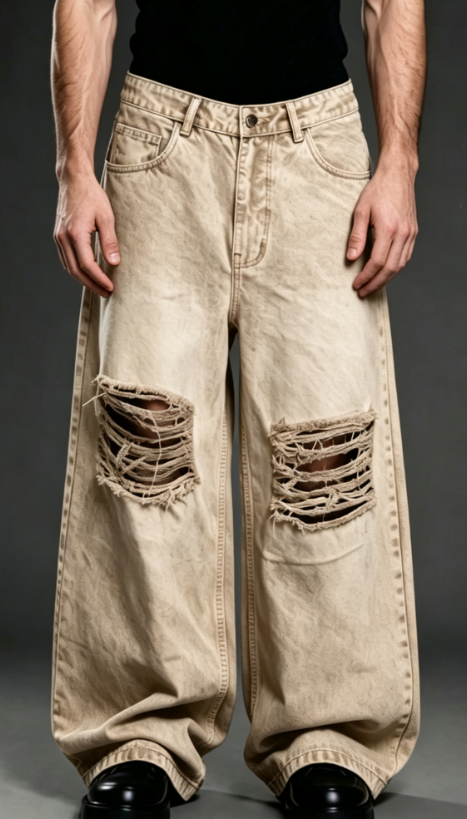
Pantone artwork, vector logos, placement dimensions, stitch files, and wash reference photos belong in the tech pack; raster screenshots invite interpretation errors. Three wash samples should test shade, shrinkage, abrasion, print adhesion, and hardware corrosion before bulk approval. Laser whiskers, distressing, and heavy bleaching require controlled placement because repeatability and yield can suffer.
- Request strike-offs for prints and embroidery
- Define acceptable distress variation by reference photo
- Test decoration after the intended wash process
6. Key Jean Construction Quality Elements
Three approval stages—prototype, pre-production sample, and finished-goods inspection—should lock denim quality before shipment. A capable jean factory documents the approved sample, measurement chart, wash standard, and hardware specification as bulk-production references.
Seams And Stress Points

10–12 SPI lockstitch construction seams and 6–8 SPI topstitching are common denim targets; stitches must be even, securely backtacked, and free from skipped stitches or puckering. 2–3 bartacks should reinforce pocket corners, fly ends, belt loops, and other stress points. Inspect chain-stitch hemming for uniform tension and confirm flat-felled or lap seams match the intended durability and look.
Fit, Pockets, And Hardware
±0.5 cm tolerances are often specified for key points such as waist, hip, rise, thigh, leg opening, and inseam; the brand’s tech pack should set the actual acceptable limits. 1 matched pair of back pockets should sit level, symmetrical, and consistently spaced from the center back and waistband. Check waistband curvature, belt-loop security, zipper operation, button attachment, and rivets for sharp edges or loose setting.
Approval And Inspection Gates
3 sample gates prevent expensive corrections: prototypes validate pattern and construction, while the pre-production sample confirms approved fabric, wash, shade, trims, measurements, and labeling before cutting bulk. AQL 2.5 final inspection should compare packed garments with the sealed sample and measure a defined size range. Examine wash stability after laundering for shrinkage, twisting, color loss, seam roping, and inconsistent inseams across units.
7. How to Choose a jean factory
Before paying a deposit, evaluate a jean factory against the exact style, wash, volume, and market you plan to sell. A capable supplier can show evidence from comparable denim programs rather than relying on a generic capability deck.
Verify Denim Experience

Request 3–5 recent samples comparable in weight, stretch, wash, and construction to your brief. Inspect seam roping, inseam and rise measurements, bartacks, zipper installation, and wash consistency after laundering. Ask which mills supply 10–14 oz rigid denim and stretch denim, and whether the factory controls enzyme, stone, acid, or garment-dye washes. Request fabric test reports, wash recipes, and shrinkage tolerances.
- Ask for pre- and post-wash measurements
- Confirm laser, whisker, and hand-sanding controls
- Request photos of bulk-packed comparable orders
Test Development Communication
Send one tech pack with a Pantone callout, measurement chart, and reference image before committing. Judge whether the team flags construction risks, proposes corrections, and returns a dated sample plan. Ask for a prototype, size set, and pre-production approval path. Clear pattern, grading, and revision records reduce fit drift from XS through 3XL.
- Who approves pattern revisions?
- What is the sample turnaround?
- Which changes alter cost or lead time?
Audit Delivery Controls
Confirm the quoted MOQ per style and color, not merely a headline minimum; 100 units may be workable for a capsule, while wash and fabric minimums can differ. Request the monthly capacity, critical-path timeline, and export destinations served. Ask for incoming-fabric, in-line, measurement, wash, and final-inspection procedures. Request applicable OEKO-TEX, GOTS, WRAP, or BSCI documentation only where claimed, plus an itemized quote and payment terms before releasing funds.
- Ask for named production milestones
- Confirm final balance timing before shipment
- Require material and trim substitutions in writing
8. Common Jean Factory Sourcing Mistakes
A 1% saving on a denim unit can disappear through one rejected wash lot or an unplanned remake. A jean factory should be selected against a written production standard, not a quotation alone.
Price-Only Selection
A quote must identify denim weight, composition, wash, trim grade, packaging, and Incoterm before comparison. A lower price may omit testing, better hardware, or allowance for wash loss. Three comparable quotations expose scope gaps before an order is placed. Require a line-by-line costed specification and confirm which changes trigger a revised price.
Ambiguous Sample Approvals
One approved sample should carry dated measurements, Pantone references, construction notes, and a wash standard. Verbal approval leaves the bulk team no reliable production target. A size-set approval is essential when selling across several sizes. Freeze the sealed sample, measurement tolerance, and revision list before cutting bulk fabric.
Wash, Shrinkage, And Trims

Denim can change materially after enzyme, stone, or garment washing, especially in inseam, waist, shade, and hand feel. Skipping a wash test risks a fit failure across the full order. Shrinkage must be tested on the actual fabric and wash recipe, then built into the pattern. Specify zipper brand or performance level, button finish, rivet placement, thread color, and label attachment rather than approving generic trims.
Timelines, MOQ, And Inspection
A 100-unit-per-style-and-color MOQ can make a broad color launch commercially inefficient. Confirm whether MOQ applies per color, wash, size ratio, or total style before forecasting inventory. Lead time begins only after fabric, trims, sample, and payment are approved; it is not a fixed promise from inquiry. Define incoming, in-line, measurement, wash, and final packed-goods inspections, including defect limits and rework responsibility.
9. Steps to Launch Your Denim Brand
A launchable denim program starts with a defined customer, price band, and reference set—not a sketch alone. Emerging labels can begin near a 100-unit MOQ per style and color once specifications, materials, and approvals are locked.
Position The First Drop
Three reference products should establish silhouette, target retail price, and competitive gaps before development begins. Record intended customer, fit block, color count, and margin target in a launch brief. One approved tech pack should specify measurements, construction, stitch count, labels, hardware, and Pantone colors. Include front and back flats, bill of materials, grading rules, and wash callouts.
Select Fabric And Wash

10–14 oz stretch denim suits many contemporary jeans, while 12–16 oz rigid denim supports a more authentic workwear hand. Request swatches, composition, shrinkage data, and wash-test samples before bulk booking. Two sample rounds are common: a prototype verifies pattern and construction, then a fit sample confirms graded measurements. Approve wash panels under daylight because enzyme, stone, and acid washes can shift shade and abrasion.
Release Bulk Production
Seven to 14 days is a practical sampling window after complete materials and comments are received. Freeze a signed pre-production sample, measurement chart, approved wash standard, and packaging specification before paying the production deposit. Four inspection gates reduce late surprises: incoming fabric, in-line sewing, final measurements, and packed-goods audit. Confirm zipper, rivet, label, embroidery, and carton requirements against the approved sample.
Plan Freight And Reorders
30–45 days is a common bulk-production planning range after pre-production approval, subject to fabric availability and wash complexity. Book freight after carton dimensions, destination, Incoterms, and balance-payment timing are confirmed. 60 days before stock-out is a sensible replenishment trigger for repeat jeans. Retain the graded pattern, fabric code, wash recipe, trim list, QC results, and sales-by-size data to make the next order more predictable.
10. Jean Factory Pricing and Costs
100 units per style and color is a practical starting point for custom jeans, but an ex-works quote varies with specification. For planning only, the ranges below assume midweight cotton-stretch denim, standard five-pocket construction, basic branding, and no freight, import duty, or tax. 12–14 oz denim, fiber blend, mill minimums, wash recipe, hardware, stitching operations, and sewing time drive most factory cost. Laser distressing, hand sanding, whiskers, enzyme or stone washes, special rivets, YKK zippers, leather patches, and individual polybags each add cost; patterns, size grading, samples, custom cartons, and export packing are separate development or order costs. 30–45 days is a typical bulk-production window after materials and approvals are confirmed, while shipping, destination-country duties, brokerage, and VAT/GST sit outside the garment price. Buyers can protect essential quality by consolidating colors, using stock denim and proven washes, limiting custom trims, approving fit early, and increasing units per style; every jean factory quote should be compared on identical specifications and Incoterms.
| Order quantity | Indicative ex-works unit price (USD) | Bulk lead time |
|---|---|---|
| 100–299 units | $18–$32 | 35–50 days |
| 300–999 units | $14–$26 | 30–45 days |
| 1,000+ units | $11–$22 | 25–40 days |
Start Your Jean Factory Sampling Project
Send your tech pack, sketch or product idea to JUNSHEEN for a feasibility review and tailored quote from 100 units per style and color.