Knitted Sweaters Suppliers for Scalable OEM Production
JUNSHEEN delivers private-label knitwear from 100 units per style, with fit-focused XS–3XL development and dependable global production.
Featured Products for knitted sweaters suppliers Development




Related Product Catalogue and Quotation





Why Brands Choose JUNSHEEN Among Knitted Sweaters Suppliers
From first samples to scalable bulk orders, JUNSHEEN combines knitwear development, fit control, finishing, and export-ready production in one supply chain.
Launch-Ready Low MOQs
Start private-label sweater programs from 100 units per style and color, helping emerging labels validate collections before committing to larger runs.
Scalable Knit Production
With 200+ skilled workers and 80,000+ monthly units, JUNSHEEN supports repeat orders, seasonal growth, and dependable global delivery.
Fit-First Size Development
Patterns are developed and graded from XS to 3XL, refining proportions, mobility, and oversized or plus-size fit across the size set.
Integrated Brand Finishing
Coordinate logo embroidery, printing, washing, labels, trims, and branded packaging through one experienced team for a more controlled final product.
OEM Development Support
Bring a tech pack, sketch, reference, or idea; our team manages yarn sourcing, sampling, construction details, and production readiness.
Custom Apparel Categories, Built to Scale
Develop fit-focused casualwear, denim, outerwear and knitwear from 100 units per style and color, with integrated development, decoration and private-label support.

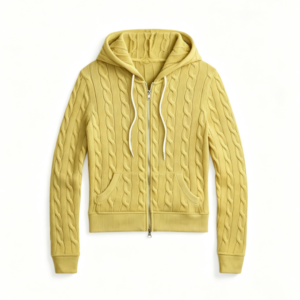
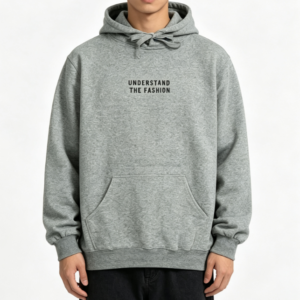
Custom Hoodies
Develop custom hoodies in fleece, French terry or jersey with fit-reviewed XS–3XL grading, custom weights, rib trims, drawcords, pockets, embroidery, printing and branded labels. Suitable for capsule drops, team merchandise and scalable private-label programs.
Request a Quote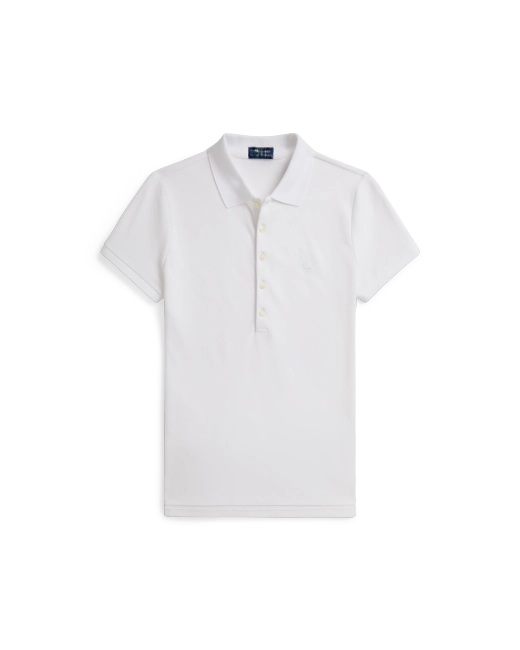
Custom T-Shirts
Produce custom T-shirts from combed cotton, Pima cotton, organic cotton or performance blends, with specifications for weight, neck rib, silhouette and wash. Pattern development and decoration options support dependable size consistency across core, oversized and extended-size ranges.
Request a Quote
Custom Jeans
Build custom jeans in rigid, stretch or recycled denim with controlled rise, leg shape, pocket placement, hardware and wash development. Junsheen supports pattern grading, fit samples, enzyme, stone and acid washes, then scalable bulk production for branded denim programs.
Request a Quote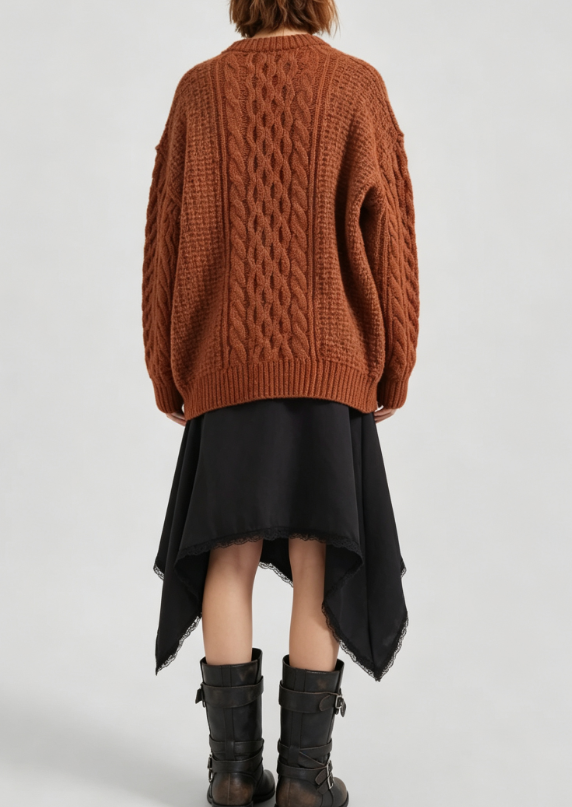
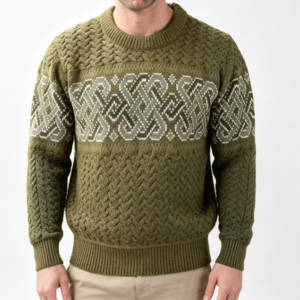
Custom Sweaters
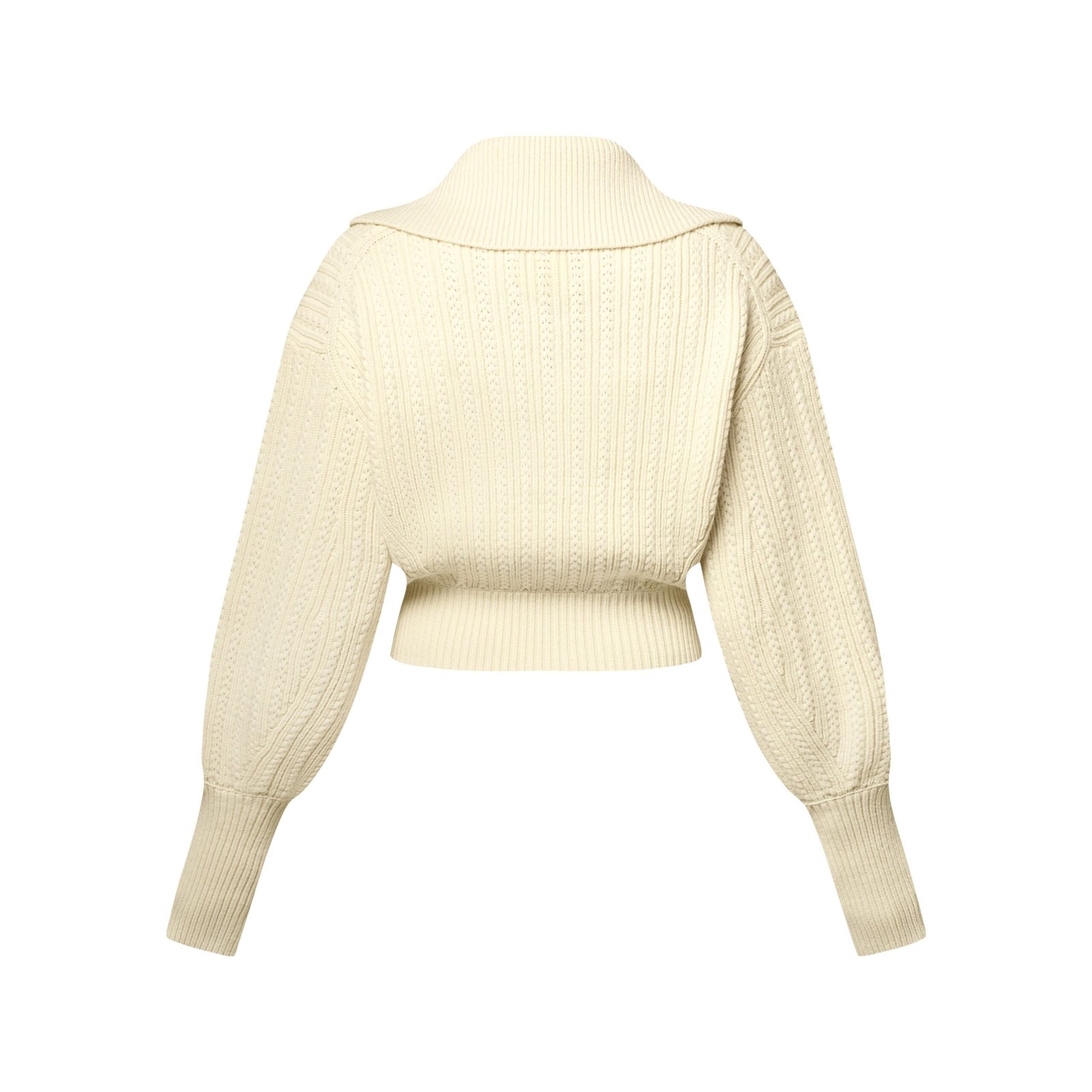
Source turtle neck sweater bulk programs and custom sweaters in wool, cotton, blended yarns or technical constructions. Develop gauge, stitch structure, neck shape, body proportion and size grading before approving samples for wholesale or private-label production.
Request a Quote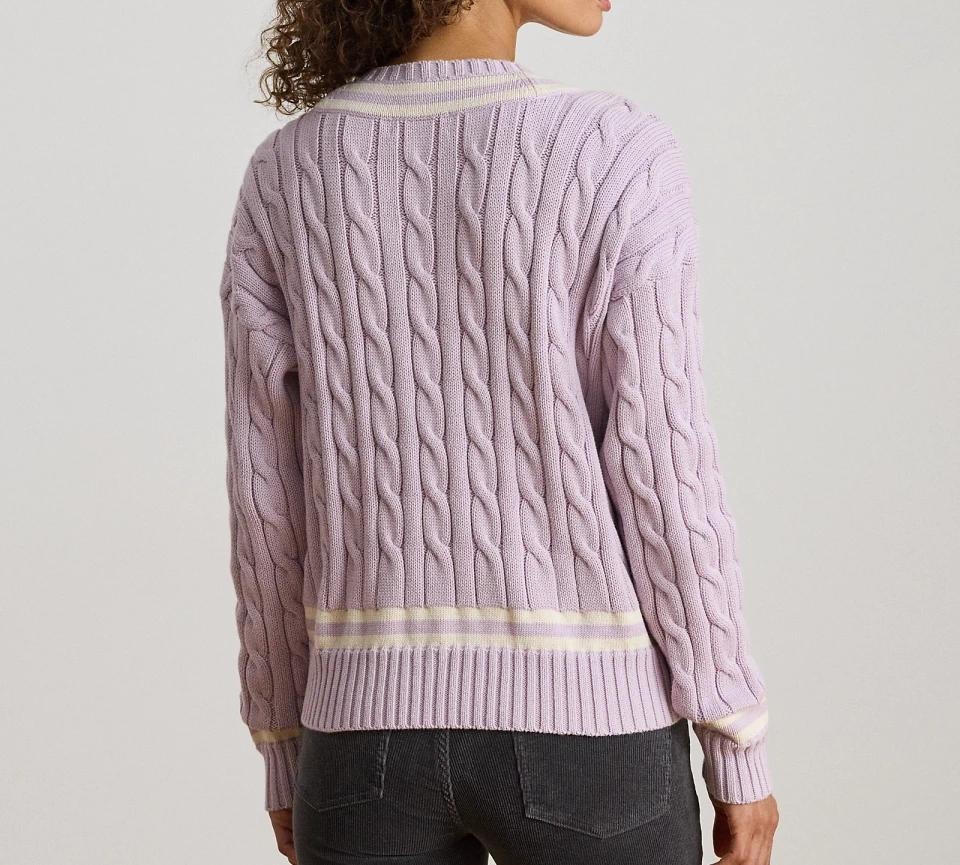
Custom Jackets
Develop custom jean jackets and other woven outerwear with denim weight, silhouette, pocket engineering, closures and wash effects matched to your range. In-house decoration, branded hardware and labels help turn a reference or tech pack into production-ready outerwear.
Request a Quote
Custom Sweatshirts & Crewnecks
Produce custom crewneck hoodie and sweatshirt programs in brushed fleece, French terry or jersey. Control garment weight, shoulder shape, rib recovery, oversized proportions and decoration placement while maintaining consistent grading for XS–3XL and repeat bulk orders.
Request a Quote
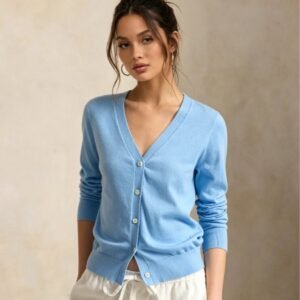
Custom Cardigans
Create custom cardigans with defined yarn composition, gauge, stitch detail, button selection and fit balance. The development team reviews placket construction, sleeve proportions and grading so brands can approve commercially consistent knitwear across core and extended sizes.
Request a Quote
Custom Puffer & Down Jackets
Manufacture custom puffer jackets with defined shell fabric, insulation, quilting layout, pocket construction, zippers and branded trims. Sampling verifies warmth, mobility and fit before bulk production, supporting seasonal outerwear programs from low-MOQ launches to replenishment orders.
Request a Quote
Custom Denim Shorts
Develop custom jean shorts in rigid or stretch denim with selected inseam, rise, hem finish, pocket placement and wash treatment. Pattern makers refine grading and mobility across sizes, helping brands avoid inconsistent fit during sampling and bulk production.
Request a Quote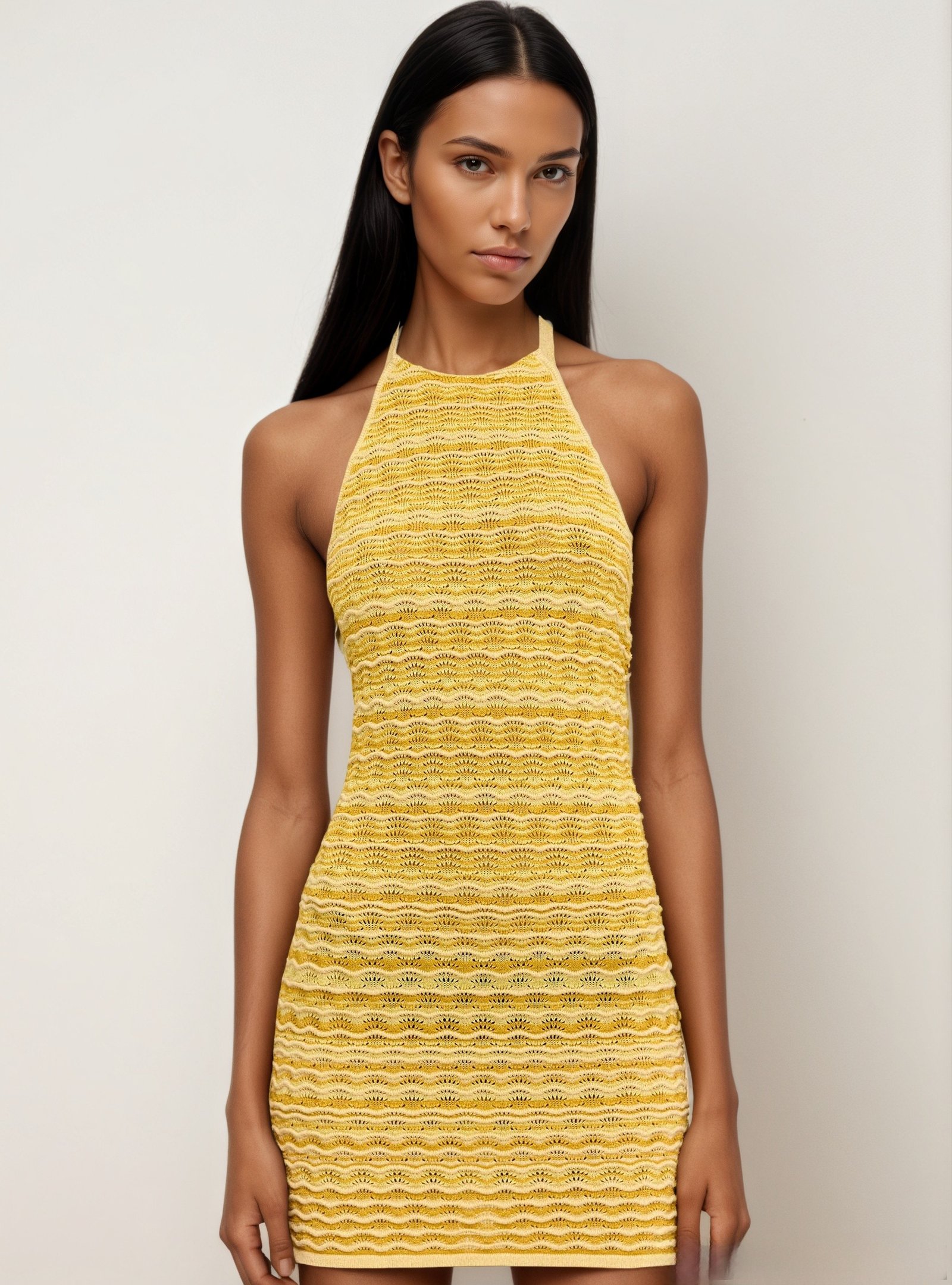
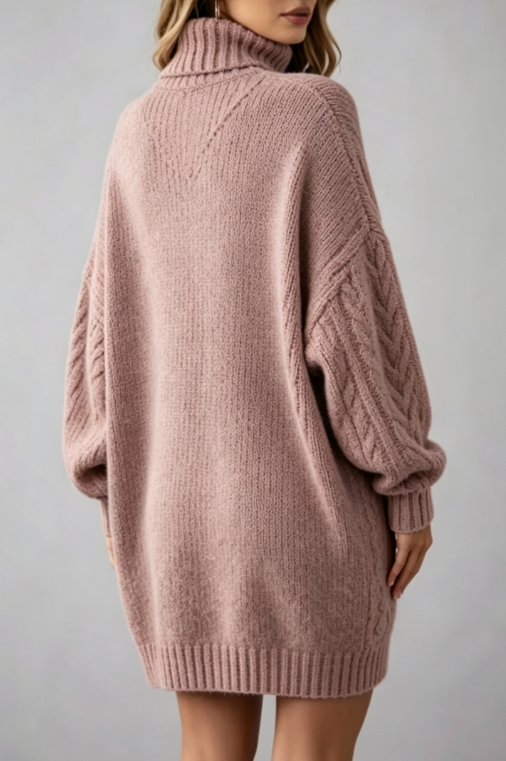
Custom Sweater Dresses
Produce custom sweater dresses with yarn, gauge, stitch pattern, length and silhouette aligned to your target customer. Fit development addresses shoulder balance, bust and hip proportion, sleeve length and grading for regular, extended-size and oversized collections.
Request a Quote
Custom Denim Sets
Build mens denim suits wholesale programs with coordinated denim jackets and jeans, matched washes, hardware and fit specifications. Junsheen manages fabric sourcing, pattern development, sampling and repeatable bulk production for retailers, wholesalers and private-label brands.
Request a Quote
Custom Polo Shirts
Manufacture custom polo shirts in piqué, jersey or performance knit fabrics with selected collar construction, placket, sleeve finish and logo decoration. Specifications can be developed for retail uniforms, branded merchandise or fashion collections, with size grading through 3XL.
Request a Quote
Custom Sweatpants
Produce custom sweatpants in fleece, French terry or jersey with controlled rise, leg shape, elastic, drawcord and pocket construction. Fit-focused grading supports matching sets and extended-size assortments while printing, embroidery and labels remain managed in one production workflow.
Request a Quote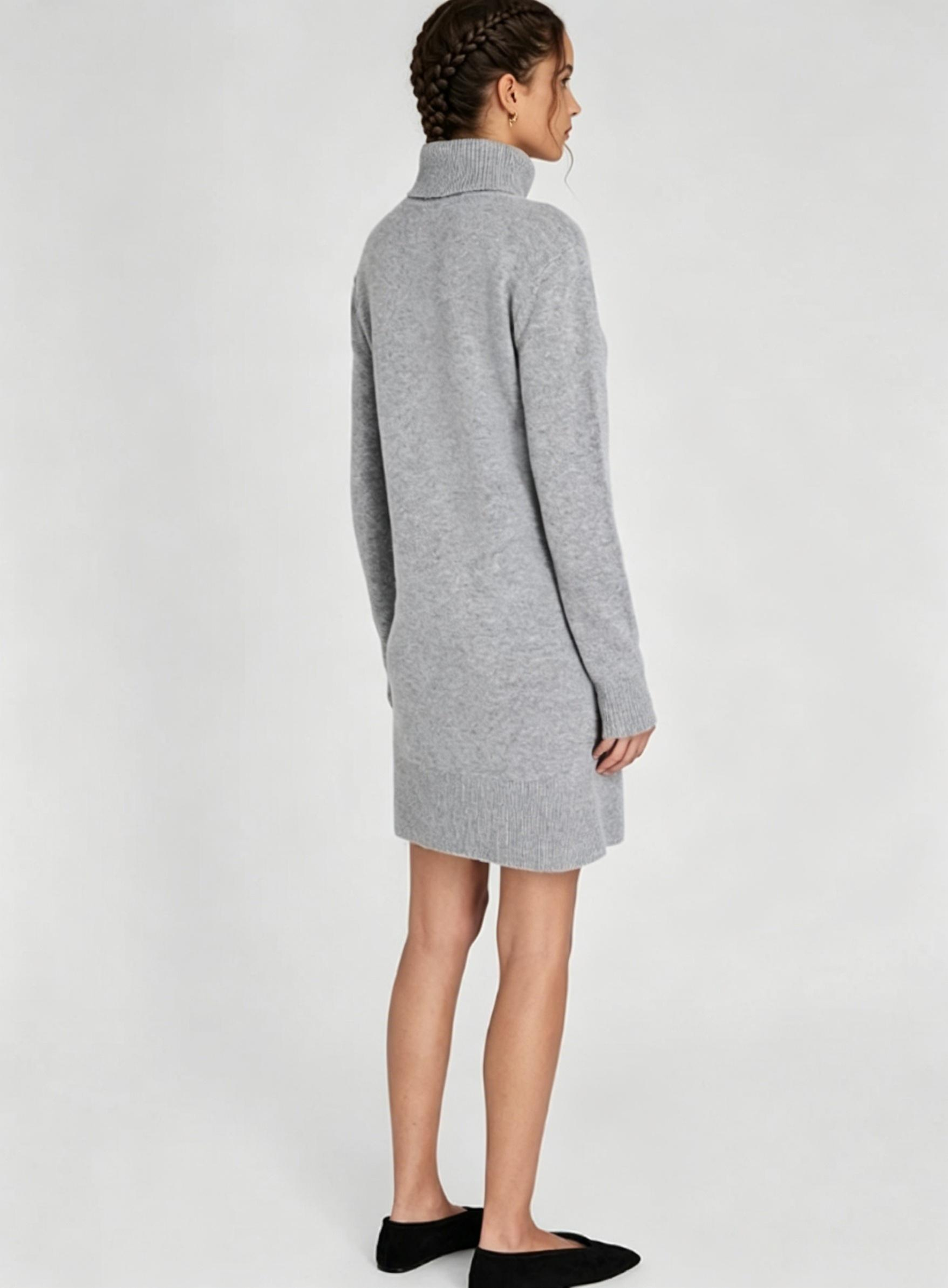
Custom Shorts
Develop custom shorts in jersey, fleece, twill, woven or performance fabrics for seasonal collections and coordinated sets. Specify inseam, rise, waistband, pockets, stretch and finishing, then review prototypes and graded fit before moving into low-MOQ or bulk production.
Request a Quote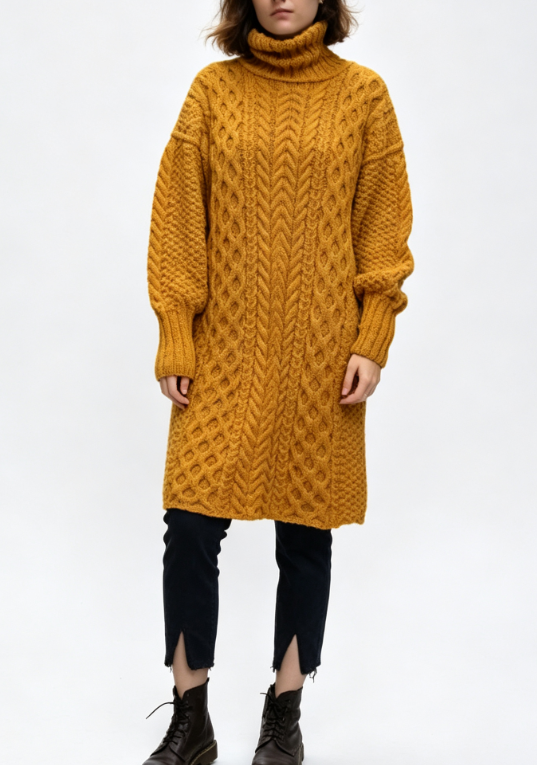
Custom Pullovers
Manufacture custom pullovers in knit, fleece, French terry or jersey constructions with specifications for neckline, weight, silhouette, rib trims and decoration. Junsheen supports product development from sketches or references through samples, private labeling and scalable global delivery.
Request a QuoteYarn, Knit & Fabric Options for Knitted Sweaters Suppliers

Combed Cotton Yarn
Smooth, breathable and skin-friendly, combed cotton yarn suits everyday pullovers, cardigans and lightweight knit sets. Its clean hand feel and reliable color performance make it a versatile choice for spring-to-fall collections.

Wool Blend Yarn
Warm with a refined, resilient hand, wool blends work well for premium sweaters, rib knits and cold-weather layers. Fiber ratios can balance insulation, softness, durability and target cost while helping reduce excessive bulk.

Cashmere Blend Yarn
Cashmere blends deliver a soft, elevated hand feel for premium crewnecks, turtlenecks and giftable knitwear. Blending with wool or performance fibers improves shape retention and wear durability while managing material cost.

Viscose Nylon Blend
Soft, fluid and polished, viscose nylon blends are ideal for fine-gauge sweaters, fitted dresses and lightweight layering pieces. The nylon content adds strength and recovery, helping garments retain a smooth silhouette through repeated wear.

Acrylic Blend Yarn
Lightweight, warm and color-responsive, acrylic blends support commercial knitwear programs with accessible pricing. Suitable for fashion pullovers and statement jacquards, they offer dependable color clarity, easy care and scalable sourcing options.

Recycled Fiber Blends
Recycled cotton, polyester or wool blends help brands develop lower-impact knitwear without losing practical performance. JUNSHEEN reviews fiber content, yarn consistency, pilling resistance and available certifications before bulk material approval.
Knitted Sweaters Suppliers’ Decoration & Finishing Processes

Logo Embroidery
Flat, 3D puff, chain-stitch, and applique embroidery add dimensional logos or artwork to sweaters. Placement and backing are selected for the knit structure to preserve shape, stitch clarity, and long-wear durability.

Custom Patch Application
Woven, embroidered, chenille, leather, and custom logo patches create a tactile branded finish. JUNSHEEN matches attachment methods to the sweater construction so patches remain secure while maintaining a clean, premium appearance.

Knit-Compatible Printing
Screen print, puff, flocking, silicone, foil, DTF, and heat-transfer options apply graphic detail where suitable. The team reviews yarn texture and panel stability to achieve crisp visuals without compromising hand feel.

Garment Dyeing
Garment dyeing delivers rich, lived-in color variation after assembly for selected sweater constructions. It creates an individual character across the collection while material testing helps control shrinkage, colorfastness, and overall fit.

Softening And Brushing
Softening, enzyme treatment, brushing, and napping refine the sweater’s surface and hand feel. These finishing effects can enhance comfort, add a warmer tactile quality, and support a more elevated retail presentation.
Custom Trims, Labels & Packaging for Knitted Sweaters

Woven Brand Labels
Add custom woven main labels, size labels, and wash-care labels to sweaters, cardigans, and pullovers for a polished private-label presentation with clear fiber, care, and sizing information.

Custom Knit Buttons
Specify branded buttons in horn-look, metal, shell, resin, or covered finishes for cardigan plackets and knit tops, balancing appearance, durability, buttonhole compatibility, and your target garment cost.

Zippers and Pullers
Choose durable zippers and custom logo pullers for quarter-zips, full-zip sweaters, and knit outerwear. Options are matched to garment weight, zipper tape color, finish, and everyday wear performance.

Drawcords and Tips
Use custom drawcords, aglets, and cord ends on hooded sweaters and knit sets to reinforce your color story. JUNSHEEN can coordinate cord material, tipping finish, length, and logo details.

Custom Patches
Apply embroidered, woven, leather-look, silicone, or applique patches to knitwear for elevated logo placement. Patches can add dimension to sleeves, chest panels, hems, and coordinated collection pieces.
Branded Packaging
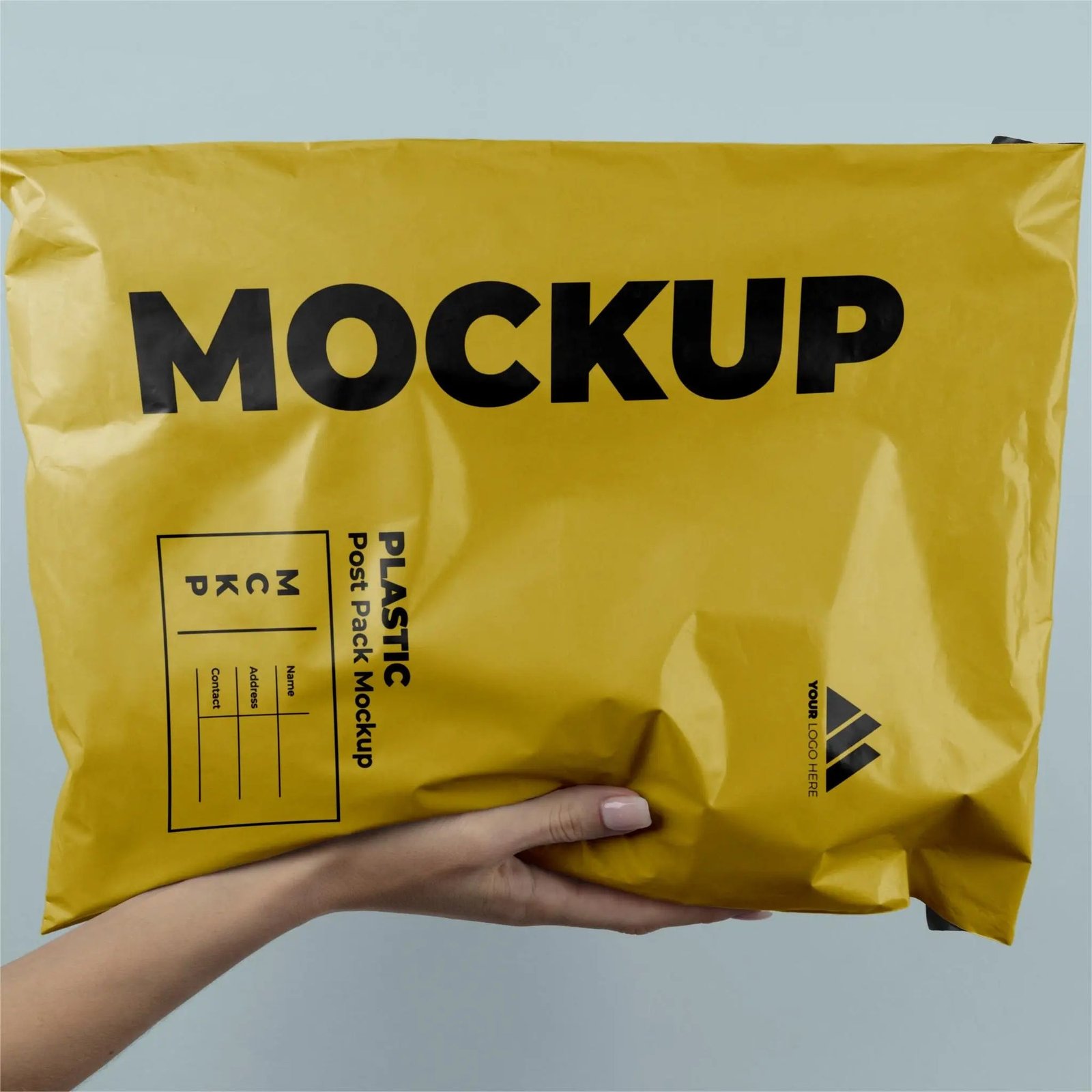
Complete finished knitwear with custom hang tags, polybags, folded inserts, size stickers, and branded cartons. Packaging choices help protect garments in export transit while creating a cohesive unboxing experience.
Knitted Sweaters Suppliers Built to Scale
Founded in 2010 in Humen Town, Dongguan, JUNSHEEN was built to help fashion brands turn knitwear concepts into dependable, production-ready collections. As knitted sweaters suppliers, we support OEM, ODM, private-label and wholesale programs from early product development through export-ready delivery.
Our 200+ skilled workers and monthly capacity exceeding 80,000 units give emerging labels and established retailers room to grow. Start with a 100-unit MOQ per style and color, then scale into repeat bulk programs with a manufacturing partner that understands commercial timelines and brand standards.
What sets JUNSHEEN apart is an integrated supply chain: yarn and material sourcing, knitwear development, fit-focused XS–3XL grading, sampling, decoration, finishing, labels, packaging and quality control. We manage the technical details in one place so your team can build consistent sweaters with confidence.

Knitted Sweaters Suppliers with Deeper Production Capability
Fit-First Knitwear Engineering
JUNSHEEN develops sweaters, cardigans and pullovers with fit-focused pattern work from XS to 3XL. Our team refines body balance, sleeve proportions, ease and grading increments so normal, oversized and extended-size ranges feel intentional across the full size set.
- XS–3XL and extended-size grading
- Oversized and plus-size proportion refinement
- Sample, size-set and pre-production review
- Measurement standards retained for reorders

From Concept to Approved Sample
Whether you bring a tech pack, sketch, reference garment or mood board, our product-development team turns your direction into a production-ready knitwear specification. We align yarn, construction, gauge, trims and target cost before bulk commitments are made.
- Tech-pack and feasibility review
- Yarn, gauge and construction guidance
- Swatch and prototype sampling
- Cost-aware specification development

Integrated Branding and Finishing
Create a more distinctive knitwear program without coordinating separate vendors. JUNSHEEN integrates logo embroidery, custom patches, labels, hang tags, trims and branded packaging with sweater production, helping teams maintain a consistent brand presentation from sample through packed goods.
- Logo embroidery and custom patches
- Woven, leather and wash-care labels
- Custom buttons, zippers and rib trims
- Branded hang tags and packaging

Consistency for Growing Orders
As knitted sweaters suppliers supporting 100-unit launches through scalable bulk programs, JUNSHEEN retains patterns, graded size sets and material records for dependable repeat production. Incoming, in-line and final inspections help protect construction, measurements, decoration and packing consistency as volumes grow.
- MOQ from 100 units per style/color
- 200+ skilled workers and 80,000+ monthly capacity
- Retained production records for repeatability
- Global export support for growing brands

Why Choose JUNSHEEN Over Typical Knitted Sweaters Suppliers
Fit-focused development, low-MOQ flexibility, and production support built for global brands.
← 左右滑动查看 →
Knitted Sweaters Suppliers’ Production Timeline
A clear, fit-focused path from yarn selection to finished private-label knitwear, built for launches from 100 units per style and color.
Review Design Feasibility
Our team reviews your tech pack, sketch, or reference garment, confirming knit structure, fit requirements, construction details, target cost, and production feasibility.
Source Yarns and Trims
We recommend yarns, blends, gauges, colors, labels, and trims based on hand feel, durability, target price, wash performance, and your collection direction.
Develop Samples and Fit
Pattern and development teams create prototype samples, refining measurements, shoulder balance, sleeve length, proportions, and XS–3XL grading before approval.
Knit and Construct Bulk
After pre-production approval, we coordinate knitting, linking or cut-and-sew construction, decoration, washing, finishing, and private-label application for consistent bulk production.
Inspect, Pack, and Ship
Quality teams check materials, measurements, construction, decoration, and packed goods before branded packaging and export support move your order worldwide.
How to Work with Our Knitted Sweaters Suppliers
Move from concept to reliable bulk delivery with a clear, fit-focused development process tailored to your brand.
Submit Your Concept
Send a tech pack, sketch, reference garment, mood board, or product idea. Our team reviews knit construction, fit requirements, yarn options, and production feasibility.
Confirm Quote and Sample
Review the recommended materials, MOQ from 100 units per style and color, pricing, timeline, and prototype sample before committing to your custom knitwear order.
Approve Fit and Details
Evaluate the sample for hand feel, measurements, grading, trims, labels, colors, and finishing. We refine specifications until the approved version is ready for production.
Launch Bulk Production
JUNSHEEN manages yarn sourcing, knitting, assembly, decoration, quality checks, packaging, and export coordination, keeping your approved sweater program aligned with production requirements.
Receive Ready-to-Sell Goods
Final inspections verify construction, measurements, appearance, and packed quantities before shipment. Retained patterns and material records help streamline consistent repeat orders as demand grows.
Custom Clothing Manufacturer Credentials and Compliance Documents



What Fashion Brands Say About Our Knitted Sweaters Suppliers
JUNSHEEN turned our sketch into a production-ready cardigan sample in three weeks. Their team corrected the shoulder balance and sleeve grading across XS–3XL, cutting our planned second sample round and helping us launch 240 units on schedule.
We needed a 120-piece test order with custom labels, hang tags, and a softer hand feel. The bulk sweaters matched the approved sample closely, and our first reorder grew to 900 units across three colors within four months.
For our oversized knit capsule, Junsheen gave clear yarn options and practical construction advice before sampling. Measurement consistency stayed within our tolerance across 1,500 units, which reduced inbound quality checks and made repeat ordering straightforward.
Knitted Sweaters Suppliers FAQ
Clear answers on MOQ, sampling, lead times, payments, shipping and confidential product development with JUNSHEEN.
What is the MOQ for custom knitted sweaters?
Can knitted sweaters suppliers make samples before bulk production?
How long do knitted sweaters suppliers take to produce an order?
Can JUNSHEEN develop sweaters in plus sizes and oversized fits?
What payment terms do you offer for custom knitwear orders?
Do knitted sweaters suppliers provide global shipping support?
How do you protect designs when working with knitted sweaters suppliers?
Can JUNSHEEN handle private labels, embroidery and custom packaging?
Complete Buyer’s Guide to Knitted Sweaters Suppliers
Use this practical framework to evaluate knitted sweater supplier capabilities, materials, quality controls, customization options, pricing, and production fit—while avoiding sourcing mistakes that delay launches or compromise product consistency.
1. What Are Knitted Sweaters Suppliers?
100-unit capsule orders and 10,000-unit replenishment programs can both involve knitted sweaters suppliers: businesses that turn a sweater specification into approved, packed goods. Their core work spans yarn sourcing, gauge and stitch development, sampling, knitting or linking, finishing, measurement control, packing, and export coordination. 2 common supplier models are a trading company and a knit factory. A trader coordinates multiple mills and factories but may have limited direct production control; a specialist knit factory controls machines and workmanship but may require the buyer to manage yarn, trims, packaging, or logistics separately. 1 full-package OEM/ODM partner combines development, sourcing, production, quality control, private labeling, and shipment support under one accountable workflow. This model suits brands with multiple yarns, custom gauges, intarsia, embroidery, extended sizing, or modest 100-unit launches; established buyers with production-ready specifications and high repeat volume may gain efficiency from working directly with a capable knit factory. 2010-founded JUNSHEEN operates as a full-package apparel partner, supporting sweater development alongside labels, size grading, packaging, and export. Buyers should still confirm yarn composition, gauge, shrinkage tolerance, color approval, inspection standards, and who owns the final approved sample before bulk production.
2. Evolution of Sweater Manufacturing
1589 saw William Lee’s stocking frame begin the shift from hand knitting toward mechanized production; later regional mills standardized gauges, yarn counts, and repeatable quality. For buyers, that legacy still matters: a supplier must translate a visual concept into knit structure, stitch density, measurements, and a production-ready specification. 1970s–1990s computerized flat-knitting systems made smaller runs, more complex intarsia, cables, jacquards, and shaped panels practical without relying solely on manual operations. Modern knitted sweaters suppliers should pair machine capability with technical design support—yarn selection, gauge recommendations, pattern engineering, sampling, and size grading—so the approved sample can be reproduced reliably. 100-unit per style-and-color programs reflect the OEM flexibility many emerging labels now expect, while established brands may require repeatable bulk capacity and retained development records. Global yarn sourcing also raises the bar for traceability: request fiber composition, origin documentation where available, color approvals, test requirements, and credible options such as recycled fibers, organic cotton, GOTS-certified materials, or OEKO-TEX-tested inputs. At JUNSHEEN, development can begin from a tech pack, sketch, reference garment, mood board, or product idea, then move through feasibility review, swatches, sampling, and bulk approval.
3. Types of Knitted Sweaters Suppliers
Six supplier models dominate sweater sourcing, and their capabilities differ more than their quotations suggest. Match your launch volume, technical complexity, and required production visibility before comparing prices.
| Supplier Type | Typical MOQ | Development And QC | Best Use Case |
|---|---|---|---|
| Specialized knit factory | 300–1,000+ | Strong knit engineering; direct QC | Technical sweater programs |
| Integrated manufacturer | 100–500+ | Broad development; high visibility | Growing multi-category brands |
| OEM/ODM supplier | 100–500+ | OEM executes; ODM co-develops | Tech-pack or concept-led launches |
| Private-label producer | 50–300 | Fast customization; limited originality | Branded proven styles |
| Trading company | Varies | Coordination; indirect visibility | Multi-factory sourcing |
| Small-batch workshop | 20–100 | Hands-on; limited systems | Market tests and niche runs |
Factory And Integrated Models
1 specialized knit factory is strongest when stitch programming, yarn behavior, and fully fashioned shaping drive the design; it may offer limited cut-and-sew services. 1 vertically integrated manufacturer combines development, sourcing, knitting or assembly, and finishing. It gives better control across samples and bulk, but may require a broader MOQ commitment.
Service-Led Supplier Models
OEM suppliers execute approved tech packs, while ODM teams can propose silhouettes, yarns, gauges, and specifications. Use OEM for controlled designs and ODM when development resources are thin. Private-label producers streamline stock or semi-custom bases with labels and packaging. Their speed can reduce differentiation, so confirm what fabric, color, and pattern changes are truly available.
Intermediaries And Workshops
1 trading company can consolidate several factories and simplify export coordination, but buyers need named-factory access and inspection rights to see quality control directly. 20–100-unit workshops suit tests, repairs, and artisanal details. Capacity, grading discipline, and repeatability can become constraints once sales accelerate.
4. Materials Used by Knitted Sweaters Suppliers
Fiber choice sets both the customer promise and the factory risk profile. Knitted sweaters suppliers should confirm gauge, yarn count, ply, blend ratio, finished weight, and wash test before approving bulk yarn.
| Material | Positioning | Durability | Seasonality | Relative Cost |
|---|---|---|---|---|
| Cotton | Casual essentials | Medium | Spring/fall | Low-medium |
| Wool/merino | Premium warmth | High | Fall/winter | Medium-high |
| Cashmere blend | Luxury softness | Medium | Cool weather | High |
| Acrylic/viscose | Value or drape | Medium | All-season | Low-medium |
| Recycled synthetic blend | Performance story | High | Active/cold weather | Medium |
Natural Fiber Trade-Offs

100% cotton suits breathable transitional sweaters but can shrink unless yarn and garment wash testing are approved. Wool, merino, and cashmere deliver progressively finer warmth; merino regulates moisture, while cashmere requires gentler care and tighter pilling control.
- Cotton: casual, washable, lower warmth
- Wool: warm, resilient, possible itch
- Merino: soft next-to-skin performance
- Cashmere: luxury hand, higher cost
Blends And Synthetics

50/50 and 70/30 blends commonly balance cost, recovery, softness, and care. Acrylic adds affordable warmth but may pill; viscose improves drape, recycled fibers support material stories, and polyester or nylon improves abrasion resistance and shape retention.
- Viscose blends: fluid, soft hand
- Recycled yarns: traceability documentation matters
- Nylon: reinforcement for cuffs and elbows
- Performance synthetics: fast dry and recovery
Specification Details That Matter
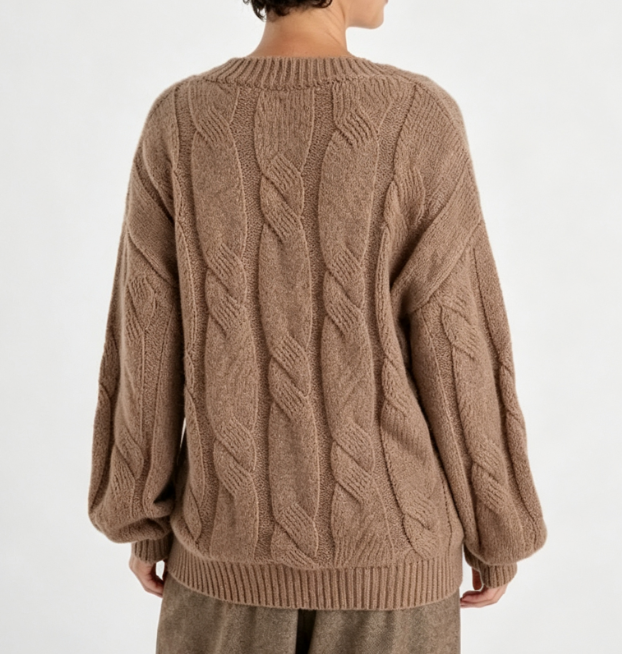
3-, 5-, 7-, and 12-gauge machines create increasingly finer-looking fabrics; lower gauge generally produces heavier, warmer knits. Confirm ply, grams per garment, stitch density, pilling grade, dimensional change, and care label through a washed sample before production.
- 2-ply yarn: fuller, more stable fabric
- Higher ply: greater weight and coverage
- Wash test: checks shrinkage and twist
- Pilling test: protects retail appearance
5. Customization Options from Knitted Sweaters Suppliers
100-unit style-and-color programs can support a focused capsule while preserving room for fit and yarn decisions. Strong knitted sweaters suppliers translate a clear specification into a sample before bulk commitments.
| Customization Route | Commercial Advantage | Cost Or Lead-Time Effect |
|---|---|---|
| Stock yarn and simple stripes | Lower development risk | Faster than custom dyeing |
| Jacquard or intarsia | Integrated graphic impact | More programming and sample review |
| Custom yarn color | Distinct brand palette | Dye-lot approval can extend timing |
| Embroidery and labels | Brand identity after knitting | Requires artwork and placement approval |
Build The Knit Specification
3D or fully fashioned silhouettes, crew, V, polo, mock, and cardigan necklines, plus set-in, raglan, dropped, or balloon sleeves, should be shown on flats. Specify stitch, gauge, yarn blend, color, and finished measurements together. 5GG to 12GG choices materially change warmth, weight, recovery, and perceived price point. A cotton-acrylic blend, repeat stripe, and stock color palette are usually safer first-order choices than a new yarn development.
Match Decoration To Scale
Jacquard, intarsia, engineered stripes, embroidery, woven labels, neck labels, hangtags, and branded packaging can all be planned at development. Artwork with many colors, small details, or multiple placements needs extra proofing and sampling time.
Prepare Files And Sampling
1 tech pack should include front and back flats, Pantone references, yarn or fiber targets, gauge, stitch map, artwork dimensions, label files, packaging, and a graded measurement chart. Supply editable vector artwork for logos and repeat patterns. 2 approvals—development sample and pre-production sample—help lock hand feel, color, fit, labels, and workmanship before bulk. Grade XS through 3XL deliberately; do not merely enlarge the base size.
6. Knitted Sweater Construction Quality Checklist
100-unit capsule orders still need measurable knit standards before bulk approval. Knitted sweaters suppliers should inspect construction, fit and wash performance against the approved sample, not rely on hand feel alone.
Stitches, Seams And Necklines
1×1 or 2×2 ribs should recover after repeated stretching without permanent waviness. Check stitch density and loop size across panels, then test fully fashioned shaping, linking and shoulder seams for skipped stitches or yarn breaks. 2-cm seam allowances are not universal in knitwear, so specify the required linking method and seam appearance. Inspect neckline binding or rib attachment for even tension, clean joins and no rolling edge.
- Specify gauge, stitch density and approved hand feel
- State seam type, linking tolerance and neckline construction
- Require secure labels, buttons and decorative trims
Fit, Tension And Shape
3-point measurements—chest, body length and sleeve length—should be recorded with allowable tolerances in the tech pack. Include hem width, shoulder span, armhole depth and cuff opening so grading preserves intended proportions from XS through 3XL. 24-hour relaxation after knitting can reveal tension imbalance, twisting or panel distortion. Request a pre-production sample in the approved yarn, color and gauge, then compare it to the graded specification before bulk starts.
- Measure garments laid flat after conditioning
- Check rib recovery at cuffs, hem and neckline
- Confirm color against approved Pantone standard
Yarn And Wash Verification
3 to 5 wash cycles provide a practical early check for shrinkage, color bleeding, pilling and seam failure. Review yarn lots for knots, thick-thin places, oil marks, contamination and shade variation under consistent lighting. AQL final inspection criteria should list measurement tolerances, critical defects and trim pull security. For pilling-sensitive yarns, request the agreed test method and acceptance threshold rather than accepting an undefined claim.
- Record wash temperature, detergent and drying method
- Inspect color consistency across panels and lots
- Verify hang tags, labels and buttons are firmly attached
7. How to Choose Knitted Sweaters Suppliers
A 100-unit MOQ is only useful when a factory can sample accurately, control yarn risk, and ship reliably. Compare knitted sweaters suppliers on verified evidence—not a price list or a showroom swatch.
| Criterion | Evidence To Request | Decision Signal |
|---|---|---|
| Knitting capability | Machine list and gauge range | Matches construction and weight |
| Sampling | Washed sample and revision record | Fit and shrinkage are controlled |
| Capacity and MOQ | Monthly plan and MOQ breakdown | Volume can scale without compromise |
| Quality and delivery | QC checklist, timeline, references | Risks are documented early |
Screen Product Capability
Request a factory profile that states sweater categories, machine types, gauge range, monthly capacity, export markets, and quality team structure. Ask for photos or samples matching your construction: fully fashioned, intarsia, jacquard, cable, rib, or cardigan. A supplier experienced in jersey cut-and-sew is not automatically competent in shaped knitwear.
Verify Materials And Sampling
Request yarn composition documents, color-card approvals, and available OEKO-TEX, GOTS, BSCI, WRAP, or test reports when these claims matter to your program. Order a development sample and measure it after washing. Check gauge consistency, pilling, shrinkage, twist, seam linking, hand feel, and measurement tolerances before approving bulk.
- Confirm fiber percentage and yarn count
- Approve a washed sample, not only first-off
- Request a dated sampling and production timeline
Compare Operations Fairly
Score every shortlisted supplier against the same tech pack, yarn specification, color count, quantity, target delivery date, Incoterm, and packaging requirement. Assess communication by how clearly the team flags feasibility issues, records revisions, and answers measurement questions. Request recent client references and a written inspection process covering incoming yarn, in-line checks, final measurements, and packed goods.
Confirm Commercial Readiness
Confirm MOQ by style, color, yarn, and size ratio; low headline MOQs can exclude custom yarn colors or complex intarsia programs. Review payment milestones, balance-before-shipment requirements, export documentation, and delivery contingency plans. For example, Junsheen supports programs from 100 units per style and color, with terms that may evolve as cooperation is established.
8. Mistakes When Hiring Knitted Sweaters Suppliers
A 5–10% sourcing error can erase a retailer’s planned margin before the first delivery. Knitted sweaters suppliers should be evaluated against a written technical and commercial control plan, not a promising swatch or low quote.
Chasing The Lowest Quote
A quote 15% below competing offers may exclude yarn testing, fully fashioned details, labels, or inspection. Prevent this by comparing a landed-cost sheet and bill of materials; omissions become chargebacks, rework, or margin loss. A 100-unit MOQ can mean 100 units per style, color, size ratio, or yarn colorway. Confirm every MOQ assumption in the purchase order, or unwanted inventory and delayed color approvals can consume the apparent saving.
Leaving Specifications Open
A complete sweater tech pack should specify gauge, yarn composition, ply, stitch density, measurements, tolerances, Pantone, trims, and packaging. Vague directions invite sample revisions and bulk garments that fail fit or hand-feel expectations. A 3XL grade cannot safely be created by simply enlarging a Medium pattern. Approve graded measurement charts and a size set before bulk; poor shoulder, sleeve, and body balance drives returns and markdowns.
Skipping Validation And Logistics
A 3–5 piece yarn, wash, and pilling test should be approved before bulk yarn booking. Test shrinkage, colorfastness, spirality, and abrasion; skipping it can turn a sellable delivery into a costly replacement claim. A sealed pre-production sample is not proof that every carton matches it. Set in-line and final inspection standards, then budget 7–14 days of contingency plus freight, duty, and destination handling; missed vessel cutoffs can force expensive air freight.
9. Steps to Launch a Sweater Collection
A 100-unit-per-style launch needs locked commercial and technical decisions before yarn is booked. Assign one owner each from design, merchandising, sourcing, and quality so knitted sweaters suppliers receive one controlled specification set.
Brief And Range Plan
Week 1 starts with a market brief: target retail price, customer, competitor screenshots, launch date, channel, and planned colorways. Merchandising should approve the margin target and SKU count before design develops silhouettes. Week 2 converts the brief into a mood board and line plan showing gauges, fits, yarn direction, and size range. The decision gate is commercial approval; retain the dated range plan and competitor review.
- Target retail price and margin
- Competitor and trend references
- SKU, color, and size plan
Technical Development
A complete tech pack specifies flat measurements, stitch or construction details, gauge, yarn composition, Pantone colors, artwork, labels, and packaging. Design owns appearance, while sourcing verifies yarn availability, minimums, lead time, and test requirements. One approved yarn card and color standard should accompany the quote request. Do not release sampling until cost, MOQ, and material substitutions are documented in writing.
- Graded measurement chart
- Pantone and yarn references
- Bill of materials and trims
Sampling And Fit Approval

Two to three sample rounds are typical: prototype, revised fit sample, then pre-production sample. Quality measures each sample against tolerances and checks pilling, wash change, seam stability, and appearance. A signed sample comment sheet is the gate to bulk. Record all changes in the tech-pack revision log rather than approving corrections by chat alone.
- Fit comments and measurements
- Wash and pilling results
- Signed approval record
Order Through Shipment
After purchase-order release, production monitoring should confirm yarn arrival, knitting output, linking, washing, decoration, and packing against a critical-path calendar. Sourcing tracks delivery dates while quality conducts in-line and final inspection before balance payment and shipment. Final documents should match the approved packing specification and destination requirements. Confirm carton marks, size assortments, commercial invoice, packing list, and freight handover before dispatch.
- Approved purchase order
- Production critical path
- Final inspection report
- Packing list and invoice
10. Knitted Sweaters Suppliers Pricing and Costs
100 units per style and color is a practical low-MOQ starting point for a custom program, but a sweater’s quoted price starts with yarn and construction. Merino, cotton, wool blends, recycled yarns, and specialty fibers price differently; finer 12GG–16GG gauges, fully fashioned shaping, intarsia, cables, jacquards, and multiple Pantone colors add machine time, yarn waste, and labor. 3 cost layers are frequently overlooked: development, compliance, and landed logistics. Prototype sampling, size sets, wash or pilling testing, custom labels, hang tags, branded bags, buttons or zippers must be costed separately; freight, destination duties, and import taxes sit outside an ex-factory unit price. 2 approved specifications prevent most pricing revisions: a finished tech pack and a confirmed material/trim package. Knitted sweaters suppliers should quote only after yarn composition, gauge, stitch map, measurements, colorways, labeling, packaging, quantity, delivery terms, and target market are finalized.
| Order quantity | Indicative ex-factory unit price | Sampling or setup | Typical bulk lead time |
|---|---|---|---|
| 100–299 units | US$18–38 | Sample and yarn-color approvals may be charged separately | 35–50 days after approvals |
| 300–999 units | US$14–30 | Setup spreads across more units; custom trims remain additional | 30–45 days |
| 1,000+ units | US$10–24 | Better yarn buying and machine utilization; testing may still apply | 25–40 days |
Start Your Knitted Sweaters Suppliers Quote Today
Send your tech pack, reference garment or product idea for fit-focused XS–3XL development, 100-unit MOQs and scalable OEM knitwear production.