Wholesale Sweater Vendors Bulk Sales With 100-Unit MOQs
JUNSHEEN delivers OEM, ODM, and private-label knitwear with fit-focused XS–3XL development for wholesale sweater vendors bulk sales.
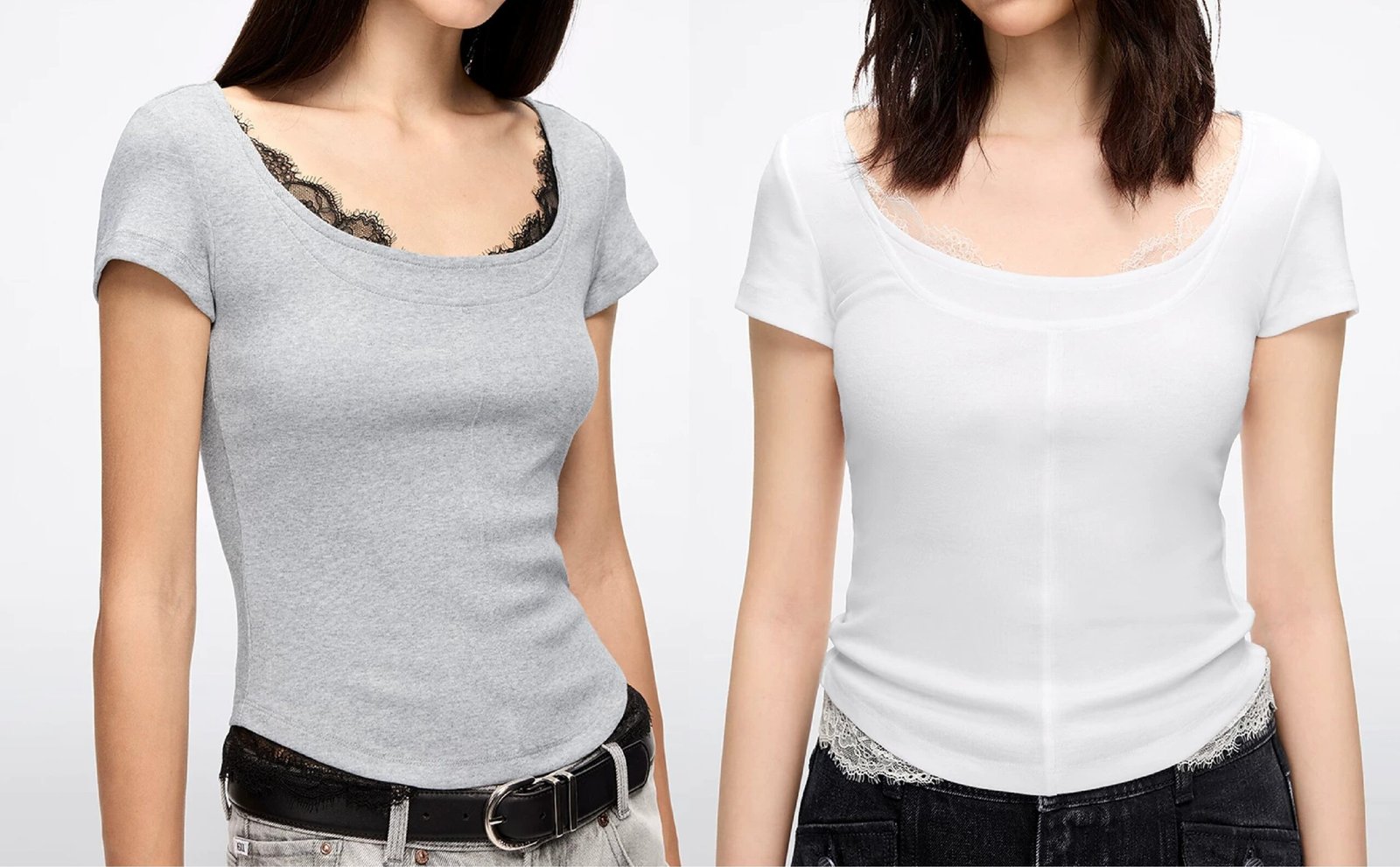
Featured Products for wholesale sweater vendors bulk sales Development




Wholesale Sweater Vendors Bulk Sales: Catalogue & Quotation





Why Buyers Choose JUNSHEEN for Wholesale Sweater Vendors Bulk Sales
One manufacturing partner for low-MOQ knitwear development, private labeling, dependable scale, and worldwide delivery.
100-Unit Starting MOQ
Launch sweater colors and styles from 100 units, giving emerging labels a practical path from approved sample to bulk sales.
Fit-Focused XS–3XL
Pattern makers refine proportions, grading, sleeves, and mobility for normal, oversized, extended-size, and plus-size sweater collections.
Integrated Brand Details
Add logo embroidery, custom labels, patches, trims, packaging, and selected finishing details through one coordinated production supply chain.
Scalable Knitwear Output
More than 200 skilled workers and 80,000 monthly units support repeat sweater programs as seasonal demand and wholesale volume grow.
Global Export Support
Receive responsive order coordination, quality checks, packed-goods inspection, and export support for fashion buyers across global markets.
Core Sweater and Apparel Manufacturing
Develop fit-focused knitwear, denim, outerwear and casualwear programs from low-MOQ launches to scalable global production.
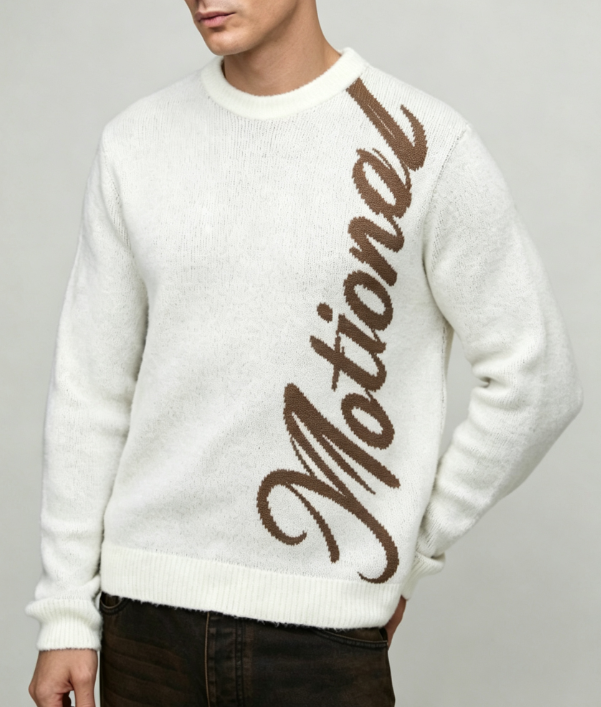
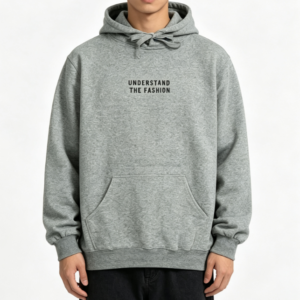
Custom Hoodies
Custom hoodies developed in fleece, French terry or jersey with brand-specific weights, fits and finishes. Support includes pattern development from XS–3XL, embroidery or printing, custom drawstrings, labels and packaging for 100-unit-per-style/color launches.
Request a Quote
Custom T-Shirts
Custom T-shirts produced in cotton, Pima cotton, organic cotton and blended jersey options. Junsheen supports custom tshirt specifications, oversized or standard fits, graded size sets, screen printing, DTG, DTF, embroidery and private-label finishing.
Request a Quote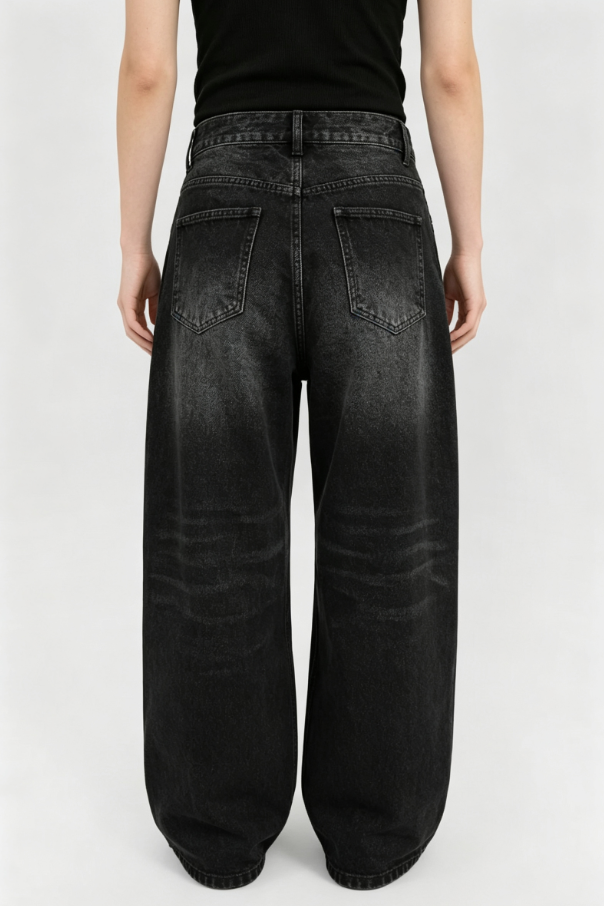
Custom Jeans
Custom jeans built in rigid, stretch or recycled denim with fit development that addresses rise, leg shape, mobility and grading. Brands can specify washes, distressing, hardware, leather labels, embroidery and custom pocket or trim details.
Request a Quote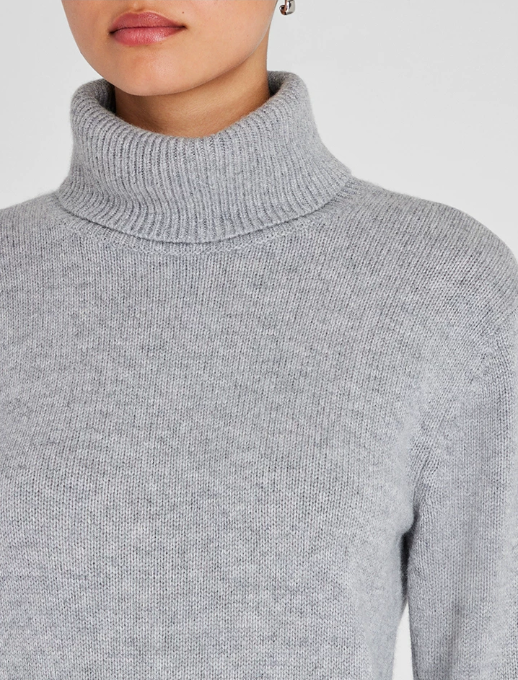
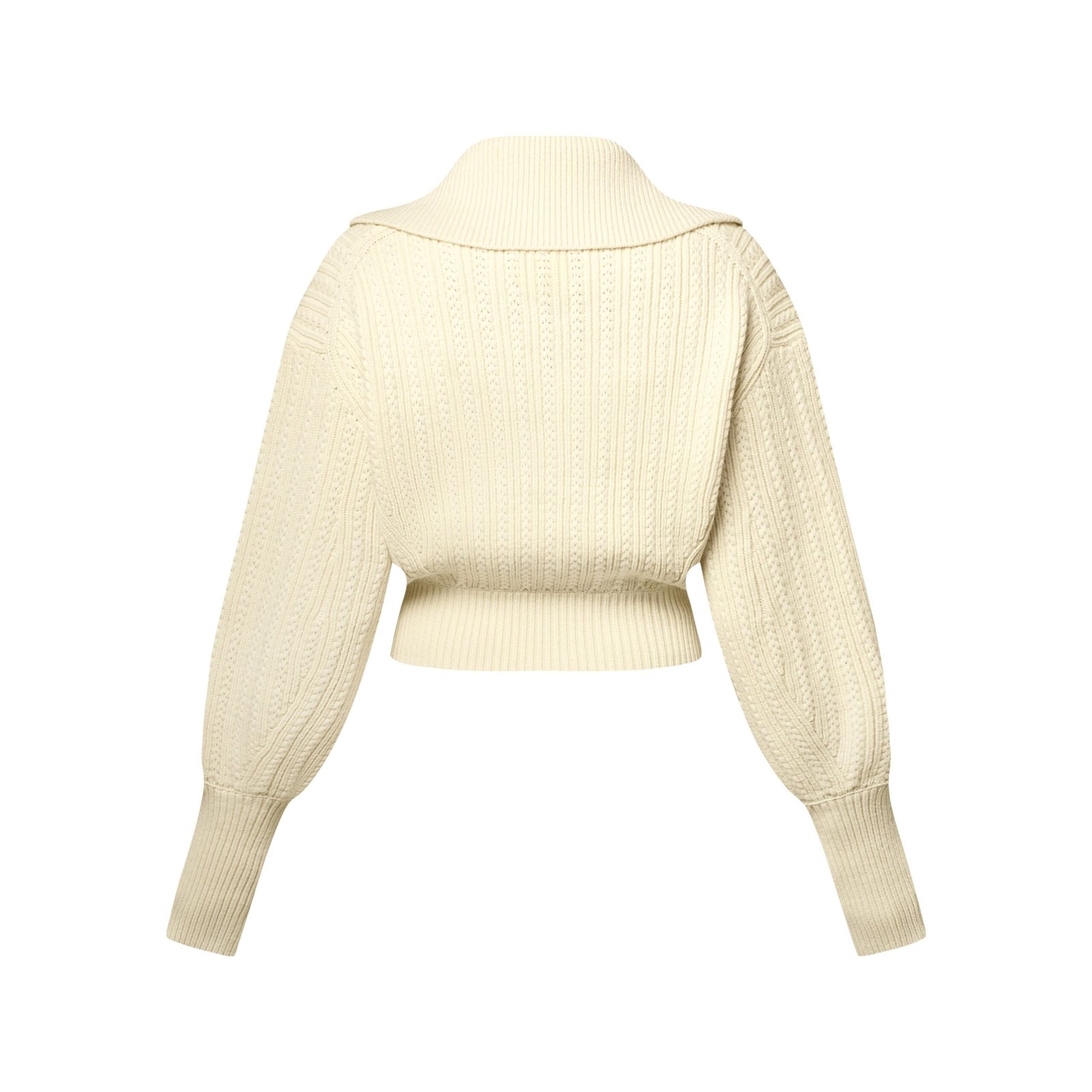
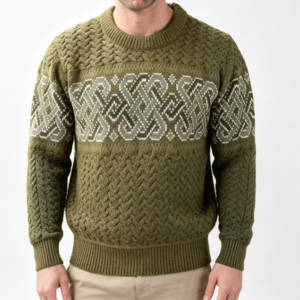
Custom Sweaters
Custom sweaters, including turtleneck sweater bulk programs, developed in appropriate yarns and knit constructions for target hand feel, warmth and cost. The team supports silhouette development, size grading, rib details, labels and sample approval before production.
Request a Quote
Custom Jackets
Custom jackets, including custom jean jacket programs, developed in denim, twill and other woven fabrics. Construction can include branded hardware, washes, embroidery, patches, lining, fit grading and packaging aligned with wholesale or retail requirements.
Request a Quote
Custom Sweatshirts & Crewnecks
Custom sweatshirts and crewnecks made in fleece, French terry or jersey with standard, oversized or extended-size fits. For custom crewneck hoodie-adjacent programs, Junsheen supports rib specifications, printing, embroidery, washes and private-label components.
Request a Quote
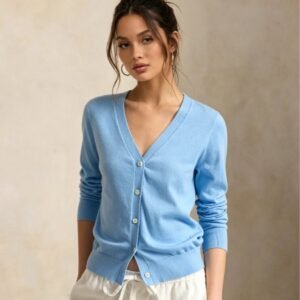
Custom Cardigans
Custom cardigans produced with knitwear capability across yarn, gauge and construction choices. Development covers button or zipper selection, plackets, rib trims, grading and fit refinement so brands can approve a consistent size range before bulk production.
Request a Quote
Custom Puffer & Down Jackets
Custom puffer and down jackets developed for seasonal outerwear programs with fabric, fill, quilting and trim specifications matched to the intended market. Junsheen supports custom puffer jacket sampling, branded zippers, labels, reflective details and final quality checks.
Request a Quote
Custom Denim Shorts
Custom denim shorts developed in rigid or stretch denim with controlled inseams, rises and leg openings across the graded size set. Programs can include custom jean shorts washes, distressing, hem treatments, hardware, patches and private-label packaging.
Request a Quote
Custom Sweater Dresses
Custom sweater dresses developed with knitwear construction and fit-focused grading from XS–3XL. The team helps define yarn, gauge, length, neckline, sleeve proportion and stretch recovery, then produces samples and size sets for approval.
Request a Quote
Custom Denim Sets
Custom denim sets coordinated across jackets, jeans, overshirts or matching pieces for mens denim suits wholesale and retail programs. Junsheen aligns fabric, wash, hardware, color and fit specifications to maintain consistency across every component.
Request a Quote
Custom Polo Shirts
Custom polo shirts produced in piqué, jersey or performance knit options for branded collections, uniforms and wholesale programs. Development includes collar construction, plackets, embroidery placement, size grading, color matching, labels and packaging.
Request a Quote
Custom Sweatpants
Custom sweatpants developed in fleece, French terry or performance knits with fit options from regular to oversized. Support includes waistband and cuff construction, pockets, drawstrings, printing, embroidery, washes and XS–3XL grading.
Request a Quote
Custom Shorts
Custom shorts produced in jersey, fleece, twill, denim or performance fabrics for casualwear and seasonal programs. Buyers can specify inseam, rise, pocket layout, waist treatment, trims, decoration and fit grading before bulk production.
Request a Quote
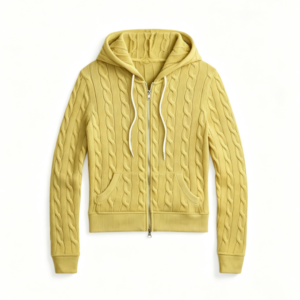
Custom Pullovers
Custom pullovers developed in knit, fleece, French terry or jersey constructions according to the target silhouette and season. Junsheen supports neckline, placket or zipper details, yarn or fabric selection, grading, decoration and branded finishing.
Request a QuoteWholesale Sweater Vendors Bulk Sales: Materials for Custom Sweater Programs

Cotton Knit Yarn
Breathable, soft cotton yarn suits everyday pullovers, cardigans, and lightweight sweater dresses. Its natural hand feel and dependable color performance make it a practical choice for approachable private-label knitwear programs.

Wool Blend Yarn
Wool blends add warmth, resilience, and a premium textured hand for elevated sweaters and outer-layer cardigans. Fiber ratios can be adjusted to balance insulation, softness, care requirements, durability, and target bulk pricing.

Viscose Nylon Knit
Viscose nylon blends create a smooth, fluid hand with clean stitch definition for fitted pullovers, fashion cardigans, and sweater dresses. Nylon improves recovery and abrasion resistance while maintaining lightweight drape.

Acrylic Blend Yarn
Acrylic blend yarn offers a soft, wool-like feel and efficient cost control for seasonal bulk sweater collections. It provides reliable color uptake and can be engineered with other fibers for improved warmth, stretch, or anti-pilling performance.

Cotton Cashmere Blend
Cotton cashmere blends deliver a refined, soft hand for premium yet wearable sweaters and giftable knitwear. Junsheen can source suitable yarn counts and compositions to manage weight, softness, durability, and commercial cost.
Wholesale Sweater Vendors Bulk Sales: Decoration and Finishing

Logo Embroidery
Flat, 3D puff, chain-stitch, and logo embroidery add dimensional branding with clean stitch definition. We match placement, backing, and thread choices to sweater construction for a durable, premium finish.

Screen Printing
Plastisol, water-based, puff, flocking, silicone, high-density, foil, and discharge printing create bold graphics across compatible sweater fabrics. Process selection balances artwork detail, hand feel, wash performance, and production volume.

Appliqué Patches
Fabric appliqué, custom patches, sequins, and mixed-media details create layered visual impact for collegiate, streetwear, and fashion-led sweaters. Secure stitching and material testing help preserve shape and attachment through repeated wear.

Garment Washing
Softening, enzyme, anti-pilling, garment-dye, acid-wash, stone-wash, brushing, and napping treatments refine hand feel and surface character. Sample approval helps control color, shrinkage, texture, and consistency before bulk production.

Specialty Print Effects
DTG, DTF, heat transfer, and dye sublimation support detailed artwork, small color elements, and specialized graphics. JUNSHEEN reviews fabric compatibility and test samples to achieve clear visuals with dependable adhesion.
Wholesale Sweater Vendors Bulk Sales: Custom Trims and Accessories

Woven Brand Labels
Custom woven main, size, and care labels establish a consistent brand identity inside sweaters, cardigans, and related apparel while clearly supporting fiber, care, and market-specific labeling requirements.

Custom Zip Hardware
Add selected zipper finishes, pullers, and branded zipper tabs to zip-up knitwear, jackets, and layering pieces for dependable function and a more distinctive private-label presentation.

Drawcords and Tipping
Choose drawcord materials, aglets, colors, and contrast tipping for hoodie sweaters, knit joggers, and casualwear sets, balancing visual detail, durability, and your target price point.

Branded Snap Buttons
Custom snaps, buttons, and closures can be specified for cardigans, sweater jackets, and outerwear, with finish, logo treatment, color, and placement aligned to the garment’s intended use.

Custom Logo Patches
Embroidery, applique, leather, woven, or silicone patches create high-visibility branding on sweater chests, sleeves, hems, and accessories while complementing the selected knit construction and decoration method.
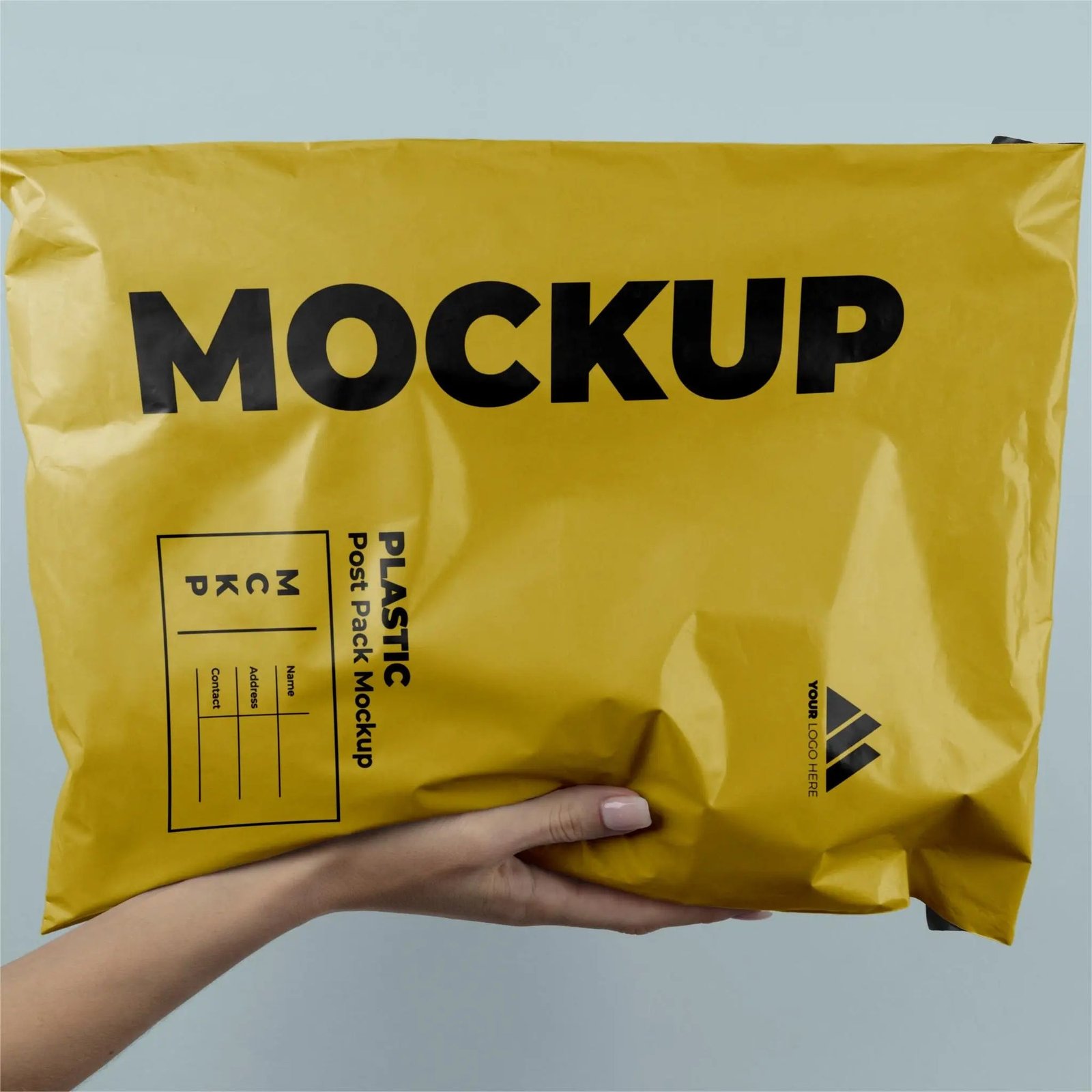
Retail Ready Packaging
Complete bulk sweater orders with custom hang tags, polybags, branded packaging, barcode labels, and carton marking to support organized receiving, retail presentation, and global shipment preparation.
Your Wholesale Sweater Vendor
Founded in 2010 in Humen Town, Dongguan, JUNSHEEN helps global brands turn knitwear concepts into dependable bulk programs. As a one-stop OEM, ODM and private-label manufacturer, we support wholesale sweater vendors bulk sales with development guidance, fabric sourcing, sampling and export-ready production.
Our 200+ skilled workers and monthly capacity of more than 80,000 units support orders from 100 pieces per style and color to scalable repeat programs. Cut-and-sew and knitting capabilities, in-house decoration, finishing, labels, trims and packaging keep critical production details coordinated under one supply chain.
What distinguishes JUNSHEEN is fit-focused development from XS through 3XL, including extended-size, plus-size and modern oversized grading. We have served 2,000+ fashion-brand clients worldwide, combining careful technical review with responsive production support for sweaters, casualwear, denim and outerwear.

Wholesale Sweater Vendors Bulk Sales, Fit First
XS–3XL Grading That Fits
JUNSHEEN develops sweater patterns for normal, extended, plus-size, and modern oversized fits from XS through 3XL. Our team refines shoulder balance, sleeve length, body proportion, and grading increments instead of simply enlarging a base size.
- Fit-focused pattern development from XS to 3XL
- Balanced grading for plus-size and oversized silhouettes
- Size-set reviews before bulk approval
- Measurements retained for repeat-order consistency

From Concept to Knit Sample
Bring a tech pack, sketch, reference garment, mood board, or initial idea. Our product-development team reviews manufacturability, creates specifications and patterns, selects constructions, and produces prototype samples that prepare your sweater program for reliable wholesale bulk production.
- OEM, ODM, and private-label development support
- Technical specification and construction review
- Prototype, fit, and pre-production samples
- 100-unit MOQ per style and color

Materials Matched to Your Market
We source wool, cotton, blended yarns, performance knits, and recycled options through established suppliers in China’s apparel network. Recommendations weigh target cost, hand feel, weight, drape, durability, stretch, wash performance, and the expectations of your customer.
- Yarn and fabric options for varied price points
- Swatches and sample garments for review
- Guidance on weight, texture, and durability
- Material records for consistent reorders

In-Line Quality at Scale
Quality control continues from incoming materials through knitting, construction, decoration, measurement checks, and final packing. With 200+ skilled workers and monthly capacity above 80,000 units, JUNSHEEN helps wholesale sweater vendors bulk sales programs maintain consistency as volumes grow.
- Incoming material and in-line inspections
- Fit, measurement, construction, and decoration checks
- Final packed-goods review before shipment
- Global export support for ongoing bulk orders

Why Choose JUNSHEEN for Wholesale Sweater Vendors Bulk Sales
Compare fit-led development, low-MOQ flexibility, and integrated private-label production against typical fragmented bulk suppliers.
← 左右滑动查看 →
Wholesale Sweater Vendors Bulk Sales: Production Timeline
A controlled OEM and private-label workflow for bulk sweater programs, from feasibility review to export-ready delivery.
Review Specs and Feasibility
We assess your tech pack, reference, target price, MOQ, fit requirements, yarn or fabric options, gauges, trims, decoration, and production timeline.
Source Materials and Sample
Our team recommends suitable yarns, fabrics, colors, labels, and accessories, then develops patterns, graded XS–3XL specifications, prototype samples, and size-set approvals.
Confirm Bulk Production Details
After sample approval, we finalize quotation, purchase materials, confirm construction and decoration files, and retain approved specifications for consistent repeatable bulk production.
Knit, Cut, and Assemble
Skilled teams knit sweater panels or manage cut-and-sew components, assemble garments, and monitor measurements, construction, fit balance, and workmanship throughout production.
Finish, Inspect, and Pack
We complete embroidery, printing, washing, finishing, labels, branded packaging, and final quality checks covering measurements, appearance, decoration, and packed-goods accuracy.
Ship Your Bulk Order
Export support coordinates final balance, carton documentation, and global shipping so approved wholesale sweater orders move efficiently from Dongguan to your destination.
Start Wholesale Sweater Vendors Bulk Sales with JUNSHEEN
Move from concept to approved bulk production with clear technical guidance, fit-focused sampling and scalable OEM support.
Send Your Concept
Share a tech pack, sketch, reference sweater or mood board with target quantities, colors, sizing, fabric preferences and required private-label details.
Review Feasibility and Pricing
Our team evaluates construction, yarn or fabric options, gauges, decoration, fit requirements and MOQ, then provides practical recommendations and a clear quotation.
Approve Your Samples
Review development samples for silhouette, measurements, hand feel, knit quality, trims and branding. We refine patterns and grading from XS through 3XL before approval.
Launch Bulk Production
Confirm the pre-production sample and order details, then JUNSHEEN manages bulk manufacturing, in-line quality control, final inspection, packing and global shipment support.
Custom Clothing Manufacturer Credentials and Compliance Documents



What Global Apparel Buyers Say About Wholesale Sweater Vendors Bulk Sales
JUNSHEEN turned our reference sweater into an approved sample in two rounds. Their team corrected the sleeve balance across XS–3XL, and our first 600-unit order arrived with measurements consistent across every size set.
We started with 120 units per color for a capsule cardigan launch. The fabric swatches, knit sampling, and private labels were handled in one place, helping us launch six weeks earlier than our previous sourcing plan.
After the first 1,200-piece sweater program sold through, we reordered without rebuilding the specifications. JUNSHEEN retained our patterns and material records, and the second delivery matched the approved hand feel, fit, and branding details.
Wholesale Sweater Vendors Bulk Sales FAQ
Clear answers for custom knitwear sourcing, sampling, payment, fit development, and global delivery.
What is the MOQ for wholesale sweater vendors bulk sales?
Can wholesale sweater vendors bulk sales include custom designs and private labels?
How long do samples take before wholesale sweater vendors bulk sales begin?
How much does a custom sweater sample cost?
Can you develop XS–3XL, plus-size, and oversized sweater fits?
What payment terms do you offer for bulk sweater orders?
Do you ship bulk sweater orders internationally?
How do you protect designs and product information?
Complete Guide to wholesale sweater vendors bulk sales
Use a practical decision framework to compare supplier models, knitwear materials, quality controls, MOQs, pricing, and customization options—while avoiding sourcing mistakes that create costly delays, inconsistent fits, and weak margins.
1. What Are Wholesale Sweater Vendors Bulk Sales?
100 units per style and color is a practical starting point for made-to-order wholesale sweater vendors bulk sales, while ready-stock suppliers may sell preexisting styles by carton, color, or size run. The term describes a B2B purchase of sweaters in volume from a factory, wholesaler, or trading company for resale, uniforms, promotional programs, or a brand assortment—not a consumer buying one finished garment. 3 common users are retailers replenishing proven categories, wholesalers supplying downstream stores, and emerging labels needing an initial knitwear drop. Bulk purchasing generally uses supplier-selected silhouettes, yarns, gauges, colors, and size ratios; retail purchasing carries consumer pricing and no production control, while private-label manufacturing adds custom labels, specifications, samples, and approval responsibility. 2 sourcing paths drive the decision: ready stock can shorten launch timing when available colors and size curves fit the plan, whereas made-to-order bulk allows a better assortment match but requires development and production lead time. Buyers should confirm MOQ, gauge and fiber composition, color availability, landed cost, target margin, size range, and delivery window before choosing wholesale sweater vendors bulk sales; a low unit price is not useful if the supplier’s pack ratio or calendar leaves unsellable inventory.
2. Evolution of Bulk Sweater Sourcing
Before the 1990s, most bulk sweater buying ran through regional knitwear mills, export agents, and seasonal wholesale markets. Buyers commonly committed to large color runs months ahead, because yarn booking, gauge setup, and hand-frame or early flat-knitting capacity were organized around long seasonal calendars. By the 2000s, global factory networks and computerized flat-knitting broadened access to gauges, yarn blends, and private-label programs. Digital catalogs, Pantone color communication, and sample courier services reduced the distance between a design office and an overseas supplier, while MOQ tiers of 100–300 units per style made capsule tests more practical. In 2026, wholesale sweater vendors bulk sales decisions center on replenishment speed, small initial commitments, and repeatable customization rather than only unit price. Buyers increasingly request fiber-content records, OEKO-TEX or GOTS documentation where applicable, social-compliance evidence such as BSCI or WRAP, clear sample approvals, and dependable overseas communication on measurements, yarn substitutions, production status, and shipment dates.
3. Types of Wholesale Sweater Vendors Bulk Sales
Five supplier models dominate wholesale sweater vendors bulk sales. The correct choice depends on whether the priority is immediate replenishment, proprietary knit development, lower entry quantities, or managed sourcing across several factories.
| Supplier Type | Typical MOQ | Customization | Price Level | Lead-Time Profile | Best Use Case |
|---|---|---|---|---|---|
| Ready-stock wholesaler | 12–100 pieces | Low | Lowest unit cost | 3–14 days from stock | Retailer replenishment |
| Knitwear factory | 300–1,000 per style | Very high | Factory-direct | 45–75 days | Established knit collection |
| Private-label manufacturer | 100+ per style/color | High | Mid-range | 30–60 days | New label launch |
| Trading company | 100–500 per style | Medium to high | Higher margin | 30–75 days | Multi-category order |
| Sourcing agent | Factory-dependent | Factory-dependent | Factory price plus fee | Varies by factory | Overseas buying support |
Ready-Stock Wholesalers
Ready-stock wholesalers commonly sell by color and size from existing inventory, often with case-pack or 12–100-piece minimums. They offer the fastest replenishment but little control over yarn, gauge, labels, or exclusive styling.
Knitwear Factories

Knitwear factories program yarn, gauge, stitch, linking, and finishing directly; 300–1,000 pieces per style is common. They suit established collections needing engineered stripes, intarsia, cables, or repeatable technical specifications.
Private-Label Manufacturers

Private-label manufacturers combine development, trims, labeling, inspection, and packing, with practical starting points around 100 units per style and color. This model fits new labels that need custom samples without managing separate production vendors.
Trading Companies
Trading companies coordinate factory networks and can bundle sweaters with other apparel categories. Their added margin can simplify multi-category buying, but buyers should confirm the actual factory, quality checkpoints, and responsibility for claims.
Sourcing Agents
Sourcing agents represent the buyer rather than owning production and usually charge a commission or service fee. They are useful when a team needs local audits, bilingual follow-up, and independent comparison of several supplier quotations.
4. Materials for Wholesale Sweater Vendors Bulk Sales
Three variables—fiber composition, yarn specification, and knit gauge—determine a sweater’s handfeel, warmth, wear life, and target price. For wholesale sweater vendors bulk sales, approve swatches and a washed sample before locking bulk yarn.
| Commercial Tier | Typical Yarn Direction | Indicative Ex-Factory Range | Best Collection Use |
|---|---|---|---|
| Value | Acrylic-polyester or cotton blend | US$8–15 | Volume basics |
| Mid-market | Cotton, viscose blend, wool blend | US$15–30 | Branded seasonal core |
| Premium | Merino, wool-cashmere blend | US$30–65+ | Elevated capsules |
| Performance | Wool-nylon or recycled synthetic blend | US$18–38 | Durable travel and outdoor styles |
Natural Fiber Positioning

100% cotton gives breathable, matte comfort for transitional 12–14 gauge pullovers, but can grow after washing unless fully stabilized. Ring-spun cotton feels cleaner than open-end yarn and suits accessible branded basics. 70/30 wool-nylon improves resilience over pure wool, while cashmere blends create softer loft and premium gifting appeal. Wool and cashmere require gentle care; longer fibers and tighter twist reduce, but never eliminate, pilling.
- Cotton: breathable, durable, lower warmth
- Wool: warm, elastic, care-sensitive
- Cashmere: softest hand, highest pilling risk
Manmade And Recycled Blends
50/30/20 acrylic-polyester-nylon blends provide warmth, color consistency, abrasion resistance, and machine-wash practicality for value collections. Acrylic can pill when low-twist or loosely knitted; nylon strengthens high-wear zones. 60% viscose with nylon or polyester adds drape, sheen, and a cool hand for fine-gauge fashion sweaters. Recycled polyester or recycled cotton supports material-led assortments, but certification scope and shade consistency should be confirmed per lot.
- Acrylic: value warmth and easy color
- Viscose: fluid drape and smooth surface
- Recycled fibers: verify traceability documentation
Yarn Specification And Knit Density
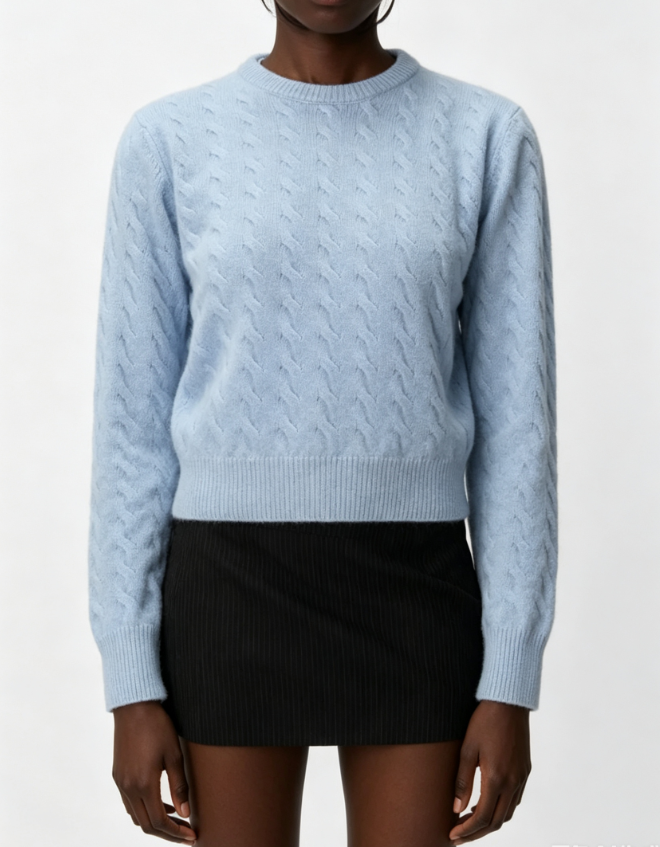
2-ply yarn generally feels fuller and holds shape better than single-ply, while higher ply increases weight and cost. A 7–9 gauge knit reads chunky and cold-weather; 12–16 gauge suits layering and spring programs. 30% nylon in a wool blend can materially improve recovery, whereas 5–10% elastane is usually reserved for ribs rather than full bodies. Specify fiber percentages, yarn count, gauge, stitch density, and wash test tolerances on the tech pack.
- Lower gauge: thicker, warmer, bulkier
- Higher gauge: finer, lighter, smoother
- Tighter density: better opacity and stability
5. Sweater Customization and Branding Options
At 100 units per style and color, a private-label sweater can become distinctive through proportion, yarn color, and one well-chosen brand detail. For wholesale sweater vendors bulk sales, lock the silhouette and size range before adding decoration, because each extra technique adds approvals and potential setup cost.
| Route | Best Use | Cost And MOQ Effect |
|---|---|---|
| Knit-in jacquard | Large logo or repeat pattern | Higher setup; best across bulk runs |
| Embroidery | Small logo detail | Flexible placement; added labor |
| Woven labels and hangtags | Private-label identity | Low complexity; efficient brand upgrade |
Build the Base Silhouette

XS through 3XL requires deliberate grading, not a scaled-up sample; shoulder width, body length, sleeve pitch, and rib recovery should be reviewed across the size set. Two to four core colors usually create a clearer launch than a wide palette. Specify Pantone references, neck shape, dropped or regular shoulder, gauge, hem rib, and cuff depth in the tech pack.
- Crewneck, V-neck, polo, cardigan, or vest
- Relaxed, oversized, cropped, or classic length
- Cable, rib, waffle, intarsia, or plain knit
Choose Decoration Strategically
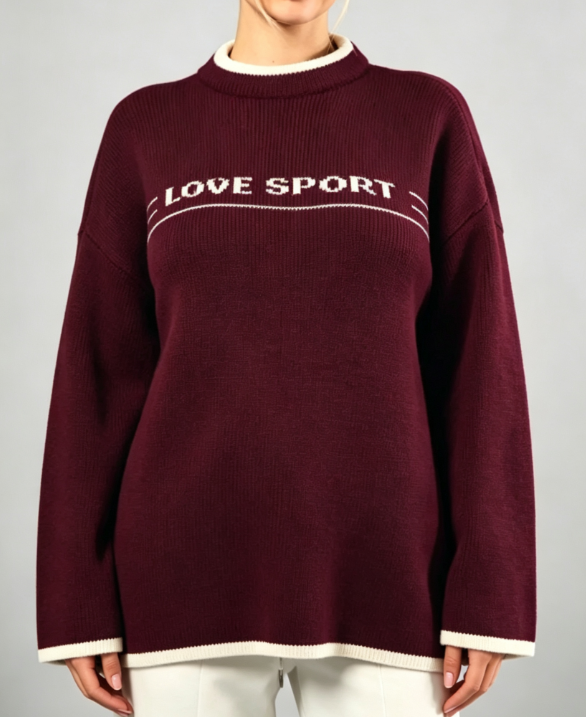
Jacquard, intarsia, and knit-in stripes are built into the sweater, so they withstand laundering well but require artwork simplification, yarn planning, and machine setup. Fine gradients, tiny type, and many color changes can be impractical. Embroidery, appliqué, patches, and heat transfers are applied after knitting. They suit small chest logos or limited runs, but placement, backing, and stitch density must preserve stretch and prevent puckering.
Finish The Private Label

Three branded touchpoints—neck label, wash-care label, and hangtag—often create stronger recognition than adding several embellishments. Woven labels, leather labels, custom packaging, and branded zipper pulls should match the target retail position. One approved sample should confirm label placement, logo scale, color, and packing method before bulk production. Retaining patterns, graded size sets, and material records also makes repeat programs more consistent.
6. Construction Quality Checks for Bulk Sweaters
A 7-gauge sweater can feel soft yet fail bulk inspection if stitch tension, rib recovery, and linked seams are inconsistent. For wholesale sweater vendors bulk sales, assess construction against an approved sample and measurable tolerances—not catalog photos.
Gauge And Stitch Consistency

A 7-, 12-, or 14-gauge specification should remain visually even across body panels, sleeves, and rib trims. Inspect under tension for dropped stitches, laddering, uneven courses, yarn snags, and abrupt density changes. A 10 cm stitch-count check at several locations helps reveal tension variation that a hand-feel test misses. Compare each panel to the approved sample before accepting color-size production.
- Check front, back, sleeves, and rib borders
- Pull seams lightly to expose missed links
- Compare stitch count at three panel locations
Seams, Rib, And Recovery
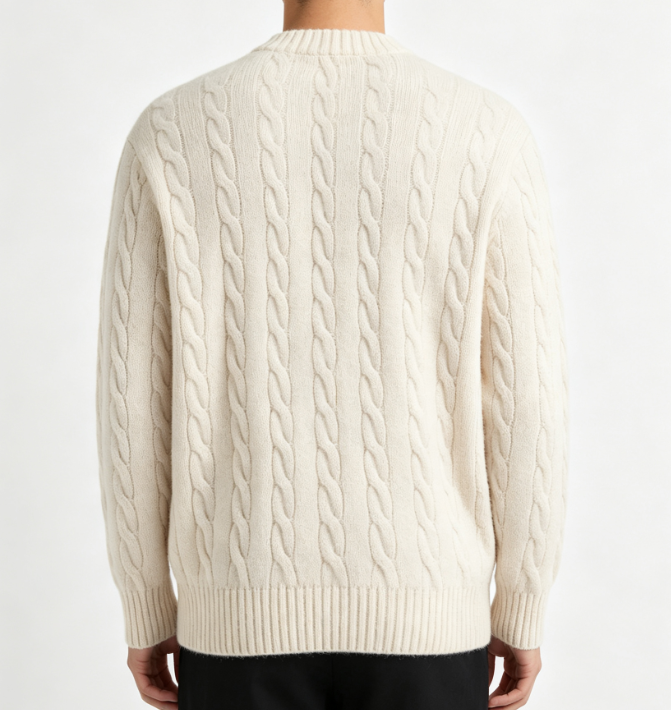
Fully fashioned or linked shoulder and side seams should lie flat without bulky joins, open loops, or twisting. Necklines, cuffs, and hems need balanced yarn tension so the garment hangs straight after relaxation. A practical recovery check stretches a cuff or neck rib repeatedly, then allows it to rest for several minutes. Weak elastane content, loose rib knitting, or over-pressing can leave permanent growth and reduce shape retention.
- Inspect linked seams inside and outside
- Stretch cuffs and neck rib repeatedly
- Check hem width against approved measurements
Wash Tests And Final Inspection
One approved wash test should confirm dimensional change, color bleeding, seam stability, and surface pilling before bulk release. Specify the intended care method and evaluate a washed sample beside an unwashed control. A pre-shipment inspection should measure chest, body length, sleeve length, shoulder width, and rib openings across sizes. Typical tolerances are often about ±1–2 cm, but the tech pack and approved sample control the final standard.
- Wash and dry to the stated care label
- Rub high-friction zones for pilling
- Measure multiple units per color and size
7. Choose Wholesale Sweater Vendors Bulk Sales Partners
A 100-unit minimum can suit a capsule, but wholesale sweater vendors bulk sales partners should be qualified for repeatability before price. Compare the factory’s sweater specialization, development control, export record, and ability to document each claim.
Screen Capability Before Quoting
100-unit MOQ, available gauges, yarn composition, color count, and monthly capacity should be confirmed before a quote request. Ask whether the vendor knits in-house or manages outside mills, and require the same answer in the specification sheet. 2010-founded Junsheen can support sweater and casualwear development from a tech pack, sketch, reference garment, or mood board. Request factory-floor photos, machine lists, recent comparable samples, and a capacity plan rather than relying on a catalog.
- MOQ per style, color, and size run
- Gauge, stitch, linking, and finishing options
- Sampling fee, revision limit, and approval timing
Verify Quality And Compliance
2 approved samples—one development sample and one pre-production sample—give buyers practical evidence of fit, hand feel, measurement control, and wash performance. Check measurement tolerances, pilling, seam strength, rib recovery, shade consistency, and decoration after laundering. OEKO-TEX, GOTS, WRAP, and BSCI claims should be verified with current certificate numbers, scope, and factory name. Ask for incoming-material, in-line, and final-inspection records, plus defect photos from a recent order.
Assess Commercial Reliability
24-hour responses are useful only when the supplier also answers technical questions clearly and flags risks early. Confirm production lead time from sample approval, critical-path dates, shipping terms, destination experience, and the remedy for late or failed inspections. 100% prepayment may apply to a first Junsheen order; later established terms can progress through 70/30 and 50/50 structures, with balances due before shipment. The lowest unit price can conceal weak yarn control, rework, delayed delivery, or inconsistent repeats; compare landed risk, not just FOB cost.
8. Common Bulk Sweater Buying Mistakes
For wholesale sweater vendors bulk sales, preventable specification and scheduling gaps often cost more than a modest unit-price difference. Use this checklist before approving samples and again before placing repeat bulk orders.
Price Before Total Cost
5–15% cheaper quotes can conceal lower yarn content, weaker linking, or higher defect exposure. Compare landed cost, approved construction, testing, and rework risk—not only the FOB unit price. 3 supplier quotes should use identical yarn, gauge, trim, packaging, and Incoterm assumptions. Lock these details in a written quotation before confirming the purchase order.
Samples And Specifications
1 fit sample can reveal shoulder balance, body length, sleeve pitch, and grading issues before hundreds of units are cut. Skipping it turns a correctable development cost into unsellable inventory. 1 complete tech pack should state measurements, tolerance, stitch details, Pantone colors, labels, and placement artwork. Replace vague references with marked photos, BOMs, and an approval record.
Yarn And Performance
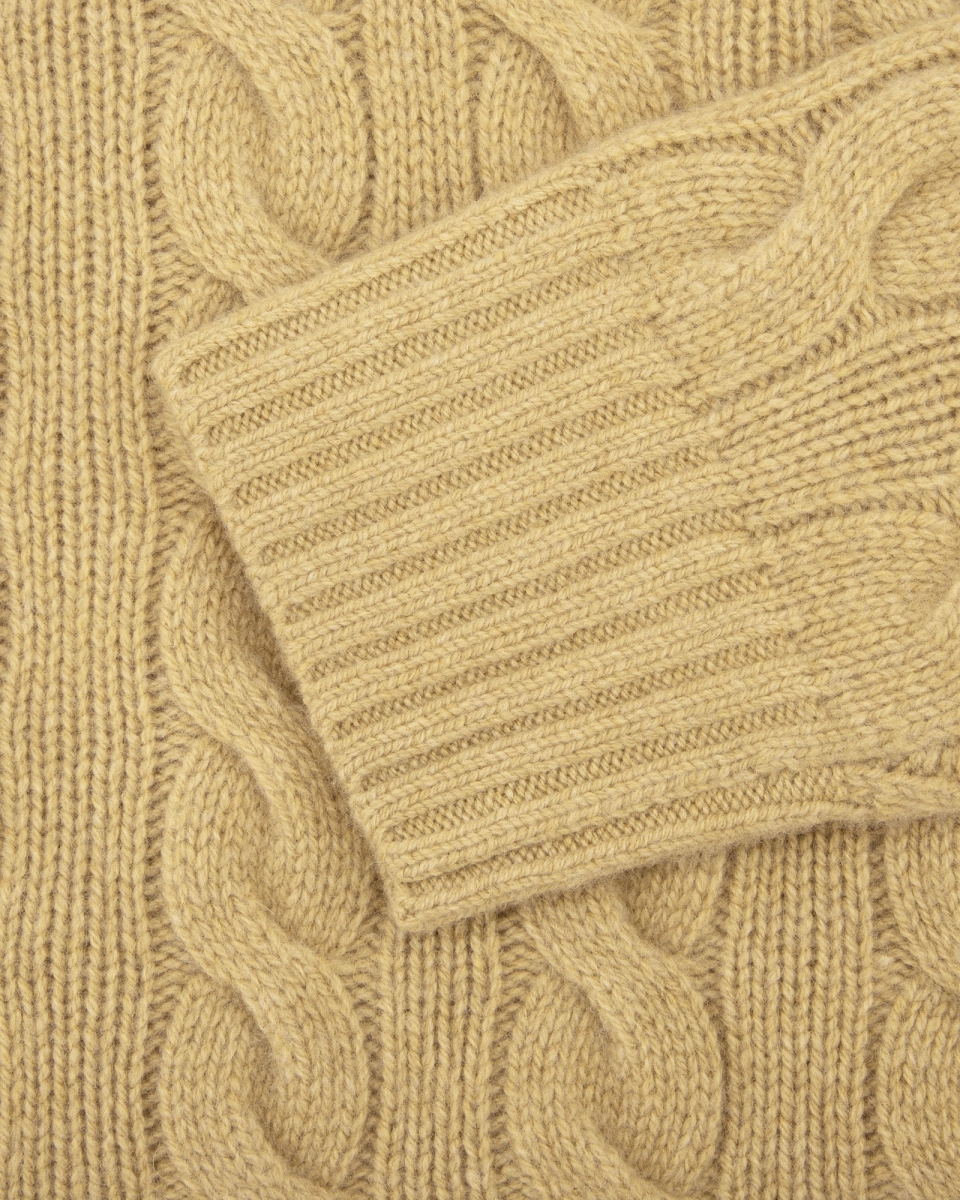
30–50% acrylic blends, cotton blends, and wool blends behave differently in hand feel, recovery, shrinkage, and pilling. Require the exact composition, yarn count, knit gauge, and care method for the approved sample. 1 wash test before bulk production establishes dimensional change and surface performance. Set acceptable shrinkage and pilling criteria, then retain the approved swatch and sample as production references.
Ratios Packaging And Timing
6-size ratio assumptions can strand stock when actual customer demand differs by market. Start with sales history or a small test allocation, then validate XS–3XL ratios before replenishment. 2–4 weeks of buffer protects launches against yarn booking, sample revisions, inspection, packing, and freight disruption. Confirm carton marks, folding, polybags, hangtags, and ship window in the PO.
9. Launching a Sweater Collection Step by Step
Two early decisions—target customer and retail price—set the feasible yarn, gauge, trim, and margin before development begins. For wholesale sweater vendors bulk sales, treat the first buy as a demand test rather than a full seasonal commitment.
Define The Commercial Brief
One customer profile should specify climate, intended layer, target retail price, and fit expectation before sketches are approved. A cropped 7-gauge cardigan and an oversized 3-gauge wool blend have different yarn consumption, packing volume, and cost. Three to five launch styles usually provide enough choice for a new label without spreading sampling funds too thin. Limit first-drop colorways to two or three proven shades, then assign size ratios from actual audience data or comparable sales.
- Set price architecture before yarn selection
- Map XS–3XL demand by customer evidence
- Reserve one colorway for test demand
Build Production-Ready Specifications

One complete tech pack should lock measurements, gauge, stitch map, yarn blend, Pantone colors, labels, packaging, and approved tolerances. Reference photos alone leave fit, finishing, and decoration open to interpretation. 100 units per style and color can suit a capsule at Junsheen, but color splits and size runs must still meet factory feasibility. Confirm yarn availability and substitute options before quoting, because custom dyeing can add minimums and calendar time.
Approve Samples And Revisions
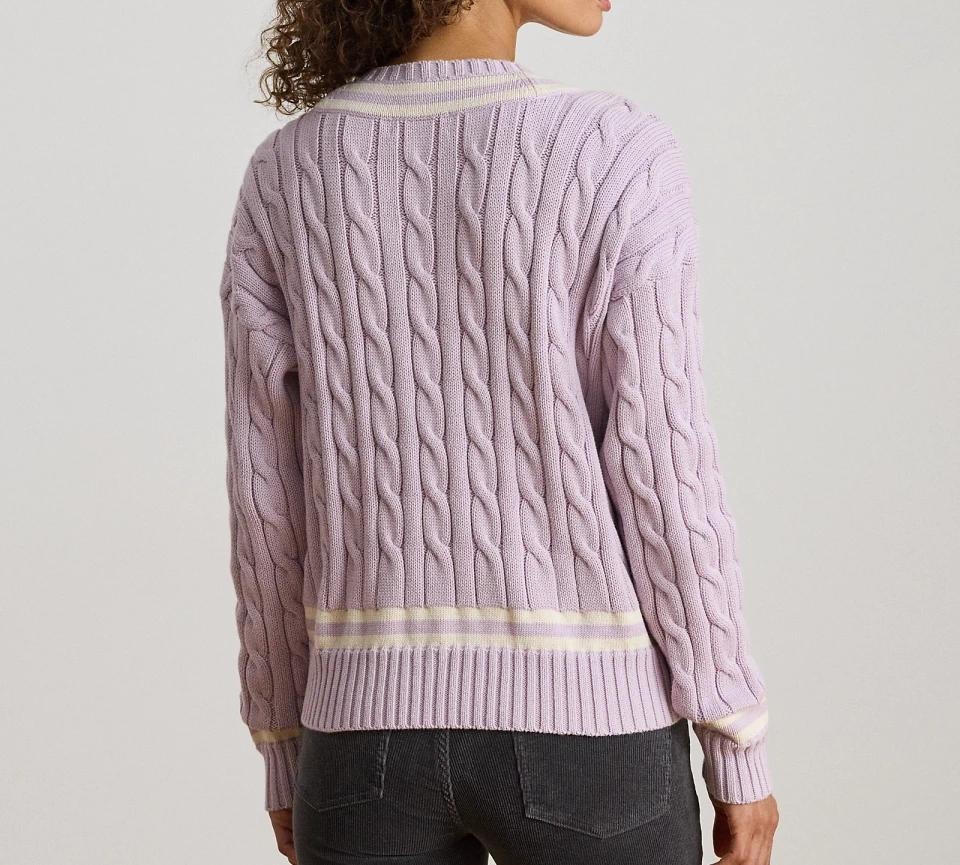
One prototype verifies silhouette, hand feel, knit density, and construction; a size set verifies grading before bulk release. Test wash shrinkage, pilling, seam recovery, and measurement changes against the approved specification. Two revision rounds are common when a design begins from a sketch or reference garment, so build that contingency into launch dates. Freeze colors, yarn, measurements, and trims only after the final sample is signed off; each later change can reset material and production planning.
Book, Inspect, And Launch
Four checkpoints—material receipt, in-line knitting or sewing, measurement review, and final packed-goods inspection—should be scheduled in the purchase order. Approve a pre-production sample before the line starts and define the acceptable defect standard with the supplier. Six to eight weeks of selling preparation can run alongside production: photograph approved samples, build size guidance, prepare inventory feeds, and book freight. Choose air freight for a time-sensitive launch and sea freight when margin and calendar allow; reconcile cartons, labels, and final balance before dispatch.
10. Wholesale Sweater Vendors Bulk Sales Pricing
100-unit sweater programs commonly carry the highest per-unit cost because yarn procurement, linking setup, pattern development, and inspection are spread across fewer pieces. The ranges below are illustrative ex-factory USD estimates for a standard custom crewneck; finalized specifications are required for a binding quotation. 7–21 days is a practical bulk-production window after approved materials and a pre-production sample, while development and sampling add time before that. Landed cost is different from ex-factory price: include freight, insurance, duties, taxes, destination handling, and any compliance testing. 2 factors drive the largest movements: yarn and construction. Cotton, wool blends, recycled fibers, finer gauges, intarsia, jacquard, cable work, fully fashioned shaping, embroidery, custom labels, branded packaging, sampling, color count, and lower order volume all increase cost; simpler structures and larger consolidated runs improve efficiency.
| Quantity tier | Illustrative ex-factory price per unit | Typical bulk lead time |
|---|---|---|
| 100–299 units | US$15–28 | 14–21 days |
| 300–499 units | US$12–23 | 14–20 days |
| 500–999 units | US$10–19 | 12–18 days |
| 1,000+ units | US$8–16 | 10–16 days |
Wholesale Sweater Vendors Bulk Sales: Request Your Quote
Send your tech pack, reference garment, mood board, or product idea to start fit-focused sampling and a clear bulk-production quotation.