Denim Jacket Customize With a 100-Unit MOQ
JUNSHEEN delivers OEM, ODM, and private-label denim jacket customize programs with fit-focused XS–3XL grading for global brands.
Featured Products for denim jacket customize Development

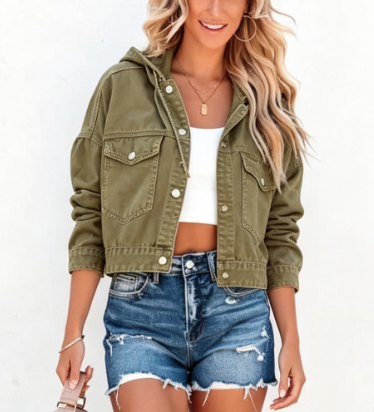


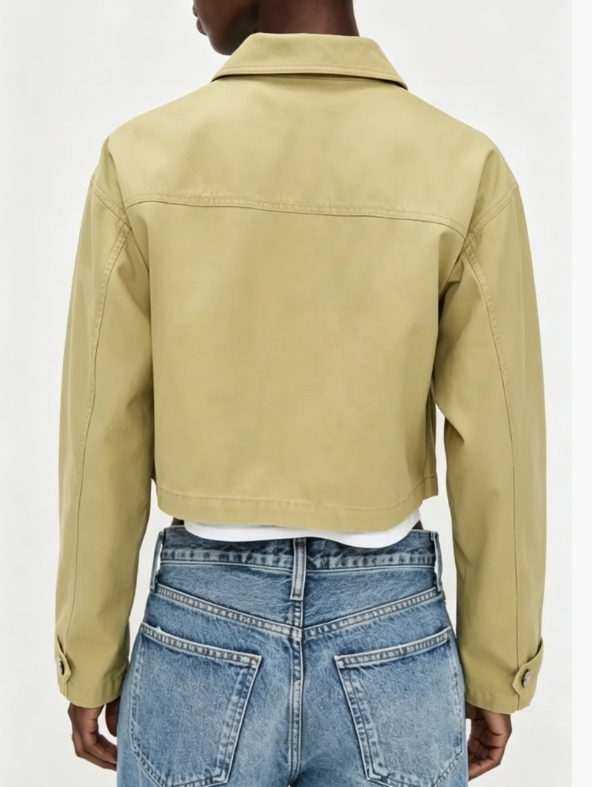
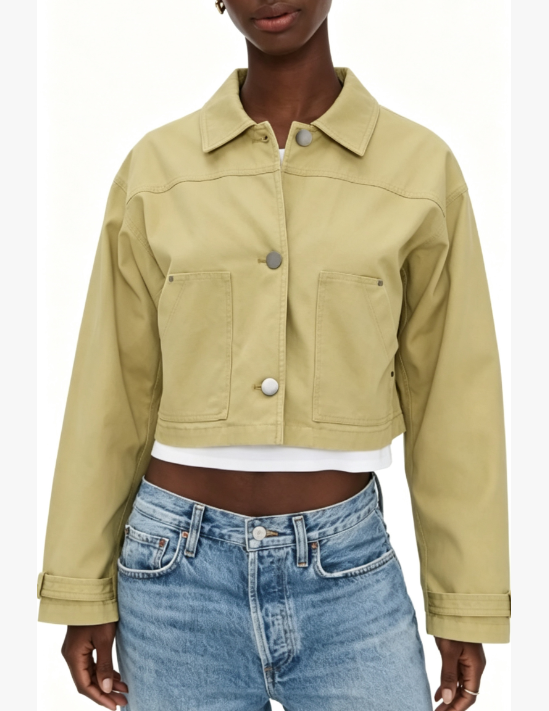



Related Denim Jacket Catalogue and Quotation






Why Brands Choose JUNSHEEN for Denim Jacket Customize
From first sample to repeat bulk orders, our integrated team delivers fit-led denim development with dependable global production support.
100-Unit MOQ
Launch a capsule with orders from 100 units per style and color, then scale confidently into ongoing bulk denim programs.
Fit-Focused XS–3XL
Pattern makers refine proportions, sleeve balance, mobility and grading for regular, oversized, extended-size and plus-size denim jacket collections.
Full Custom Development
Turn a tech pack, sketch or reference garment into production-ready denim jackets with fabric, pattern, trim and sample support.
Integrated Decoration
Add embroidery, patches, screen prints, labels, metal hardware and custom packaging through one coordinated private-label supply chain.
Export-Ready Quality Control
Incoming fabric, in-line construction, measurements, washes, decoration and final packed goods receive checks before global shipment.
Reliable Production Scale
Work with 200+ skilled workers and 80,000+ monthly units of capacity for responsive sampling and scalable repeat orders.
Denim Jacket Options for Every Collection
Build coordinated denim and casualwear programs with low-MOQ development, fit-focused grading, and scalable OEM or private-label production.

Custom Hoodies
Develop custom hoodies in fleece, French terry, or jersey for capsule launches and repeat programs. Junsheen supports patterns, graded XS–3XL fits, embroidery or printing, branded trims, labels, and production from 100 units per style and color.
Request a Quote
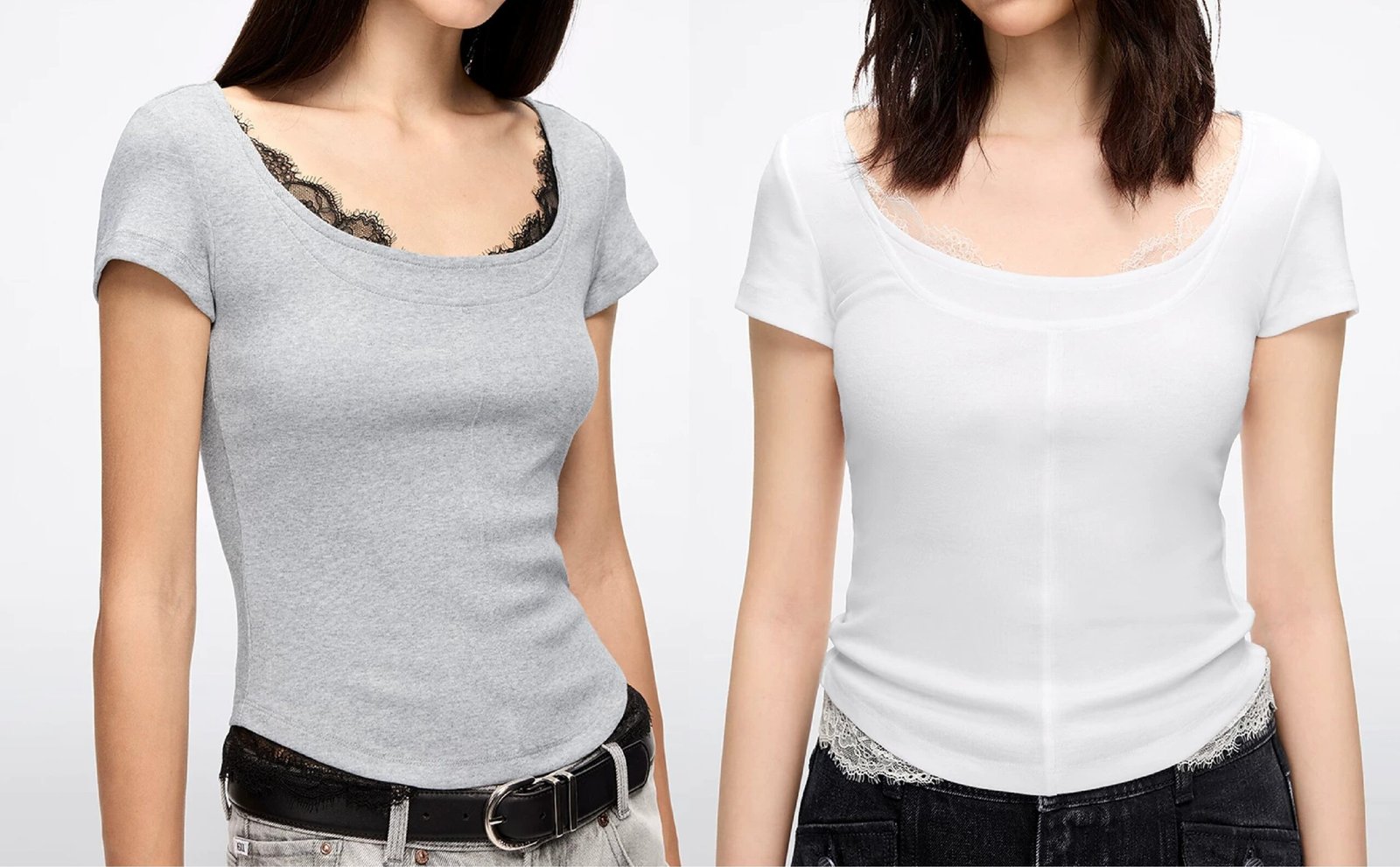
Custom T-Shirts
Produce custom T-shirts from combed cotton, Pima cotton, organic options, or blended jersey. Teams can develop silhouettes, weights, necklines, prints, washes, and private-label details for retail basics, merch collections, and coordinated casualwear ranges.
Request a Quote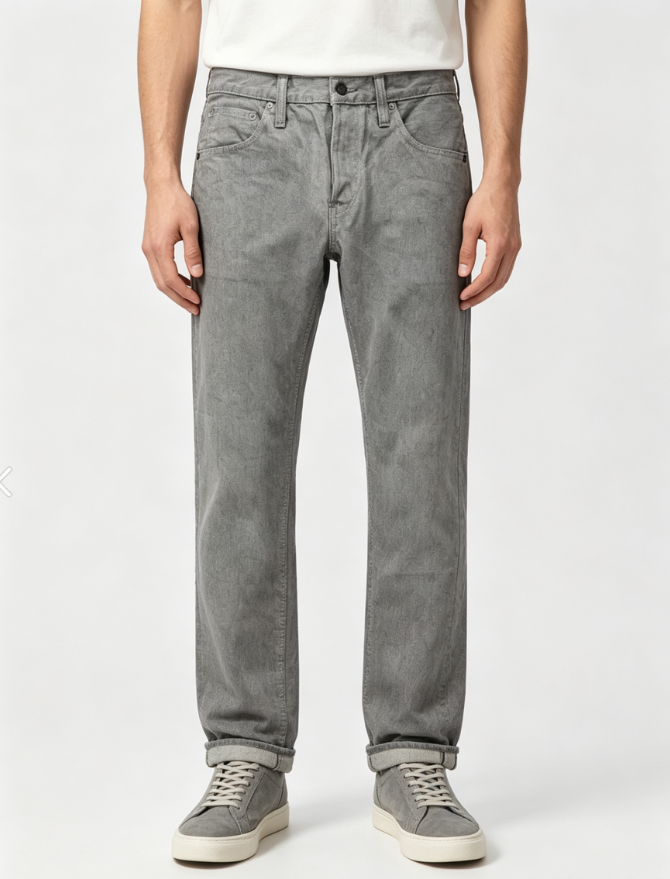
Custom Jeans
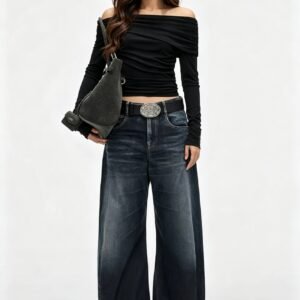
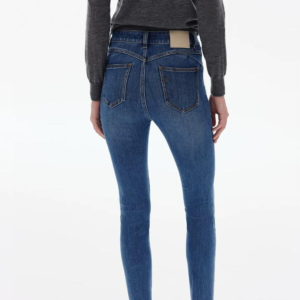
Create custom jeans with fit development that considers rise, leg shape, stretch recovery, wash performance, and grading across XS–3XL. Junsheen manages denim sourcing, pattern making, sampling, hardware, washing, labels, and bulk quality control.
Request a Quote
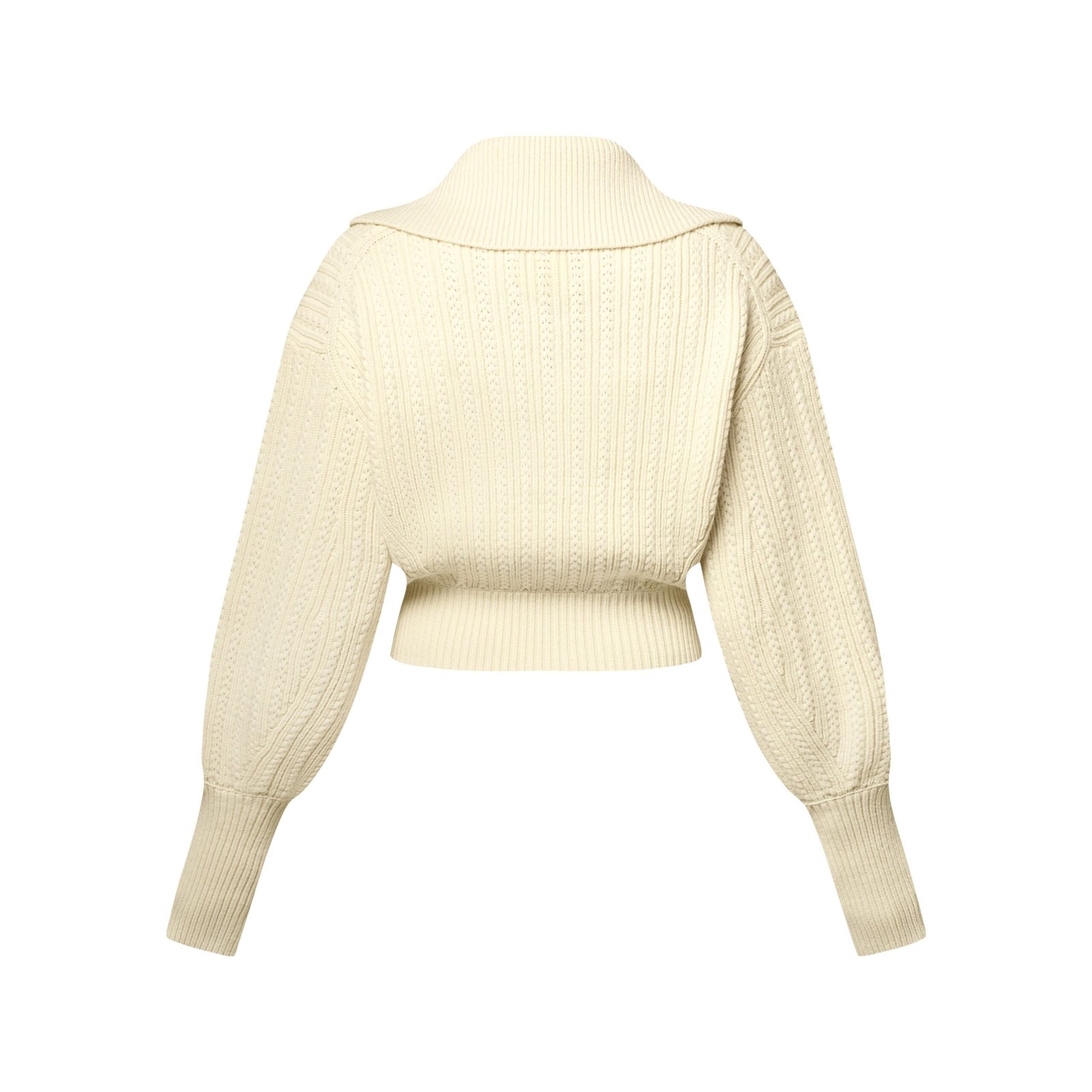
Custom Sweaters
Source turtle neck sweater bulk programs with yarn, gauge, stitch, and silhouette specifications matched to your target price and hand feel. Junsheen supports development of fitted, relaxed, extended-size, and oversized knitwear with labels, trims, and export-ready packaging.
Request a Quote
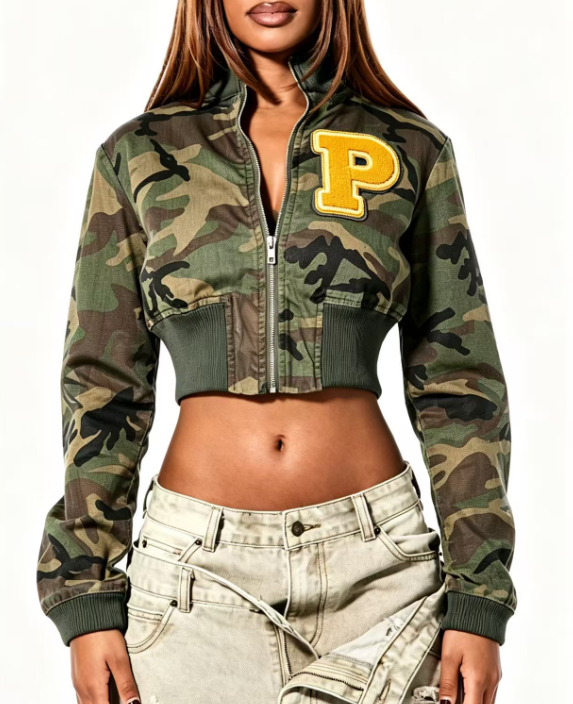
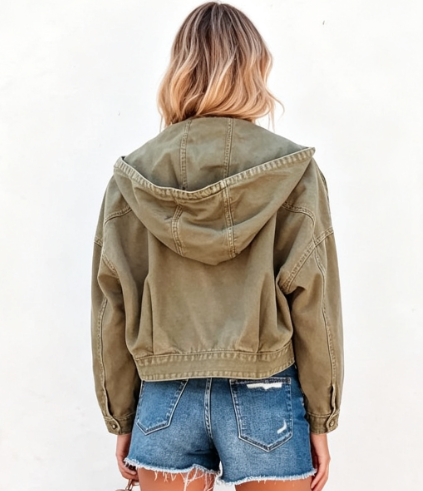
Custom Jackets
Develop a custom jean jacket from a tech pack, reference garment, or concept. Production covers denim weights, pattern refinement, washes, embroidery, patches, buttons, labels, and matching bottoms for complete seasonal denim programs.
Request a Quote
Custom Sweatshirts & Crewnecks
Build custom crewneck hoodie and sweatshirt programs with tailored rib, neckline, fleece weight, fit, and decoration requirements. Junsheen develops crewnecks for retail, wholesale, and private-label collections, with size grading and repeat-order records retained for consistency.
Request a Quote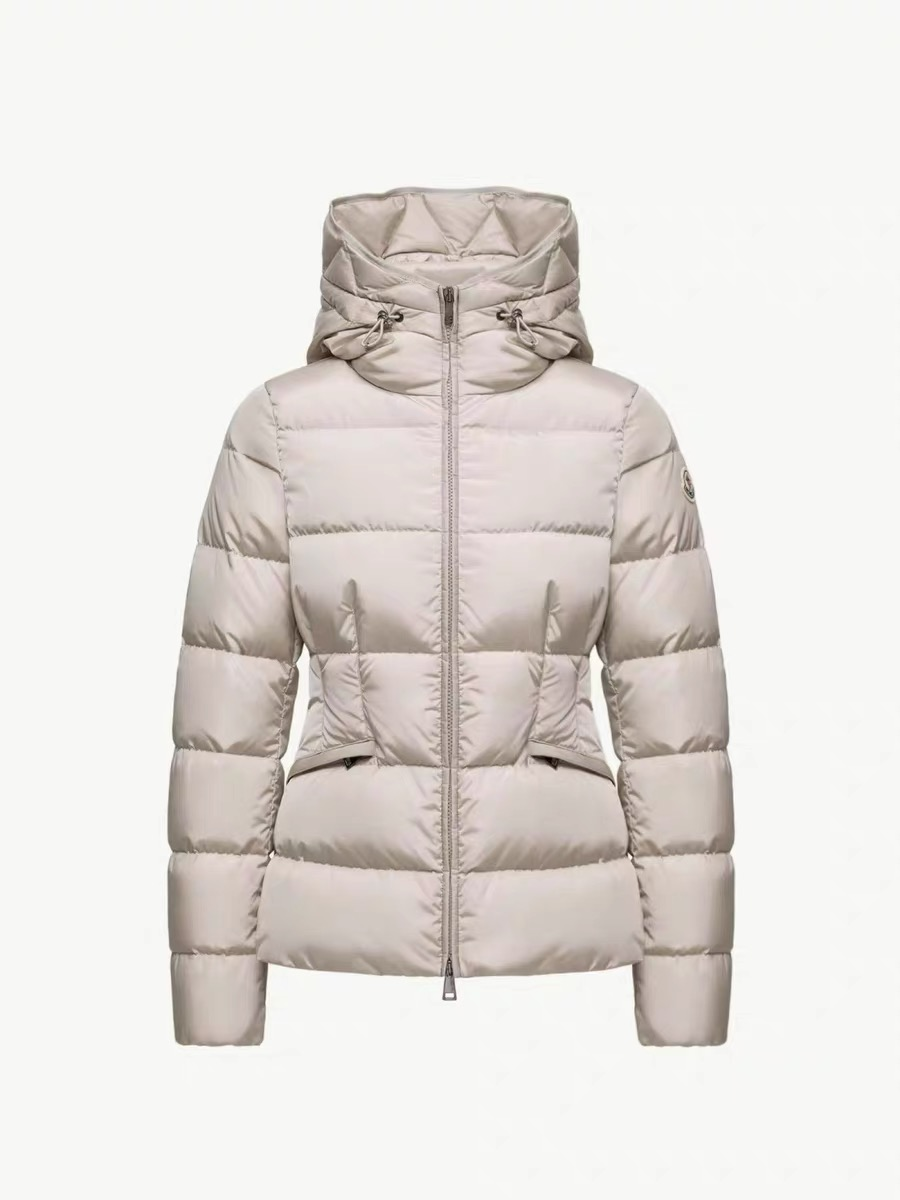
Custom Cardigans
Create custom cardigan programs in knit constructions suited to lightweight layering or heavier seasonal assortments. Development includes yarn selection, gauges, buttons, plackets, pockets, fit grading, labels, and branded packaging for coordinated knitwear collections.
Request a Quote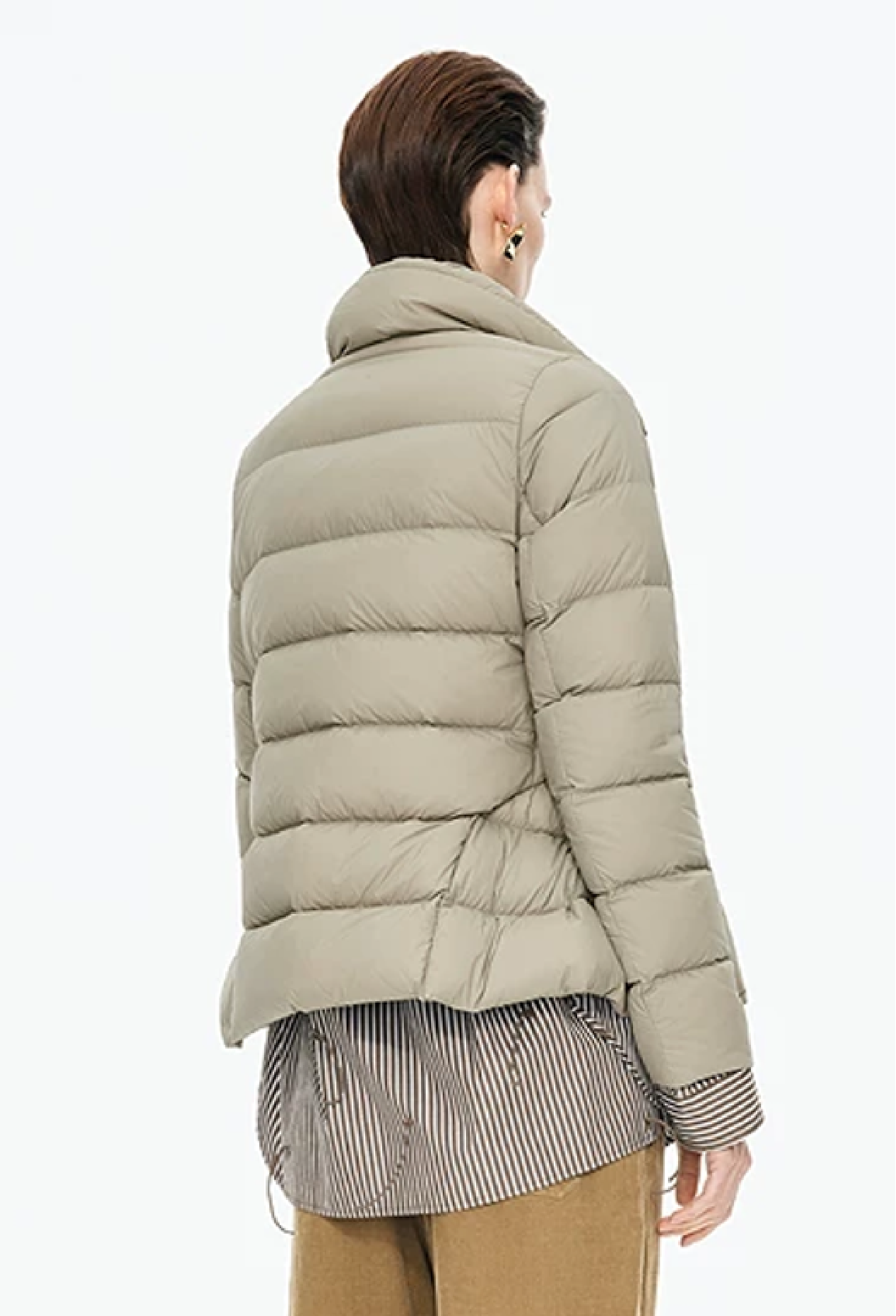
Custom Puffer & Down Jackets
Produce custom puffer jackets with shell, lining, insulation, quilting, pocket, zipper, and trim specifications aligned to your market. Junsheen supports sample approval, fit development, branded details, quality inspections, and scalable outerwear production.
Request a Quote
Custom Denim Shorts
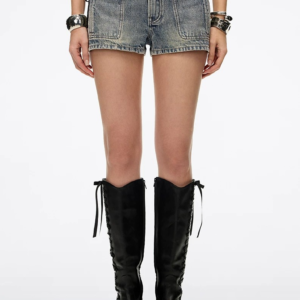
Develop custom jean shorts with denim weights, inseams, rises, hems, distressing, and wash effects defined for your customer. Pattern makers grade proportions across XS–3XL, while production manages hardware, labels, decoration, and coordinated denim-jacket pairing.
Request a Quote
Custom Sweater Dresses
Create custom sweater dresses with yarn, gauge, stitch texture, length, neckline, and body shape developed for your collection. Junsheen supports normal, plus-size, and oversized grading, sample fitting, branded trims, labels, and export packaging.
Request a Quote
Custom Denim Sets
Build mens denim suits wholesale programs with matched denim jackets and jeans designed as coordinated sets. Junsheen aligns fabric lots, wash recipes, hardware, fit, and branding across both pieces, helping wholesalers maintain consistency through repeat bulk orders.
Request a Quote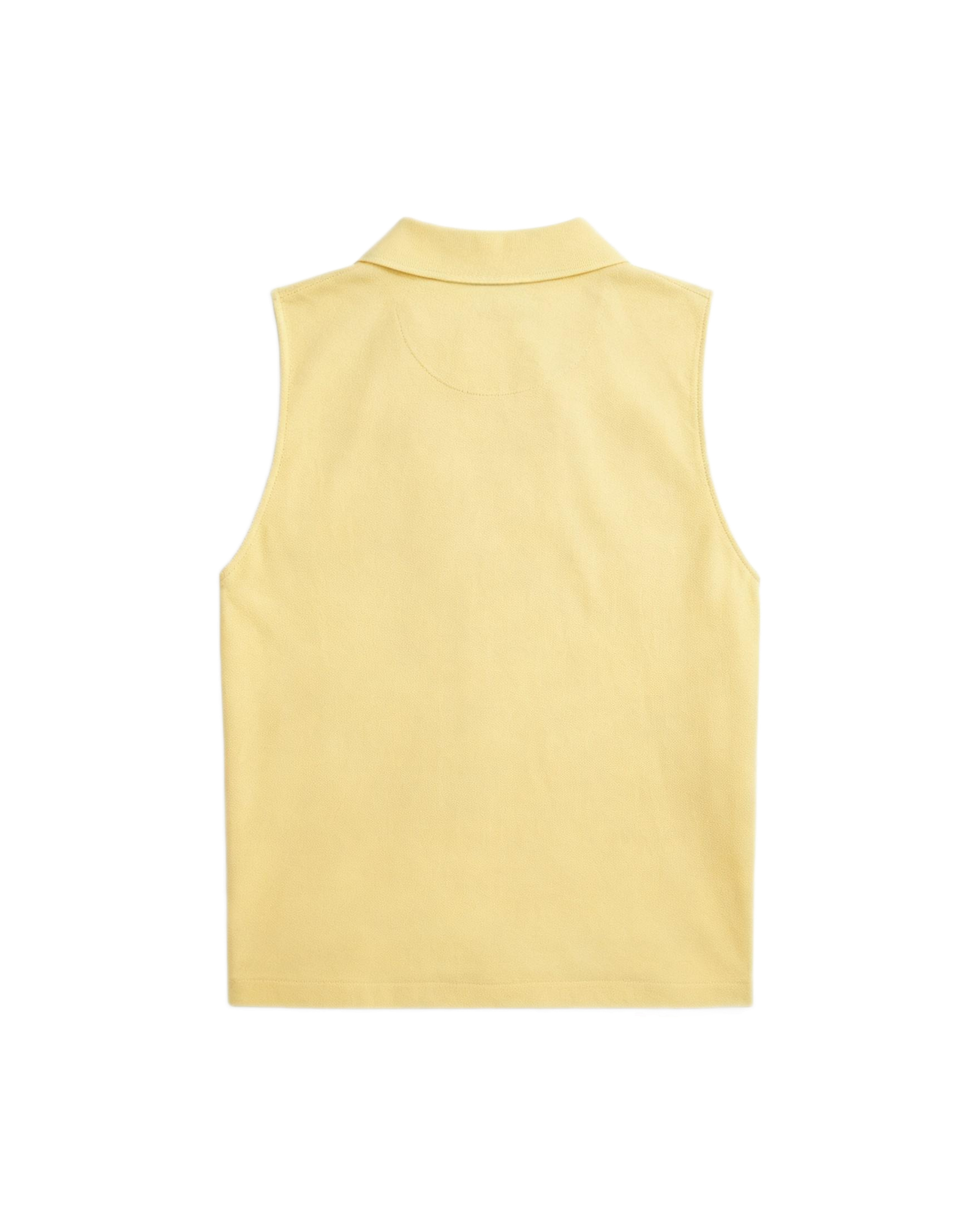
Custom Polo Shirts
Produce custom polo shirts in piqué, jersey, performance knit, or blended fabric. Development includes collar structure, plackets, buttons, embroidery, color matching, graded fits, private labels, and packaging for uniforms, retail collections, or branded programs.
Request a Quote
Custom Sweatpants
Develop custom sweatpants with fleece or French terry weights, waistband construction, pockets, cuffs, drawstrings, prints, and embroidery. Junsheen can coordinate matching hoodies or crewnecks and refine XS–3XL fit proportions before approving bulk production.
Request a Quote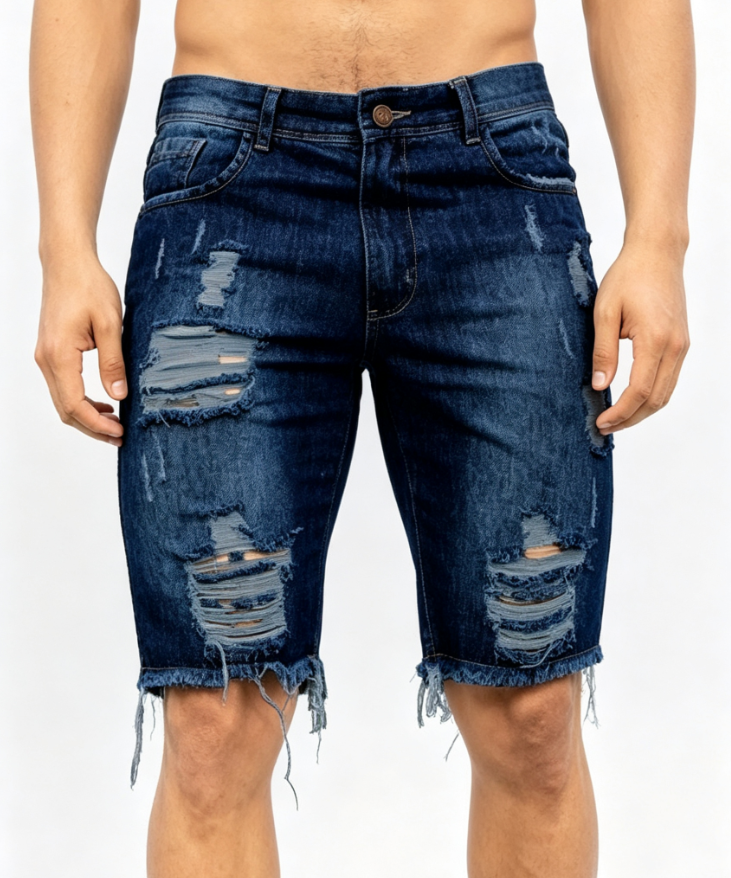
Custom Shorts
Create custom shorts for casualwear, lounge, active-inspired, or denim-adjacent collections. Choose fabrics, inseams, pockets, waist treatments, washes, decoration, and labels; Junsheen supports sampling and low-MOQ production from 100 units per style and color.
Request a Quote
Custom Pullovers
Produce custom pullovers in jersey, fleece, French terry, or knit constructions for layered assortments. Junsheen develops silhouettes, necklines, rib details, fit grading, prints or embroidery, labels, and packaging from initial sample through global shipment.
Request a QuoteDenim Jacket Customize Materials for Every Collection

Rigid Cotton Denim
A structured, authentic denim with a dry hand and minimal give, ideal for classic trucker jackets and heritage silhouettes. Commonly 12–14 oz, it develops distinctive fading and character through repeated washing.

Stretch Denim
Cotton-rich denim blended with elastane for comfortable movement and closer-fitting jackets. Typically 10–12 oz, it retains a familiar denim appearance while adding recovery for shaped sleeves, slim bodies, and fitted women’s styles.

Organic Cotton Denim
Responsibly sourced cotton denim with a natural hand feel for premium private-label collections. Available in multiple weights, it supports enzyme, stone, and garment washes while delivering durable everyday performance and a more considered material story.

Recycled Blend Denim
Denim incorporating recycled cotton or recycled polyester for brands pursuing lower-impact material options. Its hand feel and weight can be tailored to the blend, with reinforced construction supporting durable casual jackets and repeat production programs.

Tencel Blend Denim
A softer, more fluid denim combining cotton with Tencel for elevated fashion jackets and overshirts. Usually lighter in weight, it offers smooth drape, breathable comfort, and an attractive response to softening and garment-wash treatments.
Denim Jacket Customize: Decoration and Garment-Wash Techniques

Logo Embroidery
Flat, 3D puff, chain-stitch and applique embroidery add dimensional logo detail to denim jackets. Carefully selected backing and stitch density help preserve clean artwork, durable attachment and a premium tactile finish through repeated wear.

Screen Printing
Plastisol, water-based, puff, flocking, silicone and high-density screen prints create bold graphics on denim panels. Our team reviews artwork placement and ink compatibility to achieve strong opacity, crisp edges and dependable wash performance.

Custom Patch Application
Woven, embroidered, chenille, leather-look and custom-shaped patches give jackets a collectible private-label identity. We can develop patch placement, stitch methods and edge finishes that stay secure while complementing the denim weight and wash.

Denim Wash Effects
Stone wash, enzyme wash, acid wash and garment dye create controlled color variation, softness and lived-in character. Sampling lets your team approve the fade level, hand feel and visual consistency before bulk production begins.

Special Garment Finishing
Brushing, napping, softening and localized finishing refine texture and comfort after construction. These processes can elevate a denim jacket customize program with a worn, vintage-inspired or smoother premium hand without sacrificing production control.
Denim Jacket Customize With Branded Trims

Logo Metal Buttons
Custom shank or tack buttons add a recognizable branded finish to front plackets, cuffs, and waist tabs. Choose engraved logos, antique washes, painted finishes, and materials that complement your denim jacket’s wash treatment.

Custom Snap Fasteners
Logo snaps provide quick closure for denim jacket pockets, cuffs, and detachable design elements. JUNSHEEN can match snap color, finish, size, and logo treatment to create a coordinated hardware program across your collection.

Branded Zippers
Select dependable zippers for front openings, chest pockets, and utility details. We support custom pullers, logo engraving, metal finishes, tape colors, and zipper specifications that suit heavyweight denim construction and daily wear.

Woven Leather Labels
Add woven, jacron, or genuine leather labels at the neck, hem, or back waistband to establish brand identity. We coordinate main labels, size labels, and wash-care labels for clear, durable private-label presentation.

Custom Hang Tags
Branded hang tags communicate sizing, fabric stories, collection details, and retail information before the garment is worn. Choose custom cardstock, die cuts, strings, seals, and finishes aligned with your denim jacket positioning.
Retail Ready Packaging
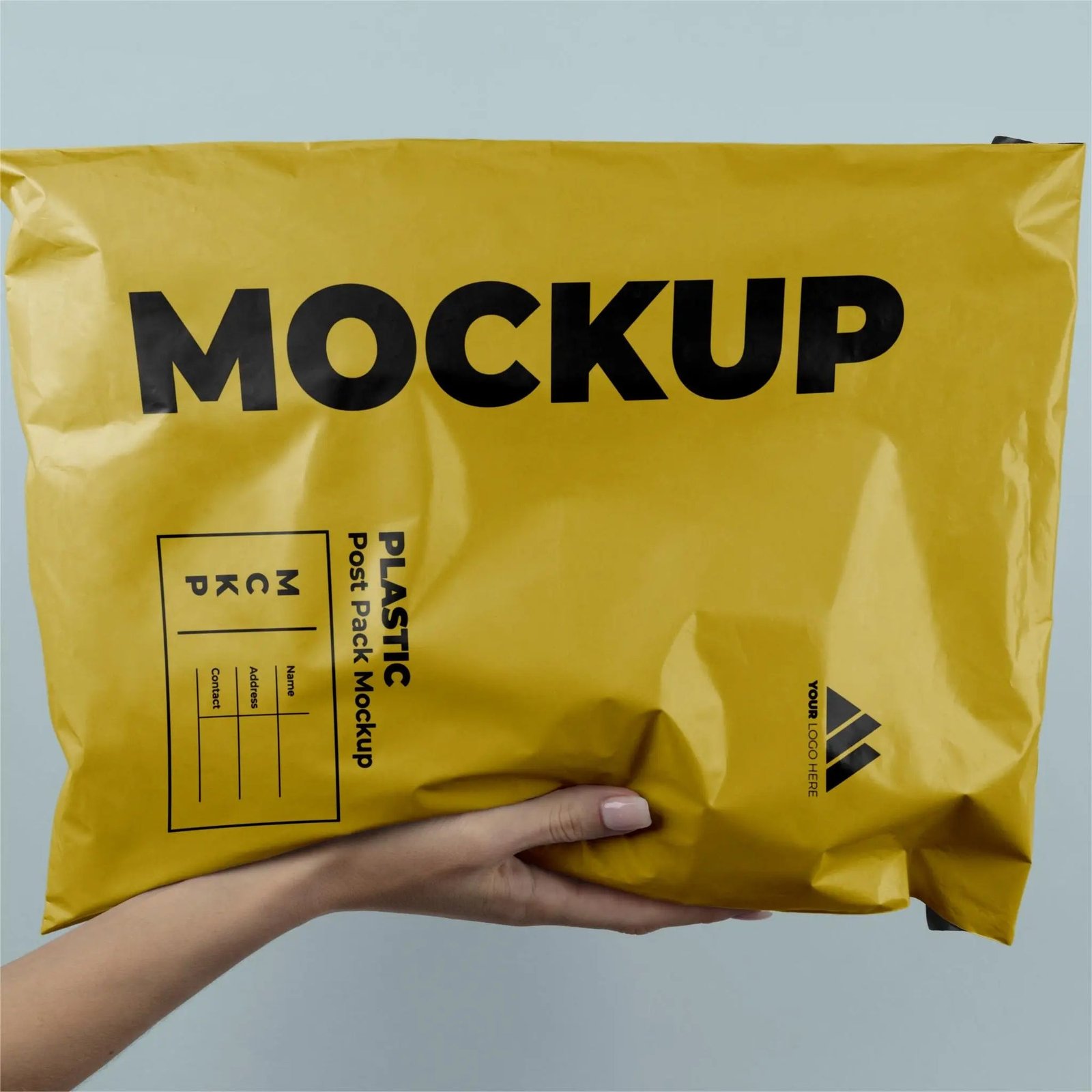
Complete your order with branded polybags, tissue, stickers, cartons, and packing inserts designed for wholesale, e-commerce, or store delivery. Our team aligns packaging specifications with your labeling requirements and global export needs.
About JUNSHEEN Apparel Manufacturing
Founded in 2010 in Humen Town, Dongguan, JUNSHEEN helps fashion brands turn denim jacket customize concepts into production-ready collections. Our mission is to provide dependable OEM, ODM and private-label manufacturing that gives emerging labels and established buyers a clear path from development to scalable global delivery.
With 200+ skilled workers and monthly capacity above 80,000 units, we combine cut-and-sew, knitwear, denim development, fabric sourcing, pattern making, sampling, decoration, washing, quality control, labeling and export support in one integrated supply chain. Programs can start from 100 units per style and color.
What sets JUNSHEEN apart is fit-focused development from XS to 3XL, including extended-size, plus-size and modern oversized grading. Rather than simply scaling a base pattern, our team refines proportion, mobility and construction so your custom denim jackets remain consistent from sample approval through repeat bulk orders.

Denim Jacket Customize With Deeper Development Control
Fit-Focused Pattern Engineering
For every denim jacket customize program, Junsheen develops and grades patterns from XS through 3XL with attention to shoulder balance, sleeve length, body proportion and mobility. This fit-first process supports standard, oversized and extended-size collections without relying on simple pattern enlargement.
- Pattern development from tech packs, sketches or reference garments
- XS–3XL grading for regular, oversized and plus-size fits
- Prototype, size-set and pre-production fit approvals

Denim, Fabric and Trim Sourcing
Our sourcing team matches denim weight, stretch, wash potential and hand feel to your target price and brand direction. We coordinate fabric swatches, custom buttons, snaps, zippers, labels and packaging so each component is reviewed as one production-ready denim jacket program.
- Rigid, stretch and specialty denim sourcing
- Fabric recommendations based on durability and wash performance
- Custom labels, hardware, trims and branded packaging

In-House Decoration and Washing
Build distinctive denim jackets with decoration and finishing managed through one coordinated supply chain. Junsheen supports embroidery, patches, screen printing and specialty print effects alongside enzyme, stone, acid and garment washes, helping brands control placement, texture and final color character.
- Flat, 3D, chain-stitch and applique embroidery
- Screen print, DTF, heat transfer and custom patches
- Stone wash, acid wash, enzyme wash and softening

Repeat-Order Production Control
From a 100-unit launch to ongoing bulk replenishment, Junsheen retains approved patterns, graded size sets and material records for stronger repeatability. Incoming-fabric, in-line, measurement, decoration and final-packed-goods inspections help protect approved denim jacket standards as volume scales.
- MOQ from 100 units per style and color
- Retained production records for repeat-order consistency
- 200+ skilled workers and 80,000+ monthly-unit capacity

Denim Jacket Customize: JUNSHEEN vs. Typical Suppliers
A fit-first OEM partner for scalable, private-label denim jacket production.
← 左右滑动查看 →
Denim Jacket Customize Production Process
A clear OEM workflow from feasibility review to export-ready delivery, built for 100-unit launches and scalable denim programs.
Review Design Feasibility
Share a tech pack, sketch, reference jacket, or mood board. Our team reviews construction, target fit, decoration, wash requirements, MOQ, and production feasibility.
Source Denim and Trims
We recommend denim weight, stretch, washes, buttons, zippers, labels, and packaging based on your target cost, hand feel, durability, and collection direction.
Develop Patterns and Samples
Pattern makers build and grade fit-focused XS–3XL specifications, then produce prototype samples for measurement, construction, wash, decoration, and branding approval.
Confirm Details and Production
After sample approval, we lock materials, graded size sets, artwork, trims, quantities, and packing details before scheduling cut-and-sew bulk manufacturing.
Inspect, Pack, and Ship
Quality teams check fabric, measurements, stitching, washes, decoration, and final packed goods. Approved denim jackets receive branded packing and global export support.
How to Denim Jacket Customize With Our OEM Team
Move from an initial concept to approved bulk production with clear development milestones and fit-focused support.
Send Your Design Brief
Share a tech pack, sketch, reference garment, mood board, or product idea. Include target quantities, preferred denim weight, wash direction, sizing, and branding requirements.
Review Feasibility and Quote
Our team reviews construction, fit, fabric, decoration, trims, and MOQ requirements, then recommends practical options and prepares a clear quotation for your program.
Develop and Approve Samples
Confirm materials, patterns, graded XS–3XL sizing, washes, labels, and details through prototype and fit samples before approving the final pre-production standard.
Launch Controlled Bulk Production
After approval, JUNSHEEN manages bulk cutting, sewing, washing, decoration, inspection, packing, and export coordination for consistent custom denim jacket delivery.
Custom Clothing Manufacturer Credentials and Compliance Documents



What Fashion Brands Say About Denim Jacket Customize With JUNSHEEN
JUNSHEEN corrected the shoulder pitch and sleeve proportions across XS–3XL during sampling. We approved our second size set instead of the usual four rounds, cutting fit revisions by 50% before launching our first 300-piece denim program.
Starting at 100 units per style and color let us test two washes without overcommitting inventory. The samples matched the approved measurements, and our three repeat orders have arrived on schedule with consistent labels, trims, and packing.
Our custom embroidery, vintage wash, and private-label leather patch were coordinated by one team. JUNSHEEN delivered 1,200 jackets for our retail rollout with fewer than 1% quality claims, which made reordering straightforward.
Denim Jacket Customize FAQ for B2B Buyers
Clear answers on MOQ, sampling, fit, private labeling, production, payment, shipping, and design confidentiality.
What is the minimum order quantity to denim jacket customize with JUNSHEEN?
Can I denim jacket customize from a sketch, reference garment, or mood board?
How long does denim jacket customize sampling and bulk production take?
Can you develop denim jacket fits in XS–3XL and plus sizes?
Can JUNSHEEN add private labels, custom buttons, and branded packaging?
What payment terms are available for a custom denim jacket order?
Do you ship custom denim jackets internationally?
How do you protect my denim jacket design and brand information?
The Complete Buyer’s Guide to denim jacket customize
Use this practical framework to select styles, materials, decoration methods, and a dependable OEM supplier—while avoiding costly specification, sampling, pricing, and production mistakes before placing your order.
1. What Does Denim Jacket Customize Mean?
100 units per style and color is enough to turn ‘denim jacket customize’ from a stock-garment request into a defined B2B development brief. It means specifying a base silhouette, denim weight and fiber blend, wash recipe, fit and grading, hardware, labels, decoration, packing method, and the approval standard for bulk production. 3 levels of customization should be separated before requesting quotations. Private-label customization applies your labels, hangtags, packaging, and selected colors or washes to an existing or supplier-adjusted jacket; OEM development changes the product itself through a tech pack, pattern work, measurements, panels, pockets, seams, trims, or wash effects; simple logo application adds embroidery, print, or a patch to a finished base with little control over construction or fit. 2010 is the year Dongguan Junsheen Clothing Co., Ltd. began operating, and its development workflow can support projects from a reference garment or concept through patterns, size grading, sampling, and production. A startup testing one branded trucker jacket may need private label plus a fit sample, while a label whose signature depends on oversized proportions, custom pocket placement, or acid-wash character needs OEM development before supplier contact. XS through 3XL should be planned at the brief stage when the range includes extended sizes, because grading is not merely enlarging a base pattern. Send suppliers the target customer, reference images, expected quantity, size range, desired retail position, decoration artwork, and any non-negotiable fabric, wash, or branding details; this reveals the appropriate customization level quickly.
2. Evolution of Customized Denim Jackets
1880s workwear denim established the durable cues that still sell: indigo twill, contrast topstitching, metal shank buttons, chest pockets, and a practical waist-length silhouette. The mid-century trucker jacket turned those details into a repeatable fashion template, so a denim jacket customize program can add branding without losing immediate category recognition. 1960s–1980s youth culture moved denim jackets from utility into self-expression through band patches, embroidery, bleaching, paint, and repair. Streetwear and luxury later enlarged the canvas with relaxed shoulders, dropped armholes, washed black, tonal branding, and controlled distressing; these treatments work best when the base fit and wash remain commercially wearable. 1990s–2020s oversize and unisex silhouettes made one jacket block suitable for broader styling, while remade and patchwork concepts brought panel matching, seam placement, and wash variation into product development. For a capsule, use 1–3 core washes and repeatable patch positions rather than making every unit unique; scalable remakes need defined fabric lots, approved placement maps, and tolerance standards. 100-unit private-label launches can safely build on enduring cues—classic trucker proportions, rigid or stretch denim options, functional pockets, durable hardware, and measured branding—then reserve trend risk for a limited colorway or decoration. Junsheen can develop patterns, grading, sample washes, labels, patches, and export-ready production from a tech pack, reference garment, or concept.
3. Denim Jacket Customize Styles and Fits
Eight core silhouettes give a denim jacket customize program distinct price, fit, and styling positions. Select the block before artwork or washes, because shoulder shape, body length, and layering allowance determine both customer appeal and sampling revisions.
| Silhouette | Best Customer | Construction Priority | Customization Role |
|---|---|---|---|
| Trucker | Heritage or unisex | Straight balance | Patches and hardware |
| Oversized | Streetwear | Dropped shoulder | Large back graphics |
| Cropped | Fashion-led womenswear | Stable hem | Logo placement |
| Fitted | Contemporary womenswear | Shaped seams | Minimal branding |
| Lined or sherpa | Cold-weather buyers | Bulk and mobility | Labels and trims |
| Utility | Workwear market | Bartacked pockets | Functional patches |
| Extended-size | Inclusive brands | Proportional grading | Consistent fit |
Core Fashion Blocks

Two chest pockets and a straight waist define the trucker: a reliable unisex or heritage block for patches, embroidery, and branded shank buttons. An added 4–8 cm of body ease makes an oversized jacket suitable for streetwear layering; dropped shoulders require sleeve-cap and armhole checks.
Directional Womenswear Fits

A 40–48 cm cropped body length can sharpen a high-waist look for younger fashion customers; stabilize the hem so it does not flare after washing. A fitted block uses shaped side seams or princess seams for a closer silhouette. Limit heavy back artwork where it can distort over body shaping.
Functional And Inclusive Options
A quilted lining or sherpa body converts denim into a cold-weather outer layer, but adds seam bulk and demands sleeve mobility testing. Three or more utility pockets suit workwear-led collections; reinforce high-stress pocket corners with bartacks. Extended-size blocks from XS–3XL need proportioned grading, not simple enlargement.
4. Fabrics for Denim Jacket Customize Projects
A usable denim jacket customize brief specifies fiber content, weight, weave, shade, stretch, and intended wash before sampling. Those choices govern silhouette, seasonal comfort, wash behavior, unit cost, and long-term abrasion resistance.
| Fabric Specification | Appearance And Performance | Best Use |
|---|---|---|
| 8–10 oz, 100% cotton | Light drape; low bulk | Spring jackets, tropical retail |
| 11–13 oz, cotton twill | Balanced structure and washability | Core unisex programs |
| 14–16 oz, rigid cotton | Crisp shape; durable abrasion | Workwear, fall and winter |
| 11–13 oz, 1–2% elastane | More mobility; require recovery control | Slim or fitted silhouettes |
| Recycled-cotton blend | Lower-impact story; verify tensile strength | Responsible capsule collections |
Weight And Seasonal Use
8–10 oz denim suits lightweight spring layers and warm-climate markets; it drapes easily but needs reinforcement at stress points. 11–13 oz midweight denim is the broadest commercial choice, balancing structure, comfort, and reliable garment-wash results. 14–16 oz heavyweight denim creates a rigid, premium workwear look for cooler seasons, although break-in time and freight weight rise.
Fiber And Weave Choices

100% ring-spun cotton in a 3×1 right-hand twill gives classic diagonal texture, crisp fading, and firm shape retention. Open-end cotton lowers fabric cost but usually has a drier hand and more variable surface character. 1–2% elastane improves sleeve mobility and recovery; specify recovery testing after washing because excessive stretch can bag at elbows. Recycled cotton can support lower-impact goals, but its shorter fibers often require blending with virgin cotton for strength.
Color And Wash Performance

Indigo, black, ecru, and sulfur-dyed shades respond differently to enzyme, stone, acid, and garment-dye processes. Approve a washed panel and a full sample, since color loss, seam puckering, and crocking cannot be judged from a swatch alone. 1 fabric brief should state target GSM or ounces, composition, weave, color standard, wash recipe, shrinkage tolerance, and test expectations.
5. Denim Jacket Customize Decoration Options
A denim jacket customize program should select decoration alongside fabric color, wash and seam texture. On 10–14 oz denim, test every artwork method on the approved wash before bulk sign-off.
| Method | Best Denim | Durability | Setup Note |
|---|---|---|---|
| Embroidery | Dark, mid-wash | High | Digitizing; avoid bulky seams |
| Screen Print | Smooth dark or light | Medium-high | Screen setup; use opaque ink on indigo |
| DTG | Light, smooth | Medium | Pretreat; unsuitable for rough texture |
| Patches / Appliqué | All weights | High | Stitch or heat bond with reinforcement |
| Studs / Hardware | Mid or heavy denim | High | Set after wash; test corrosion |
| Laser / Distressing | Mid, light, washed | High | Approve artwork after wash |
| Pigment Treatment | Light or washed | Medium | Wash test for fading |
| Woven Labels | All denim | High | Confirm fold and seam placement |
Match Method To Denim
Dark indigo supports contrast embroidery, chenille patches and light screen-print inks; light or washed denim reveals pigment, laser artwork and distressing better. DTG suits smooth, light panels, while textured denim needs simplified art.
Control Artwork And Placement
1–1.5 mm is a practical minimum line thickness for screen print and laser marks; embroidery needs roughly 1.5–2 mm open detail. Avoid thick seams, pocket edges, plackets and heavy distress zones, where registration and stitch tension can shift.
Build Durable Brand Details

2–3 sample washes should verify cracking, abrasion, color migration and hardware corrosion before approval. Woven labels, custom buttons, snaps and zippers add repeatable identity; appliqué and studs require reinforcement to prevent edge lift or pull-through.
6. Construction Details That Signal Quality
A durable denim jacket is proven at stress points and after washing, not by its first visual impression. For every denim jacket customize order, buyers should convert construction expectations into measurable approval criteria before bulk cutting.
Stitching And Stress Points
8–10 stitches per inch is a common target for denim topstitching; buyers should confirm stitch length, thread color, and straightness on seams and plackets. 2–3 bartacks at pocket corners, sleeve plackets, and other pull points help resist tearing. Check that seam allowances are fully caught and no skipped stitches or loose thread tails remain.
- Inspect double-needle topstitch spacing
- Pull-test pocket and placket bartacks
- Confirm clean inside seam finishes
Shape, Alignment, And Hardware
3 mm or less of visible pocket-placement variation is a practical visual target on matched fronts; compare both pockets from the center front. Collar points should mirror each other, sit flat, and retain shape when the garment is buttoned. 4-part tack buttons must be securely clinched without spinning, sharp edges, or fabric damage. Review metal color, logo legibility, corrosion resistance, and consistent button spacing along the placket.
- Match pocket height and angle
- Check collar stand and point symmetry
- Test every button attachment
Wash And Measurement Control

2–3% dimensional shrinkage is a typical approval threshold when the specified wash allows it; the exact limit belongs in the tech pack. Measure chest, body length, sleeve length, shoulder, and sweep against graded tolerances after washing. 1 approved pre-production sample should record the wash recipe, abrasion placement, shade range, construction, hardware, and measurement chart. A low-cost lookalike often reveals itself through uneven fading, twisted seams, unstable plackets, and unverified post-wash measurements.
- Approve a retained wash standard
- Set point-of-measure tolerances
- Compare post-wash sample measurements
7. How to Choose a Denim Manufacturer
A denim factory should be evaluated on repeatable technical control, not its lowest quoted price. For a denim jacket customize program, request evidence before approving development: comparable samples, a measurement specification, wash records, and a production timeline.
| Decision Factor | Evidence To Request | Why It Matters |
|---|---|---|
| Fabric sourcing | Swatches, composition, test records | Controls hand feel and wash performance |
| Quality assurance | Inspection checklist, AQL method | Reduces measurement and finishing risk |
| Communication | Named contact, response schedule | Prevents approval delays |
Verify Denim Capability
2010-founded Junsheen develops denim alongside cut-and-sew production, but every buyer should still review comparable jacket photos and specifications. Ask for fabric weight, fiber content, shrinkage allowance, stitch density, hardware details, and graded measurements. 100-unit style-and-color programs can suit a capsule launch; confirm whether that MOQ changes with custom fabric, wash, embroidery, or branded trims.
- Comparable denim sample photos
- Specification and grading sheets
- MOQ by wash and color
- Previous-client references
Test Sampling And Wash Control
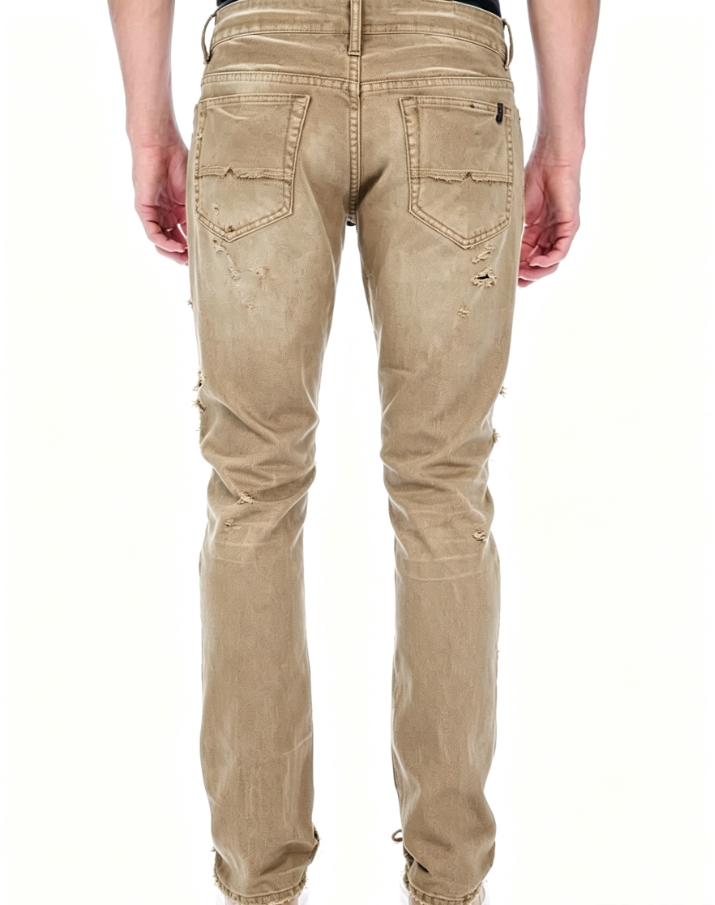
1 approved prototype is not enough when enzyme, stone, acid, or garment washes change shade, hand feel, and measurements. Request pre- and post-wash measurements, Pantone or wash-standard references, and clear photos under consistent lighting. 2 sample rounds are common for resolving fit and finish. Confirm who approves wash panels, embroidery placement, and final sealed samples before bulk cutting.
Compare Production Evidence
80,000-plus monthly capacity does not replace a documented inspection process. Ask how incoming denim, in-line sewing, decoration, measurements, and packed goods are checked, and request applicable OEKO-TEX, GOTS, WRAP, or BSCI documentation where required. 7-14 days for sampling and 25-45 days for bulk production are planning ranges, not guarantees. Compare quoted lead time against fabric availability, wash capacity, approval gates, and shipping readiness.
8. Common Denim Jacket Customize Mistakes
A 100-unit capsule can lose its margin through one unclear approval. In denim jacket customize programs, preventable specification gaps—not sewing difficulty—usually cause rework, delayed ex-factory dates, and bulk inconsistency.
Copying Without Specifications
A reference jacket shows appearance, not its 20-plus production decisions: measurements, seam allowances, pocket placement, hardware, and grading. The consequence is interpretation-driven samples; correct it with a tech pack, Pantone references, measurement chart, and construction callouts.
Choosing Fabric By Photo
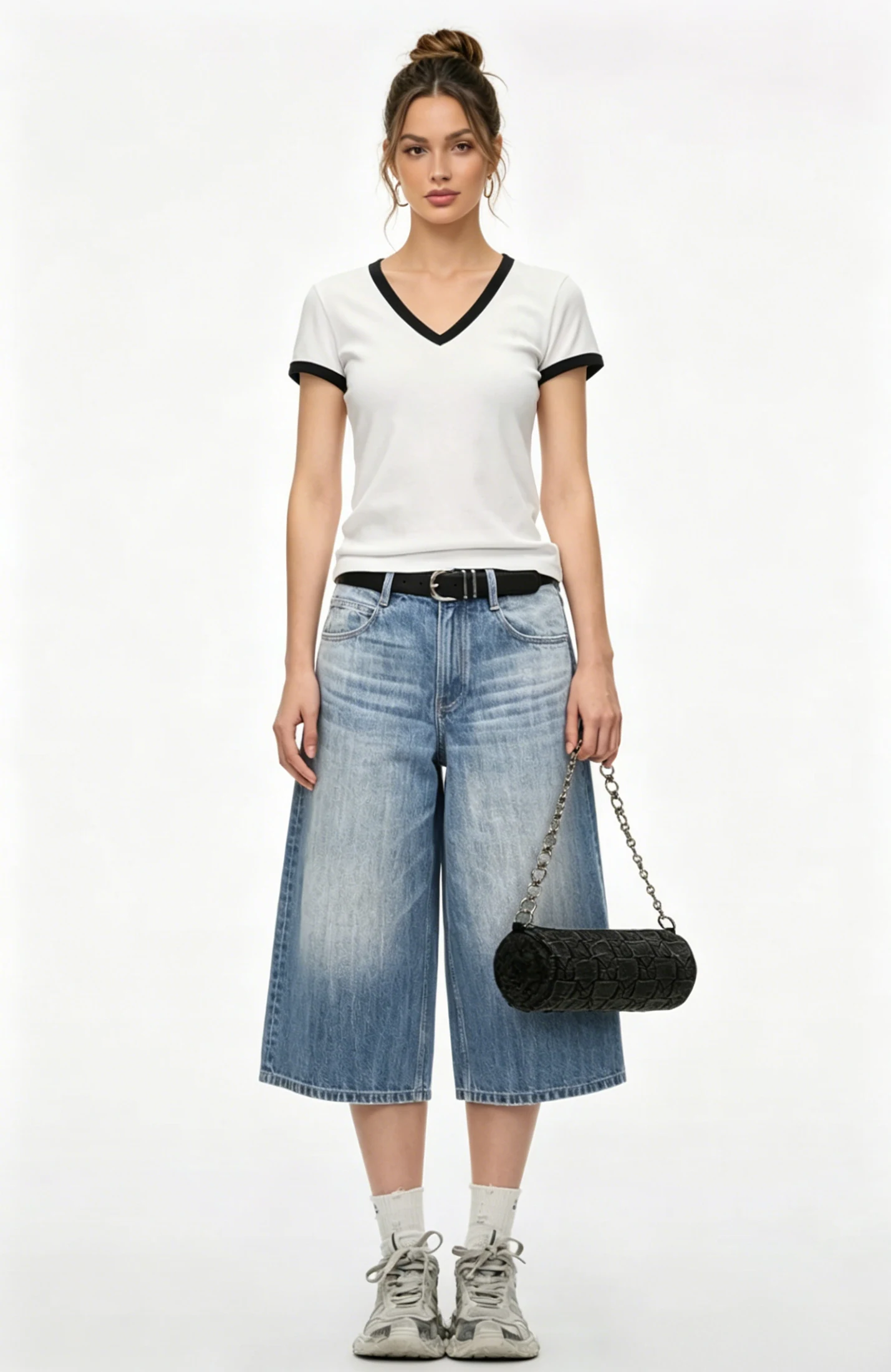
A 12 oz denim photo cannot confirm cotton content, stretch recovery, shrinkage, or shade after washing. The result can be a stiff or unstable jacket; approve physical swatches and a washed test panel before bulk fabric booking.
Ignoring Wash And Artwork Limits
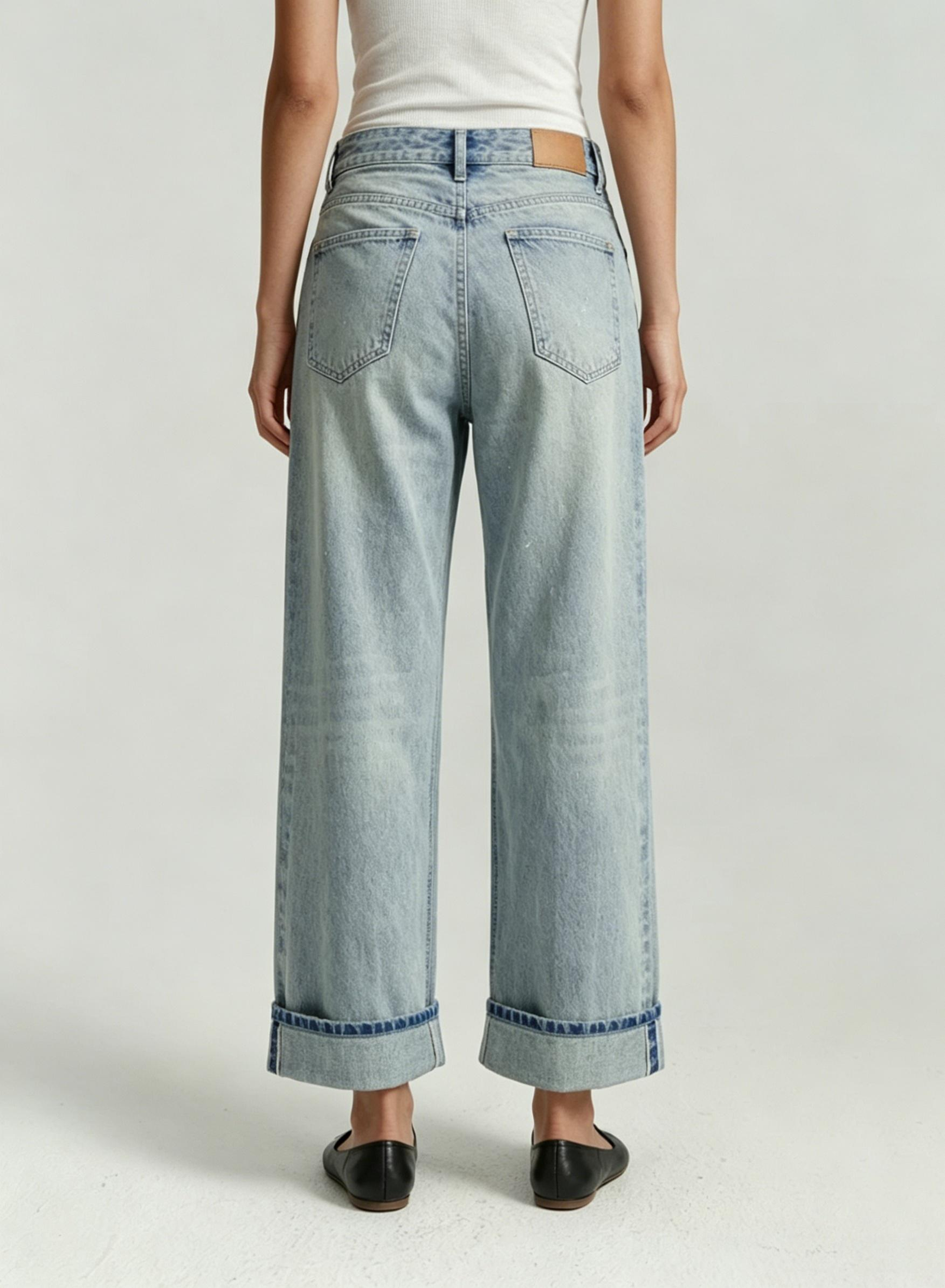
A stone wash can shift shade, abrasion, and garment measurements across lots, while fine artwork may break down on seams or textured denim. Define an approved wash standard and test artwork at production size on the actual garment panel.
Approving Incomplete Samples
A sample without final labels, zipper, wash, decoration, and graded measurements cannot validate production risk. Require a complete pre-production sample, define measurement tolerances such as ±1 cm, and confirm MOQ, color split, and calendar before releasing bulk.
9. Steps to Launch a Custom Denim Jacket
A launch becomes controllable when each approval locks the next decision. For a denim jacket customize program, define the customer, fit target, retail position and delivery date before requesting a quotation.
Research And Concept
3 inputs should guide the brief: target customer, competing retail price and intended wear occasion. Choose a silhouette, size range, color count and launch quantity; 100 units per style and color is a practical starting point for a capsule. 1 decision gate follows: approve one commercial direction before development. Supply reference images, measurements, wash inspiration and required arrival date, not a collection of unresolved alternatives.
- Target customer and retail price
- Silhouette, size range, colors
- Quantity and delivery deadline
Build The Tech Pack
1 production-ready tech pack records front and back flats, point-of-measurement specs, graded sizes, construction callouts and Pantone colors. Include artwork files, placement dimensions, label copy, wash effect and trim references. 2 files prevent frequent sampling confusion: a measurement chart and a bill of materials. Ask the factory to flag manufacturability, tolerances and missing information before sample cutting.
Approve Materials And Cost

10–14 oz denim is a common starting range, but fiber content, stretch, wash and shade affect cost and fit. Review swatches for hand feel, shrinkage and wash response; specify buttons, rivets, zippers and labels by finish and color. 1 quotation gate should confirm MOQ, sample cost, unit price, packaging, development timing and freight terms. Compare like-for-like specifications rather than selecting the lowest headline price.
Sample, Fit And Bulk
1 prototype tests pattern, construction and wash before bulk material is committed. Submit consolidated comments, then approve a revised sample or size set only after checking measurements, mobility, shade and decoration. 3 inspection points reduce surprises: incoming materials, in-line sewing and packed goods. Release freight only after final quality approval, then retain patterns, material records and sell-through data for replenishment.
- Approve sample before bulk cutting
- Confirm final size and quantity breakdown
- Plan reorder from sales data
10. Denim Jacket Customize Pricing and Costs
100 units per style and color is a practical starting point for denim jacket customize programs, but unit cost falls when fabric, wash, trims, and decoration are shared across more pieces. Treat quoted pricing as ex-factory unless the supplier specifies otherwise; freight, duties, destination, and inspection requirements are separate variables. $18–$42 per jacket is a useful planning range for a midweight 10–14 oz denim style before international freight, with stretch content, fiber composition, wash complexity, hardware, and artwork driving the final quote. Ring-spun denim, enzyme or stone washes, YKK-equivalent zippers, leather labels, embroidery, and multi-placement printing raise cost more than a clean raw-denim build. 2.5–4.0x landed cost is a common retail-margin planning checkpoint, then test it against the channel’s wholesale margin and expected markdowns. Ask for sampling, packaging, freight, and bulk costs as separate lines; approve a pre-production sample before locking materials, wash standard, and graded size set.
| Order quantity | Illustrative ex-factory unit price | Typical bulk lead time |
|---|---|---|
| 100–299 units | $30–$42 | 30–45 days |
| 300–999 units | $23–$34 | 35–50 days |
| 1,000+ units | $18–$28 | 40–60 days |
Denim Jacket Customize Starts With Your Sample
Send your tech pack, reference jacket, or product idea for a tailored OEM quotation and fit-focused development plan.