Private Label Cardigans From 100 Units
Develop fit-focused private label cardigans from XS–3XL with OEM, ODM, custom trims, and scalable global production.
Featured Products for private label cardigans Development





Related Product Catalogue and Quotation

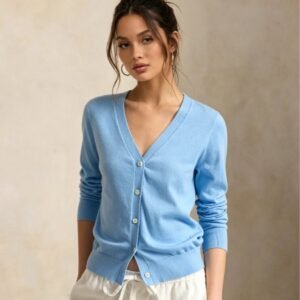


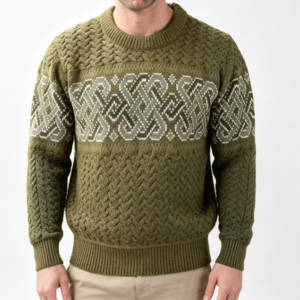


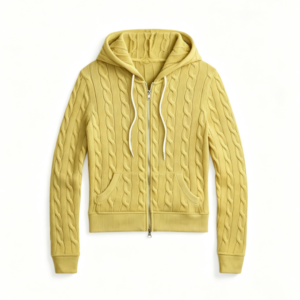
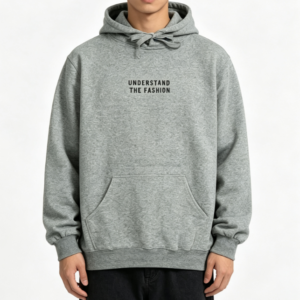
Why Brands Source Private Label Cardigans From JUNSHEEN
One knitwear supply chain for fit-led development, flexible launches, consistent quality, and export-ready production.
100-Unit Starting MOQ
Launch a cardigan capsule from 100 units per style and color, then scale smoothly into repeat and bulk programs.
Fit-First Size Development
Develop XS–3XL, plus-size, and oversized cardigans with refined grading for balanced shoulders, sleeves, body proportions, and movement.
Yarn and Knit Sourcing
Source yarns and sweater constructions around your target hand feel, weight, drape, durability, cost, and wash performance.
Branded Details In-House
Add logo embroidery, custom labels, buttons, patches, hang tags, and packaging through one coordinated private-label production team.
Controlled Quality Checks
Inspect materials, knit construction, measurements, fit, decoration, and packed goods to help protect consistency before shipment.
Global Export Support
Coordinate production and export support for fashion brands worldwide, from approved samples through final balance and global delivery.
Private-Label Cardigans, Knitwear and Core Apparel
Develop coordinated knitwear and casualwear programs with fit-led grading, low-MOQ sampling, and scalable production from one manufacturing partner.

Custom Hoodies
Develop custom hoodies in fleece, French terry, or heavyweight jersey with your preferred silhouette, pocket construction, rib details, washes, embroidery, and prints. Fit-focused grading from XS to 3XL supports capsule drops, extended-size ranges, and repeat bulk programs from 100 units per style and color.
Request a Quote
Custom T-Shirts
Produce custom tshirt programs from lightweight jersey basics to heavyweight premium tees. Junsheen supports fabric selection, neck-rib specifications, fit development, size grading, screen printing, DTG, embroidery, labels, and branded packaging for private-label launches and wholesale replenishment.
Request a Quote
Custom Jeans
Build custom jeans with controlled denim weight, stretch, wash, hardware, pocket placement, and fit specifications. Pattern makers refine rise, leg shape, and grading across XS–3XL, while washing, embroidery, patches, labels, and trims are managed through one denim production workflow.
Request a Quote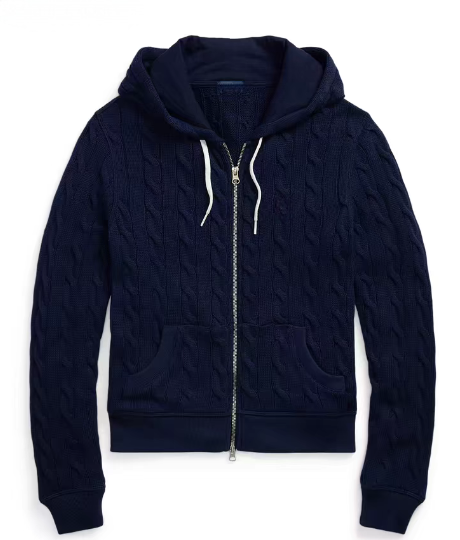
Custom Sweaters
Source turtle neck sweater bulk programs with defined yarn composition, gauge, hand feel, neckline height, and body proportion. Junsheen develops pullovers for normal, oversized, and extended-size fits, then manages knit construction, sampling, size sets, private labels, and production consistency.
Request a Quote
Custom Jackets
Create a custom jean jacket program with your required denim, wash, seams, pocket layout, closures, and branding. Development covers pattern creation, fit approval, decorative stitching, patches, embroidery, hardware, and coordinated labels for private-label denim collections.
Request a Quote
Custom Sweatshirts & Crewnecks
Develop custom crewneck hoodie and sweatshirt ranges with fleece or French terry weights matched to your target price and hand feel. Junsheen supports crewneck, hooded, oversized, and extended-size fits, plus rib construction, decoration, garment washes, labels, and scalable bulk production.
Request a Quote
Custom Cardigans
Launch a custom cardigan range with knit gauge, yarn blend, button or zipper options, placket construction, and branded trims specified for your collection. Fit development addresses shoulder balance, sleeve length, body proportion, and grading from XS through 3XL before bulk approval.
Request a Quote
Custom Puffer & Down Jackets
Produce custom puffer jacket programs with shell fabric, insulation, quilting, lining, pocket design, closures, and reflective or branded details aligned to your market. Sampling confirms construction, volume, and fit before quality-controlled production and export packing.
Request a Quote
Custom Denim Shorts
Develop custom jean shorts with controlled rise, inseam, leg opening, stretch, wash, and distressed details. Junsheen supports women’s, men’s, unisex, oversized, and extended-size denim fits, with private-label hardware, patches, embroidery, and repeatable wash standards.
Request a Quote
Custom Sweater Dresses
Create custom sweater dresses with selected yarns, gauges, lengths, necklines, and shaping suited to your collection. The team develops proportion and mobility across the size range, then manages knit construction, sampling, private labels, trims, and bulk production for consistent fit.
Request a Quote
Custom Denim Sets
Build mens denim suits wholesale programs as coordinated denim jackets and trousers with matched fabric, wash, stitching, and hardware. Junsheen supports size-set development, fit approval, branded trims, packaging, and scalable replenishment for retailers, wholesalers, and private labels.
Request a Quote
Custom Polo Shirts
Produce custom polo shirts in pique, jersey, performance knit, or blended fabrics with defined collar structure, placket, sleeve finish, and logo treatment. Fit-focused XS–3XL grading, embroidery, printing, labels, and packaging support uniforms, retail collections, and branded merchandise.
Request a Quote
Custom Sweatpants
Develop custom sweatpants with your chosen fleece, French terry, or jersey weight, rise, taper, cuffs, pockets, and waistband construction. Junsheen handles fit development, extended-size grading, embroidery or printing, washes, labels, and coordinated production with matching tops.
Request a Quote
Custom Shorts
Create custom shorts for casualwear, athleisure, or coordinated seasonal collections. Fabric, inseam, pockets, waist construction, stretch, and decoration are specified during development, with fit and grading support from XS to 3XL and low MOQs for new product testing.
Request a Quote
Custom Pullovers
Produce custom pullovers in knitwear, fleece, French terry, or jersey constructions based on your target hand feel and silhouette. Junsheen supports crewneck, mock-neck, turtleneck, oversized, and extended-size development, plus decoration, washing, labels, and production-ready size sets.
Request a QuoteYarns and Materials for Private Label Cardigans

Combed Cotton
Soft, breathable combed cotton gives private label cardigans a clean natural hand for everyday layers and transitional collections. It offers dependable moisture absorption and can be knitted in light to midweight gauges for smooth, comfortable wear.

Wool Blend
Wool-blend yarns add warmth, resilience, and elevated texture to refined button-front cardigans and cooler-season capsules. Blending wool with nylon or acrylic improves shape retention and durability while maintaining a substantial, insulating hand feel.

Recycled Yarn
Recycled cotton or recycled polyester yarn supports material-conscious cardigan programs without sacrificing practical performance. Suitable for casual layers and contemporary essentials, these yarns can provide stable knit recovery, varied textures, and documented sourcing options.

Acrylic Blend
Acrylic-blend yarn creates soft, warm, color-rich cardigans at an accessible target cost. It is well suited to volume programs, fashion stripes, and textured stitches, with good color retention and a lightweight-to-midweight wearable feel.

Performance Knit
Performance knit blends combine stretch fibers with durable synthetic yarns for active-inspired or travel-ready cardigans. The fabric offers flexible recovery, reduced wrinkling, and a smooth technical hand that holds its shape through frequent wear.
Private Label Cardigans: Decoration and Finishing Options

Logo Embroidery
Flat, 3D, chain-stitch, or puff embroidery adds dimensional logos and artwork to private label cardigans. Stitch density and backing are matched to the knit construction for a polished appearance and dependable wear resistance.

Jacquard Knitting
Jacquard knitting builds logos, stripes, motifs, and color blocks directly into the cardigan structure. This integrated technique delivers a premium tactile finish without surface printing, while preserving a cohesive knitwear look.

Applique Details
Custom applique combines fabric, felt, embroidery, or stitched patches for collegiate, heritage, and statement designs. Secure edge stitching creates layered visual depth while helping branded graphics remain intact through regular wear and washing.

Screen Printing
Screen printing applies crisp graphics, lettering, and color effects to suitable cardigan panels. Junsheen can recommend plastisol, water-based, puff, silicone, or high-density inks to achieve the desired hand feel, coverage, and durability.

Garment Dyeing
Garment dyeing creates richly saturated or softly washed color with an individual character across finished private label cardigans. Dye trials help confirm shade, hand feel, shrinkage, and compatibility with yarn blends, trims, and labels.

Anti-Pilling Finish
Anti-pilling finishing helps reduce surface fuzz and fiber balls caused by friction during wear. Applied with yarn and construction considerations in mind, it supports a cleaner long-term appearance and more reliable cardigan quality.
Private Label Cardigans With Custom Closures and Brand Trims

Custom Knit Buttons
Add dyed-to-match, horn-look, metal, shell-effect, or logo buttons to button-front cardigans. Our team aligns button size, spacing, buttonholes, and reinforcement with the knit gauge and intended wear.

Branded Zipper Pulls
Specify coil, metal, or molded zippers with custom pullers for zip cardigans. We review zipper weight, tape color, slider finish, and placement to preserve smooth operation without distorting the knit body.

Woven Brand Labels
Create woven main labels, size labels, and care labels that reinforce your brand at every touchpoint. Labels can be sewn into the neck, side seam, or hem with artwork and fiber information prepared for production.

Custom Hang Tags
Pair private label cardigans with branded hang tags carrying your logo, product story, size information, barcode, or care guidance. Choose cardstock, shapes, finishes, strings, and attachment methods that suit your retail presentation.

Rib Trim Details
Use engineered rib trims at cuffs, hems, plackets, and collars to improve recovery and define the silhouette. We match rib construction, stretch, color, and weight to the cardigan yarn and target fit.
Branded Packaging
Finish each cardigan with custom polybags, tissue, belly bands, sticker seals, or presentation boxes. Packaging specifications can support wholesale packing requirements while giving direct-to-consumer orders a more polished unboxing experience.
Private Label Cardigans Manufacturing
Founded in 2010 in Humen Town, Dongguan, JUNSHEEN helps fashion brands turn cardigan concepts into production-ready private-label collections. Our one-stop team supports OEM, ODM, yarn and trim sourcing, knitwear development, sampling, labels, packaging, quality control, and export coordination from one established garment-production hub.
With more than 200 skilled workers and monthly capacity exceeding 80,000 units, we support both focused capsule launches and scalable repeat programs. Low MOQs from 100 units per style and color give emerging labels, independent designers, retailers, wholesalers, and sourcing teams a practical route to launch without sacrificing production discipline.
JUNSHEEN stands apart through fit-first development and responsive technical support. We refine patterns and grading from XS to 3XL, including extended-size, plus-size, and modern oversized fits, while managing custom closures, embroidery, printing, finishing, branded trims, and packaging for global brands.

Fit-First Private Label Cardigans Development
XS–3XL Pattern Grading
JUNSHEEN develops cardigan patterns for normal, extended, plus-size, and oversized fits rather than simply enlarging a base sample. Our team refines shoulder balance, sleeve length, body proportion, ease, and grading increments to help your collection wear consistently across XS–3XL.
- Fit review for each target silhouette
- Size grading tailored to body proportions
- Size-set sampling before bulk approval
- Reduced revisions through technical pattern control

Knitwear Development Support
From a tech pack, reference garment, sketch, or mood board, our development team turns your concept into production-ready private label cardigans. We advise on yarn, gauge, stitch construction, rib proportions, drape, durability, and target cost before samples move toward bulk production.
- Yarn and knit construction recommendations
- Gauge, stitch, and trim development
- Prototype and pre-production sampling
- Manufacturability review for scalable orders

Brand-Ready Details In-House
Create a cardigan program that looks recognizably yours with coordinated decoration, closures, labels, and packaging. JUNSHEEN manages embroidery, custom patches, branded buttons, zippers, woven labels, wash-care labels, hang tags, and finishing details within one connected manufacturing workflow.
- Logo embroidery and custom patches
- Custom buttons, snaps, and zippers
- Woven, size, and care labels
- Branded hang tags and packaging

Consistency for Repeat Orders
Reliable repeat production begins with controlled records and inspection at every stage. JUNSHEEN retains approved patterns, graded size sets, material specifications, and trim details, while quality checks cover incoming materials, construction, measurements, decoration, and packed goods before global shipment.
- Approved specifications retained for reorders
- Incoming, in-line, and final inspections
- Measurement and fit verification
- Scalable capacity for ongoing programs

JUNSHEEN vs. Typical Cardigan Suppliers
Build private label cardigans with clearer development control, fit consistency, and scalable delivery support.
← 左右滑动查看 →
Private Label Cardigans: From Yarn Sourcing to Global Delivery
A controlled six-phase process that moves your cardigan program from production feasibility to export-ready delivery.
Review Feasibility and Materials
We review your tech pack, reference, target price, and MOQ, then recommend yarns, gauges, blends, colors, closures, and construction details.
Develop Patterns and Samples
Our team creates knit specifications, fit-focused XS–3XL grading, and prototype samples, refining proportions, sleeve balance, trims, and hand feel before approval.
Confirm Bulk Production Details
After sample approval, we lock bulk yarns, color standards, labels, packaging, measurements, production quantities, and the pre-production requirements for your cardigan order.
Knit and Assemble Garments
Skilled teams knit panels, link and assemble garments, attach closures and labels, then complete approved decoration, washing, or finishing across your bulk run.
Inspect and Pack Orders
Quality control checks yarn consistency, measurements, fit, construction, decoration, and packed goods before each approved cardigan is prepared in branded export packaging.
Arrange Global Shipment
We finalize balances, coordinate export documentation, and arrange global shipping support so your private label cardigans arrive ready for launch, retail, or wholesale distribution.
Start Your Private Label Cardigans Production Program
Move from concept to delivery with a clear, fit-focused manufacturing process built for 100-unit launches and scalable repeat orders.
Send Your Product Brief
Share a tech pack, sketch, reference cardigan, mood board, or product idea. Include target quantities, sizing needs, materials, colors, and branding requirements.
Review Feasibility and Quote
Our team reviews construction, yarn options, gauges, trims, fit requirements, and decoration details, then recommends a practical specification, timeline, MOQ, and quotation.
Develop and Approve Samples
We create patterns, grade XS–3XL when needed, source materials, and produce samples for your review. Confirm measurements, hand feel, colors, closures, labels, and packaging.
Confirm Bulk Production
After pre-production approval, JUNSHEEN coordinates materials, knitting or cut-and-sew production, branding, finishing, and in-line quality checks for consistent private label cardigans.
Inspect and Arrange Delivery
Final inspections verify measurements, construction, decoration, and packed goods. We prepare export-ready cartons and support global shipping for your approved cardigan order.
Custom Clothing Manufacturer Credentials and Compliance Documents


What Fashion Brands Say About JUNSHEEN Private Label Cardigans
JUNSHEEN corrected the shoulder balance and sleeve proportions across our XS–3XL size set before bulk approval. We launched with 120 units per color and had fewer fit-related returns than our previous cardigan program.
Their sampling team turned our reference cardigan into a production-ready style in two rounds. The yarn, custom buttons, labels, and embroidery matched our brief, and our repeat order arrived with the same measurements and finish.
We needed a low-risk first run for a new knitwear capsule. JUNSHEEN supported a 100-unit color order, communicated clearly through sampling, and helped us deliver the collection to three retail partners on schedule.
Private Label Cardigans FAQ
Clear answers on MOQs, development, fit, production, and delivery for your cardigan program.
What is the MOQ for private label cardigans?
Can you make private label cardigans from my tech pack or design idea?
How do you develop fit and size grading for private label cardigans?
Can I order a cardigan sample before bulk production?
What materials and knit constructions can you source for cardigans?
How long does private label cardigan production take?
What payment terms do you offer for new cardigan orders?
Can you ship private label cardigans internationally and protect my designs?
Can you scale from a small launch to larger cardigan bulk orders?
The Complete Buyer’s Guide to private label cardigans
Use this decision framework to select silhouettes, materials, customization methods, and a reliable supplier for private label cardigans—while understanding MOQ, cost drivers, production controls, and sourcing mistakes that can delay a successful launch.
1. What Are private label cardigans?
100-unit MOQ programs typically make private label cardigans a buyer-owned retail product: an OEM or ODM manufacturer produces the garment, while the buyer sells it under its own name. The buyer can supply a finished tech pack or approve an adapted base style, then specify fit, color, knit construction, trims, labels, wash-care information, hang tags, and packaging. 4 sourcing models are often confused. Private label uses the buyer’s branding and agreed specification; white label is a ready-made, non-exclusive style relabeled for multiple customers; custom knitwear is developed from a unique pattern, yarn, gauge, and finishing brief; branded stock is finished inventory owned and identified by another brand. Only the first and third models normally give meaningful control over the customer-facing product. XS–3XL grading is a commercial decision, not just a label change. A capable supplier can adjust body length, shoulder balance, sleeve proportion, button placement, and grading increments, while the buyer approves samples and retains the agreed specification for repeats. 1 exclusivity point must be written into the quotation or supply agreement: ownership of artwork, patterns, developments, and any restricted style or territory. Private label does not automatically mean exclusive; buyers should define whether exclusivity covers the exact design, yarn/color combination, branding elements, or a sales market.
2. Evolution of private label cardigans
1854 gave the cardigan its enduring name after James Brudenell, the 7th Earl of Cardigan, popularized a knitted waistcoat-style layer during the Crimean War. Its practical front opening made it useful for regulating warmth, then easy for mid-century workplaces and fashion wardrobes to adopt as a polished alternative to a pullover. 1950s and 1960s styling turned the cardigan into a coordinated fashion piece, while later workwear and streetwear cycles expanded it into oversized, cropped, varsity, longline and button-up knit silhouettes. Contemporary gender-inclusive collections increasingly use relaxed shoulders, fuller sleeves and unisex grading rather than simply scaling a traditionally fitted base pattern. 2010s direct-to-consumer brands made small, focused knit capsules commercially viable, because a distinctive fit, yarn story and color system can carry a collection without a broad wholesale assortment. For private label cardigans, that creates demand for 100-unit-per-style-and-color starting programs, traceable recycled or organic fiber options, and development decisions that balance gauge, pilling resistance, shrinkage and target retail margin before bulk approval.
3. Types of private label cardigans
Eight core silhouettes let a label balance commercial continuity with seasonal fashion risk. Select private label cardigans by customer lifestyle, planned layering depth, and the role each style must play in the assortment.
| Silhouette | Best Brand Role | Season | Gauge Range |
|---|---|---|---|
| Button-front | Core replenishment | Spring–fall | 7–16 gauge |
| Zip-up | Sport-casual layer | Fall–winter | 7–12 gauge |
| Open-front | Easy layering | Spring–resort | 5–10 gauge |
| Cropped | Fashion capsule | Spring–fall | 3–7 gauge |
| Oversized | Streetwear statement | Fall–winter | 3–7 gauge |
| Longline | Extended-size layer | Fall–winter | 5–10 gauge |
| Polo-collar | Smart-casual edit | Spring–fall | 7–12 gauge |
| Fitted | Polished essential | Year-round | 12–16 gauge |
Button-Front And Fitted
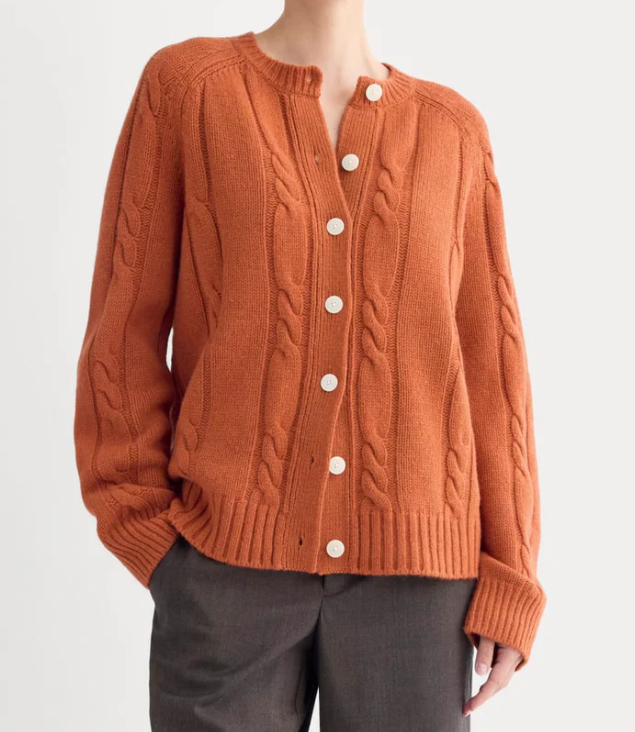
12-gauge button-front cardigans suit workwear, preppy, and contemporary customers; fitted versions need bust, armhole, and button-placket control. Use them as dependable core color programs for spring, fall, and polished year-round layering.
- Choose 12–16 gauge for refined layering
- Use 7–12 gauge for classic midweight
- Grade bust and button spacing independently
Zip-Up And Polo-Collar

7–12 gauge zip-ups target sport-inspired casual and elevated streetwear, while polo-collar styles add a menswear-informed point of difference. Specify zipper tape, collar recovery, and neck shaping early because those details determine perceived quality and fit.
- Zip-ups support transitional outer-layer merchandising
- Polo collars suit smart-casual capsules
- Use rib recovery testing at cuffs and collar
Open-Front And Longline
5–10 gauge open-front and longline formats serve layering-led customers and extended-size assortments. Extra body length requires balanced shoulder placement, stable front edges, and movement testing so the garment does not pull backward or lose shape.
- Open fronts work for easy resort layering
- Longlines create an elongated proportion
- Use denser edge ribs to reduce sagging
Cropped And Oversized

3–7 gauge cropped and oversized styles fit trend-led youth, influencer, and streetwear drops. Cropped lengths need deliberate body-to-sleeve proportion, while oversized fits require shoulder, sleeve, and hem measurements beyond simply sizing up.
- Cropped styles pair with high-rise bottoms
- Oversized fits need wider grading increments
- Limit fashion colors to focused capsule quantities
4. Materials for private label cardigans
Material choice sets the hand feel, thermal range, care burden, and retail tier before sampling begins. For private label cardigans, specify fiber content and knit gauge together; either factor can change drape and perceived value.
| Material | Gauge Or Weight | Performance Profile | Market Position |
|---|---|---|---|
| Cotton | 7–12 gauge | Breathable, washable, moderate warmth | Core premium |
| Merino wool | 5–12 gauge | Warm, resilient, gentle care | Premium |
| Wool-cashmere | 5–10 gauge | Soft, warm, higher pilling risk | Luxury |
| Acrylic | 5–12 gauge | Warm, easy care, lower breathability | Value |
| Viscose blend | 12–16 gauge | Fluid, cool, less structured | Contemporary |
| Recycled performance blend | 7–14 gauge | Durable, recoverable, test claims | Sustainable active |
Natural Fiber Options

100% cotton is breathable, washable, and familiar, with a clean hand for trans-seasonal basics; ring-spun yarn improves softness, while loose knits can lose shape. Choose 7–12 gauge for everyday cardigans. 100% wool provides stronger warmth and resilience but usually needs gentle or dry-clean care. Wool can pill at friction points; longer-staple merino reduces scratchiness and suits premium cold-weather programs.
Luxury Blend Decisions

5–20% cashmere in wool or cotton blends adds softness and insulation without making a style entirely cashmere-priced. Require abrasion and wash testing because cashmere-rich surfaces pill more readily. 70/30 wool-cashmere blends fit elevated capsules, gifting, and specialty retail. Clear care labels and spare-button planning protect the customer experience after sale.
Value And Performance Fibers

100% acrylic is warm, colorfast, machine-washable, and cost-efficient, but can feel less breathable and pill unless yarn quality and twist are controlled. It suits promotional fashion and volume-driven price points. Viscose adds cool, fluid drape; recycled polyester, recycled cotton, nylon, elastane, or performance yarns improve durability, recovery, or moisture management. Confirm recycled-content documentation and test stretch recovery before bulk approval.
5. Customizing private label cardigans
Private label cardigans differentiate through knit engineering and trim choices, not logo volume. Lock color, stitch structure, hardware, and branding during sampling so bulk cost and appearance remain controlled.
| Detail | Visual Effect | Technical Limit | Durability | Cost Impact |
|---|---|---|---|---|
| Yarn stripes | Strong color blocking | Color changes require setup | High | Low to medium |
| Simple jacquard | Signature knit texture | Long floats may snag | Medium to high | Medium |
| Custom buttons | Premium focal point | Buttonhole matching required | High when tested | Medium |
| Embroidery or patch | Clear brand mark | Dense artwork can distort knit | High with backing | Medium |
| Woven labels and hangtags | Professional identification | Artwork approval needed | High | Low |
Yarn Color And Pattern

Pantone-matched yarn, engineered stripes, and simple jacquards create the strongest shelf impact. Keep jacquards to limited colors and adequate gauge; complex floats can snag, slow knitting, and raise waste.
Ribs And Closures

1×1 or 2×2 ribs at cuffs, plackets, and hems sharpen recovery and silhouette. Test button spacing, buttonhole stability, and zipper wave on a full sample; custom metal hardware adds cost fastest.
Branding And Packaging
Woven labels, printed neck labels, hangtags, embroidery, patches, and branded packaging should match the intended price tier. Use embroidery or a small woven label for durable identity; approve placement and pull tests before bulk.
6. Quality Elements in private label cardigans
A cardigan’s quality becomes visible after wear and washing, not only on the showroom rail. For private label cardigans, approve construction standards against a sealed sample before bulk knitting begins.
Yarn And Knit Integrity

At 12–16 gauge, buyers should check for even yarn color, uniform stitch courses, and no thin lines or dropped stitches. Compare panels under daylight because inconsistent dye lots can make a finished garment look striped. After 10–20 stretches, cuffs and hem ribs should recover close to their original width. Ask for a wash-tested sample and inspect pilling, torque, shrinkage, and hand feel after the agreed care cycle.
- Confirm gauge and knit density on the approved sample
- Inspect yarn joins, holes, barré, and loose ends
- Set acceptable pilling and shrinkage limits
Linking And Placket Control

Fully fashioned or linked shoulder seams should sit flat without bulky ridges, skipped loops, or visible tension changes. Examine armhole linking and side seams from both faces of the garment. A button placket must remain straight when buttoned and when laid open. Check button attachment with a practical pull test, consistent buttonhole length, and secure thread tails at every fastening point.
- Button placket stays flat after handling
- Linked seams align without distortion
- Rib joins match body tension
Measurements And Final Inspection
A 2–3 cm tolerance may be reasonable for many knit measurements, but the specification sheet should define each point of measure and allowable variance. Measure body length, chest, sleeve length, shoulder width, and rib openings after relaxation. Before shipment, inspect cartons by agreed sampling level and compare packed goods with the approved size set. Confirm labels, button count, clean finishing, shade consistency, and the recorded wash-test result.
- Measure relaxed garments on a flat table
- Check inside seam finishing and loose threads
- Retain inspection records for repeat orders
7. Choosing a Cardigan Manufacturer
A reliable cardigan partner proves capability with production records, not a polished sample alone. For private label cardigans, verify the factory’s knit specialization, development control, and repeat-order systems before approving bulk.
Match Knit Specialization
100-unit launches need a supplier that can explain gauge, stitch structure, linking, and finishing for the exact cardigan—not merely general cut-and-sew capacity. Ask whether knitting, linking, washing, and pressing are in-house or subcontracted, and who controls each handoff.
- Which gauges and yarn blends run regularly?
- Who owns subcontractor quality checks?
- Can the factory share comparable production samples?
Audit Development Communication
Two sample rounds are common before bulk approval; require a dated specification sheet covering yarn count, Pantone, measurements, tolerances, trims, and construction. Ask for photos of fit comments, revised patterns, graded size sets, and a pre-production sample signed against the approved sample.
- Request fiber composition and supplier records
- Confirm wash, pilling, shrinkage, and colorfastness tests
- Set sample and bulk approval deadlines
Verify Delivery And Quality
80,000-plus monthly units may indicate capacity, but buyers should confirm available capacity during their own delivery window. Ask for the critical-path lead time, incoming-fabric inspection method, in-line measurement checks, final AQL standard, and applicable compliance evidence such as OEKO-TEX, GOTS, WRAP, or BSCI where required.
- What is the bulk lead time after approval?
- What defect threshold triggers rework?
- How are lot traceability and final inspections documented?
8. Common private label cardigans Mistakes
A 100-unit cardigan order leaves little room to absorb development errors. Lock testable specifications before bulk commitment, because knit behavior, fit, components, timing, and inspection decisions compound quickly after yarn is booked.
Test Yarn Beyond The Swatch
Two washed panels are more useful than one attractive yarn swatch: assess pilling, dimensional change, colorfastness, and hand feel after the intended care cycle. Skipping this can produce fuzzy, shrunken cardigans; require a knit-down and wash test against agreed acceptance limits.
Control Measurements And Complexity
Six critical points—chest, body length, shoulder, sleeve, armhole, and rib opening—should carry tolerances in the tech pack. Vague measurements create inconsistent grading; approve a graded size set, especially from XS through 3XL. At a 100-unit MOQ, multiple stitch structures, contrast yarns, and special finishes can raise setup cost and sampling risk. Simplify the first run to proven gauges and constructions, then add complexity after a repeatable sample is approved.
Approve Every Component And Sample

Three trim details—buttons, labels, and packaging—can change perceived quality or care performance. Unapproved substitutions cause brand inconsistency; sign off physical trim cards and a complete pre-production sample with revision dates. One signed sample is not enough when fit or decoration changes afterward. Record measurements, yarn color, gauge, button placement, and workmanship comments in a final approval sheet before bulk cutting or knitting.
Build A Realistic Production Plan
Thirty to 60 days is a more credible bulk-production window after materials and pre-production approval than an unverified rush promise. Unrealistic dates invite material substitutions and missed launches; work backward from shipping, sampling, and approval milestones. Three inspection gates—incoming materials, in-line checks, and final packed-goods review—catch defects before export. Without a plan, pilling, measurement, or missing-trim claims surface after delivery; define AQL level, sample size, and corrective-action responsibility in writing.
9. Launching private label cardigans
A 100-unit-per-style-and-color starting point makes launch planning concrete, but the critical path starts before a purchase order. Assign one brand owner to approvals and one factory contact to technical decisions so revisions do not stall.
Set The Commercial Brief
Week 1 should lock target retail price, target landed cost, quantity, color count, size range, market and required delivery date. The brand owns these trade-offs; Junsheen confirms feasibility, MOQ and material implications. A clear gate is an approved cost range before yarn booking or detailed sampling begins. Include expected freight, duty and packaging costs rather than judging only the ex-factory quote.
Specify Yarn And Construction
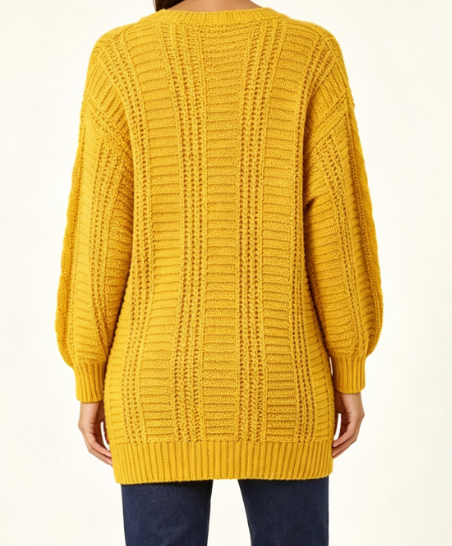
Week 1–2 should select silhouette, gauge, fiber blend, weight, button specification and Pantone colors. Swatches or a reference garment let the development team assess hand feel, drape, shrinkage and knit stability. A signed material direction is the decision gate for pattern work. Junsheen can advise on sourcing, while the brand retains final responsibility for commercial positioning and color approval.
Sample, Revise And Approve
Weeks 2–5 typically cover tech-pack review, pattern creation and the first prototype. A usable pack lists measurements, grading, stitch details, labels, artwork, tolerances and construction notes. One consolidated revision round prevents conflicting feedback. Approve the fit sample, graded size set, final trims and pre-production sample before bulk cutting; the brand signs off, and Junsheen records the approved specifications.
Produce, Ship And Learn
Weeks 6–10 normally cover bulk knitting or cut-and-sew production, in-line checks, final measurement inspection and packed-goods review. Junsheen checks incoming materials, construction, decoration and finished garments against the approved sample. Weeks 10–12 may include export booking and transit, depending on destination and shipping method. Confirm labels, hang tags, carton marks and delivery terms before packing, then collect returns, sell-through and fit feedback for the repeat order.
10. private label cardigans Pricing
100 units per style and color is a practical starting point for a private-label cardigan capsule. At this level, an indicative ex-factory range is US$12–28 per unit for a standard cotton-blend or acrylic knit; final quotes require the approved specification, destination terms, and packaging brief. 3–7 days is a typical window for reviewing a tech pack, reference garment, or development request before sampling is scheduled. Prototype and development costs commonly fall around US$80–250 per style, with extra charges possible for bespoke intarsia artwork, multiple size-set rounds, or special washes. 12–35 business days is a reasonable production-planning range after materials and pre-production details are approved. Fiber composition, yarn price, gauge, fully fashioned versus cut-and-sew construction, button count, custom labels, embroidery, colorways, and volume all move the unit cost; a detailed bill of materials produces the dependable quote.
| Order quantity | Indicative ex-factory unit price | Typical planning lead time |
|---|---|---|
| 100–299 units | US$12–28 | 25–35 business days |
| 300–999 units | US$10–24 | 20–30 business days |
| 1,000+ units | US$8–20 | 12–25 business days |
Ready to Develop Your Private Label Cardigans?
Send your tech pack, sketch, or product idea for a tailored cardigan manufacturing quote, starting from 100 units per style and color.