
Custom Puffer Jackets From 100 Units
Develop custom puffer jackets with OEM, ODM and private-label support, fit-focused XS–3XL grading, and scalable global production.
Featured Products for custom puffer jackets Development


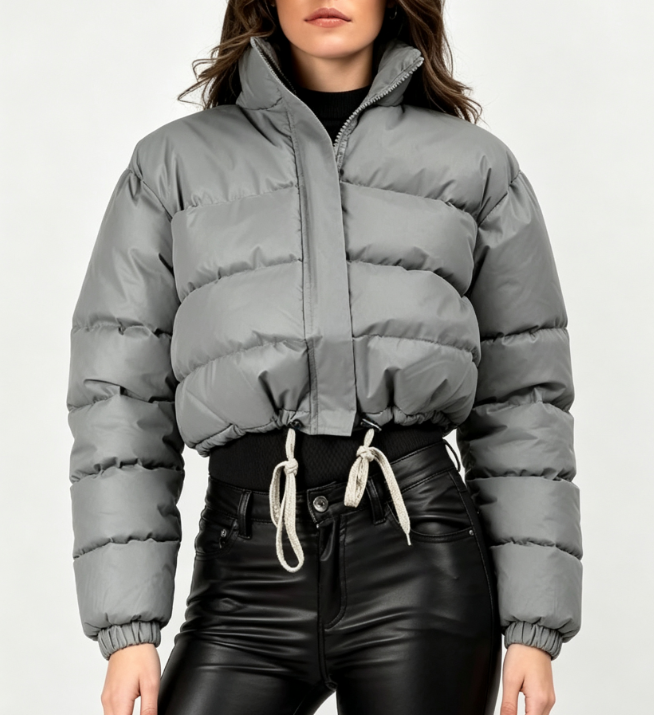


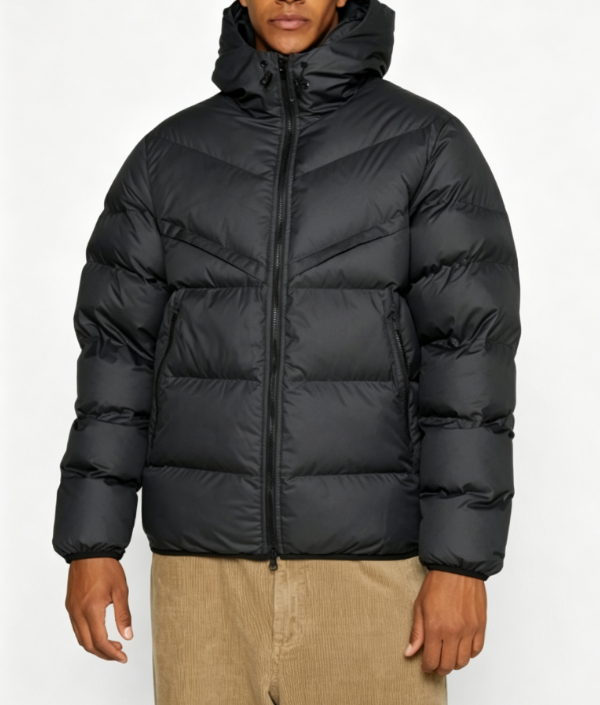


Related Product Catalogue and Quotation





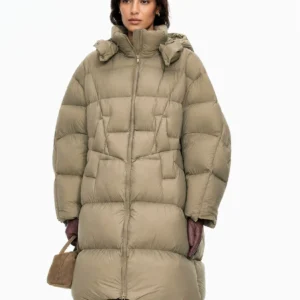


Why Brands Source Custom Puffer Jackets from JUNSHEEN
OEM outerwear development that pairs practical MOQs, fit-first patterns, branded details, and dependable global production.
100-Unit MOQ
Launch a custom puffer jacket capsule from 100 units per style and color, then scale proven designs with confidence.
Fit-First XS–3XL Grading
Patterns are refined for shoulder balance, sleeve length, mobility, and body proportion across regular, oversized, and extended-size ranges.
One-Stop Brand Details
Coordinate embroidery, printing, labels, zippers, patches, packaging, and custom trims through one experienced outerwear manufacturing team.
Outerwear Development Support
Move from tech pack, sketch, reference garment, or idea to production-ready specifications, materials, samples, and approved size sets.
Scalable Export Production
With 200+ skilled workers and 80,000+ monthly units of capacity, JUNSHEEN supports growing programs and worldwide shipping.
Quality-Controlled Construction
Fabric, measurements, insulation, decoration, construction, and packed goods are checked throughout sampling and bulk puffer jacket production.
Custom Apparel Categories, Built for Scale
Develop fit-focused casualwear, denim, knitwear and outerwear from first sample through repeatable global production.

Custom Hoodies
Custom hoodies developed in fleece, French terry or jersey, with fit grading from XS–3XL. Specify weights, hoods, pockets, rib trims, embroidery, screen printing, washes and complete private-label packaging from a tech pack or reference.
Request a Quote
Custom T-Shirts
Custom T-shirts produced in cotton, Pima cotton, organic cotton and blended jersey. Junsheen supports fabric-weight selection, oversized or standard fits, XS–3XL grading, screen printing, DTG, DTF, embroidery, labels and bulk-ready quality control.
Request a Quote
Custom Jeans
Custom jeans developed in rigid, stretch and washed denim for defined silhouettes and size ranges. Pattern makers refine rise, leg balance and grading, while production supports washes, distressing, hardware, branded leather labels, trims and packing.
Request a Quote
Custom Sweaters
Bulk turtleneck sweaters produced in knit constructions selected for warmth, recovery, hand feel and target cost. Develop gauges, yarn blends, neck proportions and graded fits, with sampling and repeatable specifications for wholesale or branded collections.
Request a Quote
Custom Jackets
Custom jean jackets developed in denim weights and washes that match your intended structure and finish. Define fit, panel construction, pockets, closures, distressing, embroidery, patches, branded buttons and labels before bulk production.
Request a Quote
Custom Sweatshirts & Crewnecks
Custom crewneck hoodies and sweatshirts made in fleece or French terry with controlled body, shoulder and sleeve proportions. Choose crewneck, hooded or oversized shapes, then add rib trims, prints, embroidery, washes and private-label components.
Request a Quote
Custom Cardigans
Custom cardigans developed across sweater gauges, yarn blends and closures for layered collections. Junsheen manages knit specifications, button or zipper selection, fit grading, logo embroidery, labels and packaging from development sample to bulk order.
Request a Quote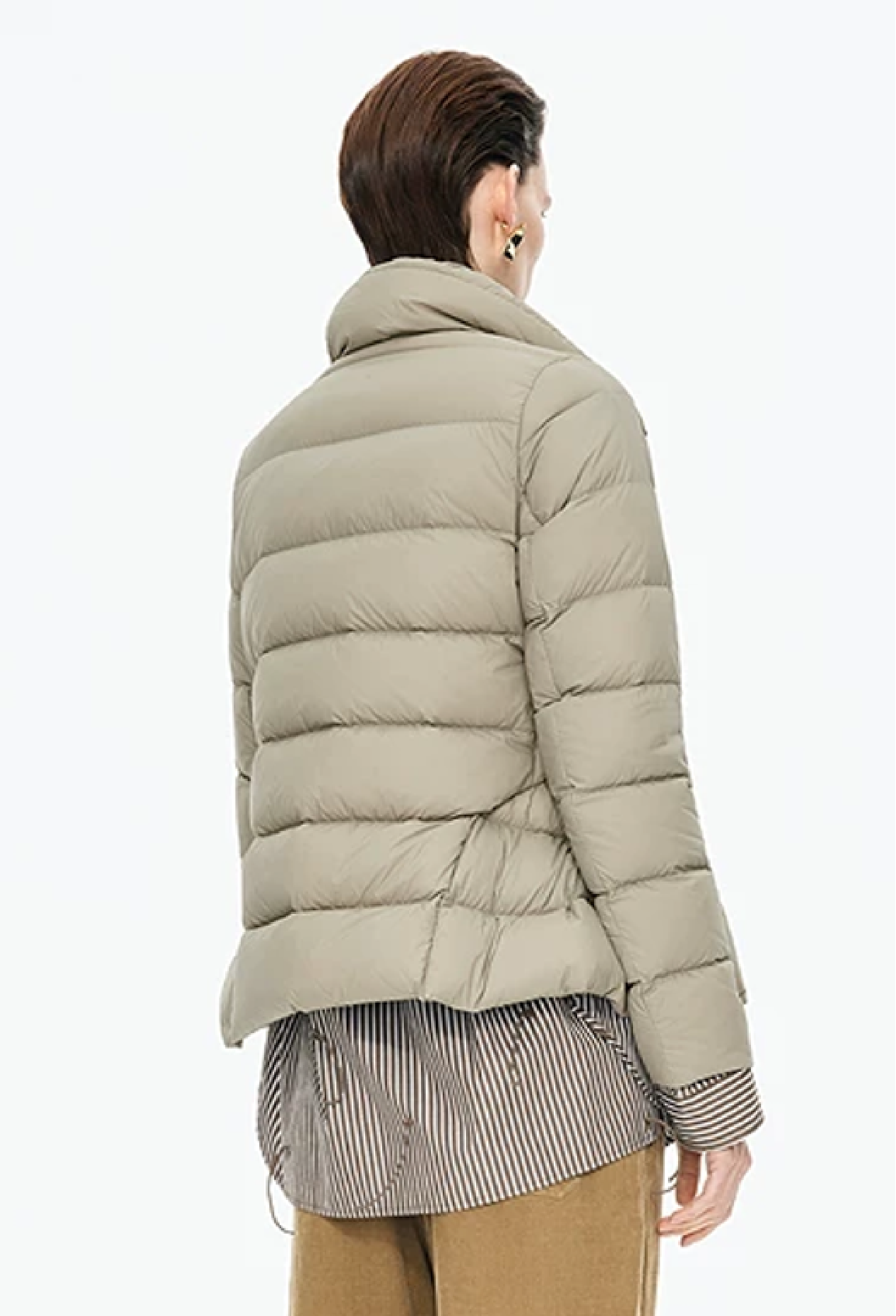
Custom Puffer & Down Jackets
Custom puffer jackets developed around insulation, shell fabric, lining, quilting and weather-performance requirements. Specify silhouette, fill, collar, pockets, zippers, reflective details and branded trims, with sampling to validate fit and construction before production.
Request a Quote
Custom Denim Shorts
Custom jean shorts produced in rigid or stretch denim with fit development for inseam, rise and leg opening. Add washes, fading, distressing, raw hems, embroidery, patches, hardware and branded labels for seasonal programs.
Request a Quote
Custom Sweater Dresses
Custom sweater dresses developed with knit gauge, yarn, length and body shaping aligned to your collection. Pattern and knit specifications support consistent fit from XS–3XL, while trims, labels and packaging prepare the style for retail delivery.
Request a Quote
Custom Denim Sets
Men’s denim sets produced as coordinated jackets, overshirts, jeans or matching separates for wholesale assortments. Align fabric, wash, color, hardware and fit across pieces, then approve samples and size sets before scalable bulk production.
Request a Quote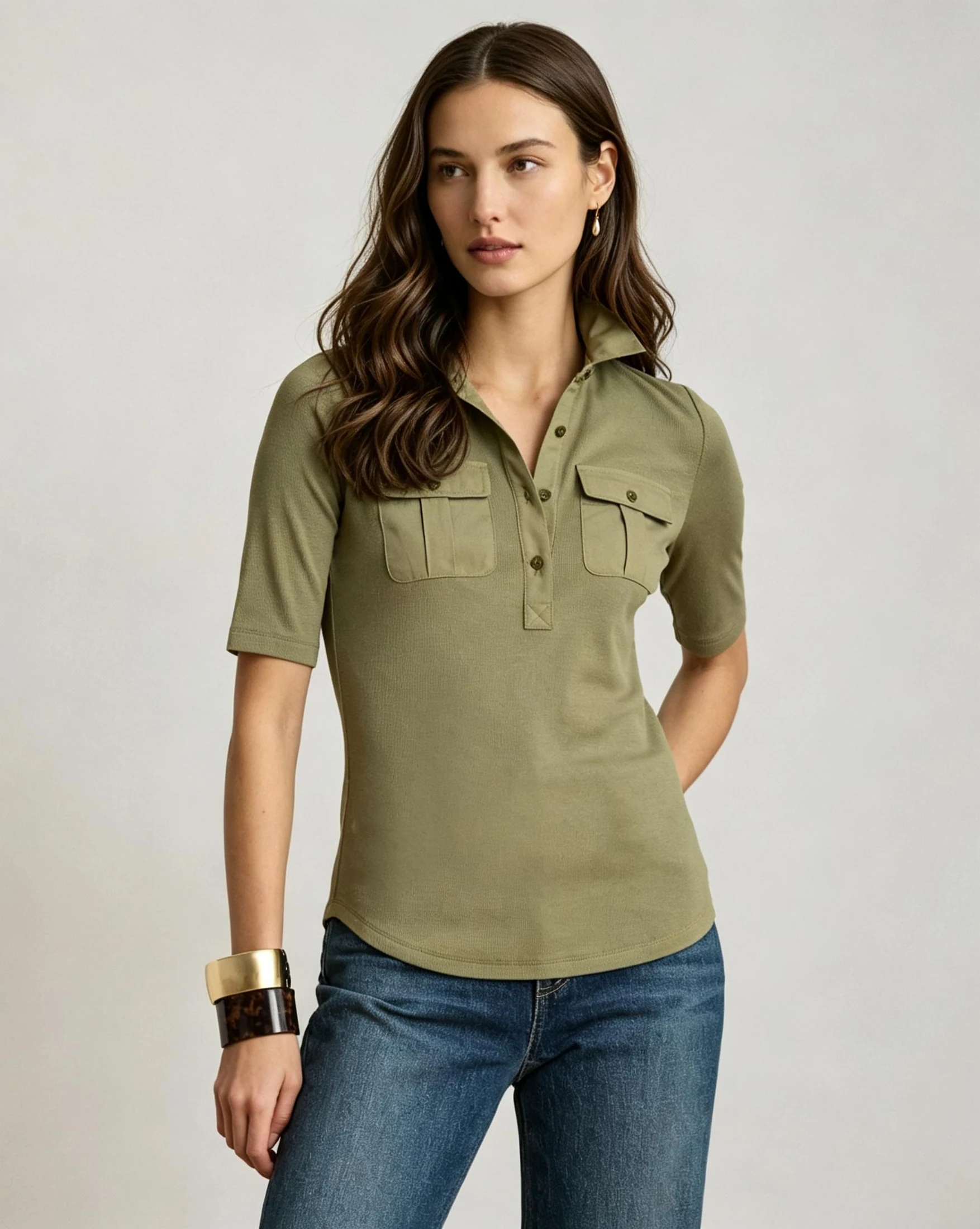
Custom Polo Shirts
Custom polo shirts produced in piqué, jersey or performance knits for retail, uniforms and branded collections. Control collar construction, placket, sleeve finish, fit grading, embroidery, printing, labels and packaging across ordered colorways.
Request a Quote
Custom Sweatpants
Custom sweatpants developed in fleece, French terry or jersey with tapered, straight-leg or oversized fits. Define waistband, drawcords, pockets, cuffs, grading and decoration, then validate measurements and wash performance through sampling.
Request a Quote
Custom Shorts
Custom shorts produced in jersey, fleece, twill, woven or performance fabrics for casual and active assortments. Develop inseam, rise, pockets, waist construction and fit grading, then add prints, embroidery, labels and custom trims.
Request a Quote
Custom Pullovers
Custom pullovers developed in knit, fleece, French terry or jersey based on the intended weight and silhouette. Junsheen supports quarter-zip, mock-neck and standard styles, with fit development, decoration, trims and private-label finishing.
Request a QuoteMaterials for Warm, Durable Custom Puffer Jackets

Recycled Polyester Shell
A smooth, resilient woven shell for everyday and performance-led puffers. Available in lightweight to midweight constructions, it offers dependable abrasion resistance, color retention and recycled-content options for private-label outerwear programs.

Nylon Taslan Shell
Nylon Taslan gives custom puffer jackets a soft, cotton-like hand while maintaining strong wear resistance. Its durable, slightly textured surface suits elevated streetwear and outdoor-inspired styles, with practical wind-blocking performance.

Matte Polyester Lining
A smooth, low-friction lining that helps puffer jackets layer comfortably over knitwear and fleece. Lightweight polyester supports easy wear, stable color matching and efficient construction across a broad range of insulation weights.

Recycled Polyfill Insulation
Lofty recycled polyester fill delivers reliable warmth without excessive bulk for fashion and casual outerwear. Fill weight can be specified by design, helping brands balance silhouette, warmth level, compressibility and target cost.

Down Blend Fill
A premium insulation option with a soft, high-loft feel for colder-weather custom puffer jackets. Down-and-feather blends provide excellent warmth-to-weight performance, while fill power and blend ratio can be tailored to requirements.

Waterproof Coated Shell
Coated polyester or nylon adds a protective layer for rain-ready puffer styles and technical outerwear. The fabric can combine a crisp or matte hand with water resistance, wind protection and selected breathability targets.
Custom Puffer Jackets: Decoration & Finishing Options

Logo Embroidery
Flat, 3D and puff embroidery adds dimensional logos to suitable shell panels, yokes and sleeves. Stabilized backing and carefully selected stitch density create a polished, durable mark that holds its shape through regular wear.

Screen Printing
Screen printing applies bold artwork with plastisol, water-based, puff, silicone or high-density inks. It is ideal for graphic panels and large logos when the fabric construction supports adhesion, producing strong color coverage and repeatable bulk consistency.

Custom Patch Application
Woven, embroidered, chenille, leather-look and rubber patches create a tactile branded detail. Junsheen matches patch construction and attachment methods to the jacket panel, helping deliver clean edges, secure placement and a premium retail finish.

Heat Transfer Graphics
DTF, heat-transfer and reflective graphics reproduce detailed logos, small runs and multicolor artwork without heavy ink buildup. Proper temperature, pressure and placement testing help the decoration remain flexible, sharp and securely bonded on compatible shell fabrics.

Garment Finishing
Water-repellent treatments, softening, anti-pilling options and carefully controlled pressing refine the finished jacket. These processes improve hand feel, surface appearance and wear readiness while protecting the intended loft, shape and branded presentation.
Custom Puffer Jackets With Branded Finishing

Branded Zippers
Specify custom zipper pulls, logo-engraved hardware, zipper tape colors, and durable front or pocket closures. We help match zipper performance and finish to your custom puffer jackets, intended use, and target price point.

Logo Snap Buttons
Add branded snap buttons at storm flaps, cuffs, pockets, or detachable components. Select custom finishes, colors, engraved logos, and closure strength that complement the jacket silhouette while supporting dependable everyday wear.

Drawcord Systems
Develop branded drawcords with custom tips, cord locks, and color-matched components for hoods and hems. These adjustable details improve weather protection, reinforce your design language, and create a more considered private-label finish.

Woven Labels
Apply woven main labels, size labels, and wash-care labels with your logo, sizing system, and fiber information. Clear label placement supports a polished retail presentation and helps maintain consistency across repeat production runs.

Reflective Details
Use reflective piping, printed logos, zipper pulls, or trims to add visibility and a technical outerwear character. Options can be positioned strategically on sleeves, backs, pockets, and hood areas without compromising the overall aesthetic.
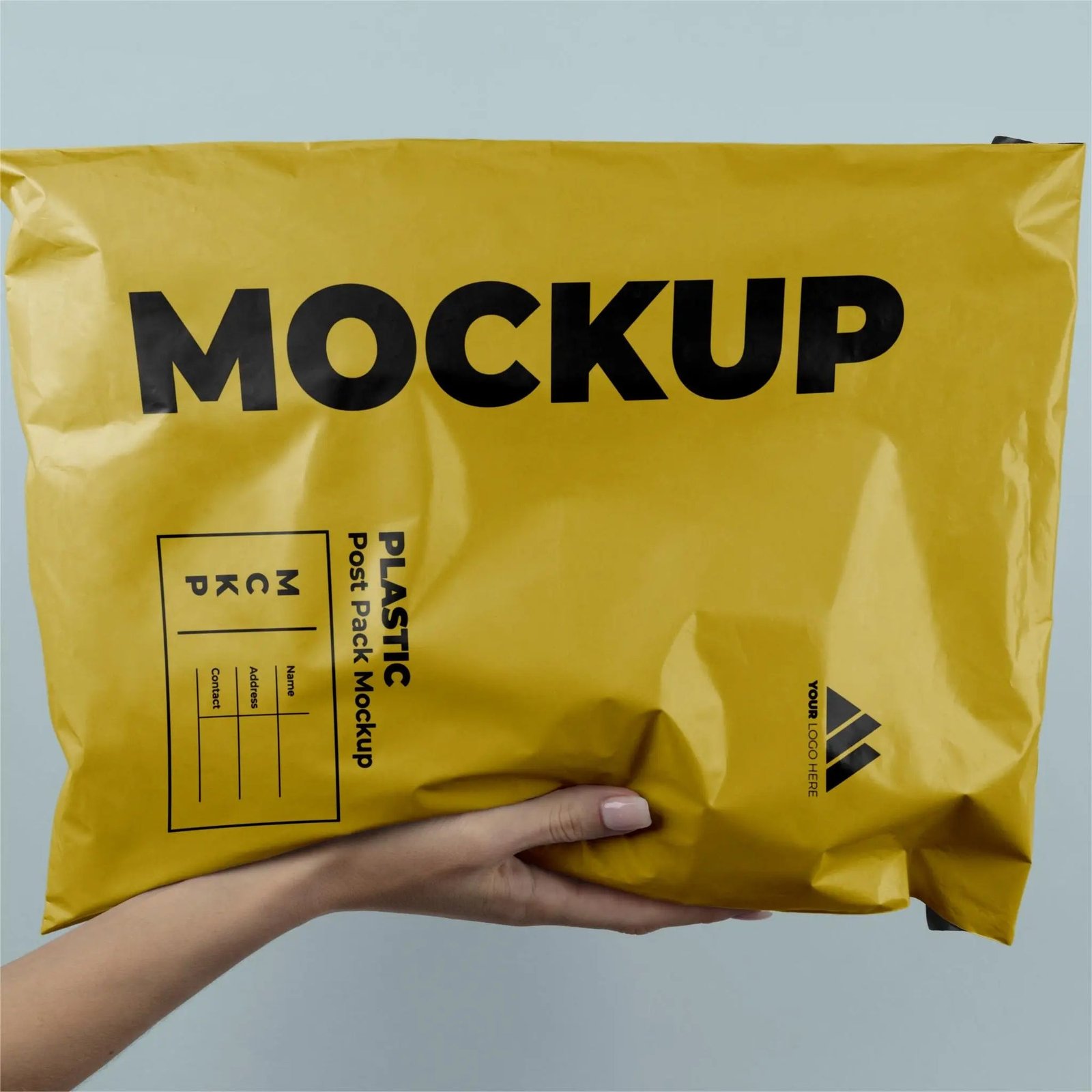
Branded Packaging
Finish each order with custom hangtags, polybags, barcode stickers, tissue, and export-ready carton specifications. JUNSHEEN coordinates packaging details so your custom puffer jackets arrive prepared for wholesale, retail, or direct-to-consumer fulfillment.
About JUNSHEEN Custom Puffer Jackets
Founded in 2010 in Humen Town, Dongguan, JUNSHEEN helps fashion brands turn outerwear concepts into production-ready custom puffer jackets. Our mission is straightforward: provide responsive OEM, ODM and private-label manufacturing that supports launches, repeat programs and growing collections with clear technical guidance.
With 200+ skilled workers and monthly capacity exceeding 80,000 units, we combine cut-and-sew production, fabric sourcing, sampling, decoration, quality control, packaging and global export support in one coordinated supply chain. Brands can start from 100 units per style and color, then scale with confidence.
What distinguishes JUNSHEEN is a fit-first partnership approach. From XS to 3XL, including extended-size, plus-size and oversized fits, our pattern team develops proportions and grading for real wearability rather than simply enlarging a base pattern. We retain development records to make reorders faster and more consistent.

Custom Puffer Jackets Development, Explained
Fit Built Across XS–3XL
JUNSHEEN develops custom puffer jackets with fit-focused patterns for standard, extended-size, plus-size and oversized ranges. Our pattern makers refine shoulder balance, body proportion, sleeve length, mobility and grading increments instead of simply scaling a base size.
- XS–3XL size development and grading
- Extended-size, plus-size and oversized fits
- Prototype, size-set and pre-production approvals
- Fit revisions guided by technical specifications

Materials and Trims Matched
Source shell fabrics, linings, insulation and functional trims through one coordinated supply chain. Our team recommends options based on warmth, weight, hand feel, durability, target price and wash performance, then supports swatches and sample confirmation before bulk material approval.
- Shell, lining and insulation sourcing
- Zippers, snaps, drawcords and reflective details
- Fabric swatches for material review
- Recommendations aligned with target cost
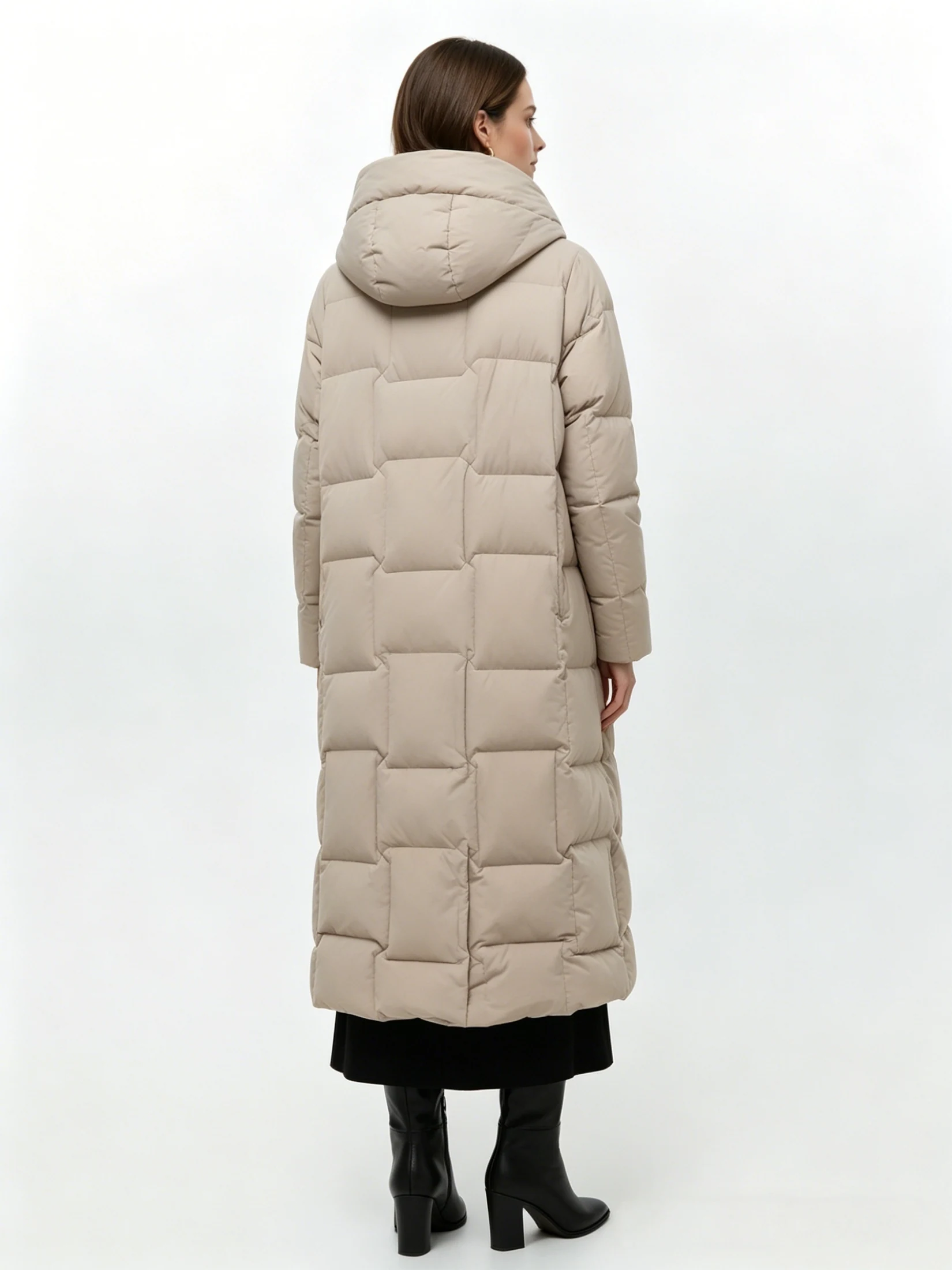
Brand Details Finished In-House
Bring your outerwear identity into every production detail with in-house embroidery, printing, patches, labels and packaging support. JUNSHEEN coordinates decoration placement and finishing requirements during development so approved details translate consistently from sample to bulk custom puffer jackets.
- Logo embroidery and custom patches
- Screen print, heat transfer and silicone effects
- Woven, leather, size and care labels
- Branded hang tags and packaging

Records Ready for Reorders
Retained patterns, graded size sets, approved materials and production records help make repeat orders faster and more consistent. Combined with incoming, in-line and final inspections, this documentation supports dependable quality as a capsule launch grows into ongoing global production.
- Retained patterns and size specifications
- Approved fabric, trim and decoration records
- Incoming, in-line and final quality checks
- Scalable production from 100 units per style/color

Why Choose JUNSHEEN for Custom Puffer Jackets
A fit-focused OEM partner for lower-risk outerwear development, dependable production, and global delivery.
← 左右滑动查看 →
Custom Puffer Jackets Production Process
A controlled OEM workflow that moves your outerwear program from feasibility review to shipment-ready goods with clear approvals at every stage.
Review Design Feasibility
We assess your tech pack, sketch, or reference garment, then confirm construction, target fit, fill requirements, MOQ, timeline, and production-ready specifications.
Source Fabrics And Trims
Our team recommends shell fabrics, lining, insulation, zippers, labels, and hardware based on warmth, hand feel, durability, target cost, and brand direction.
Develop Patterns And Samples
Pattern makers refine fit from XS through 3XL, produce prototype samples, and incorporate your feedback before size-set and pre-production approvals.
Cut Sew And Decorate
Approved materials enter bulk production for precision cutting, insulated construction, quilting, embroidery, printing, patches, and branded trim application.
Inspect Pack And Ship
Quality teams check measurements, construction, decoration, and packed goods before branded packaging, export documentation, and international shipping support are completed.
How to Start Custom Puffer Jackets Production
Move from a tech pack, sketch, or reference garment to approved bulk outerwear with clear development milestones and fit-focused factory support.
Submit Your Design Brief
Send your tech pack, sketch, reference garment, or concept with target quantity, sizing, fabric preferences, decoration details, and intended retail market.
Review Feasibility and Quote
Our OEM team reviews construction, insulation, materials, trims, grading, and lead-time requirements, then recommends production-ready solutions and provides a clear quotation.
Approve Development Samples
Confirm fabrics and details through prototype samples, measurement checks, and fit review. We refine patterns from XS to 3XL before pre-production approval.
Confirm Bulk Production
Approve the final sample and order details, then our 200-plus-worker factory manages material sourcing, cutting, sewing, decoration, inspections, packing, and export preparation.
Custom Clothing Manufacturer Credentials and Compliance Documents



What Fashion Brands Say About Custom Puffer Jackets
JUNSHEEN turned our sketch into a production-ready puffer in two sampling rounds. Their grading team corrected shoulder balance across XS–3XL, and our first 600-unit delivery met our measurement tolerance targets for every size.
We launched a 120-unit capsule without being pushed into an oversized commitment. Fabric swatches, zipper options, and logo embroidery were organized clearly, which cut our development approval time by nearly three weeks.
After three repeat orders totaling 2,400 jackets, the fit and fill details have remained consistent. JUNSHEEN keeps our patterns and trim records on file, so reorders move faster and our retail team receives fewer fit-related returns.
Custom Puffer Jackets FAQ
Clear answers on minimums, sampling, fit, payment, shipping, and production support for your outerwear program.
What is the MOQ for custom puffer jackets?
How long does it take to make a custom puffer jacket sample?
How much does a custom puffer jacket sample cost?
Can you develop custom puffer jackets from a sketch or reference garment?
Do you offer XS–3XL, plus-size, and oversized puffer jacket development?
What payment terms do you offer for custom puffer jacket orders?
Can you ship custom puffer jackets internationally?
How do you protect our puffer jacket designs and brand details?
The Complete Buyer’s Guide to custom puffer jackets
Use this practical framework to specify, source, and price custom puffer jackets, evaluate OEM supplier capabilities, compare materials and construction, and avoid sampling, quality, and production mistakes that erode margin.
1. What Are custom puffer jackets?
100 units per style and color is a practical starting point for private-label custom puffer jackets at JUNSHEEN, where the buyer develops a production garment rather than merely decorating ready-made stock. OEM follows an approved tech pack; ODM adds manufacturer support for translating a sketch, reference, or concept into specifications, patterns, and samples. 6 core systems define the jacket: the shell fabric, insulation fill, lining, quilt or baffle layout, functional trims, and brand identity. A buyer can control shell composition and finish, fill type and weight, lining, silhouette, pocket placement, hood shape, stitch channels, zipper or snap choice, Pantone color, label set, hangtag, and packaging. 1 blank wholesale jacket with a printed logo is not automatically a custom product, because its pattern, material package, construction, and fit remain fixed. A jacket becomes genuinely custom when the buyer approves meaningful product specifications—such as a revised pattern or grading, selected shell and insulation, defined quilting, chosen trims, and private-label branding—before bulk production. This distinction matters because custom development requires sampling and specification control, while blank decoration primarily changes the surface appearance.
2. The Evolution of Puffer Outerwear
1936 marked a turning point when Eddie Bauer introduced the Skyliner, an early quilted down jacket that used sewn-through chambers to keep insulation from shifting. That functional origin still matters: buyers must decide whether their product is primarily a cold-weather tool, a fashion layer, or a balance of both before approving a silhouette. 1970s alpine and outdoor design pushed puffers toward lighter shells, higher-loft insulation, storm hoods, and packable construction. Performance-led markets typically scrutinize fill weight, shell denier, down-proofing, water resistance, zipper reliability, and mobility more closely than oversized streetwear programs. 1990s streetwear made volume, bold color blocking, visible branding, and oversized proportions commercially important beyond the mountain category. Luxury and fashion buyers now often prioritize controlled baffle scale, matte or high-shine surface character, refined hardware, logo placement, and a deliberately shaped shoulder over maximum warmth-to-weight. 2010s sustainability requirements accelerated demand for recycled polyester shells, recycled synthetic fill, responsible down options, and traceable material documentation. For custom puffer jackets, that history translates into a sourcing brief: specify the intended market, warmth target, fit profile, branding method, and material evidence early, because a lightweight commuter jacket, a logo-led fashion piece, and a technical winter shell require different patterns, trims, testing, and cost structures.
3. Types of custom puffer jackets
Seven core silhouettes let buyers cover different climates, price points, and selling channels. Select the profile before approving insulation, because length, hood design, and intended layering determine both fit risk and merchandising value.
Short And Cropped Puffers

A 55–65 cm short puffer suits urban customers and fall-to-winter layering. Use a stable hem, balanced baffles, and enough ease for knitwear; it anchors everyday retail outerwear. A 40–50 cm cropped puffer targets trend-led womenswear and younger direct-to-consumer shoppers. Reinforce the waist hem and keep fill distribution even, then merchandise it with high-rise denim or coordinated sets.
Longline And Hooded Styles

A 85–110 cm longline or parka silhouette serves cold-weather commuters and wholesale accounts in colder regions. Specify walking vents, a durable two-way zipper, and baffle placement that avoids bulk at the hip. A detachable or fixed hood broadens weather protection for winter assortments. Check hood volume over hair and headwear, storm-flap alignment, and drawcord routing before using it as a core SKU.
Vests And Packable Layers
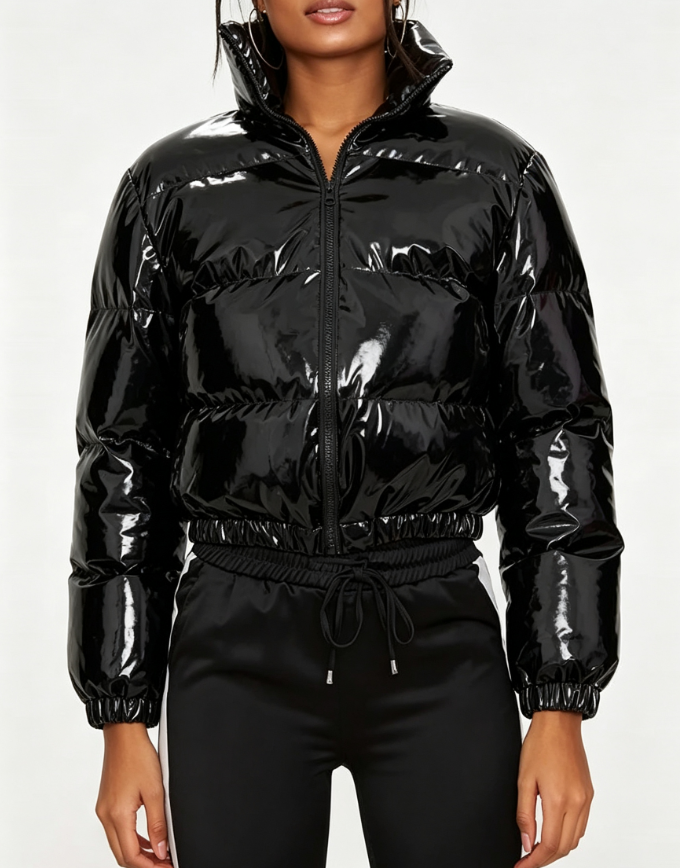
A puffer vest sells as a transitional layer for active, workwear, and mild-winter customers. Use armholes that accommodate hoodies, secure pocket bags, and a collar that stands without rubbing the neck. A lightweight packable jacket fits travel, outdoor, and spring merchandising. Limit bulky trims, test the stuff-sack or self-pocket, and position it as an add-on rather than the collection’s deepest-winter piece.
Reversible And Oversized Fashion
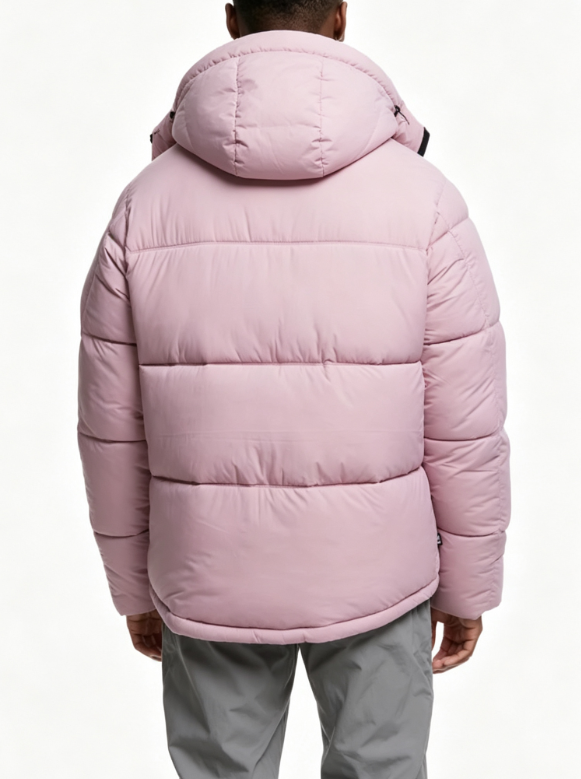
A reversible puffer gives retailers two visible looks from one unit and supports higher perceived value. Plan compatible pocket construction, reversible labels, and two finished face fabrics from the first pattern stage. A modern oversized style targets fashion capsules and influencer-led launches. Grade shoulder drop, sleeve volume, and body length deliberately; pair it with limited color stories to protect the statement silhouette.
4. Materials for custom puffer jackets
20–50D shell fabrics keep lightweight custom puffer jackets packable, while 70–150D options resist abrasion better. Material selection must balance face-fabric protection, lining slip, insulation loft, and the finish required for the target climate.
| Material System | Weight And Hand | Warmth / Weather | Durability | Cost Tier | Best Climate |
|---|---|---|---|---|---|
| 20–40D recycled polyester + synthetic fill | Light, soft | Moderate; DWR optional | Moderate | Entry | Mild urban winter |
| 40–70D nylon + synthetic fill | Light, crisp | Moderate-high; wind resistant | High | Mid | Wet, windy winter |
| Down 550–700 FP + nylon shell | Very light, lofty | High warmth; protect from saturation | Moderate-high | Premium | Cold, dry conditions |
| Cotton-blend + synthetic fill | Heavier, matte | Moderate; slower drying | Moderate | Mid | Cool, dry casual wear |
Shell And Lining Choices

20–40D recycled polyester offers a soft, economical shell for everyday city pieces; verify the recycled-content claim through supplier documentation. 40–70D nylon feels crisper, packs smaller, and usually handles abrasion better. 60/40 cotton-poly blends create a matte, heritage hand but absorb more moisture and add weight. 210T polyester or nylon taffeta linings help garments slide over knitwear; brushed tricot adds comfort but bulk.
Insulation And Weather Barriers

550–700 fill-power down provides the highest warmth-to-weight ratio, but needs controlled baffle construction and clear responsible-down documentation when claimed. Synthetic polyester fill keeps insulating when damp and is usually simpler to care for. 1,500–5,000 mm water-resistant coatings suit light rain, while a membrane can improve wind blocking and water resistance. DWR finishes shed surface moisture but are not permanent waterproofing and should be specified separately from seam sealing.
Specify Claims Precisely
100-unit capsule orders benefit from proven stock shells and fills because custom mill minimums can raise cost. Request fiber composition, fill weight, coating type, test method, and certification scope on the material approval sheet.
- Use ‘recycled’ only with documented recycled content.
- Separate water-repellent, waterproof, and windproof claims.
- Approve shell, lining, and fill swatches together.
5. Customizing custom puffer jackets
Three design decisions—silhouette, quilting, and branded hardware—make custom puffer jackets recognizable before a logo is read. Lock those choices in the tech pack before sampling so color, fit, and trim approvals stay aligned.
| Choice | Specify In Tech Pack | Durability Check |
|---|---|---|
| Embroidery | Size, stitch file, placement | Avoid insulation compression |
| Woven patch | Edge finish, backing, placement | Check seam security |
| Heat transfer | Film type, artwork, location | Test adhesion after washing |
| Silicone badge | Mold, color, attachment | Test flex and cold cracking |
Build The Visual Identity

Four silhouette variables set the brief: cropped, regular, longline, or oversized body; dropped or set-in shoulders; detachable or fixed hood; and straight or shaped hem. Pantone TCX codes prevent subjective color matching. Specify horizontal, chevron, diamond, or channel quilting, plus pocket type, flap shape, and contrast-panel locations.
- Use storm cuffs for a technical look
- Choose welt, patch, or zip pockets
- Specify hood depth and drawcord exits
Choose Decoration And Hardware

Five decoration routes suit different placements: embroidery for chest or sleeve, woven patches for a heritage finish, heat transfer for detailed graphics, screen print for bold artwork, and silicone badges for raised logos. YKK-compatible zipper specifications, puller finish, snap diameter, and logo artwork should appear on the trim sheet. Keep decoration off high-abrasion pocket edges and quilting seams; request wash and adhesion testing on the approved sample.
Make The Tech Pack Executable
One production-ready tech pack includes front and back flats, measurement chart, graded XS–3XL rules, bill of materials, Pantone colors, quilt map, artwork files, label positions, and packaging instructions. Three visible priorities usually deserve budget first: silhouette, quilting geometry, and branded zipper or badge. At Junsheen, fit development can refine shoulder balance, sleeve length, mobility, and grading rather than merely enlarging the base size.
6. Construction Quality That Matters
Eight to 10 stitches per inch is a useful starting checkpoint for puffer shell seams, but construction must also protect the fill and preserve loft. Buyers should assess a physical sample against measurable criteria, not generic statements about premium quality.
Baffles And Fill Control

Five to 8 cm baffle widths suit many lifestyle puffers; oversized channels can create cold spots when fill shifts. Specify baffle spacing, fill weight per panel, and whether through-stitch or box-wall construction is used. Three shake-and-hang tests reveal uneven distribution: inspect shoulders, side seams, and lower back after movement. The prototype should show no empty channels, clumps, or exposed fill.
- Record fill weight by size
- Check channel alignment at seams
- Compare loft after 24 hours hung
Seams, Lining, And Finishes
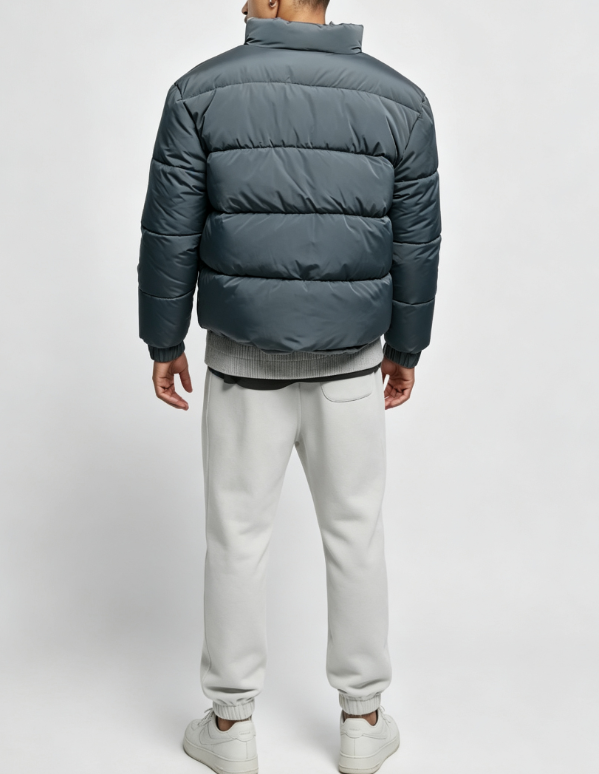
10 mm seam allowances and reinforcement at pocket corners, zipper ends, and underarm joins reduce high-stress failures. Examine stitch consistency, skipped stitches, loose thread tails, and seam puckering under normal tension. 2 mm to 4 mm cuff and hem elastic recovery should be tested after repeated stretching. A properly attached lining lies smooth, with adequate ease so it does not pull the shell or restrict movement.
- Pull pocket openings firmly
- Inspect bar tacks at stress points
- Turn the jacket inside out
Hardware And Pre-Shipment Checks

YKK or an equivalent specified zipper should run smoothly for 20 cycles without snagging the lining or separating at the base. Confirm zipper gauge, puller finish, pocket closure type, and snap placement against the approved tech pack. 100% of pre-shipment samples should be measured against tolerance, photographed inside and out, and checked after a short wear test. Request a filled inspection sheet covering measurements, fill placement, closures, labels, and packed appearance.
- Zip and unzip every closure
- Check pocket depth and security
- Review measurement tolerances by size
7. How to Choose a Puffer Manufacturer
A capable puffer supplier proves control over development, materials and bulk execution before taking an order. For custom puffer jackets, evaluate evidence from the actual factory rather than relying on catalog images or a low initial quote.
Verify Outerwear Capability
Three recent puffer samples should reveal baffle alignment, insulation control, zipper installation and seam consistency. Ask for unedited production-floor videos, factory address, machinery list and references for comparable outerwear programs. 100-unit MOQ per style and color can suit a capsule, but confirm whether it applies after fabric minimums, special trims and fill sourcing. Request a written MOQ breakdown by shell, lining, insulation and color.
- Ask who owns pattern making and size grading.
- Request measurement reports from approved samples.
- Confirm monthly capacity and peak-season booking windows.
Audit Development And Materials

A 7- to 14-day sample estimate is useful only when the supplier identifies fabric availability, lab-dip timing and trim lead times. Require a sample calendar covering proto, fit revision, size set and pre-production approval. OEKO-TEX or GRS claims need document numbers, scope and valid dates, not a logo on a quotation. Ask for shell, lining and insulation specifications, fiber content, weight, supplier name and test reports.
- Confirm Pantone approval method for each color.
- Request swatches and bulk lot traceability.
- Ask whether substitute materials require written approval.
Separate OEM From Intermediaries
Two factory contacts—development and quality control—usually provide a clearer test than sales promises. A capable OEM can explain construction risks, send in-line photos and retain patterns, graded size sets and material records for repeats. Final inspection should cover measurements, appearance, decoration and packed-goods counts against an agreed AQL plan. Ask who books export documents, what port they normally use and how shipment delays are communicated.
- Request live video during sampling or production.
- Verify business registration and export experience.
- Ask for corrective-action records from recent inspections.
8. Common custom puffer jackets Mistakes
A single untested decision can delay an outerwear delivery by weeks and create costly claims. For custom puffer jackets, convert each visual choice into measurable specifications before sampling and bulk approval.
Choosing Fabric By Appearance

40D nylon may look premium yet lack the abrasion resistance, coating performance, or downproof construction needed for the intended market. Request fabric weight, fiber content, WR rating, colorfastness, and wash-test results alongside swatches.
Leaving Warmth Unspecified

90/10 down fill, 650-fill-power down, and 200 gsm polyester insulation produce very different warmth, bulk, and cost. Define fill type, weight per panel, baffle or quilting spacing, stitch lines, and target wearing conditions in the tech pack. 3 cm quilting can restrict insulation migration differently than 8 cm channels. Approve a cut-open or construction sample when loft and distribution are critical.
Ignoring Bulk And Fit

XS–3XL grading cannot be solved by enlarging a medium pattern; shoulder balance, sleeve volume, body length, and ease change across sizes. Review a graded size set on relevant fit models, especially for oversized and extended-size programs. 100-unit launches need disciplined trim choices because each custom zipper, snap, cord, and label can add minimums and lead-time risk. Limit early versions to essential branded components.
Rushing Approval And Delivery
7–14 days for a sample is not enough time to judge wash behavior, decoration adhesion, seam leakage, and care compliance. Wear-test approved samples, confirm fiber and fill disclosures, and verify care-label instructions against the final materials. 8–16 weeks is a more realistic planning window when development, sourced fabrics, custom trims, bulk production, inspection, and freight are involved. Lock the critical path before committing to a seasonal launch date.
9. Steps to Launch Your Jacket Line
A 100-unit style-and-color MOQ makes a capsule feasible, but it does not replace product definition. Treat every approval as a gate: the brand owns commercial decisions, while the factory validates construction, materials, fit, and repeatability.
Define The Commercial Brief
Three inputs should precede a quotation: target retail price, customer profile, and competing jacket references. State launch month, planned colors, intended size range, target landed cost, and whether the silhouette is cropped, regular, or oversized. One decision gate follows: confirm the product can support its margin before development begins. Brands should also provide logo files, Pantone references, quantity by color, and destination-market labeling requirements.
- Target retail and margin objective
- Reference images and differentiation notes
- Color, size, and launch plan
Build A Production-Ready Tech Pack
A complete tech pack records measurements, panel shapes, fill target, stitch lines, zipper specification, pocket construction, artwork placement, labels, and packaging. A sketch alone can begin development, but it cannot lock an accurate bulk quotation. Two owners are involved: the brand approves appearance and specifications; the manufacturer flags impractical seams, tolerances, and sourcing risks. Resolve substitutions before sampling, especially shell fabric, lining, insulation, and hardware.
Sample, Fit, And Grade
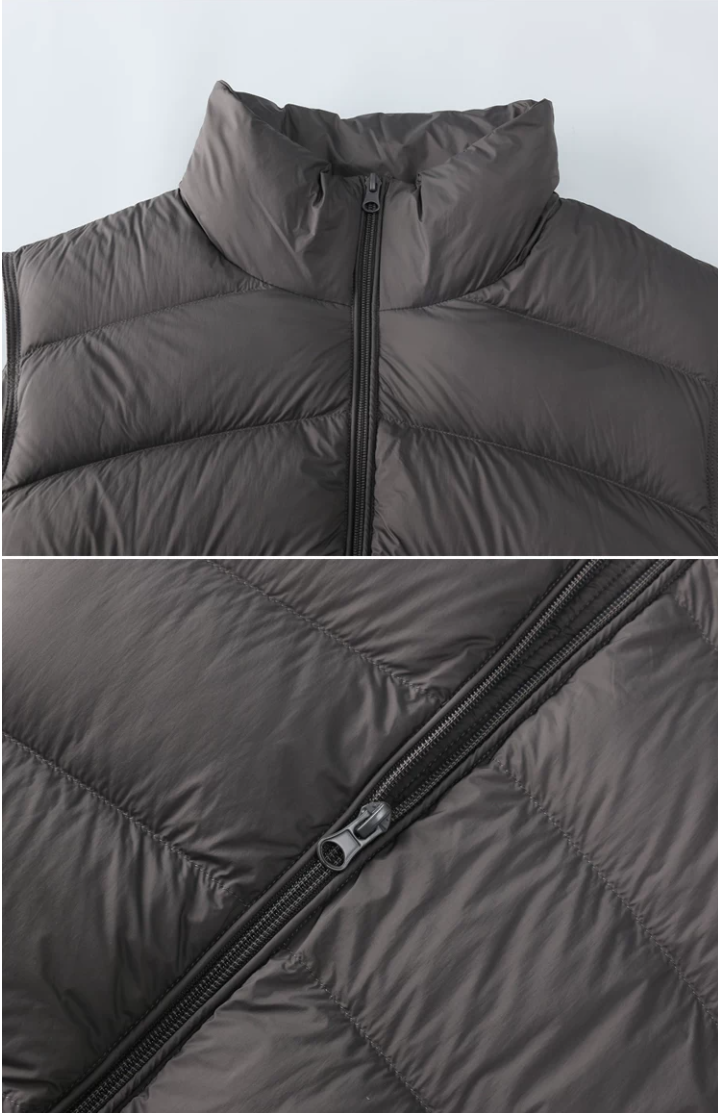
One prototype tests silhouette, material hand, and construction before bulk materials are committed. Review it against a measurement chart and wearer feedback, then issue one consolidated revision list rather than scattered changes. XS through 3XL requires deliberate grading, not simple enlargement. Approve the base fit first, then a size set to check shoulder balance, sleeve length, body proportion, and mobility across the range.
Approve Bulk And Launch
A pre-production sample is the final gate before cutting: it should match approved fabric, trims, artwork, measurements, labels, and packing. Confirm production timing only after every material and decoration approval is recorded. Four checkpoints reduce launch risk: incoming fabric inspection, in-line construction checks, measurement and decoration review, and final packed-goods inspection. Reserve photography, ecommerce copy, freight booking, and receiving time alongside the factory schedule.
- Approve a signed pre-production sample
- Confirm inspection standard and tolerances
- Book freight before the delivery window
10. custom puffer jackets Pricing
100 units per style and color is a practical starting point for planning custom puffer jackets at Junsheen, although the final MOQ depends on fabric, fill, colors, and component availability. The ranges below are indicative FOB China planning figures, not binding quotes; currency, duty, and destination freight are excluded. $18–$55 per unit is a useful initial budget window for a standard polyester-shell, synthetic-fill jacket, while premium recycled fabrics, down fill, taped seams, or complex insulation can move costs higher. Shell and fill selection, baffle or quilt complexity, YKK-class zippers, snaps, reflective trims, embroidery or printing, branded packaging, third-party certification, sampling, and freight each affect the landed cost. 2 approvals usually protect the budget: confirm the prototype and then the pre-production sample before bulk fabric is committed. A quote needs finalized specifications—tech pack, size range, colorways, fabric and fill, quilt map, trims, decoration, labels, packaging, quantity, Incoterm, and destination—so sourcing teams can compare like for like. 500 units typically reduce unit cost more effectively than chasing the lowest ex-factory price at 100 units, because development, pattern, and setup costs are spread across more garments. Plan landed cost as FOB price plus sample amortization, inspection, freight, duty, brokerage, and local delivery; a 100-unit MOQ is best treated as a launch-validation quantity, not a bulk-cost benchmark.
| Order quantity | Indicative FOB unit price | Typical bulk lead time |
|---|---|---|
| 100–299 units | $28–$55 | 35–55 days after approval |
| 300–499 units | $23–$45 | 40–60 days after approval |
| 500–999 units | $20–$38 | 45–65 days after approval |
| 1,000+ units | $18–$34 | 50–70 days after approval |
Ready to Develop Your Custom Puffer Jackets?
Send your tech pack, sketch or reference garment to start fit-focused sampling with JUNSHEEN, from 100 units per style and color.