
Custom Running Shorts From 100 Units
Develop fit-focused custom running shorts with OEM, ODM, and private-label support from sampling through global bulk production.
Featured Products for custom running shorts Development







Related Product Catalogue and Quotation





Why Brands Source Custom Running Shorts From JUNSHEEN
From low-MOQ launches to repeat bulk programs, JUNSHEEN combines technical development, branding detail and export-ready production in one supply chain.
100-Unit Starting MOQ
Launch a custom running shorts style and color from 100 units, giving new labels room to validate demand before scaling.
Fit-Focused Size Development
Pattern makers refine rise, mobility, inseam and grading from XS to 3XL for dependable performance fits across size ranges.
Performance Fabric Sourcing
Select lightweight woven, stretch and performance-knit materials around your target hand feel, durability, breathability, cost and wash requirements.
One-Stop Brand Details
Add logo printing, embroidery, reflective details, custom labels, drawstrings, trims, packaging and finishing through one coordinated production team.
Scalable Export Production
Work with 200+ skilled workers, 80,000+ monthly units of capacity, quality control and global shipping support as demand grows.
OEM to Private Label
Bring a tech pack, sketch, reference garment or product idea; our team supports development, sampling and bulk-ready manufacturing.
Custom Apparel Programs for Every Brand Stage
From 100-unit launches to repeat wholesale production, Junsheen develops fit-focused casualwear with integrated sourcing, decoration, labeling and export support.

Custom Hoodies
Custom hoodies developed from tech packs, references or original concepts, with fleece or French terry options, XS–3XL grading, custom embroidery or printing, branded trims and low MOQs from 100 units per style and color.
Request a Quote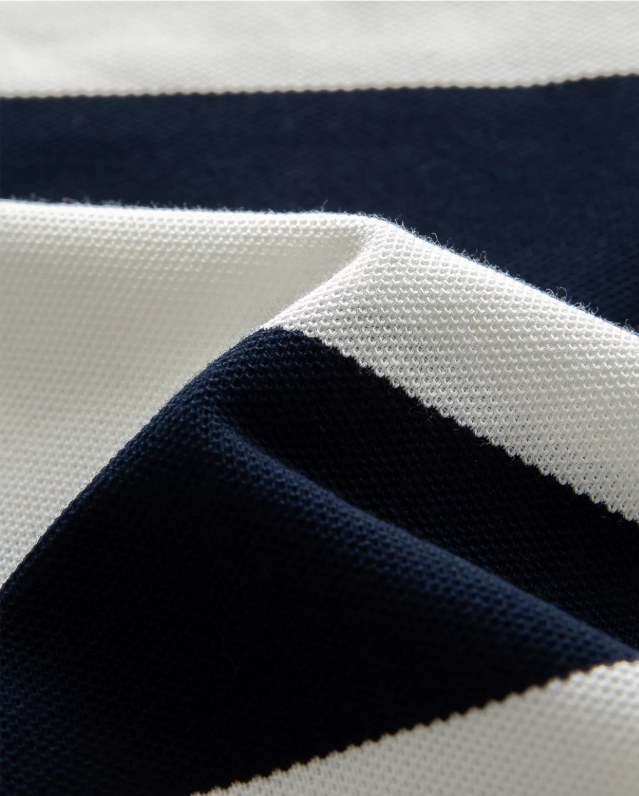
Custom T-Shirts
Custom T-shirt production across combed cotton, organic cotton, blended jersey and performance knits. Junsheen supports silhouette development, fit grading, screen print, DTG, DTF, labels and packaging for launch collections, teamwear and repeat programs.
Request a Quote
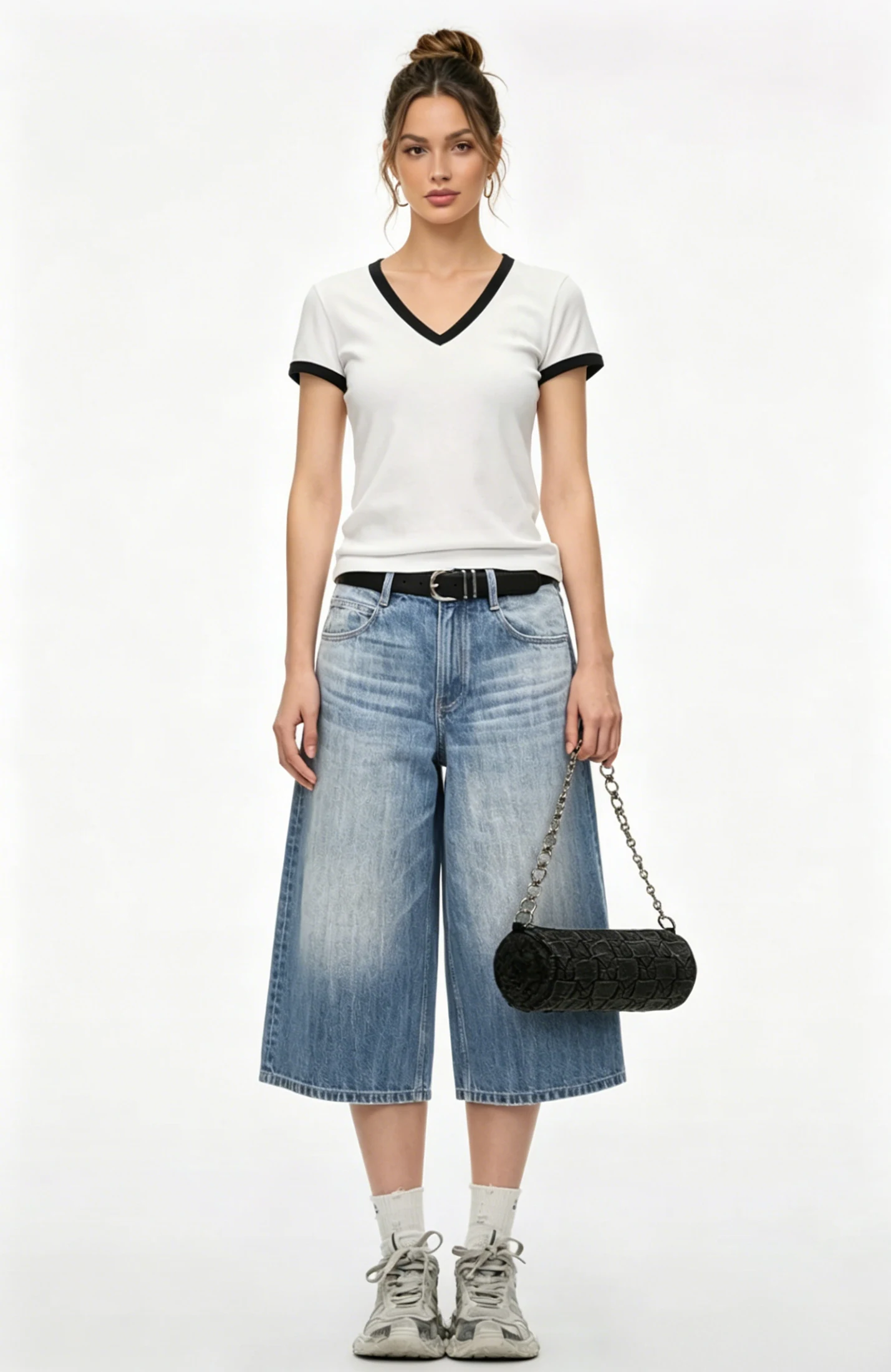
Custom Jeans
Custom jeans built with denim or stretch-denim fabric selection, pattern development and wash planning. Fit teams refine rise, leg shape, mobility and grading from XS to 3XL, while supporting branded hardware, labels, embroidery and bulk repeat consistency.
Request a Quote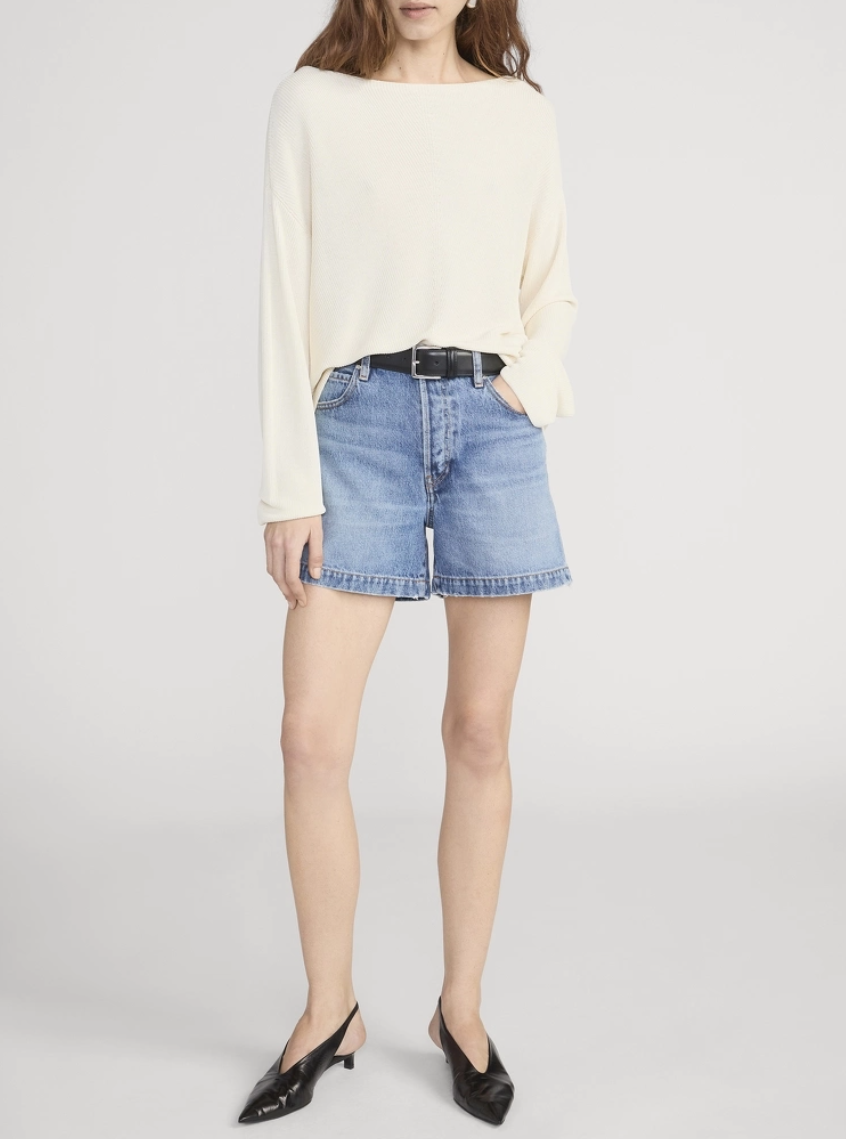
Custom Sweaters
Turtleneck sweater bulk programs for brands needing knitwear with controlled yarn, gauge, weight and proportion. Junsheen supports development samples, size grading, private labels and scalable production for wholesale assortments and seasonal collections.
Request a Quote
Custom Jackets
Custom jean jacket programs combine denim sourcing, cut-and-sew construction, wash effects and branded hardware. Develop trucker, oversized, cropped or lined silhouettes with embroidery, patches, labels and fit-focused grading for consistent repeat production.
Request a Quote
Custom Sweatshirts & Crewnecks
Custom crewneck hoodie and sweatshirt development for fleece, French terry and knit programs. Buyers can specify neck ribs, weights, washes, logo decoration, labels and packaging, with practical 100-unit launch quantities and bulk reorder support.
Request a Quote
Custom Cardigans
Custom cardigan manufacturing with yarn, gauge and construction guidance for button-front, cropped, oversized or fitted styles. Junsheen develops samples, size sets and branded trims to help labels maintain consistent knitwear proportions across the range.
Request a Quote
Custom Puffer & Down Jackets
Custom puffer jacket production with shell, lining, insulation, quilting and hardware specifications managed in one program. Support includes fit sampling, branded zippers, reflective details, labels and packaging for outerwear launches and ongoing orders.
Request a Quote
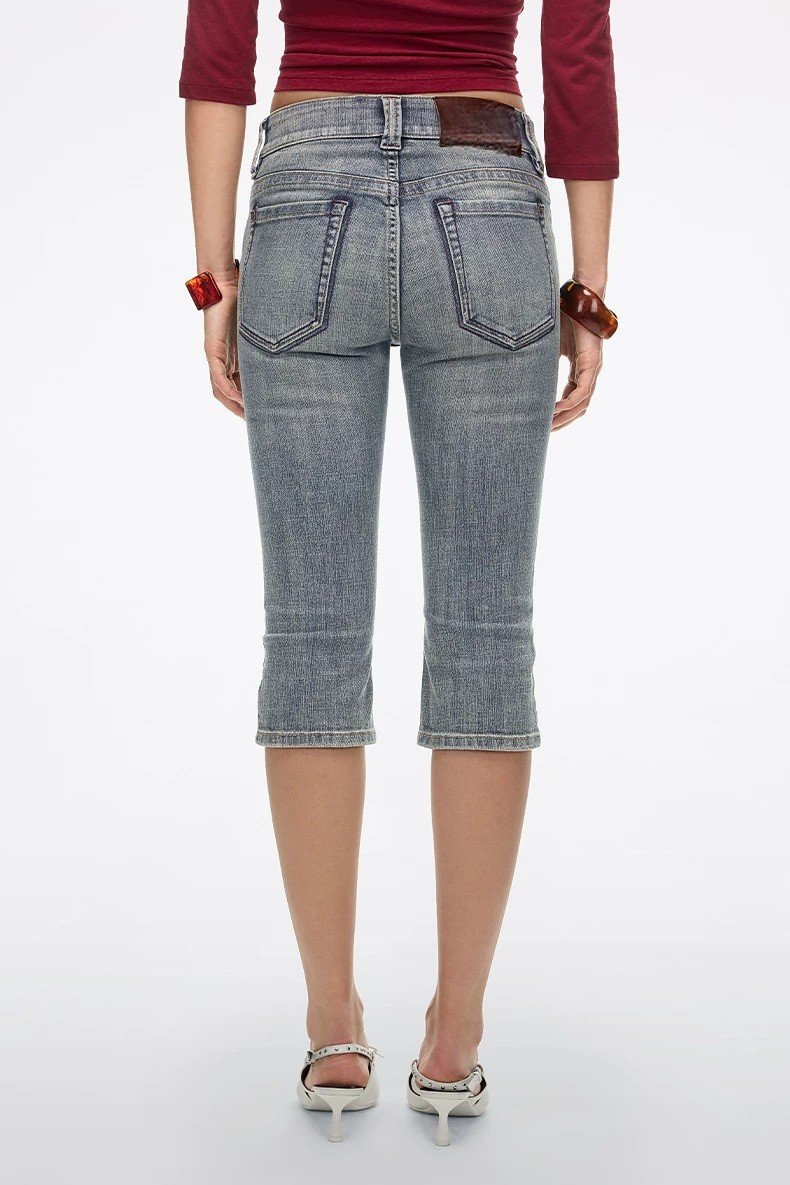
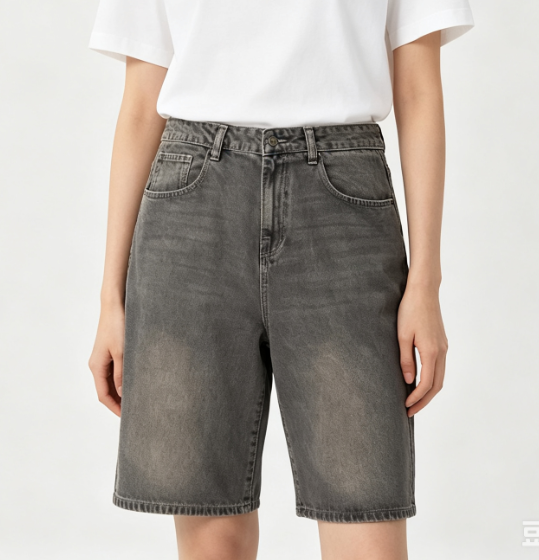
Custom Denim Shorts
Custom jean shorts developed in rigid or stretch denim, with inseam, rise, hem and wash details tailored to the target customer. Add custom buttons, rivets, embroidery, patches and private labels with fit grading through XS–3XL.
Request a Quote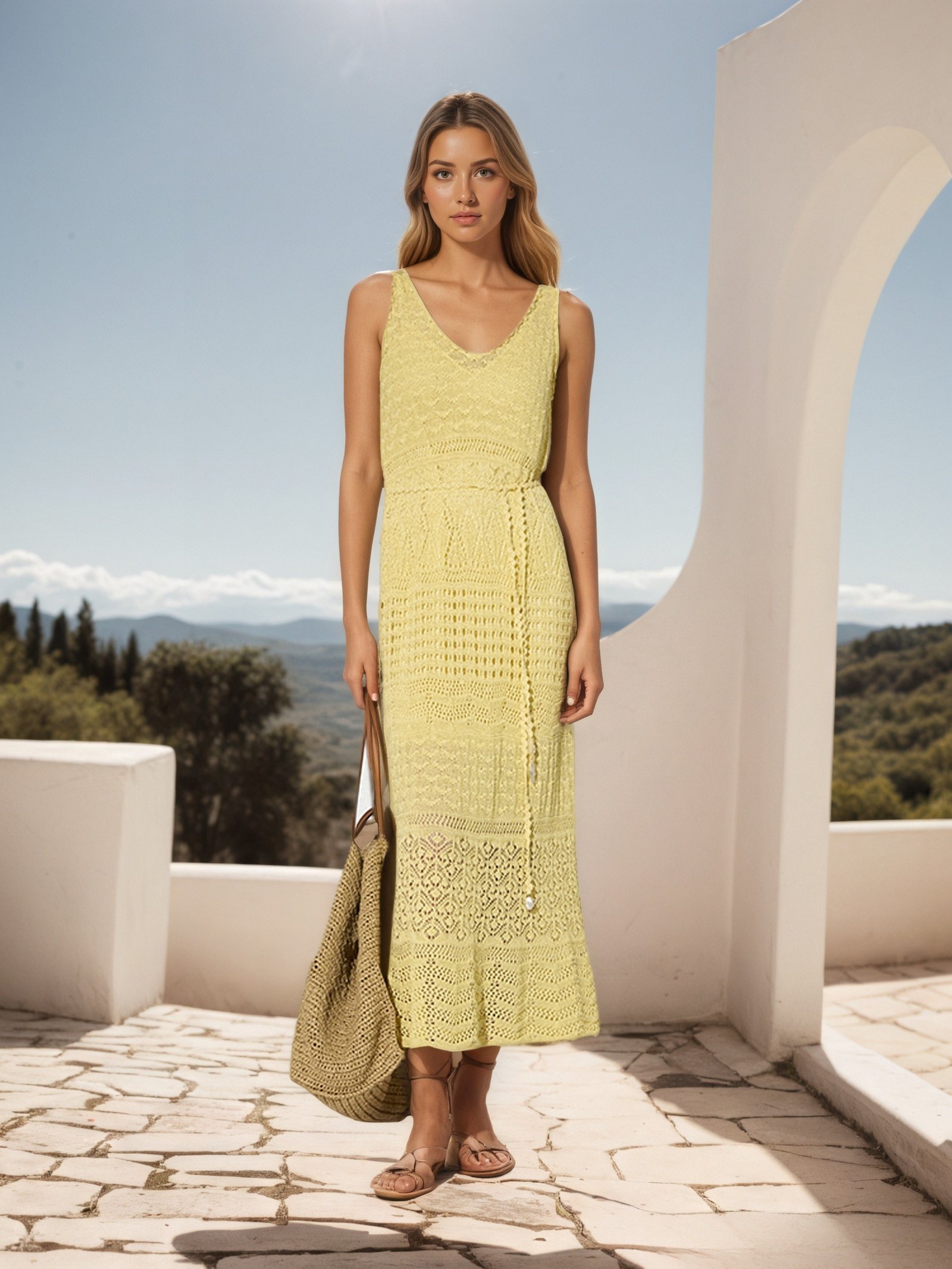
Custom Sweater Dresses
Custom sweater dresses developed with knit construction, yarn selection and silhouette control for fitted, relaxed or oversized ranges. Sampling and graded size sets help brands verify body length, sleeve balance and stretch recovery before bulk production.
Request a Quote
Custom Denim Sets
Men’s denim suits wholesale programs for coordinated denim jackets, shirts and trousers. Junsheen manages matching fabric lots, washes, construction details, labels and sizing so wholesale buyers can build consistent sets and replenish proven styles.
Request a Quote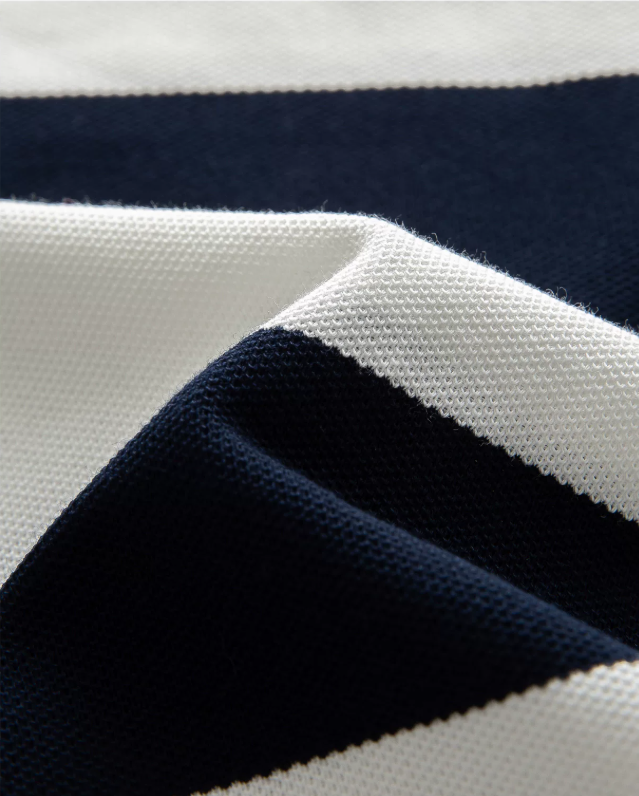
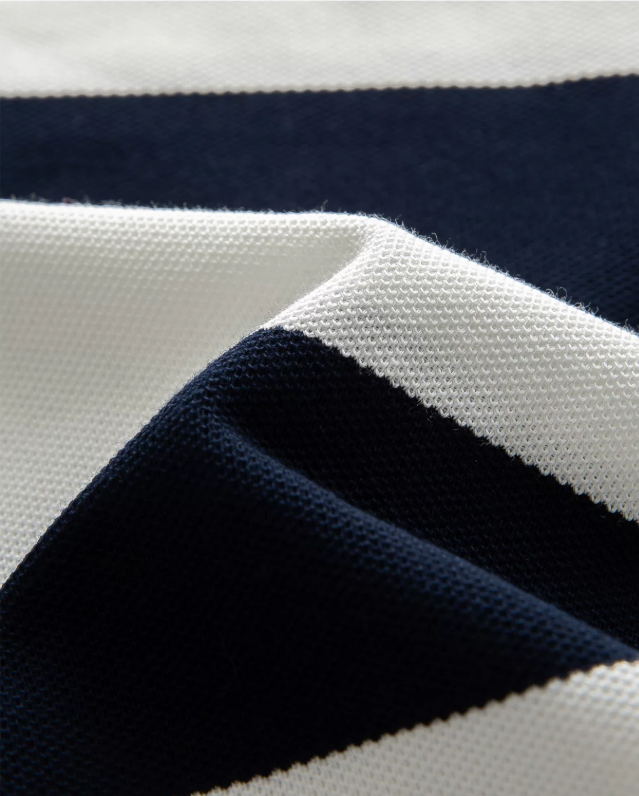
Custom Polo Shirts
Custom polo shirts produced in pique, jersey or performance knit fabrics for brand collections, uniforms and teamwear. Specify collar structure, plackets, color blocking, logo embroidery, printing, size grading and branded packaging from low-MOQ quantities.
Request a Quote
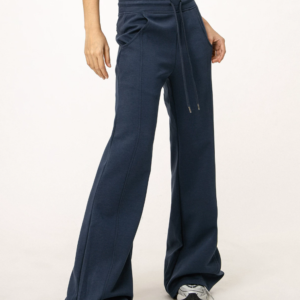
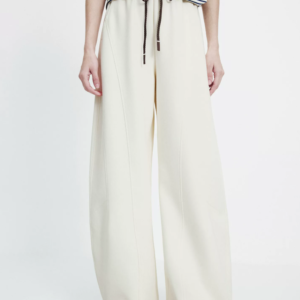
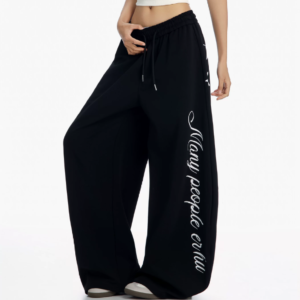
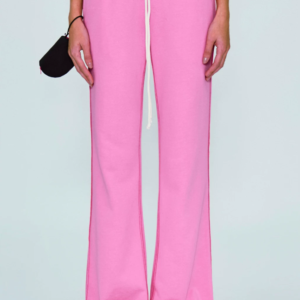
Custom Sweatpants
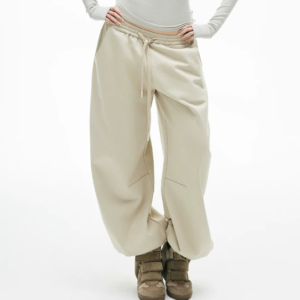
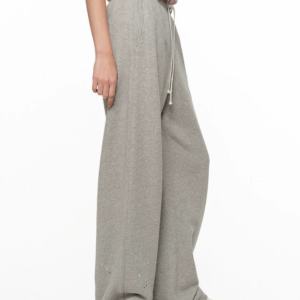
Custom sweatpants with fleece, French terry or performance-knit options for joggers, straight-leg and oversized fits. Junsheen develops waistband, pocket, cuff and rise details, then supports decoration, labels and repeat production records.
Request a Quote
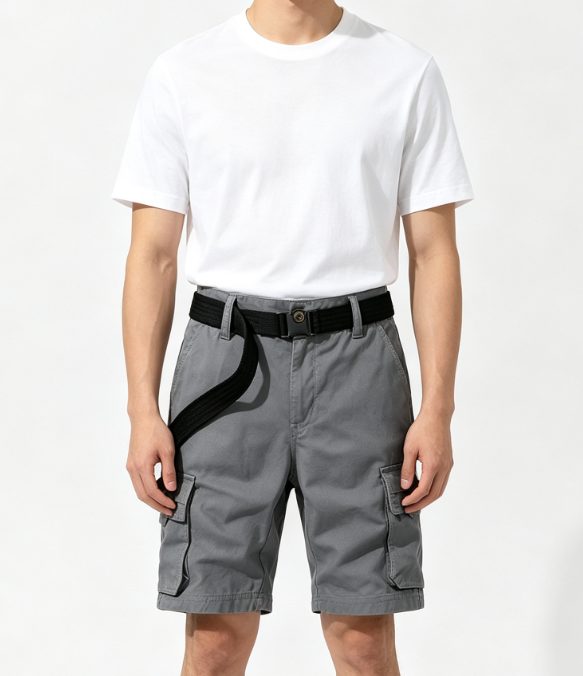
Custom Shorts
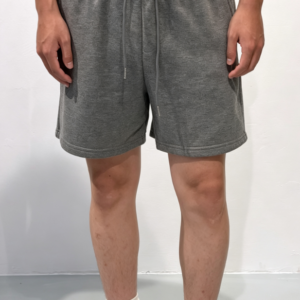
Custom shorts for casual, active and teamwear programs, developed around fabric weight, inseam, waistband, pocket and mobility requirements. Low MOQs support first launches, while retained patterns and material records help streamline repeat production.
Request a Quote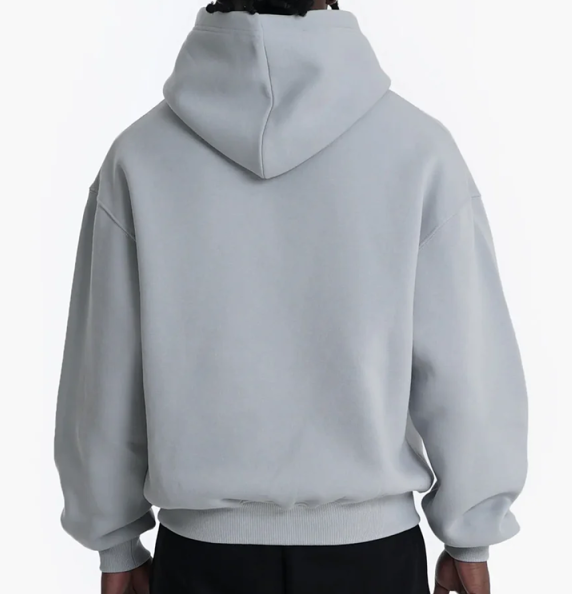
Custom Pullovers
Custom pullovers developed across knitwear, fleece and performance fabrics, with attention to neckline, rib construction, sleeve proportion and fit. Add embroidery, print, wash finishes, private labels and packaging for coordinated seasonal programs.
Request a QuotePerformance Materials for Custom Running Shorts

Recycled Polyester Knit
A lightweight, smooth performance knit for everyday training shorts and race-ready shells. It offers fast moisture management, durable color retention and reliable wash performance, with fabric weights commonly specified from 120 to 180 GSM.

Stretch Woven Polyester
Crisp yet flexible, this woven fabric suits premium running shorts requiring a clean silhouette and abrasion resistance. Mechanical or elastane stretch improves stride mobility, while quick-dry construction keeps the garment comfortable through repeated training sessions.

Nylon Spandex Woven
Soft, resilient and slightly more refined in hand feel, nylon-spandex woven works well for performance running shorts and split-short designs. Its four-way stretch supports unrestricted movement, while nylon adds excellent durability and recovery after washing.

Polyester Elastane Jersey
A smooth, body-hugging knit designed for compression liners, fitted running shorts and layered styles. The fabric provides four-way stretch, moisture-wicking comfort and dependable shape recovery, typically developed in 180 to 240 GSM weights.

Lightweight Mesh Knit
Breathable mesh is ideal for pocket bags, ventilation panels and airy running-short liners. Its open construction promotes airflow and faster drying, while selected polyester qualities maintain a light hand feel and stable performance after repeated laundering.

French Terry Blend
A softer, more substantial option for run-club lifestyle shorts, warm-up pieces and athleisure capsules. The loopback interior feels comfortable against skin, while cotton-polyester blends provide moderate stretch, durable structure and consistent wash performance.
Custom Running Shorts Decoration and Finishing

Screen Printing
Plastisol, water-based, silicone, puff, and high-density screen prints create bold logos and graphic placement on custom running shorts. Junsheen selects ink systems and curing methods for strong color, stretch, and wash durability.

Logo Embroidery
Flat, 3D, chain-stitch, and applique embroidery add a premium tactile logo finish for waistband, pocket, or limited-detail placements. Stitch density and backing are specified to maintain a clean appearance without unnecessary bulk.

Heat Transfers
DTF, heat transfer, and reflective transfer applications deliver crisp small logos, multicolor artwork, and technical branding. These low-profile options suit performance fabrics while providing flexible movement and reliable adhesion through repeat wear.

Dye Sublimation
Dye sublimation permanently bonds all-over graphics, gradients, and team colorways into compatible polyester fabrics. The result is lightweight, breathable color with no raised ink layer, helping custom running shorts retain comfort during active use.

Performance Finishing
Fabric softening, anti-pilling treatment, and carefully controlled washing refine hand feel and surface durability without compromising intended stretch or moisture-management performance. Finishing is reviewed against your approved fabric and sample requirements.
Custom Running Shorts Trims and Branding Details

Drawcords and Tips
Select elastic drawcords with custom aglets, contrast tipping or tonal finishes for adjustable waist security. These details reinforce fit during training while carrying your brand colors through every custom running shorts size.

Zippered Pockets
Add nylon coil or waterproof-style zippers to secure phone, key and card pockets. Junsheen can match zipper pulls and tape colors to the garment for practical performance and a refined OEM finish.

Woven Brand Labels
Use woven main labels, size labels and wash-care labels to present clear brand identity and garment information. Labels are positioned for comfort, durability and consistent identification across repeated production runs.

Reflective Details
Apply reflective transfers, piping, logo prints or zipper pulls for improved low-light visibility. These running-focused accents can be integrated into side seams, hems and rear panels without compromising the clean silhouette.

Custom Logo Patches
Choose silicone, woven, embroidered or heat-applied patches for a dimensional logo treatment. Custom patches work well on hems, pocket areas and waistbands, giving private-label shorts a distinctive retail-ready signature.
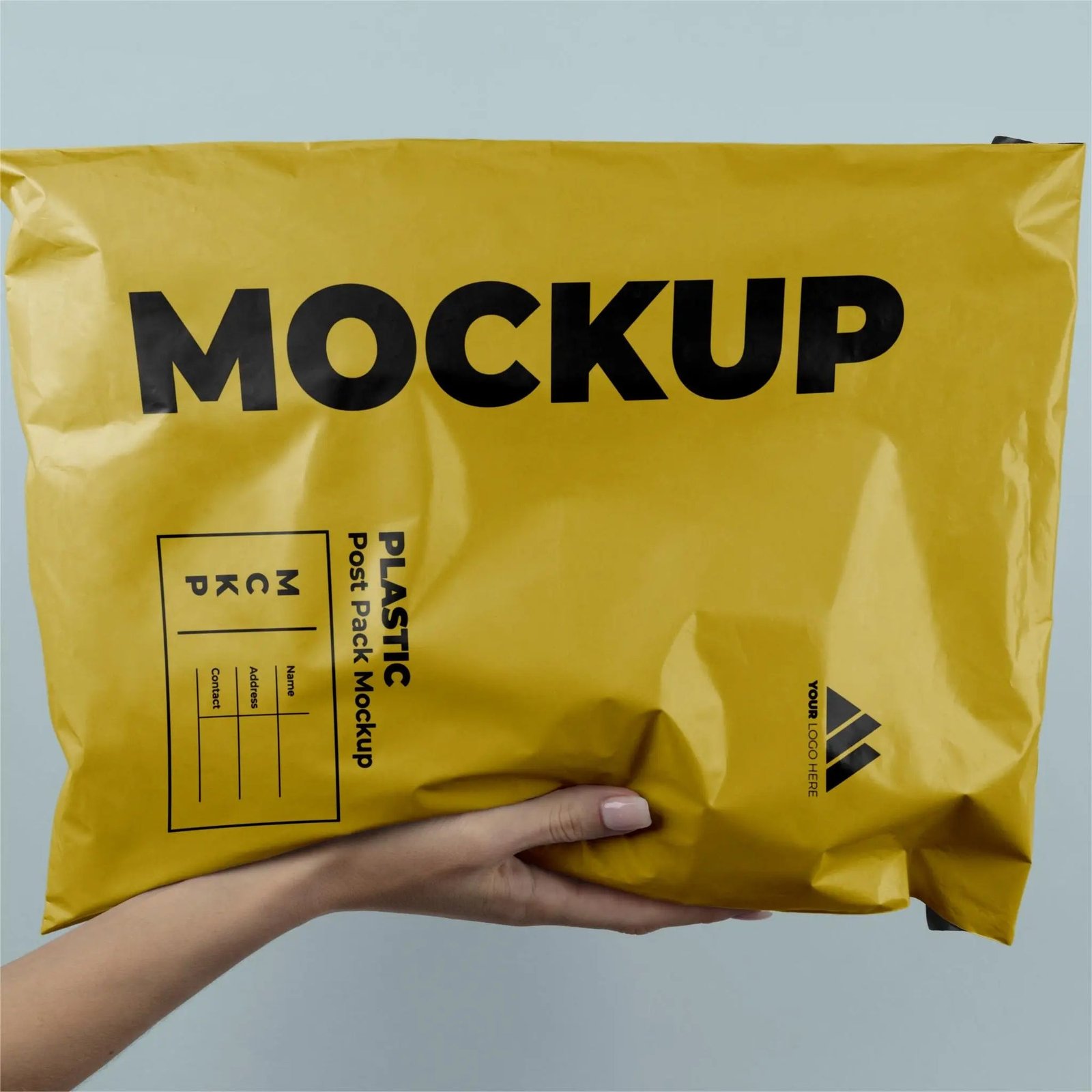
Branded Packaging
Complete each order with custom hang tags, polybags, folding instructions and branded packaging options. Coordinated presentation supports wholesale handling, e-commerce fulfillment and a more polished unboxing experience for customers.
Custom Running Shorts Manufacturing Partner
Founded in 2010 in Humen Town, Dongguan, JUNSHEEN helps global brands turn custom running shorts concepts into production-ready collections. Our one-stop OEM, ODM and private-label team supports development from technical review and fabric sourcing through sampling, bulk production and export coordination.
With 200+ skilled workers and monthly capacity exceeding 80,000 units, we serve capsule launches and scalable repeat programs from 100 units per style and color. More than 2,000 fashion-brand clients have relied on our responsive manufacturing support across international markets.
What distinguishes JUNSHEEN is fit-led development backed by practical production control. We refine patterns and grading from XS to 3XL, then coordinate performance materials, printing, embroidery, trims, labels, finishing and quality checks in one dependable supply chain.

Custom Running Shorts: Fit, Development and Production Detail
Fit-Focused XS–3XL Grading
JUNSHEEN develops custom running shorts across XS–3XL with grading that considers rise, inseam, waistband balance, leg opening, liner comfort and mobility. Our pattern team adjusts proportions through the size set instead of simply enlarging a base pattern.
- Normal, extended-size, plus-size and oversized development
- Refined rise, thigh ease and inseam specifications
- Size-set sampling before bulk approval
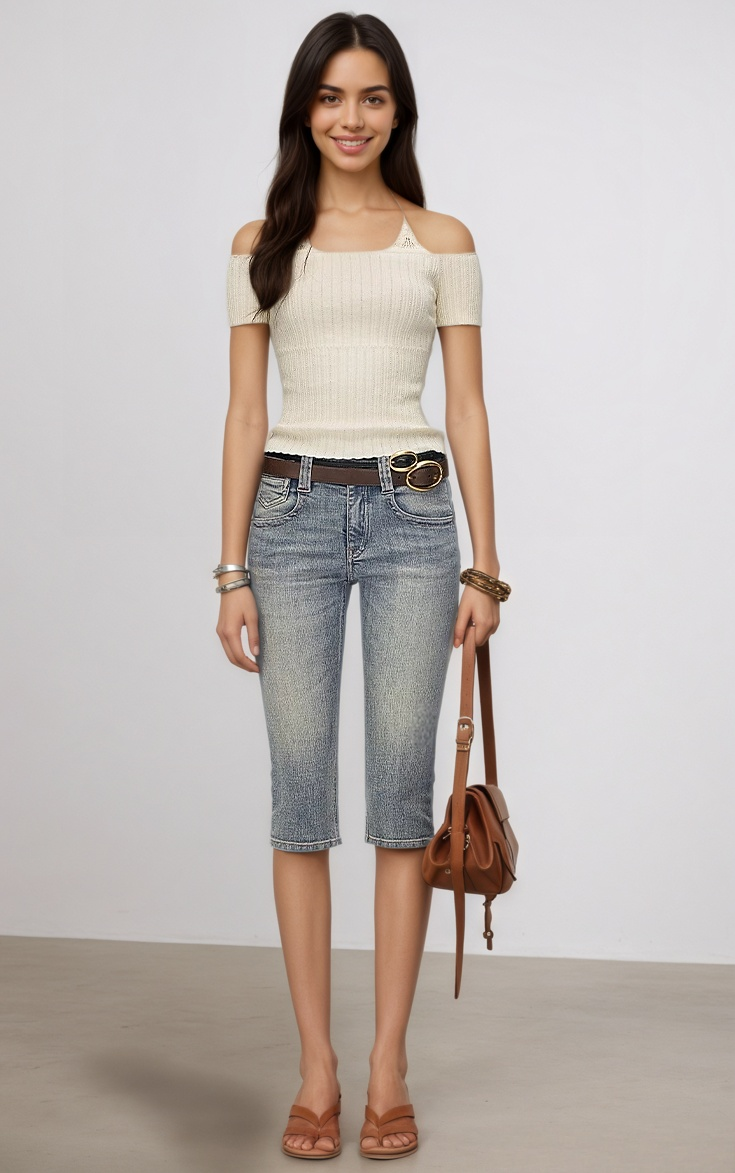
Technical Development Support
Bring a tech pack, sketch, reference short or product concept. Our development team reviews construction feasibility, recommends performance fabrics and trims, creates patterns and prototypes, and resolves technical details before your custom running shorts move into approved production.
- Fabric, mesh, liner and pocket recommendations
- Pattern making, prototypes and fit revisions
- Specification review for scalable construction

Integrated Branding and Finishing
Keep decoration, finishing and private-label details coordinated within one manufacturing supply chain. JUNSHEEN can apply logo printing, embroidery, reflective details, custom drawcords, labels, hang tags and branded packaging to support a cohesive running-short collection.
- Screen print, heat transfer and embroidery options
- Reflective trims and performance-oriented details
- Custom labels, tags and retail-ready packaging

Repeatable Bulk Production
For launch capsules and growing replenishment programs, JUNSHEEN retains approved patterns, graded size sets and material records to improve repeat-order consistency. With 200+ skilled workers and 80,000+ monthly units of capacity, we scale custom running shorts from 100 units per style and color.
- Low MOQ from 100 units per style/color
- In-line measurement, construction and decoration checks
- Global export support for ongoing programs
Why Choose JUNSHEEN for Custom Running Shorts?
Compare the development, fit, production and export support behind a more dependable running-shorts program.
← 左右滑动查看 →
Custom Running Shorts Production, From Brief to Shipment
A controlled OEM workflow that moves your running shorts program from feasibility review to export-ready delivery.
Review Specs and Feasibility
Our team reviews your tech pack, reference garment, target price, size range, fabric needs, decoration, and 100-unit MOQ requirements before development begins.
Source Performance Materials
We recommend performance knits, stretch fabrics, mesh, liners, trims, and color options based on hand feel, mobility, durability, wash performance, and target market.
Develop Patterns and Samples
Pattern makers build and grade fit-focused XS–3XL running shorts, then produce prototypes and size sets for measurement, movement, construction, and approval review.
Cut, Decorate, and Assemble
Approved materials move into cutting and sewing, with in-house printing, embroidery, reflective details, labels, and finishing applied to your confirmed production specifications.
Inspect, Pack, and Ship
Quality teams inspect fabric, construction, measurements, fit, decoration, and packed goods before branded packaging, export documentation, and coordinated global shipment.
Start Your Custom Running Shorts Project
Move from concept to approved production with a clear, fit-focused development path.
Send Your Design Brief
Share a tech pack, sketch, reference garment, mood board, target quantities, and required sizes for your custom running shorts program.
Review Feasibility Together
Our OEM team reviews construction, performance fabric options, decoration, fit requirements, and 100-unit MOQ feasibility before recommending production-ready adjustments.
Confirm Your Quotation
Receive a clear quotation covering materials, trims, labeling, sampling, lead time, and scalable bulk production based on your approved specifications.
Approve Development Samples
Review prototype samples, measurements, grading, print or embroidery, and performance details; refine the fit through XS–3XL size-set approval when needed.
Launch Bulk Production
After pre-production approval, JUNSHEEN manages cutting, manufacturing, quality control, packing, and global export support for dependable delivery.
Custom Clothing Manufacturer Credentials and Compliance Documents



Custom Running Shorts Production Results From JUNSHEEN Clients
JUNSHEEN helped us move from a rough reference short to an approved size set in two sampling rounds. We launched 600 units across three colors, and the revised waistband grading reduced our fit-related customer returns by 18% in the first season.
Our first custom running shorts order was only 100 units per color, but the team treated the development seriously. They matched our stretch woven fabric target, added reflective transfers and private labels, then delivered the bulk order 9 days before our launch event.
After the initial 1,200-unit run sold through, we reordered two new colorways with the same pattern and trim records. JUNSHEEN kept the fit consistent from XS to 3XL, which let us approve the repeat order without restarting development.
Custom Running Shorts FAQ
Clear answers on MOQ, development, lead times, payment, shipping, and confidential production support.
What is the MOQ for custom running shorts?
Can you make custom running shorts from a tech pack or reference sample?
How long does a custom running shorts sample take?
What is the typical bulk lead time after sample approval?
Do you support XS–3XL and plus-size running shorts development?
What payment terms do you offer for OEM apparel orders?
Can JUNSHEEN ship custom running shorts internationally?
How do you protect my designs, tech packs, and private-label details?
The Complete Buyer’s Guide to custom running shorts
Use this decision framework to select silhouettes, fabrics, construction, branding methods, and reliable OEM suppliers for custom running shorts—while avoiding costly sampling, fit, pricing, and production mistakes.
1. What Are custom running shorts?
100 units per style and color can be a practical starting point for custom running shorts developed as an OEM or private-label product, rather than a logo applied to a purchased blank. OEM development defines the garment itself: fabric, weight, liner system, pocket layout, rise, inseam, grading, trims, labels, packaging, and repeatable production standards. 5 buyer decisions shape the brief before sampling: the runner and use case, required performance, silhouette, brand expression, and production specification. A road-racing short may prioritize low weight and bonded storage, while a trail or training short may require abrasion resistance, secure pockets, a liner, reflective details, or a looser 5-inch to 7-inch inseam; Pantone color references and decoration placement should be specified alongside these choices. 1 detailed tech pack turns the concept into measurable instructions, including fabric composition and GSM, finished garment measurements, tolerances, stitch and seam requirements, artwork files, label copy, and packaging. An approved sample is the bulk-production reference: it confirms fit, hand feel, construction, print or embroidery quality, and wash performance before fabric is committed, reducing costly revisions and inconsistent reorders.
2. Evolution of Running Shorts
1920s track uniforms were simple woven separates: short inseams, elastic waists, and little more than freedom of movement. Postwar recreational running expanded the market, while 1970s road-race culture made contrast piping, split hems, and club colors recognizable athletic codes that still suit heritage-inspired collections. 1970s synthetic yarns accelerated the shift from heavier cotton drill toward nylon and polyester shells that dried faster and held their shape better. By the 1990s, lightweight 2-inch to 7-inch inseams, mesh briefs, compression liners, zip pockets, and reflective trims supported race-focused designs built around reduced bulk, secure carry, and low-light visibility. 2000s performance running broadened fit expectations beyond the traditional short split racer: relaxed 5-inch to 7-inch silhouettes, stretch-woven shells, and liner systems became common for daily training. For custom running shorts, source a heritage direction when visual nostalgia matters, a race direction when gram weight and minimal construction lead, or a lifestyle-led direction when coverage, pockets, and everyday styling carry equal weight. 2020s athleisure has kept technical shorts in rotation beyond the run, increasing demand for matte finishes, restrained branding, and silhouettes that work with tees or overshirts. A clear positioning brief should therefore lock inseam, liner type, visibility treatment, and intended wear context before pattern development and material selection begin.
3. Types of custom running shorts
A balanced custom running shorts range separates race-day minimalism from coverage, storage, and everyday styling. Build the assortment around intended run duration and customer modesty expectations, then keep each silhouette’s purpose clear at retail.
| Type | Typical Inseam | Target User | Storage | Range Role |
|---|---|---|---|---|
| Split | 3–5 in | Racer | Key pocket | Fast core |
| 2-in-1 | 5–7 in | Daily runner | Liner phone pocket | Versatile hero |
| Lined | 3–7 in | Minimal runner | Key pocket | Entry performance |
| Compression | 7–9 in | Trainer | Thigh pockets | Coverage option |
| Trail | 5–7 in | Distance runner | 2–5 pockets | Technical premium |
| Lifestyle | 5–9 in | Athleisure buyer | Hand pockets | Volume driver |
Race-Day Split Shorts
3–5 inch split shorts suit road racers who prioritize unrestricted stride and low weight. Their exposed side split limits phone storage, so one rear zip pocket or internal key pocket is usually enough.
Two-In-One And Lined
5–7 inch 2-in-1 and lined shorts serve runners wanting outer-shell mobility with greater coverage. A fitted inner liner can carry a phone pocket, while brief-lined styles remain a lighter core running offer.
Compression And Trail
7–9 inch compression shorts target training, layering, and anti-chafe coverage, with thigh pockets as a selling point. Trail shorts need more secure storage—typically two to five pockets—for gels, phone, and small essentials.
Relaxed Lifestyle Shorts
5–9 inch relaxed lifestyle running shorts bridge warm-up, recovery, and casual wear. Their looser leg and fuller pockets broaden merchandising beyond dedicated runners, but should not replace performance-specific silhouettes.
4. Fabrics for custom running shorts
90–160 GSM is the practical starting range for custom running shorts: lighter fabrics dry faster, while denser constructions improve coverage and durability. Choose the shell and liner together, because moisture handling, opacity, recovery, and cost are determined by the full system.
| Fabric System | Best Use | Performance Trade-Off | Relative Cost |
|---|---|---|---|
| Polyester micro-woven | Hot-weather 5K | Light, quick-dry; moderate abrasion | Low |
| Recycled polyester knit | Road training | Soft moisture management; verify opacity | Low–medium |
| Nylon-elastane woven | Trail and long runs | High abrasion and stretch; heavier | Medium–high |
| Perforated stretch woven | Race shorts | Ventilated; less wind protection | Medium |
| Mesh or tricot liner | Support and airflow | Low bulk; test wet comfort | Low–medium |
Fiber And Construction

100% polyester is usually the lowest-cost quick-dry option, but recycled polyester can deliver comparable performance when the yarn, knit, and finishing are specified clearly. A 90–120 GSM interlock or plain weave suits warm-weather speed pieces; 120–160 GSM woven stretch gives better opacity. Nylon generally offers stronger abrasion resistance and a smoother hand than polyester, making it useful for trail or premium shorts. Add 8–15% elastane for four-way recovery; excessive elastane raises cost and can reduce long-term chlorine and heat resistance.
Liners, Climate, And Distance

80–120 GSM polyester or nylon tricot liners work for brief-style support, while lightweight power mesh improves ventilation without adding much bulk. Test wet opacity and seam comfort on the liner, especially for pale shell colors. 5K and hot-climate shorts favor 90–120 GSM perforated or micro-woven shells. Half-marathon and trail programs benefit from 120–160 GSM stretch woven fabric, durable nylon content, and a liner selected for longer friction exposure.
- Specify GSM after wash, not only greige weight.
- Confirm knit, plain weave, ripstop, or perforation.
- Request wet-opacity and stretch-recovery tests.
Sampling Selection Checks
3-yard fabric swatches can reveal hand feel, but a sewn sample is needed to assess pocket sag, liner show-through, and recovery after laundering. Review shell weight with the intended print, reflective transfer, and pocket load before bulk approval.
5. Customization Options for custom running shorts
Pantone-approved colorways, contrast panels, and custom waistband trims should be locked before the sample stage. For 100-unit-per-style-and-color programs, map every logo and trim to areas that retain stretch and airflow.
| Method | Best Placement | Hand Feel | Wash Durability | Minimum And Artwork Limits |
|---|---|---|---|---|
| Sublimation | Full polyester shell | Zero added hand | Excellent | 100-unit garment MOQ; artwork follows panel seams |
| Screen print | Hem or stable thigh panel | Soft to medium | Good when cured | Color separations and large solid areas limit breathability |
| Heat transfer | Small logos, reflective marks | Light film | Good with correct application | Fine detail works; avoid high-stretch zones |
| Embroidery | Waistband patch or non-stretch panel | Textured | Excellent | Simplify tiny lettering; avoid liner-facing areas |
Performance Decoration Choices

All-over sublimation suits polyester performance knits because dye becomes part of the fabric and leaves no added hand. Screen print and heat transfer work best on stable panels, away from high-stretch side seams and perforated zones.
- Use reflective transfers on rear hems or side panels.
- Reserve embroidery for lightweight chest-free areas or non-stretch waistband patches.
- Keep large solid ink areas off inner liners and ventilation panels.
Placement And Artwork Matrix
Three decoration routes produce distinctly different running-short performance. Submit vector artwork, Pantone references, and exact placement dimensions before sampling.
Labels, Pockets, And Packaging

Woven main, size, and wash-care labels create a premium private-label finish without adding bulk to the running surface. Pocket choice matters: zippered rear pockets secure essentials, while side phone pockets need stretch recovery testing. Custom mailers, hang tags, drawcords, and branded polybags should be approved alongside bulk trims. 10 mm placement shifts can change perceived balance, so confirm label and reflective-detail positions on the fit sample.
- Specify waistband elastic width and drawcord color.
- Use soft-edge woven labels to prevent chafing.
- Request packaging artwork with barcode and country-of-origin requirements.
6. Construction Details That Signal Quality
Construction quality is felt within the first kilometer: it controls chafing, bounce, pocket stability, and how reliably a fit repeats across sizes. For custom running shorts, approve the pattern and stress points before committing bulk fabric or decoration.
Pattern, Rise, And Inseam

3–5 inch inseams suit speed-focused silhouettes, while 5–7 inches offer more coverage; rise must be tested in stride, not only standing. Grade the front and back rise separately so larger sizes retain mobility without an overlong crotch. 1 gusset or shaped crotch panel reduces seam pressure at the inner thigh. Request a size set and confirm hem sweep, leg opening, and waistband position on at least three body types.
Waistband And Liner Engineering

25–40 mm elastic should recover after repeated extension without twisting or rolling. A securely anchored drawcord, preferably routed through reinforced eyelets, lets runners fine-tune hold without concentrating pressure. 1 liner attachment must remain smooth at the waistband and leg openings; loose edges can migrate during use. Check liner stretch, opacity when wet, and attachment stitching after washing.
Seams, Hems, And Pockets

Flatlock seams minimize bulk on high-friction zones, while coverstitching gives a clean, elastic hem. Specify soft thread and seam placement away from the inner-thigh rub line. 2 bartacks at each pocket opening or zipper end help resist pull-out. Pocket bags should hold a phone without bouncing; test zipper pull, key loop, and any reflective transfer for secure adhesion.
- Inspect bartacks at pocket corners and drawcord exits
- Check hem stretch returns without popped stitches
- Confirm reflective trims remain visible after laundering
Approval Tests Before Bulk
10–20 wash-and-wear cycles expose elastic roll, liner distortion, seam puckering, and print or reflective failure earlier than a single fitting. Measure waistband, inseam, rise, and leg opening before and after testing against approved tolerances. 100% of pre-production samples should receive a running, squat, lunge, and phone-pocket retention test. Junsheen can align incoming-material, in-line construction, measurement, decoration, and final packed-goods inspections to the approved sample.
7. Choosing a custom running shorts Manufacturer
100-unit starting programs make supplier selection more than a price comparison. Assess whether a manufacturer can convert a running-shorts brief into controlled specifications, approved samples, repeatable bulk quality, and export-ready delivery.
Technical Development And Materials
1 complete tech pack should trigger questions on inseam, rise, liner construction, pocket dimensions, stretch recovery, Pantone colors, and reflective placement. Ask for fabric composition, GSM, test records, and traceable supplier documentation; vague specifications or unverified materials are red flags.
- Request graded measurement charts through the intended size range
- Confirm fabric weight, stretch, pilling, and wash-performance targets
- Ask whether pattern revisions are documented after each sample
Sampling And Quality Control
2 sample rounds are common when fit, liner behavior, or decoration needs refinement. Require written approval points for measurements, workmanship, print or embroidery, wash results, and final packing; a supplier that skips revisions cannot reliably reproduce the approved standard.
- Pre-production sample signed before bulk cutting
- In-line measurement and construction inspections
- Final packed-goods audit against approved sample
Capacity, MOQ, And Timing
100 units per style and color can suit a capsule launch, but MOQ flexibility must not weaken material control. Ask for a dated critical path covering fabric booking, lab dips, sampling, bulk production, inspection, and freight handoff; unrealistic delivery promises often hide unavailable capacity.
Communication And Export Support
24-hour response expectations and one accountable contact reduce preventable approval delays. Confirm English-language documents, compliance records such as OEKO-TEX, GOTS, WRAP, or BSCI when required, payment milestones, carton marks, customs paperwork, and shipping options before placing a deposit.
8. Common Sourcing Mistakes to Avoid
Six preventable specification gaps cause most costly revisions in custom running shorts programs. Treat each approval as a production control: define performance, fit, decoration, and inspection requirements before fabric is committed.
Specify Performance, Not Appearance
120–150 GSM polyester may look suitable on a swatch yet differ sharply in opacity, recovery, and moisture handling. Appearance-only selection can create see-through light colors or bagging after wear. 3–5 meter trials should test stretch, wet opacity, pilling, and wash shrinkage before approval. Record fiber content, GSM tolerance, stretch direction, and color standard in the purchase specification.
Lock Down Liner And Pockets
2-in-1 shorts need explicit liner length, inseam, fabric weight, and leg-opening grip requirements. Omitting them can produce chafing, liner ride-up, or inadequate phone retention. 2 pocket drawings should state placement, opening width, closure, and maximum device size. Approve a wear sample with the intended phone and keys, not only a flat measurement sheet.
Test Artwork Under Stretch

1 approved logo can crack or distort when a print crosses a high-stretch panel. Silicone, DTF, and screen-print systems respond differently to elongation and heat. 20 stretch-and-release cycles on the actual fabric provide a practical pre-production screen. Request a strike-off, test it after laundering, and specify acceptable cracking or edge lift.
Control Fit, Cost, And Quality
XS–3XL grading cannot be validated by one base-size sample. Skipping a graded size set increases returns when rise, thigh circumference, or waistband tension changes disproportionately. 100-unit programs also need a written AQL, measurement tolerance, decoration placement tolerance, and defect definition. Budget embroidery, reflective transfers, and multi-color prints separately; otherwise quotations can rise after artwork approval.
9. Launching Your custom running shorts Line
A 100-unit-per-style-and-color starting point lets a new custom running shorts program test one focused customer, retail price, and margin target before scaling. Set the product brief before fabric or decoration decisions lock cost and delivery.
Set The Product Brief
One defined runner profile—race-focused, trail, gym, or lifestyle—should determine inseam, liner, pocket layout, and retail position. Assign one brand owner to approve the silhouette, target landed cost, and color count. Three core colorways usually create clearer launch photography and simpler inventory than a broad first drop. Record every approved choice in a dated product brief so design changes do not become production assumptions.
- Customer and price owner: brand team
- Silhouette and feature owner: product developer
- Cost feasibility owner: manufacturer
Build And Approve Samples
A complete tech pack should specify measurements, graded size chart, fabric weight, Pantone colors, stitch details, labels, artwork placement, and packaging. Submit vector artwork such as AI, EPS, or editable PDF rather than relying on a screen image. One fit sample and one revised sample are common approval gates; document every correction against the measurement spec. Confirm XS–3XL grading, rise, leg opening, and liner mobility on the intended body range before bulk authorization.
Release Bulk And Launch Assets
A signed pre-production sample should match approved bulk fabric, trims, print or embroidery, labels, and packing method. Do not release production until the brand owner approves that physical reference and the final purchase order. During bulk production, arrange in-line and final inspections for measurements, construction, decoration, and packed quantities. Photograph the approved sample, colorways, fit details, and packaging early enough to build product pages, size guidance, and launch ads before shipment.
- Approve pre-production materials
- Confirm inspection standard
- Prepare ecommerce and campaign assets
10. custom running shorts Pricing and MOQ
100 units per style and color is JUNSHEEN’s practical starting point for a capsule program; price moves most with fabric weight, liner construction, pocket count, decoration, private labels, packaging, and destination freight. The ranges below are planning figures for OEM custom running shorts, not a binding quotation. 15–35 days is a typical bulk-production window after sample, material, and pre-production approval; development adds time for pattern work, sourcing, and revisions. A final landed-cost quote needs the tech pack, Pantone colors, size ratio, fabric composition and GSM, liner specification, decoration artwork, packaging requirements, Incoterm, and delivery country.
| Quantity tier | Indicative ex-factory unit price | Typical timing | Main cost drivers |
|---|---|---|---|
| 100–299 units | US$8.50–16.00 | Sample 10–20 days; bulk 25–35 days | Custom pattern, 120–160 GSM shell, brief liner, one print, basic labels |
| 300–999 units | US$6.80–12.50 | Bulk 20–30 days | Fabric yield improves; zip pockets, bonded hems, reflective trim, or two-color printing add cost |
| 1,000–2,999 units | US$5.50–10.00 | Bulk 20–30 days | Shared fabric buys reduce cost; compression liner, laser perforation, embroidery, and branded packaging increase it |
| 3,000+ units | US$4.80–8.50 | Bulk 25–40 days | Scale supports lower cutting and trim costs; air freight, duties, and destination handling determine landed cost |
Start Your Custom Running Shorts Project
Send your tech pack, reference garment, or product idea to JUNSHEEN for fit-focused development, 100-unit MOQs, and a clear OEM quote.